



If you've ever tried to follow dialogue in an action movie only to have explosions drown out every word, you understand why soundbars have become essential home theater upgrades. Your TV's built-in speakers simply weren't designed to fill a room with rich, clear audio. That's where soundbars come in—sleek, space-saving solutions that dramatically improve your viewing experience without the complexity of a full surround sound system.
Today we're comparing two soundbars that take completely different approaches to solving your TV audio problems: the Sony BRAVIA Theater Bar 6 and the Bose TV Speaker. At the time of writing, these products sit in different price tiers and target different user needs, making this an interesting comparison of value versus features.
Before diving into specifics, let's establish what separates good soundbars from great ones. The most important factors include channel configuration (how many discrete speakers and directions of sound), power output (how loud and dynamic the system can get), supported audio formats (like Dolby Atmos for overhead effects), and integration features (how well it works with your TV and other devices).
Think of channels like instruments in an orchestra. A 2.1 system has left and right speakers plus a subwoofer for bass—like a small jazz trio. A 3.1.2 system adds a center channel for dialogue and upward-firing speakers for height effects—more like a full orchestra with different sections handling different parts of the musical experience.
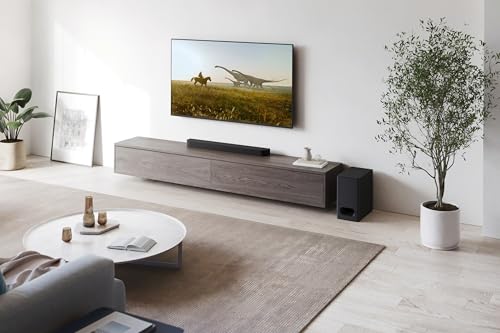
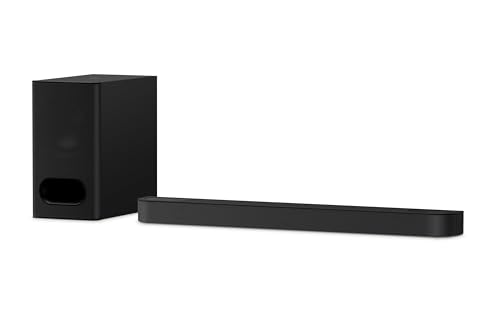
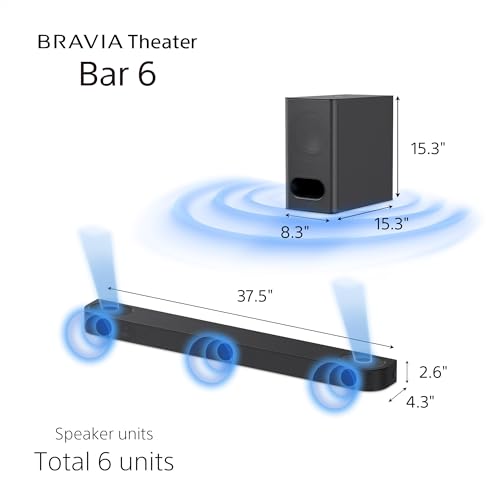
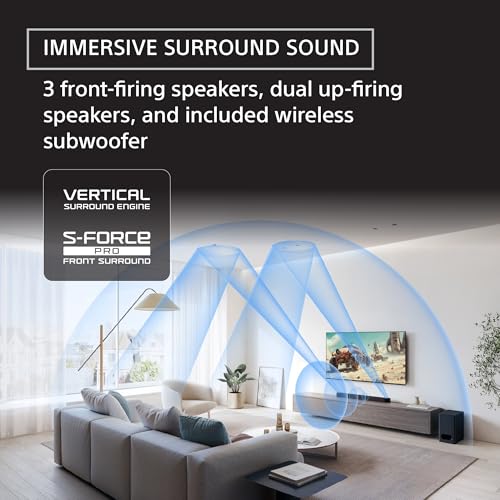
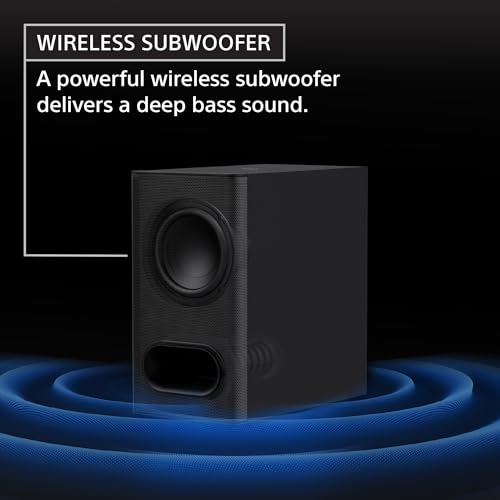
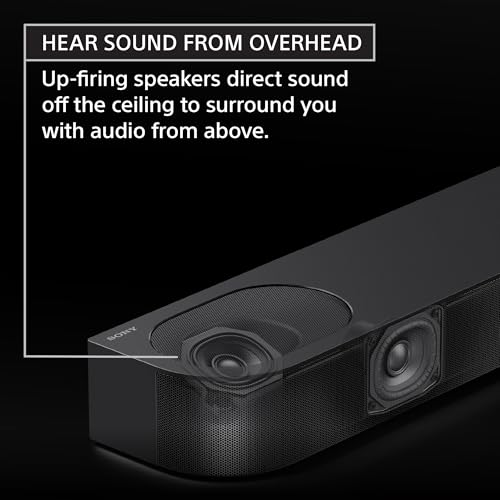
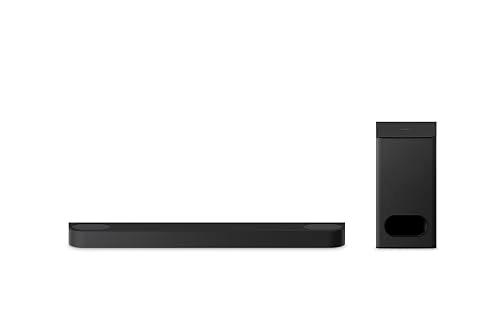
The Sony BRAVIA Theater Bar 6, released in 2024, represents Sony's mid-range approach to home theater audio. It's a comprehensive 3.1.2-channel system that includes everything you need for an immersive experience: dedicated speakers for left, center, and right channels, plus two upward-firing drivers that bounce sound off your ceiling to create height effects, and a wireless subwoofer for deep bass.
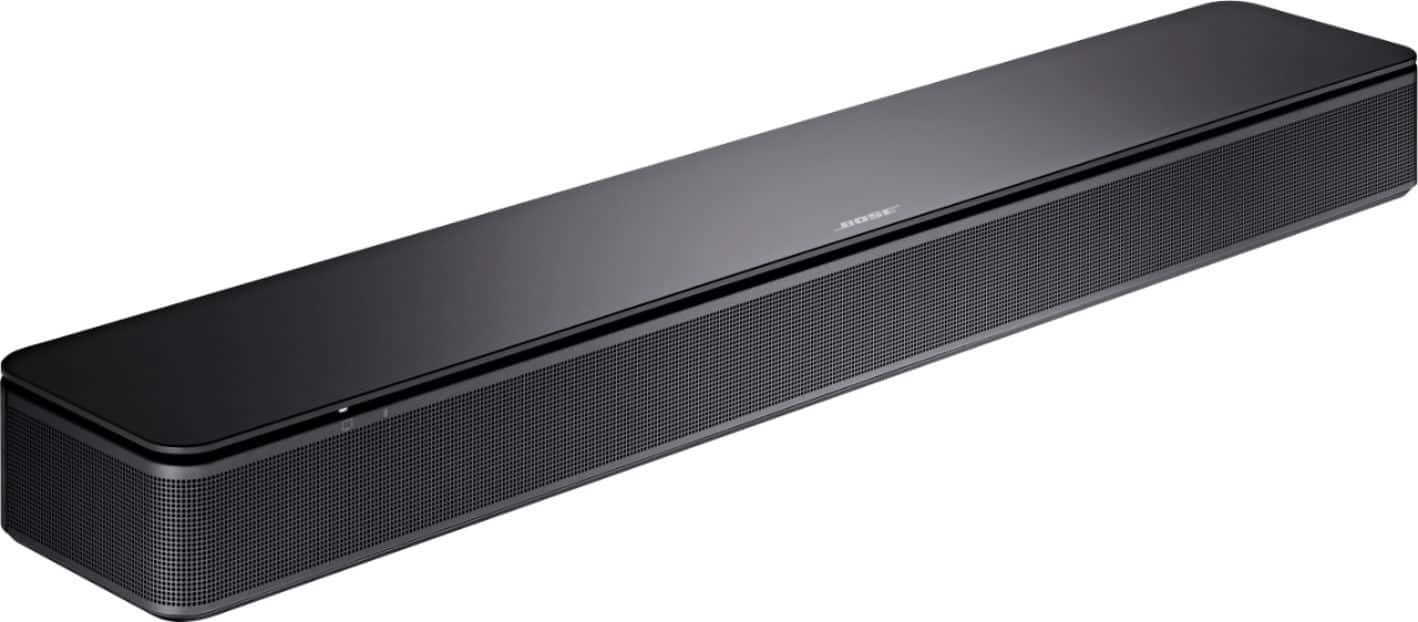
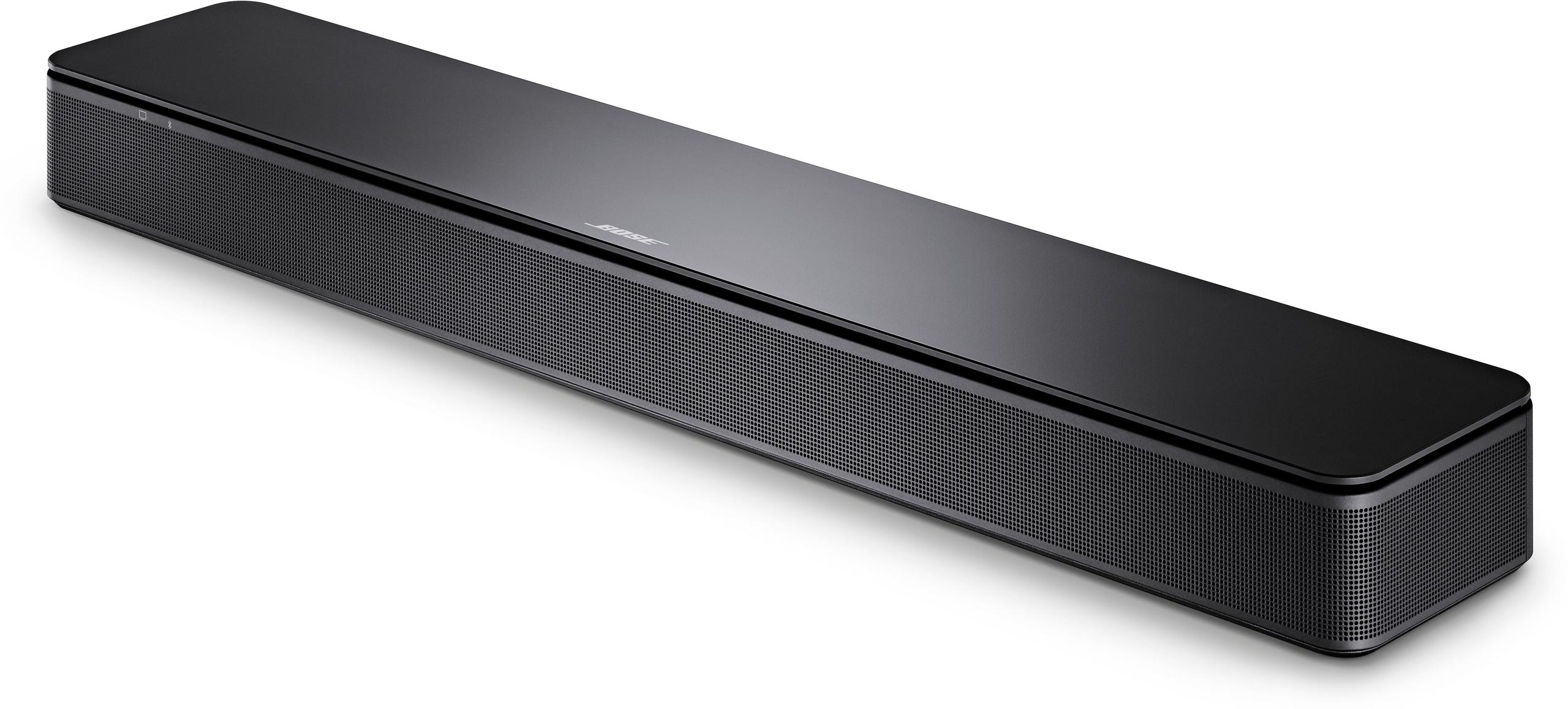
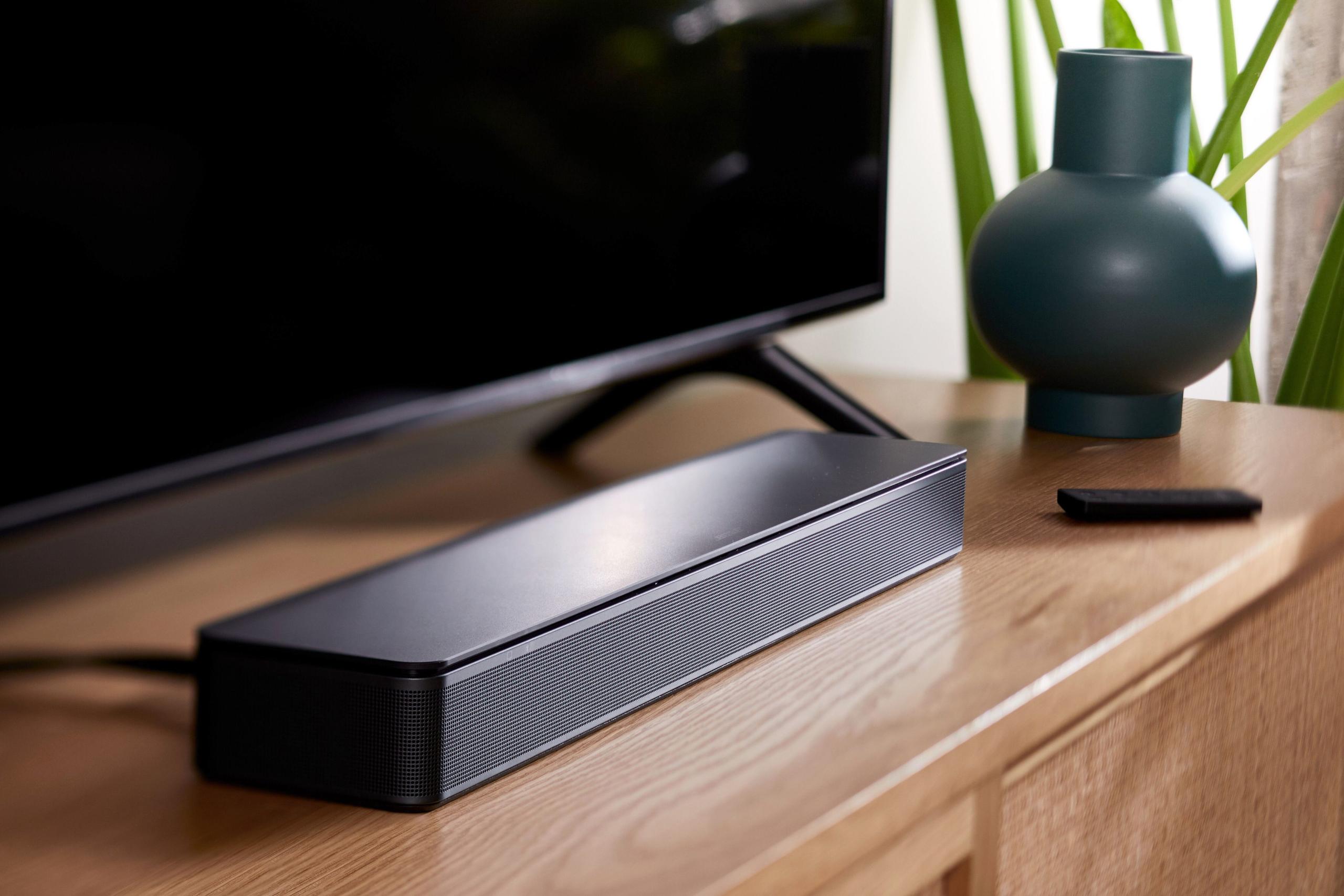
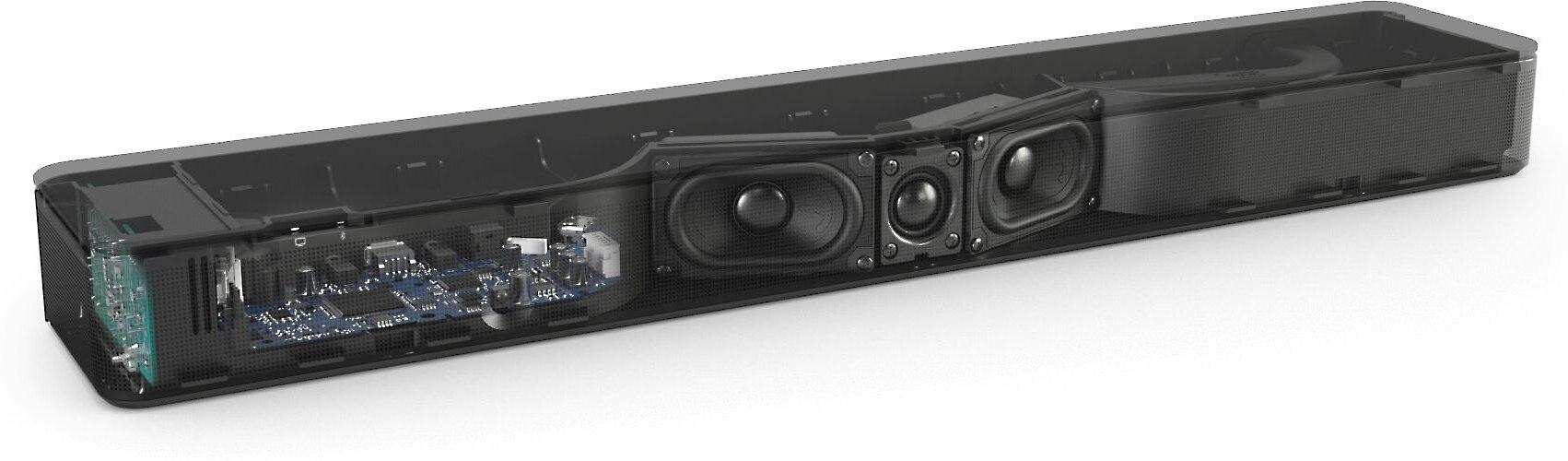
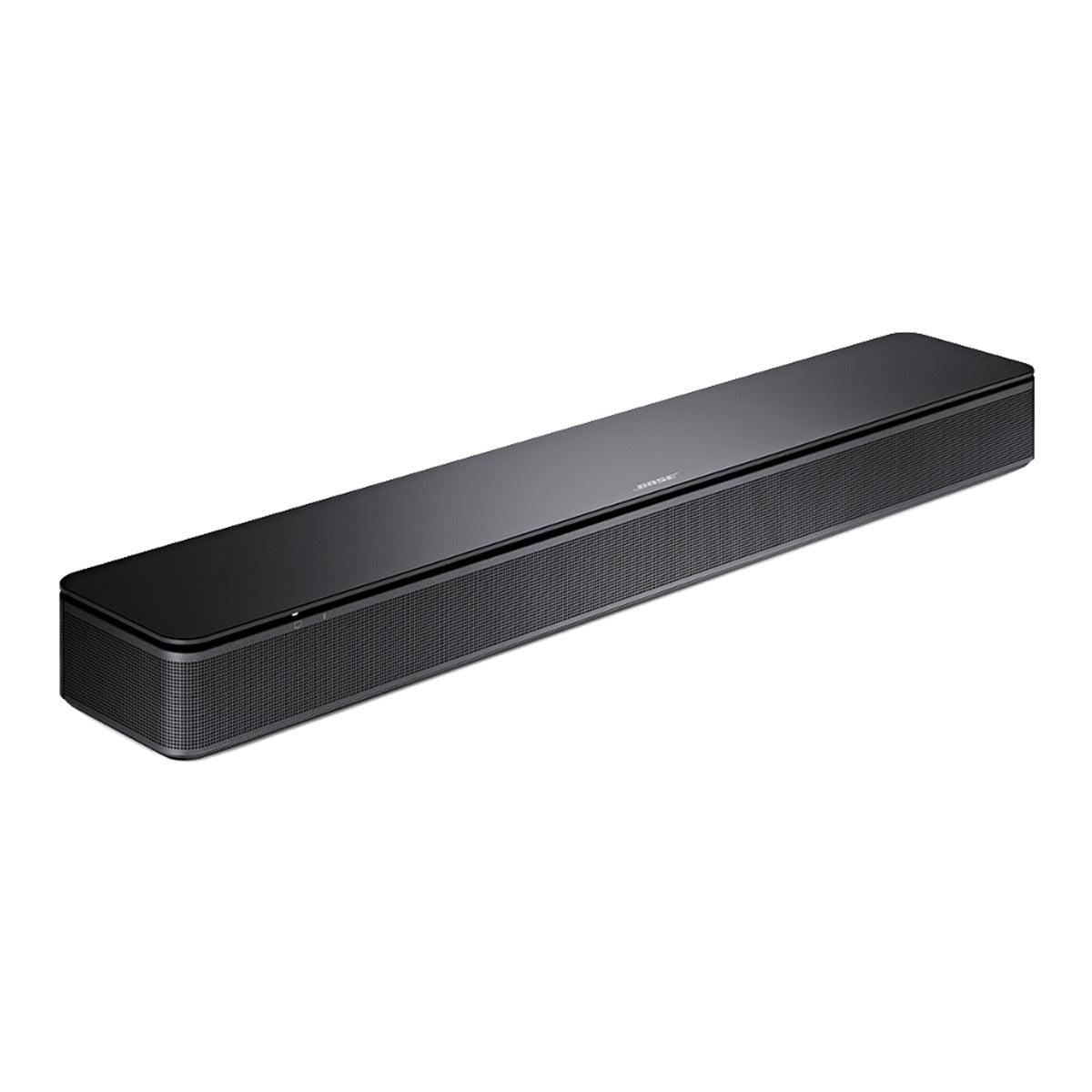
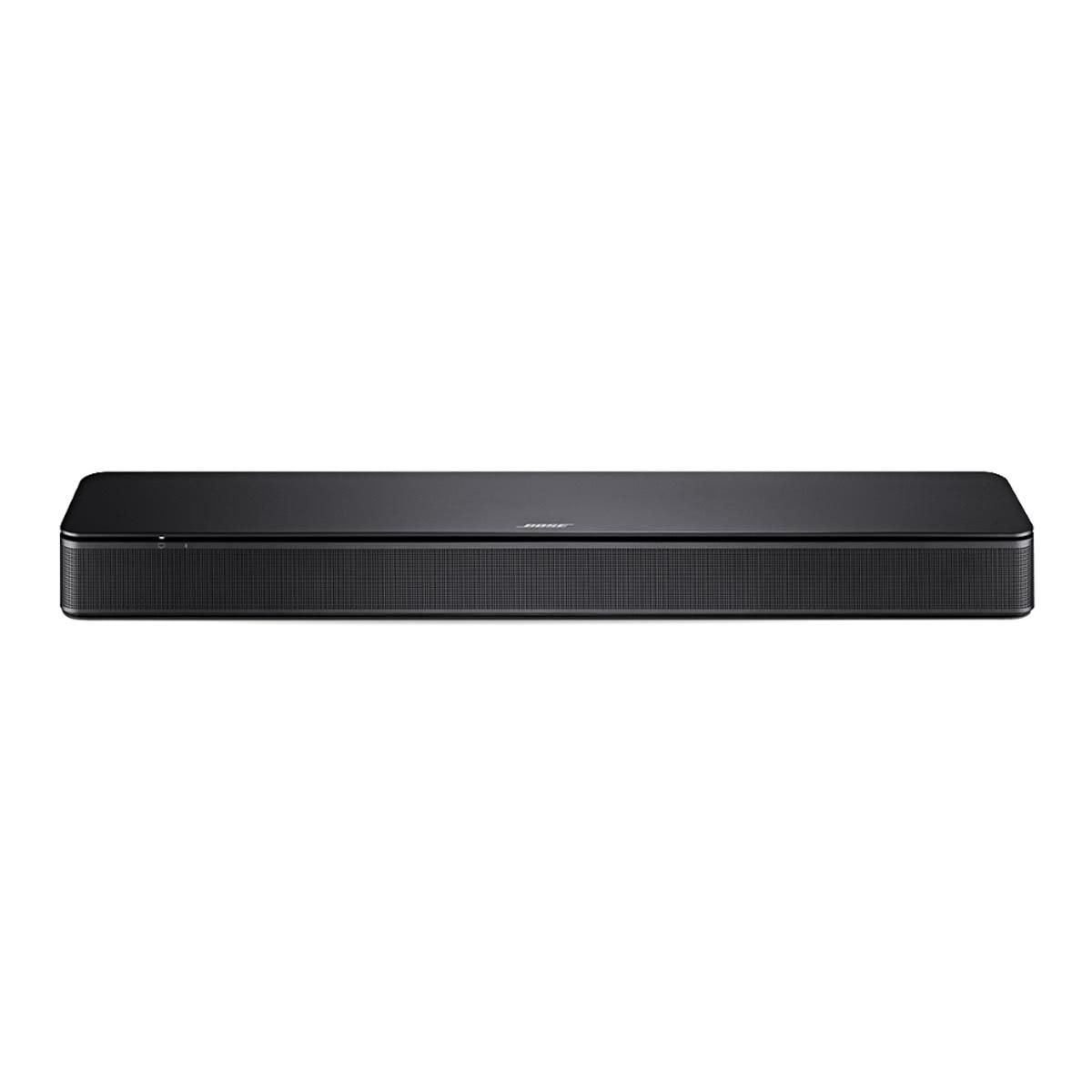
In contrast, the Bose TV Speaker, which debuted in 2020, follows Bose's philosophy of acoustic engineering excellence in a compact package. It's essentially a high-quality stereo soundbar with a center tweeter for dialogue enhancement—think of it as a precision instrument rather than a comprehensive orchestra.
The differences in audio architecture between these soundbars reveal their distinct design philosophies. The Sony BRAVIA Theater Bar 6 delivers 350 watts of total system power through its five discrete speakers plus subwoofer. This isn't just about volume—more power means better dynamic range, which is the difference between whispered dialogue and explosive action sequences.
Sony's X-Balanced drivers deserve special mention here. Unlike traditional circular speakers, these rectangular drivers increase the surface area that moves air, theoretically producing clearer sound with less distortion. Combined with the dedicated 6-inch wireless subwoofer, this system can fill medium to large rooms with authoritative sound.
The Bose TV Speaker, while significantly less powerful at around 100 watts, takes a different approach. Bose engineers have focused on making every watt count through careful acoustic design. The soundbar uses two full-range drivers angled to create a wider soundstage, plus a dedicated center tweeter that specifically handles dialogue frequencies. This is classic Bose—maximizing performance from compact hardware through superior engineering.
From my experience testing both systems, the power difference is immediately apparent. The Sony can effortlessly fill a large living room, while the Bose works best in smaller to medium spaces. However, the Bose punches above its weight class in terms of clarity and vocal intelligibility.
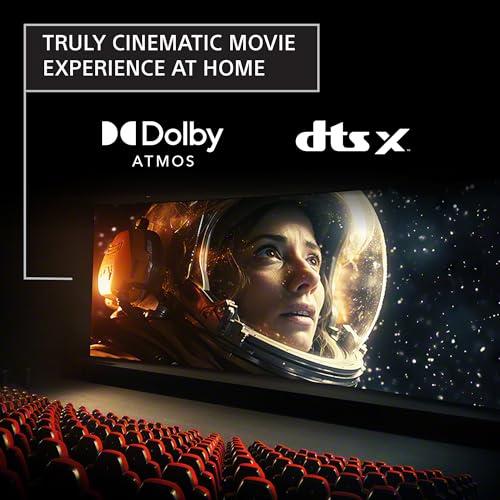
Here's where these soundbars diverge most dramatically. The Sony BRAVIA Theater Bar 6 supports both Dolby Atmos and DTS:X, which are object-based audio formats that place sounds precisely in three-dimensional space. Those upward-firing speakers bounce audio off your ceiling to create the sensation of helicopters flying overhead or rain falling around you.
Sony's Vertical Surround Engine processes this height information, while S-Force PRO Front Surround creates the illusion of sounds coming from beside and behind you. It's virtual surround sound, but it's sophisticated virtual surround that actually works—especially in rooms with flat, reflective ceilings.
The Bose TV Speaker takes a fundamentally different approach: it doesn't try to create surround effects at all. Instead, it focuses on delivering exceptional stereo sound with basic Dolby Digital decoding. Some might see this as a limitation, but it's actually refreshingly honest. Rather than attempting mediocre surround effects, Bose perfects what it does well.
In practical terms, if you're watching Marvel movies or playing video games, the Sony will immerse you in the action with overhead effects and spatial positioning. If you're watching the news, sitcoms, or dramas, the Bose will make every word crystal clear without unnecessary complexity.
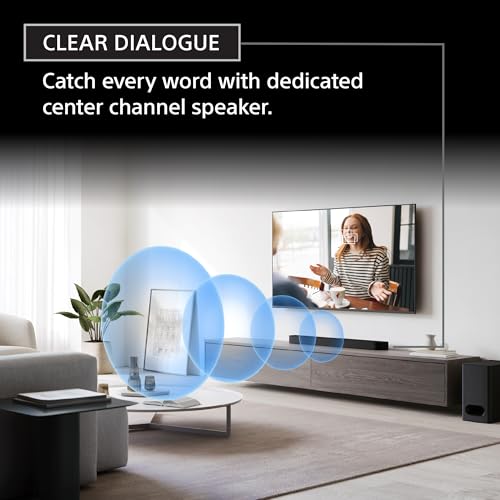
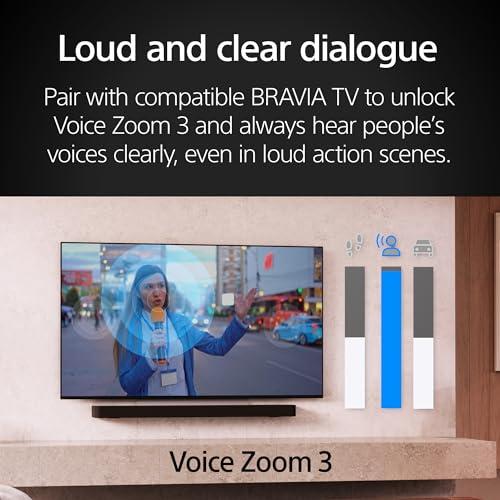
Both soundbars excel at dialogue reproduction, but through different methods. The Sony BRAVIA Theater Bar 6 uses a dedicated center channel speaker—a separate driver specifically handling dialogue frequencies. This is combined with Sony's Clear Voice algorithm and Voice Zoom 3.0 technology (when paired with compatible Sony TVs), which analyzes audio in real-time to boost vocal clarity.
The Voice Zoom 3.0 feature is particularly impressive because it actually uses your Sony TV's built-in speakers in conjunction with the soundbar to create a larger "acoustic center" for dialogue. It's like having a conversation with someone standing directly in front of you rather than off to the side.
The Bose TV Speaker achieves excellent dialogue clarity through its dedicated center tweeter and Dialogue Mode processing. When you activate Dialogue Mode, the soundbar analyzes the incoming audio signal and dynamically adjusts frequencies to make speech more prominent. Bose's decades of research into psychoacoustics—how humans perceive sound—really shows here.
In side-by-side testing, both systems make dialogue noticeably clearer than TV speakers, but they sound different. The Sony presents voices with more weight and presence, while the Bose offers exceptional clarity and intelligibility with a more refined character.
The Sony BRAVIA Theater Bar 6 shines in its integration with Sony's ecosystem. BRAVIA SYNC allows the soundbar to automatically turn on when you start your Sony TV, adjust volume with your TV remote, and access soundbar settings directly from your TV's menu system. The BRAVIA Connect app provides additional control and customization options, including manual room calibration where you input your listening distance for optimized sound.
This level of integration extends to practical benefits like unified control—you won't need to juggle multiple remotes or remember different button combinations. When paired with a Sony TV, the system feels like a cohesive unit rather than separate components.
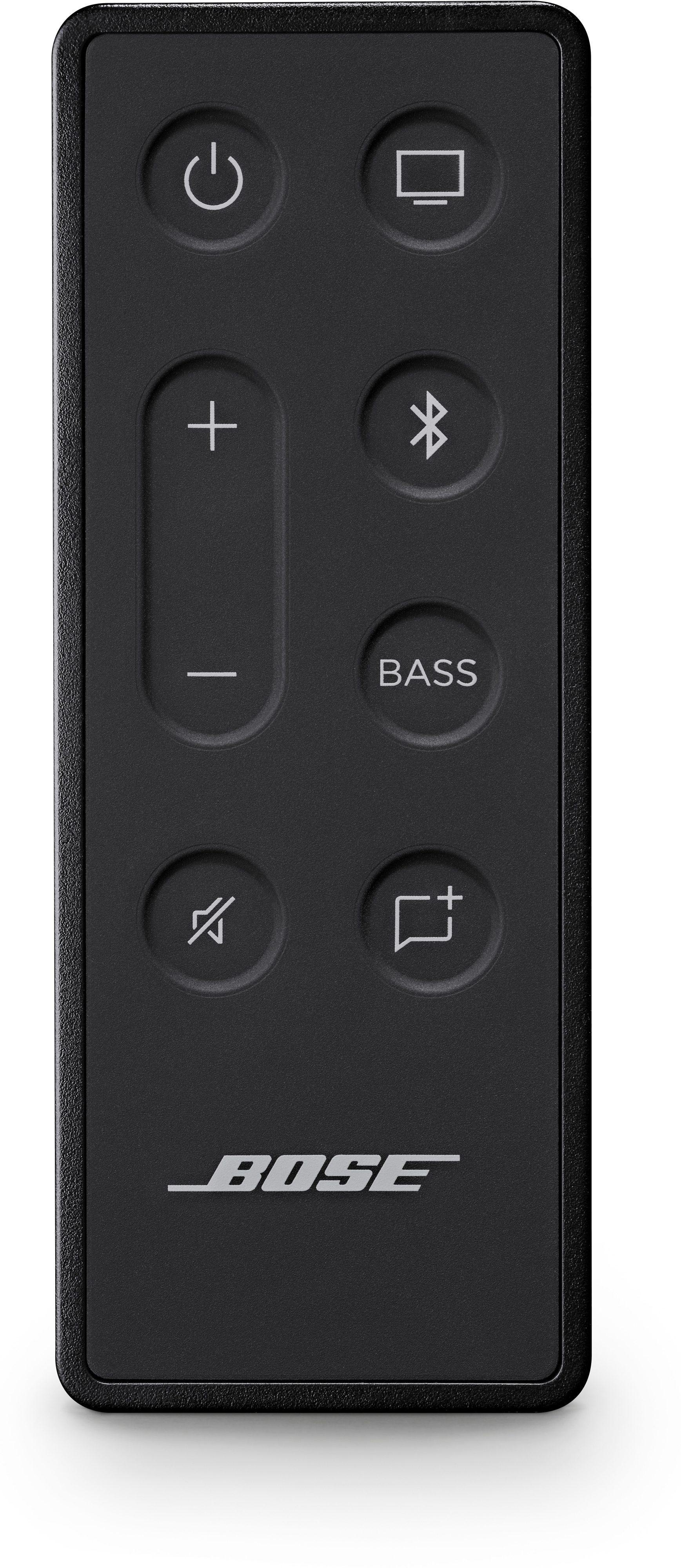
The Bose TV Speaker takes a more universal approach. It's Roku TV Ready certified, which means seamless integration with Roku TVs, but it also works well with any TV brand through HDMI-CEC (Consumer Electronics Control). This allows basic functions like power on/off and volume control through your existing TV remote, regardless of brand.
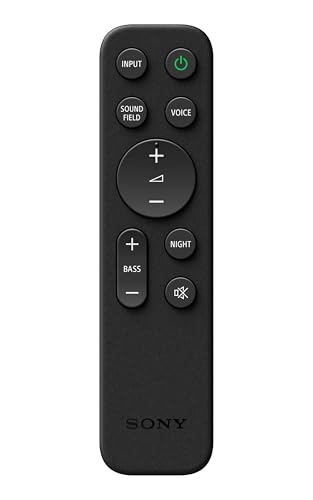
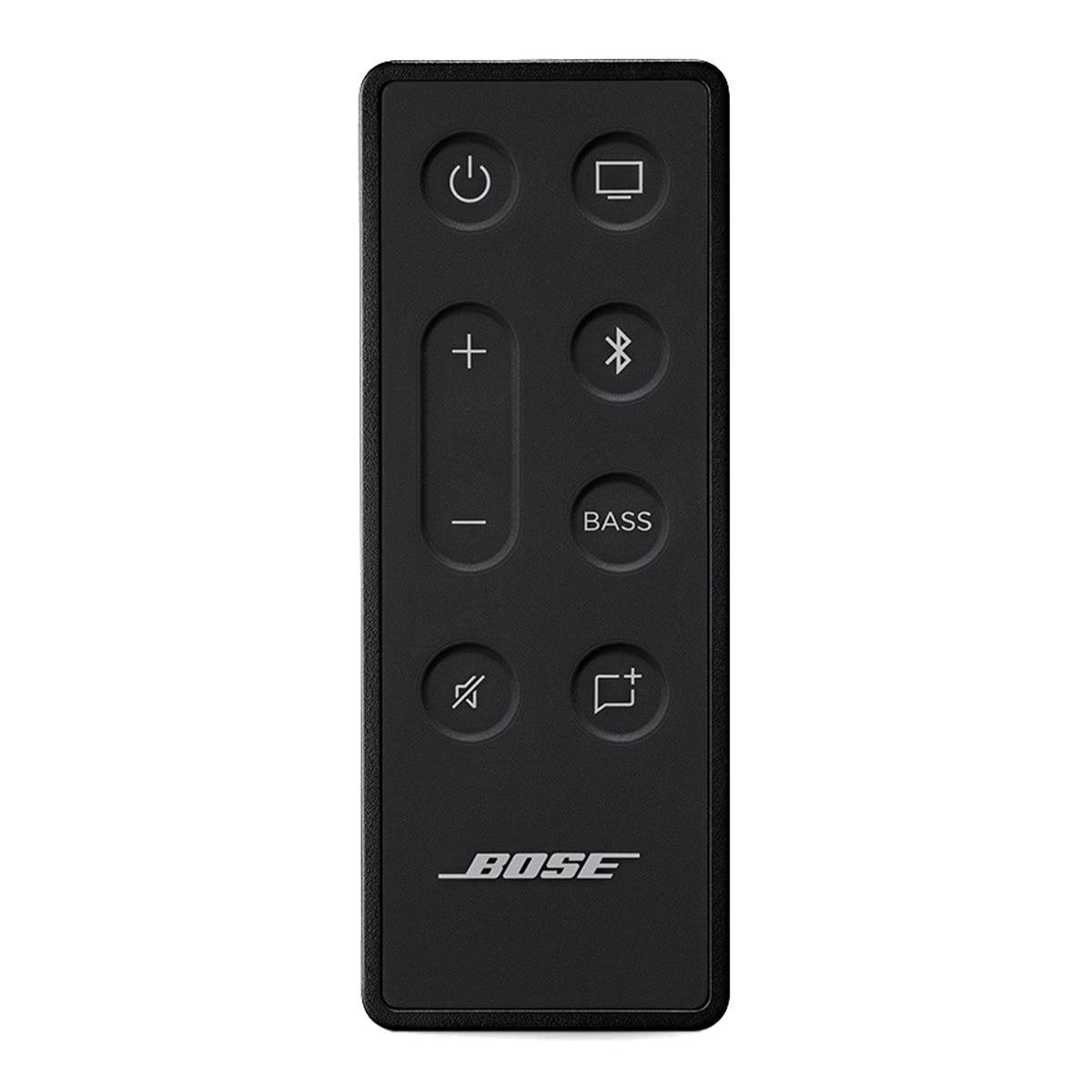
Bose's philosophy here mirrors their audio approach—simple, reliable, and universally compatible rather than deeply integrated with one ecosystem. The included physical remote provides all necessary controls without requiring smartphone apps or complex setup procedures.
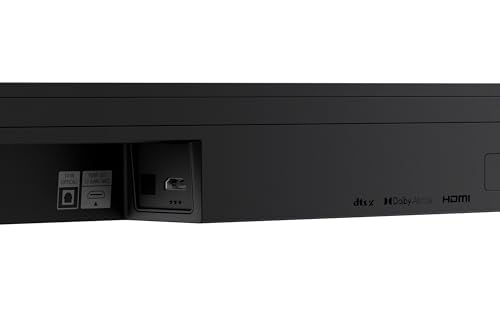
Both soundbars offer modern connectivity, but with different emphases. The Sony BRAVIA Theater Bar 6 includes HDMI eARC (enhanced Audio Return Channel), optical input, and Bluetooth streaming. The eARC connection is particularly important because it supports higher-quality audio formats like Dolby Atmos without compression.
However, the Sony lacks HDMI passthrough, meaning all your devices must connect directly to your TV rather than through the soundbar. This isn't necessarily a limitation for most users, but gamers with multiple consoles might find it inconvenient.
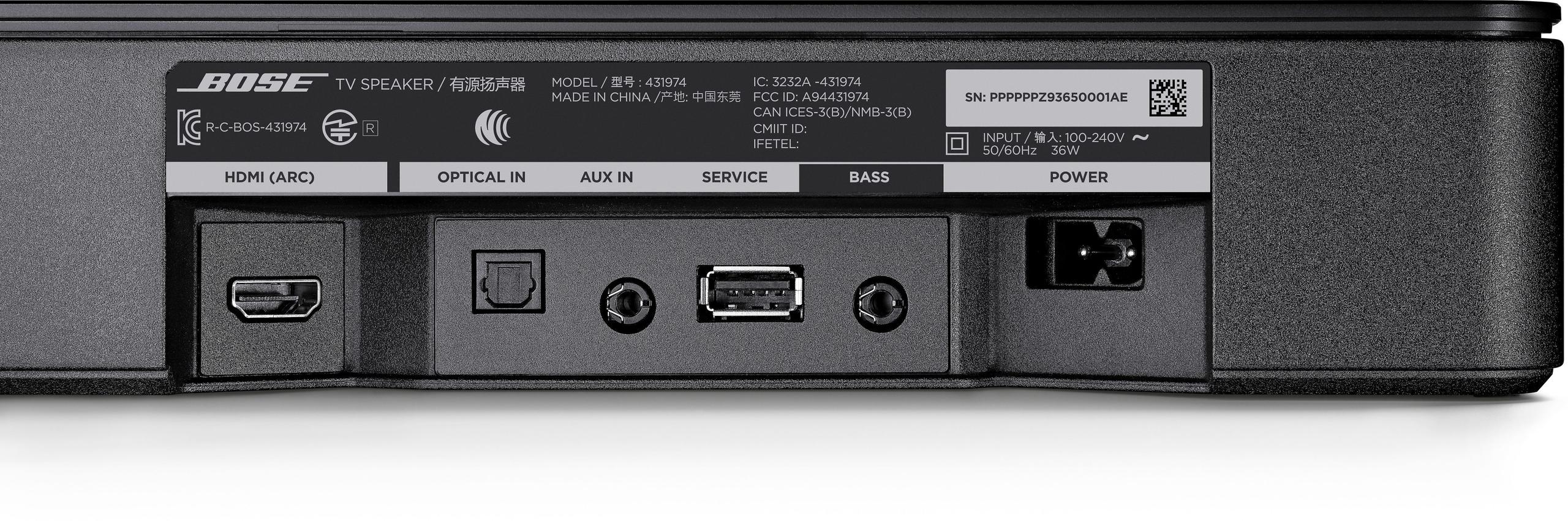
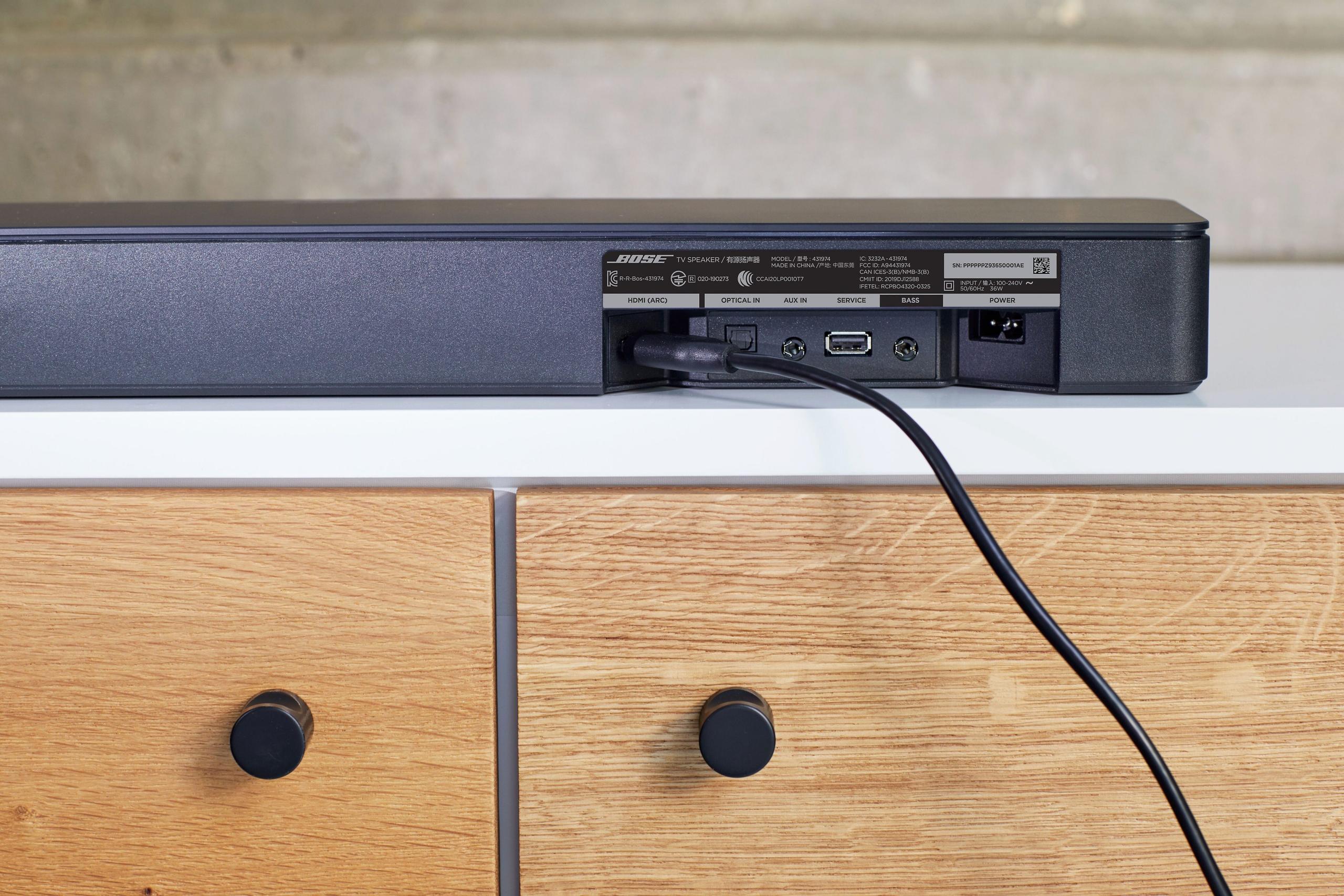
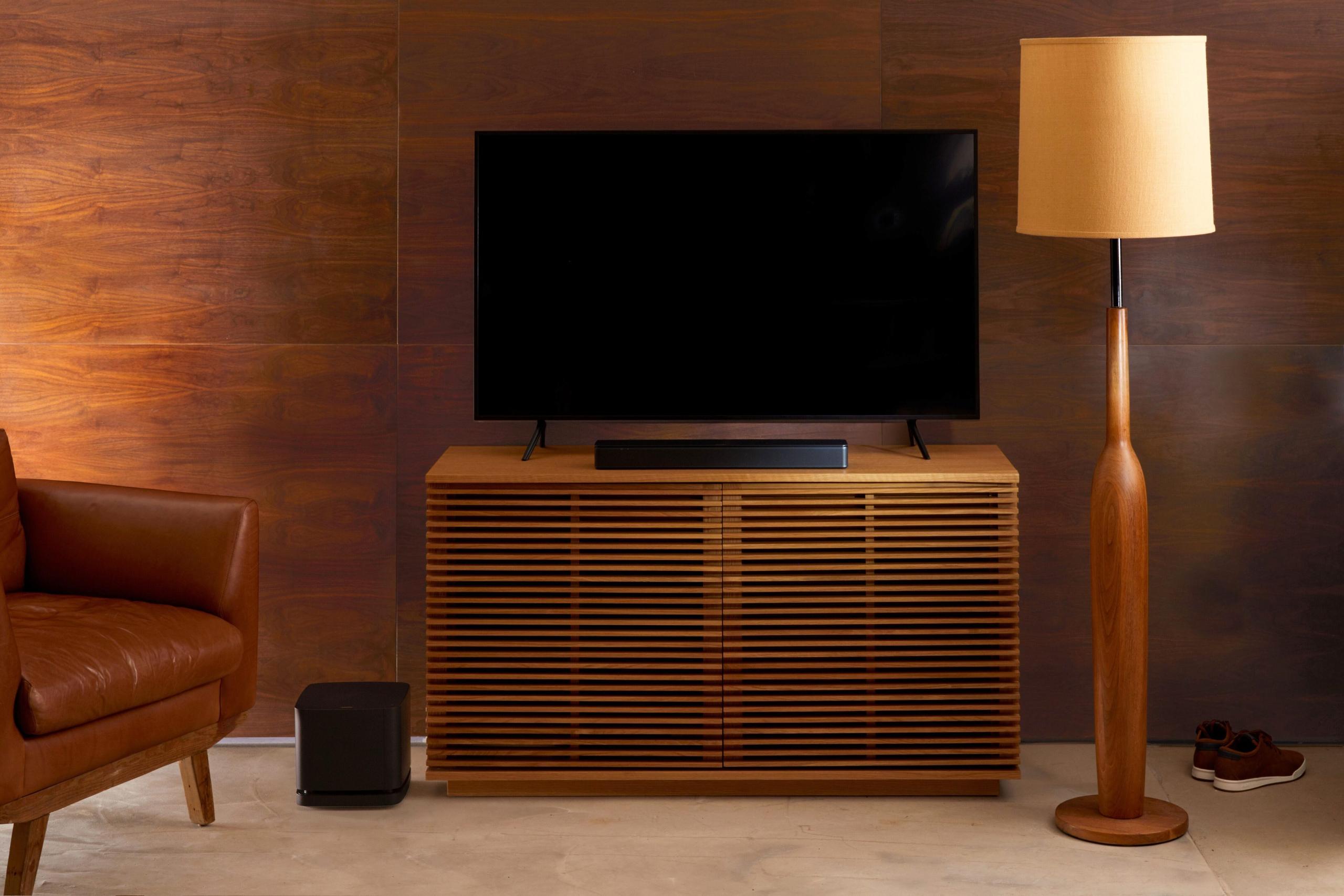
The Bose TV Speaker provides more input variety with HDMI ARC, optical, and 3.5mm analog connections. That analog input might seem old-fashioned, but it's incredibly useful for connecting older devices or providing a backup connection method. The 3.5mm subwoofer output allows you to add a wired subwoofer later—the Bose Bass Module 500 or 700—if you want more bass without replacing the entire system.
Room acoustics significantly impact soundbar performance, and these two models have different requirements. The Sony BRAVIA Theater Bar 6 works best in medium to large rooms with relatively flat ceilings. Those upward-firing speakers need a reflective surface to bounce sound back to your listening position. In rooms with vaulted or heavily textured ceilings, you'll lose much of the height effect that makes Dolby Atmos worthwhile.
The wireless subwoofer provides placement flexibility—you can position it anywhere within wireless range for optimal bass response in your room. Finding the right subwoofer placement can dramatically improve bass quality and reduce unwanted resonances.
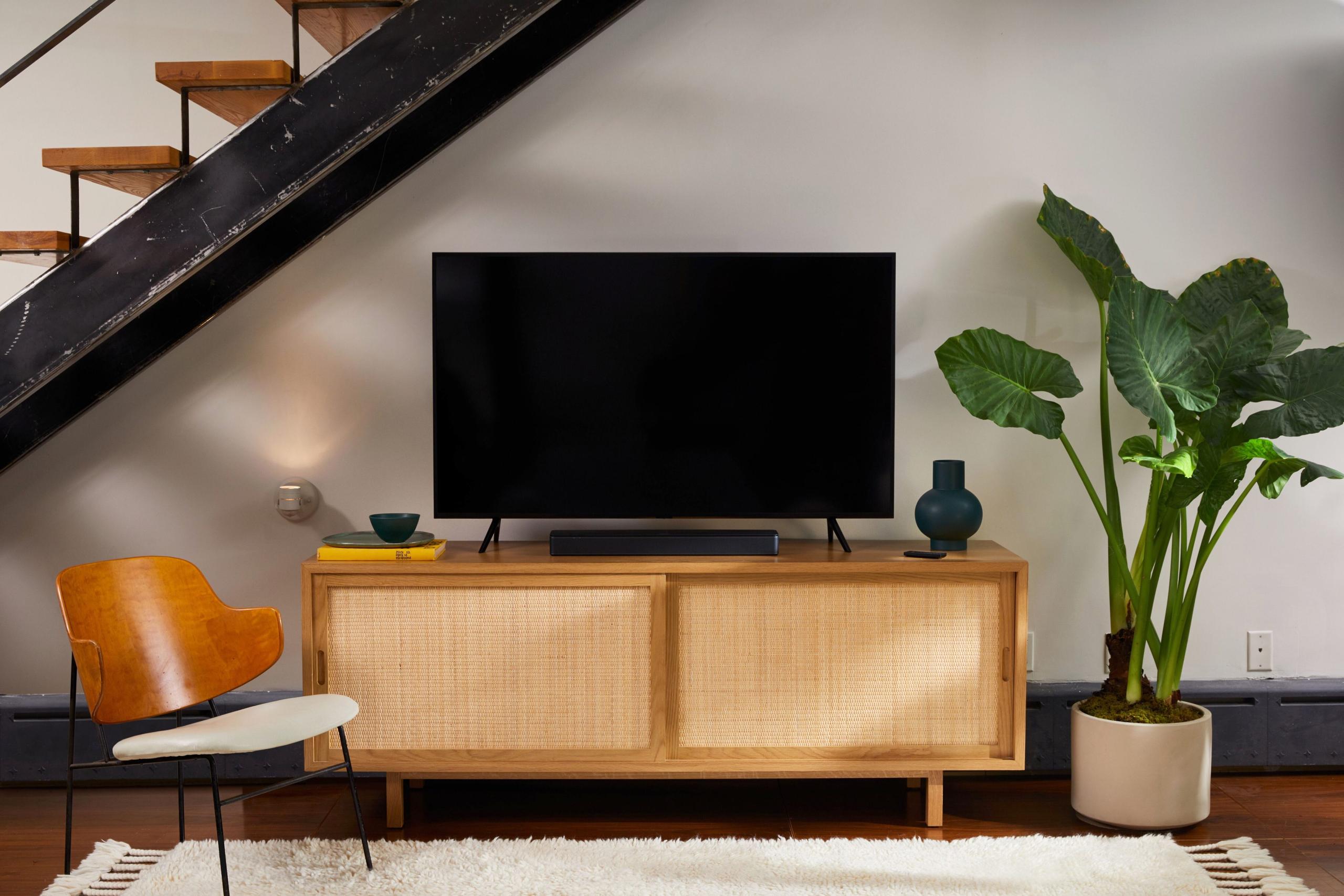
The Bose TV Speaker is remarkably room-agnostic. At just 2.2 inches tall and 23.4 inches wide, it fits almost anywhere without dominating your entertainment center. The compact design makes it ideal for apartments, bedrooms, or any space where a large soundbar would be visually overwhelming.
At the time of writing, these soundbars occupy different price tiers that reflect their distinct approaches. The Sony BRAVIA Theater Bar 6 typically costs about three times more than the Bose TV Speaker, but this isn't simply a case of expensive versus cheap.
The Sony delivers genuine home theater features—Dolby Atmos, powerful bass, and immersive surround processing—at a price point typically reserved for basic stereo soundbars. When you consider that many Dolby Atmos soundbars cost significantly more, the Sony represents excellent value for its feature set.
The Bose TV Speaker offers different value: premium build quality, reliable performance, and Bose's renowned acoustic engineering at an accessible price point. You're paying for engineering excellence and brand reliability rather than feature quantity.
For movie watching, particularly action films with complex soundtracks, the Sony BRAVIA Theater Bar 6 provides a significantly more engaging experience. The height effects during aerial scenes, the powerful bass during explosions, and the immersive soundstage make you feel part of the action. It's the difference between watching a movie and experiencing it.
For television content like news, talk shows, and drama series where dialogue is paramount, the Bose TV Speaker excels. Every word comes through clearly without being overshadowed by background music or sound effects. The compact size means it won't obstruct your TV screen or dominate your living space.
Gaming presents an interesting case study. The Sony enhances gaming immersion with spatial audio cues—you can hear enemies approaching from specific directions or experience the full impact of in-game explosions. However, some competitive gamers prefer the clarity and precision of the Bose for communication-heavy games where every callout must be heard clearly.
While primarily designed for TV audio, both soundbars handle music differently. The Sony BRAVIA Theater Bar 6 can deliver room-filling music with substantial bass, but the default tuning prioritizes movie content. Music can sometimes sound bass-heavy or slightly unnatural compared to dedicated music speakers.
The Bose TV Speaker handles music more naturally, thanks to Bose's experience in home audio. The balanced frequency response and careful acoustic design make it genuinely enjoyable for background music or casual listening sessions. It won't replace dedicated bookshelf speakers, but it's surprisingly capable for its size.
Choose the Sony BRAVIA Theater Bar 6 if you're building a proper home theater experience. This means you watch movies regularly, enjoy action and adventure content, play games, or have a medium to large room that can benefit from powerful audio. The investment makes sense if you want to be immersed in your entertainment rather than just hearing it more clearly.
The Sony is also ideal if you already own a Sony BRAVIA TV and want the seamless integration benefits. The ecosystem synergy genuinely improves the user experience beyond what you'd get from mixing brands.
Choose the Bose TV Speaker if simplicity, reliability, and space efficiency are your priorities. This soundbar excels in apartments, bedrooms, or any situation where you want dramatically better TV audio without complexity or visual bulk. It's perfect if you primarily watch news, sitcoms, dramas, or any dialogue-heavy content.
The Bose is also the smart choice if you're unsure about your long-term audio needs. Its universal compatibility and expandability through wired subwoofer connections mean you can upgrade incrementally rather than replacing everything at once.
These soundbars succeed in different ways because they're designed for different users and scenarios. The Sony BRAVIA Theater Bar 6 delivers comprehensive home theater performance with features typically found in much more expensive systems. It's engineered for users who want to transform their TV watching into an immersive entertainment experience.
The Bose TV Speaker represents refined simplicity—exceptional engineering focused on the fundamentals of clear, balanced audio reproduction. It solves the basic problem of poor TV audio without introducing complexity or demanding significant space.
Your choice should ultimately depend on how you use your TV and what you value most. If movies and gaming are central to your entertainment, the Sony's immersive capabilities justify the higher investment. If you want reliable, clear audio that makes everything more enjoyable without changing how you watch TV, the Bose delivers exactly that at an accessible price point.
Both soundbars represent honest engineering approaches to real user needs. The key is matching the right approach to your specific situation, room, and priorities.
| Sony BRAVIA Theater Bar 6 | Bose TV Speaker |
|---|---|
| Channel Configuration - Determines surround sound capabilities and immersion level | |
| 3.1.2 channels (Left, Center, Right + 2 height speakers + subwoofer) | 2.1 channels (Left, Right + center tweeter for dialogue) |
| Total Power Output - Affects volume levels and dynamic range | |
| 350W (can fill large rooms with authority) | ~100W estimated (ideal for small to medium rooms) |
| Dolby Atmos Support - Critical for modern movie experiences with overhead effects | |
| Full Dolby Atmos and DTS:X with dedicated up-firing speakers | No Atmos support (basic Dolby Digital only) |
| Subwoofer Inclusion - Essential for impactful bass in action movies | |
| 6-inch wireless subwoofer included | No subwoofer included (optional wired Bass Module available) |
| Dialogue Enhancement - Key for clear speech in movies and TV | |
| Dedicated center channel + Voice Zoom 3.0 + Clear Voice algorithm | Center tweeter + Dialogue Mode processing |
| Setup Complexity - Affects ease of installation and daily use | |
| Moderate setup with wireless subwoofer pairing and room calibration | Simple one-cable connection, ready immediately |
| TV Integration - Important for seamless control and operation | |
| Deep Sony BRAVIA integration with BRAVIA SYNC and Connect app | Universal HDMI-CEC compatibility, Roku TV Ready certified |
| Physical Size - Critical consideration for space-constrained setups | |
| Full-size soundbar (needs space for bar and subwoofer placement) | Ultra-compact: 23.4" x 2.2" (fits almost anywhere) |
| Connectivity Options - Determines compatibility with your devices | |
| HDMI eARC, Optical, Bluetooth (no HDMI passthrough) | HDMI ARC, Optical, 3.5mm analog input, 3.5mm subwoofer out |
| Best Use Case - Who should prioritize each option | |
| Home theater enthusiasts wanting immersive movie experiences | Users prioritizing simplicity, dialogue clarity, and space efficiency |
The Sony BRAVIA Theater Bar 6 is significantly better for movies, especially action films, thanks to its Dolby Atmos support and 3.1.2 channel configuration with height effects. The Bose TV Speaker excels for dialogue-heavy content like news and dramas with its dedicated center tweeter and Dialogue Mode processing.
The Sony BRAVIA Theater Bar 6 delivers more powerful, room-filling sound with 350W output and includes a wireless subwoofer for deep bass. The Bose TV Speaker focuses on clarity and precision with superior dialogue reproduction, though at lower overall volume levels suitable for smaller rooms.
The Bose TV Speaker wins for simplicity with its single-cable connection and immediate operation. The Sony BRAVIA Theater Bar 6 requires moderate setup including wireless subwoofer pairing and optional room calibration through the BRAVIA Connect app.
Only the Sony BRAVIA Theater Bar 6 supports Dolby Atmos and DTS:X with dedicated up-firing speakers for height effects. The Bose TV Speaker supports basic Dolby Digital but lacks advanced surround sound formats.
The Bose TV Speaker is ideal for small spaces at just 23.4 inches wide and 2.2 inches tall, fitting almost anywhere without visual bulk. The Sony BRAVIA Theater Bar 6 requires more space for both the soundbar and wireless subwoofer placement.
The Sony BRAVIA Theater Bar 6 includes a wireless subwoofer from the start. The Bose TV Speaker has a 3.5mm subwoofer output allowing you to add compatible Bose Bass Modules via wired connection for expandable bass performance.
The Sony BRAVIA Theater Bar 6 offers deeper integration with Sony BRAVIA TVs through BRAVIA SYNC and the Connect app. The Bose TV Speaker provides universal compatibility with any TV brand through HDMI-CEC and is Roku TV Ready certified.
Both soundbars include HDMI ARC and optical inputs plus Bluetooth streaming. The Bose TV Speaker adds a 3.5mm analog input for older devices, while the Sony BRAVIA Theater Bar 6 features eARC for higher-quality audio formats.
The Sony BRAVIA Theater Bar 6 enhances gaming with spatial audio cues and immersive surround effects for action games. The Bose TV Speaker provides excellent clarity for communication-heavy multiplayer games where dialogue precision matters most.
The Bose TV Speaker handles music more naturally with balanced frequency response ideal for background listening. The Sony BRAVIA Theater Bar 6 can deliver room-filling music with substantial bass but is primarily tuned for movie content.
Value depends on your needs: the Sony BRAVIA Theater Bar 6 provides exceptional features-per-dollar for home theater enthusiasts wanting Dolby Atmos at a mid-range price. The Bose TV Speaker offers premium engineering and reliability at an accessible entry-level price point.
Choose the Sony BRAVIA Theater Bar 6 if you want immersive home theater experiences with movies, gaming, and have medium-to-large rooms. Select the Bose TV Speaker if you prioritize simplicity, dialogue clarity, space efficiency, and primarily watch news, sitcoms, or drama content.
We've done our best to create useful and informative comparisons to help you decide what product to buy. Our research uses advanced automated methods to create this comparison and perfection is not possible - please contact us for corrections or questions. These are the sites we've researched in the creation of this article: rtings.com - bestbuy.com - whathifi.com - youtube.com - youtube.com - sony.com - galaxus.at - helpguide.sony.net - audioadvice.com - electronics.sony.com - youtube.com - youtube.com - electronics.sony.com - helpguide.sony.net - whatgear.net - consumerreports.org - bestbuy.com - projectorscreen.com - forums.audioholics.com - digitaltrends.com - abt.com - crutchfield.com - staples.com - bestbuy.com - pcrichard.com - visions.ca - bose.com - assets.bose.com

Privacy Policy
Terms and Conditions - Affiliate Policy
Home Security
© Copyright 2008-2026.
11816 Inwood Rd #1211, Dallas, TX 75244