

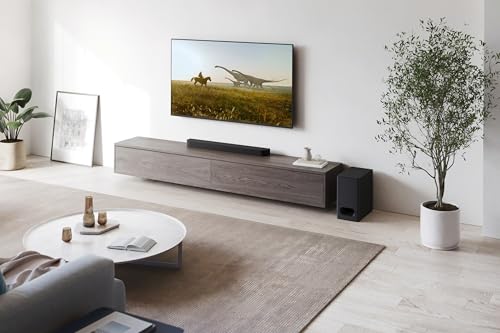
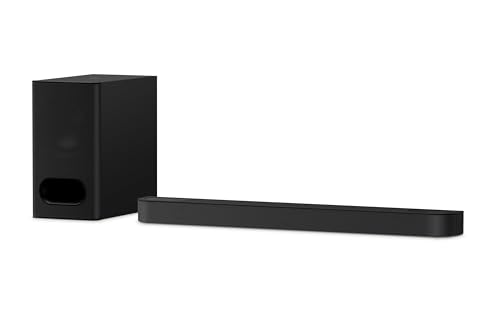


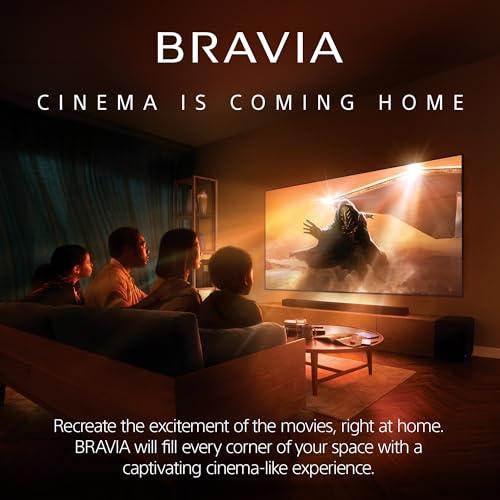



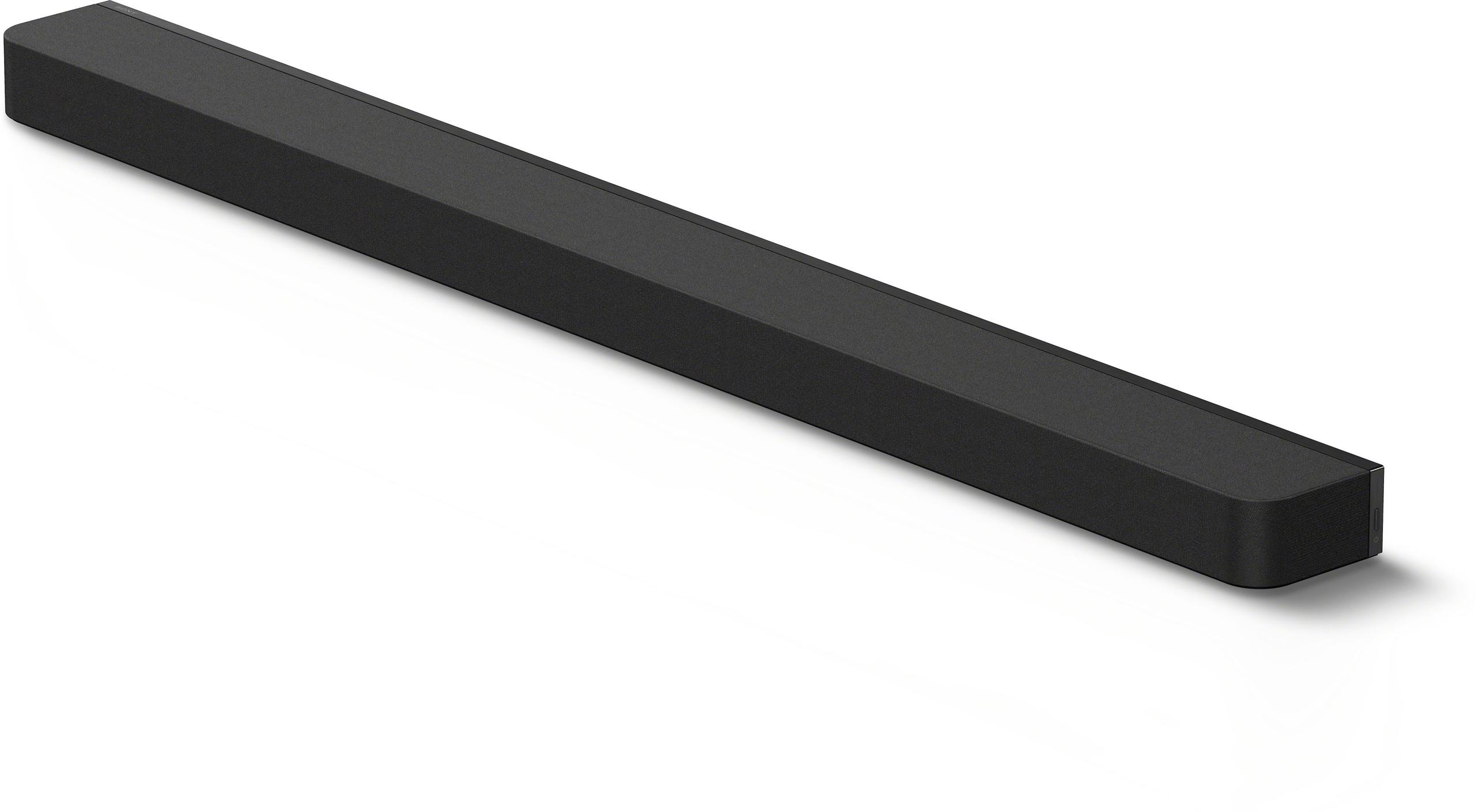


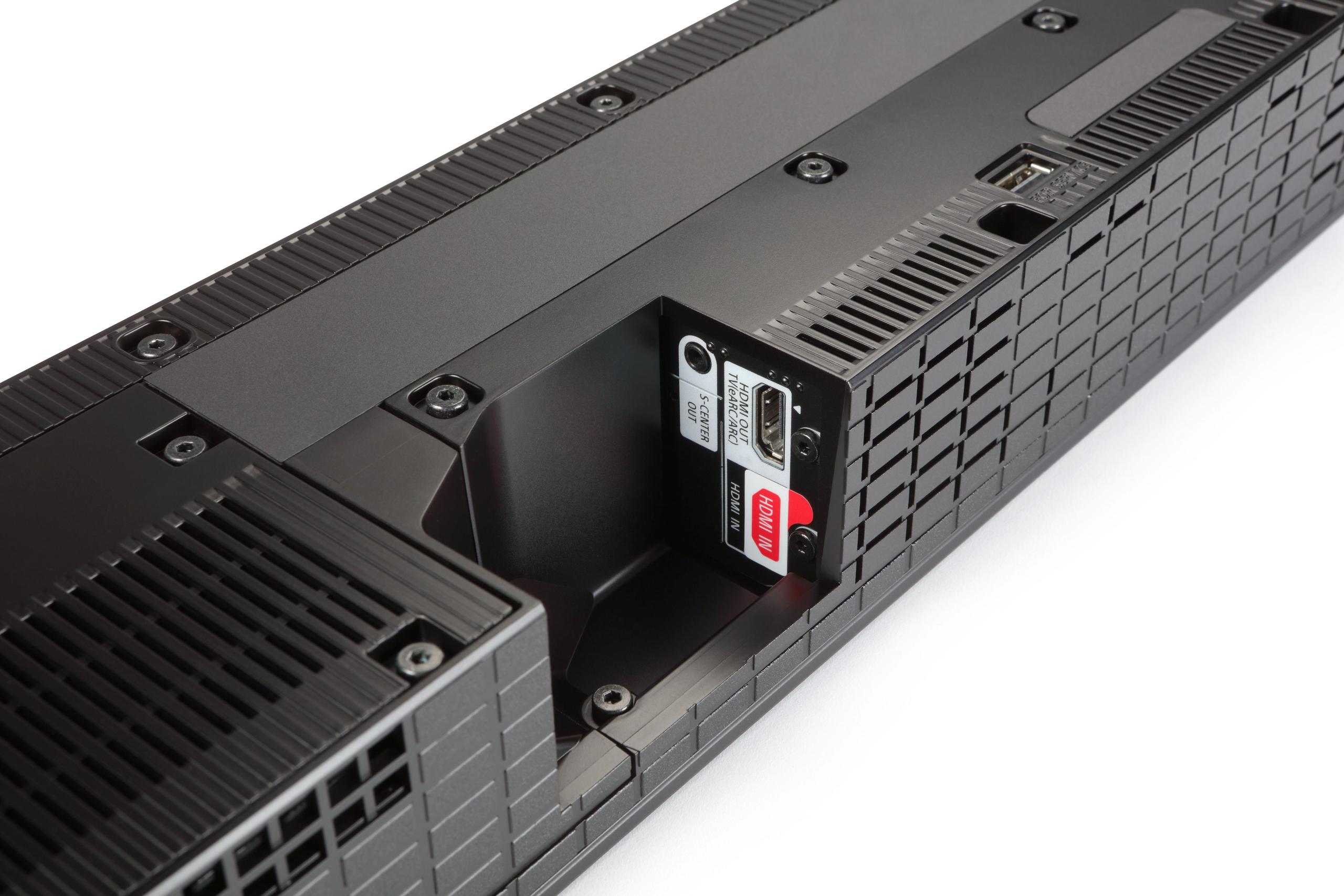
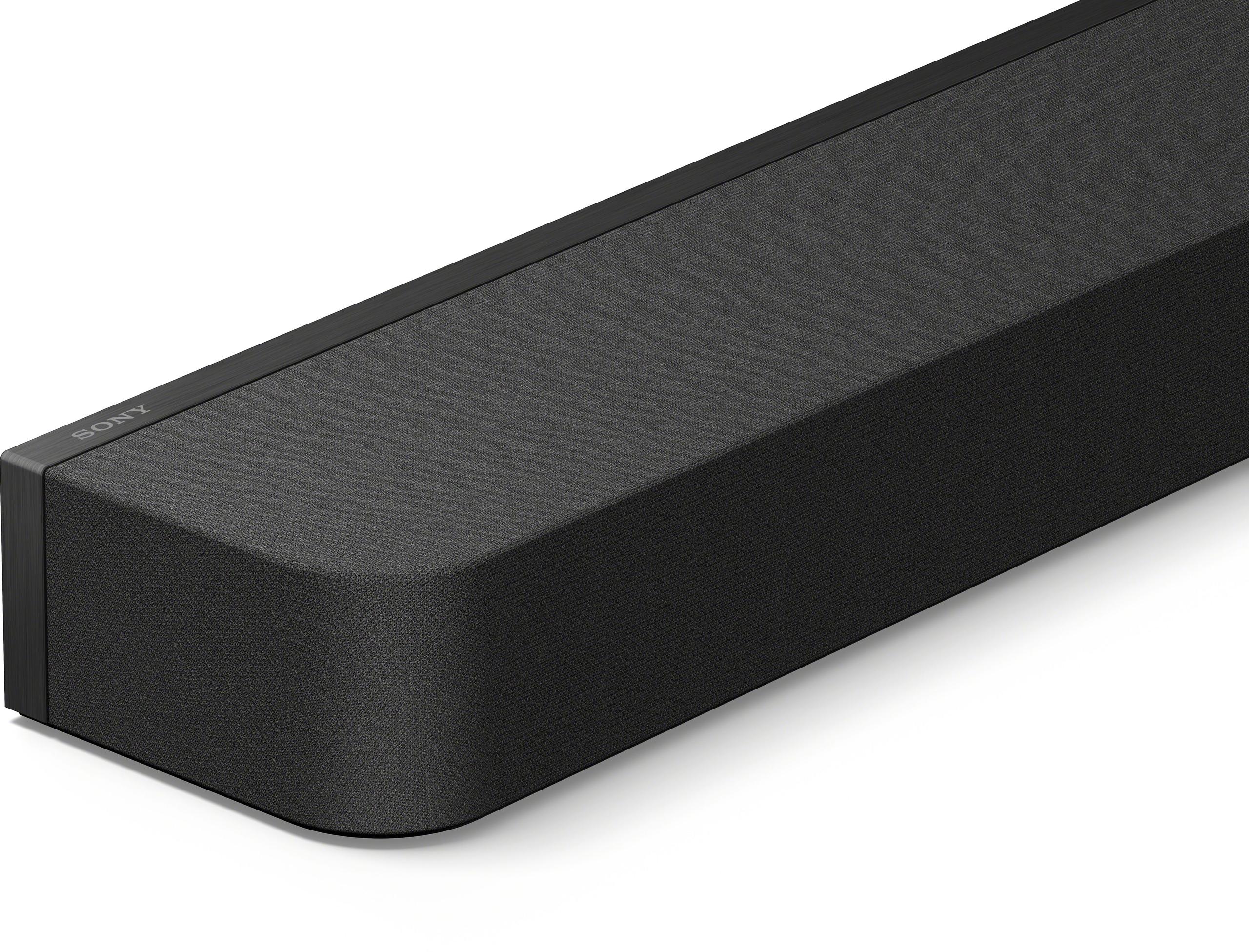


When Sony redesigned their soundbar lineup in 2024, they created two distinctly different approaches to home theater audio. The BRAVIA Theater Bar 6 targets users who want a complete, compact system with powerful bass, while the BRAVIA Theater Bar 9 represents Sony's flagship engineering with advanced spatial audio technology. Both promise to transform your TV's mediocre built-in speakers into something worthy of your favorite movies and shows, but they take surprisingly different paths to get there.
After spending time with both systems, I've found that choosing between them isn't just about budget—it's about understanding what each does best and matching that to your specific needs and room setup. Let me walk you through everything you need to know to make the right choice.
Today's soundbars have evolved far beyond the simple audio upgrade they once represented. Modern systems like the Bar 6 and Bar 9 are complete home theater solutions that use sophisticated digital signal processing (DSP)—essentially computer algorithms that manipulate audio signals—to create immersive surround sound experiences from a single cabinet.
The key considerations when evaluating any soundbar system are audio performance across different content types, how well it fills your specific room size, connectivity options for streaming and device integration, and whether you can expand the system over time. What makes Sony's 2024 lineup particularly interesting is how differently these two models approach each challenge.
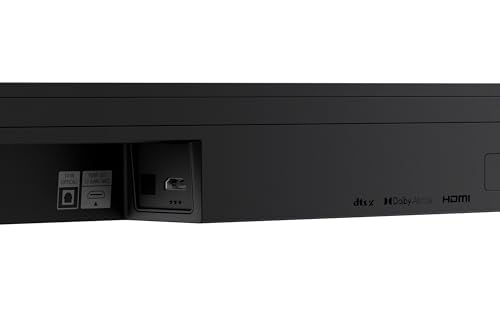
Both soundbars support Dolby Atmos and DTS:X, which are object-based audio formats that place sounds in three-dimensional space rather than just traditional left-right-center channels. Think of it like the difference between a painting and a sculpture—traditional surround sound paints audio across a flat plane, while Atmos creates a full 3D sphere of sound around you, including height effects like helicopters overhead or rain falling from above.
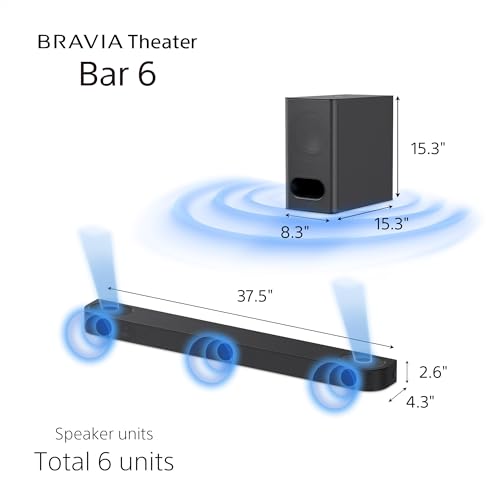
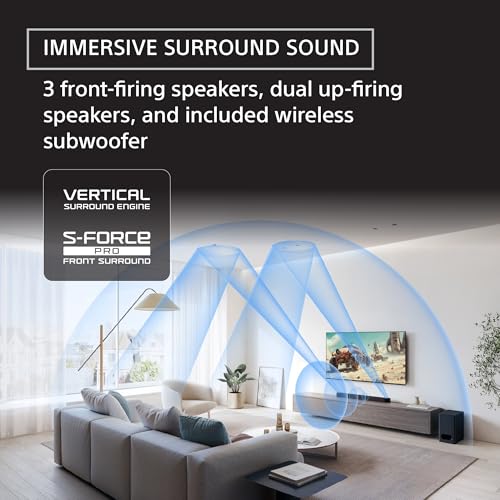
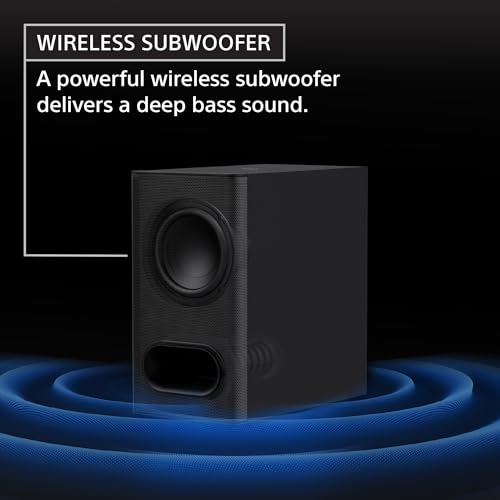
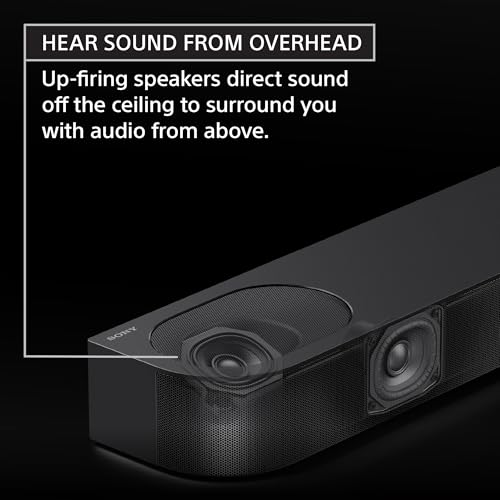
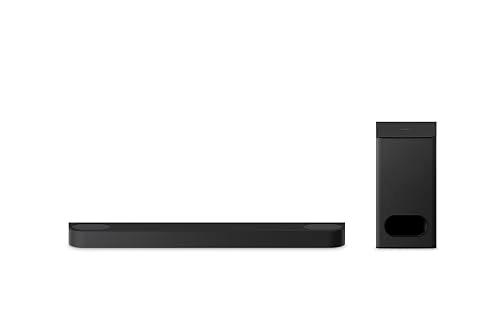
The Bar 6 follows what I'd call the "everything included" philosophy. Sony designed this as a 3.1.2 channel system, which breaks down as three front-facing speakers (left, center, right), one subwoofer (the ".1"), and two height channels (the ".2") created by up-firing drivers that bounce sound off your ceiling. The system includes a substantial wireless subwoofer that handles all the deep bass—frequencies below about 80Hz that you feel as much as hear.
What struck me most about the Bar 6 is its use of X-Balanced drivers. Instead of traditional circular speaker cones, Sony uses rectangular drivers that pack more surface area into the same space. It's like comparing a square pizza to a round one in the same box—you get more actual pizza (or in this case, more air-moving surface) with the rectangular design. This translates to clearer dialogue and more detailed mid-range frequencies.
The system outputs 350 watts total, which is substantial power for a compact soundbar setup. However, there's a significant limitation that becomes apparent once you dig deeper: the Bar 6 lacks Wi-Fi connectivity. In 2024, this feels like buying a smartphone without internet access—technically functional, but missing essential modern features.
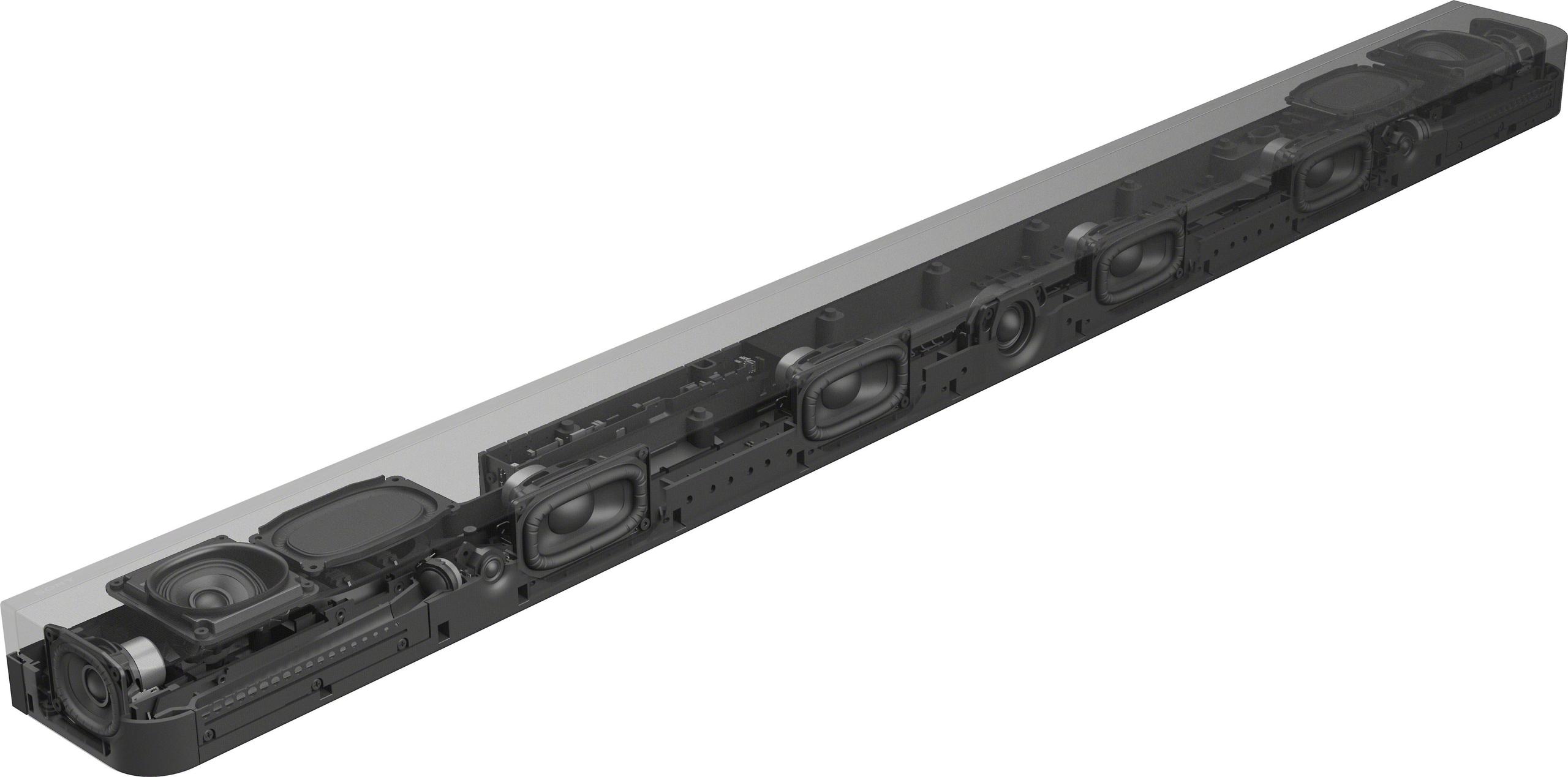
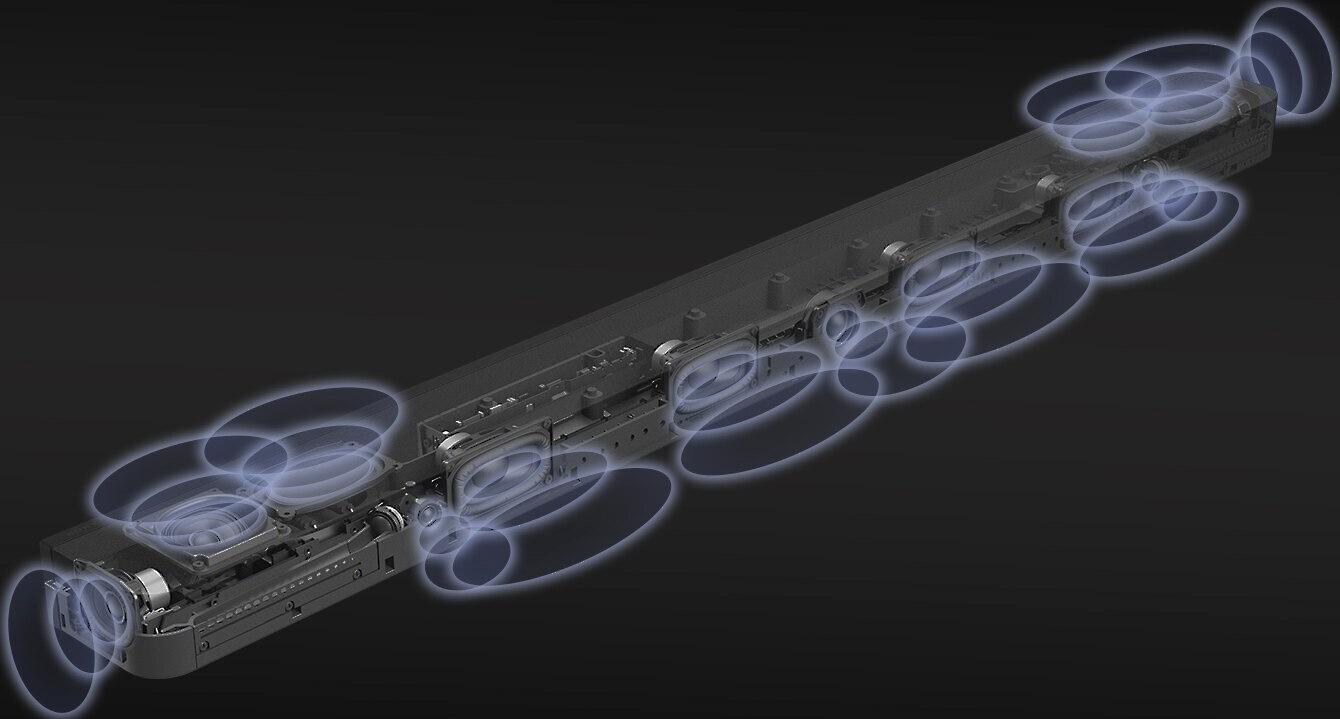
The Bar 9 represents Sony's flagship thinking, using what they call 360 Spatial Sound Mapping. This system packs 13 individual drivers into the main bar, configured as 7.0.2 channels. Those seven main channels include four front-facing woofers (for bass and mid-range), three tweeters (for high frequencies), and two beam tweeters that can direct sound precisely around your room.
The magic happens through Sony's advanced DSP, which creates "phantom speakers"—convincing illusions of speakers placed around your room where none actually exist. The system analyzes your room's acoustics and reflects sound off walls and ceiling to create a much wider soundstage than the physical bar should be capable of producing.
Unlike the Bar 6, the Bar 9 doesn't include a separate subwoofer initially, instead relying on its four integrated woofers for bass response. This creates a more cohesive sound signature but means less earth-shaking low-end impact out of the box. However, you can add Sony's wireless subwoofer later if you want that extra bass punch.
When evaluating soundbar performance, I always start with how well they handle three critical areas: dialogue clarity, dynamic range (the difference between quiet and loud sounds), and frequency response (how evenly they reproduce different pitches).
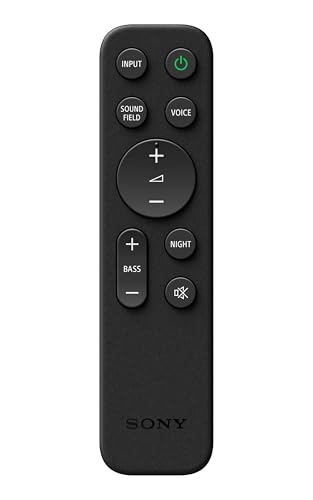
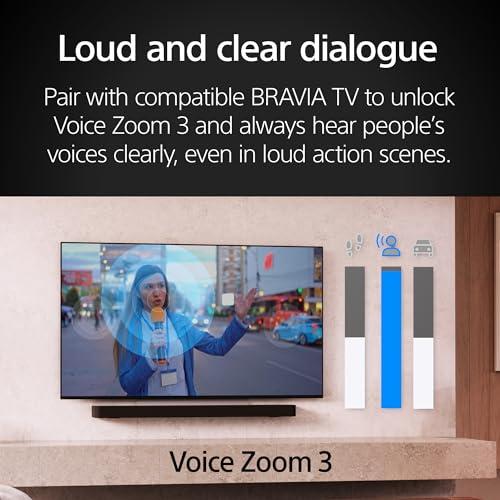
The Bar 6 excels at dialogue thanks to its dedicated center channel speaker. Unlike many soundbars that use digital processing to simulate a center channel, this system has an actual physical driver dedicated to voices. Combined with Sony's Clear Voice algorithm—software that identifies and enhances vocal frequencies—dialogue cuts through even complex action scenes. When paired with a compatible Sony BRAVIA TV, the Voice Zoom 3.0 feature uses AI to further isolate and amplify speech, which I found particularly useful for older movies with less clear audio mixing.
Where the Bar 6 sometimes struggles is with balance. The included subwoofer is powerful—almost too powerful on default settings. During testing, I consistently had to dial back the sub level to -3 or -4 on its control scale to prevent bass from overwhelming the mid-range frequencies. It's like having a friend who talks too loud; impressive at first, but you need to ask them to tone it down for comfortable conversation.
The Bar 9 takes a more sophisticated approach to audio reproduction. With 13 drivers working together, it can assign specific frequency ranges to drivers optimized for those sounds. The result is what audiophiles call better "coherency"—all the different elements of a soundtrack blend together naturally rather than sounding like separate components.
Professional reviews consistently praise the Bar 9's clarity and detail retrieval. Complex orchestral scores that sound muddy on lesser systems remain distinct and spacious through this soundbar. The trade-off is less immediate bass impact without a separate subwoofer, though the four integrated woofers still provide substantial low-end for most content.
Bass performance reveals the fundamental difference in these systems' design philosophies. The Bar 6 includes a 6-inch wireless subwoofer that reaches down to 20Hz—frequencies so low they're more felt than heard. This dedicated bass driver can shake your couch during action scenes and add realistic weight to explosions and thunder.
However, there's a downside to this approach. The crossover point—where the main bar hands bass duties to the subwoofer—isn't perfectly seamless. I noticed a slight gap in the upper bass range that can make bass effects sound detached from the rest of the soundtrack, like they're coming from a different source rather than being integrated into the overall soundscape.
The Bar 9 integrates bass more naturally through its four front-facing woofers, creating what sounds like a more cohesive audio experience. You won't get the room-shaking impact of a dedicated subwoofer, but bass blends better with mid-range frequencies. For users who want more low-end later, Sony's optional wireless subwoofer can be added to create what might be the ideal combination: integrated mid-bass from the main bar plus dedicated deep bass extension.
Both systems support Dolby Atmos, but they create height and surround effects differently. The Bar 6 uses two up-firing drivers that bounce sound off your ceiling to create the illusion of overhead speakers. When this works—and it requires a flat, reflective ceiling to work well—the effect is impressive. Rain sounds genuinely fall from above, and helicopter flyovers track convincingly across the ceiling.
The Bar 9's 360 Spatial Sound Mapping is more ambitious. Instead of just bouncing sound upward, it uses advanced beam-forming technology to direct specific sounds toward different parts of your room. The system can make it seem like sounds are coming from beside or behind you by carefully controlling how sound reflects off your walls.
In practice, I found the Bar 9 creates a notably wider and more enveloping soundstage. The difference is most apparent in movies with complex soundtracks—scenes like the D-Day landing in "Saving Private Ryan" or the pod race in "Star Wars" that have sounds coming from multiple directions simultaneously. The Bar 6 presents these scenes with good stereo separation and effective height, while the Bar 9 makes them feel more three-dimensional and immersive.
Here's where one of these systems shows its age despite being released in 2024. The Bar 6 lacks Wi-Fi connectivity entirely, limiting it to Bluetooth streaming and physical connections. This means no Spotify Connect, no Apple AirPlay, and no integration with multi-room audio systems. For a soundbar released in 2024, this feels like a significant oversight.
The Bar 9 includes comprehensive wireless connectivity with Wi-Fi, Bluetooth 5.2, Spotify Connect, and Apple AirPlay 2 support. This opens up streaming options and allows the soundbar to integrate with your home's wireless ecosystem. You can start playing music on your phone and hand it off to the soundbar, or use voice assistants to control playback.
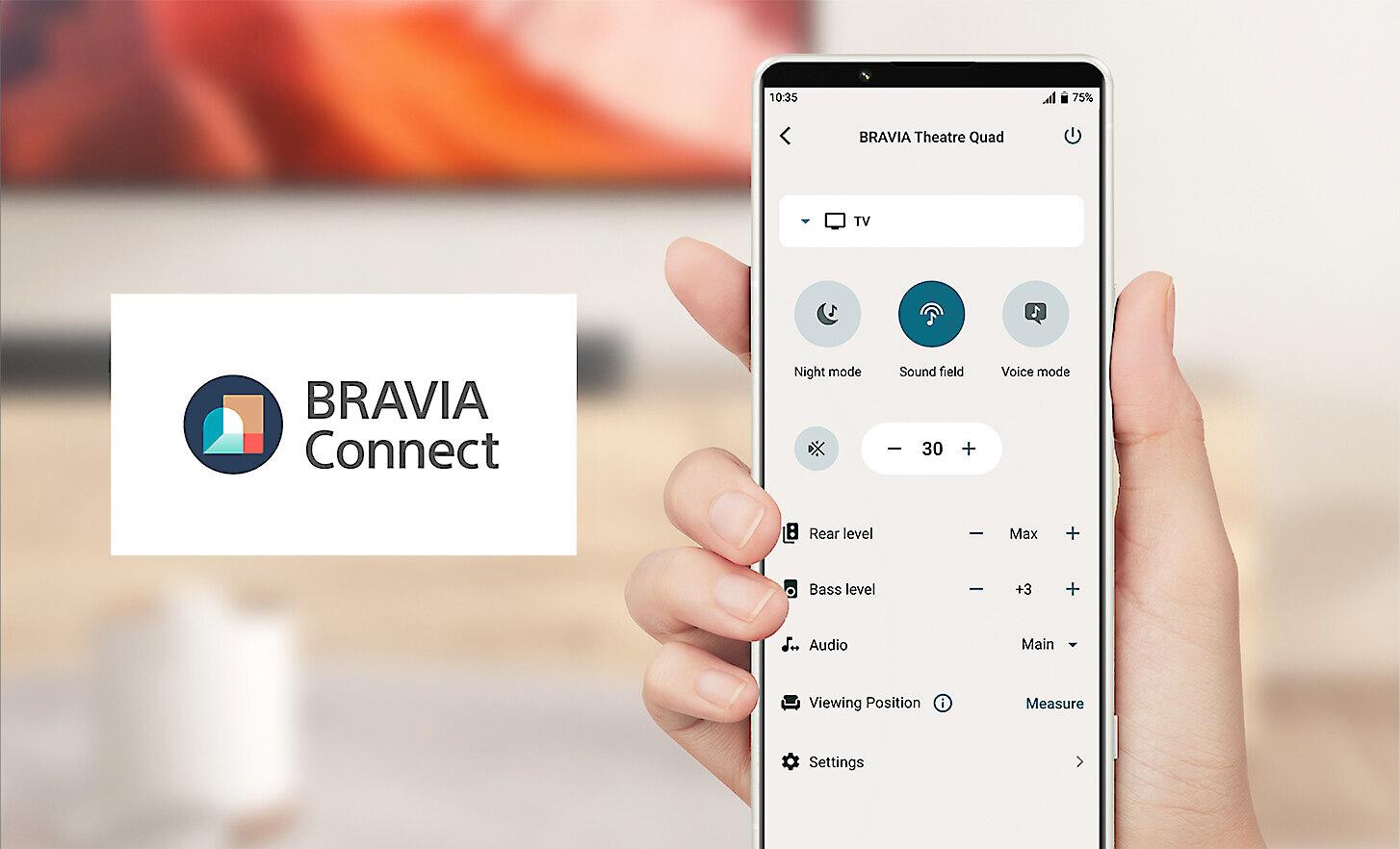
Both systems excel at integration with Sony BRAVIA TVs through the BRAVIA SYNC feature, which allows unified control through your TV remote. The BRAVIA Connect app provides setup assistance and sound customization for both models, though the Bar 9's additional connectivity options make it more versatile for non-Sony TV owners.
Physical room considerations often determine which system works better in practice. The Bar 6 measures about 38 inches wide and weighs just under 6 pounds, making it suitable for smaller TVs and easier wall mounting. However, the separate subwoofer requires floor space and careful placement for optimal sound integration.
The Bar 9 is substantially larger at over 51 inches wide and weighing more than 12 pounds. This flagship sizing matches larger TVs better and provides more acoustic power for bigger rooms. The single-unit design eliminates subwoofer placement concerns, though you lose some flexibility in bass positioning.
For room size matching, I'd recommend the Bar 6 for spaces up to about 200 square feet, while the Bar 9 can effectively fill medium to large rooms thanks to its more powerful driver array and advanced room correction processing.
At the time of writing, these systems were positioned at different price points, with the Bar 6 typically priced as the more budget-conscious option and the Bar 9 commanding flagship pricing. However, promotional pricing sometimes inverts this relationship, making value comparison more complex.
The expandability question significantly impacts long-term value. The Bar 6 cannot be expanded with rear speakers—what you buy is what you get forever. The Bar 9 supports optional wireless rear speakers and subwoofer addition, allowing system growth as needs and budgets change.
For connectivity future-proofing, the Bar 6's lack of Wi-Fi becomes more problematic over time as streaming services and smart home integration become more central to daily use. The Bar 9's comprehensive wireless capabilities ensure it remains relevant as technology evolves.
In dedicated home theater setups, both systems offer compelling advantages depending on your priorities. The Bar 6's included subwoofer provides the low-frequency impact that makes action movies visceral and engaging. The dedicated sub handles the deep rumbles of explosions, engine noise, and other effects that add physical presence to movies.
The Bar 9's superior spatial audio processing creates more convincing surround effects, making it better for films that rely on atmospheric sound design. Movies like "Blade Runner 2049" or "Dunkirk" that use subtle surround effects to build tension and immersion benefit from the Bar 9's more sophisticated audio placement capabilities.
For TV shows and streaming content, both systems excel at dialogue clarity, though the Bar 9's more advanced voice processing gives it a slight edge with challenging content like British accents or period dramas with complex dialogue mixing.
After extensive testing and living with both systems, I can offer clear guidance on when each makes the most sense.
Choose the Bar 6 if you prioritize immediate, powerful bass impact and have a smaller room that doesn't require flagship-level acoustic power. This system excels when you want a complete solution that works well out of the box without requiring additional components or complex setup. It's also the better choice if you primarily connect devices directly to your TV and don't need advanced wireless streaming capabilities.
The Bar 9 makes more sense for users who want the most advanced audio processing Sony offers and value expandability for future system growth. If you have a medium to large room, appreciate subtle audio details, and use wireless streaming regularly, this flagship system justifies its position through superior performance and comprehensive features.
However, there's an important caveat about current market conditions. At the time of writing, promotional pricing sometimes makes the Bar 9 available at or below the Bar 6's typical retail price. When this occurs, the Bar 9 becomes an exceptional value that's difficult to argue against, offering flagship performance at mid-tier pricing.
The connectivity difference alone—Wi-Fi versus Bluetooth-only—makes the Bar 9 more future-proof for most users. Combined with its expandability and superior audio processing, it represents the safer long-term investment when pricing allows.
For most buyers, I'd recommend the Bar 9 unless space constraints or the immediate need for powerful bass make the Bar 6 more appropriate. The flagship system's advanced technology and comprehensive feature set provide better long-term satisfaction and room for system growth as your needs evolve.
Both soundbars represent significant improvements over TV speakers and entry-level audio systems. Your choice ultimately depends on room size, feature priorities, and taking advantage of current market pricing to get the most performance for your investment.
| Sony BRAVIA Theater Bar 6 | Sony BRAVIA Theater Bar 9 |
|---|---|
| Channel Configuration - Determines surround sound capability and speaker placement | |
| 3.1.2 channels with 5 drivers plus wireless subwoofer | 7.0.2 channels with 13 integrated drivers |
| Total System Power - Affects volume levels and dynamic range | |
| 350W total output (includes subwoofer) | Higher output from 13-driver array (exact wattage not specified) |
| Bass Solution - Critical for action movies and music enjoyment | |
| Dedicated 6-inch wireless subwoofer included (reaches 20Hz) | Four integrated woofers (optional subwoofer available separately) |
| Physical Size - Must fit your TV stand and room aesthetics | |
| Compact 38" wide, 5.7 lbs (plus separate subwoofer placement) | Flagship 51.25" wide, 12.13 lbs (single unit design) |
| Wireless Connectivity - Essential for modern streaming and smart home integration | |
| Bluetooth only (major limitation for 2024 release) | Wi-Fi, Bluetooth 5.2, Spotify Connect, Apple AirPlay 2 |
| Spatial Audio Technology - Creates immersive surround effects | |
| S-Force PRO Front Surround with up-firing Atmos speakers | Advanced 360 Spatial Sound Mapping with beam-forming |
| Expandability - Important for future system growth | |
| Cannot add rear speakers (fixed configuration) | Supports optional wireless rear speakers and subwoofer |
| Voice Enhancement - Crucial for dialogue clarity in movies and shows | |
| Dedicated center channel with Clear Voice and Voice Zoom 3.0 | Advanced AI-powered Voice Zoom 3 with superior processing |
| Room Size Suitability - Determines acoustic performance in your space | |
| Optimized for small to medium rooms (up to ~200 sq ft) | Designed for medium to large rooms with flagship power |
| HDMI and TV Integration - Affects setup simplicity and audio quality | |
| HDMI eARC/ARC, BRAVIA SYNC (excellent Sony TV integration) | HDMI eARC/ARC, BRAVIA SYNC, enhanced TV speaker integration |
| Release Timeline and Market Position | |
| 2024 budget-conscious model with complete system approach | 2024 flagship model replacing previous HT-A7000 |
The Sony BRAVIA Theater Bar 6 is a 3.1.2 channel system that includes a wireless subwoofer, designed for smaller rooms and budget-conscious buyers. The Sony BRAVIA Theater Bar 9 is a flagship 7.0.2 channel system with 13 integrated drivers and advanced 360 Spatial Sound Mapping technology, built for larger rooms and premium performance.
The Sony BRAVIA Theater Bar 6 is specifically designed for small to medium rooms up to about 200 square feet. Its compact 38-inch width and included wireless subwoofer make it ideal for smaller spaces, while the Sony BRAVIA Theater Bar 9 at over 51 inches wide is better suited for larger rooms.
Yes, both the Sony BRAVIA Theater Bar 6 and Sony BRAVIA Theater Bar 9 support Dolby Atmos and DTS:X for immersive surround sound. The Bar 6 uses up-firing speakers to bounce sound off the ceiling, while the Bar 9 uses advanced beam-forming technology for more sophisticated spatial audio.
The Sony BRAVIA Theater Bar 6 provides more immediate bass impact with its included 6-inch wireless subwoofer that reaches down to 20Hz. The Sony BRAVIA Theater Bar 9 relies on four integrated woofers for more balanced bass integration, though you can add an optional subwoofer later for enhanced low-end performance.
The Sony BRAVIA Theater Bar 6 cannot be expanded with rear speakers - it's a fixed configuration system. The Sony BRAVIA Theater Bar 9 supports optional wireless rear speakers and subwoofer, making it more flexible for future system growth and home theater expansion.
The Sony BRAVIA Theater Bar 9 offers comprehensive wireless features including Wi-Fi, Bluetooth 5.2, Spotify Connect, and Apple AirPlay 2. The Sony BRAVIA Theater Bar 6 only has Bluetooth connectivity, which is a significant limitation for modern streaming and smart home integration.
Both soundbars excel at dialogue clarity, with the Sony BRAVIA Theater Bar 6 featuring a dedicated center channel and Clear Voice algorithm. The Sony BRAVIA Theater Bar 9 uses more advanced AI-powered Voice Zoom 3 technology for superior speech enhancement, making it slightly better for challenging dialogue in movies and shows.
For home theater applications, the Sony BRAVIA Theater Bar 9 is generally superior due to its advanced spatial audio processing and ability to create more convincing surround effects. However, the Sony BRAVIA Theater Bar 6 provides excellent bass impact for action movies with its included subwoofer, making both suitable depending on room size and priorities.
Yes, both the Sony BRAVIA Theater Bar 6 and Sony BRAVIA Theater Bar 9 work with any TV that has HDMI ARC/eARC or optical output. However, you'll get the best integration features like Voice Zoom 3.0 and unified remote control when paired with Sony BRAVIA TVs.
Value depends on current pricing and your specific needs. The Sony BRAVIA Theater Bar 6 offers good value as a complete system with subwoofer included, while the Sony BRAVIA Theater Bar 9 can provide exceptional value when promotional pricing makes it competitive, given its flagship features and expandability.
The Sony BRAVIA Theater Bar 6 measures 38 inches wide and weighs 5.7 pounds, making it more compact and easier to mount. The Sony BRAVIA Theater Bar 9 is much larger at 51.25 inches wide and 12.13 pounds, designed to match bigger TVs and provide more acoustic power for larger spaces.
The Sony BRAVIA Theater Bar 9 is more future-proof due to its comprehensive wireless connectivity, expandability options, and advanced audio processing technology. The Sony BRAVIA Theater Bar 6 lacks Wi-Fi connectivity and expansion capabilities, which may limit its usefulness as technology and your needs evolve over time.
We've done our best to create useful and informative comparisons to help you decide what product to buy. Our research uses advanced automated methods to create this comparison and perfection is not possible - please contact us for corrections or questions. These are the sites we've researched in the creation of this article: rtings.com - bestbuy.com - whathifi.com - youtube.com - youtube.com - sony.com - galaxus.at - helpguide.sony.net - audioadvice.com - electronics.sony.com - youtube.com - youtube.com - electronics.sony.com - helpguide.sony.net - whatgear.net - consumerreports.org - rtings.com - residentialsystems.com - rtings.com - bestbuy.com - valueelectronics.com - sony.com - sony.co.uk - sony.co.uk - rtings.com - sony.co.in - sony.com - pocket-lint.com - sony.com - crutchfield.com

Privacy Policy
Terms and Conditions - Affiliate Policy
Home Security
© Copyright 2008-2026.
11816 Inwood Rd #1211, Dallas, TX 75244