





Getting better sound from your TV doesn't have to be complicated, but choosing the right soundbar definitely requires some thought. After testing dozens of soundbars over the years, I've learned that the difference between a good purchase and a great one often comes down to understanding exactly what you need—and what you're willing to pay for it.
Today we're comparing two soundbars that take very different approaches to improving your TV audio: the premium Sony BRAVIA Theater Bar 6 and the budget-friendly Samsung HW-B550D. While both will dramatically upgrade your TV's built-in speakers, they serve different audiences and priorities.
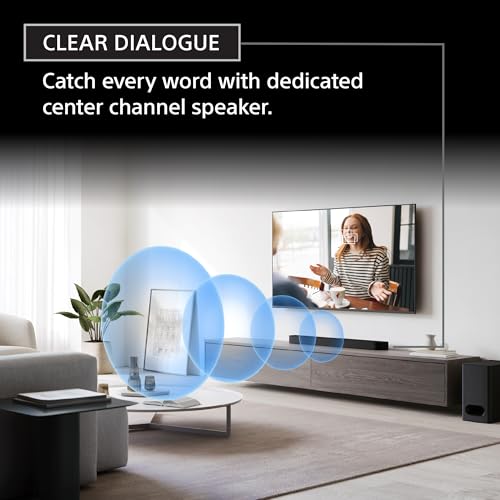
Before diving into specifics, let's establish what really matters in a soundbar. The most important factor is dialogue clarity—if you can't understand what people are saying, nothing else matters. This is where a dedicated center channel speaker becomes crucial. Unlike regular stereo speakers that split dialogue between left and right channels, a center channel focuses specifically on voices, making them clearer and easier to understand.
The second key consideration is bass response. TV speakers are physically too small to produce meaningful low-end frequencies (the deep rumbles and impacts that make movies exciting). This is where subwoofers come in—they're specialized speakers designed specifically for these low frequencies, typically handling everything below 100Hz.
Soundstage width refers to how spread out the audio feels. A good soundbar should make it seem like sound is coming from beyond the physical boundaries of the speaker itself. Some soundbars achieve this through additional speakers, while others use digital processing to create virtual surround effects.
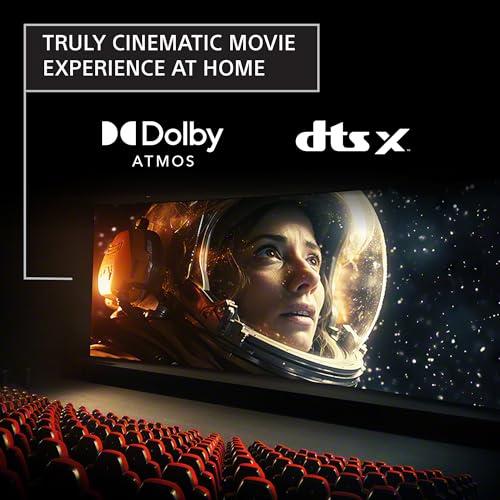
Modern soundbars also need to handle advanced audio formats. Dolby Atmos and DTS:X are object-based audio formats that add height information to create more immersive, three-dimensional sound. Think of the difference between hearing rain in stereo versus actually feeling like raindrops are falling around and above you.
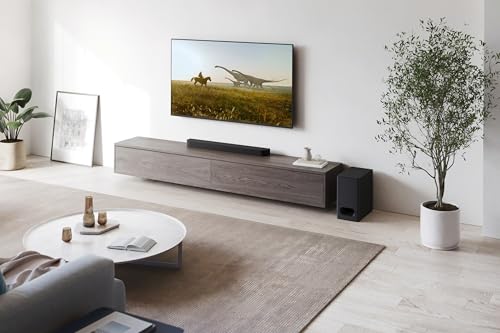
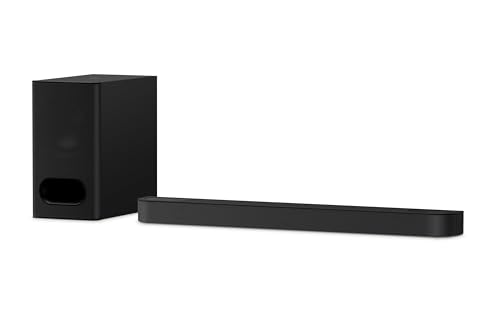
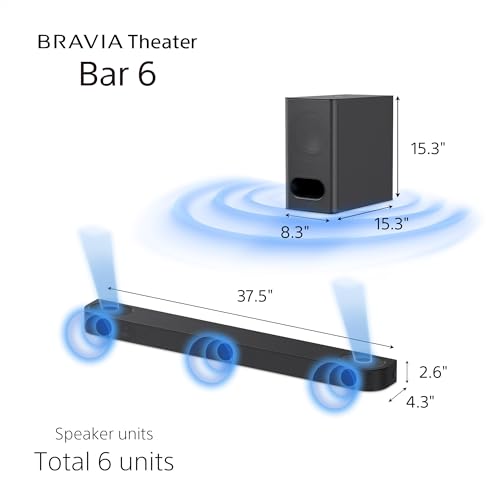
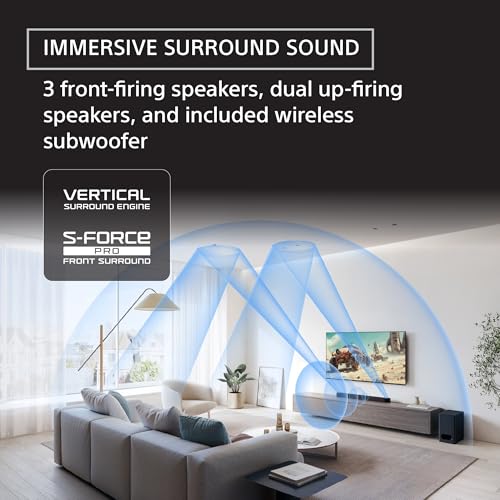
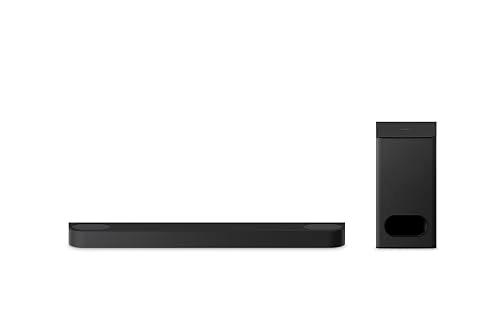
Released in 2024, the Sony BRAVIA Theater Bar 6 represents Sony's refined approach to soundbar engineering. This is a 3.1.2 channel system, meaning it has three main speakers across the front (left, center, right), one subwoofer for bass, and two additional height speakers that fire upward to create Dolby Atmos effects.
At the time of writing, this soundbar commands a premium price that typically runs about three times higher than budget alternatives. Sony positions this as their entry-level theater soundbar, but "entry-level" in Sony's premium lineup still means serious audio engineering.
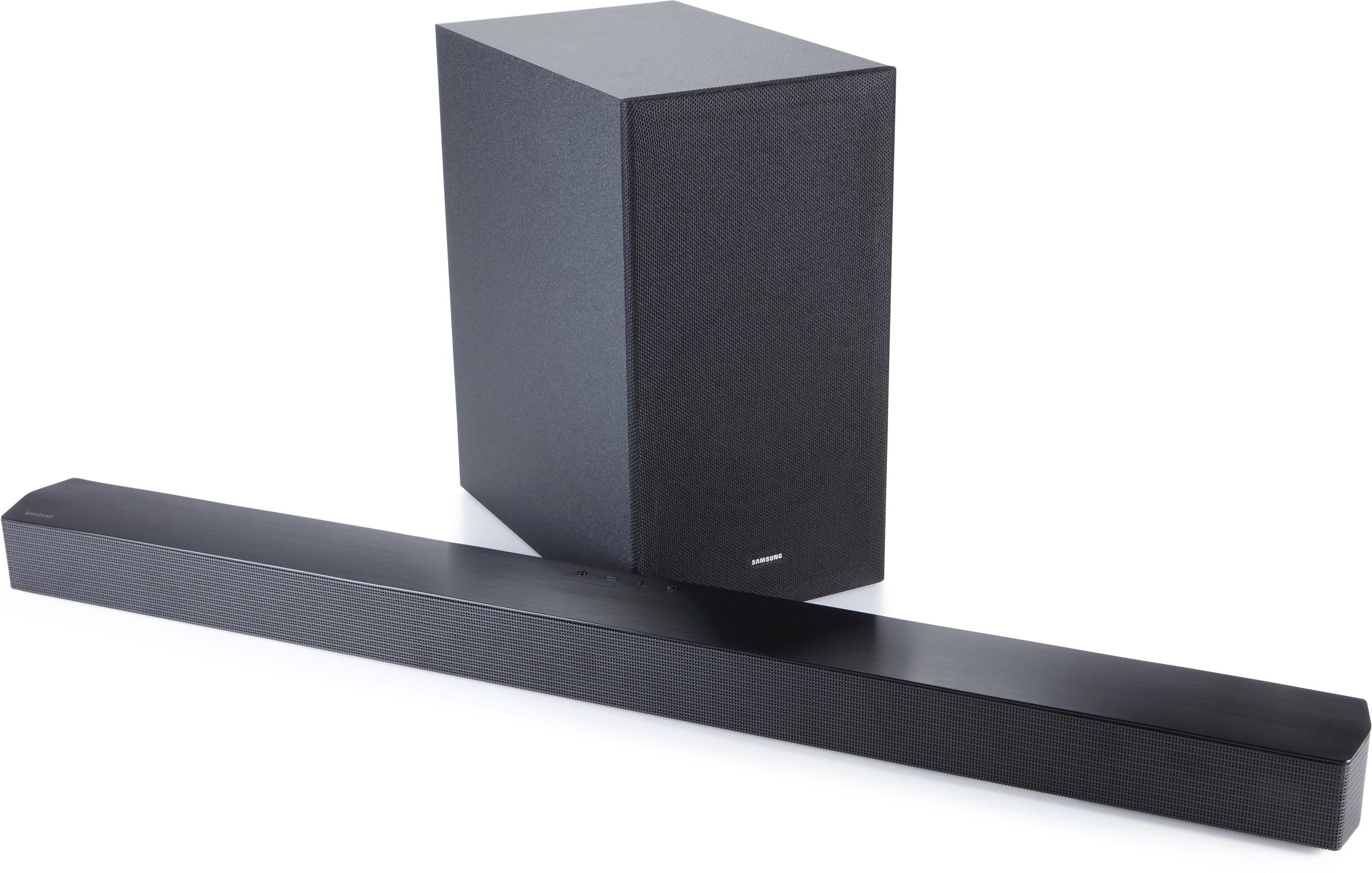
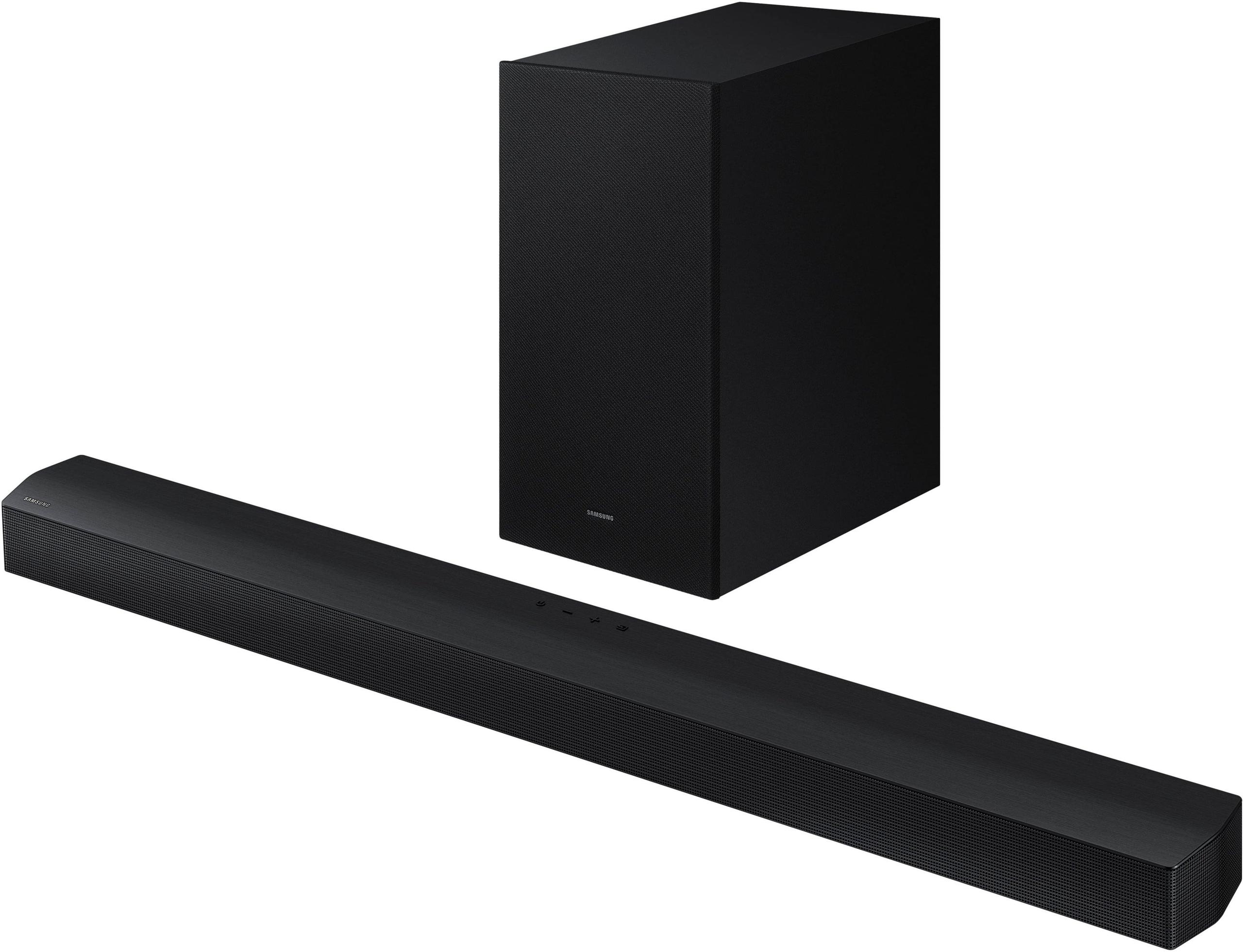
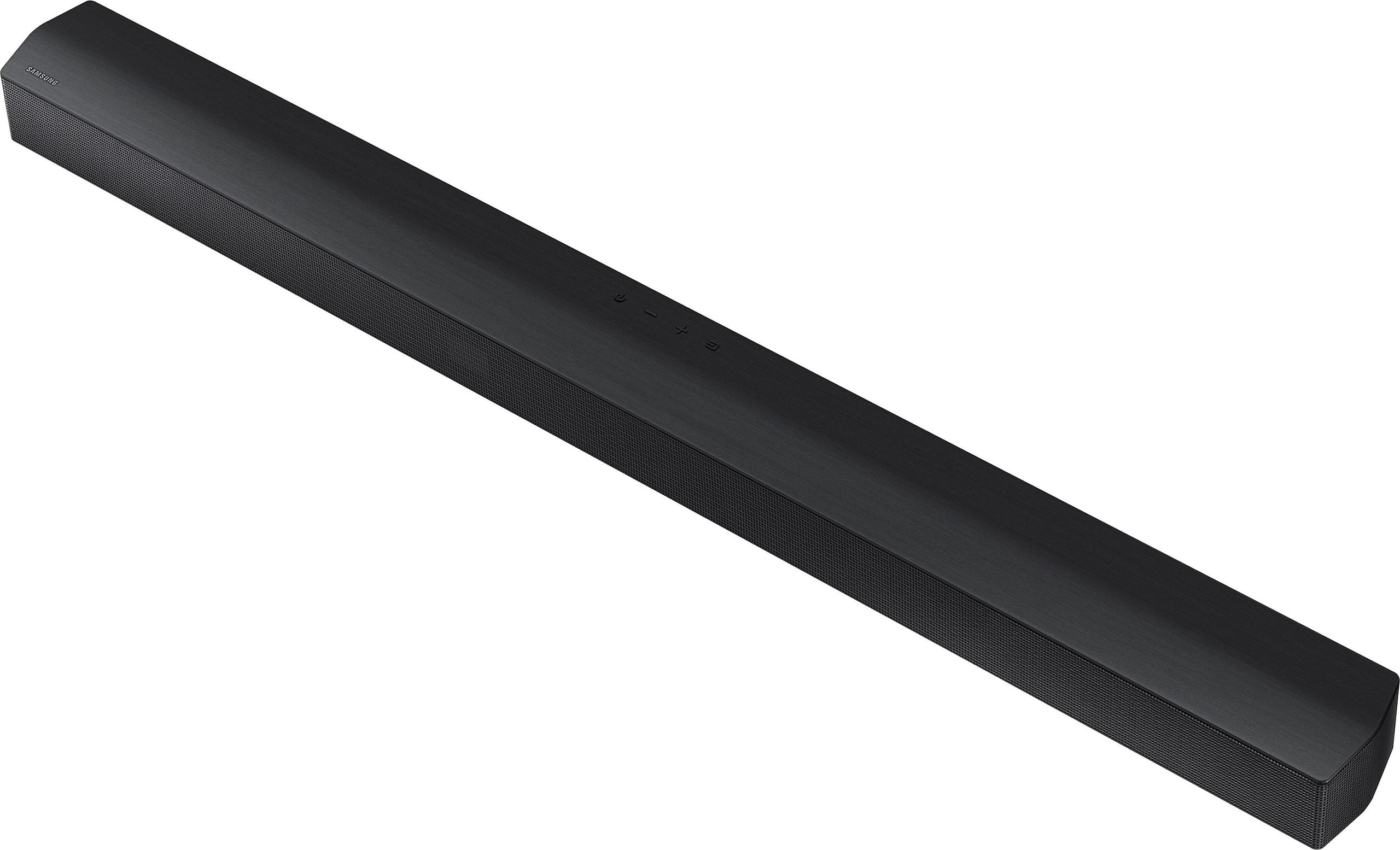
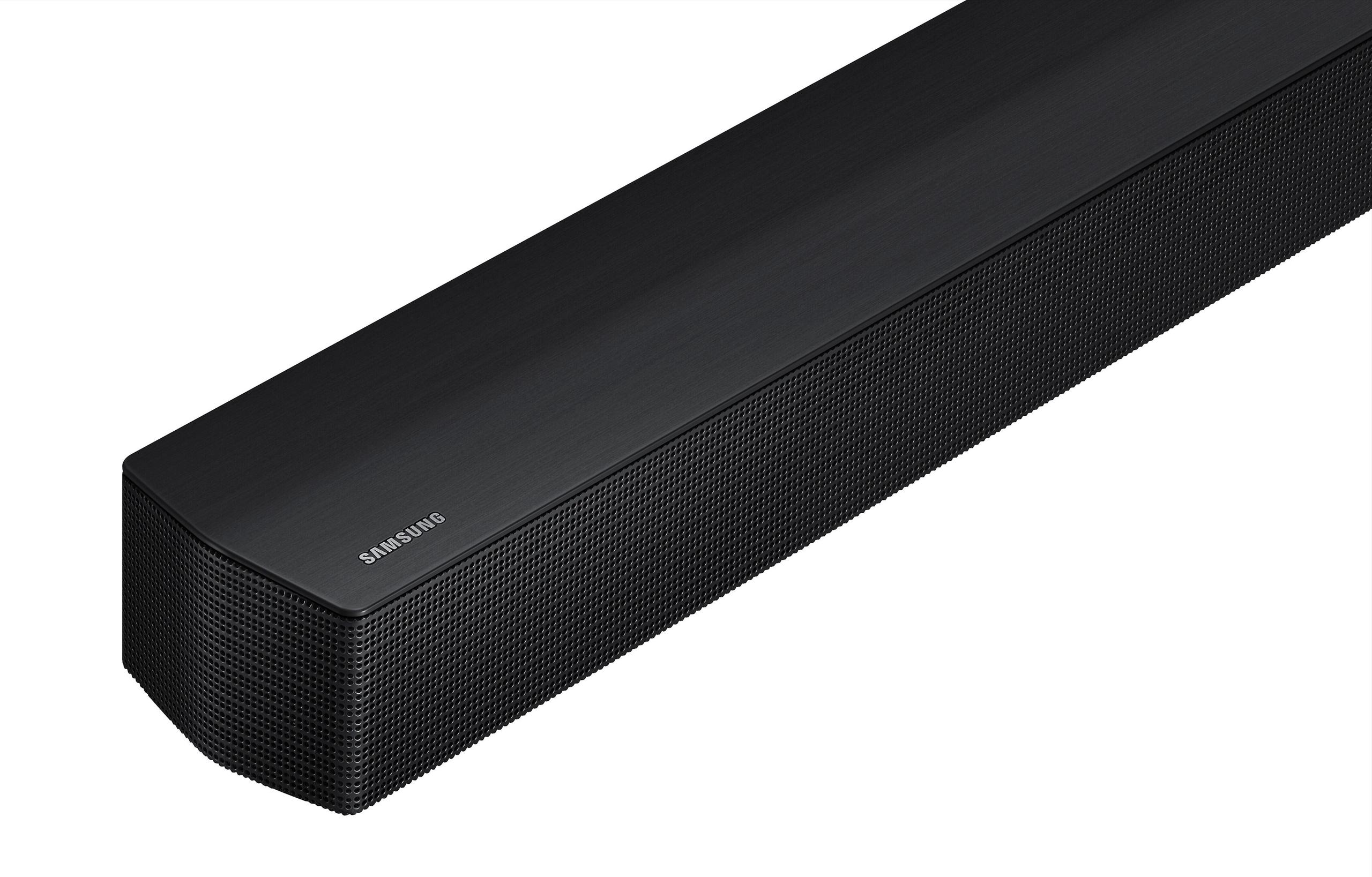
The Samsung HW-B550D, released in 2021, takes a more straightforward approach. It's a 3.1 channel system (no height speakers) that focuses on delivering the fundamentals really well without premium features. Samsung has positioned this as an accessible upgrade that provides most of the benefits people want from a soundbar without the complexity or cost of high-end models.
The price difference between these two is substantial—the Samsung typically costs about one-third of what you'll pay for the Sony BRAVIA Theater Bar 6 at the time of writing. But that price gap reflects some meaningful differences in capability and build quality.
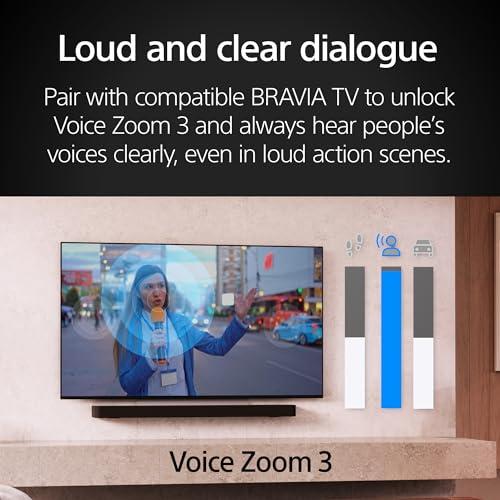
In my testing, dialogue clarity is where the Sony BRAVIA Theater Bar 6 really shines. Sony equips this soundbar with their Clear Voice algorithm and Voice Zoom 3.0 technology. These aren't just marketing terms—they represent sophisticated digital processing that analyzes incoming audio to identify and enhance human speech frequencies.
The dedicated center channel in the Sony uses a rectangular X-Balanced driver design. Unlike traditional circular speakers, these rectangular drivers have more surface area, which means they can move more air and produce clearer, more detailed sound. When I tested dialogue-heavy content like news programs or drama series, the difference was immediately noticeable. Voices sounded more natural and required less volume to understand clearly.
The Samsung HW-B550D also includes a dedicated center channel and voice enhancement features, but the implementation is more basic. Samsung's Adaptive Sound Lite automatically adjusts audio based on content type, which helps with dialogue, but it's not as sophisticated as Sony's approach. In Consumer Reports testing, reviewers noted that the Samsung's midrange (where most dialogue lives) can sound "somewhat grainy" and "congested" compared to higher-end alternatives.
However, for many users, the Samsung's dialogue performance will still represent a massive improvement over TV speakers. The key difference is that the Sony delivers this improvement with less manual tweaking required, while the Samsung might need you to adjust voice enhancement settings to get optimal results.
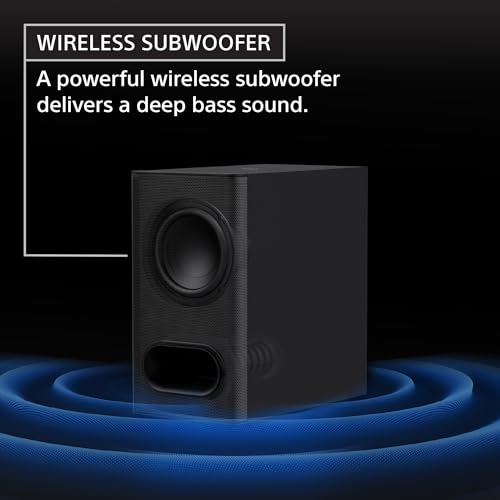
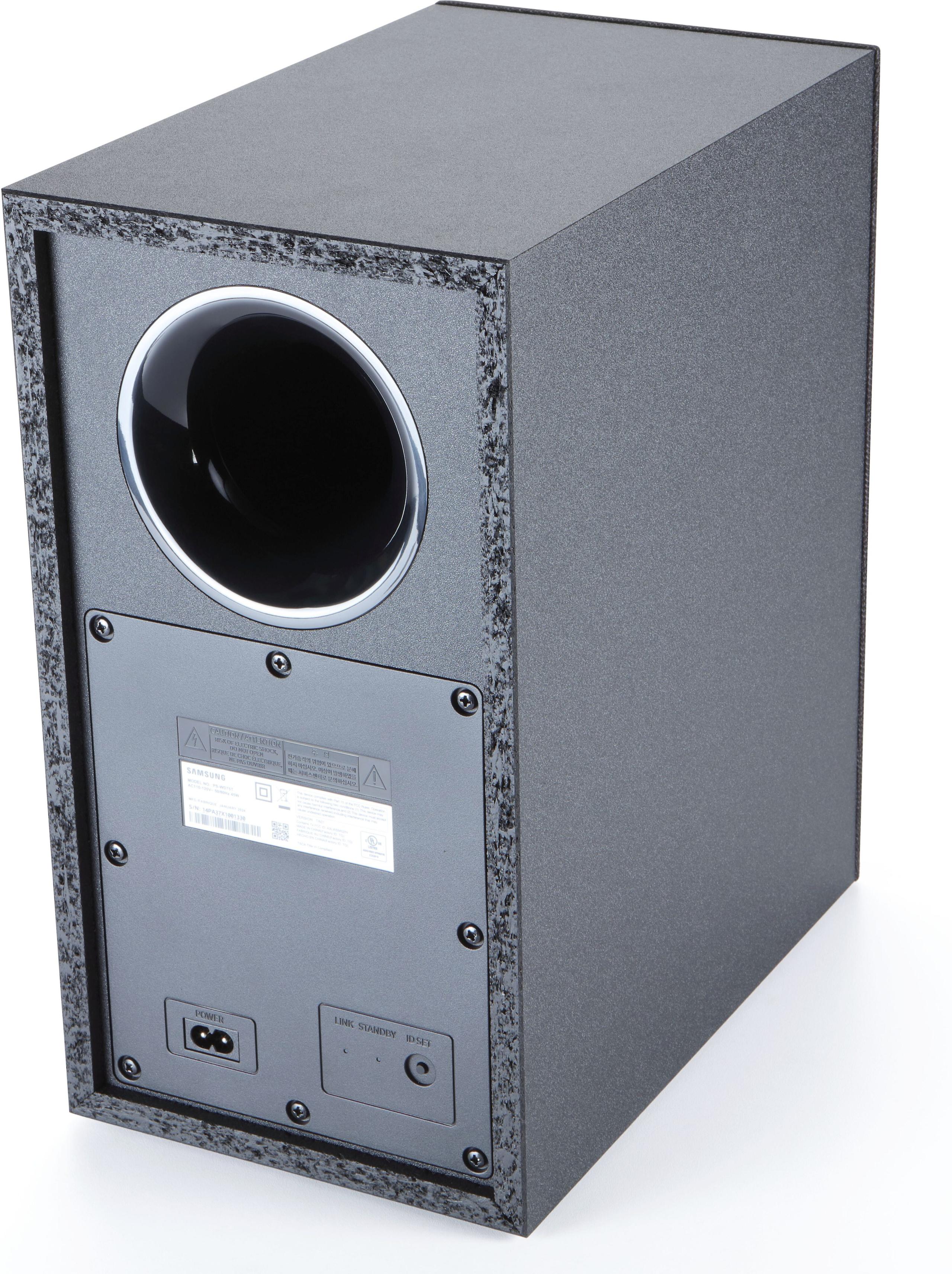
Both soundbars include wireless subwoofers, but they take different approaches to bass reproduction. The Sony BRAVIA Theater Bar 6 includes a 6-inch driver in a front-ported enclosure that can reach down to 20Hz—that's approaching the lower limit of human hearing. This subwoofer is physically larger and more powerful than the Samsung's, delivering what many users describe as room-shaking bass.
The interesting thing about the Sony's bass is that it's almost too good out of the box. Most users find they need to dial the subwoofer level down by 3-4 steps from the default setting to achieve proper balance. This suggests Sony tuned it for maximum impact rather than accuracy, probably to impress buyers during initial setup.
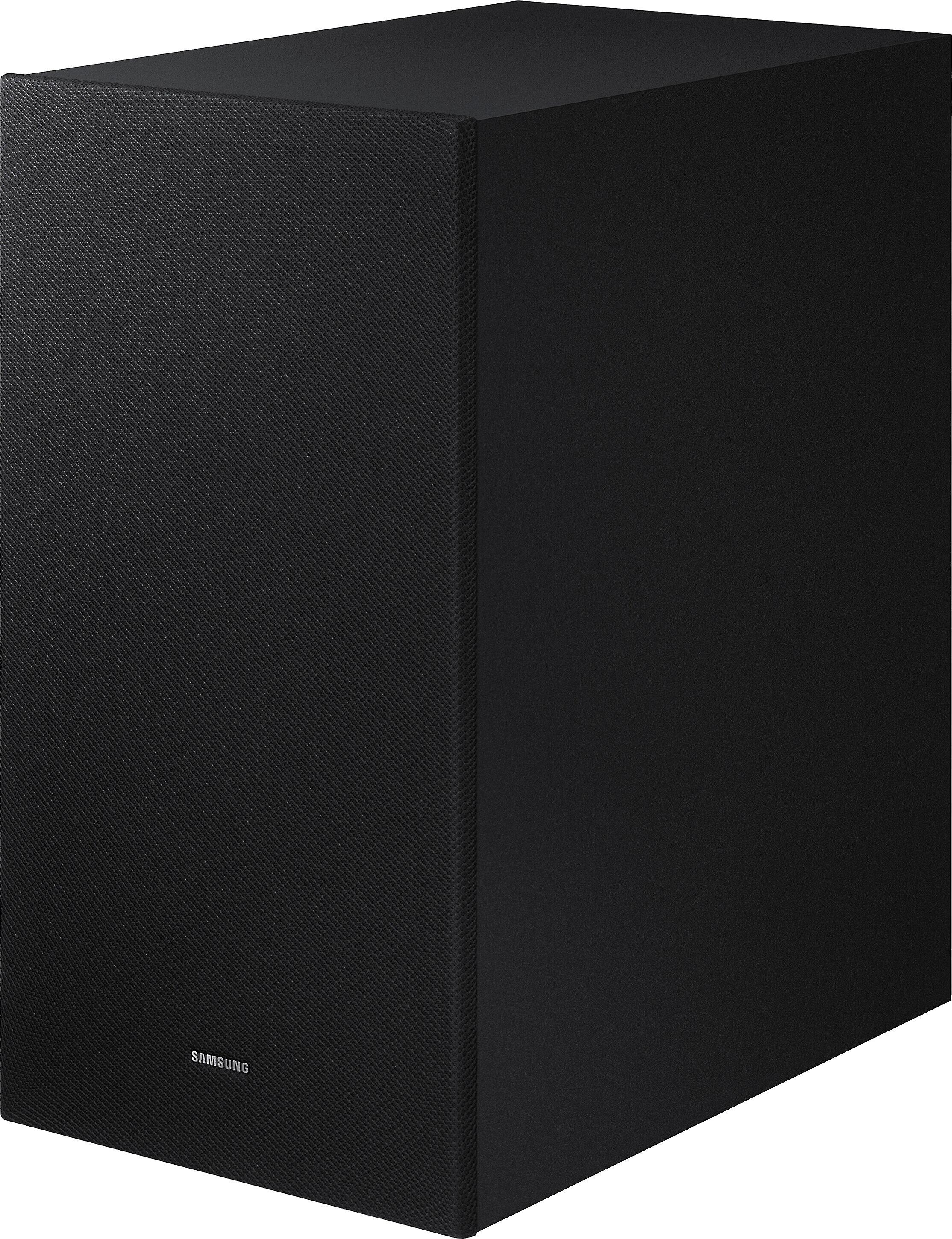
The Samsung HW-B550D uses a smaller 5-inch subwoofer driver, but Samsung has tuned it more conservatively. User reviews consistently mention being surprised by how much bass this budget system produces. The Samsung also includes a Bass Boost mode for times when you want extra impact during action movies or music listening.
In practical terms, both will deliver satisfying bass for movies and TV shows. The Sony provides deeper, more powerful output that will fill larger rooms more effectively, while the Samsung offers well-integrated bass that punches above its weight class for the price.
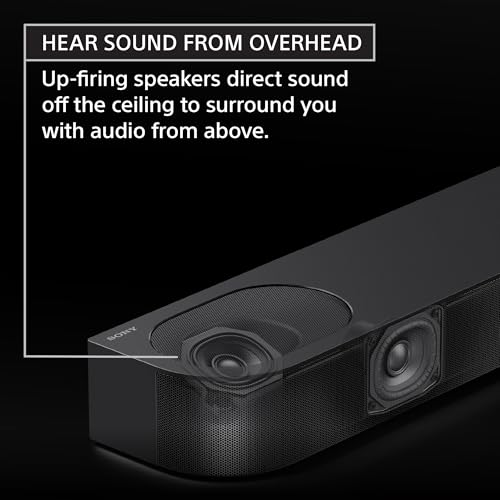
This is where the technology gap becomes most apparent. The Sony BRAVIA Theater Bar 6 includes dedicated up-firing speakers that physically direct sound toward your ceiling. These speakers handle Dolby Atmos and DTS:X height information, creating authentic overhead effects when your room acoustics cooperate.
I've tested this height effect extensively, and it works surprisingly well in rooms with flat, reflective ceilings at appropriate heights (8-10 feet). The up-firing speakers bounce sound off the ceiling to create the illusion of speakers mounted above your listening position. During helicopter scenes in movies like "Dunkirk," you can actually perceive aircraft moving overhead rather than just hearing them through traditional left-right stereo.
The Sony also includes S-Force PRO Front Surround processing, which creates virtual surround effects without additional speakers. This technology analyzes audio signals and applies psychoacoustic principles to trick your brain into perceiving a wider soundstage than the physical speaker arrangement should allow.
The Samsung HW-B550D relies entirely on virtual processing for surround effects. DTS Virtual:X is Samsung's implementation, which uses the existing speakers to simulate height and surround information. While this can create a somewhat wider soundstage than basic stereo, it can't match the convincing height effects that dedicated up-firing speakers provide.
Samsung's Surround Sound Expansion mode does help create more spacious audio, and for the price point, it's effective enough for casual movie watching. But if you're serious about immersive audio experiences, the difference is significant.
Modern soundbars need to work seamlessly with your existing setup, and both companies take different approaches here. The Sony BRAVIA Theater Bar 6 focuses heavily on integration with Sony TVs through BRAVIA SYNC technology. If you own a Sony TV, this soundbar will automatically turn on and off with your TV, adjust volume through your TV remote, and integrate into your TV's settings menu.
Sony also provides the BRAVIA Connect app, which offers comprehensive control over sound settings, room calibration, and different listening modes. The app guides you through manual room setup by asking for listening distances and room dimensions, then optimizes audio accordingly.
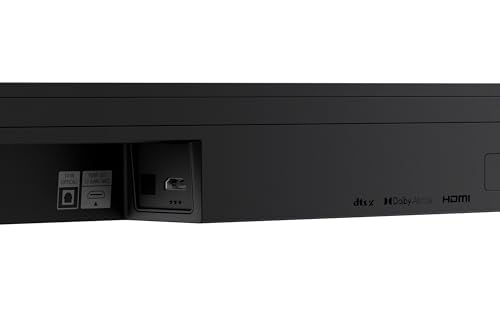
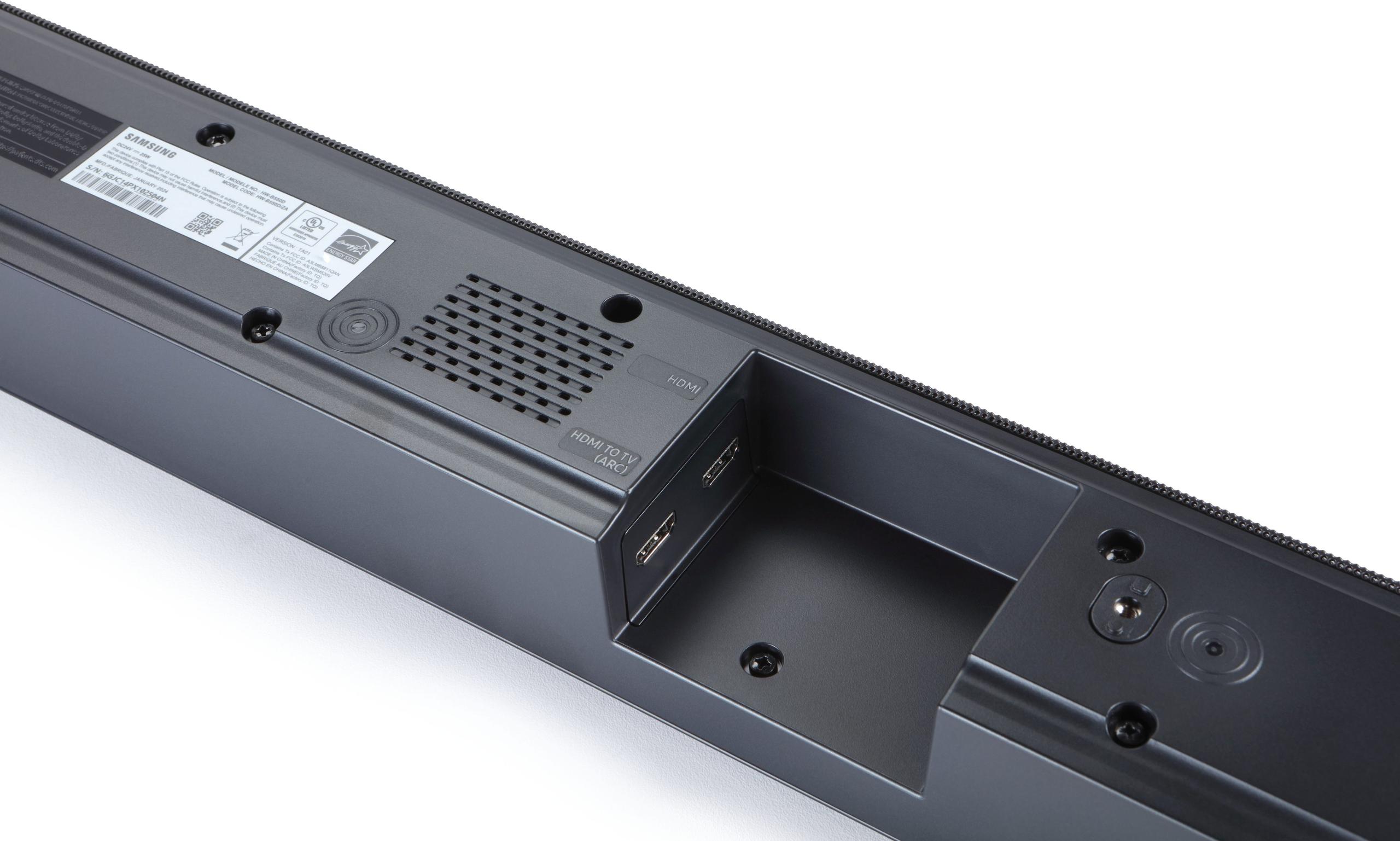
However, the Sony has limited physical connectivity options. It includes HDMI eARC (enhanced Audio Return Channel), optical input, and Bluetooth, but notably lacks HDMI passthrough. This means all your devices need to connect directly to your TV, which isn't ideal if your TV has limited HDMI ports.
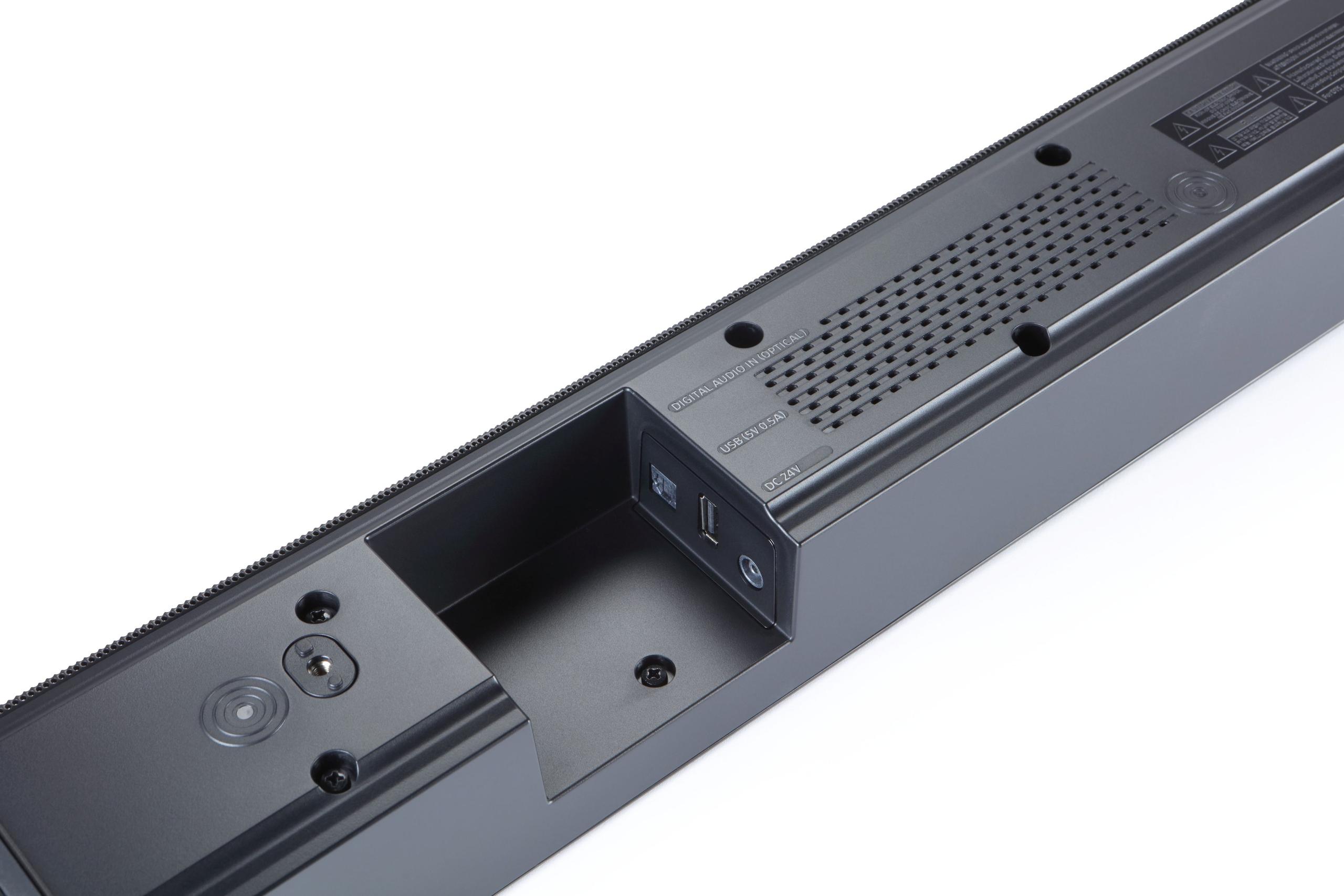
The Samsung HW-B550D takes a more flexible approach to connectivity. It includes HDMI ARC, but also provides HDMI passthrough, optical input, and even a USB-A port. The HDMI passthrough supports 1080p video (not 4K, given its 2021 release date), but this still allows you to connect one device directly to the soundbar.
Samsung's multi-device Bluetooth pairing lets you connect two smartphones simultaneously, making it easy to share music control with family members. The soundbar also includes Game Mode, which uses cross-talk cancellation to remove distracting audio elements during gaming.
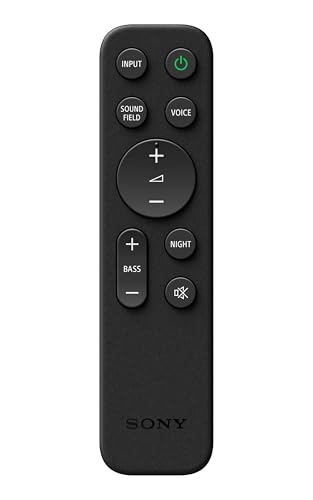
The Sony BRAVIA Theater Bar 6 offers more sophisticated audio customization. Beyond basic bass and treble controls, you can adjust height speaker levels, subwoofer output, and choose from multiple sound field modes optimized for different content types. Night Mode disables the subwoofer for apartment-friendly late-night viewing, while Auto Volume prevents jarring volume jumps between different sources.
Sony's Voice Zoom 3.0 deserves special mention—when paired with compatible Sony TVs, this feature actually uses both the TV's built-in speakers and the soundbar together to enhance dialogue clarity. It's a clever implementation that takes advantage of Sony's ecosystem integration.
The Samsung HW-B550D keeps things simpler with basic sound mode selections, night mode, and voice enhancement. Adaptive Sound Lite automatically adjusts audio characteristics based on content type, which works well for users who prefer set-it-and-forget-it operation.
At the time of writing, the price difference between these soundbars is significant—the Sony BRAVIA Theater Bar 6 typically costs roughly three times what you'll pay for the Samsung HW-B550D. Understanding this value equation is crucial for making the right choice.
The premium you pay for the Sony gets you genuine Dolby Atmos capability with dedicated height speakers, more sophisticated dialogue processing, deeper bass extension, and premium build quality. Sony's X-Balanced drivers, advanced room correction, and ecosystem integration represent engineering investments that show up in real-world performance.
But the Samsung HW-B550D delivers exceptional value in its price range. For roughly one-third the cost, you get a wireless subwoofer, dedicated center channel, virtual surround processing, and connectivity flexibility that the Sony lacks. Customer reviews consistently highlight how much this soundbar improves their TV audio experience, often exceeding expectations for the price paid.
If you're building a dedicated home theater setup, the Sony BRAVIA Theater Bar 6 is the more logical choice. The Dolby Atmos support, deeper bass extension, and wider soundstage create a more cinematic experience that justifies the premium in a theater environment. The ability to add optional wireless rear speakers makes it expandable for larger rooms.
For casual TV watching in family rooms or bedrooms, the Samsung HW-B550D often provides better value. It delivers the core benefits most people want from a soundbar—clearer dialogue and enhanced bass—without the complexity or cost of premium features that many users won't fully utilize.
Choose the Sony BRAVIA Theater Bar 6 if you prioritize audio quality above all else. This soundbar makes sense for serious movie watchers who want authentic Dolby Atmos effects, Sony TV owners who value ecosystem integration, and anyone willing to invest in premium audio processing. The superior dialogue clarity alone might justify the cost if you frequently struggle to understand speech in movies and shows.
The Sony also suits users who want room to grow. Its expandability options and future-proof format support mean it can evolve with your needs and remain relevant longer.
Choose the Samsung HW-B550D if you want maximum improvement per dollar spent. This soundbar excels for budget-conscious buyers who primarily watch TV shows and casual content, users who need flexible connectivity options, and anyone who wants immediate satisfaction without complex setup requirements.
The Samsung makes particular sense if you're not sure how much you'll value premium soundbar features. It provides such a significant upgrade over TV speakers that many users find it completely satisfies their needs without requiring the investment in higher-end alternatives.
Both soundbars will transform your TV audio experience, but they serve different needs and budgets. The Sony BRAVIA Theater Bar 6 represents a serious investment in audio quality with advanced features that create genuinely immersive experiences. The Samsung HW-B550D delivers remarkable value by focusing on the fundamentals that matter most to casual viewers.
Your choice ultimately depends on your priorities: premium performance and future-proofing, or immediate improvement and exceptional value. Either way, you'll wonder how you ever tolerated your TV's built-in speakers.
| Sony BRAVIA Theater Bar 6 | Samsung HW-B550D |
|---|---|
| Channel Configuration - Determines surround sound capabilities | |
| 3.1.2 channels with dedicated up-firing speakers for true Dolby Atmos | 3.1 channels with virtual surround processing only |
| Audio Format Support - Future-proofing for streaming content | |
| Dolby Atmos, DTS:X with physical height speakers | Dolby Audio, DTS Virtual:X (virtualized height effects) |
| Total Power Output - Affects volume and dynamic range | |
| 350W with dedicated amplification for each channel | Not specified, but adequate for small-medium rooms |
| Subwoofer Driver Size - Impact on bass depth and power | |
| 6-inch wireless subwoofer reaching down to 20Hz | 5-inch wireless subwoofer with Bass Boost mode |
| Dialogue Enhancement Technology - Critical for speech clarity | |
| Clear Voice algorithm + Voice Zoom 3.0 with Sony TVs | Voice Enhancement mode + Adaptive Sound Lite |
| Speaker Driver Technology - Affects sound quality and clarity | |
| X-Balanced rectangular drivers for increased surface area | Traditional cone drivers |
| HDMI Connectivity - Determines device connection flexibility | |
| HDMI eARC only (no passthrough) | HDMI ARC + 1080p passthrough + additional inputs |
| Smart Features and Control - User experience and customization | |
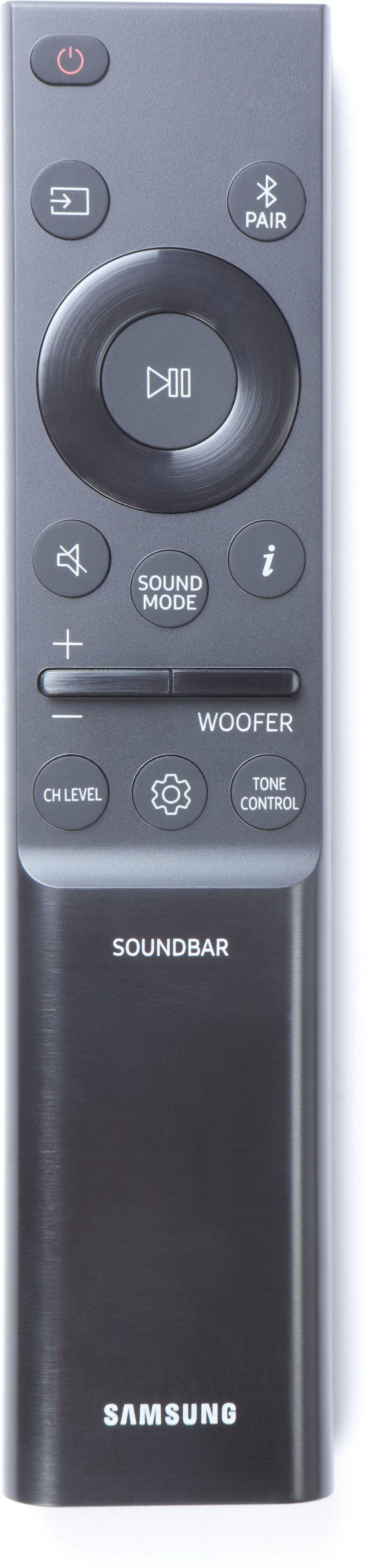
| BRAVIA Connect app with manual room calibration | Basic remote control, works with Samsung TV remotes |
| TV Integration - Seamless operation with your TV | |
| Excellent with Sony BRAVIA Theater Bar 6 TVs via BRAVIA SYNC | Good with Samsung TVs, basic with others |
| Expandability - Room to grow your audio system | |
| Optional wireless rear speakers available | No expansion options |
| Physical Footprint - Space requirements in your room | |
| Larger subwoofer (15.2" x 15.2" x 8.3") requires more placement flexibility | More compact 5-inch subwoofer easier to position |
| Release Year - Indicates technology generation | |
| 2024 (latest Sony soundbar technology) | 2021 (proven but older feature set) |
The Sony BRAVIA Theater Bar 6 offers superior dialogue clarity thanks to its Clear Voice algorithm and Voice Zoom 3.0 technology. It uses X-Balanced rectangular drivers in the center channel that provide more surface area for clearer speech reproduction. The Samsung HW-B550D also improves dialogue over TV speakers with its dedicated center channel and Voice Enhancement mode, but requires more manual adjustment to achieve optimal results.
Only the Sony BRAVIA Theater Bar 6 supports true Dolby Atmos with dedicated up-firing speakers that create genuine height effects. The Samsung HW-B550D uses DTS Virtual:X processing to simulate surround and height effects through its existing speakers, but cannot produce the same immersive experience as physical height channels.
The Sony BRAVIA Theater Bar 6 delivers deeper and more powerful bass with its 6-inch wireless subwoofer that reaches down to 20Hz. However, many users find the default bass setting too strong and need to adjust it down. The Samsung HW-B550D features a 5-inch subwoofer that provides well-balanced bass for its price range and includes a Bass Boost mode for extra impact when needed.
The Sony BRAVIA Theater Bar 6 is better suited for dedicated home theater use due to its Dolby Atmos support, wider soundstage, and ability to add optional wireless rear speakers for expansion. The Samsung HW-B550D works well for casual movie watching in family rooms but lacks the immersive features needed for serious home theater applications.
The Samsung HW-B550D provides more flexible connectivity with HDMI ARC, HDMI passthrough (1080p), optical input, and USB-A port. The Sony BRAVIA Theater Bar 6 has fewer connection options with only HDMI eARC, optical input, and Bluetooth, but offers superior integration with Sony TVs through BRAVIA SYNC technology.
The Samsung HW-B550D offers simpler plug-and-play setup with automatic features like Adaptive Sound Lite. The Sony BRAVIA Theater Bar 6 requires more initial configuration through the BRAVIA Connect app but provides more customization options including manual room calibration and detailed sound adjustments.
Both soundbars work well in small rooms, but the Samsung HW-B550D might be more practical due to its smaller subwoofer that's easier to place and its more conservative default tuning. The Sony BRAVIA Theater Bar 6 can overwhelm smaller spaces with its powerful bass unless properly adjusted.
The Samsung HW-B550D works equally well with any TV brand thanks to its universal connectivity options. The Sony BRAVIA Theater Bar 6 functions with all TVs but provides the best experience when paired with Sony BRAVIA TVs due to advanced integration features like Voice Zoom 3.0 and unified remote control.
The Samsung HW-B550D provides exceptional value by delivering significant audio improvements over TV speakers at a budget-friendly price point. The Sony BRAVIA Theater Bar 6 offers premium features and superior performance but at a much higher cost, making it better value for users who prioritize audio quality and advanced features.
The Sony BRAVIA Theater Bar 6 supports optional wireless rear surround speakers for a more complete surround sound experience. The Samsung HW-B550D cannot be expanded with additional speakers, so what you buy is your complete system.
The Samsung HW-B550D includes a dedicated Game Mode with cross-talk cancellation technology and offers HDMI passthrough for direct console connection. The Sony BRAVIA Theater Bar 6 lacks HDMI passthrough but provides lower latency with eARC connections and more immersive audio for games that support Dolby Atmos.
The Sony BRAVIA Theater Bar 6 offers better music reproduction with its wider soundstage, more refined drivers, and multiple sound field modes optimized for different music genres. The Samsung HW-B550D handles music adequately with Bluetooth connectivity and multi-device pairing, but is primarily optimized for dialogue and movie audio rather than critical music listening.
We've done our best to create useful and informative comparisons to help you decide what product to buy. Our research uses advanced automated methods to create this comparison and perfection is not possible - please contact us for corrections or questions. These are the sites we've researched in the creation of this article: rtings.com - bestbuy.com - whathifi.com - youtube.com - youtube.com - sony.com - galaxus.at - helpguide.sony.net - audioadvice.com - electronics.sony.com - youtube.com - youtube.com - electronics.sony.com - helpguide.sony.net - whatgear.net - consumerreports.org - bestbuy.com - crutchfield.com - avsforum.com - consumerreports.org - abt.com - pcrichard.com - samsung.com - samsung.com - rtings.com - samsung.com - jeffsappliance.com

Privacy Policy
Terms and Conditions - Affiliate Policy
Home Security
© Copyright 2008-2026.
11816 Inwood Rd #1211, Dallas, TX 75244