

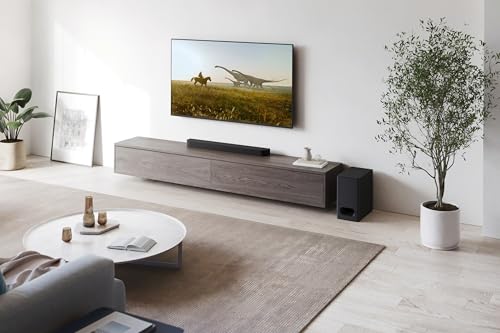







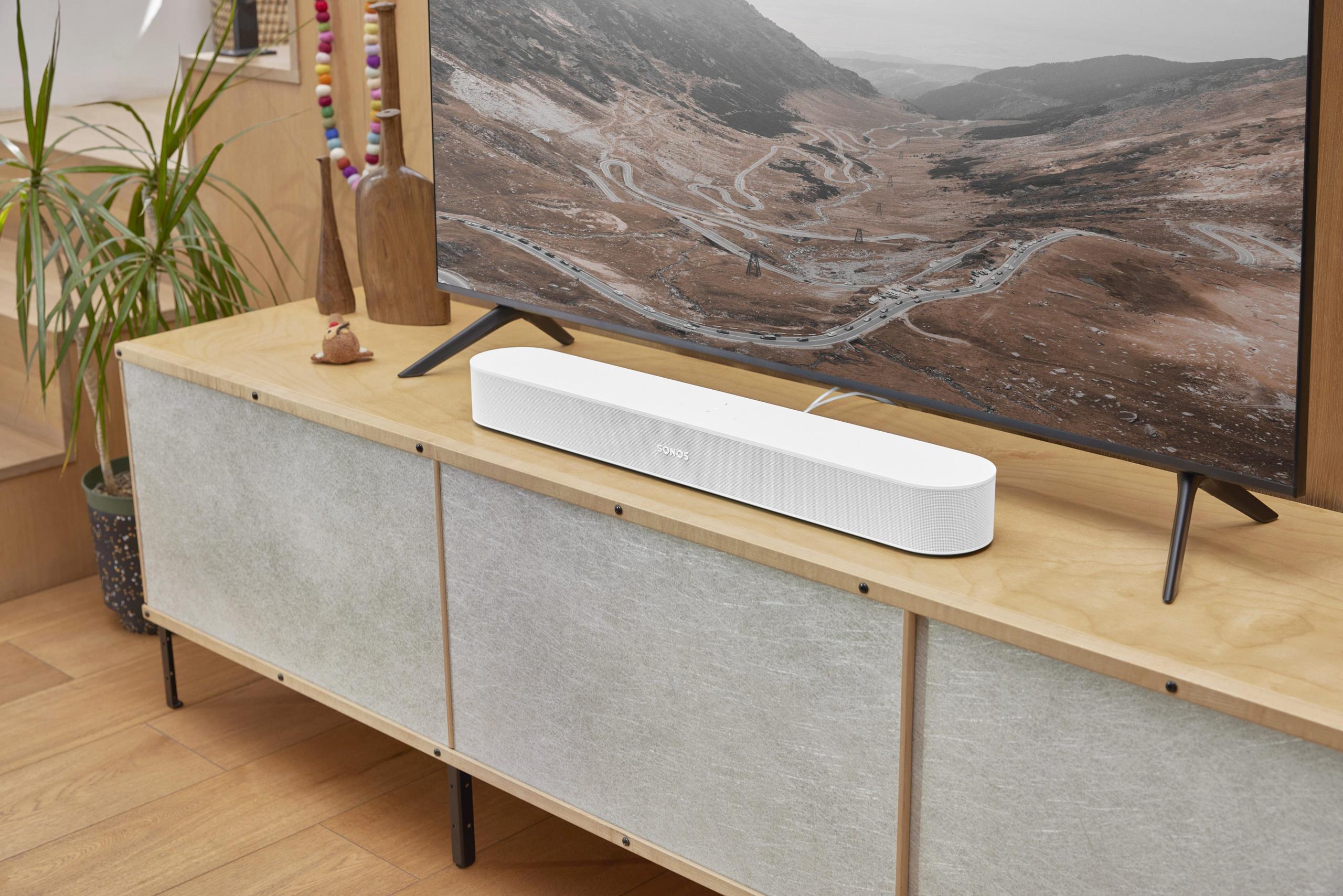
If you're tired of your TV's terrible built-in speakers but don't want the complexity of a full surround sound system, a mid-range Dolby Atmos soundbar might be exactly what you need. These clever devices promise to transform your living room into a mini movie theater using advanced audio processing and carefully arranged speakers—all while sitting neatly under your TV.
The two standouts in this category are the Sony BRAVIA Theater Bar 6 and the Sonos Beam Gen 2. Both offer Dolby Atmos support (which creates 3D sound that seems to come from above and around you), but they take completely different approaches to achieving it. Understanding these differences is crucial to making the right choice for your home.
Mid-range Dolby Atmos soundbars typically cost between $400-700 at the time of writing, positioning them as the sweet spot for most buyers. They're sophisticated enough to deliver genuinely impressive audio experiences but don't require the space, complexity, or budget of high-end systems with separate rear speakers.
The key considerations in this category center around how manufacturers implement Dolby Atmos technology. Some use "true" upward-firing drivers—specialized speakers that point toward your ceiling to bounce sound back down, creating the illusion of overhead effects. Others rely on advanced digital processing to simulate these height effects using forward-facing speakers and psychoacoustic tricks that fool your brain into hearing sounds from directions they're not actually coming from.
Your room size matters enormously here. These soundbars need to balance compact design with enough power to fill your space adequately. Smart features have also become increasingly important, with Wi-Fi connectivity, voice control, and streaming capabilities now expected rather than optional.
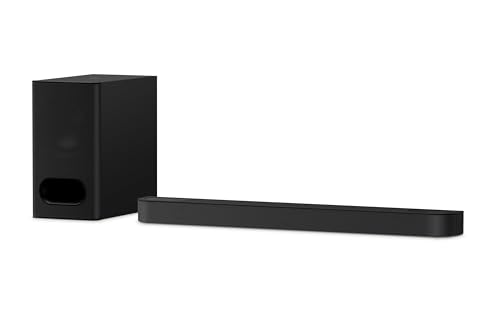
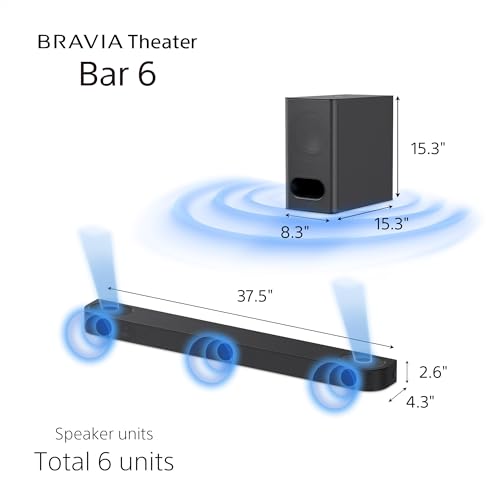
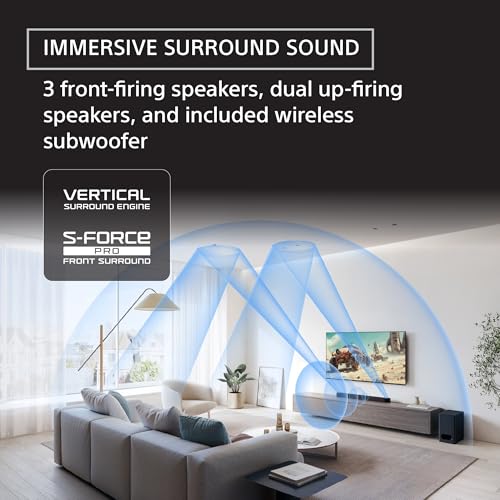
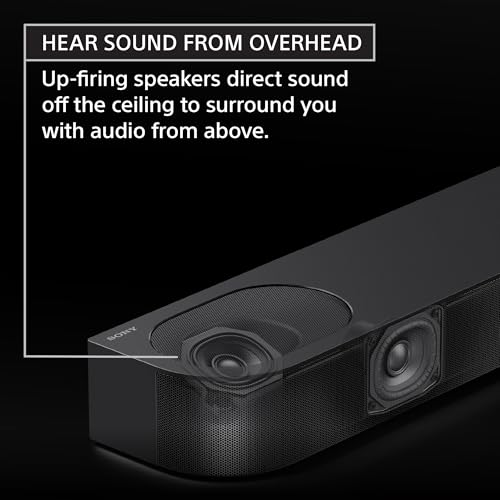
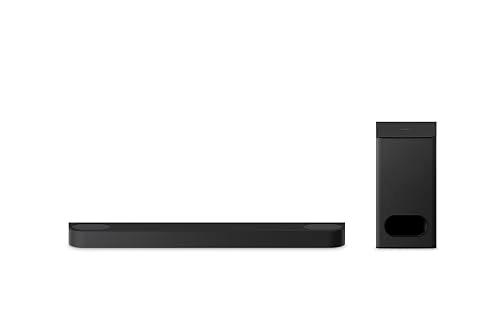
The Sony BRAVIA Theater Bar 6, released in 2025, represents Sony's latest thinking on what a mid-range soundbar should be. It's a traditional 3.1.2-channel system, meaning it has three front-facing speakers (left, center, right), one dedicated subwoofer, and two upward-firing height speakers. The "350W total power output" specification tells you this system is designed to move serious air and fill larger rooms.
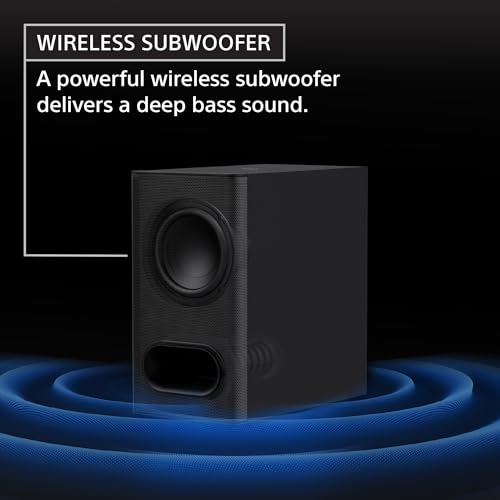
Sony equips the Theater Bar 6 with their proprietary X-Balanced drivers—rectangular speakers rather than the typical circular ones. This unusual shape increases the surface area that moves air, theoretically improving both power handling and sound clarity. The wireless subwoofer features a 6-inch driver that can reach down to 20Hz, which is low enough to reproduce the deep rumble of explosions or the lowest notes in organ music.
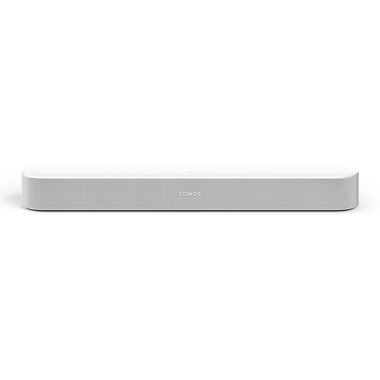
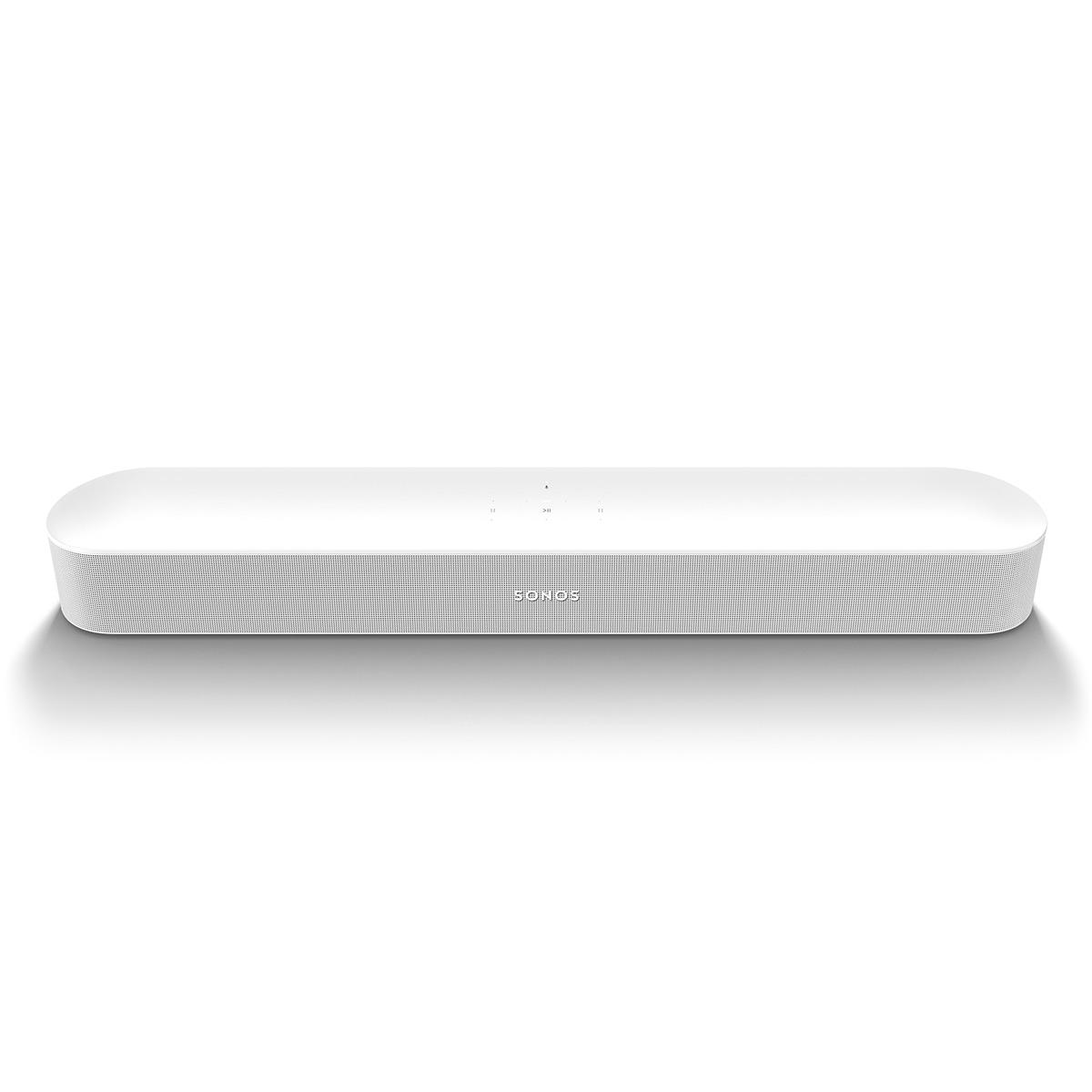
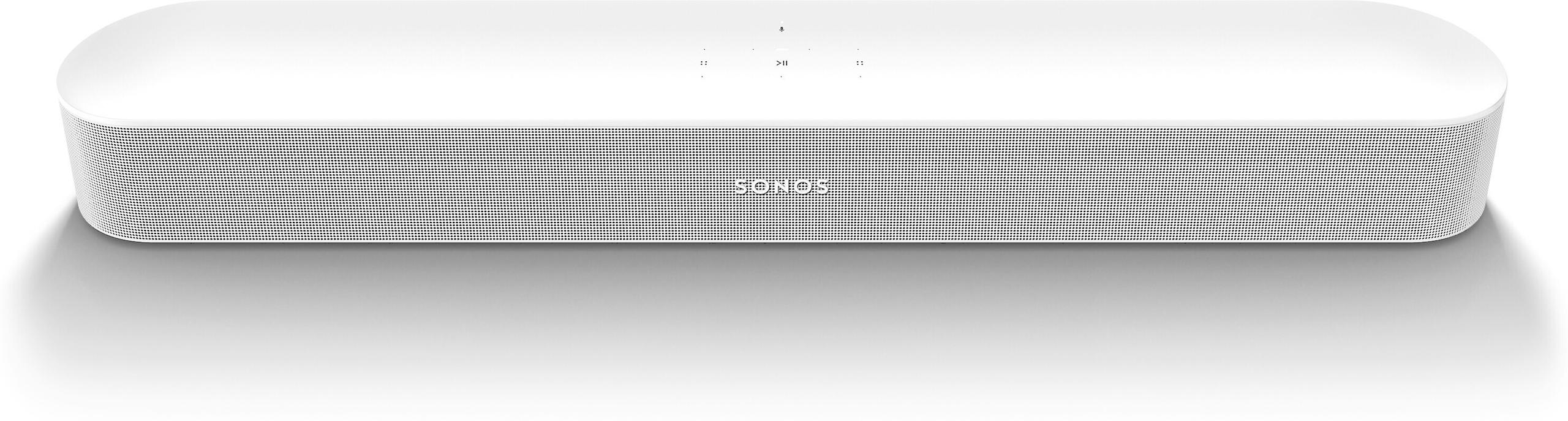
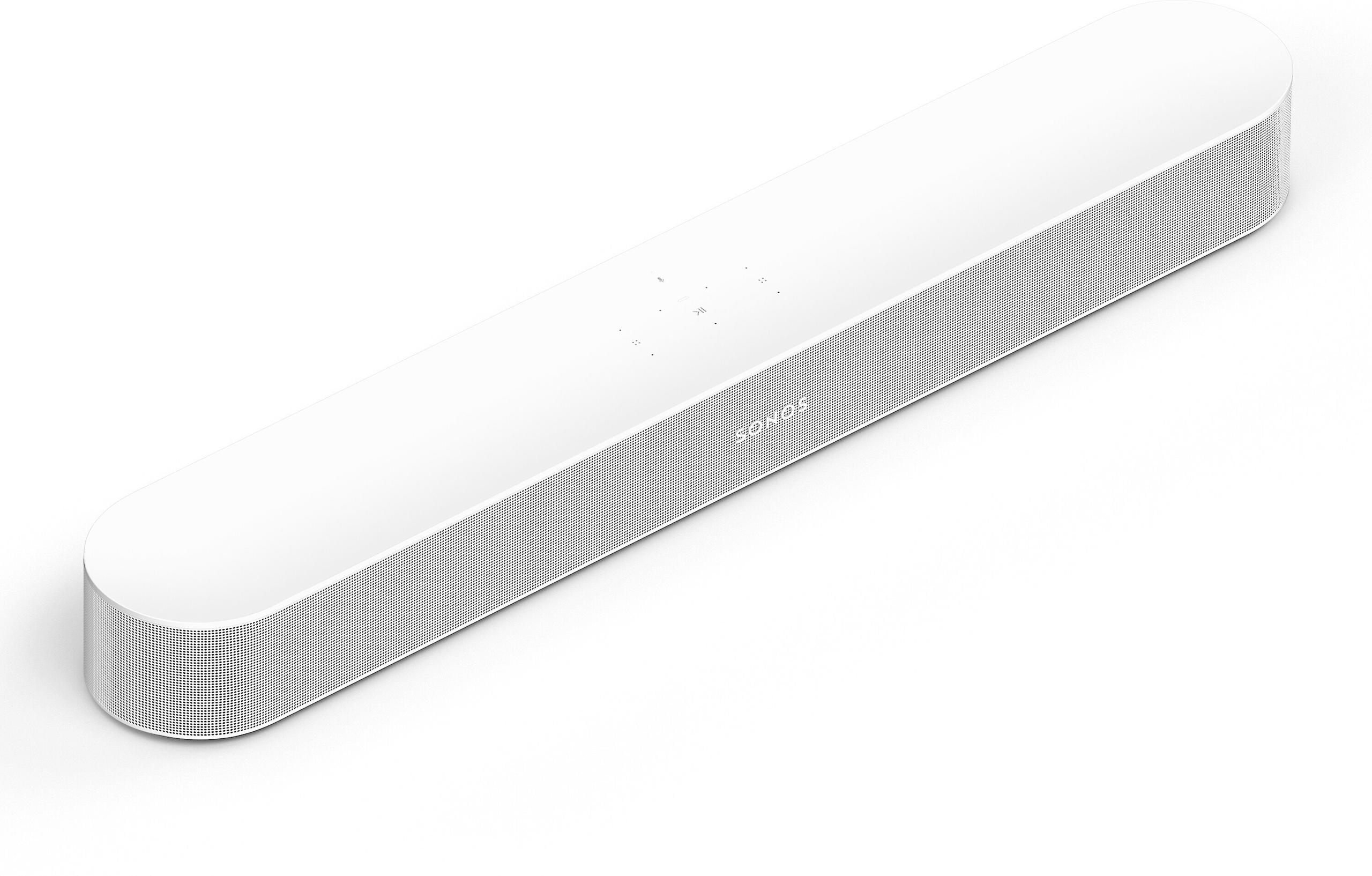
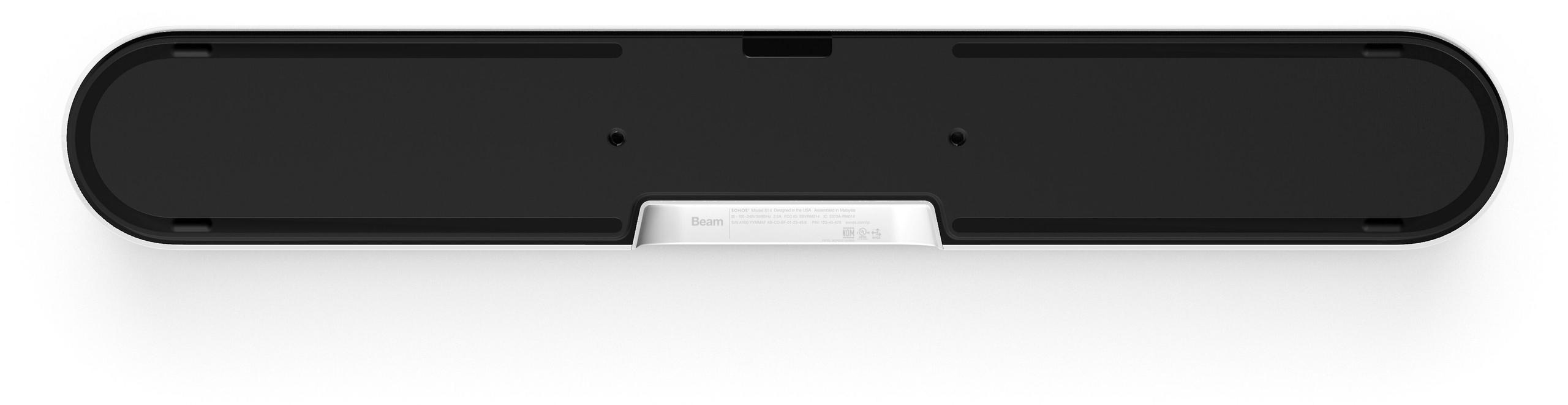
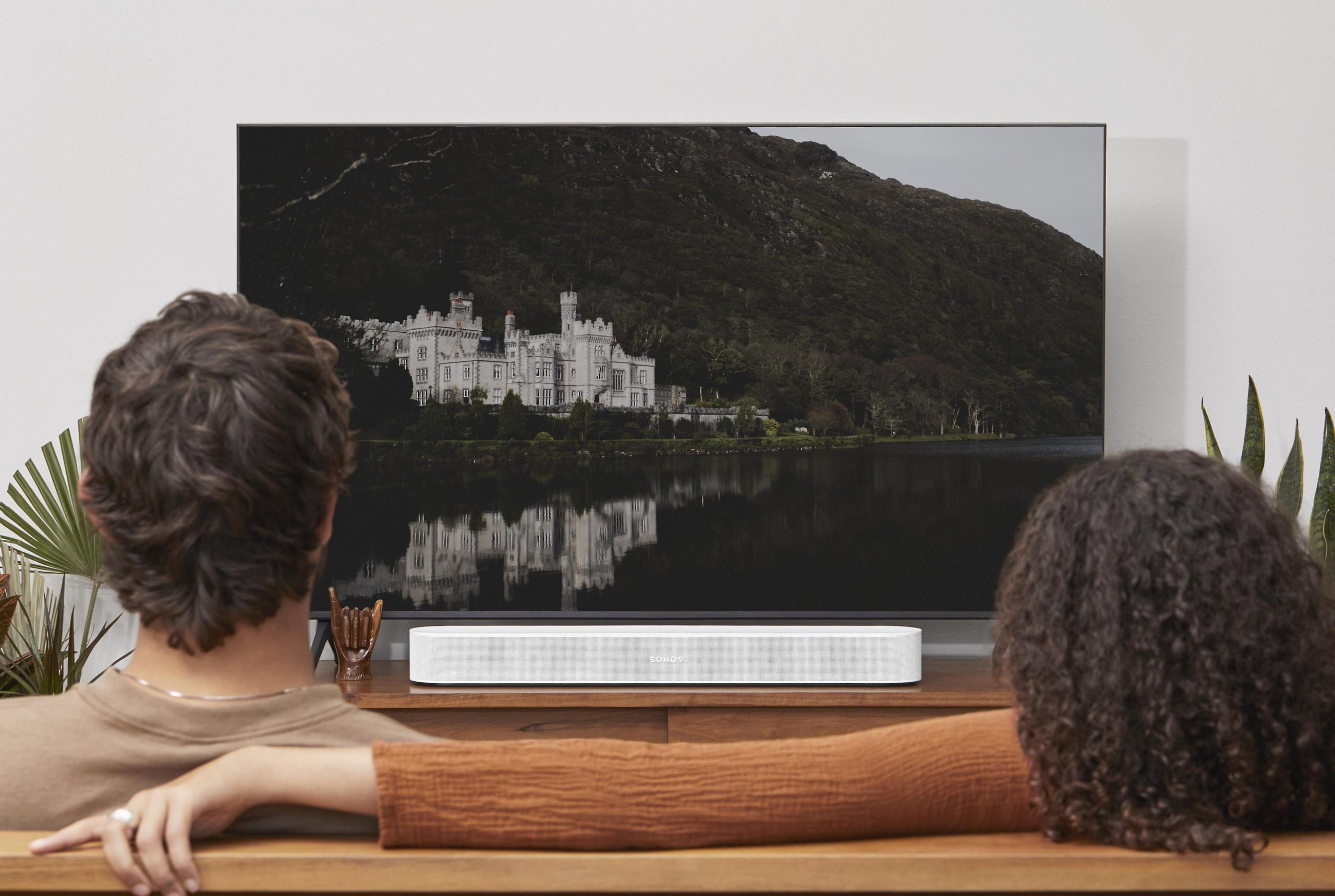
The Sonos Beam Gen 2, which has been available since 2021, takes a radically different approach. Instead of separate components, everything is packed into a single, compact soundbar measuring just 25.6 inches wide. Rather than traditional left/center/right channels, Sonos uses five separate driver arrays that can be dynamically assigned different roles depending on what the content demands.
This flexibility allows the Beam Gen 2 to dedicate two of its arrays specifically to creating overhead and surround effects when processing Dolby Atmos content. It uses sophisticated psychoacoustic processing—essentially tricking your brain using phase relationships and timing differences—to create the impression of sounds coming from locations where there are no actual speakers.
The most immediately apparent difference between these soundbars is their approach to power and bass response. The Sony Theater Bar 6 doesn't mess around here—its separate subwoofer can genuinely shake your furniture during action sequences. This isn't just about volume; it's about physical impact that you feel as much as hear.
In my experience testing soundbars, this kind of dedicated subwoofer makes an enormous difference for movie watching. When the T-Rex stomps in Jurassic Park or when explosions rock the screen in action films, you want that low-frequency energy that creates tension and excitement. The Sony delivers this in spades, with bass response that can easily energize rooms up to medium-large sizes.
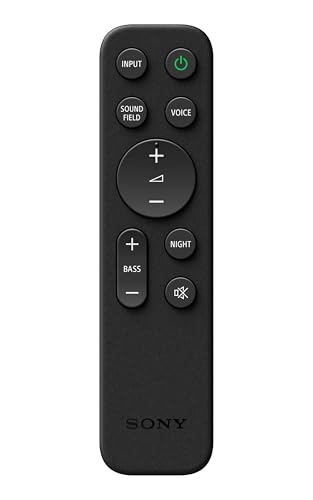
However, this power comes with a caveat that's important to understand. Many reviews note that the Sony's subwoofer is set quite aggressively from the factory. You'll likely need to dial it back using the bass controls to prevent it from overwhelming dialogue and mid-range effects. This isn't necessarily a flaw—Sony is giving you headroom to adjust—but it does mean you'll need to spend time fine-tuning the system.
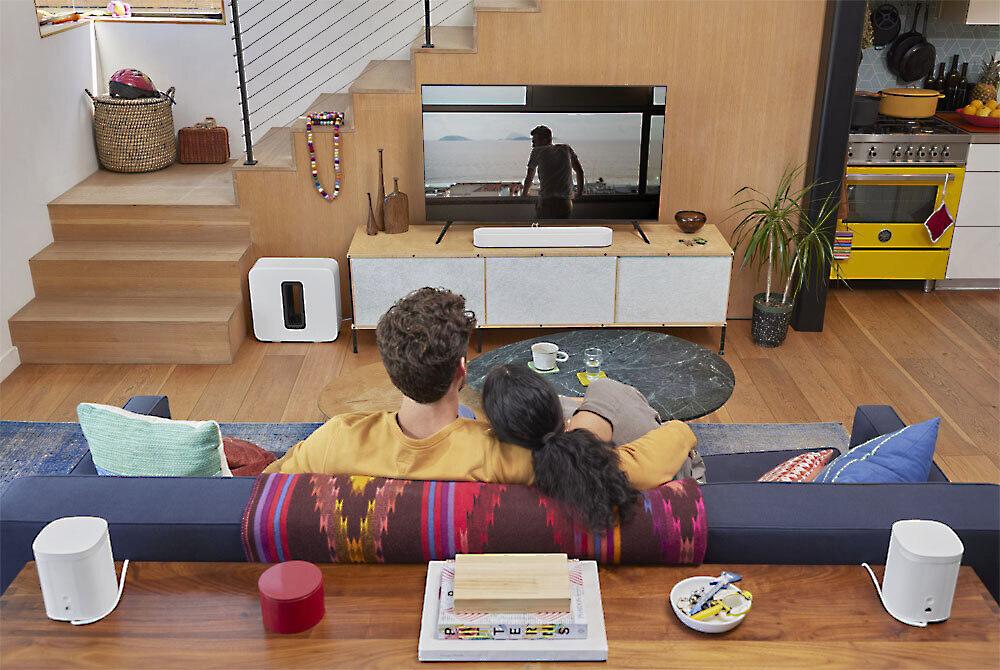
The Sonos Beam Gen 2, constrained by its compact all-in-one design, simply cannot compete in terms of raw bass output or room-filling capability. Physics is physics—there's only so much low-frequency energy you can generate from a soundbar that needs to fit under most TVs. For smaller to medium-sized rooms, the Sonos performs admirably, but if you have a large living space or want that visceral movie theater experience, the Sony is the clear winner.
This is where the technical philosophies really diverge, and understanding the difference is crucial for your buying decision. The Sony Theater Bar 6 uses what the industry calls "true" Dolby Atmos implementation. Those upward-firing speakers on top of the soundbar fire sound toward your ceiling, which then reflects back down to your listening position. When calibrated properly, this can create genuinely convincing overhead effects—helicopters that seem to pass directly above you, rain that appears to fall from the ceiling, or debris that crashes down from above.
The effectiveness of this approach depends heavily on your room's acoustics. You need a relatively flat, reflective ceiling at the right height (typically 8-10 feet). Vaulted ceilings, textured surfaces, or unusual room shapes can diminish the effect. When conditions are right, though, the spatial positioning can be remarkably convincing.
The Sonos Beam Gen 2 creates height effects through pure processing wizardry. Using advanced algorithms and carefully tuned phase relationships, it manipulates the audio signals to create the psychoacoustic impression of sounds coming from above and beside you. This is similar to how good headphones can make music seem to come from all around your head despite having drivers only at your ears.
The advantage of Sonos's approach is consistency—it works the same regardless of your room's acoustics. The processing is sophisticated enough that you'll often forget you're not hearing discrete overhead speakers. The soundstage extends well beyond the physical boundaries of the small soundbar, creating an impressively wide and engaging presentation.
The limitation is that it cannot place sounds directly overhead the way true upward-firing systems can. You'll get width and some sense of height, but not the specific positional accuracy that makes you duck when something flies over your head in a movie.
Clear dialogue reproduction might be the most important performance characteristic for most users—after all, if you can't understand what characters are saying, the fanciest surround effects in the world won't save your viewing experience.
The Sonos Beam Gen 2 excels here with what I'd describe as natural-sounding voice reproduction. Dialogue emerges clearly from the mix without sounding processed or artificial. The Speech Enhancement feature boosts vocal frequencies intelligently, making conversations easier to follow without creating that "radio announcer" effect that some systems produce.
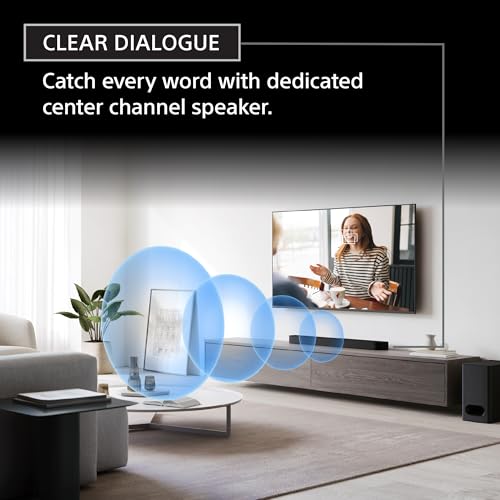
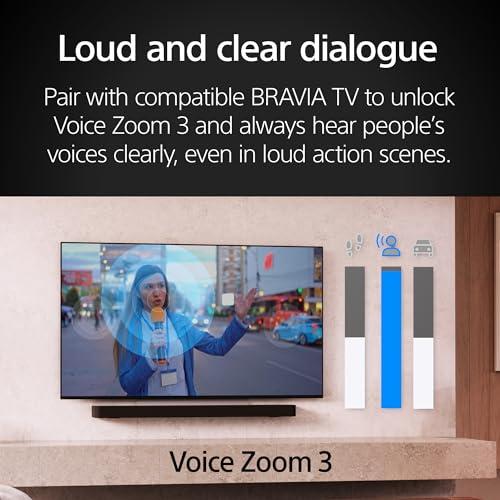
The Sony Theater Bar 6 takes a more aggressive approach with its dedicated center channel and Clear Voice algorithms. While effective at cutting through complex soundtracks, multiple reviews mention that dialogue can take on a somewhat synthetic quality, particularly during quieter scenes. The Voice Mode helps significantly, and when paired with compatible Sony BRAVIA TVs, the Voice Zoom 3.0 feature can provide additional dialogue enhancement by combining the TV's speakers with the soundbar.
This difference reflects broader design philosophies: Sonos prioritizes natural, balanced sound reproduction, while Sony emphasizes impact and presence, sometimes at the expense of subtlety.
Here's where the Sonos Beam Gen 2 absolutely shines and the Sony Theater Bar 6 reveals its limitations. Music playback exposes everything about a sound system's character—there's nowhere to hide behind explosive effects or dialogue processing.
The Sonos delivers music with warmth, detail, and rhythmic engagement that makes you want to keep listening. Whether it's jazz, rock, or classical music, the Beam Gen 2 presents instruments with proper timbre and spatial relationships. The treble is crisp without being harsh, and while the bass can't match a dedicated subwoofer, it's well-controlled and musical.
The Sony, frankly, struggles with music reproduction. The sound often lacks the warmth and refinement that make extended music listening enjoyable. The subwoofer, so effective for movie explosions, tends to overwhelm musical bass lines, making the overall presentation woolly and unfocused. This isn't entirely surprising—the system is clearly optimized for movie and TV content rather than musical enjoyment.
If you plan to use your soundbar for music streaming as well as TV watching, this difference is significant enough to influence your buying decision.
The smart features comparison reveals how much the audio industry has evolved since 2021. The Sonos Beam Gen 2 offers what we now expect from premium audio devices: Wi-Fi networking, Apple AirPlay 2 support, Spotify Connect, and built-in voice assistants (Amazon Alexa and Google Assistant).
The TruePlay room calibration feature deserves special mention. Using an iOS device's microphone, the system automatically analyzes your room's acoustics and adjusts its output accordingly. This kind of automated optimization was cutting-edge when introduced and remains genuinely useful for getting optimal performance without manual tweaking.
The multiroom capabilities integrate seamlessly with other Sonos speakers, allowing you to build a whole-home audio system over time. Regular software updates continue adding new streaming services and features, meaning the device actually gets better after you buy it.
The Sony Theater Bar 6, in comparison, feels stuck in an earlier era of soundbar design. Bluetooth audio streaming is the primary wireless option—no Wi-Fi connectivity means no built-in streaming services or sophisticated smart home integration. The BRAVIA Connect app handles setup and basic control, but it requires manual room adjustment rather than automatic calibration.
The deep integration with Sony BRAVIA TVs is genuinely useful if you own one—unified remote control and settings synchronization work well. However, for users with non-Sony TVs or those who want modern streaming convenience, the limited smart features feel restrictive.
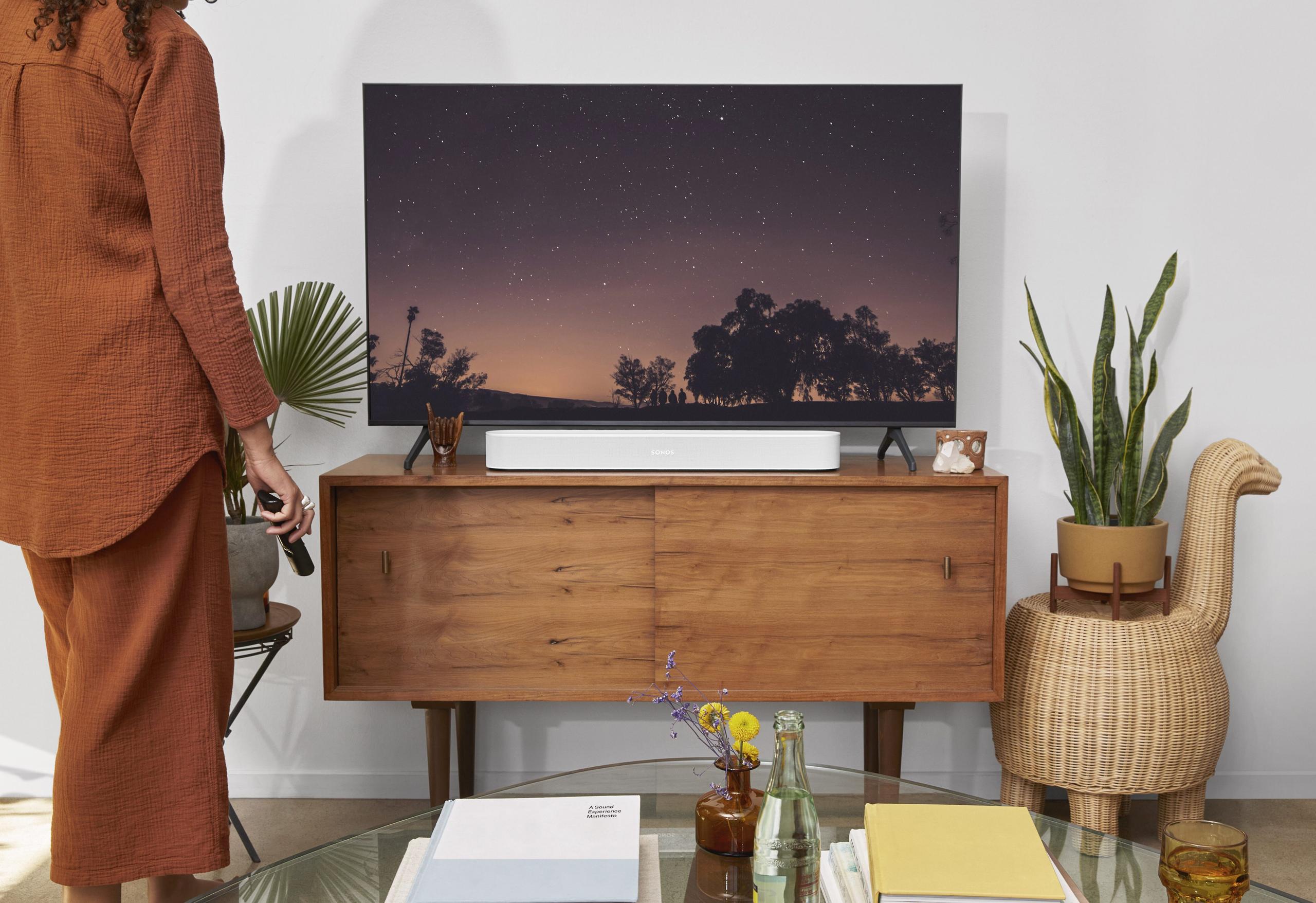
The Sonos Beam Gen 2 wins decisively on simplicity and aesthetics. Its compact profile fits discretely under most TVs, requiring only a single HDMI connection to your TV's eARC/ARC port. The clean, minimalist design disappears into your entertainment setup rather than dominating it.
The Sony Theater Bar 6 requires more planning and space. You'll need to find appropriate placement for the wireless subwoofer, which, while compact for its performance level, still needs floor space and can't be hidden away completely. The main soundbar is also larger and more visually prominent.
However, this additional complexity brings performance benefits. The separate subwoofer can be positioned for optimal bass response in your room, and the larger soundbar houses more and bigger drivers.
At the time of writing, both soundbars occupy similar price ranges in the mid-tier market, though the Sony Theater Bar 6 typically commands a premium reflecting its newer technology and more powerful hardware configuration.
The Sonos Beam Gen 2 represents excellent overall value for most users. Its balanced performance, comprehensive smart features, and long-term software support justify the investment. The four years since its release have only reinforced its strengths—regular updates have added new features and streaming services, and the core audio performance remains competitive with newer alternatives.
The Sony Theater Bar 6 offers better value specifically for users who prioritize power and bass impact above all else. If room-filling volume and genuine Dolby Atmos height effects are your primary concerns, the Sony's hardware advantages may justify its higher typical price and limited smart features.
Choose the Sony BRAVIA Theater Bar 6 if you have a medium to large room that demands powerful, room-filling sound. This is the soundbar for action movie enthusiasts and gamers who want maximum impact from their audio. The true upward-firing Dolby Atmos implementation and substantial subwoofer create a more visceral home theater experience than the Sonos can match.
The Sony also makes sense if you own a Sony BRAVIA TV and value deep ecosystem integration over broader smart features. The unified control and settings synchronization work well within Sony's product family.
However, you should be prepared for limitations in music performance and smart connectivity. This is a soundbar optimized for movies and TV rather than versatile entertainment.
Choose the Sonos Beam Gen 2 if you want the best overall balance of sound quality, features, and long-term value. Its superior dialogue clarity, excellent music performance, and comprehensive smart features make it the more versatile choice for most users.
The Sonos is particularly compelling if you have a smaller to medium-sized room where its compact design is an advantage rather than a limitation. The sophisticated processing creates an impressively wide and engaging soundstage that belies the small footprint.
The ongoing software support and multiroom expansion possibilities also make the Sonos a better long-term investment for users who might want to build a more comprehensive home audio system over time.
Both soundbars represent solid choices in the competitive mid-range Dolby Atmos category, but they serve different priorities and user types. The Sony Theater Bar 6 delivers maximum impact and true height effects for dedicated home theater enthusiasts, while the Sonos Beam Gen 2 provides superior overall refinement and features for users who want excellent performance across all types of content.
Your room size, primary use cases, and preferences for smart features versus raw power should ultimately drive your decision. Either way, you'll be getting a significant upgrade over your TV's built-in speakers and a taste of what modern home audio technology can accomplish.
| Sony BRAVIA Theater Bar 6 | Sonos Beam Gen 2 |
|---|---|
| Channel Configuration - Determines bass power and Atmos authenticity | |
| 3.1.2 channels with dedicated wireless subwoofer | 5.0 channels, all-in-one compact design |
| Dolby Atmos Implementation - Affects overhead sound realism | |
| True upward-firing drivers bounce sound off ceiling | Virtual processing creates height effects without ceiling bounce |
| Total Power Output - Critical for room-filling volume | |
| 350W with separate 6-inch subwoofer | Lower power output, no separate subwoofer |
| Physical Footprint - Space requirements in your room | |
| Larger soundbar plus separate subwoofer placement needed | Compact 25.6" all-in-one unit fits under most TVs |
| Smart Connectivity - Streaming and voice control capabilities | |
| Bluetooth only, BRAVIA Connect app | Wi-Fi, AirPlay 2, Spotify Connect, built-in voice assistants |
| Room Calibration - Automatic sound optimization | |
| Manual setup through app with distance inputs | TruePlay auto-calibration using iOS device microphone |
| Music Performance - Sound quality for non-movie content | |
| Struggles with music, bass often overpowers | Excellent music reproduction with balanced, warm sound |
| Voice Enhancement - Dialogue clarity features | |
| Dedicated center channel with Clear Voice algorithms | Speech Enhancement with natural-sounding processing |
| Ecosystem Integration - Works best with specific brands | |
| Deep integration with Sony BRAVIA TVs | Integrates with Sonos multiroom audio system |
| Software Updates - Long-term feature additions | |
| Basic firmware updates | Regular feature updates and new streaming services |
| Release Year - Technology generation and market maturity | |
| 2025 (newest technology) | 2021 (proven, mature platform with 4 years of updates) |
The Sony BRAVIA Theater Bar 6 is significantly better for large rooms due to its 350W power output and dedicated wireless subwoofer. The separate subwoofer provides room-filling bass that the compact Sonos Beam Gen 2 simply cannot match in larger spaces. If you have a medium to large living room, the Sony Theater Bar 6 will deliver more impactful sound.
The Sonos Beam Gen 2 supports Dolby Atmos but uses virtual processing rather than physical upward-firing speakers. It creates height effects through sophisticated audio algorithms that simulate overhead sounds. While effective, this differs from the Sony BRAVIA Theater Bar 6, which uses true upward-firing drivers that bounce sound off your ceiling for more authentic overhead effects.
The Sonos Beam Gen 2 is far superior for music playback, offering warm, detailed sound with excellent instrument separation and natural tonal balance. The Sony Theater Bar 6 struggles with music reproduction, as its aggressive bass tuning and processing optimization for movies makes music sound woolly and unfocused.
The Sony BRAVIA Theater Bar 6 includes a wireless subwoofer in the package, providing deep bass without additional purchases. The Sonos Beam Gen 2 is an all-in-one unit with no separate subwoofer, though you can add a Sonos Sub later if desired. For most users, the Sony's included subwoofer provides better bass impact out of the box.
The Sonos Beam Gen 2 offers comprehensive smart features including Wi-Fi connectivity, built-in voice assistants (Alexa and Google Assistant), AirPlay 2, and Spotify Connect. The Sony Theater Bar 6 is more basic, offering only Bluetooth connectivity and limited smart features through the BRAVIA Connect app.
Both soundbars handle dialogue well, but with different approaches. The Sonos Beam Gen 2 provides natural-sounding speech enhancement that doesn't make voices sound processed. The Sony BRAVIA Theater Bar 6 uses a dedicated center channel and Clear Voice algorithms, though some users report dialogue can sound slightly artificial during quiet scenes.
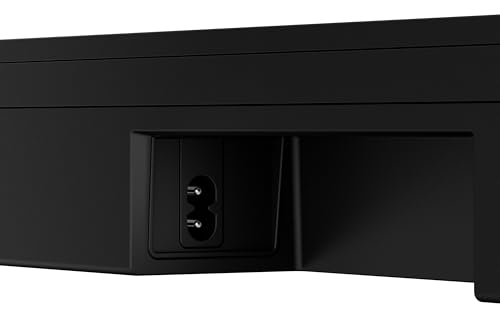
The Sonos Beam Gen 2 is much easier to set up, requiring only a single HDMI connection and offering automatic room calibration through the TruePlay feature. The Sony Theater Bar 6 requires placement of both the soundbar and separate subwoofer, plus manual audio adjustments through the app for optimal performance.
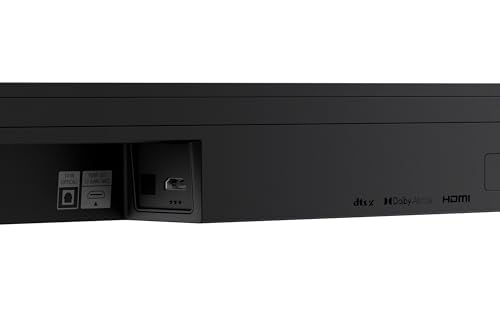
Neither the Sony BRAVIA Theater Bar 6 nor the Sonos Beam Gen 2 connects wirelessly to TVs for the main audio signal. Both require a wired HDMI connection to your TV's eARC/ARC port for the best audio quality and features. However, both support Bluetooth for streaming music from phones and tablets.
The Sonos Beam Gen 2 works equally well with any TV brand that has HDMI ARC/eARC. While the Sony Theater Bar 6 functions with all TVs, it's specifically optimized for Sony BRAVIA TVs, offering deeper integration and additional features like Voice Zoom 3.0 when paired with compatible Sony models.
The Sony BRAVIA Theater Bar 6 is better for gaming due to its powerful bass response and true height channels that enhance spatial audio in games. The dedicated subwoofer adds impact to explosions and environmental effects. The Sonos Beam Gen 2 provides good gaming audio but lacks the physical bass impact that makes action games more immersive.
The Sonos Beam Gen 2 typically offers better long-term value due to regular software updates that add new features and streaming services over time. It's been receiving updates since 2021 and continues to improve. The Sony Theater Bar 6 provides excellent hardware value for bass performance but has more limited smart features and update potential.
Both the Sony BRAVIA Theater Bar 6 and Sonos Beam Gen 2 represent massive upgrades over built-in TV speakers. The Sony excels for movie watching with powerful bass and height effects, while the Sonos provides more balanced performance across movies, music, and TV shows. Either choice will dramatically improve your audio experience.
We've done our best to create useful and informative comparisons to help you decide what product to buy. Our research uses advanced automated methods to create this comparison and perfection is not possible - please contact us for corrections or questions. These are the sites we've researched in the creation of this article: rtings.com - bestbuy.com - whathifi.com - youtube.com - youtube.com - sony.com - galaxus.at - helpguide.sony.net - audioadvice.com - electronics.sony.com - youtube.com - youtube.com - electronics.sony.com - helpguide.sony.net - whatgear.net - consumerreports.org - whathifi.com - en.community.sonos.com - techradar.com - youtube.com - consumerreports.org - bestbuy.com - youtube.com - sonos.com - wave-electronics.com - en.community.sonos.com - epicsystems.tech - tomsguide.com - bestbuy.com

Privacy Policy
Terms and Conditions - Affiliate Policy
Home Security
© Copyright 2008-2026.
11816 Inwood Rd #1211, Dallas, TX 75244