



If you've ever found yourself turning up the TV volume just to understand what the characters are saying, only to get blasted by the next action scene, you know how frustrating built-in TV speakers can be. Modern TVs, despite their stunning picture quality, often sacrifice audio performance for their sleek, thin designs. That's where soundbars come in – but choosing the right one can be surprisingly complex.
Today we're comparing two very different approaches to solving your TV's audio problems: the Sony BRAVIA Theater Bar 6 and the Bose Solo Soundbar Series 2. While both are technically soundbars, they're about as different as a sports car and an economy sedan – both will get you where you need to go, but the experience and capabilities are worlds apart.
Before we dive into the specifics, let's talk about what makes soundbars tick. The most important number you'll see is the channel configuration – those cryptic numbers like "2.0" or "3.1.2" that manufacturers love to throw around.
The first number tells you how many main speakers face forward (left, center, right). The second number indicates whether there's a dedicated subwoofer (the ".1" part) for deep bass. The third number, when present, shows how many speakers fire upward to create height effects for surround sound formats like Dolby Atmos.
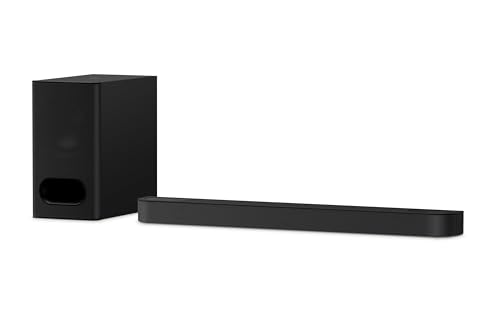
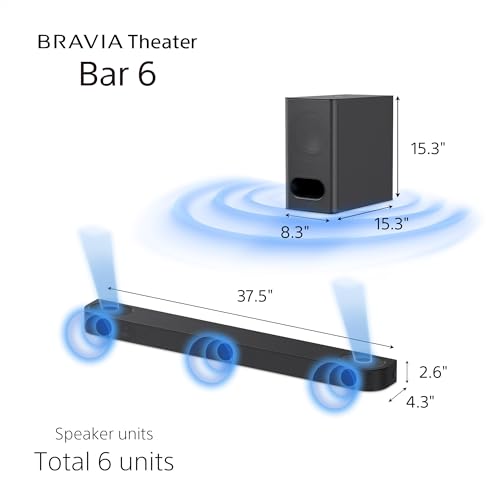
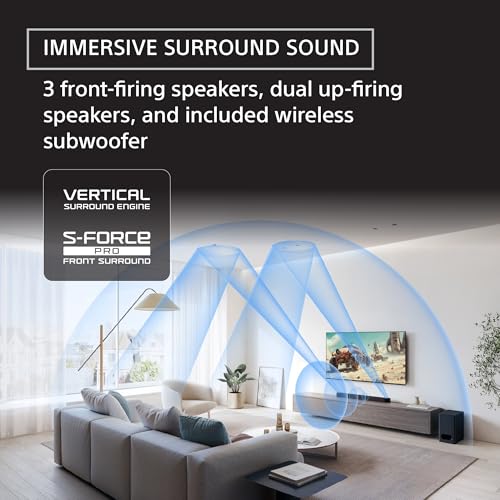
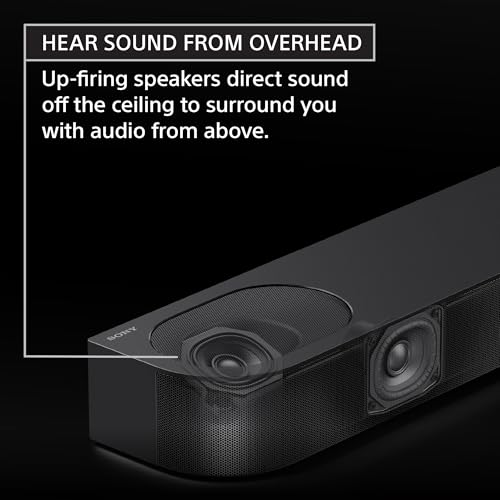
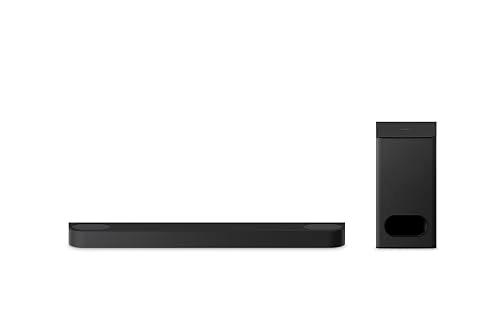
The Sony BRAVIA Theater Bar 6, released in 2024, is a 3.1.2 system. That means three front-firing speakers (left, center, right), one subwoofer, and two upward-firing speakers for overhead sound effects. In contrast, the Bose Solo Soundbar Series 2, also from 2024, is a 2.0 system – just two speakers in the main bar with no separate subwoofer or height channels.
This fundamental difference shapes everything about how these products perform and what they're designed to accomplish.
When you're watching an action movie and hear a helicopter flying overhead, the Sony BRAVIA Theater Bar 6 can actually make you feel like that aircraft is moving above you. Its upward-firing speakers bounce sound off your ceiling to create what audio engineers call "height channels" – giving you that three-dimensional audio experience that modern movie soundtracks are designed for.
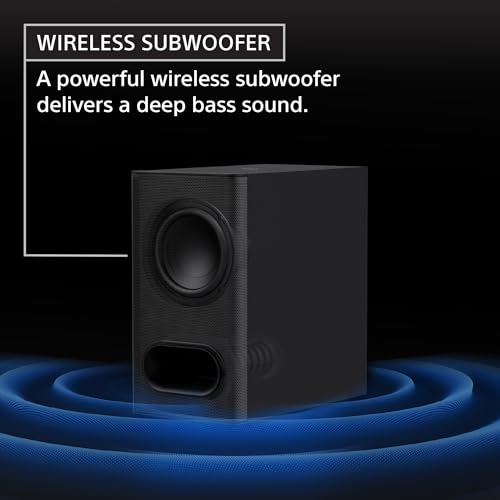
The system pumps out 350 watts of total power, which might not mean much in abstract terms, but in practical use, it's enough to fill most living rooms with clear, dynamic sound without strain. The wireless subwoofer – which is about the size of a small desktop computer – handles all the low-frequency work. This separation is crucial because bass requires a lot of air movement, and cramming those big drivers into the main soundbar would compromise everything else.
I've found that Sony's approach with their X-Balanced drivers (those are rectangular instead of the usual circular shape) really does make a difference in how full the sound feels. The increased surface area means they can move more air without distortion, particularly noticeable in dialogue scenes where voices sound more natural and present.
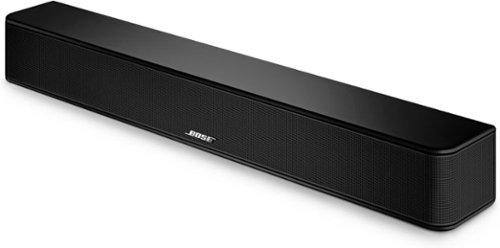
The Bose Solo Soundbar Series 2 takes a completely different approach. Its two drivers handle everything – highs, mids, and what bass they can manage in such a compact form. While Bose has a well-deserved reputation for making small speakers sound bigger than they should, physics still applies. You're getting clear, focused sound that's perfect for dialogue and most TV content, but you won't feel movie explosions in your chest or hear the subtle environmental sounds that make modern soundtracks immersive.
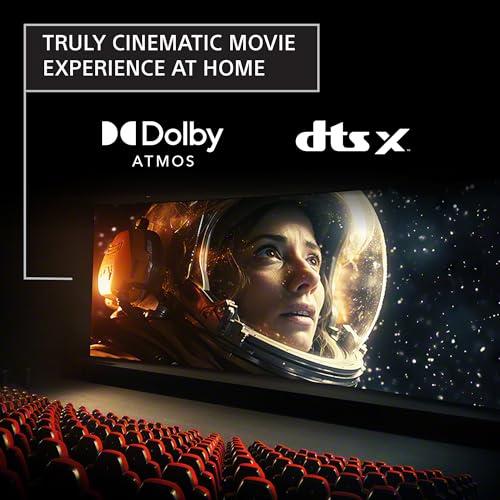
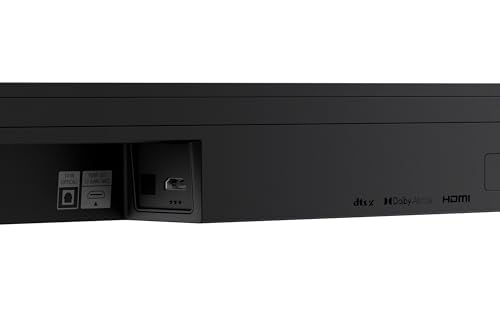
Here's where the differences become most apparent. The Sony BRAVIA Theater Bar 6 supports Dolby Atmos and DTS:X – the latest surround sound formats that place individual sounds as "objects" in three-dimensional space rather than just sending them to specific speakers. When you're watching a Marvel movie and debris flies across the screen, the Sony can track that sound's movement and make it feel like it's actually traveling through your room.
Sony's S-Force PRO technology also does something clever with regular stereo content. It analyzes the audio and creates virtual surround effects even from sources that weren't originally recorded in surround sound. This means your old favorite movies and regular TV shows can sound more spacious and engaging.
The Bose Solo Soundbar Series 2 doesn't attempt any of this surround trickery. What it does instead is focus intensely on making stereo content sound as good as possible. Its Dialogue Mode is genuinely impressive – it's like having someone adjust the audio mix in real-time to make sure voices cut through background noise and music. For people who primarily watch the news, sitcoms, or talk shows, this targeted approach often delivers better results than more complex processing.
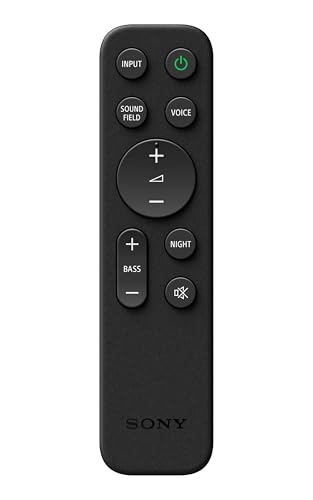
Modern entertainment systems are increasingly complex, with multiple HDMI devices, streaming boxes, and gaming consoles all fighting for your TV's attention. The Sony BRAVIA Theater Bar 6 handles this elegantly with HDMI eARC (enhanced Audio Return Channel) support. This isn't just marketing speak – eARC can handle much higher quality audio signals than older optical connections and allows your TV's remote to control the soundbar's volume and settings.
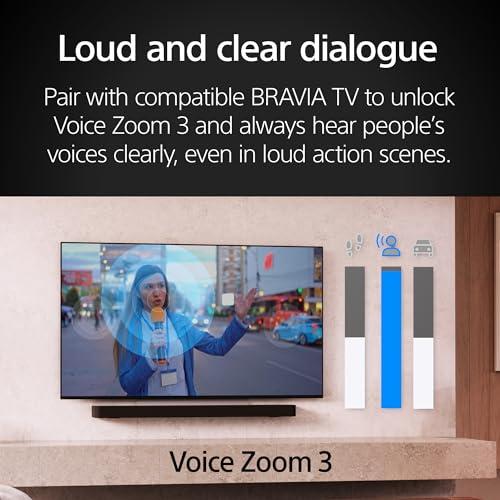
If you own a Sony BRAVIA TV (hence the name), the integration goes even deeper. The BRAVIA Connect app lets you adjust everything from your phone, and features like Voice Zoom 3.0 actually use your TV's built-in speakers working together with the soundbar to make dialogue even clearer. It's the kind of seamless integration that makes you wonder why more companies don't cooperate like this.
The Bose Solo Soundbar Series 2 keeps things much simpler. It connects via optical cable (that's the digital connection that sends audio as light pulses through a fiber optic cable) or good old-fashioned analog inputs. While this means it works with virtually any TV made in the last 15 years, you'll likely need to juggle multiple remotes and can't take advantage of the latest audio features your streaming services offer.
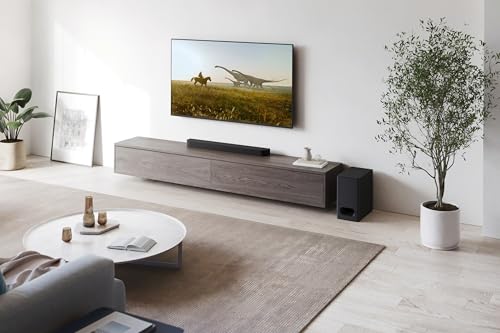
The Sony BRAVIA Theater Bar 6 is a commitment. The main bar stretches nearly three feet wide, and you'll need to find a spot for that substantial subwoofer somewhere in your room. The subwoofer is wireless, so you have some flexibility, but it's not something you can tuck away and forget about. In my testing, placing it in a corner usually provides the best bass response, though you might need to dial down the bass setting initially – Sony tends to tune these systems for maximum impact out of the box.
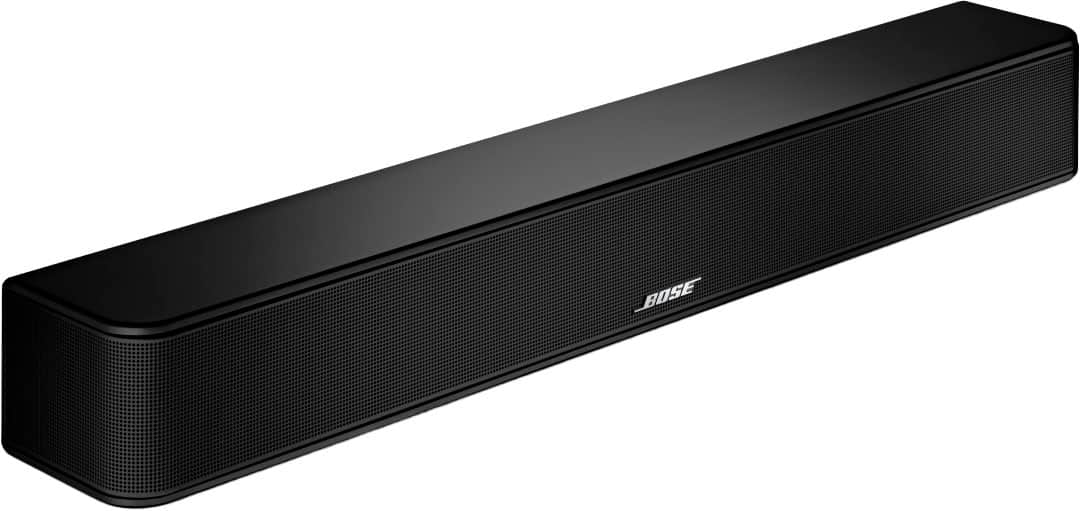
In contrast, the Bose Solo Soundbar Series 2 is refreshingly unobtrusive. At under two feet wide and less than three inches tall, it can slip under most TVs without blocking the screen or dominating your entertainment center. It's also light enough for easy wall mounting if you prefer that clean, floating look.
This size difference isn't just about aesthetics – it fundamentally affects what each system can accomplish. Those laws of physics I mentioned earlier mean that the Bose simply cannot reproduce deep bass or create the same sense of audio scale as the Sony system, no matter how clever the engineering.
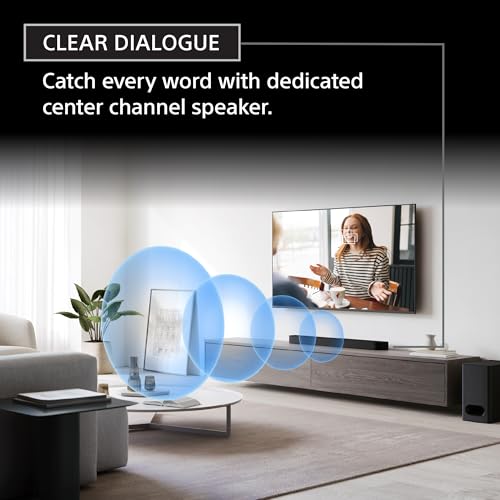
I've spent considerable time with both systems, and they each have scenarios where they excel. The Sony BRAVIA Theater Bar 6 transforms movie night into something special. Action sequences have weight and impact, music feels spacious and detailed, and those quiet dramatic moments where someone whispers something crucial – you'll actually hear every word clearly thanks to that dedicated center channel.
Gaming is another area where the Sony shines. Modern games use sophisticated audio design to create atmosphere and provide gameplay cues. The height channels in the Sony BRAVIA Theater Bar 6 can actually give you a competitive advantage in games where hearing enemy footsteps above or below you matters.
The Bose Solo Soundbar Series 2 excels in different situations. It's perfect for apartments where you can't have booming bass disturbing neighbors, or bedrooms where you want better audio without overwhelming the space. Its Dialogue Mode is genuinely useful for anyone who struggles with hearing clearly – whether due to age-related hearing changes or just wanting to keep the volume reasonable while others are sleeping.
At the time of writing, these systems occupy very different price tiers, with the Sony BRAVIA Theater Bar 6 costing roughly two and a half times more than the Bose Solo Soundbar Series 2. That might seem like a big gap, but it reflects genuine capability differences rather than just marketing positioning.
The Sony delivers exponentially more features for that price premium: true surround sound, modern audio format support, substantial bass output, and future-proof connectivity. It's like comparing a smartphone to a basic phone – both make calls, but one does so much more.
The Bose Solo Soundbar Series 2 offers excellent value for what it does, providing a meaningful upgrade over TV speakers at a reasonable price point. For many people, especially those in smaller spaces or with modest audio expectations, it delivers everything they actually need.
Your room size plays a huge role in which system makes sense. In spaces under 150 square feet – think typical bedrooms or small apartments – the Bose Solo Soundbar Series 2 can actually be the better choice. The Sony's power and bass output might overwhelm such spaces, and you won't have room to properly position the subwoofer anyway.
Medium-sized rooms (150-300 square feet) are where the Sony BRAVIA Theater Bar 6 starts to shine. You have space for the subwoofer to breathe, and the system's power advantage becomes apparent without being overwhelming. Large rooms absolutely favor the Sony – the Bose simply doesn't have the acoustic output to fill bigger spaces effectively.
Technology moves fast, and what seems cutting-edge today can feel dated in a few years. The Sony BRAVIA Theater Bar 6 is better positioned for the long term with its HDMI eARC support and modern audio format compatibility. As streaming services continue expanding their Dolby Atmos libraries and game developers embrace spatial audio, you'll be ready.
The Bose Solo Soundbar Series 2, while excellent at what it does, is essentially a refined version of older technology. Its optical and analog connections will work for years to come, but you might miss out on new audio features and higher quality signals that require HDMI.
After extensive testing with both systems, here's my honest recommendation: choose the Sony BRAVIA Theater Bar 6 if you watch movies regularly, have a medium to large room, and want to future-proof your audio setup. The surround sound capabilities and powerful bass make it genuinely transformative for cinematic content. If you're a Sony TV owner, the enhanced integration features make it an even more compelling choice.
Go with the Bose Solo Soundbar Series 2 if you primarily watch TV shows and news, have limited space, want the simplest possible setup, or are working with a tighter budget. Its focus on dialogue clarity and compact design make it ideal for improving your daily TV watching without the complexity of a full surround system.
The key insight here is that these aren't really competing products – they're solving different problems for different users. The Sony is building a home theater experience, while the Bose is upgrading your TV speakers. Both excel in their intended roles, and understanding which role matches your needs is the most important factor in making the right choice.
Remember that any soundbar represents a significant upgrade over built-in TV speakers. Whether you choose the comprehensive theater experience of the Sony BRAVIA Theater Bar 6 or the focused simplicity of the Bose Solo Soundbar Series 2, you'll wonder how you ever watched TV without one.
| Sony BRAVIA Theater Bar 6 | Bose Solo Soundbar Series 2 |
|---|---|
| Audio Configuration - Determines surround sound capabilities and bass performance | |
| 3.1.2 channels with dedicated center, left/right, height speakers + wireless subwoofer | 2.0 channels with two full-range drivers only |
| Total System Power - Affects volume levels and dynamic range | |
| 350W total system power (fills medium to large rooms easily) | Unspecified but significantly lower (suitable for small to medium rooms) |
| Surround Sound Support - Essential for modern movie and gaming audio | |
| Full Dolby Atmos and DTS:X with physical height channels | No surround sound support (stereo only) |
| Bass Performance - Critical for movies, music, and gaming immersion | |
| Dedicated 6-inch wireless subwoofer reaches down to 20Hz | Limited bass from main drivers only (no dedicated subwoofer) |
| HDMI Connectivity - Determines compatibility with modern devices and TVs | |
| HDMI eARC support for high-quality audio and unified remote control | No HDMI ports (optical, coaxial, and aux inputs only) |
| Physical Size - Important for room compatibility and placement | |
| 35.7" wide main bar plus separate subwoofer placement required | Compact 21.6" wide, 2.8" tall all-in-one design |
| TV Integration Features - Affects ease of use and setup complexity | |
| Sony BRAVIA Theater Bar 6 offers BRAVIA SYNC, Voice Zoom 3.0, BRAVIA Connect app control | Basic auto-wake feature with optical connection |
| Dialogue Enhancement - Crucial for clear speech in movies and TV | |
| Dedicated center channel plus Clear Voice algorithms and Voice Mode | Specialized Dialogue Mode with substantial vocal boost |
| Wireless Streaming - For music playback from phones and tablets | |
| Bluetooth audio streaming with app control | Bluetooth 4.0 with 33-foot range |
| Setup Complexity - Time and effort required to get optimal performance | |
| Multi-step setup with subwoofer pairing and room calibration via app | Simple plug-and-play with single cable connection |
The Sony BRAVIA Theater Bar 6 is significantly better for movies. It features 3.1.2 channels with Dolby Atmos support, creating immersive surround sound with height effects. The dedicated subwoofer delivers powerful bass for action scenes. The Bose Solo Soundbar Series 2 only offers stereo sound without surround capabilities, making it less suitable for cinematic experiences.
The primary difference is audio configuration. The Sony BRAVIA Theater Bar 6 is a complete 3.1.2 surround sound system with a wireless subwoofer and height channels, while the Bose Solo Soundbar Series 2 is a simple 2.0 stereo soundbar with no subwoofer. This means the Sony offers true surround sound and deep bass, while the Bose focuses on dialogue clarity and compact design.
The Bose Solo Soundbar Series 2 is better suited for small spaces. Its compact 21.6-inch design fits under smaller TVs without overwhelming the room. The Sony BRAVIA Theater Bar 6 requires space for both the main bar and a substantial subwoofer, which may be too much for cramped quarters or thin-walled apartments where bass could disturb neighbors.
Only the Sony BRAVIA Theater Bar 6 supports Dolby Atmos and DTS:X with its upward-firing speakers that create height effects. The Bose Solo Soundbar Series 2 does not support any surround sound formats and is limited to stereo audio processing.
Both excel at dialogue but use different approaches. The Sony BRAVIA Theater Bar 6 uses a dedicated center channel and Clear Voice algorithms for natural speech reproduction. The Bose Solo Soundbar Series 2 features a specialized Dialogue Mode that significantly boosts vocal clarity, making it excellent for TV shows and news. The choice depends on whether you prefer natural reproduction or enhanced processing.
The Sony BRAVIA Theater Bar 6 offers modern HDMI eARC connectivity plus Bluetooth streaming, allowing unified remote control and high-quality audio from your TV. The Bose Solo Soundbar Series 2 lacks HDMI entirely, connecting via optical, coaxial, or auxiliary inputs, plus Bluetooth for wireless music streaming.
The Bose Solo Soundbar Series 2 is much simpler to install, requiring only a single optical cable connection to your TV. The Sony BRAVIA Theater Bar 6 involves connecting the main bar, pairing the wireless subwoofer, and using the BRAVIA Connect app for optimal room calibration, making it more complex but offering better customization.
Yes, both work with any TV, but the Sony BRAVIA Theater Bar 6 offers enhanced integration features when paired with Sony BRAVIA TVs, including Voice Zoom 3.0 and seamless app control. The Bose Solo Soundbar Series 2 works equally well with all TV brands through its universal optical connection.
The Sony BRAVIA Theater Bar 6 is superior for music due to its full-range frequency response, powerful subwoofer, and wider soundstage. The dedicated drivers and 350W power output create a more detailed, dynamic musical experience. The Bose Solo Soundbar Series 2 handles music adequately but lacks the bass extension and power for an engaging musical experience.
The Sony BRAVIA Theater Bar 6 includes a dedicated 6-inch wireless subwoofer that reaches down to 20Hz, delivering room-shaking bass perfect for movies and music. The Bose Solo Soundbar Series 2 relies on its main drivers for all frequencies, resulting in limited bass response that's adequate for dialogue but insufficient for impactful low-frequency effects.
Value depends on your needs. The Bose Solo Soundbar Series 2 offers excellent value for basic TV audio improvement with its compact design and dialogue enhancement. The Sony BRAVIA Theater Bar 6 provides exceptional value for home theater enthusiasts, delivering true surround sound, powerful bass, and modern connectivity features that justify its higher cost.
The Sony BRAVIA Theater Bar 6 is excellent for gaming, with its Dolby Atmos support providing spatial audio cues that can improve gameplay in competitive titles. The height channels and surround processing create immersive gaming environments. The Bose Solo Soundbar Series 2 works for casual gaming but lacks the surround capabilities that enhance modern game audio design.
We've done our best to create useful and informative comparisons to help you decide what product to buy. Our research uses advanced automated methods to create this comparison and perfection is not possible - please contact us for corrections or questions. These are the sites we've researched in the creation of this article: rtings.com - bestbuy.com - whathifi.com - youtube.com - youtube.com - sony.com - galaxus.at - helpguide.sony.net - audioadvice.com - electronics.sony.com - youtube.com - youtube.com - electronics.sony.com - helpguide.sony.net - whatgear.net - consumerreports.org - rtings.com - bose.com - bose.com - assets.bose.com - bestbuy.com - youtube.com - pistonheads.com - costco.com - googlenestcommunity.com - youtube.com - discussions.apple.com

Privacy Policy
Terms and Conditions - Affiliate Policy
Home Security
© Copyright 2008-2026.
11816 Inwood Rd #1211, Dallas, TX 75244