

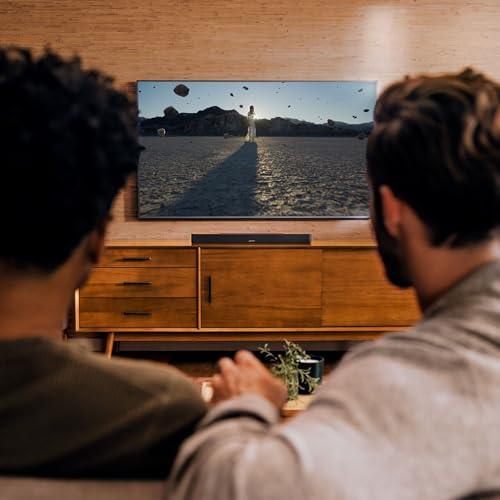

If you've ever turned up the TV volume only to find yourself constantly adjusting it throughout a movie—cranking it up for whispered dialogue, then scrambling to lower it when explosions shake the walls—you already understand why soundbars exist. These sleek audio solutions promise to solve the most frustrating part of modern TV watching: terrible built-in speakers that make everything sound like it's coming from inside a cardboard box.
But here's the thing about soundbars in 2024: they've evolved far beyond simple volume boosters. Today's models pack sophisticated audio processing, wireless connectivity, and immersive surround sound technologies that can transform your living room into a mini movie theater. The challenge? Figuring out which approach works best for your space, budget, and viewing habits.
That's exactly the dilemma we're tackling today with two compelling mid-range options: the Bose Smart Soundbar 1100 and the Sony BRAVIA Theater Bar 6. Both launched in recent years as part of their manufacturers' push to make high-quality audio more accessible, but they take surprisingly different approaches to the same goal.
Before diving into specifics, it helps to understand what separates exceptional soundbars from mediocre ones. The most critical factor is dialogue clarity—if you can't understand what characters are saying without subtitles, nothing else matters. This is where a dedicated center channel (a speaker specifically designed for voices) becomes crucial, though some soundbars achieve excellent dialogue through clever audio processing instead.
Next comes bass response, which determines whether explosions feel impactful or movies sound thin and lifeless. Some soundbars include wireless subwoofers (separate bass speakers), while others rely on internal drivers and port designs to move air and create low-frequency effects.
The third major consideration is soundstage width—how far beyond the physical soundbar the audio appears to extend. The best soundbars create the illusion that sound is coming from across your entire wall, not just from a single bar sitting under your TV.
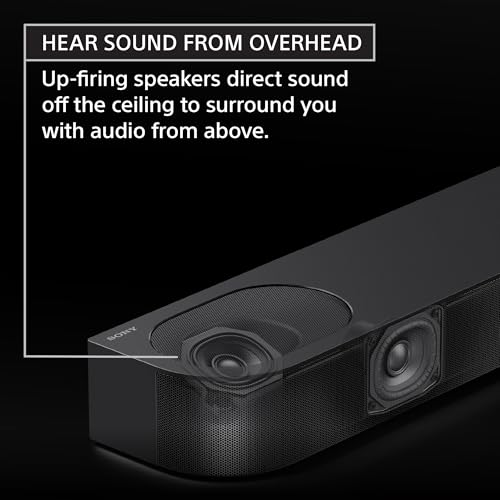
Finally, there's surround sound immersion. Modern soundbars use up-firing drivers (speakers that point toward the ceiling) to bounce sound overhead, creating the illusion of speakers mounted above your head. This technology, called Dolby Atmos, can make helicopters seem to fly over your couch or rain appear to fall from above.
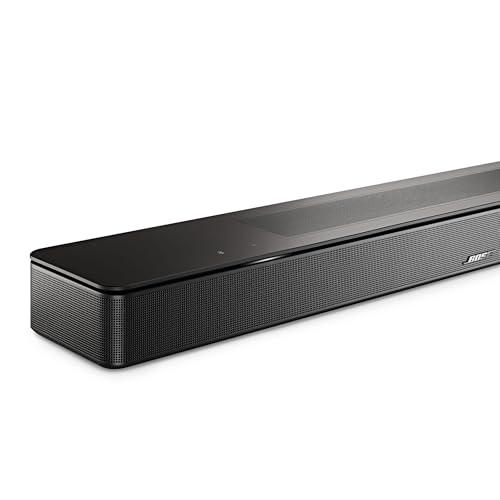
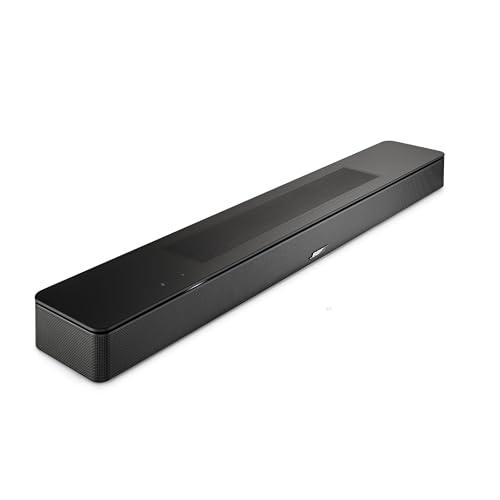
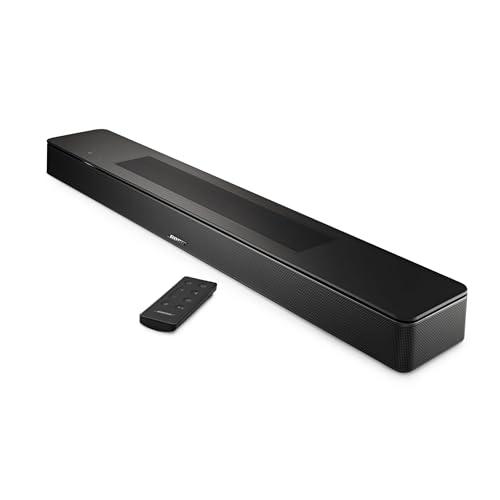
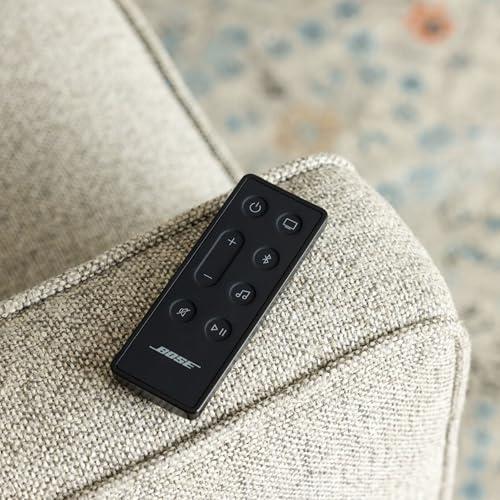
The Bose Smart Soundbar 1100, released in 2023, represents Bose's minimalist approach to premium audio. At just 2.2 inches tall, it's designed to slip under virtually any TV without blocking the screen or drawing attention to itself. Bose built this soundbar around their philosophy that sophisticated audio processing can overcome physical limitations—essentially using software smarts to make a compact speaker system sound much larger than it physically is.
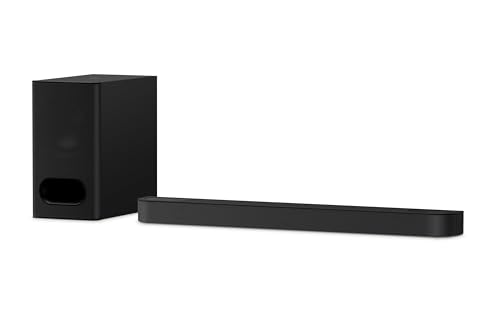
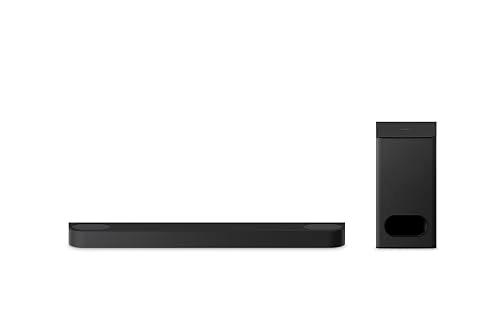
The Sony BRAVIA Theater Bar 6, also launching in recent years, takes a more traditional approach by including a dedicated wireless subwoofer alongside the main soundbar. Sony's strategy focuses on immediate impact: give buyers everything they need for cinematic sound right out of the box, with powerful bass that can be felt as much as heard.
These philosophical differences create interesting trade-offs that become apparent once you understand how each system works.
Both soundbars deliver exceptional dialogue clarity, but through completely different approaches that reveal their underlying design philosophies.
The Bose Smart Soundbar 1100 uses what they call A.I. Dialogue Mode—artificial intelligence that automatically detects when people are speaking and adjusts the sound profile in real-time to make voices clearer. Combined with a dedicated center tweeter (a small speaker optimized for high frequencies where most speech occurs) and Bose's PhaseGuide technology, which uses precisely timed audio signals to create the illusion of a much wider speaker array, dialogue emerges with remarkable clarity and seems to float in space rather than coming from a single point.
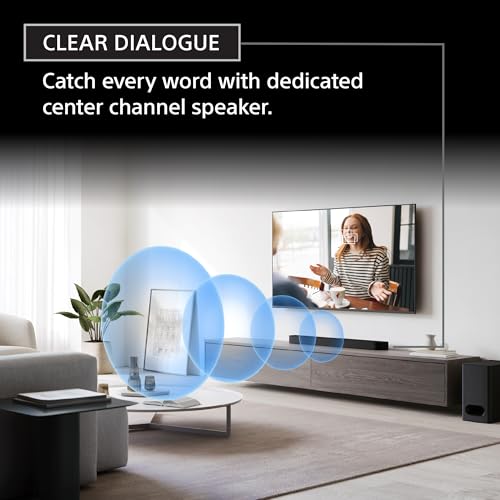
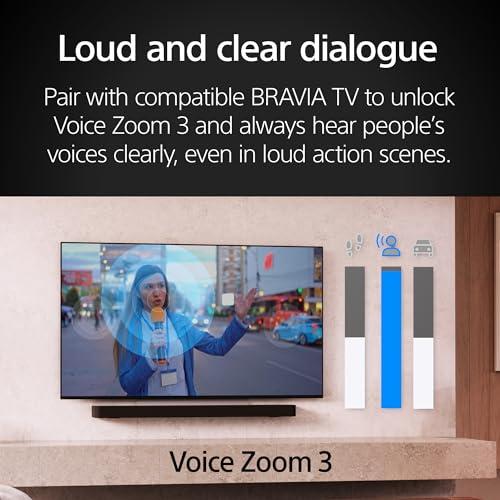
The Sony BRAVIA Theater Bar 6 takes a more straightforward approach with a dedicated center channel—an entire speaker devoted exclusively to dialogue reproduction. Sony's Clear Voice algorithms work similarly to Bose's A.I. mode, but the dedicated center channel provides a more traditional foundation for speech. If you own a compatible Sony BRAVIA TV, you get an additional feature called Voice Zoom 3.0, which actually uses your TV's built-in speakers alongside the soundbar to create an even more focused dialogue experience.
In our research across professional reviews and user feedback, both approaches prove highly effective. The Bose system tends to create more precise, spatially-defined dialogue that seems to hang in the air, while the Sony provides more traditional, forward-projected speech that feels substantial and grounded.
This is where these soundbars diverge most dramatically, and frankly, where the Sony BRAVIA Theater Bar 6 dominates.
The Bose Smart Soundbar 1100 ships without a subwoofer, relying instead on QuietPort technology—specially designed recessed ports that reduce air turbulence to minimize distortion while maximizing the bass output from the main unit's relatively small drivers. While this produces respectable bass for such a compact form factor, it simply can't match the physics-defying act of generating truly deep bass from a slim soundbar.
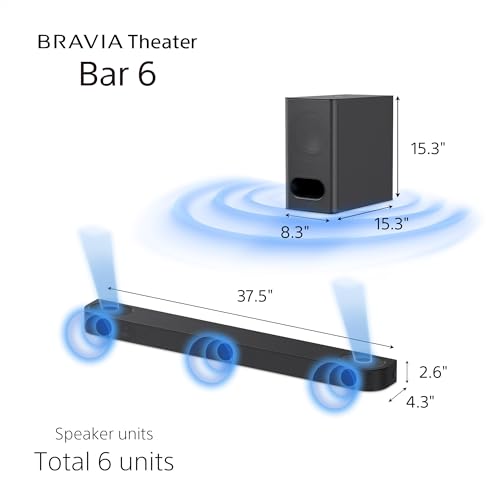
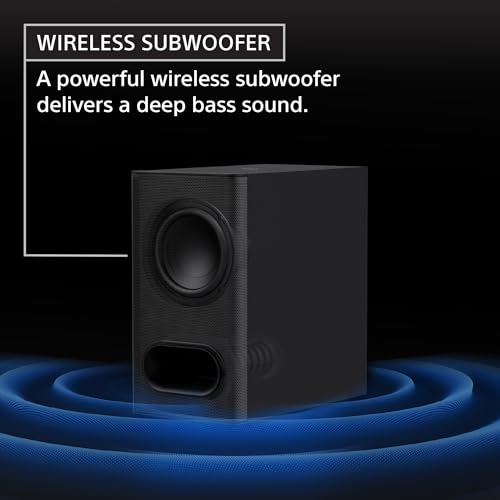
The Sony BRAVIA Theater Bar 6 includes a wireless subwoofer with a 6-inch driver that can reach down to 20Hz—the lowest frequencies humans can perceive. Professional reviews consistently highlight this system's ability to deliver bass that you feel in your chest during action sequences. However, many reviewers note that Sony sets the default subwoofer level too high, often requiring adjustment down to -3 or -4 on the soundbar's scale to prevent the bass from overwhelming dialogue and music.
For movie watching, especially action films, the Sony's bass advantage is substantial. Explosions have weight, thunder rolls through the room, and movie soundtracks gain the foundation they need to feel cinematic rather than thin.
However, the Bose system offers expansion flexibility through optional Bose Bass Modules (500 or 700), allowing users to add professional-quality bass later. This modular approach costs more overall but provides upgrade flexibility that the Sony system lacks.
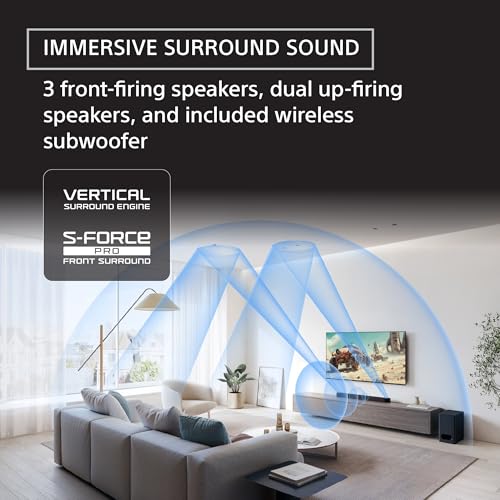
Both soundbars support Dolby Atmos, the surround sound format that adds height information to create truly three-dimensional audio experiences. Each uses up-firing drivers that bounce sound off your ceiling to create the illusion of speakers mounted above your head.
The Bose Smart Soundbar 1100 includes two up-firing drivers and Bose's TrueSpace technology, which can take regular stereo or surround content and upmix it to create an Atmos-like experience even when the original content wasn't recorded in Atmos. This technology works remarkably well with music and older movies, creating a more immersive experience regardless of the source material.
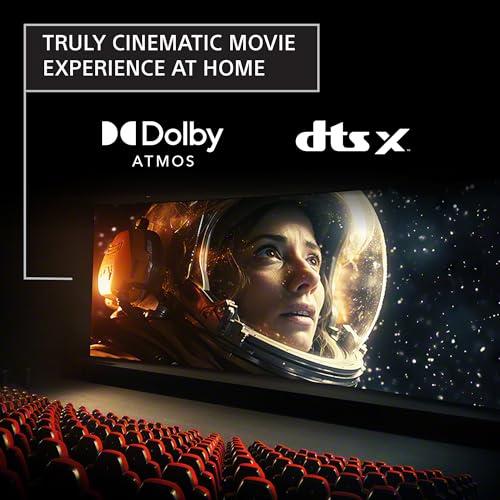
The Sony BRAVIA Theater Bar 6 also features two up-firing drivers, but adds support for DTS:X (a competing surround format) that the Bose doesn't handle. Sony's Vertical Surround Engine processes height information with what reviewers describe as more dramatic, cinema-like effects. The height sensation tends to be more pronounced and attention-grabbing compared to Bose's more subtle approach.
Both systems' height effects depend heavily on your room's ceiling height and material—flat, reflective ceilings work best, while vaulted or heavily textured ceilings can diminish the effect.
The Bose Smart Soundbar 1100 uses PhaseGuide technology—precisely controlling when sound reaches each ear to trick your brain into perceiving audio sources that don't physically exist. Combined with side-firing drivers that project sound toward your room's walls for reflection, this creates an impressively wide soundstage that extends well beyond the soundbar's physical footprint.
The Sony BRAVIA Theater Bar 6 achieves soundstage width through S-Force PRO Front Surround processing and X-Balanced drivers (rectangular rather than round speakers that move more air). The result is what reviewers consistently describe as a larger, more enveloping presentation that feels more conventionally cinematic.
The Sony generally creates a bigger, more obviously impressive soundstage, while the Bose produces more precise, holographic imaging where individual effects seem to emerge from specific locations in space.
Here's where the Bose Smart Soundbar 1100 pulls significantly ahead.
Bose includes Amazon Alexa built directly into the soundbar, with two noise-rejecting microphones that can hear your voice even when the soundbar is playing loudly. But more impressively, they've implemented Voice4Video technology, which extends Alexa's capabilities to control not just the soundbar, but your TV and cable/satellite box through voice commands. You can say "Alexa, turn on Netflix" or "Alexa, tune to ESPN" and the system handles the complex sequence of commands needed to make it happen.
The soundbar also supports essentially every wireless streaming standard you might want: Wi-Fi, Bluetooth 5.0, Apple AirPlay 2, Chromecast, and Spotify Connect. This means you can stream music from any smartphone, tablet, or computer without thinking about compatibility. The Bose Music app provides intuitive control over all these features and allows the soundbar to integrate with other Bose speakers for whole-home audio.
The Sony BRAVIA Theater Bar 6 takes a much more basic approach to connectivity. It offers Bluetooth streaming for phones and tablets, plus the BRAVIA Connect app for setup and control, but lacks Wi-Fi, voice assistants, or advanced streaming features. However, if you own a Sony BRAVIA TV, the integration becomes much deeper through BRAVIA SYNC, allowing unified control with your TV remote and access to soundbar settings through your TV's menu system.
For smart home enthusiasts or anyone who values convenience, the Bose system offers significantly more functionality. But if you primarily watch TV and occasionally stream music from your phone, the Sony's simpler approach might actually be preferable—fewer features mean fewer things to potentially go wrong.
The Bose Smart Soundbar 1100 prioritizes invisibility. At 27.3 inches wide and just 2.2 inches tall, it fits under virtually any TV without blocking the screen or infrared sensors. The matte black finish is deliberately understated, and there are no physical controls on the unit itself—everything happens through the remote, app, or voice control. Wall mounting is possible with an optional bracket.
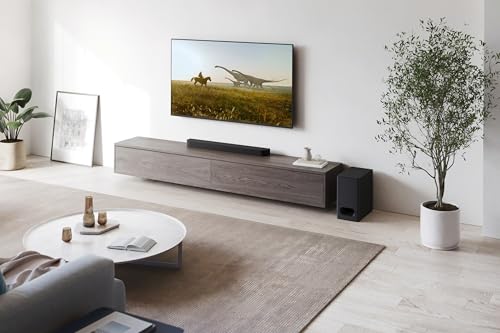
The Sony BRAVIA Theater Bar 6 is slightly larger but still compact, measuring about 35.7 inches wide. The main bar has a simple, clean design that won't draw attention, while the wireless subwoofer can be placed anywhere within wireless range. The subwoofer is relatively compact for its output capability, making it easier to position than many competing systems.
Both systems set up quickly, though the Bose requires more initial configuration for all its smart features, while the Sony focuses primarily on audio calibration through its app.
At the time of writing, these soundbars occupy similar price territories in the mid-range market, but they offer different value propositions.
The Sony BRAVIA Theater Bar 6 provides more immediate, obvious value by including a wireless subwoofer that would cost several hundred dollars if purchased separately. For buyers who want impactful bass and cinematic sound right out of the box, the Sony delivers more apparent audio improvement for the initial investment.
However, the Bose Smart Soundbar 1100 offers better long-term value through its modular upgrade path and extensive smart features. While the initial purchase provides excellent dialogue clarity and spatial audio processing, adding a Bose Bass Module later creates a system that can compete with much more expensive setups. The smart home integration and comprehensive wireless connectivity also provide daily convenience benefits that extend beyond movie watching.
Your decision between these soundbars should primarily depend on your priorities, room characteristics, and viewing habits.
Choose the Sony BRAVIA Theater Bar 6 if you want immediate cinematic impact. This system excels for action movie fans who want explosions to rattle the room and bass lines to provide visceral impact. It's also the better choice if you own a Sony BRAVIA TV, thanks to optimized integration features like Voice Zoom 3.0. The included subwoofer means you get complete, room-filling sound without additional purchases.
The Sony works best in medium-sized rooms where the subwoofer can properly pressurize the space without overwhelming it. If you primarily watch movies and TV shows rather than streaming music, and you prefer a straightforward setup without smart home complexity, the Sony's focused approach delivers exactly what you need.
Choose the Bose Smart Soundbar 1100 if you value refinement, flexibility, and smart features. This system provides more precise, spatially-accurate sound with exceptional dialogue clarity. The comprehensive smart home integration makes daily use more convenient, while the modular upgrade path lets you build toward a premium system over time.
The Bose works particularly well in smaller rooms or apartments where a powerful subwoofer might be too much, and it's ideal for users who stream lots of music in addition to watching movies. If you appreciate subtle, sophisticated audio processing over obvious impact, the Bose approach will likely appeal more to your preferences.
Both soundbars represent thoughtful approaches to different buyer priorities, and either will dramatically improve your TV watching experience over built-in speakers. The Sony BRAVIA Theater Bar 6 provides more immediate gratification and better value for movie enthusiasts who want big sound right away. The Bose Smart Soundbar 1100 offers superior long-term flexibility, smarter connectivity, and more refined audio processing for buyers who value sophistication and convenience.
Your choice ultimately comes down to whether you prioritize immediate impact or long-term flexibility—both are excellent soundbars that will serve you well for years to come.
| Bose Smart Soundbar 1100 | Sony BRAVIA Theater Bar 6 |
|---|---|
| Channel Configuration - Determines audio separation and immersion | |
| 3.0.2 channels (no included subwoofer) | 3.1.2 channels with wireless subwoofer |
| Total Power Output - Affects maximum volume and dynamic range | |
| Not specified (compact drivers optimized for efficiency) | 350W total system output |
| Bass Performance - Critical for movie impact and music enjoyment | |
| QuietPort technology in main unit only; requires optional Bass Module for deep bass | Wireless 6-inch subwoofer included (20Hz response) |
| Dolby Atmos Support - Creates overhead sound effects | |
| Yes, with TrueSpace upmixing for non-Atmos content | Yes, plus DTS:X support for broader format compatibility |
| Voice Assistants - Hands-free control and smart home integration | |
| Amazon Alexa built-in with Voice4Video TV control | None (app and remote control only) |
| Wireless Connectivity - Streaming flexibility and convenience | |
| Wi-Fi, Bluetooth 5.0, AirPlay 2, Chromecast, Spotify Connect | Bluetooth streaming only |
| Physical Dimensions - Space requirements under TV | |
| 27.3" W x 2.2" H x 4.6" D (ultra-slim profile) | 35.7" W x 2.4" H x 4.3" D plus separate subwoofer |
| TV Brand Integration - Enhanced features with matching TVs | |
| Works with any TV; optimized for universal compatibility | Special Voice Zoom 3.0 features with Sony BRAVIA TVs |
| System Expandability - Future upgrade options | |
| Optional Bass Module 500/700 and Surround Speakers; Personal Surround with Ultra Open Earbuds | Optional wireless rear speakers (limited expansion) |
| Setup Complexity - Time and effort required | |
| More complex due to smart features and wireless setup | Simpler focus on audio performance and basic connectivity |
| Dialogue Enhancement - Critical for clear speech | |
| A.I. Dialogue Mode with dedicated center tweeter and PhaseGuide technology | Dedicated center channel with Clear Voice algorithms and Voice Mode |
| Value Proposition - What you get for the investment | |
| Premium smart features and upgrade flexibility; requires additional purchases for full bass | Complete system with subwoofer included; better immediate value for movie watching |
The Sony BRAVIA Theater Bar 6 has significantly better bass performance because it includes a wireless 6-inch subwoofer that can reach down to 20Hz frequencies. The Bose Smart Soundbar 1100 relies on its internal drivers and QuietPort technology for bass, which produces respectable low-end for its size but can't match a dedicated subwoofer. For movie watching with impactful explosions and deep bass lines, the Sony BRAVIA Theater Bar 6 is the clear winner.
Yes, both the Bose Smart Soundbar 1100 and Sony BRAVIA Theater Bar 6 support Dolby Atmos with up-firing drivers that bounce sound off your ceiling for overhead effects. However, the Sony BRAVIA Theater Bar 6 also supports DTS:X format, while the Bose Smart Soundbar 1100 does not. The Bose compensates with TrueSpace technology that can upmix regular stereo content to create an Atmos-like experience.
The Bose Smart Soundbar 1100 is better suited for small rooms and apartments. Its compact 2.2-inch height fits under virtually any TV, and it delivers excellent dialogue clarity without overwhelming bass that might disturb neighbors. The Sony BRAVIA Theater Bar 6 includes a powerful subwoofer that may be too much for very small spaces, though it can be adjusted down if needed.
Only the Bose Smart Soundbar 1100 has built-in voice control with Amazon Alexa and Voice4Video technology, allowing you to control your TV, cable box, and streaming services with voice commands. The Sony BRAVIA Theater Bar 6 does not include voice assistants and relies on remote control and the BRAVIA Connect app for operation.
Both soundbars excel at dialogue clarity but use different approaches. The Bose Smart Soundbar 1100 uses A.I. Dialogue Mode that automatically adjusts for speech, while the Sony BRAVIA Theater Bar 6 has a dedicated center channel for dialogue reproduction. If you own a Sony BRAVIA TV, the Sony BRAVIA Theater Bar 6 offers Voice Zoom 3.0 for enhanced dialogue. Otherwise, both perform exceptionally well for clear speech.
The Bose Smart Soundbar 1100 offers comprehensive wireless connectivity including Wi-Fi, Bluetooth 5.0, Apple AirPlay 2, Chromecast, and Spotify Connect. The Sony BRAVIA Theater Bar 6 only supports Bluetooth streaming from phones and tablets. For music streaming flexibility and smart home integration, the Bose Smart Soundbar 1100 is far superior.
The Bose Smart Soundbar 1100 offers more expansion flexibility with optional Bass Modules, Surround Speakers, and even Personal Surround using Bose Ultra Open Earbuds. The Sony BRAVIA Theater Bar 6 can add optional wireless rear speakers but has more limited expansion options. The Bose system allows for more comprehensive upgrades over time.
The Sony BRAVIA Theater Bar 6 provides better immediate value by including a wireless subwoofer that would cost extra with other systems. You get complete, room-filling sound right out of the box. The Bose Smart Soundbar 1100 offers better long-term value through its extensive smart features and modular upgrade path, but requires additional purchases for full bass performance.
For cinematic movie experiences, the Sony BRAVIA Theater Bar 6 delivers more immediate impact with its included subwoofer creating powerful bass for action sequences and explosions. The Bose Smart Soundbar 1100 provides more refined, spatially-accurate sound with exceptional dialogue clarity, but needs an optional subwoofer for full movie theater impact. Both handle Dolby Atmos well for immersive overhead effects.
The Sony BRAVIA Theater Bar 6 is simpler to set up, focusing primarily on audio performance with straightforward app-based calibration. The Bose Smart Soundbar 1100 requires more initial configuration for its extensive smart features and wireless connectivity options, but offers more convenience once set up with voice control and comprehensive streaming support.
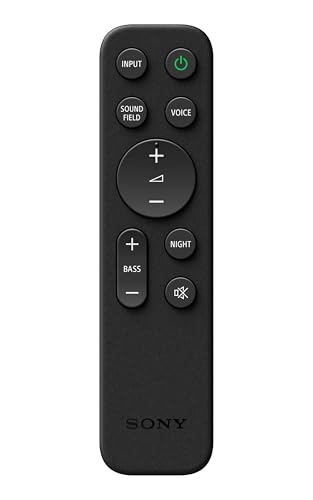
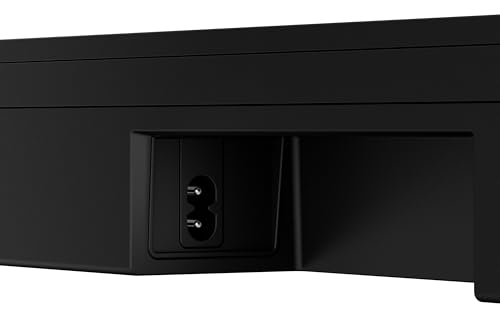
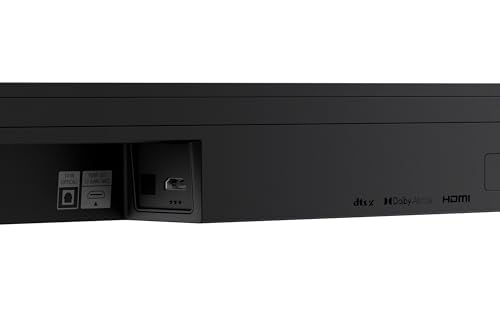
The Bose Smart Soundbar 1100 works equally well with any TV brand and focuses on universal compatibility. The Sony BRAVIA Theater Bar 6 works with all TVs but offers special integration features like Voice Zoom 3.0 when paired with Sony BRAVIA TVs. Both connect via HDMI eARC or optical inputs for broad TV compatibility.
Choose the Sony BRAVIA Theater Bar 6 if you want immediate cinematic impact with powerful bass and prefer straightforward operation. Choose the Bose Smart Soundbar 1100 if you value smart home integration, wireless streaming flexibility, and plan to build a more comprehensive system over time. The Sony BRAVIA Theater Bar 6 excels for movie watching, while the Bose Smart Soundbar 1100 offers more versatility for music and daily convenience.
We've done our best to create useful and informative comparisons to help you decide what product to buy. Our research uses advanced automated methods to create this comparison and perfection is not possible - please contact us for corrections or questions. These are the sites we've researched in the creation of this article: bestbuy.com - rtings.com - rtings.com - youtube.com - staples.com - youtube.com - soundguys.com - businessinsider.com - youtube.com - rtings.com - crutchfield.com - youtube.com - youtube.com - smart.dhgate.com - dolby.com - bose.com - assets.bose.com - bose.com - connection.com - bestbuy.com - cdw.com - dell.com - device.report - rtings.com - bestbuy.com - whathifi.com - youtube.com - youtube.com - sony.com - galaxus.at - helpguide.sony.net - audioadvice.com - electronics.sony.com - youtube.com - youtube.com - electronics.sony.com - helpguide.sony.net - whatgear.net - consumerreports.org

Privacy Policy
Terms and Conditions - Affiliate Policy
Home Security
© Copyright 2008-2026.
11816 Inwood Rd #1211, Dallas, TX 75244