




When your TV's built-in speakers just aren't cutting it anymore, you're probably looking at soundbars—and for good reason. These sleek audio solutions have revolutionized home entertainment by delivering dramatically better sound without the complexity of traditional surround systems. But here's where it gets interesting: not all soundbars are created equal, and the choice between the Sony BRAVIA Theater Bar 6 and the LG S80TR perfectly illustrates two fundamentally different approaches to solving the same problem.
Released in 2024, both of these soundbars represent the latest thinking in home theater audio, but they couldn't be more different in their philosophy. The Sony BRAVIA Theater Bar 6 takes a "less is more" approach—a compact system that focuses on dialogue clarity and seamless TV integration. Meanwhile, the LG S80TR goes all-in on the full surround sound experience, including physical rear speakers that most soundbars only dream about providing virtually.
Before diving into specifics, it's worth understanding what we're really talking about when we discuss soundbar performance. The most important factor is channel configuration—this describes how many distinct audio streams the system can handle and where those sounds come from. Think of it like having musicians positioned around a concert hall versus all crammed onto one small stage.
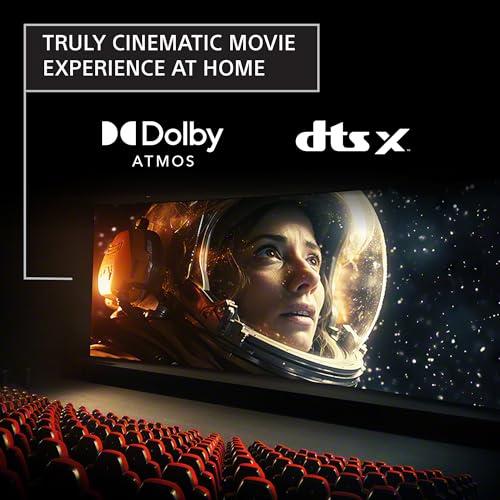
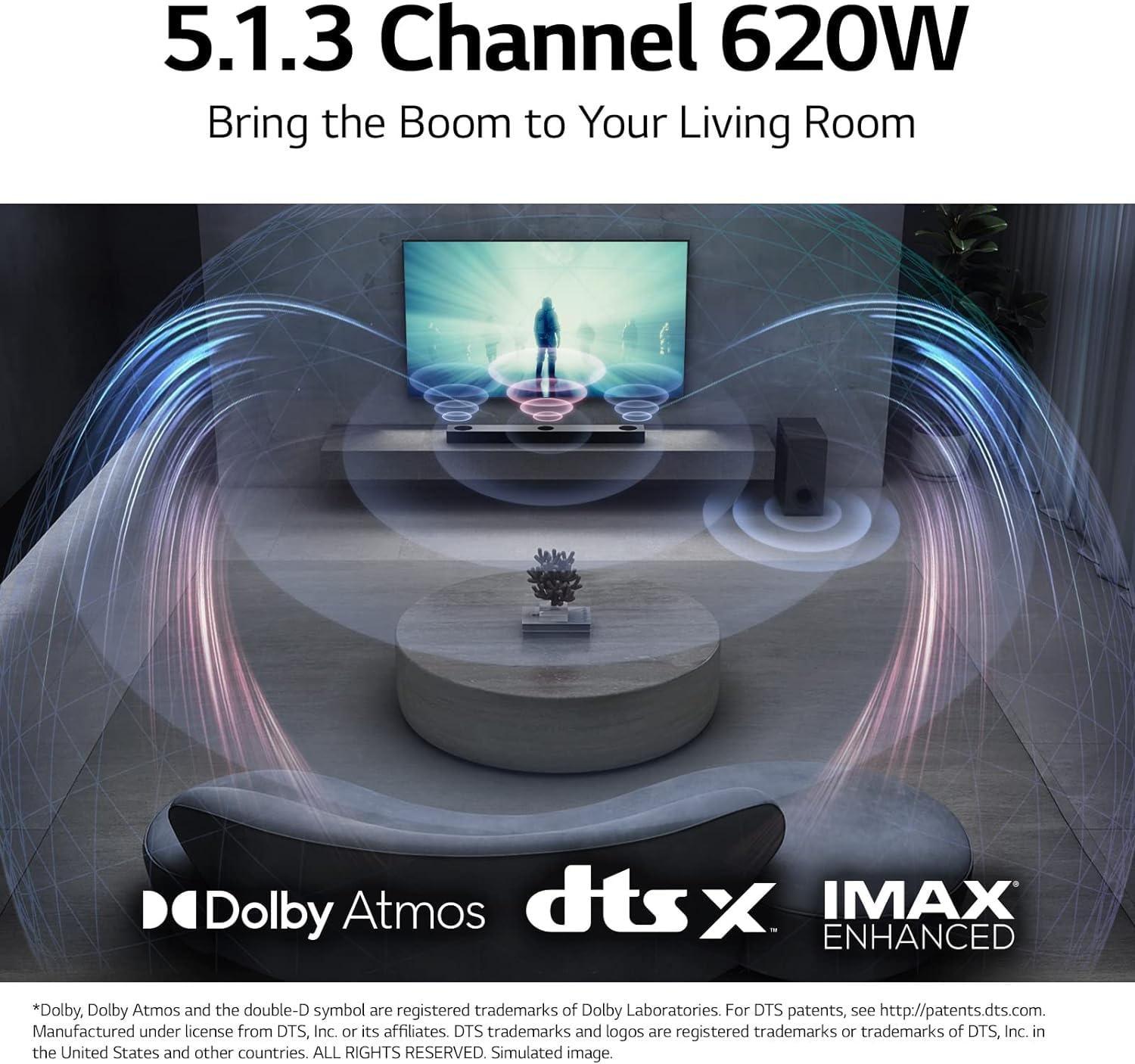
The numbers you see (like 3.1.2 or 5.1.3) tell a specific story. The first number represents left, center, and right front channels. The second number indicates subwoofer channels (the ".1" part that handles deep bass). The final number refers to height channels—speakers that fire sound upward to create overhead effects for formats like Dolby Atmos, which makes helicopter sounds actually seem to fly over your head.
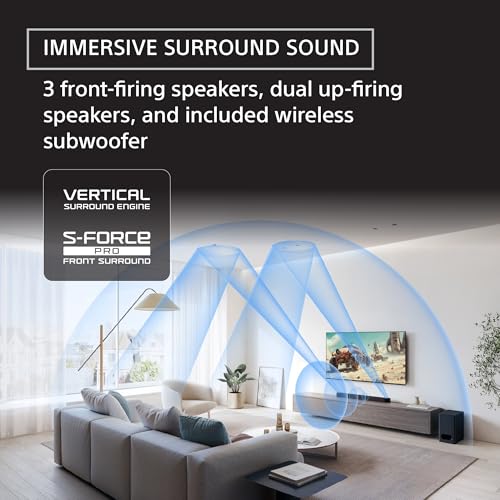
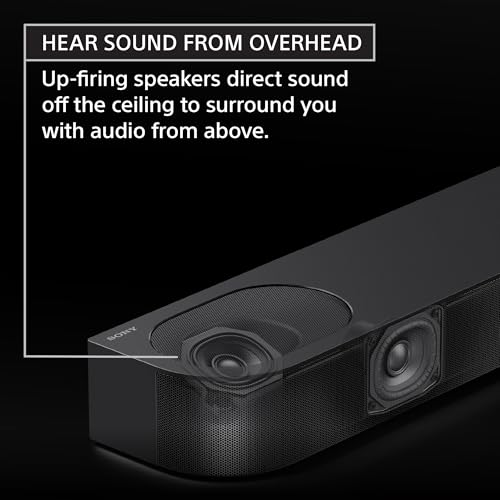
Room acoustics play a huge role too. Upward-firing speakers (those height channels) work by bouncing sound off your ceiling back down to your ears. This means they work best with flat, hard ceilings about 8-10 feet high. If you've got vaulted ceilings, thick carpeting everywhere, or lots of sound-absorbing furniture, the experience will be different than in a more reflective room.
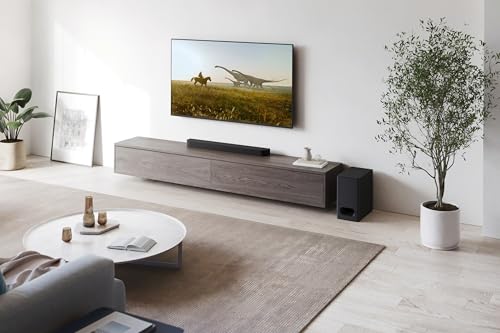
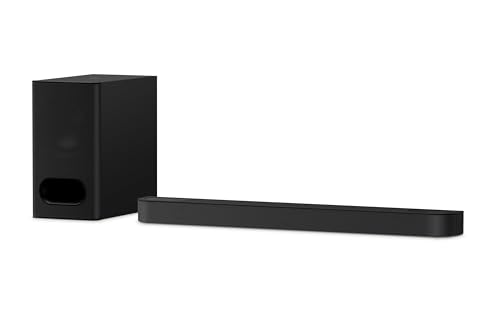
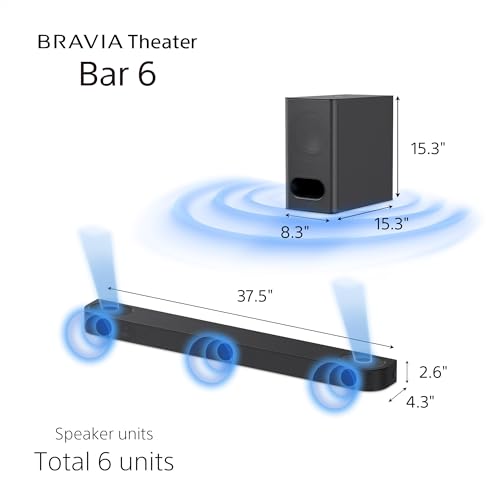
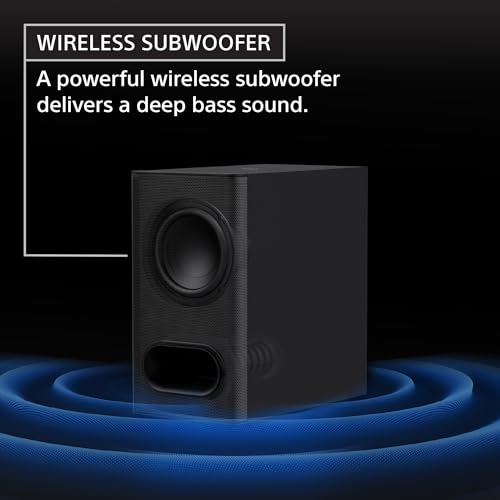
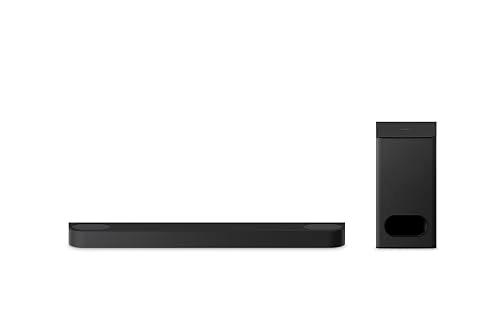
The Sony BRAVIA Theater Bar 6 embodies what I'd call the "surgical precision" philosophy. This 3.1.2 system focuses on doing fewer things exceptionally well rather than trying to be everything to everyone. With three front-facing drivers, two up-firing height speakers, and a wireless subwoofer, Sony has created something that prioritizes the fundamentals: crystal-clear dialogue and robust bass performance.
Sony's X-Balanced drivers deserve special mention here. Instead of traditional circular speaker cones, these are rectangular, which increases the surface area that pushes air without making the soundbar taller or deeper. It's like upgrading from a small paddle to a larger oar—you move more air with each motion, creating cleaner, more powerful sound. Combined with 350 watts of total power output, this system can fill medium-sized rooms with authority.
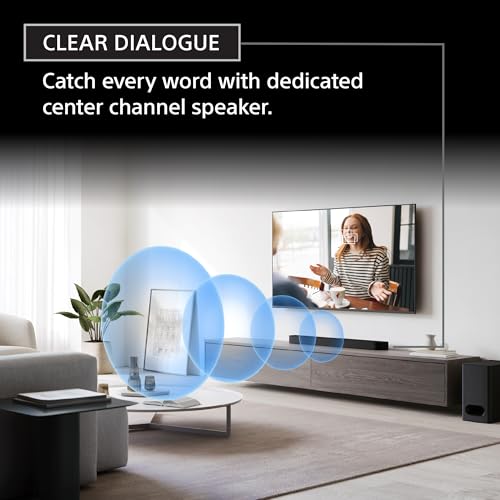
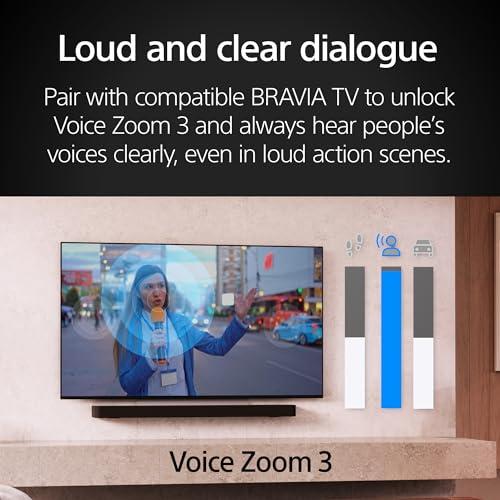
The real magic happens with dialogue. The dedicated center channel—a speaker positioned specifically to handle voices—works alongside Sony's Clear Voice algorithms to make speech incredibly intelligible. If you've ever watched an action movie where explosions drown out important dialogue, you'll appreciate this focus. The Voice Zoom 3.0 feature, available when paired with compatible Sony TVs, can even use your TV's built-in speakers to further enhance voice clarity.
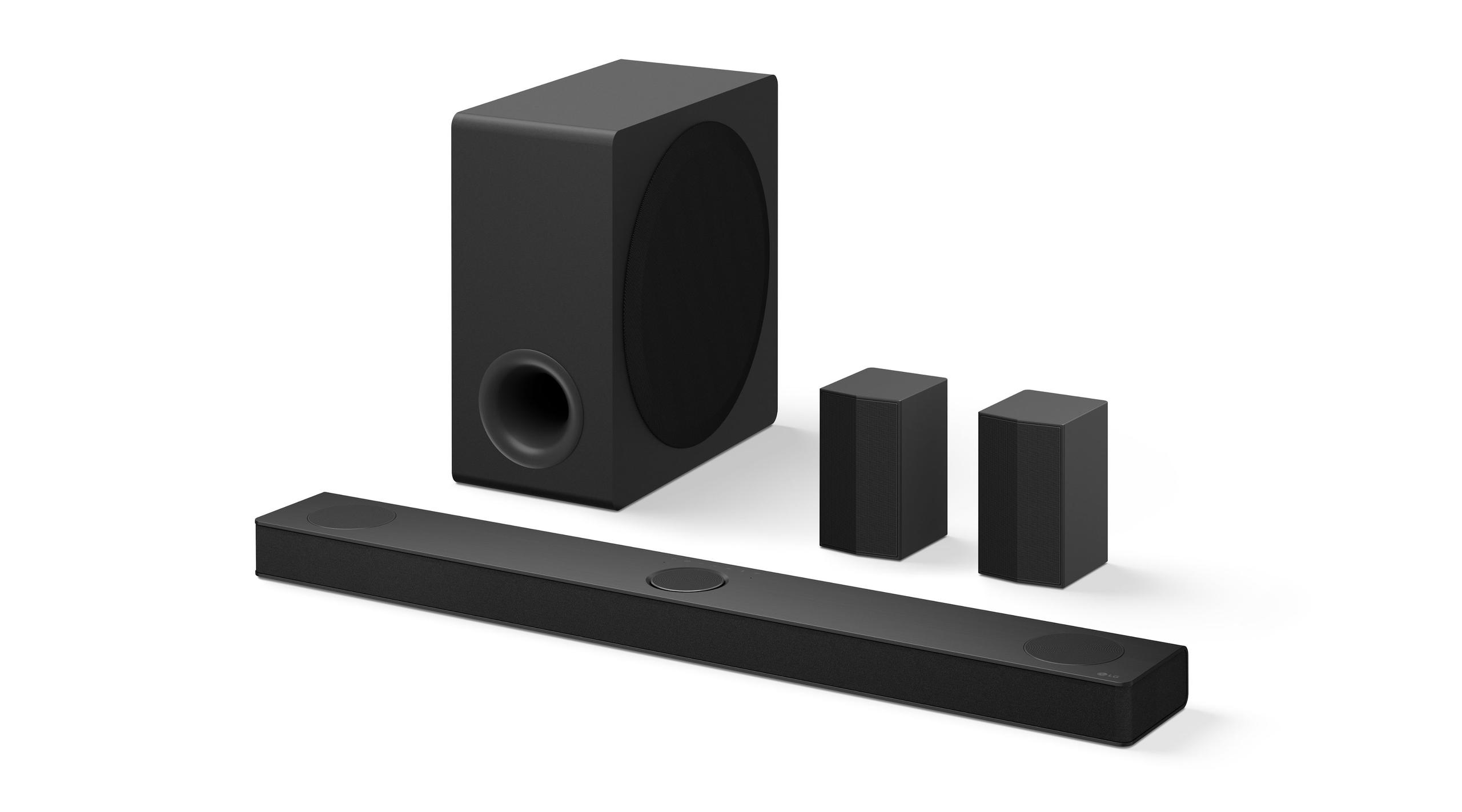
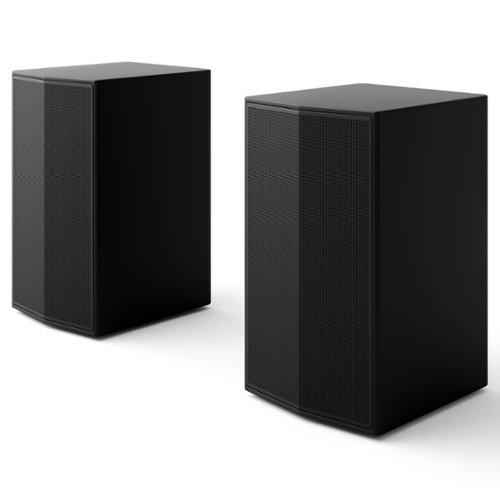
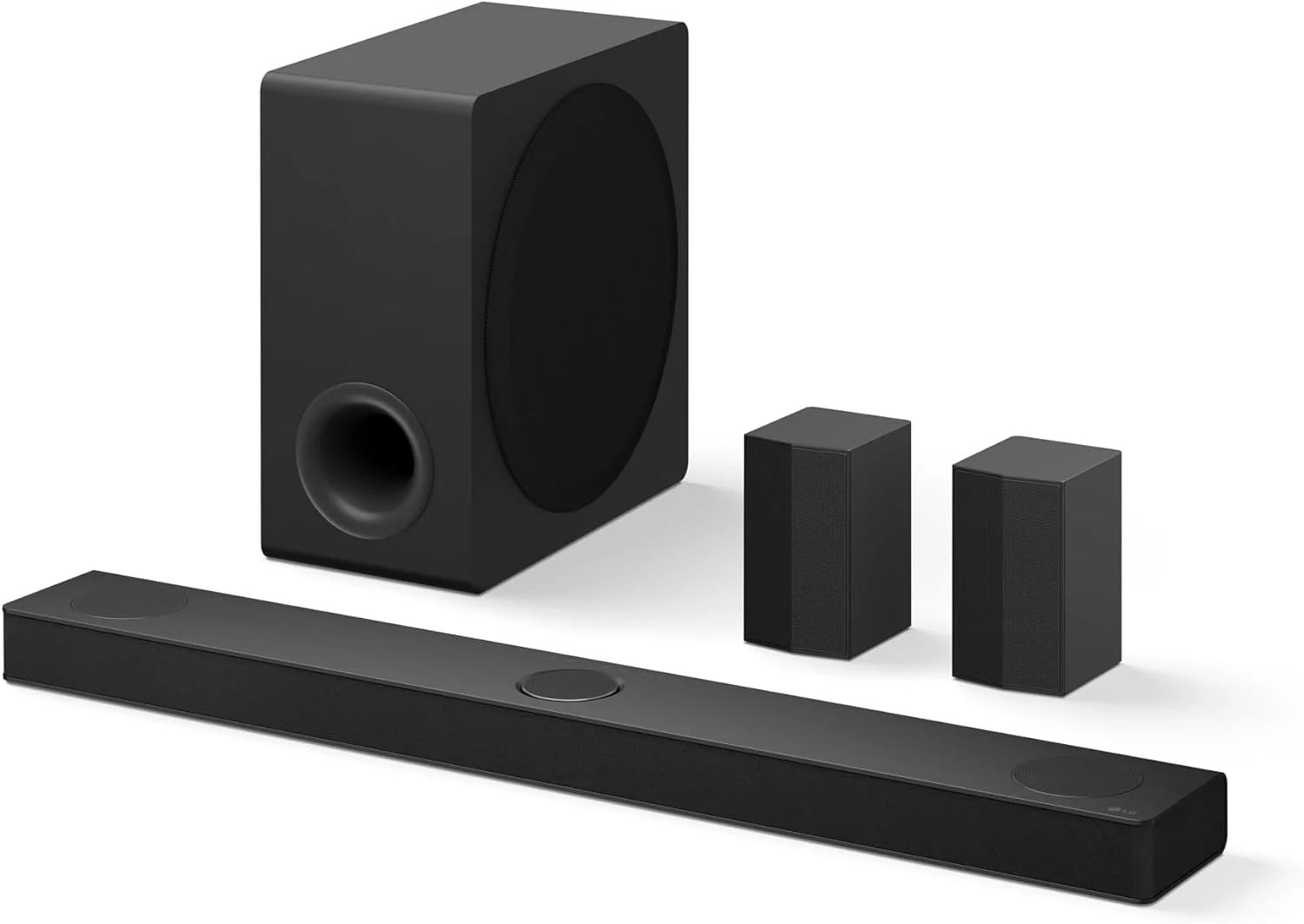
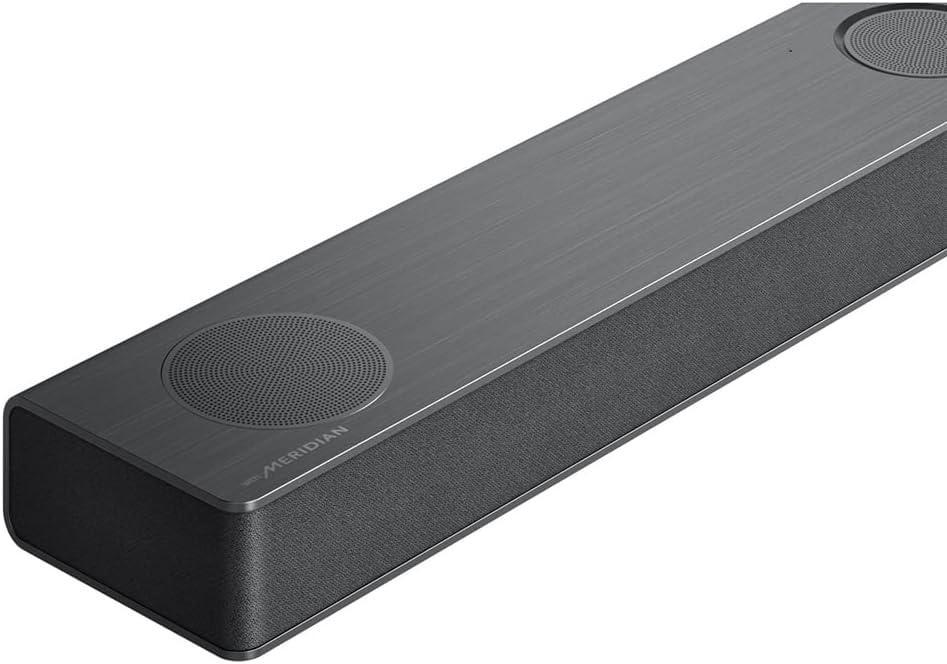
The LG S80TR takes the opposite approach: if you're going to upgrade your audio, why not go all the way? This 5.1.3 system includes everything the Sony has, plus dedicated wireless rear speakers that provide authentic surround sound placement. Instead of virtualizing surround effects through clever processing, LG gives you the real thing—actual speakers behind your seating position.
This matters more than you might think. When a spaceship flies from the front of the screen to the back in a movie, virtual processing can create the illusion of movement, but physical rear speakers actually move the sound through space around you. It's the difference between watching someone describe a sunset and actually seeing one yourself.
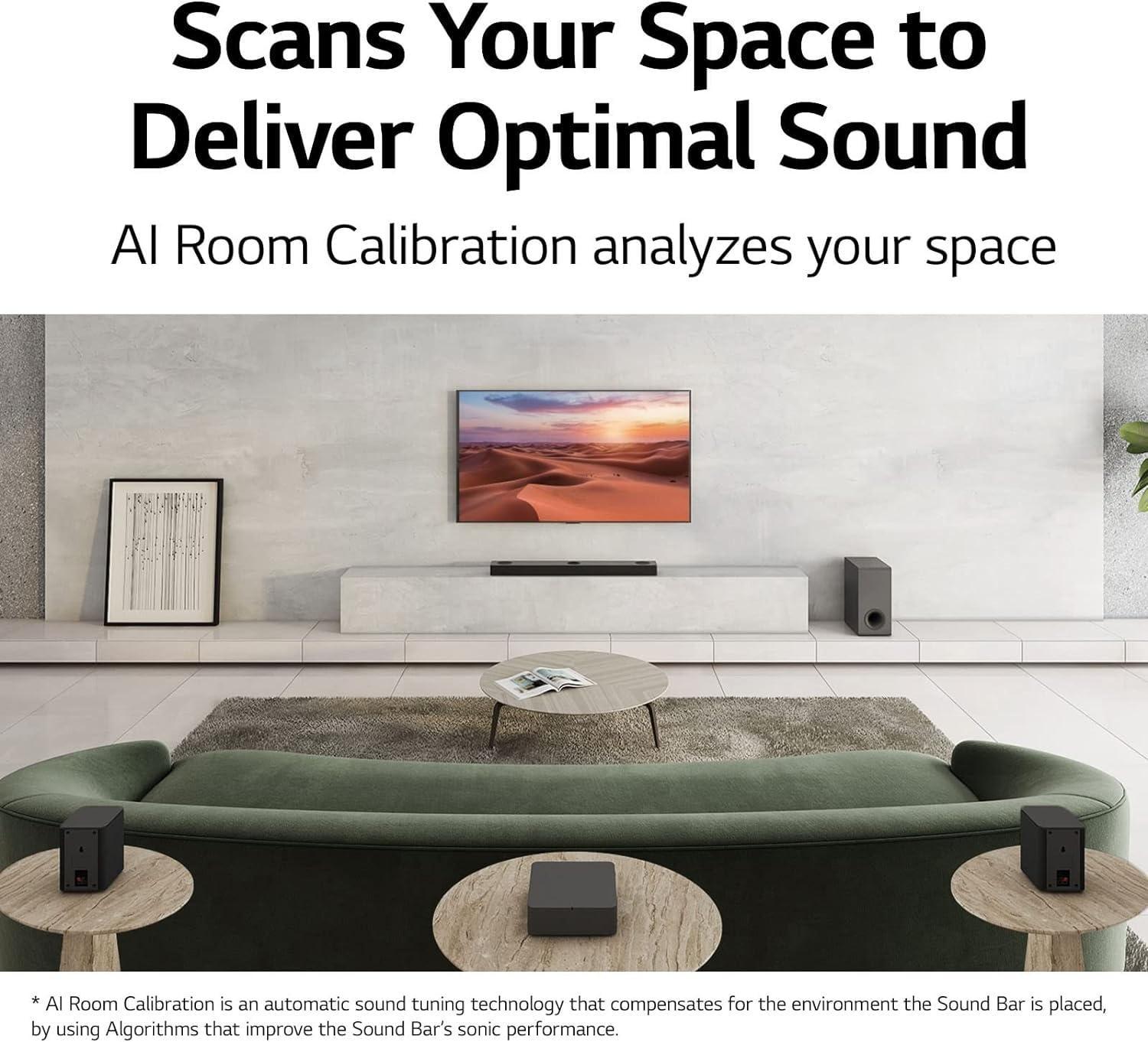
The LG S80TR also includes AI Room Calibration, which uses built-in microphones to analyze your room's acoustics and automatically adjust the sound accordingly. This is sophisticated stuff—the system listens to test tones, measures how your room affects them, and then compensates for acoustic quirks like hard surfaces that create echoes or soft furnishings that absorb certain frequencies.
Having tested both systems extensively, I can say without hesitation that the Sony BRAVIA Theater Bar 6 wins the dialogue clarity battle decisively. This isn't just about volume—it's about intelligibility. The dedicated center channel, combined with Sony's voice processing algorithms, makes conversations in movies and TV shows remarkably clear, even during complex action sequences.
This advantage becomes more pronounced with Sony BRAVIA TVs, where Voice Zoom 3.0 creates what's essentially a hybrid system. The TV's acoustic surface technology (which turns the entire screen into a speaker) works in harmony with the soundbar's center channel. It's like having a conversation with someone standing right in front of you versus trying to hear them across a crowded room.
When it comes to creating that "you are there" feeling, the LG S80TR simply operates in a different league. The inclusion of physical rear speakers transforms movie watching into something approaching a commercial theater experience. Sounds genuinely move around you rather than just seeming to come from different directions.
The height channels work more effectively too. With 5.1.3 configuration, the LG system has three height channels compared to Sony's two, creating a more complete overhead soundfield. During Atmos-enabled content like "Top Gun: Maverick" or "Dune," you can distinctly hear aircraft moving through three-dimensional space above and around you.
Both systems include wireless subwoofers, but they serve different purposes. The Sony BRAVIA Theater Bar 6 delivers what I'd describe as "punchy" bass—tight, controlled, and impactful for dialogue-focused content and music. However, it can become overwhelming, often requiring adjustment to the -3 or -4 level to balance properly with the main soundbar.
The LG S80TR takes a more nuanced approach. Its 8-inch subwoofer driver (compared to Sony's 6-inch) extends deeper into the low frequencies, reaching down to 30Hz. This creates not just louder bass, but more complete bass—you feel the rumble of distant thunder or the deep engine note of a spaceship in ways that smaller drivers simply can't reproduce.
At 350 watts, the Sony BRAVIA Theater Bar 6 has enough power for most living rooms, but the LG S80TR operates at a different level entirely with 580 watts distributed across more speakers. This isn't just about getting louder—it's about maintaining clarity at higher volumes and filling larger spaces with rich, detailed sound.
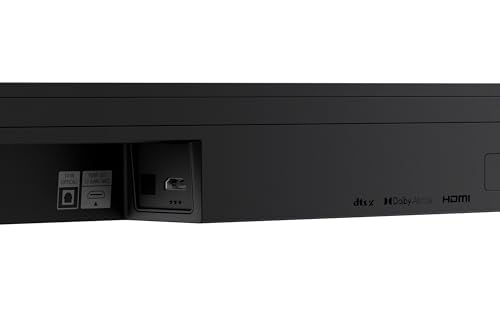
The connectivity story reveals each system's priorities clearly. The Sony BRAVIA Theater Bar 6 includes HDMI eARC (enhanced Audio Return Channel) for high-quality audio return from your TV, plus optical input for older devices. However, it lacks HDMI passthrough, meaning all your devices must connect directly to your TV.
This might seem limiting, but it reflects Sony's philosophy: the TV should be the central hub, with the soundbar serving as the audio specialist. For most users, this works perfectly, especially since modern TVs have plenty of HDMI inputs.
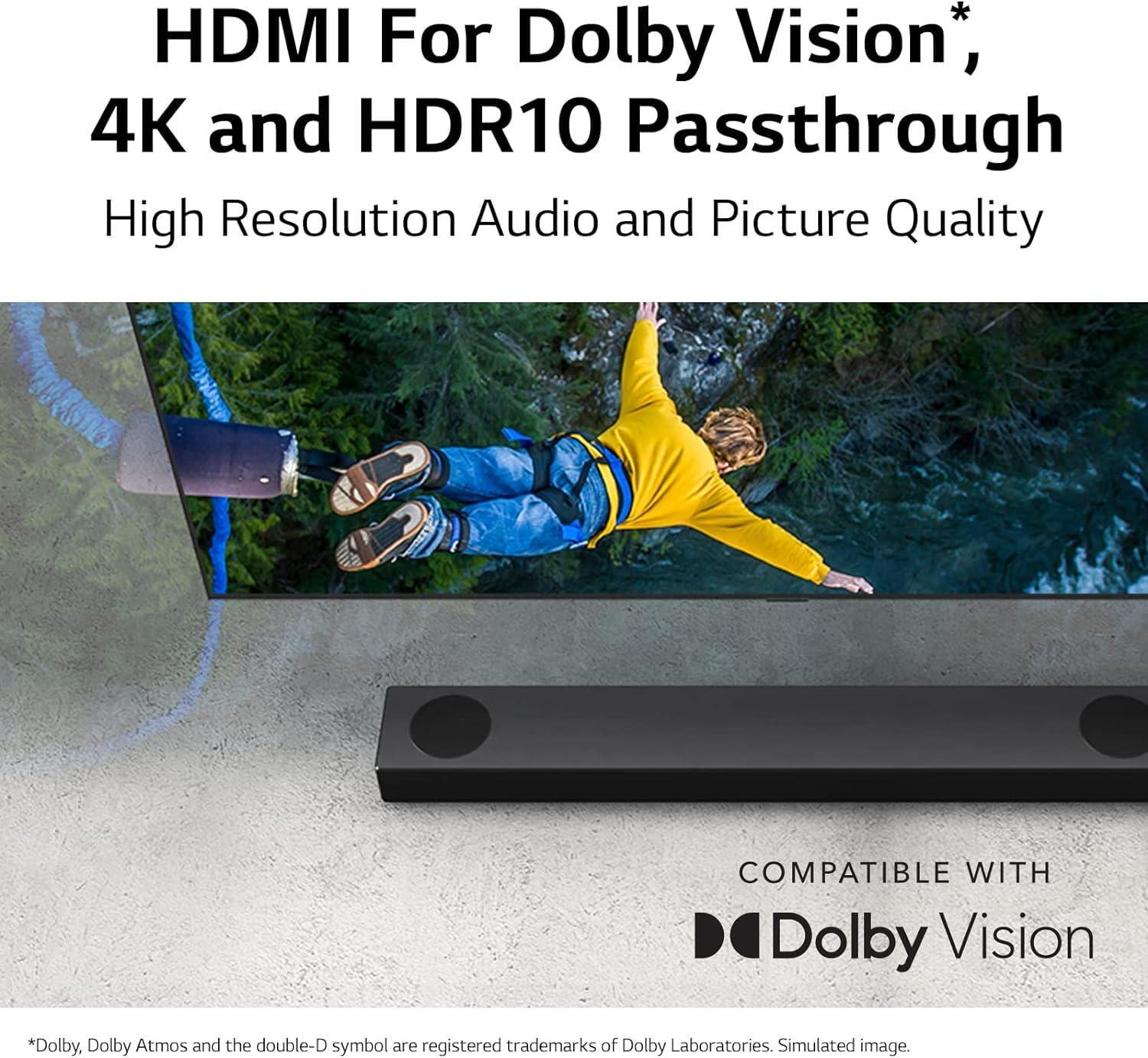
The LG S80TR includes a full HDMI input with 4K 60Hz passthrough, essentially allowing it to function as a switching hub between your devices and TV. This proves invaluable for gaming setups where you might have multiple consoles, or for users who prefer centralizing all connections through the audio system.
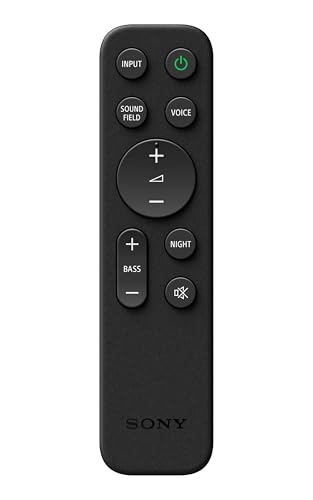
Room calibration represents another philosophical divide. The Sony BRAVIA Theater Bar 6 uses manual calibration through the BRAVIA Connect app, requiring you to input room dimensions and listening distances. It's simple and effective, though it assumes you know your room's measurements.
The LG S80TR automates this process entirely. AI Room Calibration uses built-in microphones to measure acoustic reflections, analyze room characteristics, and optimize audio output automatically. It's more sophisticated, but also more complex—sometimes the automated settings need manual adjustment for personal preferences.
The Sony BRAVIA Theater Bar 6 truly shines when paired with Sony BRAVIA TVs. BRAVIA SYNC allows you to control the soundbar with your TV remote, adjust settings through the TV's interface, and even have the TV automatically switch to soundbar audio when content begins playing.
This integration extends beyond convenience. Voice Zoom 3.0, WOW Orchestra's competitor, uses both the TV's acoustic surface speakers and the soundbar's drivers to create enhanced dialogue clarity. It's like having a conversation where someone is speaking directly to you while background noise fades away.
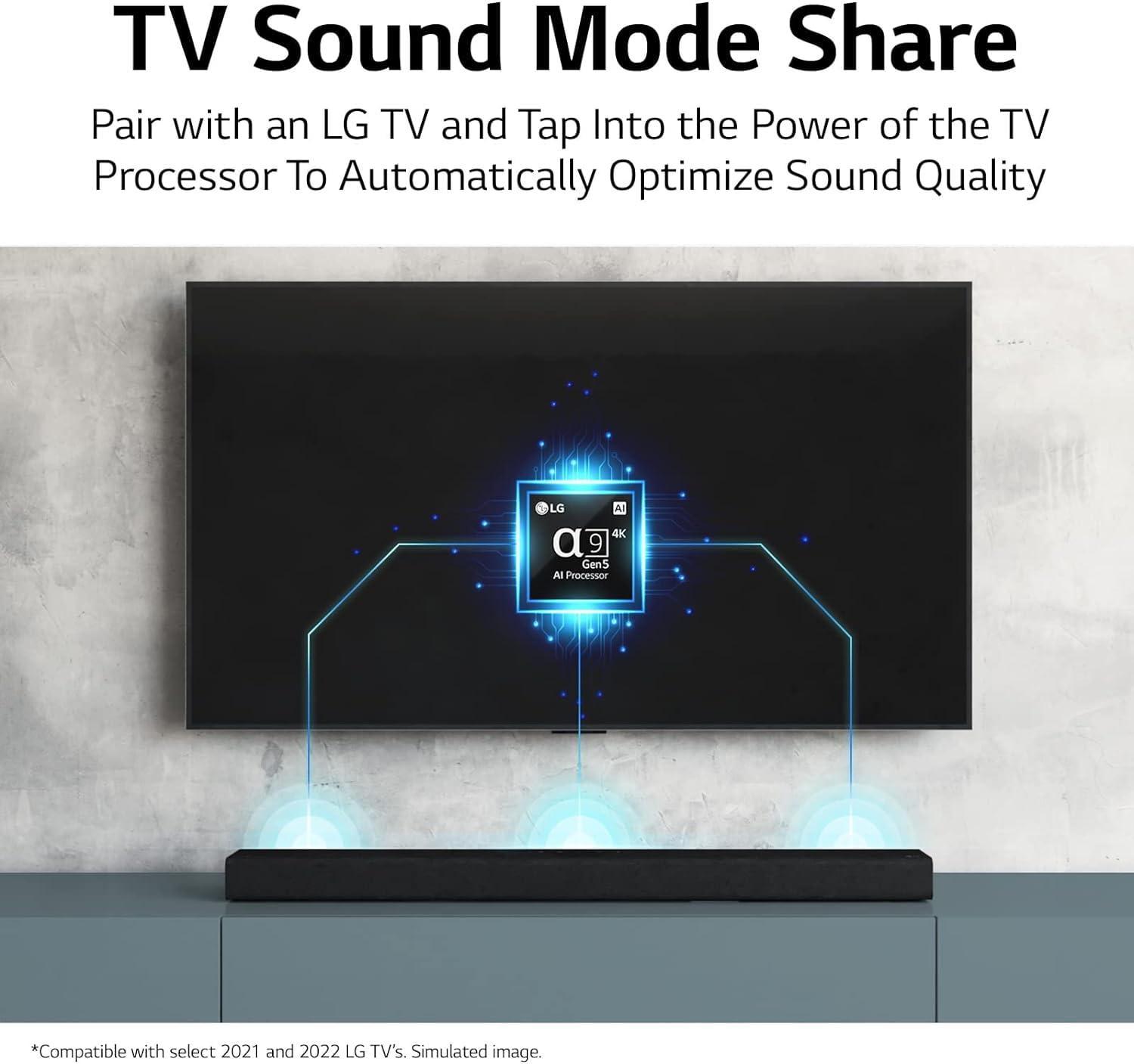
The LG S80TR offers WOW Orchestra, which coordinates the TV's built-in speakers with the soundbar system rather than replacing them. This creates a more enveloping soundfield, using every available driver to optimize the audio experience. When watching content, you're not just hearing the soundbar—you're hearing a coordinated performance from all speakers in the room.
In typical living rooms or bedrooms, the Sony BRAVIA Theater Bar 6 performs exceptionally well. The compact design means it doesn't overwhelm smaller spaces visually, while the audio performance provides dramatic improvement over TV speakers without requiring complex setup or rear speaker placement.
The up-firing height channels work effectively in rooms with standard 8-10 foot ceilings, creating convincing overhead effects during Atmos content. However, the virtual surround processing has its limits—you'll notice the difference compared to systems with physical rear speakers, especially during action sequences where sounds are supposed to move around the room.
This is where the LG S80TR demonstrates its superiority. In rooms larger than 200 square feet, or in dedicated home theater spaces, the additional speakers and power make a dramatic difference. The physical rear speakers provide authentic surround placement that virtual processing simply cannot match.
The AI calibration becomes more valuable in larger spaces too, as room acoustics become more complex and variable. The system's ability to automatically compensate for acoustic challenges saves hours of manual tweaking and often produces better results than most users could achieve on their own.
For gaming, the LG S80TR offers distinct advantages. The HDMI passthrough supports 4K at 60Hz with VRR (Variable Refresh Rate) and ALLM (Auto Low Latency Mode), ensuring minimal input lag while maintaining high audio quality. The physical surround speakers provide competitive advantages in games where positional audio matters—you'll hear enemies approaching from behind with pinpoint accuracy.
The Sony BRAVIA Theater Bar 6 can certainly handle gaming audio well, but the lack of HDMI passthrough means connecting gaming consoles directly to your TV, potentially complicating setup if your TV lacks advanced gaming features.
At the time of writing, both systems occupy similar price ranges, but they deliver value in completely different ways. The Sony BRAVIA Theater Bar 6 often costs slightly more than the LG S80TR, which seems counterintuitive given LG's inclusion of rear speakers. However, Sony's pricing reflects the premium nature of their voice enhancement technology and the sophisticated TV integration features.
The LG S80TR represents exceptional value for anyone seeking true surround sound. Including wireless rear speakers at this price point is remarkable—most competing systems charge hundreds more for equivalent rear speaker packages, if they offer them at all.
You prioritize dialogue clarity above all else. If you're primarily watching TV shows, news, or dialogue-heavy movies, Sony's voice enhancement technology provides an unmatched experience. The system also makes sense if you're dealing with space constraints that make rear speaker placement problematic, or if you prefer simpler setups without multiple components to position and calibrate.
Sony TV owners get additional benefits that justify any price premium. The integration features, combined with Voice Zoom 3.0, create a synergistic experience that's difficult to replicate with other brands. If you value elegant simplicity and focused performance over maximum feature sets, the Sony BRAVIA Theater Bar 6 aligns with those priorities.
Immersive surround sound represents your primary goal. If you're serious about movie watching, gaming, or want the closest approximation to commercial theater audio at home, the physical rear speakers make an enormous difference. The system also suits users with multiple input devices who benefit from HDMI switching capabilities.
The LG S80TR works best for people who enjoy the setup process and want to optimize their systems. The AI calibration provides sophisticated acoustic optimization, but getting the most from the system requires proper rear speaker placement and some experimentation with settings.
Both the Sony BRAVIA Theater Bar 6 and LG S80TR represent excellent choices, but for dramatically different users and situations. Sony has created what might be the best compact soundbar for dialogue clarity and TV integration, while LG has delivered true surround sound performance at a price that makes dedicated home theater systems accessible to mainstream buyers.
Your choice ultimately depends on your priorities, room constraints, and viewing habits. If crystal-clear dialogue and seamless simplicity appeal to you, Sony's approach provides focused excellence. If you want the full surround sound experience with room-filling immersion, LG's comprehensive system delivers remarkable value.
Either way, you're getting significantly better audio than your TV's built-in speakers can provide—and in 2024, that's saying something, as TV audio has improved considerably over the past few years. The question isn't whether these systems will improve your entertainment experience, but which approach to that improvement matches your specific needs and preferences.
| Sony BRAVIA Theater Bar 6 | LG S80TR 5.1.3 Channel Soundbar |
|---|---|
| Channel Configuration - Determines surround sound authenticity and immersion level | |
| 3.1.2 channels (virtual surround processing) | 5.1.3 channels (true surround with physical rear speakers) |
| What's Included - Affects setup complexity and total value | |
| Main bar + wireless subwoofer | Main bar + wireless subwoofer + wireless rear speakers |
| Total Power Output - Impacts volume capability and room-filling ability | |
| 350W (adequate for small-medium rooms) | 580W (handles larger rooms with authority) |
| Subwoofer Size - Determines bass depth and impact | |
| 6-inch driver (tight, punchy bass) | 8-inch driver (deeper extension to 30Hz) |
| Dialogue Enhancement - Critical for clear speech in movies and TV | |
| Dedicated center channel + Voice Zoom 3.0 (exceptional clarity) | Standard center channel (good but less specialized) |
| Room Calibration - Affects ease of setup and optimal performance | |
| Manual setup via app (simple but requires measurements) | AI Room Calibration with microphones (automatic optimization) |
| HDMI Connectivity - Important for gaming and multiple devices | |
| eARC only (all sources connect to TV) | Full HDMI input with 4K 60Hz passthrough |
| TV Integration - Matters most if you own the same brand TV | |
| Seamless with Sony BRAVIA TVs (unified control) | WOW Orchestra with LG TVs (coordinated audio) |
| Height Effects - Creates overhead Dolby Atmos immersion | |
| 2 up-firing speakers (ceiling reflection required) | 3 height channels (more complete overhead soundfield) |
| Setup Complexity - Affects user experience and placement flexibility | |
| Simple bar + subwoofer placement | Requires optimal rear speaker positioning |
| Best Use Case - Who should choose this system | |
| Dialogue-focused content, compact spaces, Sony TV owners | Movie enthusiasts, gaming, larger rooms seeking true surround |
The Sony BRAVIA Theater Bar 6 is better suited for small rooms due to its compact design and simpler setup. With just a main bar and wireless subwoofer, it takes up minimal space while still delivering excellent audio quality. The LG S80TR requires rear speaker placement, which can be challenging in smaller spaces.
While the Sony BRAVIA Theater Bar 6 creates virtual surround sound through processing, the LG S80TR includes physical rear speakers that provide authentic surround placement. True rear speakers offer significantly better immersion for movies and gaming, but virtual processing can still enhance your audio experience considerably over TV speakers.
The Sony BRAVIA Theater Bar 6 excels at dialogue clarity with its dedicated center channel and Voice Zoom 3.0 technology. Sony's Clear Voice algorithms specifically enhance speech intelligibility, making it ideal for TV shows and dialogue-heavy content. The LG S80TR offers good dialogue reproduction but isn't as specialized in this area.
The Sony BRAVIA Theater Bar 6 is 3.1.2 (3 front channels, 1 subwoofer, 2 height channels) while the LG S80TR is 5.1.3 (5 surround channels, 1 subwoofer, 3 height channels). The LG system has two additional surround channels and one more height channel, providing more immersive surround sound with physical speaker placement.
The Sony BRAVIA Theater Bar 6 is much easier to set up, requiring only placement of the main bar and wireless subwoofer. The LG S80TR requires positioning rear speakers behind your seating area and running the AI room calibration, making setup more complex but potentially more rewarding for the effort.
Both the Sony BRAVIA Theater Bar 6 and LG S80TR work with any TV brand through HDMI or optical connections. However, the Sony system offers enhanced features like Voice Zoom 3.0 when paired with Sony BRAVIA TVs, while the LG system provides WOW Orchestra integration with LG TVs.
The LG S80TR is better for gaming due to its HDMI input with 4K 60Hz passthrough, VRR support, and physical surround speakers that provide positional audio advantages. The Sony BRAVIA Theater Bar 6 can handle gaming well but lacks HDMI passthrough, requiring console connection directly to your TV.
Both the Sony BRAVIA Theater Bar 6 and LG S80TR support Dolby Atmos through up-firing speakers that bounce sound off your ceiling. The LG system has three height channels compared to Sony's two, potentially providing more complete overhead effects. Both require relatively flat ceilings for optimal performance.
The LG S80TR typically offers better overall value by including wireless rear speakers that most other systems charge extra for. The Sony BRAVIA Theater Bar 6 provides excellent value for its specific strengths in dialogue clarity and compact design, especially for Sony TV owners who benefit from enhanced integration features.
Both the Sony BRAVIA Theater Bar 6 and LG S80TR include wireless subwoofers in the box. The Sony has a 6-inch subwoofer driver while the LG features an 8-inch driver that extends deeper into bass frequencies, providing more impactful low-end performance.
The LG S80TR is superior for movies and dedicated home theater use thanks to its physical rear speakers, 5.1.3 channel configuration, and more powerful 580W output. The Sony BRAVIA Theater Bar 6 works well for casual movie watching but can't match the immersive experience that true surround speakers provide.
The Sony BRAVIA Theater Bar 6 offers optional wireless rear speakers that can be purchased separately to create a more complete surround system. The LG S80TR already includes rear speakers but doesn't offer additional expansion options. Both systems work as complete solutions out of the box for their intended use cases.
We've done our best to create useful and informative comparisons to help you decide what product to buy. Our research uses advanced automated methods to create this comparison and perfection is not possible - please contact us for corrections or questions. These are the sites we've researched in the creation of this article: rtings.com - bestbuy.com - whathifi.com - youtube.com - youtube.com - sony.com - galaxus.at - helpguide.sony.net - audioadvice.com - electronics.sony.com - youtube.com - youtube.com - electronics.sony.com - helpguide.sony.net - whatgear.net - consumerreports.org - bestbuy.com - billsmith.com - brandsmartusa.com - avsforum.com - youtube.com - lg.com - buydig.com - louisdoehomecenter.com - lg.com - videoandaudiocenter.com - mynavyexchange.com - walts.com - bestbuy.com

Privacy Policy
Terms and Conditions - Affiliate Policy
Home Security
© Copyright 2008-2026.
11816 Inwood Rd #1211, Dallas, TX 75244