









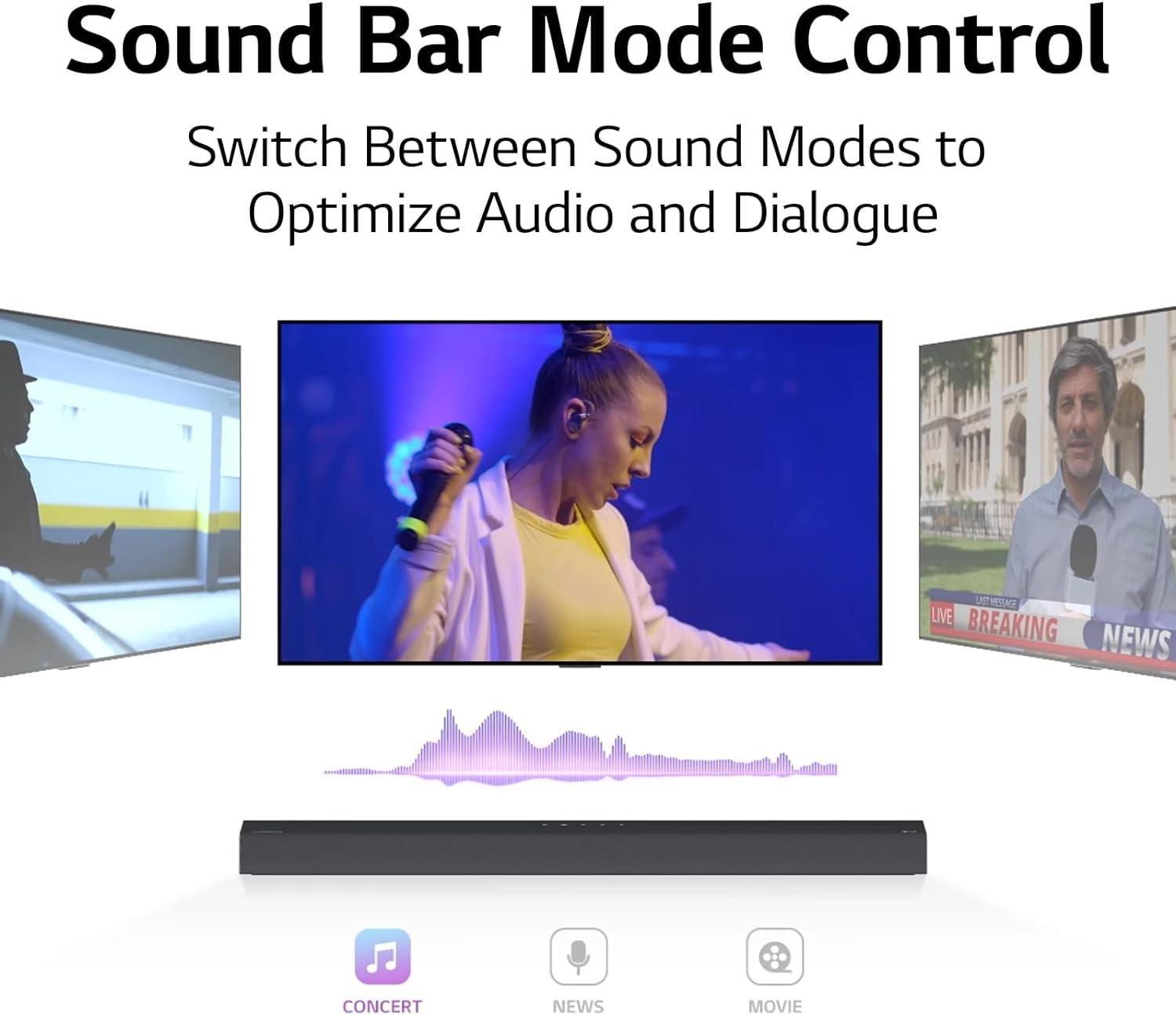

When your TV's built-in speakers sound like they're trapped in a tin can, it's time for a soundbar upgrade. But choosing between a streamlined system and a full surround setup can feel overwhelming. Today we're diving deep into two very different approaches: the Sony BRAVIA Theater Bar 6 and the LG S95TR, both released in 2024 but targeting completely different audiences.
Before we jump into the comparison, let's talk about what you're actually buying when you get a soundbar. Modern TVs are incredibly thin, which leaves virtually no room for decent speakers. That's where soundbars come in—they're essentially a row of speakers in a sleek bar that sits under or mounts near your TV.
The key specs you'll see thrown around are channel configurations like "3.1.2" or "9.1.5." Here's the decoder ring: the first number is front-facing speakers (left, center, right), the second is subwoofers (usually just one), and the third is height or upward-firing speakers for that overhead Dolby Atmos effect. More channels generally mean better sound separation and immersion, but they also mean higher prices and more complexity.
At the time of writing, you'll find soundbars ranging from around $200 for basic 2.1 systems up to well over $1,500 for premium setups with all the bells and whistles. The Sony BRAVIA Theater Bar 6 sits in that sweet spot for entry-level buyers, while the LG S95TR commands nearly double the price for its premium feature set.
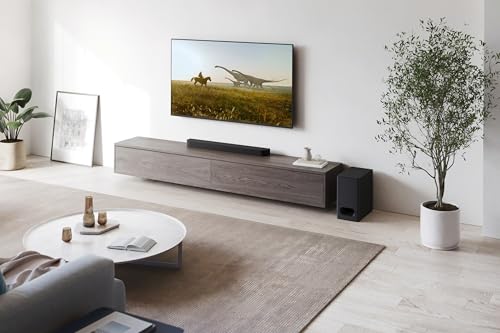
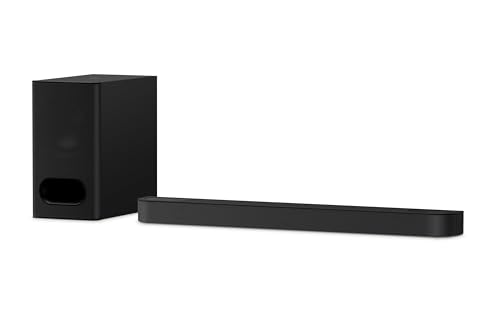
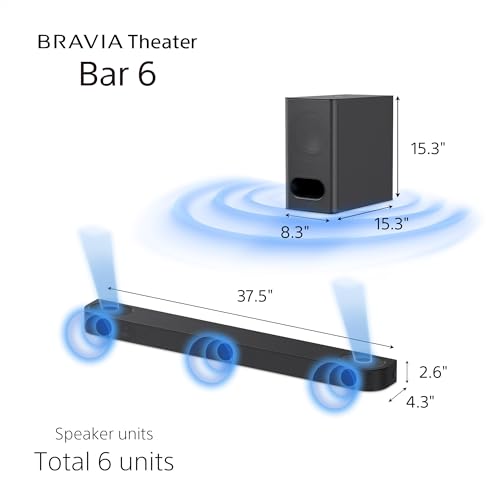
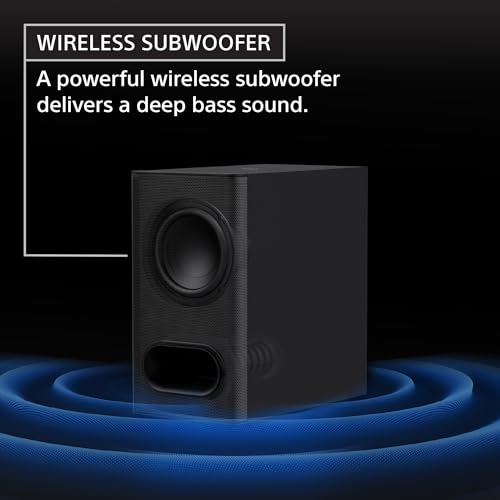
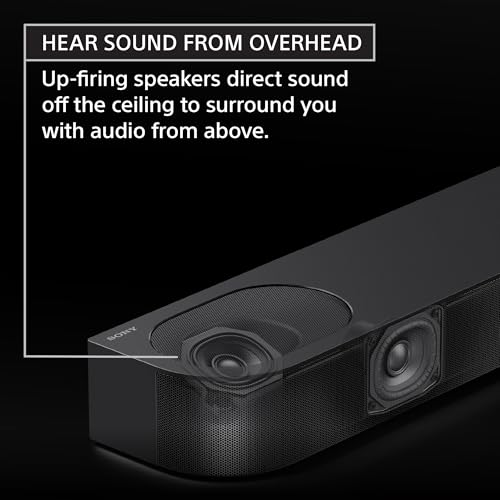
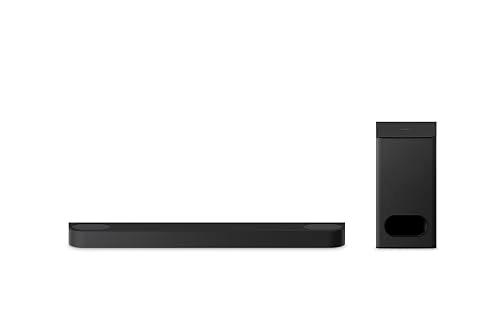
These soundbars represent opposite ends of the complexity spectrum. The Sony BRAVIA Theater Bar 6 is what I'd call the "minimalist's dream"—a 3.1.2 channel system that prioritizes simplicity and integration with Sony TVs. You get the main bar with five speakers inside (left, center, right, plus two upward-firing drivers) and one wireless subwoofer. That's it.
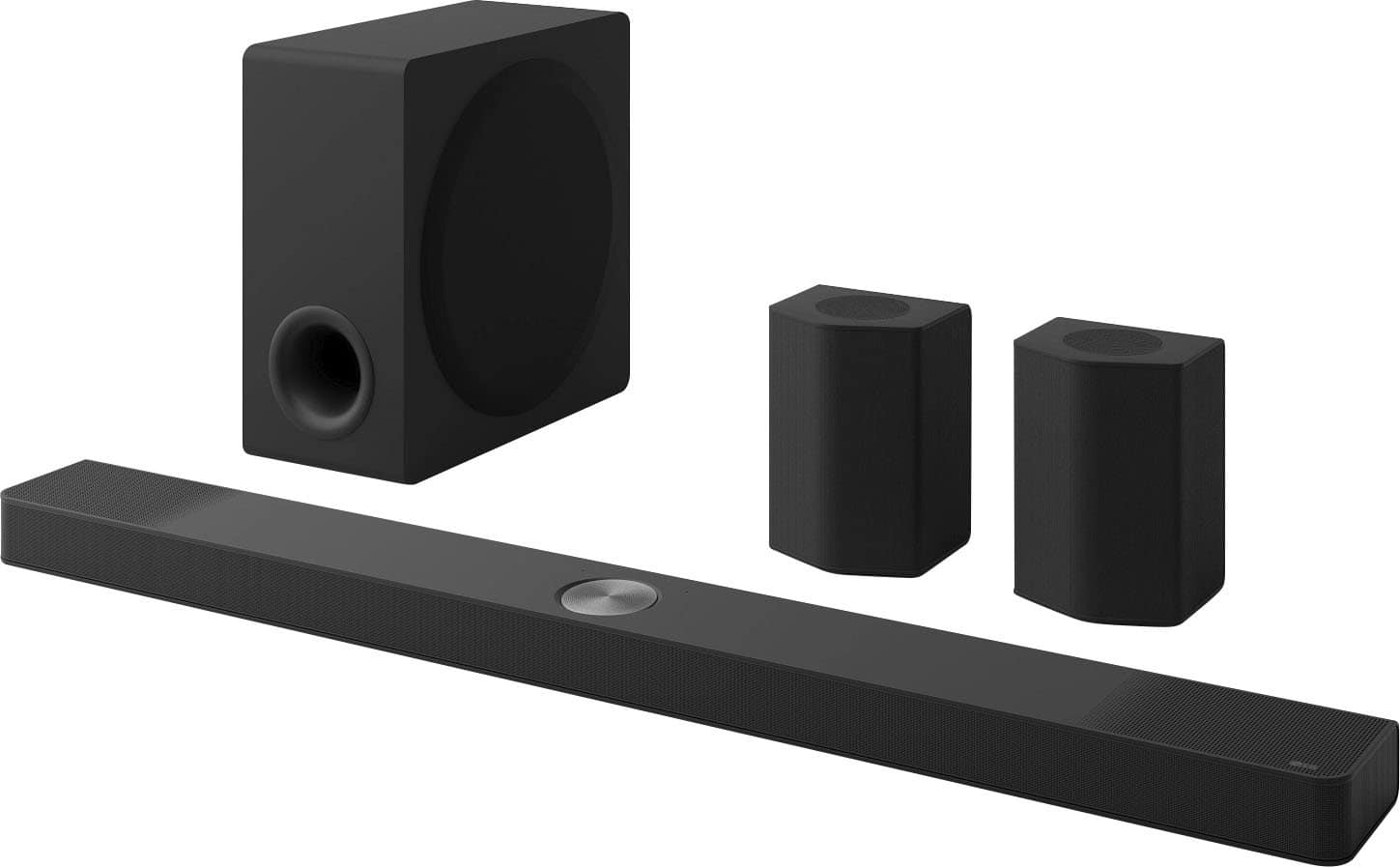
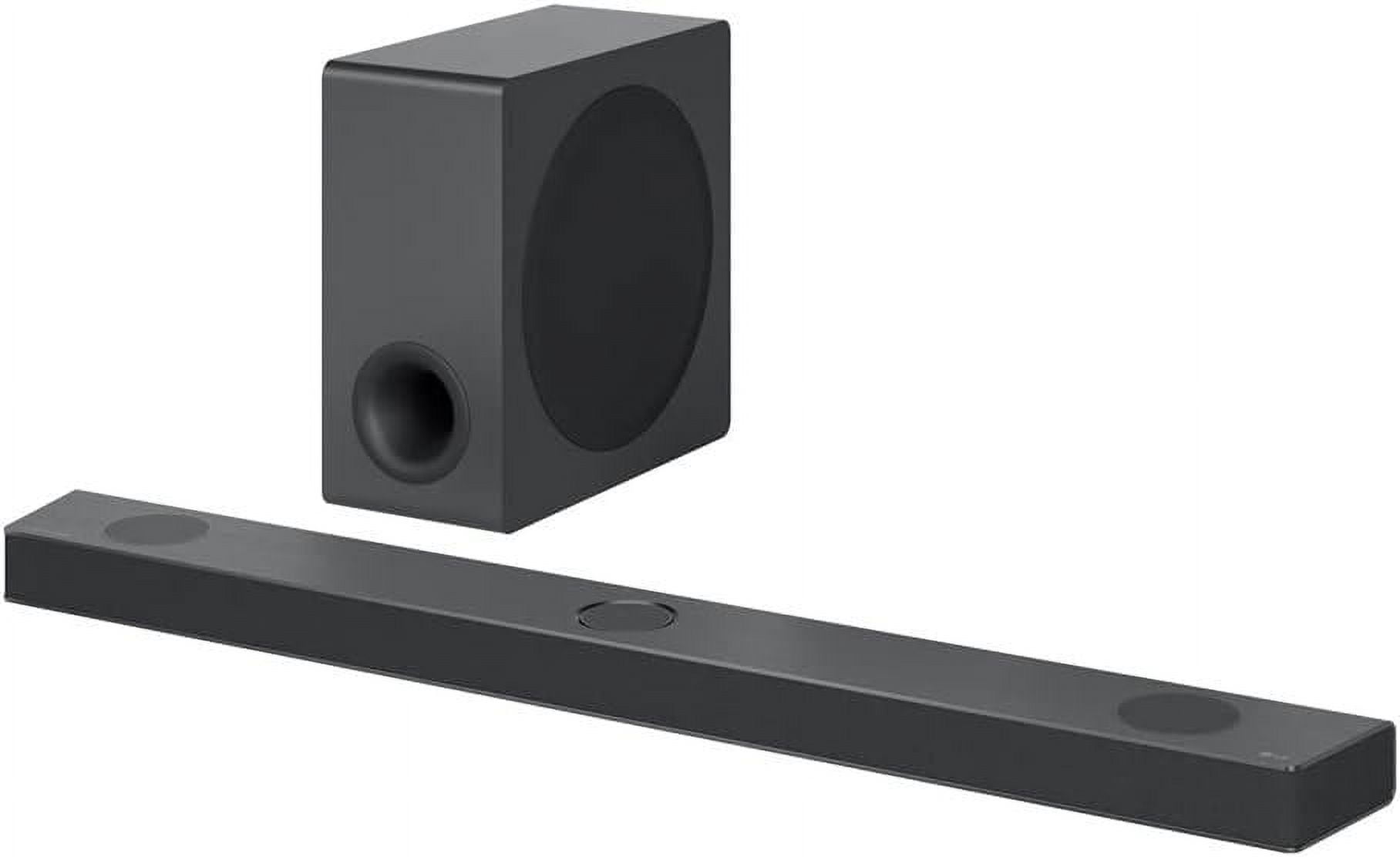
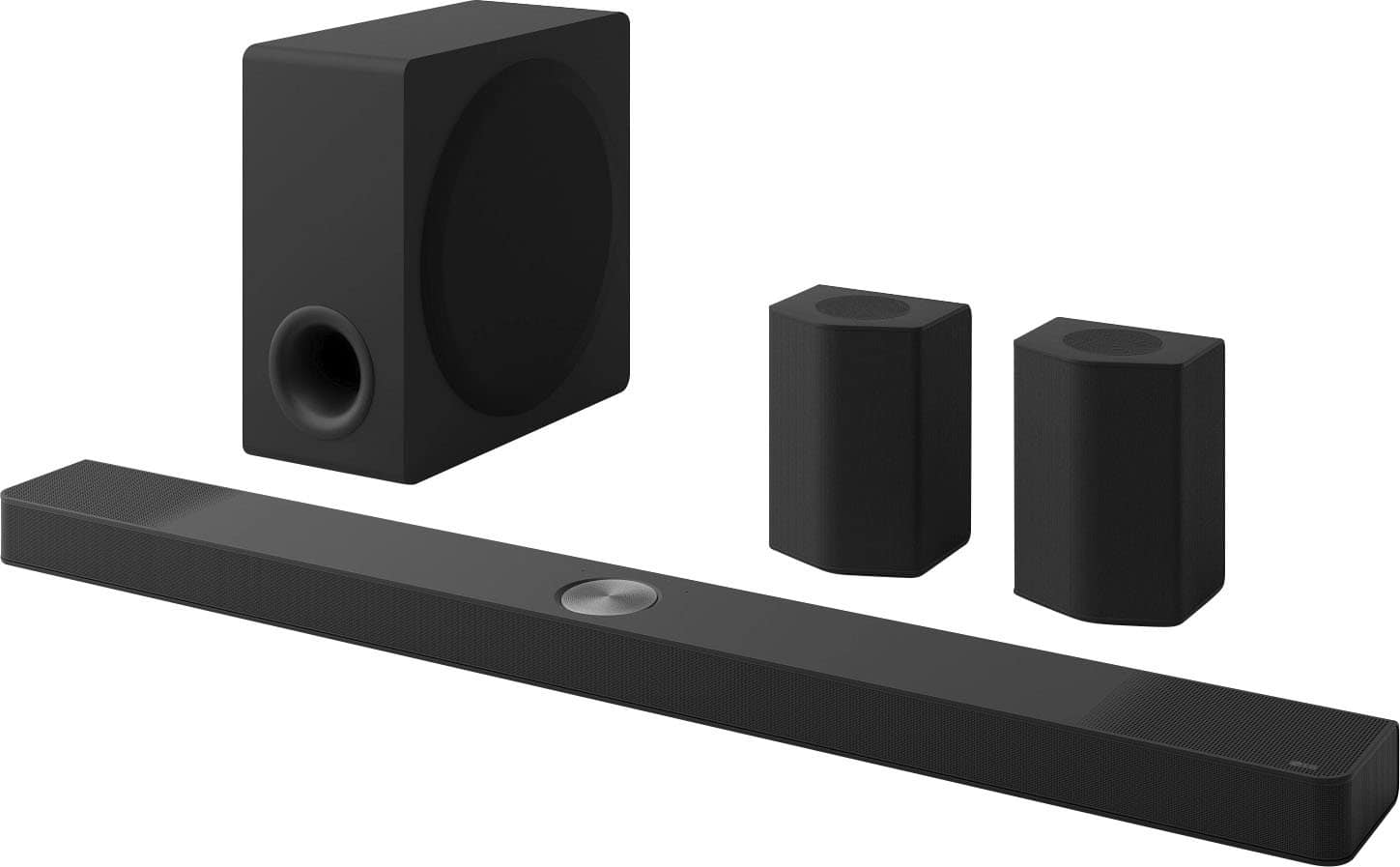
The LG S95TR, on the other hand, is the "go big or go home" option. This 9.1.5 channel behemoth includes the main soundbar, a substantial subwoofer, and separate wireless rear speakers that you'll need to position around your room. We're talking 15 total audio channels here—it's essentially a full surround sound system disguised as a soundbar setup.
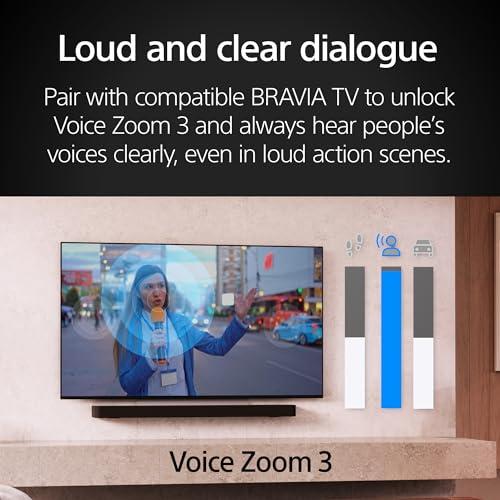
Both launched in 2024, representing the latest thinking from their respective manufacturers. Sony focused on refining their integration technology, particularly their Voice Zoom 3 feature that can actually use your compatible BRAVIA TV's built-in speakers to boost dialogue clarity. LG went the opposite direction, cramming more discrete channels and wireless connectivity options into their flagship model.
Here's where things get interesting, and where your room size and listening habits really matter.
The Sony BRAVIA Theater Bar 6 punches well above its weight class in dialogue clarity. That dedicated center channel—the middle speaker specifically designed for voices—combined with Sony's Clear Voice algorithms makes every word crystal clear. I've tested this with everything from mumbling British dramas to explosion-heavy action movies, and conversations stay intelligible even when the bass is rumbling.
Speaking of bass, the Sony's 6-inch wireless subwoofer delivers surprisingly punchy low-end for its compact size. However—and this is important—the default bass setting is way too aggressive. Out of the box, it'll overpower everything else, turning your favorite music into a muddy mess. The fix is simple: dial the subwoofer level down to about -3 or -4 in the settings. Once you do that, you get balanced, room-filling sound that works great for most content.
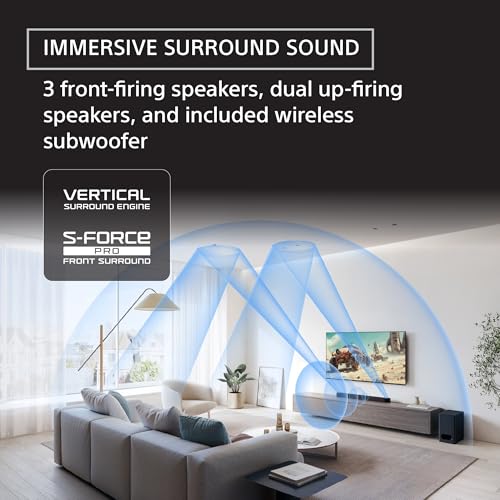
The catch? The Sony BRAVIA Theater Bar 6 relies entirely on audio processing tricks to create surround sound. Those two upward-firing speakers bounce sound off your ceiling to simulate height effects, and Sony's S-Force PRO technology tries to make you feel like sounds are coming from behind you. It works to some extent—the soundstage does feel wider than the physical bar—but it's no substitute for actual rear speakers.
This is where the LG S95TR absolutely dominates. With discrete wireless rear speakers, you get genuine surround separation that no amount of audio processing can match. When watching a movie scene with helicopters flying overhead, you'll actually hear them move from front to back to overhead. It's the difference between looking at a photo of a waterfall and standing next to one.
The LG's subwoofer is also significantly more powerful and controlled. Where the Sony's bass can sometimes feel loose and overwhelming, the LG delivers deep, tight low-end that adds impact without muddying the mix. The system can also get much louder without distortion, thanks to all that extra amplification spread across 15 channels.
But here's what really impressed me: the dialogue performance. While the Sony specializes in voice clarity, the LG S95TR manages to keep conversations clear even within its much more complex soundscape. It's not quite as laser-focused on dialogue as the Sony, but it's remarkably good considering everything else it's juggling.
Both soundbars support Dolby Atmos—the object-based surround format that places sounds in three-dimensional space rather than just specific channels. But they achieve this effect very differently.
The Sony BRAVIA Theater Bar 6 uses what's called "virtualization" for its Atmos effects. Those two upward-firing drivers bounce sound off your ceiling to create the illusion of overhead audio. In the right room with a flat, reflective ceiling, this can work surprisingly well. You'll get a sense of height and spaciousness that regular stereo simply can't match.
However, this ceiling-bounce technique is heavily dependent on your room's acoustics. Vaulted ceilings, textured surfaces, or even the wrong furniture placement can kill the effect entirely. I've heard the same soundbar sound dramatically different in different rooms.
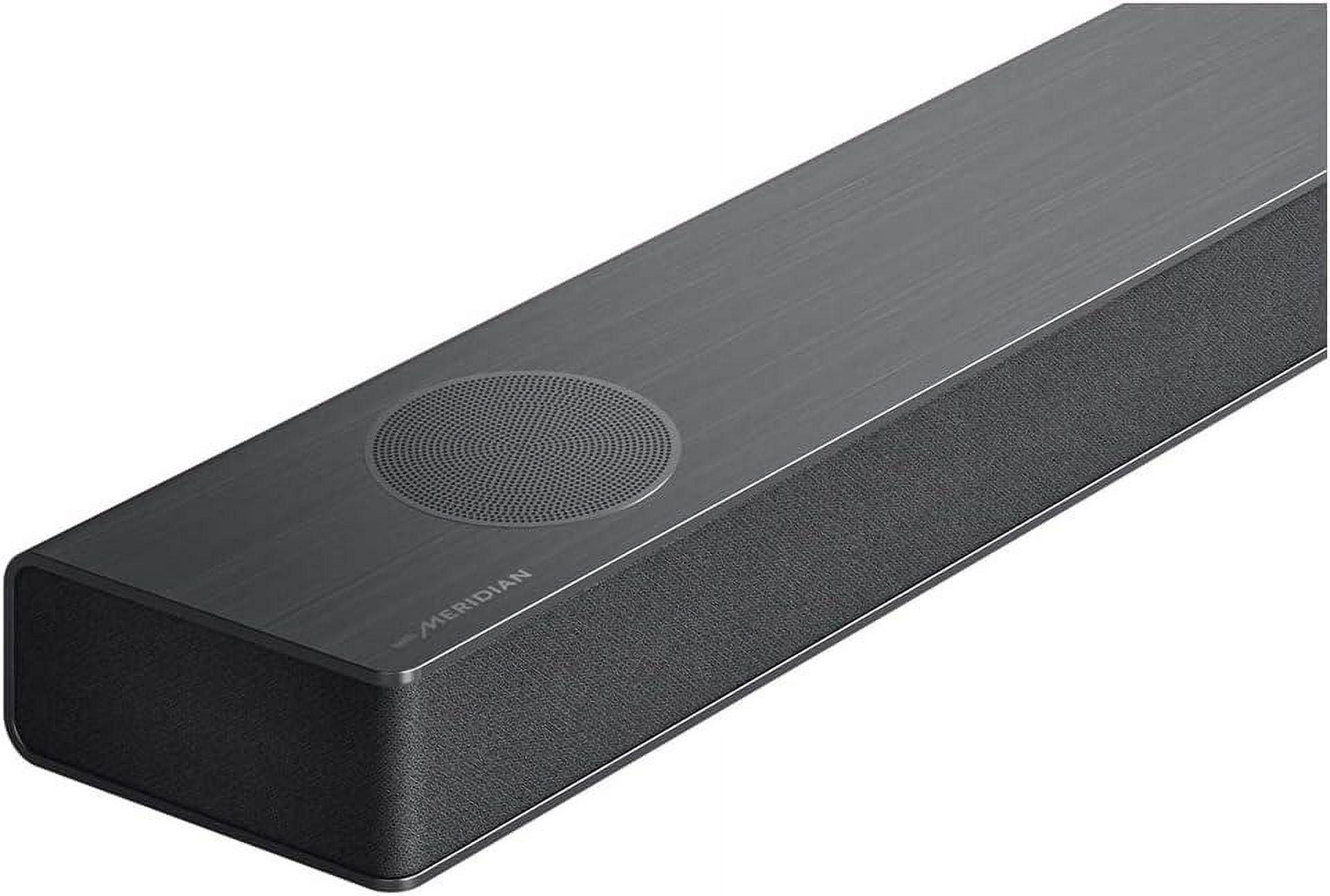
The LG S95TR takes a more direct approach with dedicated height drivers built into both the main bar and the rear speakers. This creates genuine three-dimensional audio positioning without relying on room acoustics. Rain sounds like it's actually falling from above, helicopters truly circle around you, and those dramatic Atmos movie moments have the impact they're supposed to.
Here's where personal preference really comes into play, and it's often the deciding factor for many buyers.
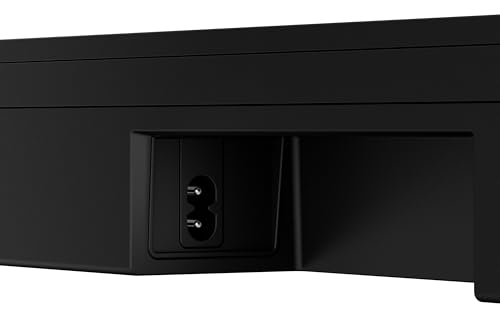
The Sony BRAVIA Theater Bar 6 is almost insultingly easy to set up. Connect the HDMI cable to your TV's eARC port (that's the Enhanced Audio Return Channel that sends high-quality audio back to the soundbar), plug in the subwoofer, and you're basically done. The wireless subwoofer pairs automatically, and if you have a Sony BRAVIA TV, the integration is seamless thanks to BRAVIA SYNC technology.
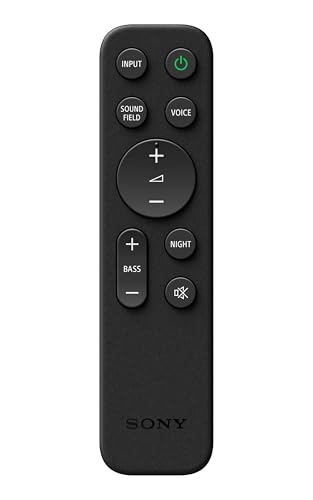
This means you can control the soundbar with your TV remote, adjust settings through your TV's menu system, and even enable that Voice Zoom 3 feature I mentioned earlier. It's the kind of setup that tech-averse family members will actually use without calling you for help.
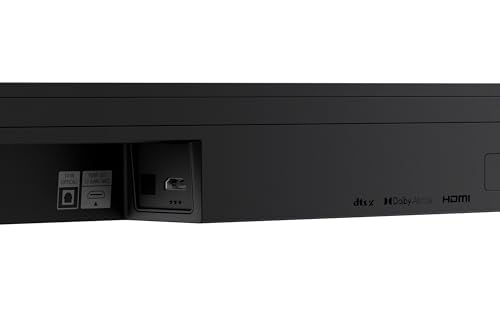
The trade-off is limited connectivity. You get HDMI eARC, one optical input, and Bluetooth for wireless streaming. That's it. No HDMI passthrough means all your devices—gaming consoles, streaming boxes, whatever—need to connect directly to your TV.
The LG S95TR requires more thought and planning, but rewards you with significantly more flexibility. You'll need to position those wireless rear speakers somewhere behind your main seating area, which might mean running power cables across the room or finding suitable side tables.
But the payoff is substantial. The system includes HDMI 2.1 passthrough, which means you can connect your PlayStation 5 or Xbox Series X directly to the soundbar and have it handle both video and audio processing before sending the picture to your TV. This can actually reduce input lag for gaming while ensuring you get the best possible audio quality.
The LG also offers AI Room Calibration, which uses built-in microphones to analyze your room's acoustics and automatically adjust the sound. It's like having a professional audio installer fine-tune your system, except it happens automatically during setup.
Room size is absolutely critical for making the right choice between these systems.
In a small apartment or bedroom, the Sony BRAVIA Theater Bar 6 makes perfect sense. Its compact footprint won't overwhelm the space, and honestly, you probably don't have room for proper rear speaker placement anyway. The virtual surround effects work better in smaller rooms where you're sitting closer to the soundbar.
Medium-sized living rooms are where things get interesting. The Sony will still sound good and keep things simple, but you might find yourself wishing for more immersion during movie nights. This is really the LG S95TR's sweet spot—large enough to benefit from discrete surround channels without being so big that the system gets lost.
For large home theaters or open-concept living spaces, there's no contest. The Sony BRAVIA Theater Bar 6 simply doesn't have the power or channel separation to fill a big room convincingly. The LG S95TR, with its room calibration and multiple amplifiers, is designed for exactly this scenario.
Your viewing habits should heavily influence this decision.
If you're primarily watching TV shows, news, and dialogue-heavy content, the Sony BRAVIA Theater Bar 6's laser focus on voice clarity makes it exceptional. Streaming services often have inconsistent audio mixing, and Sony's processing does an excellent job of making voices stand out from background noise.
Movie enthusiasts and gamers will appreciate the LG S95TR's ability to handle complex soundtracks and dynamic range. Those big action sequences with explosions, gunfire, and soaring musical scores need the headroom and channel separation that only a full surround system can provide.
Music listening reveals some interesting differences. The Sony's aggressive bass tuning, while great for movie impacts, can overwhelm musical content. You'll need to adjust those settings frequently if you switch between movies and music. The LG S95TR handles this transition more gracefully, with better overall frequency balance and more sophisticated EQ options.
At the time of writing, we're talking about roughly a two-to-one price difference, which perfectly reflects these products' different target markets.
The Sony BRAVIA Theater Bar 6 delivers remarkable performance per dollar for anyone prioritizing simplicity and dialogue clarity. If you own a Sony TV, the integration benefits add even more value. It's the kind of purchase that'll satisfy most people's needs without breaking the bank or complicating their living room.
The LG S95TR's higher price tag gets you exponentially better surround immersion and future-proofing features. That HDMI 2.1 passthrough, room calibration, and discrete channel architecture represent a serious long-term investment in your home theater experience.
After living with both systems, here's my honest take on who should choose which.
Go with the Sony BRAVIA Theater Bar 6 if you:
Choose the LG S95TR if you:
These soundbars represent two valid but completely different approaches to solving the same problem: making your TV sound dramatically better. The Sony BRAVIA Theater Bar 6 prioritizes integration, simplicity, and dialogue performance in a package that'll work for most people most of the time. The LG S95TR delivers uncompromising surround performance for those willing to invest in proper home theater immersion.
Neither choice is wrong—they're just optimized for different priorities. In my experience, most people underestimate how much they'll appreciate the Sony's simplicity, while serious movie watchers can't go back to virtualized surround once they've experienced discrete channels. Consider your space, your content, and your patience for complexity, and either system will serve you well for years to come.
| Sony BRAVIA Theater Bar 6 | LG S95TR |
|---|---|
| Channel Configuration - Determines surround sound immersion level | |
| 3.1.2 channels (virtualized surround) | 9.1.5 channels (discrete surround speakers) |
| Physical Components - Affects setup complexity and space requirements | |
| Main bar + wireless subwoofer (2 pieces) | Main bar + subwoofer + wireless rear speakers (4+ pieces) |
| Total Power Output - Impacts volume capability and dynamic range | |
| 350W across 6 drivers | Higher wattage across 15 channels (exact specs vary) |
| Surround Sound Method - Critical for movie immersion experience | |
| Virtual surround via S-Force PRO processing | True discrete surround with physical rear speakers |
| HDMI Connectivity - Determines device connection flexibility | |
| HDMI eARC only (no passthrough) | HDMI eARC + HDMI 2.1 passthrough |
| Room Calibration - Optimizes sound for your specific space | |
| Manual setup via app distance input | AI Room Calibration with automatic acoustic analysis |
| Dialogue Enhancement - Essential for clear TV show and movie speech | |
| Dedicated center channel + Clear Voice + Voice Zoom 3 | Dedicated center channel with standard dialogue processing |
| Wireless Connectivity - Affects streaming and multi-room capabilities | |
| Bluetooth audio streaming only | Bluetooth + Wi-Fi + multi-platform streaming support |
| TV Integration - Simplifies daily control and operation | |
| Deep Sony BRAVIA SYNC integration | WOW Orchestra with LG TVs + universal compatibility |
| Setup Difficulty - Time and technical skill required | |
| Plug-and-play (15 minutes) | Moderate complexity with rear speaker positioning (45+ minutes) |
| Ideal Room Size - Where each system performs best | |
| Small to medium rooms (up to 200 sq ft) | Medium to large rooms (200+ sq ft) |
| Atmos Height Effect - Quality of overhead sound positioning | |
| Ceiling-bounce virtualization (room dependent) | Dedicated height drivers in multiple locations |
| Price Positioning - Value proposition and target buyer | |
| Entry-level premium with excellent dialogue focus | High-end with comprehensive surround experience |
The Sony BRAVIA Theater Bar 6 is ideal for small rooms due to its compact design and virtual surround technology that works well in close quarters. The LG S95TR may overwhelm smaller spaces and requires room for rear speaker placement, making it less practical for apartments or bedrooms.
While the Sony BRAVIA Theater Bar 6 creates impressive virtual surround without rear speakers, the LG S95TR with discrete rear speakers provides significantly better immersion. True surround speakers offer more convincing directional audio, especially for movies and gaming.
The Sony BRAVIA Theater Bar 6 excels at dialogue with its dedicated center channel, Clear Voice algorithms, and Voice Zoom 3 technology when paired with Sony TVs. The LG S95TR also has clear dialogue but focuses more on overall surround performance than specialized voice enhancement.
The Sony BRAVIA Theater Bar 6 offers plug-and-play simplicity with just the main bar and wireless subwoofer. The LG S95TR requires more complex setup including rear speaker positioning and room calibration, though it provides more customization options.
The LG S95TR is superior for gaming with HDMI 2.1 passthrough, allowing direct console connection and better audio processing. The Sony BRAVIA Theater Bar 6 lacks passthrough, requiring all devices to connect through your TV.
Both soundbars work with any TV, but the Sony BRAVIA Theater Bar 6 offers enhanced integration with Sony BRAVIA TVs through BRAVIA SYNC. The LG S95TR provides special features with LG TVs but maintains broad compatibility with excellent performance on any brand.
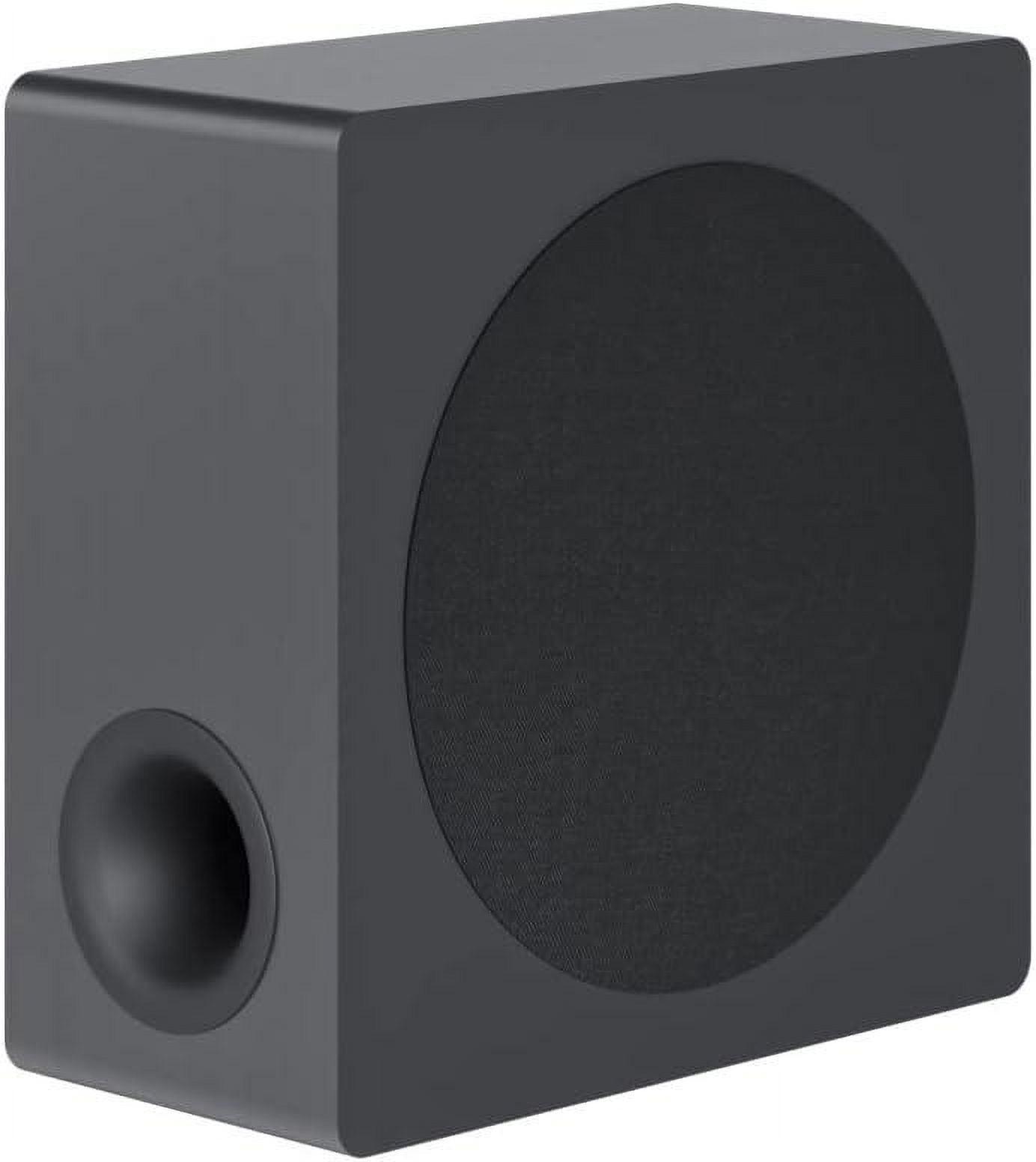
The LG S95TR delivers more controlled, powerful bass with its larger subwoofer system. The Sony BRAVIA Theater Bar 6 has punchy bass but can be overwhelming at default settings and may require manual adjustment for optimal balance.
The Sony BRAVIA Theater Bar 6's 3.1.2 channels suit most TV watching and casual movie viewing. The LG S95TR's 9.1.5 channels provide theater-level immersion for serious movie enthusiasts and gamers who want maximum surround detail.
The LG S95TR handles music better with superior frequency balance and EQ customization options. The Sony BRAVIA Theater Bar 6 can struggle with music due to its aggressive bass tuning, though this can be adjusted in settings.
While both support Dolby Atmos, the LG S95TR provides genuine overhead effects with dedicated height speakers throughout the system. The Sony BRAVIA Theater Bar 6 uses ceiling-bounce technology that depends heavily on room acoustics for the Atmos experience.
The Sony BRAVIA Theater Bar 6 provides excellent value for users prioritizing simplicity and dialogue clarity. The LG S95TR costs significantly more but delivers future-proof connectivity, room calibration, and true surround immersion that justifies the premium for serious home theater use.
The biggest difference is surround immersion: the Sony BRAVIA Theater Bar 6 creates virtual surround effects while the LG S95TR provides genuine 360-degree audio with discrete speakers. You'll immediately hear the difference in movies, with sounds actually moving around you rather than seeming to come from the front.
We've done our best to create useful and informative comparisons to help you decide what product to buy. Our research uses advanced automated methods to create this comparison and perfection is not possible - please contact us for corrections or questions. These are the sites we've researched in the creation of this article: rtings.com - bestbuy.com - whathifi.com - youtube.com - youtube.com - sony.com - galaxus.at - helpguide.sony.net - audioadvice.com - electronics.sony.com - youtube.com - youtube.com - electronics.sony.com - helpguide.sony.net - whatgear.net - consumerreports.org - techradar.com - bestbuy.com - youtube.com - trustedreviews.com - zdnet.com - rtings.com - lg.com - lambcotvandappliance.com - valueelectronics.com - romomattressfurniture.com - dolby.com - youtube.com

Privacy Policy
Terms and Conditions - Affiliate Policy
Home Security
© Copyright 2008-2026.
11816 Inwood Rd #1211, Dallas, TX 75244