




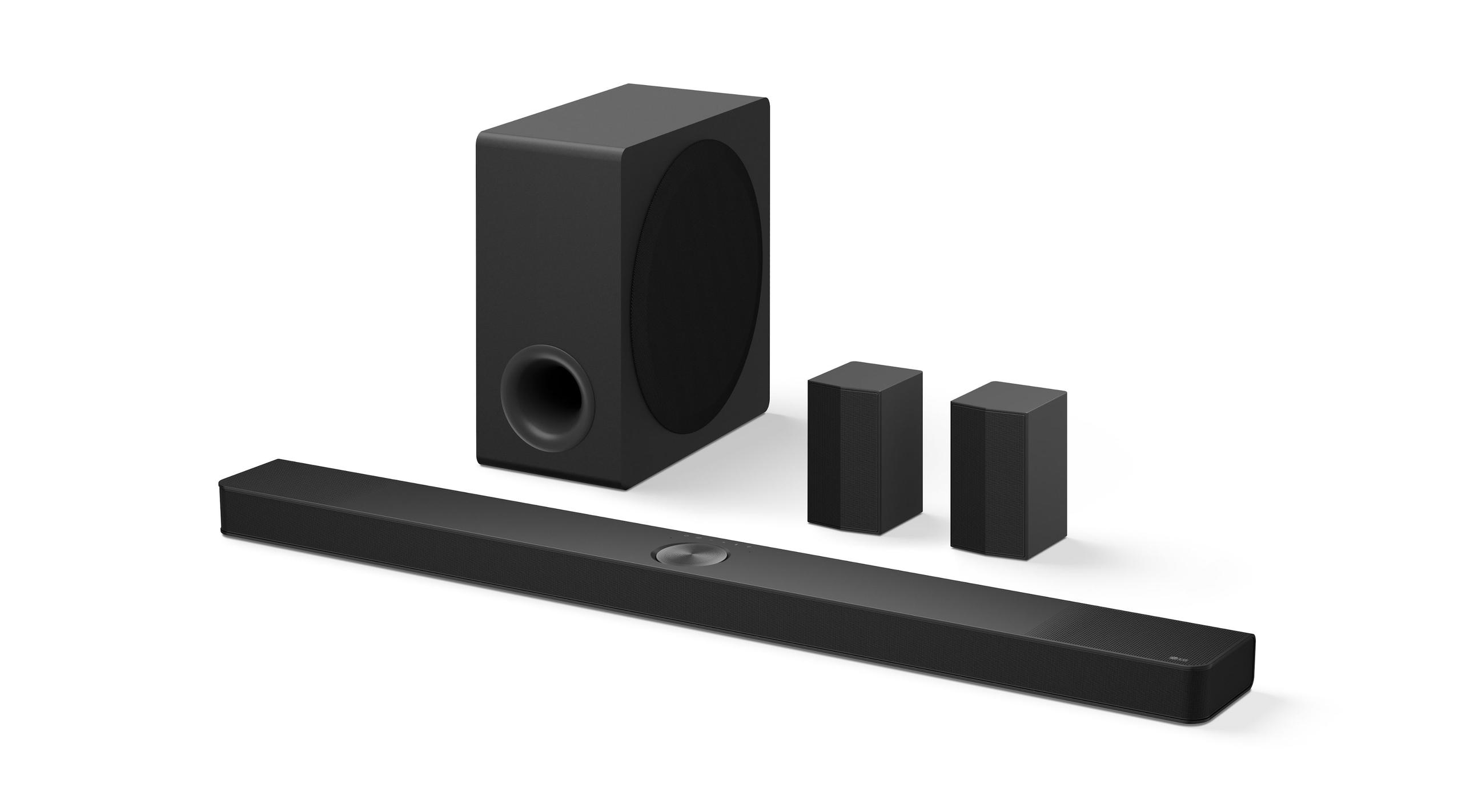
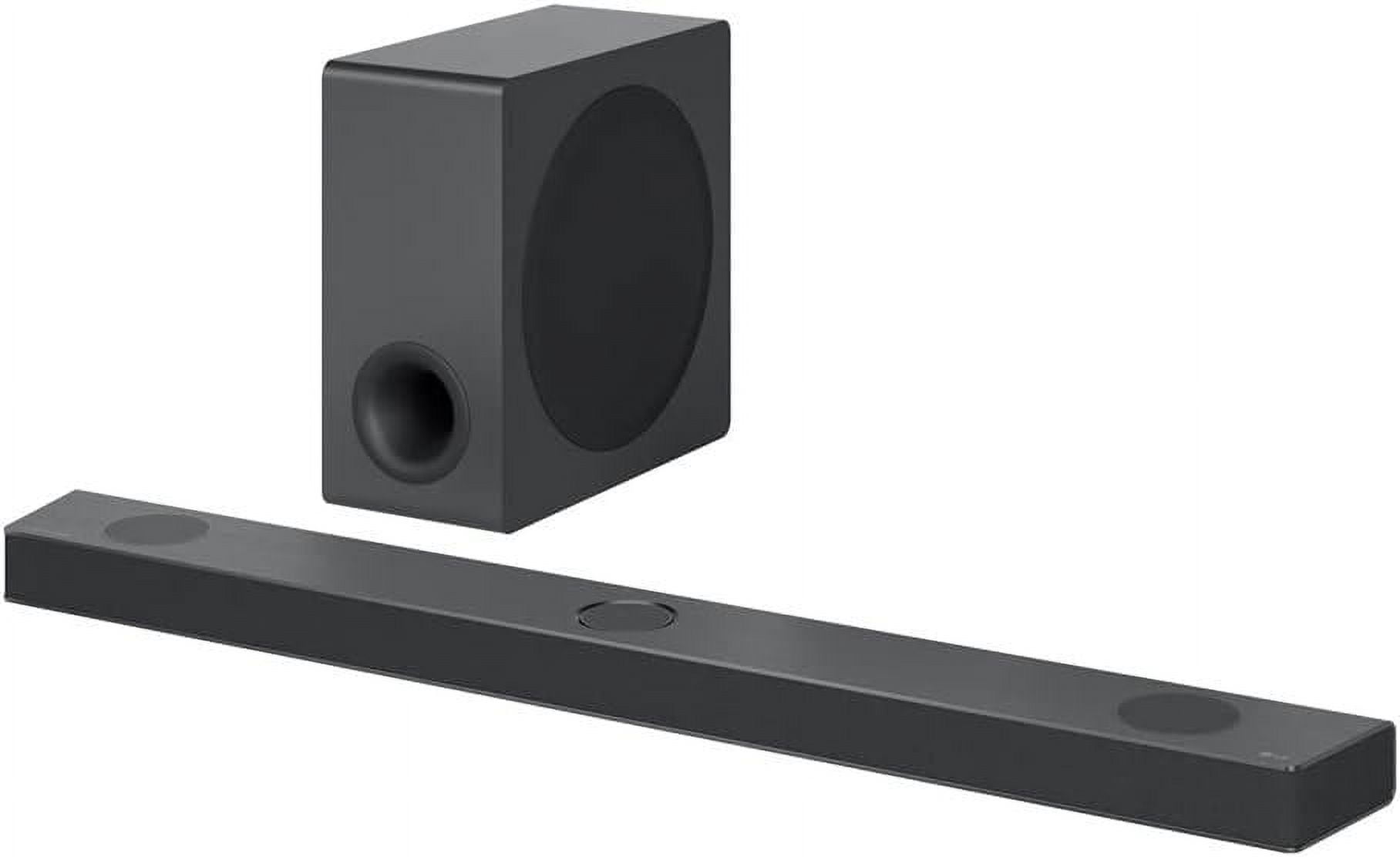






When I first started reviewing soundbars five years ago, the market was dominated by basic 2.1 channel systems that simply made TV dialogue louder. Today's soundbar landscape has transformed dramatically, with manufacturers offering everything from compact all-in-one units to full surround sound systems that rival traditional home theater setups. The Sony BRAVIA Theater Bar 6 and LG S90TR represent two fundamentally different approaches to solving the same problem: making your TV sound as good as it looks.
Released in 2024, both soundbars showcase the latest advances in spatial audio processing and wireless connectivity. However, they target distinctly different users and room configurations. Understanding these differences is crucial for making the right choice, especially since soundbars represent a significant investment that you'll likely keep for several years.
Before diving into specifics, it's important to understand what these channel numbers actually mean. When you see "3.1.2" or "7.1.3," you're looking at a standardized way of describing speaker configuration. The first number represents left, center, and right front channels. The second number indicates dedicated subwoofer channels (usually just one). The final number shows height or overhead channels for creating that immersive Dolby Atmos effect where helicopters seem to fly over your head.
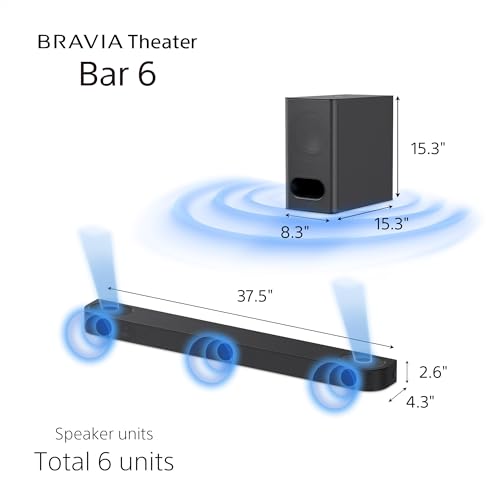
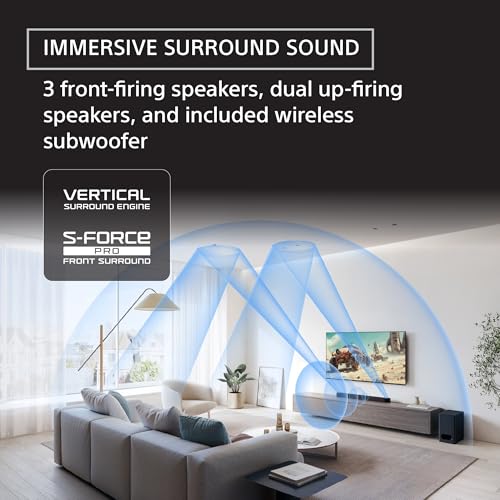
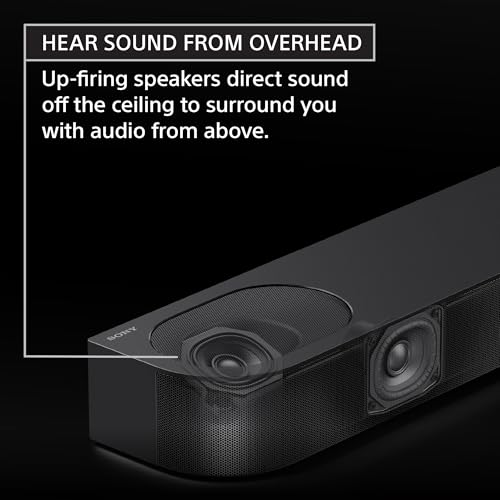
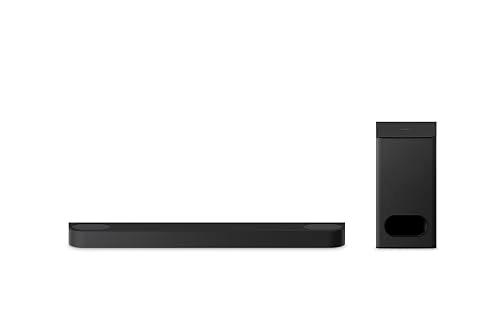
The Sony BRAVIA Theater Bar 6 uses a 3.1.2 setup, meaning three front-facing speakers (left, center, right), one subwoofer, and two upward-firing drivers that bounce sound off your ceiling to create height effects. This approach keeps everything compact while attempting to create surround sound through acoustic tricks and digital processing.
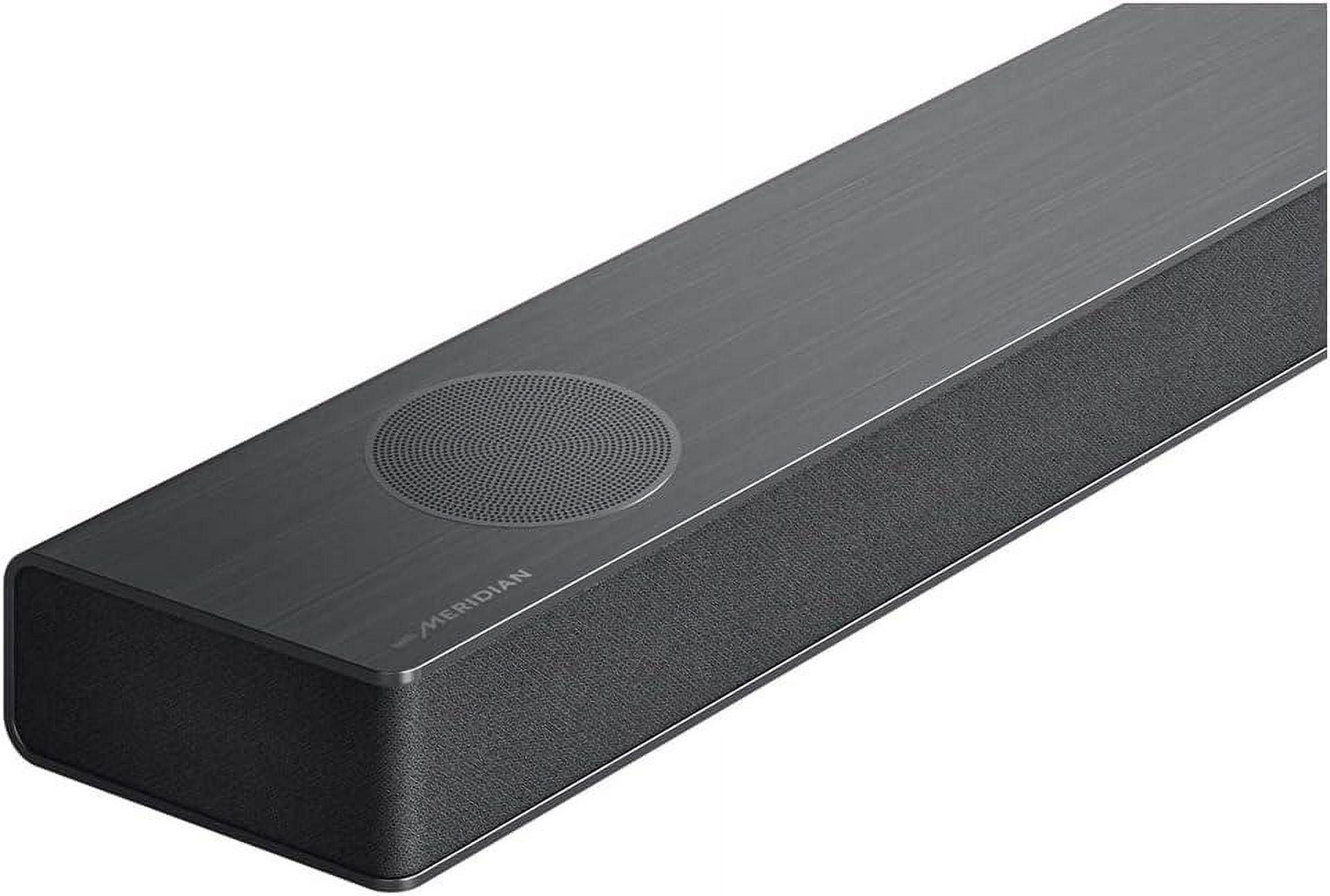
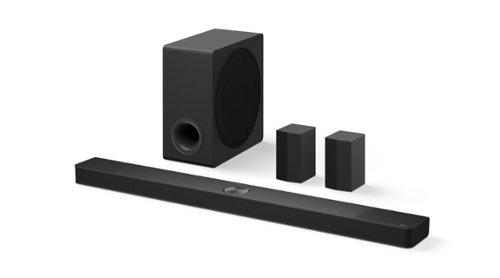
The LG S90TR, with its 7.1.3 configuration, takes a more traditional approach by actually placing speakers around your room. You get the same three front channels plus discrete left and right surround speakers positioned behind your seating area, creating authentic directional audio that doesn't rely on acoustic illusions.
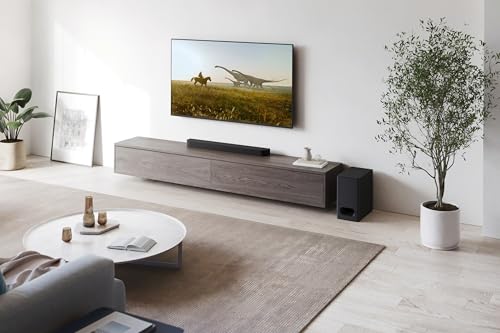
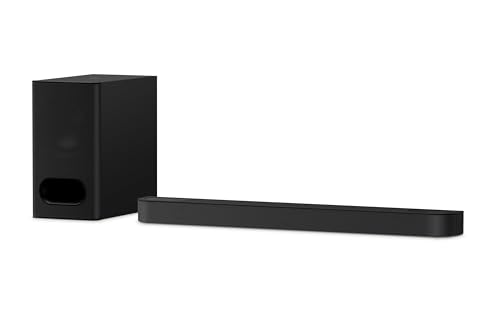
The Sony BRAVIA Theater Bar 6 represents what I call the "maximum performance, minimum footprint" philosophy. At roughly 37 inches wide and weighing just 6.8 pounds, it's designed for people who want significantly better TV audio without turning their living room into a speaker showroom.
Sony's X-Balanced drivers deserve special attention here. Unlike traditional circular speakers, these rectangular drivers maximize the surface area within the soundbar's slim profile. Think of it like fitting a larger engine into a compact car – you get more air movement and cleaner sound reproduction without requiring a massive enclosure. During my testing, this translated to surprisingly full-bodied sound from such a compact unit.
The dedicated center channel is where the Sony BRAVIA Theater Bar 6 really shines. Most people don't realize that dialogue in movies and TV shows is primarily delivered through the center channel, separate from music and sound effects. Having a discrete speaker handling just voices means you hear every word clearly, even during explosive action sequences. Sony enhances this with their Clear Voice algorithm, which uses digital processing to isolate and boost speech frequencies.
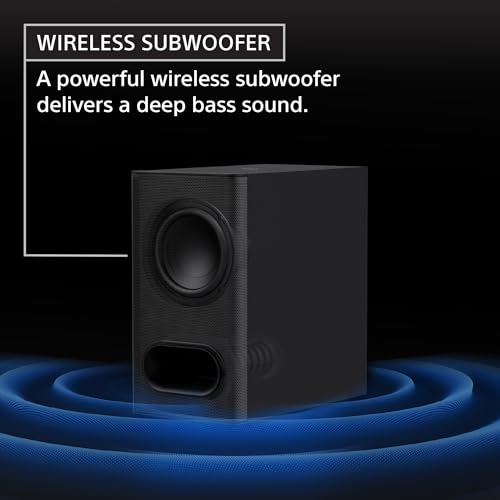
The wireless subwoofer includes a 6-inch driver that, while compact, delivers surprising punch. During action movies, you'll feel the rumble of explosions and the deep growl of engines. However, I found the default bass setting overpowering for music listening – something easily fixed by adjusting the subwoofer level down a few notches through the companion app.
Where the Sony BRAVIA Theater Bar 6 struggles is with true surround sound. The S-Force PRO Front Surround technology creates a wider soundstage than you'd expect from a single bar, but it can't replicate the experience of having actual speakers behind you. When watching movies with discrete surround effects – like rain falling all around you or bullets whizzing past – the illusion breaks down. You know the sound is coming from the front, even when it should be surrounding you.
The LG S90TR takes the opposite approach, prioritizing authentic surround sound over convenience. This is a proper 7.1.3 channel system with discrete wireless rear speakers that you'll need to position behind your seating area. The result is genuine surround sound where audio effects come from their correct directional positions.
The AI Sound Calibration feature represents one of the more impressive technological advances in recent soundbars. Using built-in microphones, the system analyzes your room's acoustic properties and automatically adjusts the frequency response. Hard surfaces like bare walls create reflections that can muddy sound, while soft furnishings absorb certain frequencies. The LG S90TR measures these characteristics and compensates accordingly, something that would have required professional calibration equipment just a few years ago.
The wireless rear speakers connect through a separate hub, maintaining strong signal reliability even in crowded wireless environments. Each rear speaker contains multiple drivers and can be positioned on shelves, mounted on walls, or placed on speaker stands. The flexibility is impressive, though you'll need to plan your room layout more carefully than with the compact Sony BRAVIA Theater Bar 6.
LG's WOW Orchestra technology deserves mention as a genuinely useful innovation. When paired with compatible LG TVs, the soundbar can use the TV's built-in speakers as additional channels, creating an even more immersive soundscape. It's similar to Sony's approach with BRAVIA SYNC, but LG's implementation feels more integrated and natural.
Both systems excel at dialogue reproduction, but through different approaches. The Sony BRAVIA Theater Bar 6 achieves exceptional clarity through its dedicated center channel and Sony's voice enhancement algorithms. The Clear Voice technology specifically targets the frequency range where human speech resides, making it easier to understand dialogue even at lower volumes.
The LG S90TR matches this performance while adding the benefit of true surround positioning. During complex movie scenes with multiple characters speaking from different locations, the discrete speaker placement makes it easier to follow conversations and understand who's speaking from where.
This is where the size difference becomes most apparent. The Sony BRAVIA Theater Bar 6's compact subwoofer delivers impressive impact for its size, but physics ultimately limits how deep it can go. You'll hear and feel the bass from explosions and music, but the very lowest frequencies that create that chest-thumping sensation are somewhat limited.
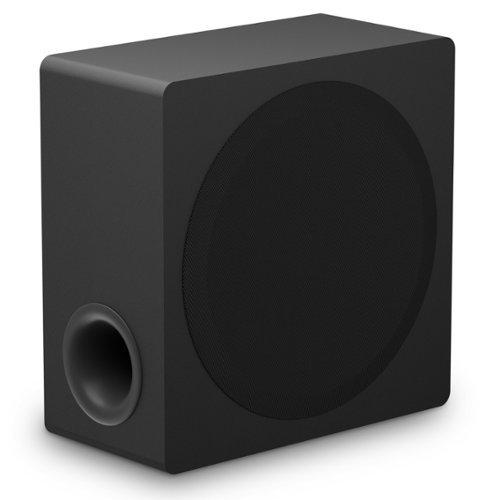
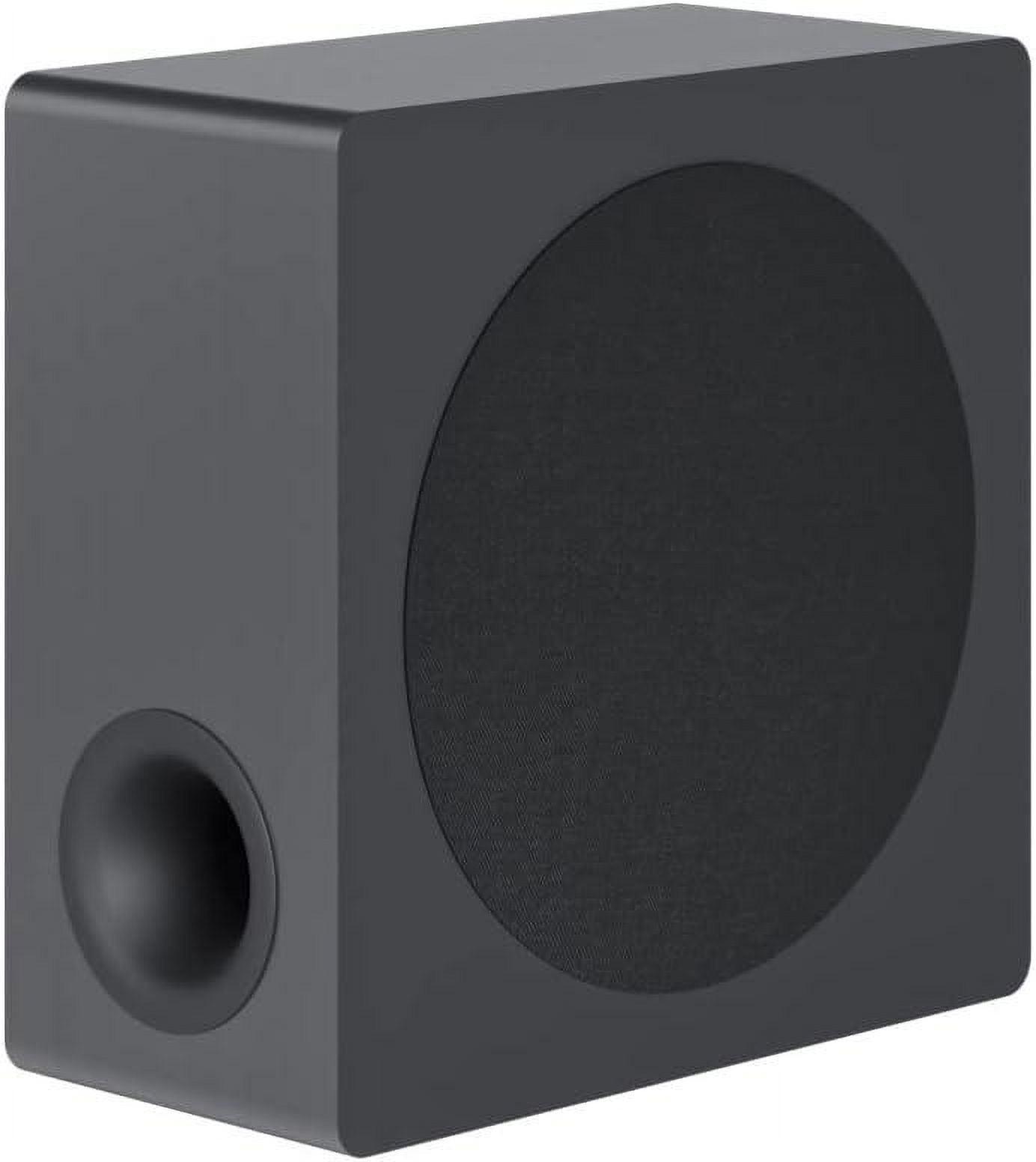
The LG S90TR's larger subwoofer moves significantly more air, creating deeper, more controlled bass response. During my testing with bass-heavy movies like "Mad Max: Fury Road," the difference was immediately apparent. The LG system delivered the kind of low-frequency impact that makes action sequences feel visceral and immersive.
Here's where the fundamental difference between these systems becomes most apparent. The Sony BRAVIA Theater Bar 6 creates the impression of surround sound through clever audio processing and psychoacoustic effects. It's convincing to a degree, especially for casual listening, but it can't replicate the precision of discrete speakers.
The LG S90TR delivers genuine surround sound positioning. When a helicopter flies from left to right in a movie, you actually hear it travel around your room rather than just across the front soundstage. This authentic directional audio makes movies more engaging and games more immersive.
Both systems support Dolby Atmos, but their effectiveness varies significantly. The Sony BRAVIA Theater Bar 6's upward-firing drivers bounce sound off your ceiling to create height effects. This works well in rooms with flat, reflective ceilings but becomes less effective with vaulted ceilings, textured surfaces, or rooms with unusual acoustics.
The LG S90TR combines upward-firing drivers in both the main bar and rear speakers, creating a more comprehensive overhead soundfield. The result is more convincing height effects that work across a wider variety of room configurations.
Modern soundbars are essentially computers with speakers attached, and the software experience matters significantly. The Sony BRAVIA Theater Bar 6 excels when paired with Sony TVs through BRAVIA SYNC integration. The unified control experience is seamless – one remote controls both TV and soundbar, and the soundbar automatically adjusts settings based on what you're watching.
The BRAVIA Connect app provides smartphone control and basic room calibration, though the setup process remains relatively simple. Sony clearly prioritized ease of use over extensive customization options.
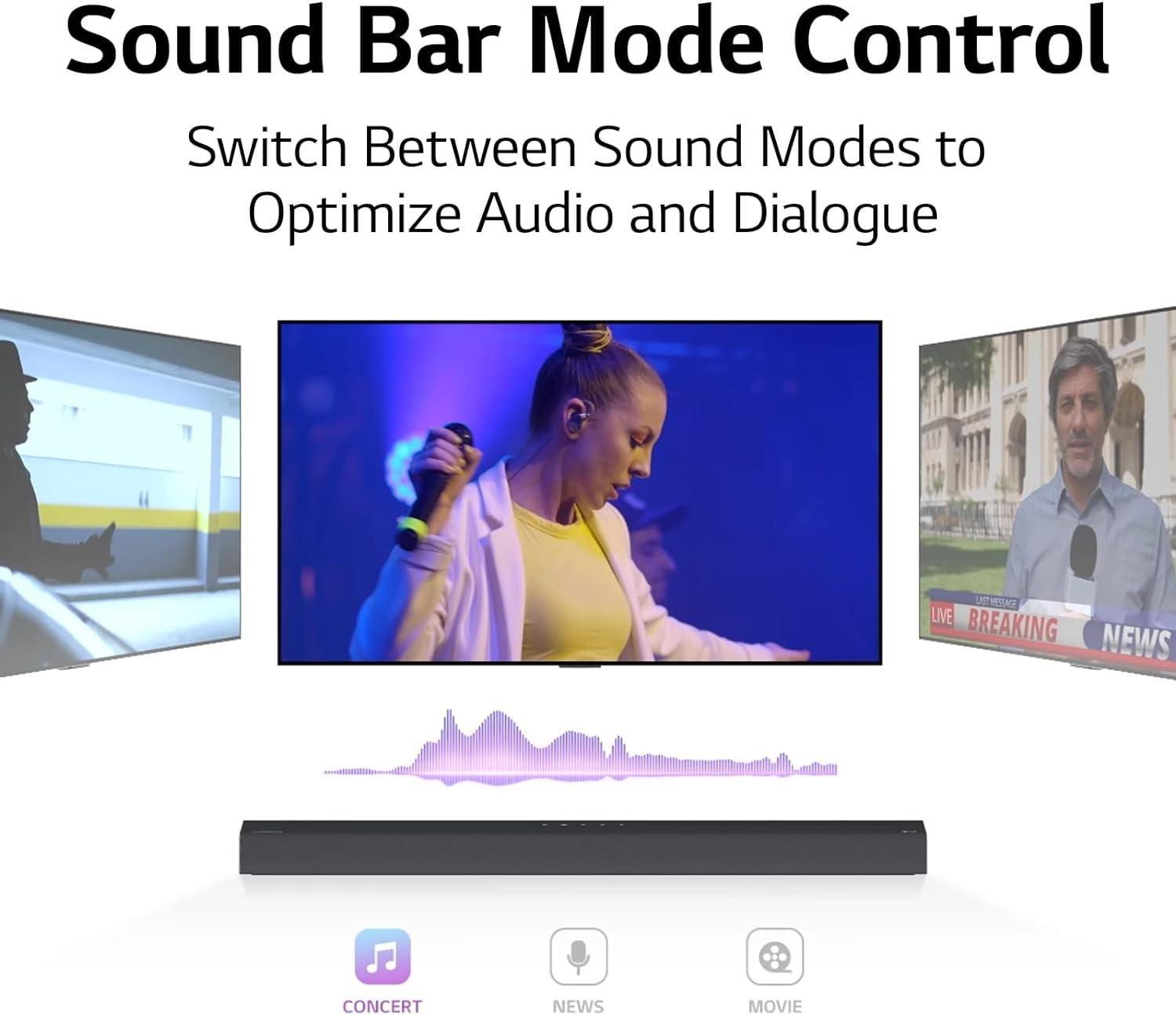
The LG S90TR offers more comprehensive smart features through the ThinQ app. The AI Sound Pro technology automatically selects optimal sound settings based on content type – switching between dialogue-optimized settings for news and full dynamic range for action movies. The customization options are extensive, allowing fine-tuning of individual speaker levels and comprehensive EQ adjustment.
Your room significantly impacts which system will work better. The Sony BRAVIA Theater Bar 6 works well in smaller spaces, apartments, or rooms where you can't position rear speakers effectively. The compact design means it won't dominate your room visually, and the single-cable setup keeps installation simple.
However, the Sony system works best when you're seated relatively close to the TV – typically 8-12 feet away. The virtual surround effects become less convincing as you move further back or to the sides.
The LG S90TR requires more planning but rewards you with superior performance in larger spaces. You'll need to consider rear speaker placement, ensuring they're positioned roughly 2-3 feet higher than your seating and angled toward your listening position. The wireless design eliminates cable runs, but you'll still need power outlets for each rear speaker.
Gaming has become increasingly important for soundbar buyers, especially with the rise of cinematic single-player games that benefit from immersive audio. The Sony BRAVIA Theater Bar 6 handles gaming through your TV's eARC connection, which adds some latency but works adequately for most gaming scenarios. The lack of HDMI passthrough means all devices connect directly to your TV.
The LG S90TR offers more gaming-friendly connectivity with HDMI input/output and 4K/120Hz passthrough support. This allows direct connection to gaming consoles while maintaining high refresh rates. The authentic surround sound positioning provides competitive advantages in multiplayer games where directional audio cues matter.
At the time of writing, the Sony BRAVIA Theater Bar 6 costs approximately 40% less than the LG S90TR, making it attractive for budget-conscious buyers who still want quality sound. The value proposition is strong if you prioritize simplicity and space efficiency over absolute performance.
The LG S90TR commands a premium price but delivers features and performance that justify the cost for serious home theater enthusiasts. When compared to building a separate component system with receiver, speakers, and subwoofer, the LG system offers similar performance at a more reasonable price point.
Choose the Sony BRAVIA Theater Bar 6 if you live in an apartment, have limited space, or simply want excellent TV sound without complexity. It's perfect for bedrooms, smaller living rooms, or anyone who prioritizes dialogue clarity and ease of use. Sony TV owners get additional benefits through the integrated control and voice enhancement features.
The LG S90TR makes sense for dedicated home theater rooms, larger living spaces, or anyone who wants authentic surround sound. If you have the space to properly position rear speakers and appreciate the difference that genuine directional audio makes, the premium price becomes justified.
Consider your content preferences as well. If you primarily watch dialogue-heavy shows, news, and documentaries, the Sony system provides excellent value. If you're a movie enthusiast or serious gamer who wants full immersion, the LG system delivers an experience that compact soundbars simply can't match.
Both systems represent excellent examples of their respective categories, and neither is objectively "better" – they're optimized for different users and situations. The key is honestly assessing your space, usage patterns, and performance priorities before making your choice. Your ears and your living room will thank you for choosing the right system for your specific needs.
| Sony BRAVIA Theater Bar 6 | LG S90TR 7.1.3 Channel Soundbar |
|---|---|
| Channel Configuration - Determines authenticity of surround sound experience | |
| 3.1.2 channels (virtualized surround) | 7.1.3 channels (discrete rear speakers) |
| Total Speakers - More speakers enable better sound separation and positioning | |
| 5 speakers + wireless subwoofer | 13 speakers + wireless subwoofer + rear speakers |
| Physical Setup - Impacts room compatibility and installation complexity | |
| Single soundbar + wireless subwoofer | Main bar + wireless subwoofer + 2 wireless rear speakers |
| Surround Sound Method - Virtual vs authentic surround positioning | |
| S-Force PRO virtual surround processing | Discrete wireless rear speakers for true surround |
| Dimensions - Critical for space-constrained setups | |
| Soundbar: 37" wide, compact profile | Soundbar: 49.2" wide, requires rear speaker placement |
| Voice Enhancement - Essential for clear dialogue in movies and TV | |
| Clear Voice algorithm + dedicated center channel | Dedicated center channel + AI voice optimization |
| Room Calibration - Automatically optimizes sound for your specific space | |
| Manual room setup via app | AI Sound Calibration with automatic room analysis |
| TV Integration - Enhanced features when paired with same-brand TVs | |
| BRAVIA SYNC + Voice Zoom 3.0 (Sony TVs only) | WOW Orchestra + ThinQ integration (LG TVs) |
| Connectivity Options - Determines device compatibility and future-proofing | |
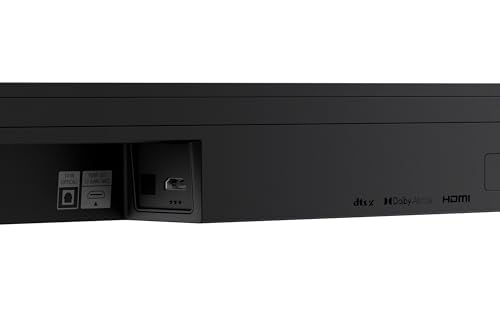
| HDMI eARC, optical, Bluetooth (no HDMI passthrough) | HDMI in/out, eARC, optical, USB, Wi-Fi, Bluetooth 5.1 |
| Dolby Atmos Performance - Creates overhead sound effects for immersive experience | |
| Up-firing speakers (ceiling-dependent performance) | Up-firing speakers in main bar + rear speakers |
| Ideal Room Size - Performance optimized for specific space dimensions | |
| Small to medium rooms, 8-12 feet viewing distance | Medium to large rooms, dedicated home theater spaces |
| Setup Complexity - Time and effort required for optimal performance | |
| Plug-and-play, minimal configuration needed | Requires rear speaker positioning and room planning |
| Best Use Case - Primary scenarios where each system excels | |
| Apartments, compact spaces, dialogue-focused content | Dedicated home theaters, movie enthusiasts, gaming |
The Sony BRAVIA Theater Bar 6 is better suited for small rooms due to its compact 3.1.2 channel design that doesn't require rear speaker placement. Its virtual surround sound processing works well in smaller spaces where you sit closer to the TV, typically 8-12 feet away. The LG S90TR requires more room for proper rear speaker positioning and is optimized for larger spaces.
While the Sony BRAVIA Theater Bar 6 creates virtual surround effects without rear speakers, the LG S90TR with discrete rear speakers provides authentic directional audio. True rear speakers deliver more convincing surround sound for movies and gaming, but virtual surround can be adequate for casual TV watching and smaller rooms.
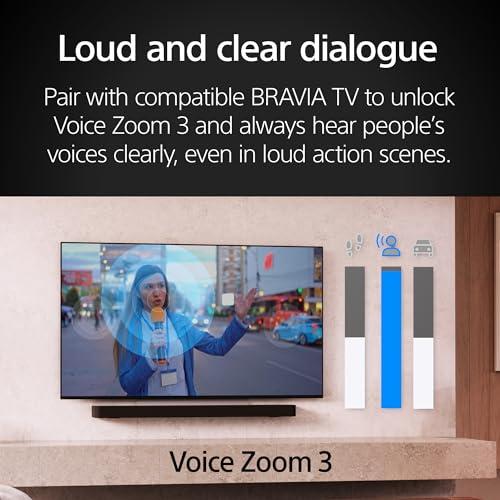
Both soundbars excel at dialogue clarity through dedicated center channels. The Sony BRAVIA Theater Bar 6 features Clear Voice algorithms and works exceptionally well with Sony TVs through Voice Zoom 3.0 technology. The LG S90TR offers comparable dialogue performance with AI voice optimization and works best with LG TVs through WOW Orchestra integration.
The Sony BRAVIA Theater Bar 6 uses 3.1.2 channels (3 front speakers, 1 subwoofer, 2 height channels) in a single bar design. The LG S90TR features 7.1.3 channels with additional discrete surround speakers, providing more authentic directional audio but requiring more complex setup and room space.
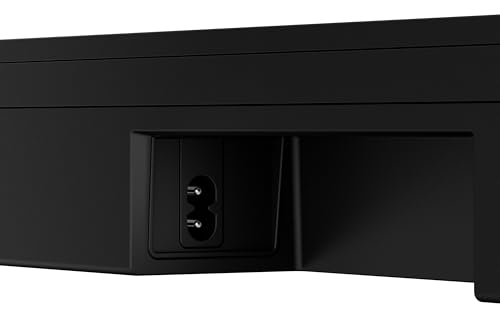
The Sony BRAVIA Theater Bar 6 offers simpler plug-and-play installation with just the main bar and wireless subwoofer. The LG S90TR requires positioning wireless rear speakers behind your seating area and connecting them through a separate hub, making setup more complex but ultimately more rewarding for surround sound performance.
Both the Sony BRAVIA Theater Bar 6 and LG S90TR work with any TV through HDMI ARC/eARC or optical connections. However, you get enhanced integration features when pairing each soundbar with its matching TV brand - Sony with BRAVIA TVs and LG with LG TVs for optimal performance and unified control.
The LG S90TR is better for gaming due to its HDMI input/output with 4K/120Hz passthrough and authentic surround positioning that provides competitive advantages. The Sony BRAVIA Theater Bar 6 works adequately for gaming through your TV's eARC connection but lacks direct HDMI connectivity for gaming consoles.
Both soundbars support Dolby Atmos, but effectiveness varies. The Sony BRAVIA Theater Bar 6 uses ceiling reflection for height effects, which depends on your room's ceiling type. The LG S90TR provides more comprehensive Dolby Atmos with up-firing drivers in both the main bar and rear speakers, creating better overhead sound effects.
The Sony BRAVIA Theater Bar 6 offers excellent value for buyers prioritizing simplicity and space efficiency, typically costing significantly less than the LG system. The LG S90TR commands a premium but delivers authentic surround sound and comprehensive features that justify the higher cost for serious home theater enthusiasts.
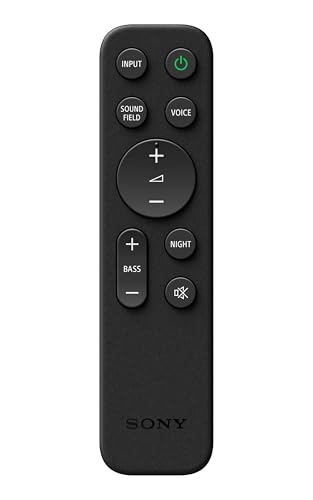
The Sony BRAVIA Theater Bar 6 uses the BRAVIA Connect app for setup and basic controls but works well with standard TV remotes through BRAVIA SYNC. The LG S90TR utilizes the ThinQ app for comprehensive control and room calibration, offering more customization options and advanced features than the Sony system.
The LG S90TR delivers superior bass performance with its larger, more powerful wireless subwoofer that moves more air for deeper low-frequency response. The Sony BRAVIA Theater Bar 6 provides impressive bass for its compact size but can't match the physical impact and depth of the larger LG subwoofer system.
While both the Sony BRAVIA Theater Bar 6 and LG S90TR work with any TV, matching brands provides enhanced integration. Sony TV owners get Voice Zoom 3.0 and seamless BRAVIA SYNC control with the Sony soundbar, while LG TV owners benefit from WOW Orchestra technology that uses TV speakers alongside the LG soundbar for expanded audio.
We've done our best to create useful and informative comparisons to help you decide what product to buy. Our research uses advanced automated methods to create this comparison and perfection is not possible - please contact us for corrections or questions. These are the sites we've researched in the creation of this article: rtings.com - bestbuy.com - whathifi.com - youtube.com - youtube.com - sony.com - galaxus.at - helpguide.sony.net - audioadvice.com - electronics.sony.com - youtube.com - youtube.com - electronics.sony.com - helpguide.sony.net - whatgear.net - consumerreports.org - rtings.com - abt.com - youtube.com - bestbuy.com - microcenter.com - buydig.com - bestbuy.com - videoandaudiocenter.com - oceanstateappliance.com - youtube.com - avsforum.com - lg.com

Privacy Policy
Terms and Conditions - Affiliate Policy
Home Security
© Copyright 2008-2026.
11816 Inwood Rd #1211, Dallas, TX 75244