


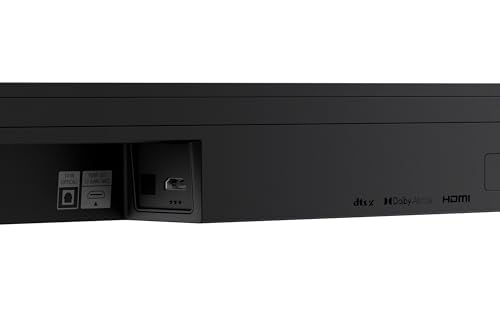
If you've been suffering through your TV's tinny built-in speakers, you've probably realized that upgrading to a soundbar is one of the best investments you can make for your home entertainment setup. But here's where it gets interesting: not all soundbars take the same approach to solving your audio problems.
The soundbar market has essentially split into two philosophies. On one side, you have traditional systems like the Ultimea Aura A40 U2601 that give you multiple physical speakers scattered around your room—the old-school approach to surround sound. On the other side, modern bars like the Sony BRAVIA Theater Bar 6 pack sophisticated processing into a sleek package that simulates surround effects without cluttering your living space.
Understanding which approach works better for your situation isn't just about counting speakers or comparing wattage numbers. It's about matching the technology to your room, your habits, and how much complexity you're willing to embrace for better sound.
Before diving into these specific models, it's worth understanding how we got here. Traditional home theater systems used to require a receiver (the brain that processes audio signals), separate speakers for each channel, and enough cables to wire a small building. Soundbars emerged as a simplified solution, but the industry quickly split on how to deliver that surround sound experience.
The Ultimea Aura A40, released in 2024, represents the "more speakers equals better surround" camp. It's essentially a traditional 7.1 surround system reimagined for easier setup, but you're still dealing with multiple physical components. The Sony BRAVIA Theater Bar 6, also from 2024, takes the opposite approach—it uses advanced digital processing and clever speaker positioning to create spatial audio effects from just a soundbar and subwoofer.
Neither approach is inherently better, but they serve very different needs and preferences.
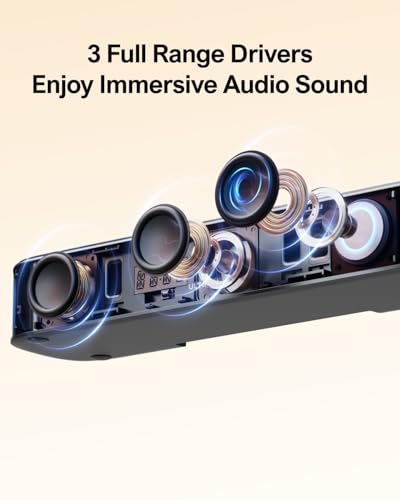
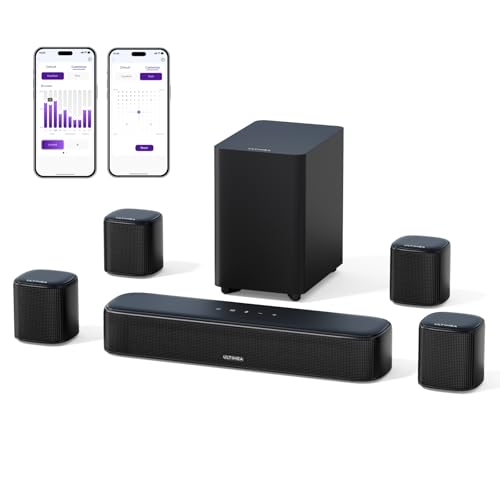
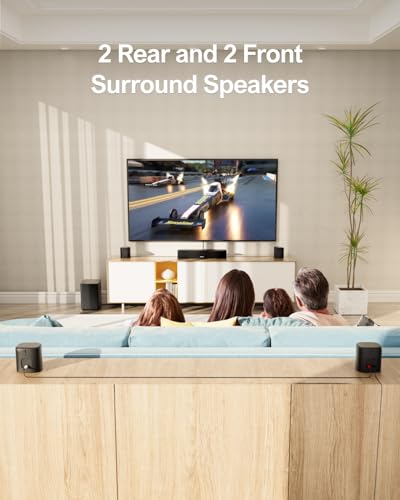
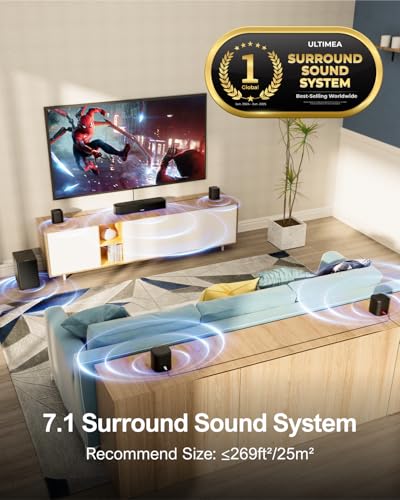
The Ultimea Aura A40 doesn't mess around with half measures. When you unbox this system, you're getting eight separate speakers: three in the main soundbar, four surround satellites, and one subwoofer. This is what's called a "true" 7.1 channel system, meaning each audio channel gets its own dedicated speaker rather than relying on digital tricks to simulate the effect.
Here's where it gets technically interesting: the four surround speakers include two that sit near your TV (left and right front) and two that go behind your seating area. When a helicopter flies across the screen in an action movie, that sound actually moves from the front-left speaker, through the center channel, to the rear-right speaker. There's no simulation involved—the audio physically travels around your room.
The system uses Ultimea's SurroundX Technology, which is essentially their method for coordinating all these speakers to create what they call a 360-degree sound field. Think of it like conducting an orchestra where each speaker plays its part in perfect timing. The BassMX Technology handles the low-frequency optimization, ensuring that explosions and music beats hit with proper impact rather than just volume.
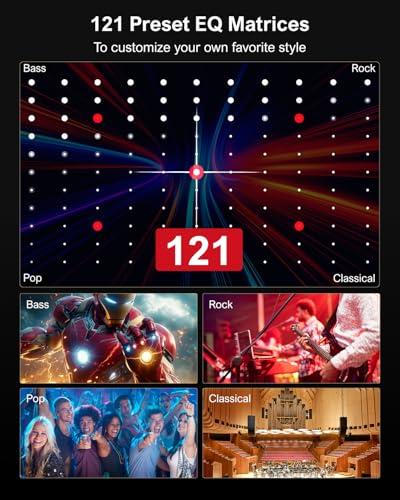
What makes the Ultimea system particularly appealing is its customization depth. The ULTIMEA Smart App gives you access to 121 preset EQ matrices—essentially pre-configured sound profiles for different types of content like "Bass Heavy," "Classical," or "Rock." Beyond that, there's a 10-band equalizer that lets you fine-tune specific frequency ranges. If you're the type of person who likes to tweak audio settings, this system won't disappoint.
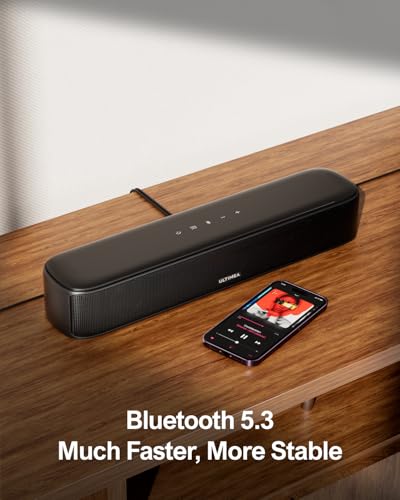
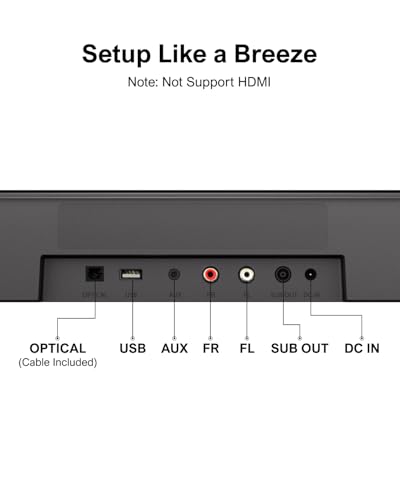
The connectivity tells a different story about Ultimea's priorities. You get Bluetooth 5.3 (the latest wireless standard for stable streaming), optical input, USB, and a 3.5mm auxiliary port. Notably absent is HDMI, which means you can't take advantage of advanced audio formats like Dolby Atmos that modern streaming services and Blu-rays provide. This is a significant limitation in 2024, but it also keeps costs down.
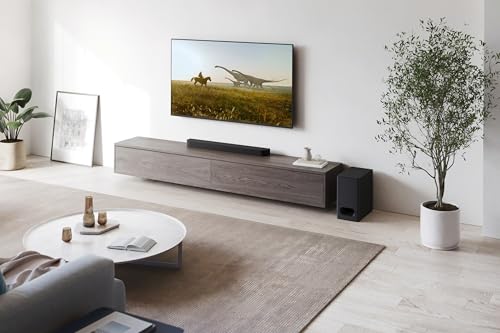
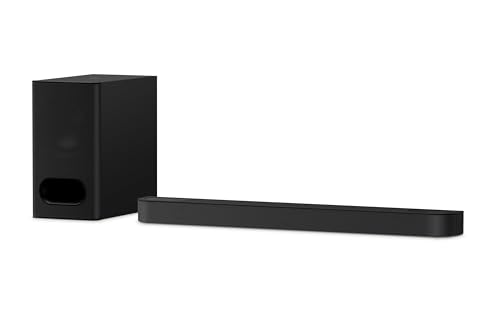
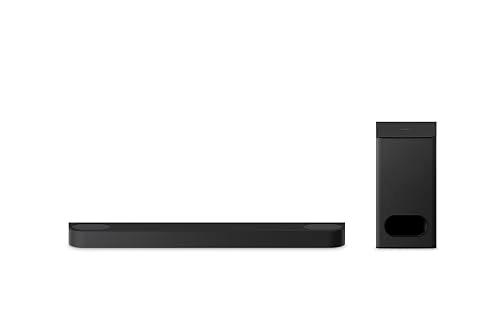
The Sony BRAVIA Theater Bar 6 takes a fundamentally different approach to the surround sound challenge. Instead of spreading speakers throughout your room, Sony concentrates everything into a more sophisticated single bar plus wireless subwoofer arrangement.
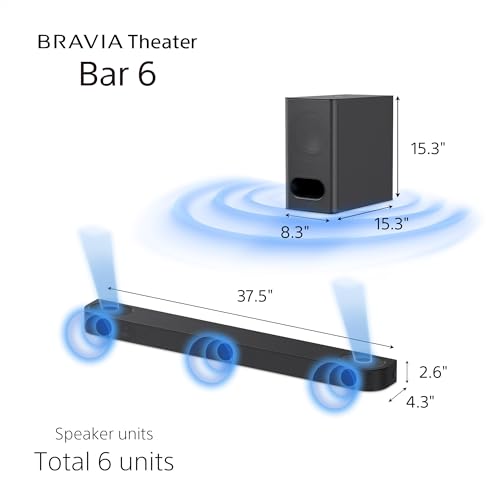
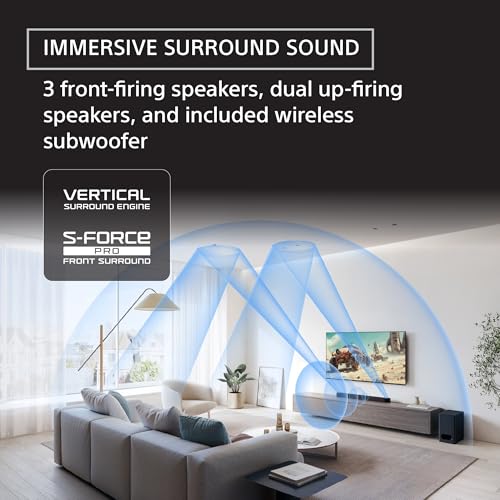
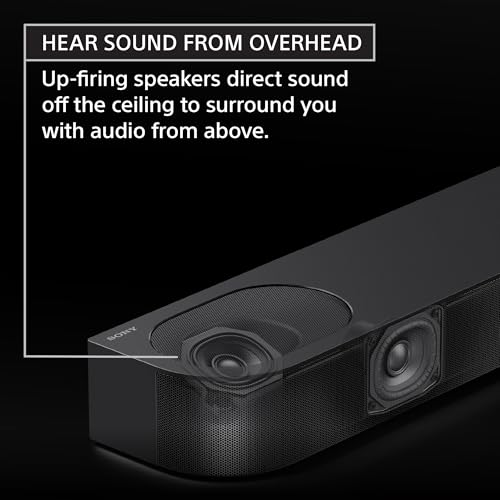
This is a 3.1.2 system, which means three front-facing speakers (left, center, right), one subwoofer for bass, and two up-firing speakers that fire sound toward your ceiling. Those up-firing drivers are the clever part—they bounce audio off your ceiling to create the illusion of height effects. When properly positioned, this technique can make it sound like helicopters are flying overhead or rain is falling from above.
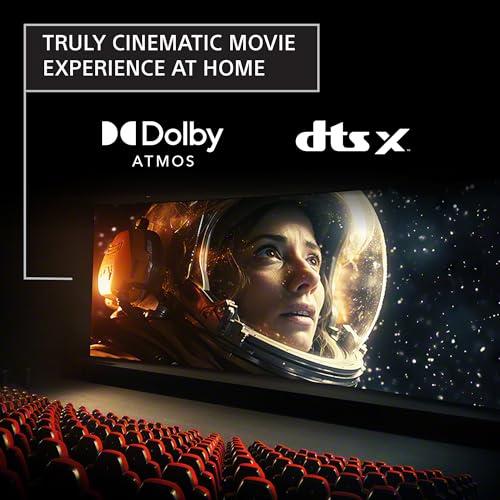
Sony's implementation supports both Dolby Atmos and DTS:X, which are object-based audio formats. Unlike traditional surround sound that assigns audio to specific channels, these formats treat sounds as objects that can be positioned anywhere in three-dimensional space. A buzzing fly can move smoothly from your left ear to somewhere above your right shoulder, even though you only have speakers in front of you.
The Sony system uses what's called S-Force PRO Front Surround processing to create virtual rear channel effects. Through sophisticated digital signal processing, it delays and phases audio signals to trick your brain into thinking sounds are coming from behind you. While not as convincing as physical rear speakers, the effect can be surprisingly immersive in the right room conditions.
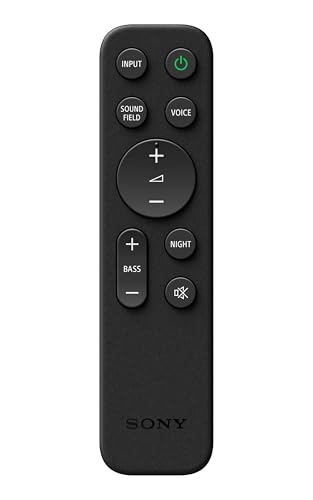
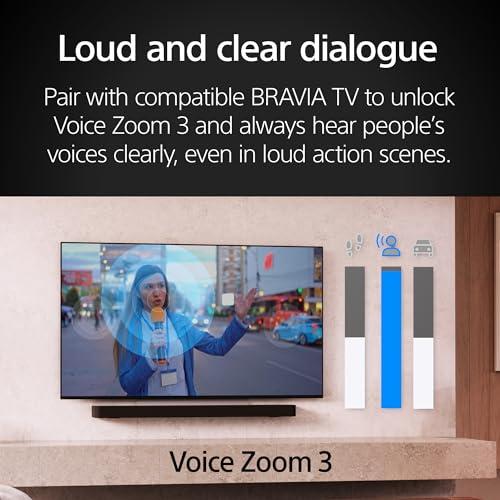
Integration with Sony's ecosystem sets this soundbar apart from generic alternatives. If you own a Sony BRAVIA TV (and many people do), the BRAVIA SYNC feature lets you control the soundbar with your TV remote. The BRAVIA Connect app unifies control of both devices, and Voice Zoom 3.0 technology can actually use your TV's built-in speakers in coordination with the soundbar to enhance dialogue clarity.
This is where the fundamental difference between these approaches becomes most apparent. The Ultimea Aura A40 delivers genuine positional audio—when a sound effect calls for rear-left channel audio, it actually comes from a speaker positioned to your rear-left. This creates authentic directionality that's particularly effective for gaming, where being able to pinpoint enemy footsteps can be tactically important.
Based on user feedback and professional reviews, the Ultimea system creates a convincing surround bubble when properly set up. The challenge is that "properly set up" part—the four surround speakers need to be positioned at the right distances and angles, and your room's acoustics play a significant role in the final result.
The Sony Theater Bar 6 takes a different approach that's both more forgiving and more limiting. The virtualized surround effects work well for most people in most rooms, but they'll never match the precise positioning that discrete speakers provide. However, the Dolby Atmos height effects can be genuinely impressive, creating an overhead soundstage that the Ultimea system simply can't match due to its lack of height channels.
Both systems approach bass reproduction differently, and the results reflect their design philosophies. The Ultimea system includes a 4-inch wired subwoofer that's part of a total 330-watt system. User reports suggest the bass is adequate but can sound somewhat loose or "flabby," particularly at higher volumes. The BassMX Technology helps, but physics still matters—a 4-inch driver has limitations in how much air it can move.
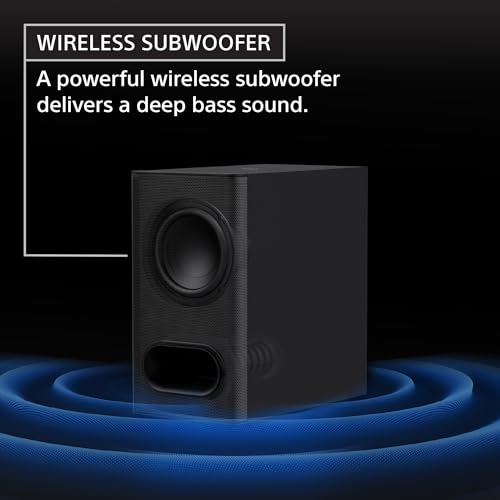
The Sony BRAVIA Theater Bar 6 pairs a more substantial 6-inch wireless subwoofer with the main bar's 350-watt total output. Reviews consistently praise the Sony's bass impact and control, though many note that the default subwoofer level is set too high, overpowering the midrange frequencies until manually adjusted. The wireless connection eliminates cable clutter but introduces potential connectivity issues that some users report.
From our research into user experiences, the Sony tends to deliver more satisfying bass for movies and music, while the Ultimea provides better bass integration across all its speakers when properly calibrated.
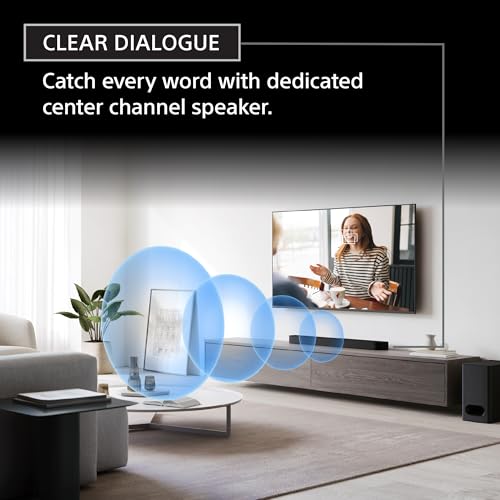
Clear dialogue reproduction is crucial since this is where most people first notice their TV speakers failing them. Both systems include dedicated center channels, which is essential for anchoring voices to the screen rather than having them seem to float between left and right speakers.
The Ultimea Aura A40 benefits from its discrete channel separation—dialogue stays locked to the center speaker even during chaotic action scenes. The system includes various voice enhancement modes, and the app-based EQ lets you boost midrange frequencies where most speech occurs.
However, the Sony Theater Bar 6 takes voice enhancement more seriously with multiple layers of technology. The Clear Voice algorithms analyze incoming audio to identify and enhance speech frequencies. The Voice Mode provides additional dialogue boost when needed. Most impressively, when paired with compatible Sony TVs, the Voice Zoom 3.0 feature can coordinate the TV's own speakers with the soundbar to create even clearer speech reproduction.
Based on professional reviews and user feedback, both systems handle dialogue well, but the Sony's additional processing gives it an edge, especially when integrated with Sony TVs.
The setup experience reveals each system's priorities clearly. The Ultimea Aura A40 arrives as a significant project—you'll be mounting or positioning four surround speakers, running cables (though fewer than traditional systems), and spending time with the smartphone app to optimize everything for your specific room dimensions and listening preferences.
This isn't necessarily a negative if you enjoy the process of optimizing your audio setup. The system rewards careful positioning and calibration with authentic surround effects that simpler systems can't match. However, it's definitely more complex than many people expect from a "soundbar" purchase.
The Sony BRAVIA Theater Bar 6 setup is refreshingly straightforward—position the soundbar, place the wireless subwoofer somewhere in your room, connect the single HDMI cable to your TV, and you're essentially done. The up-firing speakers need a reasonably flat ceiling to work optimally, but they'll provide some height effects in most rooms.
Modern soundbars aren't just speakers—they're increasingly sophisticated smart audio devices. The Ultimea system includes OTA (over-the-air) firmware updates through its smartphone app, ensuring you can receive new features and improvements after purchase. The 121 preset EQ matrices and 10-band equalizer provide extensive customization options that many users find valuable for fine-tuning their experience.
The Sony Theater Bar 6 integrates more deeply with modern streaming ecosystems through its HDMI eARC connection and support for advanced audio codecs. This connection method ensures you can access high-quality audio from Netflix, Disney+, and other services that provide Dolby Atmos content. The BRAVIA integration features work particularly well if you're already invested in Sony's TV ecosystem.
Your room's characteristics matter more than you might expect. The Ultimea Aura A40 works best in dedicated media rooms or larger living spaces where you can properly position the four surround speakers. The recommended room size of 108-270 square feet gives you a sense of the target environment—large enough for surround speakers to make sense, but not so large that the 330-watt total power gets overwhelmed.
The Sony Theater Bar 6 is more forgiving of different room types and sizes. The compact design works well in apartments or shared living spaces where installing multiple speakers isn't practical. However, the up-firing Atmos speakers work best with flat, reflective ceilings at the right height—vaulted or textured ceilings can diminish the height effects.
At the time of writing, these systems occupy different price tiers, reflecting their different approaches and target markets. The Ultimea Aura A40 represents exceptional value if you measure by the sheer number of features and components provided. You're getting eight speakers total, extensive app-based customization, and true surround sound separation at a price point that would barely cover a basic soundbar from premium brands.
The Sony BRAVIA Theater Bar 6 costs significantly more but includes advanced spatial audio codecs, superior build quality, comprehensive warranty coverage, and the kind of seamless TV integration that just works without tweaking. You're paying for Sony's audio engineering expertise and ecosystem integration.
After researching both systems extensively, the decision ultimately comes down to your priorities and living situation.
Choose the Ultimea Aura A40 U2601 if you have a dedicated media room or living space where you can properly install four surround speakers. This system rewards users who enjoy optimizing their audio setup and want authentic discrete surround sound. It's particularly appealing for gaming, where positional audio accuracy matters, and for users who appreciate extensive customization options. The value proposition is compelling if you want maximum features for your budget.
However, be prepared for the setup complexity and understand that you're not getting advanced spatial audio formats like Dolby Atmos. The lack of HDMI connectivity also limits your options with modern streaming devices and gaming consoles.
Choose the Sony BRAVIA Theater Bar 6 if you want sophisticated audio technology without the complexity of multiple speakers. This system excels in apartments, shared living spaces, or any situation where minimal visual impact matters. The Dolby Atmos and DTS:X support makes it more compatible with modern streaming content, and the BRAVIA TV integration provides genuine convenience benefits.
The Sony represents the modern soundbar philosophy done right—advanced processing, quality construction, and thoughtful integration with your existing equipment. It costs more, but you're getting current-generation technology that will remain relevant as streaming services continue expanding their spatial audio offerings.
Both systems will dramatically improve your TV audio experience compared to built-in speakers. The Ultimea takes the traditional approach of more speakers equals better surround, while the Sony uses modern audio processing to achieve similar immersion with fewer components. Your room, your preferences, and your patience for setup complexity should guide your decision more than raw specifications.
| Ultimea Aura A40 U2601 Soundbar System | Sony BRAVIA Theater Bar 6 Soundbar |
|---|---|
| Channel Configuration - Determines surround sound accuracy and immersion | |
| 7.1 Virtual Surround with 4 physical satellite speakers | 3.1.2 with up-firing drivers for Dolby Atmos height effects |
| Total Speakers in System - More speakers can mean better positional audio | |
| 8 speakers (3 in bar + 4 surround satellites + 1 subwoofer) | 6 speakers (5 in bar + 1 wireless subwoofer) |
| Audio Format Support - Critical for modern streaming content compatibility | |
| No Dolby Atmos or DTS:X support | Dolby Atmos and DTS:X supported via HDMI eARC |
| Power Output - Affects maximum volume and dynamic range | |
| 330W total system power | 350W total system power |
| Subwoofer Type - Impacts bass quality and installation flexibility | |
| 4-inch wired subwoofer (requires cable connection) | 6-inch wireless subwoofer (no cables, easier placement) |
| Primary Connectivity - Determines compatibility with modern TVs and devices | |
| Optical, AUX, USB, Bluetooth 5.3 (no HDMI) | HDMI eARC, Optical, Bluetooth 5.3 |
| Audio Customization - Important for fine-tuning sound to your preferences | |
| 121 preset EQ matrices + 10-band equalizer via app | Manual bass/height/subwoofer controls + sound field modes |
| Setup Complexity - Affects installation time and room requirements | |
| Requires positioning 4 surround speakers around room | Simple 2-component setup (bar + wireless subwoofer) |
| TV Integration - Convenience factor for daily use | |
| Basic remote control and app | Deep BRAVIA TV integration with unified remote control |
| Room Size Compatibility - Optimal performance parameters | |
| 108-270 sq ft with space for surround speaker placement | Flexible placement, works well in apartments and smaller spaces |
| Warranty Coverage - Protection for your investment | |
| Limited warranty (varies by region) | Full manufacturer warranty with established support network |
The Ultimea Aura A40 U2601 Soundbar System provides more accurate surround sound with its four physical satellite speakers that create true 7.1 channel separation. The Sony BRAVIA Theater Bar 6 Soundbar uses virtualized surround effects and up-firing drivers for Dolby Atmos height channels. If you want genuine positional audio, the Ultimea wins, but if you prefer modern spatial audio formats without multiple speakers, the Sony is better.
Yes, the Ultimea Aura A40 U2601 Soundbar System requires installing four surround speakers around your room for optimal performance. The Sony BRAVIA Theater Bar 6 Soundbar only needs placement of the main soundbar and wireless subwoofer - no additional speakers to mount. Choose Sony if you want minimal installation complexity.
The Ultimea Aura A40 is superior for competitive gaming because its discrete surround speakers provide accurate directional audio for pinpointing enemy locations. The Sony BRAVIA Theater Bar 6 offers good gaming audio with lower latency through HDMI eARC, but relies on virtualized positioning effects that aren't as precise for tactical gaming.
The Sony BRAVIA Theater Bar 6 Soundbar delivers more powerful bass with its 6-inch wireless subwoofer, though it may need level adjustment from default settings. The Ultimea Aura A40 includes a smaller 4-inch wired subwoofer that provides adequate bass but can sound less controlled at higher volumes.
The Sony BRAVIA Theater Bar 6 Soundbar is much easier to set up with just two components and simple HDMI eARC connection. The Ultimea Aura A40 U2601 Soundbar System requires positioning four surround speakers, cable management, and app-based room calibration, making it more complex but potentially more rewarding for dedicated users.
Only the Sony BRAVIA Theater Bar 6 Soundbar supports Dolby Atmos and DTS:X through its HDMI eARC connection and up-firing speakers. The Ultimea Aura A40 lacks HDMI connectivity and advanced spatial audio format support, limiting compatibility with modern streaming content.
Both soundbars feature dedicated center channels for dialogue, but the Sony BRAVIA Theater Bar 6 has superior voice enhancement with Clear Voice algorithms and Voice Zoom 3.0 technology when paired with Sony TVs. The Ultimea Aura A40 U2601 Soundbar System provides good dialogue separation but lacks advanced voice processing features.
The Ultimea Aura A40 is designed for rooms between 108-270 square feet where you have space to properly position surround speakers. The Sony BRAVIA Theater Bar 6 Soundbar is more flexible and works well in apartments, smaller living rooms, or any space where multiple speaker placement isn't practical.
The Ultimea Aura A40 U2601 Soundbar System offers extensive customization with 121 preset EQ matrices, 10-band equalizer, and adjustable surround levels through its smartphone app. The Sony BRAVIA Theater Bar 6 provides basic manual controls for bass, height, and subwoofer levels plus sound field modes, but lacks deep EQ customization.
The Ultimea Aura A40 works with any TV that has optical output, AUX, or Bluetooth connectivity. The Sony BRAVIA Theater Bar 6 Soundbar works with all TVs but offers enhanced integration features like unified remote control and Voice Zoom 3.0 specifically with Sony BRAVIA TVs.
For critical music listening, the Sony BRAVIA Theater Bar 6 generally provides better tonal balance and clarity, though some users find the bass overpowering initially. The Ultimea Aura A40 U2601 Soundbar System can sound somewhat metallic or boxy for music but offers extensive EQ options to tune the sound to your preferences.
The Ultimea Aura A40 excels at providing true discrete 7.1 surround sound with extensive customization options at a value-oriented price point. The Sony BRAVIA Theater Bar 6 Soundbar offers modern spatial audio formats, superior build quality, seamless TV integration, and hassle-free setup in a premium package.
We've done our best to create useful and informative comparisons to help you decide what product to buy. Our research uses advanced automated methods to create this comparison and perfection is not possible - please contact us for corrections or questions. These are the sites we've researched in the creation of this article: walmart.com - newegg.com - youtube.com - ultimea.com - youtube.com - device.report - ultimea.co - manuals.plus - homestudiobasics.com - youtube.com - bestbuy.com - community.ultimea.com - manuals.plus - eu.ultimea.com - navesapeugeot.com.br - bestbuy.com - images.thdstatic.com - provantage.com - ultimea.com - bestbuy.com - rtings.com - bestbuy.com - whathifi.com - youtube.com - youtube.com - sony.com - galaxus.at - helpguide.sony.net - audioadvice.com - electronics.sony.com - youtube.com - youtube.com - electronics.sony.com - helpguide.sony.net - whatgear.net - consumerreports.org

Privacy Policy
Terms and Conditions - Affiliate Policy
Home Security
© Copyright 2008-2026.
11816 Inwood Rd #1211, Dallas, TX 75244