

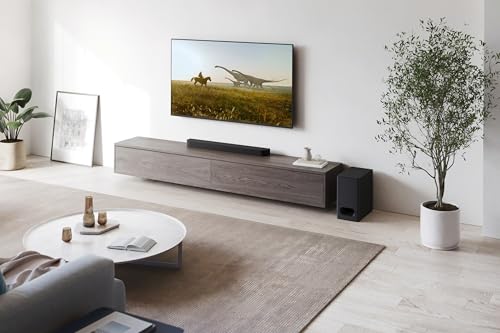




When your flat-screen TV's audio sounds like it's coming from a tin can, you know it's time to upgrade. Modern TVs, despite their stunning 4K visuals, often sacrifice audio quality for their sleek, ultra-thin designs. There's simply no room for decent speakers in those razor-thin profiles. That's where soundbars come to the rescue, transforming your living room into a mini theater with significantly better audio.
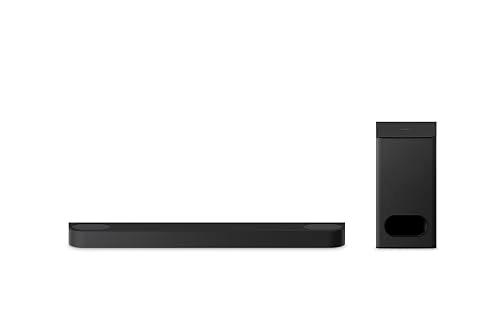
But here's where things get interesting: not all soundbars take the same approach to solving your audio problems. Today we're comparing two fundamentally different philosophies in soundbar design—the Sony BRAVIA Theater Bar 6, which uses clever audio processing to create virtual surround sound, and the LG S60TR, which takes the traditional route with physical speakers placed around your room.
Before diving into these specific models, let's talk about what separates good soundbars from great ones. The soundbar market has evolved dramatically since the early 2010s, when most were simple stereo speakers in a long bar. Today's systems range from compact all-in-one units to elaborate multi-speaker setups that rival traditional home theater systems.
The key considerations when shopping for a soundbar include channel configuration (how many separate audio channels it can handle), whether it uses physical speakers or audio processing for surround effects, size constraints in your space, smart features, and support for modern audio formats like Dolby Atmos—a technology that adds height information to create three-dimensional sound.
Think of channels like individual instruments in an orchestra. A 3.1 system has three main channels (left, center, right) plus one subwoofer channel for bass. A 5.1 system adds two rear channels for true surround sound. The more channels you have, the more precisely the soundbar can position different sounds around your room.
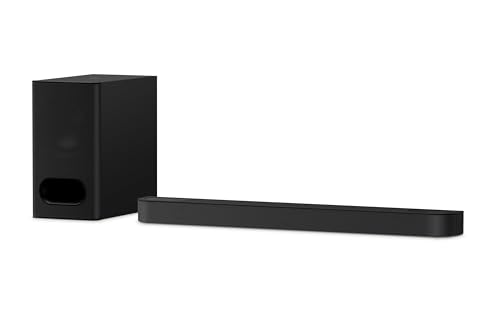
The Sony BRAVIA Theater Bar 6, released in 2024, represents Sony's latest thinking on compact soundbar design. At a premium price point (significantly more expensive than budget options at the time of writing), it focuses on delivering exceptional dialogue clarity and integration with Sony's TV ecosystem while keeping physical footprint minimal.
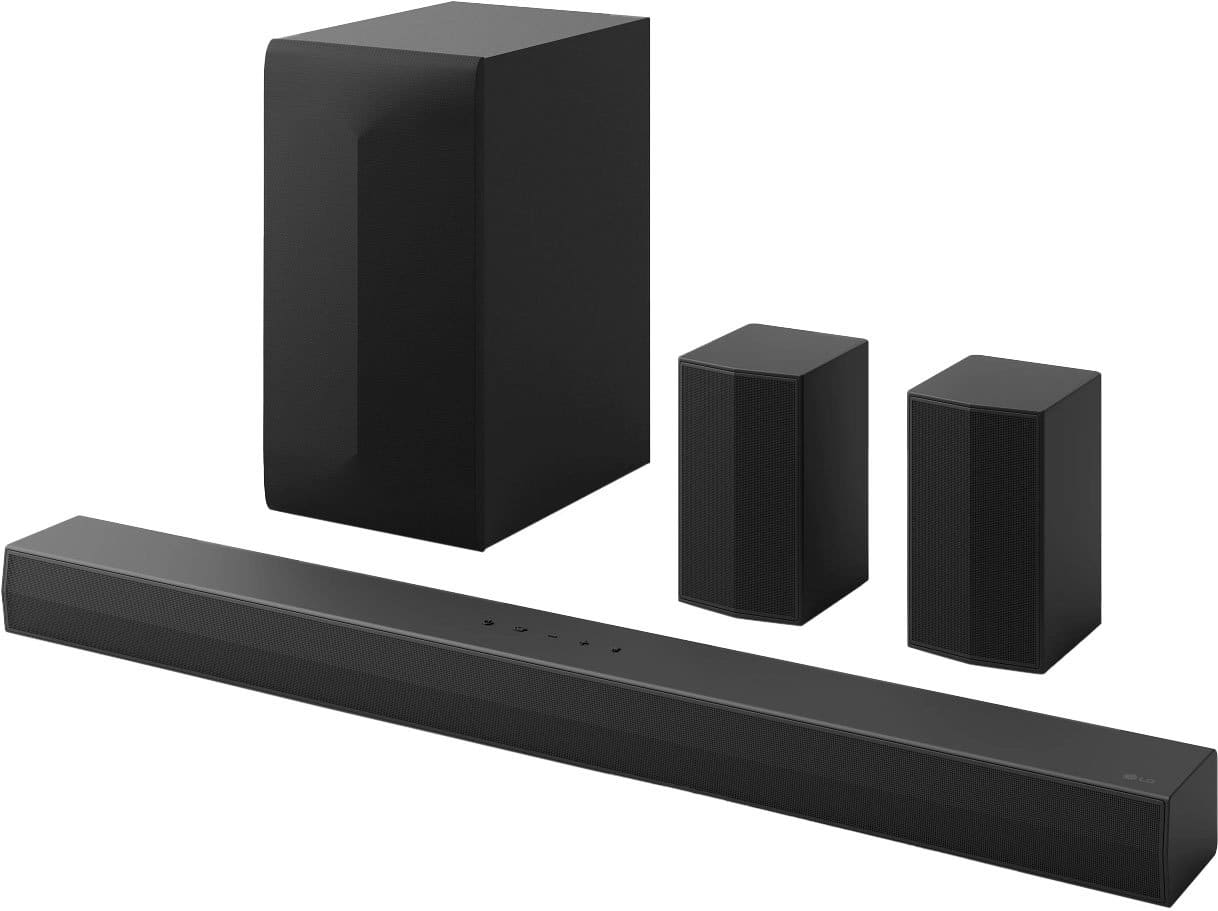
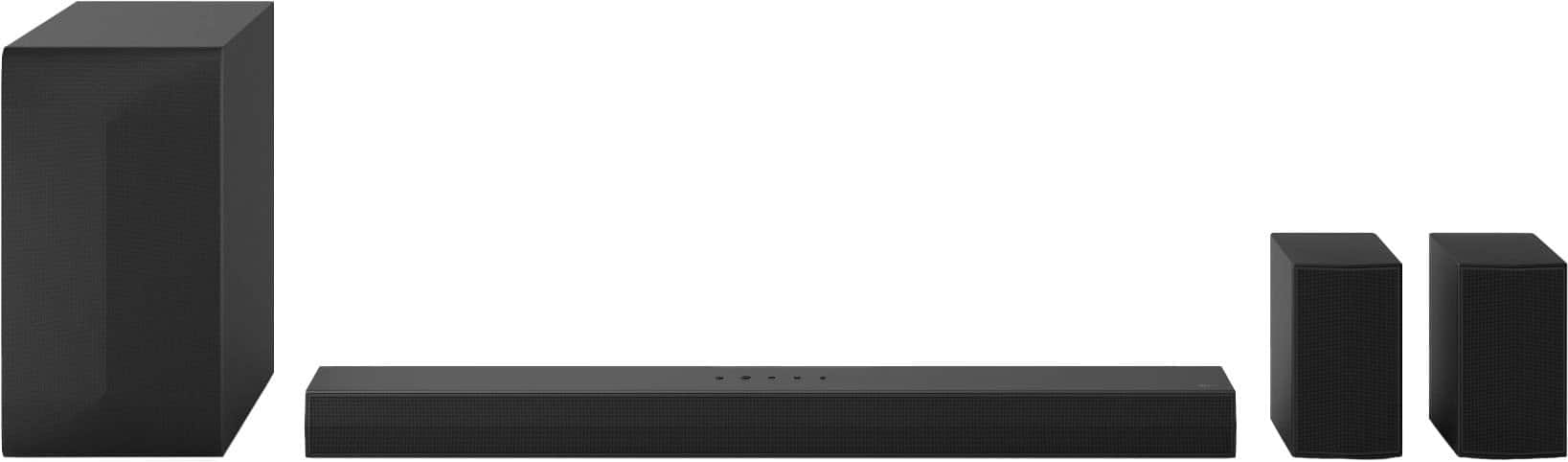
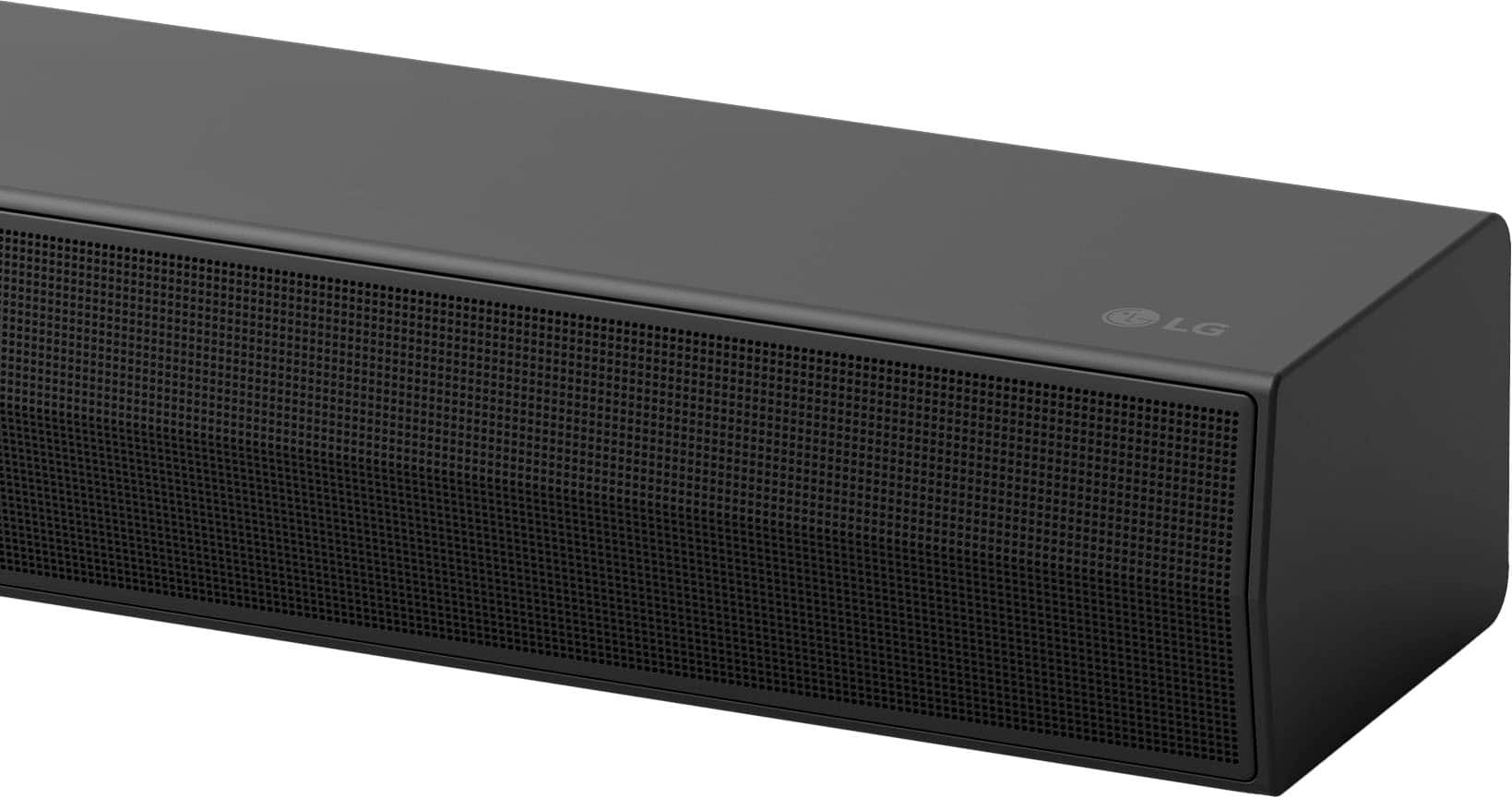
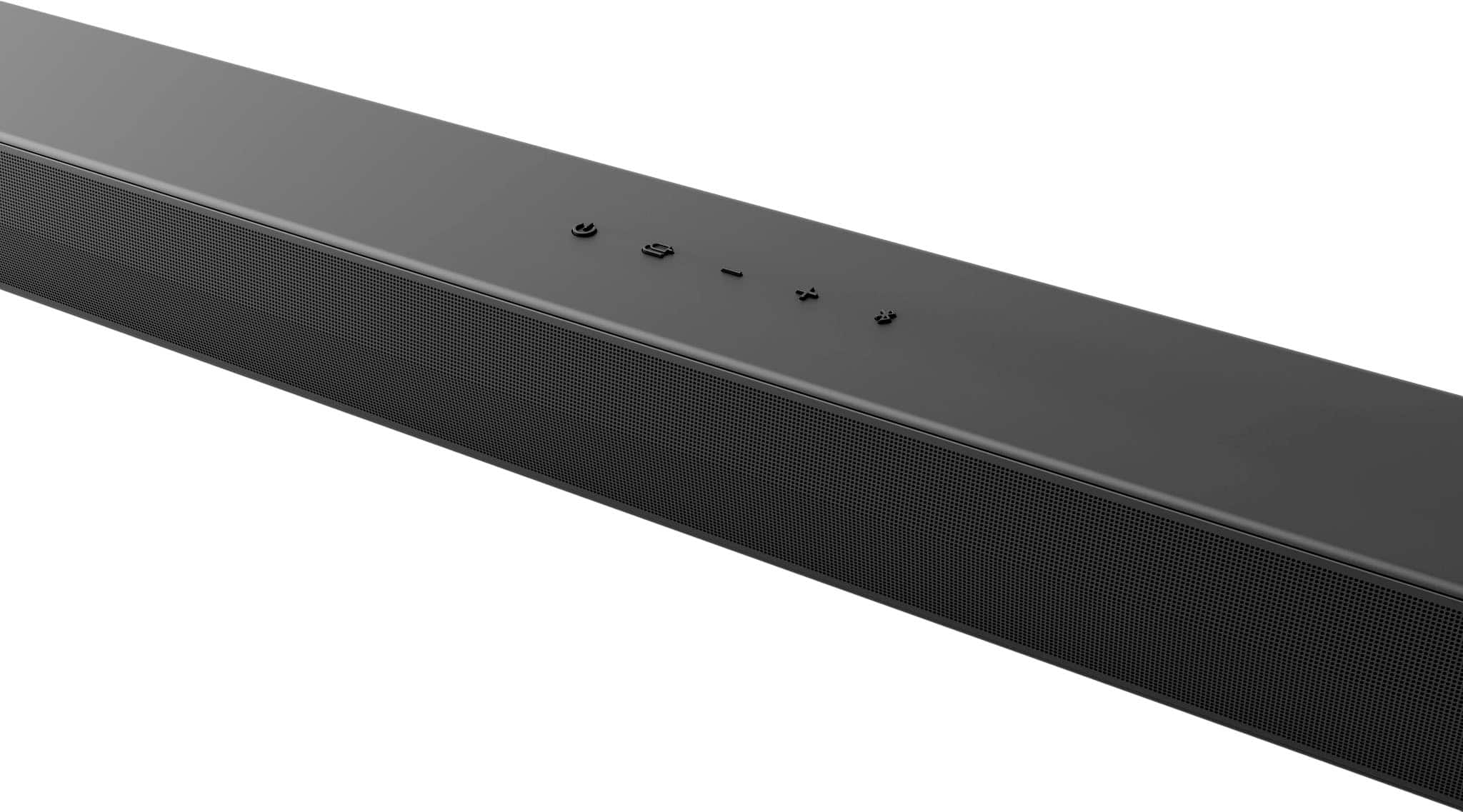
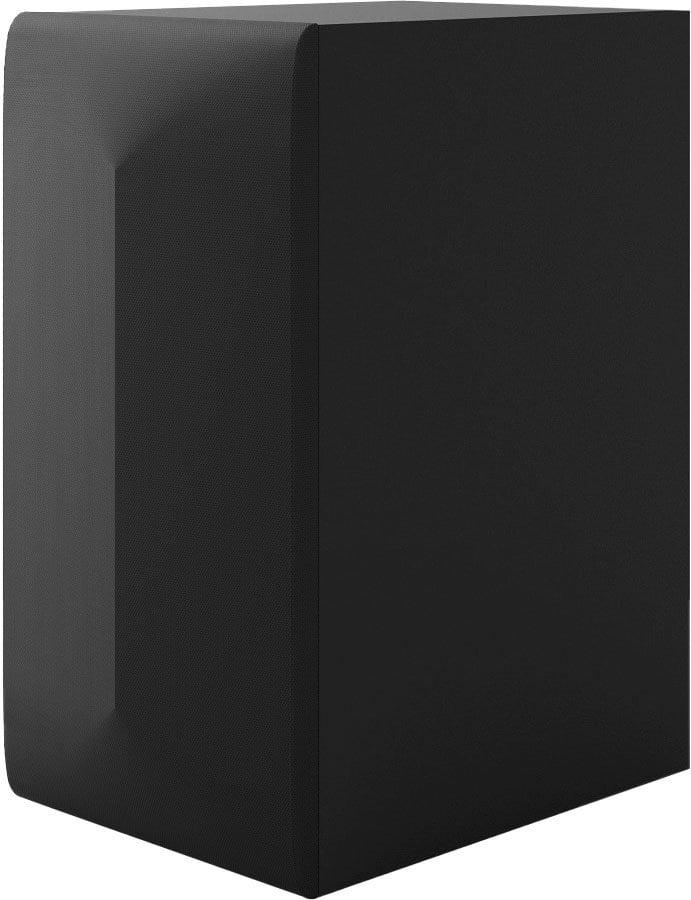
The LG S60TR, also from 2024, takes a different approach entirely. Priced substantially lower than the Sony (roughly 40% less at the time of writing), it provides a complete 5.1 surround system with actual rear speakers that you place behind your seating position.
These represent two distinct philosophies: convenience and integration versus authentic surround immersion. Neither approach is inherently better—they serve different needs and room configurations.
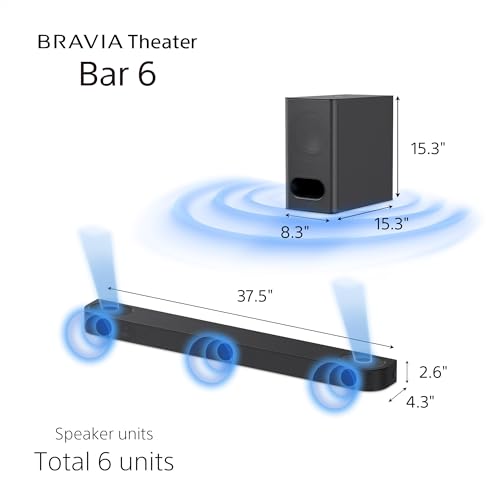
The Sony BRAVIA Theater Bar 6 puts out 350 watts total, but here's what makes it interesting: Sony uses proprietary X-Balanced drivers that are rectangular rather than circular. This isn't just marketing fluff—rectangular drivers can move more air because they have greater surface area than round drivers of similar size. Think of it like the difference between a small square and a circle that fits inside it; the square has more area to work with.
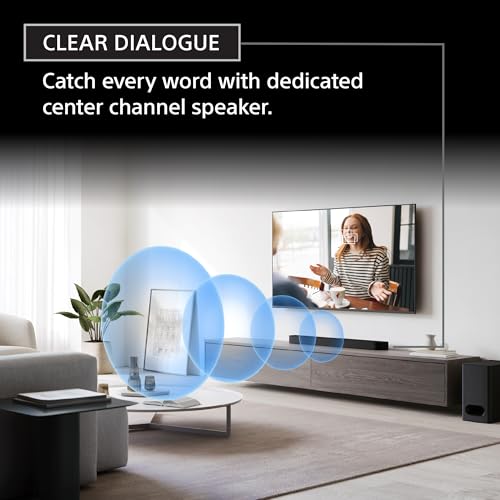
More importantly, Sony dedicates significant power to its center channel, which handles most dialogue. The center channel is like having a dedicated speaker just for voices, ensuring that when characters whisper or when explosions are happening, you can still clearly hear what people are saying.
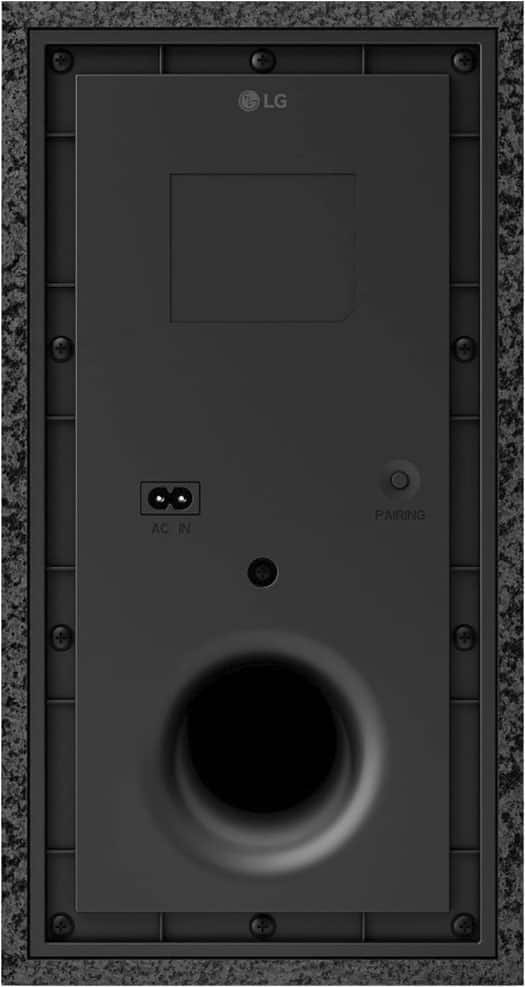
The LG S60TR, meanwhile, distributes its 440 watts across true 5.1 channels: 40 watts each for the front left and right speakers, 40 watts for the center, and 50 watts each for the rear speakers, plus a substantial 220-watt subwoofer. This more even power distribution means each speaker can focus on its specific job without being overwhelmed.
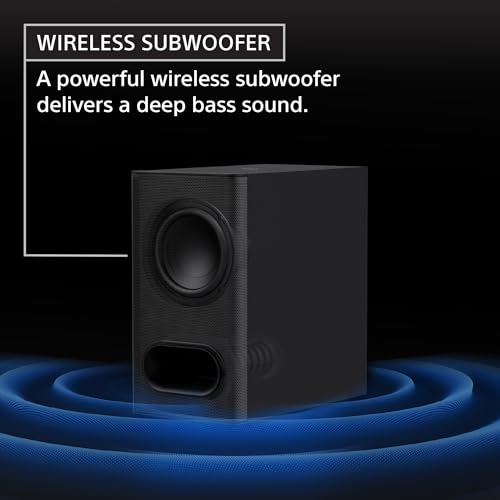
Both systems excel at bass, but in different ways. The Sony BRAVIA Theater Bar 6 can actually produce too much bass out of the box—reviewers consistently note that the default subwoofer setting overwhelms the midrange frequencies where vocals live. However, once you dial it back a few notches in the settings, you get punchy, room-filling bass that adds real weight to explosions and music.
The LG S60TR takes a more balanced approach with its 220-watt subwoofer. The bass integrates better with the overall sound signature from the start, though it may not have quite the same visceral punch as the Sony when properly adjusted.
For home theater use, both systems can rattle your couch during action sequences, but the Sony requires more tweaking to get there without overwhelming other frequencies.
This is where these two soundbars diverge most dramatically, and understanding the difference is crucial for making the right choice.
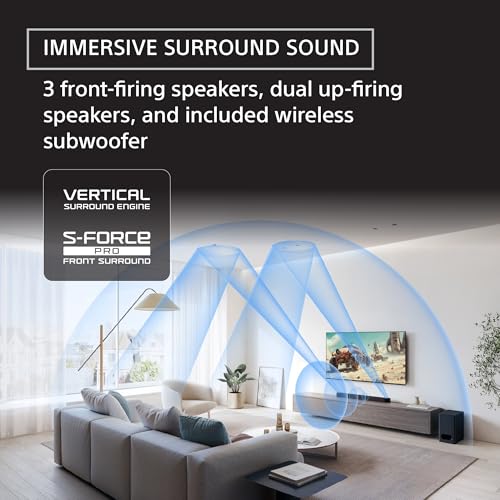
The Sony BRAVIA Theater Bar 6 creates surround sound through audio processing magic called S-Force PRO Front Surround. Essentially, it uses psychoacoustic principles—how our brains interpret sound—to trick you into thinking sound is coming from behind you when it's actually bouncing off your walls from the front-facing speakers.
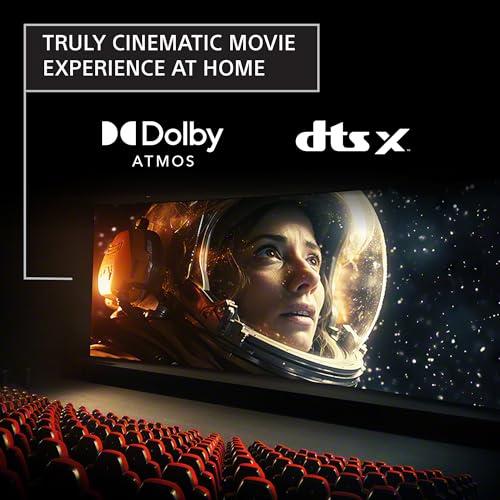
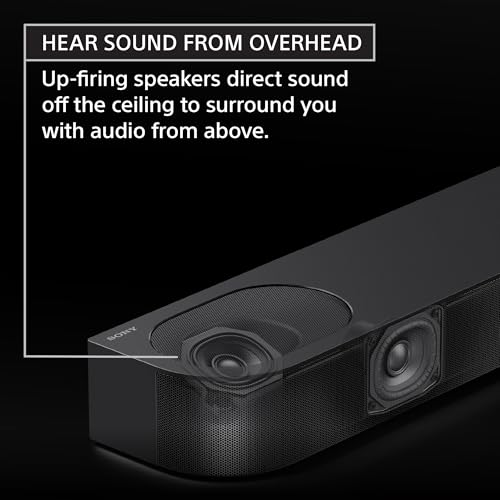
Additionally, the Sony includes two up-firing speakers that bounce sound off your ceiling to create height effects for Dolby Atmos content. When a helicopter flies overhead in a movie, these speakers fire sound upward, where it reflects off the ceiling and seems to come from above. This works best if you have flat, reflective ceilings about 8-12 feet high.
The virtual surround can be surprisingly effective. In my experience with similar Sony systems, you do get a sense of expanded soundstage—the audio feels wider than just the soundbar itself. However, there's no substitute for actual speakers behind you when it comes to creating that true sense of being surrounded by sound.
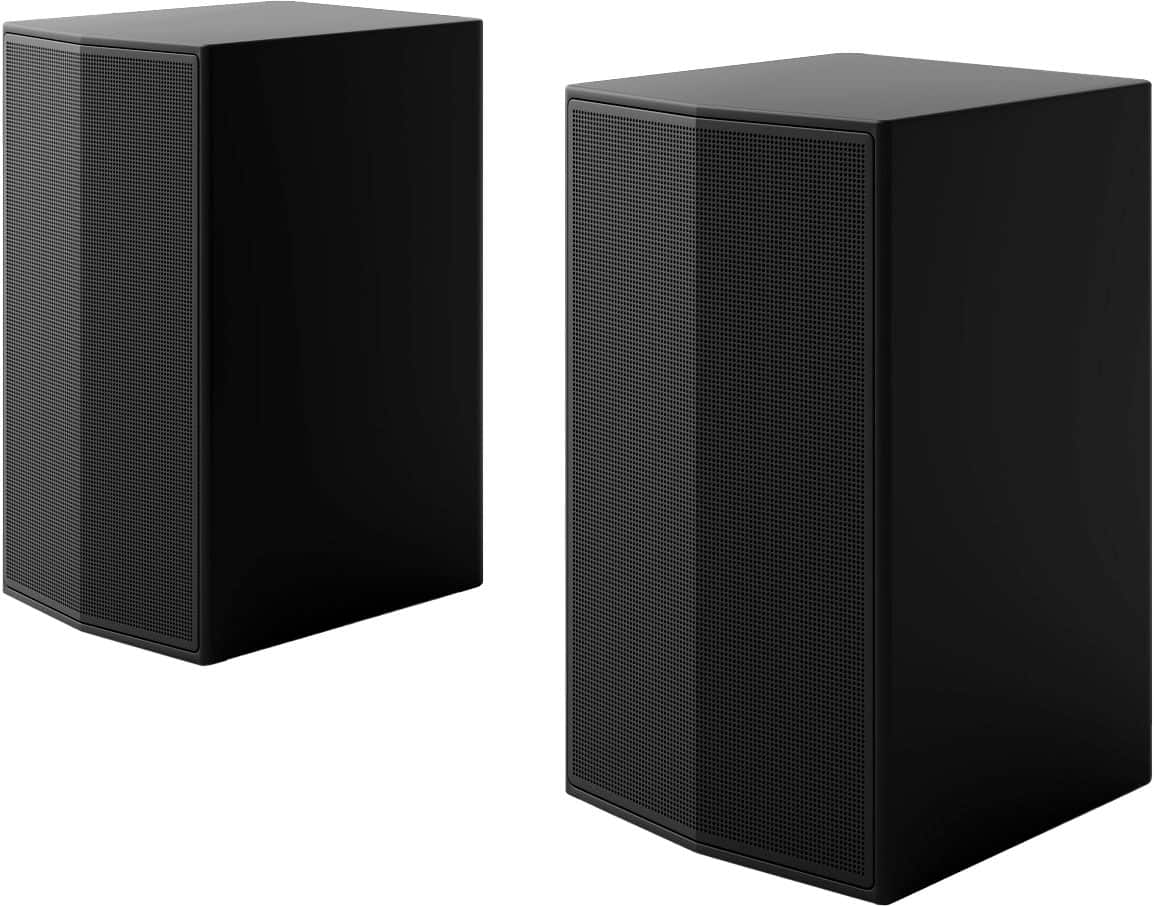
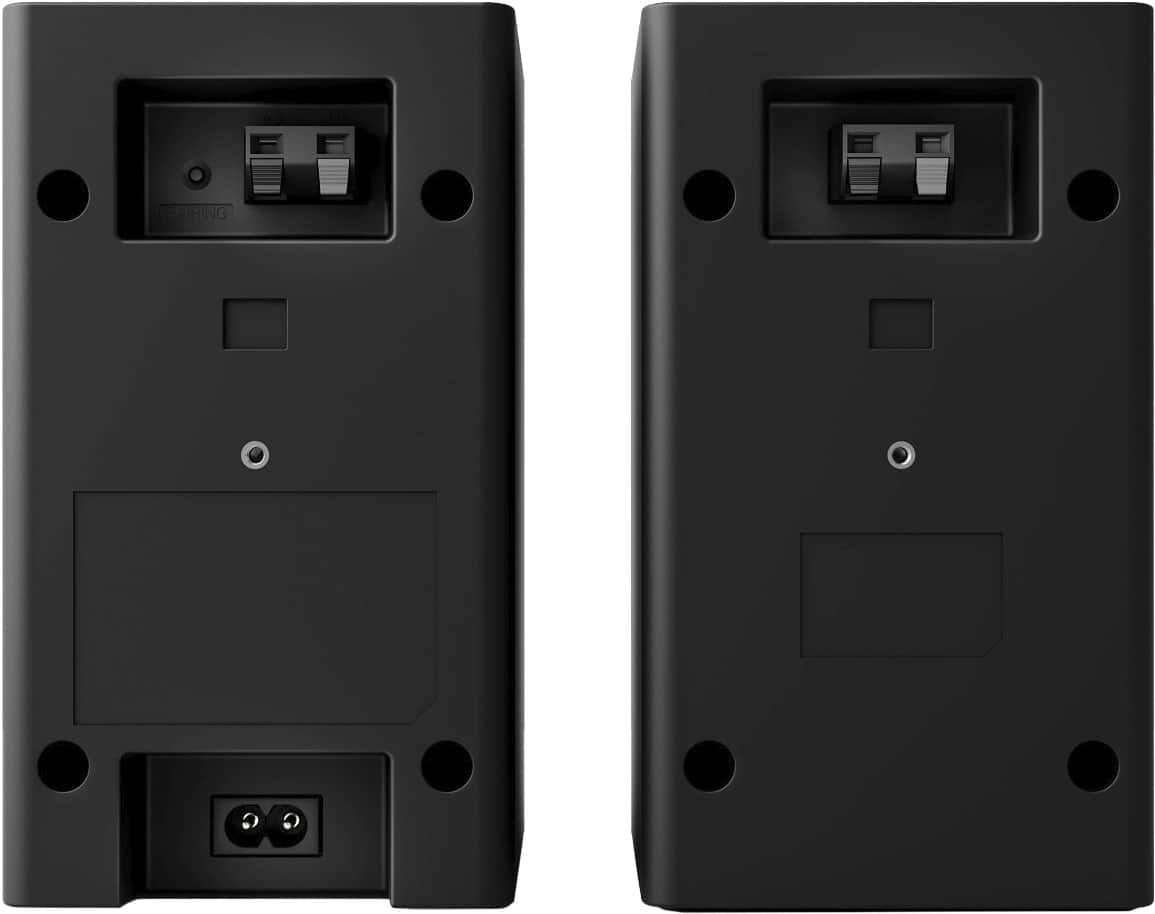
The LG S60TR doesn't mess around with audio trickery. It gives you actual wireless rear speakers that you position behind your seating area. When a car crashes from screen left to screen right, or when ambient sounds like rain are supposed to envelop you, these rear speakers handle those effects with pinpoint accuracy.
The difference is immediately apparent in action movies or games. Instead of a wide front soundstage, you get genuine 360-degree audio positioning. Footsteps can sneak up behind you, bullets can whiz past your ear, and ambient environmental sounds truly surround you.
However, this comes with practical considerations. You need to find places to put these rear speakers, run power cables to them (they're "wireless" in that they don't need wires back to the soundbar, but they do need to plug into wall outlets), and position them properly for optimal effect.
Where the Sony BRAVIA Theater Bar 6 truly shines is its deep integration with Sony's ecosystem. If you own a Sony BRAVIA TV, the experience becomes seamless in ways that other soundbars can't match.
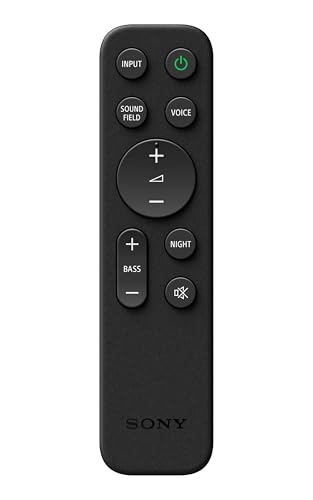
BRAVIA SYNC allows you to control everything with just your TV remote—no juggling multiple remotes or memorizing different button combinations. The BRAVIA Connect app on your phone becomes a unified control center for both your TV and soundbar settings.
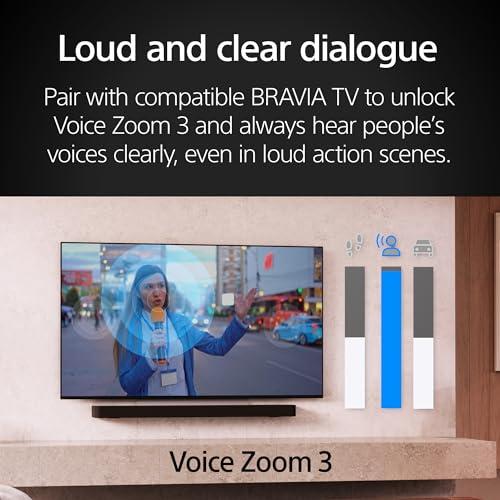
But here's the really clever part: Voice Zoom 3.0 technology actually uses your Sony TV's built-in speakers working in concert with the soundbar to enhance dialogue even further. It's like having a dialogue booster that spans your entire entertainment setup.
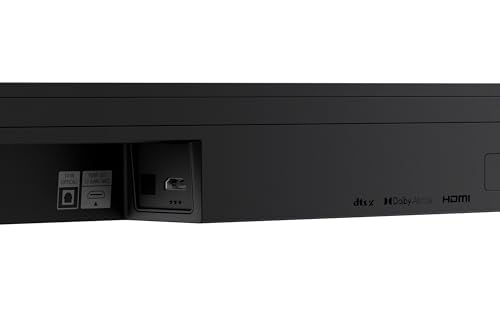
For non-Sony TVs, you lose these integration benefits, though the soundbar still works fine through standard HDMI ARC or optical connections.
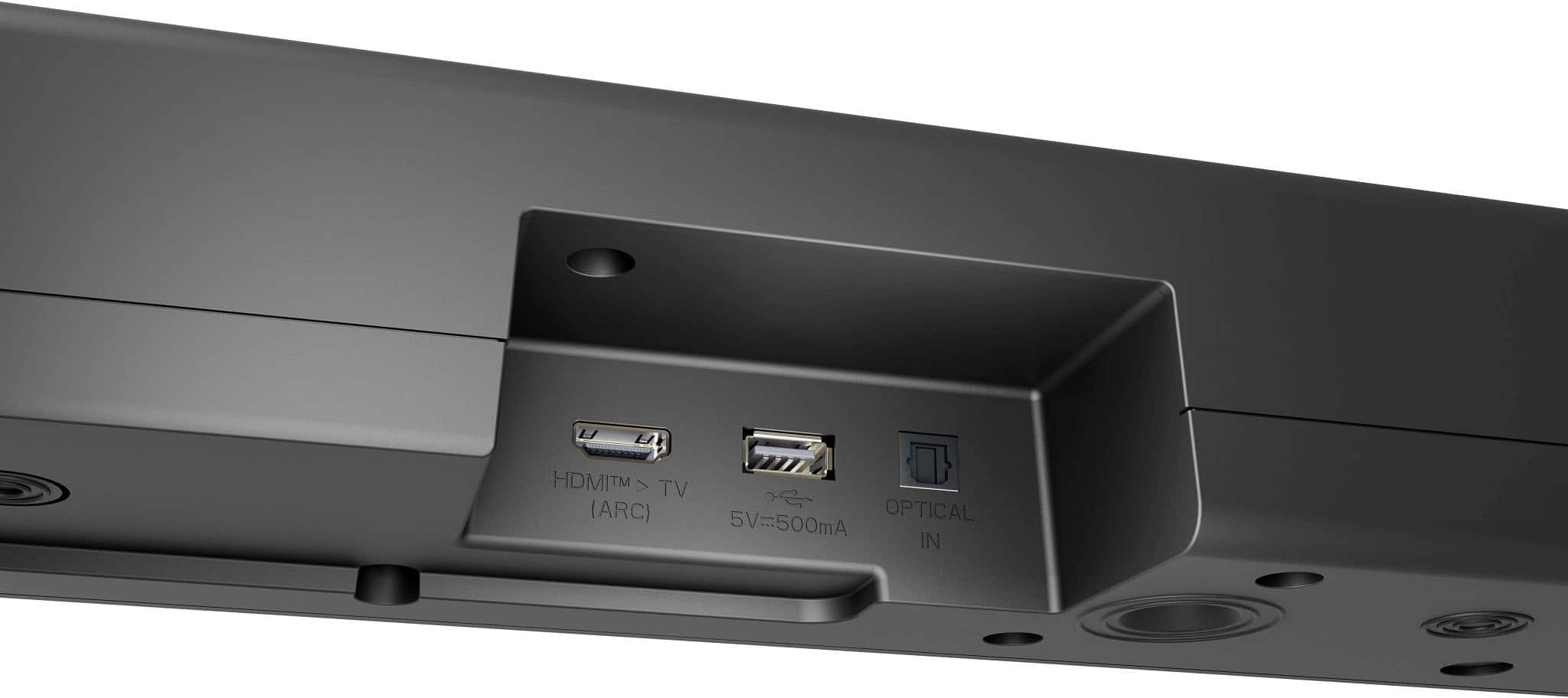
The LG S60TR takes a more universal approach. Its WOW interface works with LG TVs for enhanced control, but it doesn't lock you into a specific ecosystem. The Wi-Fi connectivity (which the Sony lacks) opens up more streaming options and allows for over-the-air firmware updates that can add new features over time.
The LG also includes AI Sound Pro, which uses machine learning to analyze what you're watching and automatically adjust the sound signature. Watching a football game? It emphasizes crowd noise and commentary. Watching a quiet drama? It boosts dialogue clarity while reducing bass that might disturb neighbors.
Setting up the Sony BRAVIA Theater Bar 6 is beautifully simple. Place the soundbar in front of your TV, set the wireless subwoofer somewhere nearby (it has good range), plug in two devices, and you're essentially done. This makes it ideal for apartments, condos, or any space where you can't or don't want to run cables and position multiple speakers.
The soundbar itself is compact enough to fit in TV stands or wall-mount without overwhelming smaller rooms. Its subtle design won't dominate your living space or require you to rearrange furniture.
The LG S60TR requires more planning and patience. You'll need to:
But once properly set up, you have a true surround system that can fill larger rooms more effectively than the Sony's virtualized approach. If you have a dedicated home theater room or a large living space where you can properly position all the components, the LG's approach pays dividends.
At the time of writing, the Sony BRAVIA Theater Bar 6 commands a premium price that reflects its build quality, brand reputation, and advanced processing technologies. You're paying for convenience, excellent dialogue clarity, seamless Sony integration, and sophisticated audio processing in a compact package.
The LG S60TR, priced significantly lower, offers remarkable value for true surround sound enthusiasts. You get more speakers, more total power, genuine 5.1 channel separation, and Wi-Fi connectivity for substantially less money.
From a pure features-per-dollar perspective, the LG wins handily. You get more hardware and more authentic surround capability for less money. However, the Sony justifies its premium through superior integration (for Sony TV owners), more sophisticated audio processing, and the convenience of a simpler setup.
For dedicated home theater viewing, the LG S60TR has a clear advantage. Action movies like Marvel blockbusters or intense dramas benefit enormously from true surround positioning. When jets fly overhead, explosions happen behind you, or subtle ambient sounds create atmosphere, physical rear speakers deliver an immersion level that virtual processing simply cannot match.
The Sony BRAVIA Theater Bar 6 excels with dialogue-heavy content. Watching dramas, comedies, or anything where clear speech is paramount, Sony's dedicated center channel and voice enhancement technologies ensure you'll never miss important dialogue, even during complex sound scenes.
Both systems handle music well, though differently. The Sony's wide front soundstage works nicely for stereo music, creating good imaging and detail. However, some users find the default bass setting too aggressive for music listening, requiring adjustment.
The LG's true surround setup can make stereo music sound more spacious, though purists might prefer to disable rear speakers for two-channel audio to maintain the artist's intended stereo image.
Gamers will generally prefer the LG S60TR for its spatial accuracy. First-person shooters, racing games, and open-world adventures benefit from precise audio positioning that can give competitive advantages and enhance immersion.
The Sony BRAVIA Theater Bar 6 offers low latency through HDMI ARC connections, which is crucial for gaming, but lacks the positional audio advantages of physical rear speakers.
You own a Sony BRAVIA TV and want seamless integration that makes your entire entertainment system work as one cohesive unit. The Voice Zoom technology and BRAVIA SYNC features alone can justify the premium for Sony TV owners.
Your living situation prioritizes simplicity and minimal footprint. If you're in an apartment, condo, or any space where running cables and positioning multiple speakers isn't practical, the Sony's compact excellence shines.
Dialogue clarity is your primary concern. If you frequently struggle to hear conversations in movies or TV shows, or if anyone in your household has hearing difficulties, the Sony's sophisticated voice enhancement technologies are worth the investment.
You prefer to set things up once and forget about them. The Sony requires minimal tweaking and maintenance once properly configured.
You want authentic surround sound immersion and have the space to set it up properly. If you have a dedicated media room or can position rear speakers behind your seating, the LG delivers genuine surround experiences that virtual processing cannot match.
Value is a primary consideration. You get significantly more hardware—more speakers, more power, more connectivity options—for substantially less money.
You enjoy tweaking and optimizing your setup. The LG offers more customization options and the satisfaction of building a proper surround system.
Your TV isn't a Sony, or you prefer not to be locked into a single ecosystem. The LG works well with any TV and offers more flexible connectivity.
You primarily watch action movies, play games, or consume content where spatial audio positioning enhances the experience.
Neither soundbar is objectively superior—they excel in different areas and serve different priorities. The Sony BRAVIA Theater Bar 6 represents the pinnacle of compact soundbar design, offering sophisticated audio processing, exceptional dialogue clarity, and seamless integration for Sony TV owners who prioritize convenience and premium build quality.
The LG S60TR provides authentic surround sound immersion at an exceptional value, perfect for users who want true home theater experiences and have the space to set up a complete surround system.
Your decision ultimately comes down to your space, budget, current TV brand, and what you value most: the elegant simplicity and integration of the Sony, or the immersive authenticity and value of the LG. Both will dramatically improve your TV's audio—they just take different paths to get there.
| Sony BRAVIA Theater Bar 6 | LG S60TR |
|---|---|
| Channel Configuration - Determines surround sound capability and immersion level | |
| 3.1.2 channels (virtual surround with height effects) | True 5.1 channels (physical rear speakers) |
| Total Power Output - Affects volume capability and dynamic range | |
| 350W (focused on dialogue clarity) | 440W (distributed across more speakers) |
| Surround Sound Approach - Critical difference affecting movie immersion | |
| Virtual surround using S-Force PRO processing | Physical rear speakers for authentic 360° sound |
| Subwoofer Power - Determines bass impact for movies and music | |
| Wireless subwoofer (power not specified separately) | 220W dedicated wireless subwoofer |
| Audio Format Support - Modern formats enhance content experience | |
| Dolby Atmos, DTS:X with up-firing speakers | Dolby Audio, DTS Digital Surround (no Atmos) |
| TV Integration - Simplifies control and setup experience | |
| Deep BRAVIA SYNC integration (Sony TVs only) | WOW interface compatibility (LG TVs) |
| Wireless Connectivity - Affects streaming and smart features | |
| Bluetooth only | Wi-Fi + Bluetooth (more streaming options) |
| Physical Setup Complexity - Important for room constraints | |
| Soundbar + wireless subwoofer (minimal cables) | 5 separate components requiring positioning |
| Voice Enhancement Technology - Critical for dialogue clarity | |
| Dedicated center channel + Clear Voice + Voice Zoom 3.0 | AI Sound Pro with content-adaptive processing |
| Room Size Suitability - Affects performance in your space | |
| Optimized for small to medium rooms | Better for larger rooms with proper speaker placement |
| Driver Technology - Impacts sound quality and clarity | |
| X-Balanced rectangular drivers for increased surface area | Traditional round drivers in 5.1 configuration |
| Height Effects for Atmos - Creates overhead sound dimension | |
| Up-firing speakers bounce sound off ceiling | No height channels (limited to horizontal surround) |
The Sony BRAVIA Theater Bar 6 is ideal for small spaces since it only requires a soundbar and wireless subwoofer placement. The LG S60TR needs room for five separate components including rear speakers, making it less practical for compact living situations.
The LG S60TR provides authentic surround sound with physical rear speakers that create true 360-degree audio positioning. The Sony BRAVIA Theater Bar 6 uses virtual surround processing to simulate rear effects, which works well but isn't as immersive as real rear speakers.
The Sony BRAVIA Theater Bar 6 excels at dialogue with its dedicated center channel, Clear Voice algorithm, and Voice Zoom 3.0 technology. While the LG S60TR also has a center channel, Sony's voice enhancement features are more advanced for speech clarity.
The Sony BRAVIA Theater Bar 6 is 3.1.2 (three front channels, one subwoofer, two height channels) focusing on virtual surround and overhead effects. The LG S60TR is true 5.1 (five speakers plus subwoofer) with physical rear speakers for authentic surround positioning.
The Sony BRAVIA Theater Bar 6 is much simpler to install with just two main components and automatic wireless pairing. The LG S60TR requires positioning five speakers around your room and connecting power cables to the rear speakers.
Both soundbars work with any TV through HDMI or optical connections. However, the Sony BRAVIA Theater Bar 6 offers enhanced integration features like BRAVIA SYNC only with Sony TVs, while the LG S60TR provides broader compatibility across TV brands.
The LG S60TR delivers superior action movie experiences with its physical rear speakers creating authentic directional effects for explosions, vehicles, and ambient sounds. The Sony BRAVIA Theater Bar 6 provides good virtual surround but can't match real rear speaker positioning.
Both soundbars handle music well, but the Sony BRAVIA Theater Bar 6 creates a focused front soundstage ideal for stereo music. The LG S60TR can make music more spacious using its surround speakers, though some prefer disabling rear channels for pure stereo listening.
The LG S60TR provides exceptional value with more speakers, higher total power output, and true surround sound at a lower price point. The Sony BRAVIA Theater Bar 6 costs more but justifies it through premium build quality, advanced processing, and Sony ecosystem integration.
The Sony BRAVIA Theater Bar 6 supports Dolby Atmos and DTS:X with up-firing speakers for height effects. The LG S60TR handles Dolby Audio and DTS Digital Surround but lacks Atmos height channel support.
The LG S60TR excels for gaming with precise audio positioning that helps locate enemies and environmental sounds. The Sony BRAVIA Theater Bar 6 offers low latency for responsive audio but lacks the spatial advantages of physical rear speakers.
The LG S60TR offers more upgrade potential with Wi-Fi connectivity for firmware updates and expandable surround options. The Sony BRAVIA Theater Bar 6 is more of a complete, closed system focused on optimization rather than expandability, though Sony may release compatible accessories.
We've done our best to create useful and informative comparisons to help you decide what product to buy. Our research uses advanced automated methods to create this comparison and perfection is not possible - please contact us for corrections or questions. These are the sites we've researched in the creation of this article: rtings.com - bestbuy.com - whathifi.com - youtube.com - youtube.com - sony.com - galaxus.at - helpguide.sony.net - audioadvice.com - electronics.sony.com - youtube.com - youtube.com - electronics.sony.com - helpguide.sony.net - whatgear.net - consumerreports.org - bestbuy.com - mynavyexchange.com - youtube.com - consumerreports.org - avsforum.com - rentacenter.com - bestbuy.com - homechoicestores.com - oconsommateur.com - lg.com - bestbuy.com - samsung.com

Privacy Policy
Terms and Conditions - Affiliate Policy
Home Security
© Copyright 2008-2026.
11816 Inwood Rd #1211, Dallas, TX 75244