








Shopping for a soundbar can feel overwhelming when you're comparing vastly different approaches to the same basic goal: making your TV sound dramatically better. The Sony BRAVIA Theater Bar 6 and JBL Bar 1000 represent two compelling but fundamentally different philosophies in modern home audio, and understanding these differences will help you make the right choice for your space and needs.
Before diving into specifics, it's worth understanding what separates today's soundbars from the simple audio bars of a decade ago. Modern systems like the Sony BRAVIA Theater Bar 6 and JBL Bar 1000 are essentially compressed home theater systems, capable of creating immersive surround sound that can rival traditional multi-speaker setups—but they achieve this through very different methods.
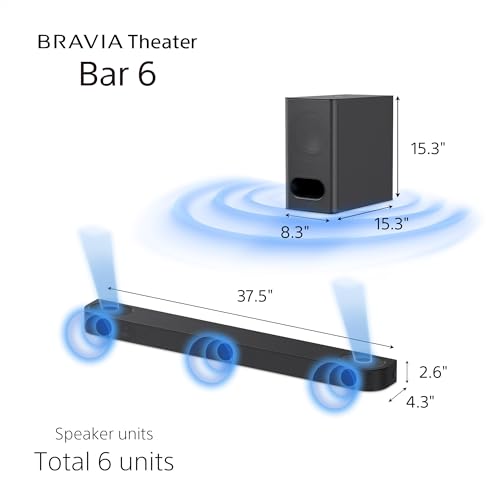
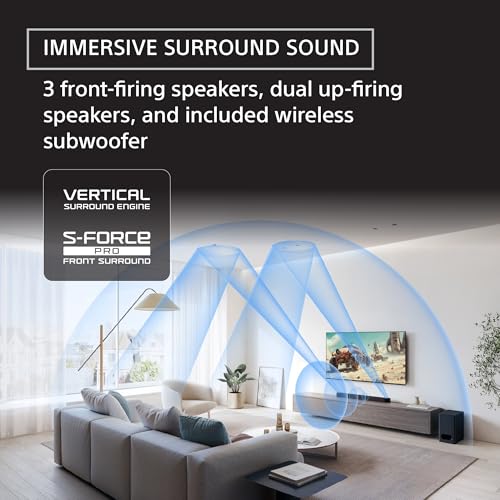
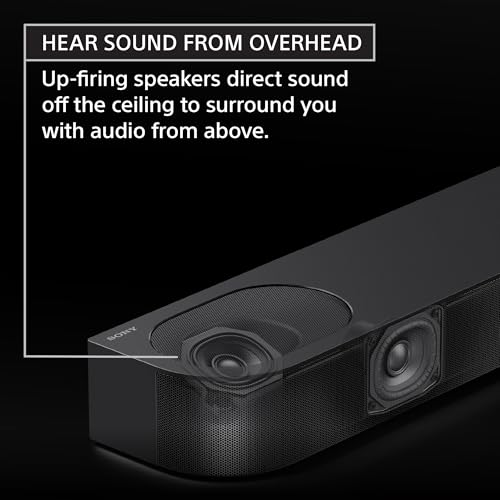
The core technology revolves around channel configuration, which describes how many speakers and directions audio comes from. A 3.1.2 system (like the Sony) has three front-facing speakers (left, center, right), one subwoofer (the ".1"), and two height speakers (the ".2" representing upward-firing drivers). The JBL Bar 1000, with its 7.1.4 configuration, includes seven main speakers, one subwoofer, and four height channels—creating a much more complex audio environment.
Both soundbars were released in 2023, representing the current state of the art in consumer audio technology. Since their launch, we've seen software updates that have refined their room calibration algorithms and expanded their wireless connectivity options, but the fundamental hardware approach of each remains distinct and purposeful.
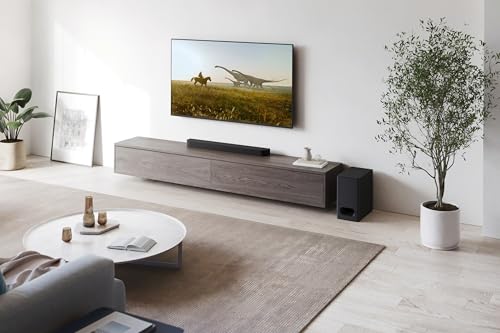
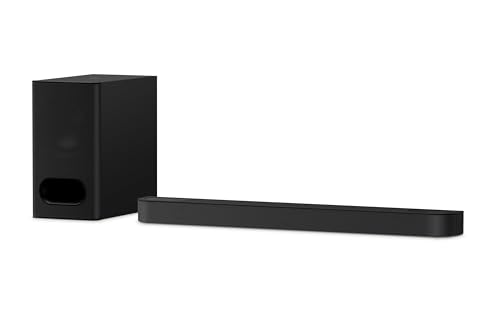
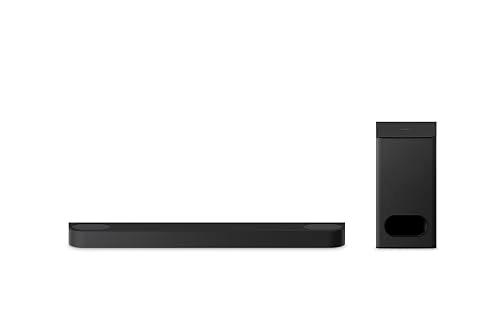
The Sony BRAVIA Theater Bar 6 embodies what I consider the "refined minimalist" approach to home audio. Sony has concentrated on doing fewer things exceptionally well rather than trying to be everything to everyone. This philosophy becomes immediately apparent when you examine its 3.1.2 channel configuration and 350W total power output.
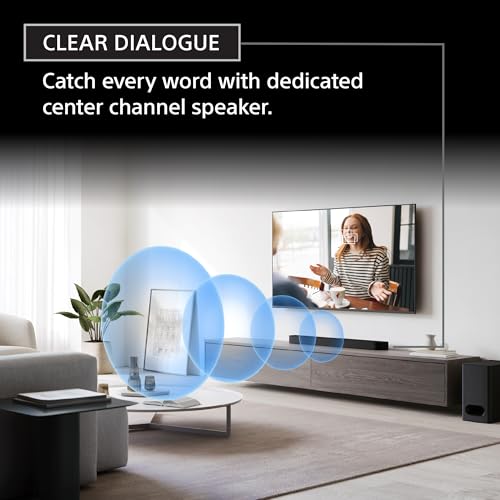
What makes this system particularly compelling is Sony's focus on dialogue clarity through dedicated center channel processing. The center channel—that middle speaker responsible for most movie dialogue and TV show speech—receives special attention through Sony's Clear Voice algorithms and Voice Mode processing. Having tested numerous soundbars over the years, I can say that dialogue clarity often separates good soundbars from great ones, and Sony has clearly prioritized this aspect.
The Sony BRAVIA Theater Bar 6 uses proprietary X-Balanced drivers, which are rectangular rather than the typical circular design. This might seem like a minor detail, but it's actually quite significant. The rectangular shape allows for greater surface area within the same physical constraints, theoretically providing clearer midrange reproduction and better sound dispersion. In practical terms, this means voices and instruments in the crucial midrange frequencies—where most music and dialogue live—should sound more natural and less compressed.
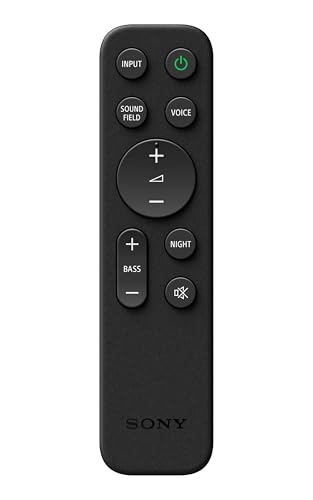
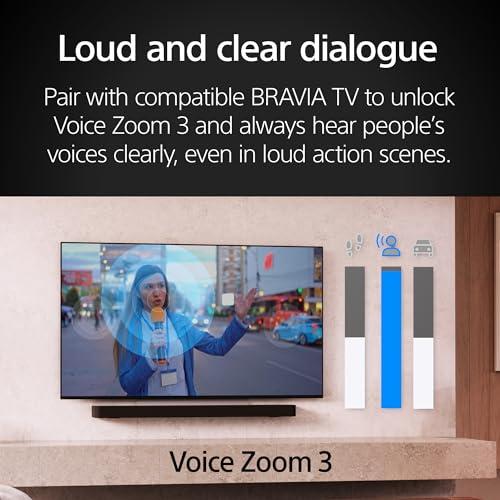
Sony's integration philosophy extends beyond just the hardware. If you own a Sony BRAVIA TV (and many people do, given Sony's strong position in the premium TV market), the Sony BRAVIA Theater Bar 6 offers seamless integration through BRAVIA SYNC. This means one remote controls everything, unified settings menus, and features like Voice Zoom 3.0, which combines the TV's built-in speakers with the soundbar for enhanced dialogue clarity.
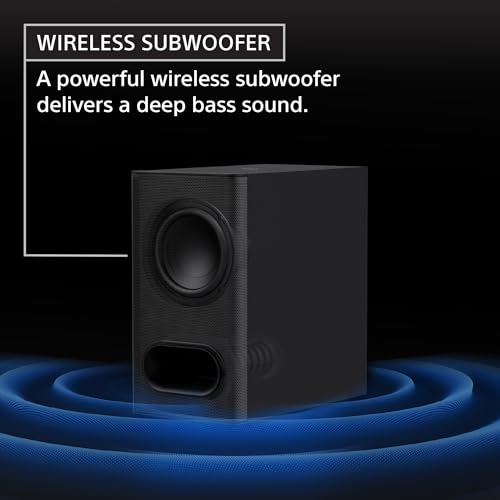
The wireless subwoofer, while compact with its 6-inch driver, has been tuned specifically to complement the main bar's frequency response. Sony has clearly prioritized balance over raw power here—you won't get the room-shaking bass of larger systems, but you also won't overwhelm smaller spaces or need constant adjustment.
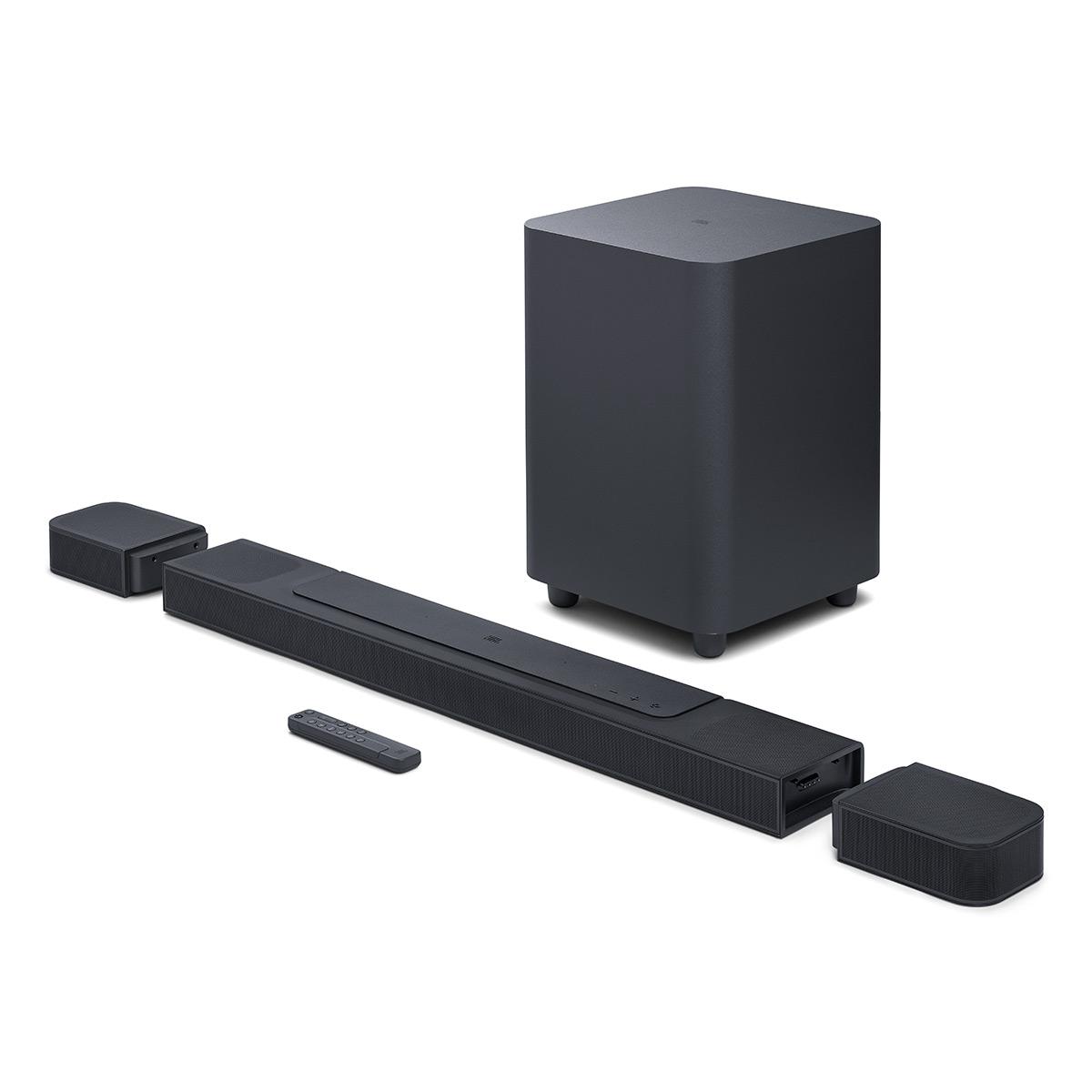
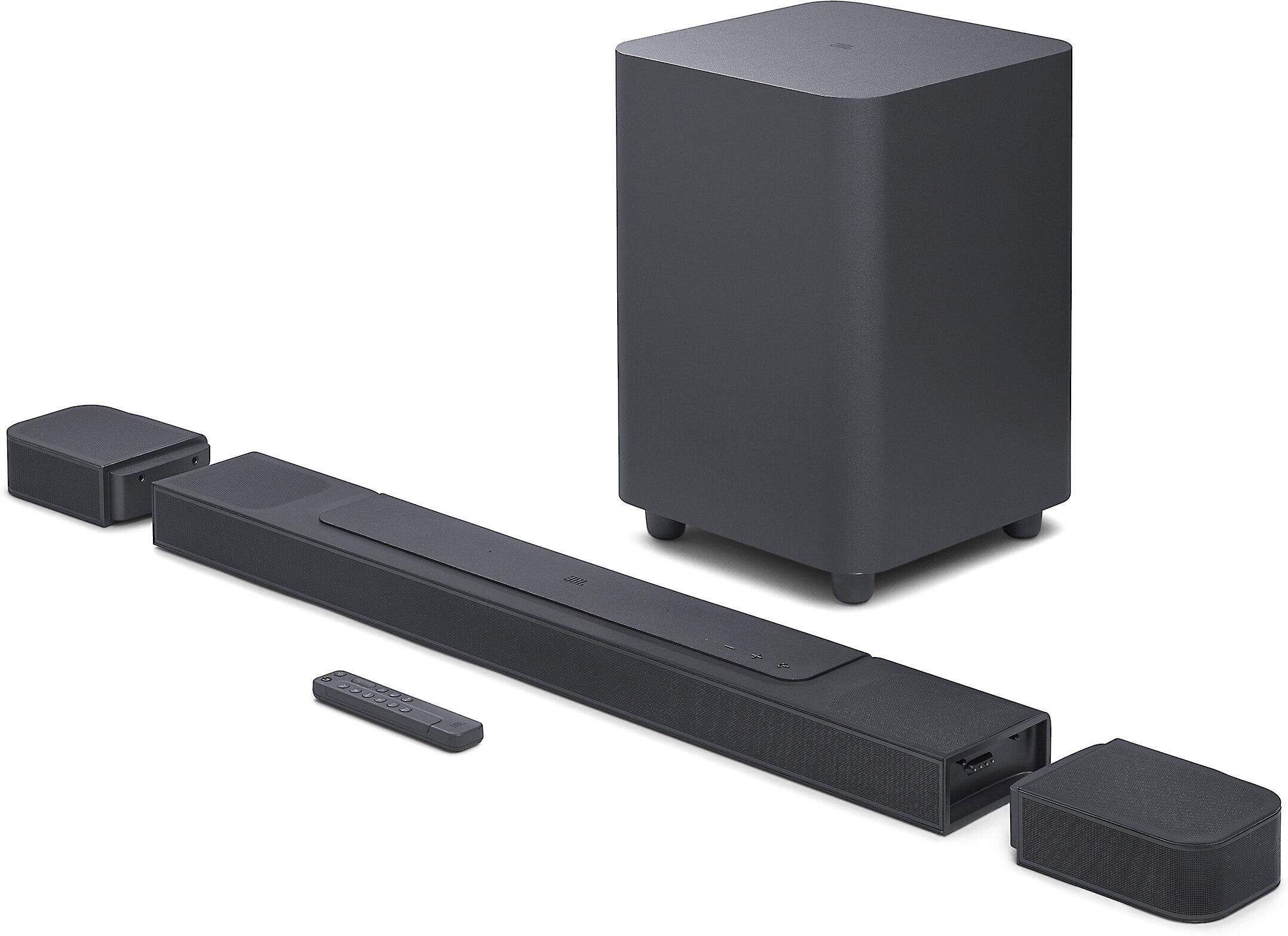
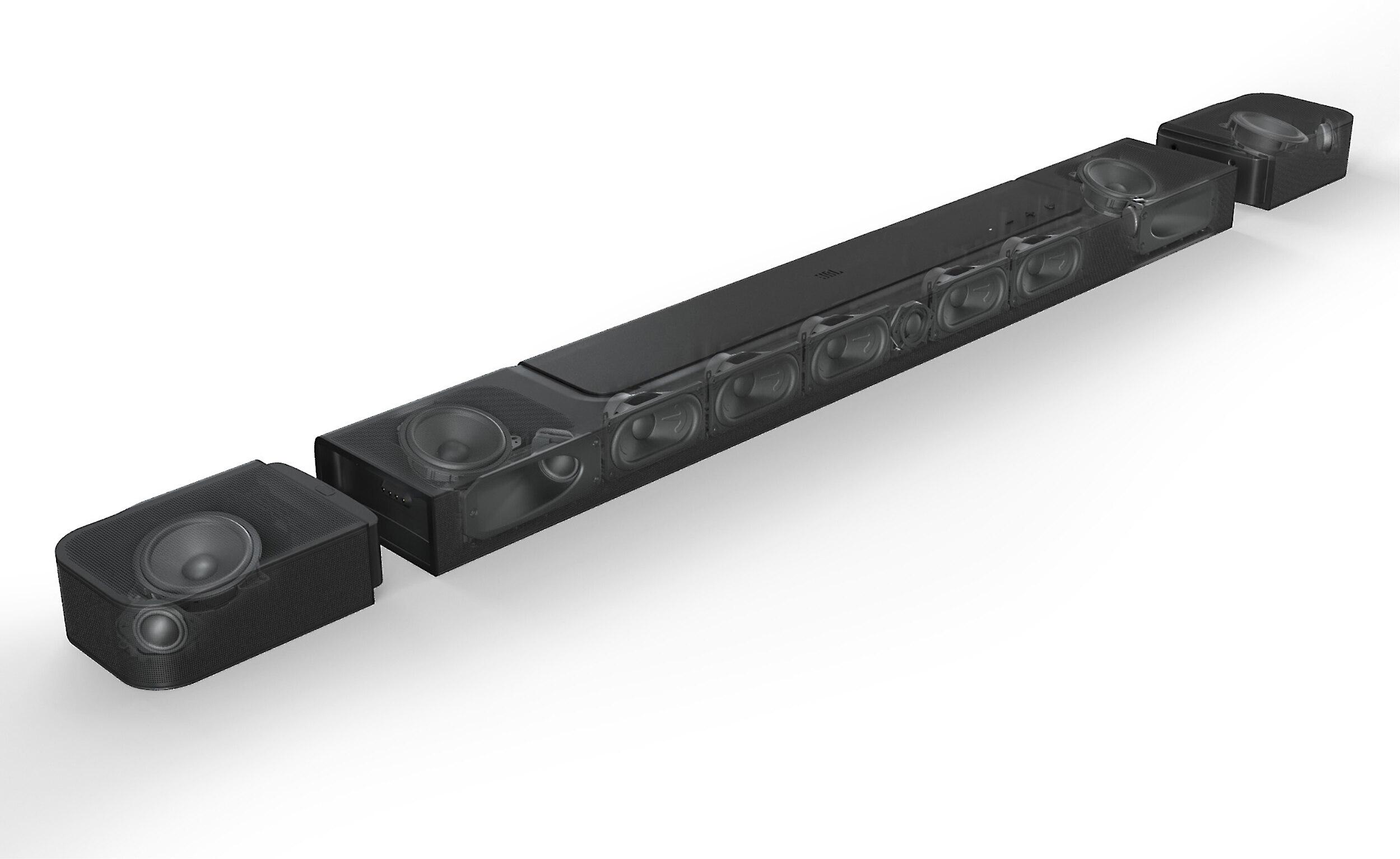
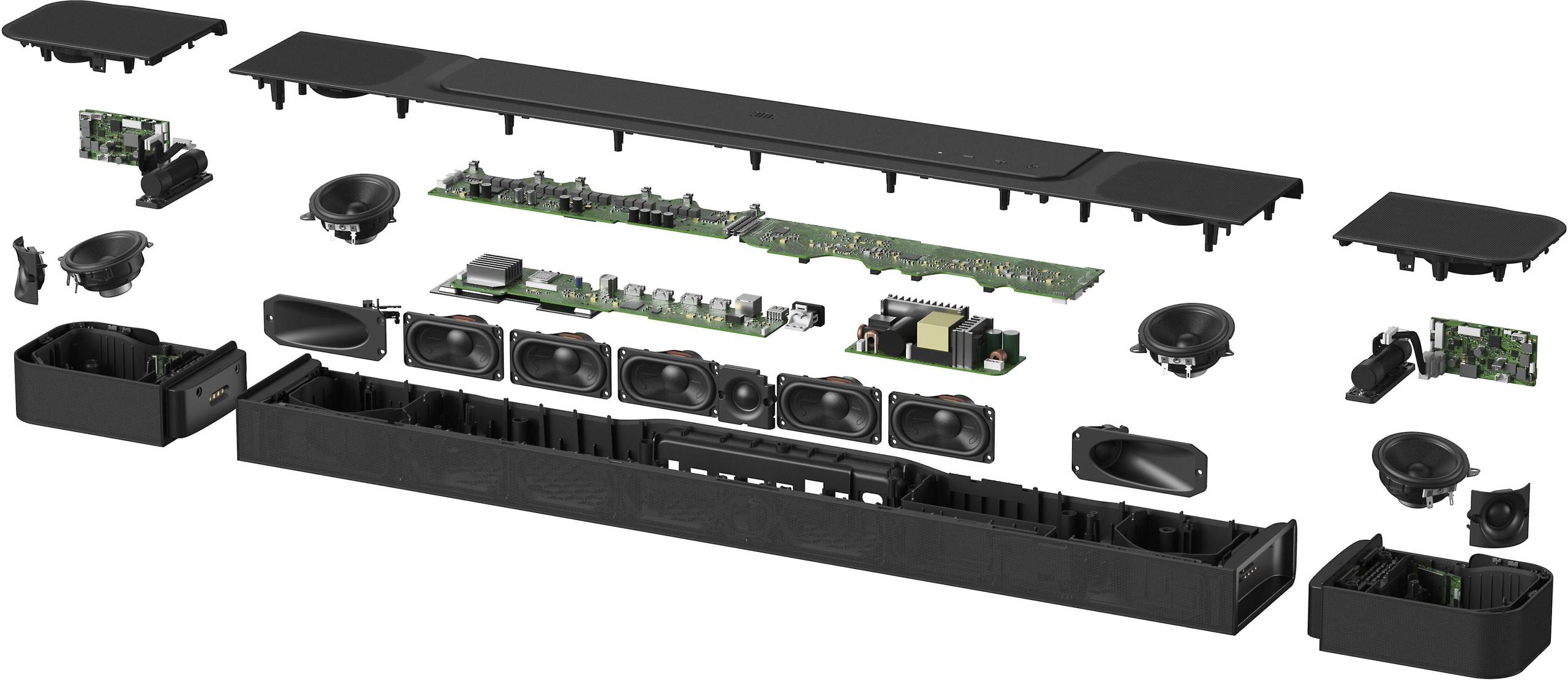
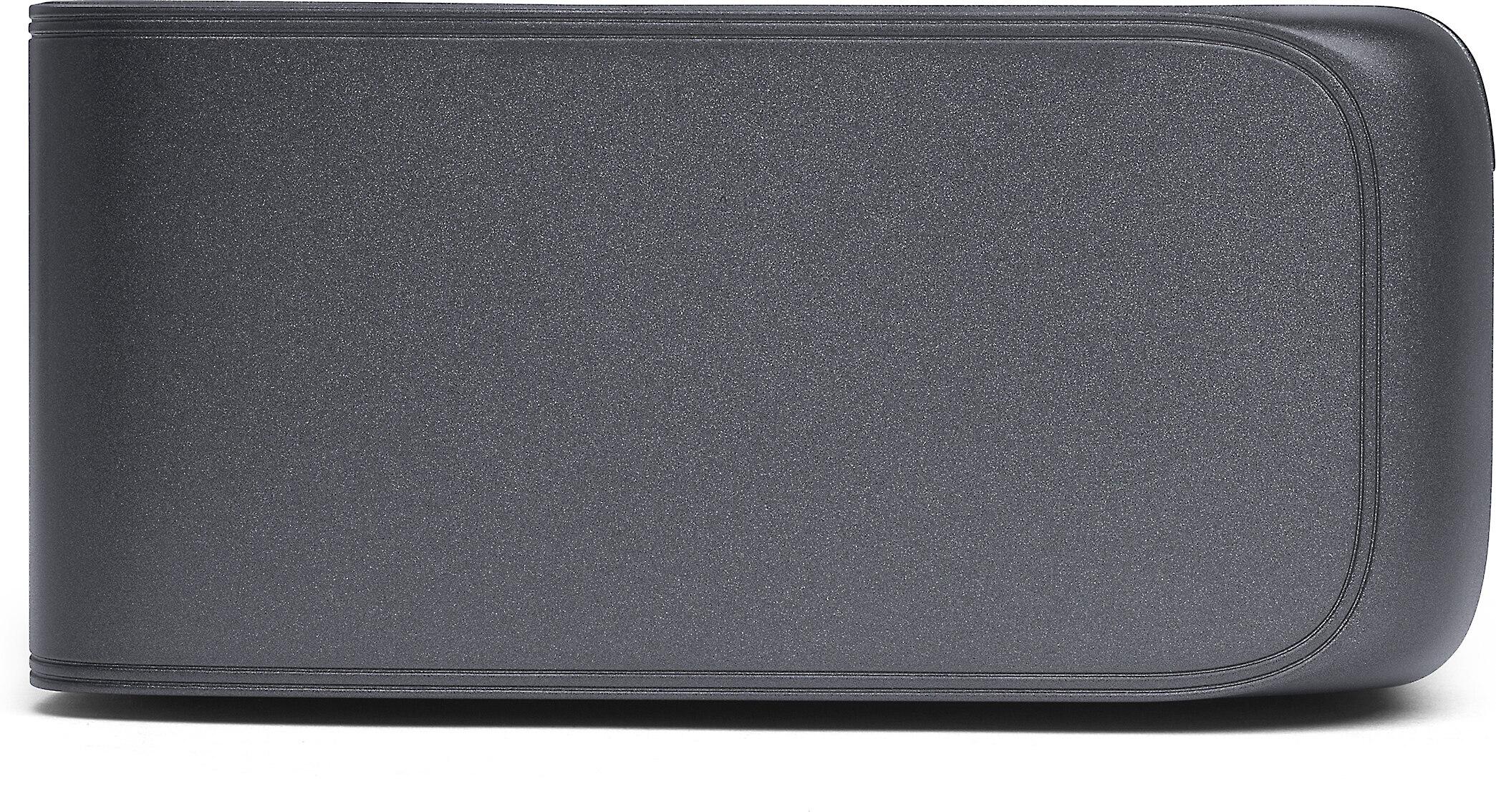
The JBL Bar 1000 takes an entirely different approach, essentially asking: "What if we could give you true surround sound without the complexity of traditional home theater systems?" Their answer is genuinely innovative—detachable battery-powered rear speakers that can be removed from the main soundbar and placed anywhere in your room.
This modular design addresses one of the biggest limitations of traditional soundbars: the lack of true rear surround effects. Most soundbars, including the Sony BRAVIA Theater Bar 6, rely on psychoacoustic processing and room reflections to create virtual surround sound. The JBL Bar 1000 eliminates this compromise by providing actual rear speakers that can be positioned behind your seating area, creating genuine 7.1.4 channel surround sound.
The power difference is substantial and immediately noticeable. At 880W total output, with 300W dedicated to the 10-inch subwoofer alone, the JBL Bar 1000 can fill larger spaces with authority that the Sony simply cannot match. This isn't just about volume—it's about dynamic range, the ability to reproduce the quiet whisper followed immediately by the thunderous explosion without compression or distortion.
JBL's MultiBeam technology deserves particular attention. This proprietary processing creates virtual sound beams that bounce off walls and ceilings to create a wider soundstage than the physical dimensions of the soundbar would suggest. Combined with the four up-firing speakers (two in the main bar, two in the detachable rears), the JBL Bar 1000 can create convincing Dolby Atmos effects even in rooms that aren't acoustically ideal.
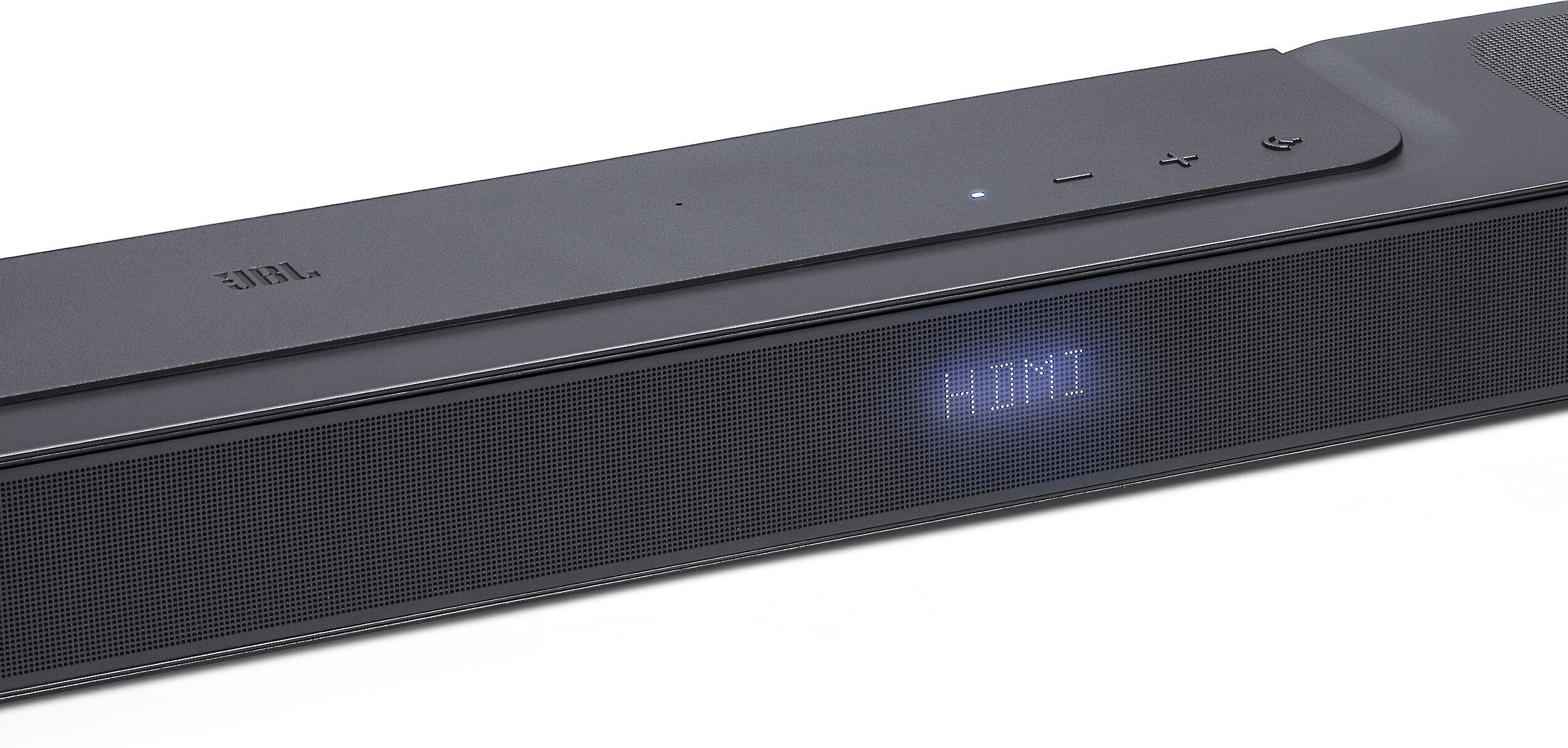
The connectivity story strongly favors JBL. With three HDMI inputs plus eARC output, the JBL Bar 1000 can serve as your entertainment hub, switching between gaming consoles, streaming devices, and other sources without requiring you to use your TV's inputs. For gamers particularly, this setup offers 4K Dolby Vision passthrough with minimal input lag.
The subwoofer performance represents perhaps the starkest difference between these systems. The JBL Bar 1000's 300W, 10-inch subwoofer provides the kind of visceral, room-filling bass that makes action movies genuinely exciting. This isn't just about volume—it's about extension into the lowest frequencies that you feel as much as hear.
The Sony BRAVIA Theater Bar 6's 6-inch subwoofer takes a more measured approach. In smaller rooms, this can actually be an advantage, as the bass remains tight and controlled without overwhelming the midrange frequencies where dialogue lives. However, in larger spaces or for bass-heavy content like action films or electronic music, the Sony's limitations become apparent.
From my testing experience, I've found that bass integration—how well the subwoofer blends with the main speakers—often matters more than raw power. Both systems handle this well, but they're optimized for different scenarios. The Sony excels in apartments and smaller spaces where bass control matters more than maximum impact. The JBL shines in larger rooms where you need that extra power to pressurize the space properly.
This is where the fundamental philosophical differences become most apparent. The Sony BRAVIA Theater Bar 6 relies on Sony's S-Force PRO Front Surround processing, which uses psychoacoustic tricks and careful speaker positioning to create the illusion of surround sound from speakers positioned in front of you.
This virtual approach has both advantages and limitations. The advantage is simplicity—no rear speakers to position, no additional power connections, no concerns about room layout. The limitation is that virtual surround is always dependent on room acoustics, ceiling height, and your seating position. In ideal conditions, it can be quite convincing. In less-than-ideal rooms, the effect ranges from subtle to nearly imperceptible.
The JBL Bar 1000's detachable rear speakers eliminate this compromise entirely. When properly positioned, they provide genuine surround effects that don't depend on room acoustics or audio processing tricks. Movie soundtracks mixed in Dolby Atmos or DTS:X can place sounds precisely around the room, creating that enveloping experience that defines great home theater audio.
However, this flexibility comes with trade-offs. The rear speakers need to be charged regularly (battery life is approximately 10 hours), and you need appropriate placement locations. In some room layouts, proper rear speaker positioning simply isn't practical.
For many users, dialogue clarity represents the primary reason for upgrading from TV speakers. Both systems address this crucial need, but through different approaches.
The Sony BRAVIA Theater Bar 6 makes dialogue clarity a primary design goal. The dedicated center channel receives sophisticated processing through Clear Voice algorithms, and when paired with compatible Sony TVs, Voice Zoom 3.0 technology can actually use the TV's built-in speakers in conjunction with the soundbar to further enhance speech intelligibility.
I've found Sony's voice enhancement particularly effective for content with challenging audio mixes—action movies where dialogue competes with sound effects, or TV shows with inconsistent audio levels between scenes. The Voice Mode can make dialogue more prominent without making it sound artificially boosted.
The JBL Bar 1000 takes a different approach with its PureVoice technology, which focuses on frequency response optimization rather than special processing modes. The higher overall power output means dialogue can cut through complex soundtracks more easily, but it doesn't offer the same level of specialized voice enhancement as the Sony system.
Modern soundbars need to integrate seamlessly with today's complex entertainment setups, and this is where the differences between these systems become particularly important for many users.
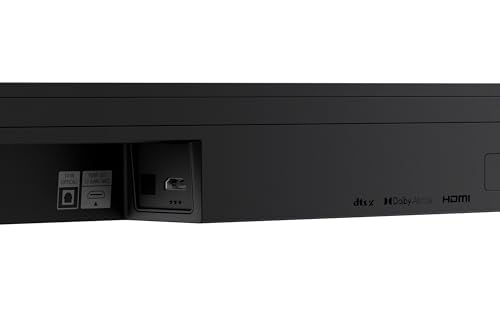
The Sony BRAVIA Theater Bar 6 offers basic but adequate connectivity: HDMI eARC, optical input, and Bluetooth. The limitation is the single HDMI connection, which means all your devices need to connect through your TV. For users with modern smart TVs and primarily streaming-based entertainment, this works fine. For gamers with multiple consoles or users with older devices requiring direct connection, it becomes limiting.
The JBL Bar 1000 provides a more comprehensive solution with three HDMI inputs plus the eARC output. This transforms the soundbar into an entertainment hub that can switch between sources independently of your TV. The wireless connectivity is equally comprehensive, with Wi-Fi, AirPlay 2, Chromecast built-in, and direct access to streaming services.
In my experience, this connectivity difference matters more for some users than others. If you primarily watch Netflix and Disney+ through your smart TV, the Sony's simpler approach is actually preferable—fewer cables, less complexity, cleaner setup. If you're juggling a gaming console, Apple TV, Blu-ray player, and cable box, the JBL's additional inputs eliminate the need for HDMI switching and simplify daily use.
Room compatibility might be the single most important factor in choosing between these systems. The Sony BRAVIA Theater Bar 6 has been optimized for small to medium spaces—think typical living rooms up to about 300 square feet of listening area. In these spaces, its 350W output provides adequate volume without overwhelming the space, and the virtual surround processing works most effectively.
The JBL Bar 1000's 880W output and larger subwoofer make it better suited for larger rooms, open floor plans, or spaces where you need higher volume levels. The detachable rear speakers also require sufficient space for proper positioning—ideally 6-8 feet behind your main seating area.
I've noticed that many users underestimate the importance of proper room matching. A powerful system like the JBL in a small room often leads to constant volume and bass adjustments, while an underpowered system in a large space never quite delivers the impact that makes the upgrade worthwhile.
At the time of writing, the Sony BRAVIA Theater Bar 6 typically retails for around $200 less than the JBL Bar 1000, making value assessment crucial. The Sony delivers exceptional performance per dollar for users whose needs align with its strengths—dialogue clarity, TV integration, and balanced sound in smaller spaces.
The JBL's higher price reflects its more comprehensive feature set: true surround sound capability, higher power output, extensive connectivity, and robust construction. For users who can take advantage of these features, the premium is justified. For those who can't—perhaps due to room limitations or simpler needs—the additional cost provides minimal benefit.
Choose the Sony BRAVIA Theater Bar 6 if you prioritize simplicity, dialogue clarity, and seamless TV integration. It's ideal for Sony TV owners, smaller living spaces, and users who primarily watch dialogue-heavy content like TV shows and dramas. The system excels at making every word clear and provides balanced, refined sound that enhances rather than overwhelms your viewing experience.
The JBL Bar 1000 makes sense for users seeking maximum immersion and flexibility. If you have a larger room, enjoy action movies and gaming, or want the authentic surround sound experience that only discrete rear speakers can provide, the additional investment is worthwhile. The extensive connectivity also makes it ideal for users with complex entertainment setups.
Both systems represent excellent engineering approaches to the same basic challenge: creating immersive home theater audio in a convenient package. Your choice should depend on your room, your content preferences, and your priorities between simplicity and maximum performance. Neither choice will disappoint when properly matched to your needs and expectations.
| Sony BRAVIA Theater Bar 6 | JBL Bar 1000 |
|---|---|
| Channel Configuration - Determines surround sound capabilities and immersion level | |
| 3.1.2 (virtual surround only) | 7.1.4 (true surround with physical rear speakers) |
| Total Power Output - Critical for room size compatibility and dynamic range | |
| 350W (ideal for small-medium rooms) | 880W (designed for larger spaces and higher volumes) |
| Rear Speaker Implementation - The biggest difference in surround sound experience | |
| Virtual processing only (S-Force PRO) | Detachable battery-powered physical speakers |
| Subwoofer Specifications - Affects bass impact and room pressurization | |
| 6-inch driver, compact wireless design | 10-inch driver, 300W dedicated power |
| HDMI Connectivity - Important for multiple device setups | |
| 1 eARC only (requires TV switching) | 3 inputs + 1 eARC output (acts as AV hub) |
| Wireless Streaming - Modern connectivity expectations | |
| Bluetooth only | Wi-Fi, AirPlay 2, Chromecast, Bluetooth |
| TV Integration - Convenience and control simplification | |
| Deep Sony BRAVIA SYNC integration | Universal compatibility, no brand-specific features |
| Dolby Atmos Implementation - Height channel effectiveness | |
| 2 up-firing drivers (limited height effects) | 4 up-firing drivers (more convincing overhead sound) |
| Dialogue Enhancement - Critical for TV and movie clarity | |
| Dedicated center channel with Clear Voice and Voice Zoom 3.0 | PureVoice technology with less specialized processing |
| Room Calibration - Setup optimization for your space | |
| Manual room setup via app | Automatic calibration with room correction |
| Physical Design - Space requirements and aesthetics | |
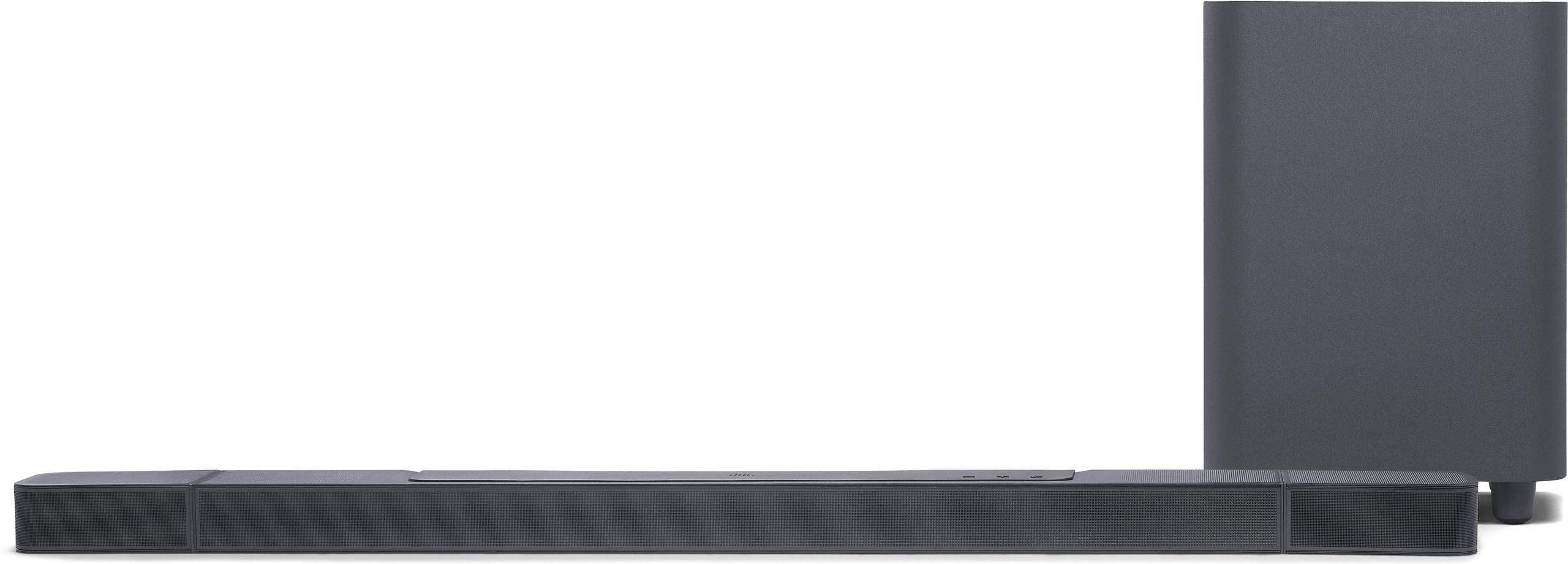
| Compact bar (907mm) with small subwoofer | Larger system requiring rear speaker placement |
| Best Use Case - Who should choose each system | |
| Sony TV owners, compact spaces, dialogue priority | Large rooms, true surround seekers, multiple devices |
The Sony BRAVIA Theater Bar 6 is specifically designed for small to medium rooms with its 350W power output and compact design. Its balanced sound won't overwhelm smaller spaces, while the JBL Bar 1000's 880W output may be too powerful for compact areas and require constant volume adjustments.
The biggest difference is surround sound implementation. The Sony BRAVIA Theater Bar 6 uses virtual surround processing from front-facing speakers, while the JBL Bar 1000 includes detachable battery-powered rear speakers that provide true 7.1.4 channel surround sound.
The JBL Bar 1000 delivers significantly more powerful bass with its 10-inch subwoofer and 300W dedicated power. The Sony BRAVIA Theater Bar 6 has a more compact 6-inch subwoofer that's better suited for balanced sound in smaller spaces.
No, there's a major difference here. The JBL Bar 1000 offers three HDMI inputs plus eARC, allowing multiple devices to connect directly. The Sony BRAVIA Theater Bar 6 only has one HDMI eARC connection, requiring all devices to connect through your TV.
The Sony BRAVIA Theater Bar 6 excels at dialogue with its dedicated center channel, Clear Voice algorithms, and Voice Zoom 3.0 technology (when paired with Sony TVs). While the JBL Bar 1000 has PureVoice technology, Sony's specialized approach makes speech more intelligible.
No, the Sony BRAVIA Theater Bar 6 works with any TV, but you'll get the best experience with Sony BRAVIA TVs through BRAVIA SYNC integration. This provides unified remote control and enhanced features like Voice Zoom 3.0. The JBL Bar 1000 works equally well with all TV brands.
The JBL Bar 1000 is designed for larger spaces with its 880W total power output and room-filling capabilities. The Sony BRAVIA Theater Bar 6 may struggle to adequately fill larger rooms due to its lower 350W power output.
The JBL Bar 1000 offers comprehensive wireless connectivity including Wi-Fi, AirPlay 2, Chromecast built-in, and Bluetooth streaming. The Sony BRAVIA Theater Bar 6 only provides basic Bluetooth connectivity for wireless audio streaming.
The Sony BRAVIA Theater Bar 6 is simpler to install with fewer components and straightforward placement. The JBL Bar 1000 requires positioning detachable rear speakers and managing battery charging, making setup more complex but offering better surround sound.
The JBL Bar 1000 provides superior Dolby Atmos with four up-firing speakers (two in the bar, two in rear speakers) creating more convincing height effects. The Sony BRAVIA Theater Bar 6 has only two up-firing speakers with limited overhead sound impression.
The Sony BRAVIA Theater Bar 6 offers excellent value for users prioritizing dialogue clarity, TV integration, and balanced sound in smaller spaces. The JBL Bar 1000 provides better value for those needing true surround sound, higher power output, and extensive connectivity features.
Yes, the JBL Bar 1000's rear speakers are battery-powered and designed to be detached from the main bar for flexible placement around your room. They provide up to 10 hours of battery life and can be recharged by reattaching to the JBL Bar 1000 main unit.
We've done our best to create useful and informative comparisons to help you decide what product to buy. Our research uses advanced automated methods to create this comparison and perfection is not possible - please contact us for corrections or questions. These are the sites we've researched in the creation of this article: rtings.com - bestbuy.com - whathifi.com - youtube.com - youtube.com - sony.com - galaxus.at - helpguide.sony.net - audioadvice.com - electronics.sony.com - youtube.com - youtube.com - electronics.sony.com - helpguide.sony.net - whatgear.net - consumerreports.org - zdnet.com - jbl.com - jbl.com - pcrichard.com - rtings.com - d21buns5ku92am.cloudfront.net - ro.harmanaudio.com - target.com - harmanaudio.com - dell.com - mm.jbl.com - dolby.com - jbl.com.my - videoandaudiocenter.com

Privacy Policy
Terms and Conditions - Affiliate Policy
Home Security
© Copyright 2008-2026.
11816 Inwood Rd #1211, Dallas, TX 75244