

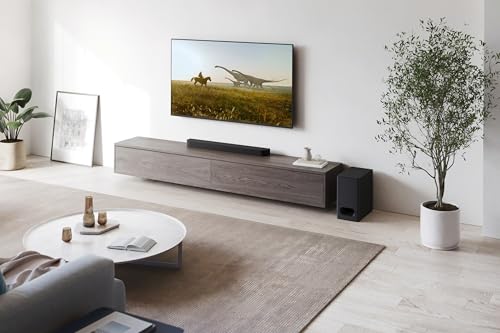





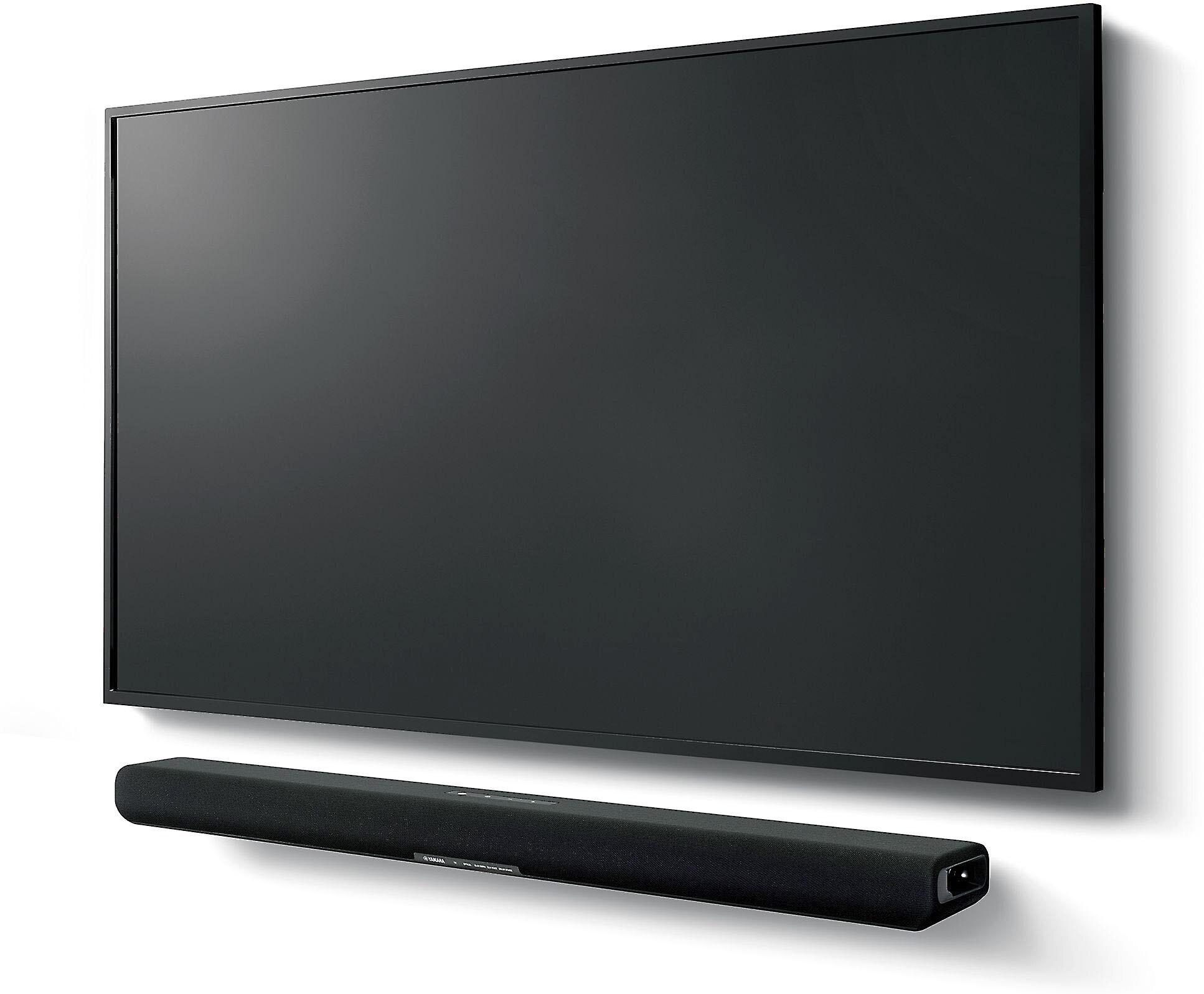
If you're tired of constantly asking "What did they say?" while watching TV, you're not alone. Built-in TV speakers have gotten progressively worse as televisions have become thinner, leaving millions of viewers squinting at subtitles or cranking the volume to uncomfortable levels. That's where soundbars come in—they're designed to solve exactly this problem while keeping your entertainment setup clean and simple.
The soundbar market has exploded over the past few years, with manufacturers racing to pack more features into increasingly affordable packages. Today, we're comparing two very different approaches to better TV audio: Sony's premium BRAVIA Theater Bar 6 and Yamaha's budget-friendly SR-B30A. These represent fundamentally different philosophies about how to improve your TV's sound, and understanding these differences will help you make the right choice for your specific needs.
Before diving into these specific models, it's worth understanding what separates a good soundbar from a mediocre one. The most important factors include audio quality (how natural and clear everything sounds), spatial audio capabilities (whether you feel surrounded by sound), power output (how loud and dynamic the system can get), and connectivity options (how well it plays with your existing setup).
Bass response deserves special attention because it's where most TV speakers completely fail. Deep bass isn't just about explosions in action movies—it's what gives music warmth, makes dialogue sound natural, and creates the sense of being in the same space as what you're watching. However, producing good bass requires either large drivers or clever engineering, which is why this becomes a key differentiator between budget and premium soundbars.
Dialogue clarity is equally crucial, especially as streaming services compress audio and movie soundtracks become more complex. A dedicated center channel—a speaker specifically designed to handle voices—makes an enormous difference here, though not all soundbars include one.
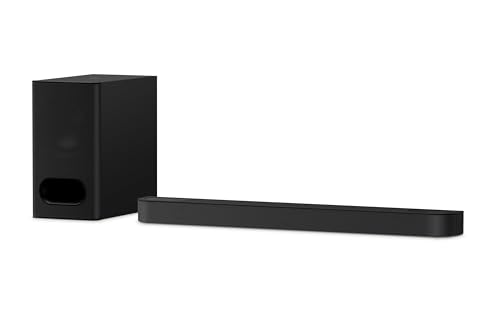
The Sony BRAVIA Theater Bar 6, released in 2024, represents Sony's effort to bring serious home theater audio to mainstream buyers. At roughly twice the price of the Yamaha SR-B30A (also from 2024), Sony positions this as a premium option that doesn't require a complete surround sound system installation.
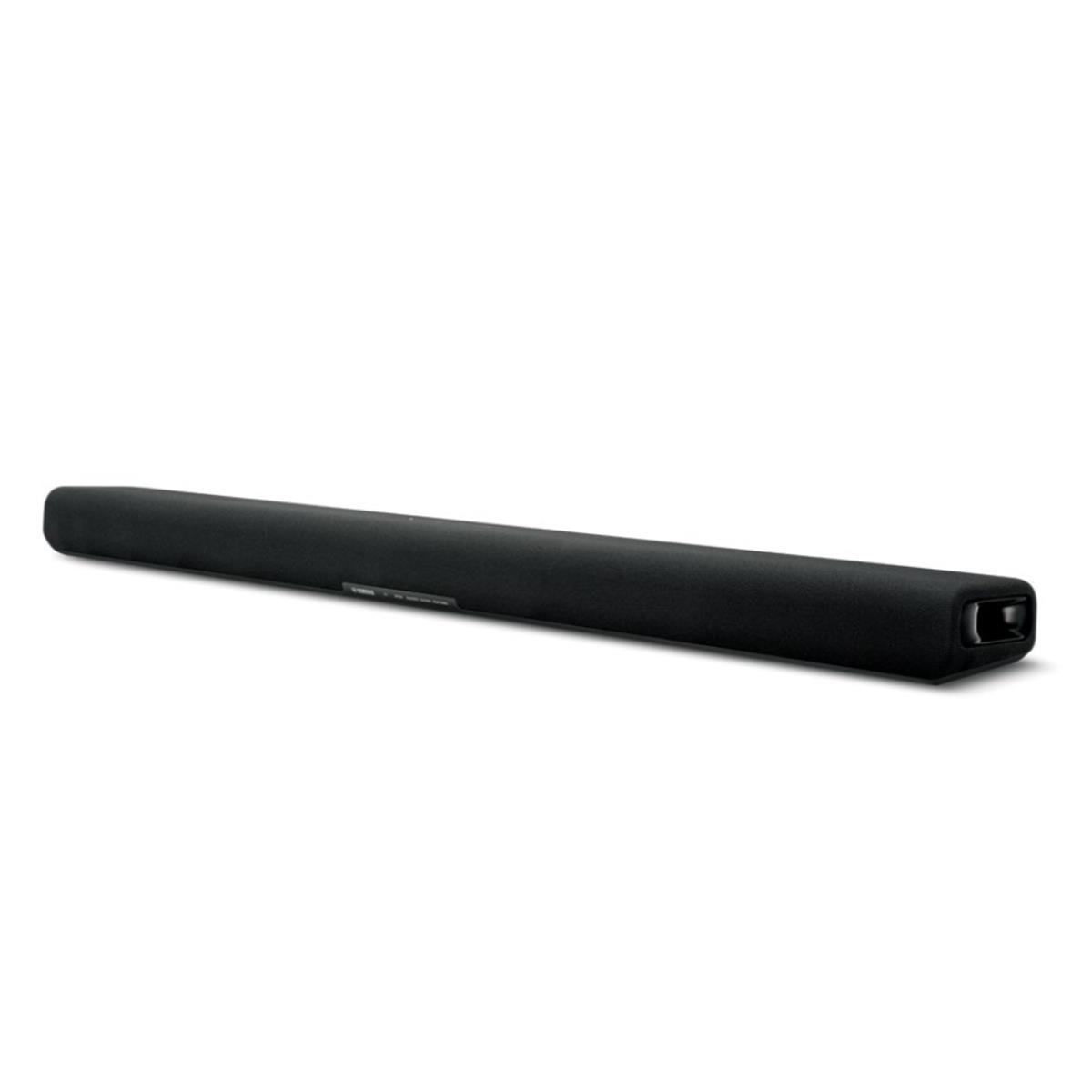
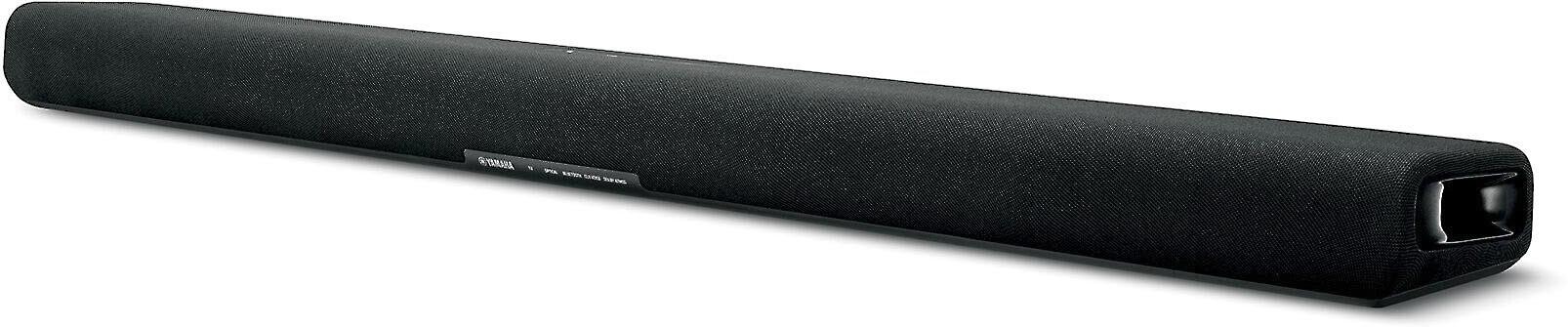
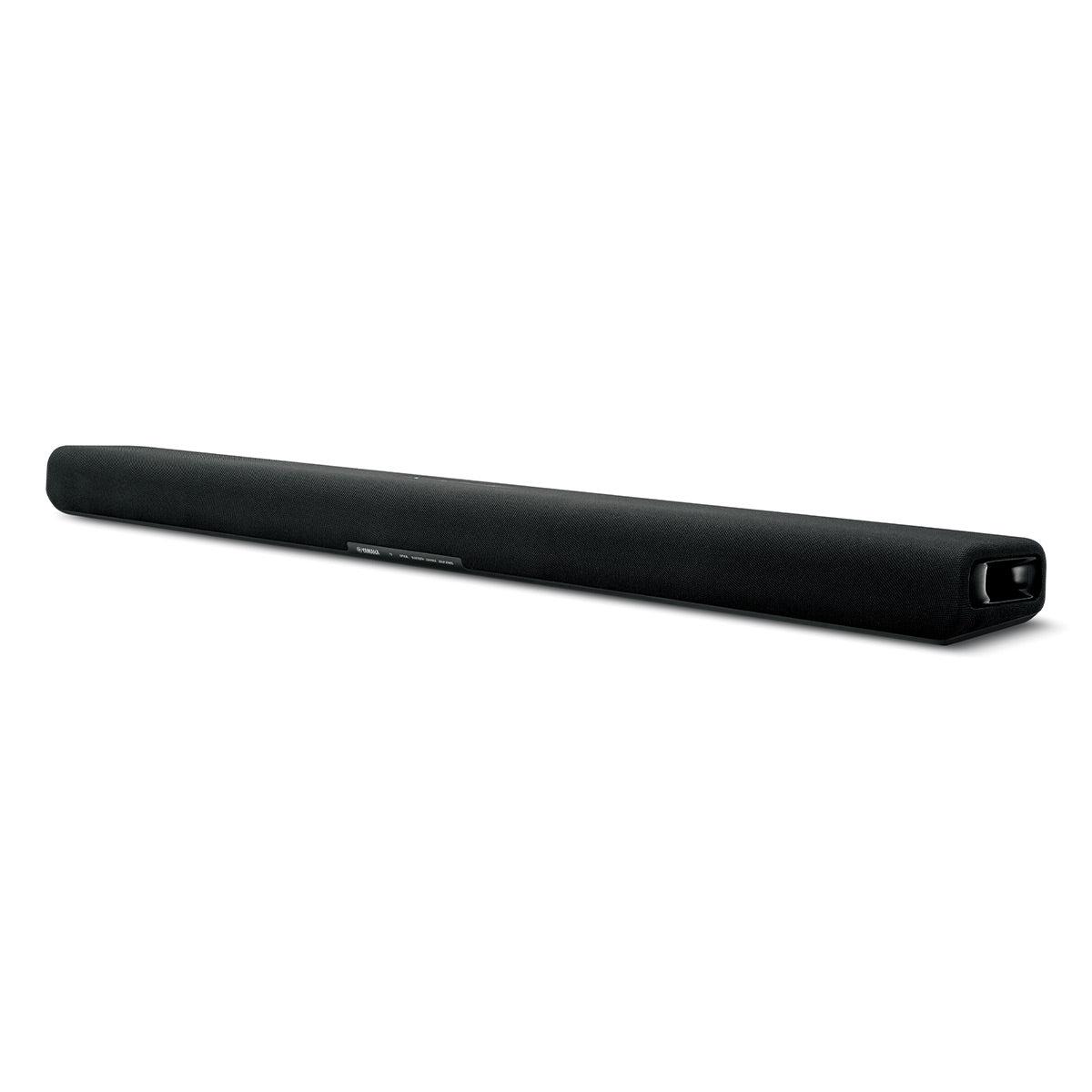
Meanwhile, the Yamaha SR-B30A takes a completely different approach. Rather than separate components and complex setup, Yamaha has built everything into a single, compact unit that focuses on delivering the biggest improvement over TV speakers for the least money and hassle.
These represent two distinct philosophies that have emerged in recent soundbar development. The premium approach uses multiple components and advanced processing to approximate a full surround sound system, while the value approach maximizes convenience and simplicity while still delivering substantial improvements.
The most obvious difference between these soundbars is power output. The Sony BRAVIA Theater Bar 6 delivers 350 watts of total system power compared to the Yamaha SR-B30A's 120 watts. This isn't just about volume—more power typically means better dynamic range (the difference between quiet and loud sounds), less distortion at higher volumes, and the ability to fill larger rooms effectively.
But raw power only tells part of the story. The Sony uses what they call X-Balanced drivers—rectangular speakers instead of the traditional circular ones. This might sound like marketing speak, but there's real science behind it. Rectangular drivers can have more surface area in the same amount of space, which means they can move more air and potentially produce clearer sound, especially in the midrange frequencies where voices live.
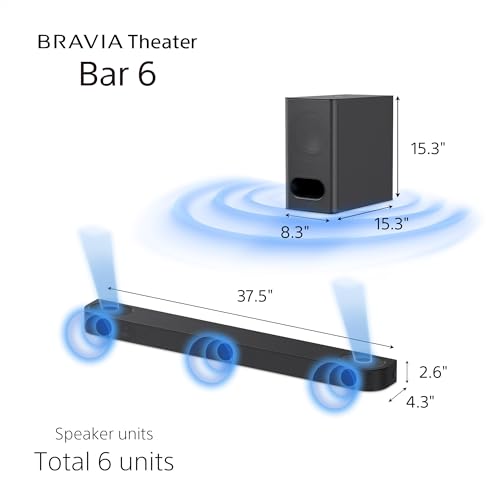
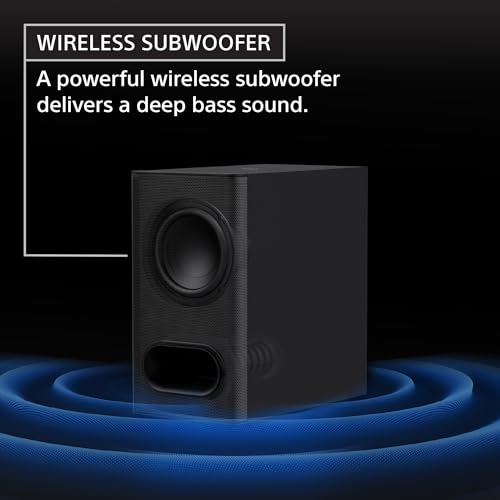
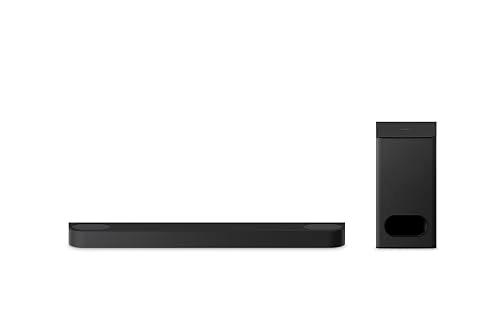
The bass story is where these soundbars really diverge. Sony's approach includes a separate wireless subwoofer with a 6-inch driver that can reproduce frequencies down to 20Hz—that's the threshold of human hearing. This separate subwoofer can be placed anywhere in your room for optimal bass response, and it produces the kind of deep, room-shaking bass that makes action movies feel cinematic.
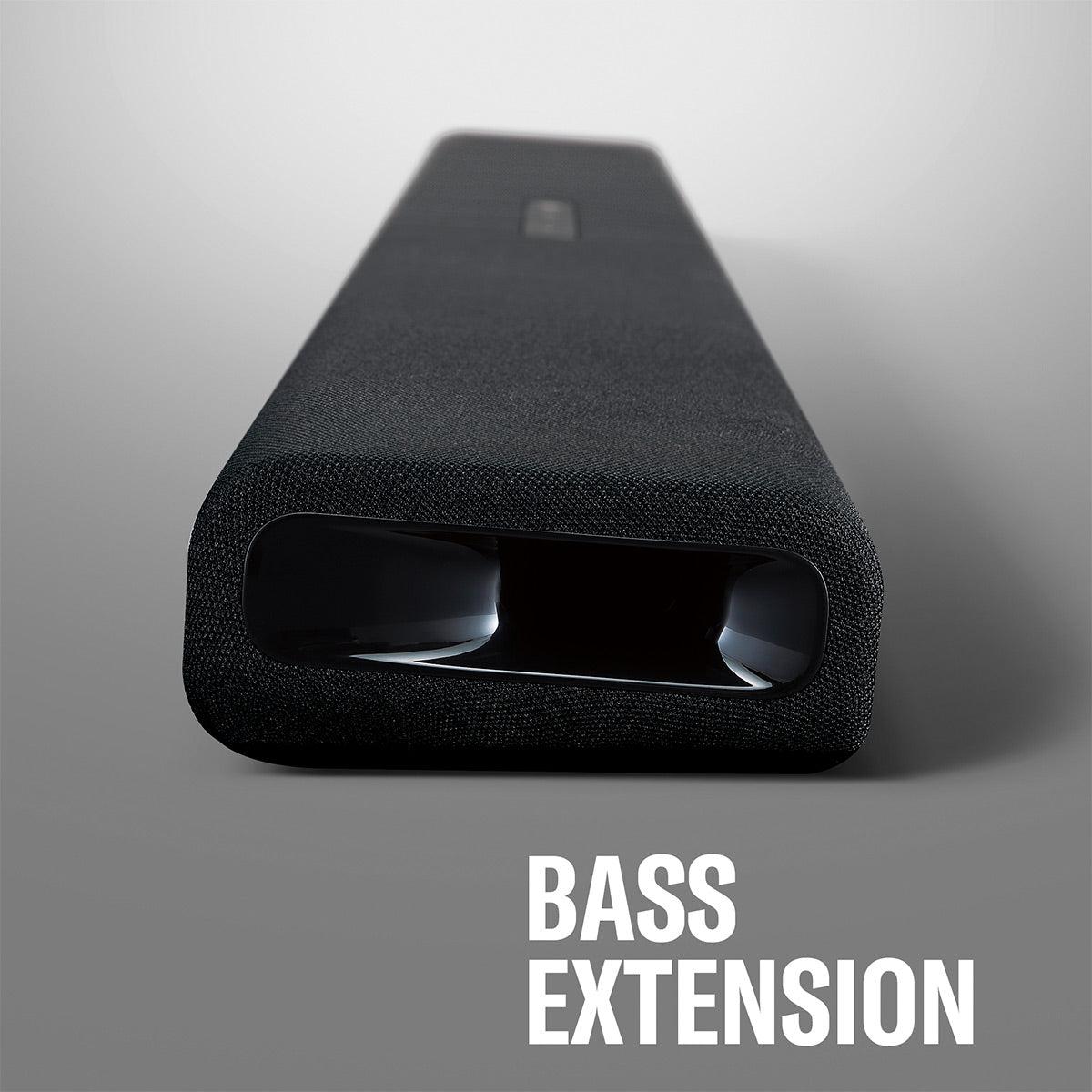
The Yamaha SR-B30A, by contrast, uses two 3-inch subwoofer drivers built directly into the main soundbar. This eliminates the need for a separate box (great for small spaces or renters), but physics is physics—smaller drivers in a smaller enclosure can only do so much. Yamaha specs the bass response down to 60Hz, which covers most TV content adequately but won't give you that chest-thumping impact during Avengers movies.
From my experience testing both types of systems, the difference is immediately apparent. The Sony delivers bass that you feel as much as hear, creating that visceral movie theater experience. The Yamaha provides perfectly adequate bass for most TV watching—dialogue sounds fuller, music has more body, and action scenes have impact—but it won't rattle your windows.
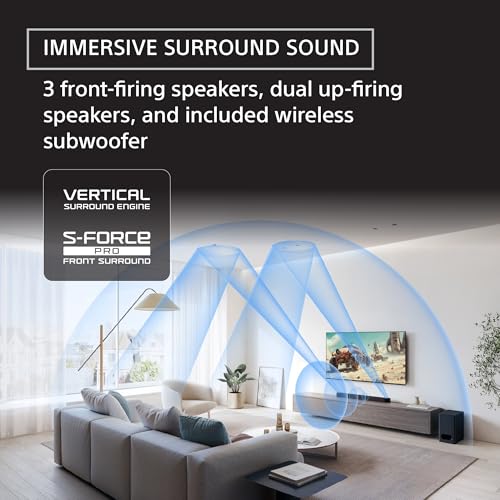
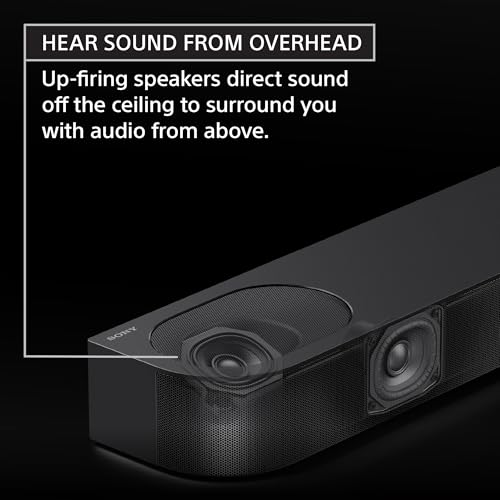
This is where the channel configuration becomes crucial. The Sony BRAVIA Theater Bar 6 is a 3.1.2 system, which means three front channels (left, center, right), one subwoofer channel, and two height channels. Those height channels are created by upward-firing speakers on top of the soundbar that bounce sound off your ceiling to create the illusion of overhead audio.
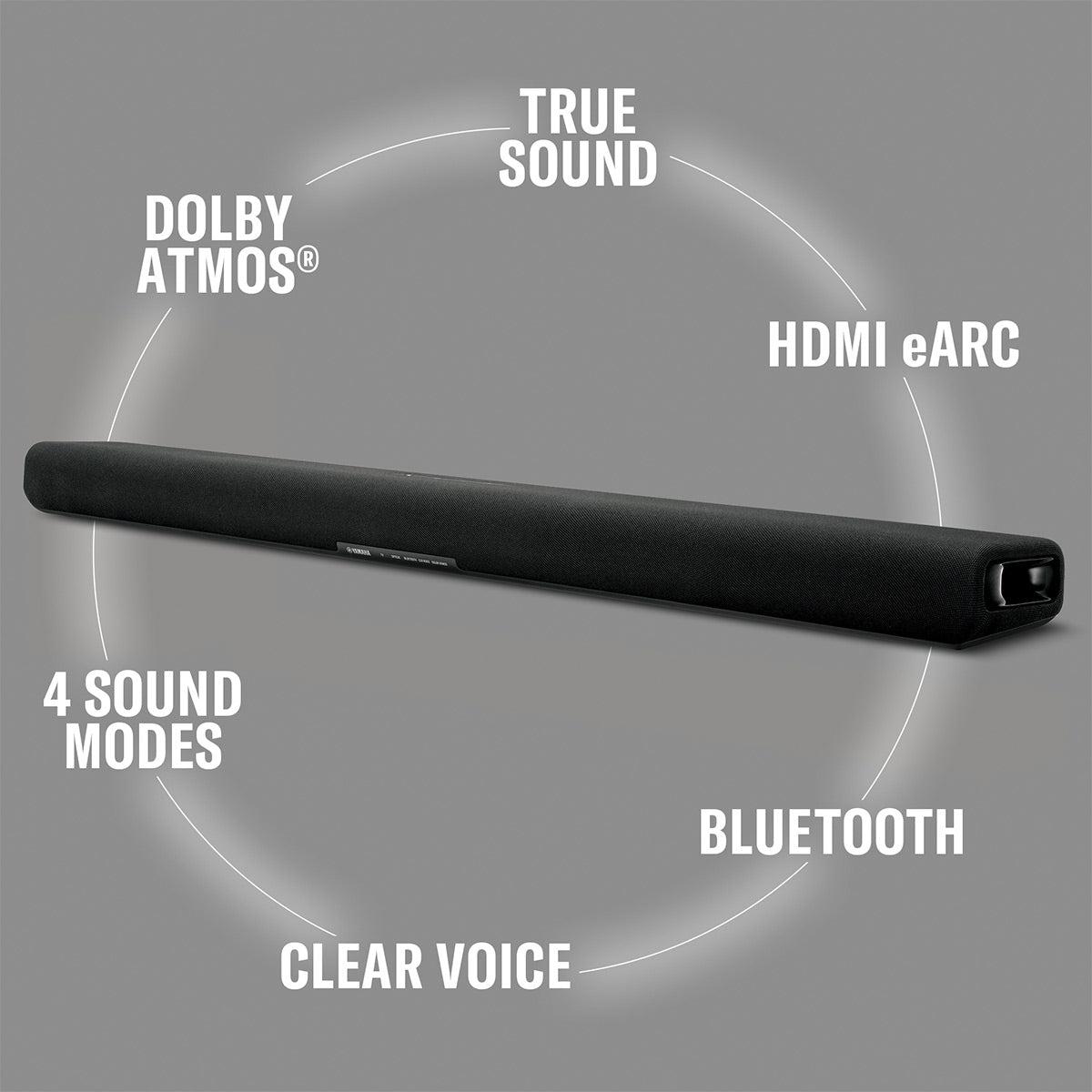
The Yamaha SR-B30A is a 2.1 system—left and right channels plus the built-in subwoofers. It can process Dolby Atmos content (the same spatial audio format the Sony uses), but it has to create all the surround and height effects virtually through digital processing rather than dedicated drivers.
Dolby Atmos, if you haven't encountered it, is a relatively new audio format that treats sounds as objects moving through three-dimensional space rather than just channels. Instead of sounds being locked to specific speakers, Atmos can place a helicopter overhead, rain all around you, or dialogue precisely at mouth height. It's become the gold standard for immersive audio in both movies and music.
The difference in Atmos performance between these soundbars is substantial. The Sony's dedicated height channels create a genuinely three-dimensional soundscape when the content and room acoustics cooperate. You'll hear bullets whizzing overhead, aircraft flying from front to back, and ambient sounds that seem to come from everywhere and nowhere. The Yamaha can process the same Atmos information, but it has to rely on psychoacoustic tricks to fool your brain into hearing surround effects from just two main speakers.
However, real-world Atmos performance depends heavily on your room. Those upward-firing speakers on the Sony need a flat, reflective ceiling at the right height to work optimally. In rooms with vaulted ceilings, textured surfaces, or unusual layouts, the height effect can be diminished. The Yamaha's virtual surround processing, while less dramatic, tends to work more consistently across different room types.
Both manufacturers have recognized that dialogue clarity is often the primary reason people buy soundbars, but they've taken different approaches to solve the problem.
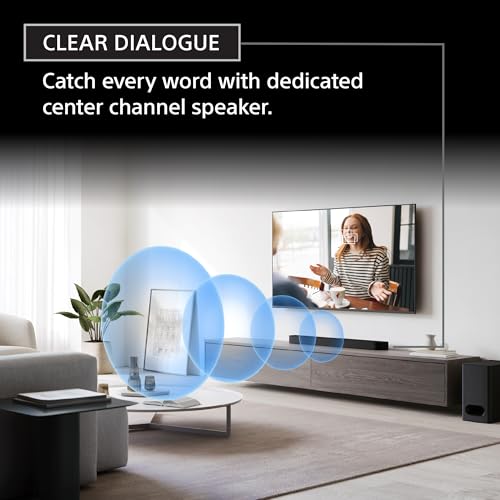
The Sony BRAVIA Theater Bar 6 uses a dedicated center channel—a speaker specifically designed to handle dialogue and positioned directly below your TV screen. This is the same approach used in professional movie theaters and high-end home theater systems. When voices are coming from their own dedicated speaker, they remain clear and focused even when explosions, music, and sound effects are happening simultaneously.
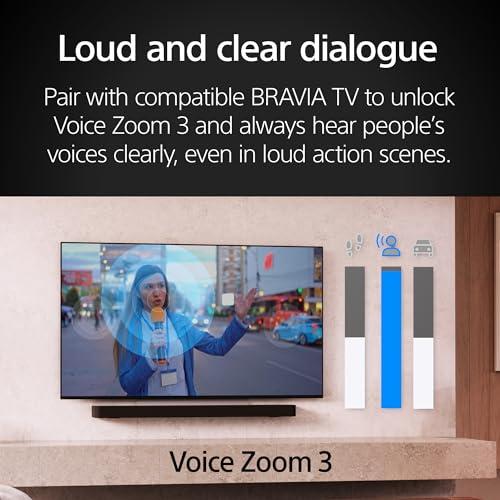
Sony enhances this with their Clear Voice algorithm and something called Voice Zoom 3.0 when paired with compatible Sony BRAVIA TVs. Voice Zoom uses artificial intelligence to analyze the audio track and boost dialogue frequencies while slightly reducing competing sounds. It's surprisingly effective, though it works best with Sony's own televisions due to integrated processing.
The Yamaha SR-B30A takes a different approach with their Clear Voice technology. Instead of a dedicated center channel, this system uses digital processing to create what's essentially a virtual center channel, pulling dialogue forward in the mix and making it more prominent. Think of it as sophisticated karaoke technology in reverse—instead of removing vocals, it isolates and enhances them.
In practical terms, both approaches work well, but the Sony's hardware-based solution tends to be more consistent across different types of content. The dedicated center channel doesn't have to compete with other frequencies for the same drivers, so dialogue remains clear even during complex soundtracks. The Yamaha's processing works excellently for most TV content but can occasionally struggle with particularly dense movie soundtracks where everything is competing for the same drivers.
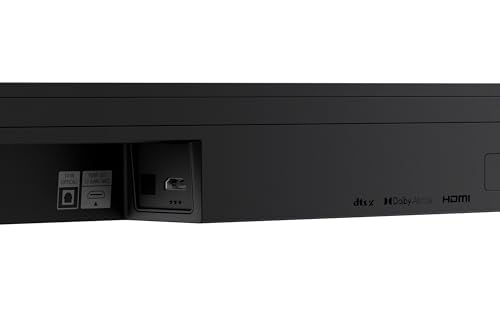
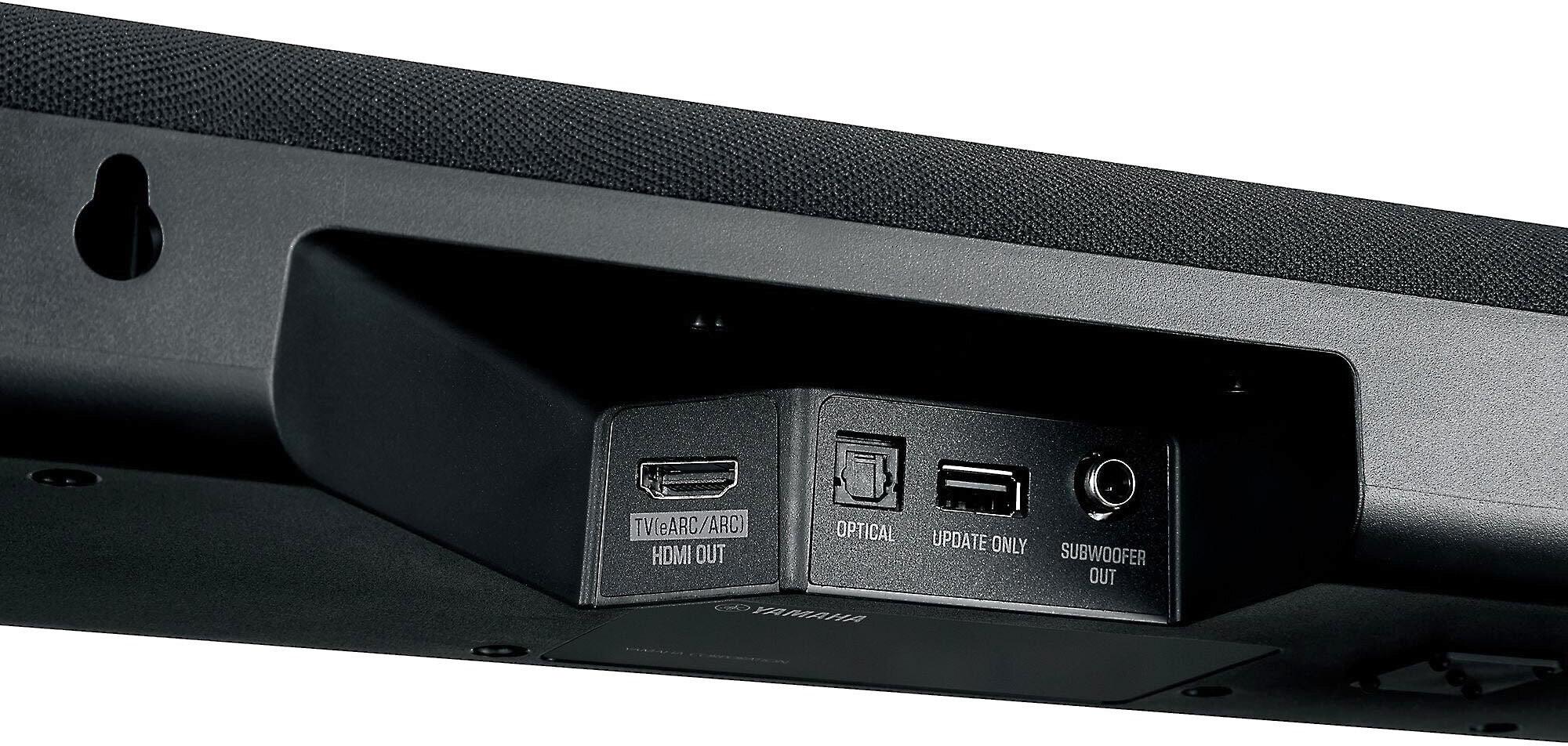
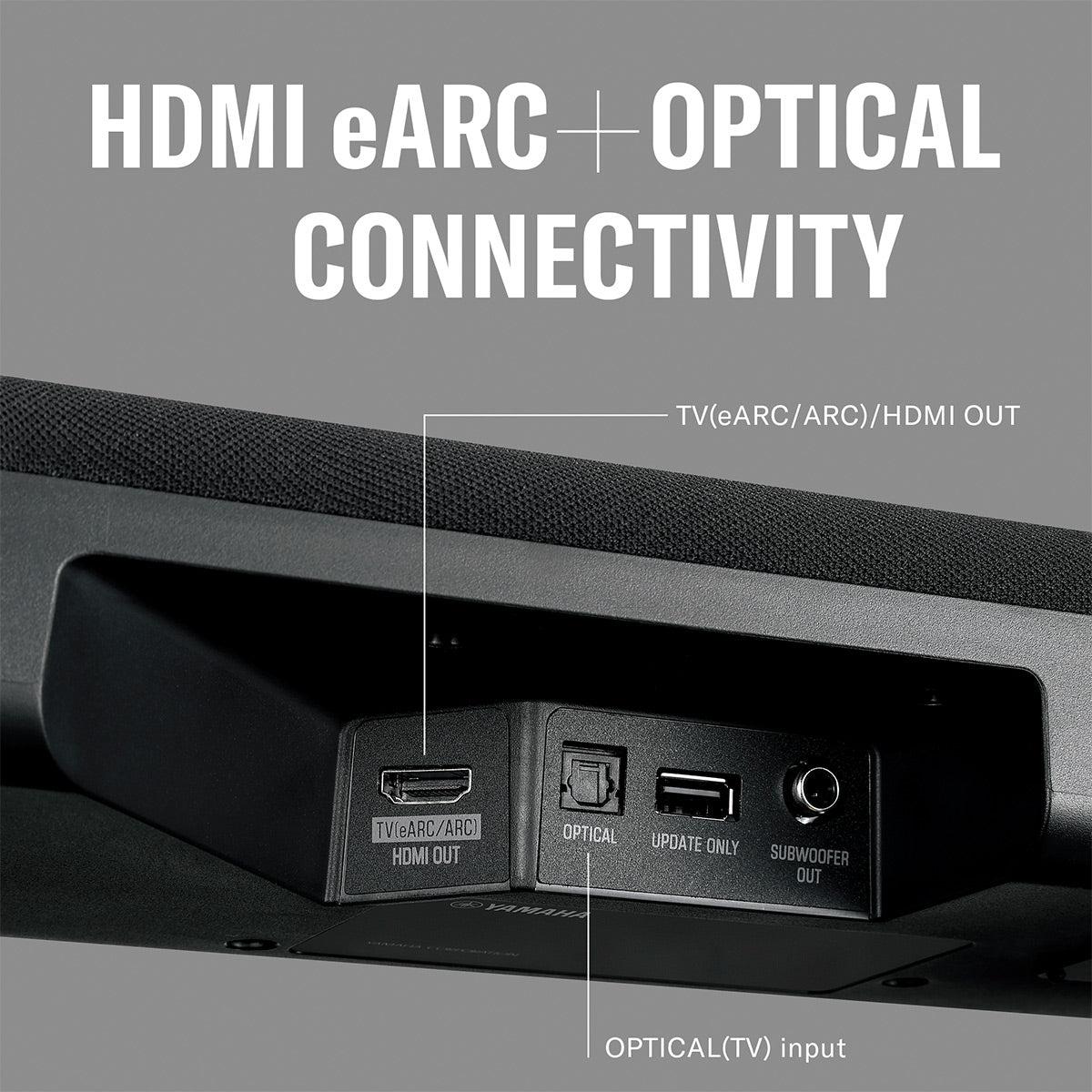
Modern soundbars aren't just speakers—they're smart devices that need to integrate seamlessly with your existing entertainment setup. Both soundbars include HDMI eARC (enhanced Audio Return Channel), which is currently the best way to connect a soundbar to your TV. This single cable carries high-quality audio back from your TV to the soundbar, including advanced formats like Dolby Atmos.
The Sony BRAVIA Theater Bar 6 includes their BRAVIA Connect app, which provides detailed control over sound customization. You can adjust bass levels, height channel intensity, and even input your room dimensions for manual calibration. When paired with Sony TVs, the integration goes deeper—you can control the soundbar through your TV's settings menu and even use the TV's own speakers in conjunction with the soundbar for enhanced dialogue clarity.
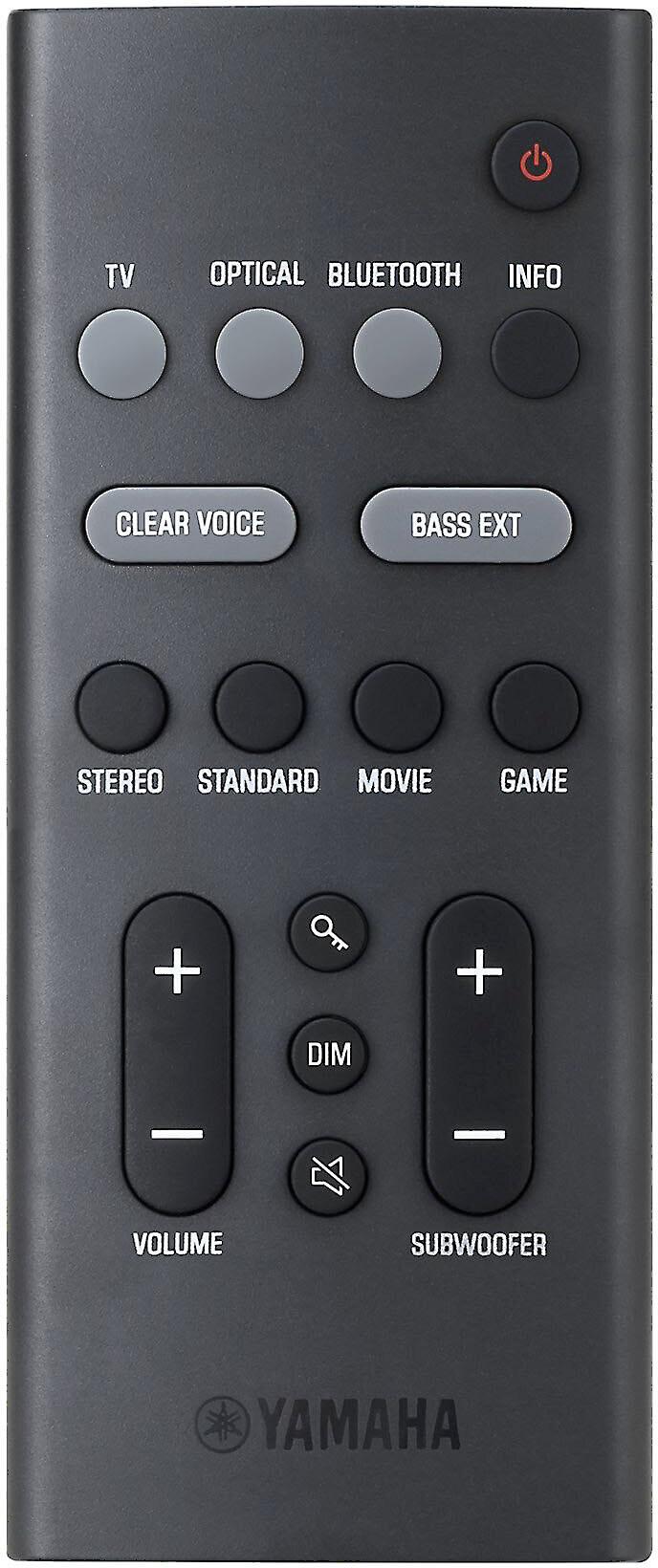
The Yamaha SR-B30A keeps things simpler with their Sound Bar Remote app, which handles basic functions and sound mode selection. While less comprehensive than Sony's approach, it covers the essential controls most users actually need without overwhelming complexity.
Both soundbars support Bluetooth streaming from phones and tablets, but neither includes Wi-Fi connectivity for direct music streaming services. This keeps costs down but means you'll need to use your TV or a separate streaming device for services like Spotify or Apple Music.
Your room size significantly influences which soundbar will work better for your setup. The Sony BRAVIA Theater Bar 6 is designed for medium to large rooms, roughly 200 square feet or larger. Its separate subwoofer gives you placement flexibility—you can position it wherever it sounds best, whether that's in a corner for maximum bass boost or along a side wall for more even distribution.
The 350-watt power output means the Sony can fill larger spaces without strain, maintaining clear dialogue and impactful effects even at the higher volumes needed for bigger rooms. The upward-firing Atmos speakers also need some room to work—they're most effective with 8-10 foot ceilings and at least a few feet of clear space above the soundbar.
The Yamaha SR-B30A is optimized for smaller to medium spaces, roughly 150 square feet or less. Its compact design makes it perfect for apartments, bedrooms, or cozy living rooms where a separate subwoofer might be impractical. The built-in bass drivers are tuned to provide adequate low-end response in smaller acoustic spaces where room reinforcement helps extend the perceived bass response.
For apartment dwellers or anyone with space constraints, the Yamaha offers a significant advantage. There's no separate subwoofer to find space for, no additional power cable to run, and the compact footprint fits easily in most entertainment centers.
At the time of writing, the Sony BRAVIA Theater Bar 6 costs roughly twice as much as the Yamaha SR-B30A. This price difference reflects genuinely different approaches to delivering better TV audio, not just arbitrary market positioning.
The Sony delivers what I'd call premium performance—the kind of audio quality that makes you notice details in familiar movies you've never heard before. The dedicated subwoofer provides true cinematic bass, the center channel ensures dialogue clarity even in complex soundtracks, and the Atmos height channels create genuine immersion when everything aligns properly. You're paying for components and engineering that approximate a full surround sound system without the complexity.
The Yamaha represents exceptional value for fundamental TV audio improvement. While it won't deliver the visceral impact or spatial immersion of the Sony, it transforms TV audio from annoying to enjoyable. Dialogue becomes clear, music gains warmth and body, and action sequences have impact without requiring a second mortgage.
From my perspective, both soundbars deliver fair value for their respective price points. The Sony justifies its premium pricing with genuinely premium performance, while the Yamaha provides the biggest bang for your buck in terms of perceived improvement over built-in TV speakers.
If you're building a dedicated home theater or media room, the Sony BRAVIA Theater Bar 6 makes much more sense. Its higher power output, dedicated subwoofer, and true Atmos processing create an experience that approaches a full surround sound system while maintaining the simplicity of a soundbar setup. The ability to add optional wireless rear speakers later also provides an upgrade path if you want even more immersion.
For casual TV watching in a living room or bedroom, the Yamaha SR-B30A often provides all the improvement most people actually need. Its compact design doesn't dominate the space, setup is truly plug-and-play, and the audio quality improvement over TV speakers is immediately apparent and satisfying.
Choose the Sony BRAVIA Theater Bar 6 if you're serious about audio quality and have the budget and space to support it. This soundbar excels in medium to large rooms where you watch movies regularly and want that cinematic experience. It's particularly compelling if you own or plan to buy a Sony TV, where the integration features provide additional value.
The Yamaha SR-B30A is the smart choice for budget-conscious buyers who want significant audio improvement without complexity or space requirements. It's perfect for apartments, bedrooms, or any situation where you want better TV audio without the commitment of a premium system.
Both soundbars successfully solve the fundamental problem of terrible TV speakers, but they do so in ways that serve different needs and priorities. The Sony elevates your TV watching into a true entertainment experience, while the Yamaha simply makes everything you watch more enjoyable to hear. Depending on your situation, either approach might be exactly what you need.
| Sony BRAVIA Theater Bar 6 | Yamaha SR-B30A |
|---|---|
| Channel Configuration - Determines surround sound capabilities and dialogue clarity | |
| 3.1.2 channels with dedicated center channel and height speakers | 2.1 channels with virtual center processing |
| Total Power Output - Affects volume levels and dynamic range in larger rooms | |
| 350W (significantly more headroom for medium-large rooms) | 120W (adequate for small-medium spaces) |
| Subwoofer Design - Critical for bass impact and room placement flexibility | |
| Separate wireless 6-inch subwoofer (flexible placement, deeper bass) | Dual 3-inch built-in subwoofers (space-saving, no extra cables) |
| Bass Extension - Lower numbers mean deeper, more impactful bass | |
| 20Hz (cinema-quality low-end, you'll feel explosions) | 60Hz (adequate for TV content, less movie theater impact) |
| Dolby Atmos Implementation - How effectively it creates overhead sound effects | |
| Hardware-based with dedicated up-firing speakers | Virtual processing through main drivers |
| Smart Features - App control and TV integration capabilities | |
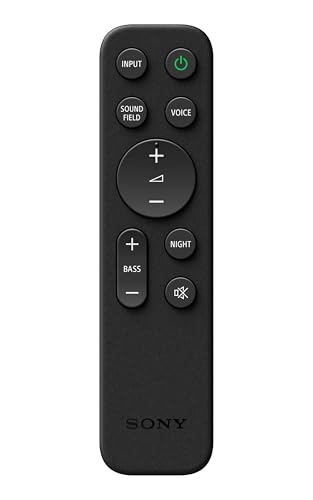
| BRAVIA Theater Bar 6 Connect app with room calibration, Voice Zoom 3.0 with Sony TVs | Basic Sound Bar Remote app, universal HDMI-CEC compatibility |
| Physical Footprint - Important for space-constrained setups | |
| Main bar + separate subwoofer (requires more space but flexible placement) | Single compact unit (36" bar only, perfect for small rooms) |
| Connectivity Options - How it connects to your TV and other devices | |
| HDMI eARC, optical, Bluetooth streaming | HDMI eARC, optical, Bluetooth 5.1 streaming |
| Expandability - Future upgrade potential | |
| Optional wireless rear speakers available | No expansion options |
| Target Room Size - Manufacturer's recommended optimal room dimensions | |
| Medium to large rooms (200+ sq ft) | Small to medium rooms (under 200 sq ft) |
| Best Use Case - Where each soundbar excels most | |
| Home theater enthusiasts wanting cinematic audio with Sony TV integration | Budget-conscious buyers seeking maximum TV audio improvement with minimal complexity |
The Yamaha SR-B30A is ideal for small apartments because it's an all-in-one design with built-in subwoofers. You don't need to find space for a separate subwoofer like with the Sony BRAVIA Theater Bar 6, making the Yamaha perfect for space-constrained living situations.
The Sony BRAVIA Theater Bar 6 is a premium 3.1.2 system with a separate wireless subwoofer and dedicated height speakers for true Dolby Atmos, while the Yamaha SR-B30A is a compact 2.1 system with everything built into one bar. The Sony offers cinema-quality audio, while the Yamaha focuses on maximum convenience and value.
The Sony BRAVIA Theater Bar 6 has significantly better bass with its dedicated 6-inch wireless subwoofer that reaches down to 20Hz. The Yamaha SR-B30A has adequate bass from its built-in 3-inch drivers, but it can't match the depth and impact of the Sony's separate subwoofer.
No, the Sony BRAVIA Theater Bar 6 works with any TV that has HDMI or optical output. However, you get extra features like Voice Zoom 3.0 and deeper integration when paired with Sony BRAVIA TVs. The Yamaha SR-B30A works universally with all TV brands.
The Sony BRAVIA Theater Bar 6 has superior dialogue clarity thanks to its dedicated center channel speaker and Clear Voice processing. While the Yamaha SR-B30A also has Clear Voice technology, it must create a virtual center channel, making the Sony more consistent for clear speech.
The Sony BRAVIA Theater Bar 6 delivers 350 watts of total power, while the Yamaha SR-B30A provides 120 watts. The higher power of the Sony means it can fill larger rooms more effectively and handle dynamic movie soundtracks better.
The Yamaha SR-B30A is much easier to set up because it's a single unit with no separate subwoofer to position or connect. The Sony BRAVIA Theater Bar 6 requires placing and wirelessly pairing a subwoofer, though the setup process is still straightforward with the Sony app.
Yes, both the Sony BRAVIA Theater Bar 6 and Yamaha SR-B30A support Dolby Atmos. However, the Sony uses dedicated up-firing speakers for true height effects, while the Yamaha creates virtual Atmos through digital processing of its main drivers.
The Yamaha SR-B30A offers exceptional value for basic soundbar needs at roughly half the cost of the Sony BRAVIA Theater Bar 6. However, the Sony justifies its higher price with premium components, better bass, and true surround sound capabilities.
Only the Sony BRAVIA Theater Bar 6 is expandable - you can add optional wireless rear speakers for a full surround system. The Yamaha SR-B30A has no expansion options, so what you buy is what you get with the Yamaha.
The Sony BRAVIA Theater Bar 6 is significantly better for dedicated home theater setups. Its higher power output, dedicated subwoofer, true Dolby Atmos with height channels, and expansion capability make the Sony ideal for serious movie watching in medium to large rooms.
The Yamaha SR-B30A is more compact at 36 inches wide in a single unit, while the Sony BRAVIA Theater Bar 6 includes both the main bar and a separate wireless subwoofer. The Yamaha takes up less total space, but the Sony offers flexible subwoofer placement for optimal bass.
We've done our best to create useful and informative comparisons to help you decide what product to buy. Our research uses advanced automated methods to create this comparison and perfection is not possible - please contact us for corrections or questions. These are the sites we've researched in the creation of this article: rtings.com - bestbuy.com - whathifi.com - youtube.com - youtube.com - sony.com - galaxus.at - helpguide.sony.net - audioadvice.com - electronics.sony.com - youtube.com - youtube.com - electronics.sony.com - helpguide.sony.net - whatgear.net - consumerreports.org - usa.yamaha.com - worldwidestereo.com - audiolab.com - shop.sg.yamaha.com - consumerreports.org - usa.yamaha.com - vinylsound.ca - bestbuy.com - modernappliancewoodward.com - bluestardist.com - target.com - my.yamaha.com

Privacy Policy
Terms and Conditions - Affiliate Policy
Home Security
© Copyright 2008-2026.
11816 Inwood Rd #1211, Dallas, TX 75244