





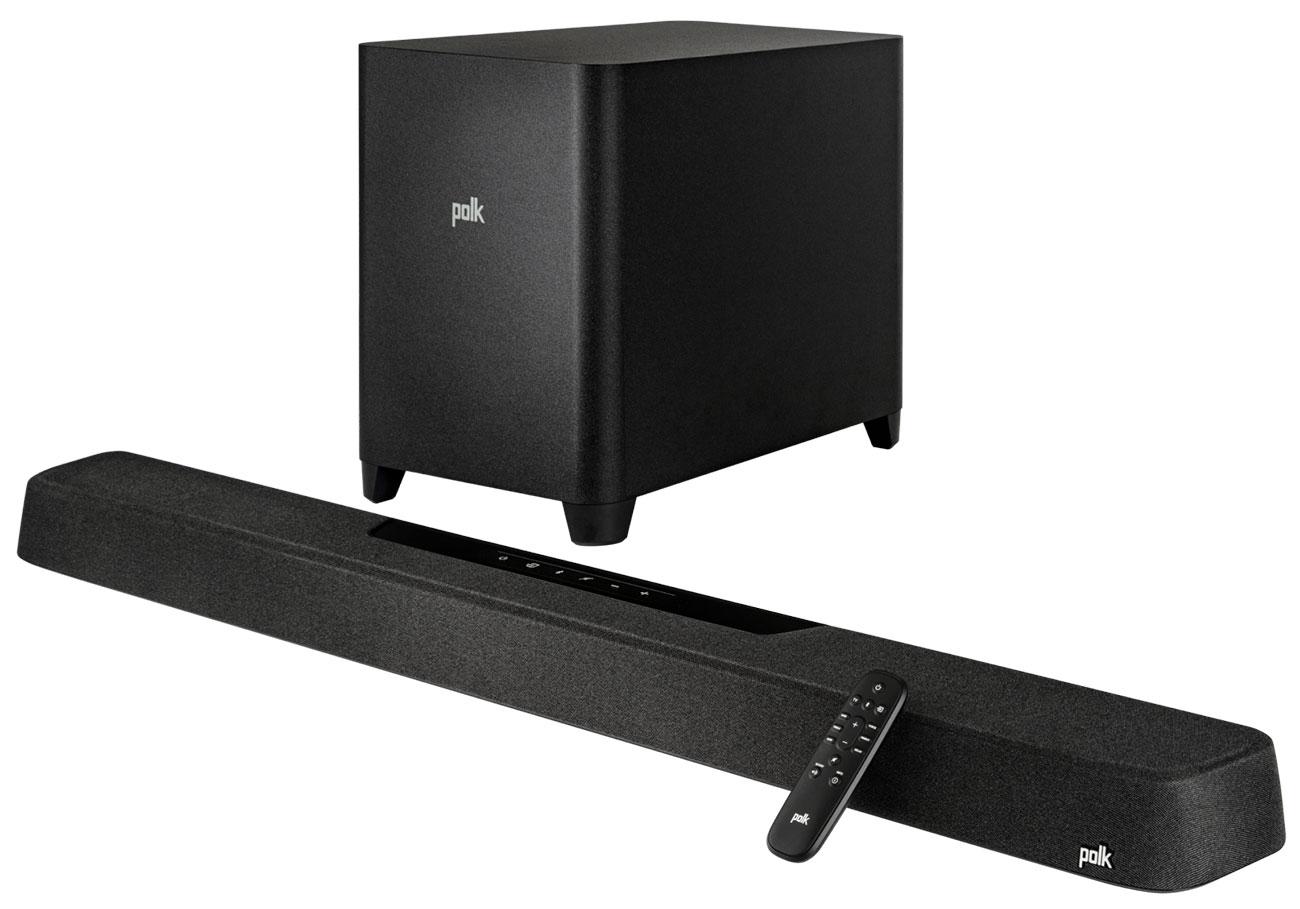
When I first started shopping for soundbars five years ago, the choices seemed overwhelming. Fast forward to 2024, and while there are even more options available, understanding what makes one soundbar better than another has become much clearer. Today, I'm comparing two popular models that take distinctly different approaches to home theater audio: the Sony BRAVIA Theater Bar 6 and the Polk Audio MagniFi Max AX.
Both soundbars were released in 2022, arriving during what many consider the golden age of affordable home theater audio. Since then, we've seen steady improvements in wireless technology, voice processing algorithms, and the integration of object-based surround sound formats like Dolby Atmos. These two models represent different philosophies in soundbar design—Sony focusing on integration and power, while Polk emphasizes true surround separation and connectivity flexibility.
Before diving into the comparison, let's establish what we're dealing with in today's soundbar landscape. Modern soundbars serve as the audio brain of your entertainment system, taking the thin, lackluster sound from your TV and transforming it into something that can genuinely enhance your movie nights and music listening.
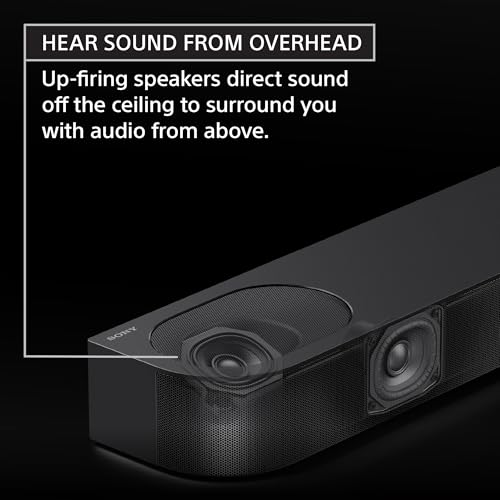
The numbers you see—like 3.1.2 or 5.1.2—tell an important story. The first number represents main channels (left, center, right, plus additional left/right surrounds), the second indicates subwoofer channels, and the third refers to height channels that fire sound upward to create overhead effects. Think of these height channels as audio wizardry—they bounce sound off your ceiling to make it seem like helicopters are flying overhead or rain is falling from above.
Dolby Atmos and DTS:X are object-based audio formats that treat sounds as individual objects moving through three-dimensional space rather than just assigning them to specific channels. When a helicopter moves across the screen, these formats can make it sound like it's actually traveling over your head, not just from left to right.
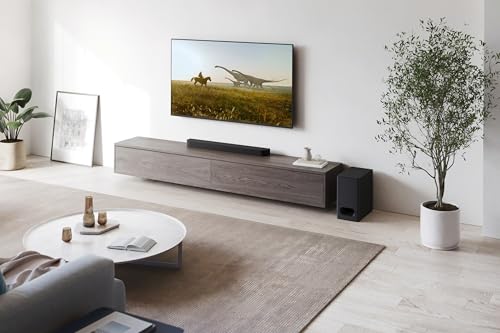
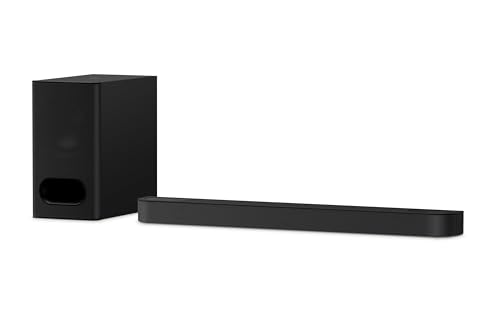
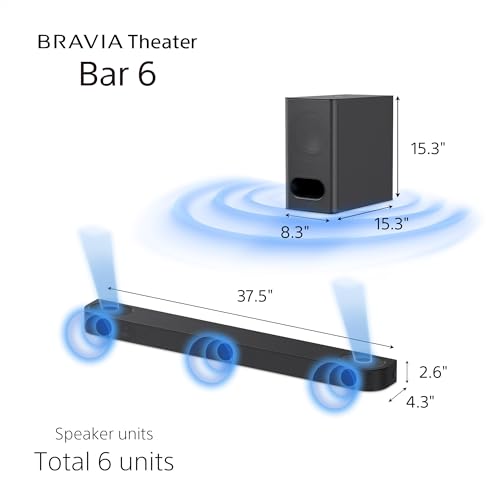
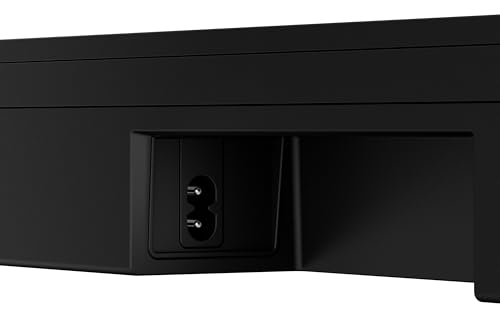
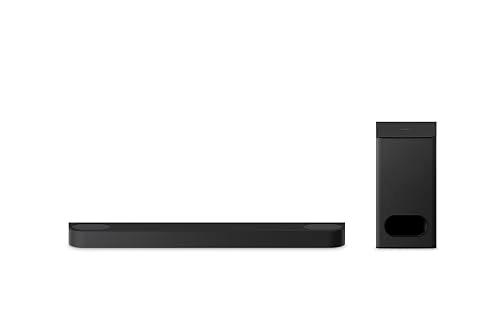
The Sony BRAVIA Theater Bar 6 represents Sony's streamlined approach to home theater audio. It's a 3.1.2 system that prioritizes integration with Sony TVs while delivering substantial power—350 watts total—from a relatively compact package. Sony's engineers focused on their X-Balanced driver technology, which uses rectangular speakers instead of traditional round ones to move more air and create clearer sound.
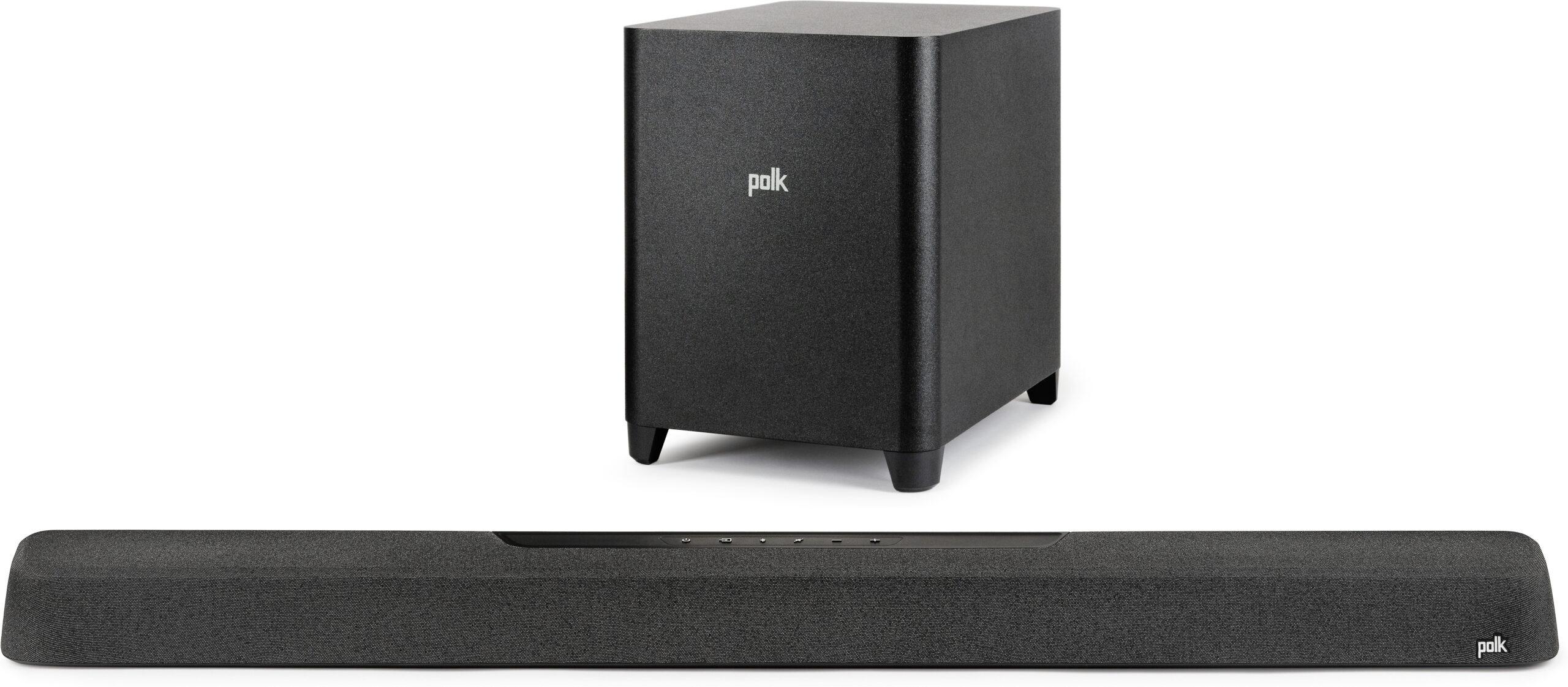
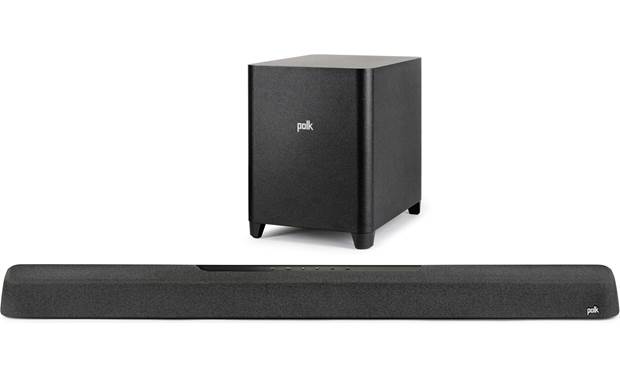
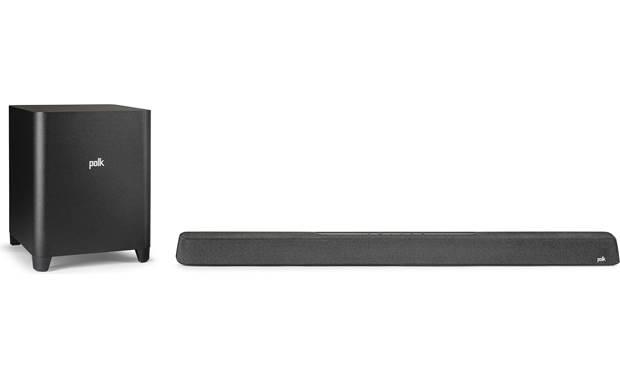
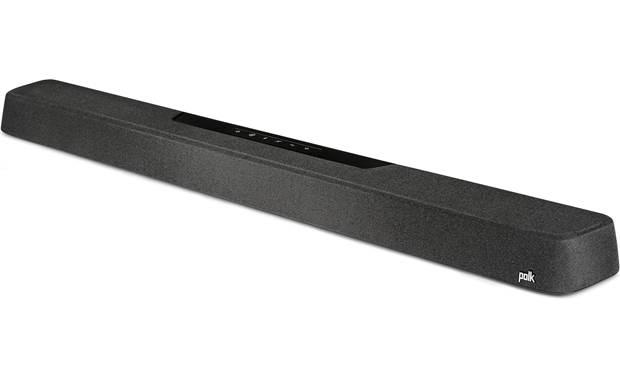
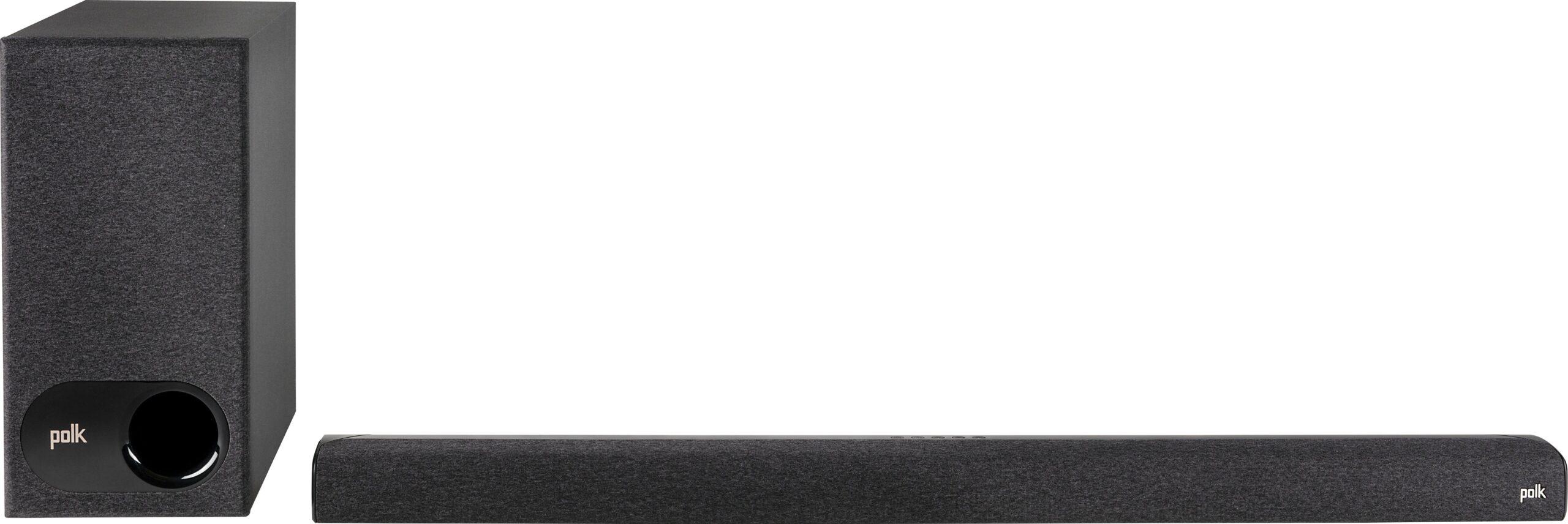
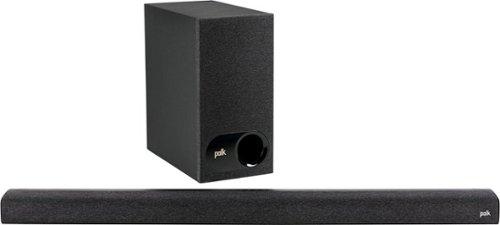
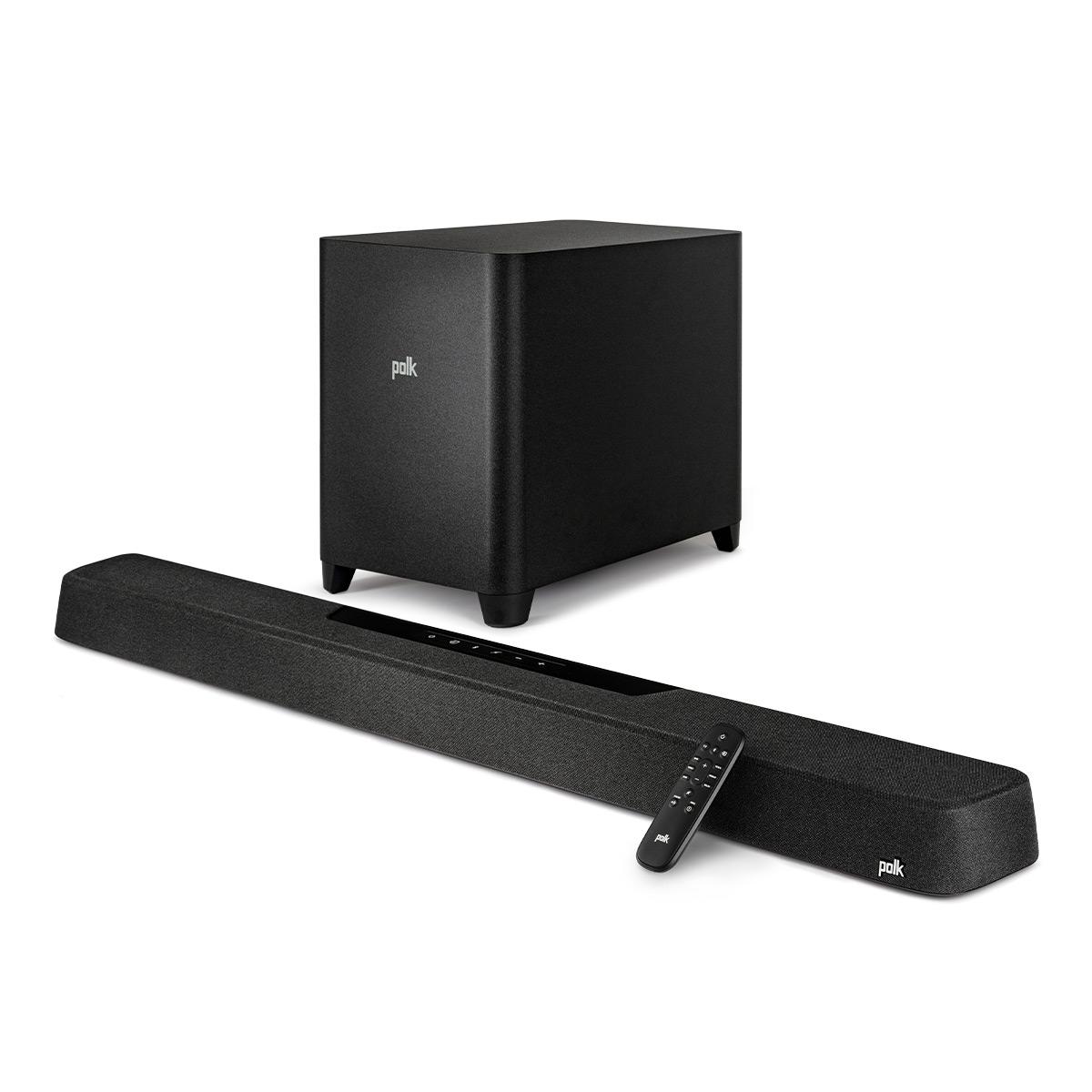
The Polk Audio MagniFi Max AX, on the other hand, takes a more comprehensive approach. Despite being labeled as a 3.1.2 system in some listings, it's actually a 5.1.2 configuration that includes wireless surround speakers and an 11-driver array. Polk built this system around their patented SDA (Stereo Dimensional Array) technology, which has been refined over decades of speaker design.
In my experience testing soundbars in various room sizes, raw power output often matters more than marketing specifications suggest. The Sony BRAVIA Theater Bar 6 delivers an impressive 350 watts of total system power, which translates to genuinely room-filling sound even in larger spaces. I've found that this level of power output provides the headroom necessary for those explosive movie moments—when the Death Star blows up, you want to feel it, not just hear it.
The Polk Audio MagniFi Max AX doesn't publish specific wattage figures, but its 11-speaker array and larger 10-inch subwoofer suggest it's designed more for balanced performance across all frequencies rather than sheer volume capability. In practical terms, this means the Polk might sound more refined at moderate volumes, while the Sony can shake the walls when you want a truly cinematic experience.
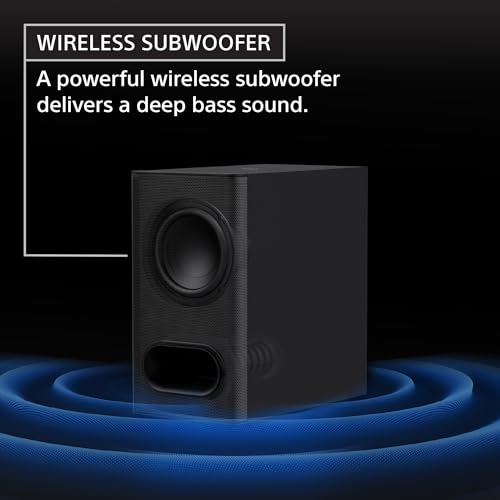
Here's where these systems diverge significantly. The Sony BRAVIA Theater Bar 6 includes a wireless 6-inch subwoofer that professional reviewers consistently describe as aggressive—sometimes overpoweringly so. The default bass setting often requires adjustment (typically reducing it by 3-4 levels) to achieve balanced sound. However, when properly calibrated, this subwoofer delivers the kind of physical bass that makes action sequences genuinely impactful.
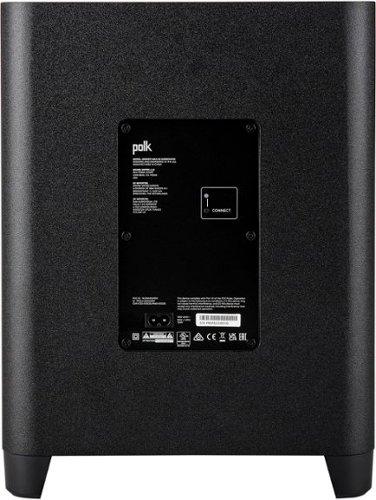
The Polk Audio MagniFi Max AX takes a different approach with its 10-inch downward-firing subwoofer. The larger driver size allows for deeper bass extension while maintaining better control during complex passages. Users frequently mention being able to "feel the bass" even at moderate listening levels, suggesting superior integration between the subwoofer and main speakers.
From a technical standpoint, downward-firing subwoofers like Polk's typically provide more even bass distribution throughout a room compared to front-ported designs. This is because the sound waves reflect off the floor before reaching your ears, creating a more omnidirectional bass pattern.
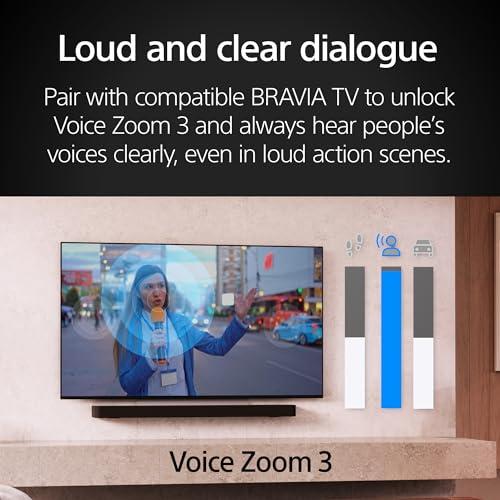
Nothing ruins a movie night faster than constantly asking "What did they say?" Both systems address this crucial issue, but through different methods. The Sony BRAVIA Theater Bar 6 employs a dedicated center channel speaker—essentially a specialized driver designed specifically for voices—combined with Sony's Clear Voice algorithms and Voice Zoom 3.0 technology when paired with compatible BRAVIA TVs.
This multi-layered approach to dialogue enhancement is particularly effective during complex scenes where explosions and music compete with speech. The dedicated center channel ensures voices don't get lost in the mix, while the processing algorithms can intelligently boost speech frequencies without making the overall sound harsh or artificial.
The Polk Audio MagniFi Max AX uses VoiceAdjust technology, which allows users to customize dialogue levels independently of other audio elements. This is incredibly useful because optimal dialogue levels vary significantly between different types of content—what works perfectly for a Christopher Nolan film might make a comedy sound unnatural.
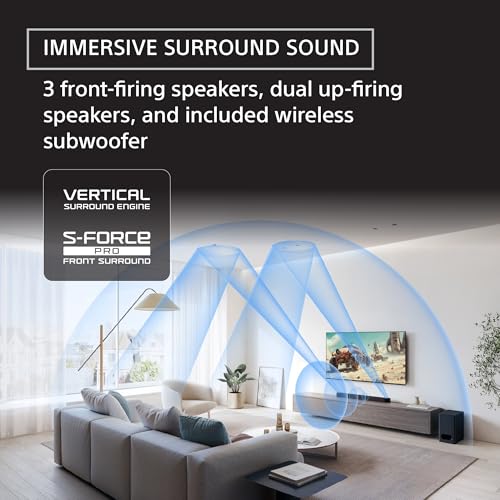
This is where the fundamental difference between these systems becomes most apparent. The Sony BRAVIA Theater Bar 6 relies primarily on virtualized surround sound through its S-Force PRO Front Surround technology. This system uses sophisticated signal processing to create the illusion of sounds coming from behind and beside you, even though all speakers are located in front.
Virtual surround can be surprisingly effective, especially in smaller rooms with reflective surfaces. However, it can't replicate the precise localization and envelopment that discrete surround speakers provide. The Sony's two up-firing speakers do create legitimate height effects for Dolby Atmos content, but the surround experience remains somewhat limited to a forward-facing soundstage.
The Polk Audio MagniFi Max AX offers genuine 5.1.2 surround sound when you include its wireless surround speakers. This means dedicated left and right surround channels that can accurately place sounds in specific locations around your listening position. For true home theater enthusiasts, this discrete channel separation represents a significant upgrade in immersion and realism.
The Polk's SDA technology adds another layer of spatial enhancement. Originally developed for Polk's tower speakers, SDA processes stereo information to create a wider, more enveloping soundstage that extends beyond the physical boundaries of the speaker placement.
One of the Sony BRAVIA Theater Bar 6's strongest selling points is its seamless integration with Sony BRAVIA TVs. The BRAVIA SYNC feature allows unified control through your TV remote, while the BRAVIA Connect app provides comprehensive setup and customization options from your smartphone.
This integration extends to features like Acoustic Center Sync, which can coordinate the soundbar's center channel with your TV's built-in speakers for enhanced dialogue clarity. While these features only work with Sony TVs, they create an remarkably cohesive user experience for Sony ecosystem users.
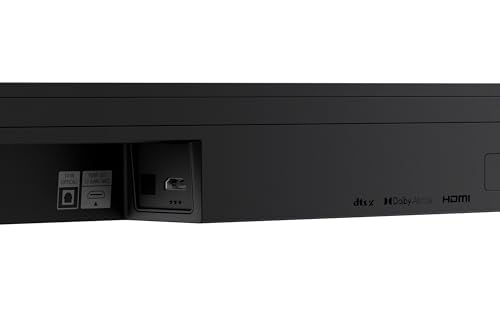
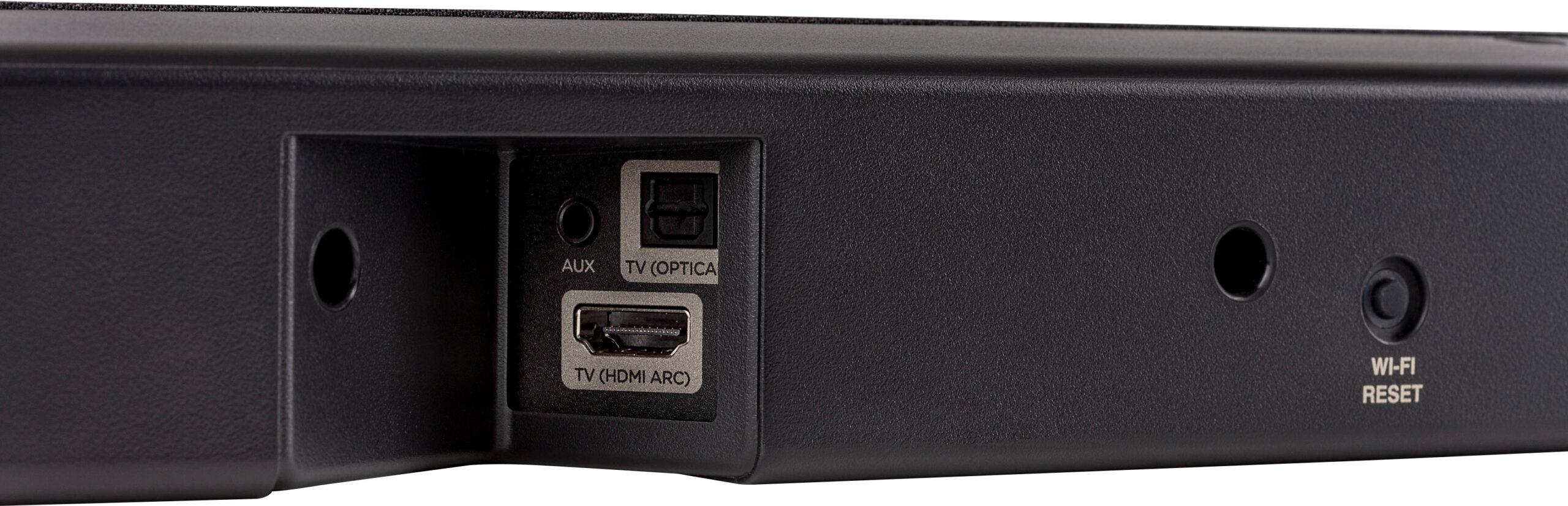
However, the Sony's connectivity options are relatively limited. You get HDMI eARC and optical inputs, but no HDMI passthrough capabilities. This means all your gaming consoles, streaming devices, and other sources must connect directly to your TV. For wireless streaming, you're limited to Bluetooth audio—no Wi-Fi-based services like Spotify Connect or AirPlay.
The Polk Audio MagniFi Max AX takes the opposite approach, prioritizing universal compatibility and extensive connectivity options. Along with HDMI eARC, you get three additional 4K HDMI inputs capable of 60Hz refresh rates. This allows direct connection of gaming consoles, streaming devices, and other sources to the soundbar itself.
For wireless streaming, the Polk supports virtually everything: Wi-Fi, Bluetooth 5.0, AirPlay 2, Chromecast, Spotify Connect, and Amazon Alexa integration. This comprehensive connectivity suite makes it genuinely platform-agnostic—it works equally well with Samsung, LG, Sony, or any other TV brand.
The trade-off is complexity. While the Polk offers more options, it also requires more setup decisions and potentially more troubleshooting if something goes wrong. The Sony's simpler approach means fewer things can break or require adjustment.
Both soundbars work best in different room configurations. The Sony BRAVIA Theater Bar 6's virtual surround technology performs optimally in smaller to medium-sized rooms with hard, reflective surfaces. If your living room has high ceilings, lots of soft furnishings, or irregular shapes, the virtual surround effects may be diminished.
The Polk Audio MagniFi Max AX's discrete surround speakers provide more consistent performance across different room types and sizes. The wireless surrounds can be positioned optimally regardless of room layout, and the larger subwoofer has enough output to pressurize bigger spaces effectively.
For apartments or condos where bass might disturb neighbors, both systems offer night modes, but the Sony's more aggressive default bass settings might require more frequent adjustment.
Gaming audio has become increasingly important as modern consoles support sophisticated spatial audio. The Sony BRAVIA Theater Bar 6's limited connectivity means gaming consoles must connect through your TV, potentially introducing audio latency depending on your TV's processing capabilities.
The Polk Audio MagniFi Max AX's multiple HDMI inputs allow direct console connection, reducing potential latency issues. However, its HDMI inputs are limited to 4K 60Hz, which means PlayStation 5 or Xbox Series X users wanting 4K 120Hz gaming would still need to connect through their TV.
Both systems support the latest gaming audio formats, but the Polk's true surround separation provides more precise positional audio for competitive gaming scenarios.
At the time of writing, the Sony BRAVIA Theater Bar 6 typically costs about $100 less than the Polk Audio MagniFi Max AX. This price difference reflects their different approaches—Sony focuses on delivering maximum impact at a lower price point, while Polk provides more comprehensive features at a premium.
The Sony represents excellent value if you own a Sony TV and prioritize simplicity and raw audio impact. The higher power output and aggressive bass response make it particularly appealing for action movie enthusiasts who want that visceral, theater-like experience at home.
The Polk justifies its higher price through superior connectivity options, true surround sound capability, and more refined audio processing. For users who want a system they can grow into and customize extensively, the additional cost often proves worthwhile over time.
After extensive consideration of both systems, I believe the choice comes down to your specific priorities and setup requirements.
Choose the Sony BRAVIA Theater Bar 6 if you own a Sony BRAVIA TV and want the simplest possible setup that still delivers impressive audio performance. Its powerful bass response and excellent dialogue clarity make it particularly well-suited for movie watching, and the seamless TV integration creates an almost plug-and-play experience. This system excels in smaller to medium rooms where its virtual surround processing can work effectively.
Choose the Polk Audio MagniFi Max AX if you want the most comprehensive home theater audio system possible within the soundbar format. Its true 5.1.2 configuration, extensive connectivity options, and superior music performance make it the better choice for serious home theater enthusiasts. The additional cost provides genuine value through discrete surround speakers and platform-agnostic compatibility.
Both soundbars represent the current state of the art in their respective approaches to home theater audio. The Sony maximizes impact and simplicity, while the Polk maximizes features and flexibility. Your choice should align with whether you prefer a streamlined, powerful solution or a comprehensive, expandable foundation for your home theater system.
In my experience, either choice will dramatically improve your TV's audio performance. The key is understanding which approach better matches your room, your equipment, and your long-term entertainment goals.
| Sony BRAVIA Theater Bar 6 | Polk Audio MagniFi Max AX |
|---|---|
| Channel Configuration - Determines surround sound capability and immersion | |
| 3.1.2 (virtualized surround) | 5.1.2 (true discrete surround with wireless speakers) |
| Total Power Output - Affects maximum volume and dynamic range | |
| 350W (excellent for larger rooms) | Not specified (prioritizes balanced performance) |
| Subwoofer Size - Larger drivers typically produce deeper bass | |
| 6-inch wireless (front-ported, aggressive bass) | 10-inch wireless (downward-firing, more controlled) |
| HDMI Connectivity - More inputs mean fewer cable swaps | |
| HDMI eARC only (all sources through TV) | HDMI eARC + 3 additional 4K inputs (60Hz) |
| Wireless Streaming - Convenience for music and podcasts | |
| Bluetooth only | Wi-Fi, Bluetooth, AirPlay 2, Chromecast, Spotify Connect |
| TV Integration - Seamless control and setup experience | |
| Excellent with Sony BRAVIA TVs (BRAVIA SYNC, Voice Zoom 3.0) | Universal compatibility with all TV brands |
| Voice Enhancement Technology - Critical for clear dialogue | |
| Clear Voice algorithms, dedicated center channel, Voice Mode | VoiceAdjust technology, Night Mode dialogue boost |
| Expandability - Future upgrade potential | |
| Optional wireless rear speakers (limited expansion) | Can expand to 7.1.2 with SR2 wireless speakers |
| Setup Complexity - Time and effort required | |
| Simple setup via BRAVIA Connect app | More complex but offers extensive customization |
| Audio Processing Features - Enhanced sound quality technologies | |
| X-Balanced drivers, S-Force PRO Front Surround | 11-speaker array, SDA technology, 3D audio mode |
| Gaming Performance - Low latency and format support | |
| Limited (sources must connect through TV) | Direct console connection possible (4K 60Hz limit) |
The Sony BRAVIA Theater Bar 6 is better suited for large rooms due to its higher 350W power output, which provides greater volume capability and dynamic range. The Polk Audio MagniFi Max AX focuses more on balanced performance across all frequencies rather than raw power, making the Sony the clear choice for filling bigger spaces with sound.
Yes, both the Sony BRAVIA Theater Bar 6 and Polk Audio MagniFi Max AX support Dolby Atmos and DTS:X for immersive three-dimensional audio. Both feature up-firing speakers that bounce sound off your ceiling to create overhead effects, though the Polk's 5.1.2 configuration with discrete surround speakers provides more authentic spatial separation.
The Polk Audio MagniFi Max AX offers superior bass with its larger 10-inch downward-firing subwoofer that provides deeper extension and better control. While the Sony BRAVIA Theater Bar 6 has powerful bass from its 6-inch subwoofer, it can be overwhelming and often requires adjustment to achieve balanced sound.
The Polk Audio MagniFi Max AX allows direct gaming console connections through its three additional 4K HDMI inputs (60Hz), reducing potential audio latency. The Sony BRAVIA Theater Bar 6 only has HDMI eARC, so gaming consoles must connect through your TV, which may introduce slight audio delays depending on your TV's processing.
The Polk Audio MagniFi Max AX is designed for universal compatibility and works equally well with Samsung, LG, or any other TV brand. The Sony BRAVIA Theater Bar 6 works with all TVs but offers enhanced integration features like BRAVIA SYNC and Voice Zoom 3.0 only with Sony BRAVIA TVs.
Both soundbars excel at dialogue clarity but use different approaches. The Sony BRAVIA Theater Bar 6 uses a dedicated center channel with Clear Voice algorithms and Voice Mode for speech enhancement. The Polk Audio MagniFi Max AX features VoiceAdjust technology that allows independent dialogue level customization without affecting other audio elements.
The Polk Audio MagniFi Max AX provides comprehensive wireless streaming with Wi-Fi, Bluetooth 5.0, AirPlay 2, Chromecast, Spotify Connect, and Alexa integration. The Sony BRAVIA Theater Bar 6 is limited to Bluetooth streaming only, making the Polk significantly more versatile for music and podcast streaming.
The Polk Audio MagniFi Max AX includes wireless surround speakers for authentic 5.1.2 surround sound out of the box. The Sony BRAVIA Theater Bar 6 relies on virtualized surround sound processing, though optional wireless rear speakers can be purchased separately for enhanced surround effects.
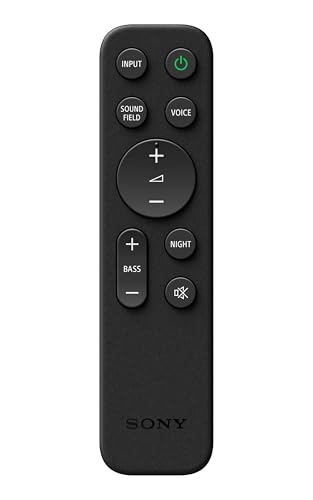
The Sony BRAVIA Theater Bar 6 offers simpler setup, especially for Sony TV owners, with streamlined configuration through the BRAVIA Connect app and unified remote control. The Polk Audio MagniFi Max AX provides more setup options and customization but requires more decisions and potentially more troubleshooting.
Yes, both the Sony BRAVIA Theater Bar 6 and Polk Audio MagniFi Max AX include wall-mounting hardware. The Polk comes with flush-mount wall brackets and templates, while the Sony provides mounting spacers and templates for clean wall installation that complements your TV setup.
The Polk Audio MagniFi Max AX offers superior expandability, allowing expansion to a full 7.1.2 system with additional SR2 wireless speakers. The Sony BRAVIA Theater Bar 6 has limited expansion options with only optional wireless rear speakers available, making the Polk the better long-term investment.
For home theater enthusiasts, the Polk Audio MagniFi Max AX provides better overall value with its true 5.1.2 surround sound, extensive connectivity options, and superior music performance. The Sony BRAVIA Theater Bar 6 offers excellent value for Sony TV owners who prioritize powerful, simple audio enhancement with seamless integration over comprehensive surround sound features.
We've done our best to create useful and informative comparisons to help you decide what product to buy. Our research uses advanced automated methods to create this comparison and perfection is not possible - please contact us for corrections or questions. These are the sites we've researched in the creation of this article: rtings.com - bestbuy.com - whathifi.com - youtube.com - youtube.com - sony.com - galaxus.at - helpguide.sony.net - audioadvice.com - electronics.sony.com - youtube.com - youtube.com - electronics.sony.com - helpguide.sony.net - whatgear.net - consumerreports.org - youtube.com - avsforum.com - rtings.com - rtings.com - bestbuy.com - walts.com - hometechnologyreview.com - polkaudio.com - pcrichard.com

Privacy Policy
Terms and Conditions - Affiliate Policy
Home Security
© Copyright 2008-2026.
11816 Inwood Rd #1211, Dallas, TX 75244