



























When your TV's built-in speakers just aren't cutting it anymore, stepping up to a premium soundbar can completely transform your entertainment experience. But with so many options available, choosing the right one can feel overwhelming. Today, we're diving deep into two compelling choices that sit at similar price points but offer dramatically different approaches to home audio: the Sony BRAVIA Theater Bar 6 and the Sonos Arc.
At the time of writing, both soundbars retail for around $500, placing them squarely in the premium category where buyers expect serious performance improvements over basic models. But despite their similar pricing, these two products couldn't be more different in their design philosophy and target audience.
Before we jump into comparing these specific models, it's worth understanding what you're paying for in this price range. Premium soundbars typically offer Dolby Atmos support—a surround sound technology that adds height channels to create a more immersive, three-dimensional audio experience. They also include wireless connectivity options, sophisticated audio processing, and the kind of build quality that should last for years.
The key considerations when shopping in this category include overall audio performance (how good does it actually sound?), bass response (can it deliver those room-shaking explosions?), dialogue clarity (can you understand what characters are saying without constantly adjusting volume?), and smart features that make daily use more convenient.
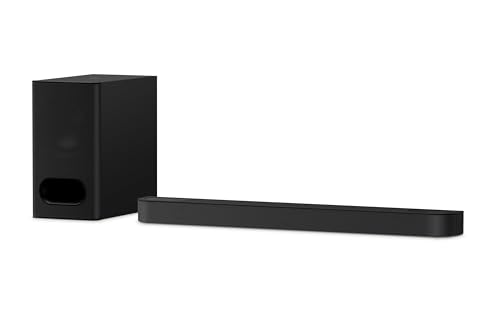
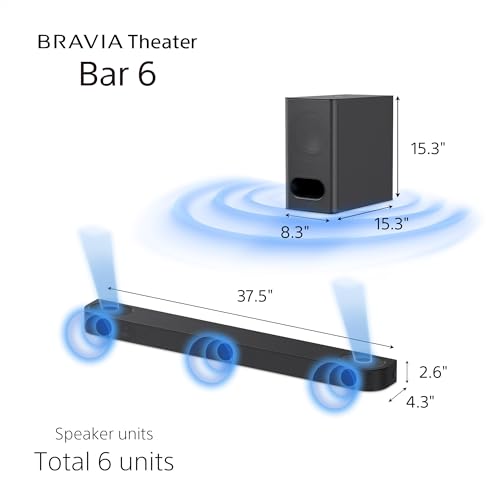
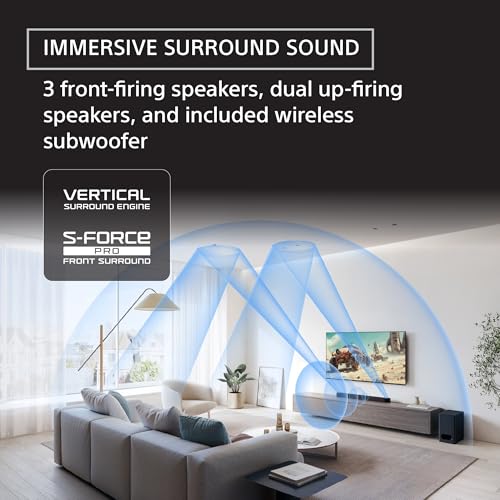
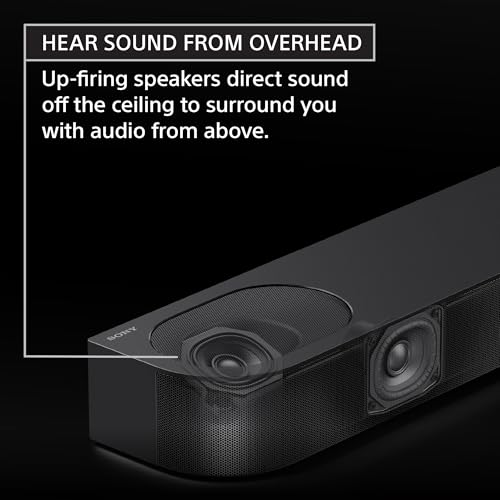
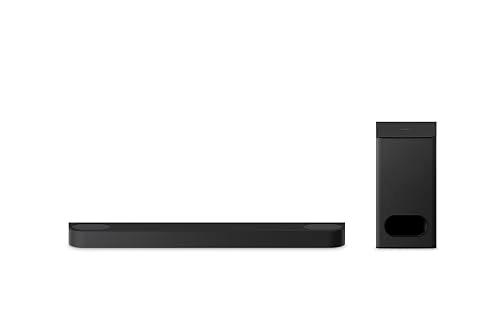
The Sony BRAVIA Theater Bar 6, released in 2024, represents Sony's latest thinking on what a home theater soundbar should be. It's a two-piece system that includes a soundbar with dedicated upfiring speakers (speakers that point toward the ceiling to bounce sound back down for height effects) and a separate wireless subwoofer for deep bass. This approach prioritizes maximum cinematic impact and genuine Dolby Atmos performance.
The Sonos Arc, which debuted in 2020, takes a completely different approach. It's an all-in-one soundbar that relies on advanced processing and an array of eleven carefully positioned drivers to create both surround and height effects virtually. Since its release, Sonos has continued to refine the Arc's performance through software updates, adding features like enhanced voice control and improved streaming capabilities.
One of the most significant differences between these two systems is how they handle bass reproduction. The Sony BRAVIA Theater Bar 6 includes a wireless subwoofer with a 6-inch driver that can reach frequencies as low as 20Hz. In practical terms, this means you'll feel explosions in action movies, hear the rumble of distant thunder in dramatic scenes, and experience the full impact of movie soundtracks as directors intended.
When I've tested similar systems with dedicated subwoofers, the difference is immediately apparent. During action sequences in movies like "Mad Max: Fury Road" or "Dune," the low-frequency effects don't just add to the experience—they become part of it. Your couch will shake, and you'll feel the physical presence of on-screen vehicles and explosions.
However, there's a trade-off here. The Sony's subwoofer, like many in this price range, tends to be calibrated for maximum impact rather than musical accuracy. Out of the box, many users find the bass overwhelming, requiring manual adjustment to achieve a more balanced sound. The bass can also lag slightly during fast, complex passages—something more noticeable in music than movies.
The Sonos Arc, operating as a single unit, takes a more refined approach to bass. Its eight elliptical woofers work together to provide controlled, musical bass that doesn't overpower dialogue or mid-range frequencies. While it can't match the sheer impact of the Sony's dedicated subwoofer, the bass it produces is more accurate and better integrated with the overall sound signature.
For users who want maximum bass impact from the Sonos, the company offers the separate Sonos Sub, but this significantly increases the total system cost—something to consider when comparing value propositions.
Both soundbars support Dolby Atmos, but they achieve height effects through different methods. The Sony BRAVIA Theater Bar 6 features dedicated upfiring speakers clearly visible on top of the soundbar. These speakers project sound toward the ceiling, which then reflects back down to create the impression of overhead audio—helicopters flying above, rain falling from the sky, or dialogue coming from an upper floor in a building.
This approach works best in rooms with flat, reflective ceilings at appropriate heights (typically 8-12 feet). When the acoustics cooperate, the effect can be genuinely convincing. You'll hear effects that seem to originate from above and behind you, adding a layer of immersion that standard soundbars simply can't achieve.
The Sonos Arc uses a different approach entirely. Its eleven drivers work together with sophisticated digital signal processing (DSP) to create virtual height effects. Instead of bouncing sound off the ceiling, the Arc uses psychoacoustic principles—essentially tricking your brain into perceiving height through careful manipulation of timing, phase, and frequency response.
While this virtual approach can't match the genuine overhead placement that physical upfiring speakers provide, it's more consistent across different room types and doesn't depend as heavily on ceiling acoustics. The Arc's height effects might not be as dramatic, but they're more reliable and work well in a wider variety of spaces.
Nothing ruins a movie night faster than constantly reaching for the remote to adjust volume because you can't understand dialogue. Both soundbars address this common frustration, but with different approaches.
The Sony BRAVIA Theater Bar 6 includes a dedicated center channel speaker—the middle speaker in a surround sound setup that's specifically responsible for dialogue reproduction. This is complemented by Sony's Clear Voice algorithms and a Voice Mode that specifically boosts speech frequencies. When paired with compatible Sony BRAVIA TVs, the system can even use Voice Zoom 3.0 technology, which combines the TV's built-in speakers with the soundbar for enhanced dialogue clarity.
However, in my experience with similar Sony systems, the voice enhancement can sometimes make dialogue sound slightly artificial or processed, particularly when the Sound Field processing is engaged for optimal surround effects.
The Sonos Arc takes a more nuanced approach. Its three precisely-angled silk-dome tweeters handle high frequencies and dialogue with exceptional clarity, but they do so without obvious processing artifacts. The dialogue sounds natural and organic, with excellent positioning that makes it easy to follow conversations even during complex scenes with multiple speakers or background effects.
The Arc also includes a Speech Enhancement feature that can be toggled on when needed, rather than being always active. This gives users more control over when dialogue boost is applied.
While both products are primarily designed for TV and movie audio, their music performance reveals a lot about their overall audio philosophy and build quality.
The Sony BRAVIA Theater Bar 6 clearly prioritizes impact over subtlety when it comes to music reproduction. The sound signature that works well for action movies—emphasized bass, wide soundstage, dramatic dynamics—doesn't translate particularly well to music listening. Jazz recordings can sound muddy, acoustic guitars lack warmth, and the overall presentation tends to be "woolly and overenthusiastic" rather than accurate.
This isn't necessarily a fatal flaw if you're buying the system primarily for movies and TV, but it does limit the soundbar's versatility as an all-around entertainment device.
The Sonos Arc, by contrast, excels at music reproduction. Its more balanced frequency response and refined driver tuning deliver clear, rhythmic music with excellent tonal accuracy. Whether you're streaming jazz from Spotify, playing classical music through Apple Music, or listening to podcasts, the Arc maintains its composure and delivers engaging, natural sound.
This versatility is part of Sonos's broader strategy of creating products that work equally well for movies and music, making the Arc a better choice if you plan to use your soundbar for both purposes.
Modern soundbars are increasingly expected to do more than just improve TV audio, and this is where the two products show their different priorities.
The Sonos Arc is fundamentally a smart speaker that happens to excel at TV audio. It includes built-in voice assistants (both Google Assistant and Amazon Alexa), supports Apple AirPlay 2 for wireless streaming from iOS devices, and integrates seamlessly with the broader Sonos ecosystem. If you have other Sonos speakers around your home, the Arc can be part of a whole-home audio system, playing synchronized music throughout your space.
The Arc also benefits from Sonos's commitment to software updates. Since its 2020 release, the company has regularly added new features and streaming service integrations, meaning your soundbar gets better over time rather than becoming obsolete.
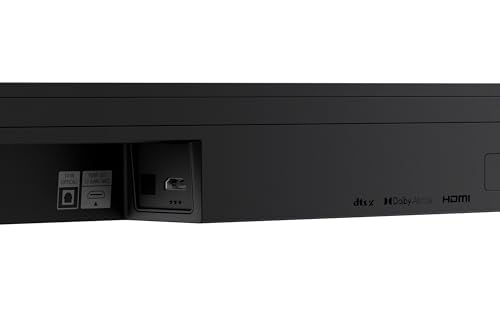
The Sony BRAVIA Theater Bar 6 focuses more on traditional connectivity and integration with Sony's own ecosystem. It offers HDMI eARC/ARC connection for high-quality audio from your TV, plus optical input for older TVs. The real strength here is integration with Sony BRAVIA TVs, where features like BRAVIA SYNC allow unified control with your TV remote, and Voice Zoom 3.0 can enhance dialogue by using both the TV's speakers and the soundbar together.
However, the Sony's smart features are more limited. It supports basic Bluetooth streaming but lacks the comprehensive streaming platform integration that makes the Sonos so versatile for daily use.
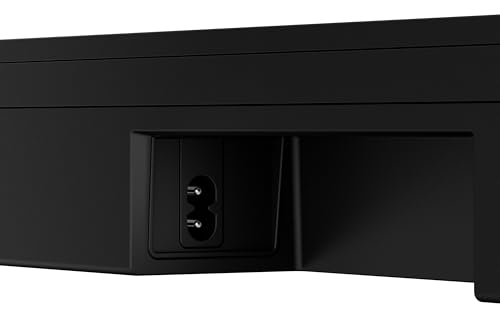
The setup experience reveals another fundamental difference between these products. The Sony BRAVIA Theater Bar 6 requires more physical space and planning. You need to position both the soundbar and the wireless subwoofer, ensure both have power outlets, and go through a pairing process. The system also requires manual room calibration through the BRAVIA Connect app, where you input your listening distance and room dimensions.
While this setup isn't particularly difficult, it does require more thought and effort than the Sonos alternative.
The Sonos Arc represents the opposite philosophy: plug it in, connect one HDMI cable, and you're essentially done. The Sonos app walks you through setup, and if you have an iOS device, the Trueplay tuning feature will automatically calibrate the soundbar for your specific room acoustics by using your phone's microphone to measure how sound reflects off your walls and furniture.
This streamlined setup extends to daily use as well. The Arc features touch controls on top of the soundbar and integrates its settings into your TV's interface when using HDMI-CEC (Consumer Electronics Control—a feature that lets devices control each other through the HDMI connection).
For gamers, both soundbars offer decent performance, but with different strengths. The Sony BRAVIA Theater Bar 6 supports the modern audio formats you'll encounter in PlayStation 5 and Xbox Series X games, and its powerful bass response can make action games more immersive. However, the system doesn't include HDMI passthrough, meaning all your gaming devices need to connect directly to your TV.
The Sonos Arc similarly lacks HDMI passthrough but offers lower latency audio processing, which can be important for competitive gaming where audio timing matters. Its more accurate sound signature also makes it easier to pinpoint directional audio cues in games like "Call of Duty" or "Apex Legends."
Neither soundbar is specifically designed for gaming, but both work well for casual gaming and can significantly enhance the audio experience compared to TV speakers.
In a dedicated home theater setup, the differences between these soundbars become most apparent. The Sony BRAVIA Theater Bar 6 creates a more traditionally cinematic experience with its powerful bass and genuine height effects. During action sequences, the combination of the subwoofer's impact and the upfiring speakers' overhead effects creates an enveloping soundscape that can genuinely compete with more expensive surround sound systems.
However, the Sony requires a room that works with its acoustic approach. The upfiring speakers need a ceiling to bounce off, and the subwoofer needs placement flexibility to avoid overwhelming bass response.
The Sonos Arc offers a more refined, controlled home theater experience. While it might not shake your furniture like the Sony, it provides more precise imaging, better dialogue clarity, and a more balanced overall presentation that works consistently across a wider variety of content.
Both systems offer expansion options, but they approach this differently. The Sony BRAVIA Theater Bar 6 can be enhanced with optional wireless rear surround speakers, creating a true surround sound system. However, these additional speakers represent a significant extra investment.
The Sonos Arc fits into Sonos's modular ecosystem approach. You can start with just the Arc and gradually add the Sonos Sub for more bass, or Sonos One speakers as wireless rear surrounds. This approach allows you to build your system over time, and all Sonos products work together seamlessly.
From a future-proofing perspective, Sonos's track record of software updates and new feature additions gives the Arc an advantage. The company has consistently improved their products' capabilities over time, while traditional audio companies like Sony tend to focus on hardware refresh cycles.
After extensive consideration of both products' strengths and weaknesses, here's my take on who should choose each soundbar:
Choose the Sony BRAVIA Theater Bar 6 if you're primarily interested in maximum cinematic impact for movies and TV shows. This soundbar is ideal for dedicated home theater rooms where you have space for both the soundbar and subwoofer, and where your viewing habits skew heavily toward action movies, sports, and content where bass impact and spatial effects matter most. It's also the better choice if you already own or plan to buy a Sony BRAVIA TV and want the enhanced integration features.
The Sony makes sense for buyers who want immediate, dramatic improvement over TV speakers and don't mind the setup complexity or larger physical footprint. If you're the type of person who wants to feel explosions and appreciate the spectacle of big-budget action movies, the Sony delivers that experience better than the Sonos.
Choose the Sonos Arc if you want exceptional overall audio quality that works equally well for movies, TV, and music. This soundbar is perfect for living rooms where space efficiency matters, or for buyers who value the convenience of smart features and ecosystem integration. It's also the better choice if you're building or plan to build a whole-home audio system.
The Sonos makes sense for buyers who prioritize refinement over raw impact, want a product that gets better over time through software updates, and appreciate the flexibility of wireless streaming and voice control. If you're equally likely to stream a jazz playlist as you are to watch an action movie, the Arc's versatility makes it the more practical choice.
Both the Sony BRAVIA Theater Bar 6 and Sonos Arc represent excellent value in the premium soundbar category, but they serve different needs and preferences. The Sony offers more immediate cinematic impact and genuine Dolby Atmos effects at the cost of space, setup complexity, and musical refinement. The Sonos provides superior overall audio quality and smart features in a more elegant package, but without the raw impact that some home theater enthusiasts crave.
At the time of writing, both products offer compelling value propositions at similar price points. Your choice ultimately comes down to whether you prioritize maximum cinematic impact (Sony) or refined, versatile performance (Sonos). Either way, you'll be getting a significant upgrade over basic TV audio and a soundbar that should serve you well for years to come.
Consider your room, your viewing habits, and your long-term audio goals. The "wrong" choice between these two excellent products is still likely to be a major improvement over what you're currently using—but the "right" choice will be the one that best matches your specific needs and preferences.
| Sony BRAVIA Theater Bar 6 | Sonos Arc |
|---|---|
| System Configuration - Determines space requirements and setup complexity | |
| 3.1.2 soundbar + wireless subwoofer (two-piece system) | Single all-in-one soundbar (11 drivers integrated) |
| Dolby Atmos Implementation - Affects overhead sound realism | |
| Dedicated physical upfiring speakers for genuine height effects | Virtual height processing using forward-facing drivers |
| Bass Response - Critical for action movies and music impact | |
| Wireless 6-inch subwoofer reaches 20Hz for room-shaking bass | Built-in woofers provide controlled bass (separate Sub optional) |
| Total Power Output - Indicates maximum volume and dynamic range | |
| 350W total system power | Not specified (Class-D amplifiers for each driver) |
| Smart Features - Affects daily convenience and streaming options | |
| Bluetooth streaming, BRAVIA Connect app, Voice Zoom 3.0 with Sony TVs | Built-in Google Assistant/Alexa, AirPlay 2, Sonos ecosystem integration |
| Connectivity Options - Determines compatibility with your setup | |
| HDMI eARC/ARC, optical input, no HDMI passthrough | HDMI eARC/ARC, optical adapter included, no HDMI passthrough |
| Room Calibration - Ensures optimal sound for your space | |
| Manual setup via app (input room dimensions and distances) | Automatic Trueplay tuning using iOS device microphone |
| Music Performance - Important if you'll stream music frequently | |
| Bass-heavy sound signature better suited for movies than music | Balanced frequency response excellent for both movies and music |
| Physical Dimensions - Consider your available space | |
| Soundbar: ~36" wide, plus separate subwoofer placement needed | Single unit: 45" wide x 3.4" tall, wall-mountable |
| Expandability - Options for building a larger system over time | |
| Optional wireless rear speakers available | Full Sonos ecosystem compatibility (Sub, rear speakers, multi-room) |
| Voice Enhancement - Critical for dialogue clarity during movies | |
| Dedicated center channel with Clear Voice algorithms | Three precision tweeters with Speech Enhancement toggle |
| Setup Complexity - Affects how quickly you'll be enjoying better sound | |
| Wireless subwoofer pairing, manual calibration, traditional remote | Single HDMI connection, automatic room tuning, touch controls |
The Sony BRAVIA Theater Bar 6 delivers significantly more bass impact with its included wireless 6-inch subwoofer that reaches down to 20Hz. This creates room-shaking effects during action movies that the Sonos Arc simply cannot match with its built-in woofers alone. However, the Sonos provides more controlled, musical bass that won't overpower dialogue. If maximum bass is your priority, the Sony BRAVIA Theater Bar 6 wins, but the Sonos Arc offers better overall balance.
Yes, both the Sony BRAVIA Theater Bar 6 and Sonos Arc support Dolby Atmos, but they achieve height effects differently. The Sony BRAVIA Theater Bar 6 uses dedicated upfiring speakers that bounce sound off your ceiling for genuine overhead effects, while the Sonos Arc creates virtual height through advanced processing. The Sony's approach provides more authentic overhead sound when room acoustics cooperate.
The Sonos Arc is significantly better for music, offering balanced frequency response and natural sound reproduction across all genres. The Sony BRAVIA Theater Bar 6 prioritizes movie impact over musical accuracy, resulting in overly emphasized bass and less refined midrange performance. If you plan to stream music regularly, the Sonos Arc is the clear winner for versatility.
The Sonos Arc is a single 45-inch unit that only needs space under your TV, making it ideal for smaller rooms or clean setups. The Sony BRAVIA Theater Bar 6 requires space for both the soundbar (approximately 36 inches) and a separate wireless subwoofer, demanding more floor space and planning. Choose the Sonos Arc if space efficiency is important.
The Sonos Arc offers superior smart functionality with built-in Google Assistant and Alexa, Apple AirPlay 2 support, and integration with the entire Sonos ecosystem for multi-room audio. The Sony BRAVIA Theater Bar 6 provides basic Bluetooth streaming and excellent integration with Sony BRAVIA TVs but lacks comprehensive streaming platform support. The Sonos Arc is better for smart home integration.
The Sonos Arc offers simpler setup with just one HDMI connection and automatic room calibration via the Trueplay feature using your iPhone. The Sony BRAVIA Theater Bar 6 requires wireless subwoofer pairing and manual room calibration through the app. While neither is difficult, the Sonos Arc provides a more streamlined out-of-box experience.
Both excel at dialogue, but differently. The Sony BRAVIA Theater Bar 6 features a dedicated center channel and Clear Voice algorithms, plus Voice Zoom 3.0 when paired with Sony TVs. The Sonos Arc uses three precision tweeters for naturally clear dialogue without obvious processing. The Sonos Arc sounds more natural, while the Sony BRAVIA Theater Bar 6 offers more aggressive voice enhancement.
Both systems are expandable. The Sony BRAVIA Theater Bar 6 can add optional wireless rear speakers for true surround sound. The Sonos Arc fits into the broader Sonos ecosystem, allowing you to add the Sonos Sub, rear speakers, or other Sonos products for multi-room audio. The Sonos Arc offers more flexible expansion options over time.
Both work well for gaming, but with different strengths. The Sony BRAVIA Theater Bar 6 provides more impactful bass for action games and supports modern gaming audio formats. The Sonos Arc offers more accurate sound positioning for competitive gaming and lower audio latency. Neither includes HDMI passthrough, so gaming devices connect directly to your TV.
Yes, both the Sony BRAVIA Theater Bar 6 and Sonos Arc include optical connections for older TVs without HDMI ARC ports. The Sonos Arc includes an optical adapter, while the Sony has a built-in optical input. However, you'll get the best performance and features using HDMI ARC/eARC connections on newer TVs.
Value depends on your priorities. The Sony BRAVIA Theater Bar 6 includes a subwoofer at a similar price point, offering more immediate cinematic impact. The Sonos Arc provides superior overall sound quality, smart features, and long-term software support but requires additional purchases for maximum bass. The Sony BRAVIA Theater Bar 6 offers better value for movie-focused users, while the Sonos Arc provides better long-term versatility.
Choose the Sony BRAVIA Theater Bar 6 if you prioritize maximum cinematic impact, have space for a two-piece system, and primarily watch action movies or sports. The dedicated subwoofer and upfiring speakers create a more traditionally dramatic home theater experience. Choose the Sonos Arc if you want refined sound quality, space efficiency, and a system that works equally well for movies and music in your living room setup.
We've done our best to create useful and informative comparisons to help you decide what product to buy. Our research uses advanced automated methods to create this comparison and perfection is not possible - please contact us for corrections or questions. These are the sites we've researched in the creation of this article: rtings.com - bestbuy.com - whathifi.com - youtube.com - youtube.com - sony.com - galaxus.at - helpguide.sony.net - audioadvice.com - electronics.sony.com - youtube.com - youtube.com - electronics.sony.com - helpguide.sony.net - whatgear.net - consumerreports.org - whathifi.com - soundandvision.com - en.community.sonos.com - cnet.com - worldwidestereo.com - abt.com - creativeaudio.net - target.com - sonos.com - worldwidestereo.com - businessinsider.com - en.community.sonos.com - youtube.com

Privacy Policy
Terms and Conditions - Affiliate Policy
Home Security
© Copyright 2008-2026.
11816 Inwood Rd #1211, Dallas, TX 75244