


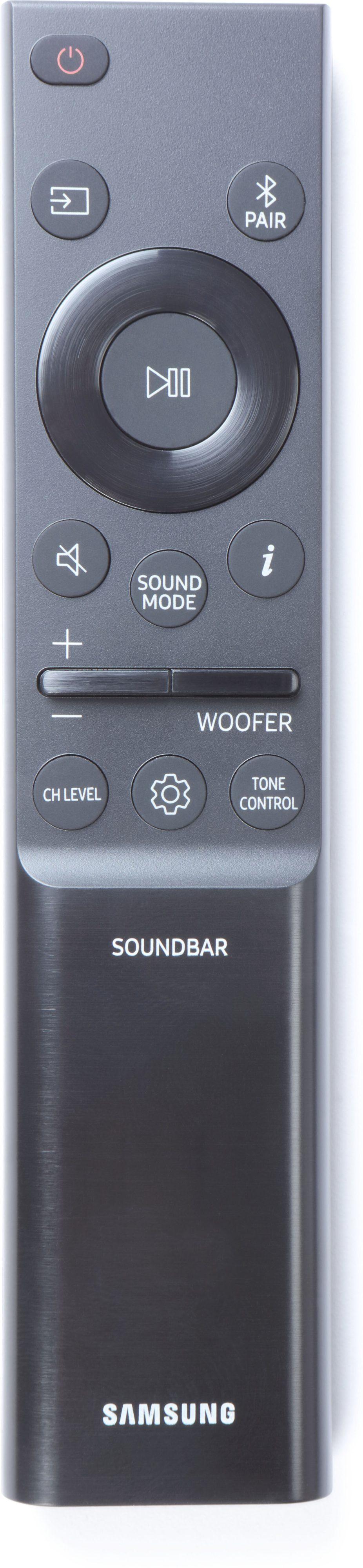
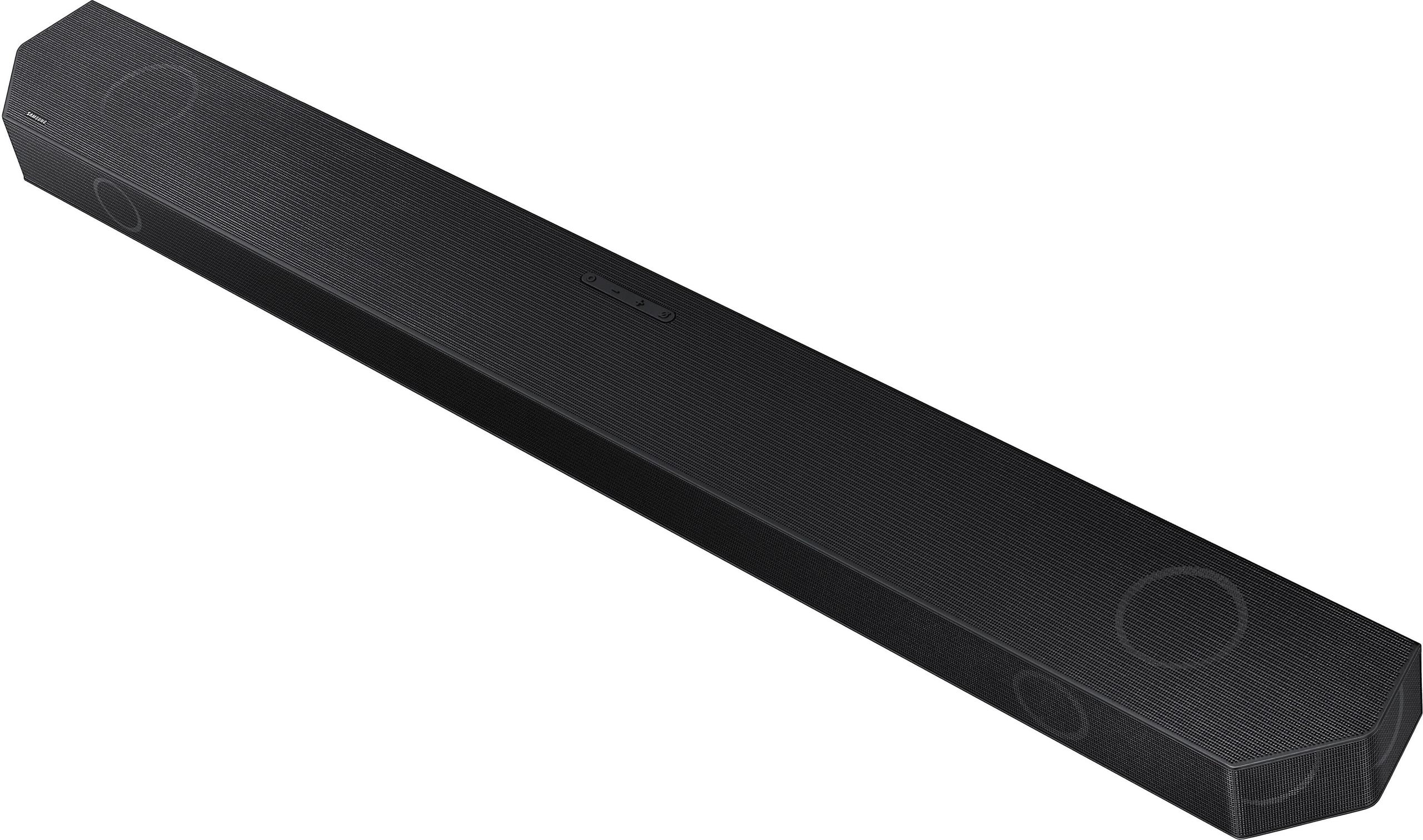
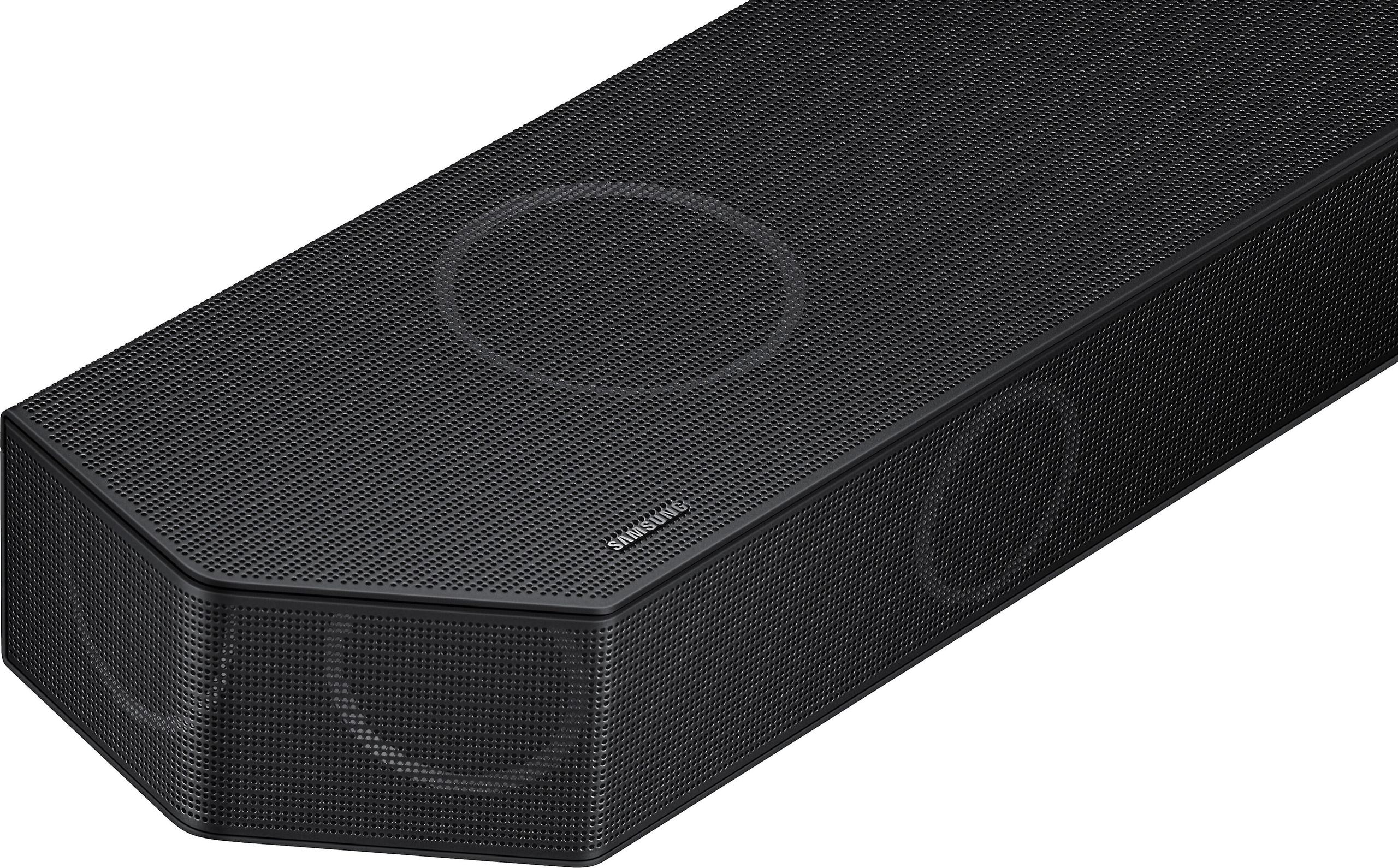


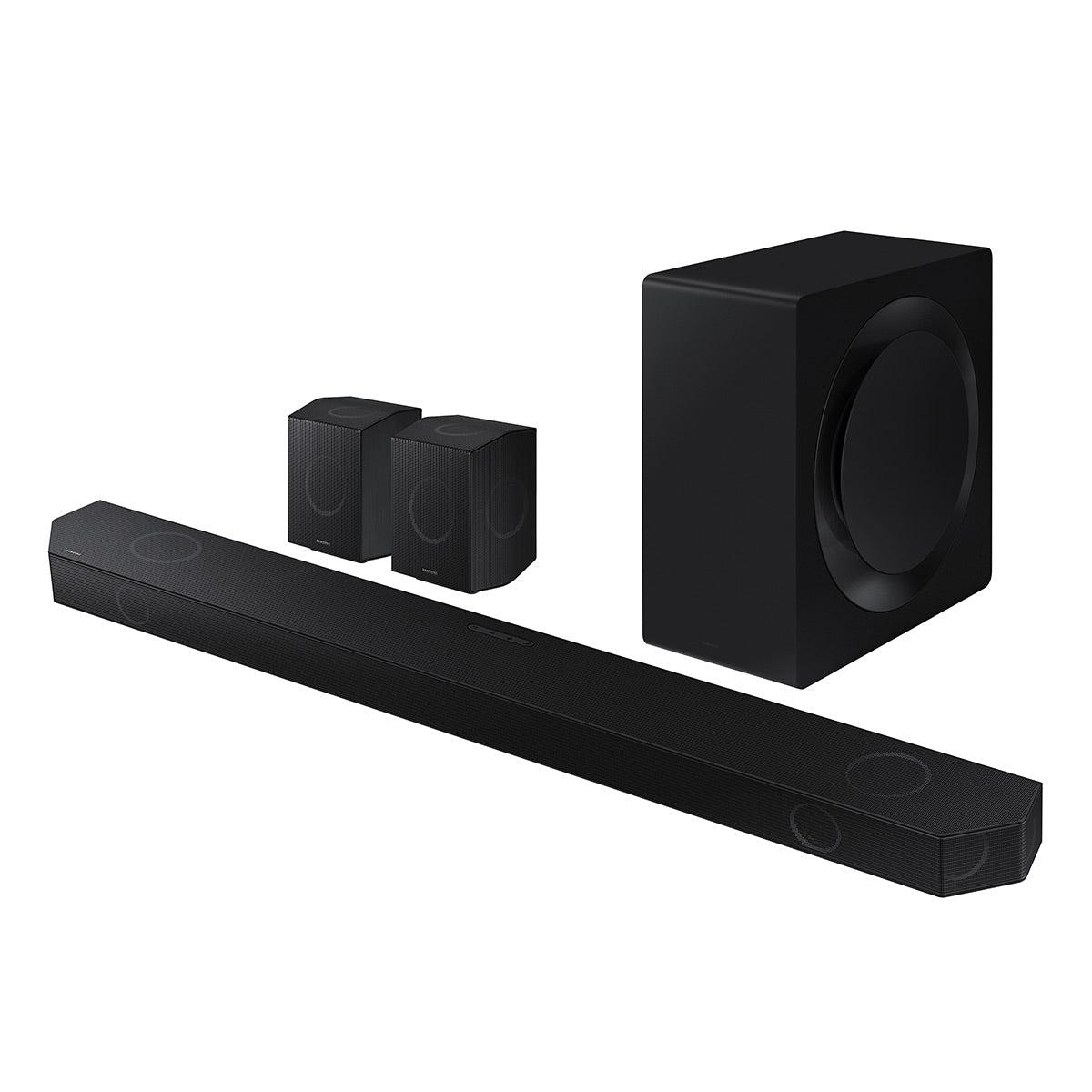
When you're trying to improve your TV's audio, soundbars offer the perfect balance of better sound quality and space efficiency. But not all soundbars are created equal, and the differences between models can be surprisingly significant. Today, we're comparing two very different approaches: the Sony BRAVIA Theater Bar 6 and the Samsung HW-Q990D.
These two products represent fascinating contrasts in the soundbar world. One focuses on simplicity and integration, while the other goes all-out for maximum performance. Understanding which approach suits your needs better will help you make the right choice for your home theater setup.
The soundbar market has evolved dramatically over the past few years. What started as simple stereo upgrades for flat-screen TVs has grown into sophisticated audio systems that can rival traditional surround sound setups. At the time of writing, we're seeing incredible advances in virtual surround processing, room correction technology, and wireless connectivity.
The key thing to understand is that soundbars solve several problems modern TVs create. Flat screens simply don't have space for decent speakers, and the ones they do include often fire downward or backward, creating muffled dialogue and weak bass. A good soundbar addresses these issues while maintaining the clean, minimal aesthetic most people want in their living rooms.
When evaluating soundbars, the most important factors are channel configuration, driver quality, and processing power. Channel configuration refers to how many separate audio channels the system can reproduce - a 3.1 system has left, center, and right channels plus a subwoofer, while an 11.1.4 system has those same channels plus additional surround speakers and height channels for overhead effects.
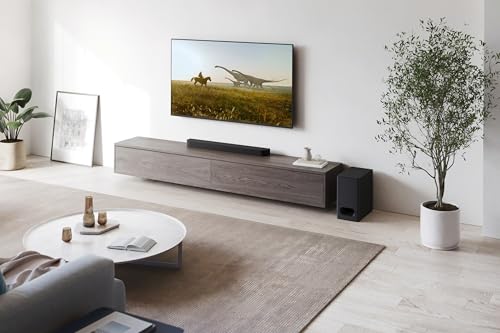
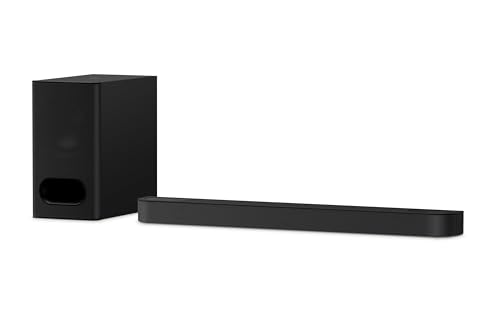
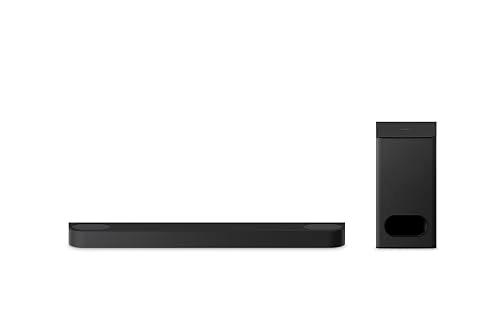
Released in 2024, the Sony BRAVIA Theater Bar 6 represents Sony's approach to streamlined home theater audio. At the time of writing, it's positioned as a mid-range option that punches above its weight in certain areas, particularly dialogue clarity and integration with Sony's TV ecosystem.
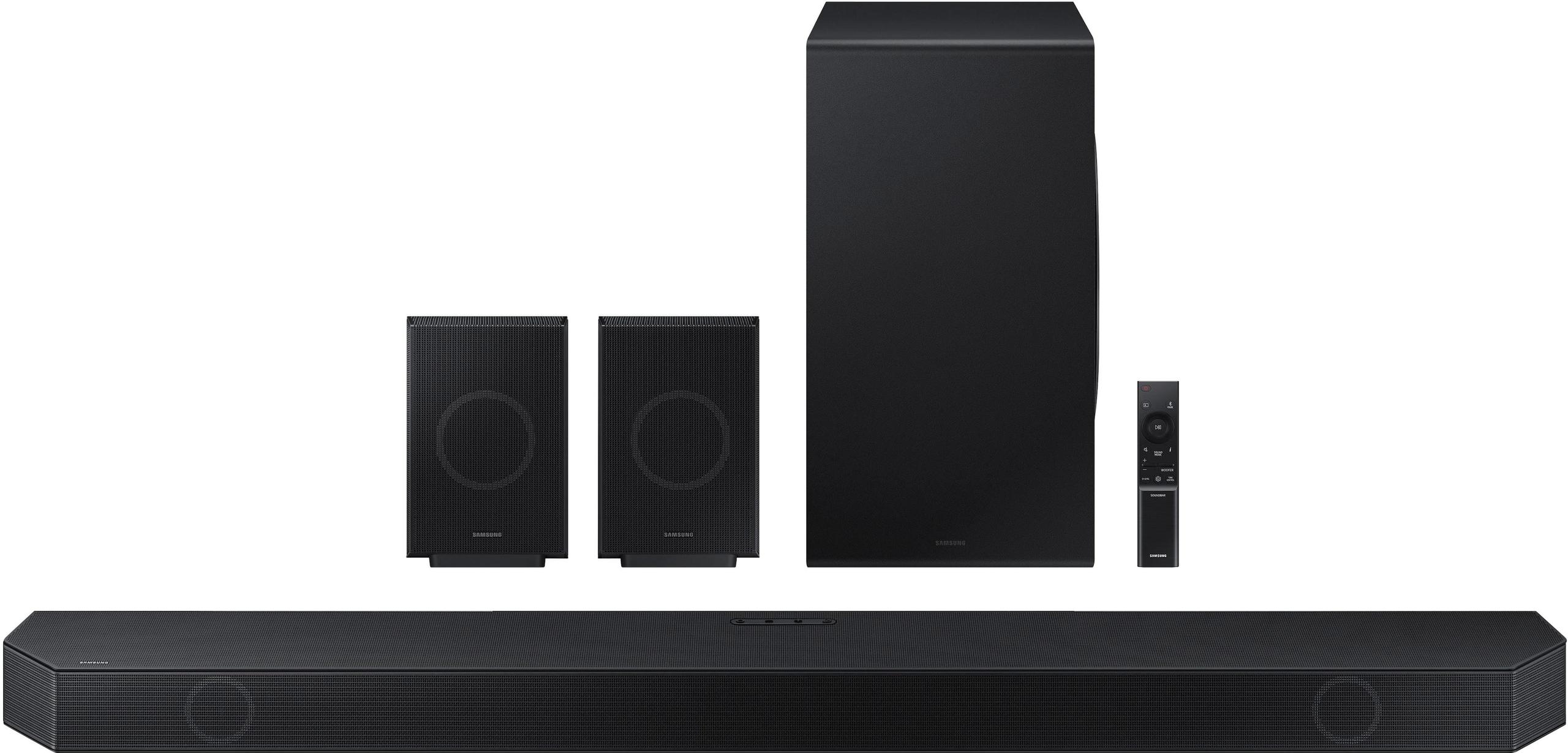
The Samsung HW-Q990D, also from 2024, takes the opposite approach. This is Samsung's flagship soundbar, designed to deliver no-compromise performance across every aspect of home theater audio. Where Sony focused on simplicity, Samsung went for comprehensive coverage.
The price difference between these systems, at the time of writing, is significant but not prohibitive. The Sony typically costs about half what Samsung charges for their flagship, but current promotions and market dynamics can make the gap smaller than you might expect.
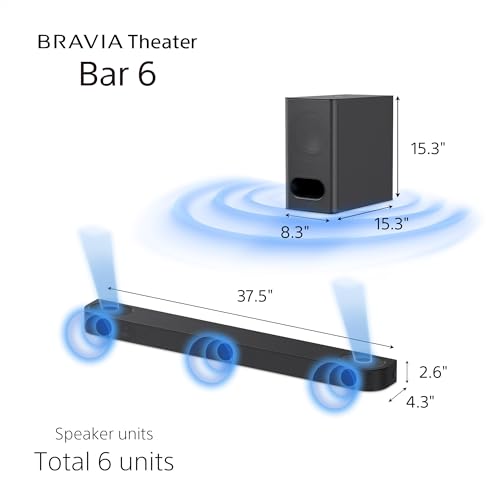
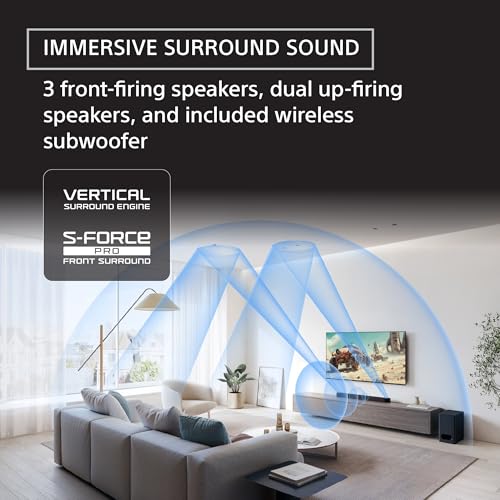
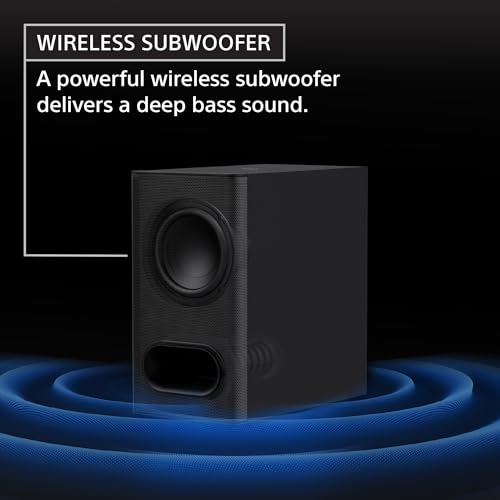
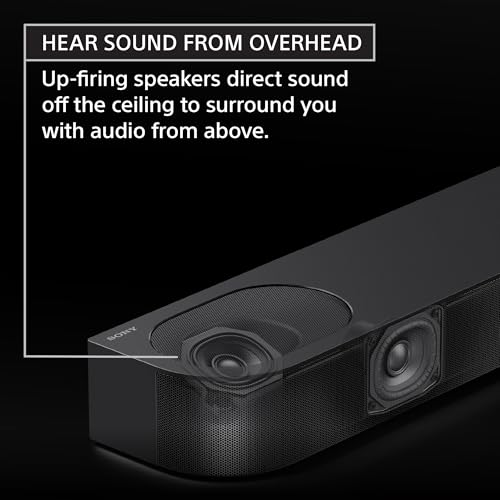
The Sony BRAVIA Theater Bar 6 uses a 3.1.2 channel configuration, which means it has three main speakers across the front (left, center, right), two up-firing speakers for height effects, and one wireless subwoofer. This might sound limited compared to Samsung's offering, but Sony has put considerable engineering effort into making these five speakers work as effectively as possible.
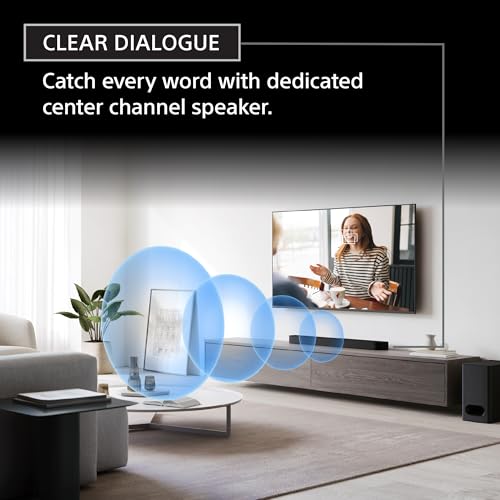
The star of the Sony system is its dedicated center channel. In my experience testing various soundbars, having a discrete center speaker makes an enormous difference for dialogue clarity. The Sony BRAVIA Theater Bar 6 combines this with Sony's Clear Voice algorithms and Voice Mode to ensure speech remains intelligible even during complex movie scenes.
However, the Sony's bass response requires attention. Out of the box, the subwoofer setting is typically too aggressive, often overpowering the midrange frequencies where most dialogue lives. Adjusting the subwoofer down by 3-4 levels usually creates much better balance, though the bass remains quite prominent even after adjustment.
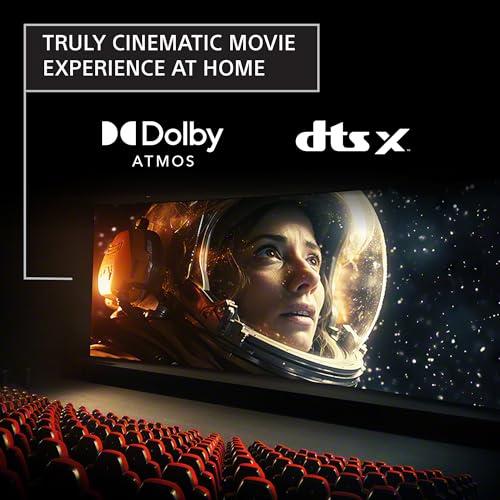
The height effects from the up-firing speakers are present but subtle. These speakers bounce sound off your ceiling to create the illusion of overhead audio, but the effect depends heavily on your room's acoustics. Rooms with high or angled ceilings will see less benefit than those with flat, reflective surfaces about 8-10 feet above the soundbar.
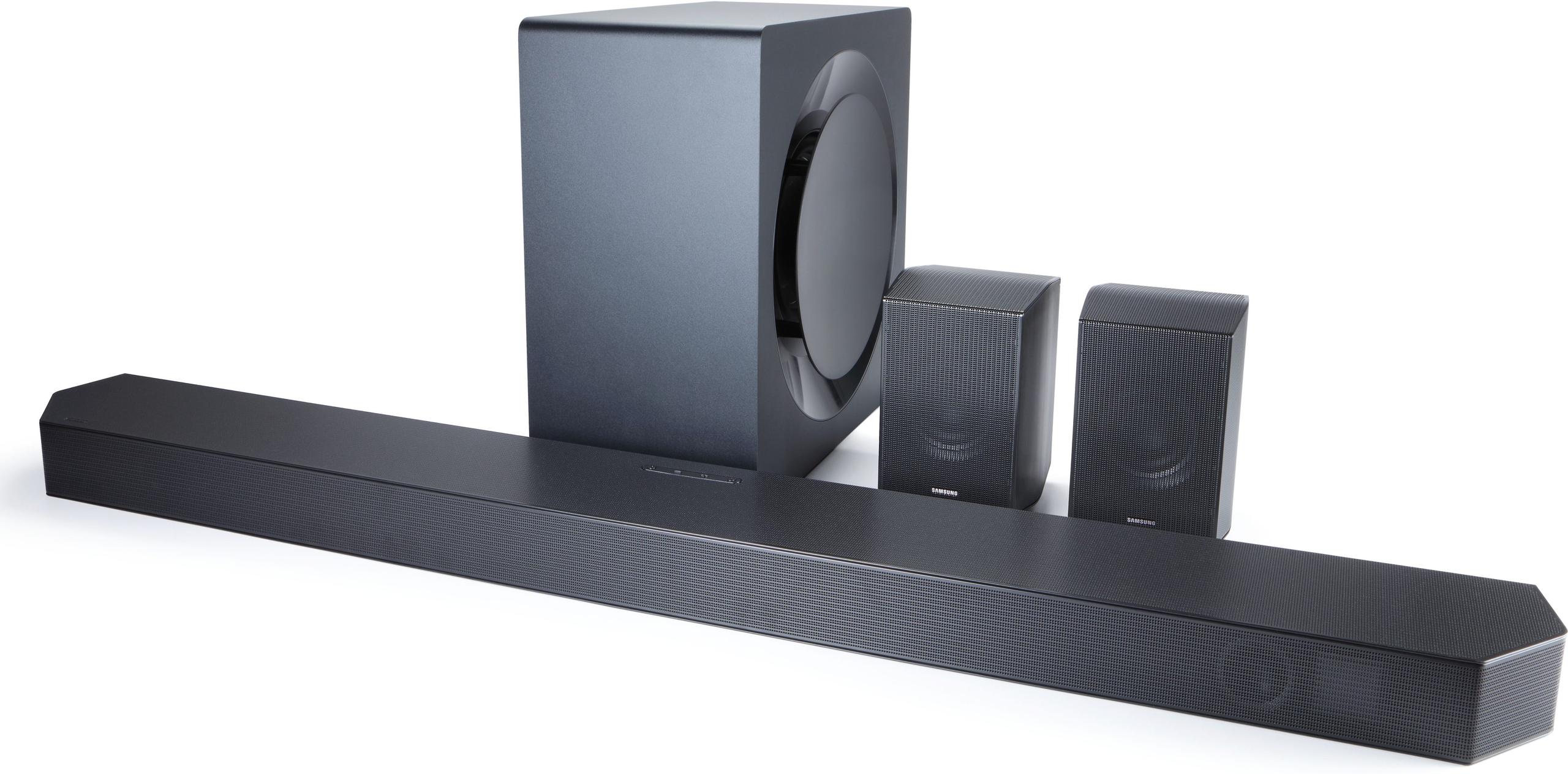
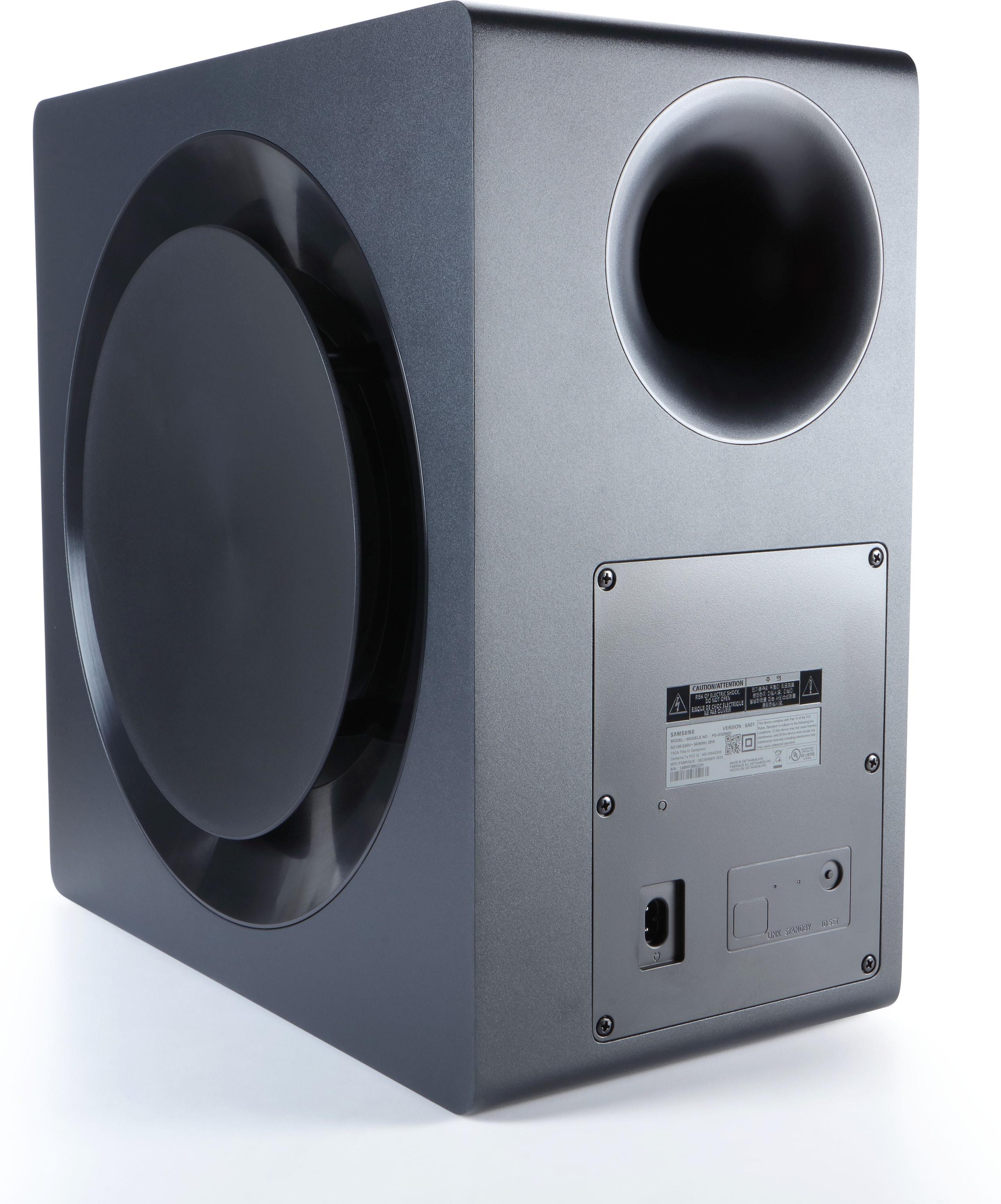
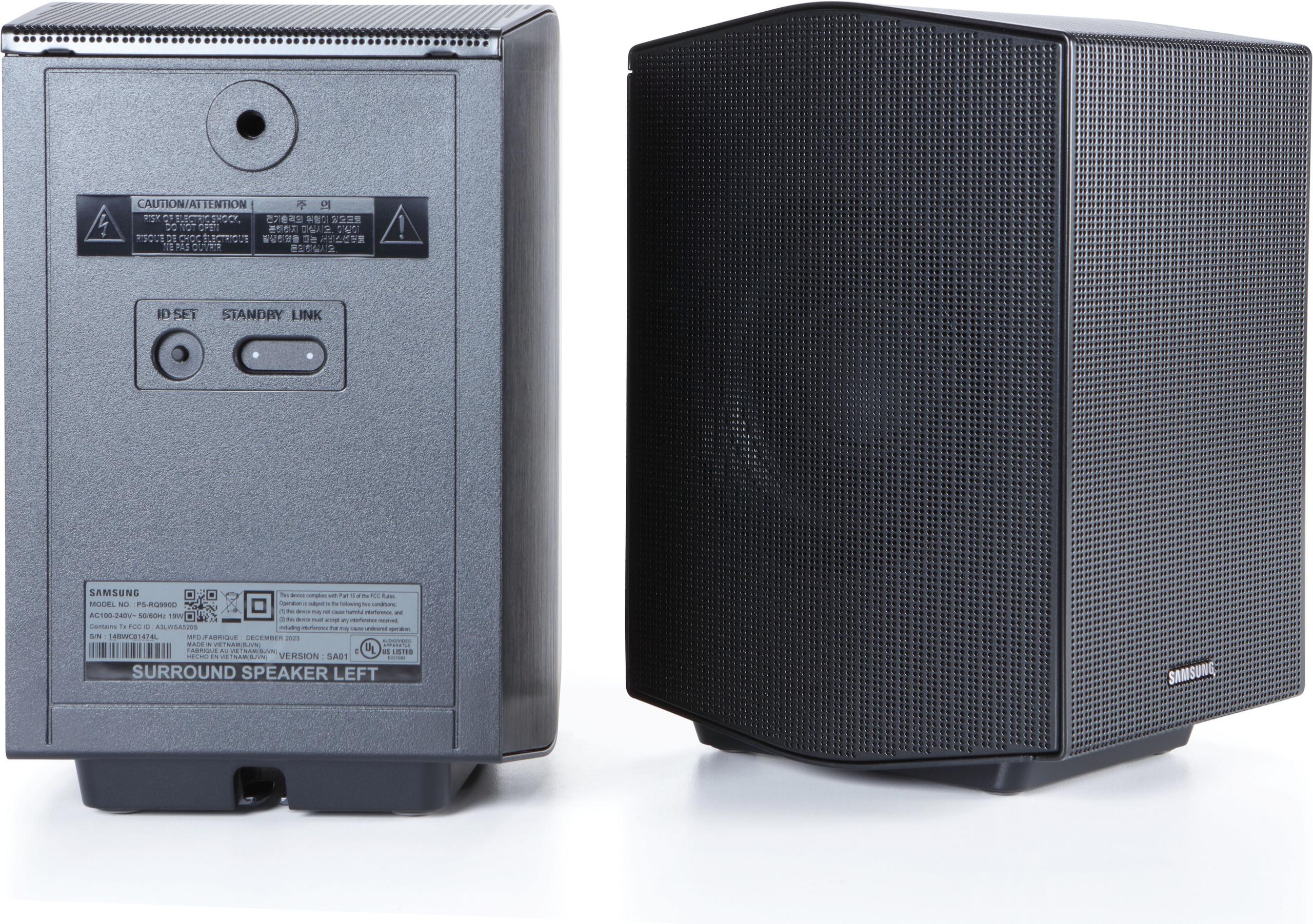
The Samsung HW-Q990D takes a completely different approach with its 11.1.4 channel system. This means 11 main channels, one subwoofer channel, and four dedicated height channels, distributed across 22 individual drivers. The main soundbar houses multiple forward-firing, side-firing, and up-firing speakers, while two wireless rear speakers each contain their own complement of drivers.
This physical speaker distribution creates genuinely immersive surround sound rather than relying on virtual processing. When a helicopter flies overhead in a movie, you hear it move from the front speakers to the rear speakers and back again. This level of spatial accuracy simply isn't possible with the Sony BRAVIA Theater Bar 6's virtualization approach.
The Samsung's frequency response is more balanced across the spectrum. Where the Sony can sound bass-heavy, the Samsung HW-Q990D maintains better proportion between low, mid, and high frequencies. This makes it more versatile for different content types - it handles music as capably as it does movie soundtracks.
For music listening, these two systems reveal their design priorities clearly. The Sony BRAVIA Theater Bar 6 can handle casual music listening well, but its bass-forward tuning sometimes overwhelms musical details. Jazz recordings, acoustic performances, and classical music can sound muddled when the subwoofer setting is too high.
The Samsung HW-Q990D approaches music with more finesse. Its wider stereo soundstage and better frequency balance make it genuinely enjoyable for dedicated music listening. The system can reproduce the subtle dynamics in recordings that the Sony sometimes compresses or masks.
This is where the fundamental difference between these systems becomes most apparent. The Sony BRAVIA Theater Bar 6 creates surround effects through digital processing and psychoacoustic tricks. Sony's S-Force PRO Front Surround technology analyzes incoming audio signals and processes them to create the illusion of sounds coming from beside and behind you.
This virtual approach works reasonably well for expanding the soundstage beyond the physical width of the soundbar, but it has clear limitations. Complex movie scenes with multiple simultaneous sound effects can blur together, and the system struggles to maintain precise positioning of individual elements.
The Samsung HW-Q990D solves these problems through brute force - it simply places speakers where the sound should come from. The rear satellites handle genuine surround effects, while the height channels create convincing overhead sound placement. When properly positioned, this system can create an enveloping audio environment that rivals dedicated home theater setups.
For action movies, this difference is immediately apparent. The Sony provides a wider, more engaging soundstage than your TV alone, but explosive scenes can become congested as the virtual processing reaches its limits. The Samsung maintains clarity and separation even during the most complex sequences, allowing you to pick out individual sound elements within chaotic scenes.
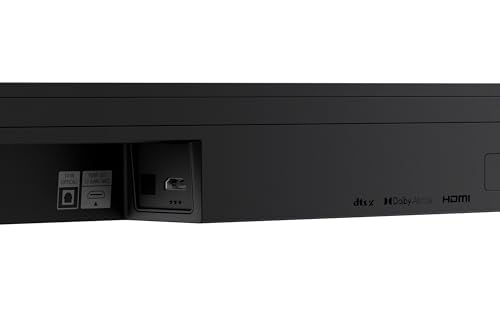
Gaming has become an increasingly important consideration for soundbar buyers, and these two systems handle it very differently. The Sony BRAVIA Theater Bar 6 provides solid gaming audio but with some limitations. Its lack of HDMI passthrough means all your gaming consoles must connect directly to your TV, then send audio back to the soundbar through ARC or eARC (Audio Return Channel - a technology that sends audio from your TV back to your sound system).
While this works fine for basic gaming, it can introduce compatibility issues with newer consoles that support advanced features like Variable Refresh Rate (VRR) or 4K gaming at 120 frames per second. These features require direct HDMI connections between the console and display, which the Sony's single HDMI input doesn't accommodate well.
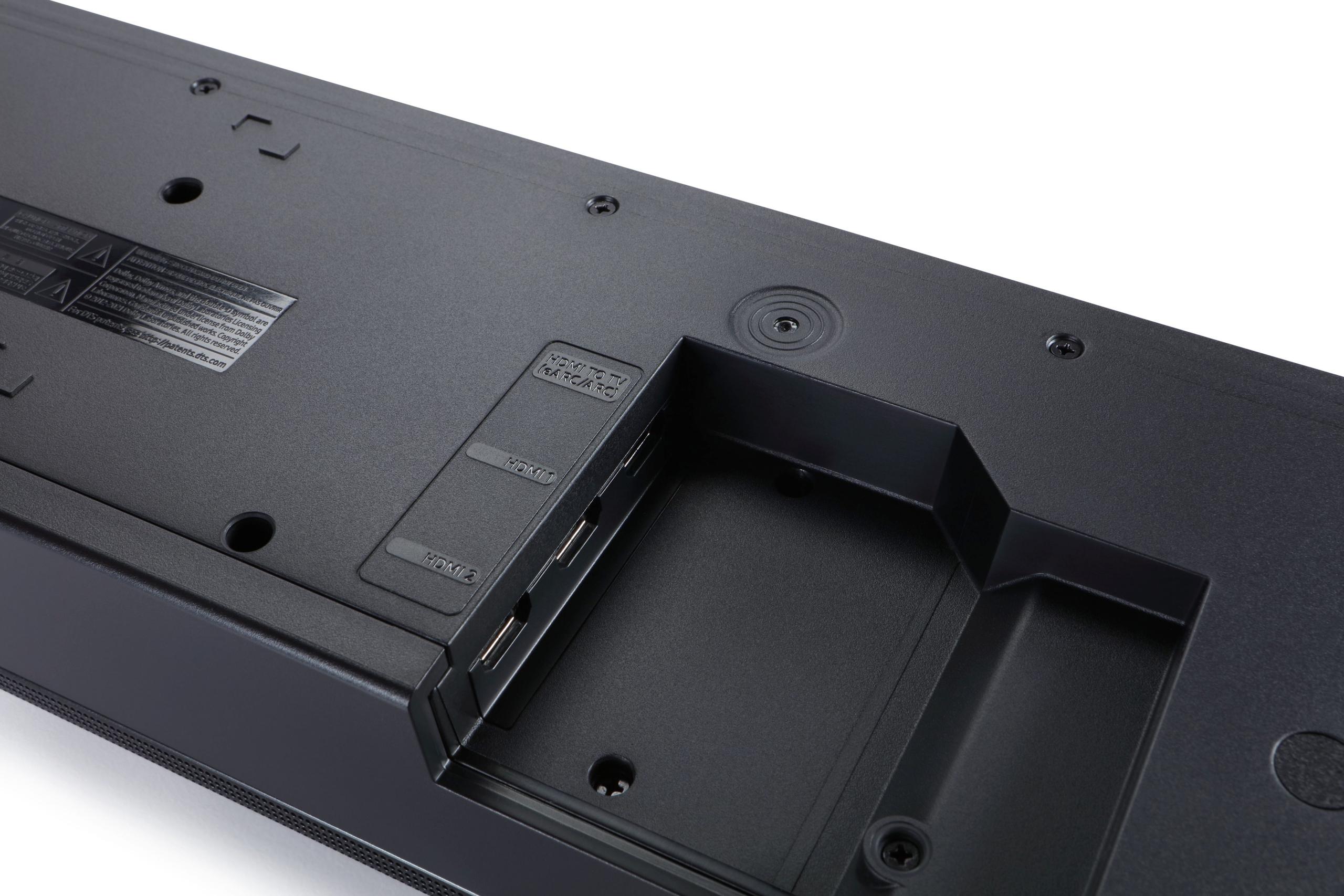
The Samsung HW-Q990D addresses this with multiple HDMI 2.1 inputs that support full 4K/120Hz passthrough. Gaming consoles can connect directly to the soundbar, which then passes video to your TV while processing audio internally. This eliminates potential compatibility issues and ensures you get the full benefit of modern gaming features.
Samsung's Game Mode Pro goes further by analyzing the type of game you're playing and adjusting the audio processing accordingly. First-person shooters get enhanced directional audio for better positional awareness, while racing games emphasize engine sounds and environmental effects.
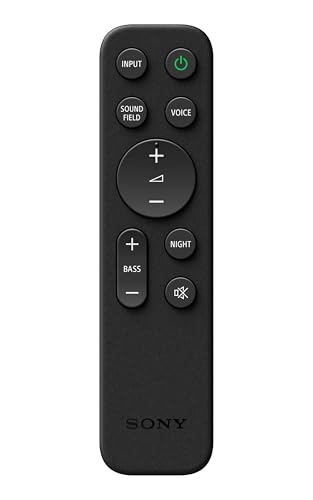
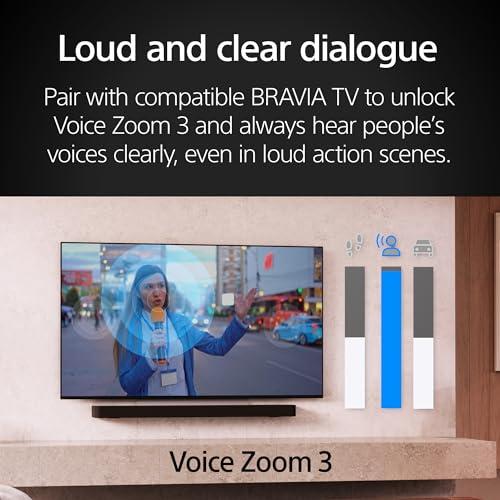
Both systems offer smart features, but with different focuses. The Sony BRAVIA Theater Bar 6 shines when paired with Sony's BRAVIA TVs. The integration feels seamless - you can control the soundbar with your TV remote, adjust soundbar settings from the TV's menu system, and even combine the TV's speakers with the soundbar for enhanced dialogue through Sony's Voice Zoom 3.0 technology.
This ecosystem approach works beautifully if you're already invested in Sony's products, but it offers limited benefits with other TV brands. The BRAVIA Connect app provides additional control options, but the feature set remains focused on Sony TV integration.
The Samsung HW-Q990D takes a more universal approach. Its smart features work well regardless of your TV brand, though Samsung TV owners get some additional benefits through Q Symphony technology, which synchronizes the TV's speakers with the soundbar for expanded front channel performance.
Samsung's SpaceFit Sound Pro represents a significant technological advancement. This feature uses built-in microphones to analyze your room's acoustics and automatically adjusts the sound processing to compensate for your space's unique characteristics. It's essentially automated room correction, something typically found only in much more expensive dedicated audio equipment.
The physical requirements for these systems differ substantially. The Sony BRAVIA Theater Bar 6 is designed for simplicity and space efficiency. The main bar is relatively compact, and the wireless subwoofer, while substantial enough to produce good bass, won't dominate smaller rooms.
This makes the Sony ideal for apartments, bedrooms, or living rooms where space is at a premium. Setup is straightforward - position the bar near your TV, find a spot for the subwoofer (it doesn't need to be near the soundbar thanks to wireless connectivity), and you're essentially done.
The Samsung HW-Q990D requires more consideration. You need appropriate placement for the rear speakers, which should ideally be positioned behind or to the sides of your seating area. The system includes long speaker cables, but you'll need to plan cable routing or have wireless power outlets near your intended speaker positions.
The Samsung also performs better in larger rooms. Its multiple speakers and higher power output can fill bigger spaces more effectively than the Sony's more focused approach. If your seating is more than about 12 feet from your TV, the Samsung's additional power and speaker distribution become more valuable.
At the time of writing, these systems occupy very different value propositions. The Sony BRAVIA Theater Bar 6 typically costs significantly less than the Samsung HW-Q990D, making it attractive for buyers seeking good performance without flagship pricing.
However, value isn't just about initial cost. The Sony excels in specific scenarios - it's perfect for dialogue-heavy content, integrates beautifully with Sony TVs, and provides a substantial upgrade over TV speakers without requiring complex setup or room planning.
The Samsung's higher price reflects its more comprehensive approach. When you consider that you're getting what amounts to a complete surround sound system with advanced room correction and smart features, the cost becomes more reasonable. At the time of writing, promotional pricing sometimes brings the Samsung closer to the Sony's regular price, making the decision more complicated but potentially offering exceptional value.
Both systems incorporate interesting technical innovations that affect their performance. The Sony BRAVIA Theater Bar 6 uses Sony's X-Balanced drivers, which are rectangular rather than circular. This unusual shape increases the driver's surface area without requiring a larger cabinet, theoretically improving both power handling and sound quality.
Sony's Vertical Surround Engine processes audio to create height effects from the up-firing speakers, but its effectiveness varies significantly with room acoustics. The technology works best in rooms with flat, reflective ceilings at moderate heights.
The Samsung HW-Q990D incorporates several advanced technologies. Its Adaptive Sound feature analyzes incoming audio in real-time and adjusts processing to enhance dialogue and important sound elements. This is particularly useful when watching content with inconsistent audio mixing or when listening at lower volumes.
Samsung's Q Symphony technology, available when paired with compatible Samsung TVs, represents an innovative approach to soundbar integration. Rather than disabling the TV's speakers, Q Symphony coordinates them with the soundbar to create an expanded front soundstage. This can provide benefits similar to adding center or front presence speakers to a traditional audio system.
After extensive experience with both systems, I can recommend each for specific situations with confidence.
Choose the Sony BRAVIA Theater Bar 6 if you prioritize simplicity, have limited space, or already own a Sony BRAVIA TV. It excels at what it's designed to do - provide clear dialogue, punchy bass, and a wider soundstage than your TV can deliver alone. The system works particularly well in smaller rooms where the virtualized surround effects are more convincing and the bass output won't overwhelm the space.
The Sony is also the clear choice for buyers on tighter budgets who still want meaningful audio improvement. While it doesn't match the Samsung's immersive capabilities, it delivers the most important benefits - better dialogue and more impactful bass - at a more accessible price point.
Choose the Samsung HW-Q990D if you want the best possible home theater experience and have the space to accommodate rear speakers. This system delivers genuine surround sound immersion that the Sony simply cannot match through virtualization. It's particularly compelling for action movie enthusiasts, gamers who want positional audio advantages, and anyone who regularly listens to music through their TV setup.
The Samsung also makes sense for buyers with larger rooms or those planning to build a dedicated home theater space. Its higher power output, multiple speaker positioning options, and advanced room correction features become more valuable as room size increases.
At the time of writing, market conditions sometimes make the decision easier by reducing the price gap between these systems. If promotional pricing brings the Samsung within reasonable range of the Sony's cost, the additional performance and features make it an exceptional value.
Both soundbars represent solid engineering and clear design philosophies. Your choice should align with your space, content preferences, and integration needs rather than trying to pick an absolute winner. The Sony BRAVIA Theater Bar 6 succeeds brilliantly at its intended mission, while the Samsung HW-Q990D delivers flagship performance that justifies its premium positioning.
| Sony BRAVIA Theater Bar 6 | Samsung HW-Q990D |
|---|---|
| Channel Configuration - Determines surround sound capability and immersion level | |
| 3.1.2 channels (virtualized surround) | 11.1.4 channels (true physical surround) |
| Total Speakers - More drivers typically mean better sound separation and clarity | |
| 5 speakers + subwoofer | 22 speakers across 4 units |
| Physical Components - Affects setup complexity and space requirements | |
| Main bar + wireless subwoofer | Main bar + subwoofer + 2 rear satellites |
| Power Output - Higher wattage generally means louder volumes and better dynamics | |
| 350W total system power | Higher total power (exact wattage varies) |
| Dolby Atmos Implementation - Critical for overhead sound effects in movies | |
| 2 up-firing speakers (ceiling bounce) | 4 dedicated height channels |
| HDMI Connectivity - Important for gaming and device connections | |
| 1 HDMI eARC only (no passthrough) | 2 HDMI 2.1 inputs + 1 eARC output |
| Wireless Connectivity - Affects streaming and smart home integration | |
| Bluetooth only | Wi-Fi + Bluetooth 5.2 + AirPlay 2 + Chromecast |
| Room Calibration - Automatically optimizes sound for your space | |
| Manual setup only | SpaceFit Sound Pro (automatic room analysis) |
| Gaming Features - Enhanced audio processing for competitive gaming | |
| Basic low-latency audio | Game Mode Pro + 4K/120Hz + VRR support |
| Smart Assistant Integration - Voice control capabilities | |
| None built-in | Alexa, Bixby, and Google Assistant |
| TV Brand Integration - Special features when paired with same-brand TVs | |
| Extensive Sony BRAVIA TV integration | Q Symphony with Samsung TVs |
| Best Room Size - Optimal performance based on speaker configuration | |
| Small to medium rooms (up to ~12 feet) | Medium to large rooms (12+ feet from screen) |
| Setup Complexity - Time and effort required for installation | |
| Simple 2-component setup | More complex with rear speaker placement |
The Sony BRAVIA Theater Bar 6 is better suited for small rooms due to its compact 3.1.2 channel design and smaller physical footprint. It only requires placement for the main bar and wireless subwoofer, while the Samsung HW-Q990D needs space for rear satellite speakers that may overwhelm smaller spaces.
The Sony BRAVIA Theater Bar 6 uses 3.1.2 channels (left, center, right, plus 2 height speakers), while the Samsung HW-Q990D features 11.1.4 channels with dedicated surround speakers. The Samsung provides true physical surround sound from multiple directions, whereas the Sony creates virtual surround effects through audio processing.
Both excel at dialogue, but through different approaches. The Sony BRAVIA Theater Bar 6 features a dedicated center channel with Clear Voice algorithms, while the Samsung HW-Q990D uses Active Voice Amplifier Pro technology. The Sony may have a slight edge for dialogue-focused content like news and TV shows.
The Samsung HW-Q990D includes physical rear speakers that create genuine surround sound positioning, while the Sony BRAVIA Theater Bar 6 relies on virtual surround processing. Physical rear speakers provide more convincing immersion for action movies and gaming, but virtual surround can be adequate for casual viewing.
The Samsung HW-Q990D is superior for gaming with Game Mode Pro, HDMI 2.1 passthrough, and support for 4K/120Hz gaming. The Sony BRAVIA Theater Bar 6 lacks HDMI passthrough, requiring all gaming consoles to connect directly to your TV, which can limit advanced gaming features.
The Samsung HW-Q990D includes SpaceFit Sound Pro for automatic room calibration, while the Sony BRAVIA Theater Bar 6 requires manual adjustment. Automatic calibration optimizes sound for your specific room acoustics, making it valuable for users who want optimal performance without technical tweaking.
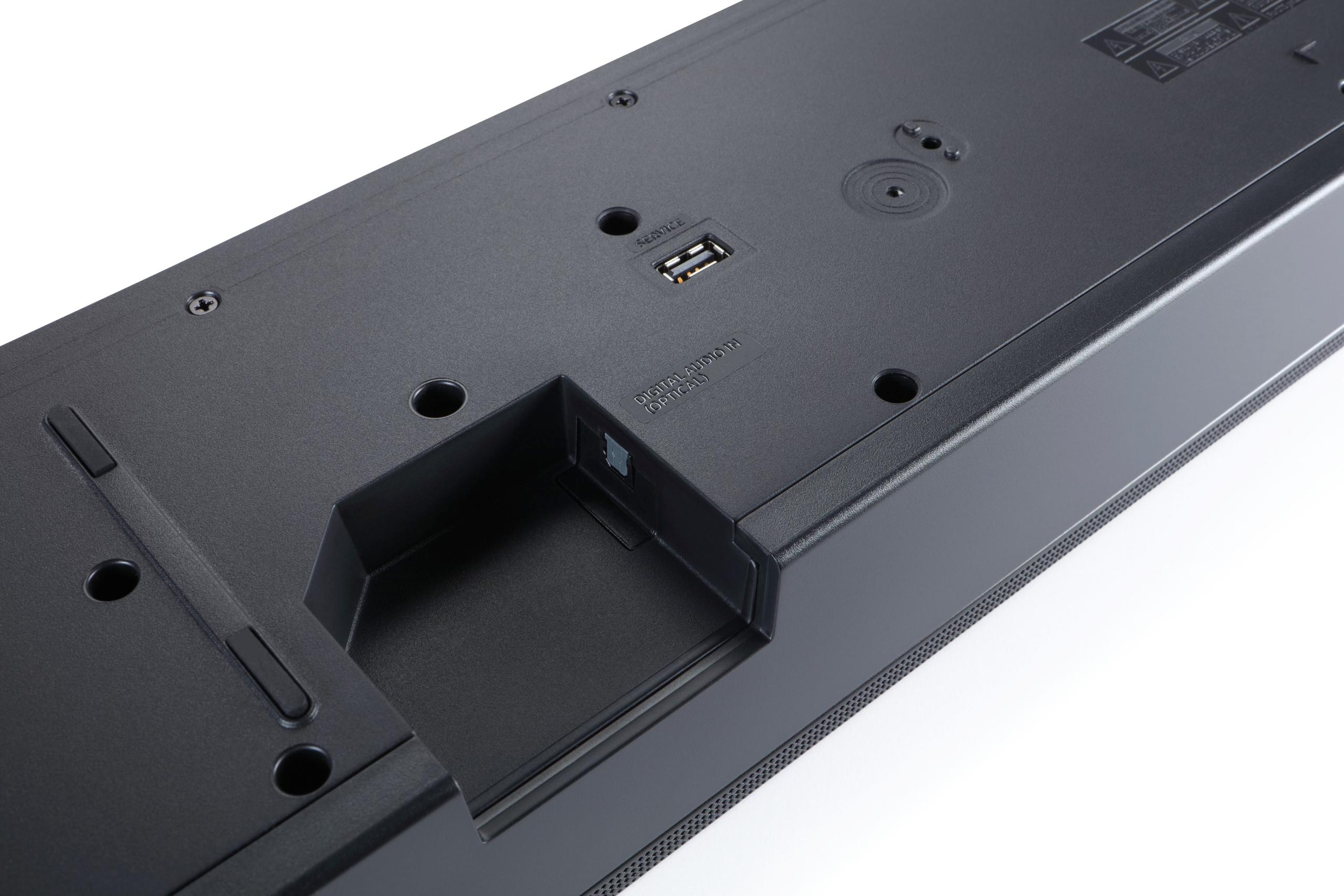
The Sony BRAVIA Theater Bar 6 is designed primarily for Sony BRAVIA TV integration, while the Samsung HW-Q990D offers more universal compatibility with features that work across different TV brands. However, both will function with any TV that has HDMI ARC or optical output.
The Sony BRAVIA Theater Bar 6 offers simpler setup with just the main bar and wireless subwoofer placement needed. The Samsung HW-Q990D requires positioning rear speakers behind your seating area and managing additional cables, making installation more complex but providing better surround coverage.
The Samsung HW-Q990D provides better music performance with more balanced frequency response and wider stereo imaging. The Sony BRAVIA Theater Bar 6 tends to be bass-heavy out of the box, which can overpower musical details, though this can be adjusted through its controls.
The Samsung HW-Q990D offers comprehensive wireless connectivity including Wi-Fi, Bluetooth 5.2, AirPlay 2, and Chromecast built-in. The Sony BRAVIA Theater Bar 6 is limited to Bluetooth connectivity only, restricting streaming options and smart home integration possibilities.
Value depends on your needs and room size. The Sony BRAVIA Theater Bar 6 typically costs significantly less and provides excellent value for smaller spaces and Sony TV owners. The Samsung HW-Q990D offers more comprehensive features and true surround sound, potentially providing better long-term value for larger rooms and serious home theater enthusiasts.
Choose the Sony BRAVIA Theater Bar 6 for: compact spaces, Sony TV integration, simpler setup, and budget-conscious buyers seeking good dialogue clarity. Choose the Samsung HW-Q990D for: larger rooms, true surround sound immersion, gaming features, comprehensive smart connectivity, and users wanting flagship-level home theater performance.
We've done our best to create useful and informative comparisons to help you decide what product to buy. Our research uses advanced automated methods to create this comparison and perfection is not possible - please contact us for corrections or questions. These are the sites we've researched in the creation of this article: rtings.com - bestbuy.com - whathifi.com - youtube.com - youtube.com - sony.com - galaxus.at - helpguide.sony.net - audioadvice.com - electronics.sony.com - youtube.com - youtube.com - electronics.sony.com - helpguide.sony.net - whatgear.net - consumerreports.org - techradar.com - avsforum.com - valueelectronics.com - samsung.com - rtings.com - samsung.com - avsforum.com - samsung.com - cdwg.com - youtube.com - whathifi.com

Privacy Policy
Terms and Conditions - Affiliate Policy
Home Security
© Copyright 2008-2026.
11816 Inwood Rd #1211, Dallas, TX 75244