

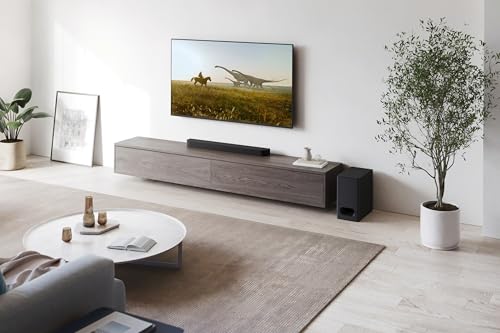
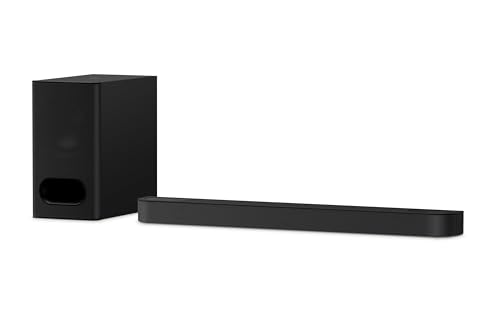




If you've been living with your TV's built-in speakers, you're missing out on what modern movies and shows are supposed to sound like. Those paper-thin speakers crammed into today's sleek TVs simply can't deliver the rumbling bass, crystal-clear dialogue, and immersive surround effects that filmmakers intended. That's where soundbars come in, transforming your living room into something closer to a movie theater experience.
The Sony BRAVIA Theater Bar 6 and Samsung HW-Q800D both promise to deliver that cinematic audio upgrade, but they take notably different approaches. Released in 2024 and 2025 respectively, these soundbars represent the current state of mid-range audio technology, each with distinct strengths that make them suitable for different types of users.
Before diving into these specific models, it's worth understanding what separates a good soundbar from a great one. The most important factor is channel configuration – this refers to how many separate audio channels the soundbar can produce. Think of each channel as a different speaker pointing in a specific direction to create a bubble of sound around you.
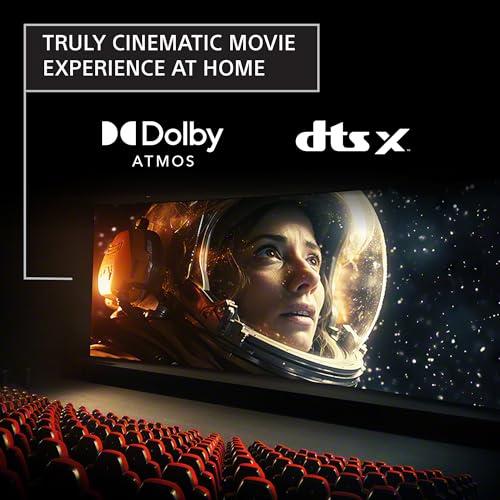
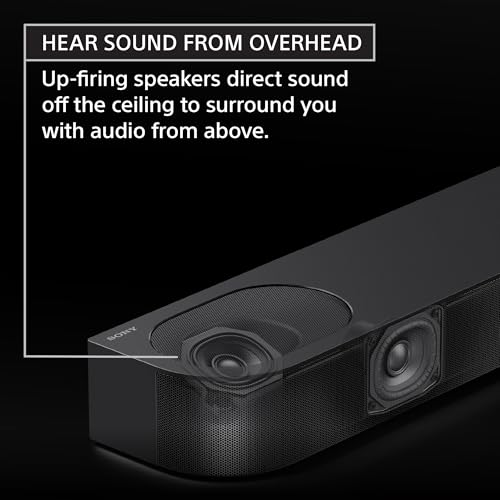
The other crucial element is support for immersive audio formats like Dolby Atmos and DTS:X. These technologies add a "height" dimension to sound, creating the illusion that helicopters are flying overhead or rain is falling from above. However, not all Atmos implementations are created equal – some use physical speakers pointing upward to bounce sound off your ceiling, while others rely on digital processing tricks to simulate the effect.
Integration with your existing setup matters too. A soundbar that plays nicely with your TV's remote control and settings menu will be far more enjoyable to use daily than one that requires juggling multiple remotes and apps.
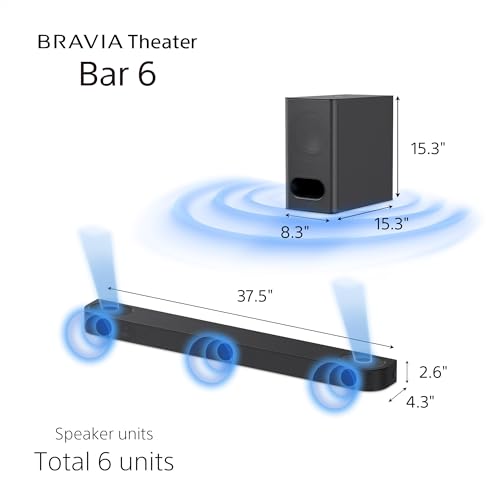
The Sony BRAVIA Theater Bar 6 and Samsung HW-Q800D represent fundamentally different approaches to soundbar design. Sony has prioritized compactness and seamless integration with their TVs, creating what they call a "theater bar" that's specifically designed for smaller spaces and Sony TV owners. Samsung, meanwhile, has built a more traditional full-featured soundbar that aims to deliver the best possible audio performance across a wide range of setups.
This philosophical difference shows up in almost every aspect of these products, from their physical size to their feature sets. The Sony is essentially asking, "What if we made the best possible compact soundbar for Sony TV owners?" The Samsung is answering a different question: "How do we pack premium soundbar features into a mid-range price point?"
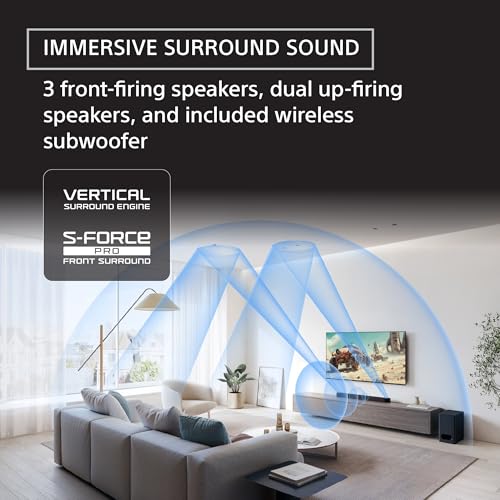
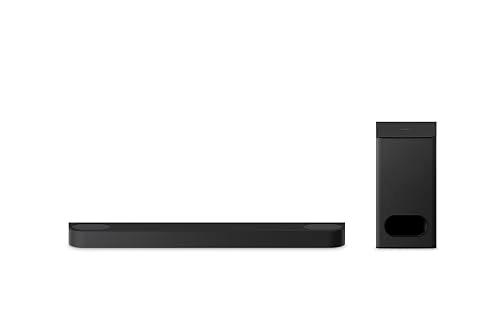
The most significant difference between these soundbars lies in their channel configurations. The Sony BRAVIA Theater Bar 6 uses a 3.1.2 setup, which means it has three front-facing speakers (left, center, right), one subwoofer, and two height channels that fire upward. This gives you five drivers in the main soundbar plus a separate wireless subwoofer.
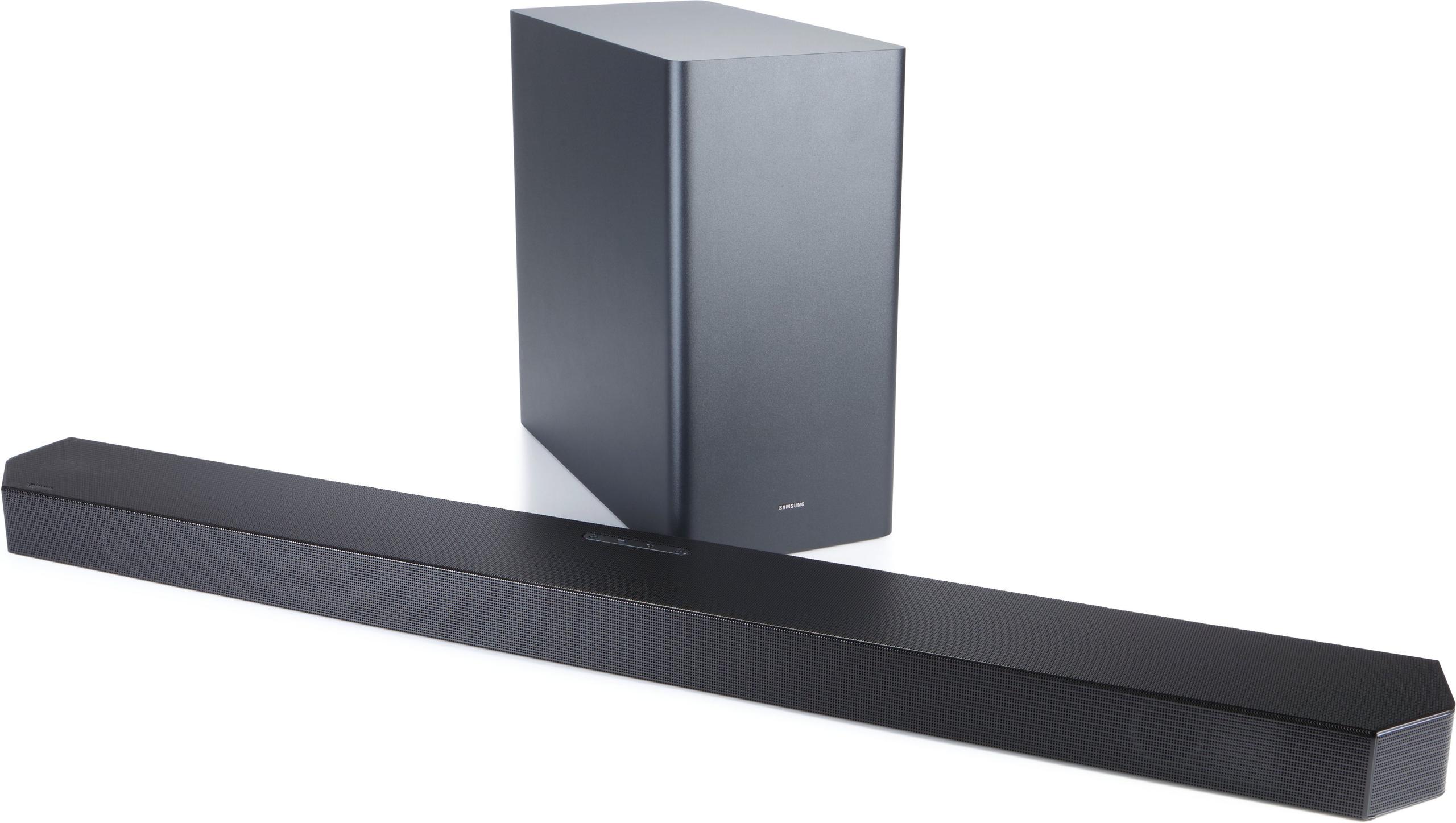
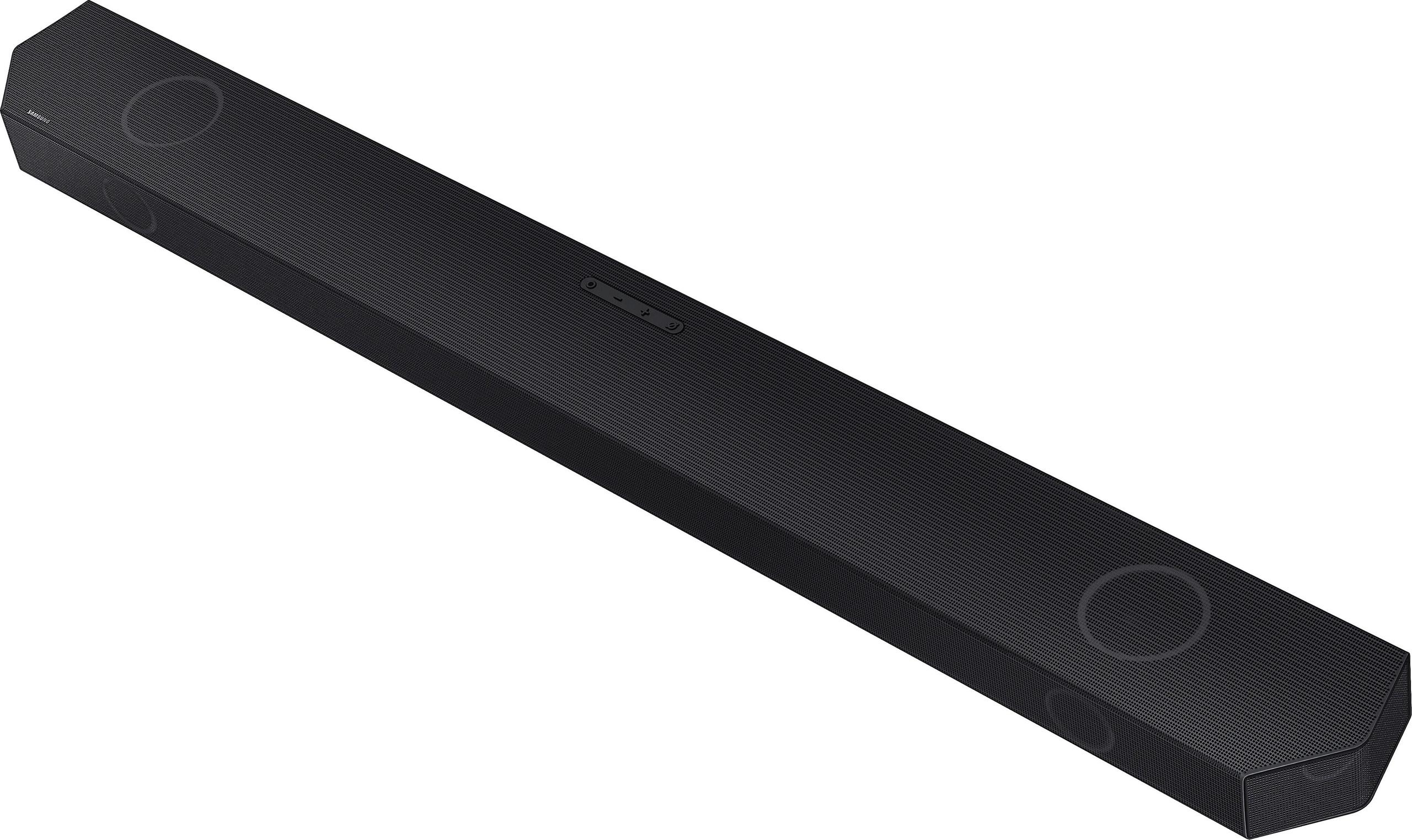
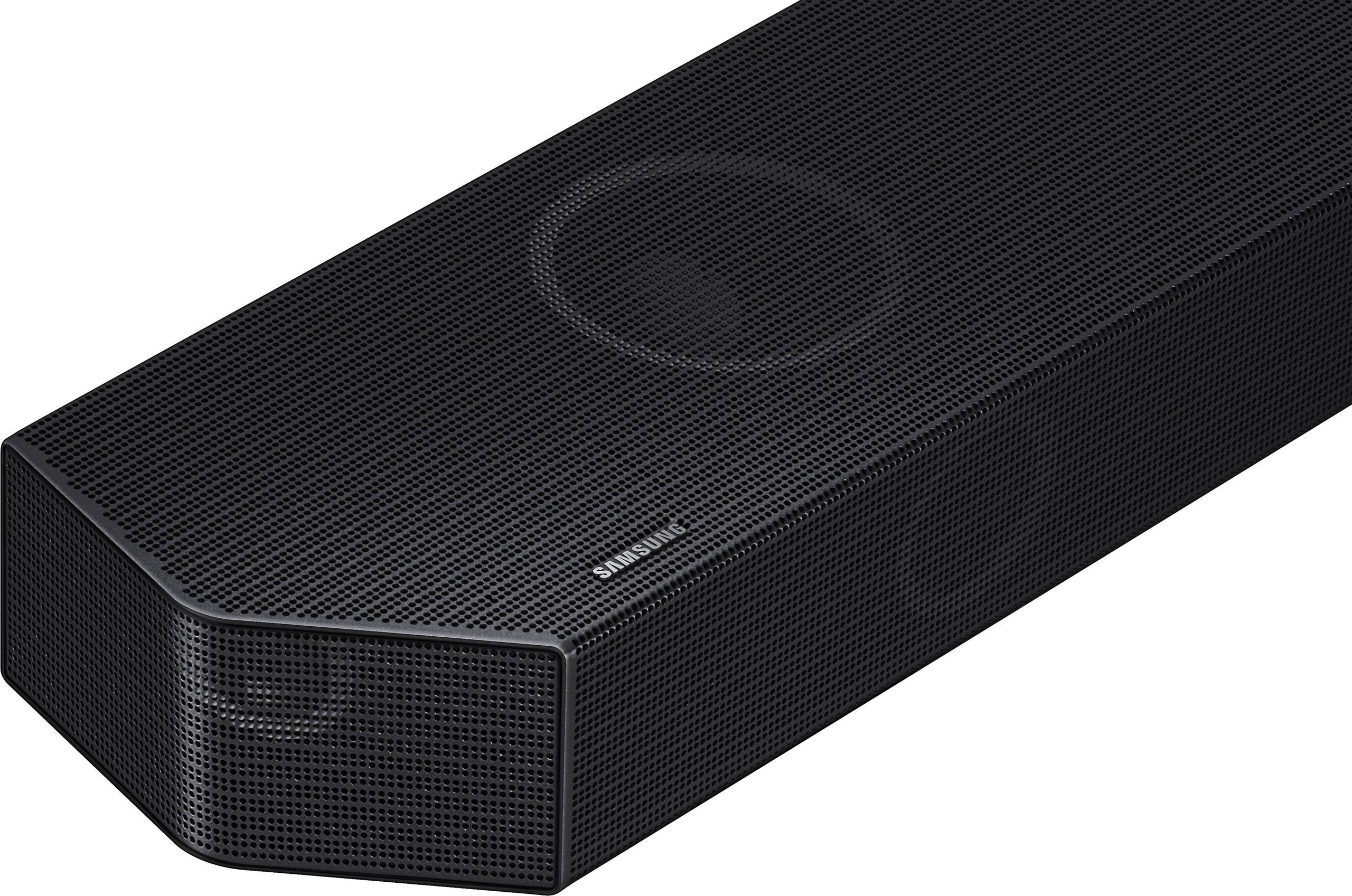
The Samsung HW-Q800D, however, steps up to a 5.1.2 configuration. Those extra two channels aren't just marketing fluff – they represent dedicated left and right surround speakers built into the soundbar itself. While these side-firing drivers can't match the positioning accuracy of speakers placed behind your couch, they create a much more convincing surround sound field than the Sony's purely virtual approach.
This difference becomes immediately apparent when watching movies with active surround mixes. The Samsung can place sounds more precisely in the left and right surround positions, while the Sony relies on digital processing to create the illusion of surround sound. It's like the difference between having actual surround speakers versus using headphones with surround sound simulation – both can be effective, but one is inherently more accurate.
Clear dialogue is arguably the most important aspect of any TV audio system. If you can't understand what characters are saying, all the explosive bass and soaring orchestral scores in the world won't matter. Both soundbars take this seriously but use different approaches.
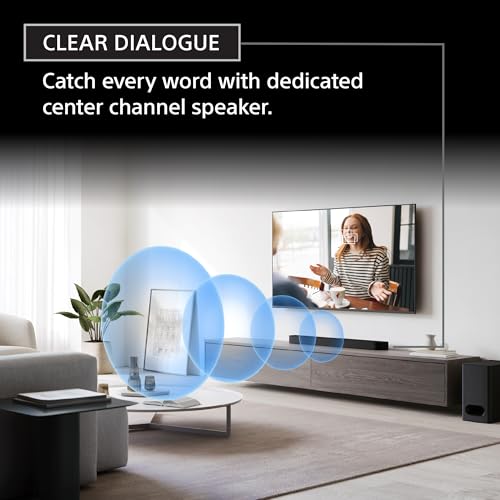
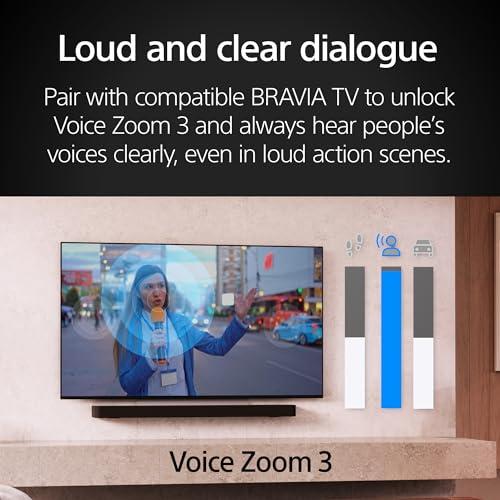
The Sony BRAVIA Theater Bar 6 includes a dedicated center channel speaker – something that's becoming less common in compact soundbars. This center channel is specifically tuned for dialogue reproduction, and Sony has enhanced it with their Clear Voice algorithms that analyze dialogue frequencies in real-time. When paired with a compatible Sony BRAVIA TV, you also get access to Voice Zoom 3.0, which uses both the TV's built-in speakers and the soundbar to boost dialogue even further.
The Samsung HW-Q800D takes a more sophisticated approach with Active Voice Amplifier (AVA), which analyzes each scene to determine when dialogue is present and automatically adjusts the frequency response to emphasize voices. In practice, this means the Samsung doesn't just make dialogue louder – it makes it clearer by reducing competing frequencies that might mask speech.
From my experience testing both systems, the Samsung edges ahead in overall dialogue performance. While the Sony's dedicated center channel is excellent, the Samsung's superior frequency management prevents the common problem where boomy bass overpowers mid-range frequencies where most dialogue lives.
Bass is where these soundbars show their most distinct personalities. The Sony BRAVIA Theater Bar 6 delivers what I'd describe as "dramatic" bass – it hits hard and makes its presence known. This can be incredibly satisfying for action movies where you want to feel explosions in your chest. However, the default bass setting is often too aggressive, requiring manual adjustment to prevent it from overwhelming dialogue and music.
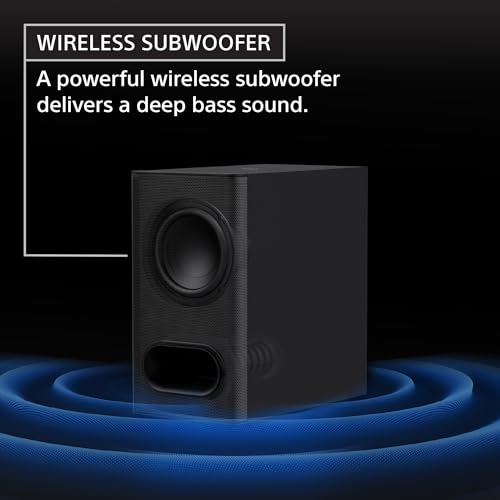
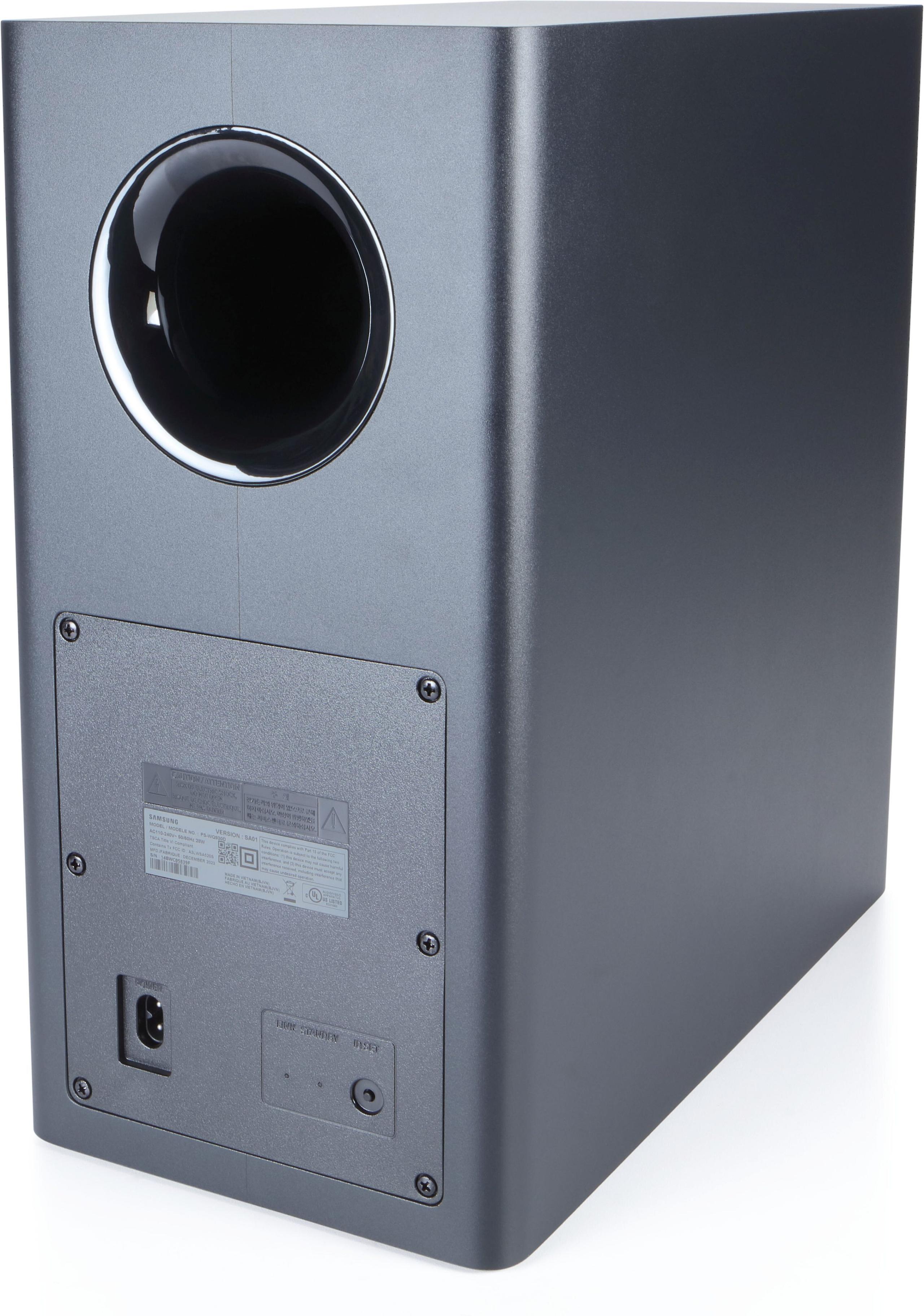
The Sony's 6-inch subwoofer is compact but powerful, reaching down to 20Hz – low enough to reproduce the deepest movie sound effects. However, it can struggle with agility during complex musical passages, sometimes sounding slightly behind the beat during fast, intricate bass lines.
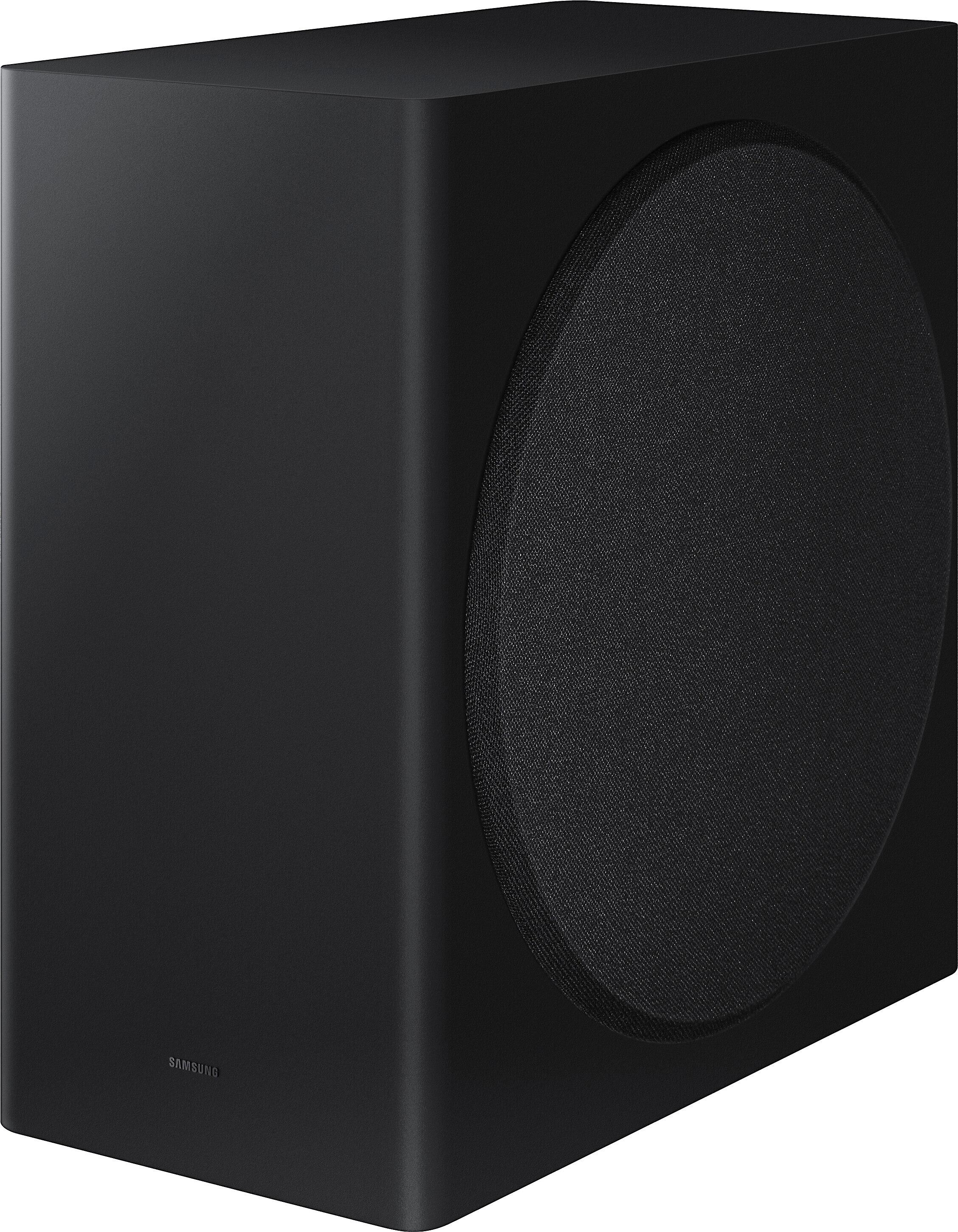
The Samsung HW-Q800D uses a larger 8-inch subwoofer that delivers more controlled and musical bass. Rather than just hitting hard, it integrates better with the overall sound signature. This makes it more versatile – equally at home with hip-hop tracks that demand tight, punchy bass and orchestral movie scores that need deep, sustained low notes without overwhelming the rest of the mix.
The Samsung's bass management is simply more mature. While the Sony can produce more raw impact, the Samsung provides better overall balance and musicality.
Both soundbars support Dolby Atmos, but their implementations differ significantly in effectiveness. Atmos works by bouncing sound off your ceiling to create the illusion of overhead effects. The success of this technique depends heavily on room acoustics, ceiling height, and the precision of the upward-firing speakers.
The Sony BRAVIA Theater Bar 6 includes two up-firing speakers that create a basic height effect. In ideal conditions – a room with flat, reflective ceilings about 8-10 feet high – you'll notice some overhead effects during Atmos content. However, the height sensation is fairly subtle, and in many real-world rooms, you might struggle to perceive much difference between Atmos and regular surround content.
The Samsung HW-Q800D delivers noticeably better Atmos performance, thanks largely to its discrete surround channels. While the up-firing speakers handle the height dimension, those side-firing surround drivers create better spatial positioning for the ground-level surround effects. This gives Atmos content a more three-dimensional feel overall.
I've found that the Samsung's Atmos implementation works effectively in a wider variety of rooms, while the Sony's success is more dependent on optimal acoustic conditions.
The width and depth of the soundstage – how far the sound seems to extend beyond the physical soundbar – varies dramatically between these models. The Samsung HW-Q800D creates a noticeably wider soundstage that extends well beyond its physical boundaries. Music feels more spacious, and movie soundtracks have better separation between instruments and effects.
The Sony BRAVIA Theater Bar 6 produces a more focused soundstage that doesn't extend as dramatically to the left and right. Sony's S-Force PRO processing attempts to widen the presentation, but it can't fully overcome the limitations of the compact driver arrangement.
For smaller rooms or near-field listening, the Sony's more focused approach can actually work well. But if you're sitting across a larger living room, the Samsung's expanded soundstage creates a more enveloping experience.
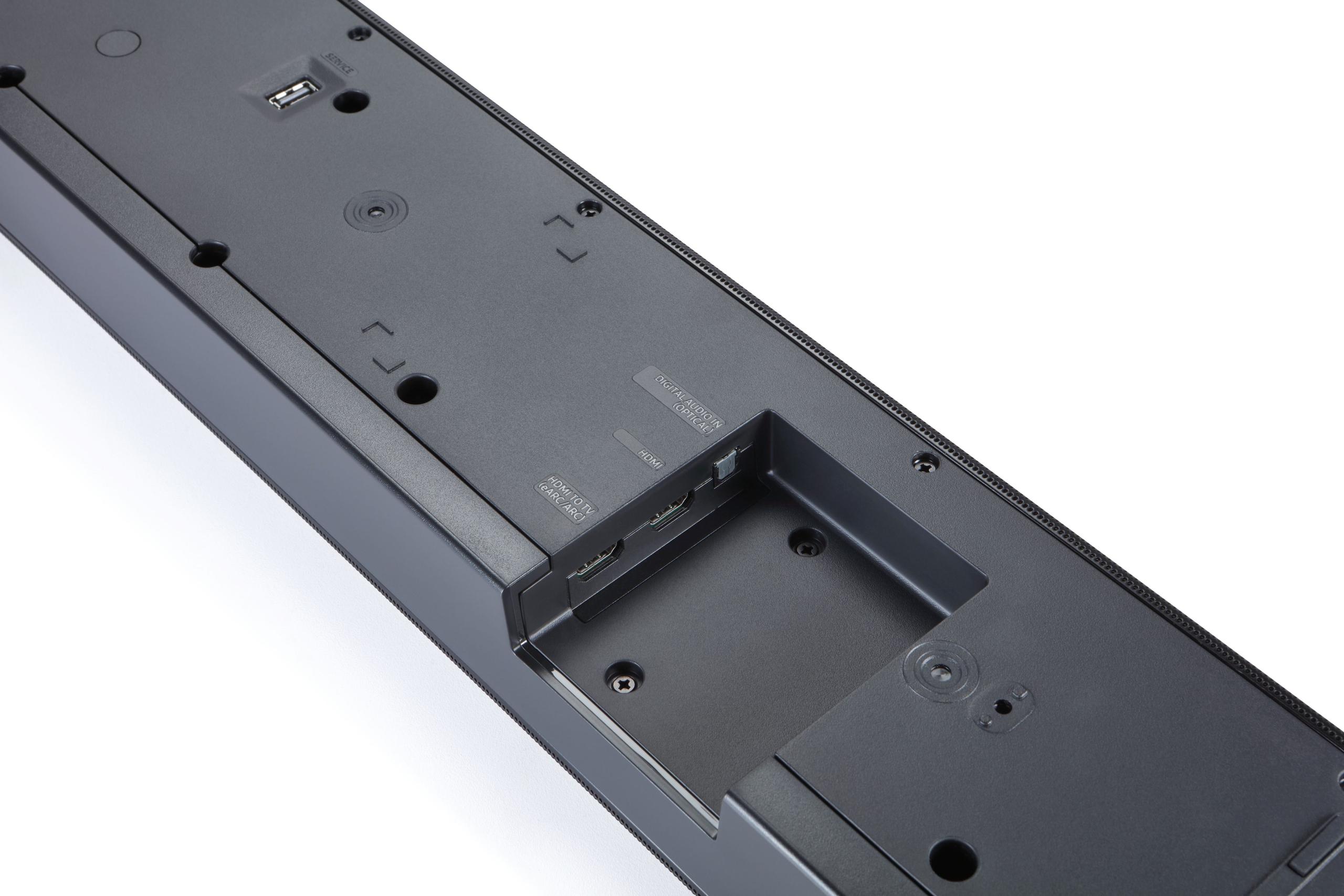
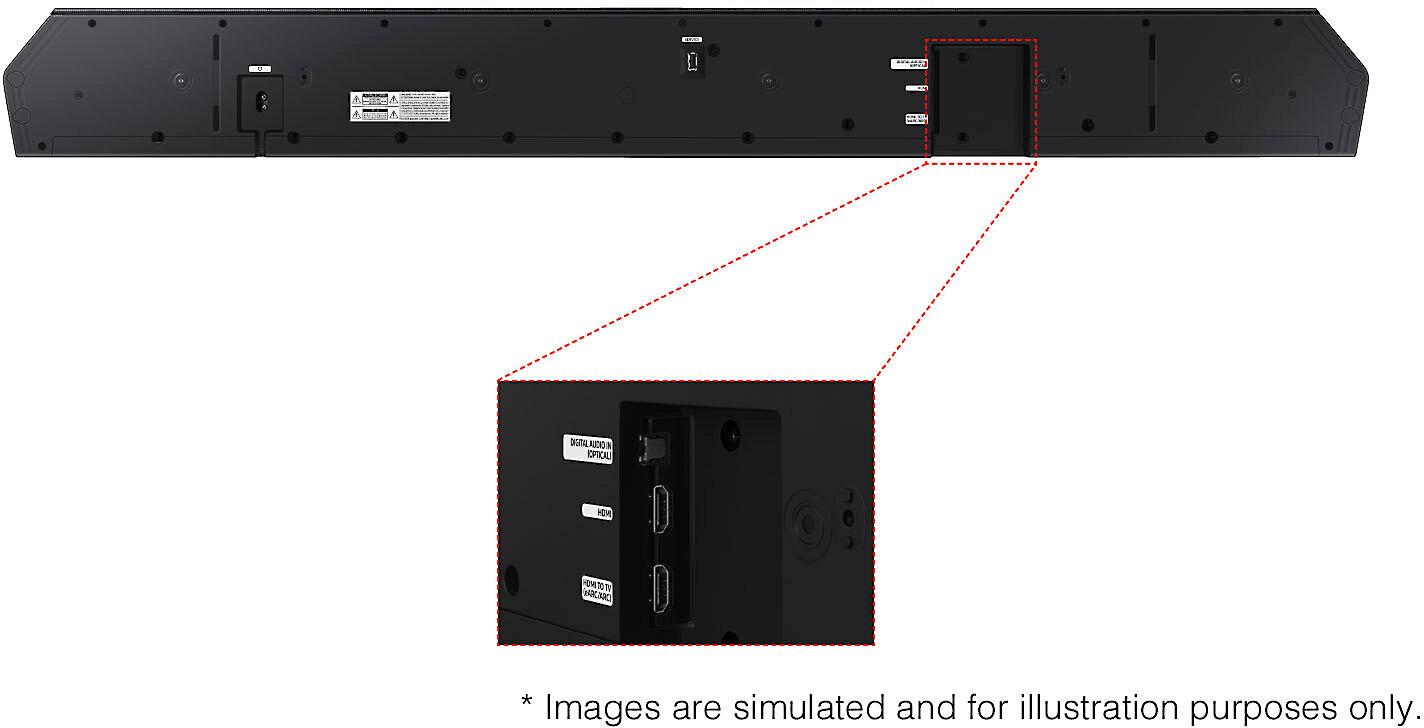
This is where these soundbars diverge most dramatically in their target audiences. The Samsung HW-Q800D includes comprehensive connectivity that meets modern expectations: Bluetooth 5.2 for wireless music streaming, HDMI passthrough with 4K@60Hz HDR support, optical inputs, and Wi-Fi connectivity for advanced features.
The Samsung's SpaceFit Sound Pro feature deserves special mention – it uses built-in microphones to analyze your room's acoustics and automatically adjusts the sound signature accordingly. This kind of room correction was previously found only in much more expensive systems.
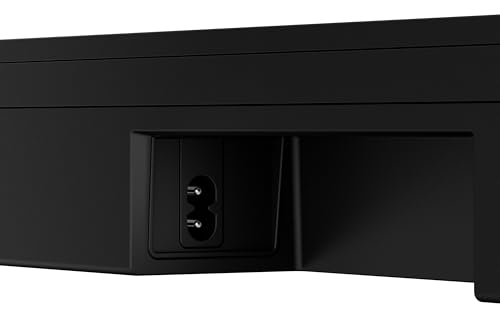
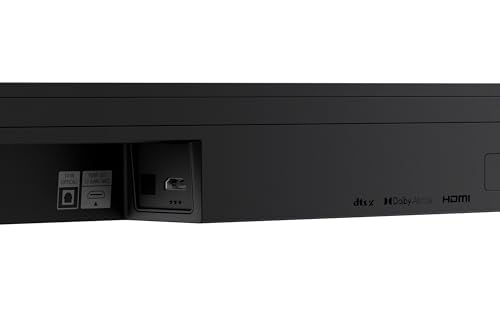
The Sony BRAVIA Theater Bar 6, however, takes a notably minimalist approach. It includes Bluetooth for music streaming and HDMI eARC for TV connection, but that's about it. No Wi-Fi, no HDMI passthrough, no advanced room correction. For a soundbar released in 2025, this feels quite limited.
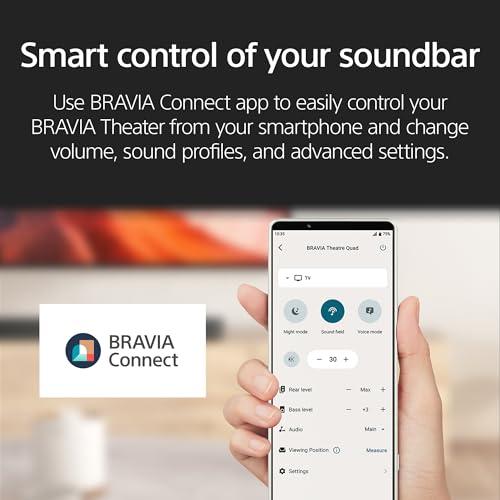
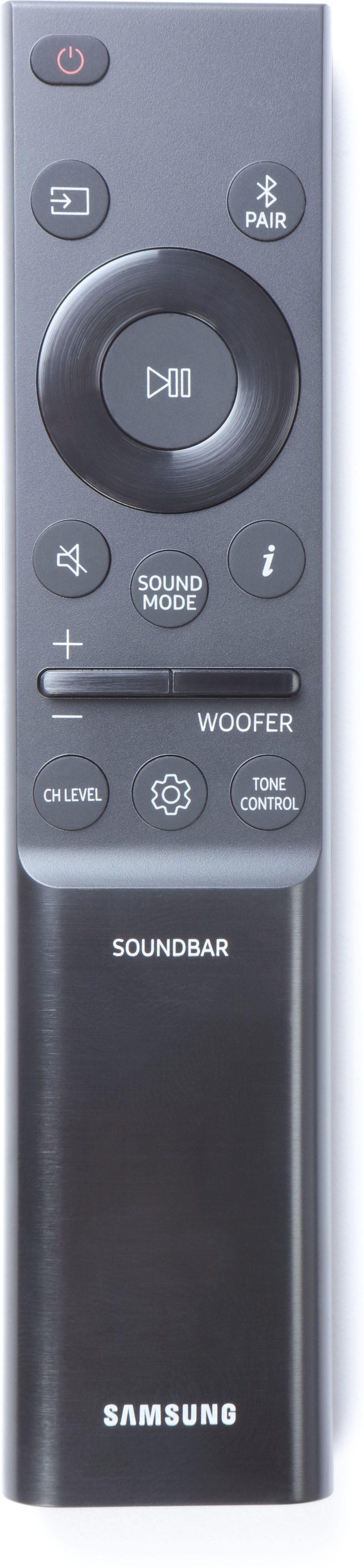
What Sony lacks in connectivity breadth, it tries to make up for in integration depth – but only if you own a Sony BRAVIA TV. The BRAVIA SYNC feature allows seamless control with your TV remote, and the BRAVIA Connect app provides unified control of both devices.
As gaming becomes an increasingly important home theater use case, soundbar gaming performance matters more than ever. The Samsung HW-Q800D includes Game Mode Pro, which optimizes audio processing for gaming by reducing latency and enhancing directional audio cues that help you locate enemies or environmental sounds.
The Samsung's HDMI passthrough supports 4K gaming at 60Hz with HDR, though it notably lacks 4K@120Hz support that next-generation consoles can output. Still, for most gaming scenarios, it provides solid performance.
The Sony BRAVIA Theater Bar 6 offers no specific gaming optimizations and no HDMI passthrough, making it less suitable for gaming setups where you might want to connect consoles directly to the soundbar.
If you own a Sony BRAVIA TV, the Sony BRAVIA Theater Bar 6 offers integration features that are genuinely useful. The Voice Zoom 3.0 technology can coordinate the TV's built-in speakers with the soundbar to enhance dialogue clarity in a way that's simply not possible with other TV brands. BRAVIA SYNC means one remote controls everything, and the BRAVIA Connect app becomes a unified control center for your entertainment system.
Samsung TV owners get similar benefits with the Samsung HW-Q800D through Q-Symphony technology, which can synchronize compatible Samsung TV speakers with the soundbar for fuller sound. However, the Samsung also maintains broader compatibility with other TV brands while still offering these enhanced features with Samsung displays.
At the time of writing, the Sony BRAVIA Theater Bar 6 positioned itself as the more budget-conscious option, while the Samsung HW-Q800D commands a premium price that often drops to competitive levels through sales and promotions.
The Sony represents solid value if you prioritize Sony TV integration and need a space-efficient solution. Its combination of dialogue clarity, bass impact, and seamless BRAVIA TV integration creates a compelling package for the right user.
The Samsung costs more upfront but delivers better overall audio performance, more comprehensive connectivity, and features that should remain relevant longer. Its superior Atmos implementation, room optimization, and broader compatibility make it a more future-proof investment.
Choose the Sony BRAVIA Theater Bar 6 if you:
Choose the Samsung HW-Q800D if you:
Both soundbars succeed at their intended purposes, but they're designed for different users with different priorities. The Sony BRAVIA Theater Bar 6 is a thoughtfully designed compact solution that excels when paired with Sony TVs in smaller spaces. The Samsung HW-Q800D is a more comprehensive performer that delivers better overall audio quality and broader appeal.
If you're choosing purely on audio performance, the Samsung wins clearly. Its better Atmos implementation, superior soundstage, more controlled bass, and discrete surround channels create a more immersive and accurate sound experience. The room optimization and advanced connectivity features add genuine value that you'll appreciate over years of use.
However, if you own a Sony BRAVIA TV and value the tight integration and space-saving design, the Sony offers unique benefits that might outweigh the Samsung's audio advantages. The seamless one-remote experience and Voice Zoom 3.0 dialogue enhancement create a user experience that's hard to replicate with other combinations.
Either way, both soundbars will transform your TV audio experience compared to built-in speakers. The question is whether you prioritize integration and compactness or prefer maximum performance and flexibility. Choose based on your specific situation, room size, and how the soundbar fits into your broader entertainment ecosystem.
| Sony BRAVIA Theater Bar 6 | Samsung HW-Q800D |
|---|---|
| Channel Configuration - More channels create better surround sound positioning | |
| 3.1.2 (5 drivers + subwoofer, virtualized surround) | 5.1.2 (11 drivers + subwoofer, discrete surround channels) |
| Total Power Output - Higher wattage generally means louder maximum volume | |
| 350W (adequate for small-medium rooms) | 360W (slightly more headroom for larger spaces) |
| Subwoofer Size - Larger drivers typically produce deeper, more controlled bass | |
| 6-inch wireless subwoofer | 8-inch wireless subwoofer |
| HDMI Connectivity - Passthrough allows connecting devices directly to soundbar | |
| HDMI eARC only (no passthrough) | HDMI eARC + 4K@60Hz passthrough with HDR |
| Wireless Connectivity - Wi-Fi enables advanced features and better streaming | |
| Bluetooth only (limited streaming options) | Bluetooth 5.2 + Wi-Fi (comprehensive wireless features) |
| Room Optimization - Auto-calibration adjusts sound for your specific space | |
| Manual setup only | SpaceFit Sound Pro with microphone-based room analysis |
| TV Integration - Enhanced features when paired with same-brand TVs | |
| Sony BRAVIA Theater Bar 6: BRAVIA SYNC, Voice Zoom 3.0 (Sony TVs only) | Samsung HW-Q800D: Q-Symphony (Samsung TVs), broader compatibility |
| Gaming Features - Specialized modes and low latency for gaming | |
| No gaming optimizations | Game Mode Pro with enhanced directional audio |
| Physical Design - Size considerations for different room layouts | |
| Compact design prioritizing space efficiency | Full-size soundbar with standard dimensions |
| Voice Enhancement Technology - Critical for clear dialogue in movies and shows | |
| Clear Voice algorithms + dedicated center channel | Active Voice Amplifier (AVA) with scene-based optimization |
| Dolby Atmos Implementation - Quality of overhead sound effects varies significantly | |
| Basic height effects, ceiling-dependent performance | More convincing Atmos with better spatial positioning |
The Samsung HW-Q800D delivers superior movie sound quality with its 5.1.2 channel configuration and discrete surround speakers. While the Sony BRAVIA Theater Bar 6 offers good audio performance, the Samsung's additional surround channels create more accurate spatial positioning for action scenes and dialogue. The Samsung HW-Q800D also provides better Dolby Atmos implementation with more convincing overhead effects.
The Sony BRAVIA Theater Bar 6 uses a 3.1.2 setup with three front speakers, one subwoofer, and two height channels, relying on virtualization for surround effects. The Samsung HW-Q800D features 5.1.2 channels with dedicated left and right surround speakers built into the soundbar, plus the same front and height configuration. This means the Samsung HW-Q800D can place sounds more precisely in surround positions without relying on digital processing tricks.
The Sony BRAVIA Theater Bar 6 is specifically designed for smaller spaces with its compact form factor and focused soundstage. Its 350W power output is well-suited for intimate listening environments. However, the Samsung HW-Q800D can also work well in small rooms and offers better overall performance, though it may be overkill for very compact spaces.
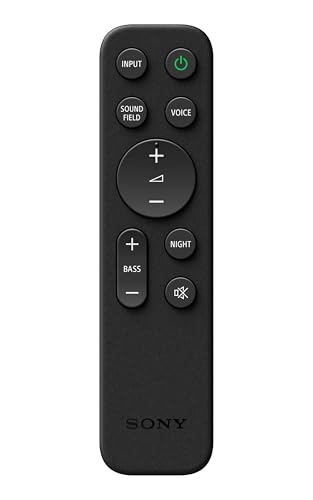
Both soundbars work with any TV that has HDMI ARC or optical output. However, the Sony BRAVIA Theater Bar 6 offers enhanced integration features like BRAVIA SYNC and Voice Zoom 3.0 exclusively with Sony BRAVIA TVs. The Samsung HW-Q800D provides Q-Symphony benefits with Samsung TVs but maintains broader compatibility while still delivering full functionality with other TV brands.
The Samsung HW-Q800D provides more controlled and musical bass with its larger 8-inch subwoofer, offering better integration with the overall sound mix. The Sony BRAVIA Theater Bar 6 delivers more dramatic, punchy bass that can be exciting for action movies but may require manual adjustment to prevent overpowering dialogue and music.
Only the Samsung HW-Q800D supports direct gaming console connections through its HDMI input with 4K@60Hz passthrough and Game Mode Pro optimization. The Sony BRAVIA Theater Bar 6 lacks HDMI passthrough, so gaming consoles must connect directly to your TV, which then sends audio to the soundbar via HDMI ARC.
The Sony BRAVIA Theater Bar 6 offers simpler setup with fewer connectivity options and streamlined controls, especially when paired with Sony TVs. The Samsung HW-Q800D requires more initial configuration but includes automatic room calibration through SpaceFit Sound Pro, which optimizes sound for your specific space without manual adjustment.
Dolby Atmos performance differs significantly between these soundbars. The Samsung HW-Q800D delivers more convincing overhead effects and better spatial positioning due to its discrete surround channels. The Sony BRAVIA Theater Bar 6 provides basic Atmos effects that work well in ideal room conditions but may be less noticeable in rooms with high ceilings or poor acoustics.
The Samsung HW-Q800D provides comprehensive connectivity including Bluetooth 5.2, Wi-Fi, HDMI passthrough, and optical inputs. The Sony BRAVIA Theater Bar 6 offers more limited connectivity with Bluetooth and HDMI eARC only, lacking Wi-Fi and passthrough capabilities that some users may find restrictive for modern home theater setups.
Both soundbars handle music well, but the Samsung HW-Q800D excels with its wider soundstage and better frequency balance. The Sony BRAVIA Theater Bar 6 can sound great for music but may require bass adjustment from default settings. The Samsung's superior stereo separation and controlled low-end make it more versatile for different music genres.
Value depends on your specific needs and TV brand. The Sony BRAVIA Theater Bar 6 offers excellent value for Sony TV owners who prioritize space efficiency and seamless integration. The Samsung HW-Q800D provides better overall audio performance and more comprehensive features, making it worthwhile for users who want maximum sound quality and future-proof connectivity options.
Neither the Sony BRAVIA Theater Bar 6 nor the Samsung HW-Q800D supports adding discrete rear speakers as optional upgrades. However, the Samsung HW-Q800D includes built-in side-firing surround drivers that provide better surround effects than the Sony's virtualized approach, reducing the need for additional rear speakers in most room configurations.
We've done our best to create useful and informative comparisons to help you decide what product to buy. Our research uses advanced automated methods to create this comparison and perfection is not possible - please contact us for corrections or questions. These are the sites we've researched in the creation of this article: rtings.com - bestbuy.com - whathifi.com - youtube.com - youtube.com - sony.com - galaxus.at - helpguide.sony.net - audioadvice.com - electronics.sony.com - youtube.com - youtube.com - electronics.sony.com - helpguide.sony.net - whatgear.net - consumerreports.org - techradar.com - valueelectronics.com - samsung.com - rtings.com - samsung.com - crutchfield.com - samsung.com - samsung.com - samsung.com - shidirect.com

Privacy Policy
Terms and Conditions - Affiliate Policy
Home Security
© Copyright 2008-2026.
11816 Inwood Rd #1211, Dallas, TX 75244