




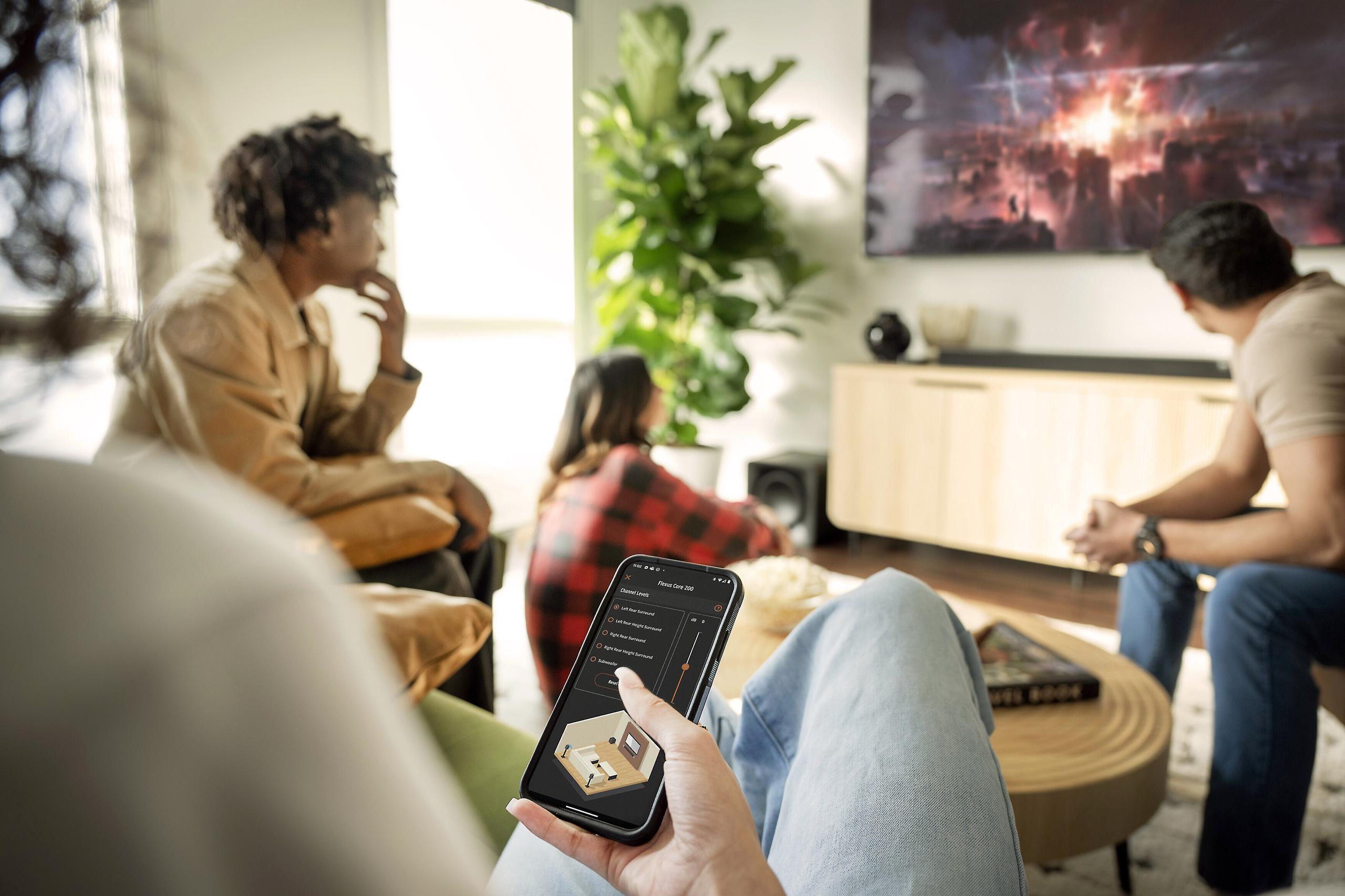
Shopping for a soundbar can feel overwhelming with so many options promising "cinematic sound" and "theater-quality audio." Today, I'm comparing two popular 3.1.2 soundbars that take completely different approaches to home theater audio: the Sony BRAVIA Theater Bar 6 and the Klipsch Flexus Core 200.
Both products launched in 2024, representing the latest thinking in affordable home theater audio. The Sony BRAVIA Theater Bar 6 follows the traditional soundbar-plus-subwoofer formula, while the Klipsch Flexus Core 200 packs everything into a single unit. At the time of writing, there's a significant price difference between them, with the Klipsch coming in considerably less expensive than the Sony.
Before diving into comparisons, let's break down what "3.1.2" actually means. The first number (3) represents three front-facing speakers: left, center, and right channels. The ".1" indicates a dedicated subwoofer channel for bass frequencies typically below 80Hz. The final number (2) refers to height channels that fire sound upward to create overhead effects for Dolby Atmos content.
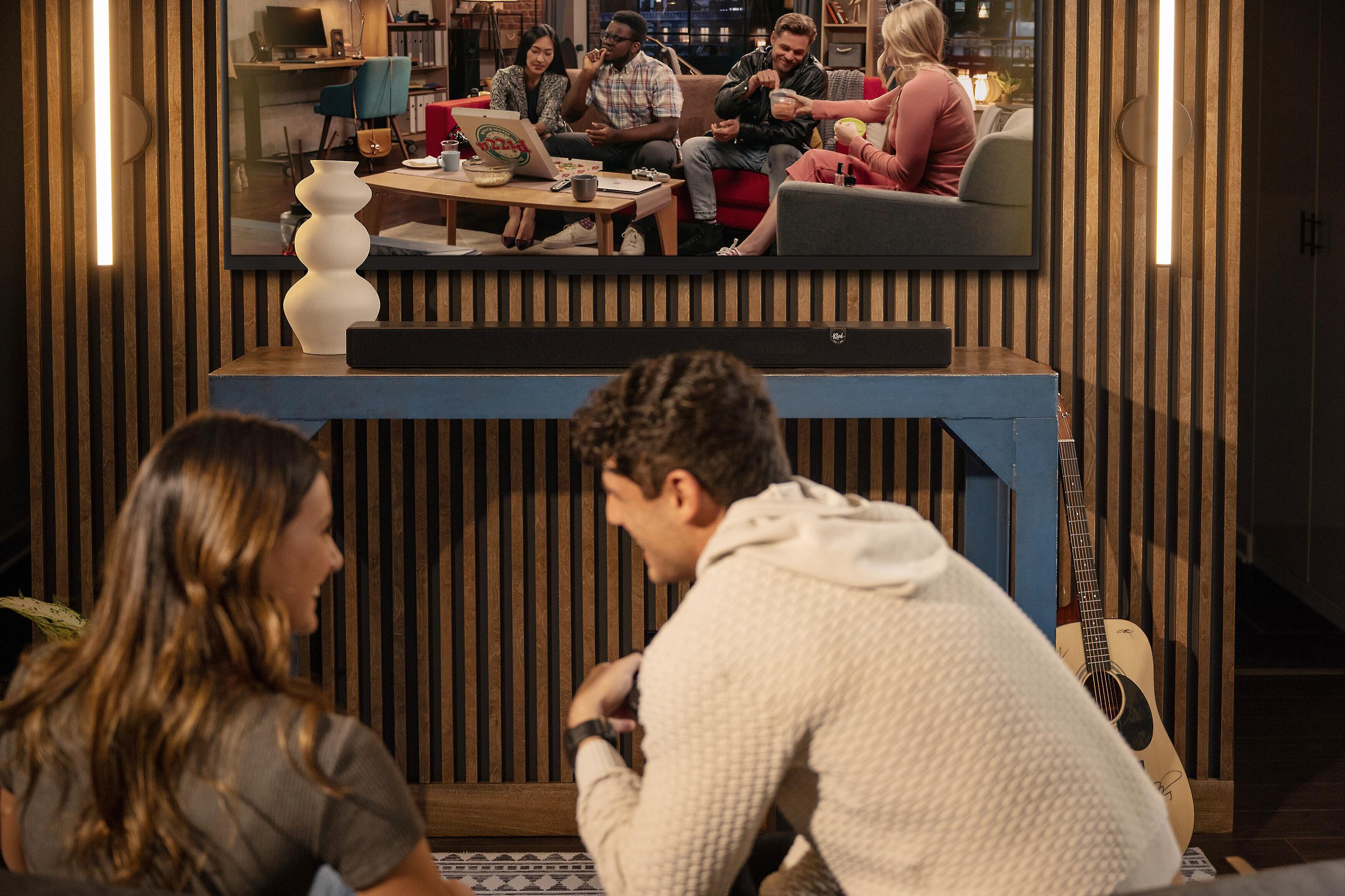
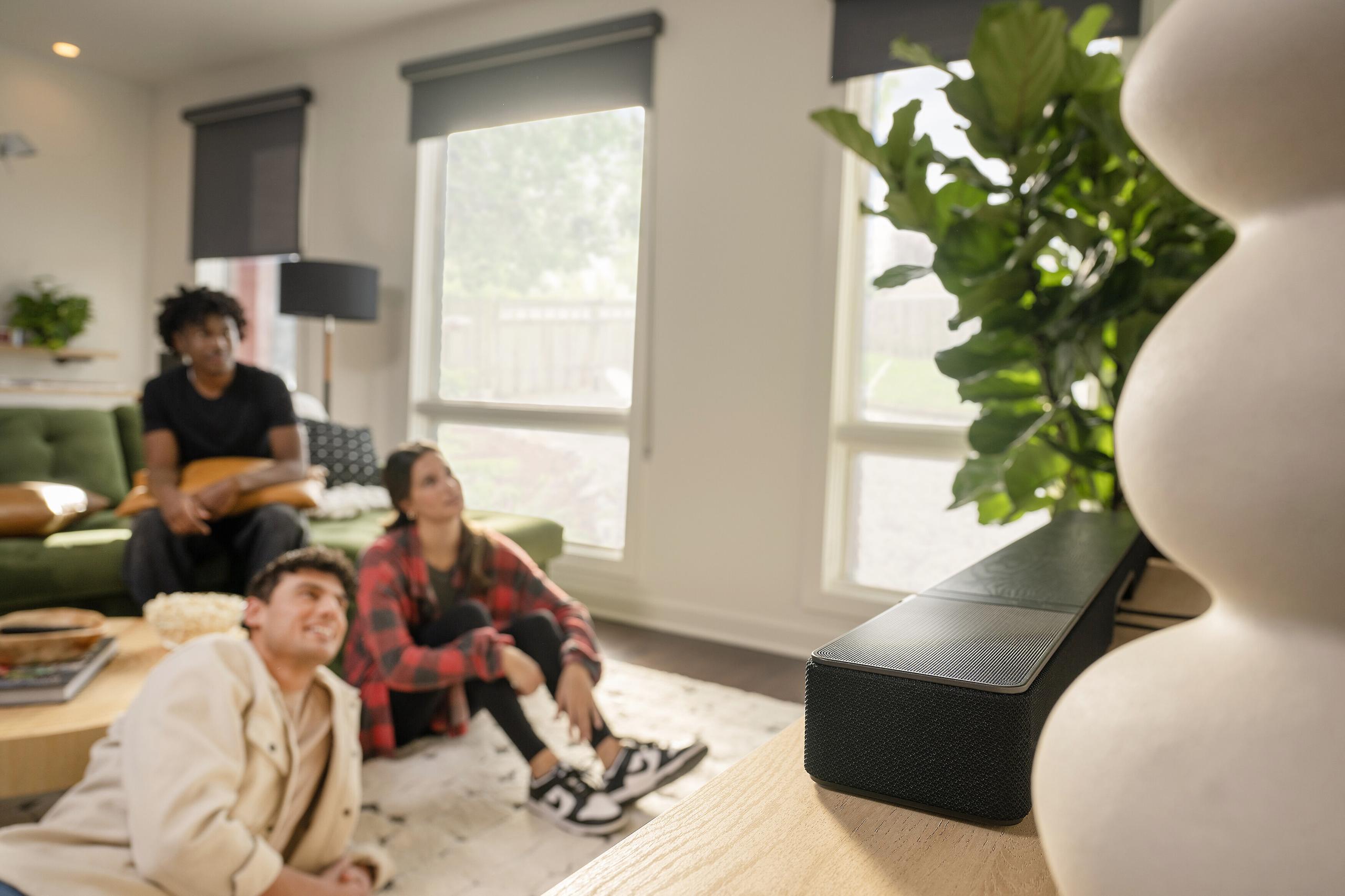
This configuration represents a sweet spot in home theater audio. You get the immersive overhead effects that make helicopters seem to fly above your head without the complexity of installing ceiling speakers or placing rear speakers around your room. It's like having a movie theater experience that fits on your TV stand.
The key considerations when shopping in this category include bass response (how deep and powerful the low frequencies sound), dialogue clarity (essential since most content is dialogue-heavy), soundstage width (how well the system creates the illusion of sound coming from beyond the physical speakers), and those Atmos height effects that make modern action movies so immersive.
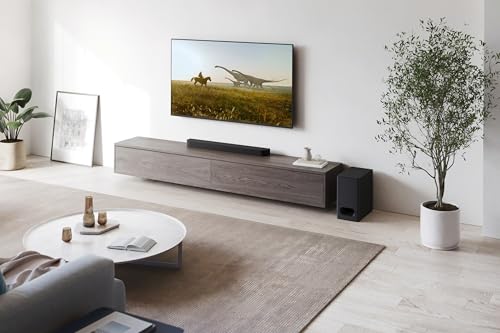
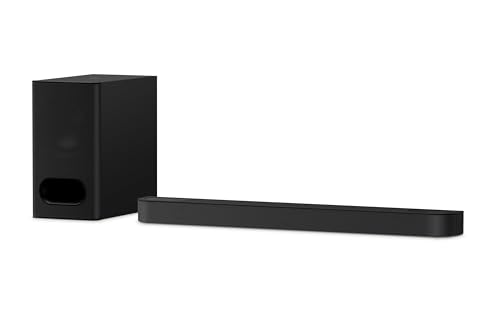
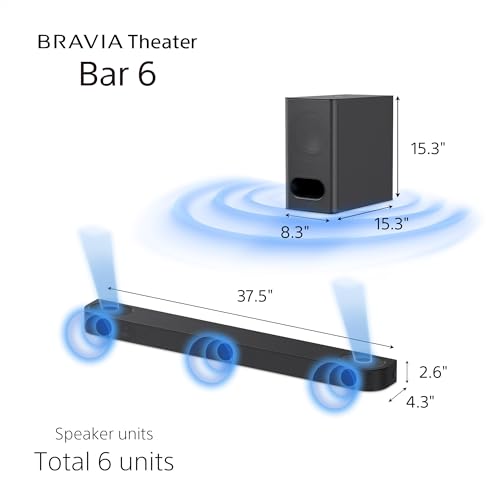
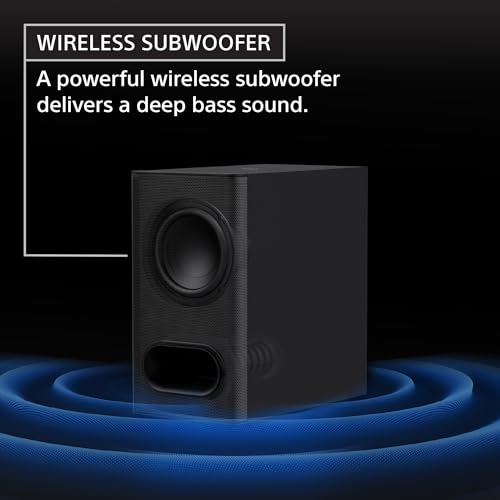
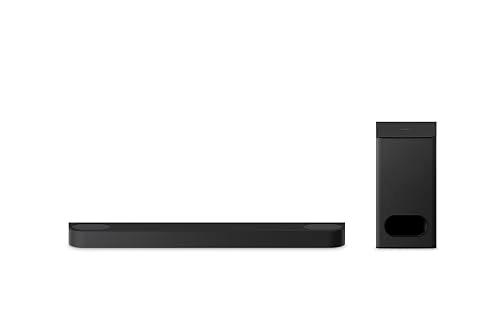
The Sony BRAVIA Theater Bar 6 takes the traditional approach with a compact soundbar paired with a wireless subwoofer. This two-piece setup gives you flexibility in subwoofer placement – crucial since bass frequencies are omnidirectional and can sound dramatically different depending on where you put the sub in your room.
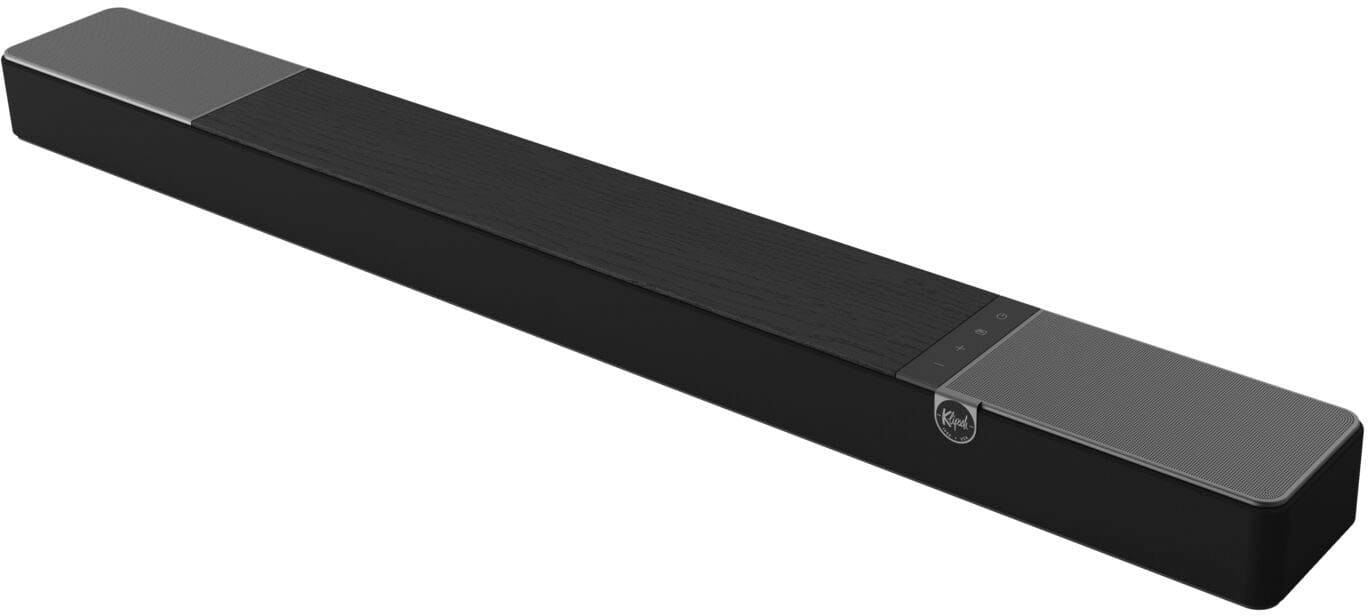
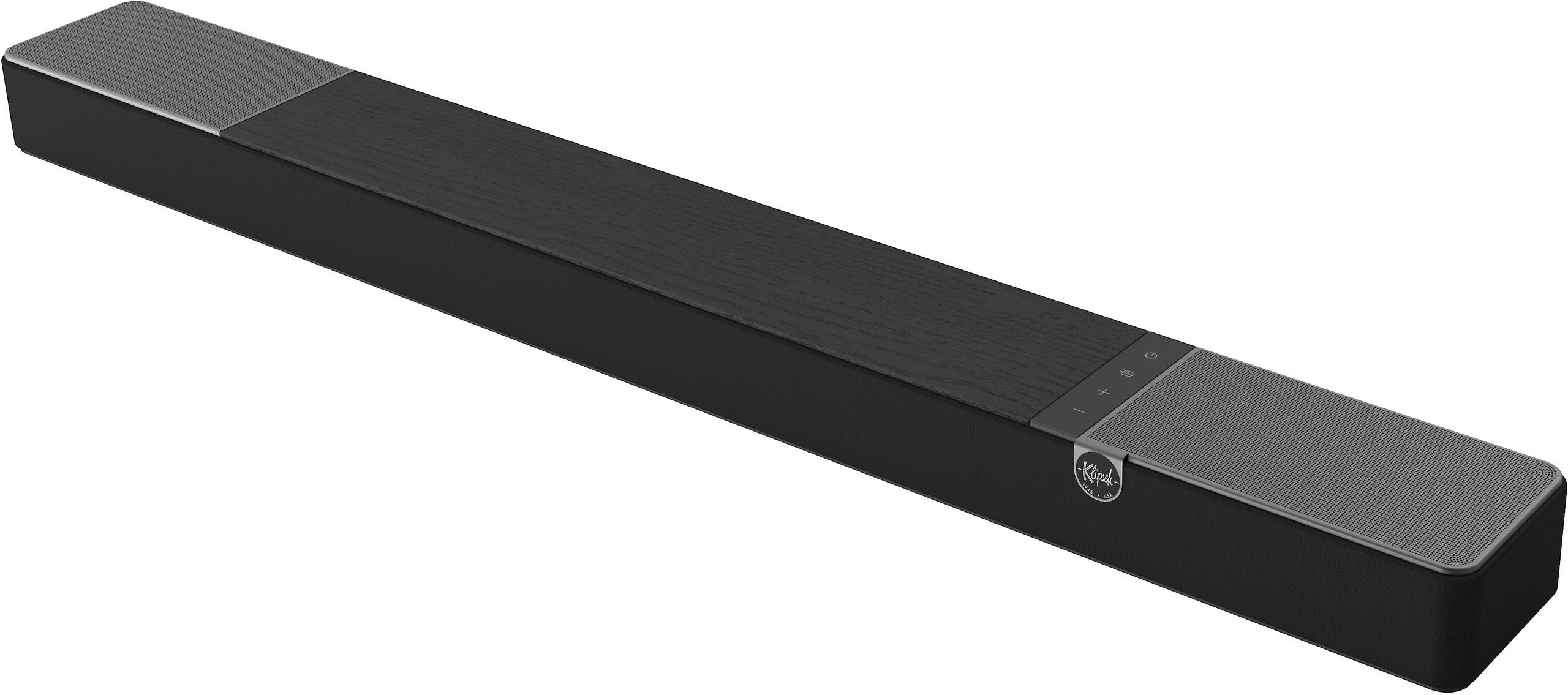
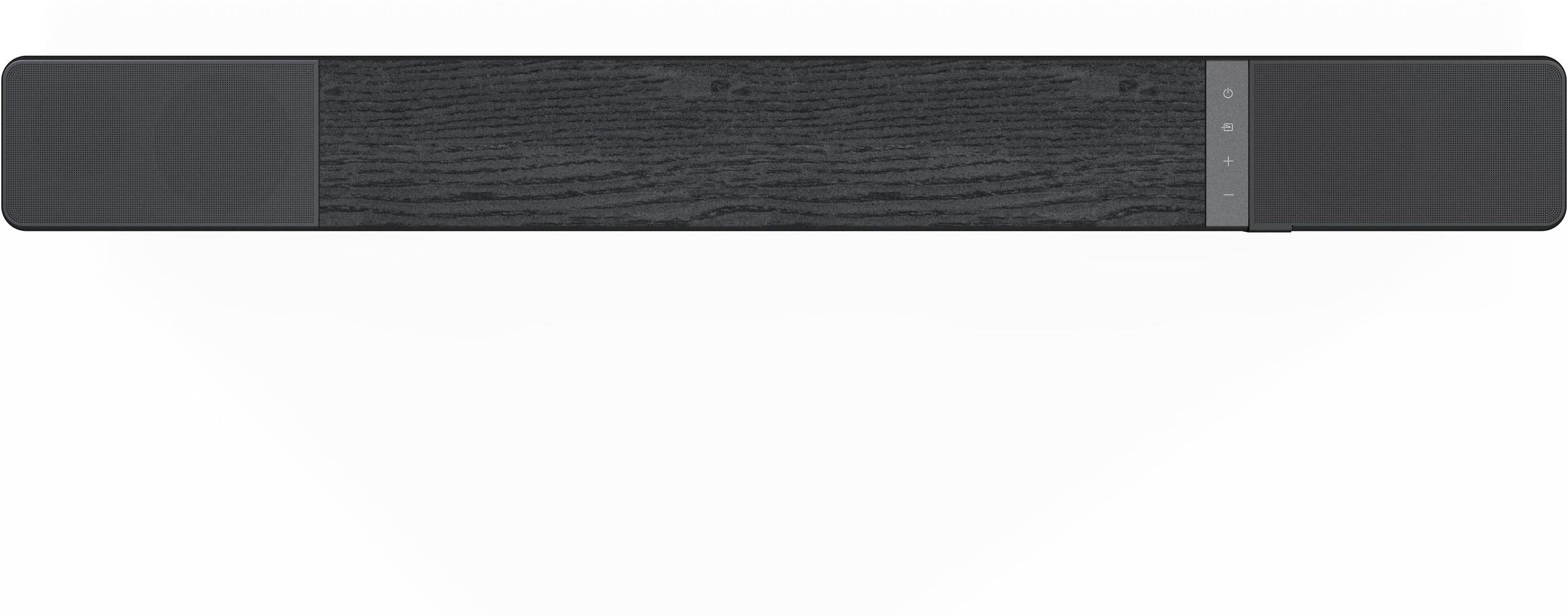
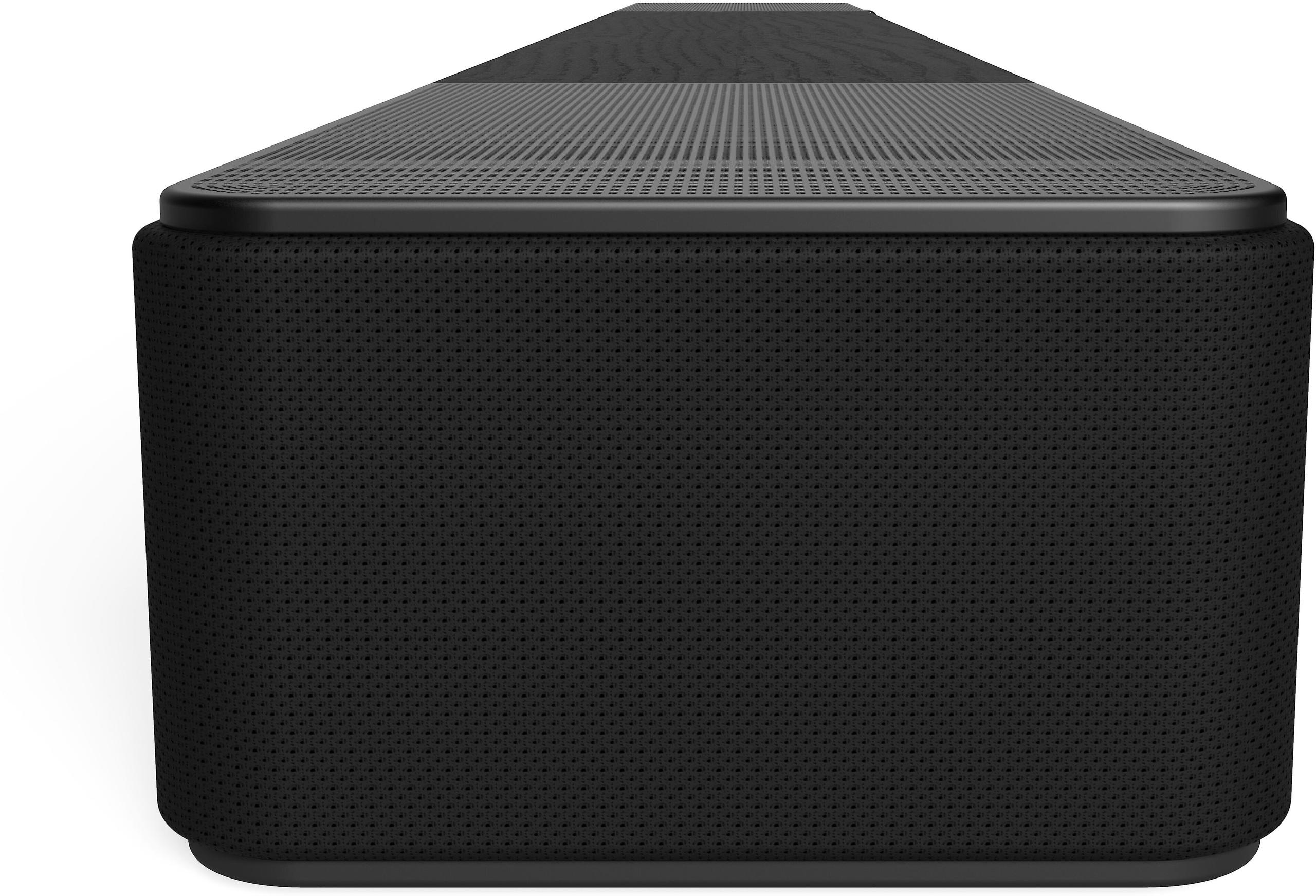
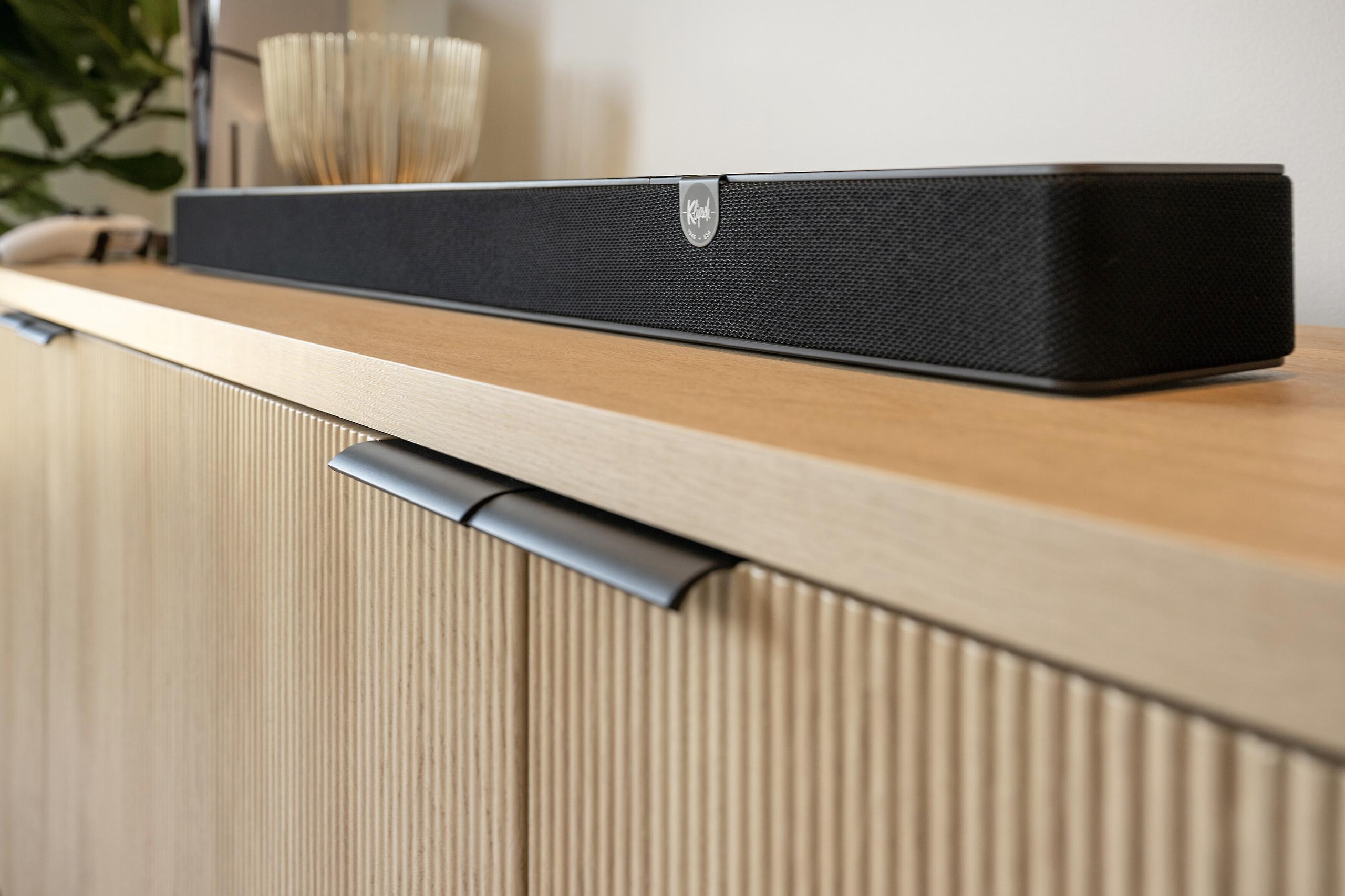
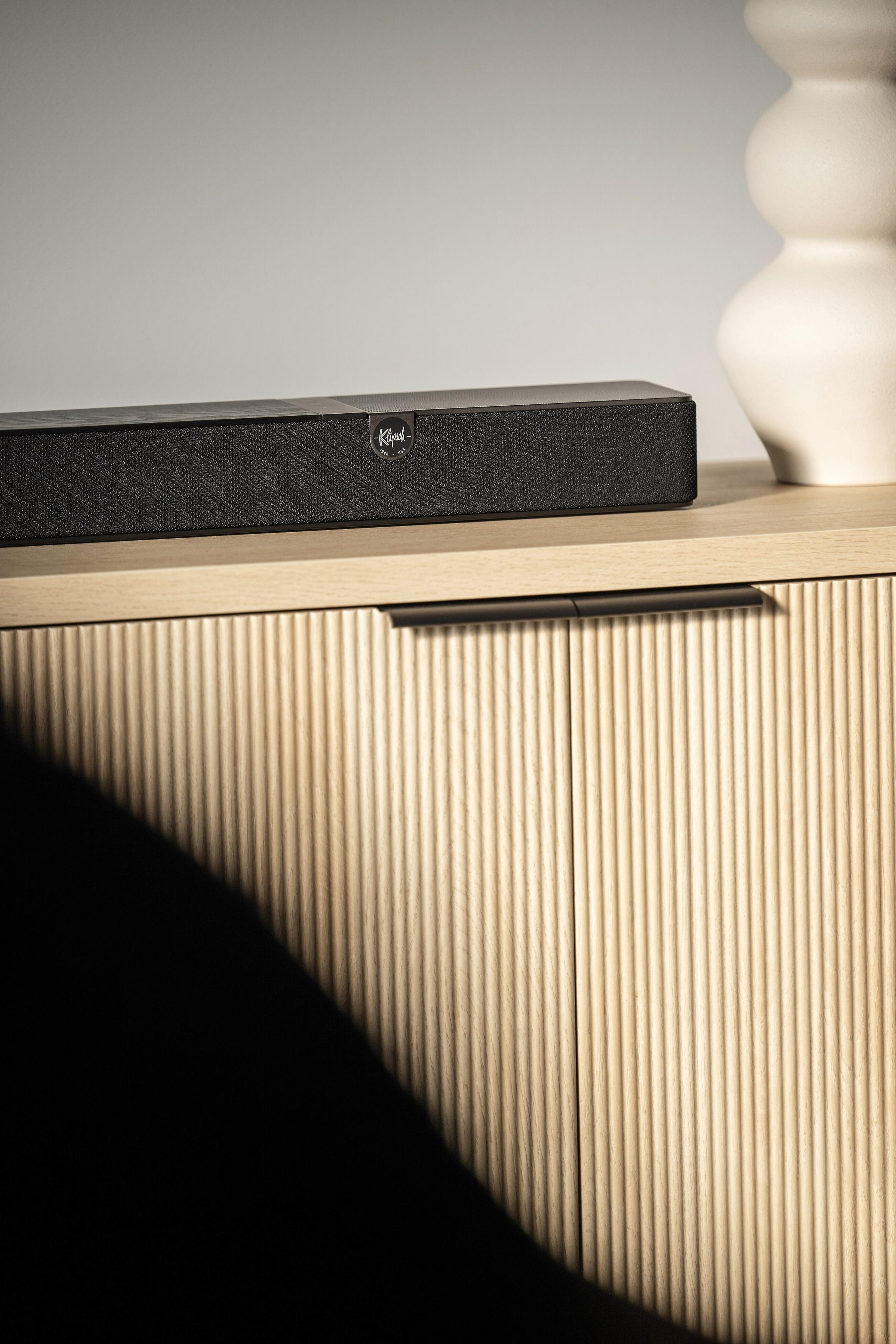
The Klipsch Flexus Core 200, meanwhile, challenges the conventional wisdom by cramming everything into a single 44-inch-wide unit. Instead of a separate subwoofer, it incorporates dual 4-inch drivers directly into the soundbar. This all-in-one approach eliminates the subwoofer placement puzzle entirely, though it does require more space on your TV stand.
I've always appreciated systems that don't require me to find the perfect subwoofer spot – something that can take hours of experimenting in oddly-shaped rooms. But there's also something to be said for the flexibility that comes with a separate sub, especially if you have specific space constraints.
The Sony BRAVIA Theater Bar 6 delivers 350 watts of total system power across its configuration, while the Klipsch Flexus Core 200 provides 185 watts RMS. But raw power numbers don't tell the whole story – it's how that power is used that matters.
Sony employs their X-Balanced driver technology, which uses rectangular speakers instead of traditional round ones. This design increases the surface area of each driver, theoretically allowing for more air movement and cleaner sound reproduction. Think of it like having a larger paddle to move water – you can move more volume with each stroke.
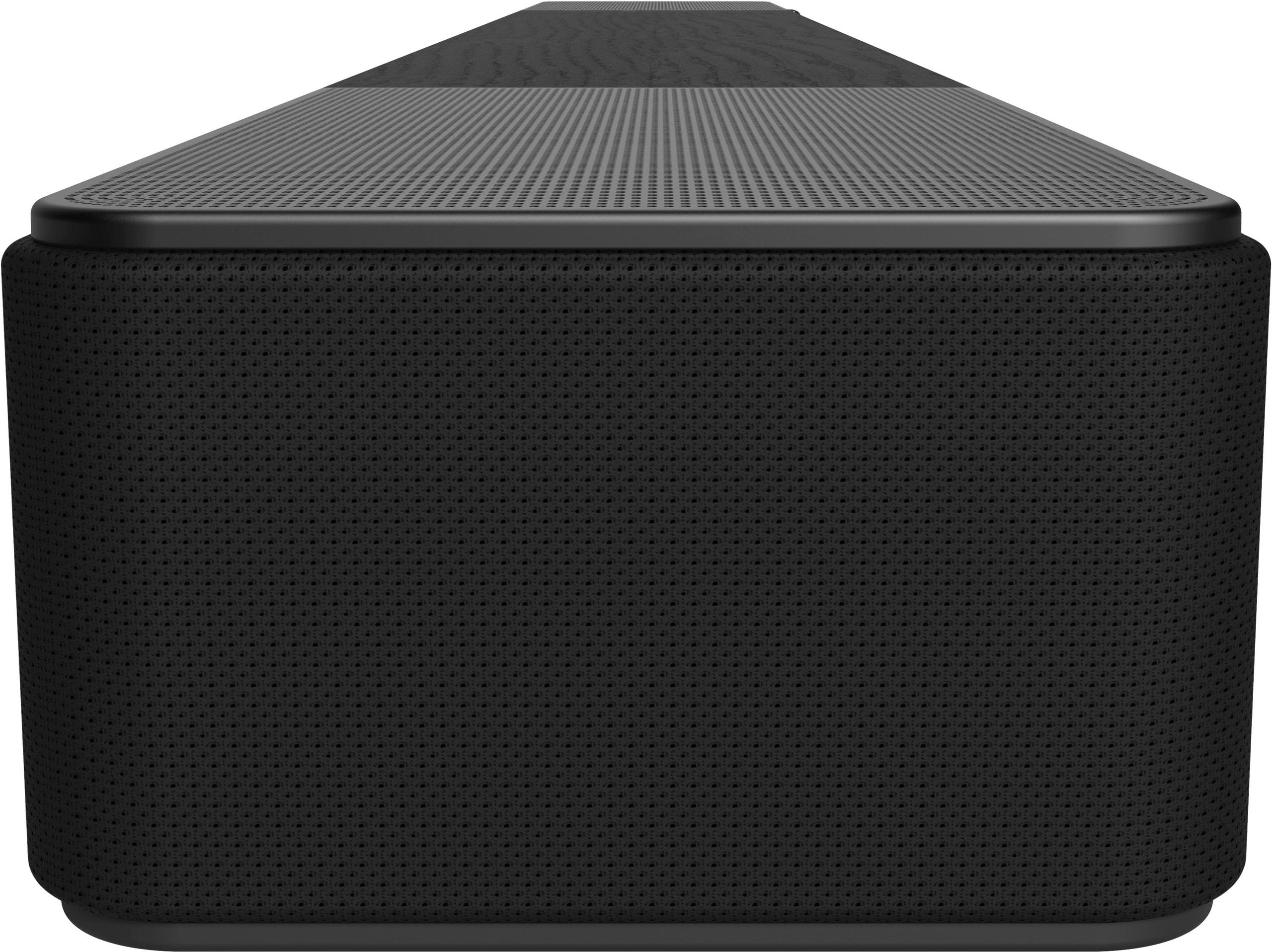
Klipsch takes a different approach with their signature horn-loaded tweeter for the center channel. Horn loading is an old acoustic principle that acts like a megaphone, amplifying and focusing sound more efficiently. This is why Klipsch speakers often sound louder and more dynamic than their power ratings might suggest – they're simply more efficient at converting electrical energy into acoustic energy.
This is where the two systems show their most dramatic differences. The Sony BRAVIA Theater Bar 6 includes a dedicated 6-inch wireless subwoofer that can deliver the kind of deep, room-shaking bass that makes action sequences truly visceral. However, multiple reviews note that the default bass settings are often too aggressive, overpowering the midrange frequencies where dialogue and most musical instruments live.
I've experienced this firsthand with many Sony systems – they tend to emphasize bass to create immediate "wow factor" in showrooms, but real-world use often requires dialing back the low end for better balance. The good news is that this is easily adjustable through the system's controls.
The Klipsch Flexus Core 200 achieves impressive bass response from its dual built-in 4-inch subwoofers, reaching down to 43Hz – remarkably low for drivers of this size. The integration between the bass drivers and main speakers is seamless since they're all in the same enclosure, eliminating the timing issues that can sometimes plague soundbar-subwoofer combinations.
For bass lovers who want to feel every explosion and thunder crack, the Sony likely has the edge in pure output and extension. But for those who prefer balanced, well-integrated bass that doesn't require a separate component, the Klipsch approach is surprisingly effective.
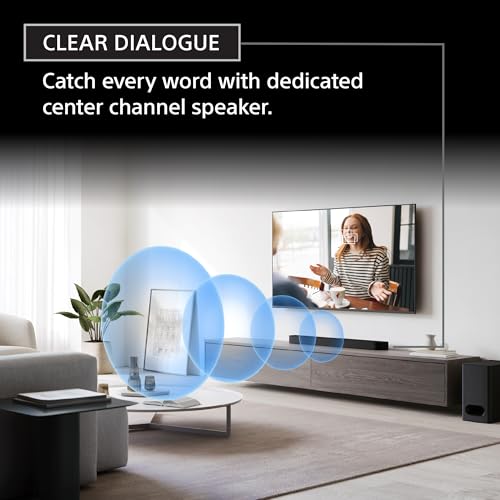
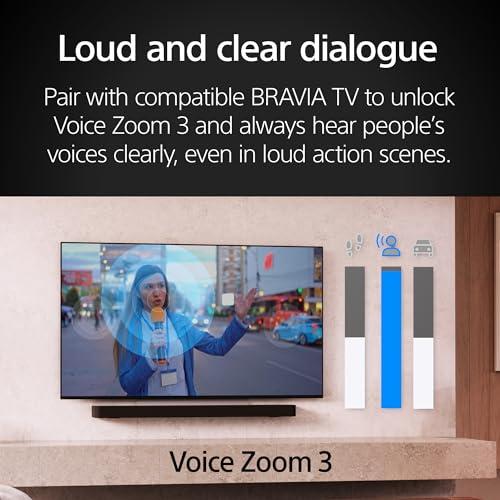
Poor dialogue reproduction is the number one complaint about TV audio, so both manufacturers have invested heavily in center channel performance. The Sony BRAVIA Theater Bar 6 features a dedicated center channel driver combined with Sony's Clear Voice processing algorithm. When paired with compatible Sony BRAVIA TVs, it can even utilize Voice Zoom 3.0 technology, which coordinates with the TV's built-in speakers to further enhance speech intelligibility.
The Klipsch Flexus Core 200 counters with its 0.75-inch horn-loaded tweeter dedicated specifically to vocal reproduction. Horn loading isn't just about efficiency – it also provides exceptional clarity and projection, making voices cut through even the loudest action sequences. Having heard many Klipsch speakers over the years, this horn-loaded approach typically delivers remarkably natural-sounding dialogue with excellent articulation.
Both systems include dedicated voice enhancement modes, but they work differently. Sony's approach relies more on digital signal processing to isolate and boost dialogue frequencies, while Klipsch depends on acoustic engineering – the horn design itself – to achieve clarity.
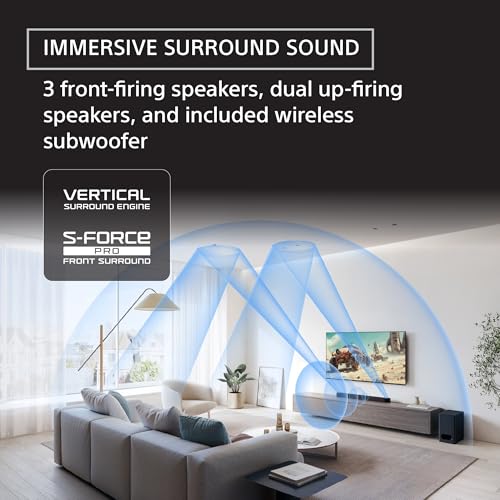
Both soundbars support Dolby Atmos, the object-based audio format that places sounds in three-dimensional space rather than just stereo left-right. However, they achieve height effects differently, and format support varies between them.
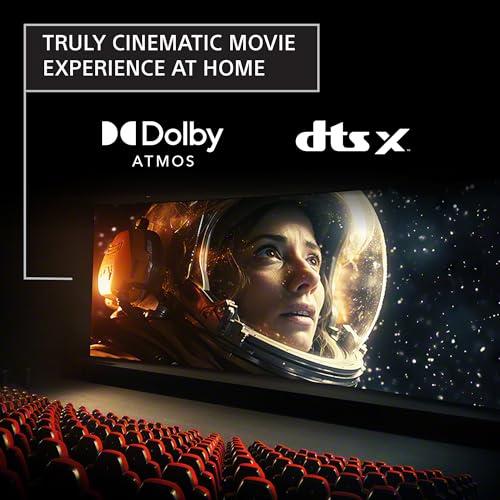
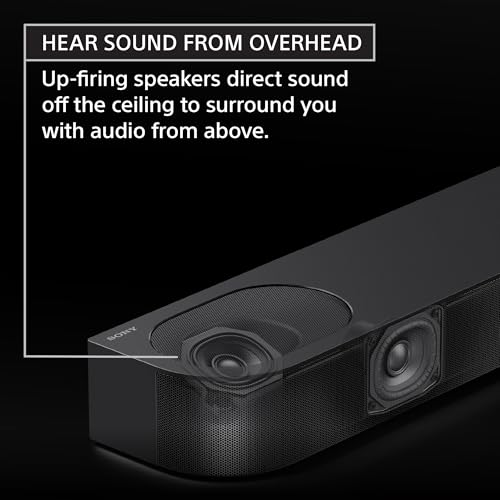
The Sony BRAVIA Theater Bar 6 uses two up-firing speakers that bounce sound off your ceiling to create the illusion of overhead effects. This approach works best with flat, hard ceilings about 8-10 feet high. Sony also supports both Dolby Atmos and DTS:X, giving you broader compatibility with different content sources.
The Klipsch Flexus Core 200 also uses up-firing drivers – two discrete 2.25-inch full-range units – for height effects. However, it only supports Dolby Atmos, lacking DTS:X compatibility. This could be limiting if you watch a lot of Blu-rays, as many use DTS audio tracks.
The reality is that neither system will match the overhead immersion of actual ceiling speakers, but both create a noticeable sense of height that enhances the viewing experience. The ceiling reflection technique works well in most rooms, though effectiveness varies with room acoustics.
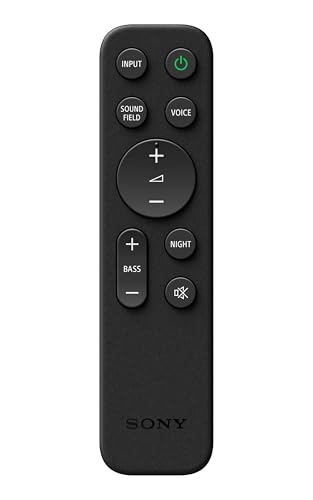
This is where the Sony BRAVIA Theater Bar 6 shows its ecosystem advantages. If you own a Sony BRAVIA TV, the integration is remarkably seamless. BRAVIA SYNC allows control through your TV remote, settings appear in your TV's quick menu, and features like Voice Zoom 3.0 create a unified audio experience between TV and soundbar.
The BRAVIA Connect app provides additional control and customization options, including manual room setup and sound field adjustments. This level of integration makes the system feel like a natural extension of your TV rather than a separate component.
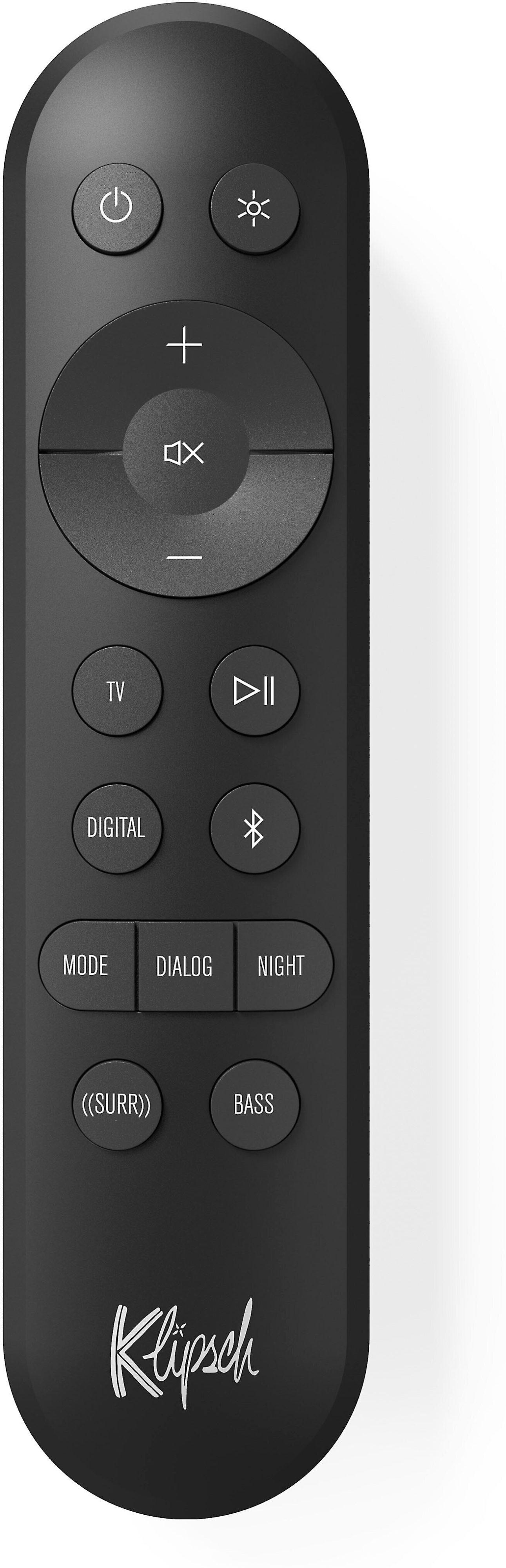
The Klipsch Flexus Core 200 offers more universal compatibility through the Klipsch Connect Plus app, which provides EQ presets, night mode, dialogue boost, and volume control. While it lacks the deep TV integration of the Sony, it works well with any TV brand and offers more input options including USB-C connectivity.
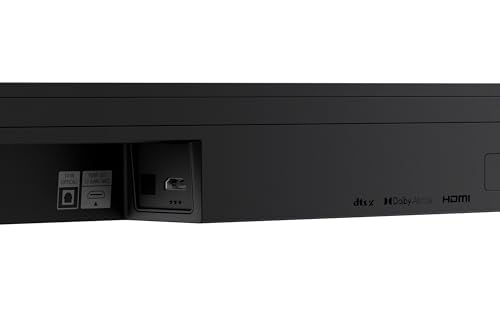
Both systems provide essential connections like HDMI eARC (enhanced Audio Return Channel, which carries high-quality audio from your TV to the soundbar) and optical inputs. Neither offers HDMI passthrough, meaning all your devices must connect directly to your TV.
The Klipsch Flexus Core 200 stands out with additional USB-C connectivity and Bluetooth capabilities. But its real advantage lies in expandability through Klipsch Transport technology – a proprietary wireless system that allows seamless addition of rear speakers and additional subwoofers without extra hubs or complex setup procedures.
The Sony BRAVIA Theater Bar 6 can also be expanded, but it requires a separate hub for wireless rear speakers, making future upgrades more complex and potentially more expensive.
In everyday use, these systems reveal their personalities. The Sony BRAVIA Theater Bar 6 excels with action movies and content with significant bass content. The separate subwoofer provides the kind of deep, impactful bass that makes superhero movies truly engaging. However, it requires some adjustment from default settings to achieve balanced sound, and the bass can overwhelm dialogue if not properly configured.
The Klipsch Flexus Core 200 shines with music and dialogue-heavy content. The horn-loaded tweeter provides exceptional vocal clarity, and the integrated bass response remains consistent across different volume levels. However, some users report firmware issues and customer support challenges, which are important considerations for long-term ownership.
At the time of writing, the Klipsch Flexus Core 200 offers exceptional value, delivering impressive performance at a significantly lower price point than the Sony BRAVIA Theater Bar 6. The all-in-one design eliminates complexity while the modular expansion options provide future flexibility.
The Sony BRAVIA Theater Bar 6 justifies its higher price with more powerful amplification, broader format support, and exceptional integration for Sony TV owners. The traditional soundbar-plus-subwoofer approach also provides more bass authority and placement flexibility.
Choose the Sony BRAVIA Theater Bar 6 if you own a Sony BRAVIA TV and want seamless ecosystem integration. It's also the better choice for action movie enthusiasts who prioritize maximum bass impact and don't mind adjusting settings to achieve optimal balance. The broader format support makes it future-proof for various content sources.
The Klipsch Flexus Core 200 is ideal for users who want excellent performance without complexity. Its all-in-one design eliminates component placement issues, while the horn-loaded tweeter excels with dialogue and music. The lower price and expansion capabilities make it particularly attractive for budget-conscious buyers who might want to upgrade their system over time.
For most users, the choice comes down to priorities: seamless Sony TV integration and maximum bass authority versus simplicity, value, and exceptional dialogue clarity. Both represent solid choices in the 3.1.2 category, just with different strengths and target audiences.
The Klipsch Flexus Core 200 offers the better value proposition for most buyers, while the Sony BRAVIA Theater Bar 6 provides the more comprehensive feature set for those willing to pay the premium. Either way, both systems will significantly upgrade your TV's audio and provide an engaging home theater experience.
| Sony BRAVIA Theater Bar 6 | Klipsch Flexus Core 200 |
|---|---|
| System Configuration - Affects placement flexibility and bass performance | |
| 3.1.2 soundbar + separate wireless subwoofer | 3.1.2 all-in-one soundbar with built-in subwoofers |
| Total Power Output - Higher power typically means louder volumes and better dynamics | |
| 350W total system power | 185W RMS power |
| Bass Configuration - Critical for action movies and music with deep low-end | |
| Dedicated 6" wireless subwoofer (separate placement) | Dual 4" built-in subwoofers (integrated design) |
| Frequency Response - Lower numbers mean deeper bass extension | |
| Down to 20Hz (with subwoofer) | 43Hz-20kHz (impressive for all-in-one design) |
| Audio Format Support - More formats mean broader content compatibility | |
| Dolby Atmos + DTS:X (comprehensive format support) | Dolby Atmos only (no DTS:X support) |
| Center Channel Design - Crucial for clear dialogue in movies and TV | |
| Dedicated center driver + Clear Voice processing | Horn-loaded 0.75" tweeter (exceptional vocal clarity) |
| Height Speakers - Creates overhead Atmos effects for immersion | |
| 2 up-firing speakers with ceiling reflection | 2 discrete 2.25" elevation drivers |
| TV Integration - Seamless control and advanced features with compatible TVs | |
| Deep Sony BRAVIA TV integration with BRAVIA SYNC | Universal TV compatibility with Klipsch Connect Plus app |
| Expandability - Future upgrade options for building larger systems | |
| Can add wireless rears (requires separate hub) | Klipsch Transport technology for easy wireless expansion |
| Connectivity Options - More inputs provide greater device compatibility | |
| HDMI eARC, optical, Bluetooth streaming | HDMI eARC, optical, USB-C, Bluetooth (more versatile) |
| Physical Footprint - Space requirements for your entertainment setup | |
| Compact bar + separate sub placement needed | Single 44" wide unit (no separate components) |
| Special Technologies - Unique features that differentiate performance | |
| X-Balanced rectangular drivers, Voice Zoom 3.0 | Horn-loaded tweeter, Klipsch Transport wireless tech |
The Sony BRAVIA Theater Bar 6 delivers more powerful bass with its dedicated 6-inch wireless subwoofer that can reach down to 20Hz. However, the Klipsch Flexus Core 200 offers surprisingly strong bass from its dual built-in 4-inch subwoofers, reaching 43Hz without requiring a separate component. For maximum bass impact, choose the Sony; for convenient integrated bass, the Klipsch excels.
Yes, both the Sony BRAVIA Theater Bar 6 and Klipsch Flexus Core 200 support Dolby Atmos for immersive overhead sound effects. However, the Sony also supports DTS:X format, while the Klipsch only supports Dolby Atmos. If you watch a lot of Blu-rays with DTS audio tracks, the Sony provides broader format compatibility.
Both excel at dialogue, but in different ways. The Sony BRAVIA Theater Bar 6 uses a dedicated center channel with Clear Voice processing, while the Klipsch Flexus Core 200 features a horn-loaded tweeter specifically designed for vocal clarity. The Klipsch horn design typically provides more natural-sounding dialogue reproduction, making it slightly better for speech-heavy content.
The Sony BRAVIA Theater Bar 6 follows a traditional two-piece design with a compact soundbar and separate wireless subwoofer. The Klipsch Flexus Core 200 uses an all-in-one approach, incorporating dual subwoofers directly into a larger 44-inch soundbar. Choose the Sony for placement flexibility or the Klipsch for simplicity.
The Klipsch Flexus Core 200 typically offers better value, delivering impressive performance at a lower cost than the Sony BRAVIA Theater Bar 6. The Klipsch eliminates the need for subwoofer placement while providing excellent sound quality. However, the Sony justifies its higher cost with more power, broader format support, and superior TV integration for Sony owners.
Both systems offer expansion options. The Sony BRAVIA Theater Bar 6 can add wireless rear speakers but requires a separate hub for connection. The Klipsch Flexus Core 200 uses Klipsch Transport technology for easier wireless expansion, allowing you to add rear speakers and additional subwoofers without extra hubs. The Klipsch provides more straightforward expandability.
While both work with any TV brand, the Klipsch Flexus Core 200 offers more universal compatibility with its broader range of inputs (including USB-C) and brand-agnostic app control. The Sony BRAVIA Theater Bar 6 works with all TVs but provides special integration features only with Sony BRAVIA models, making the Klipsch better for non-Sony TV owners.
The Sony BRAVIA Theater Bar 6 provides 350 watts of total system power across its soundbar and subwoofer combination. The Klipsch Flexus Core 200 delivers 185 watts RMS in its all-in-one design. While the Sony has higher power output, the Klipsch uses horn-loaded technology for efficient sound reproduction, making both capable of filling medium-sized rooms effectively.
The Klipsch Flexus Core 200 generally performs better with music, thanks to its well-integrated drivers and horn-loaded tweeter that provides detailed sound reproduction across all frequencies. Reviews describe it as playing "like a mini bookshelf speaker" with excellent layering. The Sony BRAVIA Theater Bar 6 focuses more on movie audio, though it handles music adequately.
The Klipsch Flexus Core 200 offers simpler setup with its all-in-one design and automatic wireless subwoofer pairing. The Sony BRAVIA Theater Bar 6 requires positioning and pairing a separate subwoofer, plus manual bass adjustment from often-aggressive default settings. Both offer app-based control, but the Klipsch provides a more plug-and-play experience.
The Sony BRAVIA Theater Bar 6 has a more compact soundbar (907mm wide) but requires additional space for the separate subwoofer. The Klipsch Flexus Core 200 is larger (44 inches wide) but everything fits in one unit on your TV stand. Choose the Sony if you have flexible subwoofer placement options, or the Klipsch if you prefer everything in one location.
For dedicated home theater use, the Sony BRAVIA Theater Bar 6 edges ahead with its more powerful bass, broader audio format support (Dolby Atmos + DTS:X), and higher total power output. However, the Klipsch Flexus Core 200 excels at dialogue clarity and offers excellent expansion options for building a larger system over time. The Sony is better for immediate impact, while the Klipsch offers better long-term flexibility.
We've done our best to create useful and informative comparisons to help you decide what product to buy. Our research uses advanced automated methods to create this comparison and perfection is not possible - please contact us for corrections or questions. These are the sites we've researched in the creation of this article: rtings.com - bestbuy.com - whathifi.com - youtube.com - youtube.com - sony.com - galaxus.at - helpguide.sony.net - audioadvice.com - electronics.sony.com - youtube.com - youtube.com - electronics.sony.com - helpguide.sony.net - whatgear.net - consumerreports.org - soundandvision.com - avnirvana.com - avsforum.com - cnet.com - klipsch.com - klipsch.com - youtube.com - assets.klipsch.com - klipsch.com - worldwidestereo.com - klipsch.com - crutchfield.com - digitaltrends.com

Privacy Policy
Terms and Conditions - Affiliate Policy
Home Security
© Copyright 2008-2026.
11816 Inwood Rd #1211, Dallas, TX 75244