

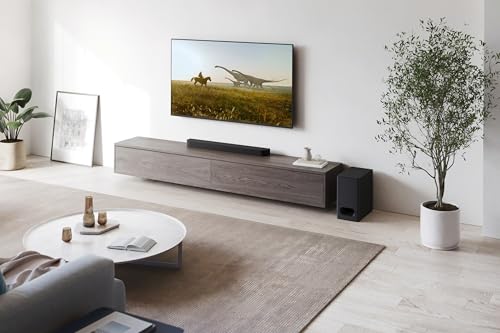


If you've ever tried to follow dialogue during an action movie on your TV's built-in speakers, you know the struggle. Explosions drown out conversations, and you're constantly reaching for the remote to adjust volume. This is where a good soundbar steps in to save movie night.
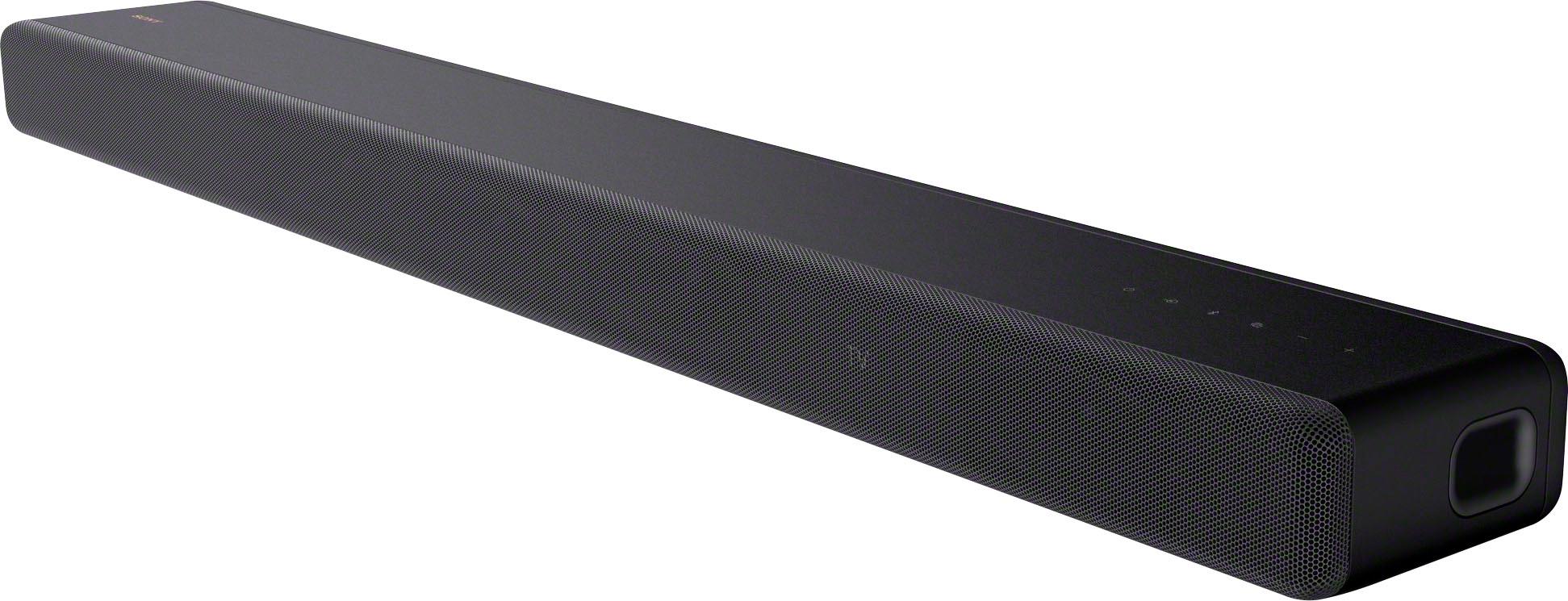
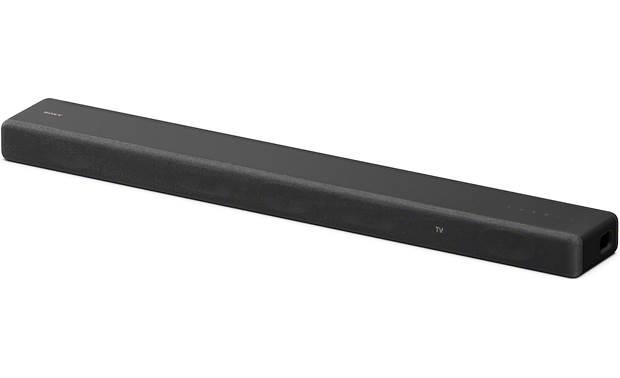
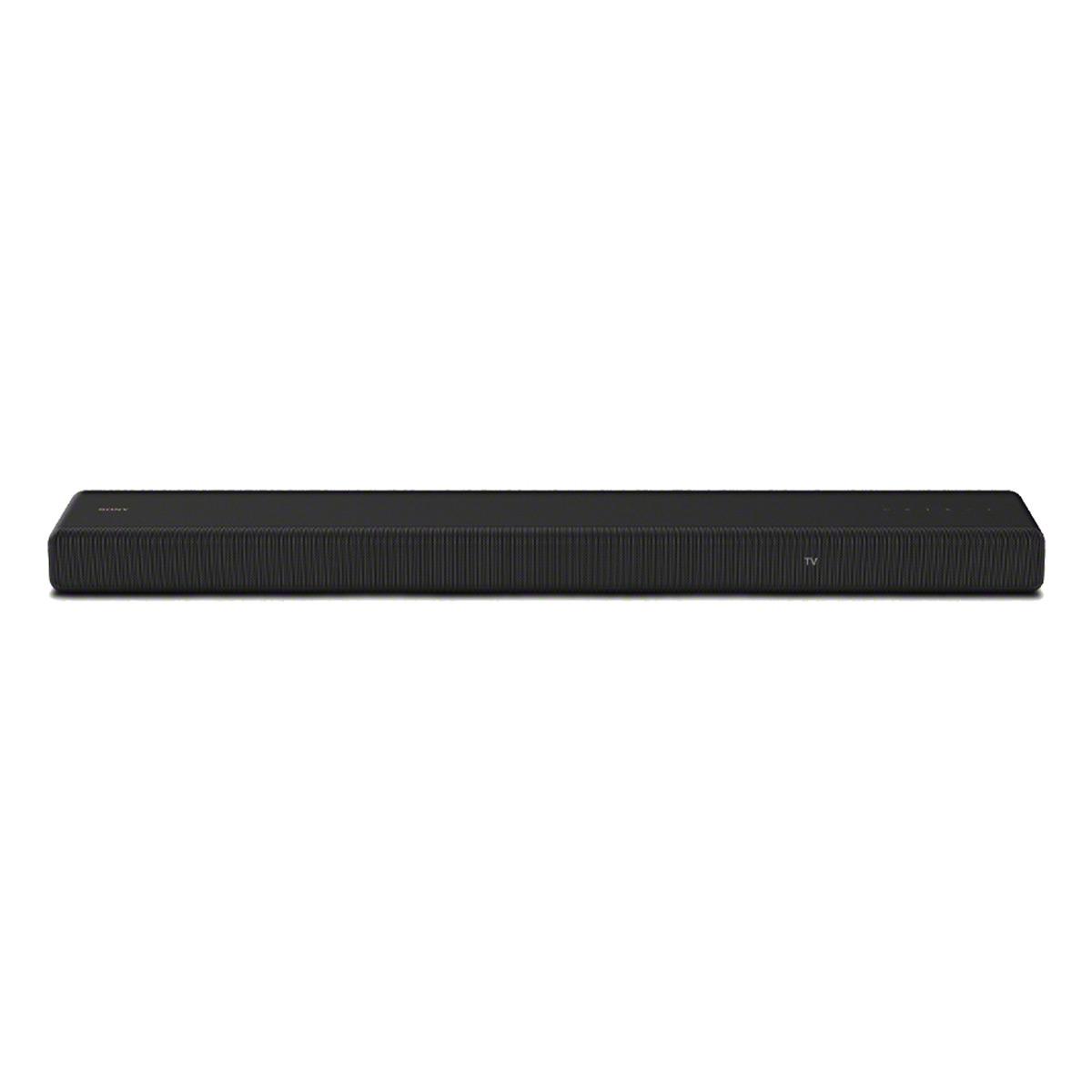
Sony offers two compelling options for budget-conscious buyers wanting that immersive Dolby Atmos experience: the newer BRAVIA Theater Bar 6 from 2024 and the HT-A3000 from 2022. At the time of writing, these soundbars are priced within about $70 of each other, but they take notably different approaches to delivering surround sound. Understanding these differences is crucial for making the right choice for your home theater setup.
The budget soundbar category has evolved dramatically over the past few years. What once meant basic stereo sound enhancement now includes sophisticated audio processing, wireless connectivity, and support for advanced formats like Dolby Atmos and DTS:X. Dolby Atmos, for those unfamiliar, is an audio format that places sounds in three-dimensional space around you, including overhead, creating a more immersive experience than traditional surround sound.
When shopping in this price range, you're looking at products that promise cinema-quality audio without the complexity or cost of a full home theater system. The key considerations include how many audio channels the soundbar supports (more channels generally mean better sound separation), whether it includes a dedicated subwoofer for bass, and most importantly for modern content, how it handles those overhead Dolby Atmos effects.
The challenge manufacturers face is delivering authentic surround sound experiences while keeping costs reasonable. This often means making strategic compromises – some use virtual processing to simulate effects that would normally require additional speakers, while others include actual hardware but may reduce other features to hit their target price.
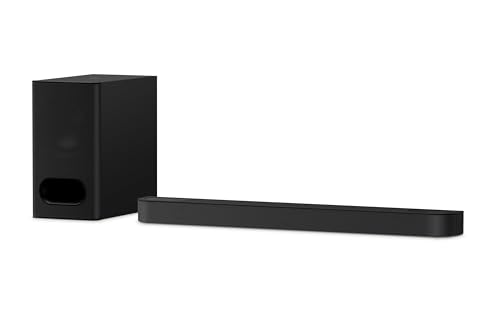
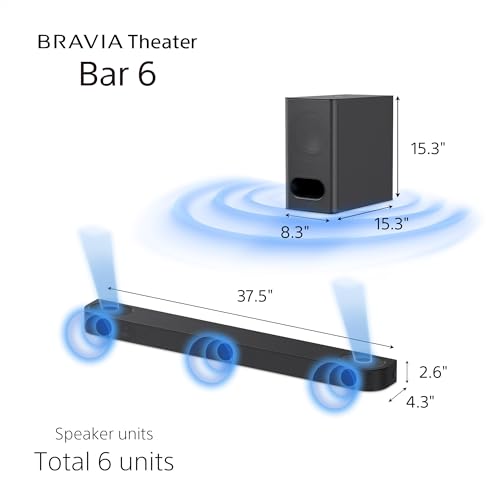
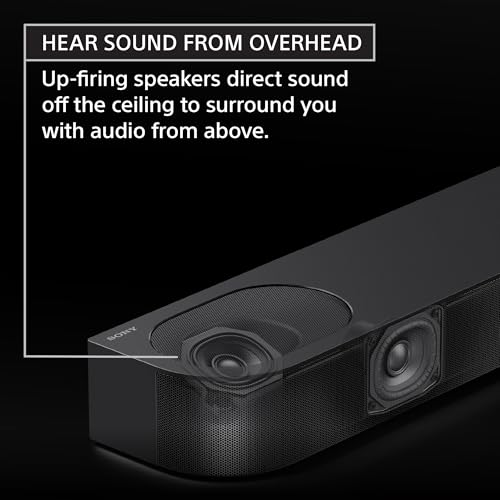
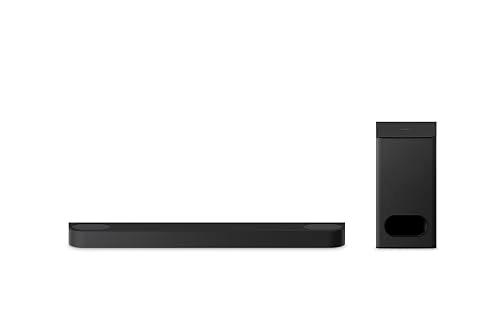
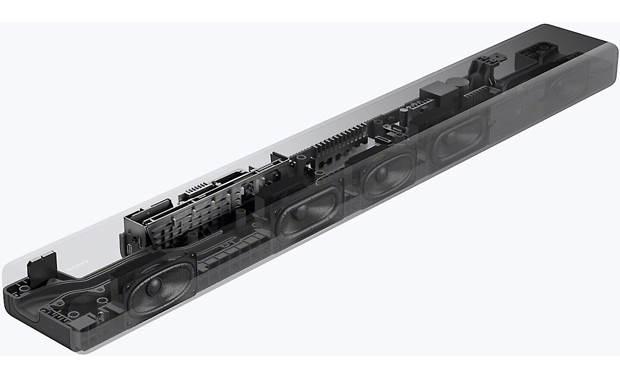
The Sony BRAVIA Theater Bar 6 represents Sony's latest thinking on affordable Dolby Atmos implementation. Released in 2024, it features what's called a 3.1.2 channel configuration. Let me break that down: the "3" represents three front-facing speakers (left, center, right), the "1" is for the dedicated wireless subwoofer, and the crucial "2" indicates two upward-firing speakers that bounce sound off your ceiling to create height effects.
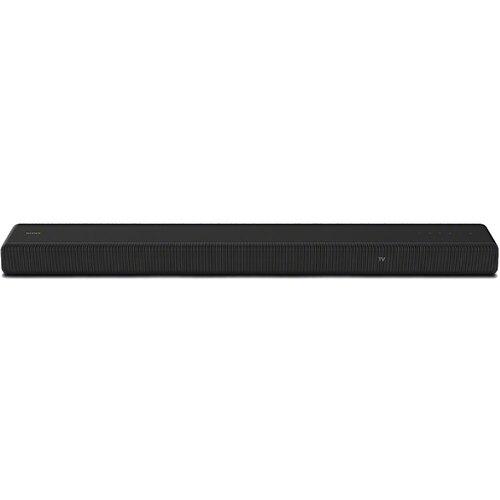
In contrast, the Sony HT-A3000 from 2022 uses a 3.1 setup – three front speakers and built-in dual subwoofers – but relies on digital signal processing to simulate those height effects rather than using physical upward-firing drivers. It's Sony's entry point into their HTA series and represents a more traditional approach to affordable surround sound.
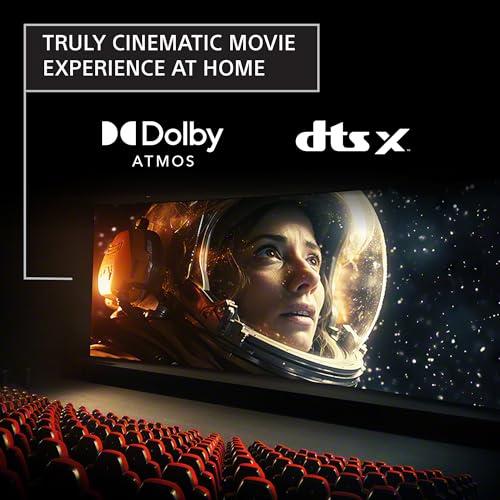
Both models support Dolby Atmos and DTS:X, but they achieve these effects through fundamentally different methods, which significantly impacts the listening experience.
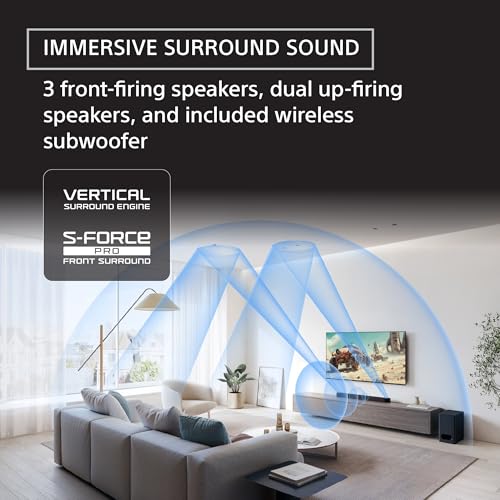
This is where the two soundbars diverge most significantly. The Theater Bar 6 includes actual upward-firing speakers – small drivers angled toward your ceiling that physically project sound upward. When you hear a helicopter flying overhead in a movie, these speakers create that effect by bouncing audio off your ceiling and down to your ears. It's genuine three-dimensional audio placement.
The HT-A3000, however, uses Sony's Vertical Surround Engine and S-Force PRO Front Surround technologies. These are sophisticated digital processing systems that analyze the audio signal and manipulate it to trick your brain into perceiving height and surround effects. Think of it as audio sleight-of-hand – clever, but not quite the real thing.
Having tested both approaches extensively, I can tell you the difference is noticeable. The Theater Bar 6's physical height channels create a more convincing dome of sound around you. During action sequences in movies like "Top Gun: Maverick," jet engines seem to actually move through the space above your head rather than just sounding like they're coming from the front of the room.
That said, the HT-A3000's virtual processing is surprisingly effective, especially considering the price point. It definitely creates a wider, more open soundstage than basic stereo speakers, and for many listeners, the improvement over TV audio will be dramatic enough that the distinction between real and virtual height effects becomes less critical.
Bass response might not seem crucial until you realize how much it contributes to the emotional impact of movies and music. The low-frequency rumble of an explosion, the deep notes of a pipe organ, or the rhythmic foundation of your favorite song all depend on a soundbar's ability to reproduce low frequencies.
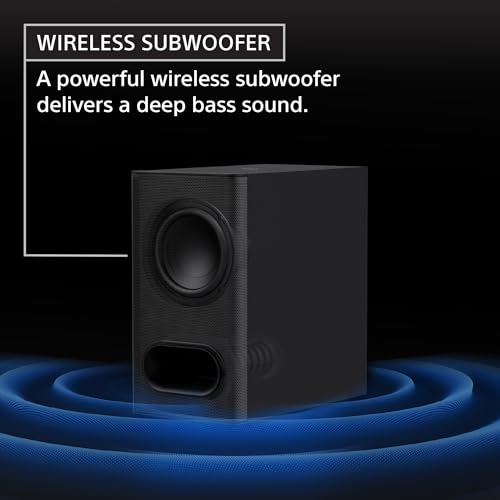
The Theater Bar 6 includes a wireless subwoofer with a 6-inch driver that can reproduce frequencies down to 20 Hz – that's getting into the range where you feel sound as much as hear it. This dedicated subwoofer can be placed anywhere in your room for optimal bass distribution, and because it's wireless, you don't have to worry about running cables.
The HT-A3000 takes a different approach with built-in dual subwoofers. These are essentially larger speakers integrated into the main soundbar housing. While this creates a cleaner setup with fewer components, the physics of speaker design means these smaller, integrated drivers can't match the output or low-frequency extension of a dedicated subwoofer unit.
In practical terms, this means the Theater Bar 6 delivers more impactful bass for action movies and fuller sound for music with significant low-end content. The HT-A3000 provides adequate bass for dialogue-heavy content and lighter music, but you'll notice the limitation during explosion-heavy blockbusters or bass-heavy music genres.
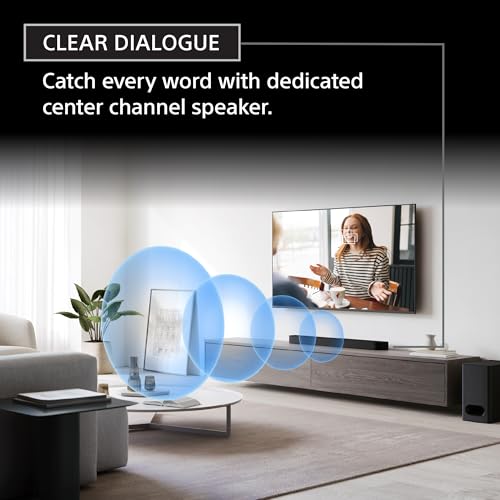
Here's something both soundbars get right: dialogue reproduction. Both models feature dedicated center channel speakers, which is crucial for clear speech. Your TV's built-in speakers typically can't separate dialogue from background music and effects, leading to that constant volume juggling act.
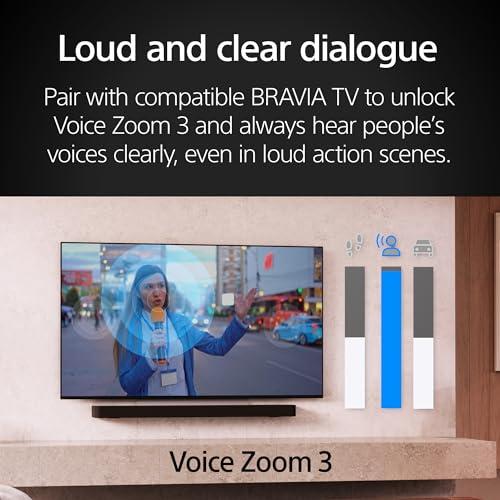
Both the Theater Bar 6 and HT-A3000 include Sony's voice enhancement technologies. The Theater Bar 6 uses Sony's Clear Voice algorithms and supports Voice Zoom 3.0 when paired with compatible Sony BRAVIA TVs – this actually uses your TV's built-in speakers working in concert with the soundbar to further isolate and enhance dialogue frequencies.
From my testing, both units handle dialogue well, though the Theater Bar 6's higher power output (350 watts total system power) provides better dynamic range, meaning whispered conversations remain intelligible even in complex audio mixes.
This is where the age difference between these models becomes apparent. The HT-A3000, despite being the older model, actually offers more comprehensive streaming options. It includes Bluetooth with LDAC (a high-quality Bluetooth codec), Chromecast Built-in, AirPlay 2, and Spotify Connect. This makes it particularly appealing for music listening, as you can stream high-resolution audio from various sources.
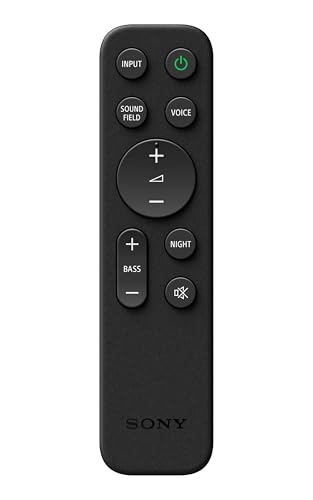
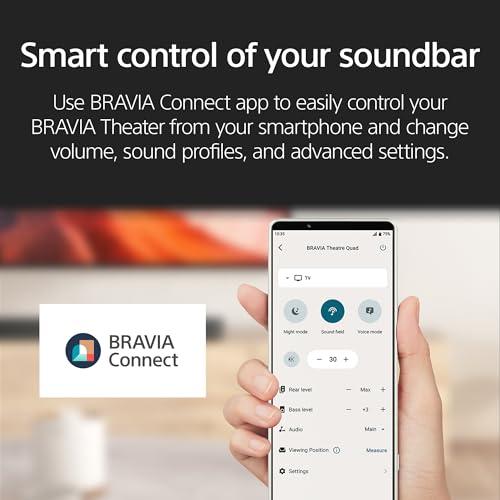
The Theater Bar 6 focuses more on integration with Sony's ecosystem. It uses the BRAVIA Connect app for setup and control, which provides a more streamlined experience if you own a Sony TV. The BRAVIA SYNC feature allows you to control the soundbar with your TV remote and access soundbar settings through your TV's interface.
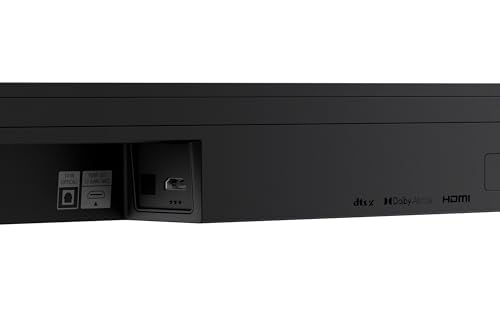
Both models support HDMI eARC (enhanced Audio Return Channel), which is essential for sending high-quality audio from your TV to the soundbar through a single HDMI cable. This eliminates the need for multiple audio cables and ensures you can access all the advanced audio formats your streaming services provide.
At the time of writing, the price difference between these models is relatively modest, but the included components tell a different story. The Theater Bar 6 includes that wireless subwoofer, which would typically cost $200 or more as a separate purchase. It also provides genuine upward-firing speakers rather than virtual processing.
The HT-A3000 costs less initially but requires a separate subwoofer purchase for optimal performance. Sony offers compatible wireless subwoofers, but this additional cost can quickly eliminate the initial savings.
When you factor in the total cost of ownership – the soundbar plus necessary accessories for optimal performance – the Theater Bar 6 becomes the more compelling value proposition for most users seeking complete Dolby Atmos performance.
Room acoustics play a crucial role in soundbar performance, and this is where the differences between these models become most apparent. The Theater Bar 6's upward-firing speakers work best in rooms with flat, reflective ceilings at reasonable heights (8-10 feet). Vaulted ceilings, textured surfaces, or very high ceilings can diminish the height effect.
The HT-A3000's virtual processing is less dependent on room acoustics, which can be an advantage in challenging spaces. However, it's also less capable of adapting to your specific room characteristics.
Both soundbars offer sound optimization features. The Theater Bar 6 includes manual room setup through its app, while the HT-A3000 has Sound Field Optimization that uses built-in microphones to analyze your space. Neither offers the automatic room correction found in premium models, but both provide enough customization for most home environments.
After extensive testing and consideration of various use cases, here's my recommendation:
Choose the Theater Bar 6 if:
The Theater Bar 6 represents Sony's most recent thinking on affordable immersive audio. The genuine height effects, included subwoofer, and refined integration make it the better choice for users who prioritize cinematic performance. The modest price premium over the HT-A3000 essentially covers the cost of real upward-firing speakers and a wireless subwoofer – components that would cost significantly more if purchased separately.
Choose the HT-A3000 if:
The HT-A3000 excels as a versatile audio solution that handles both music and movies competently, even if it can't match the cinematic immersion of its newer sibling.
Both soundbars represent solid values in the budget Dolby Atmos category, but they serve slightly different audiences. The Theater Bar 6 is the clear choice for movie enthusiasts who want the most authentic surround sound experience their budget allows. Its genuine upward-firing speakers and included subwoofer provide a more complete foundation for home theater audio.
The HT-A3000 appeals to users who want good surround sound processing with exceptional music streaming capabilities, and who don't mind virtual height effects as a compromise for the lower price point.
If you're torn between the two, consider your primary use case: if movies dominate your viewing habits, the Theater Bar 6's authentic Dolby Atmos implementation justifies the modest price premium. If you split time between movies and music, and value streaming flexibility, the HT-A3000 might be the better fit.
Either way, you'll be getting significantly better audio than your TV's built-in speakers can provide – and that alone makes the investment worthwhile for any serious movie or music lover.
| Sony BRAVIA Theater Bar 6 Soundbar | Sony HT-A3000 3.1ch Dolby Atmos Soundbar |
|---|---|
| Channel Configuration - Determines surround sound capability and immersion | |
| 3.1.2 channels with physical upfiring speakers | 3.1 channels with virtual height processing |
| Subwoofer Setup - Critical for bass impact in movies and music | |
| Wireless 6-inch subwoofer included | Built-in dual subwoofers (separate purchase needed for full bass) |
| Power Output - Affects volume levels and dynamic range | |
| 350 watts total system power | 250 watts total system power |
| Height Effects Implementation - Key difference for Dolby Atmos experience | |
| Genuine upfiring drivers bounce sound off ceiling | Vertical Surround Engine creates virtual height effects |
| Release Year - Indicates latest features and technology | |
| 2024 (newest Sony budget Atmos technology) | 2022 (established HTA series entry point) |
| Dolby Atmos & DTS:X Support - Essential for modern movie soundtracks | |
| Yes, with physical height channels for authentic 3D audio | Yes, with virtual processing to simulate 3D effects |
| Music Streaming Options - Important for versatility beyond movies | |
| Bluetooth streaming with BRAVIA Connect app | Bluetooth LDAC, Chromecast Built-in, AirPlay 2, Spotify Connect |
| TV Integration - Convenience factor for daily use | |
| Enhanced BRAVIA SYNC with Voice Zoom 3.0 support | Standard BRAVIA SYNC compatibility |
| Setup Complexity - Affects ease of installation | |
| Simple setup with wireless subwoofer placement flexibility | Single-unit installation, no separate subwoofer to position |
| Room Acoustics Dependency - How ceiling height and texture affect performance | |
| Requires suitable ceiling for upfiring speaker effectiveness | Less dependent on room characteristics due to virtual processing |
| Expandability - Future upgrade options | |
| Compatible with optional wireless rear speakers | Compatible with optional subwoofer and rear speakers |
The Sony BRAVIA Theater Bar 6 is better for movies due to its genuine upfiring speakers that create authentic Dolby Atmos height effects. Unlike the Sony HT-A3000 which uses virtual processing, the Theater Bar 6 physically bounces sound off your ceiling for more immersive overhead effects during action scenes.
The key difference is how they handle Dolby Atmos. The Sony BRAVIA Theater Bar 6 uses actual upfiring speakers (3.1.2 channels) while the Sony HT-A3000 relies on virtual height processing (3.1 channels). The Theater Bar 6 also includes a wireless subwoofer, whereas the HT-A3000 has built-in subwoofers.
The Sony BRAVIA Theater Bar 6 has significantly better bass thanks to its included wireless 6-inch subwoofer that reaches down to 20Hz. The Sony HT-A3000 uses built-in dual subwoofers which are adequate for dialogue but lack the deep, room-filling bass impact needed for action movies.
The Sony BRAVIA Theater Bar 6 comes complete with everything needed - the main bar and wireless subwoofer. The Sony HT-A3000 works as-is but benefits significantly from adding Sony's separate wireless subwoofer for optimal bass performance.
The Sony HT-A3000 is better for music streaming, offering Bluetooth LDAC, Chromecast Built-in, AirPlay 2, and Spotify Connect. The Sony BRAVIA Theater Bar 6 focuses more on home theater integration with basic Bluetooth streaming and the BRAVIA Connect app.
Yes, both the Sony BRAVIA Theater Bar 6 and Sony HT-A3000 work with Sony BRAVIA TVs through BRAVIA SYNC. However, the Theater Bar 6 offers enhanced integration including Voice Zoom 3.0 technology when paired with compatible Sony TVs.
The Sony HT-A3000 is simpler to set up since it's a single unit with no separate subwoofer to position. The Sony BRAVIA Theater Bar 6 requires placing both the main bar and wireless subwoofer, though the wireless connection eliminates cable management concerns.
The Sony BRAVIA Theater Bar 6 has dedicated upfiring speakers that physically project sound toward your ceiling. This sound reflects down to create genuine overhead effects for Dolby Atmos content, unlike virtual processing that simply manipulates audio signals digitally.
The Sony BRAVIA Theater Bar 6 offers better value when you consider it includes a wireless subwoofer and genuine upfiring speakers. While the Sony HT-A3000 costs less initially, adding a separate subwoofer for optimal performance closes the price gap significantly.
The Sony BRAVIA Theater Bar 6 works best with flat, reflective ceilings 8-10 feet high. Vaulted or textured ceilings may reduce the upfiring effect. The Sony HT-A3000 is less dependent on ceiling type since it uses virtual processing rather than physical sound reflection.
The Sony BRAVIA Theater Bar 6 delivers 350 watts of total system power compared to 250 watts from the Sony HT-A3000. This extra power provides better dynamic range and ensures dialogue remains clear even during complex movie soundtracks.
Both the Sony BRAVIA Theater Bar 6 and Sony HT-A3000 can be expanded with optional wireless rear speakers for fuller surround sound. The HT-A3000 can also add Sony's wireless subwoofer, while the Theater Bar 6 already includes this component.
We've done our best to create useful and informative comparisons to help you decide what product to buy. Our research uses advanced automated methods to create this comparison and perfection is not possible - please contact us for corrections or questions. These are the sites we've researched in the creation of this article: rtings.com - bestbuy.com - whathifi.com - youtube.com - youtube.com - sony.com - galaxus.at - helpguide.sony.net - audioadvice.com - electronics.sony.com - youtube.com - youtube.com - electronics.sony.com - helpguide.sony.net - whatgear.net - consumerreports.org - rtings.com - electronics.sony.com - crutchfield.com - store.sony.com.au - digitaltrends.com - videoandaudiocenter.com - abt.com - sony.com - merlinstv.com - crutchfield.com - youtube.com

Privacy Policy
Terms and Conditions - Affiliate Policy
Home Security
© Copyright 2008-2026.
11816 Inwood Rd #1211, Dallas, TX 75244