


When your TV's built-in speakers just aren't cutting it anymore, a soundbar upgrade can transform your entertainment experience. But with options ranging from under $200 to well over $500, choosing the right one requires understanding what you're actually getting for your money. Today we're comparing two very different approaches to better TV audio: the Sony BRAVIA Theater Bar 6 and the Polk Audio Signa S2.
These two soundbars represent opposite ends of the value spectrum, and understanding their differences will help you figure out which approach makes sense for your situation.
Before diving into specifics, it's worth understanding what makes a good soundbar and why they've become so popular. Traditional TV speakers face serious physical limitations—they're tiny, often fire downward or backward, and lack the space needed for proper bass reproduction. A soundbar solves these problems by providing larger drivers, better positioning, and usually a separate subwoofer for low frequencies.
The key specifications that matter most are channel configuration, power output, and supported audio formats. Channel configuration tells you how many separate audio channels the system can reproduce—more channels generally mean better surround sound. Power output affects how loud the system can play and how much headroom it has for dynamic content. Audio format support determines which advanced surround sound technologies the bar can decode and process.
At the time of writing, soundbars typically range from basic 2.1 systems (left, right, plus subwoofer) up to complex 7.1.4 configurations with dedicated height channels for object-based audio formats like Dolby Atmos. The sweet spot for most users falls somewhere in between, balancing performance with practicality and cost.
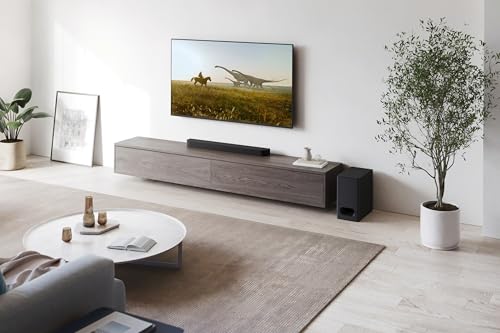
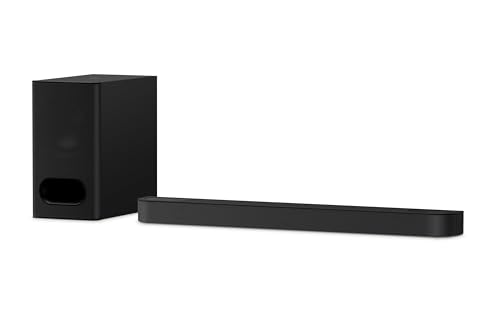
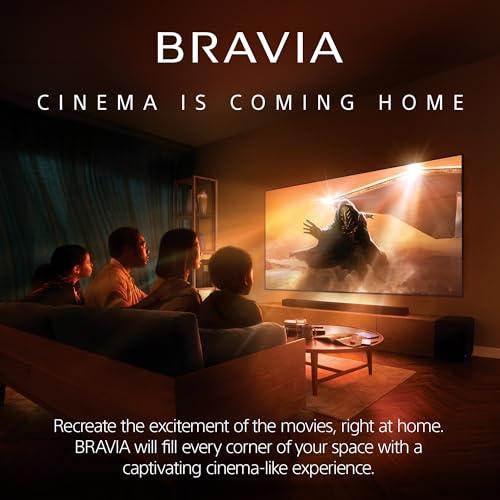
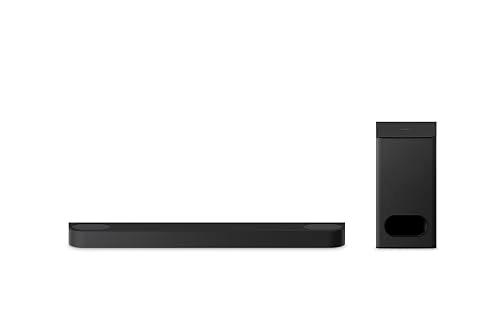
Released in 2024, the Sony BRAVIA Theater Bar 6 represents Sony's approach to premium mid-range audio. At the time of writing, it sits in the upper portion of the soundbar market price-wise, but delivers features typically found in much more expensive systems.
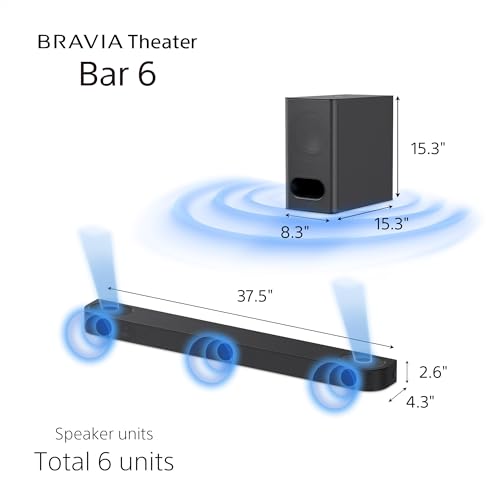
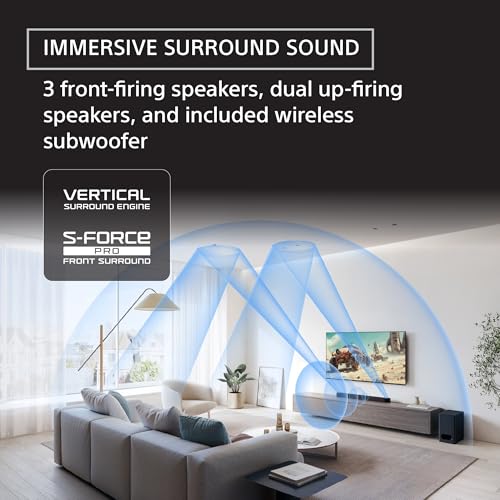
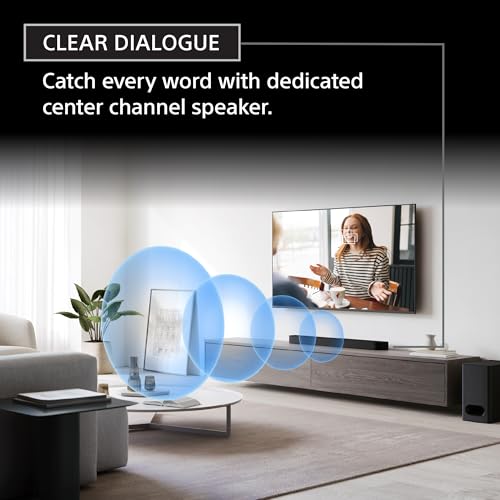
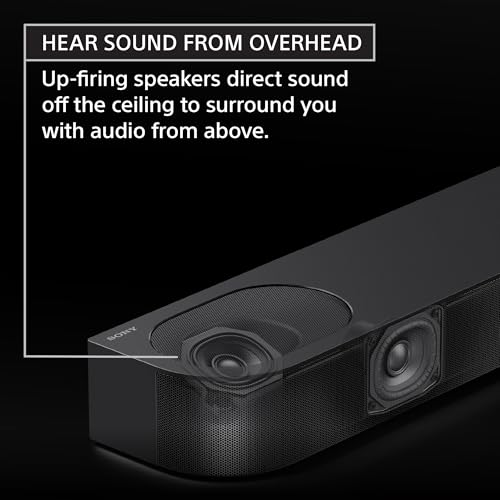
This 3.1.2 channel system includes three front-firing speakers (left, center, right), two up-firing speakers for height effects, and a wireless subwoofer. That center channel is crucial—it's specifically designed to handle dialogue and vocals, which is why movies mixed in surround sound always sound clearer when you have a dedicated center speaker rather than trying to create phantom center imaging between left and right speakers.
The up-firing speakers represent a clever engineering solution for creating overhead sound effects without installing ceiling speakers. They bounce sound off your ceiling to create the illusion of height, which works surprisingly well in rooms with flat, reflective ceilings about 8-12 feet high.
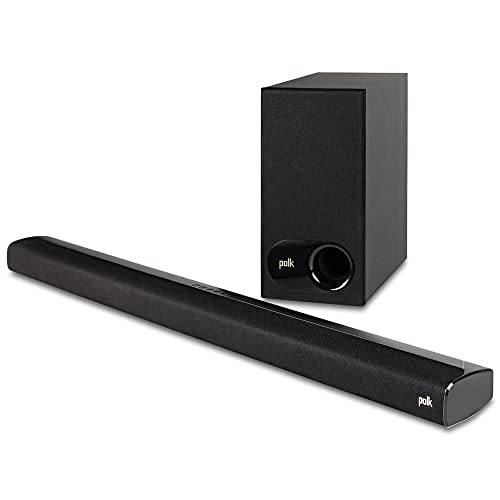
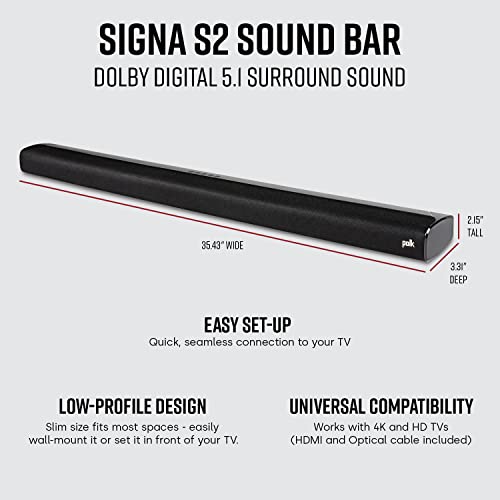
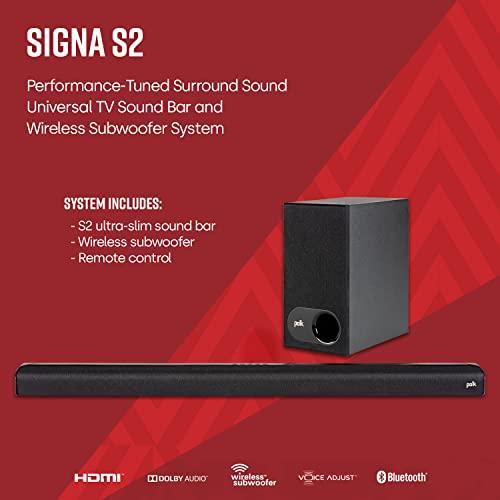
The Polk Audio Signa S2, released in 2021, takes a completely different approach. Rather than cramming in advanced features, Polk focused on delivering the biggest improvement over TV speakers at the lowest possible price point. At the time of writing, it costs roughly half what the Sony BRAVIA Theater Bar 6 does, making it one of the most affordable ways to get a wireless subwoofer system.
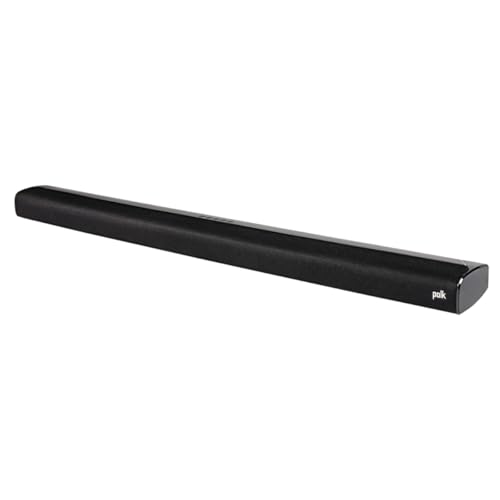
This 2.1 setup keeps things simple: two full-range drivers in the soundbar handle left and right channels, while a separate wireless subwoofer handles bass frequencies. There's no dedicated center channel, so dialogue comes from phantom imaging between the left and right speakers. This works reasonably well for most content, especially when combined with Polk's VoiceAdjust technology.
The most significant difference between these systems becomes apparent the moment you start listening to complex content. The Sony BRAVIA Theater Bar 6 uses what Sony calls X-Balanced speakers—rectangular drivers instead of traditional circular ones. This design increases the surface area of each driver, allowing it to move more air and produce cleaner sound with less distortion.
In practice, this translates to noticeably better clarity across all frequencies. Dialogue sounds more natural and present, music has better instrument separation, and sound effects in movies maintain their distinctiveness even during busy action sequences. The dedicated center channel particularly shines here—having a speaker specifically tuned for vocal frequencies makes a huge difference in dialogue intelligibility.
The Polk Audio Signa S2, by contrast, uses a more conventional approach with oval midrange drivers and small tweeters. While these produce decent sound for the price, they can't match the refinement of the Sony's larger, more sophisticated driver array. The Signa S2's sound signature tends toward what audio engineers call a "V-shape"—emphasized bass and treble with a somewhat recessed midrange. This can make movies sound exciting and punchy, but it sometimes comes at the expense of natural vocal reproduction.
This is where the price difference between these systems becomes most apparent. The Sony BRAVIA Theater Bar 6 supports both Dolby Atmos and DTS:X, the latest object-based surround sound formats that allow sounds to be placed precisely in three-dimensional space around the listener.
The up-firing speakers create genuine height effects—when a helicopter flies overhead in a movie, you actually hear it moving above you, not just panning left to right. Sony's S-Force PRO Front Surround technology also creates a convincing sense of width and depth from the front-firing speakers, making the soundstage feel much larger than the physical soundbar.
The Polk Audio Signa S2 takes a different approach. It can decode Dolby Digital soundtracks (the standard 5.1 surround format used on most content), but it downmixes everything to its 2.1 speaker configuration. Virtual surround processing tries to create some sense of spaciousness, but it's nowhere near as convincing as having actual height channels and more sophisticated processing.
For casual TV watching, this difference might not matter much. But for movie enthusiasts who want to feel immersed in the action, the Sony's genuine surround capabilities provide a significantly more engaging experience.
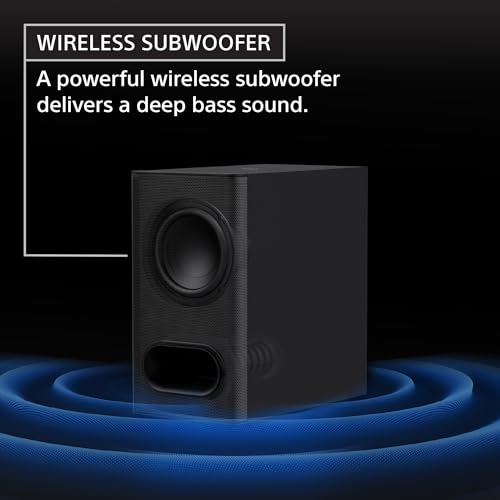
Both systems include wireless subwoofers, but they take different approaches to low-frequency reproduction. The Sony BRAVIA Theater Bar 6 includes a 6-inch subwoofer that can reach down to 20Hz—the very bottom of human hearing. This deep extension means you'll feel the rumble of explosions, the growl of engines, and the weight of musical bass lines.
However, the Sony's subwoofer comes calibrated quite aggressively from the factory. Most users find they need to reduce the subwoofer level by 3-4 notches to achieve proper balance with the main soundbar. Once properly adjusted, it delivers controlled, impactful bass that enhances rather than overwhelms the rest of the audio spectrum.
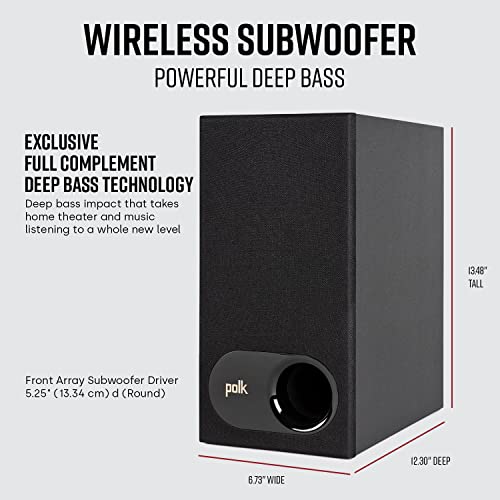
The Polk Audio Signa S2 features a smaller 5.25-inch subwoofer that still provides satisfying bass impact for its price class. While it doesn't extend as deep as the Sony's sub, it still delivers the kind of low-frequency punch that makes action movies and music much more engaging than TV speakers alone. The bass character tends to be somewhat boomy and prominent, which some listeners enjoy for its excitement factor, though it's not as refined or controlled as higher-end systems.
Both manufacturers recognize that clear dialogue is crucial for TV and movie enjoyment, but they approach the problem differently. The Sony BRAVIA Theater Bar 6 benefits enormously from its dedicated center channel—this speaker is specifically tuned for vocal frequencies and positioned to project dialogue directly toward the listening position.
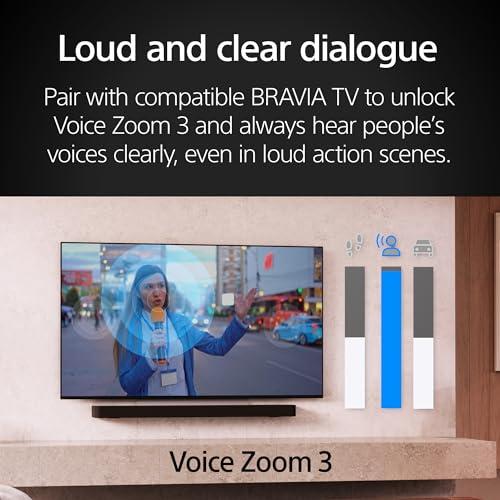
Sony also includes multiple dialogue enhancement technologies. The basic Clear Voice algorithm analyzes incoming audio and boosts vocal frequencies while reducing competing background sounds. Voice Zoom 3.0, available when paired with compatible Sony TVs, takes this even further by coordinating the soundbar's center channel with the TV's own speakers to create even more focused dialogue reproduction.
The Polk Audio Signa S2 relies on VoiceAdjust technology to enhance dialogue clarity. This system analyzes the audio signal and boosts the frequency ranges where human speech typically occurs. While not as sophisticated as having a dedicated center channel, it does provide meaningful improvement over standard TV speakers. However, pushing VoiceAdjust too aggressively can make voices sound nasal or unnatural.
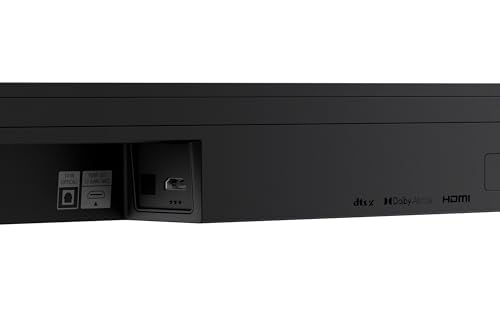
The Sony BRAVIA Theater Bar 6 includes HDMI eARC (enhanced Audio Return Channel), which provides the highest quality digital audio connection between your TV and soundbar. This connection supports the advanced audio formats like Dolby Atmos that make the Sony's extra speakers worthwhile. It also includes optical and Bluetooth inputs, though notably lacks HDMI passthrough—all your video sources need to connect directly to your TV.
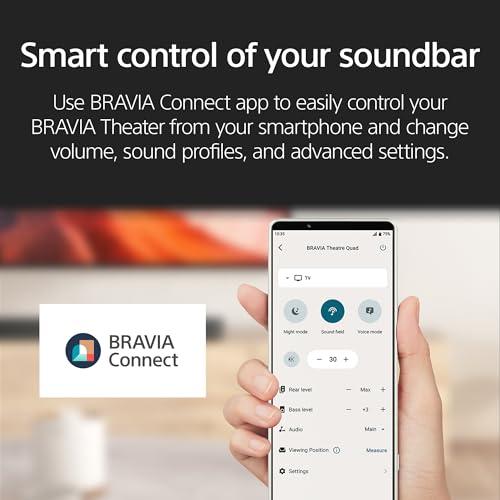
Sony's BRAVIA Connect app provides comprehensive control and setup options, including room calibration where you input your listening distance and room dimensions to optimize the sound processing. The integration with Sony TVs is particularly seamless, allowing the TV's remote to control soundbar volume and providing access to soundbar settings through the TV's menu system.
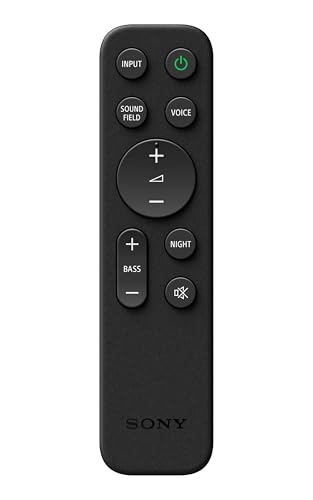
The Polk Audio Signa S2 offers similar basic connectivity with HDMI ARC, optical, and analog inputs, plus Bluetooth for music streaming. The setup is notably simpler—there's no app required, and most users can get optimal results just by plugging it in and adjusting the basic settings using the included remote.
The Sony BRAVIA Theater Bar 6 provides extensive customization through its app interface. You can adjust bass, treble, and subwoofer levels independently, select from multiple sound modes optimized for different content types, and even adjust the height channel levels to match your room's acoustics. Night Mode compresses the dynamic range for late-night viewing, while Auto Volume helps maintain consistent levels across different content sources.
The Polk Audio Signa S2 keeps customization simple with basic sound modes (Movie, Music, Night) and the VoiceAdjust dialogue enhancement. There's no graphic EQ or detailed room correction, but the available options cover the most important use cases for typical users.
The Sony BRAVIA Theater Bar 6 really shines in medium to large rooms where its 350-watt power output and sophisticated processing can create an immersive soundfield. The up-firing speakers work best with ceilings between 8-12 feet high and need reasonable reflective surfaces above to create convincing height effects. In very large or acoustically challenging rooms, the lack of discrete rear speakers becomes more apparent.
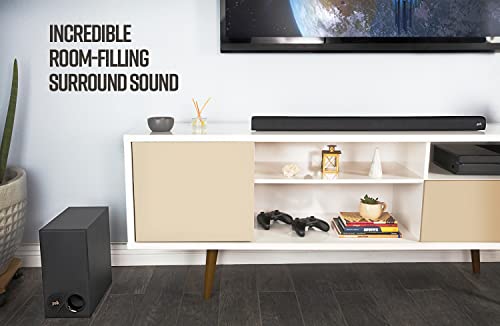
The Polk Audio Signa S2 works well in small to medium-sized rooms where its more modest power output is sufficient. The simple 2.1 configuration actually offers some advantages in challenging acoustic environments where surround processing might create more confusion than enhancement.
For movie enthusiasts who frequently watch action films, sci-fi, and other content mastered in Dolby Atmos, the Sony BRAVIA Theater Bar 6 provides a genuinely different experience. The height channels add dimensionality that makes well-mixed content much more engaging. However, for users who primarily watch news, sitcoms, and other dialogue-heavy content, the Polk Audio Signa S2 provides most of the benefit at significantly lower cost.
Music performance differs between the systems as well. The Sony's more neutral tuning and better driver technology make it more versatile across different musical genres, while the Polk's V-shaped signature can make some music sound exciting but may not reproduce acoustic instruments and vocals as naturally.
The Sony BRAVIA Theater Bar 6 makes sense for users who want a genuine home theater upgrade and are willing to pay for advanced features. If you frequently watch movies, especially newer releases mastered in Dolby Atmos, the height channels and sophisticated processing provide meaningful immersion that simpler systems can't match.
Sony TV owners get additional value through seamless integration and features like Voice Zoom 3.0. The system also offers better future-proofing—as more content adopts object-based audio formats, you'll be able to take full advantage without needing to upgrade again.
The more neutral sound signature and extensive customization options also make this a better choice for serious music listening. If your soundbar needs to serve double duty for both movies and music, the Sony's versatility justifies its higher price point.
The Polk Audio Signa S2 represents outstanding value for users whose primary goal is improving dialogue clarity and adding some bass impact to their TV audio. If your content consumption focuses on TV shows, news, and dialogue-heavy programming, you'll get most of the benefit of a soundbar upgrade without paying for surround features you won't fully utilize.
The simple setup and universal compatibility make it particularly appealing for less technical users who want better sound without complexity. The significant cost savings can be invested elsewhere in your entertainment setup or simply kept in your pocket.
At the time of writing, the price difference between these systems reflects genuine technological capabilities rather than just marketing positioning. The Sony's Dolby Atmos support, dedicated center channel, and sophisticated audio processing provide measurable performance improvements in the right circumstances.
However, the law of diminishing returns applies strongly in audio equipment. The Polk Audio Signa S2 delivers perhaps 70% of the Sony BRAVIA Theater Bar 6's performance at roughly half the price. Whether that additional 30% performance improvement is worth the extra cost depends entirely on your priorities, room setup, and content preferences.
For most users upgrading from TV speakers, either soundbar will provide a significant improvement in audio quality and listening enjoyment. The choice comes down to whether you value advanced features and future-proofing over immediate value.
Choose the Sony BRAVIA Theater Bar 6 if you're building a serious home theater setup, watch a lot of movies, own a Sony TV, or want the most advanced audio processing available in this price class. The Dolby Atmos support and dedicated center channel provide genuine benefits that justify the higher investment for the right user.
Choose the Polk Audio Signa S2 if you want maximum improvement over TV speakers at minimum cost, primarily watch TV shows and dialogue-heavy content, or prefer simple plug-and-play setup without extensive customization options.
Both represent honest value in their respective price segments, just aimed at different priorities and use cases. The key is matching the soundbar's capabilities to your actual listening habits rather than buying features you'll never fully appreciate.
| Sony BRAVIA Theater Bar 6 | Polk Audio Signa S2 |
|---|---|
| Channel Configuration - Determines surround sound capabilities and dialogue clarity | |
| 3.1.2 channels with dedicated center and height speakers | 2.1 channels with virtual center imaging |
| Audio Format Support - Future-proofing for premium content | |
| Dolby Atmos, DTS:X with genuine height effects | Dolby Digital decoding, downmixed to stereo |
| Total Power Output - Affects maximum volume and dynamic range | |
| 350W total system power | 40W total system power |
| Subwoofer Configuration - Impact on bass depth and room filling | |
| 6-inch wireless subwoofer, extends to 20Hz | 5.25-inch wireless subwoofer, more limited extension |
| Driver Technology - Sound quality and clarity differences | |
| X-Balanced rectangular drivers for increased surface area | Traditional oval midrange drivers with small tweeters |
| Dialogue Enhancement - Critical for TV shows and movie clarity | |
| Dedicated center channel plus Clear Voice algorithms | VoiceAdjust technology without dedicated center |
| TV Integration - Convenience and advanced features | |
| Deep Sony BRAVIA integration with Voice Zoom 3.0 | Universal compatibility with basic HDMI ARC control |
| Setup Complexity - Time investment vs. performance optimization | |
| App-based setup with room calibration and extensive customization | Simple plug-and-play with basic sound mode selection |
| Sound Signature - Tonal balance affects music and movie enjoyment | |
| More neutral tuning with sophisticated processing | V-shaped signature emphasizing bass and treble |
| Room Size Suitability - Power and processing match room acoustics | |
| Medium to large rooms with proper ceiling height for Atmos | Small to medium rooms where simplicity is preferred |
The Sony BRAVIA Theater Bar 6 delivers superior sound quality with its X-Balanced rectangular drivers, dedicated center channel, and 350W power output. The Polk Audio Signa S2 provides good sound for its price range but uses smaller conventional drivers and lacks a center channel. For overall audio clarity and detail, the Sony BRAVIA Theater Bar 6 is the clear winner.
Only the Sony BRAVIA Theater Bar 6 supports true Dolby Atmos with dedicated up-firing speakers for height effects. The Polk Audio Signa S2 can decode Dolby Digital but downmixes surround content to stereo. If you want genuine 3D audio for movies, the Sony BRAVIA Theater Bar 6 is essential.
Both soundbars enhance dialogue over TV speakers, but the Sony BRAVIA Theater Bar 6 excels with its dedicated center channel and Clear Voice technology. The Polk Audio Signa S2 uses VoiceAdjust technology which works well but isn't as precise. For crystal-clear dialogue, especially in complex movie scenes, the Sony BRAVIA Theater Bar 6 performs better.
The Sony BRAVIA Theater Bar 6 includes a 6-inch wireless subwoofer that reaches 20Hz for deep, room-filling bass. The Polk Audio Signa S2 has a smaller 5.25-inch subwoofer with less extension but still provides satisfying impact for most content. Both offer wireless subwoofers, but the Sony BRAVIA Theater Bar 6 delivers deeper, more controlled bass.
The Polk Audio Signa S2 wins for simplicity with plug-and-play setup requiring minimal configuration. The Sony BRAVIA Theater Bar 6 offers more setup options through its app, including room calibration and extensive customization. If you prefer simple installation, choose the Polk Audio Signa S2.
The Sony BRAVIA Theater Bar 6 provides better music performance with its neutral tuning and superior drivers, handling various genres well. The Polk Audio Signa S2 has a V-shaped sound signature that can make some music exciting but may not reproduce acoustic instruments naturally. For serious music listening, the Sony BRAVIA Theater Bar 6 is more versatile.
The Sony BRAVIA Theater Bar 6 is designed for home theater enthusiasts with Dolby Atmos support, dedicated center channel, and immersive surround processing. The Polk Audio Signa S2 provides a basic upgrade over TV speakers but lacks advanced surround features. For a true home theater experience, the Sony BRAVIA Theater Bar 6 is the better choice.
The Polk Audio Signa S2 offers universal compatibility with any TV from the last decade. The Sony BRAVIA Theater Bar 6 works with all TVs but provides enhanced integration with Sony BRAVIA models, including Voice Zoom 3.0 technology. Both connect via HDMI ARC or optical, but Sony TV owners get extra benefits with the Sony BRAVIA Theater Bar 6.
The Polk Audio Signa S2 delivers exceptional value as an affordable upgrade over TV speakers with wireless subwoofer included. The Sony BRAVIA Theater Bar 6 costs significantly more but provides premium features like Dolby Atmos and sophisticated audio processing. Value depends on your priorities: basic improvement versus advanced features.
The Sony BRAVIA Theater Bar 6 suits medium to large rooms with its 350W power output and works best with 8-12 foot ceilings for Atmos effects. The Polk Audio Signa S2 is ideal for small to medium rooms where its power output is sufficient. Consider room size when choosing between the Sony BRAVIA Theater Bar 6 and Polk Audio Signa S2.
Both soundbars offer HDMI ARC, optical, and Bluetooth connectivity. The Sony BRAVIA Theater Bar 6 includes HDMI eARC for advanced audio formats and comprehensive app control. The Polk Audio Signa S2 adds a 3.5mm analog input for older devices. The Sony BRAVIA Theater Bar 6 provides more advanced digital connectivity.
Choose the Polk Audio Signa S2 if you want maximum improvement over TV speakers at minimum cost and primarily watch TV shows or dialogue-heavy content. Select the Sony BRAVIA Theater Bar 6 if you're building a serious home theater setup, watch lots of movies, or want advanced features like Dolby Atmos. Your content preferences and budget should guide the decision between these two soundbars.
We've done our best to create useful and informative comparisons to help you decide what product to buy. Our research uses advanced automated methods to create this comparison and perfection is not possible - please contact us for corrections or questions. These are the sites we've researched in the creation of this article: rtings.com - bestbuy.com - whathifi.com - youtube.com - youtube.com - sony.com - galaxus.at - helpguide.sony.net - audioadvice.com - electronics.sony.com - youtube.com - youtube.com - electronics.sony.com - helpguide.sony.net - whatgear.net - consumerreports.org - rtings.com - youtube.com - bestbuy.com - rtings.com - consumerreports.org - rtings.com - youtube.com - hometechnologyreview.com - soundbars.com - youtube.com - manuals.plus - creativeaudio.net - parts-express.com - thomsunmusic.com - polkaudio.com - manuals.plus - polkaudio.com - polkaudio.com - polkaudio.com - bestbuy.com - youtube.com - youtube.com - polkaudio.com

Privacy Policy
Terms and Conditions - Affiliate Policy
Home Security
© Copyright 2008-2026.
11816 Inwood Rd #1211, Dallas, TX 75244