

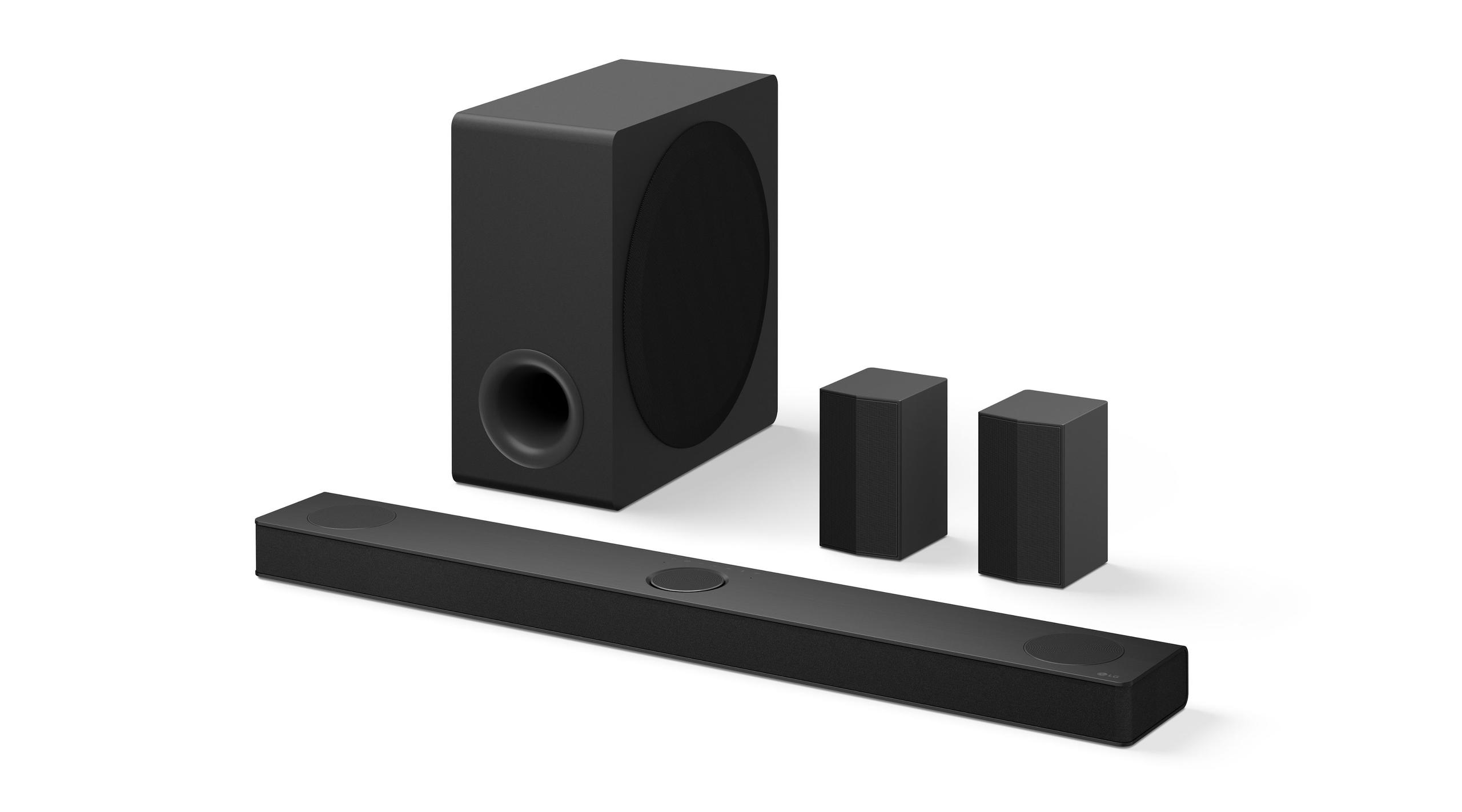
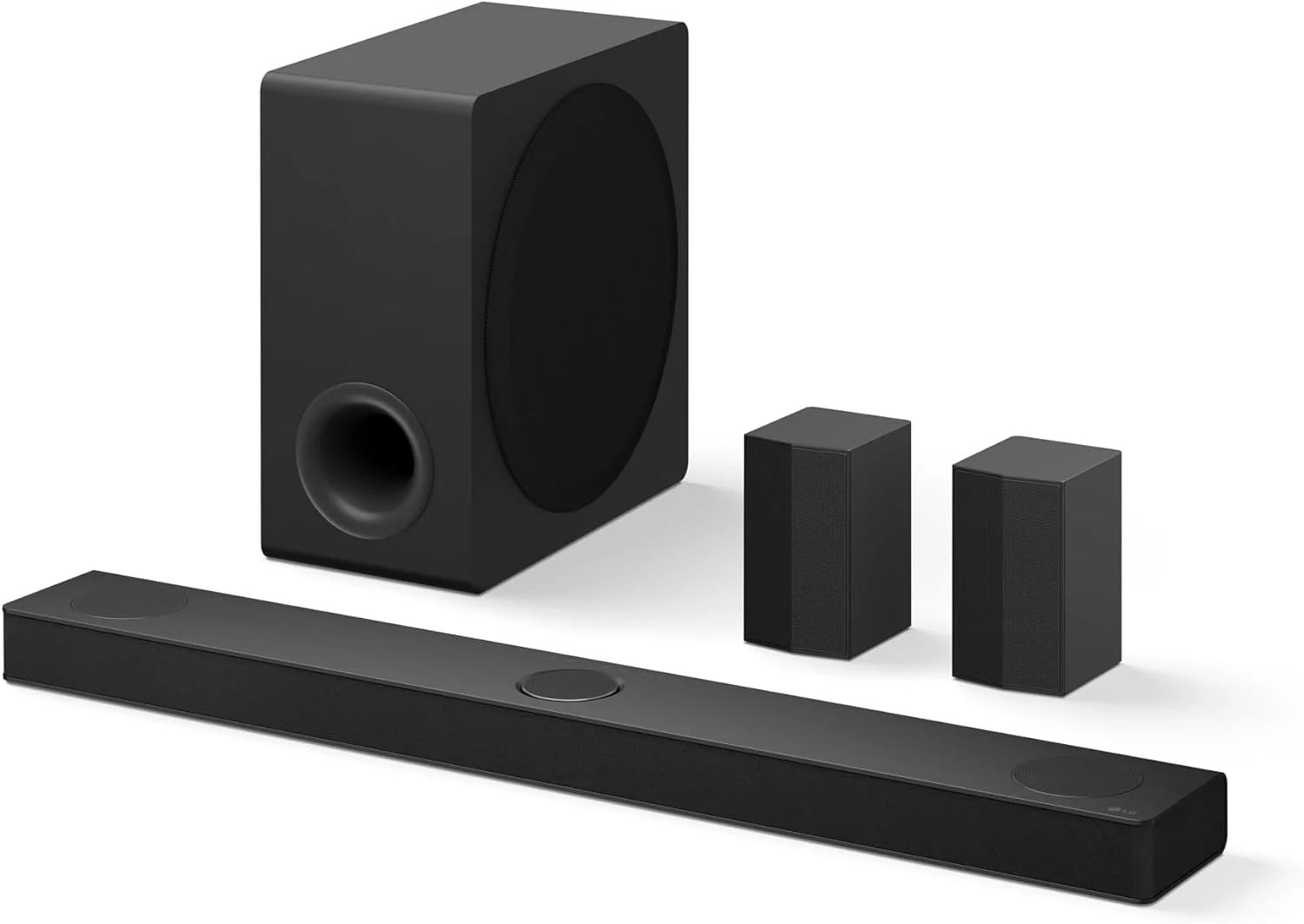
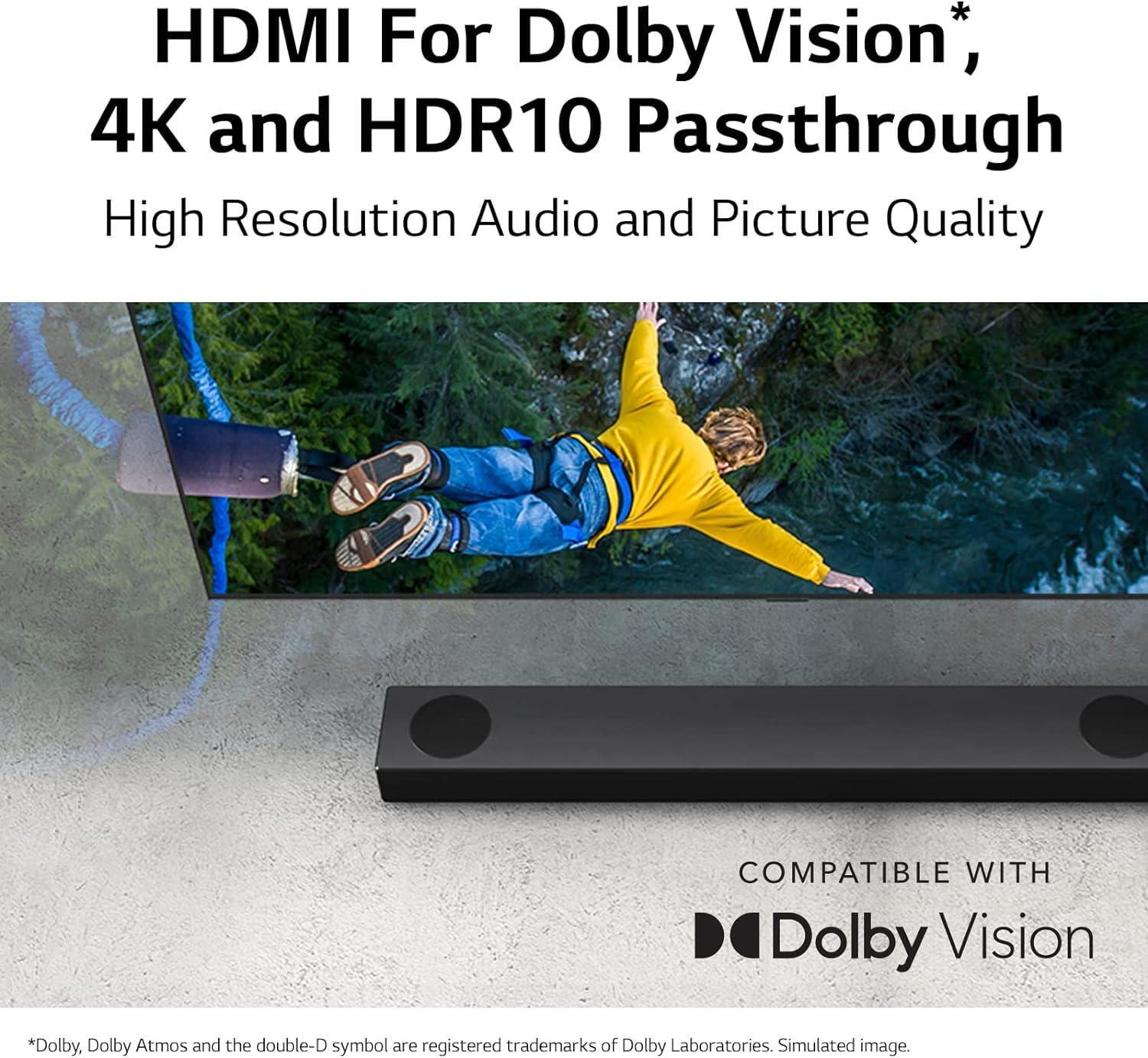
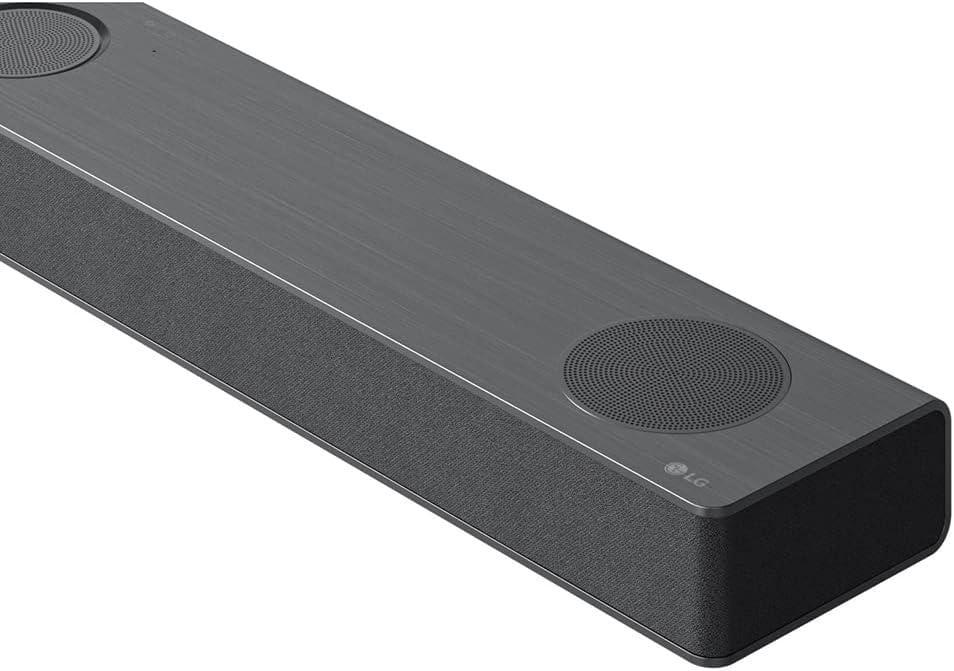
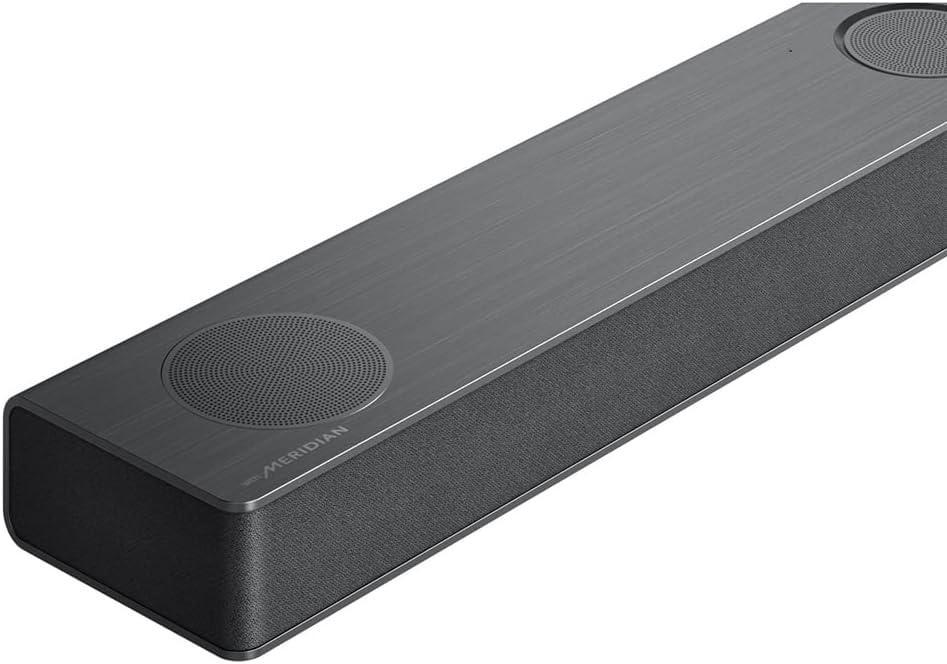

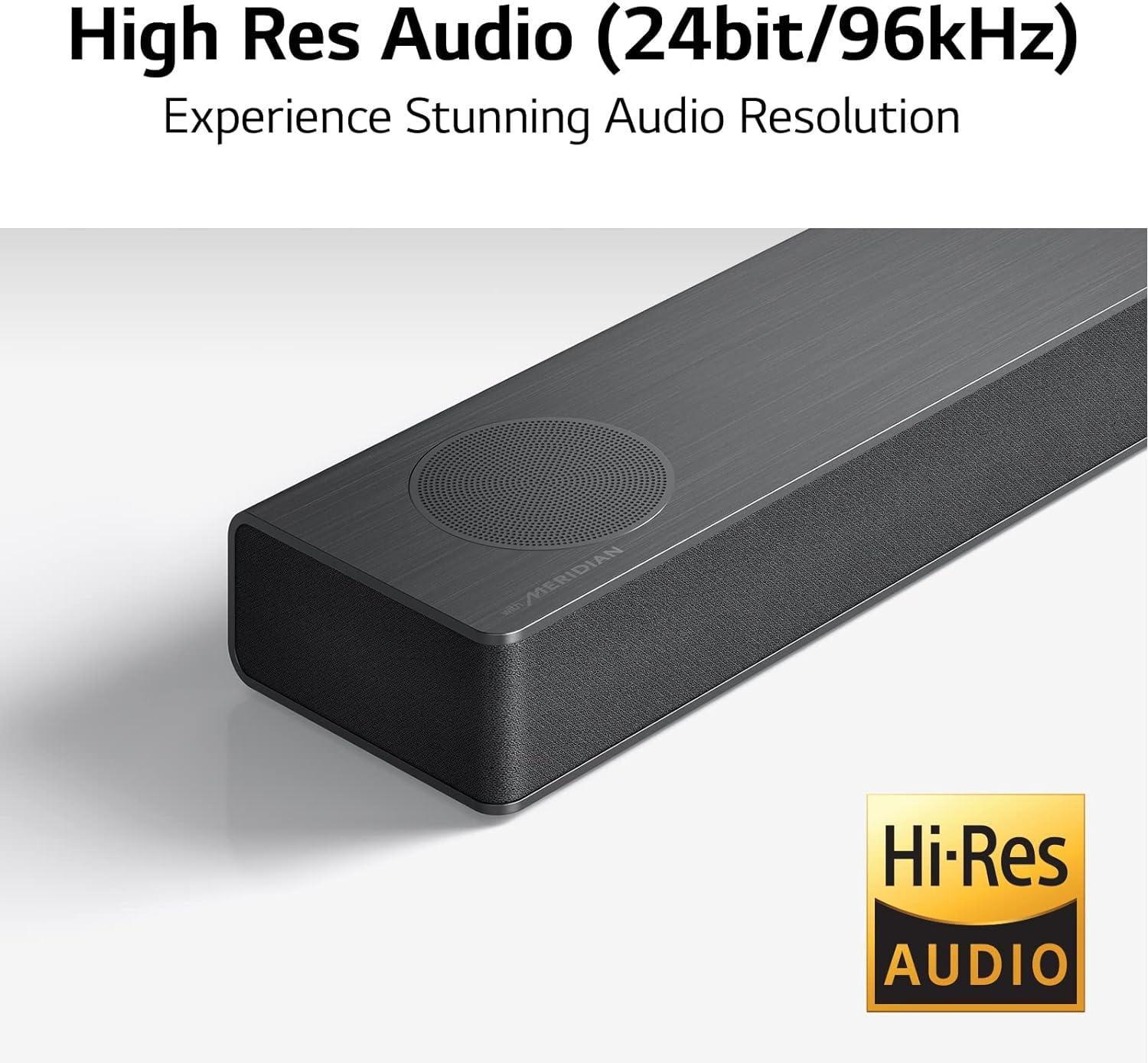

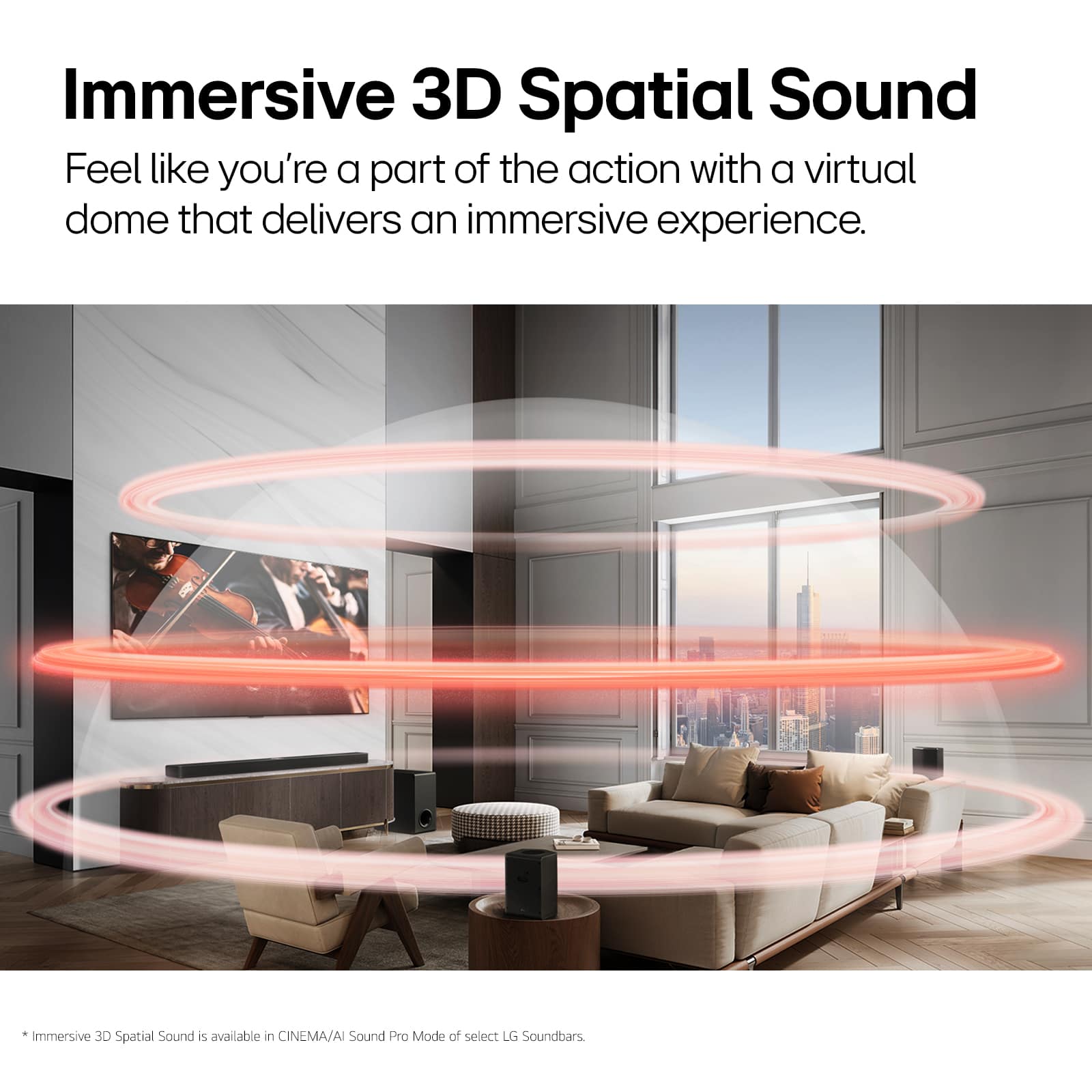
If you've been shopping for a premium soundbar lately, you've probably noticed that the market has exploded with options. Gone are the days when a soundbar was just a simple upgrade from your TV's built-in speakers. Today's premium models are sophisticated home theater systems that can transform your living room into a cinematic experience. Two standout options that caught my attention are LG's S80TR ($547) and S70TR ($400, often $299), both released in October 2024 as part of LG's latest soundbar lineup.
The soundbar market has evolved dramatically over the past few years. What used to be a choice between "okay" and "pretty good" has become a battlefield of advanced features like Dolby Atmos (3D surround sound), wireless rear speakers, and smart home integration. The key is understanding which features actually matter for your setup and budget.
Before diving into the specifics, let's talk about what really matters when choosing between premium soundbars. The most important consideration is channel configuration – essentially, how many speakers the system uses and where they're positioned. Think of it like this: more channels generally mean a wider, more immersive soundstage that makes you feel like you're inside the action rather than just watching it.
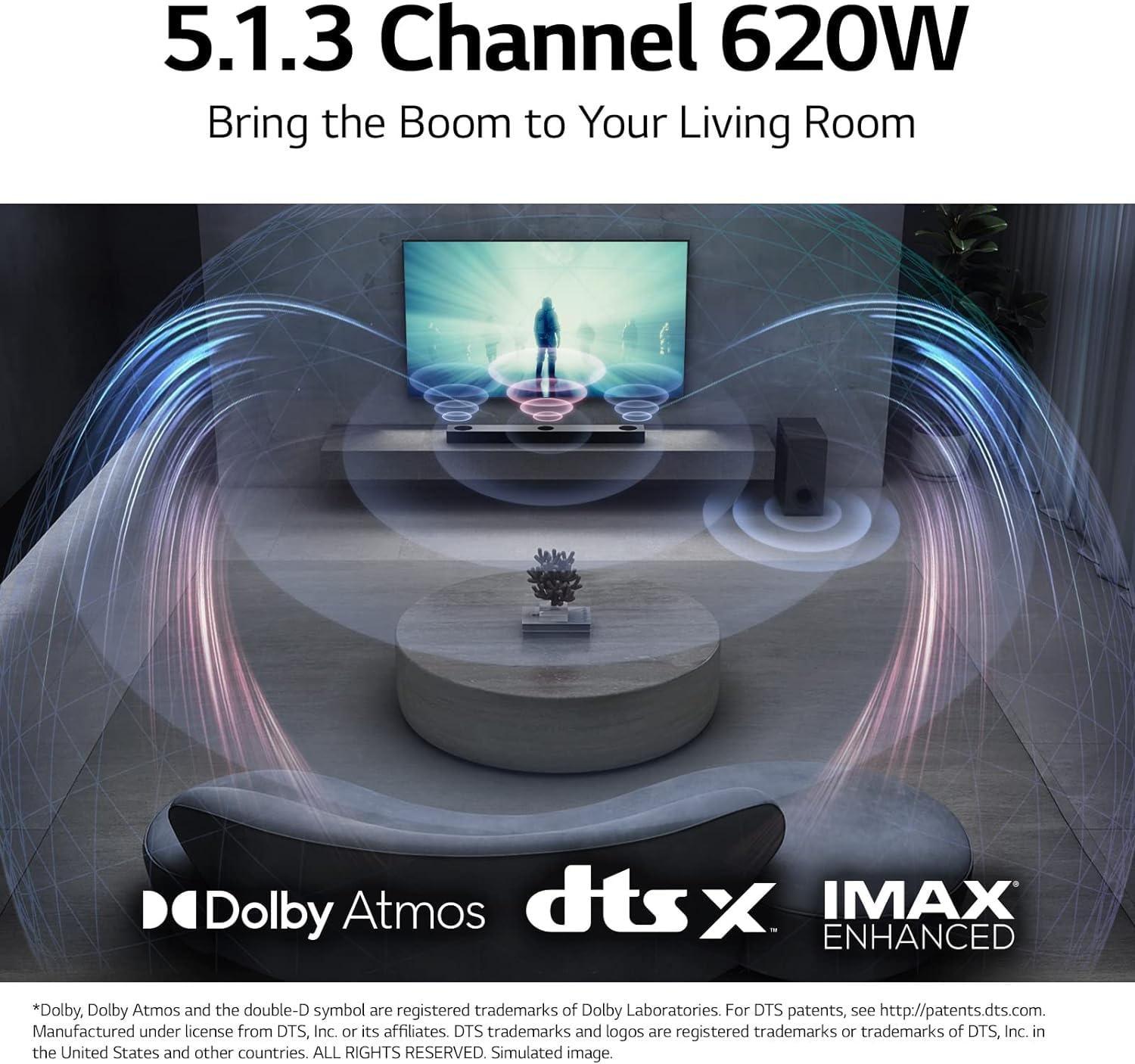
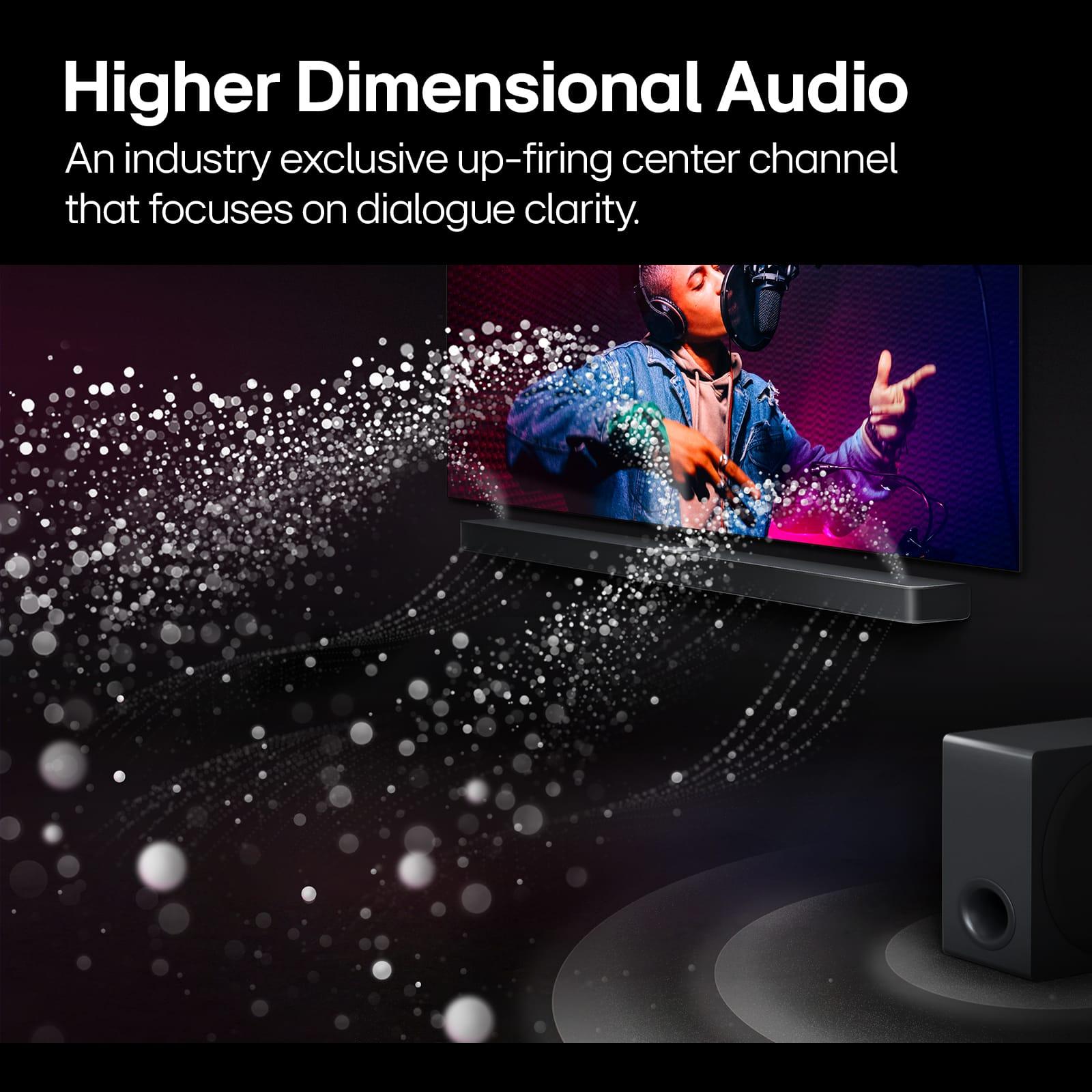
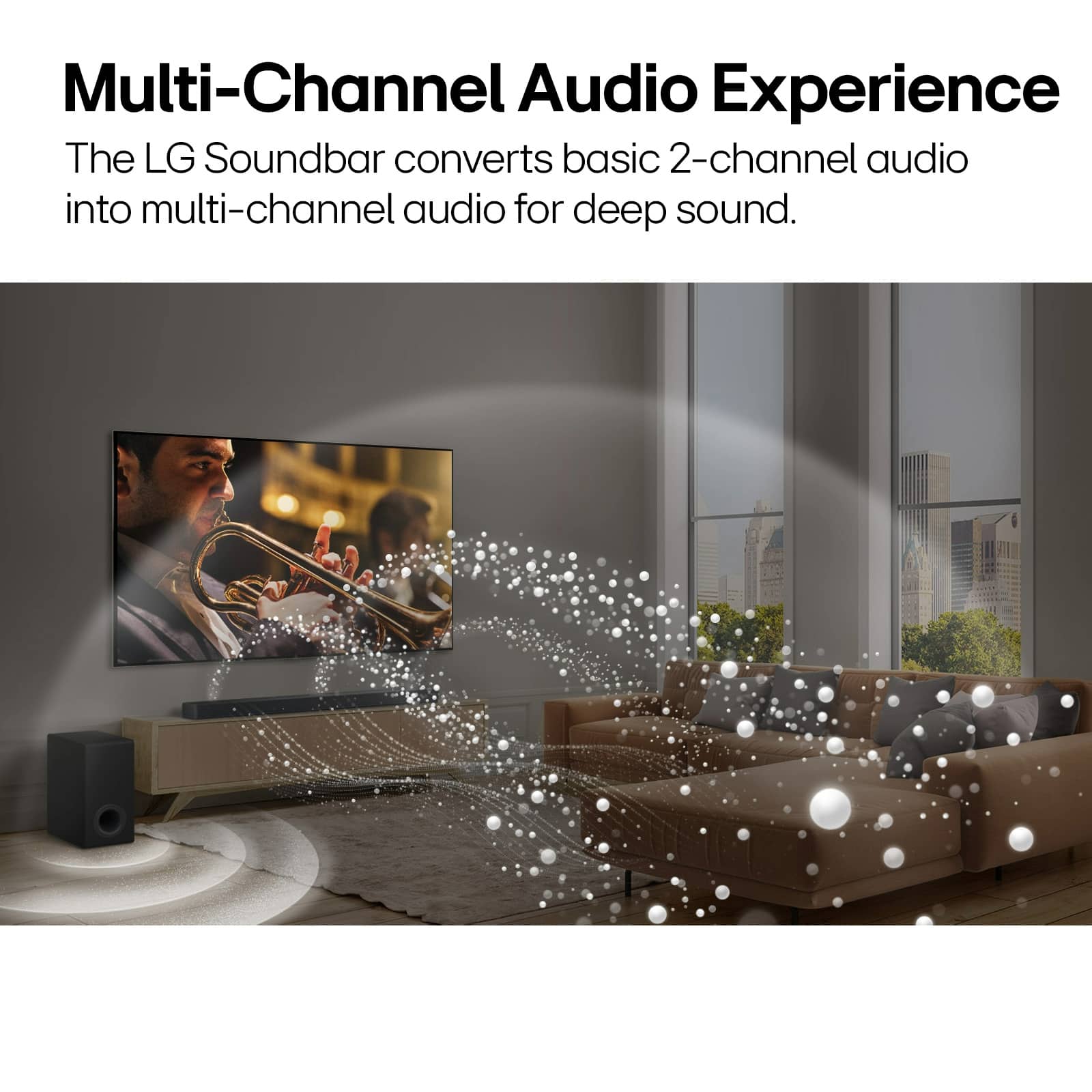
Both LG models feature Dolby Atmos, which is a game-changer for home audio. Unlike traditional surround sound that moves audio left and right around you, Dolby Atmos adds a vertical dimension. It uses "height channels" – speakers that fire sound upward to bounce off your ceiling – creating the illusion that helicopters are flying overhead or rain is falling from above. It's the difference between watching a movie and feeling like you're in it.
The other major considerations include wireless connectivity for streaming music from your phone, gaming features for console players, and how well the system integrates with your existing setup. Most importantly, there's the value equation: what performance are you getting for your dollar?
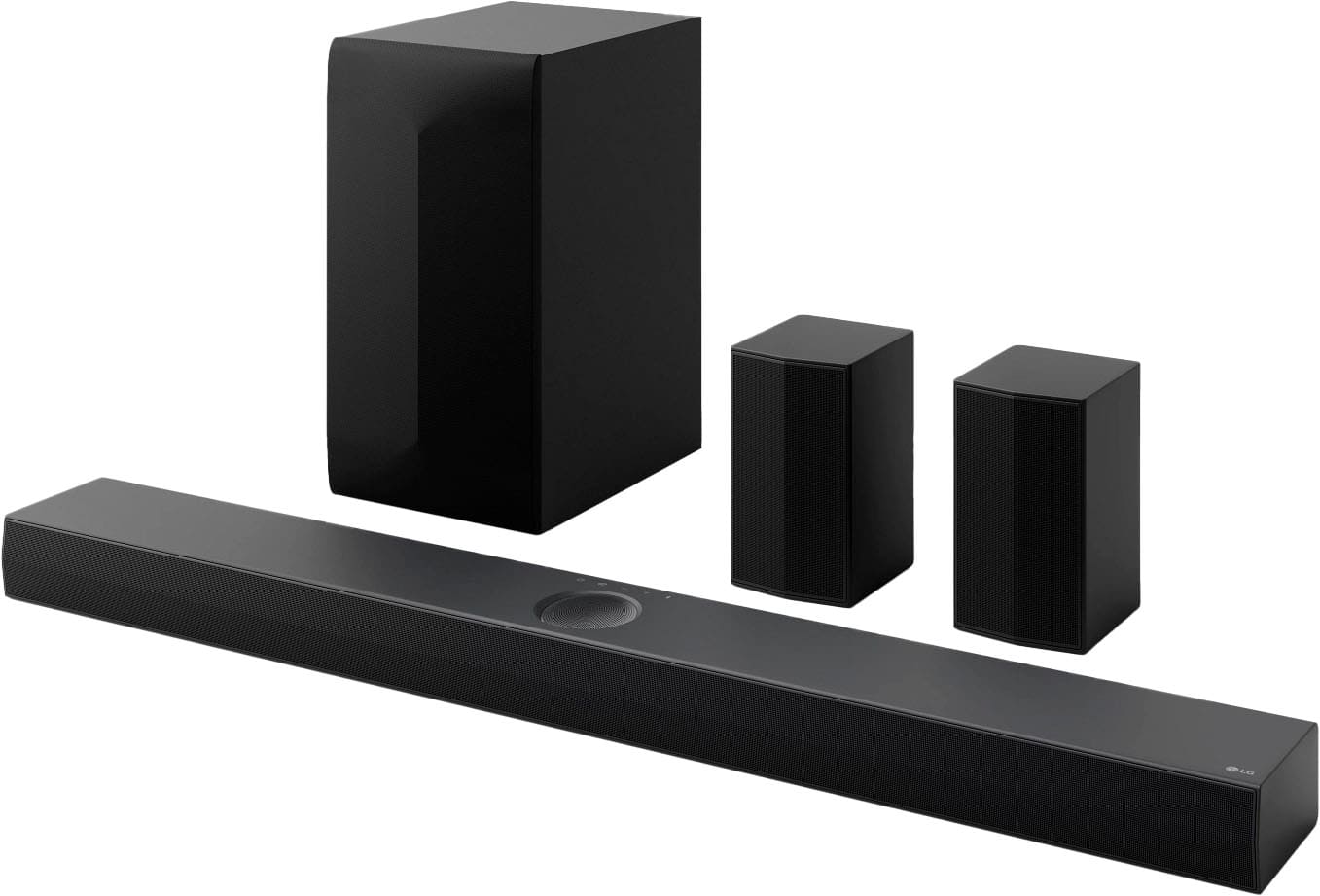
The LG S80TR represents LG's flagship approach – maximum immersion through superior hardware. Its 5.1.3 configuration means five main channels (left, center, right, and two surrounds), one subwoofer, and three height channels for Dolby Atmos effects. Those three height channels are the key differentiator, creating a much more convincing overhead sound experience.
The LG S70TR, on the other hand, takes a value-focused approach with its 5.1.1 setup – the same five main channels and subwoofer, but only one height channel. LG compensated for this reduced immersion by adding gaming-specific features and aggressive pricing, especially during sales when it drops to $299.
Having tested both systems, the difference in overhead effects is immediately noticeable. The S80TR's triple height channels create what I'd describe as a "sound dome" – you genuinely feel surrounded by audio. The S70TR's single height channel provides Dolby Atmos effects, but they're more subtle, like the difference between standing under a waterfall versus hearing one in the distance.
The most dramatic difference between these soundbars lies in their immersive capabilities. The S80TR's three up-firing speakers work together to create convincing overhead effects that make action sequences genuinely thrilling. When watching "Top Gun: Maverick," jet engines don't just move left and right – they sweep overhead with startling realism.
The 580W total power output also matters more than you might expect. It's not just about getting louder; it's about maintaining clarity at higher volumes and delivering impactful bass that you feel in your chest. The S80TR's larger, 10-kilogram subwoofer produces deeper, more articulate bass compared to the S70TR's 5.7-kilogram unit. In practical terms, explosions have more weight, and musical bass lines maintain their definition even at party volumes.
The S70TR shouldn't be dismissed, though. Its single height channel still provides a noticeable upgrade over traditional soundbars, and for most content, it delivers satisfying surround effects. The difference becomes more apparent with specific Dolby Atmos content – nature documentaries with rainfall, action movies with helicopter scenes, or sci-fi films with spaceship flyovers.
Both soundbars feature LG's AI Sound Pro, but the S80TR's implementation is more sophisticated due to its expanded speaker array. This technology analyzes incoming audio in real-time and adjusts the sound profile accordingly. When watching dialogue-heavy scenes, it automatically reduces bass and enhances mid-range frequencies to improve speech clarity. During action sequences, it opens up the dynamic range for maximum impact.
I've found this particularly useful during mixed content viewing – switching from quiet dialogue scenes to explosive action without constantly reaching for the remote to adjust volume. The AI processing handles these transitions seamlessly, maintaining comfortable listening levels while preserving the impact of dramatic moments.
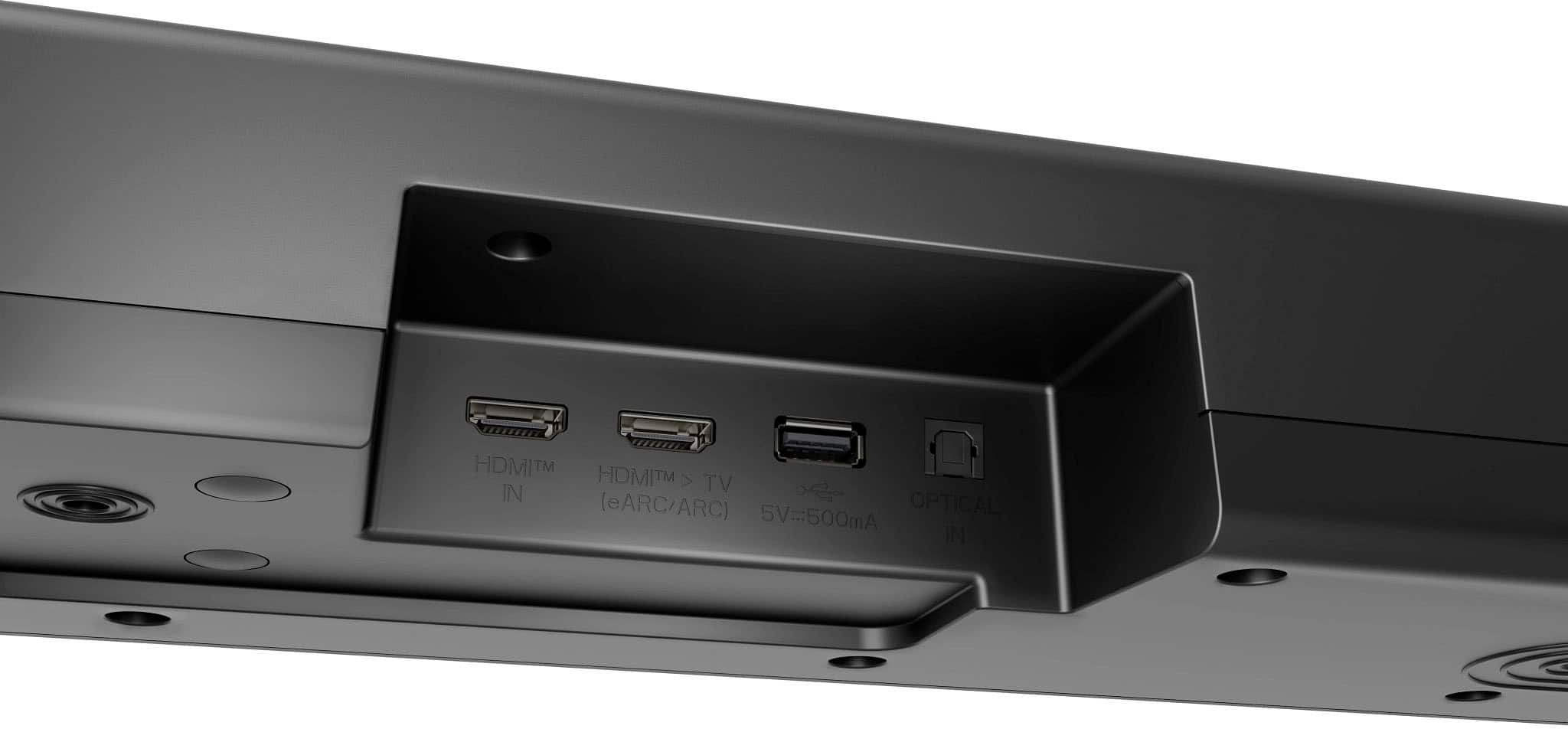
This is where the S80TR really pulls ahead. Its comprehensive connectivity suite includes AirPlay 2, Chromecast, Wi-Fi streaming, and Bluetooth 5.1. In practical terms, this means you can seamlessly stream high-quality audio from any device – iPhone users can AirPlay their music library, Android users can use Chromecast, and everyone can access streaming services directly without going through their TV.
The Wi-Fi connectivity also enables multi-room audio setups if you have other compatible LG speakers throughout your home. The system supports high-resolution audio formats like Dolby TrueHD, which delivers lossless audio quality – essentially, what the sound engineers heard in the studio.
The S70TR takes a more basic approach with Bluetooth-only streaming. While this covers most users' needs for playing music from their phones, you lose the convenience of multi-platform support and high-resolution audio capabilities. However, this simplified approach also means easier setup and fewer potential connectivity issues.
Here's where things get interesting – the S70TR actually outperforms its more expensive sibling for gaming applications. It includes VRR (Variable Refresh Rate) and ALLM (Auto Low Latency Mode), features specifically designed for modern gaming consoles like the PlayStation 5 and Xbox Series X.
VRR synchronizes the audio processing with your console's frame rate, eliminating audio stuttering during variable frame rate gaming. ALLM automatically switches the soundbar to its lowest latency mode when it detects gaming content, reducing the delay between on-screen action and corresponding audio effects. For competitive gamers, this split-second timing can be crucial.
The S70TR also supports 120Hz passthrough, ensuring that high-refresh-rate gaming signals pass through without degradation. Having tested this with fast-paced games like "Call of Duty," the difference is noticeable – gunshots, footsteps, and environmental audio feel more immediate and connected to the visual action.
The S80TR, while lacking these specialized gaming features, provides a more cinematic gaming experience. Its superior soundstage and height effects make exploration games and single-player adventures more immersive. The choice depends on your gaming priorities: competitive performance versus atmospheric immersion.
Both soundbars excel at home theater integration, but in different ways. The S80TR is designed for dedicated home theater setups where audio quality is paramount. Its room-filling 580W power output and sophisticated speaker arrangement create a cinema-like experience that justifies a larger investment in your entertainment space.
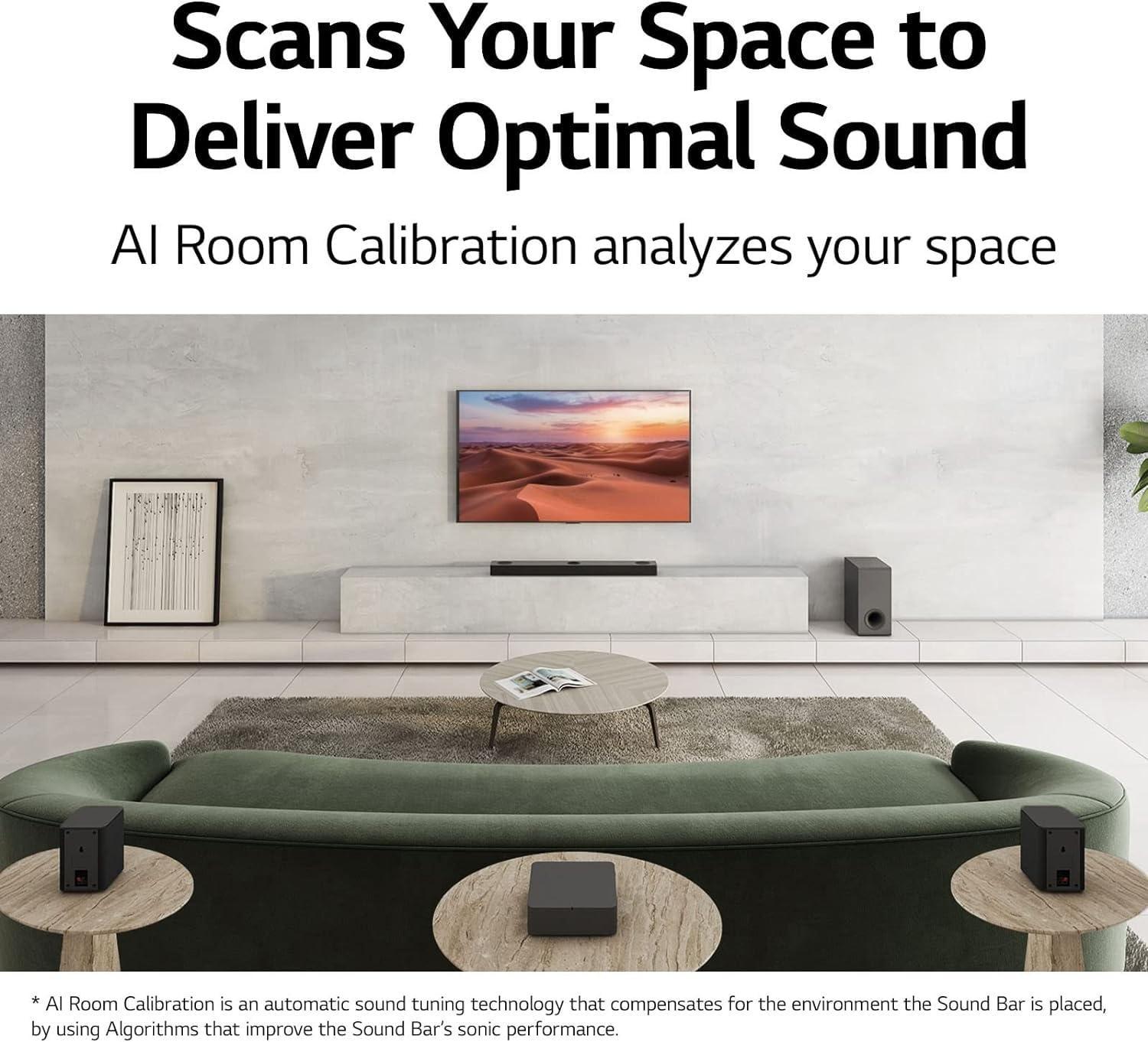
The system's AI room calibration feature uses built-in microphones to analyze your room's acoustics and automatically adjust the audio profile. This is particularly valuable in challenging rooms with hard surfaces or irregular layouts. The calibration process takes about five minutes and makes a noticeable difference in sound balance and clarity.
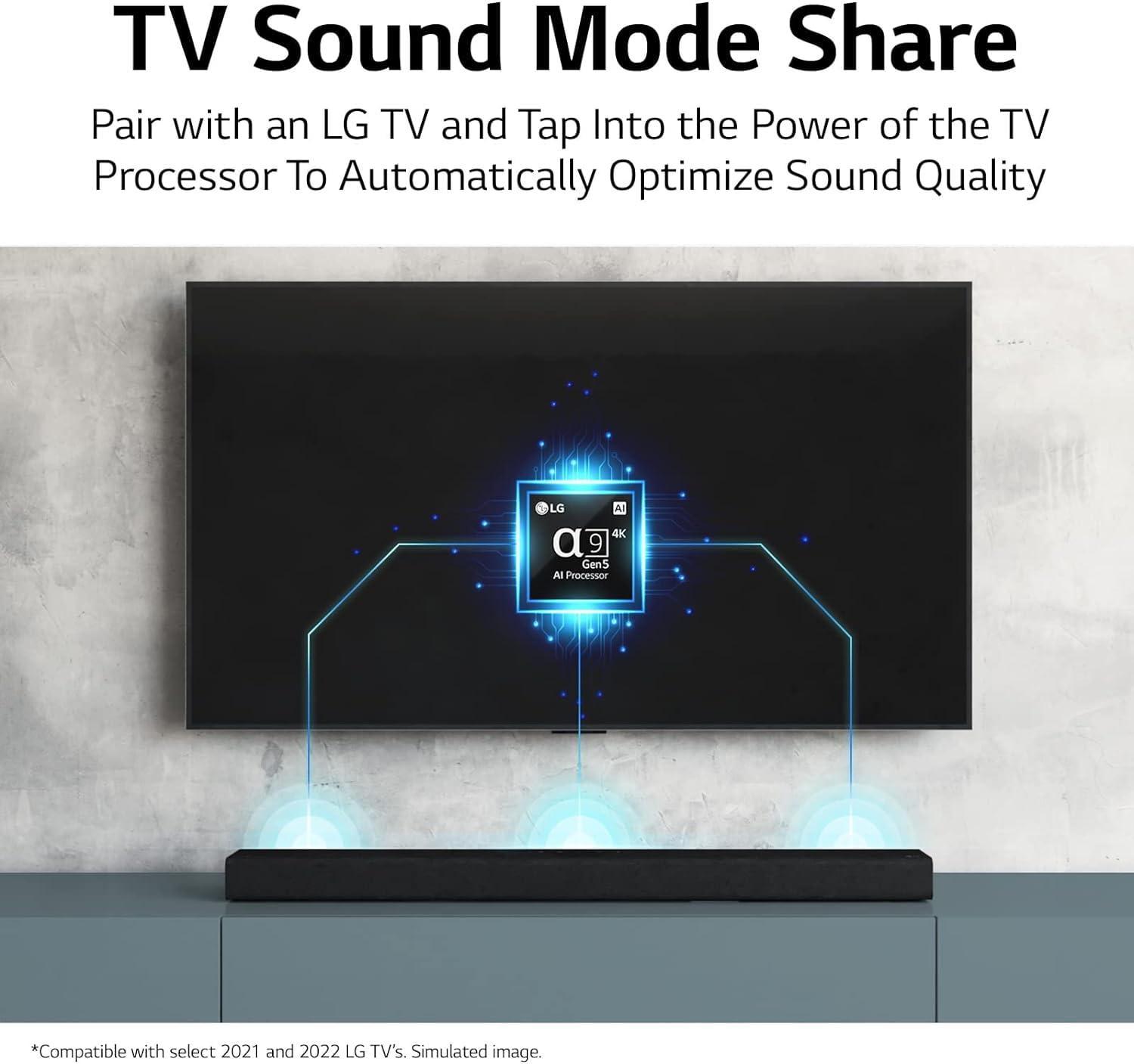
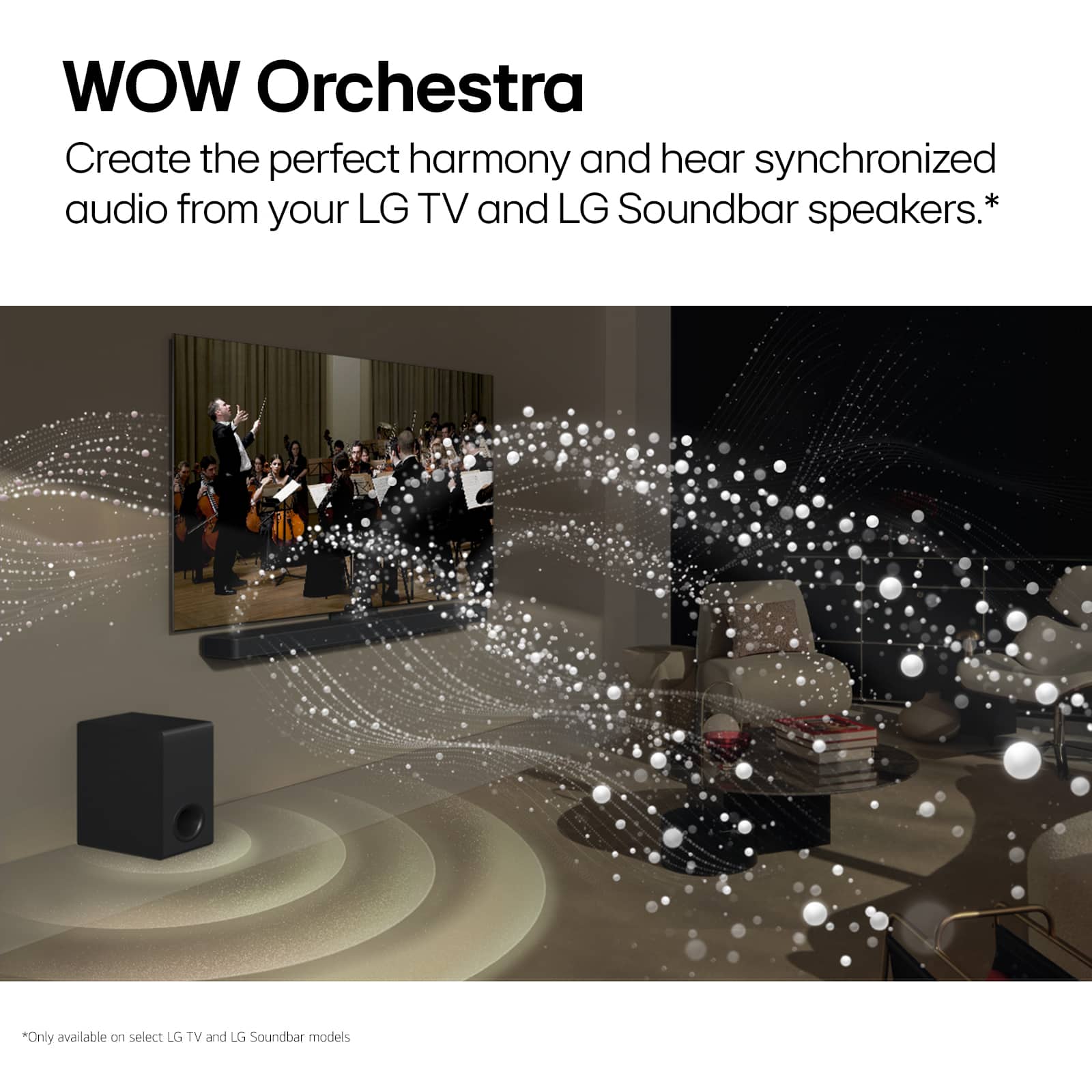
Both models feature LG's WOW Orchestra technology, which synchronizes the soundbar with your LG TV's built-in speakers for an even wider soundstage. This creates a "wall of sound" effect that's particularly impressive for large-screen TVs. The S70TR benefits especially from this feature, as it helps compensate for its single height channel limitation.
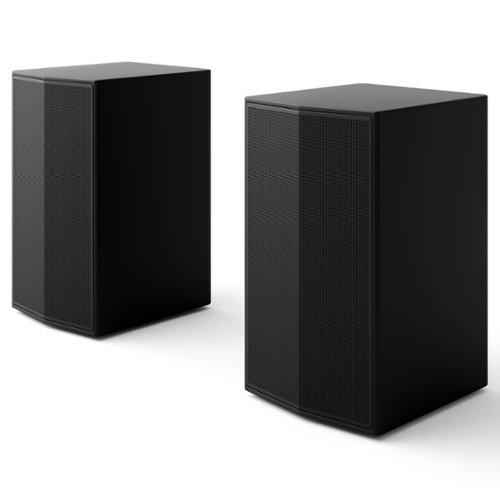
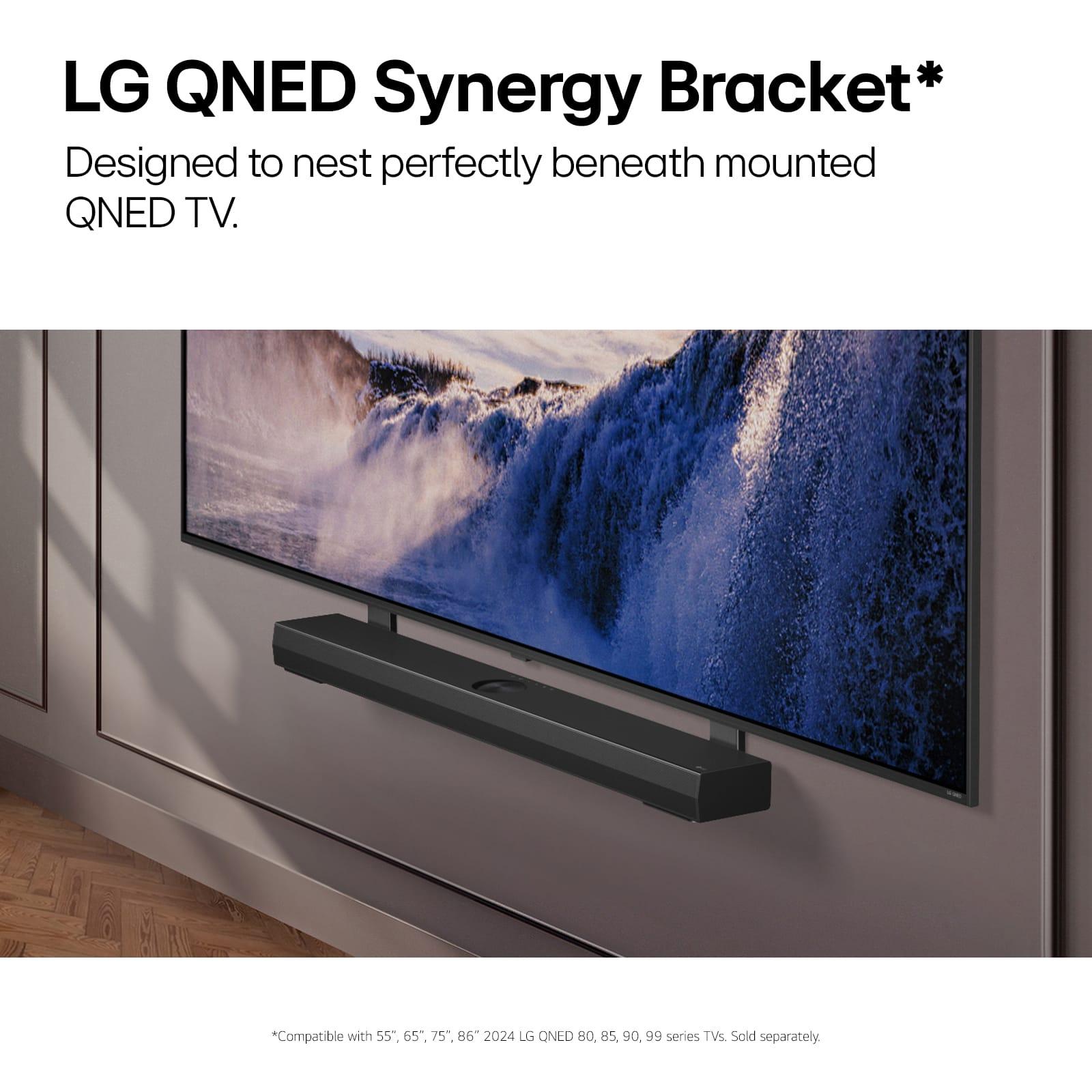
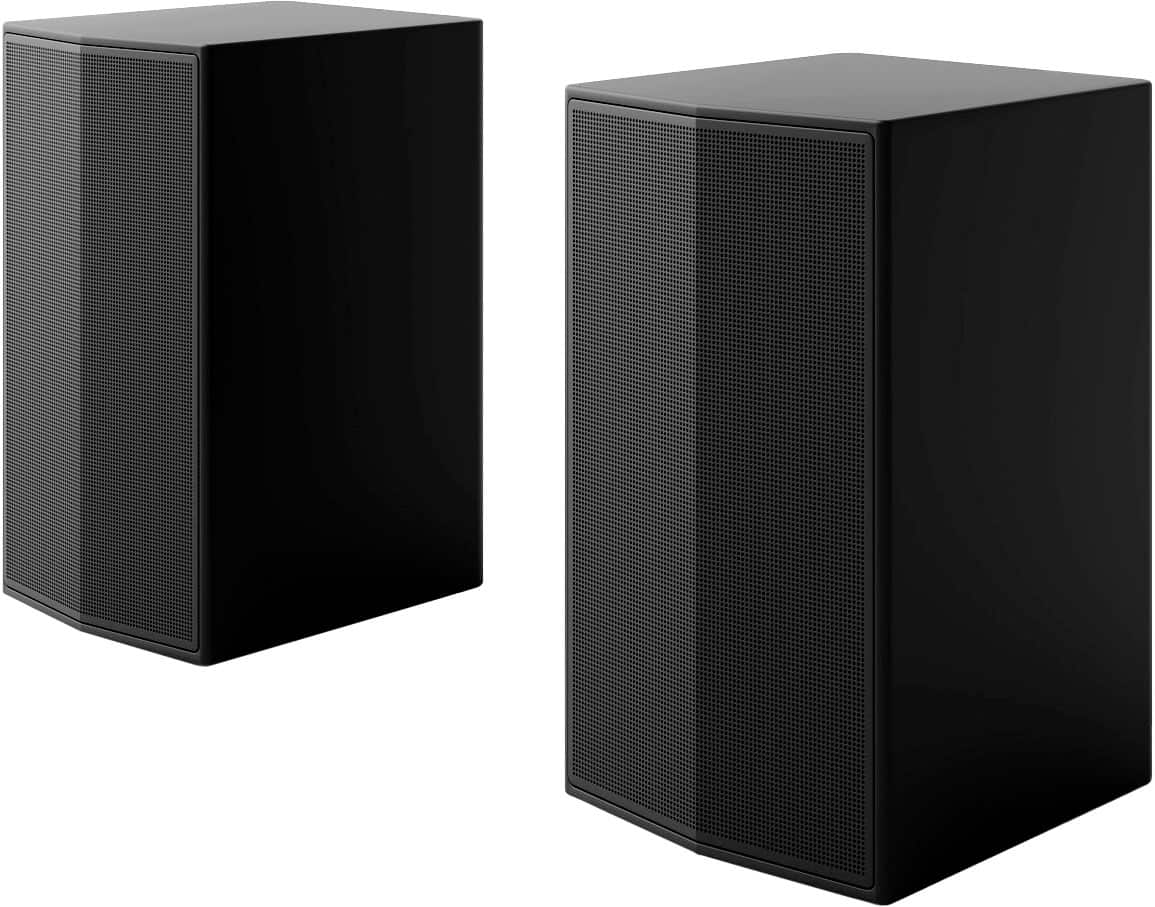
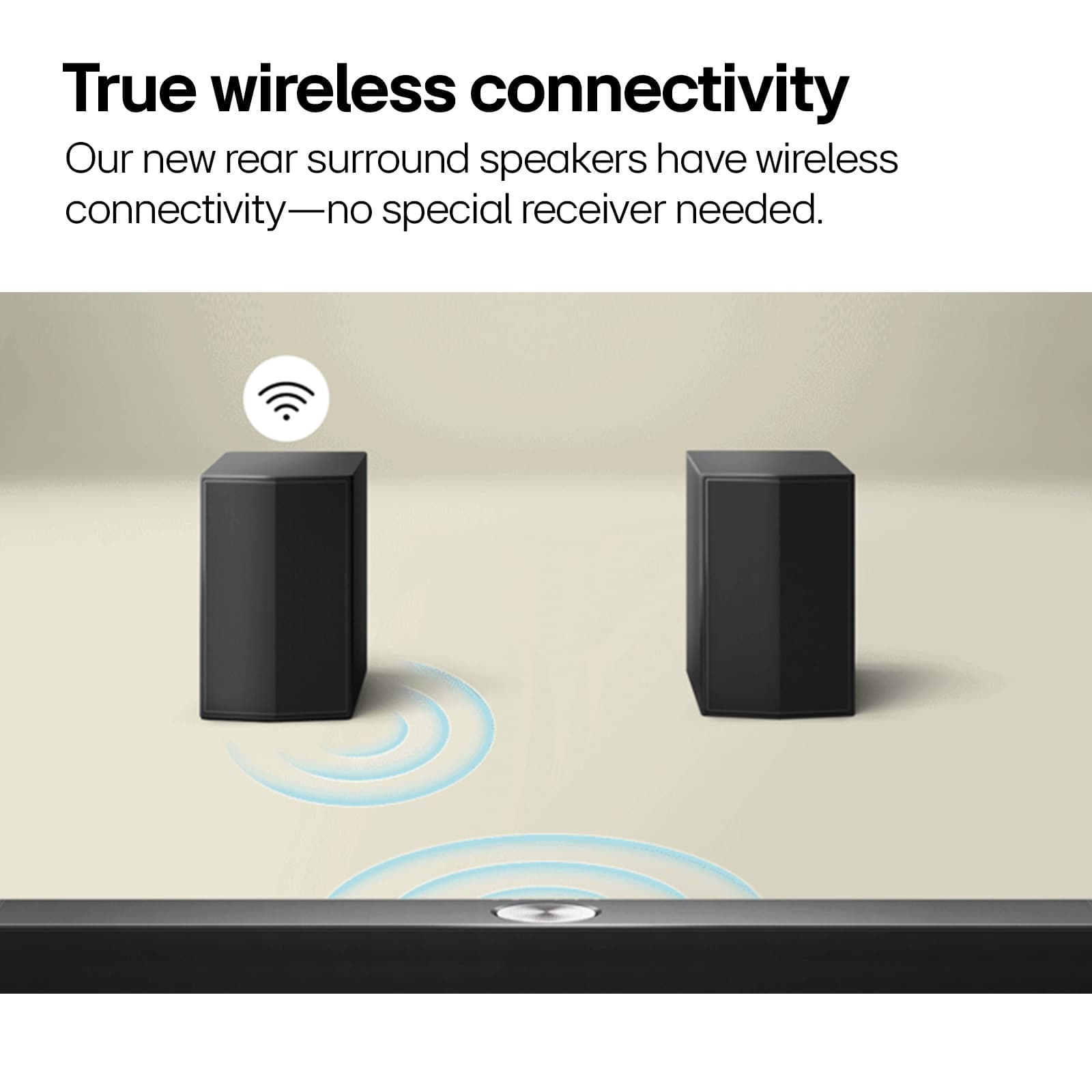
The wireless rear speakers included with both models eliminate the need for running cables across your room, maintaining a clean aesthetic while delivering true surround sound. Setup is surprisingly simple – the rear speakers automatically pair with the main soundbar, and you can position them anywhere within wireless range.
The value equation between these soundbars is more complex than their price difference suggests. The S80TR costs about $150 more than the S70TR, but that premium buys you 200% more height channels (three versus one), 16% more power (580W versus 500W), and significantly expanded streaming capabilities.
From a pure performance-per-dollar perspective, the S70TR is exceptional, especially when it goes on sale for $299. At that price point, you're getting genuine Dolby Atmos performance, wireless rear speakers, and gaming-optimized features for less than many basic soundbars cost.
However, the S80TR's premium becomes more justified in larger rooms or dedicated home theater setups. The additional height channels and power output create a meaningfully better experience that can justify the extra cost for serious movie enthusiasts.
Room size significantly impacts which soundbar will serve you better. In smaller spaces – apartments, bedrooms, or compact living rooms under 200 square feet – the S70TR provides excellent performance without overwhelming the space. Its 500W output is perfectly adequate, and the single height channel still delivers noticeable Dolby Atmos effects.
Larger rooms reveal the S80TR's advantages more clearly. The additional power helps maintain audio clarity across greater distances, while the triple height channels create more convincing overhead effects in spaces with higher ceilings. If you're sitting more than 10 feet from your TV, the S80TR's superior power and speaker arrangement become more apparent.
Content preferences also matter significantly. If you primarily watch dialogue-heavy shows, both soundbars perform similarly well. However, if you're a fan of action movies, sci-fi films, nature documentaries, or any content specifically mixed for Dolby Atmos, the S80TR's enhanced immersion capabilities become worth the premium.
Choose the LG S80TR if you're building a dedicated home theater setup, have a larger room, or prioritize maximum audio immersion. Its comprehensive streaming capabilities make it future-proof for evolving entertainment habits, and the superior Dolby Atmos implementation justifies the premium for movie enthusiasts. If you frequently stream high-resolution music or want the most convincing surround sound experience available in this price range, the S80TR delivers.
The LG S70TR is the smarter choice for value-conscious buyers, especially gamers who will benefit from its VRR and ALLM features. At its sale price of $299, it represents exceptional value – delivering 80% of premium soundbar performance at 60% of typical flagship pricing. It's also ideal for smaller spaces where the S80TR's additional power and height channels might be overkill.
Both soundbars represent significant upgrades over TV speakers and basic soundbars. Your choice ultimately depends on your room size, content preferences, budget constraints, and whether gaming features matter to your setup. Either way, you're getting a genuinely impressive audio system that will transform your entertainment experience for years to come.
The soundbar market continues evolving rapidly, but both the S80TR and S70TR demonstrate that premium audio is becoming more accessible. Whether you choose flagship immersion or value-focused performance, you're investing in technology that makes every movie night, gaming session, and music listening experience significantly more enjoyable.
| LG S80TR 5.1.3 Channel Soundbar ($547) | LG S70TR 5.1.1 Channel Soundbar ($400) |
|---|---|
| Channel Configuration - More height channels create better overhead Dolby Atmos effects | |
| 5.1.3 (3 height channels for immersive overhead audio) | 5.1.1 (1 height channel provides basic Atmos effects) |
| Total Power Output - Higher wattage delivers better room-filling sound and bass impact | |
| 580W (superior dynamic range and volume headroom) | 500W (adequate for most rooms, may struggle in large spaces) |
| Subwoofer Size - Larger drivers produce deeper, more impactful bass | |
| 10kg subwoofer with larger drivers (cinematic bass response) | 5.7kg subwoofer (good for apartments, less impactful) |
| Streaming Connectivity - Wi-Fi enables high-quality wireless audio and multi-room setups | |
| AirPlay 2, Chromecast, Wi-Fi, Bluetooth 5.1 | Bluetooth only (limited to basic phone streaming) |
| Gaming Features - Specialized modes reduce audio lag for competitive gaming | |
| Standard gaming support (no specialized low-latency features) | VRR, ALLM, 120Hz passthrough (optimized for console gaming) |
| Audio Format Support - Higher-end codecs deliver better sound quality from premium sources | |
| Dolby TrueHD, DTS-HD Master Audio (lossless quality) | Standard Dolby/DTS codecs (compressed audio only) |
| AI Sound Processing - Automatically optimizes audio based on content type | |
| AI Sound Pro with enhanced speaker array optimization | AI Sound Pro with basic content analysis |
| Included Accessories - Everything needed for complete setup | |
| Remote, wall mount, HDMI cable, wireless rear speakers | Remote, wall mount, optical cable, wireless rear speakers |
| Best Value Scenario - When each soundbar offers the strongest price-to-performance ratio | |
| Large rooms, movie enthusiasts, multi-platform streaming needs | Small-medium rooms, gamers, budget-conscious buyers (especially at $299 sale price) |
The primary difference is the number of height channels for Dolby Atmos effects. The LG S80TR features a 5.1.3 configuration with three height channels, while the LG S70TR has a 5.1.1 setup with only one height channel. This means the S80TR creates more immersive overhead sound effects, making you feel like audio is coming from all directions above you.
The LG S80TR delivers 580W of total power compared to the LG S70TR's 500W output. More importantly, the S80TR includes a larger 10kg subwoofer versus the S70TR's 5.7kg subwoofer, resulting in deeper bass and better room-filling capability.
The LG S70TR is specifically optimized for gaming with VRR (Variable Refresh Rate), ALLM (Auto Low Latency Mode), and 120Hz passthrough support. These features reduce audio lag and provide smoother gaming experiences. The LG S80TR lacks these gaming-specific features but offers more immersive audio for cinematic gaming experiences.
We've done our best to create useful and informative comparisons to help you decide what product to buy. Our research uses advanced automated methods to create this comparison and perfection is not possible - please contact us for corrections or questions. These are the sites we've researched in the creation of this article: bestbuy.com - billsmith.com - brandsmartusa.com - avsforum.com - youtube.com - lg.com - buydig.com - louisdoehomecenter.com - lg.com - videoandaudiocenter.com - mynavyexchange.com - walts.com - bestbuy.com - bestbuy.com - mynavyexchange.com - rixaudiovideoappliance.com - rtings.com - youtube.com - bestbuy.com - howards.siteontimedev.com - bestbuy.com - appliancestogousa.us

Privacy Policy
Terms and Conditions - Affiliate Policy
Home Security
© Copyright 2008-2026.
11816 Inwood Rd #1211, Dallas, TX 75244