

Choosing a soundbar in 2024 has become both easier and more complicated than ever. While nearly every option will sound better than your TV's built-in speakers, the gap between entry-level and premium soundbars has widened significantly. Today, I'm comparing two fundamentally different approaches to home audio: Amazon's budget-focused Fire TV Soundbar Plus and LG's feature-rich S80TR 5.1.3 Channel Soundbar.
These aren't just different price points – they represent entirely different philosophies about what a soundbar should do and how it should do it. Understanding these differences will help you make the right choice for your living room and wallet.
Before diving into specifics, let's talk about what soundbars actually do and why the technology matters. A soundbar's primary job is solving the "thin TV problem" – modern TVs are so sleek that there's literally no room for decent speakers. But today's soundbars go far beyond just making things louder.
The key considerations when shopping for a soundbar include audio architecture (how the speakers are arranged), spatial audio capabilities (creating that surround sound feeling), room integration, connectivity options, and smart features. Most importantly, you need to understand the difference between virtual and discrete audio processing – this single factor explains much of the performance gap between different soundbar categories.
Virtual processing uses software tricks to simulate surround sound from a limited number of speakers. Discrete processing uses separate, dedicated speakers positioned around your room. It's the difference between a magician's illusion and the real thing – both can be impressive, but one is fundamentally more authentic.
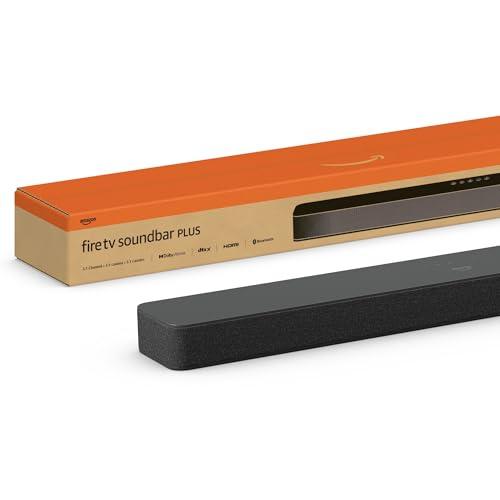
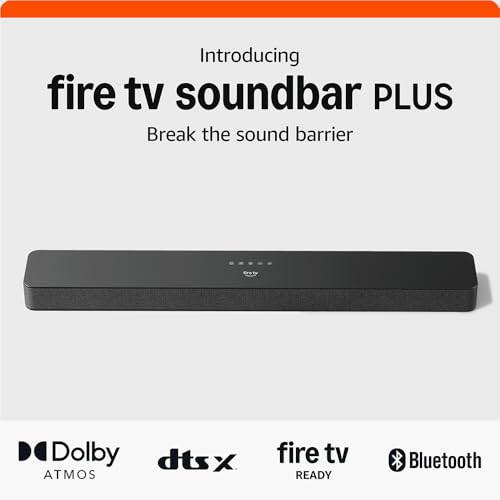
Released in 2023, the Amazon Fire TV Soundbar Plus represents Amazon's second-generation attempt at affordable home audio. At roughly one-third the cost of premium alternatives (at the time of writing), it focuses on delivering the biggest audio improvement per dollar while maintaining the simplicity that made Amazon's ecosystem popular.
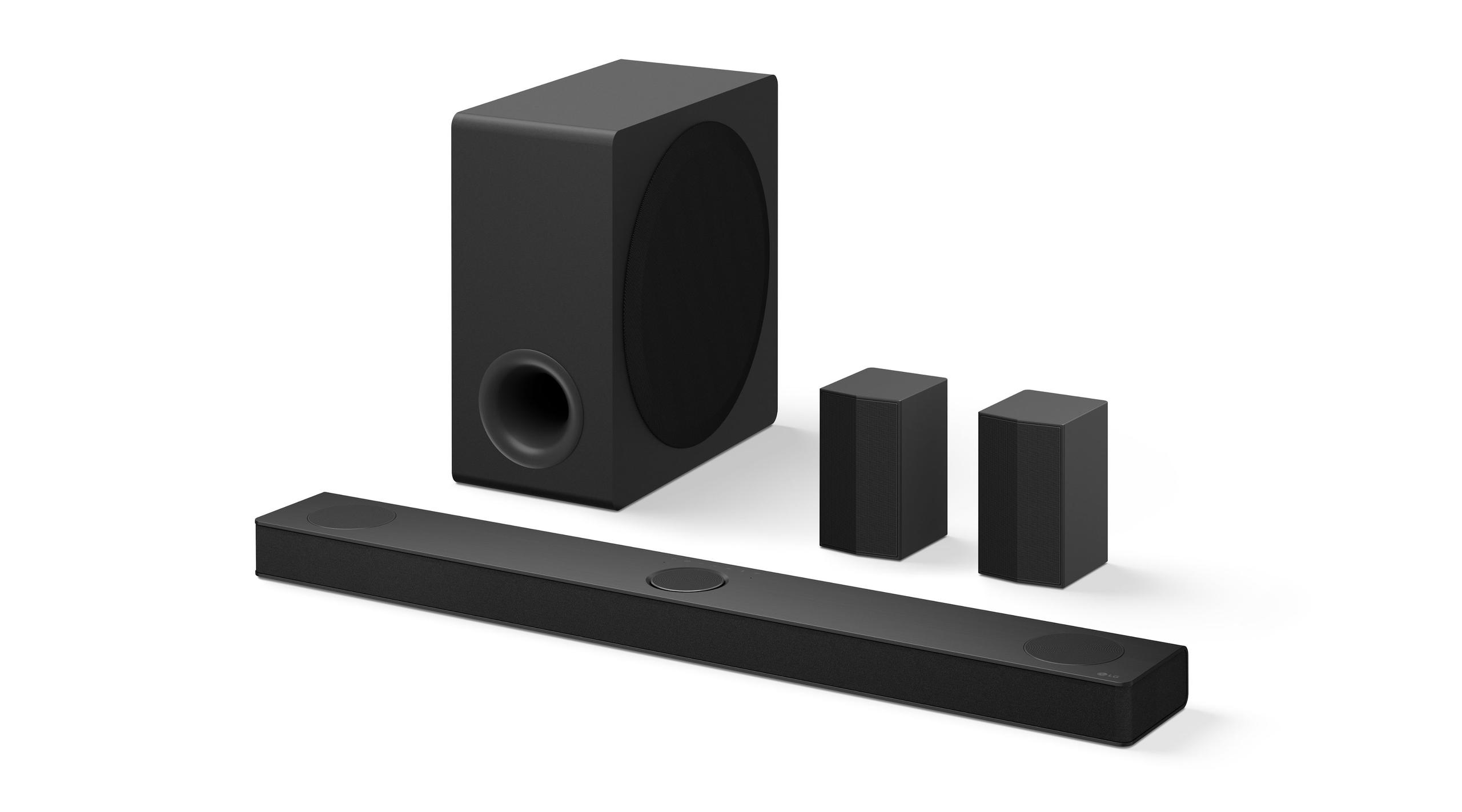
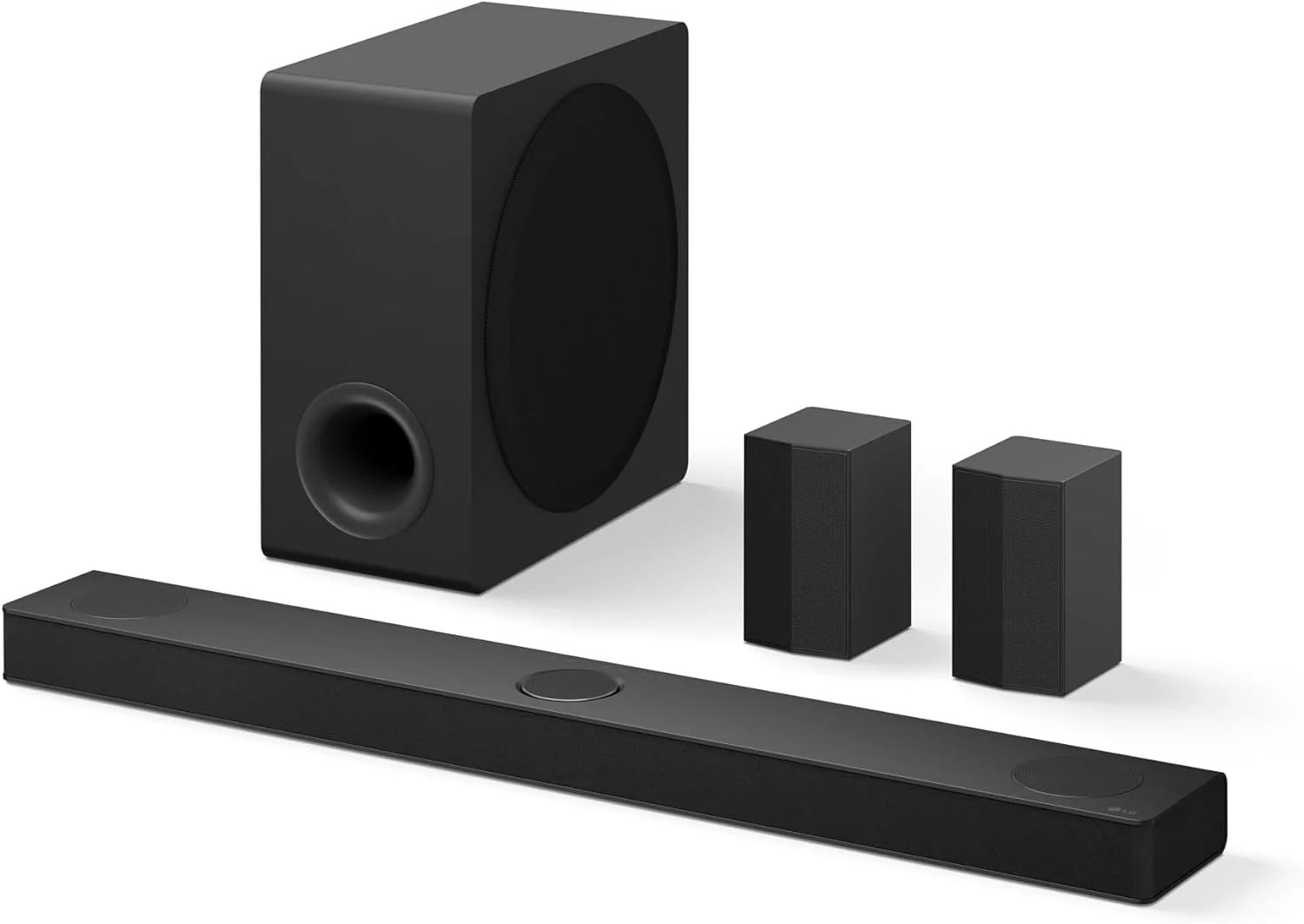
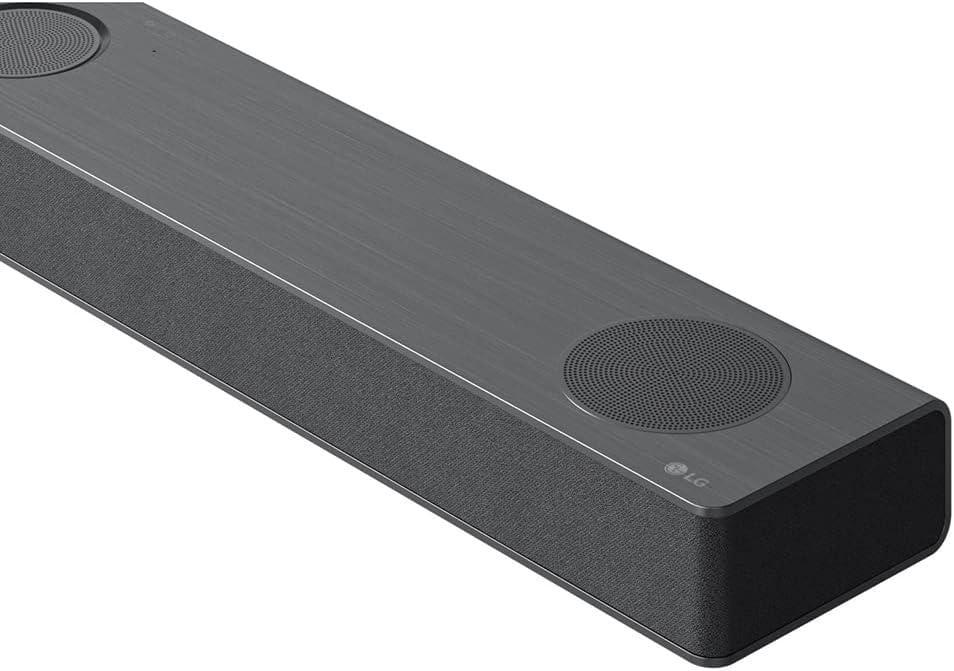
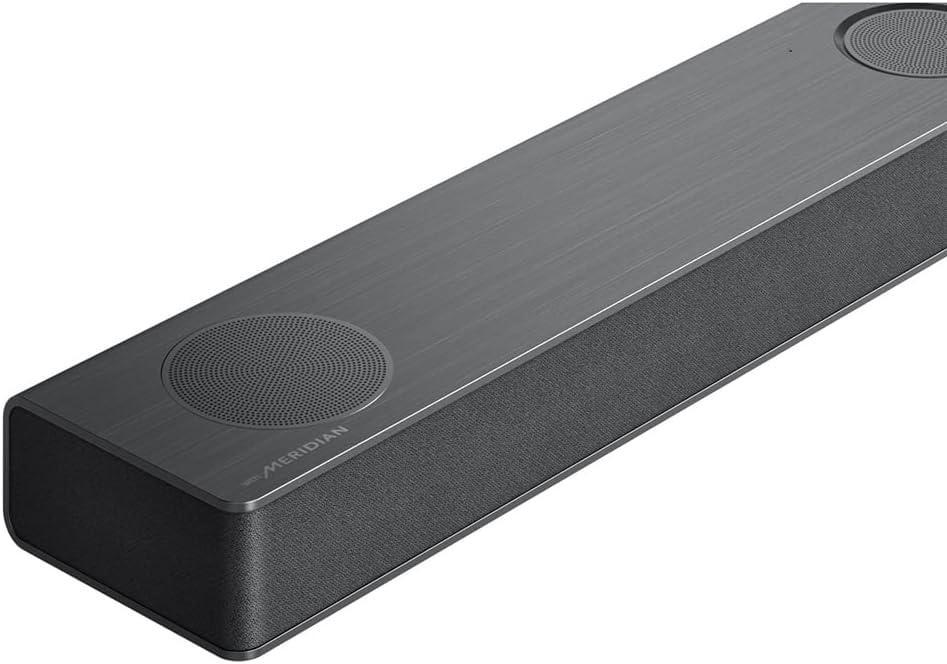
The LG S80TR, launched in 2024, takes a completely different approach. Rather than competing on price, LG built a true surround sound system that happens to come in soundbar packaging. It includes wireless rear speakers, height channels for overhead effects, and advanced integration features that work especially well with LG's latest OLED TVs.
The price difference between these systems – roughly a 3:1 ratio at launch – reflects more than just marketing positioning. These are fundamentally different products solving different problems for different users.
Here's where things get technical, but stick with me because this determines everything else about your listening experience.
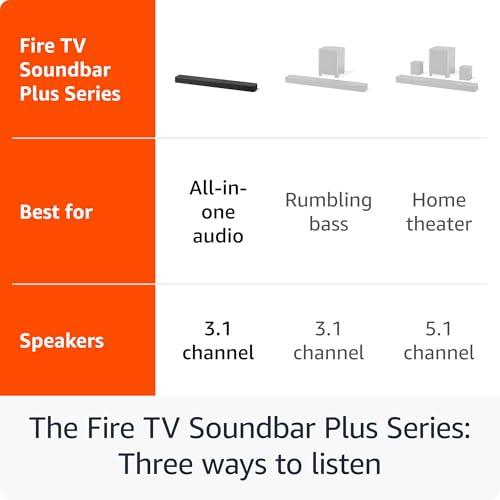
The Amazon Fire TV Soundbar Plus uses a 3.1 channel configuration in its basic form. That means three main speakers (left, center, right) plus a built-in subwoofer (the ".1" part handles bass). The center channel isn't actually a separate speaker – it's created virtually by processing the audio signal and splitting it between the left and right drivers. This virtual center channel works reasonably well for dialogue, but it lacks the precision of a dedicated center speaker.
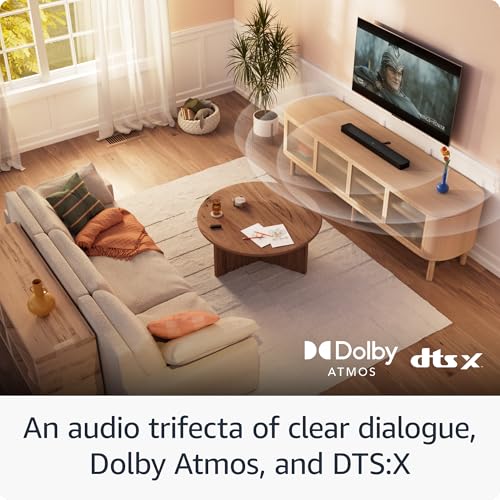
When you add Amazon's optional wireless rear speakers, the system becomes a 5.1 setup. However, the height effects for Dolby Atmos (spatial audio that seems to come from above) are still virtual. The soundbar uses digital processing to trick your ears into thinking sounds are coming from overhead, but there are no actual upward-firing speakers.
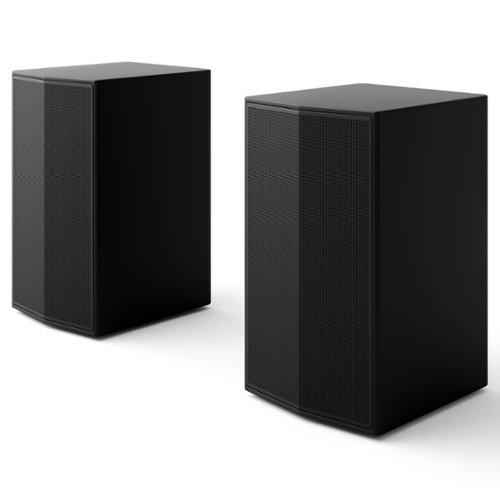
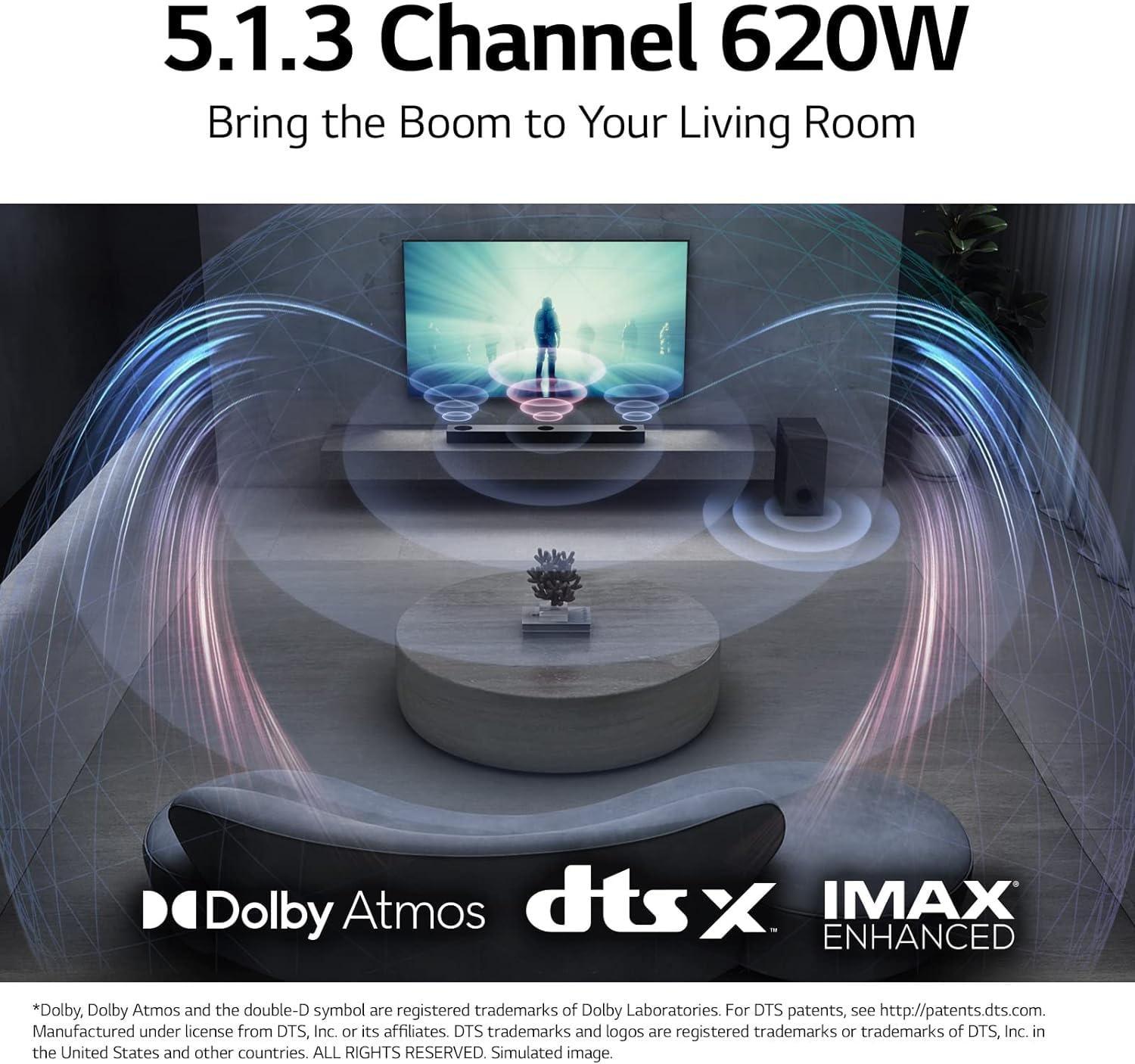
The LG S80TR takes the discrete approach with a true 5.1.3 configuration. Those numbers tell the whole story: five main channels (front left, center, front right, rear left, rear right), one subwoofer, and three dedicated height channels. Each of these is handled by separate, dedicated speakers positioned where they need to be for optimal sound.
This architectural difference cascades through every aspect of performance. With discrete speakers, the LG can place dialogue exactly where it should be (the center of your screen), position surround effects precisely around your room, and create genuine overhead audio for Atmos content. The Amazon relies on psychoacoustics – essentially audio illusions – to approximate these effects.
Both systems include dedicated subwoofers, but their approaches differ significantly. The Amazon Fire TV Soundbar Plus features a built-in subwoofer that delivers what reviewers consistently describe as "elevated" bass – meaning it's tuned to emphasize low frequencies for immediate impact. This creates impressive punch for the price point, but can sometimes overwhelm dialogue during action-heavy scenes.
The bass response follows what I'd call a "one-note" pattern – it hits hard but lacks the nuanced response that reveals subtle details in movie soundtracks. For casual viewing and music streaming, this approach works well. The bass feels substantial enough to satisfy most users upgrading from TV speakers.
The LG S80TR's wireless subwoofer takes a more controlled approach. With 40W of dedicated power and sophisticated room calibration features, it delivers what I'd characterize as "reference-tuned" bass. Instead of emphasizing impact over accuracy, it focuses on reproducing the full spectrum of low frequencies with proper timing and integration.
This difference becomes obvious during complex movie scenes. The LG maintains clear separation between bass effects and dialogue, while the Amazon sometimes struggles with this balance. However, the Amazon's approach might actually be preferable for music streaming, where that bass emphasis can make pop and electronic music more engaging.
Since most of us spend more time watching dialogue-heavy content than action movies, voice clarity often determines real-world satisfaction. Both systems address this crucial area, but through different methods.
The Amazon Fire TV Soundbar Plus includes a dedicated dialogue enhancement feature accessible via a button on the remote. This feature uses EQ processing and dynamic range compression to keep voices prominent even during loud scenes. It's effective for most content, though some users report that deeper male voices can sound thin compared to the enhanced mid-range frequencies where most dialogue lives.
The virtual center channel processing works reasonably well for content mixed in stereo or basic surround formats. However, with complex 5.1 or Atmos mixes, the lack of a discrete center channel becomes noticeable. Voices can seem to "wander" slightly during scenes with lots of movement or panning effects.
The LG S80TR addresses dialogue through hardware rather than software tricks. The discrete center channel, positioned exactly where dialogue should appear, provides what audio engineers call "phantom center" imaging. This means voices stay locked to the center of your screen regardless of what else is happening in the soundtrack.
The up-firing center channel design adds another dimension – literally. By bouncing audio off your ceiling, it creates the impression that dialogue is coming from the screen itself rather than from a speaker bar below it. Combined with the Clear Voice Pro processing mode, this approach delivers consistently intelligible dialogue even in challenging content.
This is where the philosophical differences between these systems become most apparent. How important is "real" surround sound compared to a convincing simulation?
The Amazon Fire TV Soundbar Plus, even with optional rear speakers, relies heavily on virtualization for height effects. Dolby Atmos content gets processed to create the impression of overhead audio, but without upward-firing drivers or ceiling speakers, the vertical dimension remains limited. The lateral surround effects (sounds moving left to right) work well with the rear speakers, creating an engaging soundstage wider than the physical soundbar.
However, there are noticeable gaps in the surround field. During scenes with complex panning effects – think helicopters moving across the screen – you might notice the audio "jumping" between speaker positions rather than flowing smoothly. For casual viewing, this isn't particularly bothersome, but movie enthusiasts will notice the difference.
The LG S80TR creates what I'd call authentic spatial audio. The three dedicated height channels work with the discrete rear speakers to create a genuine "audio dome" around your listening position. When helicopters fly overhead in Atmos content, they actually sound like they're above you, not just louder in the front speakers.
This system excels with precisely mixed content like recent Disney+ releases, Netflix Atmos shows, and well-mastered Blu-ray discs. The discrete speaker positioning allows for what audio engineers call "point source" effects – sounds that appear to come from specific locations in three-dimensional space rather than general directions.
Both soundbars integrate with their respective manufacturer ecosystems, but in different ways that significantly impact daily usability.
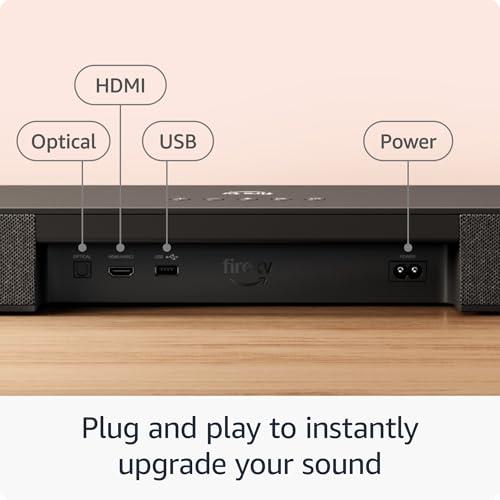
The Amazon Fire TV Soundbar Plus earns its "Fire TV Ready" certification through seamless HDMI eARC integration. When connected to compatible Fire TV devices, you control both the TV and soundbar with a single remote – no juggling multiple controllers or complex setup sequences. This integration works particularly well because it's automatic; the systems recognize each other and configure themselves.
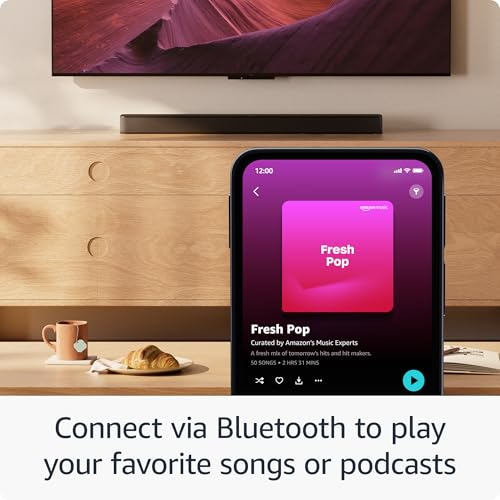
However, the soundbar itself lacks smart features. There's no built-in Alexa, no streaming capabilities, and no companion app for advanced control. It's purely an audio device that happens to integrate well with Amazon's streaming ecosystem. For users who want simplicity, this approach eliminates confusion. For those expecting smart home integration, it might feel limited.
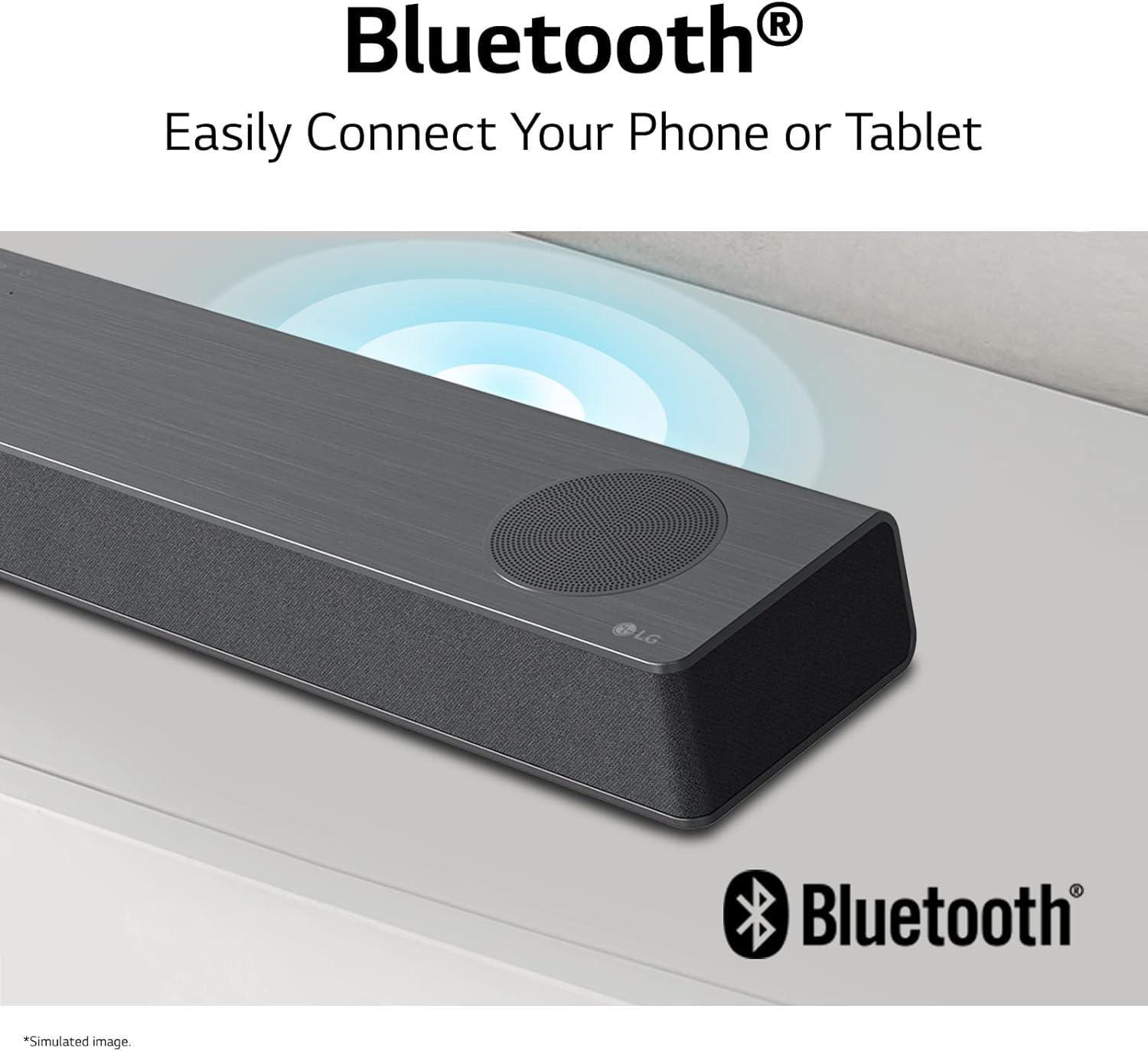
The LG S80TR takes the opposite approach, loading the system with connectivity options and smart features. Wi-Fi, Bluetooth 5.1, Chromecast built-in, AirPlay 2, and Spotify Connect support mean you can stream audio from virtually any device. The LG Soundbar app provides detailed EQ control, room calibration features, and firmware updates.
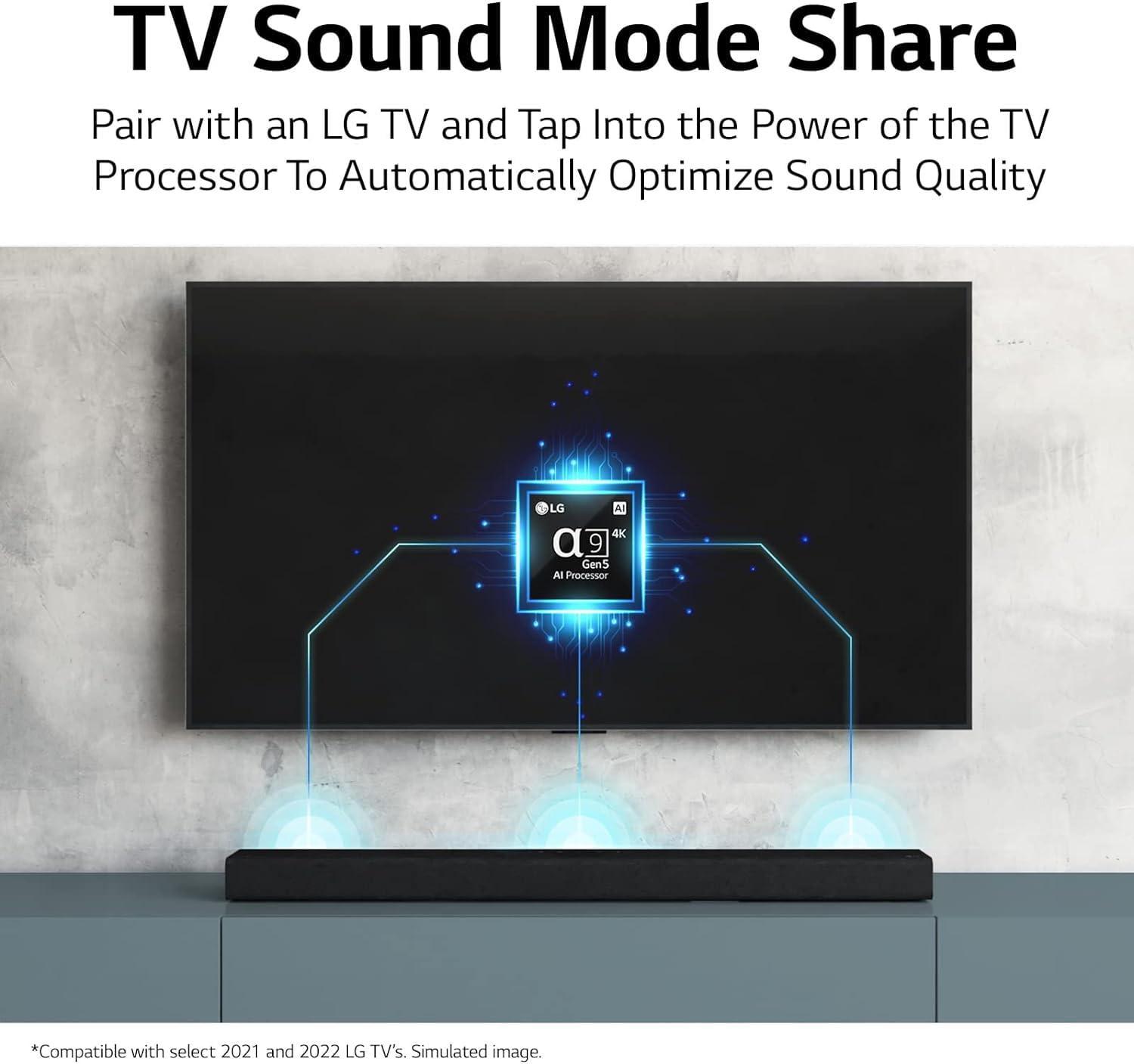
The standout feature for LG TV owners is WOW Orchestra technology. This allows the soundbar and compatible LG OLED TVs (B4, C4, and G4 series) to work together, using both the TV's speakers and the soundbar simultaneously. The result is an expanded soundstage that can make even large rooms feel enveloped in audio. It's genuinely impressive when properly set up.
At the time of writing, these systems occupy completely different value categories, with the LG costing roughly three times the Amazon's price. Understanding what justifies this difference helps clarify which makes sense for your situation.
The Amazon Fire TV Soundbar Plus delivers exceptional value in the traditional sense – maximum audio improvement per dollar spent. If you're upgrading from TV speakers, the improvement will be dramatic and immediately noticeable. The dialogue enhancement works well for everyday viewing, the bass adds satisfaction to music and movies, and the Fire TV integration eliminates common frustrations.
However, the value equation changes if you eventually want to expand the system. Adding the optional subwoofer and rear speakers brings the total cost much closer to premium alternatives while still delivering fundamentally virtual audio processing. The expandable approach is great for spreading costs over time, but the final system still lacks the discrete channel architecture of true surround systems.
The LG S80TR represents what I'd call "complete system" value. The higher upfront cost includes everything needed for authentic surround sound – no additional purchases required. When you factor in the wireless subwoofer, rear speakers, and advanced processing capabilities, the price-per-component comparison becomes more favorable.
More importantly, this system is less likely to leave you wanting upgrades. The discrete channel architecture and genuine Atmos capabilities satisfy even experienced home theater enthusiasts. You're paying more upfront but potentially saving on future upgrades and additions.
Your physical space significantly impacts which system makes sense. Both soundbars work in small to medium rooms, but they scale differently as room size increases.
The Amazon Fire TV Soundbar Plus works well in apartments, bedrooms, and smaller living rooms where you're sitting relatively close to the TV. The virtual processing algorithms work best when you're positioned in the "sweet spot" – roughly centered between the speakers at a moderate distance. In larger rooms or with multiple seating positions, the illusion becomes less convincing.
Setup is genuinely plug-and-play. The soundbar automatically pairs with its optional components, and the Fire TV integration happens automatically when connected via HDMI eARC. You can have everything working in under ten minutes.
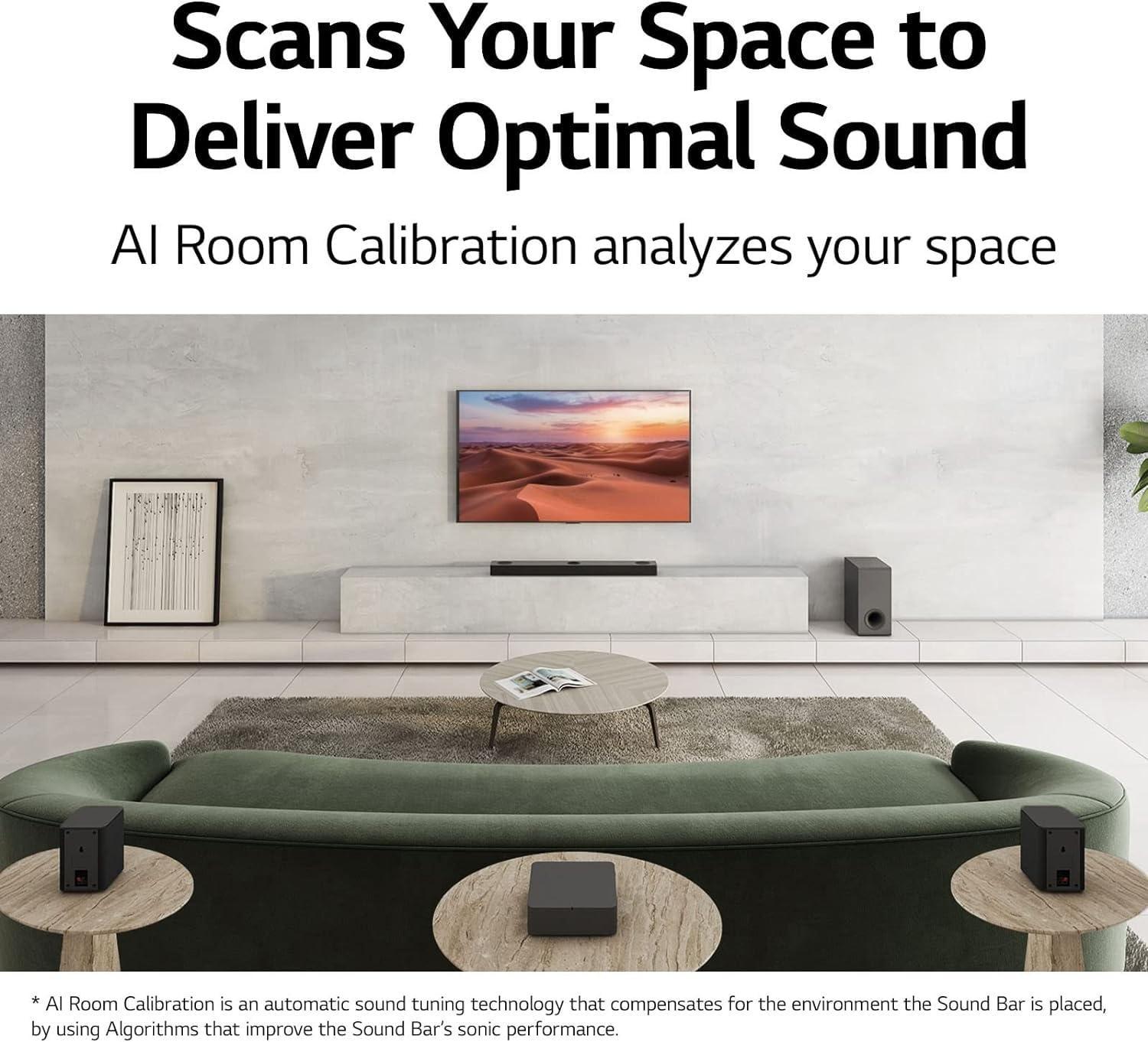
The LG S80TR handles larger rooms much better thanks to its discrete speakers and room calibration features. The AI Room Calibration uses built-in microphones to analyze your space and optimize audio accordingly. This automated setup process accounts for room acoustics, speaker placement, and listening position to deliver consistent performance across different seating areas.
However, setup complexity increases with capability. You'll need to position the rear speakers appropriately, ensure proper Wi-Fi connectivity, and run through the calibration process. For tech-comfortable users, this isn't problematic, but it's definitely more involved than the Amazon's approach.
For dedicated home theater setups, these systems serve different roles and have different upgrade paths.
The Amazon Fire TV Soundbar Plus works best as a significant step up from TV audio without the complexity of traditional home theater components. It's ideal for users who want better sound but aren't interested in learning about audio formats, speaker positioning, or room acoustics. The Fire TV integration means it works seamlessly with Amazon's 4K streaming devices, making it particularly good for streaming-focused setups.
However, the virtual processing approach limits long-term satisfaction for serious movie enthusiasts. As you become more aware of spatial audio and surround sound quality, you may find yourself wanting the precision that only discrete speakers can provide.
The LG S80TR functions as a legitimate home theater foundation. The discrete channel architecture, genuine Atmos support, and room calibration features deliver performance that satisfies even experienced enthusiasts. The system handles everything from dialogue-heavy dramas to effects-heavy blockbusters with appropriate finesse.
For LG TV owners, the WOW Orchestra integration creates something approaching a custom installation experience. The combined TV and soundbar speakers can create an impressively large soundstage that works well even in challenging room layouts.
After extensive consideration of both systems' strengths and limitations, here's my take on who should choose each option.
Choose the Amazon Fire TV Soundbar Plus if you prioritize value and simplicity above all else. If you're primarily upgrading from TV speakers, use Fire TV devices regularly, and watch mostly dialogue-heavy content, this system delivers impressive improvement without complexity. It's also ideal if you prefer starting with a basic system and potentially expanding later, or if you're shopping for a secondary room where ultimate audio quality isn't essential.
The Amazon approach works particularly well for renters who might move frequently, casual viewers who don't want to deal with multiple components, and anyone who values the "it just works" philosophy over customization options.
Choose the LG S80TR if you can appreciate and afford the benefits of discrete channel audio. If you frequently watch movies, enjoy immersive content, own or plan to buy an LG OLED TV, or simply want a system that won't leave you wanting upgrades, the higher cost delivers proportional benefits.
This system makes sense for dedicated home theater enthusiasts, anyone who values authentic spatial audio over simulated effects, and users who want comprehensive connectivity options for multiple source devices.
These aren't really competing products – they're solving different problems for different users at different price points. The Amazon Fire TV Soundbar Plus excels at delivering maximum audio improvement per dollar while maintaining simplicity. The LG S80TR provides authentic surround sound architecture with advanced features that justify the premium cost.
Your choice ultimately depends on whether budget constraints or audio authenticity takes priority in your specific situation. Both deliver on their respective promises, making this more about matching the right tool to your needs than choosing between good and bad options.
The audio landscape continues evolving rapidly, with new formats and technologies emerging regularly. Whichever system you choose, you'll enjoy significantly better audio than built-in TV speakers – and that's the most important improvement of all.
| Amazon Fire TV Soundbar Plus | LG S80TR 5.1.3 Channel Soundbar |
|---|---|
| Channel Configuration - Determines surround sound authenticity | |
| 3.1 base (expandable to 5.1 with optional speakers) | True 5.1.3 discrete channels |
| Center Channel Processing - Critical for dialogue clarity | |
| Virtual center channel (software processing) | Dedicated discrete center channel with up-firing design |
| Height Channels - Essential for genuine Dolby Atmos experience | |
| Virtualized height effects only | Three dedicated height channels for authentic overhead audio |
| Rear Speakers - Creates true surround positioning | |
| Optional wireless rear speakers (sold separately) | Wireless rear speakers included in system |
| Subwoofer Design - Affects bass quality and room impact | |
| Built-in subwoofer with elevated bass signature | Dedicated 40W wireless subwoofer with room calibration |
| Audio Format Support - Compatibility with streaming and disc content | |
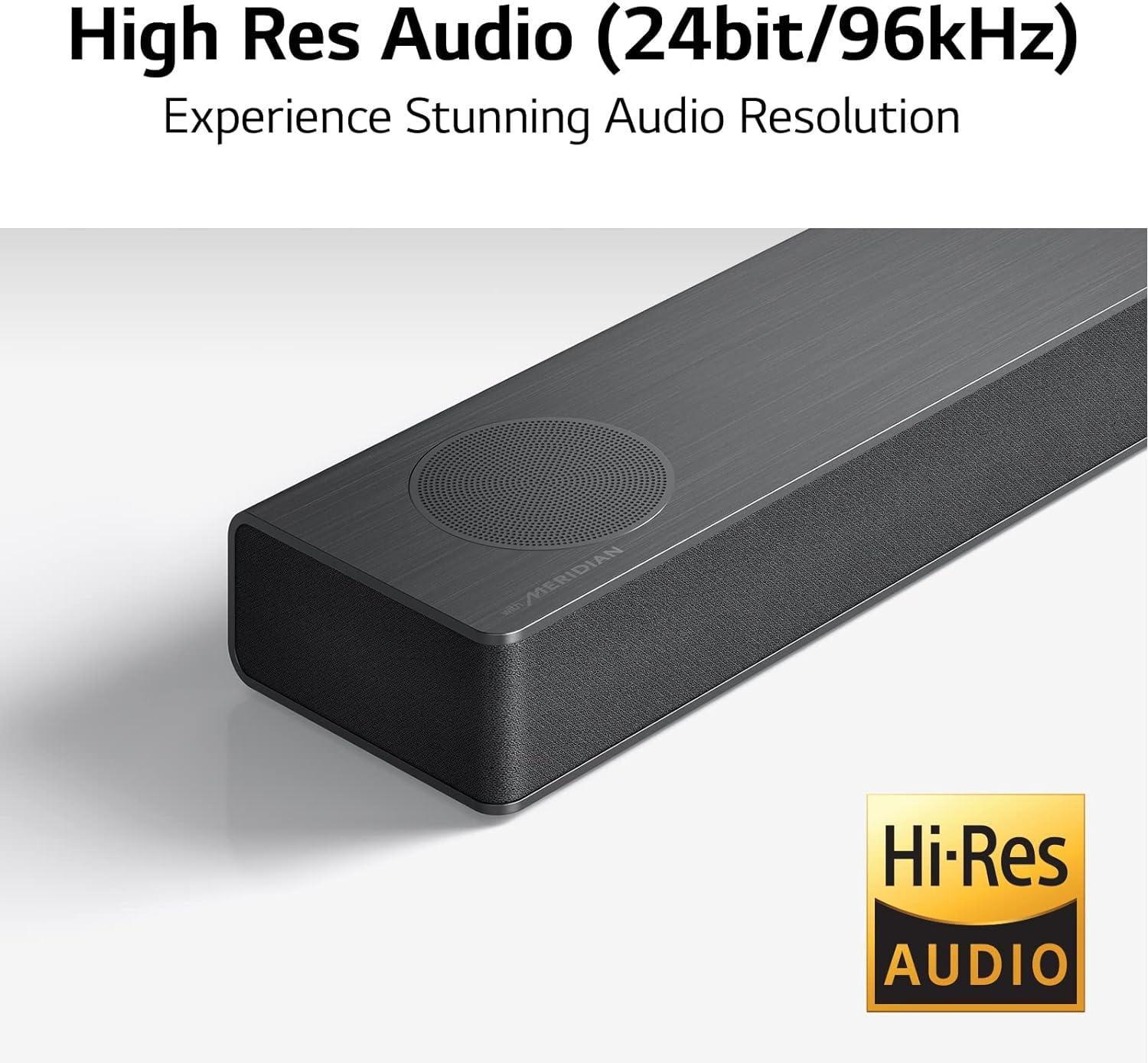
| Dolby Atmos, DTS:X (virtualized), Dolby TrueHD | Dolby Atmos, DTS:X, DTS-HD Master Audio (all with discrete processing) |
| Smart TV Integration - Simplifies daily use | |
| Fire TV Ready with single remote control via HDMI eARC | WOW Orchestra with compatible LG TVs, LG Sound Sync |
| Wireless Connectivity - Streaming and multi-device support | |
| Bluetooth 5.0 only (no Wi-Fi or apps) | Wi-Fi, Bluetooth 5.1, Chromecast, AirPlay 2, Spotify Connect |
| Room Calibration - Optimizes audio for your space | |
| Manual EQ adjustments via remote | AI Room Calibration with built-in microphones |
| Setup Complexity - Time and effort required | |
| Plug-and-play with automatic Fire TV pairing | More complex with speaker positioning and calibration process |
| Expandability - Future upgrade options | |
| Can add subwoofer and rear speakers (virtual processing remains) | Complete system included, no expansion needed or available |
| Target User - Best fit scenarios | |
| Budget-conscious Fire TV users wanting simple audio upgrade | Home theater enthusiasts and LG TV owners seeking authentic surround |
The Amazon Fire TV Soundbar Plus offers exceptional value for budget-conscious buyers, delivering significant audio improvement over TV speakers at an entry-level price point. The LG S80TR costs roughly three times more but provides authentic discrete surround sound with included rear speakers and subwoofer. Choose the Amazon for maximum improvement per dollar, or the LG if you can invest more for genuine home theater performance.
Yes, the rear speakers included with the LG S80TR are essential for creating true 5.1.3 surround sound positioning. They provide authentic directional audio that you can't get from virtual processing alone. The Amazon Fire TV Soundbar Plus offers optional rear speakers sold separately, but even with them added, it still relies on virtual processing rather than discrete channel architecture.
The Amazon Fire TV Soundbar Plus integrates seamlessly with Fire TV devices and any TV via HDMI eARC, offering single remote control when paired with Amazon streaming hardware. The LG S80TR works with all TV brands but provides special WOW Orchestra features with compatible LG OLED TVs (B4, C4, G4 series) that create an expanded soundstage using both TV and soundbar speakers together.
Yes, significantly. The LG S80TR delivers true Dolby Atmos with three dedicated height channels that create genuine overhead audio effects. The Amazon Fire TV Soundbar Plus processes Atmos content through virtual height simulation without actual upward-firing speakers, so you miss the authentic spatial audio experience that makes Atmos content special.
The Amazon Fire TV Soundbar Plus offers genuinely plug-and-play setup that works in under 10 minutes, with automatic pairing of optional components and instant Fire TV integration. The LG S80TR requires more involved setup including rear speaker positioning, Wi-Fi configuration, and AI room calibration, though this complexity enables better performance optimization for your specific space.
The Amazon Fire TV Soundbar Plus can be expanded with optional wireless subwoofer and rear speakers sold separately, letting you spread costs over time. However, the core virtual processing remains unchanged. The LG S80TR comes complete with all components included and doesn't offer expansion options, but provides everything needed for authentic surround sound from day one.
Both excel at dialogue but through different approaches. The Amazon Fire TV Soundbar Plus uses dedicated dialogue enhancement processing and a remote button for instant voice clarity adjustments. The LG S80TR achieves superior dialogue through a discrete center channel with up-firing design that locks voices to your screen position, providing more natural and consistent speech reproduction.
Yes, both handle music well but differently. The Amazon Fire TV Soundbar Plus offers Bluetooth streaming with an elevated bass signature that makes pop and electronic music engaging. The LG S80TR provides more connectivity options including Wi-Fi, Chromecast, AirPlay 2, and Spotify Connect, plus more accurate music reproduction with better stereo imaging and controlled bass response.
The Amazon Fire TV Soundbar Plus works excellently in smaller spaces where you sit close to the TV, as virtual processing algorithms perform best in compact rooms with centered listening positions. The LG S80TR can work in apartments but may be overkill unless you frequently watch movies and want authentic surround effects even in limited space.
Very important for overall sound quality. The Amazon Fire TV Soundbar Plus features a built-in subwoofer with punchy but sometimes overwhelming bass that can interfere with dialogue during action scenes. The LG S80TR uses a separate wireless subwoofer with room calibration that provides more controlled, accurate bass integration that doesn't compete with speech frequencies.
The LG S80TR handles gaming better with lower audio latency, authentic positional audio for directional game sounds, and multiple connectivity options for different gaming systems. The Amazon Fire TV Soundbar Plus has higher audio latency that may cause sync issues during fast-paced gaming, though it works fine for casual gaming and streaming content.
Real surround sound from the LG S80TR provides authentic spatial audio positioning that you can hear and feel, especially during movie content with complex soundtracks. Virtual surround from the Amazon Fire TV Soundbar Plus creates convincing audio illusions that work well for casual viewing but lack the precision and immersion of discrete speaker placement. Choose real surround if you watch movies frequently and can appreciate the difference.
We've done our best to create useful and informative comparisons to help you decide what product to buy. Our research uses advanced automated methods to create this comparison and perfection is not possible - please contact us for corrections or questions. These are the sites we've researched in the creation of this article: rtings.com - wirelessplace.com - techradar.com - cordbusters.co.uk - whathifi.com - developer.amazon.com - t3.com - dolby.com - youtube.com - youtube.com - youtube.com - dugoutnorthbrook.com - dolby.com - aboutamazon.com - youtube.com - developer.amazon.com - bestbuy.com - billsmith.com - brandsmartusa.com - avsforum.com - youtube.com - lg.com - buydig.com - louisdoehomecenter.com - lg.com - videoandaudiocenter.com - mynavyexchange.com - walts.com - bestbuy.com

Privacy Policy
Terms and Conditions - Affiliate Policy
Home Security
© Copyright 2008-2026.
11816 Inwood Rd #1211, Dallas, TX 75244