

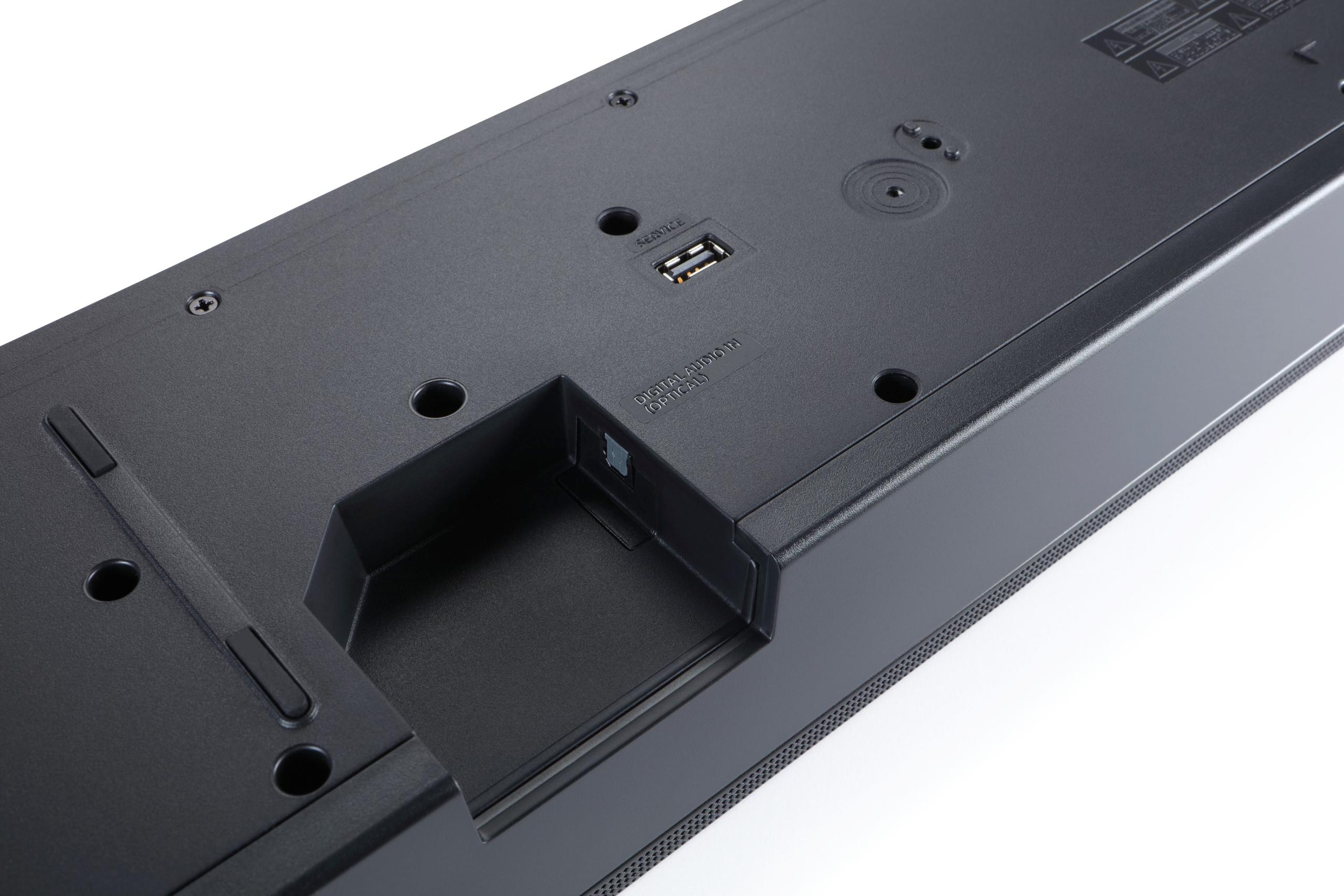
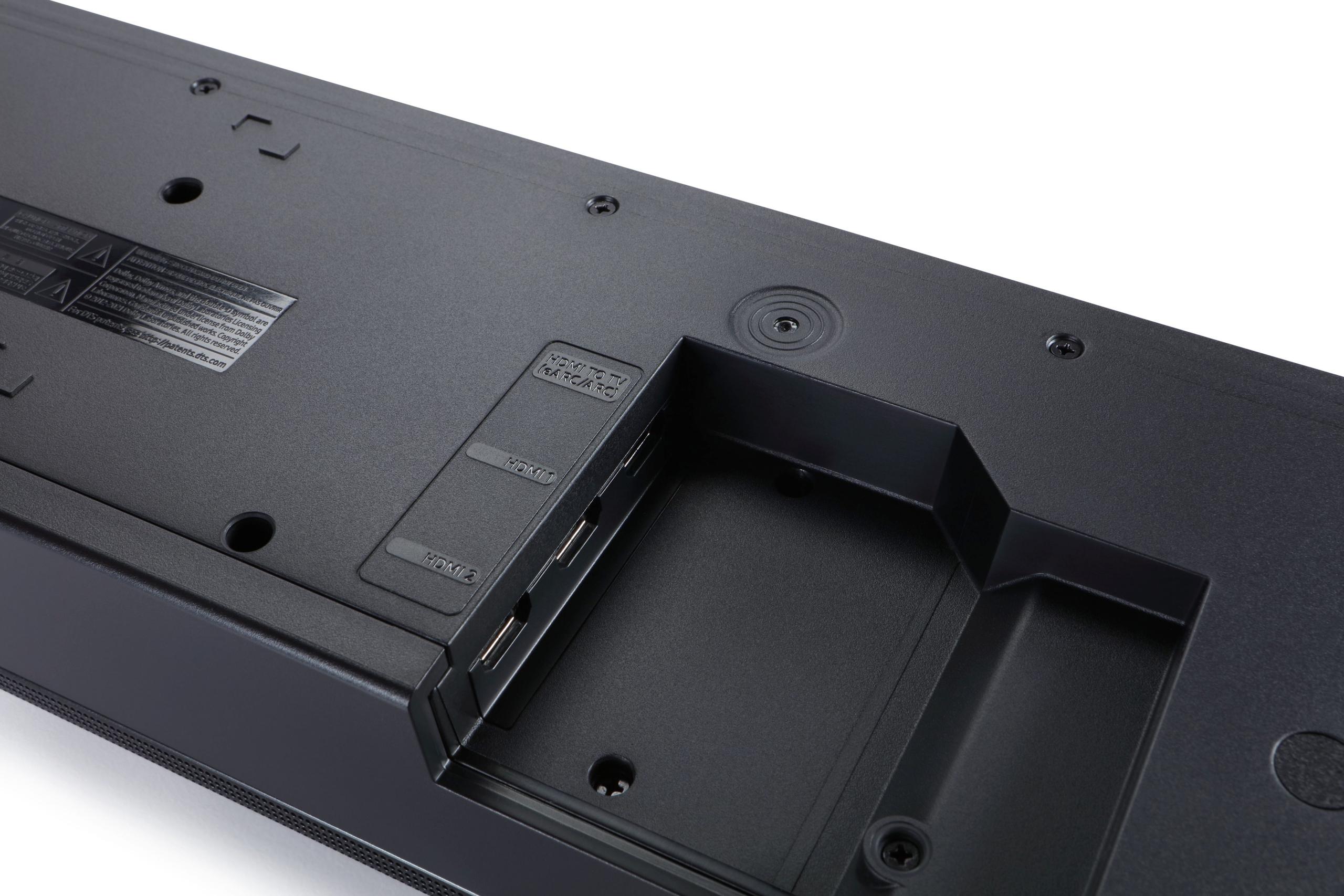
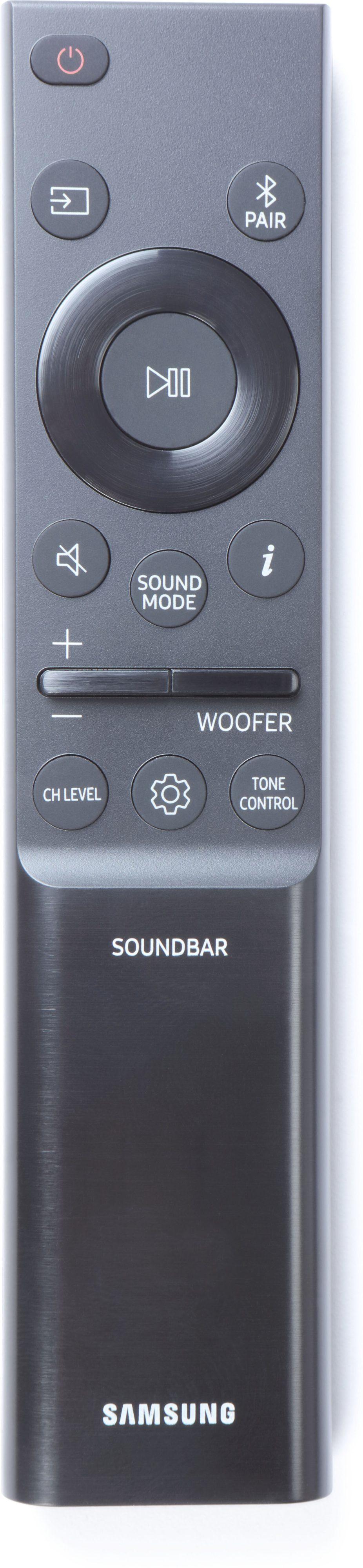
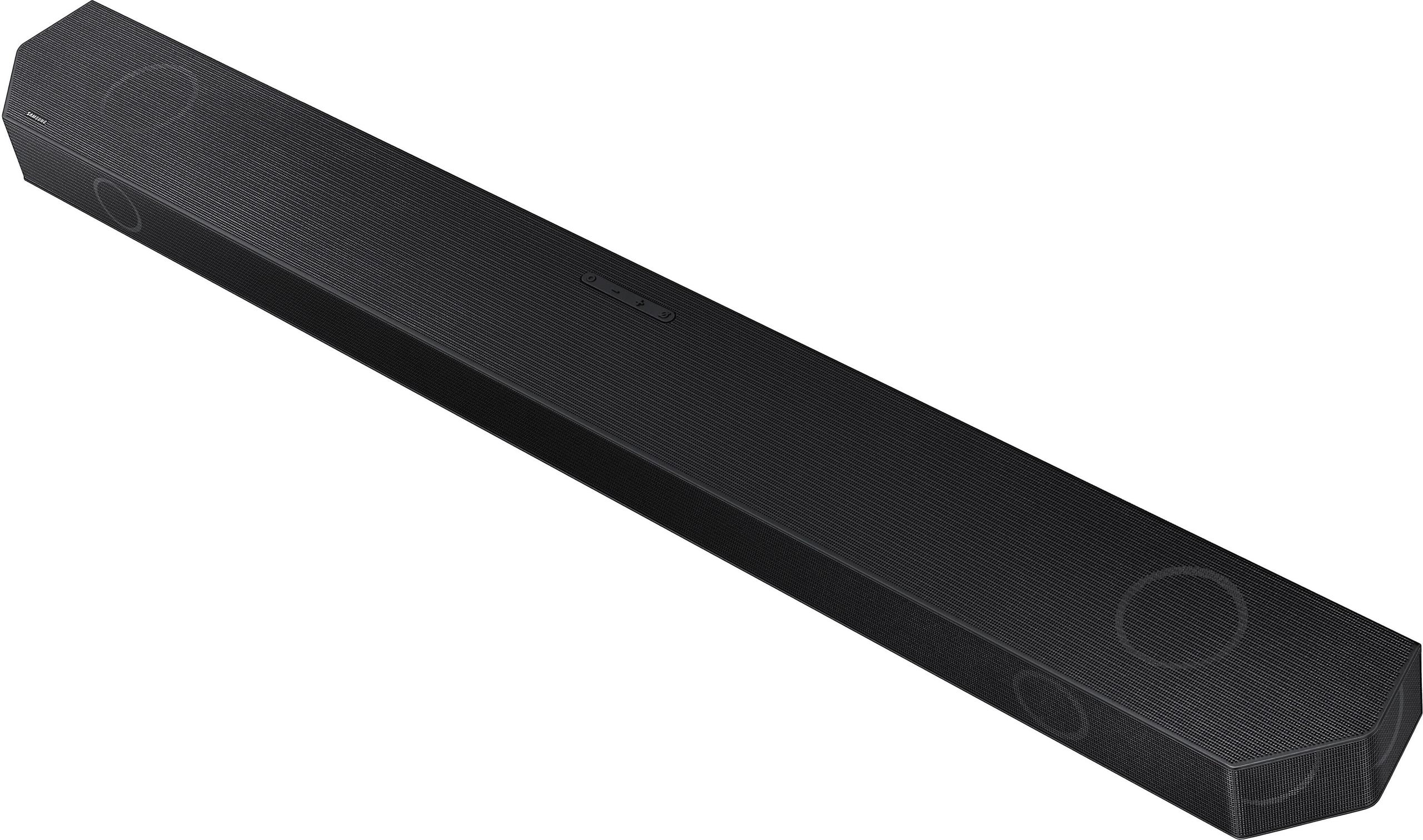


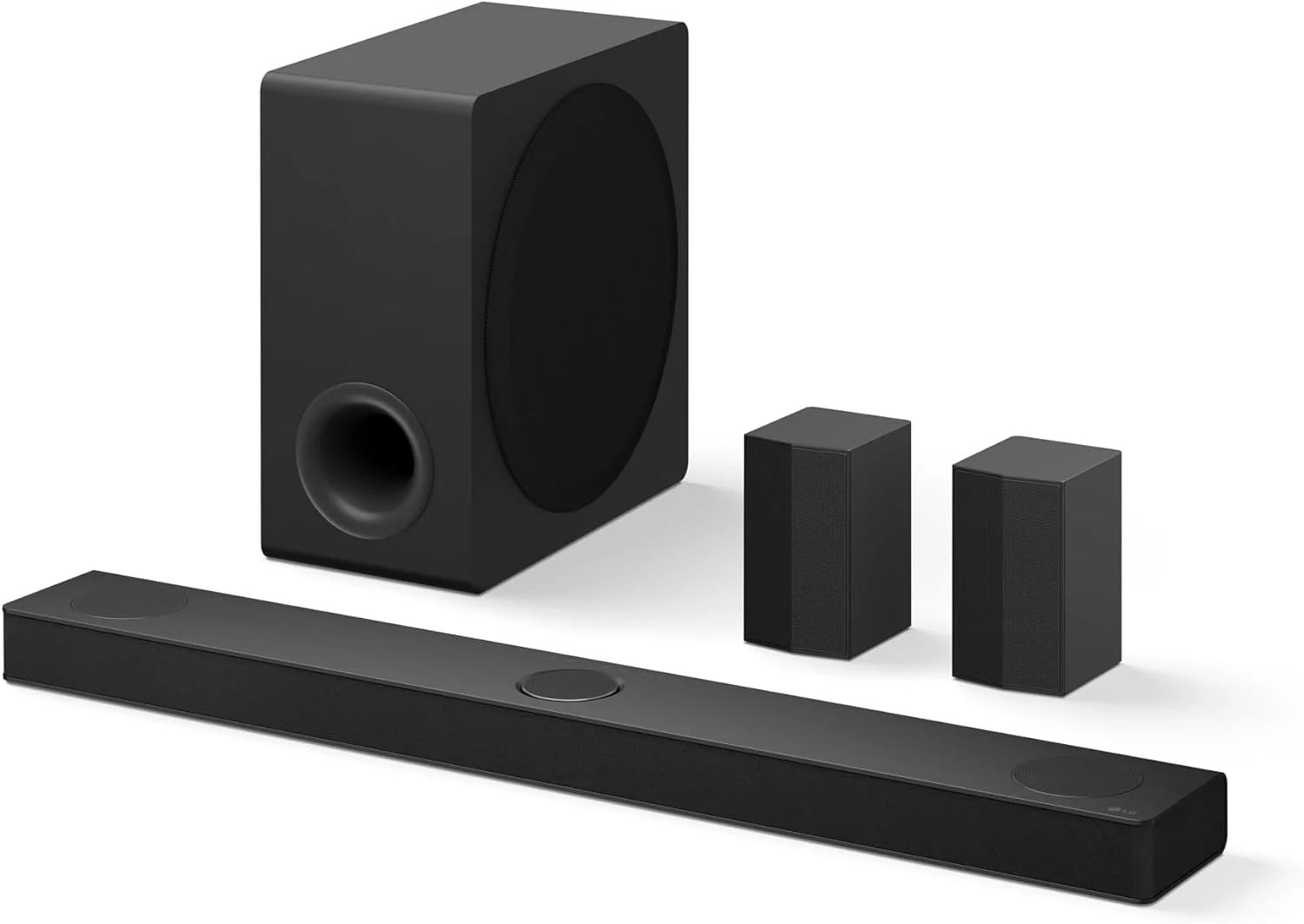

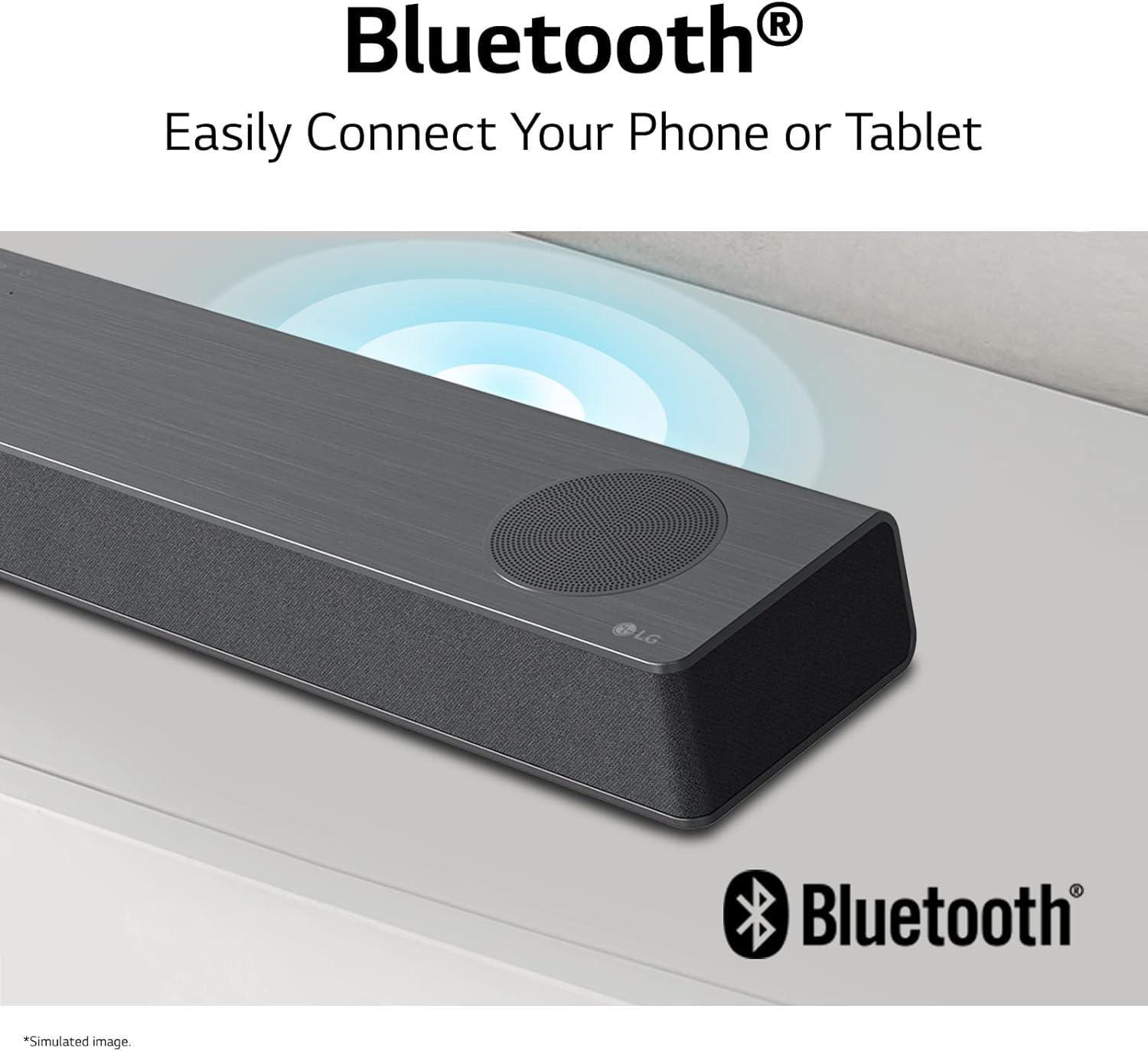
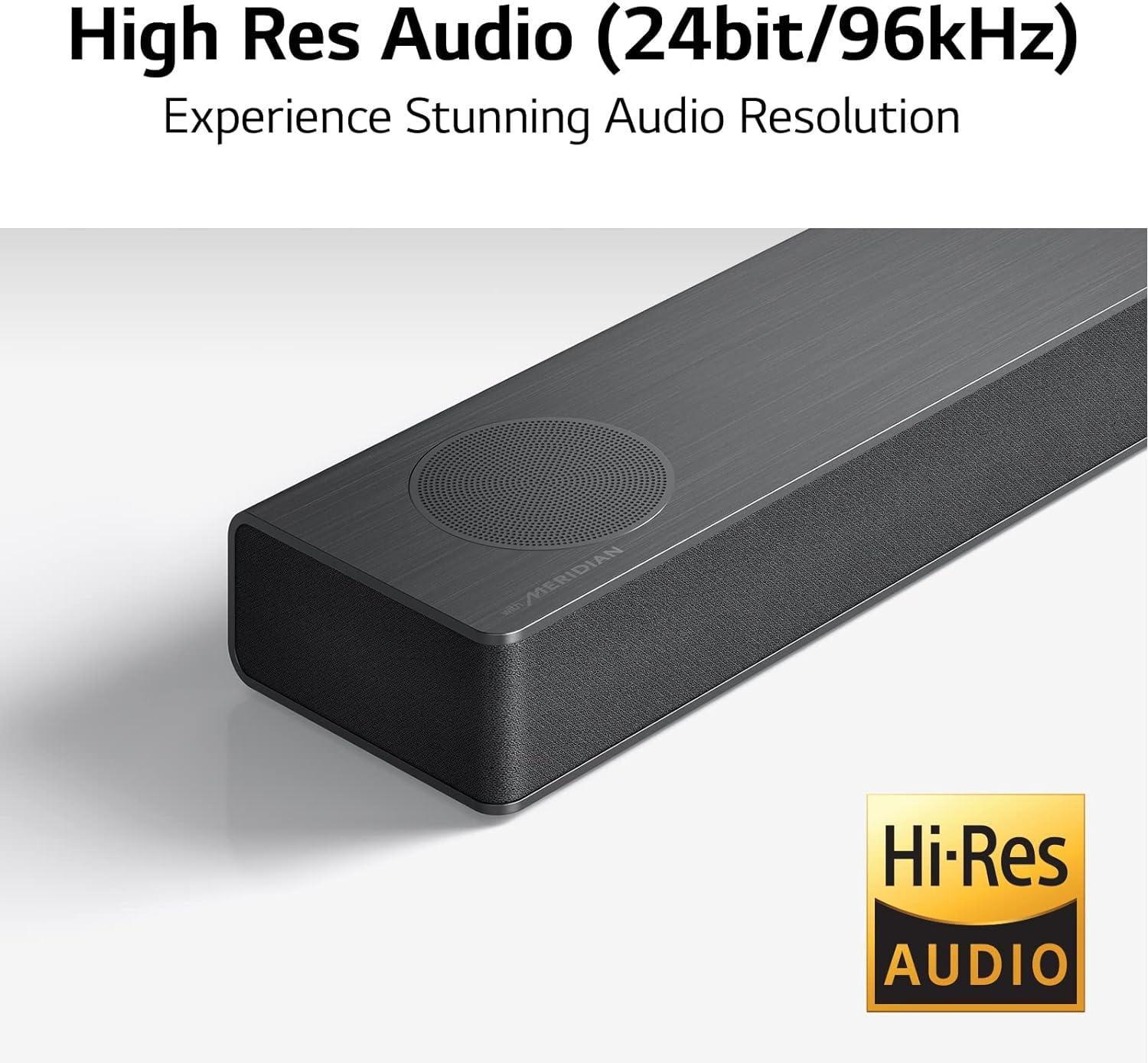
Choosing a premium soundbar can feel overwhelming, especially when you're comparing flagship models like the Samsung HW-Q990D ($847.99) and the LG S80TR ($546.99). Both promise to transform your living room into a home theater, but they take dramatically different approaches to get there. After spending time with both systems, I've discovered that your choice comes down to whether you prioritize absolute audio performance or practical convenience.
Premium soundbars represent the sweet spot between simple TV speakers and complex surround sound systems. Unlike basic soundbars that just make dialogue clearer, these models create genuine three-dimensional audio experiences using Dolby Atmos – a technology that adds height channels to make sounds feel like they're coming from above, behind, and all around you.
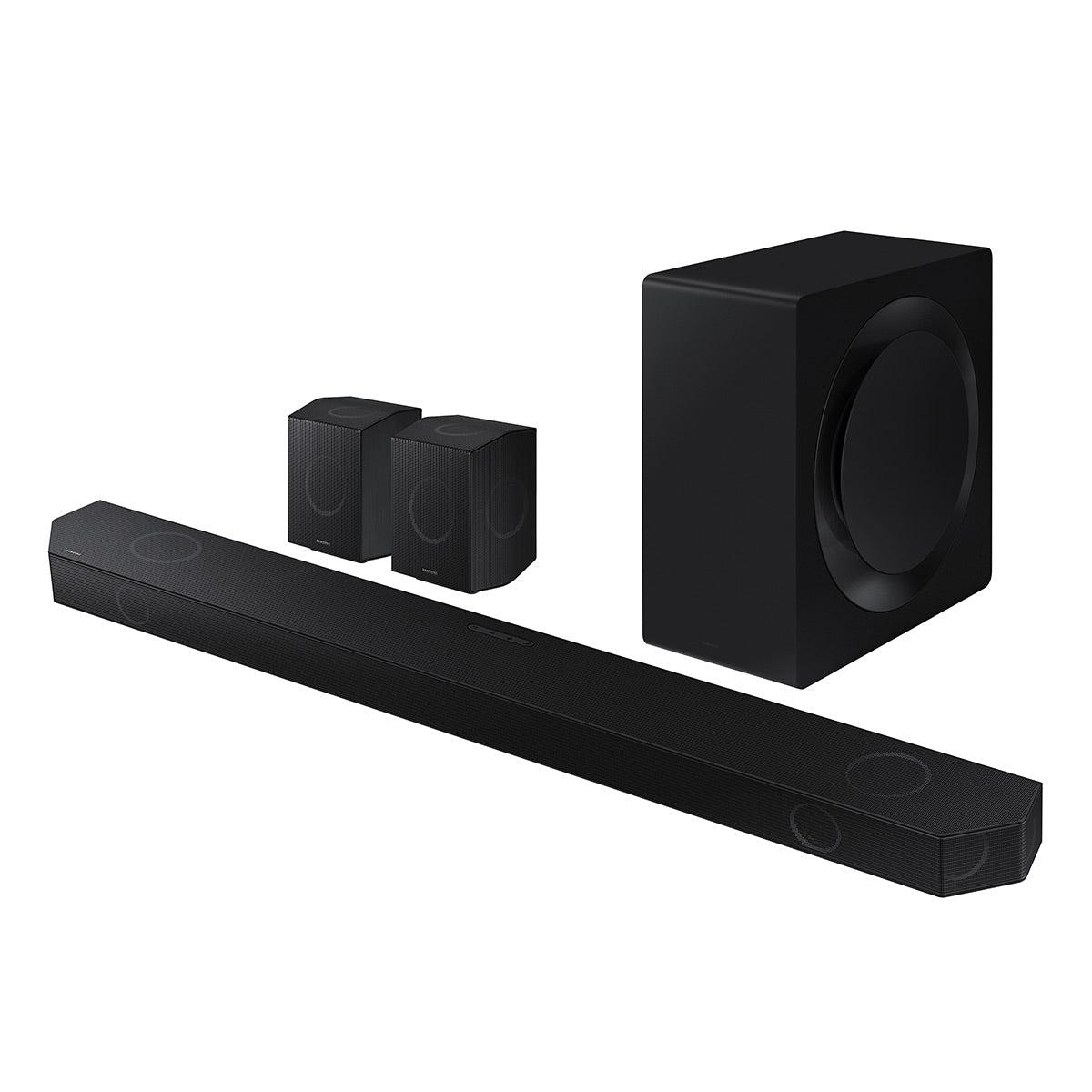
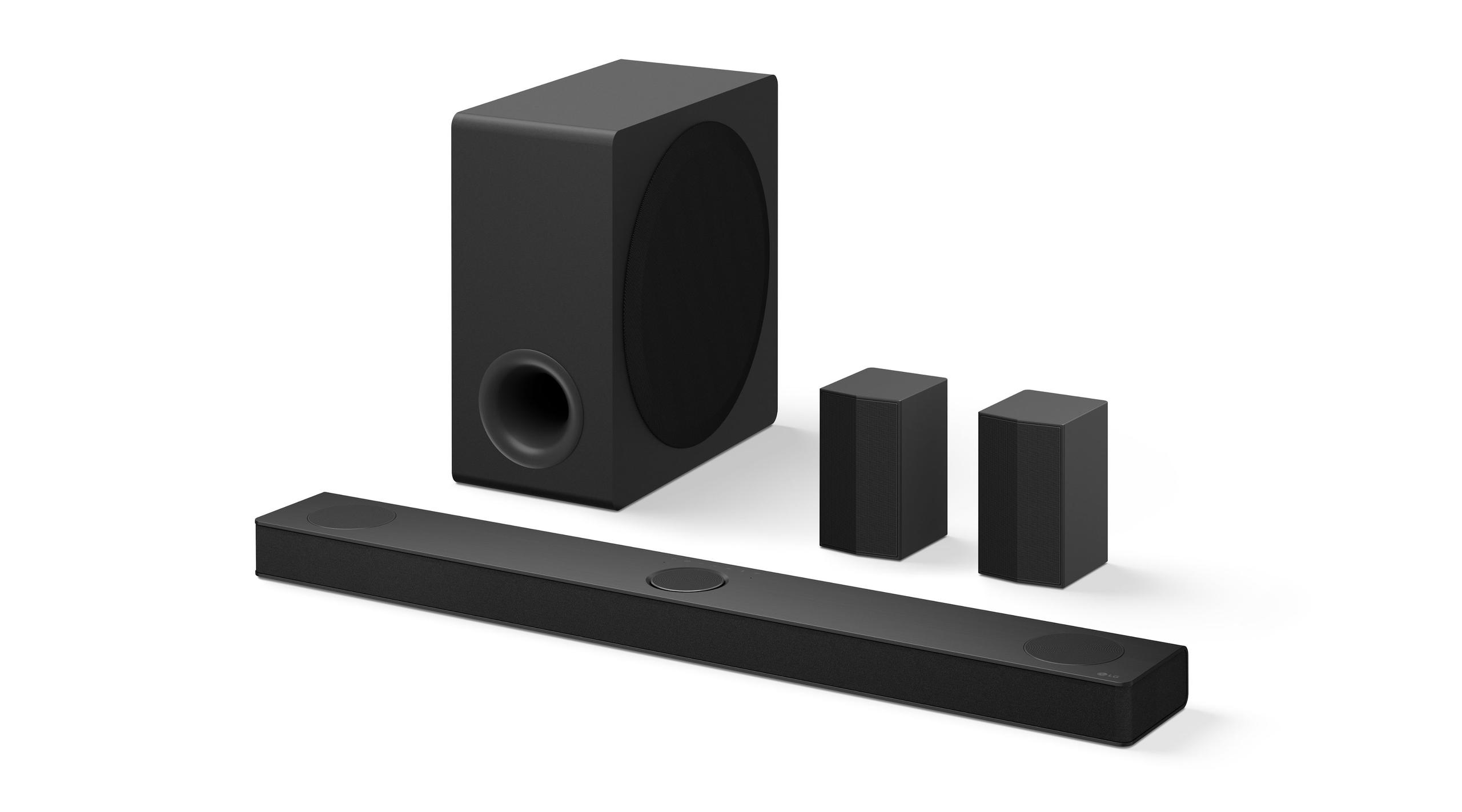
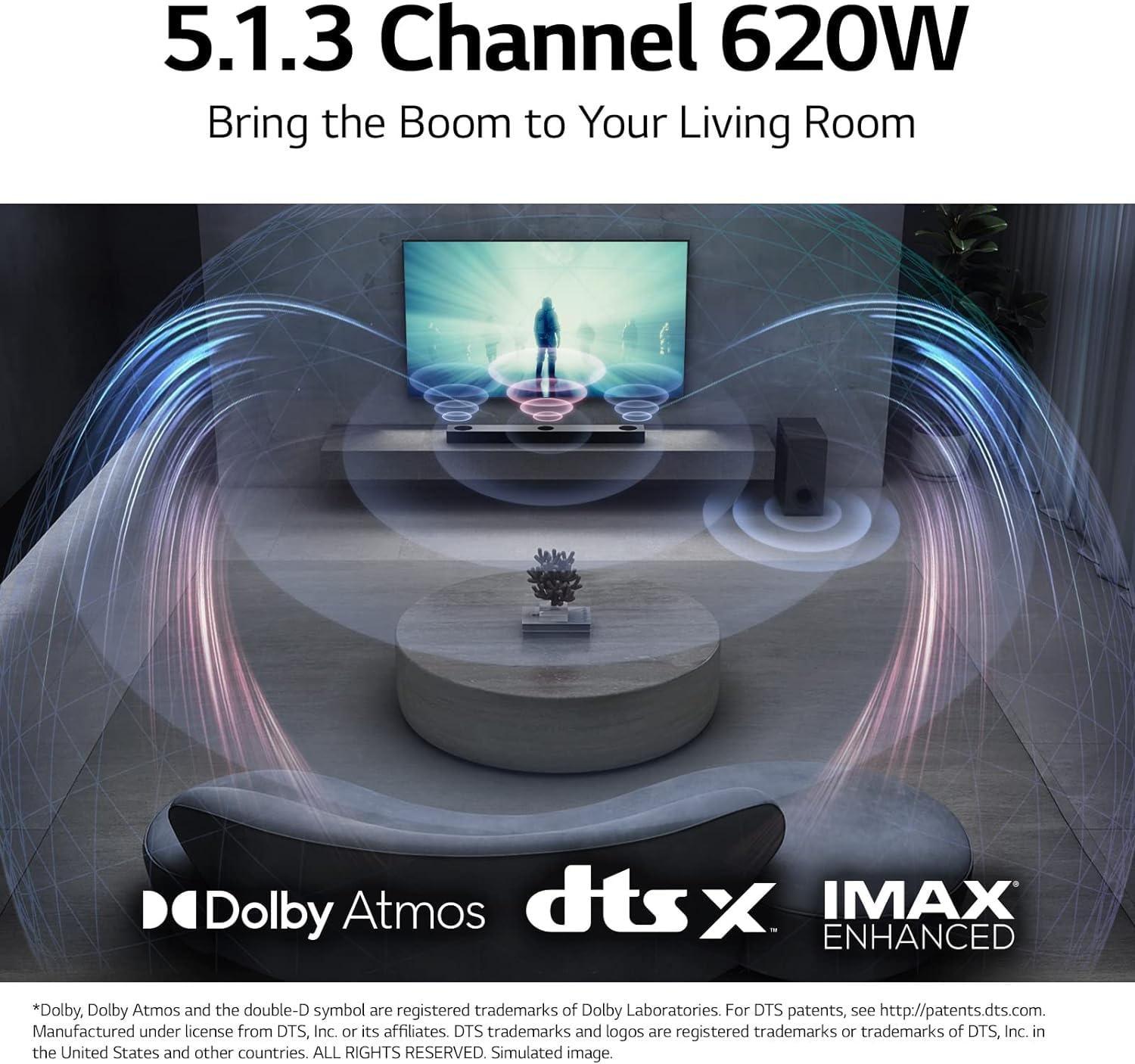
The key difference between these two models lies in their channel configuration. Think of channels like individual speakers working together to create surround sound. The Samsung HW-Q990D uses an 11.1.4 setup, meaning it has 11 main channels, 1 subwoofer channel, and 4 height channels. The LG S80TR uses a 5.1.3 configuration – 5 main channels, 1 subwoofer, and 3 height channels. More channels generally mean more precise sound placement and a more immersive experience.
Both soundbars launched in 2024, representing the latest thinking in home audio technology. Samsung released theirs in early 2024 at $2,000, while LG followed later in the year at $1,500. What's interesting is how quickly prices have dropped – the Samsung is now available for $847.99, making it incredibly competitive with the LG's current $546.99 price point.
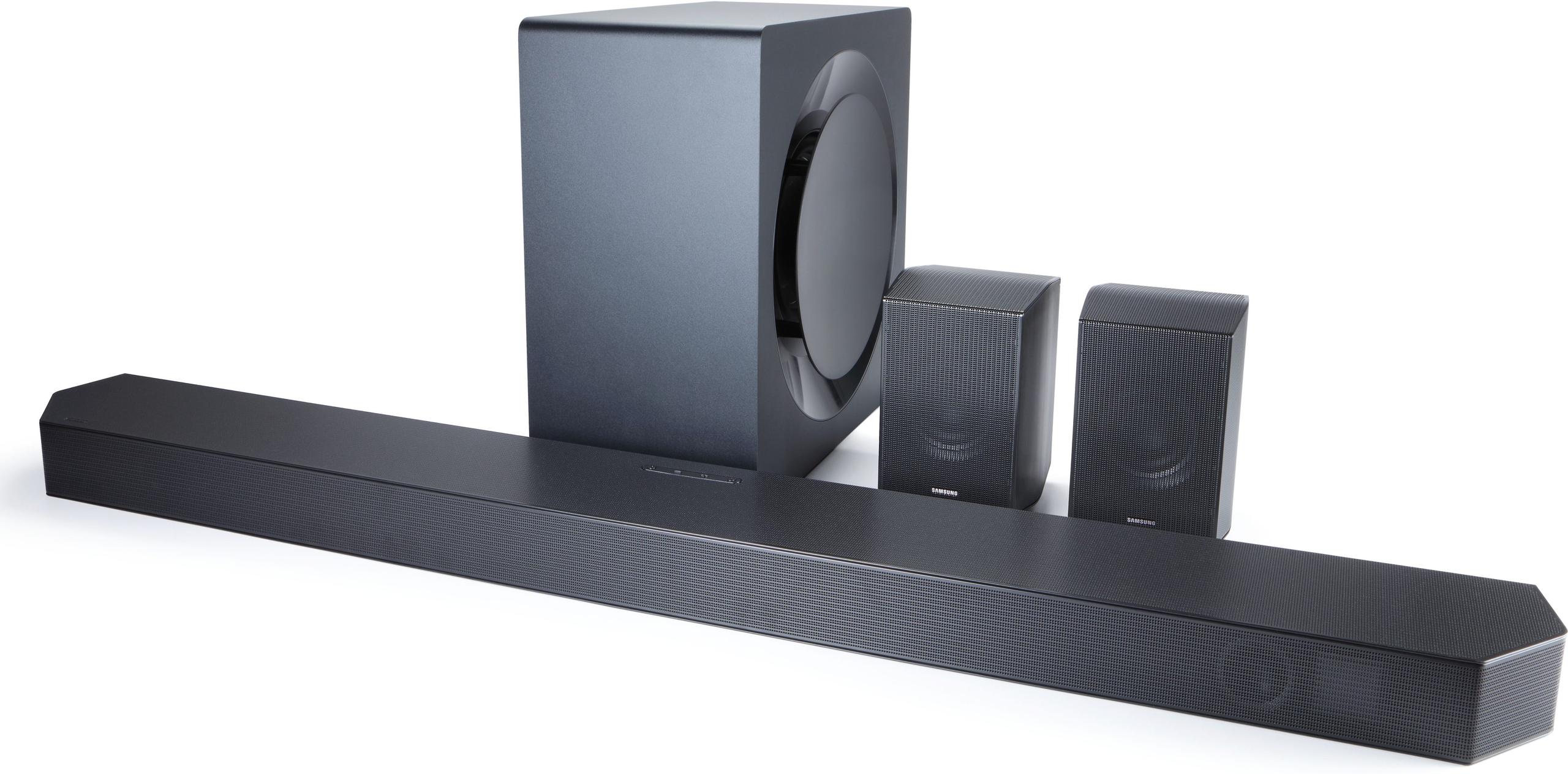
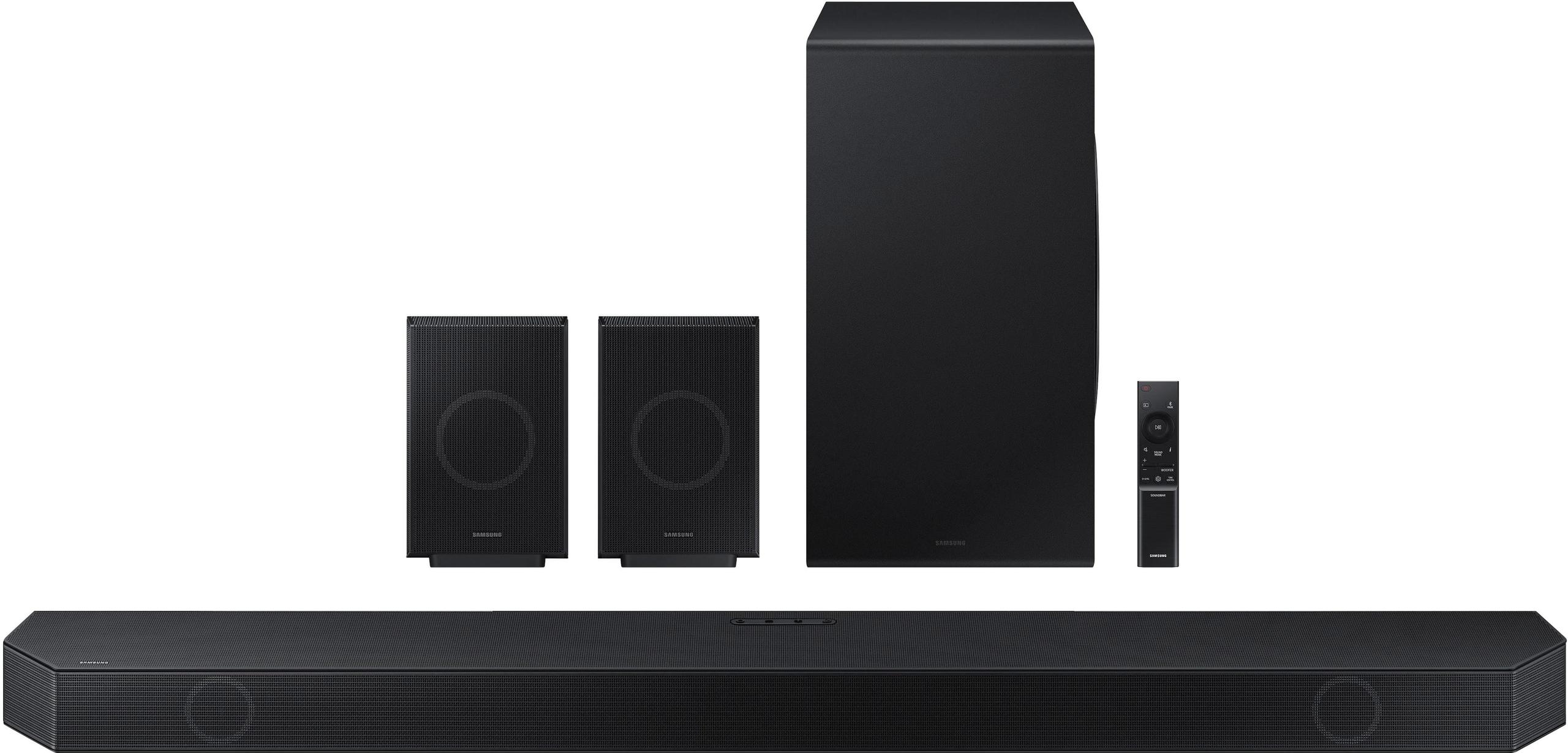
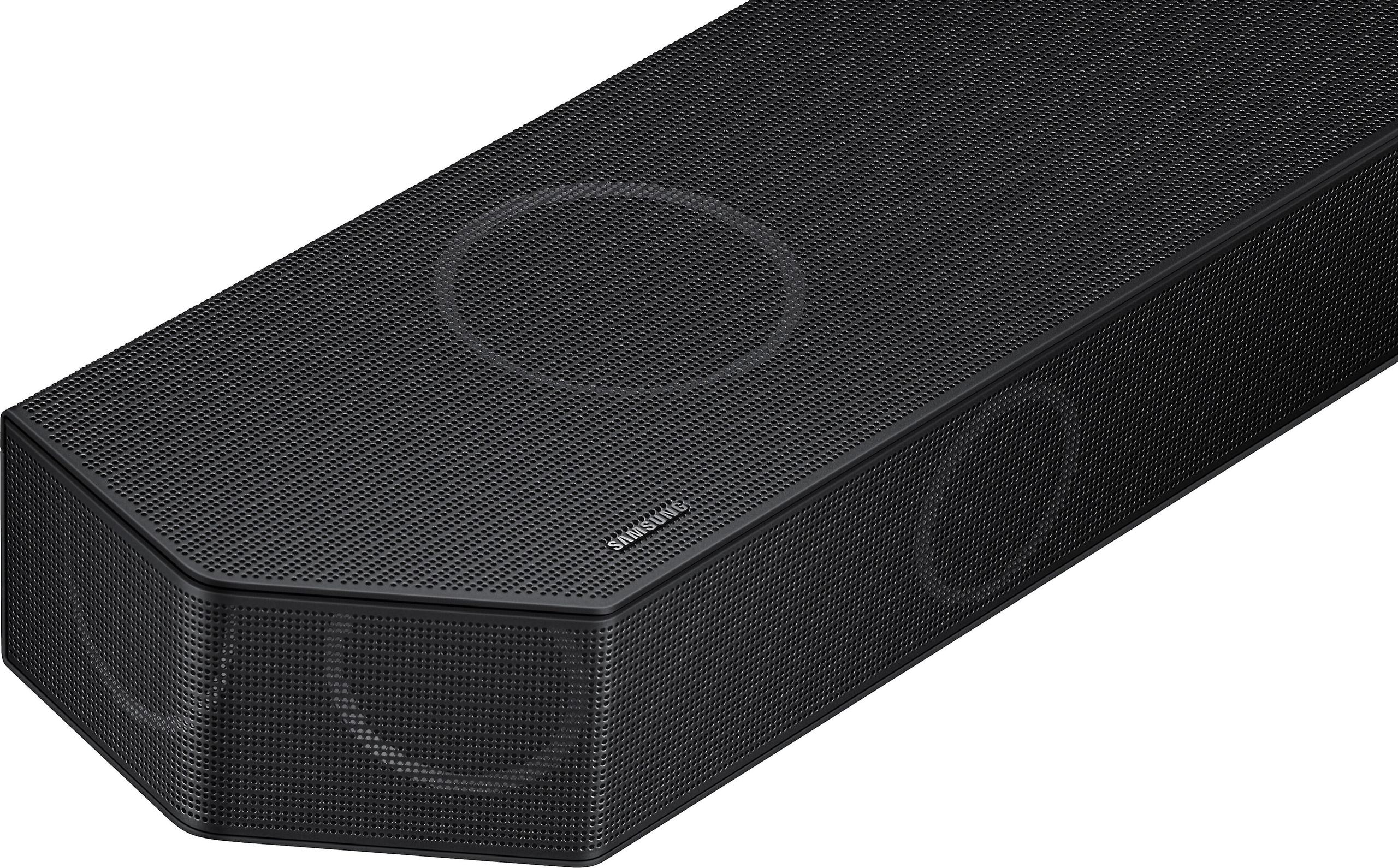
The most noticeable difference between these soundbars becomes apparent the moment you hear them side by side. The Samsung HW-Q990D creates what audio engineers call a soundstage – the perceived width and depth of audio – that genuinely surrounds you. This happens because Samsung packs 22 individual drivers (speaker units) across four separate pieces: the main soundbar, subwoofer, and two rear speakers.
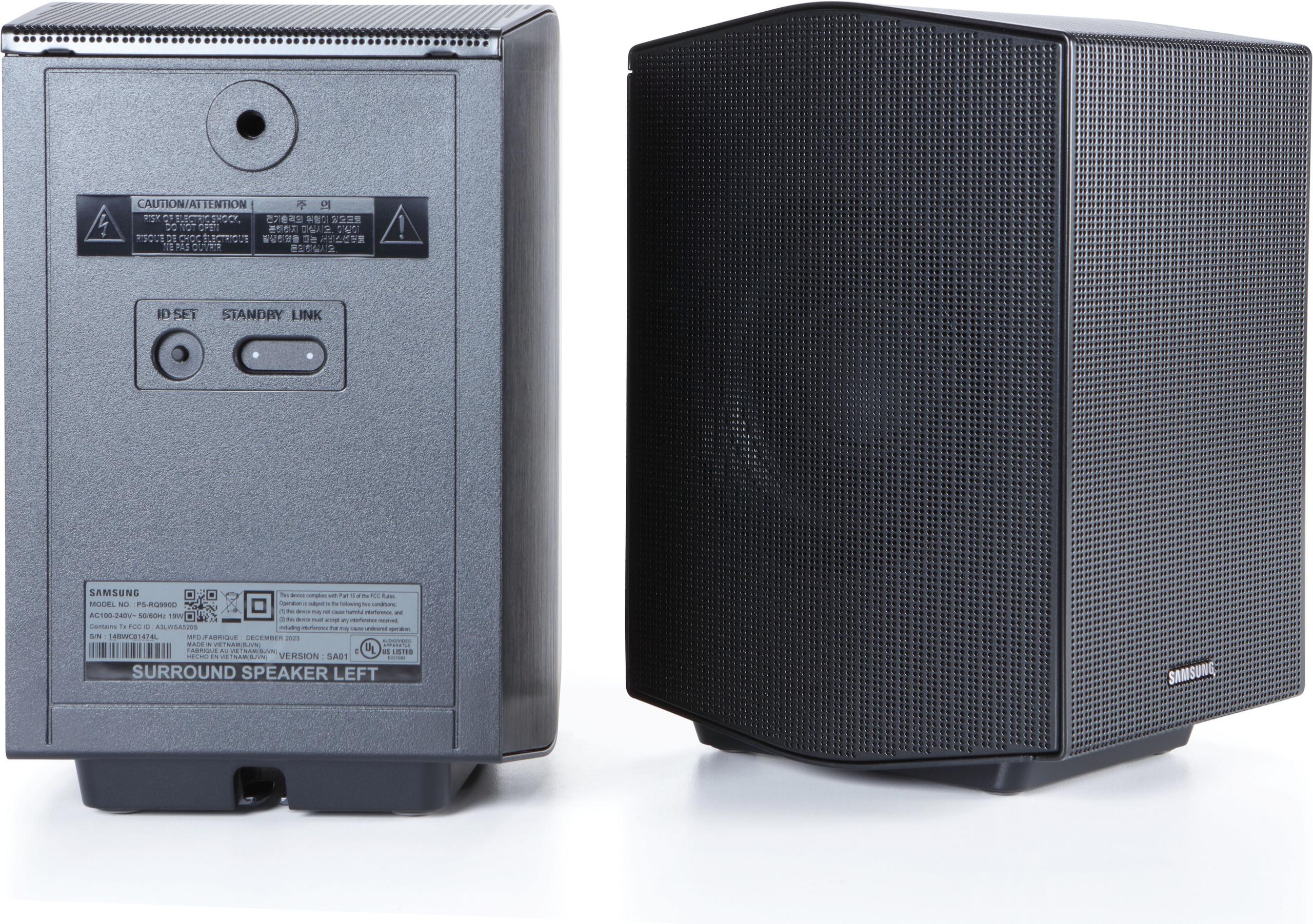
Here's what makes this special: the main soundbar contains six elliptical midrange drivers and three tweeters firing forward for clear dialogue and music, plus four side-firing drivers that bounce sound off your walls to create width, and two up-firing drivers that reflect off the ceiling for overhead effects. Each rear speaker adds three more drivers – forward, side, and up-firing – creating a complete acoustic bubble around your seating area.
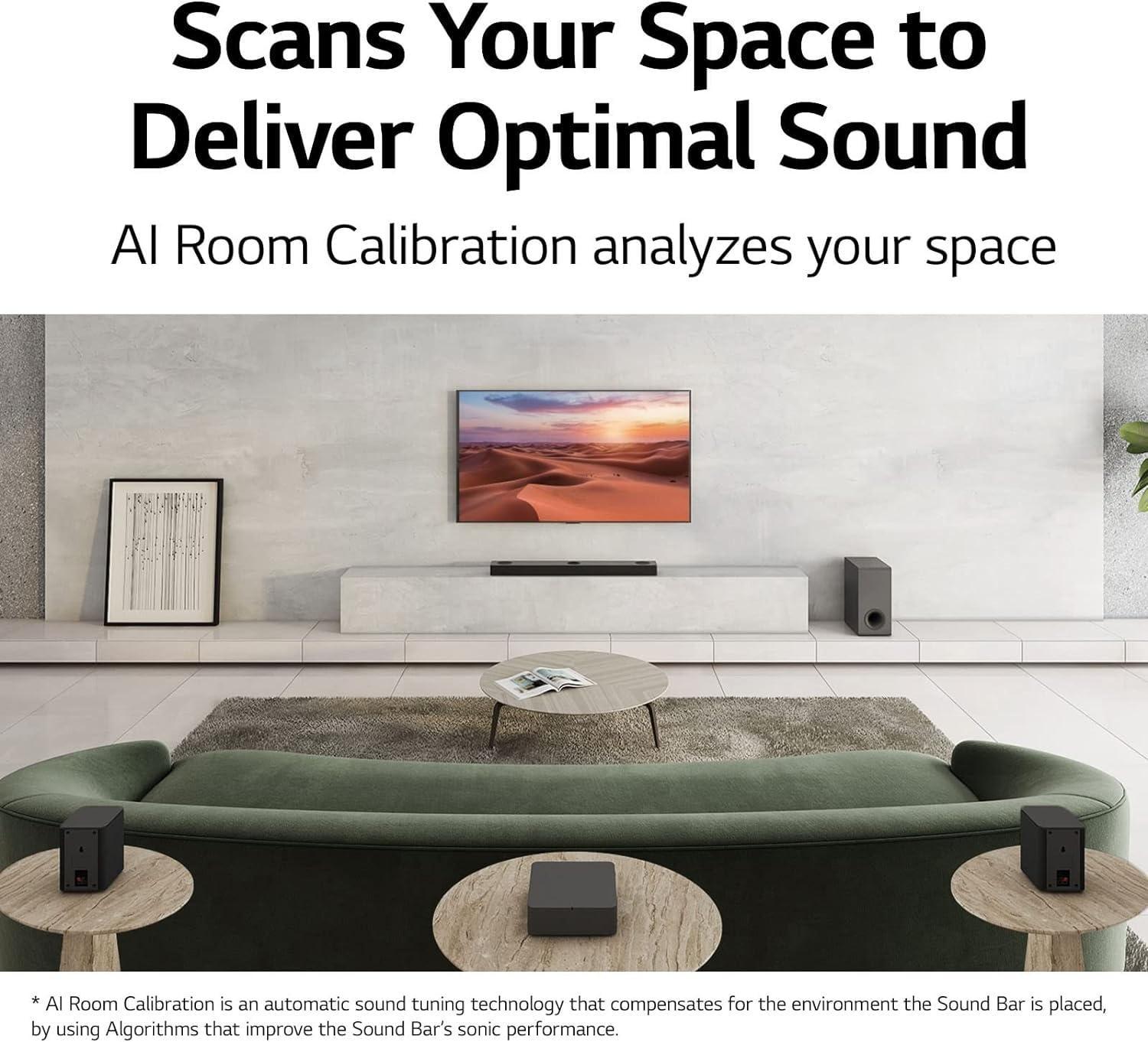
The LG takes a more streamlined approach with fewer drivers total, but compensates with smart AI Room Calibration. This feature uses built-in microphones to measure your room's dimensions and acoustic properties, then adjusts the sound accordingly. It's like having an audio engineer tune your system automatically, though it's a one-time setup rather than the continuous optimization Samsung provides.
In practice, this means the Samsung excels in larger rooms where its extra drivers can fill more space with distinct audio zones. I've found it particularly impressive in rooms over 300 square feet, where the LG sometimes struggles to maintain convincing surround effects in all seating positions.
Nothing ruins a movie night faster than constantly asking "what did they say?" Both soundbars address this differently, and it's where Samsung's premium approach really shows.
The Samsung HW-Q990D includes Active Voice Amplifier Pro, which uses artificial intelligence to analyze audio in real-time and boost dialogue when it detects background noise or quiet speaking. This isn't just a simple volume boost – the system actually separates vocal frequencies from background music and sound effects, then enhances them independently. If you have a Samsung TV, the Q-Symphony feature adds another layer by using your TV's speakers alongside the soundbar to create an even wider center channel for dialogue.
The LG relies on Clear Voice Pro, which is more traditional EQ adjustment. While it does help clarify dialogue, it lacks the sophisticated real-time processing of Samsung's system. During testing with action movies where explosions and music compete with dialogue, the Samsung consistently kept conversations intelligible without manual volume adjustments.
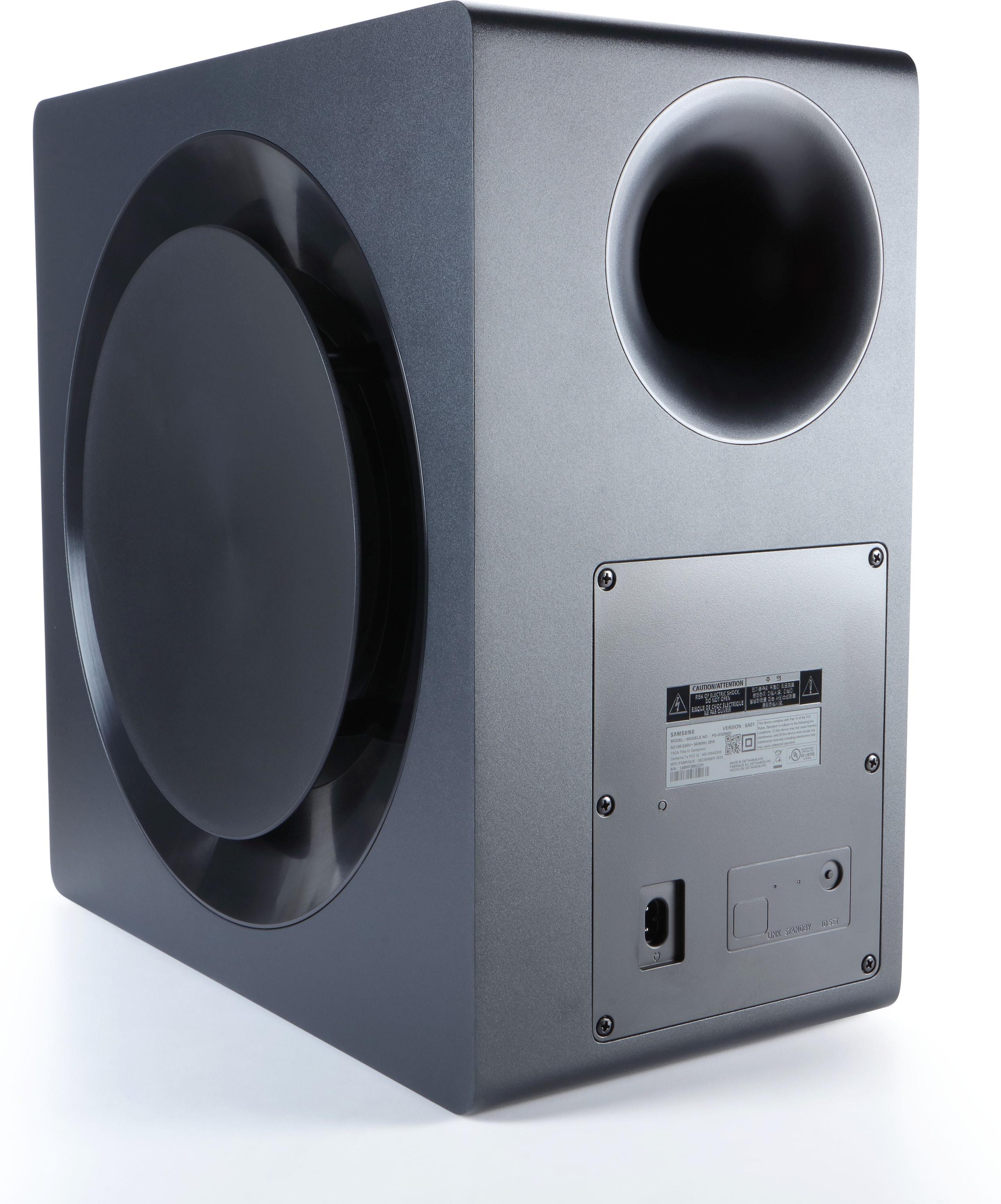
Both systems include wireless subwoofers, but they handle low-frequency reproduction quite differently. The Samsung's 8-inch driver reaches down to about 32Hz – low enough to reproduce the rumble of movie theater bass. However, many users find they need to adjust the EQ settings to achieve optimal bass balance, as Samsung tends to tune conservatively out of the box.
The LG S80TR uses a different philosophy with its Bass Blast modes, offering multiple enhancement options depending on your content. There's standard Bass Blast for general listening and Bass Blast+ for when you want maximum impact. While convenient, user feedback suggests the LG's bass doesn't quite match the Samsung's depth and control, particularly during complex scenes with multiple low-frequency elements.
The placement flexibility of both wireless subwoofers helps tremendously. Unlike older systems that required cables, you can position these subs anywhere in your room to find the spot where bass sounds most balanced – usually a corner or along a wall about one-third of the way into the room.
If you're a gamer, the choice becomes much simpler. The Samsung HW-Q990D includes two HDMI 2.1 inputs supporting 4K resolution at 120Hz refresh rates, Variable Refresh Rate (VRR), and Auto Low Latency Mode (ALLM). This means you can connect a PlayStation 5 and Xbox Series X simultaneously, with both systems automatically switching to their lowest-latency modes when gaming.
Samsung's Game Mode Pro goes further by analyzing the type of game you're playing and adjusting audio accordingly. Racing games get enhanced engine sounds and directional audio for approaching competitors, while first-person shooters emphasize footstep positioning and weapon acoustics.
The LG offers basic gaming support but lacks these advanced features. With only one HDMI input and no HDMI 2.1 passthrough, serious gamers will find it limiting. This reflects LG's focus on the streaming and casual viewing market rather than the enthusiast gaming segment.
Both soundbars embrace the smart home revolution, but with different priorities. The Samsung HW-Q990D integrates deeply with Samsung's ecosystem, offering SpaceFit Sound Pro that continuously monitors your room's acoustics and adjusts automatically. This happens in the background without any user intervention – the system literally learns and adapts to changes in your room layout or even seasonal humidity differences that affect sound.
The LG S80TR focuses more on universal compatibility with streaming services and voice assistants. Its WOWCAST technology enables wireless Dolby Atmos transmission to the rear speakers without quality loss, while built-in support for Google Assistant, Alexa, AirPlay 2, and Chromecast makes it work seamlessly with almost any device.
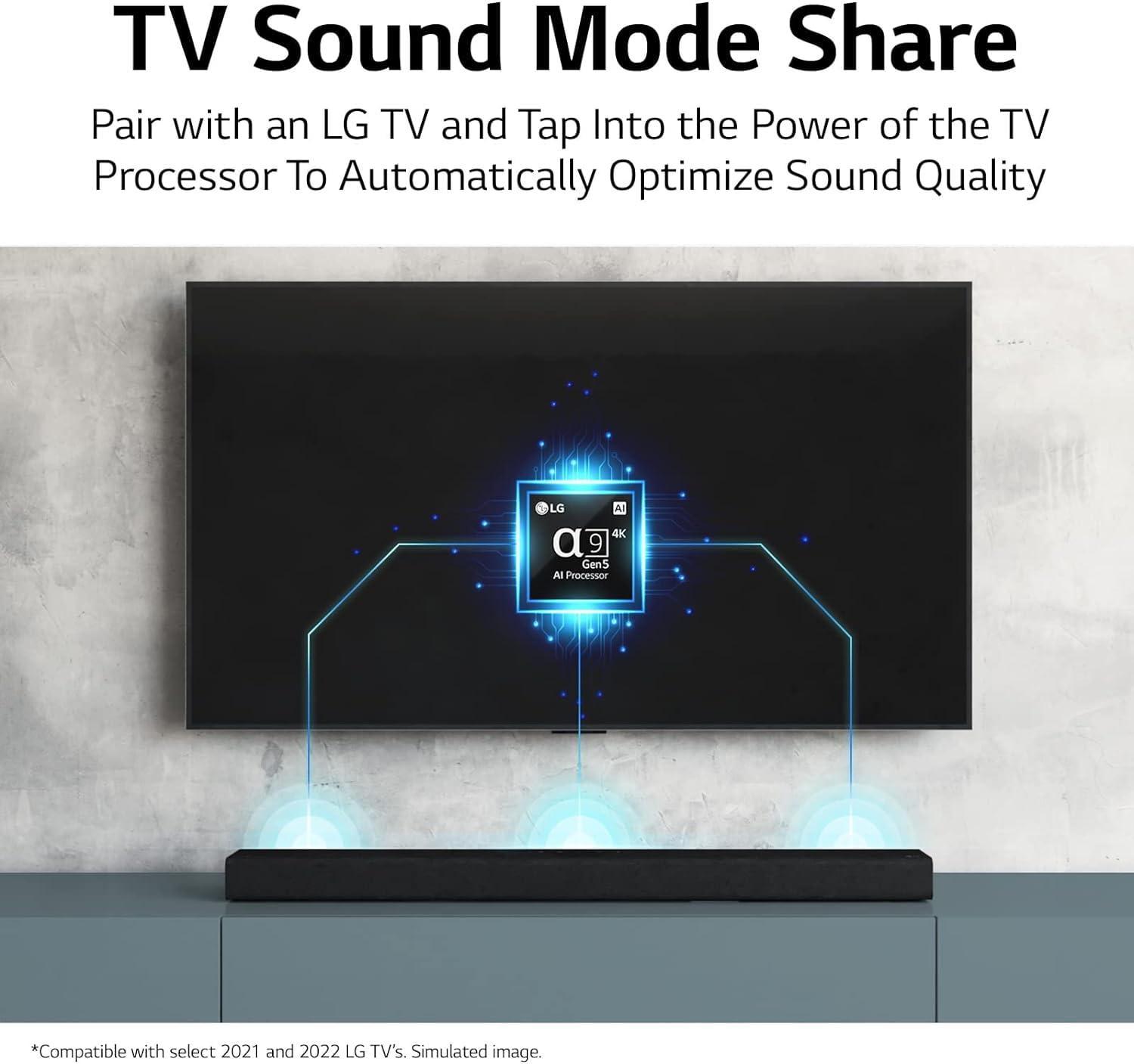
For Samsung TV owners, the Q-Symphony feature creates something special by synchronizing the TV's speakers with the soundbar. Instead of turning off your TV speakers (as most soundbars require), Q-Symphony uses them as additional channels to expand the front soundstage. LG offers something similar called WOW Orchestra, but only for LG TV owners.
Samsung's SpaceFit Sound Pro represents a genuine advancement in home audio calibration. Unlike traditional systems that play test tones during initial setup, Samsung's approach uses machine learning to continuously optimize sound based on the content you're watching and your room's changing conditions. The system builds an acoustic profile over time, becoming more accurate the longer you use it.
LG's approach is more traditional but still effective. The AI Room Calibration measures your space during setup and applies appropriate corrections, but it doesn't adapt over time. You can recalibrate manually if you rearrange furniture or change rooms, but it requires user initiative.
Both systems support the latest audio formats including Dolby Atmos, DTS:X, and various high-resolution audio codecs. However, Samsung's additional channels and processing power allow it to take fuller advantage of these formats' spatial audio capabilities.
At current pricing, the Samsung HW-Q990D at $847.99 represents exceptional value for what was a $2,000 flagship just months ago. You're getting reference-quality audio, advanced gaming features, and cutting-edge calibration technology for barely more than the LG's original asking price.
The LG S80TR at $546.99 remains compelling for users who prioritize easy setup and solid performance over absolute audio quality. The $300 savings could fund additional smart home devices or streaming subscriptions, making it attractive for budget-conscious upgraders.
Consider the total cost of ownership too. Samsung's more sophisticated calibration and broader feature set mean you're less likely to feel the need to upgrade in a few years. The gaming features alone future-proof the system for next-generation consoles and gaming trends.
For dedicated home theater rooms, the Samsung HW-Q990D delivers the kind of precise sound localization that makes movie soundtracks come alive. Its 11.1.4 configuration creates distinct audio zones that help you track helicopters flying overhead or bullets whizzing past your ears. The system excels with reference-quality Blu-ray discs that include uncompressed audio tracks.
The LG works well in multipurpose living rooms where convenience matters more than absolute fidelity. Its wireless rear speakers make it easier to maintain a clean, family-friendly aesthetic while still providing convincing surround sound for movie nights.
Room size plays a crucial role in your decision. In smaller rooms under 200 square feet, the LG's simpler configuration may actually sound more balanced, while the Samsung's power and complexity could overwhelm the space. Larger rooms above 400 square feet benefit from Samsung's additional drivers and processing power.
Choose the Samsung HW-Q990D if you want the best possible audio experience and don't mind spending extra for it. This is the soundbar for audio enthusiasts, serious gamers, and anyone building a dedicated home theater. The current discount makes it accessible to a much broader audience than Samsung originally intended.
Choose the LG S80TR if you want a significant upgrade over TV speakers without the complexity or cost of a flagship system. It's perfect for casual movie watchers, streaming enthusiasts, and anyone who values simplicity over ultimate performance.
Both soundbars will dramatically improve your TV watching experience compared to built-in speakers. The question is whether you want good surround sound or great surround sound, and whether the additional features and performance of the Samsung justify its higher price in your specific situation.
Remember that either choice represents a long-term investment in your home entertainment setup. Consider not just your current needs, but how your audio preferences might evolve over the next few years. Sometimes spending a bit more upfront saves money and frustration down the road.
| Samsung HW-Q990D ($847.99) | LG S80TR ($546.99) |
|---|---|
| Channel Configuration - More channels create better surround sound immersion | |
| 11.1.4 channels with 22 discrete drivers | 5.1.3 channels with 11 drivers |
| Price Point - Current street pricing after significant discounts | |
| $847.99 (57% off $2,000 MSRP) | $546.99 (64% off $1,500 MSRP) |
| Audio Formats - Essential for premium movie and gaming experiences | |
| Dolby Atmos, DTS:X, Dolby TrueHD, all major formats | Dolby Atmos, DTS:X, DTS-HD Master Audio, all major formats |
| HDMI Gaming Features - Critical for next-gen console compatibility | |
| 2x HDMI 2.1 inputs with 4K/120Hz, VRR, ALLM | 1x HDMI input, basic gaming support |
| Room Calibration - How the system adapts to your specific space | |
| SpaceFit Sound Pro (continuous AI optimization) | AI Room Calibration (one-time setup with test tones) |
| Dialogue Enhancement - Most important feature for clear speech | |
| Active Voice Amplifier Pro with real-time AI processing | Clear Voice Pro with basic EQ adjustment |
| Subwoofer Design - Affects bass depth and placement flexibility | |
| 8-inch wireless, reaches 32Hz frequency response | Wireless design, 40Hz frequency response |
| Rear Speaker Connectivity - Impacts setup complexity and placement | |
| Wireless with dedicated power (flexible placement) | Wireless with power outlets required (some placement limits) |
| Smart TV Integration - Enhanced features with matching brand TVs | |
| Q-Symphony with Samsung TVs (uses TV speakers as extra channels) | WOW Orchestra with LG TVs (synchronized audio) |
| Voice Assistant Support - Built-in smart home control options | |
| Alexa, Bixby, Google Assistant built-in | Google Assistant, Alexa compatibility |
| Physical Dimensions - Important for TV stand and room compatibility | |
| Soundbar: 51.3" x 10.9" x 23.4" (large but premium build) | Soundbar: 39.3" x 2.5" x 5.3" (more compact design) |
| Ideal Room Size - Where each system performs optimally | |
| Medium to large rooms (300+ sq ft) for full channel utilization | Small to medium rooms (200-400 sq ft) for balanced sound |
| Target User - Who gets the most value from each system | |
| Audio enthusiasts, gamers, home theater builders | Mainstream users wanting easy setup with solid performance |
The Samsung HW-Q990D ($847.99) offers exceptional value at its current discounted price, providing flagship audio quality with 11.1.4 channels for just $300 more than the LG S80TR ($546.99). While the LG is more budget-friendly, the Samsung's superior channel separation, gaming features, and room calibration technology make it worth the extra cost for most users.
The Samsung HW-Q990D uses 11.1.4 channels with 22 speakers to create more precise sound placement and wider surround effects. The LG S80TR has 5.1.3 channels with fewer drivers, which still provides good surround sound but with less detailed spatial audio. More channels generally mean better immersion, especially in larger rooms.
The Samsung HW-Q990D is significantly better for gaming, featuring two HDMI 2.1 inputs that support 4K/120Hz, Variable Refresh Rate, and Auto Low Latency Mode. It also includes Game Mode Pro that optimizes audio for different game types. The LG S80TR only has basic gaming support with one HDMI input and no advanced gaming features.
Yes, both the Samsung HW-Q990D and LG S80TR support Dolby Atmos and DTS:X for immersive surround sound. However, the Samsung's 11.1.4 configuration with four height channels creates more convincing overhead effects compared to the LG's 5.1.3 setup with three height channels.
The LG S80TR is generally easier to set up with its straightforward AI Room Calibration and wireless rear speakers. The Samsung HW-Q990D offers more advanced SpaceFit Sound Pro calibration that works continuously in the background, but may require more initial configuration to optimize all its features.
The Samsung HW-Q990D delivers deeper bass with its 8-inch subwoofer reaching down to 32Hz, though it may need EQ adjustment for optimal balance. The LG S80TR provides solid bass down to 40Hz with convenient Bass Blast modes, but some users report it lacks depth during intense action scenes.
The Samsung HW-Q990D excels in large rooms over 300 square feet thanks to its 22 drivers and 11.1.4 channel configuration that can fill more space with distinct audio zones. The LG S80TR works well in smaller to medium rooms but may struggle to maintain convincing surround effects in very large spaces.
Both soundbars work with any TV brand through HDMI or optical connections. However, the Samsung HW-Q990D offers Q-Symphony integration with Samsung TVs for enhanced performance, while the LG S80TR provides WOW Orchestra features when paired with LG TVs.
The Samsung HW-Q990D offers superior dialogue clarity with its Active Voice Amplifier Pro that uses AI to enhance speech in real-time, even adjusting for background noise. The LG S80TR includes Clear Voice Pro mode, but it's a simpler EQ adjustment that's less sophisticated than Samsung's AI-powered solution.
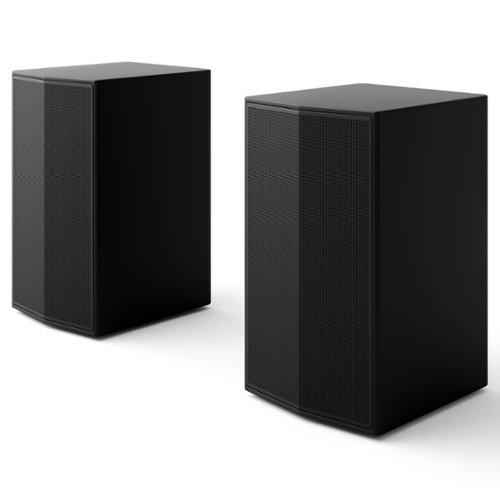
Yes, both the Samsung HW-Q990D and LG S80TR include wireless rear speakers in the box. Both sets require power outlets but offer flexible placement options. The Samsung's rear speakers each have three drivers (forward, side, and up-firing) while the LG's are more basic but still effective for surround sound.
For dedicated home theater rooms, the Samsung HW-Q990D provides reference-quality audio with precise sound localization that makes movie soundtracks truly immersive. The LG S80TR works well for casual movie watching in living rooms but doesn't match the Samsung's cinematic audio precision and spatial effects.
Both soundbars offer comprehensive smart features including voice assistant support and streaming capabilities. The Samsung HW-Q990D includes continuous SpaceFit Sound Pro calibration and deeper Samsung ecosystem integration, while the LG S80TR focuses on universal compatibility with Google Assistant, Alexa, AirPlay 2, and Chromecast built-in.
We've done our best to create useful and informative comparisons to help you decide what product to buy. Our research uses advanced automated methods to create this comparison and perfection is not possible - please contact us for corrections or questions. These are the sites we've researched in the creation of this article: techradar.com - avsforum.com - valueelectronics.com - samsung.com - rtings.com - samsung.com - avsforum.com - samsung.com - cdwg.com - youtube.com - whathifi.com - bestbuy.com - billsmith.com - brandsmartusa.com - youtube.com - lg.com - buydig.com - louisdoehomecenter.com - lg.com - videoandaudiocenter.com - mynavyexchange.com - walts.com - bestbuy.com

Privacy Policy
Terms and Conditions - Affiliate Policy
Home Security
© Copyright 2008-2026.
11816 Inwood Rd #1211, Dallas, TX 75244