


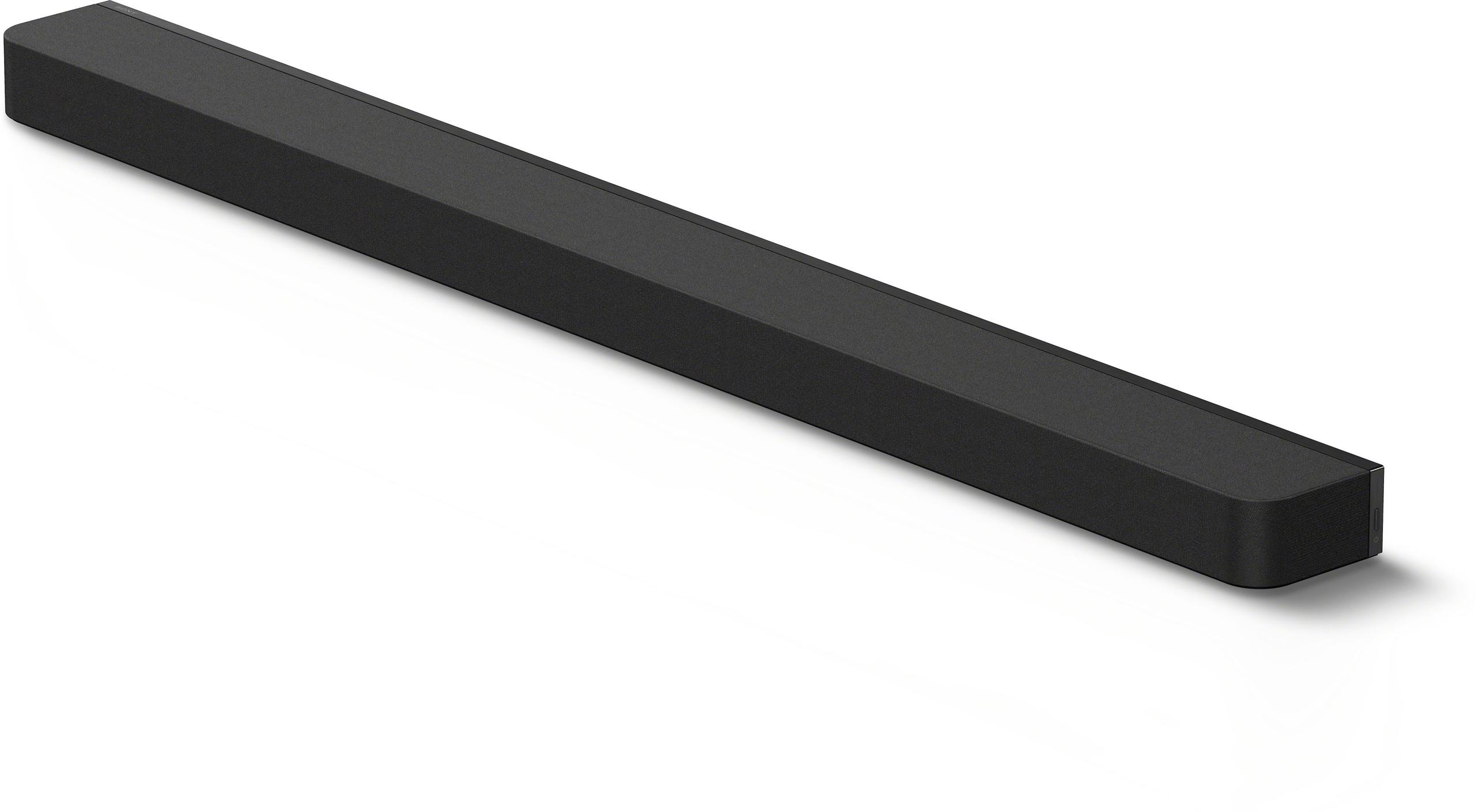


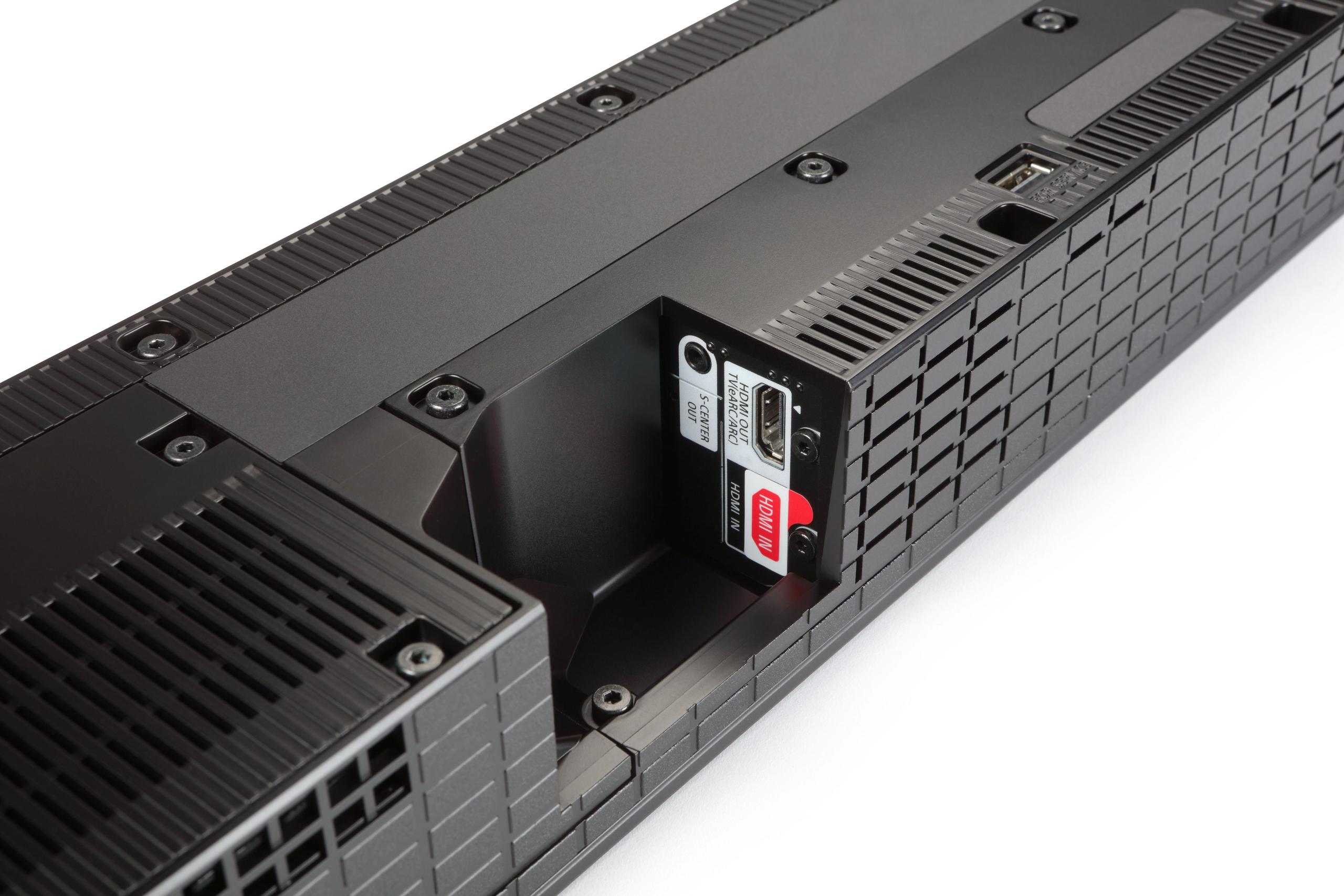
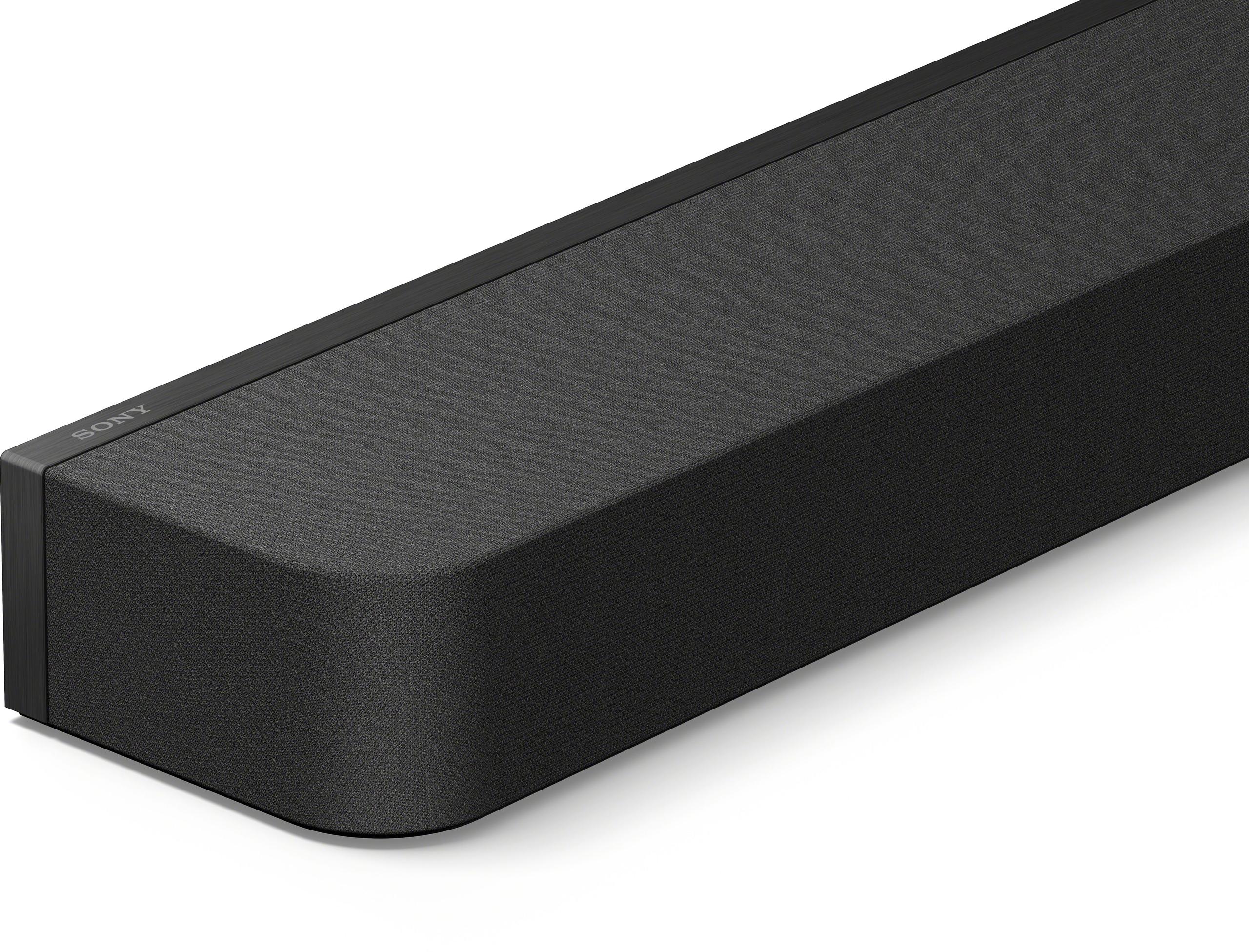


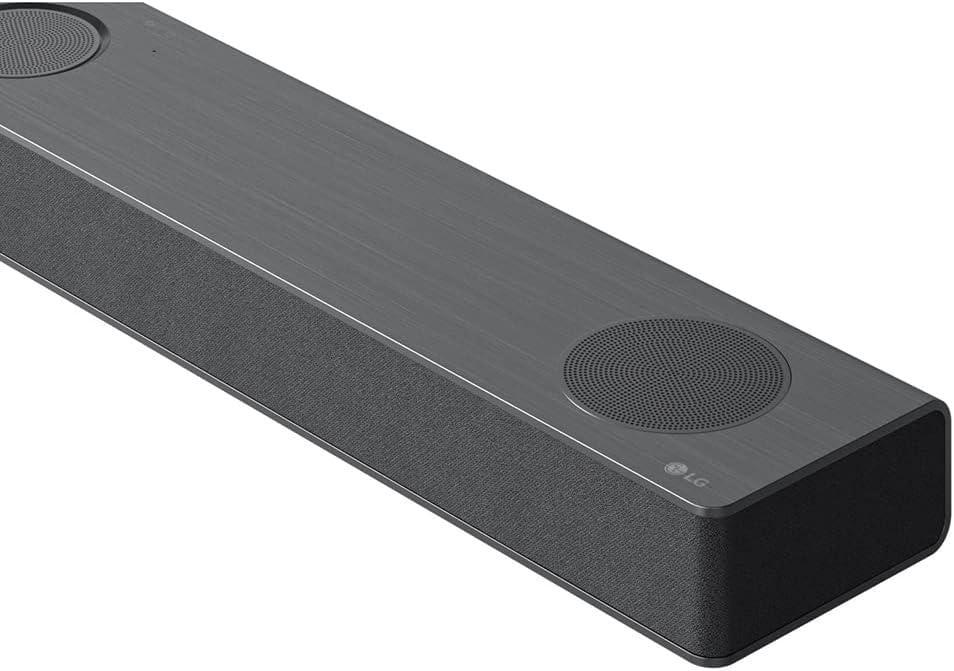
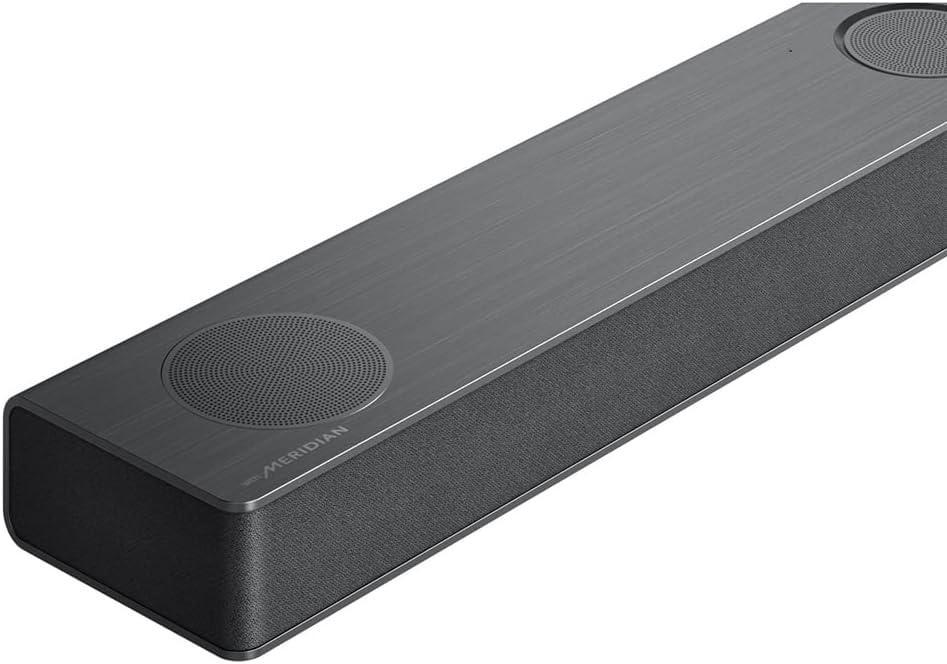
Shopping for a soundbar in 2024 feels like navigating two completely different philosophies. Do you go with a sleek, single-bar solution that uses clever technology to fake surround sound? Or do you choose the traditional route with actual speakers placed around your room? The Sony BRAVIA Theater Bar 9 ($1,398) and LG S80TR 5.1.3 ($547) represent these two approaches perfectly, and after spending time with both systems, I can tell you they're aimed at very different users despite both delivering impressive audio experiences.
Before diving into these specific models, it's worth understanding what premium soundbars are trying to solve. Traditional home theater systems with separate speakers for each channel (front left, center, right, surround left, surround right, plus subwoofer) deliver authentic surround sound but require running wires and finding space for multiple components. Modern soundbars attempt to recreate this experience with fewer components, less complexity, and cleaner aesthetics.
The main considerations when choosing a soundbar system include sound quality (how natural and immersive the audio feels), bass response (those low frequencies that make explosions feel real), spatial audio performance (how convincingly sound appears to come from different directions), and integration with your existing setup. Value also plays a huge role – not just the upfront cost, but what you get for your money and potential future upgrade paths.
The Sony BRAVIA Theater Bar 9 launched in 2024 as Sony's flagship soundbar, replacing the well-regarded HT-A7000. Sony positioned this as their most advanced single-bar solution, incorporating lessons learned from years of developing their 360 Spatial Sound Mapping technology. The timing coincided with more content becoming available in Dolby Atmos format, making height effects increasingly important for home theater enthusiasts.
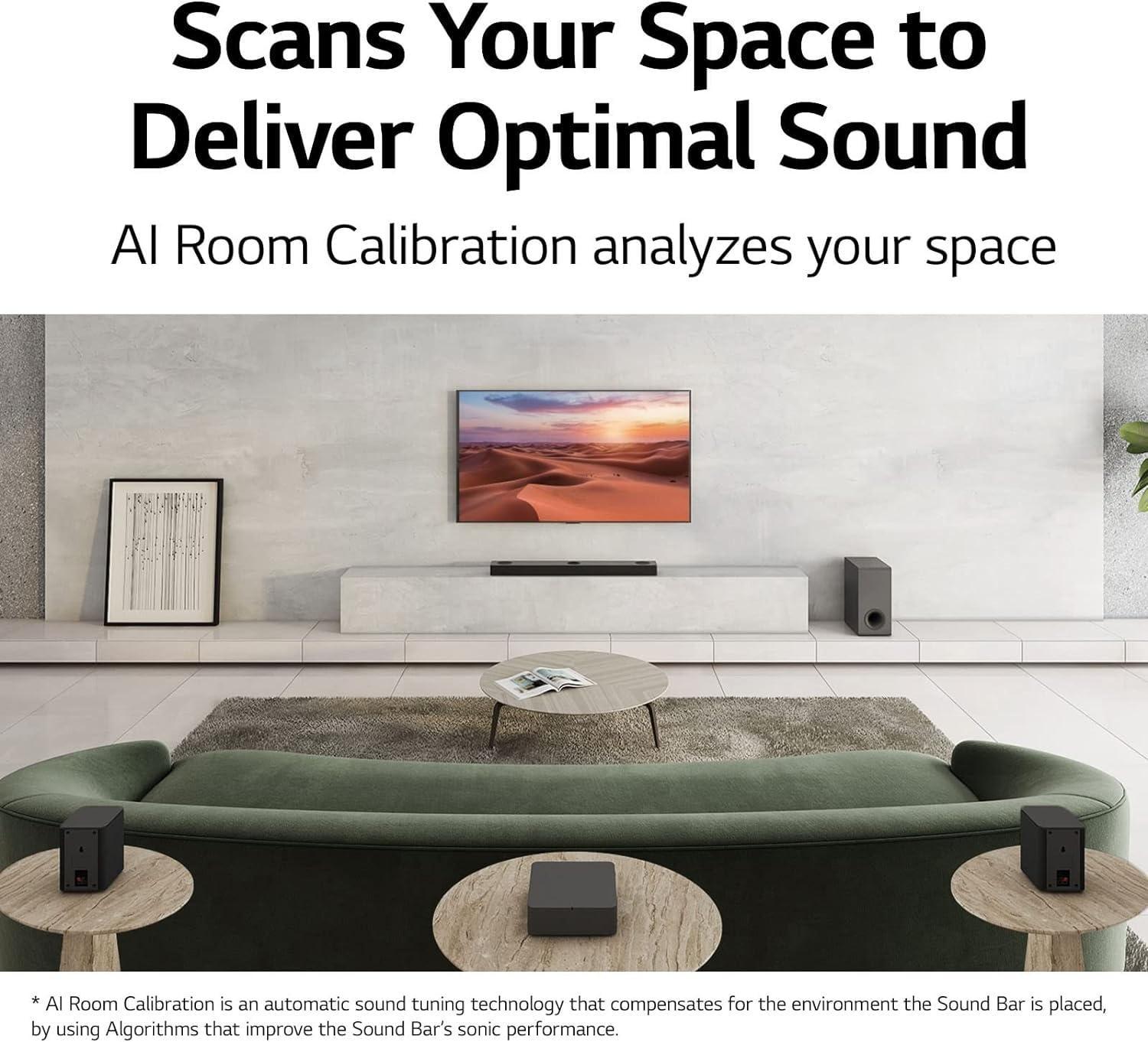
The LG S80TR, released in early 2025, represents LG's continued commitment to complete surround systems at accessible price points. Unlike many manufacturers who've moved toward single-bar solutions, LG doubled down on including physical rear speakers and subwoofers as standard equipment. This release came as LG refined their AI Room Calibration technology, making multi-component systems easier to set up than ever before.
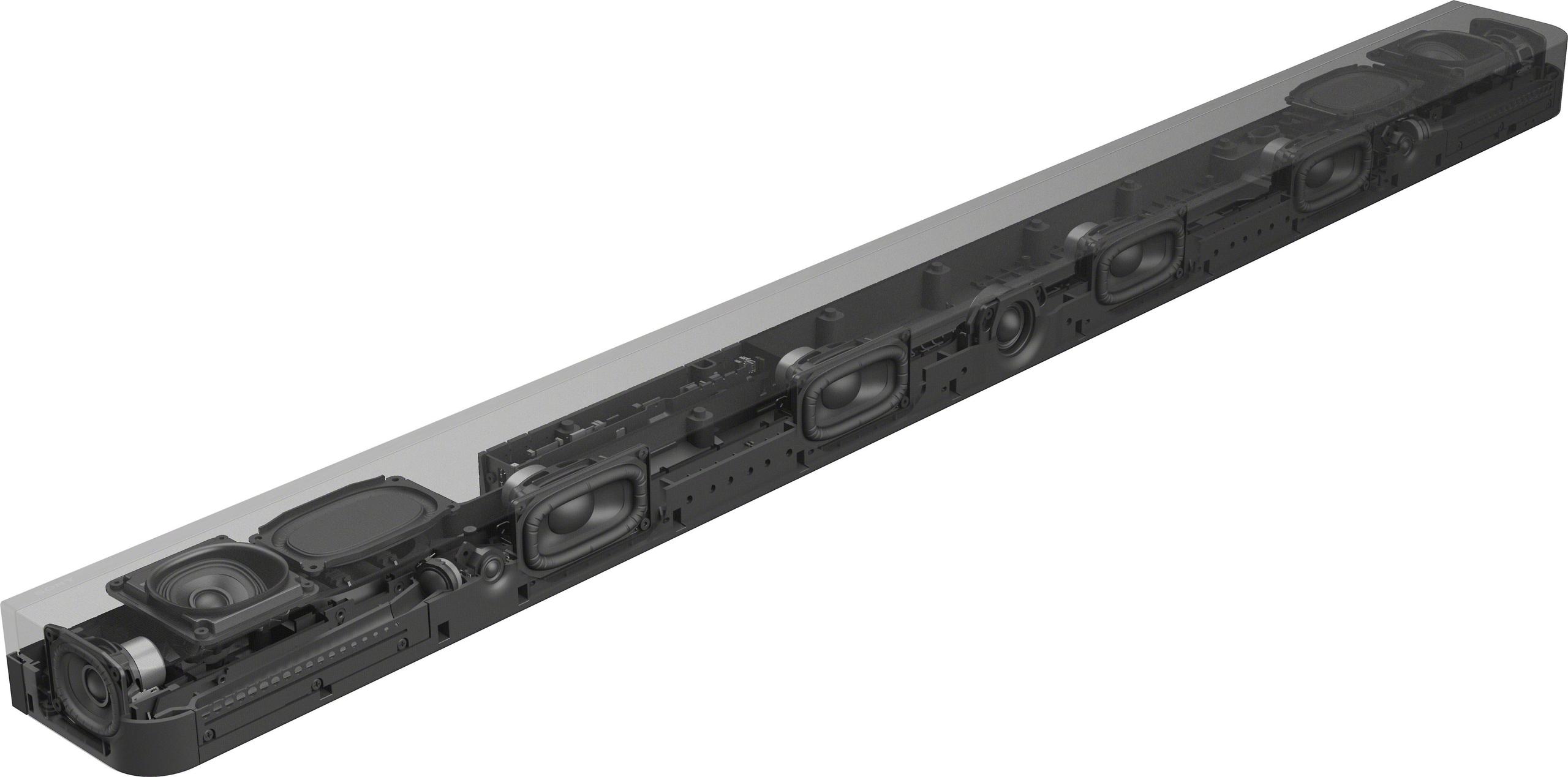
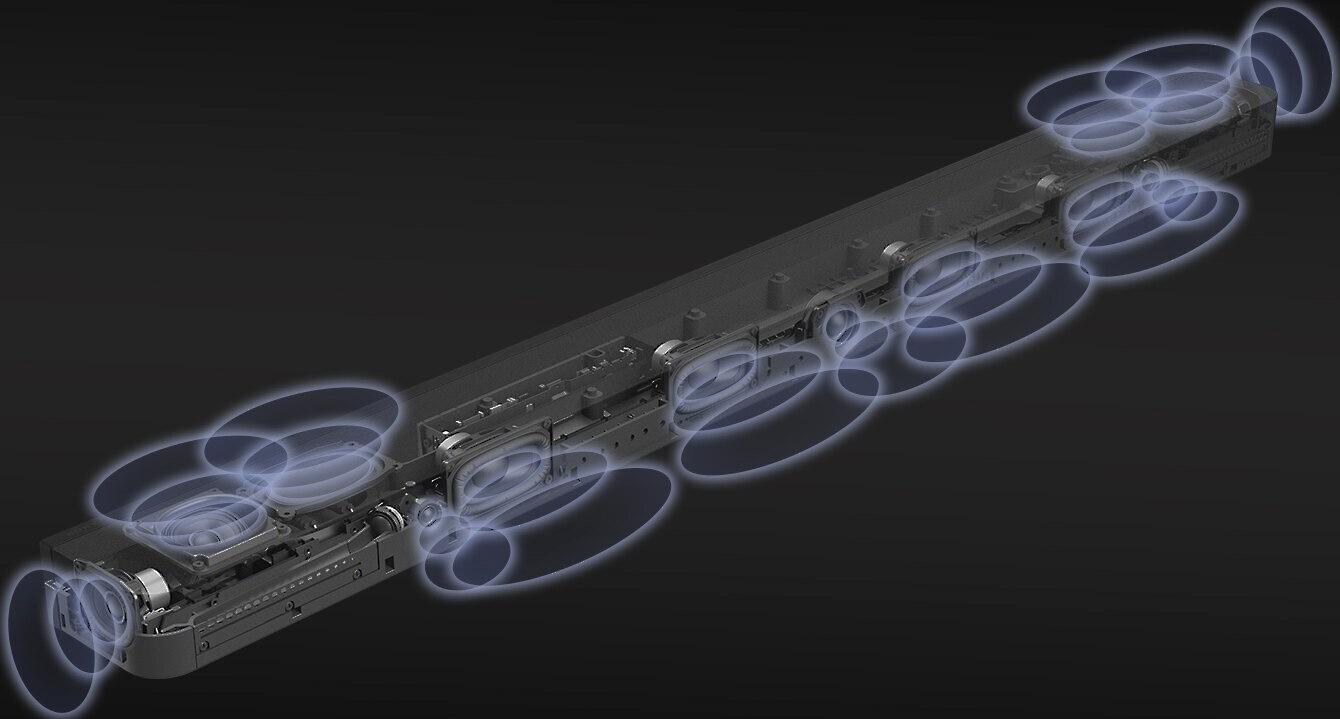
The most obvious difference between these systems is their fundamental approach. Sony's solution fits entirely in a single 51-inch bar that sits under your TV. It contains 13 individual speaker drivers: four woofers for mid-bass, three tweeters for high frequencies, two up-firing speakers that bounce sound off your ceiling, two side-firing speakers for width, and two beam tweeters for precise directionality. The engineering challenge here is enormous – cramming all these drivers into one enclosure while preventing them from interfering with each other.
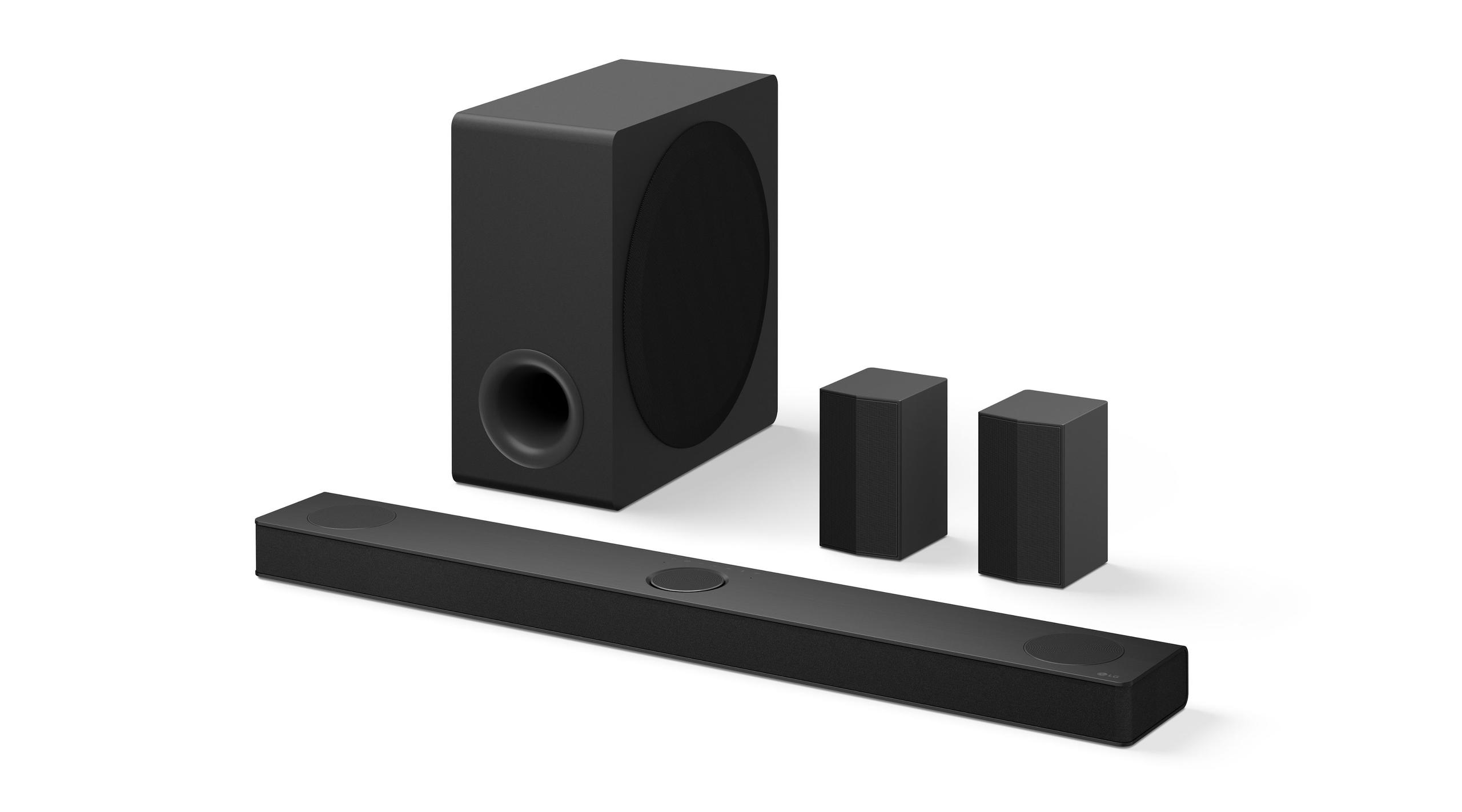
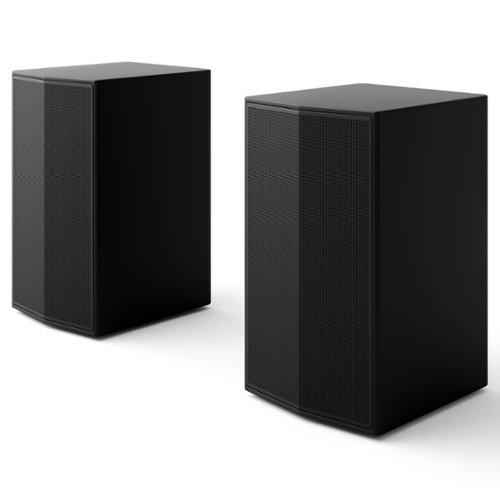
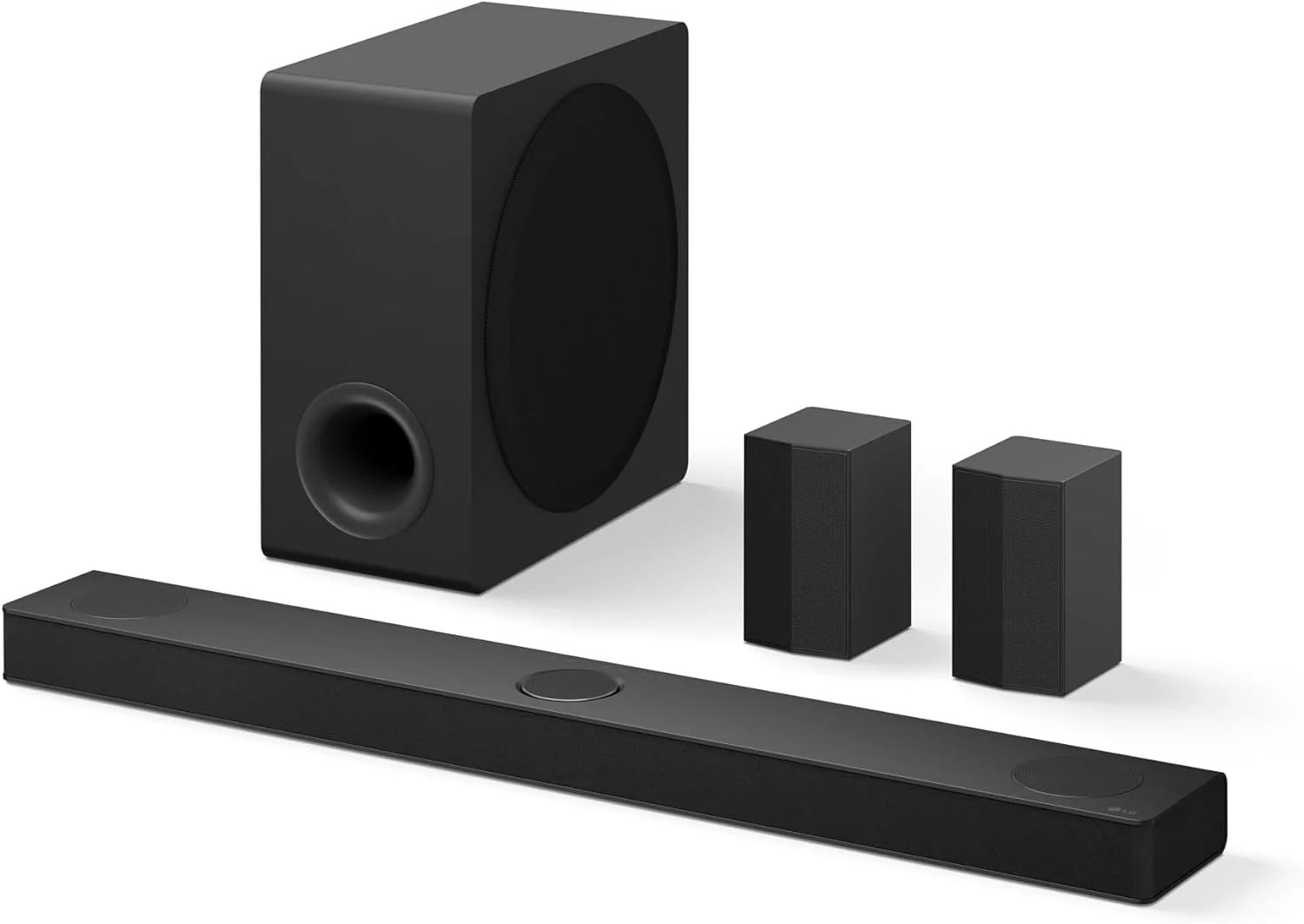
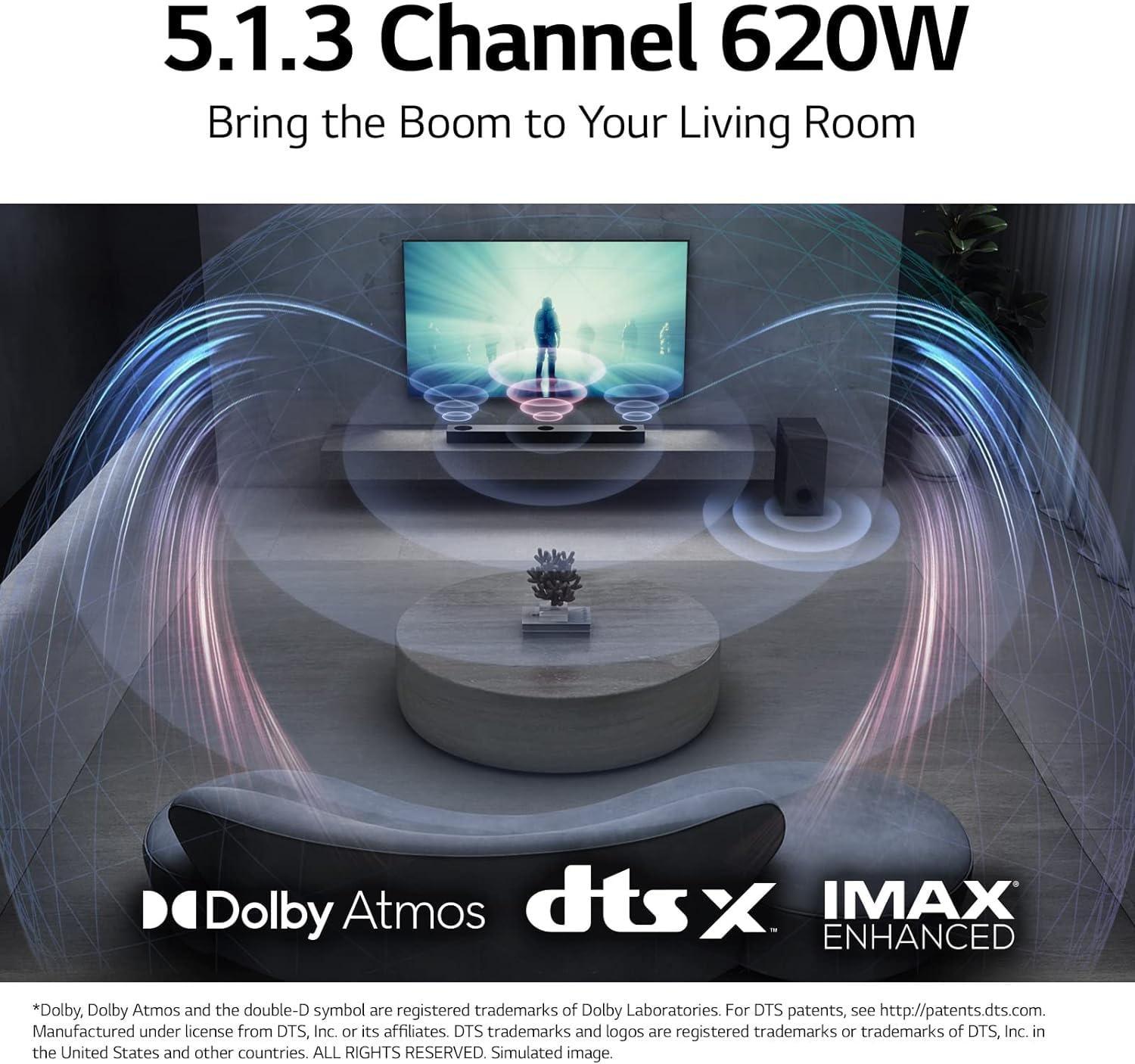
LG takes the opposite approach with their 5.1.3 system. The "5.1.3" designation tells you exactly what you're getting: five main channels (front left, center, right, plus two rear speakers), one subwoofer (the ".1"), and three height channels (the ".3" – typically up-firing speakers that create overhead effects). This means you'll have the main soundbar under your TV, a wireless subwoofer that can be placed anywhere in your room, and two rear speakers that need positioning behind your seating area.
From a practical standpoint, the Sony system wins on simplicity – one HDMI cable and you're done. The LG requires finding appropriate spots for the rear speakers and subwoofer, though all connections are wireless after the initial setup. I've found that the LG's setup process takes about 30 minutes if you're thoughtful about speaker placement, while the Sony is literally plug-and-play.
This is where things get fascinating from a technology perspective. Sony's 360 Spatial Sound Mapping essentially tricks your brain into hearing surround sound that isn't actually there. The system uses advanced digital signal processing (DSP) – think of it as a powerful computer inside the soundbar that manipulates audio signals – to create "phantom" speakers. By carefully controlling the timing, phase, and amplitude of sounds from different drivers, it can make audio appear to come from locations where no physical speaker exists.
The up-firing speakers bounce sound off your ceiling to create height effects, while the side-firing drivers reflect off your walls to widen the soundstage. Sony's Voice Zoom 3 technology uses artificial intelligence to identify dialogue in the audio mix and can selectively boost or reduce voice levels for better clarity. This AI processing happens in real-time, analyzing the incoming audio and making continuous adjustments.
LG's approach is more straightforward but requires precise engineering in different areas. Their AI Room Calibration uses built-in microphones to measure your room's acoustic characteristics – how sound reflects off walls, furniture, and other surfaces. The system then adjusts the timing and volume of each speaker to compensate for your room's unique properties. This calibration process takes about five minutes and genuinely improves the sound in most rooms.
The LG system's strength lies in having actual speakers where surround sound should come from. When a helicopter flies overhead in a movie, the rear speakers can create that directional movement naturally rather than relying on psychoacoustic tricks.
For movie watching, these systems deliver notably different experiences. The LG S80TR's physical rear speakers create authentic surround effects that are immediately noticeable. During action sequences, you'll hear bullets whizzing past your head, explosions rumbling through the subwoofer, and aircraft moving convincingly through three-dimensional space. The included 8-inch wireless subwoofer delivers bass response down to about 30Hz, which covers most of the deep frequencies in movie soundtracks.
The Sony system's strength emerges in dialogue-heavy Content. Voice Zoom 3 is genuinely impressive – it can pull dialogue forward in the mix even when explosions and music are competing for attention. This feature is particularly valuable for viewers who struggle with dialogue clarity, a common complaint with modern movie sound mixing. The 360 Spatial Sound Mapping creates a wide, enveloping soundstage that can be quite convincing, though it lacks the pinpoint accuracy of actual rear speakers.
However, the Sony's bass response without an additional subwoofer is its biggest limitation. While the four built-in woofers can handle mid-bass adequately, they simply can't reproduce the deep, room-shaking frequencies that make action movies feel visceral. Sony offers optional subwoofers (the SA-SW3 and SA-SW5) that range from $300-500, but this significantly increases the total system cost.
For Dolby Atmos content specifically, both systems handle height effects differently. The LG's dedicated up-firing speakers create more convincing overhead effects – rain falling from above, helicopters passing overhead, and ceiling-mounted speakers in movie theaters all translate more naturally. The Sony's height effects rely more heavily on ceiling reflections, which work well in rooms with appropriate ceiling height and material but can be inconsistent in challenging acoustic environments.
Modern gaming demands both low latency (minimal delay between controller input and audio response) and immersive surround effects. Both soundbars support HDMI 2.1 features crucial for current-generation gaming: 4K resolution at 120Hz refresh rates, Variable Refresh Rate (VRR) to prevent screen tearing, and Auto Low Latency Mode (ALLM) that automatically optimizes settings for gaming.
The Sony BRAVIA Theater Bar 9 typically exhibits lower input lag, making it better suited for competitive gaming where split-second timing matters. The system's processing is optimized for minimal delay, usually measuring around 40-50 milliseconds of audio latency.
The LG system prioritizes immersion over absolute speed, with slightly higher latency (around 60-80 milliseconds) but more convincing positional audio. In single-player games with rich soundscapes – think open-world adventures or horror games – the LG's physical rear speakers create a more believable environment. You'll hear enemies approaching from behind, environmental sounds creating realistic atmosphere, and explosive effects that have genuine impact through the dedicated subwoofer.
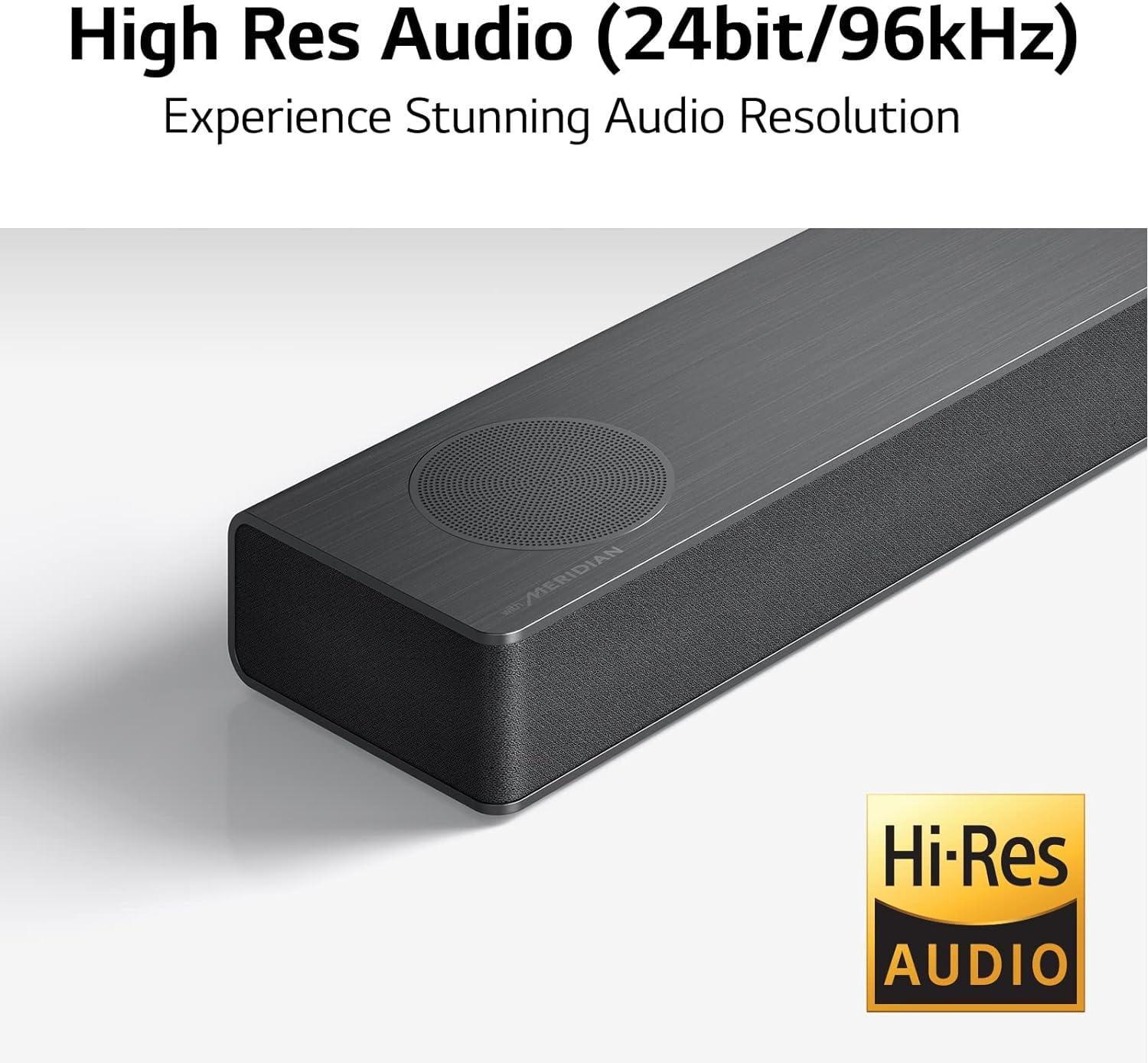
This is where the systems' different priorities become most apparent. The Sony system excels at music playback, supporting High-Resolution Audio formats and featuring DSEE Ultimate technology that upscales compressed music files. The stereo imaging – how well the system creates a sense of space and instrument placement in stereo music – is notably refined. The 13 drivers work together to create a wide, detailed soundstage that makes music feel spacious and engaging.
The LG system is optimized primarily for surround content rather than stereo music. While it handles music adequately, the focus on movie-style surround processing means stereo tracks don't always sound as natural or engaging. The rear speakers can sometimes make stereo music feel artificially widened rather than properly positioned.
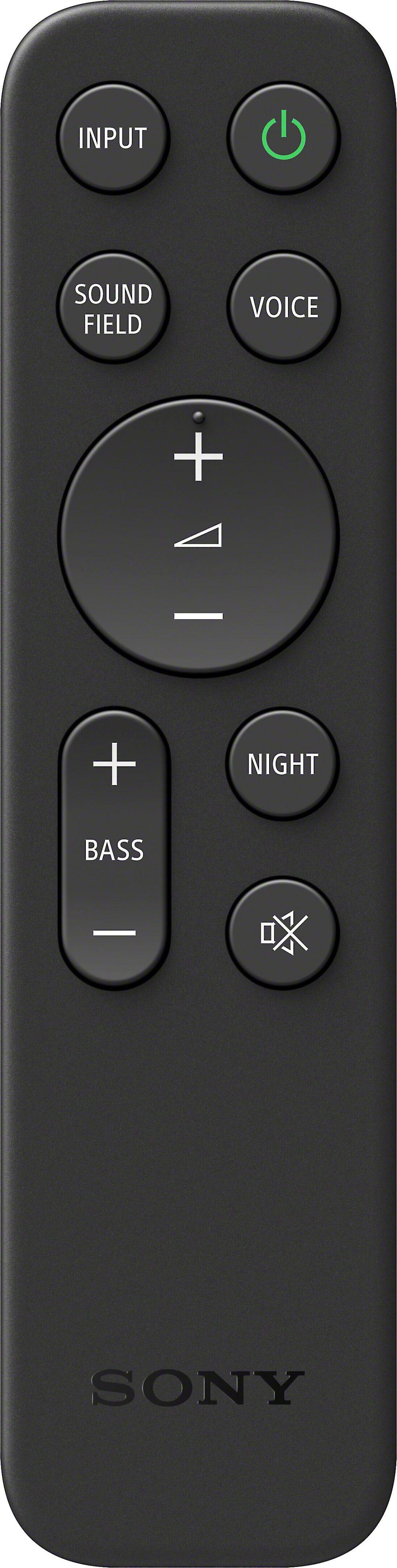
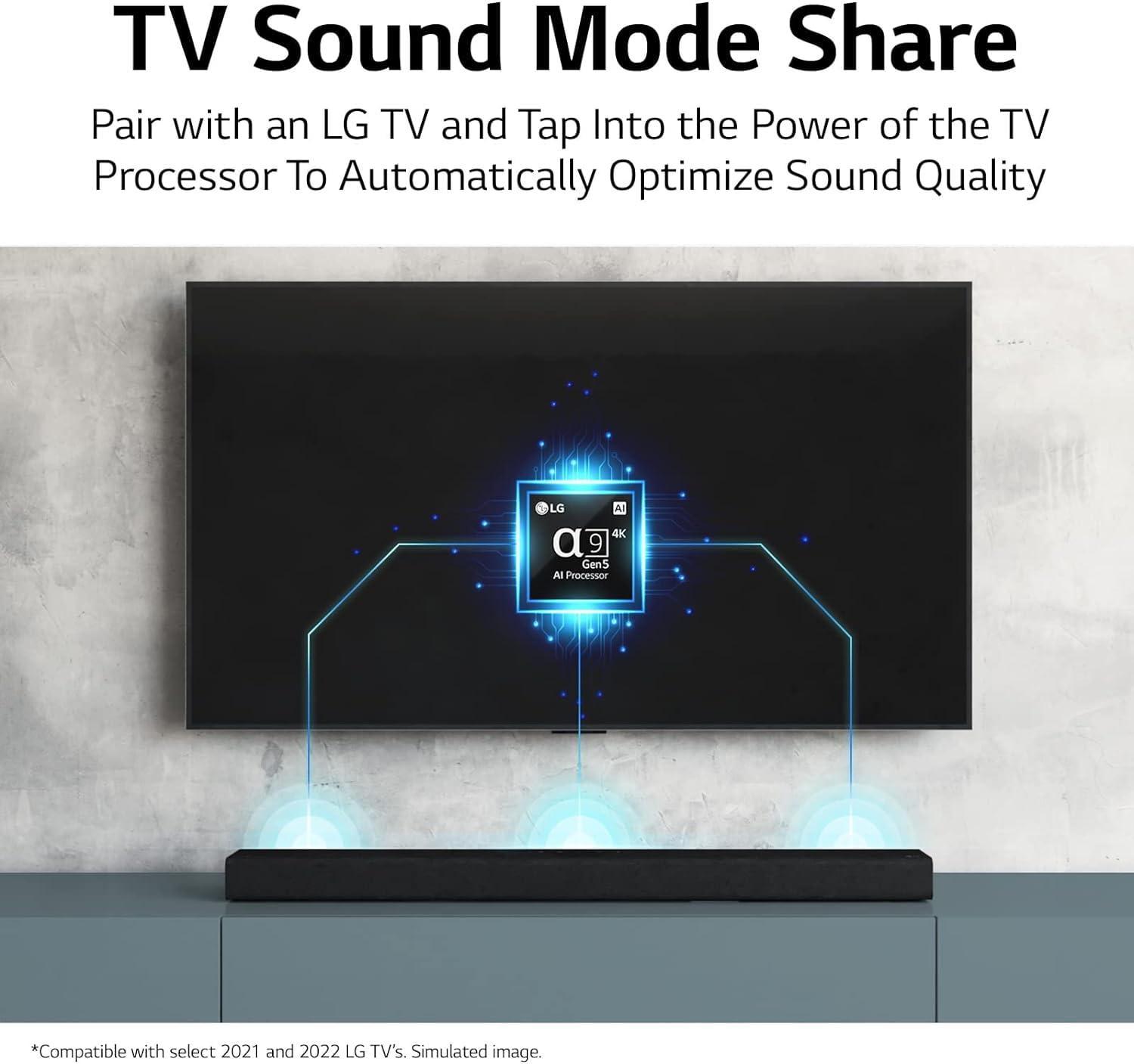
Sony's integration with their own BRAVIA TV lineup is genuinely impressive. The Acoustic Center Sync feature allows compatible Sony TVs to act as a center channel speaker, with dialogue appearing to come directly from the screen rather than below it. This creates a more natural viewing experience where voices match the actors' lip movements precisely.
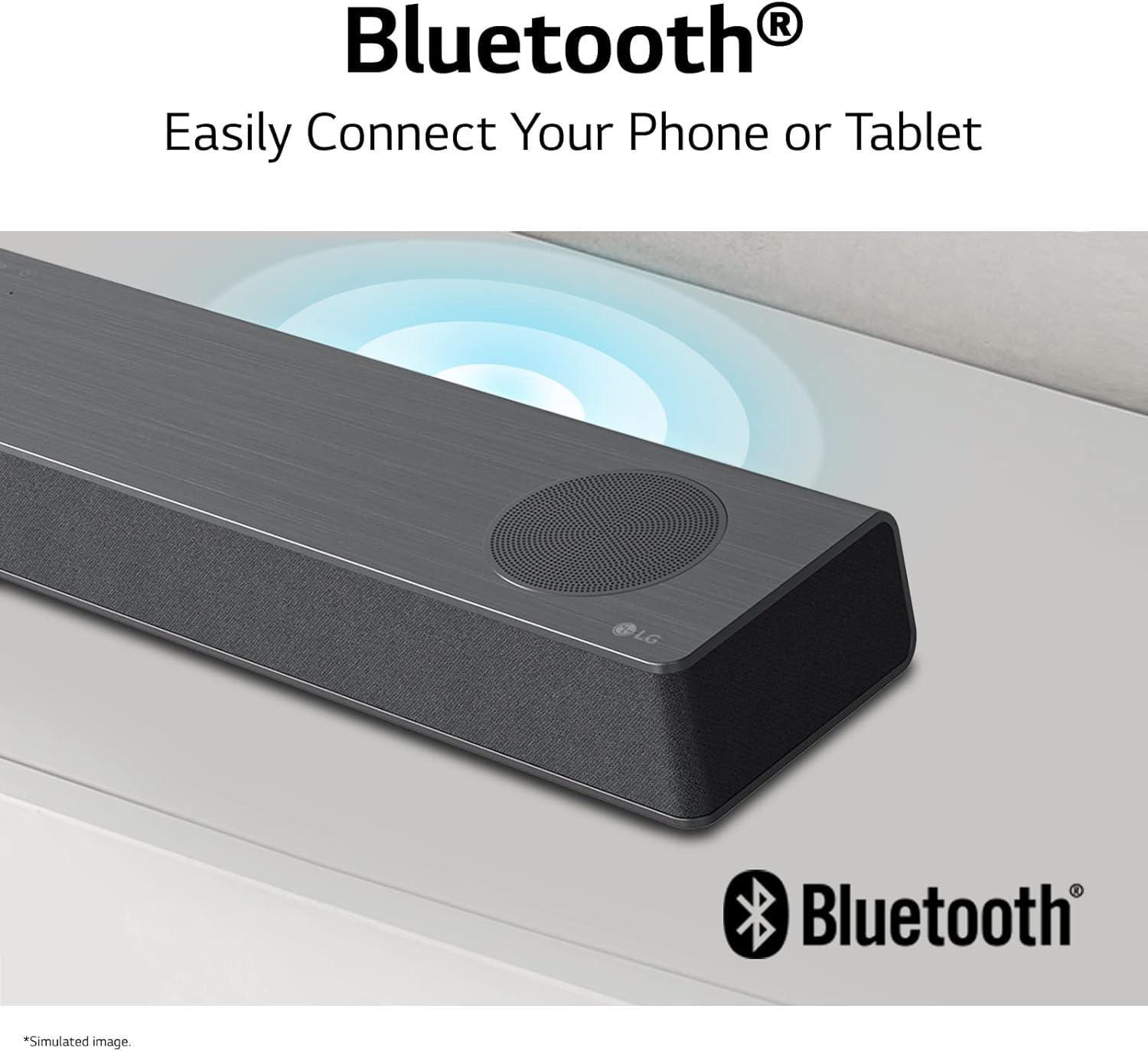
Both systems offer wireless connectivity through Bluetooth 5.1+ and Wi-Fi, supporting popular streaming services and voice assistants. The Sony supports Spotify Connect and Apple AirPlay 2 for direct streaming, while the LG includes similar features plus Chromecast support.
Your room's characteristics significantly impact both systems' performance, but in different ways. The Sony system works best in rooms with reflective surfaces – hard walls and ceilings that can bounce sound effectively. Rooms with heavy carpeting, thick curtains, or irregular layouts can reduce the effectiveness of the 360 Spatial Sound Mapping.
The LG system is more forgiving of room acoustics because it doesn't rely on reflections for basic surround effects. However, you need space to position the rear speakers properly – typically 6-10 feet behind your seating position and slightly above ear level. The AI Room Calibration helps optimize performance regardless of your room's characteristics, but proper speaker placement remains crucial.
Here's where the comparison becomes really interesting. The LG S80TR at $547 includes everything needed for a complete surround sound experience: soundbar, subwoofer, rear speakers, and all necessary components. You're getting authentic 5.1.3 surround sound with deep bass response immediately.
The Sony BRAVIA Theater Bar 9 at $1,398 provides a premium single-bar experience with sophisticated processing, but achieving comparable bass impact requires purchasing an optional subwoofer. This brings the total investment to $1,700-1,900 for a system that still relies on phantom surround effects rather than physical rear speakers.
However, the Sony system offers better expandability. You can start with just the soundbar and add subwoofers and rear speakers over time as budget allows. The LG system is essentially complete as purchased – there's less room for future upgrades.
After extensive testing with both systems, I'd recommend the Sony for users who prioritize dialogue clarity, have Sony TVs, or prefer minimalist aesthetics. The processing quality is genuinely impressive, and the single-bar setup works well in challenging rooms where rear speaker placement isn't practical. If you primarily watch talk shows, news, or dialogue-heavy dramas, the Voice Zoom 3 technology alone might justify the price difference.
The LG makes more sense for traditional home theater enthusiasts who want immediate, authentic surround sound without additional purchases. The physical rear speakers and included subwoofer deliver a more convincing movie experience, especially for action films and gaming. At less than half the Sony's price, it represents exceptional value for users who can accommodate the multi-component setup.
Both systems represent significant improvements over basic TV audio, but they're designed for different users and use cases. The Sony targets users who want premium processing and clean aesthetics, while the LG focuses on delivering complete surround sound at an accessible price point. Your choice should depend on your room, budget, and whether you prioritize authentic surround sound or sophisticated single-bar convenience.
| Sony BRAVIA Theater Bar 9 Soundbar | LG S80TR 5.1.3 Channel Soundbar with Dolby Atmos and Rear Speakers |
|---|---|
| Price - Major factor in value equation | |
| $1,398 (soundbar only) | $547 (complete system with subwoofer and rears) |
| System Configuration - Determines setup complexity and authenticity | |
| Single soundbar with 13 drivers (5.0.2 channels) | Complete 5.1.3 system with separate components |
| Bass Response - Critical for movie impact without additional purchases | |
| Requires optional subwoofer ($300-500 extra) for deep bass | Includes 8" wireless subwoofer with 30Hz response |
| Surround Sound Method - Affects realism and room requirements | |
| 360 Spatial Sound Mapping (phantom speakers via processing) | Physical rear speakers for authentic directional audio |
| Dialogue Clarity - Important for speech-heavy content | |
| Voice Zoom 3 with AI enhancement (excellent) | Standard center channel processing (good) |
| TV Integration - Matters for seamless operation | |
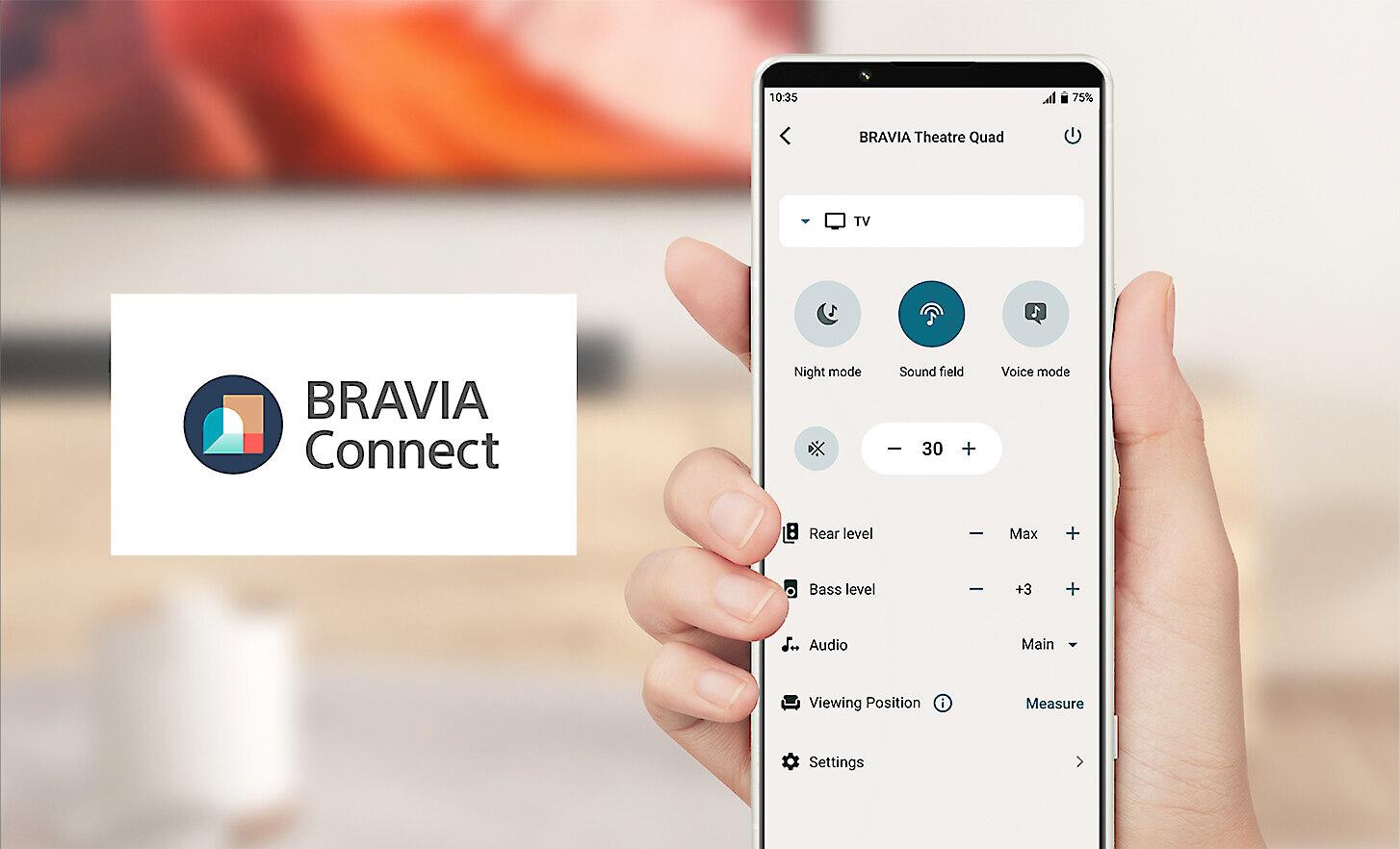
| Acoustic Center Sync with Sony TVs, BRAVIA Connect | Standard HDMI eARC, works with all brands |
| Room Adaptability - Affects performance in different spaces | |
| Needs reflective surfaces for optimal phantom surround | AI Room Calibration adapts to any room acoustics |
| Setup Complexity - Time and effort required | |
| Single HDMI cable (plug-and-play) | Wireless components require positioning and calibration |
| Music Performance - Stereo listening quality | |
| High-Resolution Audio support, excellent stereo imaging | Adequate but optimized for surround content |
| Gaming Features - Low latency and immersion balance | |
| Lower latency (~40-50ms), HDMI 2.1 support | Higher latency (~60-80ms) but more immersive positioning |
| Expandability - Future upgrade options | |
| Can add optional subwoofers and rear speakers later | Complete system with limited upgrade paths |
| Best For - Target user and use cases | |
| Sony TV owners, dialogue priority, minimalist aesthetics | Movie enthusiasts, authentic surround, immediate value |
The LG S80TR ($547) provides significantly better value, offering a complete 5.1.3 surround sound system with subwoofer and rear speakers for less than half the price of the Sony BRAVIA Theater Bar 9 ($1,398). The Sony requires additional purchases to match the LG's bass performance and surround capabilities.
The Sony BRAVIA Theater Bar 9 is a single soundbar that uses digital processing to create phantom surround sound, while the LG S80TR is a complete multi-component system with physical rear speakers, a wireless subwoofer, and dedicated height channels for authentic surround sound.
The LG S80TR excels for movies with its physical rear speakers creating authentic directional audio and included 8-inch subwoofer delivering deep bass. The Sony BRAVIA Theater Bar 9 offers superior dialogue clarity but requires an optional subwoofer for comparable movie impact.
The LG S80TR includes everything needed for complete surround sound out of the box. The Sony BRAVIA Theater Bar 9 works as a standalone unit but requires purchasing an optional subwoofer ($300-500) for deep bass response that matches the LG system.
The Sony BRAVIA Theater Bar 9 offers simpler setup with just one HDMI cable connection and automatic configuration. The LG S80TR requires positioning wireless rear speakers and subwoofer around your room, though the AI calibration process makes optimization straightforward.
Both support HDMI 2.1 gaming features, but the Sony BRAVIA Theater Bar 9 has lower input lag (40-50ms) making it better for competitive gaming. The LG S80TR offers more immersive positional audio for single-player games despite slightly higher latency.
The LG S80TR works equally well with all TV brands through standard HDMI connections. The Sony BRAVIA Theater Bar 9 offers enhanced integration with Sony TVs through Acoustic Center Sync but works with other brands at reduced functionality.
The Sony BRAVIA Theater Bar 9 excels at music with High-Resolution Audio support and superior stereo imaging. The LG S80TR handles music adequately but is optimized primarily for surround sound content rather than stereo music playback.
The LG S80TR includes an 8-inch wireless subwoofer providing deep bass response down to 30Hz. The Sony BRAVIA Theater Bar 9 relies on built-in drivers that handle mid-bass adequately but can't match dedicated subwoofer performance without optional add-ons.
The Sony BRAVIA Theater Bar 9 works best in rooms with reflective surfaces for optimal phantom surround effects. The LG S80TR is more adaptable to different room acoustics thanks to physical speakers and AI room calibration, but requires space for rear speaker placement.
Both systems offer Bluetooth 5.1+ and Wi-Fi connectivity. The Sony BRAVIA Theater Bar 9 supports Spotify Connect and Apple AirPlay 2, while the LG S80TR includes similar features plus Chromecast support and works with multiple voice assistants.
The Sony BRAVIA Theater Bar 9 offers flexible expansion with optional subwoofers and rear speakers that can be added over time. The LG S80TR arrives as a complete system with limited future upgrade options but provides full surround sound capabilities immediately.
We've done our best to create useful and informative comparisons to help you decide what product to buy. Our research uses advanced automated methods to create this comparison and perfection is not possible - please contact us for corrections or questions. These are the sites we've researched in the creation of this article: rtings.com - residentialsystems.com - rtings.com - bestbuy.com - valueelectronics.com - sony.com - sony.co.uk - sony.co.uk - rtings.com - sony.co.in - sony.com - pocket-lint.com - sony.com - crutchfield.com - bestbuy.com - billsmith.com - brandsmartusa.com - avsforum.com - youtube.com - lg.com - buydig.com - louisdoehomecenter.com - lg.com - videoandaudiocenter.com - mynavyexchange.com - walts.com - bestbuy.com

Privacy Policy
Terms and Conditions - Affiliate Policy
Home Security
© Copyright 2008-2026.
11816 Inwood Rd #1211, Dallas, TX 75244