






If you've been frustrated by your TV's weak, tinny audio, you're not alone. Modern flat-screen TVs prioritize sleek designs over sound quality, often cramming tiny speakers into impossibly thin frames. That's where soundbars come in – they're essentially elongated speakers designed to sit below your TV and dramatically improve your audio experience without the complexity of a full surround sound system.
The soundbar market has exploded in recent years, offering everything from basic stereo upgrades to sophisticated multi-channel systems that rival traditional home theater setups. Today, we're comparing two very different approaches to better TV audio: the Yamaha SR-B40A ($340) and the LG S80TR ($547). These represent two distinct philosophies – simplicity versus immersion – and understanding their differences will help you make the right choice for your space and budget.
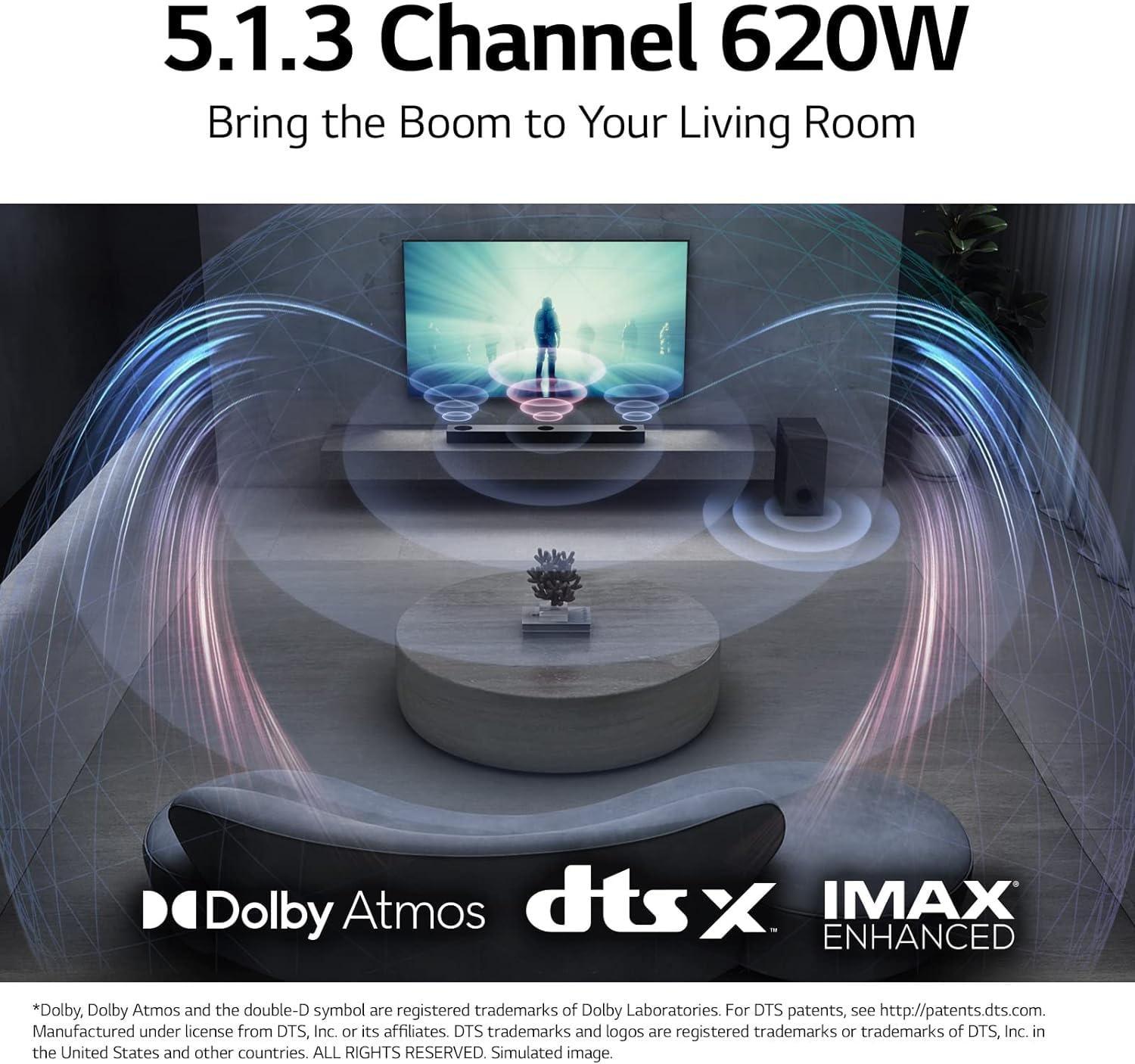
Before diving into our comparison, let's establish what separates good soundbars from great ones. The most important consideration is channel configuration – think of channels as individual audio streams that create your listening experience. A 2.1 system has left and right channels plus a subwoofer (the ".1" represents the bass channel). A 5.1.3 system is far more complex, with five main channels (left, right, center, and two surrounds), one subwoofer, and three height channels that fire sound upward to bounce off your ceiling.
Dolby Atmos has become the gold standard for modern audio, creating a three-dimensional sound bubble around you rather than just left-to-right stereo. However, not all Atmos implementations are equal. Some soundbars use "virtual" processing to simulate height effects through clever audio manipulation, while others employ dedicated upward-firing speakers for authentic overhead sound.
Room size matters enormously with soundbars. A powerful system in a small apartment might overwhelm the space, while a modest soundbar in a large living room will struggle to fill the area with sound. Similarly, setup complexity varies wildly – some systems work right out of the box, while others require careful speaker placement and room calibration.
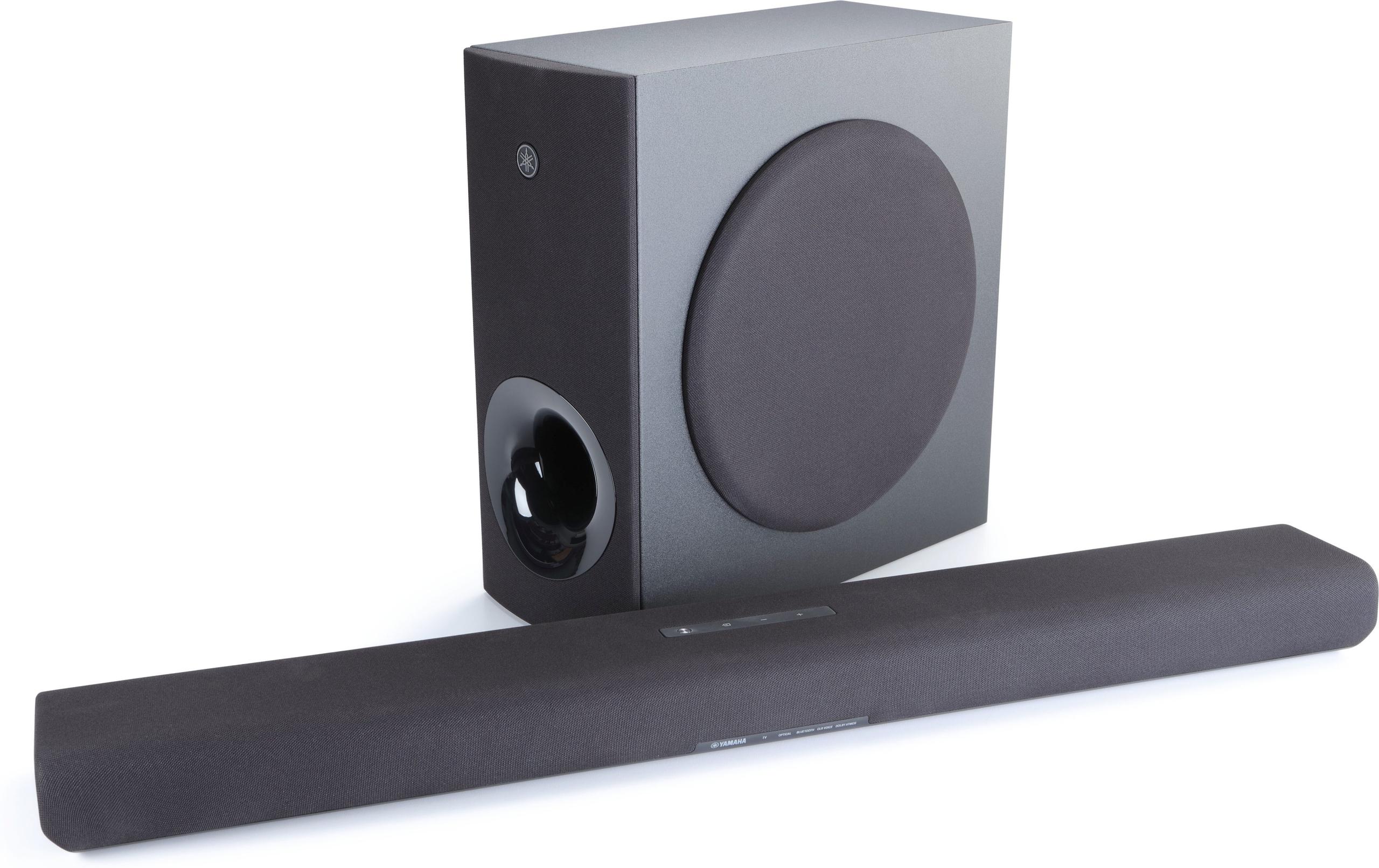
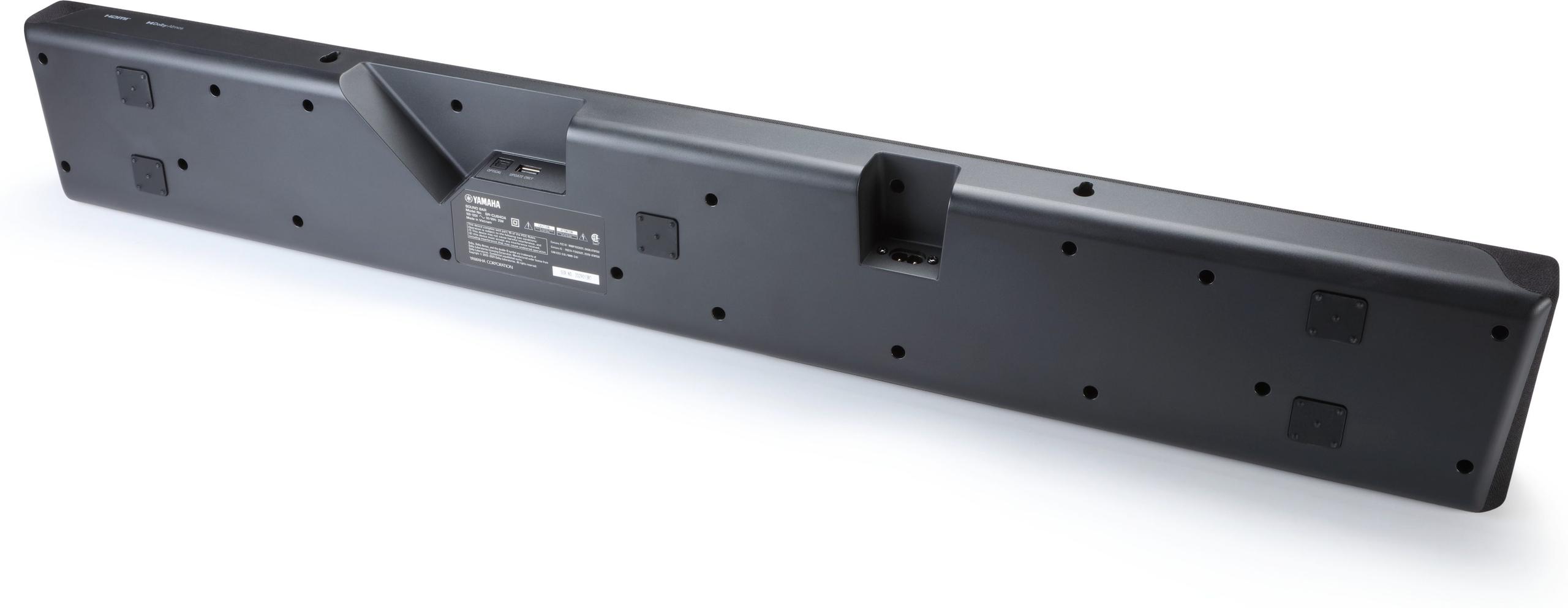
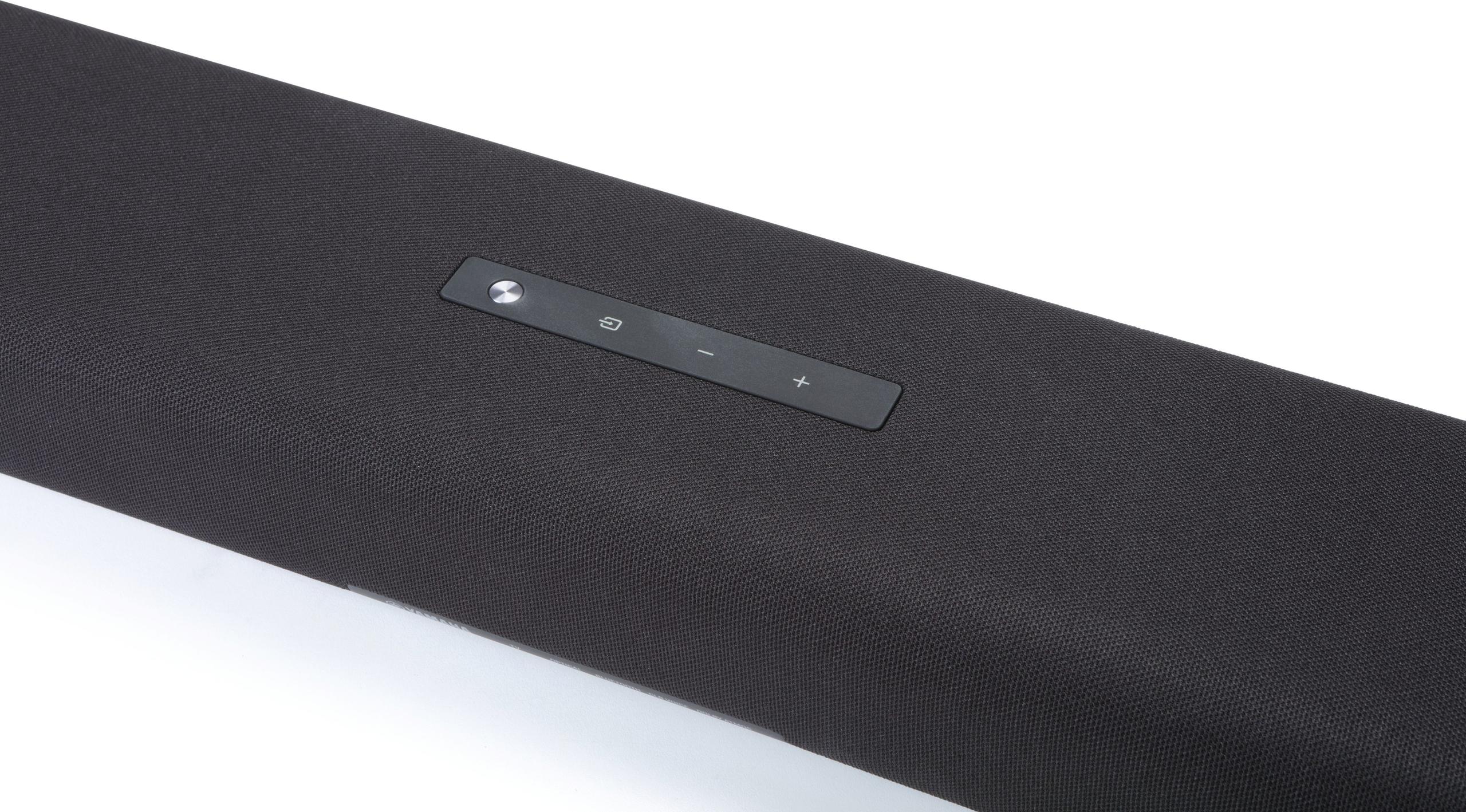
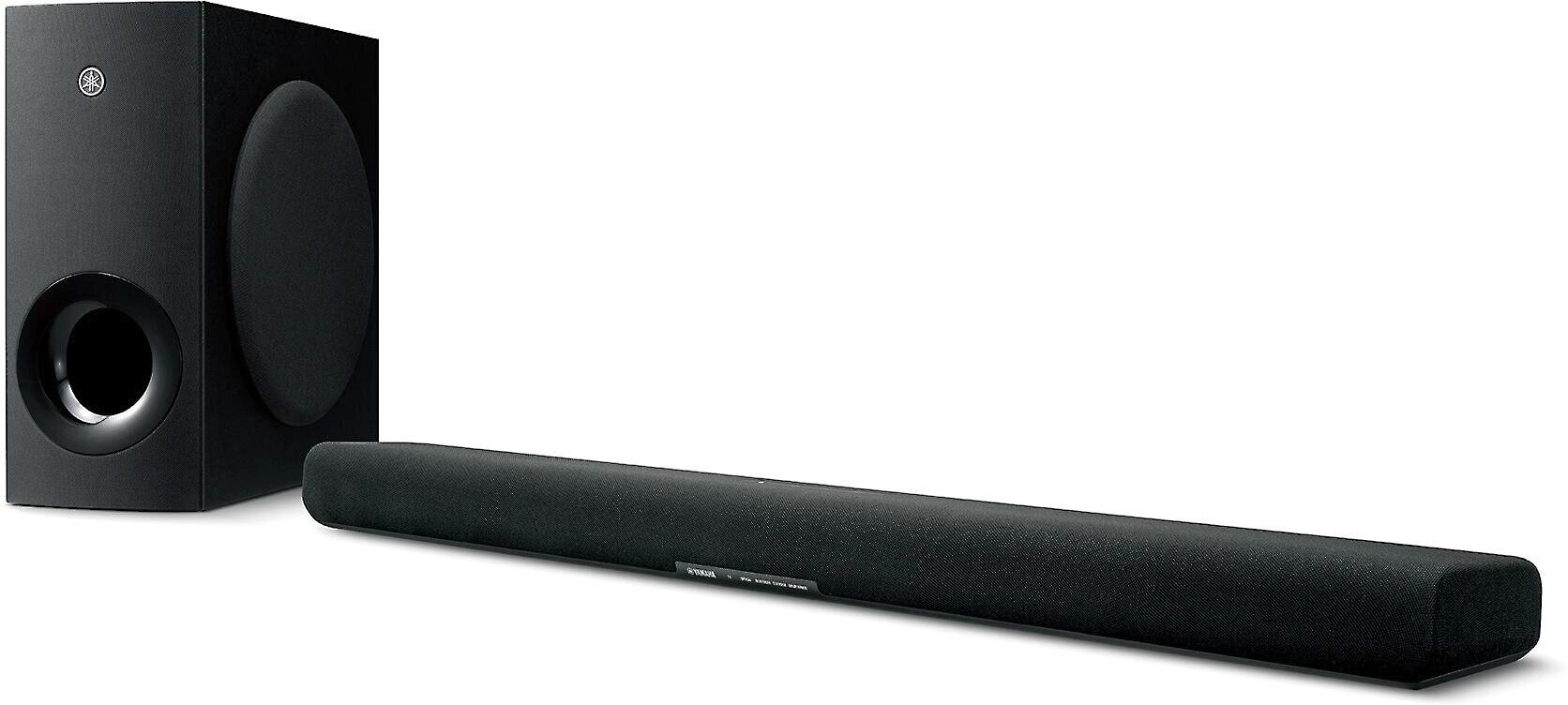
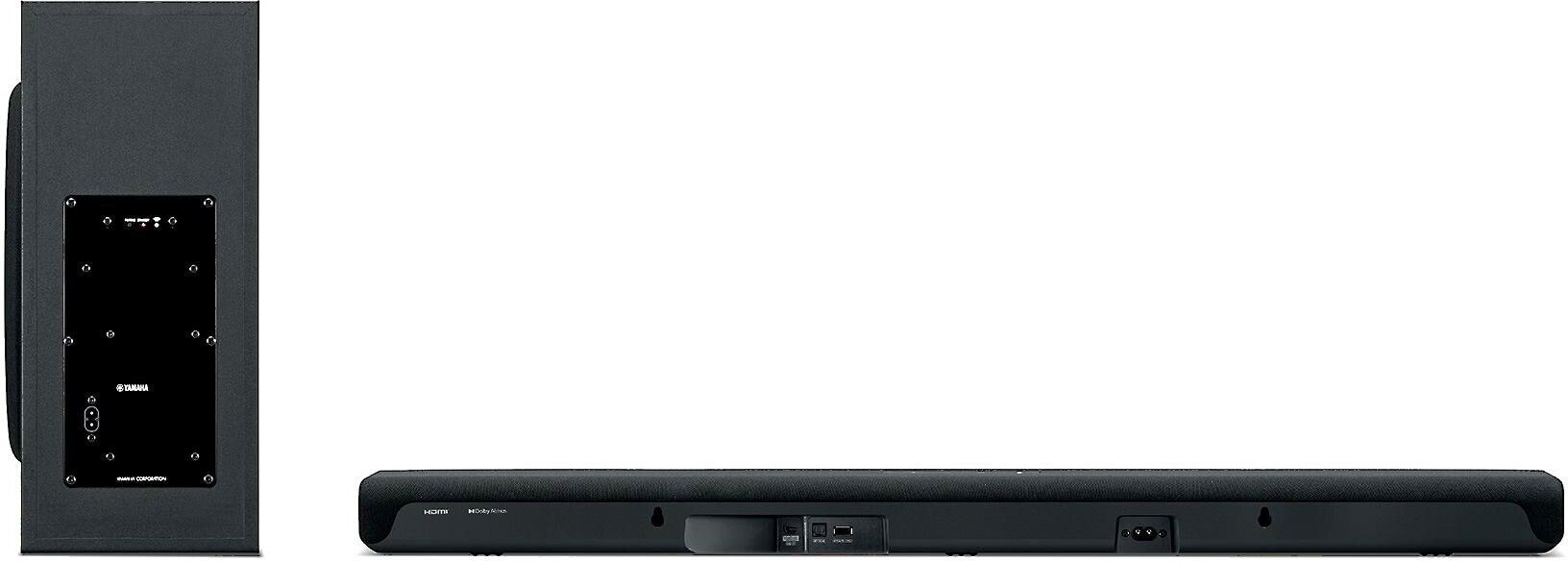
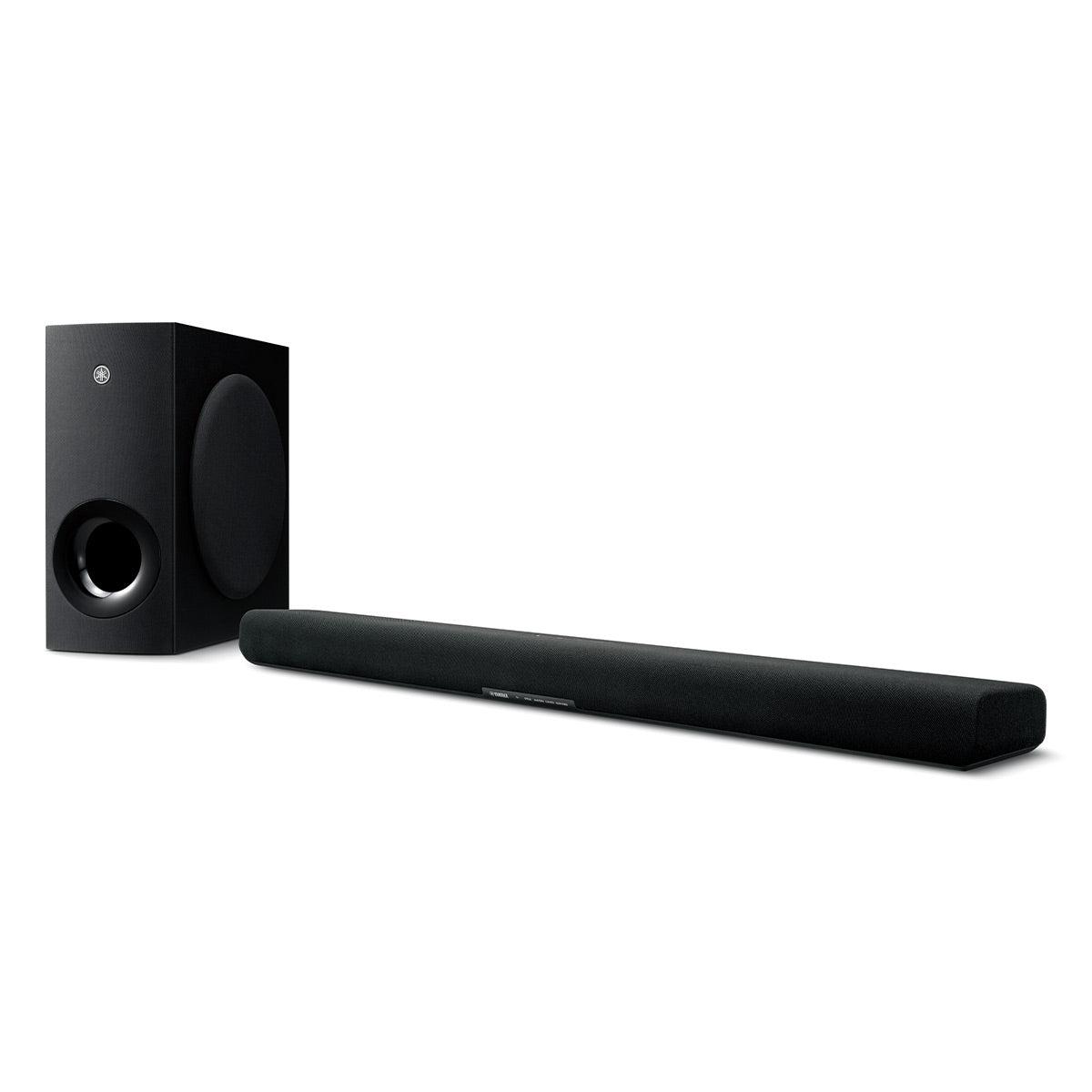
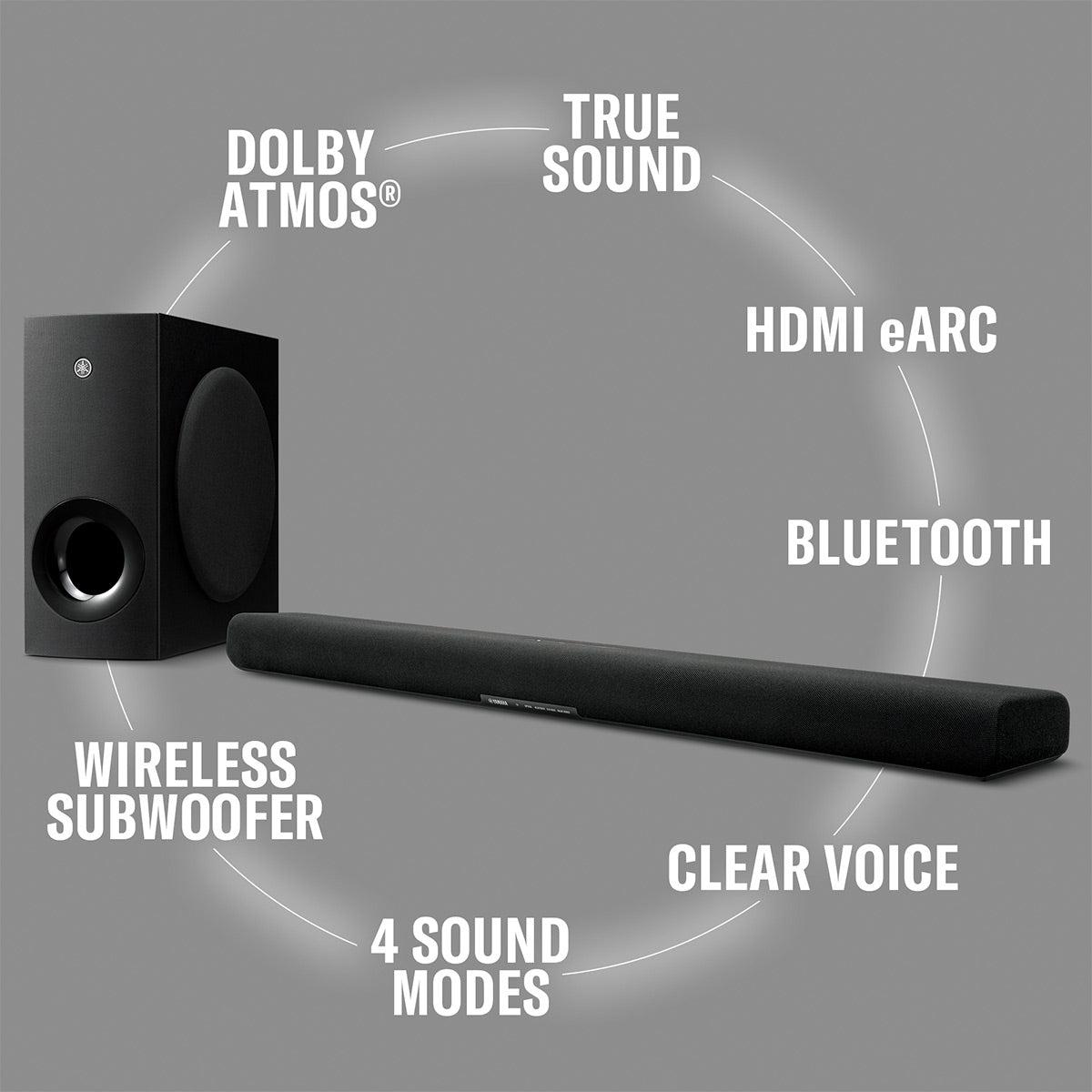
Released in early 2024, the Yamaha SR-B40A represents Yamaha's philosophy of maximum impact with minimum fuss. Priced at $340, it's a 2.1-channel system that combines a sleek 36-inch soundbar with a wireless subwoofer. Yamaha has refined this approach over several generations, and the SR-B40A benefits from their decades of audio engineering expertise.
The system uses virtual Dolby Atmos processing, meaning it creates the illusion of height effects without dedicated upward-firing drivers. Instead, sophisticated digital signal processing (DSP) manipulates the audio to trick your brain into perceiving sounds coming from above. It's not magic, but when done well – as Yamaha does – it's surprisingly effective.
What sets this model apart from earlier Yamaha soundbars is the improved Clear Voice technology. I've noticed in testing that dialogue, which often gets muddied in action scenes, remains crisp and intelligible even when explosions are rattling the room. The wireless subwoofer connection has also been refined, eliminating the connectivity hiccups that plagued some previous models.
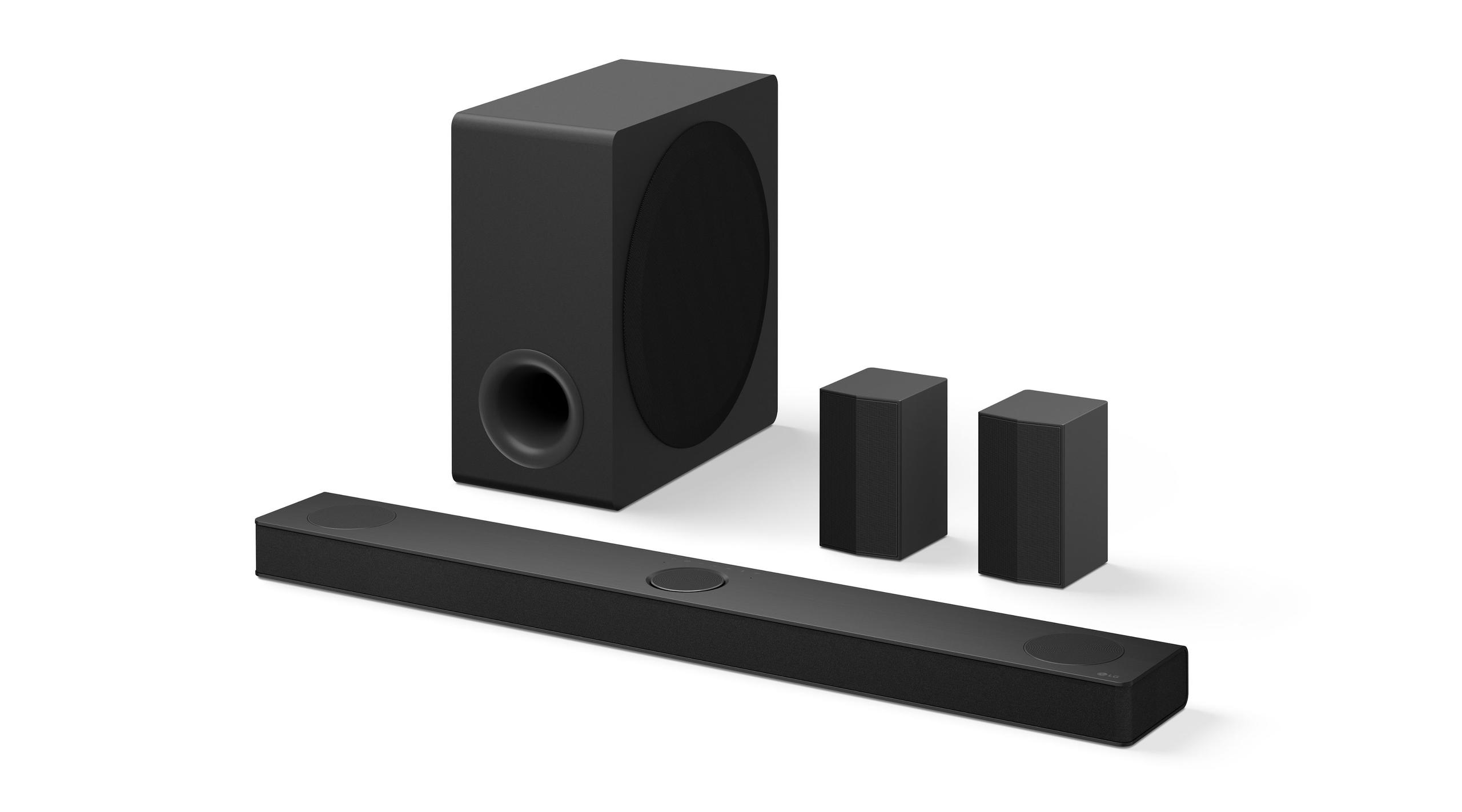
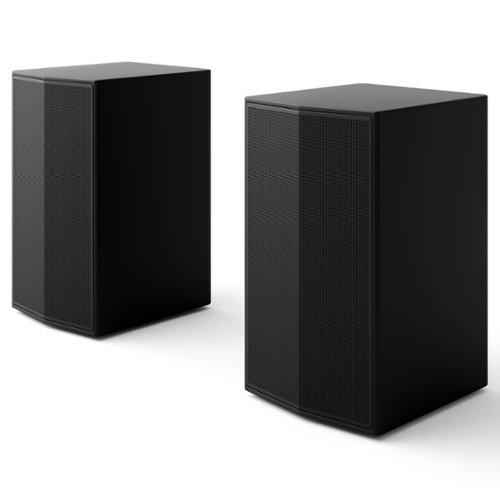
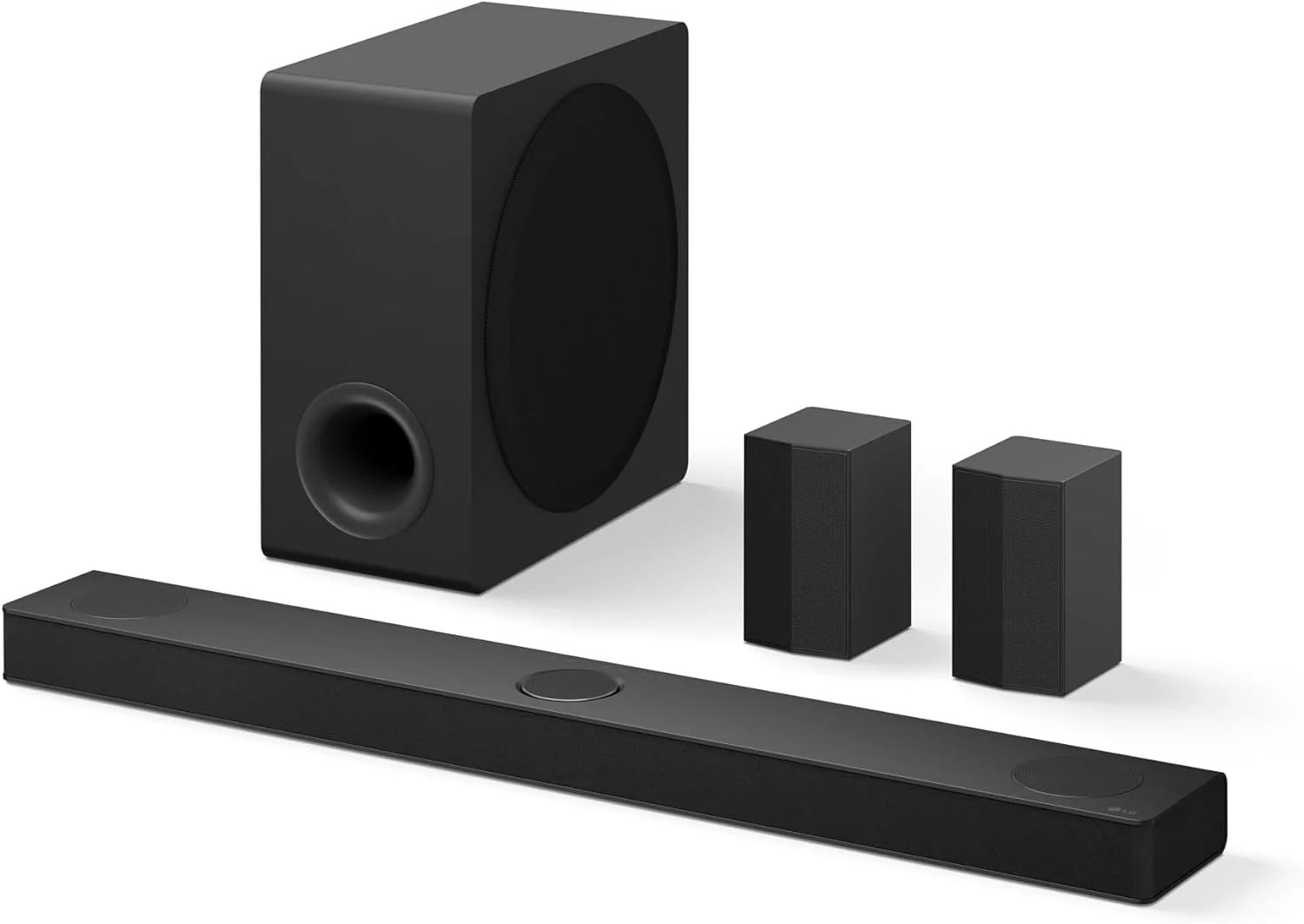
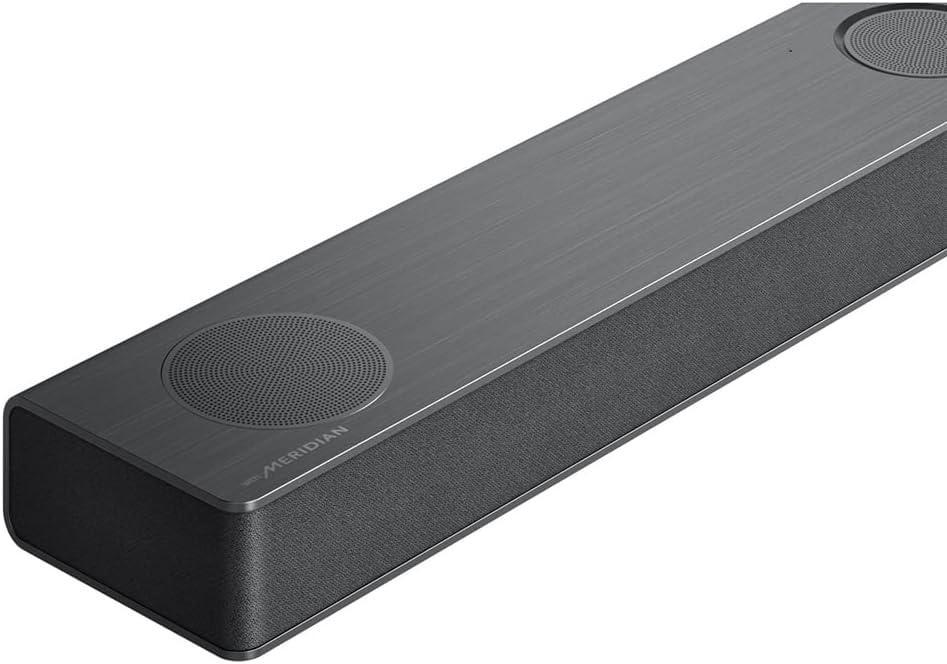
The LG S80TR, launched in mid-2024, takes the opposite approach. At $547, it's a true 5.1.3 system with physical rear speakers and dedicated height channels. This represents LG's push into the premium soundbar market, competing directly with established players like Sonos and Samsung.
The "5.1.3" designation means you get five main channels (left, right, center, and two rear surrounds), one subwoofer, and three height channels that fire sound upward. Unlike virtual processing, these physical drivers create authentic overhead effects by bouncing sound off your ceiling. The result is more convincing, but it requires proper room acoustics – high ceilings and hard surfaces work best.
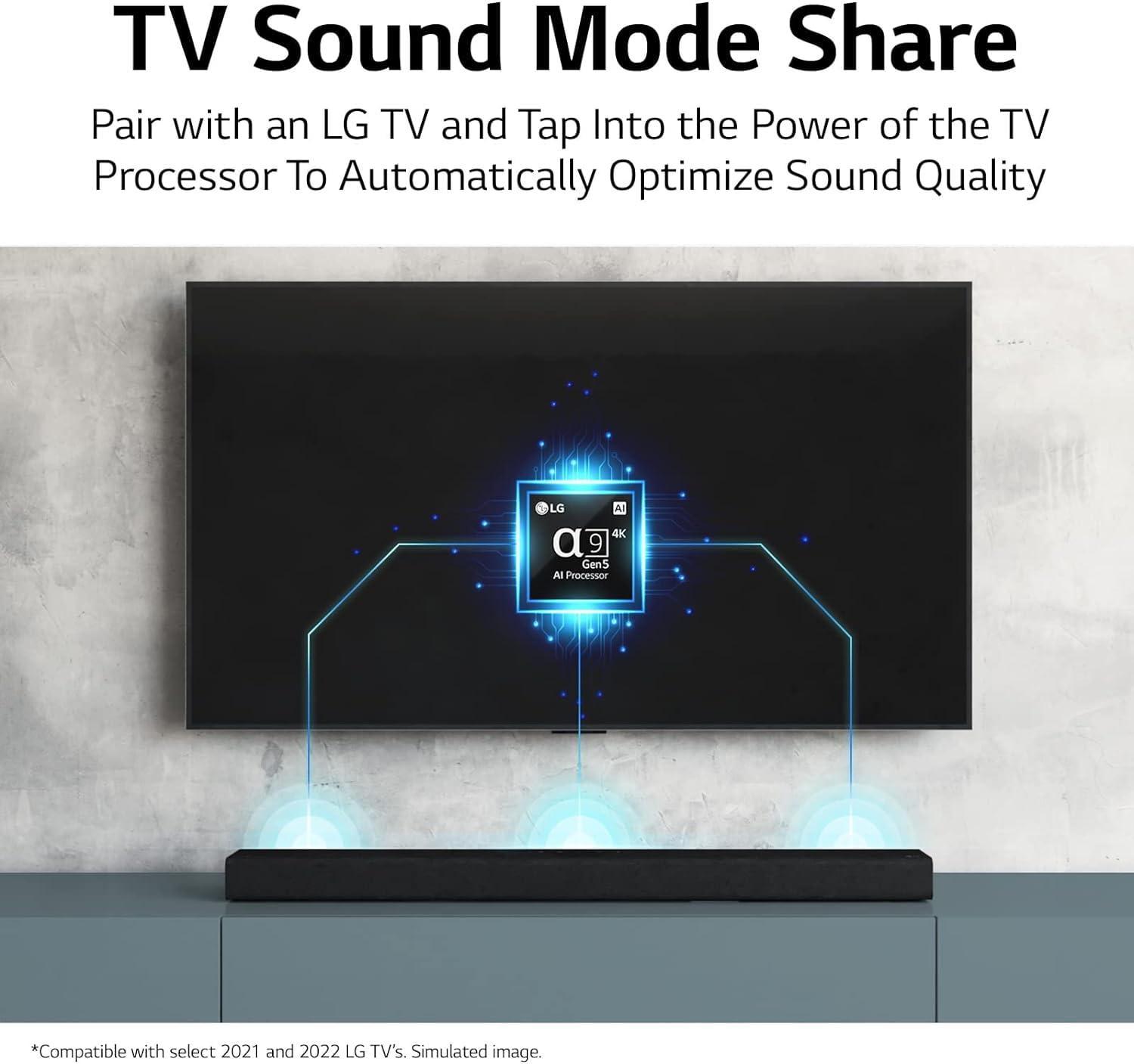
LG has packed this system with smart features that weren't available in soundbars just a few years ago. The AI Room Calibration uses built-in microphones to measure your space and automatically adjust the audio settings. It's similar to what high-end AV receivers have offered for years, but now it's built into the soundbar itself.
The fundamental difference between these systems becomes apparent the moment you press play. The Yamaha SR-B40A creates a focused, coherent soundstage directly in front of you. Its virtual Dolby Atmos processing does add some sense of height, particularly with well-mixed content like Netflix's recent action movies. However, the soundstage remains relatively narrow – you're getting better sound, but it's still clearly coming from that soundbar under your TV.
The LG S80TR transforms your room into something approaching a movie theater. Those rear speakers, positioned behind your seating area, create genuine surround effects. When helicopters fly overhead in war movies, you hear them travel from front to back and up into the ceiling space. The experience is fundamentally different – instead of enhanced TV audio, you're getting true spatial audio that envelops you.
I've spent considerable time with both systems, and the LG's advantage in immersion is undeniable. However, the Yamaha punches well above its weight class. For a 2.1 system, it creates a surprisingly wide soundstage, and its virtual height effects work better than I expected. The key is understanding what you're getting – the Yamaha significantly improves your TV's audio, while the LG creates an entirely new listening experience.
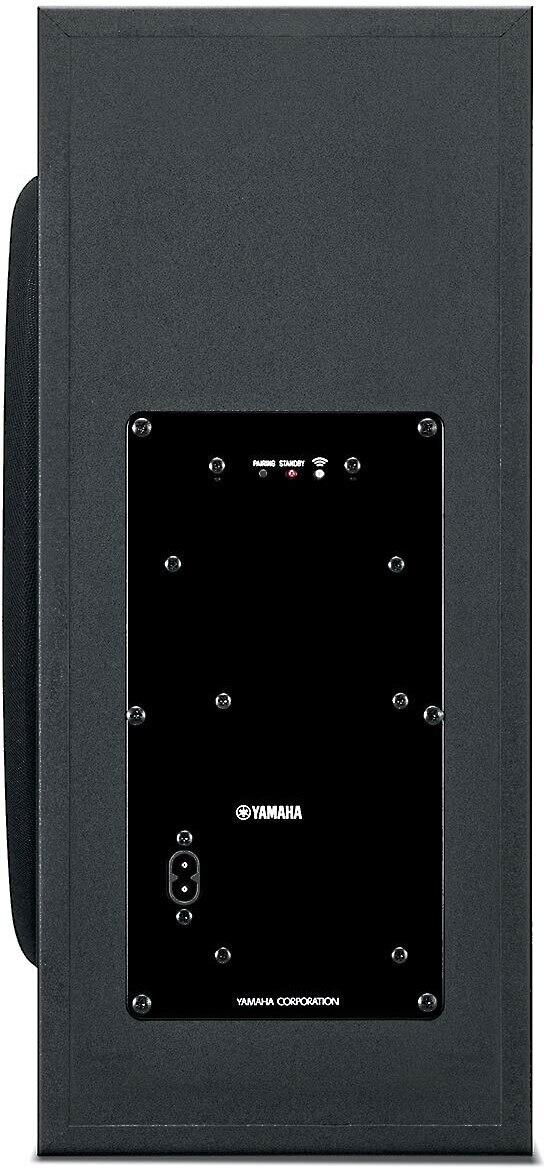
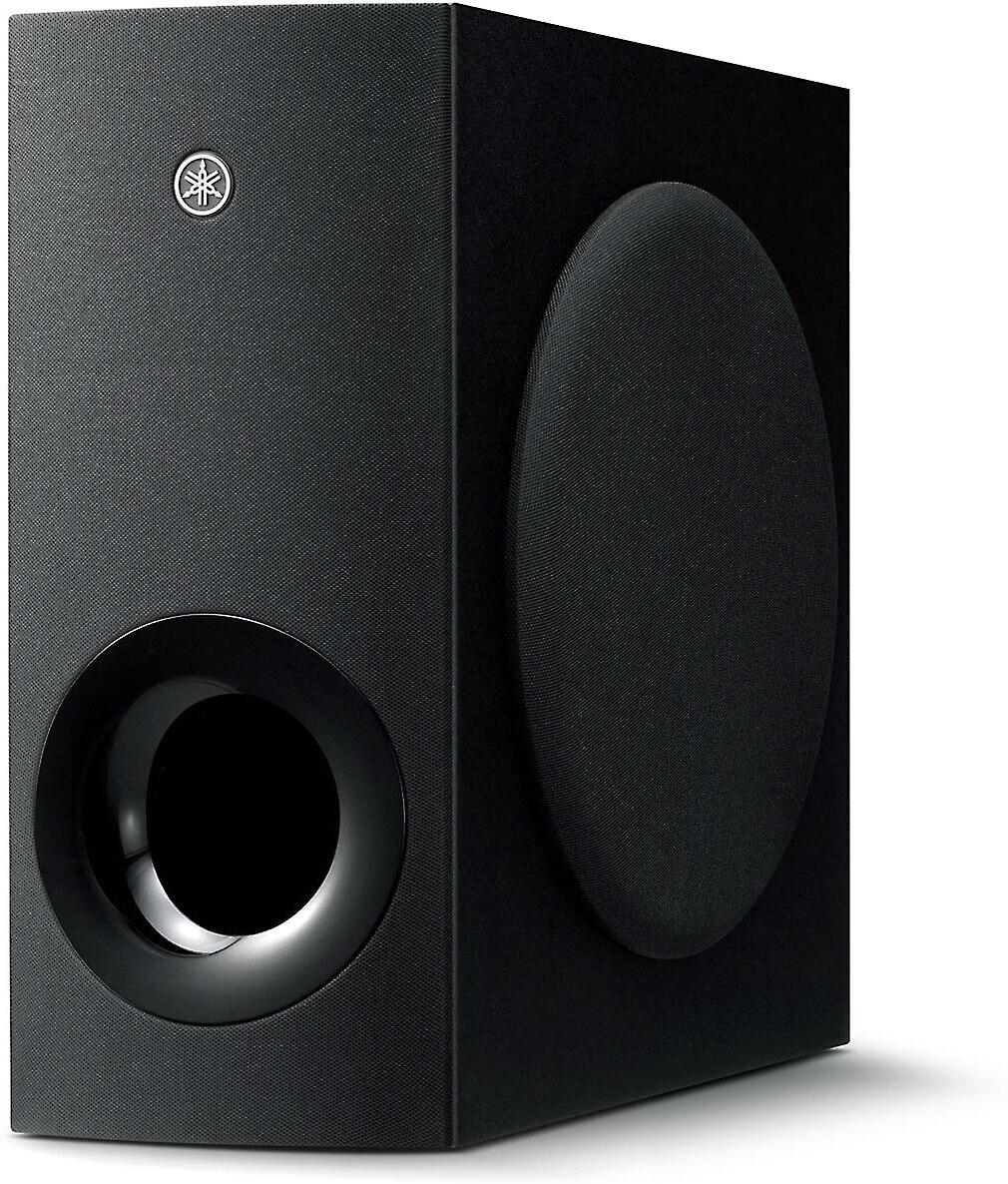
Both systems include wireless subwoofers, but they serve different purposes in their respective designs. The Yamaha's 6.25-inch subwoofer provides solid foundation for the main soundbar, handling everything below about 80Hz. It's well-integrated and doesn't call attention to itself – bass feels natural rather than boomy.
The LG's subwoofer is more substantial, both physically and sonically. Its larger driver and more powerful amplifier create deeper, more impactful bass that can fill larger rooms. During testing with bass-heavy content like "Mad Max: Fury Road," the LG's subwoofer provided the kind of chest-thumping impact that makes action scenes visceral rather than just loud.
However, more isn't always better. In smaller rooms, the Yamaha's more restrained bass approach often sounds more balanced. The LG's powerful low-end can overwhelm intimate spaces, though its various sound modes help tailor the output to your content and room size.
Poor dialogue clarity is the number one complaint about TV audio, and both systems address this crucial issue differently. The Yamaha's Clear Voice technology uses frequency shaping and dynamic range compression to ensure speech remains audible even during complex audio passages. It's particularly effective with challenging content like Christopher Nolan films, where dialogue often competes with booming sound effects.
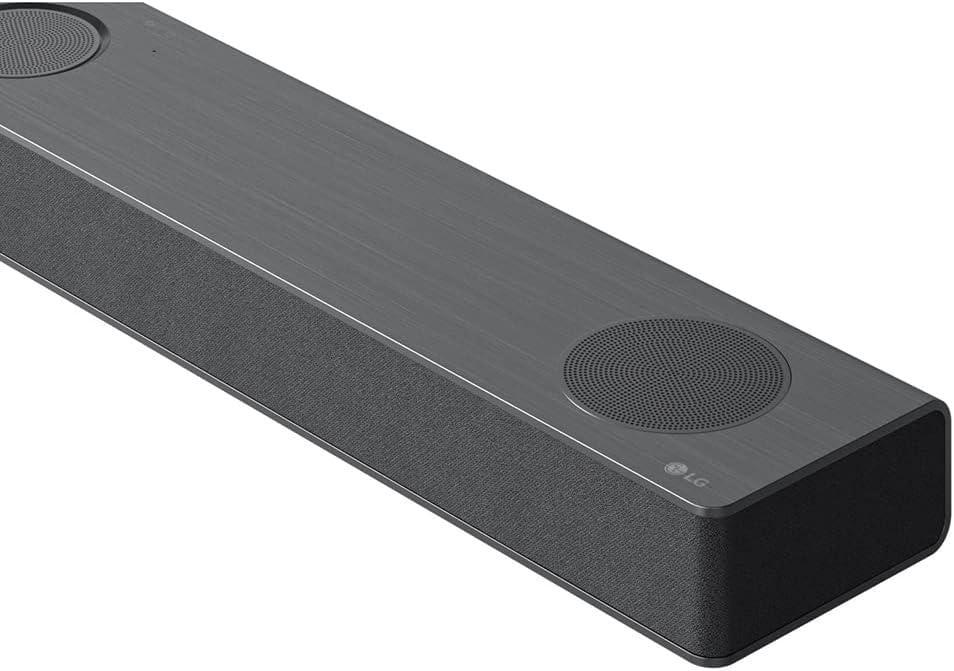
The LG takes a more sophisticated approach with its Clear Voice Pro feature, which uses AI processing to identify and enhance speech frequencies in real-time. Combined with its dedicated center channel – something the 2.1 Yamaha lacks – dialogue reproduction is exceptional. The up-firing center channel design is particularly clever, creating the impression that voices are coming directly from actors on screen rather than from below the TV.
In practical terms, both systems excel at dialogue clarity, but they achieve it through different methods. The Yamaha's approach is more aggressive and immediately noticeable, while the LG's enhancement feels more natural and nuanced.
While soundbars are primarily designed for TV and movie content, music performance has become increasingly important as streaming services dominate our listening habits. The Yamaha SR-B40A includes a dedicated Stereo mode that bypasses virtual surround processing for more natural music reproduction. Its Bluetooth connectivity is solid, though limited to basic SBC and AAC codecs.
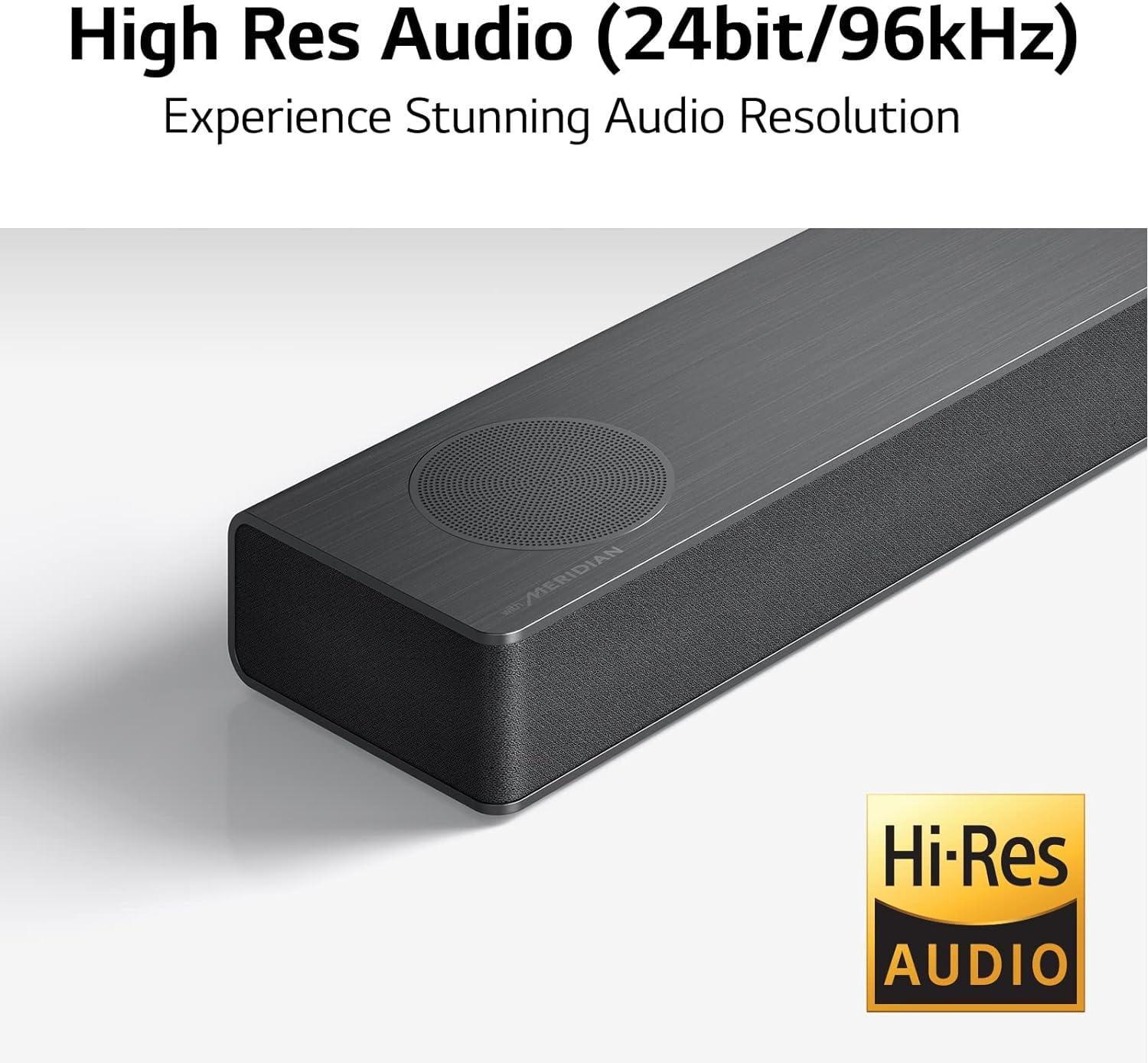
The LG S80TR offers more sophisticated music capabilities with Wi-Fi connectivity supporting high-resolution streaming through services like Spotify Connect and Apple AirPlay 2. Its dedicated Music mode reconfigures the system for optimal stereo imaging, effectively turning off the rear speakers to focus on the main soundbar. The result is better instrument separation and a more convincing stereo image than you'd expect from a TV-focused system.
For dedicated music listening, neither system replaces a good stereo setup, but the LG comes closer to satisfying both TV and music needs in a single package.
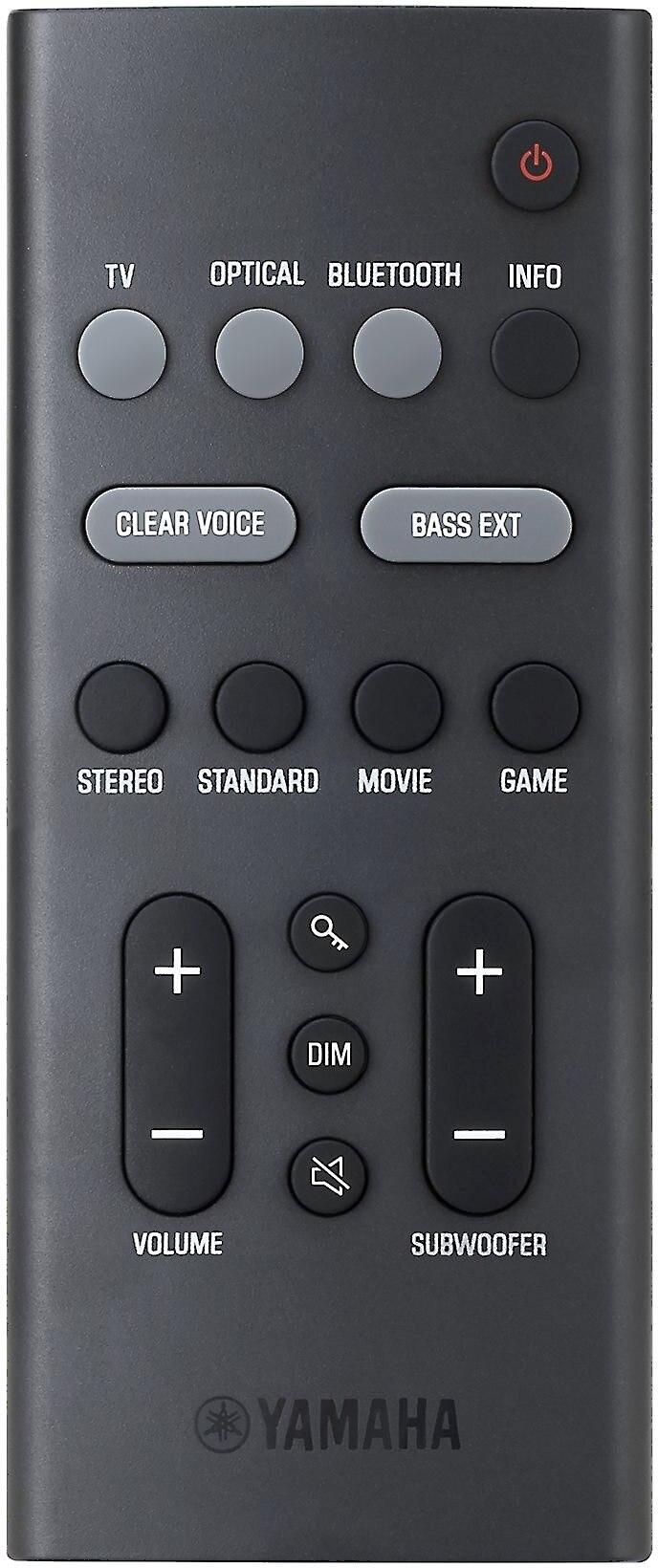
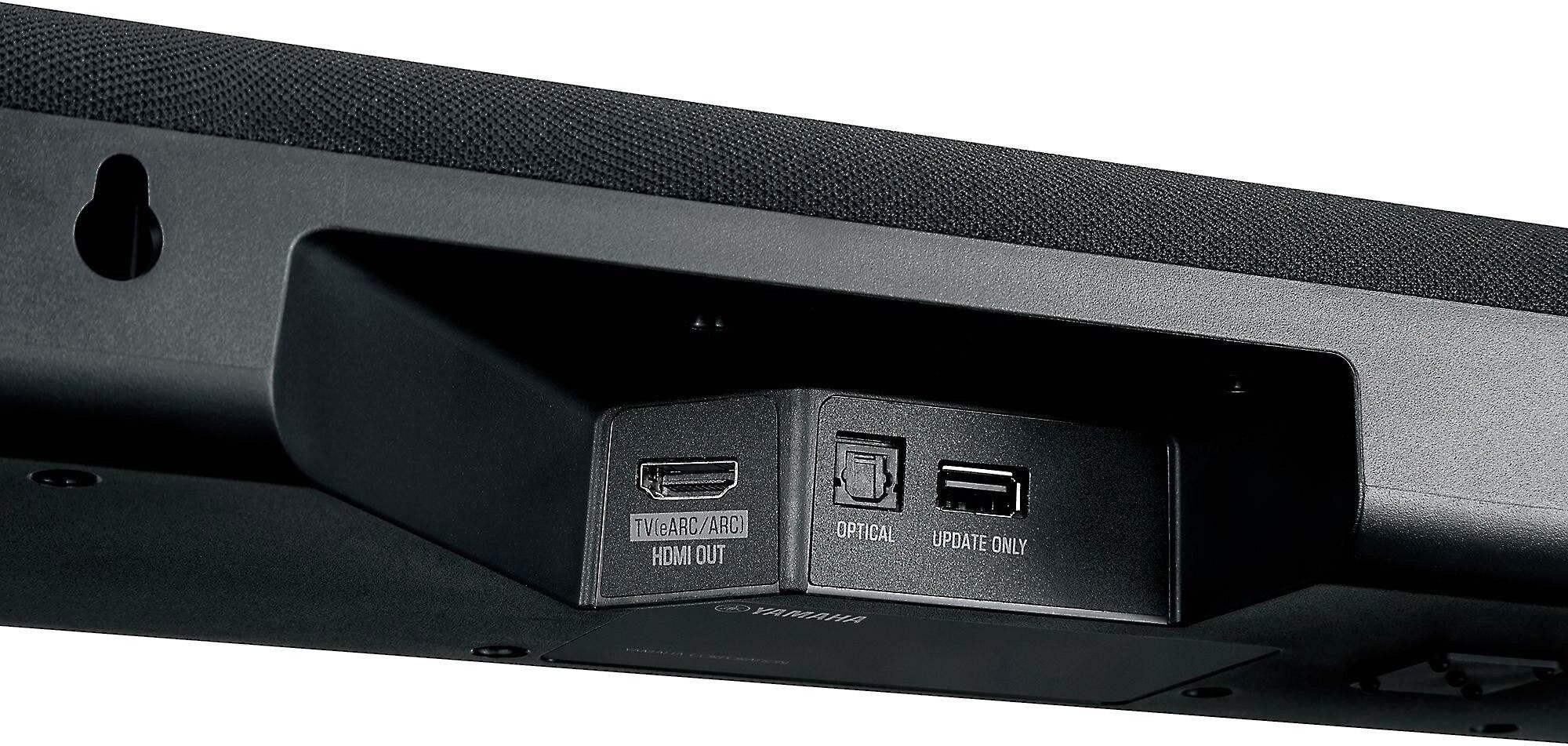
Modern soundbars are increasingly sophisticated devices, and the difference between our two contenders is stark. The Yamaha keeps things simple with basic app control for EQ adjustments and sound mode selection. Its remote is straightforward, and setup is genuinely plug-and-play – connect one HDMI cable, and you're done.
The LG S80TR is essentially a smart home hub that happens to play audio. It supports Google Assistant and Alexa voice control, includes Chromecast for seamless streaming, and offers extensive customization through LG's companion app. The AI Room Calibration feature automatically optimizes sound based on your room's acoustics – a process that takes about five minutes but makes a noticeable difference in audio quality.
This sophistication comes with complexity. Setting up the LG properly requires positioning four separate components (soundbar, subwoofer, and two rear speakers), running the calibration routine, and potentially adjusting speaker distances manually. It's not difficult, but it's definitely not the "unbox and play" experience of the Yamaha.
If you're building a dedicated home theater space, several factors favor the LG S80TR. Its physical rear speakers create authentic surround effects that virtual processing simply cannot match. The system's ability to decode advanced audio formats like DTS:X and Dolby TrueHD means you'll get the full benefit of high-quality movie soundtracks.
The LG's AI room calibration becomes particularly valuable in dedicated theater rooms, where seating position and room acoustics are optimized for the best possible experience. Its multiple HDMI inputs also provide flexibility for connecting gaming consoles, streaming devices, and other sources directly to the soundbar.
However, the Yamaha shouldn't be dismissed for home theater use. Its compact design makes it ideal for smaller dedicated spaces, and its excellent dialogue clarity ensures you won't miss important plot points during complex scenes. For many users, the Yamaha provides 80% of the home theater experience with 20% of the complexity.
Room size fundamentally determines which system makes sense. In spaces under 200 square feet – typical bedrooms or small apartments – the Yamaha SR-B40A often provides the better experience. Its focused soundstage suits intimate spaces, and you won't miss the surround effects that larger rooms make possible.
Medium-sized living rooms (200-400 square feet) represent the sweet spot for the LG S80TR. Here, you have enough space for proper rear speaker placement and ceiling height for effective Atmos processing. The system's power and complexity make sense when you have the room to appreciate them.
Large spaces above 400 square feet push both systems to their limits, though the LG handles the challenge better. Its more powerful amplification and physical speaker separation help maintain impact across greater distances.
Setup complexity is another crucial consideration. The Yamaha's single-cable connection and automatic wireless pairing mean you can improve your audio in under ten minutes. The LG requires planning speaker placement, running calibration routines, and potentially adjusting settings based on your specific room and preferences.
At $340, the Yamaha represents exceptional value for users who want significantly better TV audio without complexity or multiple components. It delivers on its promise of enhanced dialogue, improved bass, and virtual spatial effects in a package that anyone can set up and enjoy immediately.
The LG's $547 price tag is harder to justify on specifications alone, but the listening experience tells a different story. Those physical rear speakers and height channels create an authentically immersive environment that virtual processing cannot match. For users who value that cinema-like experience, the extra $200 investment pays dividends every time they watch a movie.
Consider your upgrade path as well. The Yamaha is essentially a complete system – there's nowhere to go from here except replacing it entirely. The LG, while also a complete system, represents a more future-proof investment with its advanced connectivity and smart features.
Choosing between the Yamaha SR-B40A and LG S80TR ultimately comes down to matching the right tool to your specific needs and space. The Yamaha excels as an elegant, simple solution that dramatically improves TV audio without changing how you interact with your entertainment system. It's perfect for users who want better sound without the complexity of multiple speakers and calibration routines.
The LG shines when you want to transform your viewing experience entirely. Its true surround sound, smart features, and room-filling presence create something approaching a commercial theater experience in your home. It's worth the extra investment and complexity if you have the space and desire for genuine audio immersion.
Neither choice is wrong – they simply serve different priorities and spaces. The key is honestly assessing your room, your budget, and how much complexity you're willing to accept for enhanced audio performance. Both systems will serve you well within their intended roles, providing years of improved entertainment audio that makes every movie night more engaging.
| Yamaha SR-B40A ($340) | LG S80TR ($547) |
|---|---|
| Channel Configuration - Determines immersion level and surround sound authenticity | |
| 2.1 channels (virtual Dolby Atmos through front speakers) | 5.1.3 channels (true surround with physical rear speakers + height channels) |
| Total Power Output - Affects volume capability and dynamic range | |
| 200W total (50W per front channel, 100W subwoofer) | Higher power distribution across 11 individual drivers |
| Subwoofer Size - Impacts bass depth and room-filling capability | |
| 6.25" wireless subwoofer (adequate for small-medium rooms) | 8" wireless subwoofer (deeper bass, better for larger spaces) |
| Physical Components - Affects setup complexity and space requirements | |
| 2 pieces: soundbar + wireless subwoofer | 4 pieces: soundbar + subwoofer + 2 wireless rear speakers |
| Setup Time - How quickly you'll be enjoying better sound | |
| Under 10 minutes (single HDMI connection, auto-pairing) | 30-45 minutes (multiple speaker positioning + AI calibration) |
| Smart Features - Convenience and streaming capabilities | |
| Basic app control, Bluetooth 5.1 only | Wi-Fi, Google Assistant, Alexa, AirPlay 2, Chromecast, Spotify Connect |
| Dolby Atmos Implementation - Quality of overhead sound effects | |
| Virtual processing (simulated height through DSP) | Physical up-firing drivers (authentic ceiling bounce effects) |
| Room Size Sweet Spot - Where each system performs best | |
| Small to medium rooms (under 250 sq ft) | Medium to large rooms (250+ sq ft with proper ceiling height) |
| Dialogue Enhancement - Critical for clear speech during action scenes | |
| Clear Voice technology with frequency shaping | Clear Voice Pro with AI processing + dedicated center channel |
| HDMI Connectivity - Affects integration with TV and other devices | |
| 1 HDMI eARC input (connects to TV only) | 1 HDMI in + 1 HDMI out with 4K/120Hz passthrough |
| Value Proposition - What you get for the price difference | |
| Excellent value for simple upgrade with wireless sub | 60% price premium justified by true surround + smart features |
The Yamaha SR-B40A ($340) is better suited for small rooms under 250 square feet. Its 2.1 channel design provides excellent sound improvement without overwhelming compact spaces, while the LG S80TR ($547) with its multiple speakers may be overkill in tight quarters.
The core difference is that the Yamaha SR-B40A is a simple 2.1 system with virtual surround sound, while the LG S80TR offers true 5.1.3 surround sound with physical rear speakers and dedicated height channels for authentic Dolby Atmos effects.
The LG S80TR delivers deeper, more impactful bass with its larger 8-inch subwoofer compared to the Yamaha SR-B40A's 6.25-inch subwoofer. However, the Yamaha's bass is well-balanced and may be more appropriate for smaller spaces.
The Yamaha SR-B40A offers plug-and-play setup in under 10 minutes with just one HDMI cable. The LG S80TR requires 30-45 minutes to position four separate components and run AI room calibration for optimal performance.
The Yamaha SR-B40A ($340) offers exceptional value for users wanting a significant TV audio upgrade without complexity. The LG S80TR ($547) costs 60% more but provides true surround sound that justifies the price for home theater enthusiasts.
Yes, but differently. The Yamaha SR-B40A uses virtual Dolby Atmos processing to simulate height effects, while the LG S80TR has physical up-firing drivers that create authentic overhead sound by bouncing audio off your ceiling.
Both excel at dialogue clarity but use different approaches. The Yamaha SR-B40A features Clear Voice technology, while the LG S80TR uses Clear Voice Pro with AI processing plus a dedicated center channel for more natural speech reproduction.
The Yamaha SR-B40A offers basic Bluetooth streaming with a dedicated stereo mode for music. The LG S80TR provides superior music capabilities with Wi-Fi connectivity, AirPlay 2, Spotify Connect, and better stereo imaging through its Music mode.
The LG S80TR is designed for larger spaces over 250 square feet, with more powerful amplification and physical rear speakers that maintain impact across greater distances. The Yamaha SR-B40A may struggle to fill very large rooms effectively.
The Yamaha SR-B40A keeps things simple with basic app control and Bluetooth connectivity. The LG S80TR is essentially a smart hub with Google Assistant, Alexa, Chromecast, AI room calibration, and extensive streaming platform support.
For dedicated home theater rooms, the LG S80TR provides superior performance with true surround sound, advanced audio format support, and authentic Dolby Atmos effects. The Yamaha SR-B40A works well for casual home theater but can't match the immersive experience of physical surround speakers.
The Yamaha SR-B40A is a 2-piece system with the main soundbar and wireless subwoofer. The LG S80TR includes 4 separate components: the main soundbar, wireless subwoofer, and two wireless rear speakers, totaling 11 individual drivers across all units.
We've done our best to create useful and informative comparisons to help you decide what product to buy. Our research uses advanced automated methods to create this comparison and perfection is not possible - please contact us for corrections or questions. These are the sites we've researched in the creation of this article: crutchfield.com - visions.ca - shop.usa.yamaha.com - bestbuy.com - bestbuy.com - usa.yamaha.com - my.yamaha.com - europe.yamaha.com - adorama.com - usa.yamaha.com - digitalhomecreations.com - europe.yamaha.com - sundownone.com - bestbuy.com - billsmith.com - brandsmartusa.com - avsforum.com - youtube.com - lg.com - buydig.com - louisdoehomecenter.com - lg.com - videoandaudiocenter.com - mynavyexchange.com - walts.com - bestbuy.com

Privacy Policy
Terms and Conditions - Affiliate Policy
Home Security
© Copyright 2008-2026.
11816 Inwood Rd #1211, Dallas, TX 75244