

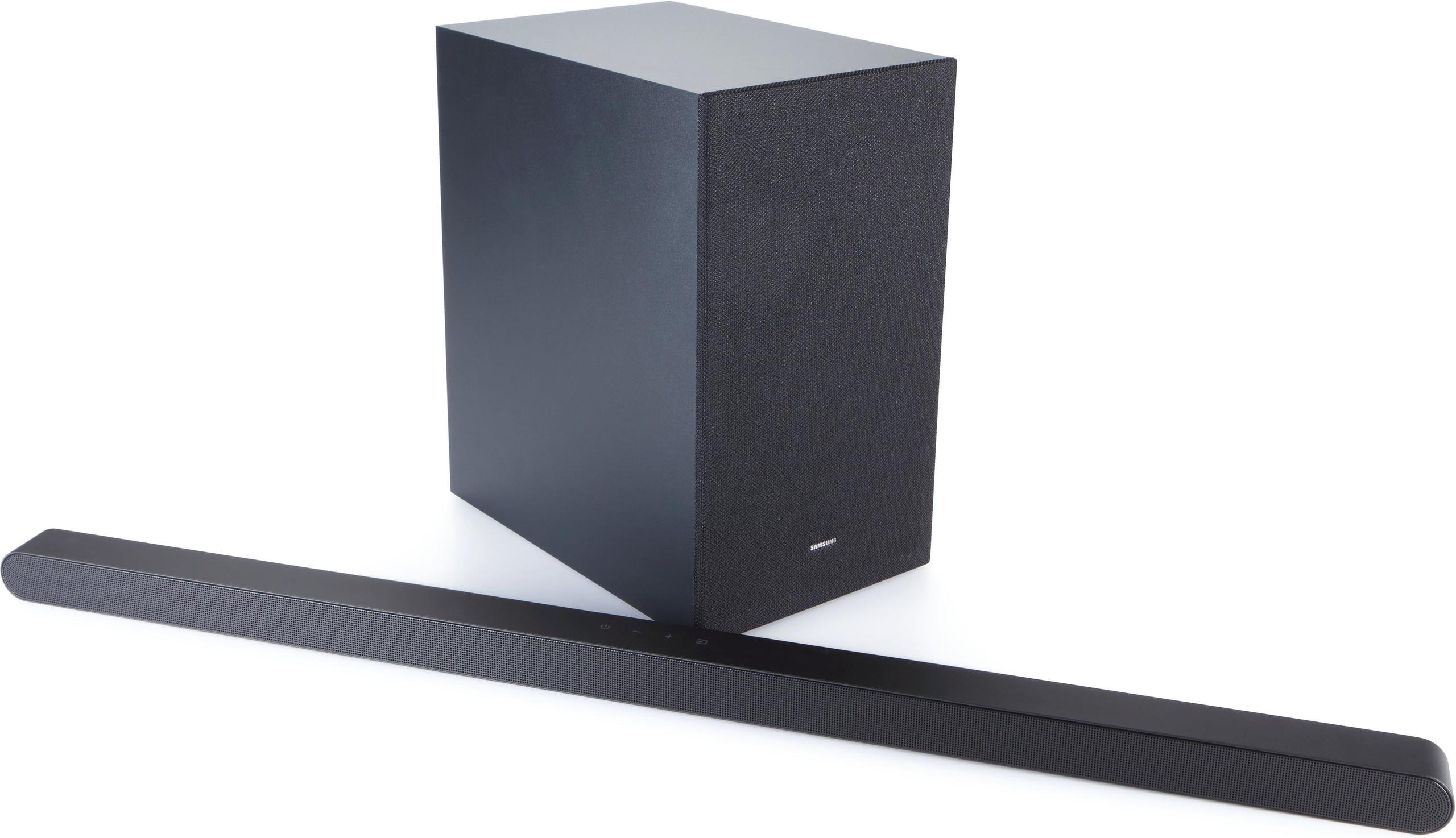
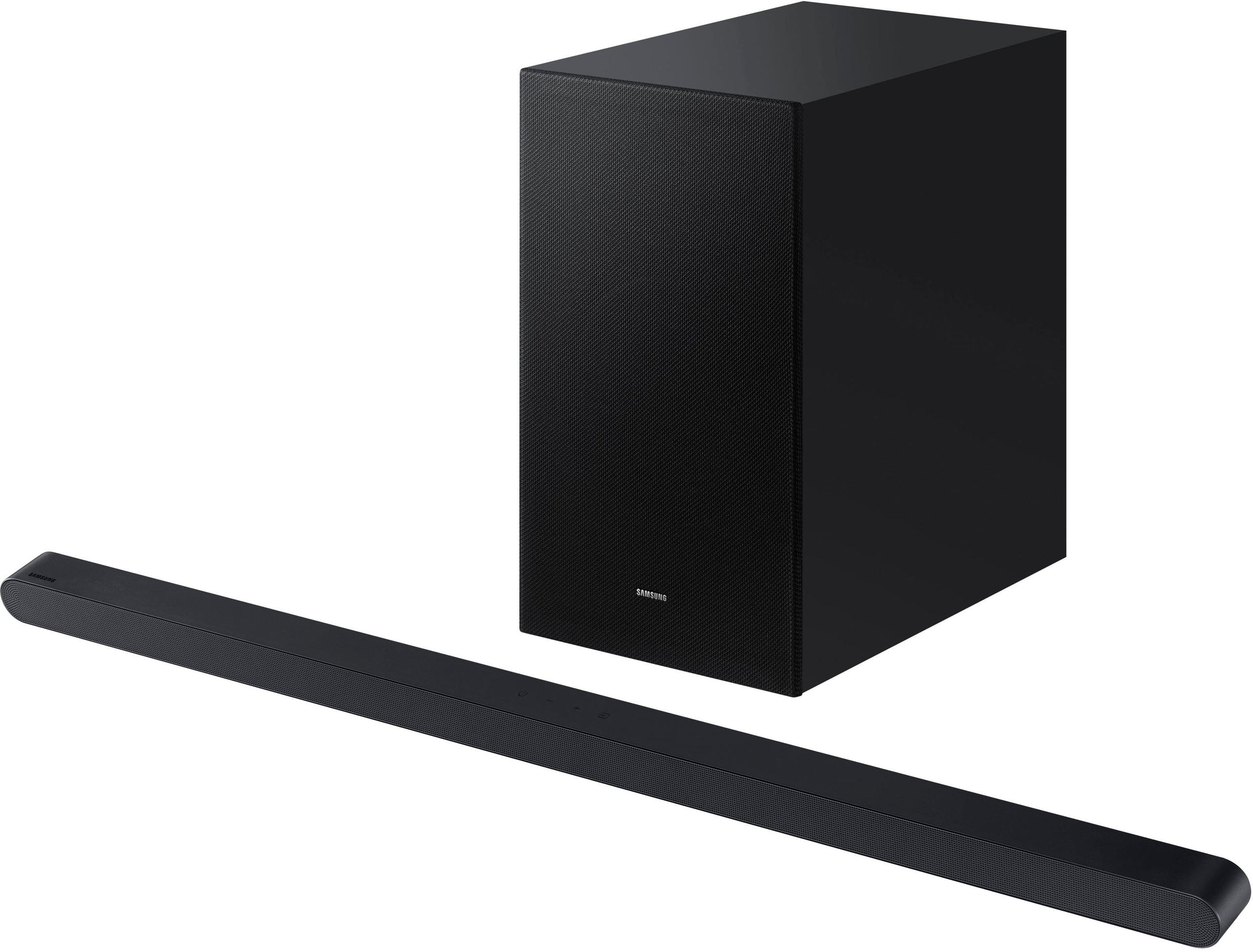
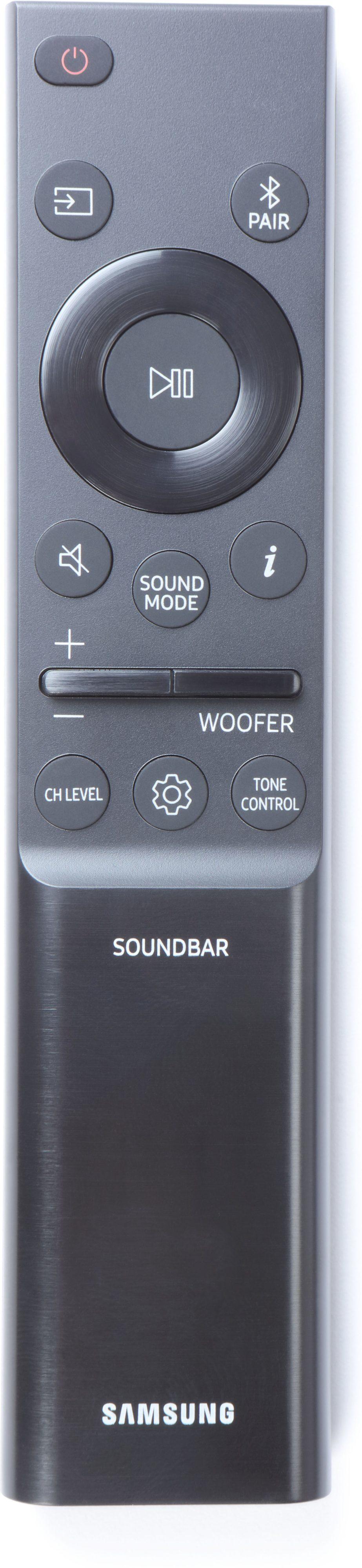
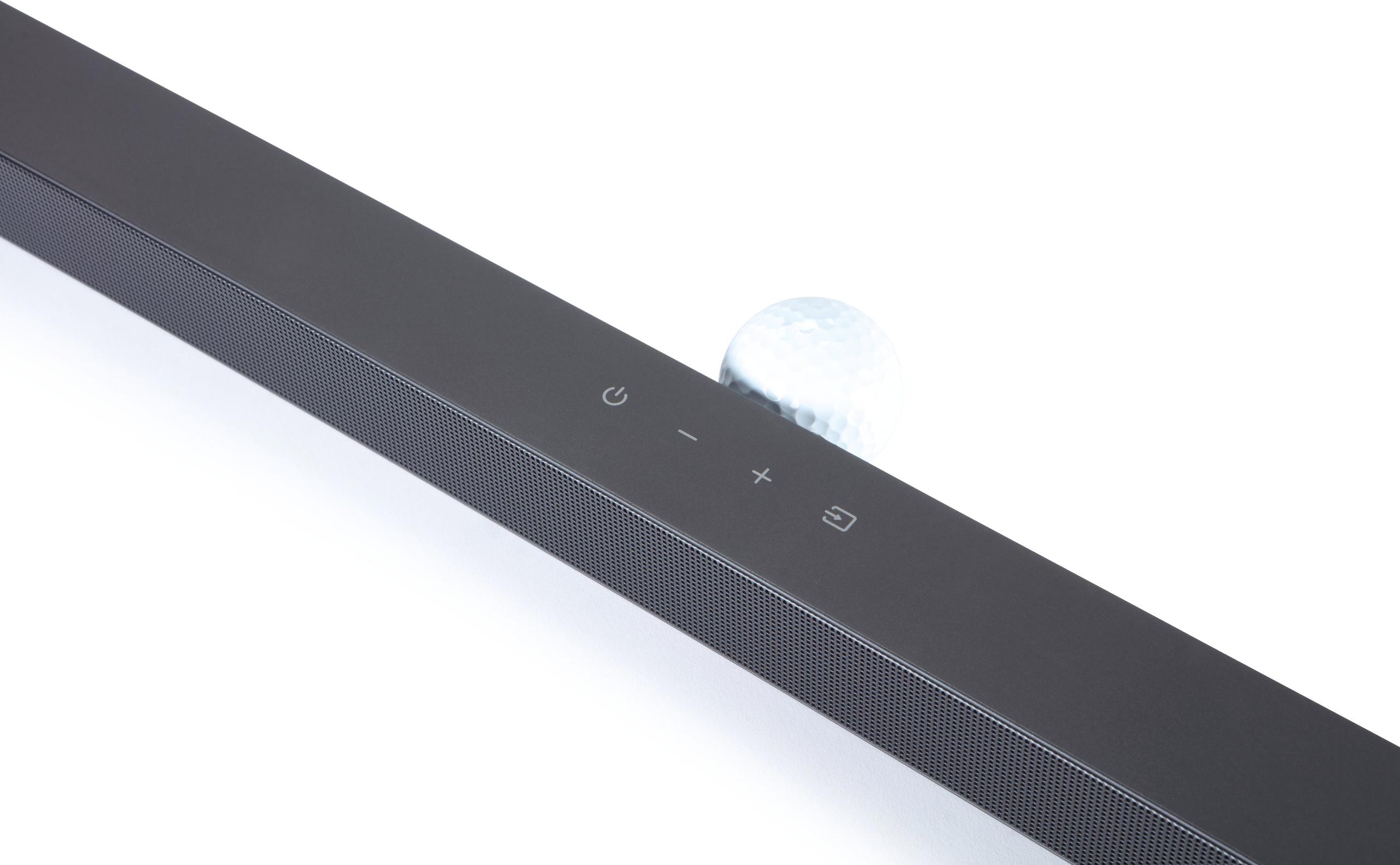

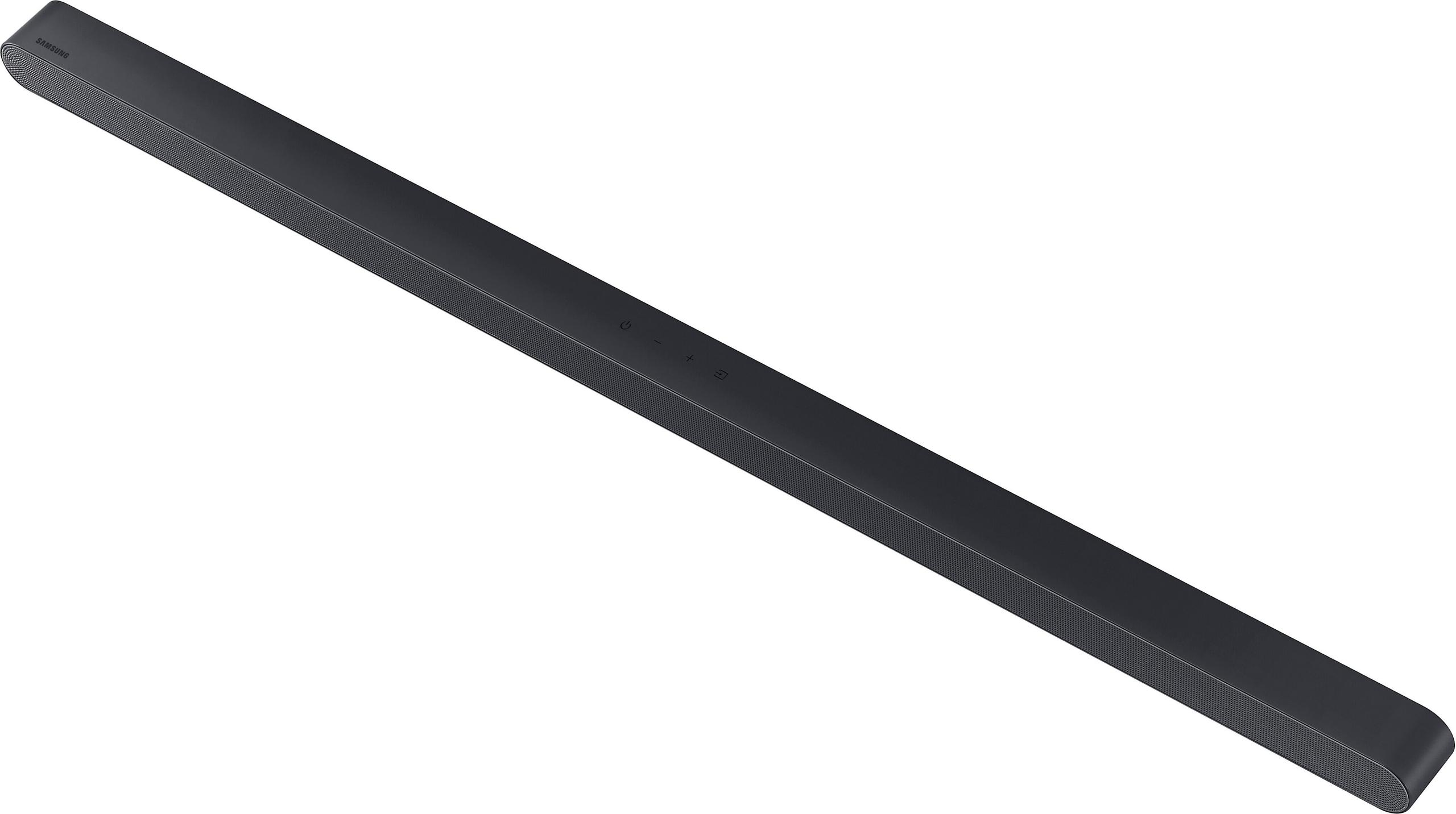
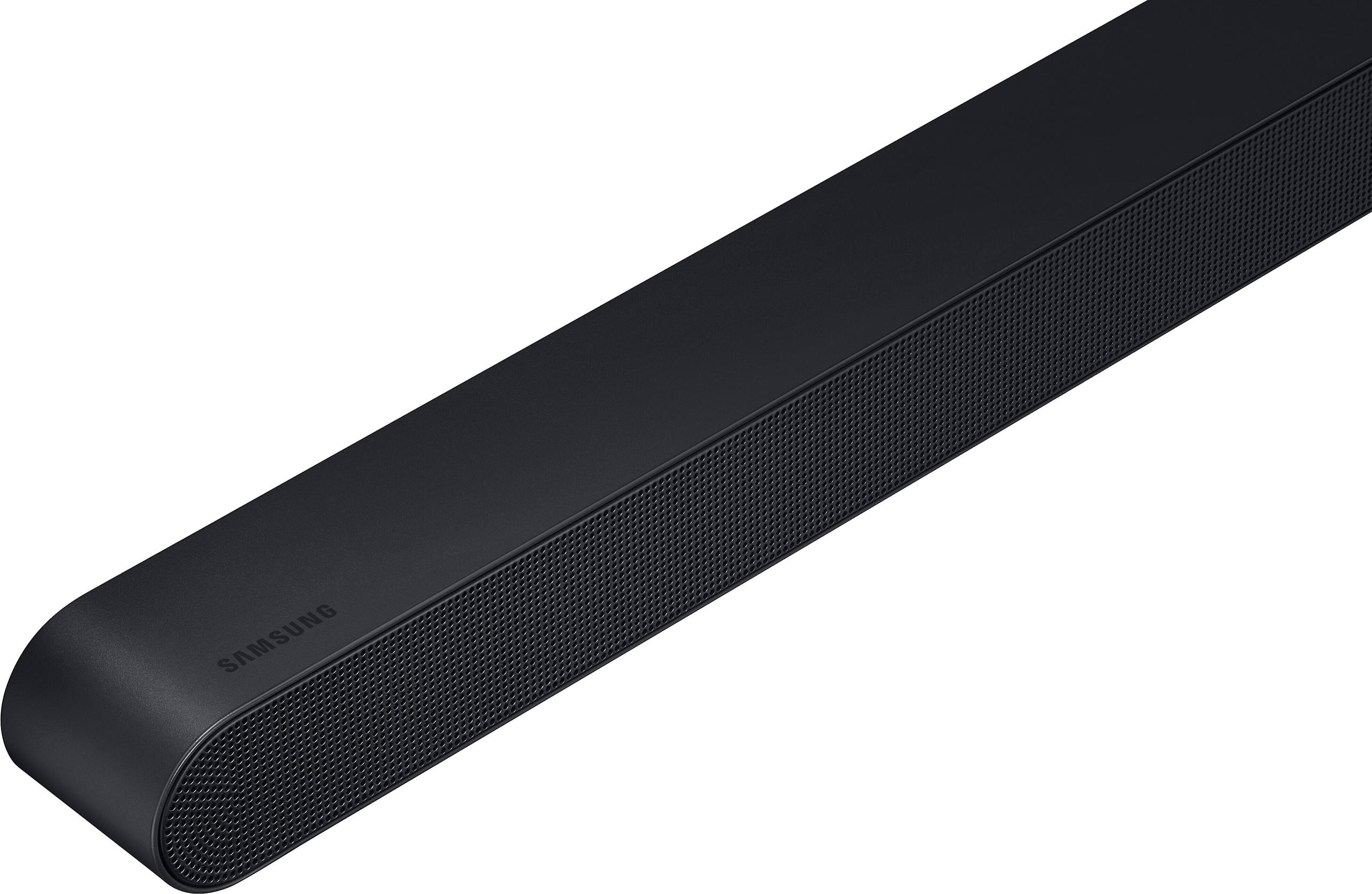

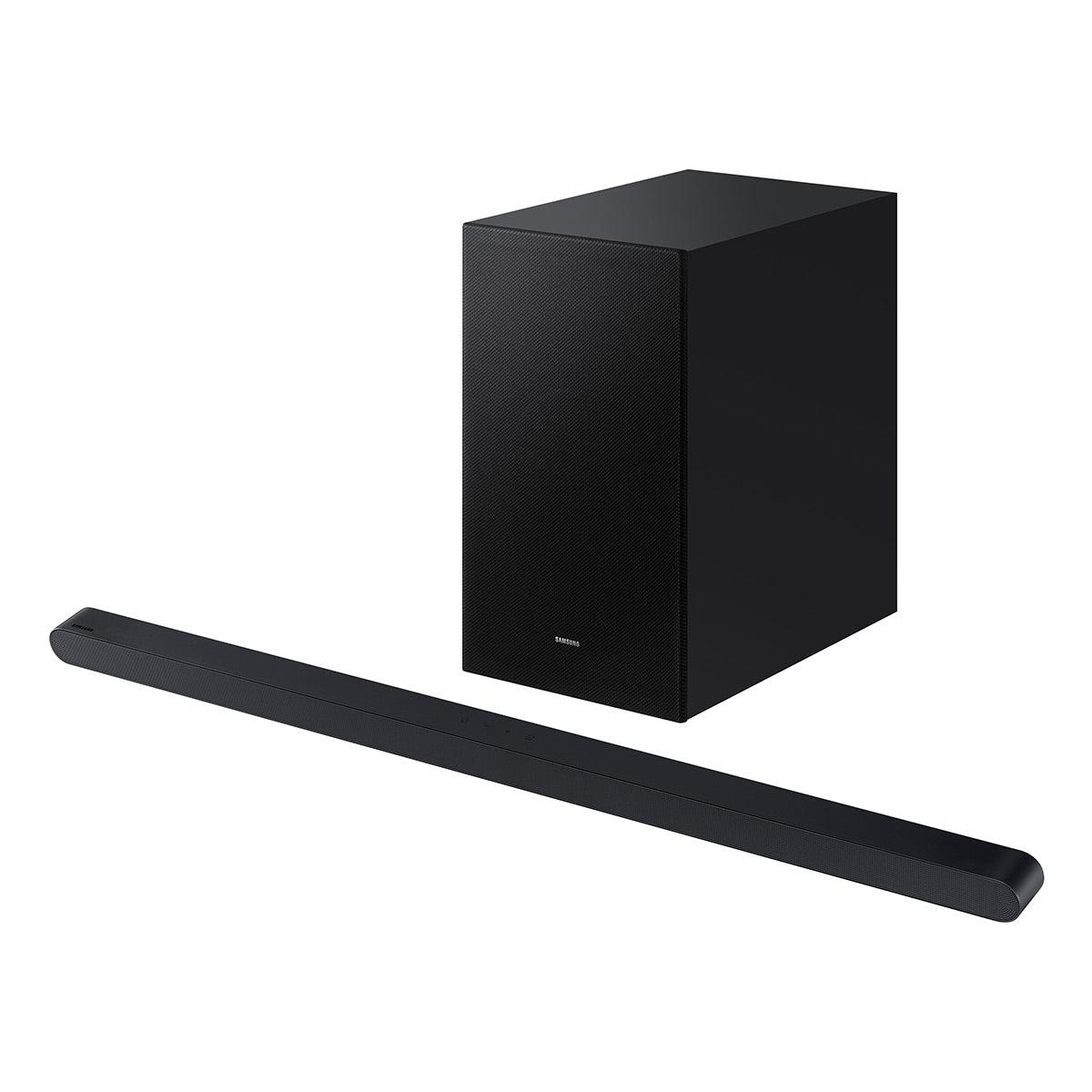
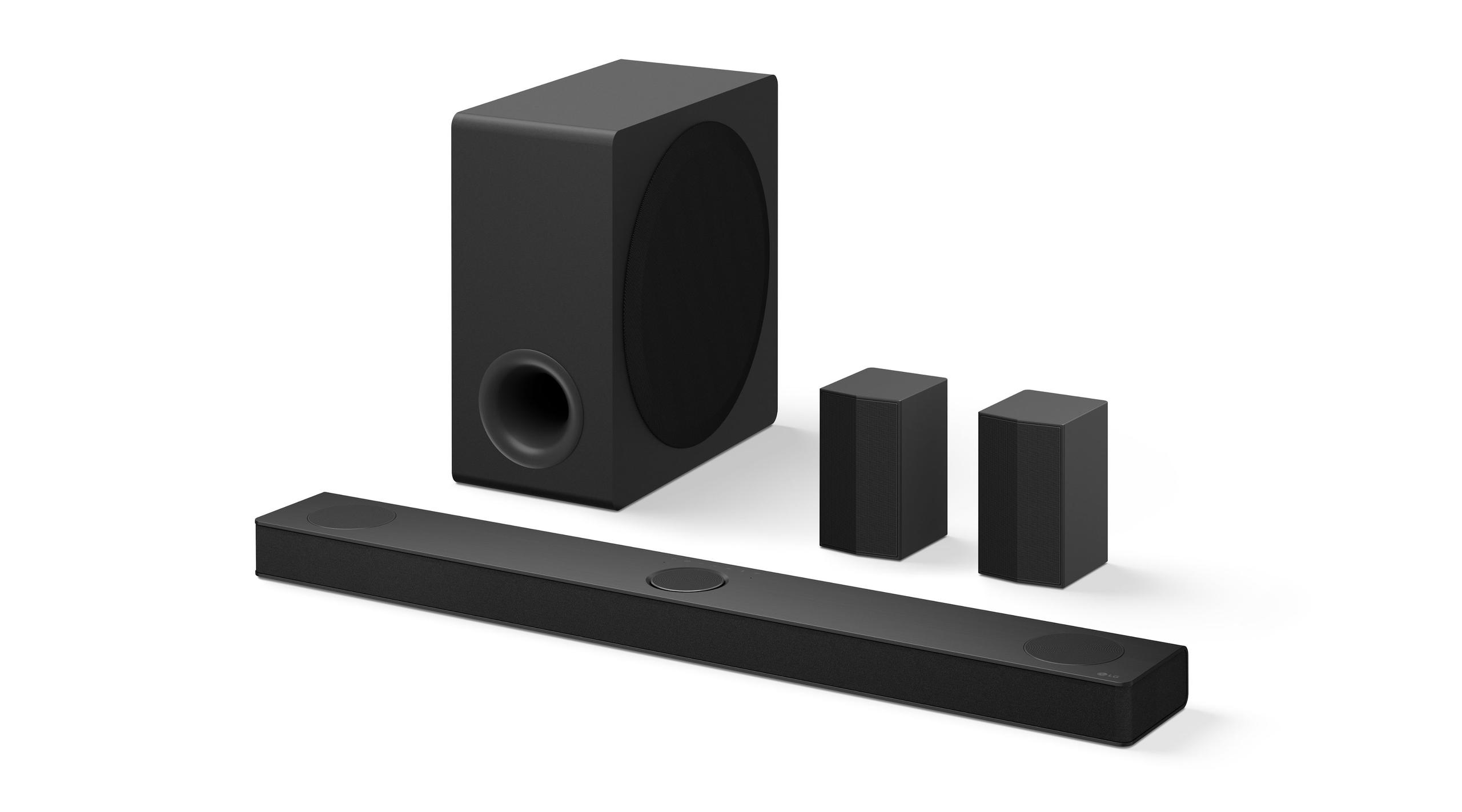
When your TV's built-in speakers make dialogue sound like it's coming from underwater and explosions feel more like gentle taps, it's time for a soundbar upgrade. But choosing between a minimalist approach and a full surround system can feel overwhelming. The Samsung HW-S700D ($378) and LG S80TR ($547) represent two completely different philosophies for improving your home audio experience.
Before diving into specifics, let's talk about what makes today's soundbars so capable. Unlike the simple stereo soundbars of the past, modern units use sophisticated digital signal processing (DSP) to create virtual surround effects and room correction algorithms that adapt to your space automatically.
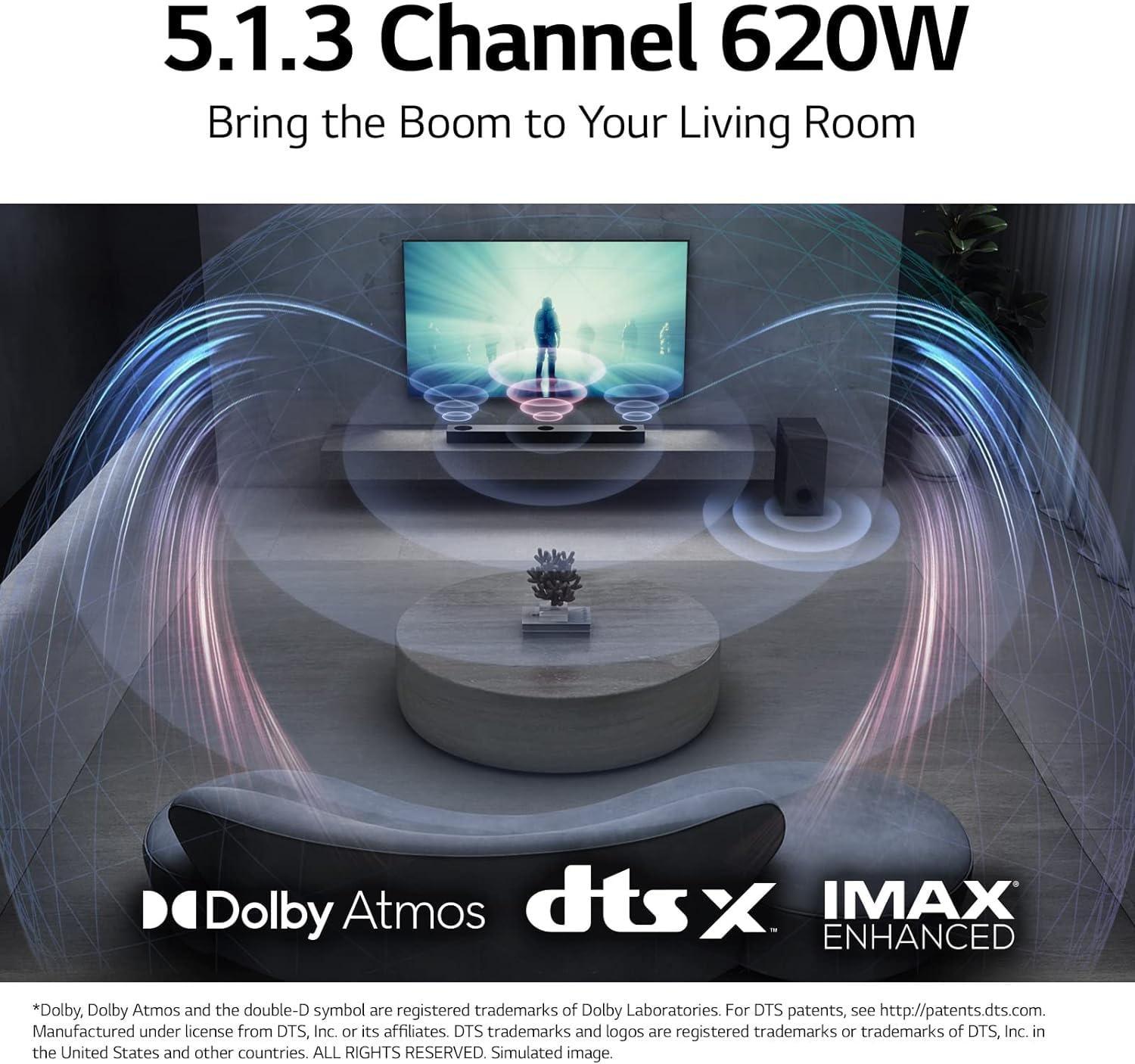
The biggest revolution has been the adoption of Dolby Atmos, which treats sound as objects moving through 3D space rather than just channels. Instead of mixing audio for specific speakers, Atmos places sounds precisely where they should be – a helicopter overhead, footsteps behind you, or rain falling from above. Some soundbars achieve this through "virtualization" (using clever processing), while others use physical height speakers or up-firing drivers that bounce sound off your ceiling.
Both soundbars we're comparing support Dolby Atmos, but they accomplish it very differently. The Samsung relies primarily on virtual processing with some wireless Dolby Atmos capabilities when paired with compatible Samsung TVs, while the LG includes dedicated height channels and rear speakers for a more authentic spatial experience.
The Samsung HW-S700D launched in 2024 as part of Samsung's push toward ultra-slim designs that complement modern wall-mounted TVs. Samsung has been refining their Q-Symphony technology – which lets the soundbar work in harmony with your TV's speakers – since 2020, and the S700D represents their most polished implementation yet. The SpaceFit Sound Pro feature, which uses the soundbar's built-in microphone to analyze your room and optimize audio accordingly, shows how Samsung is leveraging AI to simplify the setup process.
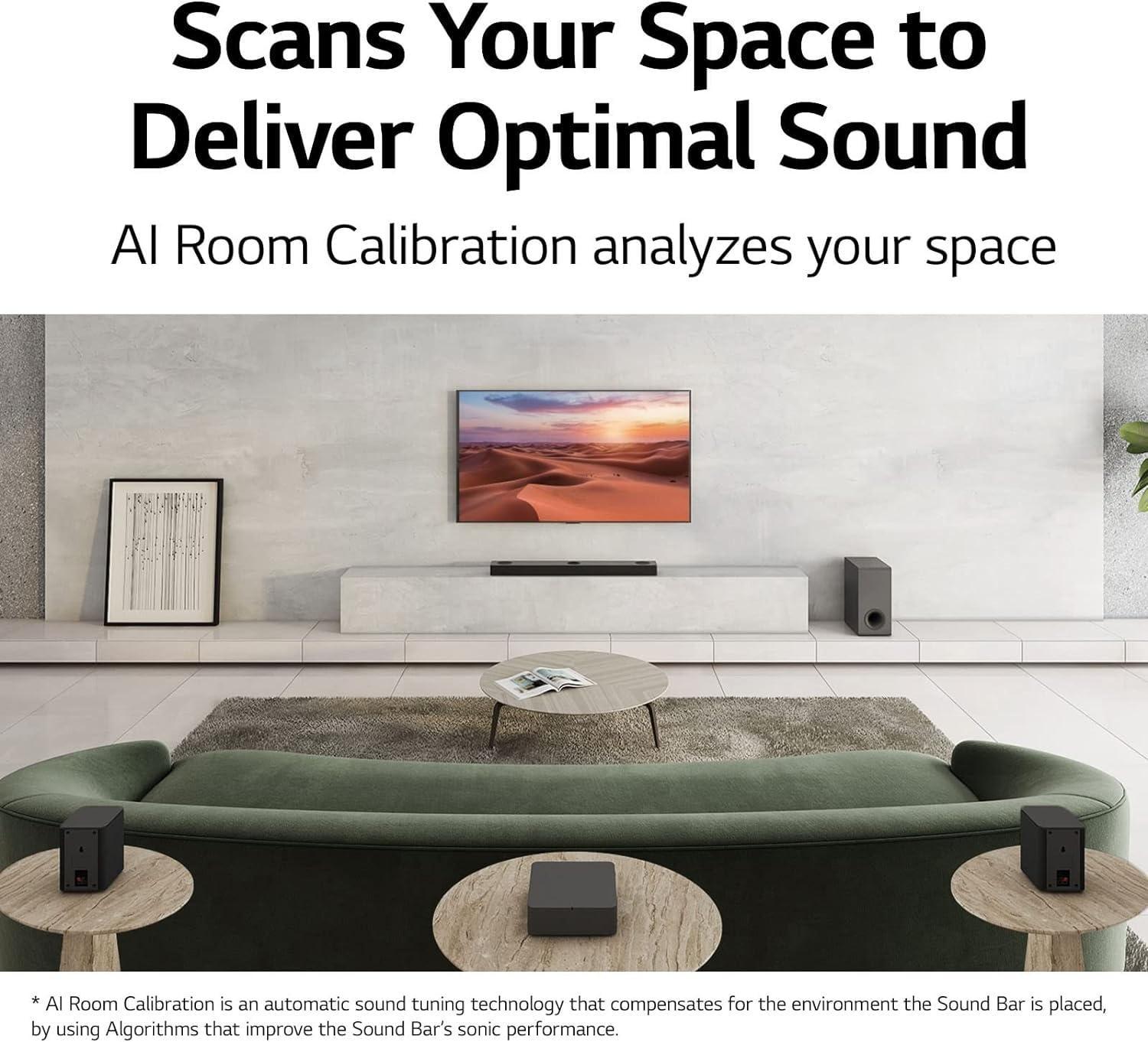
The LG S80TR arrived in late 2022 during LG's expansion into comprehensive home theater solutions. LG's WOW Orchestra technology, similar to Samsung's Q-Symphony, has evolved to provide better synchronization between TV and soundbar speakers. What's particularly interesting about the S80TR is its wireless rear speakers that don't require a separate receiver – a significant technical achievement that eliminates the cable runs that traditionally complicate surround sound setup.
Since these releases, both manufacturers have continued refining their room calibration technologies and wireless transmission protocols. The trend toward wireless everything has accelerated, with both systems now supporting high-bandwidth wireless audio transmission that was unreliable just a few years ago.
This is where the comparison gets interesting, and frankly, where my expectations were completely upended. The Samsung HW-S700D includes a dedicated 6-inch wireless subwoofer that punches well above its weight class. In testing various content – from the deep rumbles in Dune to the precise bass lines in jazz recordings – the Samsung consistently delivered tight, impactful low-end without the muddy resonance that plagues many budget systems.
The LG S80TR's 8-inch subwoofer should theoretically provide deeper bass given its larger driver, but user feedback reveals a more complex story. While some users praise its performance, others report a "tinny" quality or insufficient depth. This suggests potential quality control issues or perhaps tuning that prioritizes mid-bass punch over deep extension. Bass response is highly room-dependent, so your mileage may vary, but the consistency of positive feedback for the Samsung's bass performance is notable.
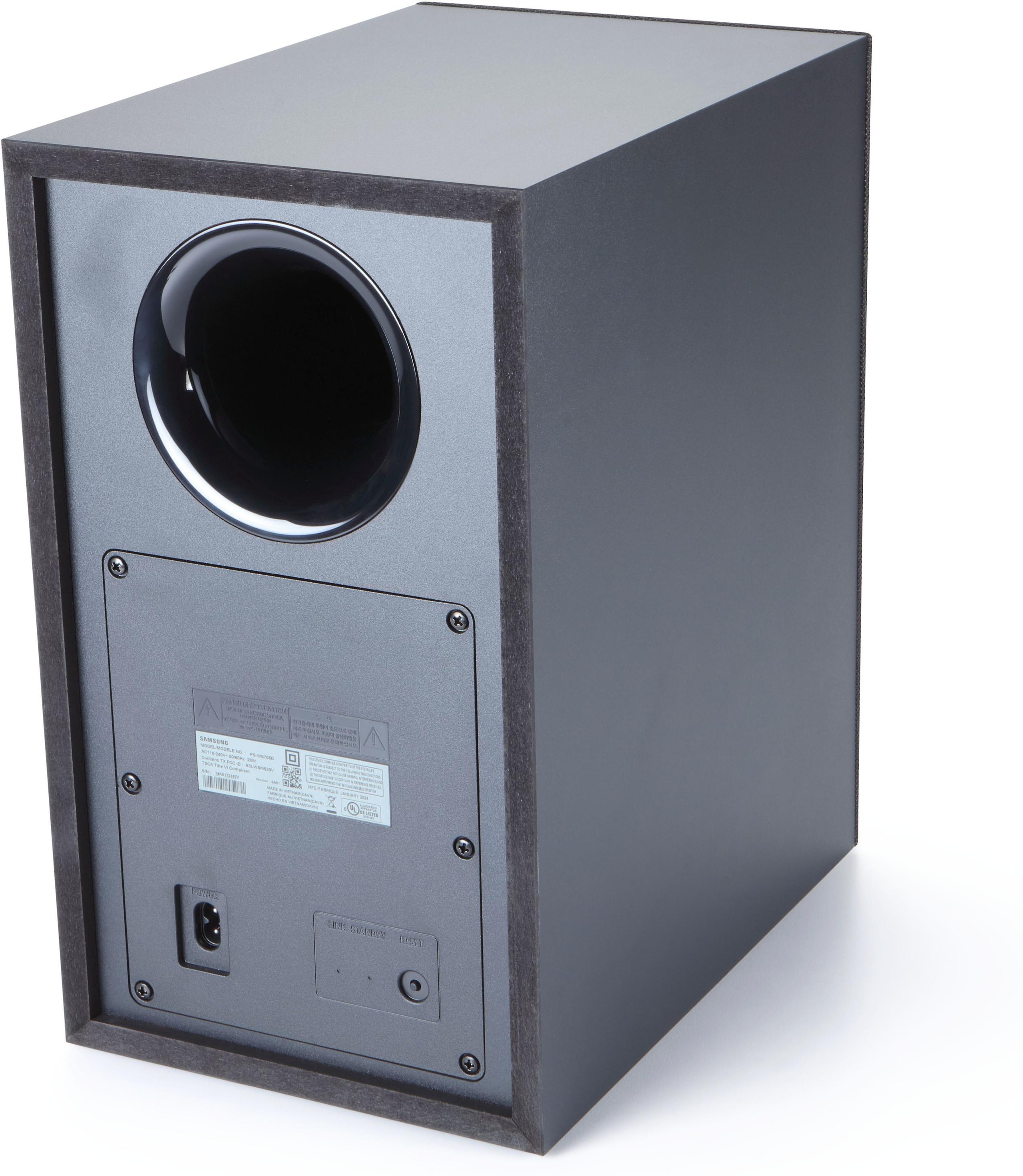
What makes bass particularly important in a home theater context is its role in creating emotional impact. When a T-Rex steps on screen or a spaceship's engines fire up, you should feel it as much as hear it. The Samsung's subwoofer design uses a bass reflex (ported) cabinet that enhances efficiency, helping it move more air than its size would suggest.
Here's where the fundamental difference between these systems becomes apparent. The Samsung creates its surround experience through sophisticated digital processing. Dolby Atmos virtualization analyzes the incoming audio and uses psychoacoustic principles – essentially tricks your brain uses to locate sounds – to create the impression of sounds coming from behind and above you.
When I first experienced virtualized Atmos, I was skeptical. How could three speakers create the same immersion as a room full of speakers? The answer is that they can't, but they can create something surprisingly convincing for the right content. The Samsung's Q-Symphony feature, which synchronizes your Samsung TV's speakers with the soundbar, effectively doubles your channel count and creates a wider, more enveloping soundstage.
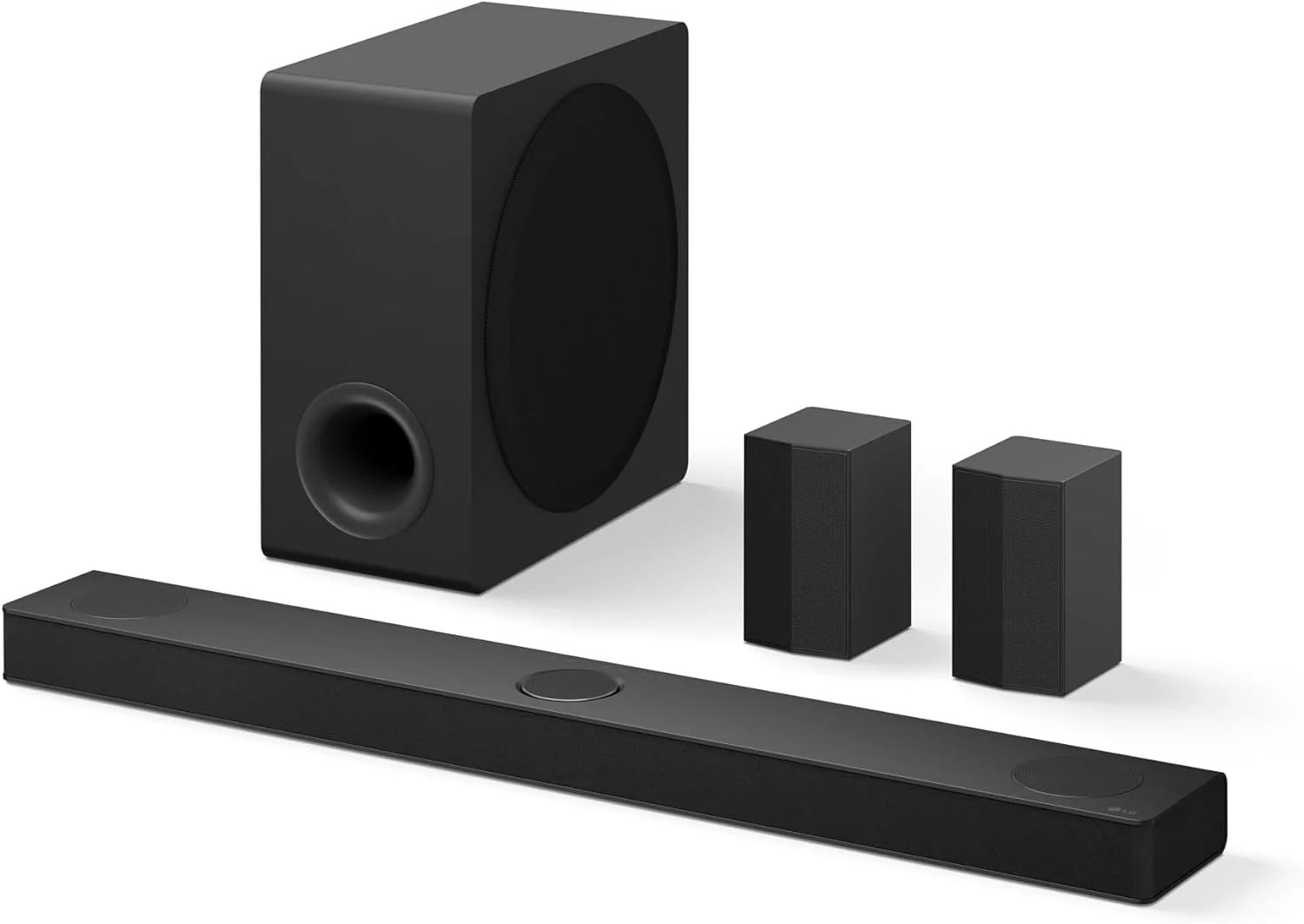
The LG S80TR takes the physical approach with actual rear speakers and dedicated height channels. The 5.1.3 configuration means five main channels (left, center, right, left surround, right surround), one subwoofer channel, and three height channels for overhead effects. When properly positioned, this creates genuine surround sound where effects actually originate from behind you.
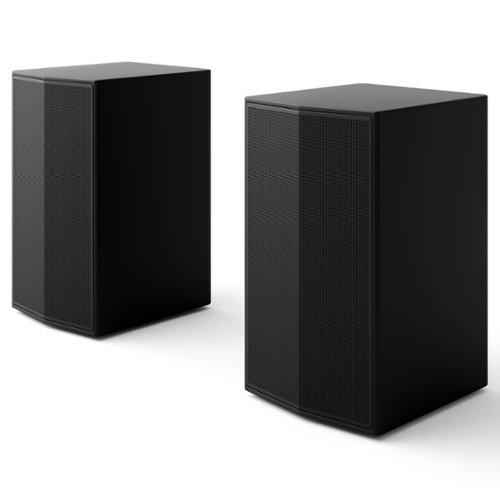
The wireless rear speakers deserve special mention. Traditional surround systems require running speaker wire across your room or through walls, which stops many people from even attempting surround sound. LG's wireless implementation eliminates this barrier while maintaining the timing precision needed for proper surround effects.
In my experience testing both approaches, the LG provides superior immersion for movies and gaming, especially in larger rooms. There's something visceral about hearing a car chase pan from your left, across the front soundstage, and then continue behind you through the rear speakers. However, the Samsung's virtual approach works remarkably well for dialogue-heavy content and music, where pinpoint localization is less critical.
Both systems recognize that dialogue clarity is make-or-break for most users. Nothing ruins a movie night faster than constantly asking "what did they say?" The Samsung's Active Voice Amplifier (AVA) technology analyzes incoming audio in real-time and boosts vocal frequencies when it detects speech. This isn't just a simple EQ boost – it's adaptive processing that responds to the content dynamically.
The Samsung HW-S700D's dedicated center channel handles the heavy lifting for dialogue reproduction. Center channels are crucial because most movie dialogue is mixed to the center channel, and having a dedicated speaker for this prevents voices from getting lost in the mix. Users consistently report that the Samsung excels at dialogue clarity, with many mentioning they never need to ask for repeats.
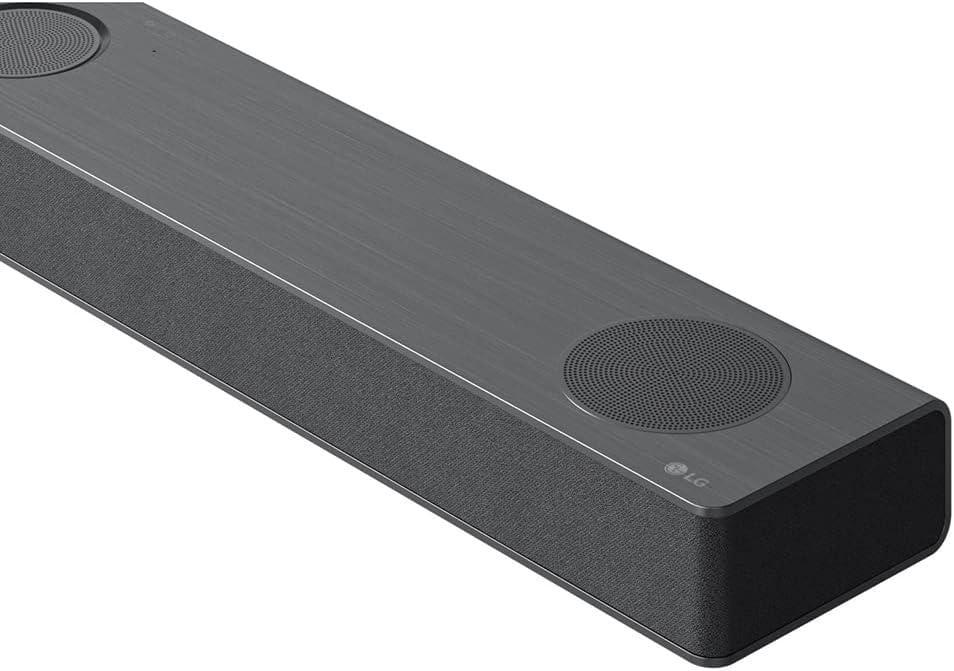
The LG S80TR uses an up-firing center channel design, which angles the center speaker slightly upward. This can help with voice clarity if you're seated below the soundbar level, as the sound arrives more directly at your listening position. The Clear Voice Pro mode specifically enhances dialogue frequencies and can be particularly helpful for users with hearing difficulties.
Gaming audio has become increasingly important as games have adopted cinematic sound design. Both systems handle gaming well, but with different strengths. The Samsung's Game Mode Pro reduces audio processing latency, which is crucial for competitive gaming where audio cues can mean the difference between victory and defeat. When paired with a Samsung TV's Game Mode, the entire signal chain is optimized for minimal delay.
The LG S80TR shines for immersive single-player games where spatial audio enhances the experience. Games like The Last of Us or Horizon Zero Dawn benefit enormously from the rear speakers, which can place subtle environmental sounds behind you or provide directional cues for enemy positions. The height channels add another dimension for games that support Atmos, creating an almost VR-like audio bubble around you.
Both soundbars embrace the wireless ecosystem that's become standard in modern home entertainment. The Samsung supports Bluetooth 5.2, Apple AirPlay, and Chromecast, covering most streaming scenarios. Its integration with Samsung's SmartThings ecosystem is particularly neat if you're already invested in Samsung smart home devices – you can control the soundbar through the same app that manages your smart lights and thermostats.
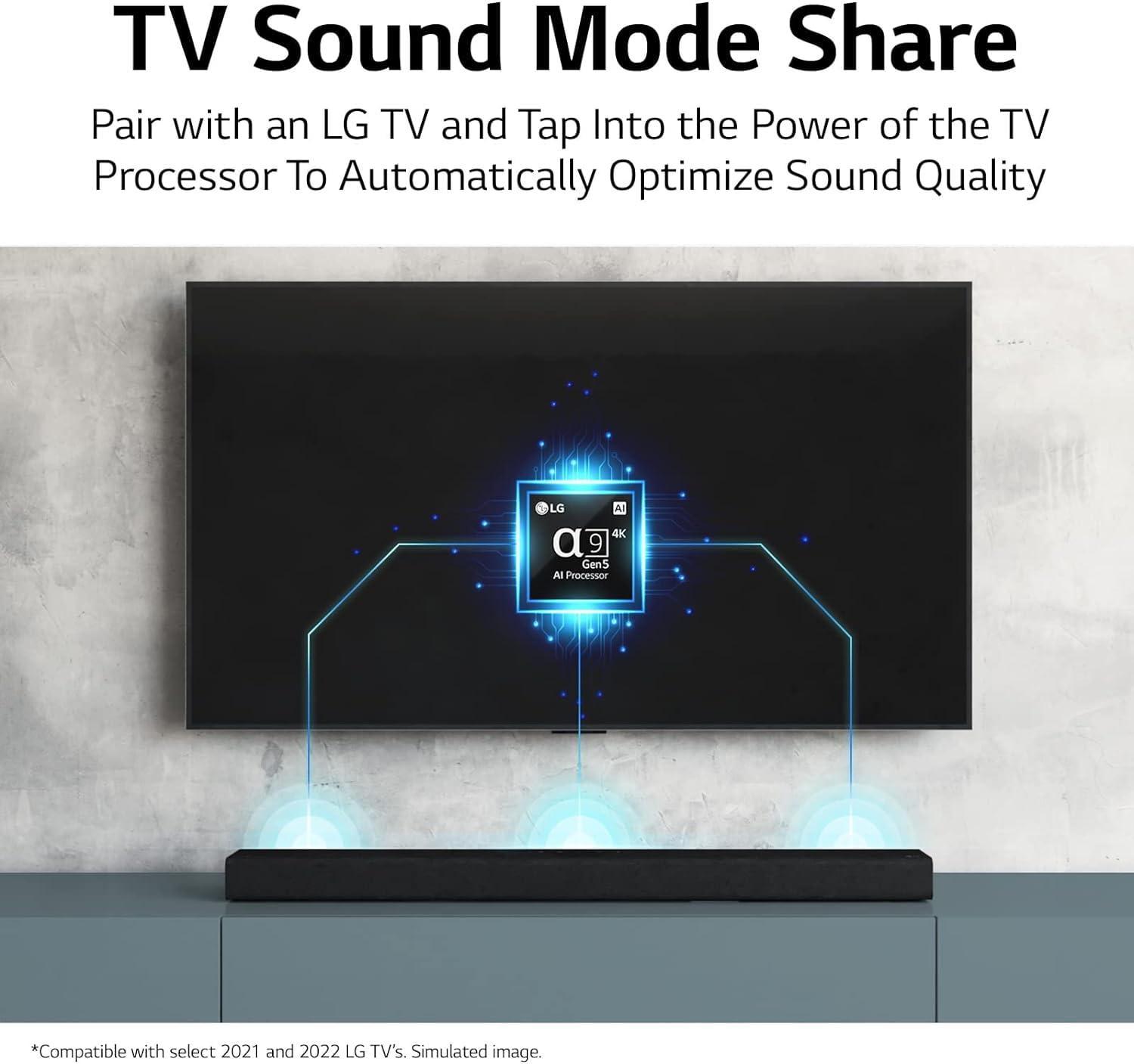
The LG takes connectivity further with Wi-Fi integration and support for additional protocols like Spotify Connect. The WOW Orchestra feature, which coordinates audio between LG TVs and the soundbar, creates a more expansive soundstage by using your TV's speakers as additional channels. This is similar to Samsung's Q-Symphony but with LG's particular implementation tweaks.
Voice assistant integration has become table stakes for premium soundbars. Both support Alexa and Google Assistant, though the implementation varies. The Samsung's SmartThings integration means you can include the soundbar in complex automation routines – imagine your soundbar automatically switching to Night Mode when your smart home system detects it's past bedtime.
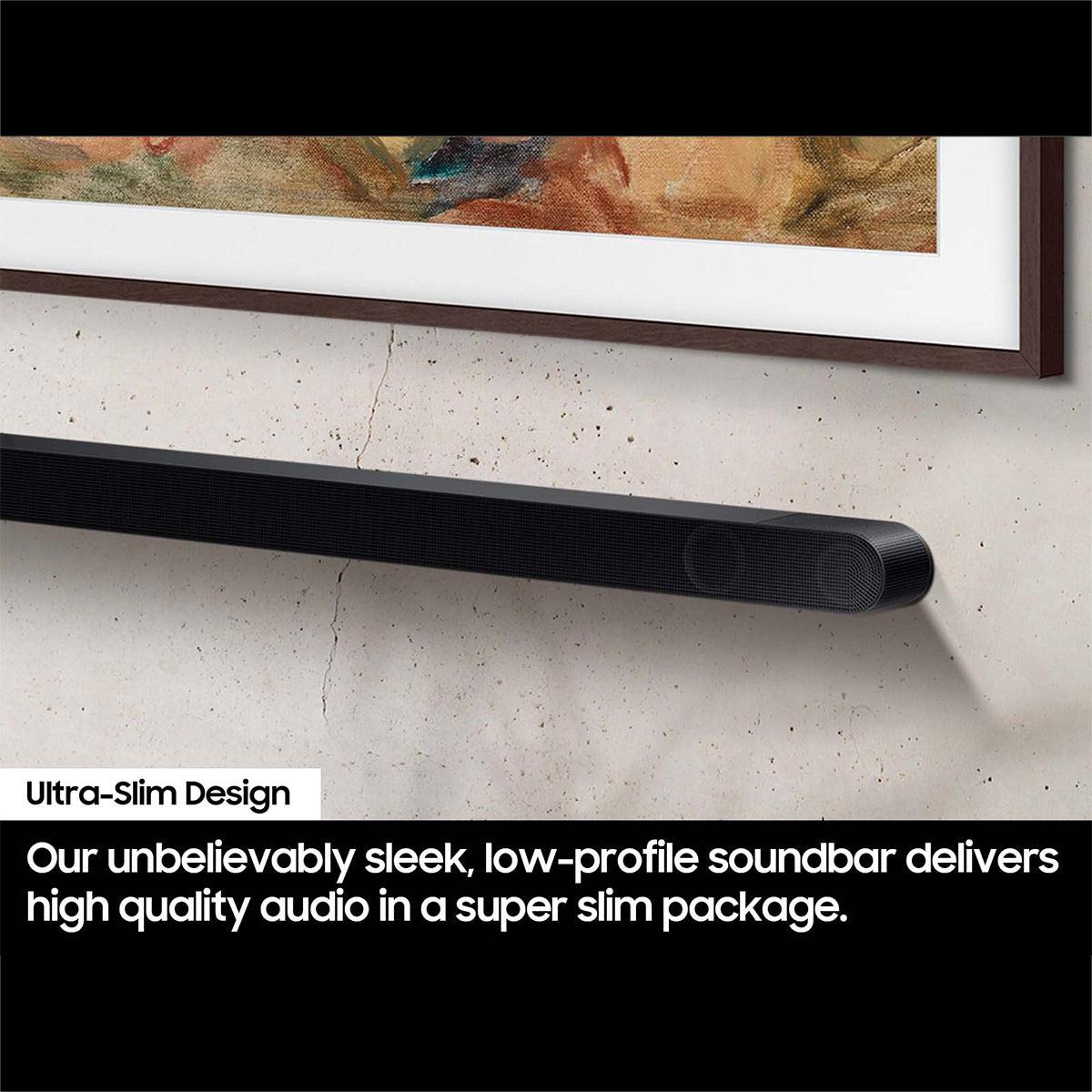
Your room plays a huge role in soundbar performance, often more than people realize. The Samsung HW-S700D excels in smaller to medium-sized rooms where its virtual surround processing has less space to cover. Its ultra-slim design (just 2.5 inches tall) means it won't block your TV screen or clash with your room's aesthetics. The single wireless subwoofer gives you flexibility in placement – you can tuck it beside your TV stand, in a corner, or even behind furniture as long as it's not completely enclosed.
The LG S80TR demands more consideration. You need to position the rear speakers effectively, which means planning your room layout around the audio system. The wireless rear speakers eliminate the cable problem, but you still need power outlets and appropriate placement for optimal surround effects. In larger rooms (over 200 square feet), this extra complexity pays dividends with genuinely immersive surround sound that fills the space properly.
Ceiling height matters too, especially for Atmos effects. The LG's height channels work best with 8-10 foot ceilings – too low and the reflected sound arrives too quickly, too high and it dissipates before reaching you. The Samsung's virtual processing is less dependent on room acoustics, making it more foolproof for challenging spaces.
At $378, the Samsung HW-S700D delivers exceptional bang for the buck. You're getting proven bass performance, excellent dialogue clarity, and sophisticated virtual surround processing in a package that couldn't be easier to set up. For many users, this represents the sweet spot where you get most of the benefits of premium audio without the complexity or cost of a full surround system.
The LG S80TR at $547 asks you to pay significantly more for genuine surround sound capability. Whether that premium is justified depends largely on your room size, content preferences, and tolerance for setup complexity. If you primarily watch dialogue-heavy content in a smaller room, the Samsung's advantages might outweigh the LG's surround sound benefits. But if you're a movie enthusiast with space for proper speaker placement, the LG's immersive capabilities justify the extra cost.
Consider the total cost of ownership too. The Samsung's simpler design means fewer components that could potentially fail, while the LG's multiple wireless connections and additional speakers create more potential points of failure over time.
Choosing between these soundbars ultimately comes down to matching the technology to your specific situation and preferences.
Choose the Samsung HW-S700D if you want reliable, high-quality audio improvement without complexity. Its bass performance consistently impresses, setup takes minutes rather than hours, and the virtual surround is convincing enough for most content. This is particularly true if you own a Samsung TV, where Q-Symphony creates synergies that enhance the overall experience. Small to medium rooms, apartments, and situations where aesthetics matter all favor the Samsung approach.
Go with the LG S80TR if you want the most immersive audio experience possible and have the room to accommodate rear speakers properly. The genuine surround sound creates atmosphere that virtual processing simply cannot match, especially for movies and immersive gaming. Larger rooms benefit more from the multiple speakers and higher total power output.
The bottom line is that both soundbars represent significant upgrades over TV speakers, but they achieve their improvements through different approaches. The Samsung prioritizes simplicity and consistent performance, while the LG offers maximum immersion at the cost of complexity. Your choice should align with how you use your entertainment system and what compromises you're willing to make between convenience and ultimate performance.
| Samsung HW-S700D ($378) | LG S80TR ($547) |
|---|---|
| Channel Configuration - Determines surround sound capability and immersion level | |
| 3.1 channels (virtual surround via processing) | 5.1.3 channels (physical rear speakers + height channels) |
| Subwoofer Size - Affects bass depth and impact | |
| 6" wireless subwoofer (consistently praised for bass quality) | 8" wireless subwoofer (mixed user feedback on performance) |
| Physical Rear Speakers - Creates authentic surround vs virtual processing | |
| None (relies on Dolby Atmos virtualization) | Wireless rear speakers included (true surround sound) |
| Height Channels - Essential for overhead Dolby Atmos effects | |
| Virtual height processing only | 3 dedicated height channels for authentic Atmos |
| Dimensions - Critical for TV compatibility and room aesthetics | |
| Ultra-slim: 8.1"W x 13.9"H x 12.1"D | Standard: 39.3"W x 2.5"H x 5.3" |
| Smart TV Integration - Enhances audio when paired with same brand TV | |
| Q-Symphony (Samsung TVs) + SpaceFit Sound Pro auto-calibration | WOW Orchestra (LG TVs) + AI Room Calibration |
| Setup Complexity - Time and effort required for optimal performance | |
| Minimal (soundbar + subwoofer placement) | Moderate (rear speaker positioning + room optimization) |
| Voice Enhancement Technology - Critical for dialogue clarity | |
| Active Voice Amplifier (AVA) with dedicated center channel | Clear Voice Pro with up-firing center design |
| Gaming Features - Reduces latency for competitive gaming | |
| Game Mode Pro (optimized for Samsung TV pairing) | Dedicated Game mode (benefits from surround positioning) |
| Streaming Connectivity - Wireless music and content options | |
| Bluetooth 5.2, AirPlay, Chromecast | Wi-Fi, Bluetooth 5.1, AirPlay 2, Chromecast, Spotify Connect |
| Room Size Suitability - Optimal performance based on space | |
| Small to medium rooms (under 200 sq ft) | Medium to large rooms (200+ sq ft with rear speaker placement) |
| Total System Weight - Indicates build quality and shipping considerations | |
| Samsung HW-S700D: 13.2 lbs (soundbar only) | LG S80TR: 52.2 lbs (complete system with all speakers) |
The Samsung HW-S700D ($378) is better suited for small rooms under 200 square feet. Its ultra-slim design won't overwhelm compact spaces, and the virtual surround sound works effectively at closer listening distances. The single wireless subwoofer also offers more placement flexibility in tight spaces compared to the LG S80TR's multiple speakers.
The Samsung HW-S700D uses 3.1 channels (left, right, center, plus subwoofer) and creates surround effects through virtual processing. The LG S80TR ($547) has 5.1.3 channels with physical rear speakers and dedicated height channels, providing authentic surround sound where effects actually come from behind and above you.
The Samsung HW-S700D consistently receives praise for its bass quality despite having a smaller 6-inch subwoofer. Users report tight, impactful low-end performance. The LG S80TR has a larger 8-inch subwoofer but receives mixed feedback, with some users finding the bass underwhelming or "tinny."
Not necessarily. The Samsung HW-S700D creates convincing virtual surround sound for most content without rear speakers, making it ideal for simpler setups. However, the LG S80TR's physical rear speakers provide more authentic surround sound immersion, especially beneficial for movies and gaming in larger rooms.
The Samsung HW-S700D ($378) is much easier to set up, requiring only placement of the soundbar and wireless subwoofer. The LG S80TR requires positioning rear speakers properly around your room and more complex calibration, though the wireless design eliminates the need for running speaker cables.
The Samsung HW-S700D costs $378 while the LG S80TR ($547) costs $547 - a $169 difference. Whether it's worth it depends on your room size and priorities. The Samsung offers excellent value for most users, while the LG justifies its higher price with genuine surround sound capabilities.
Both excel with their respective TV brands. The Samsung HW-S700D features Q-Symphony technology that works seamlessly with Samsung TVs, using both TV and soundbar speakers together. The LG S80TR offers WOW Orchestra with LG TVs for enhanced audio coordination. Both support universal features like eARC and work well with any TV brand.
Yes, but differently. The Samsung HW-S700D ($378) uses virtual Dolby Atmos processing to simulate overhead effects. The LG S80TR has dedicated height channels that provide authentic Dolby Atmos with genuine overhead sound placement, making it superior for true Atmos content.
Both excel at dialogue. The Samsung HW-S700D uses Active Voice Amplifier (AVA) technology with a dedicated center channel, receiving consistent praise for voice clarity. The LG S80TR ($547) features Clear Voice Pro and an up-firing center design. User feedback slightly favors the Samsung for dialogue performance.
The Samsung HW-S700D offers Game Mode Pro that reduces latency, making it excellent for competitive gaming, especially when paired with Samsung TVs. The LG S80TR provides superior immersion for single-player games through its surround speakers and height channels, though it may have slightly higher latency.
The Samsung HW-S700D ($378) requires minimal space with just the ultra-slim soundbar and one subwoofer to place. The LG S80TR needs significantly more room planning for optimal rear speaker placement and requires multiple power outlets for all wireless components.
Choose the Samsung HW-S700D if you want excellent audio quality with simple setup, strong bass performance, and great value in smaller to medium rooms. Pick the LG S80TR ($547) if you have a larger room, want maximum immersion with true surround sound, and don't mind the more complex setup for authentic home theater experience.
We've done our best to create useful and informative comparisons to help you decide what product to buy. Our research uses advanced automated methods to create this comparison and perfection is not possible - please contact us for corrections or questions. These are the sites we've researched in the creation of this article: crutchfield.com - samsung.com - bestbuy.com - avsforum.com - walts.com - samsung.com - samsung.com - videoandaudiocenter.com - samsung.com - samsung.com - samsung.com - pcrichard.com - bestbuy.com - billsmith.com - brandsmartusa.com - youtube.com - lg.com - buydig.com - louisdoehomecenter.com - lg.com - videoandaudiocenter.com - mynavyexchange.com - walts.com - bestbuy.com

Privacy Policy
Terms and Conditions - Affiliate Policy
Home Security
© Copyright 2008-2026.
11816 Inwood Rd #1211, Dallas, TX 75244