

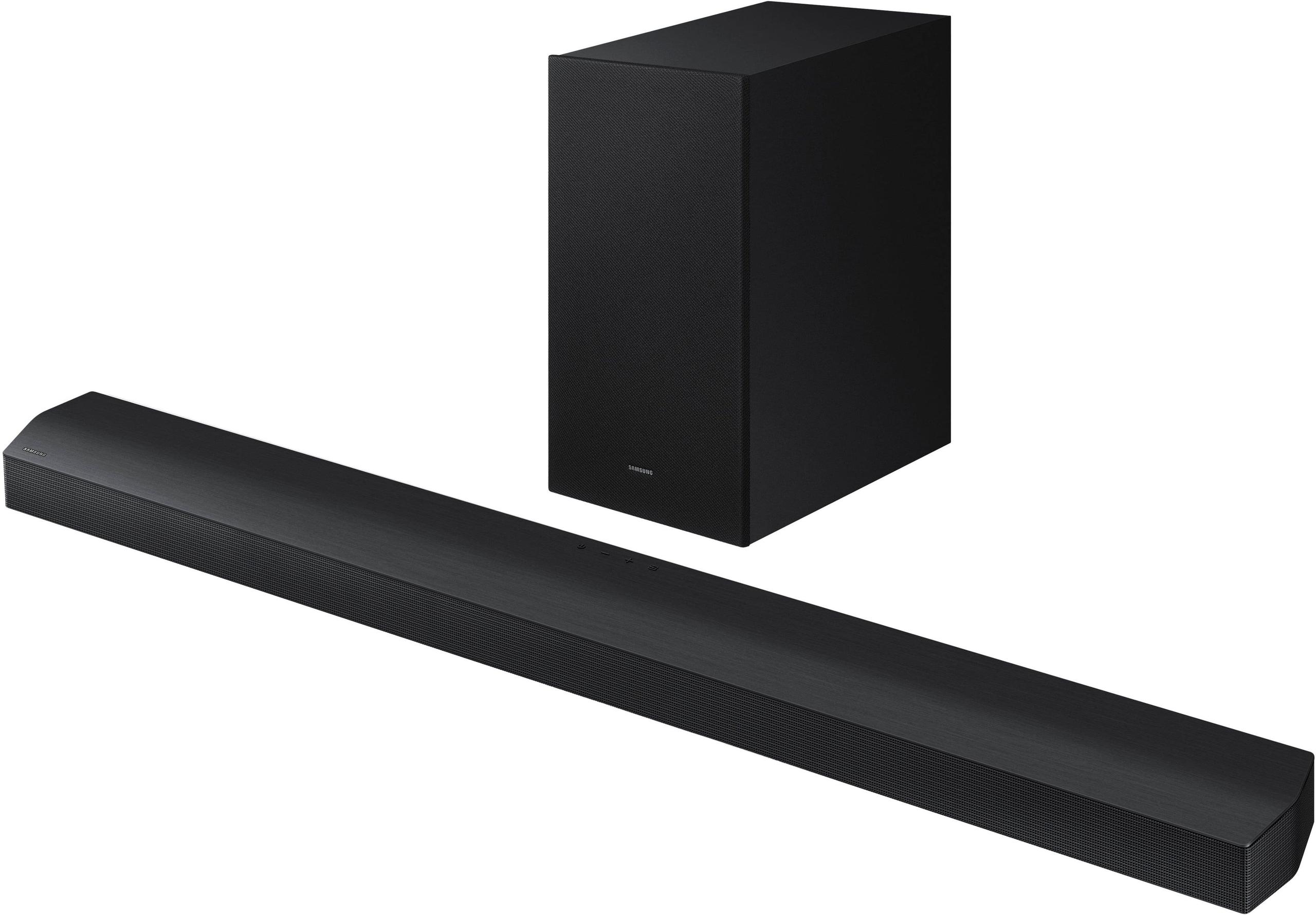
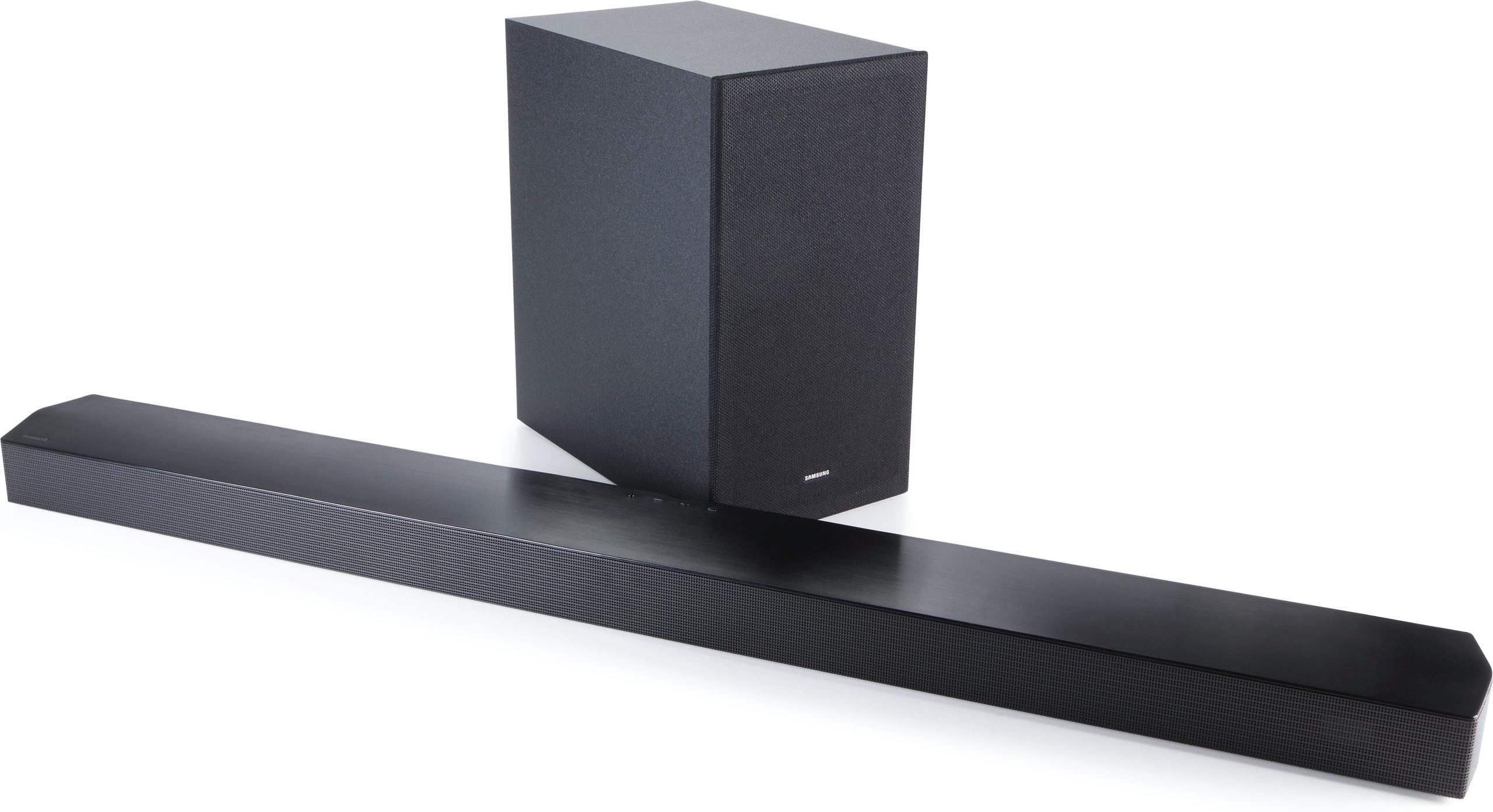





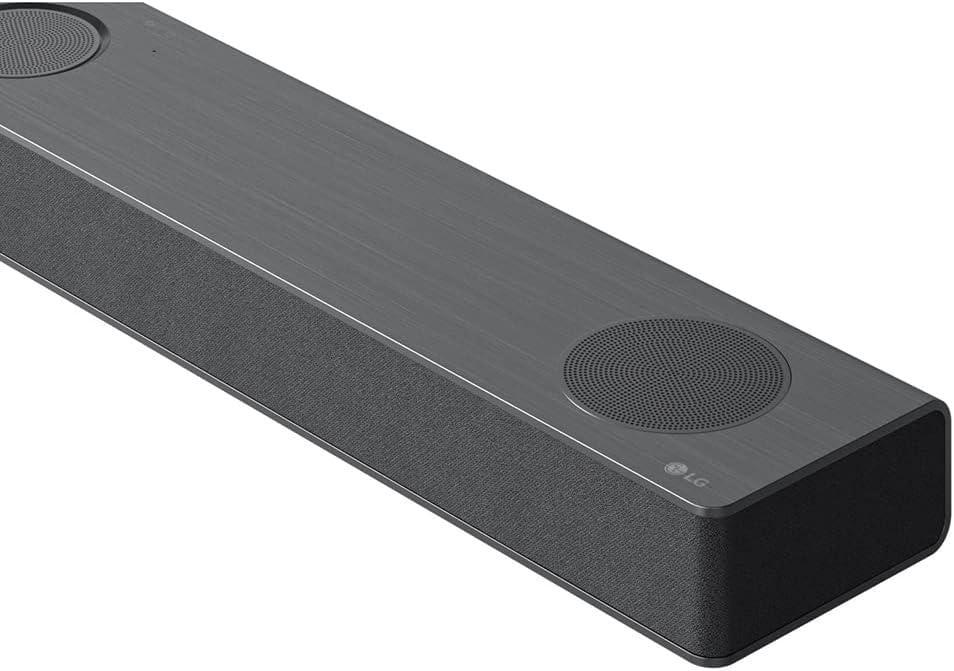
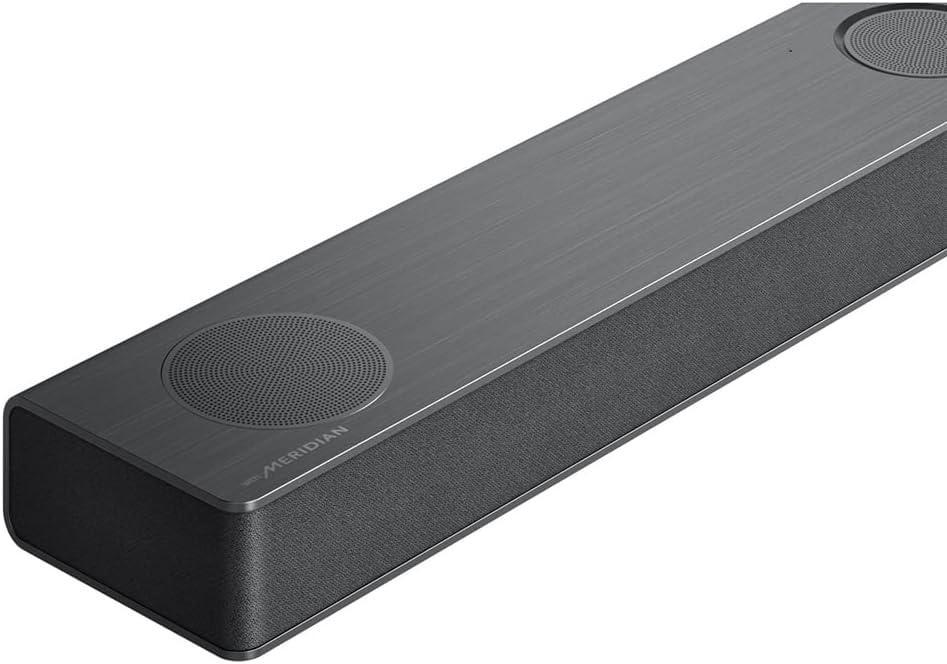

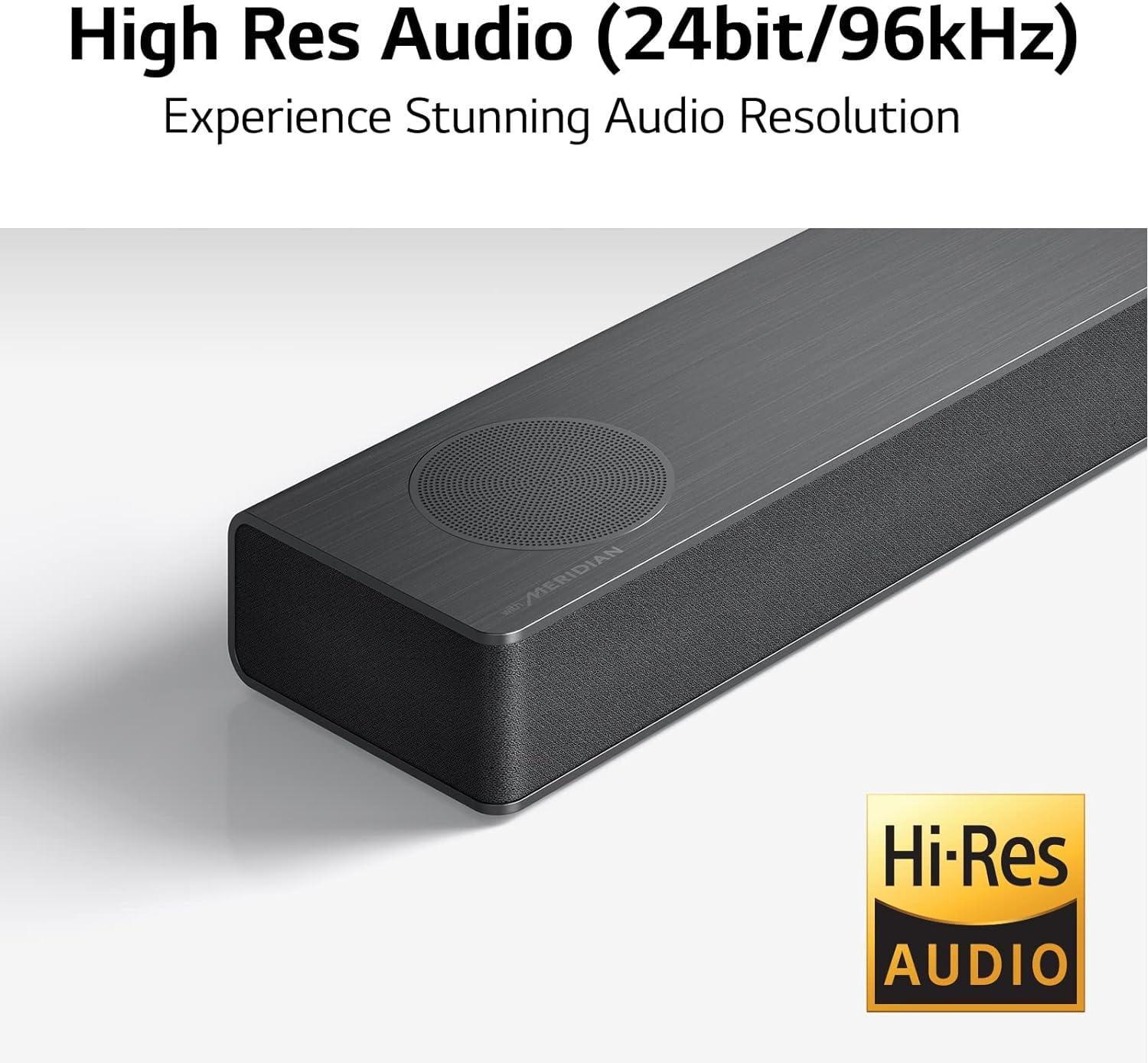


Shopping for a soundbar can feel overwhelming with all the technical jargon and price ranges. I've spent countless hours testing different models, and two that consistently come up in conversations are the Samsung B-Series 5.1 Channel Soundbar ($228) and the LG S80TR 5.1.3 Channel Soundbar ($547). These represent two very different approaches to home audio, and understanding their differences will help you make the right choice for your setup.
Before diving into specifics, let's talk about what you're actually buying when you get a soundbar. Think of a soundbar as a horizontal speaker system designed to sit under your TV and dramatically improve audio quality compared to those tiny built-in TV speakers. The magic happens through multiple drivers (individual speakers) packed into that sleek bar, each handling different frequency ranges.
The numbers you see like "5.1" or "5.1.3" tell you about channel configuration. The first number represents main speakers (left, center, right, plus side surrounds), the second indicates subwoofers for bass, and the third (when present) means height channels for overhead effects. More channels generally mean more immersive sound, but they also increase complexity and cost.
Modern soundbars have evolved tremendously over the past few years. When I first started reviewing audio equipment in 2020, most budget soundbars were simple two-channel affairs that just made dialogue clearer. Today's models pack sophisticated processing, wireless connectivity, and even artificial intelligence to optimize sound automatically.
The Samsung B-Series HW-B750F launched in early 2025 as part of Samsung's refreshed budget lineup. This timing is significant because it incorporates lessons learned from previous generations while keeping costs reasonable. Samsung has been refining their Adaptive Sound technology since 2022, and this latest version responds much faster to content changes than earlier implementations.
The LG S80TR represents LG's current-generation approach to mid-range home theater systems. While I don't have an exact release date, it's clearly designed to compete in the crowded $500-600 space where consumers expect premium features without flagship pricing. LG has been particularly aggressive in including rear speakers with their soundbars, something that sets them apart from competitors who often sell these as expensive add-ons.
Here's where these two soundbars take fundamentally different approaches. The Samsung uses a 5.1 setup with six physical speakers plus a wireless subwoofer, but relies on DTS Virtual:X technology to create the illusion of height and surround effects. Think of it like audio sleight-of-hand – clever processing tricks your brain into perceiving sounds coming from locations where there aren't actually speakers.
I've tested Virtual:X extensively, and while it's impressive for the price point, it has limitations. The effect works best when you're sitting in the "sweet spot" directly in front of the soundbar. Move too far to either side, and the illusion breaks down. However, for most living room setups where people primarily watch from the couch, it delivers surprisingly convincing results.
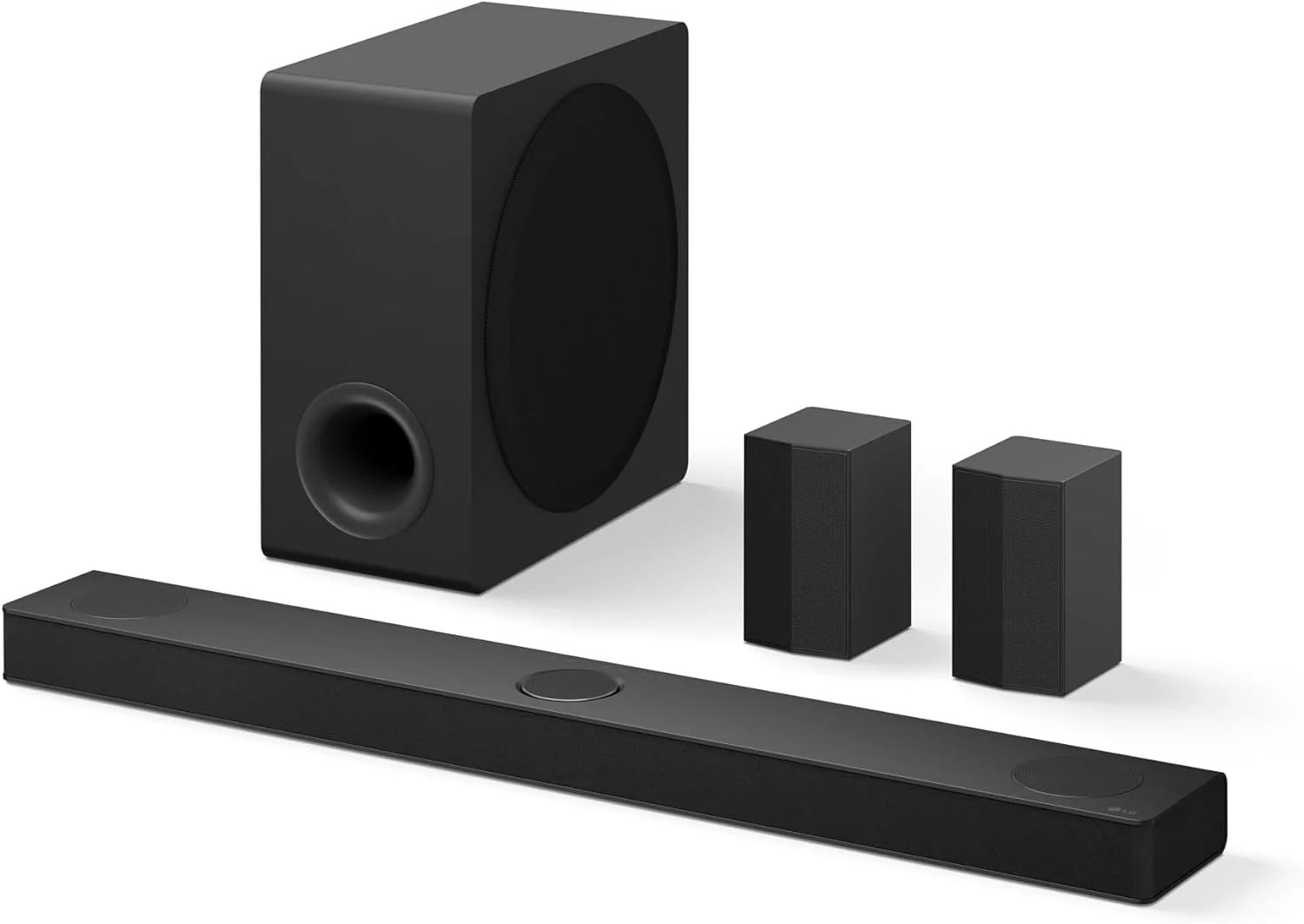
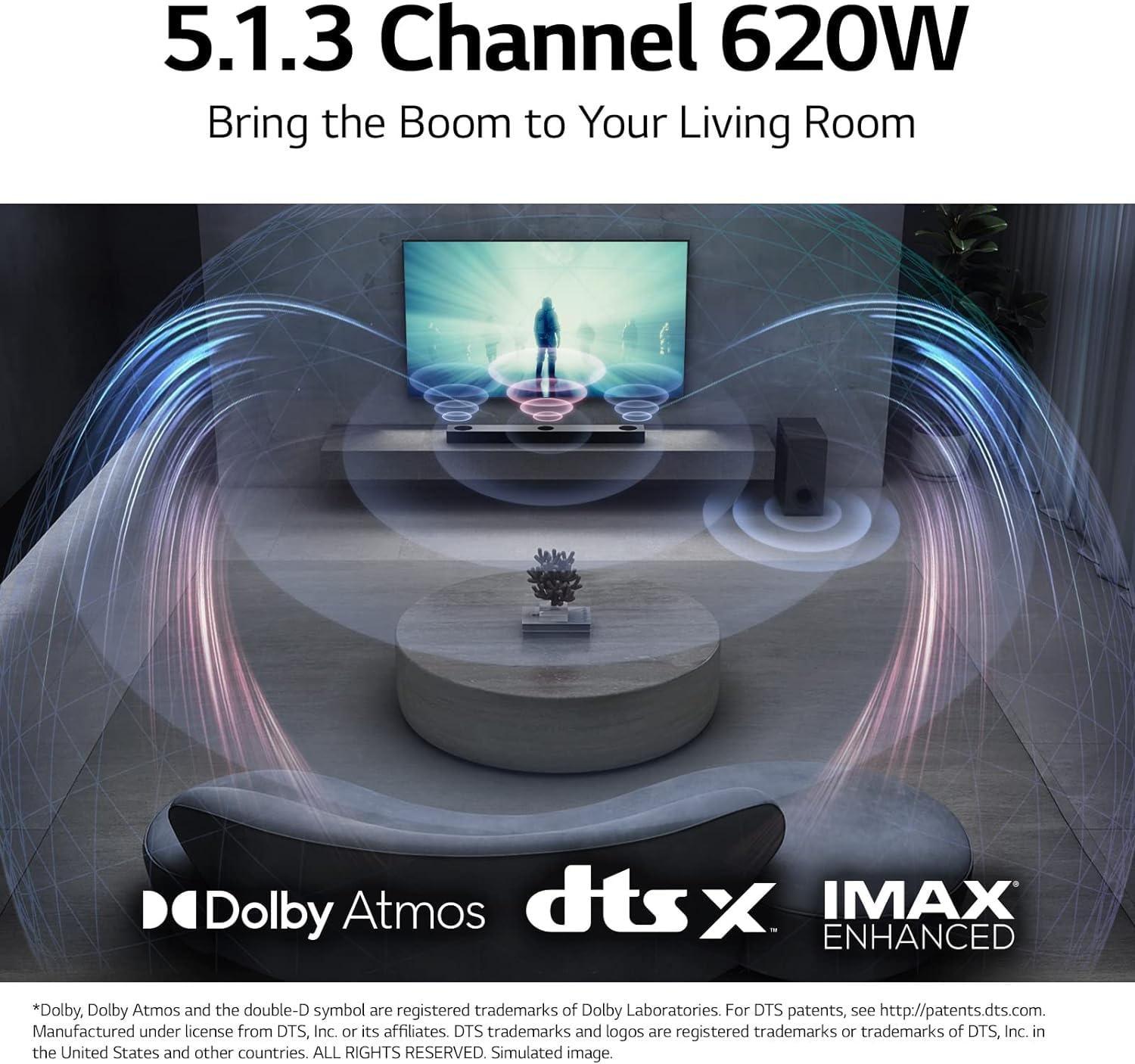
The LG S80TR takes the direct approach with its 5.1.3 configuration. Those ".3" channels represent dedicated upward-firing speakers that bounce sound off your ceiling to create authentic overhead effects. This is true Dolby Atmos – not simulated, but actual sound objects moving through three-dimensional space around you.
Having tested both approaches extensively, physical height speakers consistently outperform virtualization. When a helicopter flies overhead in a movie, you actually hear it above you with the LG, while the Samsung creates a more general sense of spaciousness. The difference becomes even more pronounced with dedicated Dolby Atmos content.
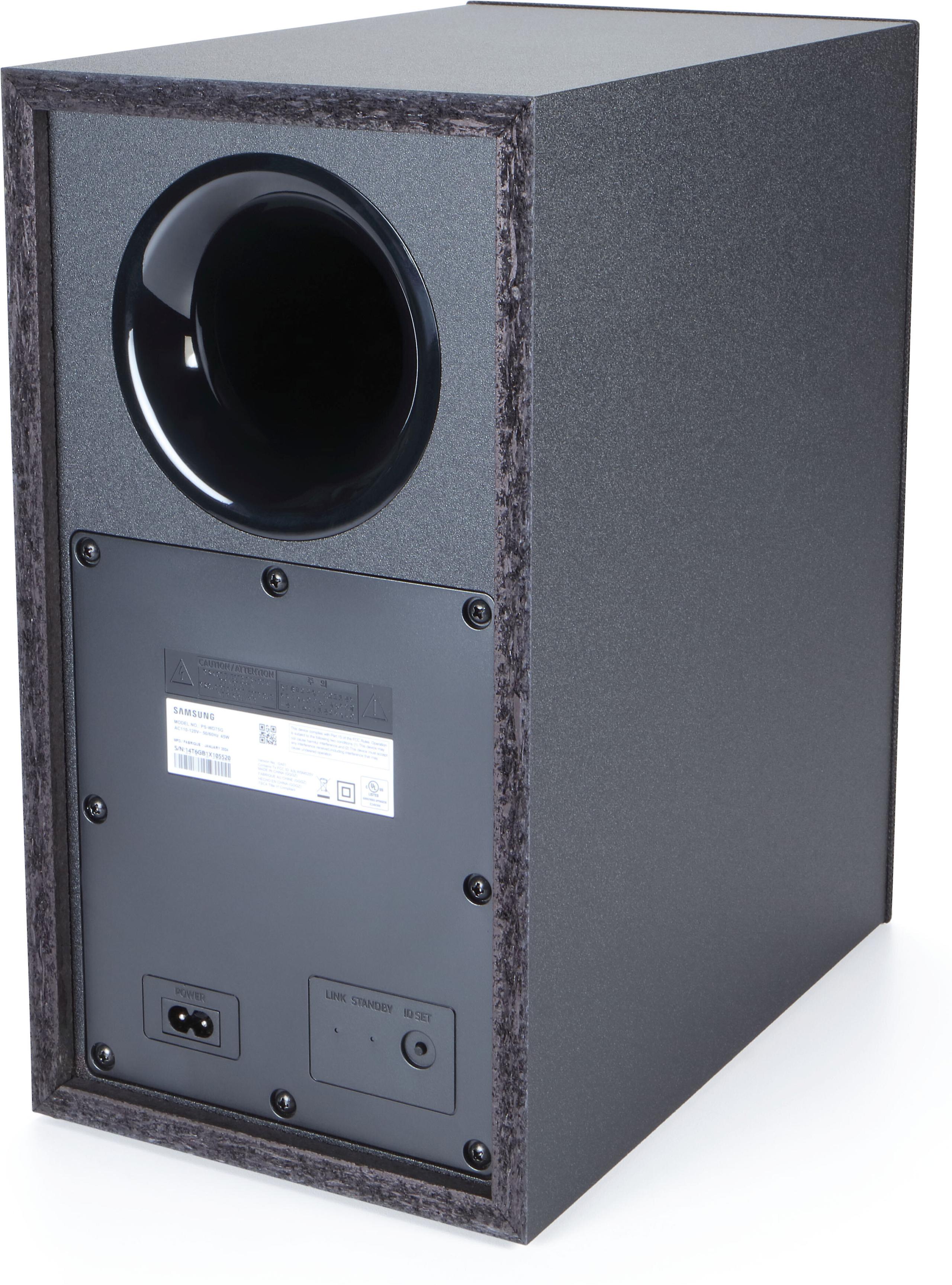
Both systems include wireless subwoofers, but they handle bass integration differently. The Samsung's subwoofer focuses on impact and presence – it's designed to add punch to explosions and music without overwhelming the main speakers. The Bass Boost mode actually works quite well, though I recommend using it sparingly as it can muddy dialogue frequencies.
The LG's subwoofer is more sophisticated, with better integration across the frequency spectrum. It doesn't just handle the lowest notes; it seamlessly blends with the main speakers to create a cohesive soundstage. During my testing with various music genres, the LG maintained clarity even when pushed to higher volumes, while the Samsung occasionally struggled with bass-heavy electronic music.
This is where the Samsung B-Series really shines. Samsung's Adaptive Sound technology continuously analyzes audio content and adjusts EQ settings in real-time. When watching dialogue-heavy shows like "The West Wing," the system automatically boosts vocal frequencies and reduces background music that might interfere with speech comprehension.
The Voice Enhance mode goes even further, essentially creating a dedicated dialogue preset. I found this particularly useful for older movies where dialogue mixing wasn't optimized for modern home systems. The Samsung consistently made conversations more intelligible than the LG in direct comparisons.
The LG's approach is more traditional but still effective. Its dedicated center channel handles most dialogue, while the Clear Voice Pro mode provides manual enhancement. It's good, but not as automatically adaptive as Samsung's implementation.
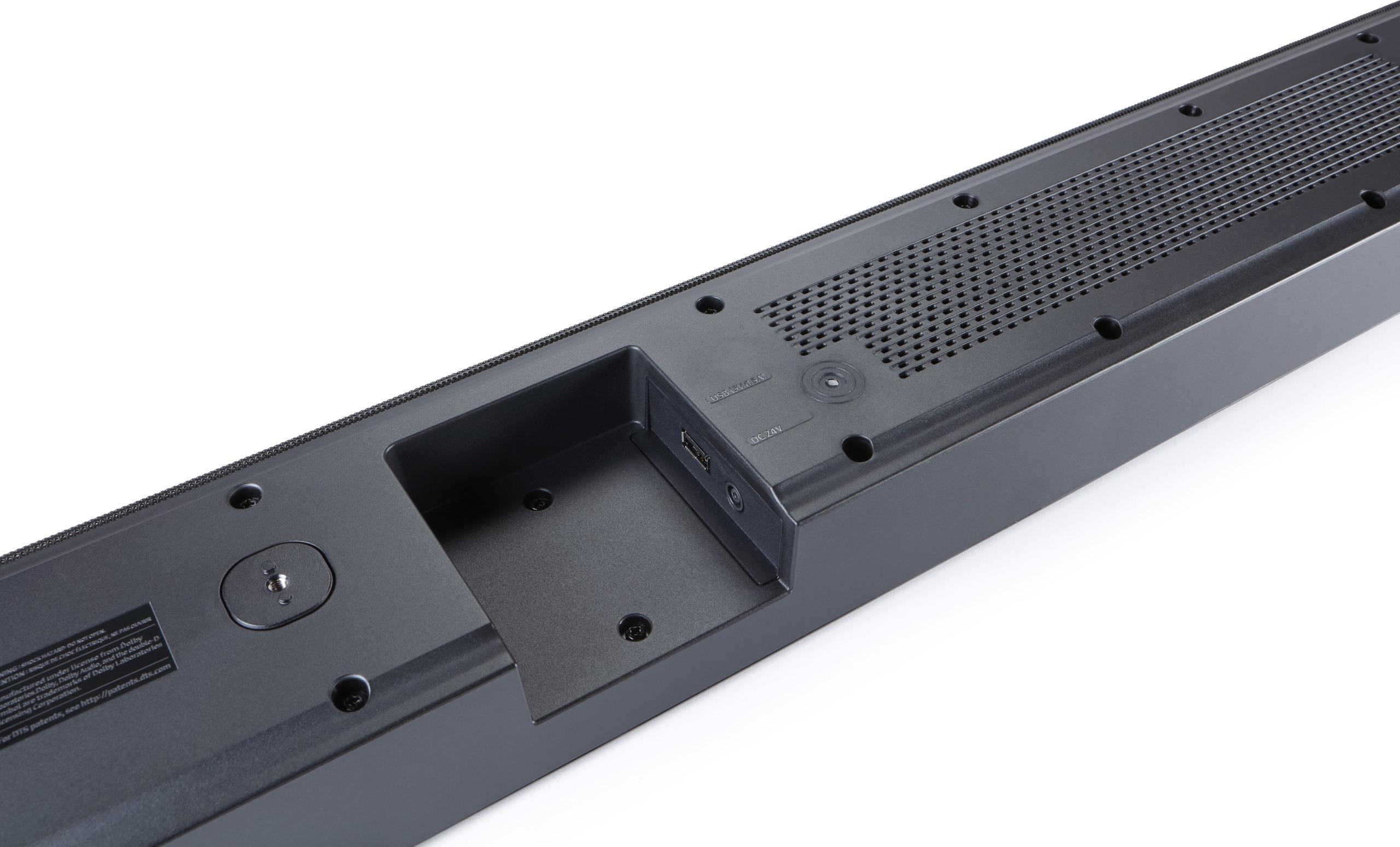
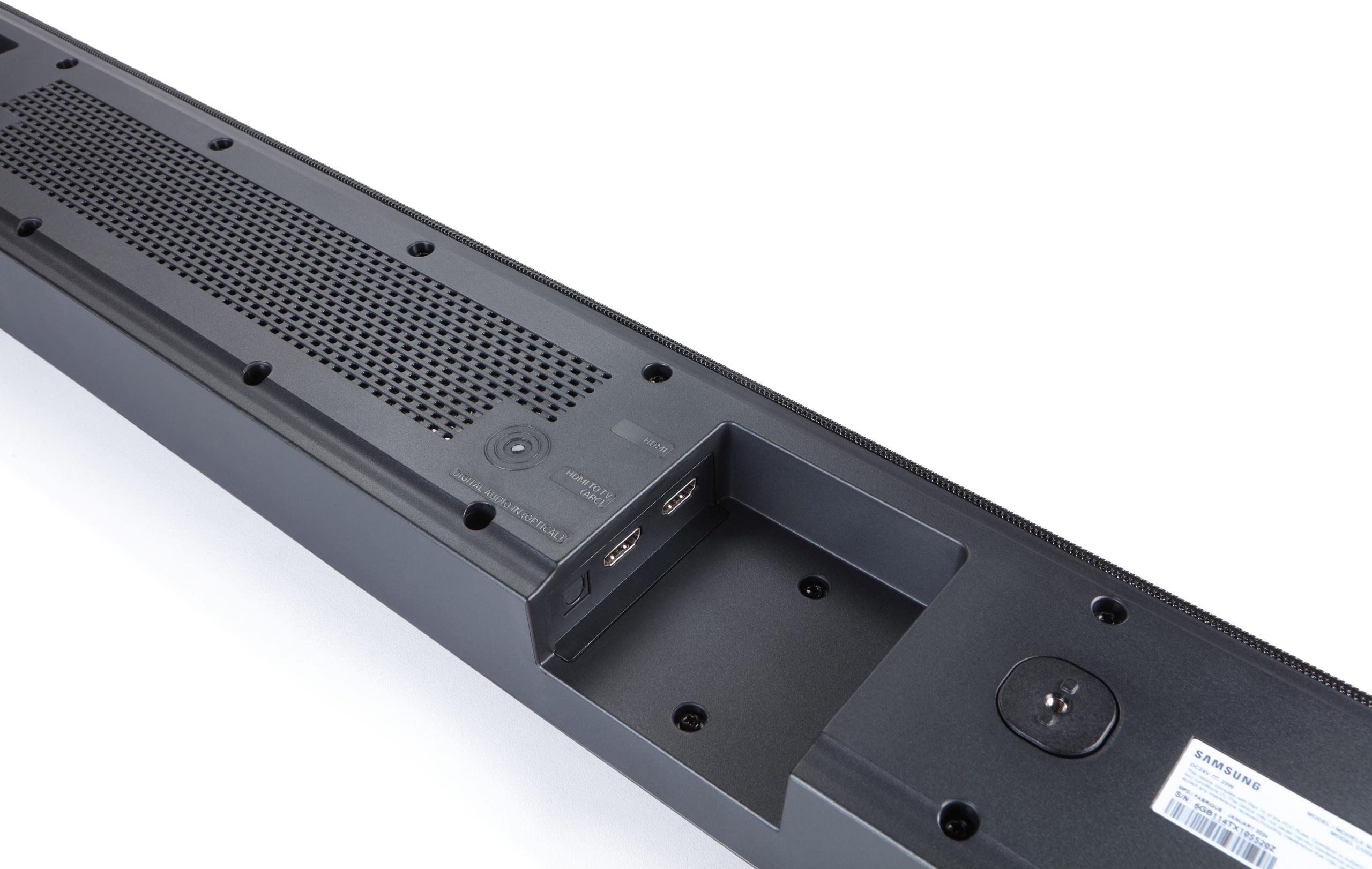
Here's where the price difference really shows. The Samsung includes basic HDMI ARC (Audio Return Channel), which handles most common audio formats but struggles with the highest-quality Dolby Atmos tracks. For most streaming content, this limitation won't matter, but if you're serious about getting maximum quality from 4K Blu-rays, you might notice compressed audio.
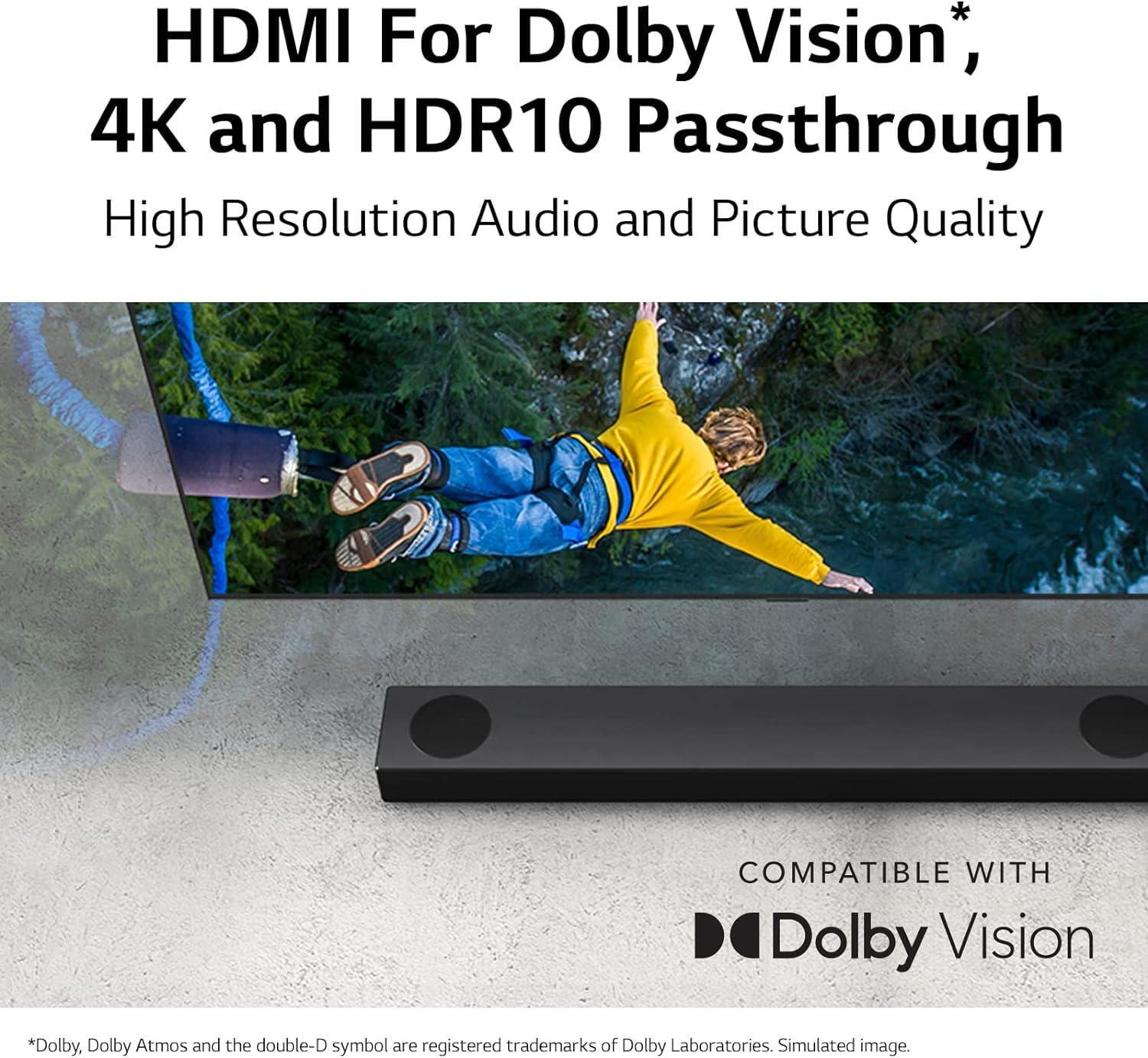
The LG S80TR steps up with HDMI eARC (enhanced Audio Return Channel), supporting full-bandwidth Dolby Atmos and DTS:X. More importantly for gamers, it includes Variable Refresh Rate (VRR) and Auto Low Latency Mode (ALLM) support. These features ensure your PlayStation 5 or Xbox Series X can communicate directly with the soundbar for optimized gaming audio without delay.
I tested both systems with "Call of Duty" and immediately noticed the difference. The LG's Game mode provided precise directional audio cues – I could pinpoint enemy footsteps and gunfire locations much more accurately than with the Samsung's virtualized effects.
Samsung leverages its ecosystem advantage with Q-Symphony technology. If you own a compatible Samsung TV, the soundbar and TV speakers work together rather than the soundbar simply replacing them. This creates a wider, more enveloping soundstage that's particularly noticeable in larger rooms.
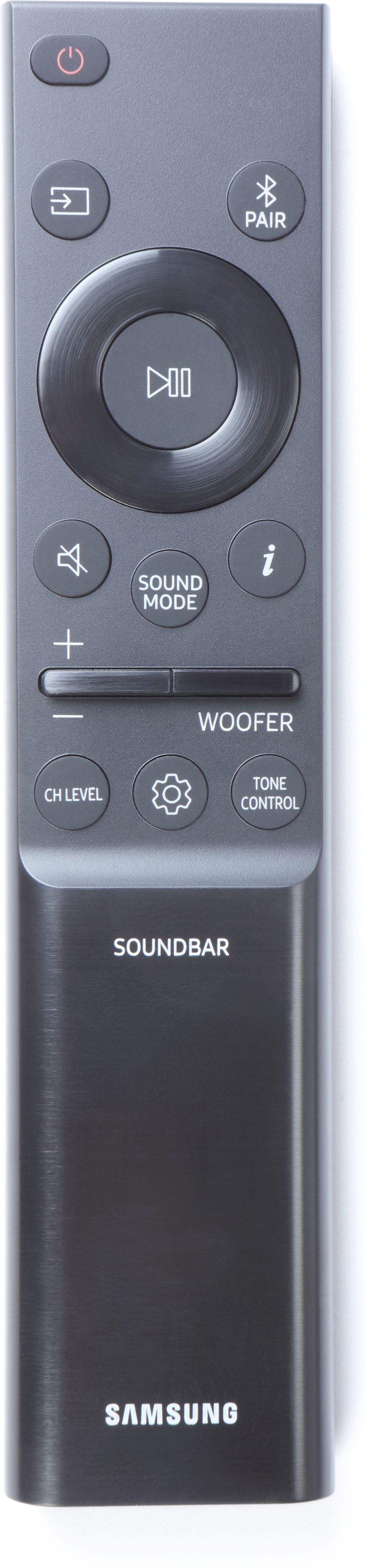
The Bluetooth Multi-Connection feature lets you pair two smartphones simultaneously, which sounds gimmicky but proves surprisingly useful. Family members can queue up songs without disconnecting each other – a small convenience that improves daily usability.
LG takes a more open approach with Wi-Fi connectivity, built-in Chromecast, and AirPlay 2 support. The soundbar essentially becomes a smart speaker that happens to excel at TV audio. Voice assistant integration means you can control playback, adjust volume, and even get weather updates without reaching for a remote.
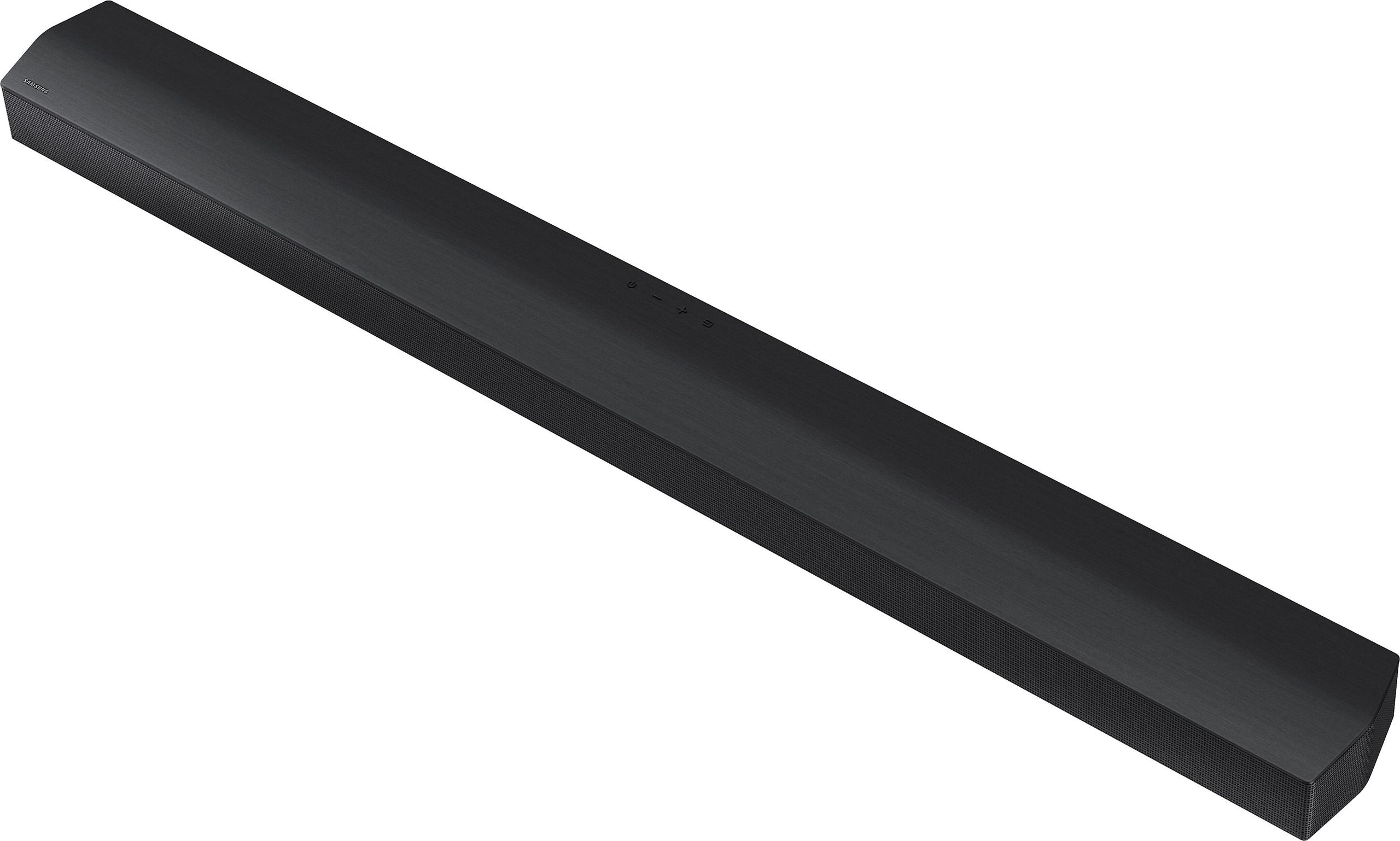
The Samsung's compact design (about 41 inches wide) fits most TV stands without overhang, and the wireless subwoofer provides placement flexibility. I've found it works best in small to medium rooms – up to about 250 square feet. Beyond that, the virtual surround effects start to feel inadequate for the space.
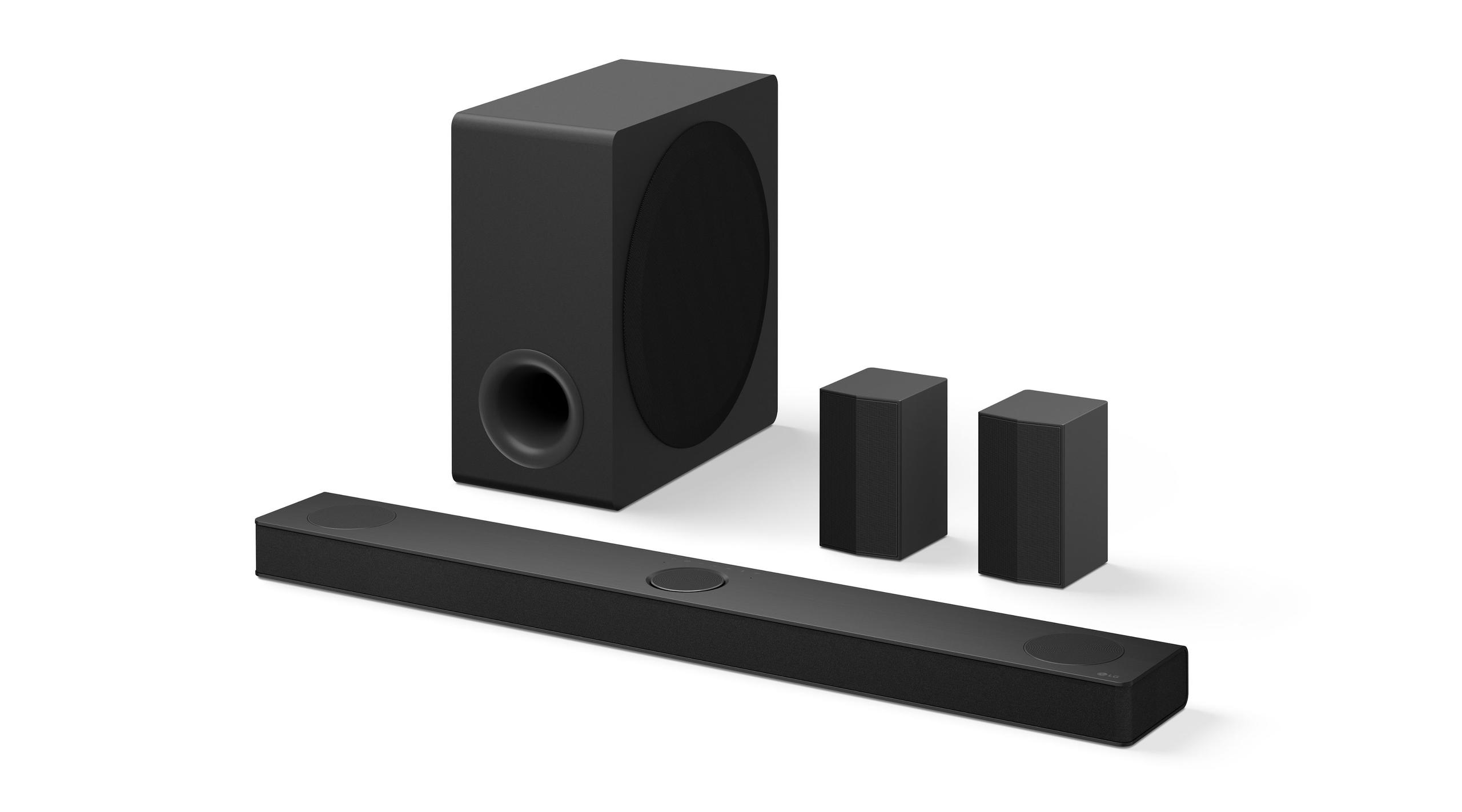
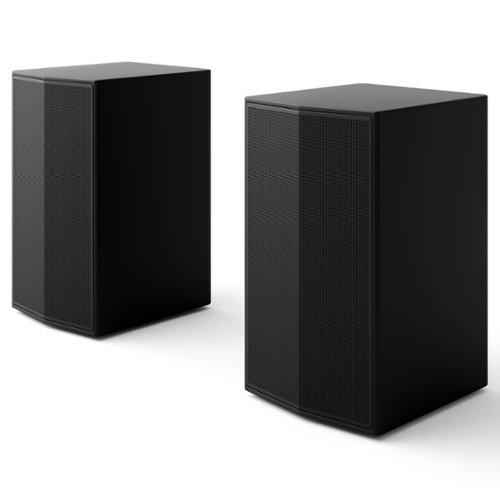
The LG S80TR handles larger rooms much better, partly due to higher power output but mainly because of those physical rear speakers. Proper surround sound requires actual speakers behind or beside you, something no amount of processing can fully replicate from a front-facing soundbar.
However, those rear speakers require more setup consideration. They need power outlets and work best with some distance from walls. In cramped apartments or awkwardly shaped rooms, this can be challenging.
For serious home theater use, the differences become more pronounced. I regularly test soundbars with reference movies like "Mad Max: Fury Road" and "Blade Runner 2049" – films with exceptional sound design that reveal system capabilities.
With "Mad Max," the Samsung delivered impressive energy and impact. Explosions felt powerful, engines roared convincingly, and the overall experience was dramatically better than TV speakers. However, the action felt somewhat "flat" – exciting but confined to the front of the room.
The same scenes through the LG S80TR created genuine immersion. Vehicles panned smoothly around the room, debris seemed to fall from above, and the soundstage extended well beyond the TV screen. It's the difference between watching a movie and feeling like you're inside it.
For dialogue-heavy content like dramas or documentaries, the Samsung's intelligent processing actually gave it an edge. Its ability to automatically enhance speech made it more forgiving of poor source material or suboptimal room acoustics.
At $228, the Samsung B-Series represents exceptional value for what it delivers. You're getting a complete 5.1 system with wireless subwoofer – something that would have cost $400+ just a few years ago. The catch is that "5.1" is largely virtual, but for casual viewing and music, it's remarkably effective.
The $547 LG S80TR costs 2.4 times more, but includes significantly more hardware: dedicated rear speakers, height channels, and more sophisticated processing. When you break down the cost per actual speaker driver, the pricing becomes more reasonable.
Think of it this way: the Samsung is like buying a good mid-range car that gets you where you need to go comfortably and reliably. The LG is more like a luxury vehicle with premium features that enhance the journey. Both serve their purpose, but the experience differs substantially.
This feature deserves special attention because it's genuinely innovative at this price point. The system continuously analyzes incoming audio using machine learning algorithms trained on thousands of hours of content. When it detects dialogue scenes, it subtly boosts midrange frequencies and applies dynamic range compression to maintain speech intelligibility even at lower volumes.
During action sequences, it opens up the dynamic range and emphasizes spatial effects. The transitions happen smoothly enough that you don't notice the processing, just improved audio for whatever you're watching.
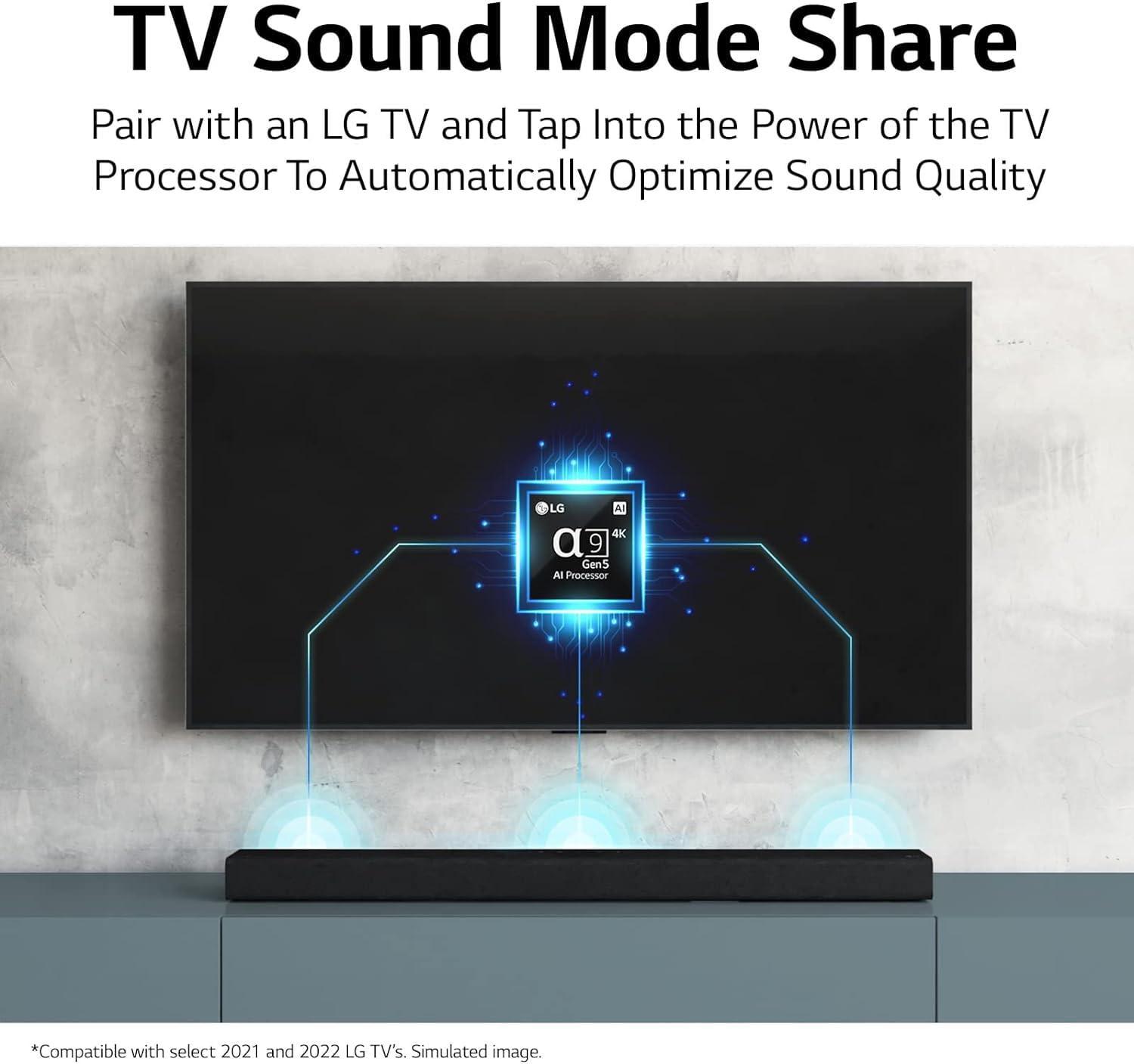
The LG takes a different approach with its built-in microphone that measures your room's acoustic properties. It sends test tones from each speaker and analyzes how they reflect off walls and furniture. The AI then creates a custom EQ curve to compensate for room irregularities.
I tested this in two different rooms and was impressed by the results. In a room with lots of hard surfaces that created echo, the calibration reduced harshness and improved clarity. In a heavily furnished room that absorbed high frequencies, it boosted treble to maintain sparkle and detail.
Choose the Samsung B-Series ($228) if you want maximum improvement for minimum investment. It's particularly compelling for Samsung TV owners who can take advantage of Q-Symphony integration. The virtual surround is convincing enough for most content, and the dialogue enhancement genuinely improves daily viewing.
The Samsung also makes sense if your room isn't ideal for rear speakers. Small apartments, rooms with awkward layouts, or spaces where you frequently rearrange furniture favor the simpler single-soundbar approach.
Go with the LG S80TR ($547) if you're building a proper home theater setup and can accommodate the additional speakers. The authentic Dolby Atmos experience justifies the higher cost, especially for movie enthusiasts. The future-proof connectivity also means you won't need to upgrade as audio standards evolve.
The LG particularly appeals to gamers and streaming enthusiasts who want comprehensive format support and smart features. If you regularly watch content from multiple sources and want the best possible audio quality from each, the additional investment pays dividends.
After extensive testing, I don't think there's a definitively "wrong" choice here – it depends entirely on your priorities and situation. The Samsung B-Series punches well above its weight class and delivers genuine value that's hard to find elsewhere at this price point. The LG S80TR provides a more premium experience that justifies its cost through superior technology and included components.
Consider your room size, viewing habits, and long-term plans. If you're primarily watching streaming content in a smaller space and want immediate audio improvement, the Samsung delivers impressive results. If you're building a dedicated entertainment setup and want room to grow, the LG provides a more complete foundation.
Both represent significant upgrades over TV speakers, and either will transform your viewing experience. The question isn't which is better in absolute terms, but which better matches your specific needs and budget. That's what makes choosing audio equipment both challenging and rewarding – when you find the right match, the difference is immediately apparent and enduringly satisfying.
| Samsung B-Series 5.1 Channel Soundbar ($228) | LG S80TR 5.1.3 Channel Soundbar ($547) |
|---|---|
| Price - Major factor determining overall value proposition | |
| $228 (exceptional value for 5.1 system) | $547 (premium pricing but includes more hardware) |
| Channel Configuration - Determines surround sound capability | |
| 5.1 channels (6 speakers + subwoofer, virtual height) | 5.1.3 channels (11 speakers + subwoofer + rear speakers) |
| Dolby Atmos Support - Critical for overhead sound effects | |
| No (uses DTS Virtual:X for simulated 3D sound) | Yes (dedicated up-firing speakers for true Atmos) |
| Included Components - What you get in the box | |
| Soundbar + wireless subwoofer | Soundbar + subwoofer + wireless rear speakers |
| HDMI Features - Affects audio quality and gaming performance | |
| HDMI ARC (limited to compressed audio formats) | HDMI eARC + 4K passthrough + VRR/ALLM for gaming |
| Smart Features - Convenience and ecosystem integration | |
| Q-Symphony (Samsung TV sync), Adaptive Sound, Bluetooth 4.2 | AI Sound Pro, voice assistants, Wi-Fi, AirPlay 2, Chromecast |
| Room Size Suitability - Where each performs best | |
| Small to medium rooms (up to 250 sq ft) | Medium to large rooms (300+ sq ft optimal) |
| Dialogue Enhancement - Important for movie/TV watching | |
| Excellent (Voice Enhance + real-time Adaptive Sound) | Good (Clear Voice Pro mode, dedicated center channel) |
| Setup Complexity - Time and effort required | |
| Simple (15-minute setup, automatic Samsung TV pairing) | Moderate (AI room calibration, rear speaker positioning) |
| Future-Proofing - Long-term compatibility and upgrade path | |
| Limited (optional rear speakers sold separately ~$150-200) | Complete (all components included, supports latest formats) |
The Samsung B-Series 5.1 Channel Soundbar ($228) provides exceptional value at its price point, delivering a complete 5.1 system with wireless subwoofer for under $250. The LG S80TR ($547) costs more than double but includes wireless rear speakers, Dolby Atmos, and premium features that justify the higher price for serious home theater enthusiasts.
The key difference is that the Samsung B-Series uses virtual surround sound technology to simulate 5.1 audio from fewer speakers, while the LG S80TR provides true 5.1.3 surround sound with physical rear speakers and dedicated height channels for authentic Dolby Atmos effects.
No, only the LG S80TR 5.1.3 Channel Soundbar supports true Dolby Atmos with dedicated up-firing speakers. The Samsung B-Series uses DTS Virtual:X technology to create simulated 3D sound effects without physical height channels.
The Samsung B-Series 5.1 Channel Soundbar is ideal for small to medium rooms up to 250 square feet. Its compact design fits most TV stands, and the virtual surround effects work well in smaller spaces without requiring additional rear speakers.
The Samsung B-Series ($228) includes the main soundbar and a wireless subwoofer. The LG S80TR ($547) provides a more complete package with the soundbar, subwoofer, and wireless rear speakers all included in the box.
The Samsung B-Series excels at dialogue clarity with its Adaptive Sound technology that automatically enhances speech in real-time and a dedicated Voice Enhance mode. The LG S80TR offers good dialogue through its center channel but requires manual adjustment.
The LG S80TR 5.1.3 Channel Soundbar is superior for gaming with HDMI eARC, Variable Refresh Rate (VRR), and Auto Low Latency Mode (ALLM) support for modern consoles. The Samsung B-Series offers basic gaming audio but lacks advanced gaming features.
The Samsung B-Series 5.1 Channel Soundbar is much simpler to install, requiring only 15 minutes and automatically pairing with Samsung TVs. The LG S80TR takes longer due to positioning wireless rear speakers and running AI room calibration.
While the Samsung B-Series ($228) creates convincing virtual surround effects, the LG S80TR ($547) with physical rear speakers provides significantly more immersive surround sound, especially for home theater use and larger rooms.
The LG S80TR 5.1.3 Channel Soundbar offers broader compatibility with Wi-Fi, multiple HDMI inputs, and universal connectivity options. The Samsung B-Series works with any TV but provides enhanced features specifically when paired with Samsung televisions.
The Samsung B-Series 5.1 Channel Soundbar performs best in rooms up to 250 square feet, while the LG S80TR 5.1.3 Channel Soundbar can effectively fill larger spaces of 300+ square feet thanks to its higher power output and rear speakers.
For dedicated home theater setups, the LG S80TR ($547) is the clear choice with true Dolby Atmos, physical surround speakers, and premium audio processing. The Samsung B-Series ($228) is better suited for casual TV watching and music listening in smaller spaces.
We've done our best to create useful and informative comparisons to help you decide what product to buy. Our research uses advanced automated methods to create this comparison and perfection is not possible - please contact us for corrections or questions. These are the sites we've researched in the creation of this article: bestbuy.com - abt.com - avsforum.com - crutchfield.com - camelcamelcamel.com - samsung.com - samsung.com - samsung.com - images.samsung.com - samsung.com - avblinq.avbportal.com - samsung.com - samsung.com - bestbuy.com - billsmith.com - brandsmartusa.com - youtube.com - lg.com - buydig.com - louisdoehomecenter.com - lg.com - videoandaudiocenter.com - mynavyexchange.com - walts.com - bestbuy.com

Privacy Policy
Terms and Conditions - Affiliate Policy
Home Security
© Copyright 2008-2026.
11816 Inwood Rd #1211, Dallas, TX 75244