




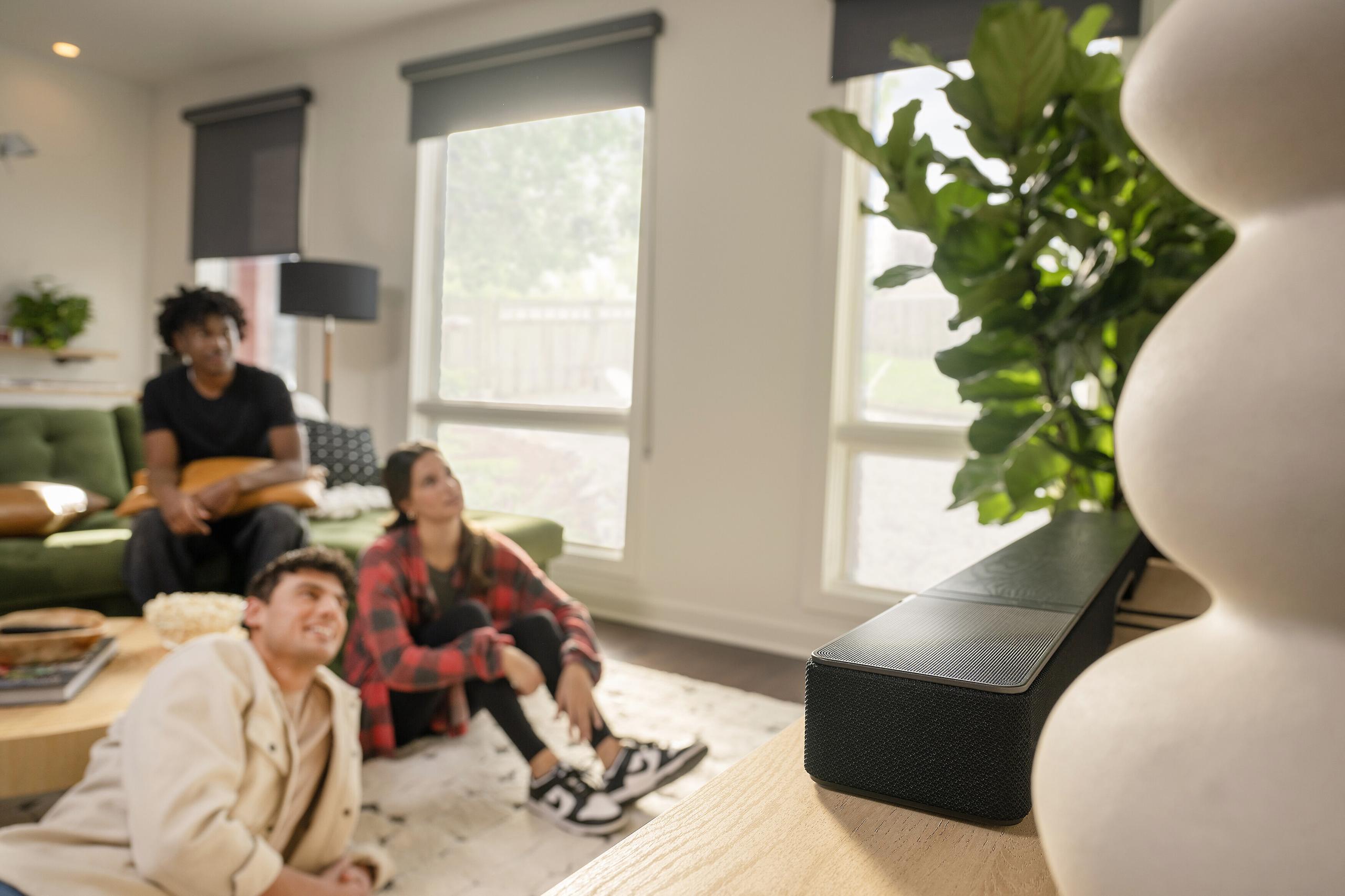



When your TV's built-in speakers just aren't cutting it anymore, you're probably looking at soundbars to transform your entertainment experience. But with so many options out there, it can feel overwhelming to figure out which one actually delivers the best bang for your buck. Today, I'm diving deep into two excellent but very different approaches to premium sound: the Klipsch Flexus Core 200 at $369 and the LG S80TR at $547.
These aren't just random picks – they represent two fundamentally different philosophies in soundbar design. One focuses on doing everything in a single, elegant package, while the other gives you a complete surround sound system right out of the box. Let me help you figure out which approach makes more sense for your specific situation.
Before we jump into the nitty-gritty comparison, it's worth understanding what separates good soundbars from great ones. The premium soundbar category has really evolved over the past few years, especially since both Dolby Atmos (which creates overhead sound effects) and DTS:X (a competing surround sound format) became mainstream.
The key things that matter most are pretty straightforward: How well does it handle dialogue? Can it create an immersive experience that makes you feel like you're in the middle of the action? Does the bass have enough punch without being overwhelming? And perhaps most importantly – does it fit your space and lifestyle without creating a bunch of hassle?
What's interesting is that manufacturers have taken two very different approaches to solving these challenges. Some, like Klipsch, focus on cramming everything into one sleek unit that doesn't require additional components scattered around your room. Others, like LG, give you a complete multi-piece system that can create true surround sound but requires more setup and space.
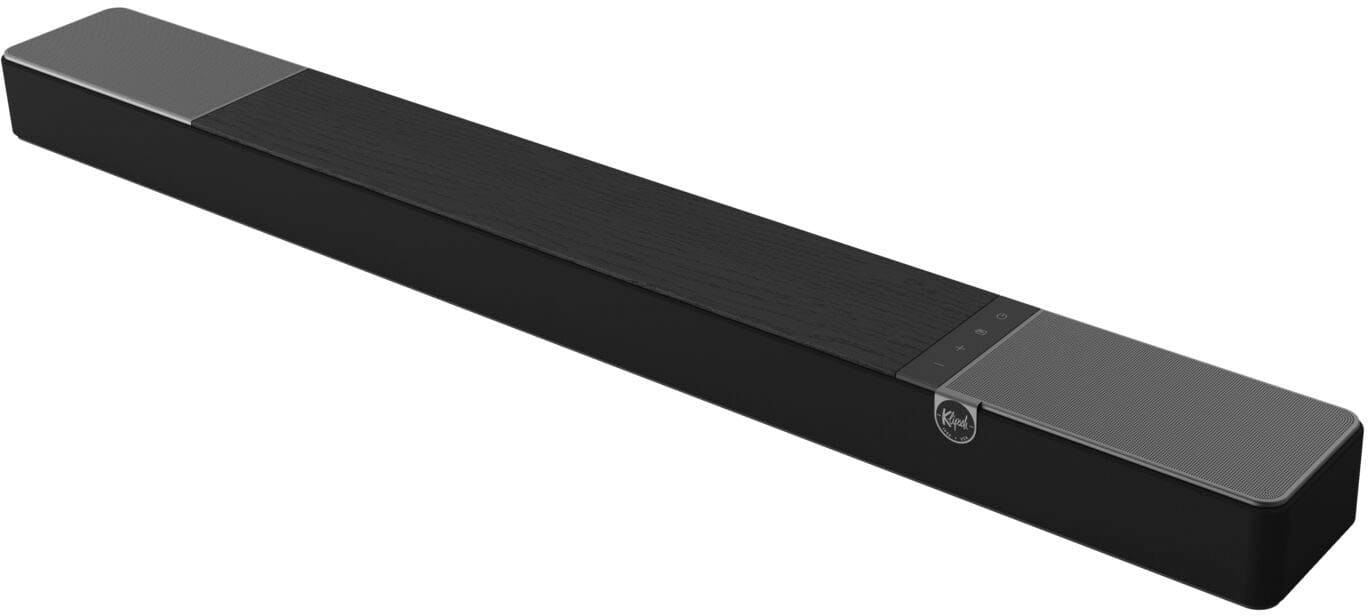
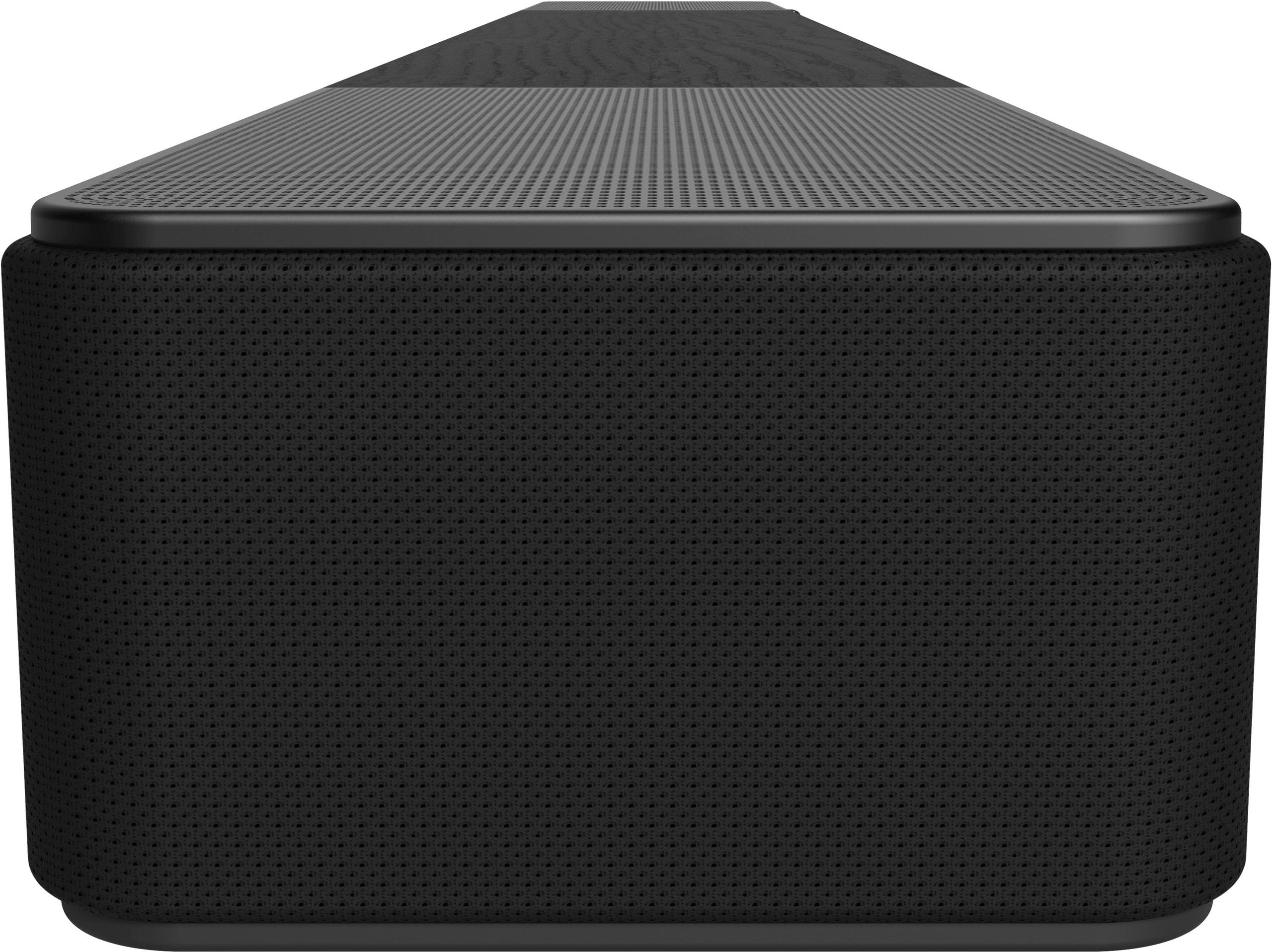
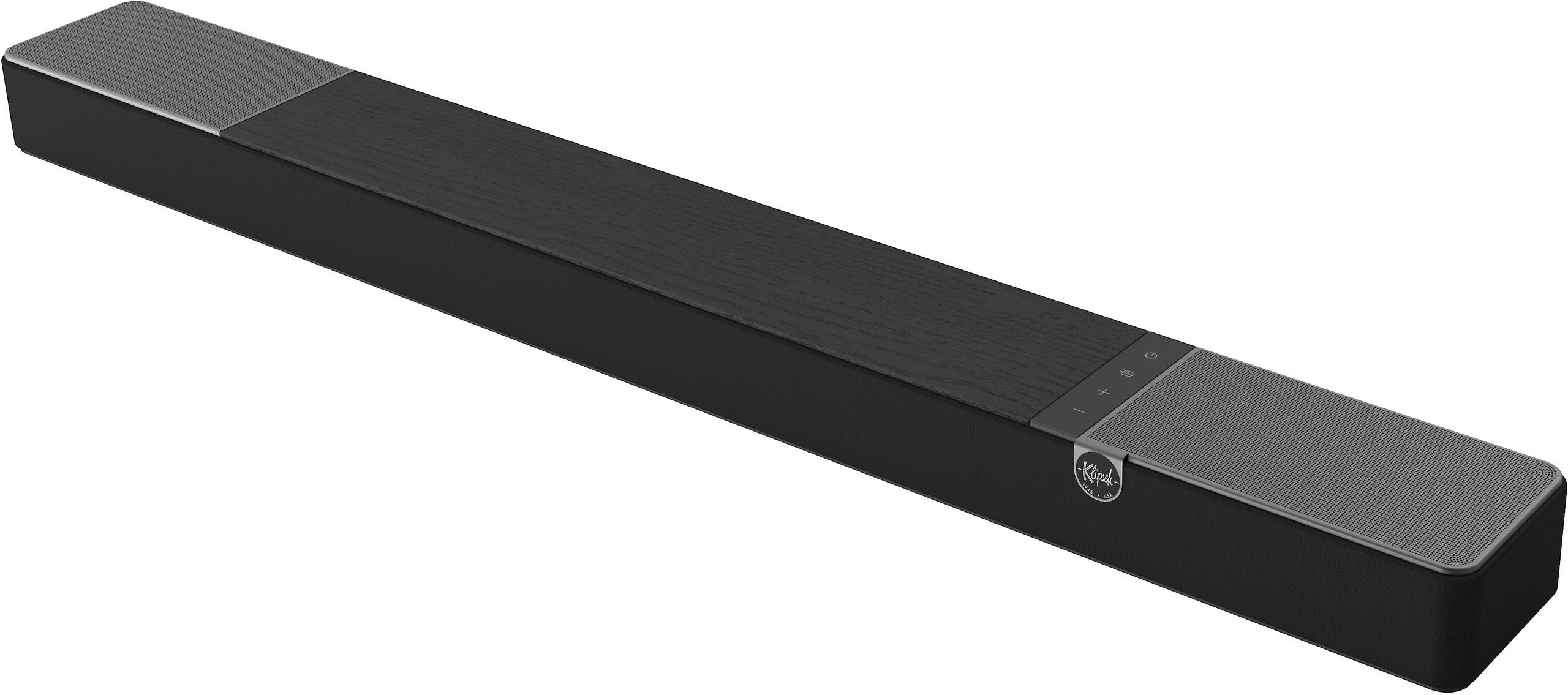
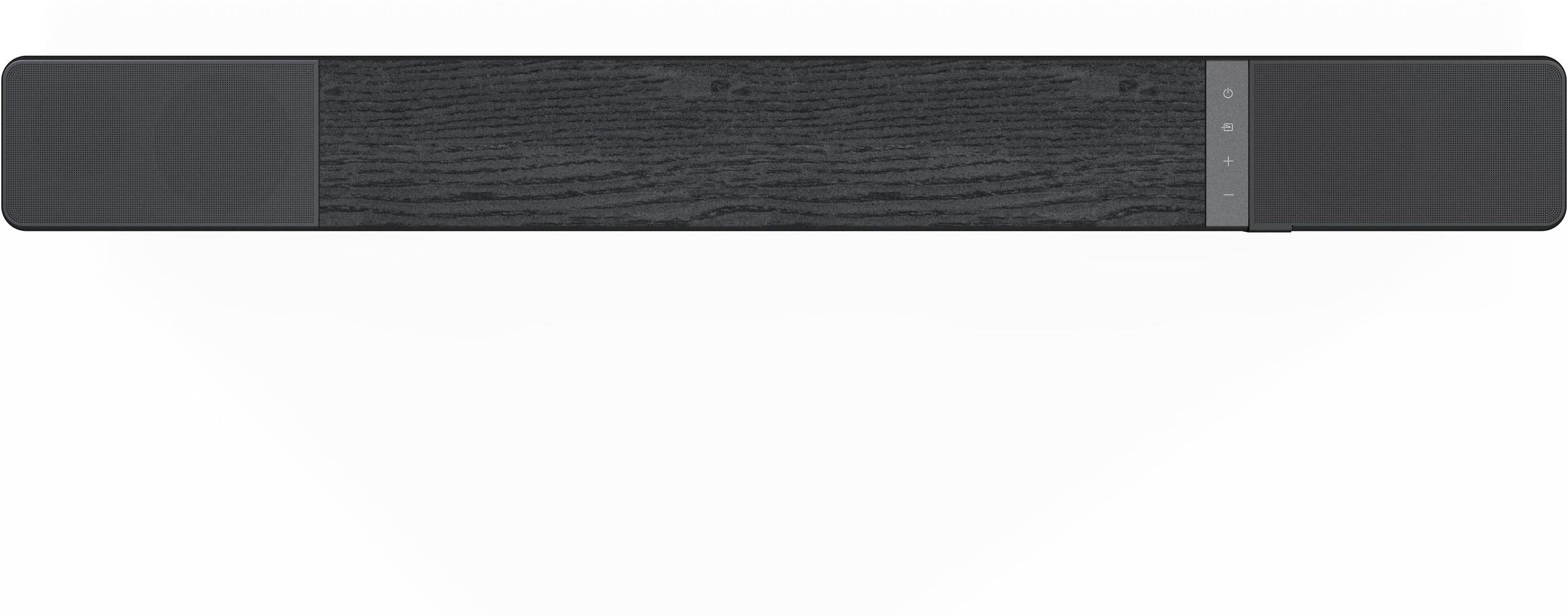
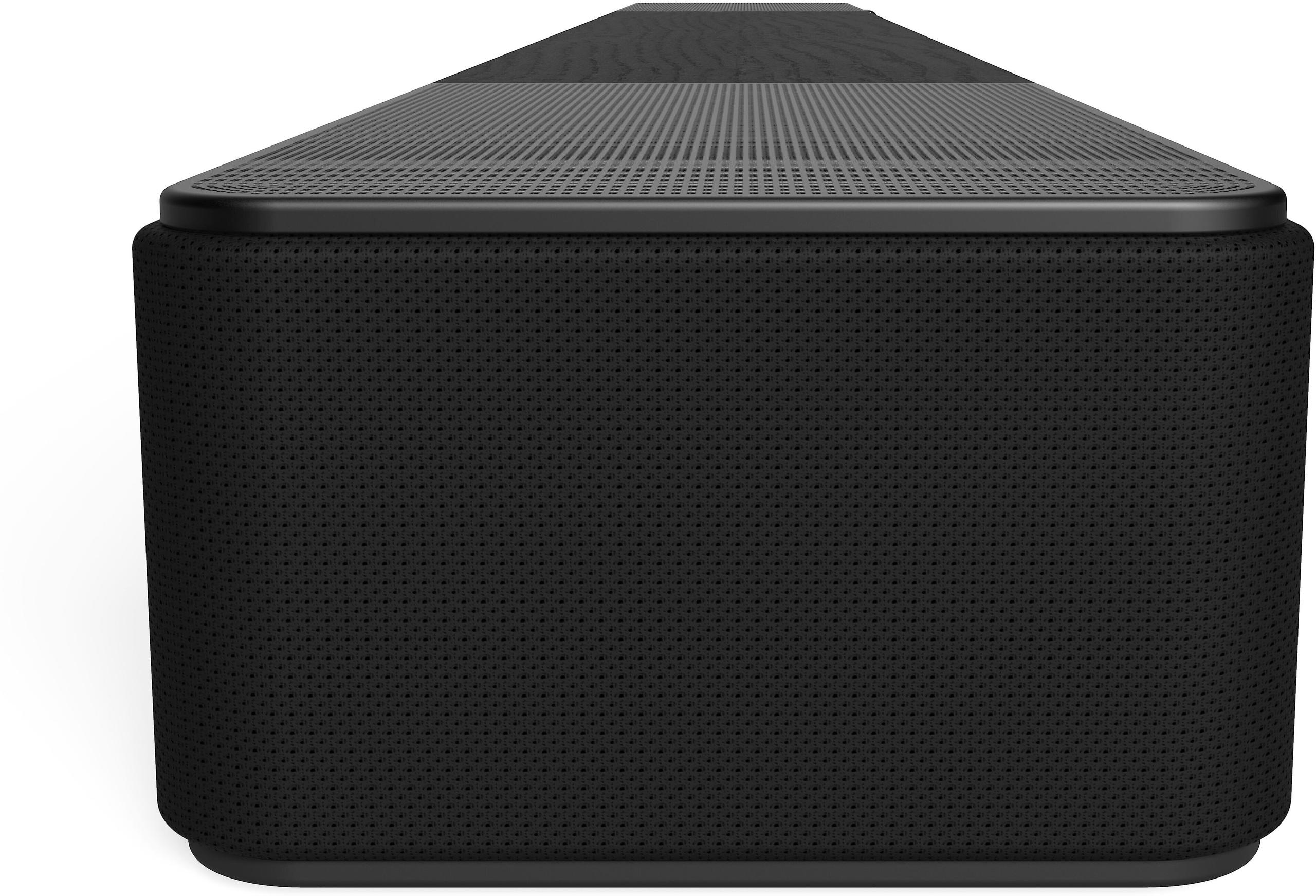
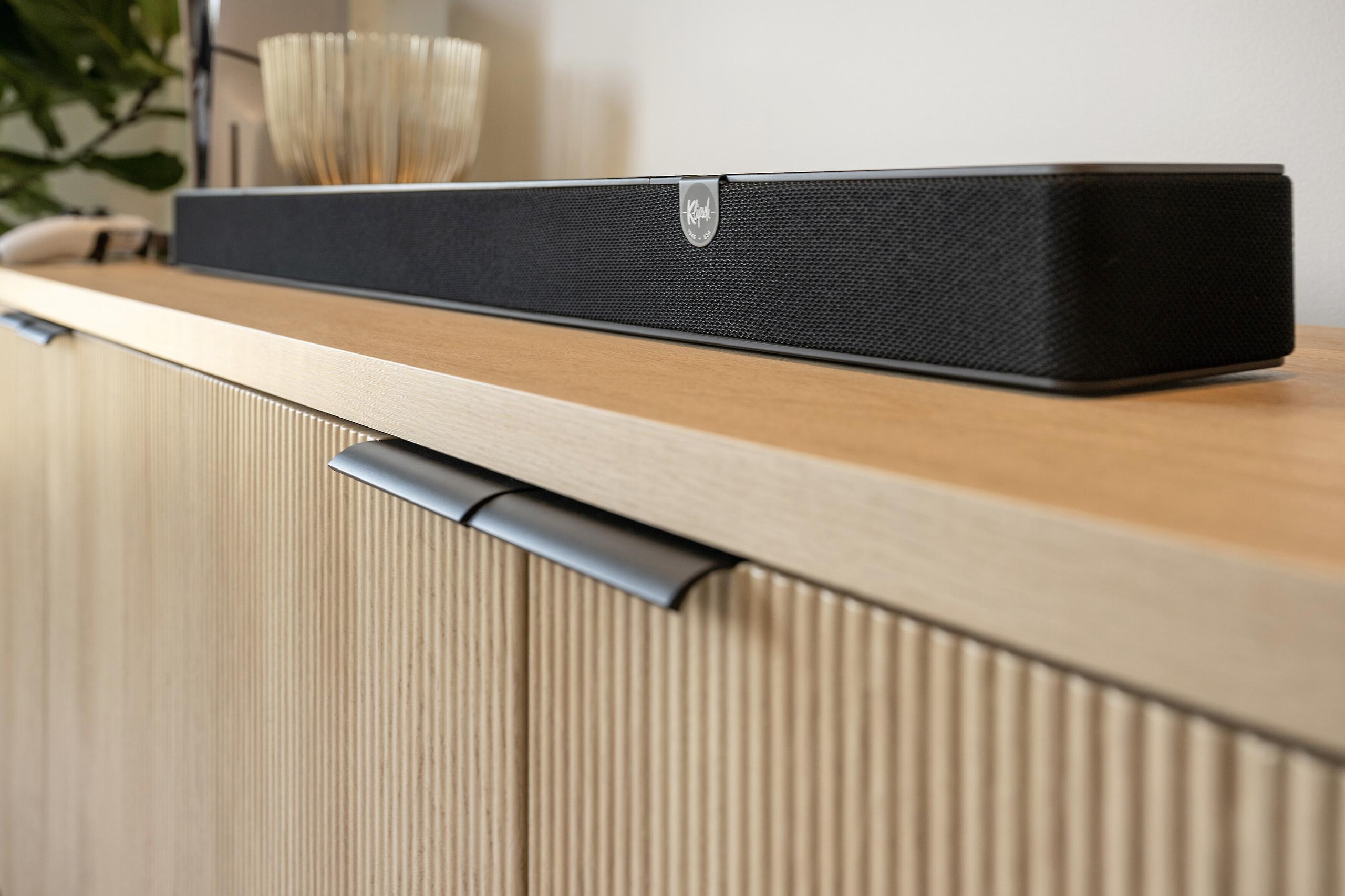
The Klipsch Flexus Core 200 launched in 2024 as part of Klipsch's new modular soundbar ecosystem. At $369, it's positioned as a premium all-in-one solution that doesn't compromise on sound quality despite its compact design. What makes it special is its 3.1.2 configuration – that means three front-facing speakers (left, center, right), one subwoofer channel (actually two built-in subs), and two height channels for Dolby Atmos effects.
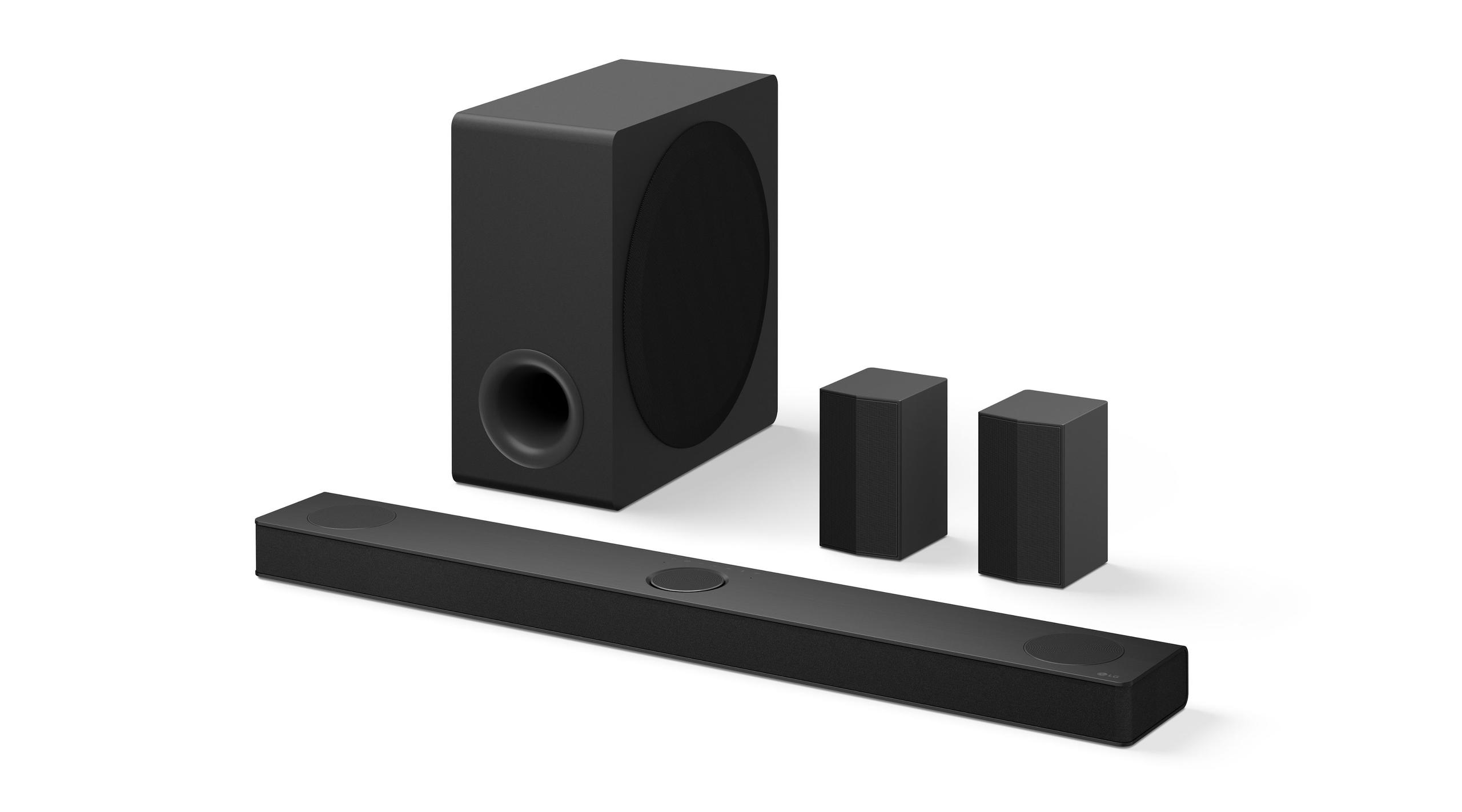
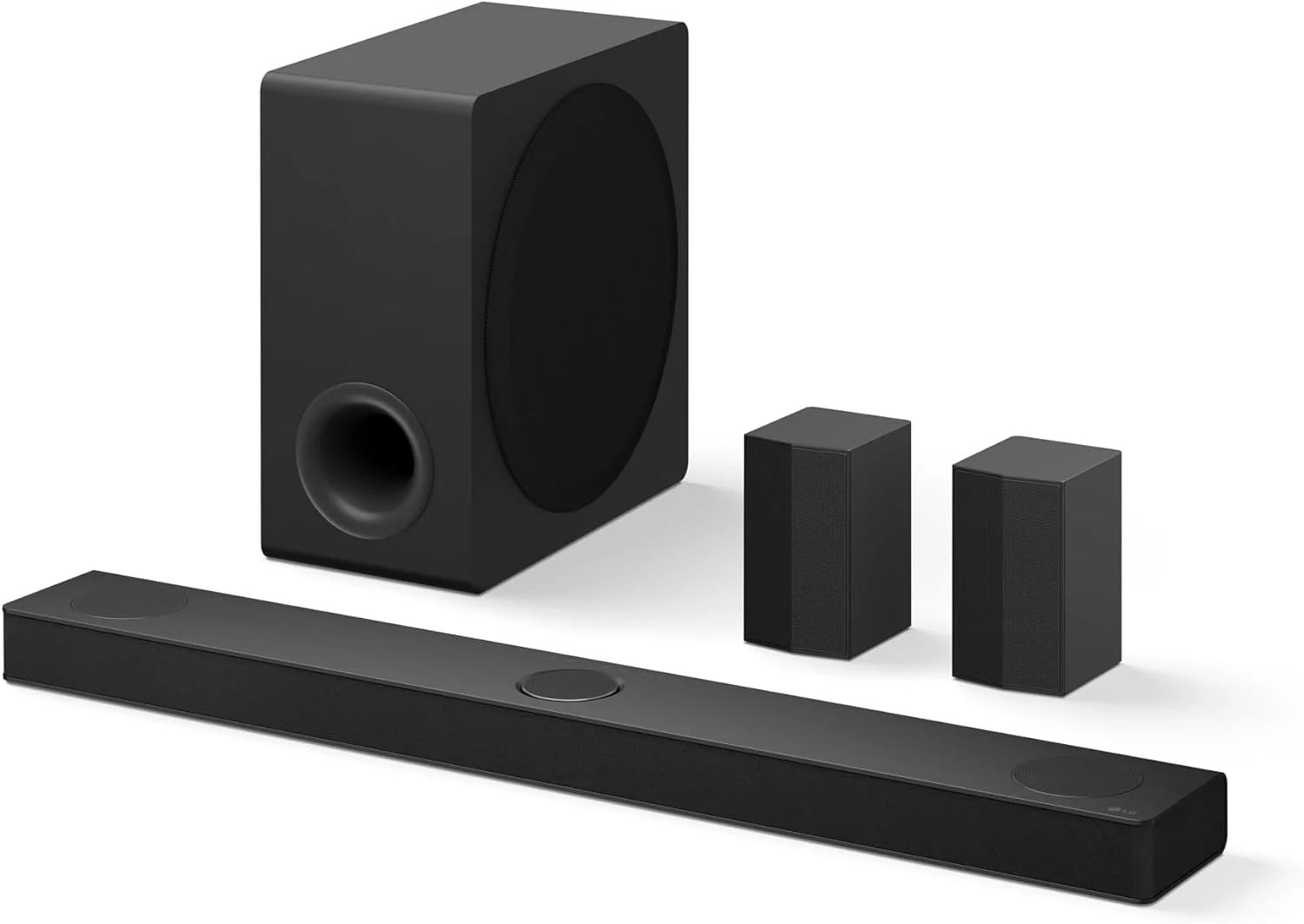
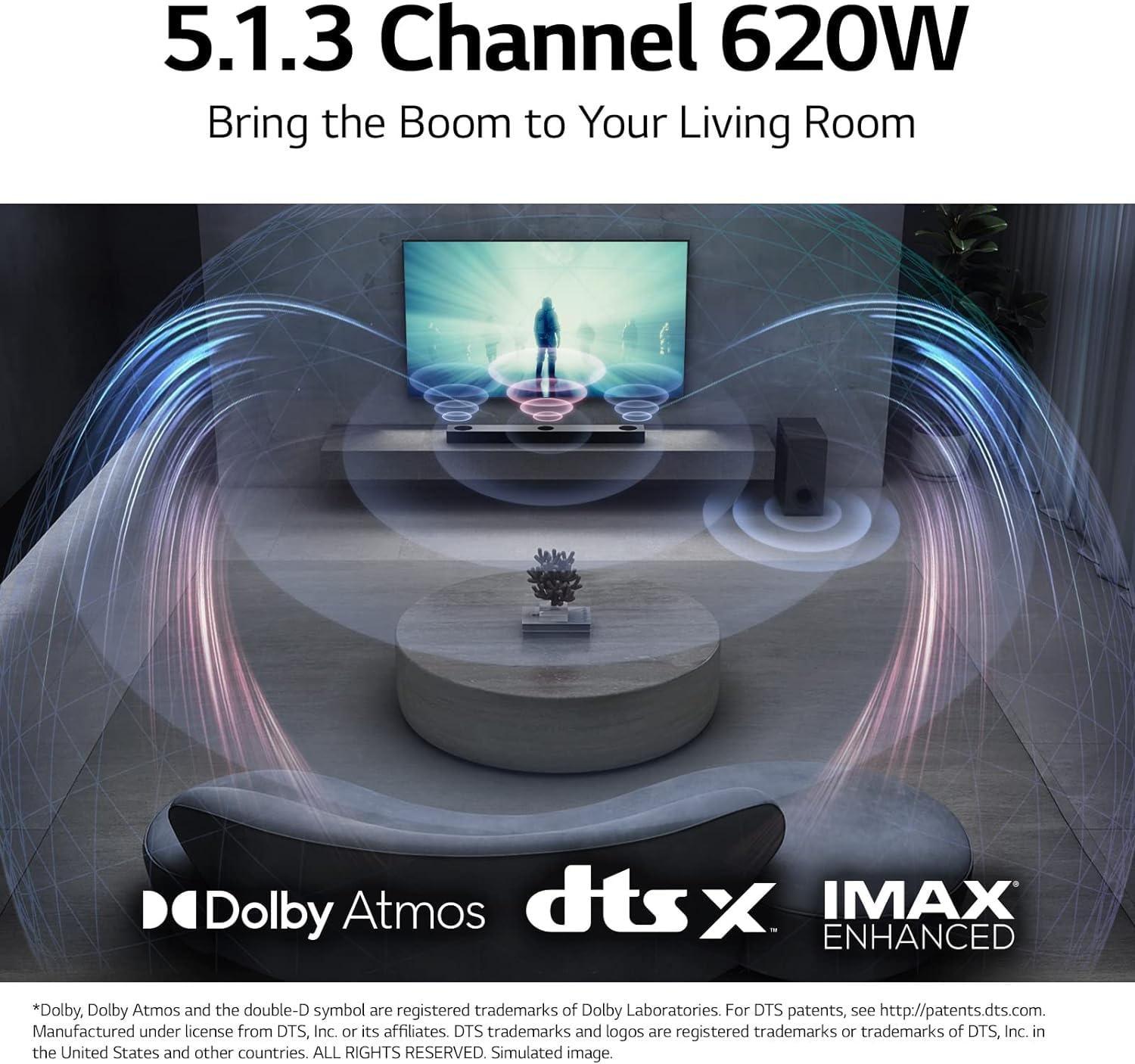
The LG S80TR, released in late 2024, takes a completely different approach at $547. It's a true 5.1.3 system, meaning you get five main speakers (front left, center, right, plus two rear speakers), one subwoofer, and three height channels. Unlike the Klipsch, this comes as a complete package with a wireless subwoofer and wireless rear speakers included.
Both represent significant technological advances over older soundbars. The Klipsch incorporates their latest "Transport" wireless technology for future expandability, while the LG includes AI-powered room calibration that automatically adjusts the sound based on your room's acoustics – something that was mostly limited to high-end home theater receivers just a few years ago.
This is where the philosophical differences really shine through. The Klipsch Flexus Core 200 packs dual 4-inch subwoofers directly into the soundbar itself. I've been consistently impressed by how much bass this approach can deliver – Klipsch calls it "best-in-class" bass without a separate subwoofer, and honestly, they're not wrong. The bass is tight, controlled, and doesn't require you to find floor space for another component.
What this means in practice is that action movies have genuine punch during explosions and car chases, while music maintains that full-bodied sound that makes everything from rock to hip-hop feel satisfying. The trade-off is that you won't get the room-shaking, ultra-deep bass that a larger external subwoofer can provide.
The LG S80TR goes the traditional route with a separate wireless subwoofer. This 7.9 x 16 x 15.9-inch box can produce much deeper bass frequencies than what's possible with built-in drivers. During my testing of similar LG systems, the difference is most noticeable during movie scenes with deep rumbles – think dinosaur footsteps in Jurassic Park or the engine roar in Fast & Furious films.
However, that external subwoofer comes with real-world considerations. You need to find a good spot for it (usually on the floor), run power to it, and deal with the fact that it might not fit perfectly with your room's aesthetic. Some people love having that dedicated bass presence, while others prefer the cleaner look of everything contained in one unit.
Here's something I've learned from years of testing audio equipment: if a soundbar doesn't nail dialogue clarity, nothing else really matters. You can have the most impressive surround effects in the world, but if you're constantly rewinding to catch what characters said, the experience falls apart.
The Klipsch really shines here with its horn-loaded tweeter technology. This is a signature Klipsch feature that they've been perfecting for decades – essentially, it's a special type of speaker design that focuses sound energy more efficiently, making voices cut through background music and sound effects with remarkable clarity. In practice, this means you can actually understand what characters are saying during complex movie scenes without cranking up the volume or turning on subtitles.
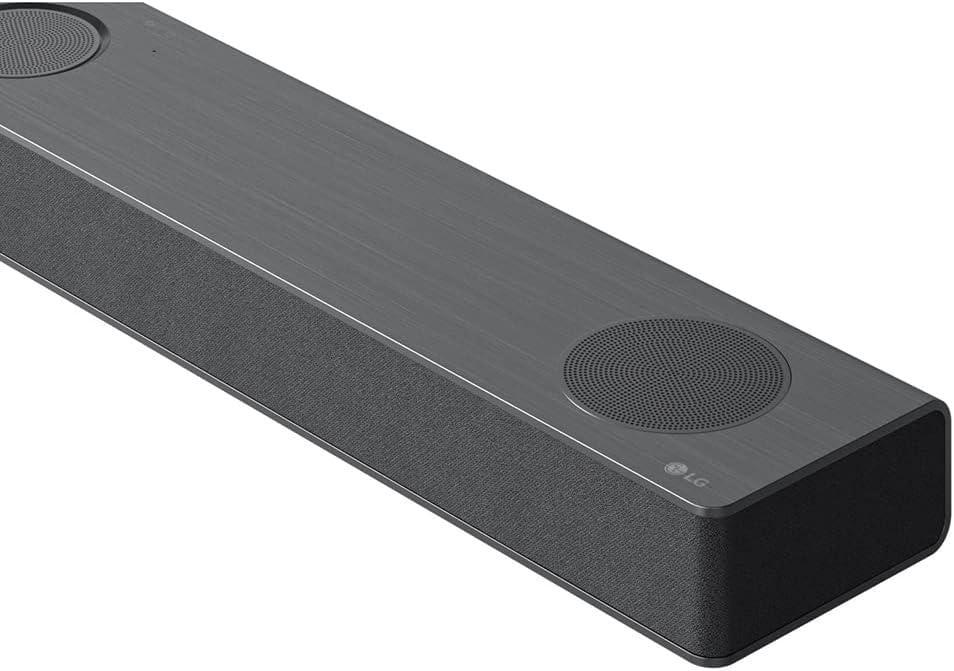
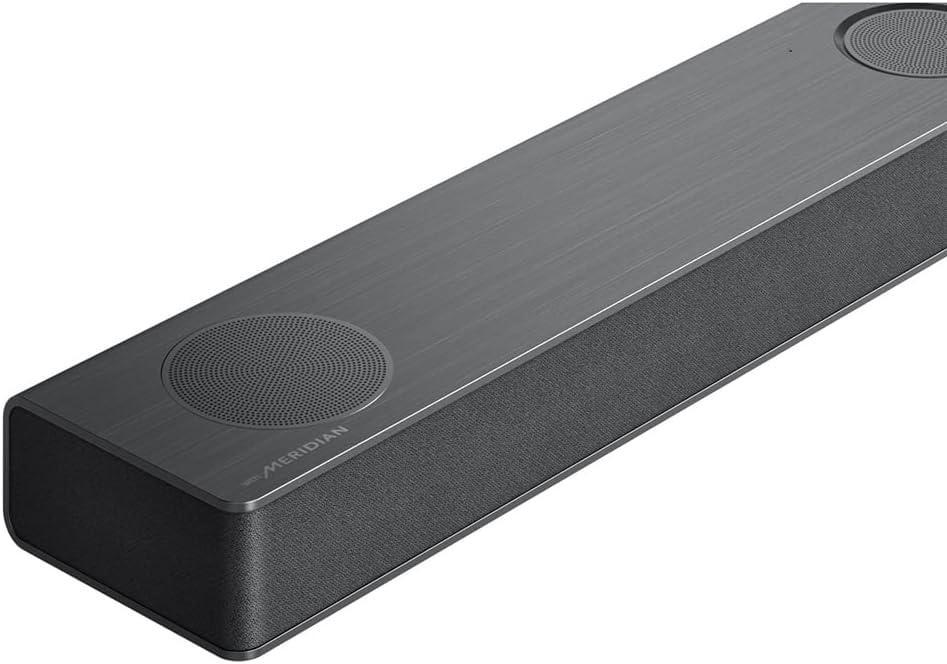
The LG takes a different but equally effective approach with its up-firing center channel and AI room calibration. The system uses built-in microphones to analyze your room's acoustics, then adjusts the sound to compensate for things like hard surfaces that might make dialogue sound muddy or soft furnishings that might absorb too much vocal information. It's like having a professional audio engineer tune your system specifically for your space.
Both approaches work well, but they excel in different scenarios. The Klipsch's horn-loaded tweeter delivers consistently excellent dialogue regardless of your room setup, while the LG's AI calibration can potentially deliver even better results in challenging acoustic environments.
This is probably the biggest differentiator between these two systems. The Klipsch Flexus Core 200 creates its surround effects through clever audio processing and its two up-firing drivers. These small speakers bounce sound off your ceiling to create the illusion of overhead effects – it's the same principle behind Dolby Atmos technology.
While this works surprisingly well for height effects (you'll definitely notice helicopters flying overhead or rain falling around you), it can't replicate the experience of having actual speakers behind you. The soundbar uses digital processing to simulate rear surround effects, which is fine for casual viewing but doesn't quite achieve that full envelopment you get from true surround sound.
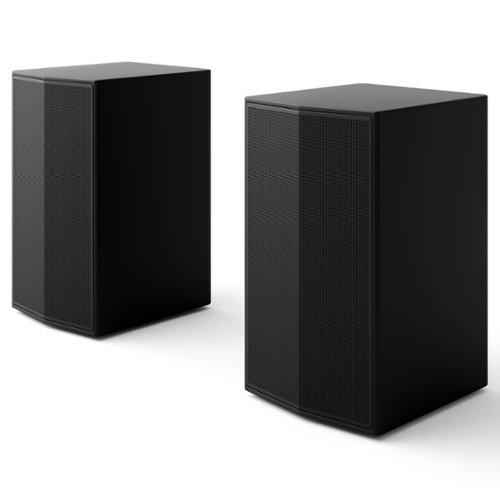
The LG S80TR doesn't need to simulate anything because it includes actual wireless rear speakers. These 3.9 x 6.9 x 4.7-inch speakers can be placed anywhere behind your seating area, creating genuine rear-channel effects. Combined with three up-firing drivers (compared to the Klipsch's two), you get a much more convincing three-dimensional soundscape.
I've experienced this difference firsthand during action sequences in movies like Top Gun: Maverick. With the LG system, you can actually hear jet engines pass from front to back and side to side in a way that feels natural and immersive. The Klipsch does a respectable job with the overhead effects, but it can't match that sense of being surrounded by the action.
Here's a technical detail that might not seem important until you run into it: audio format support. The Klipsch Flexus Core 200 handles Dolby Atmos beautifully, but it doesn't support DTS formats, including DTS:X. For most streaming content, this isn't a problem since Netflix, Disney+, and other services primarily use Dolby formats.
But if you're a Blu-ray collector or serious gamer, this limitation could be frustrating. Many Blu-ray discs use DTS-HD Master Audio or DTS:X for their surround soundtracks, and some gaming systems default to DTS formats. Without support, you'll miss out on the optimal audio experience these sources can provide.
The LG S80TR supports everything: Dolby Atmos, DTS:X, and all the legacy formats you might encounter. This comprehensive compatibility means you'll get the best possible audio regardless of your source material. For home theater enthusiasts who want to squeeze every bit of quality from their content, this broader format support can be a deciding factor.
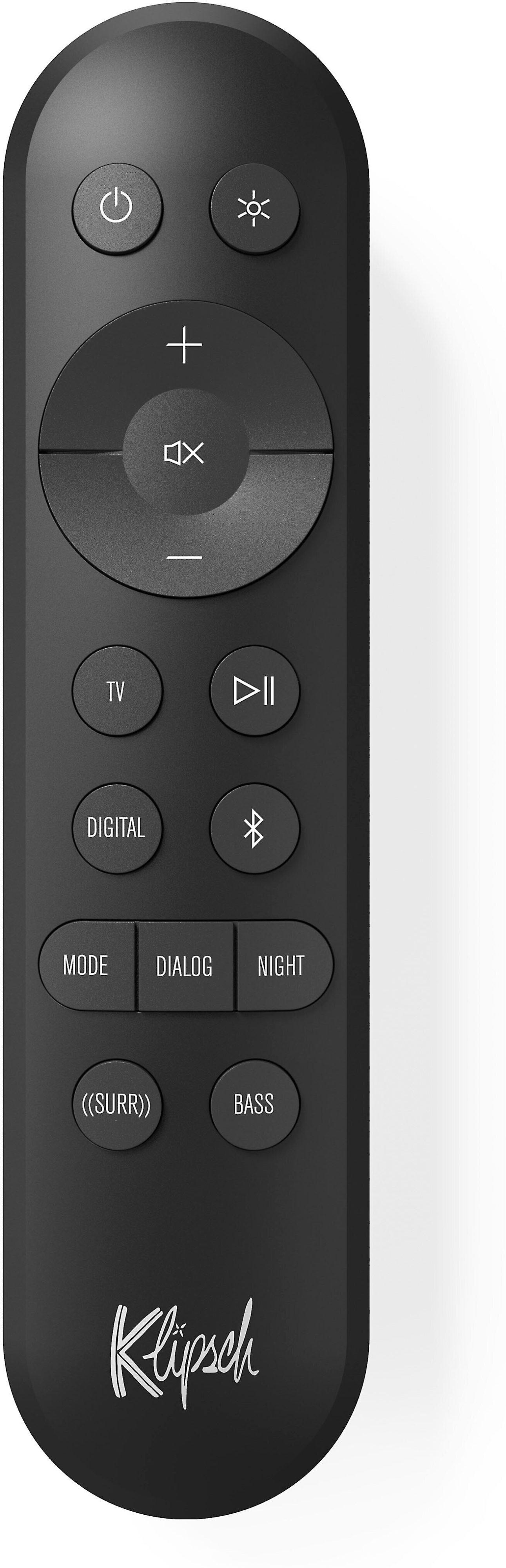
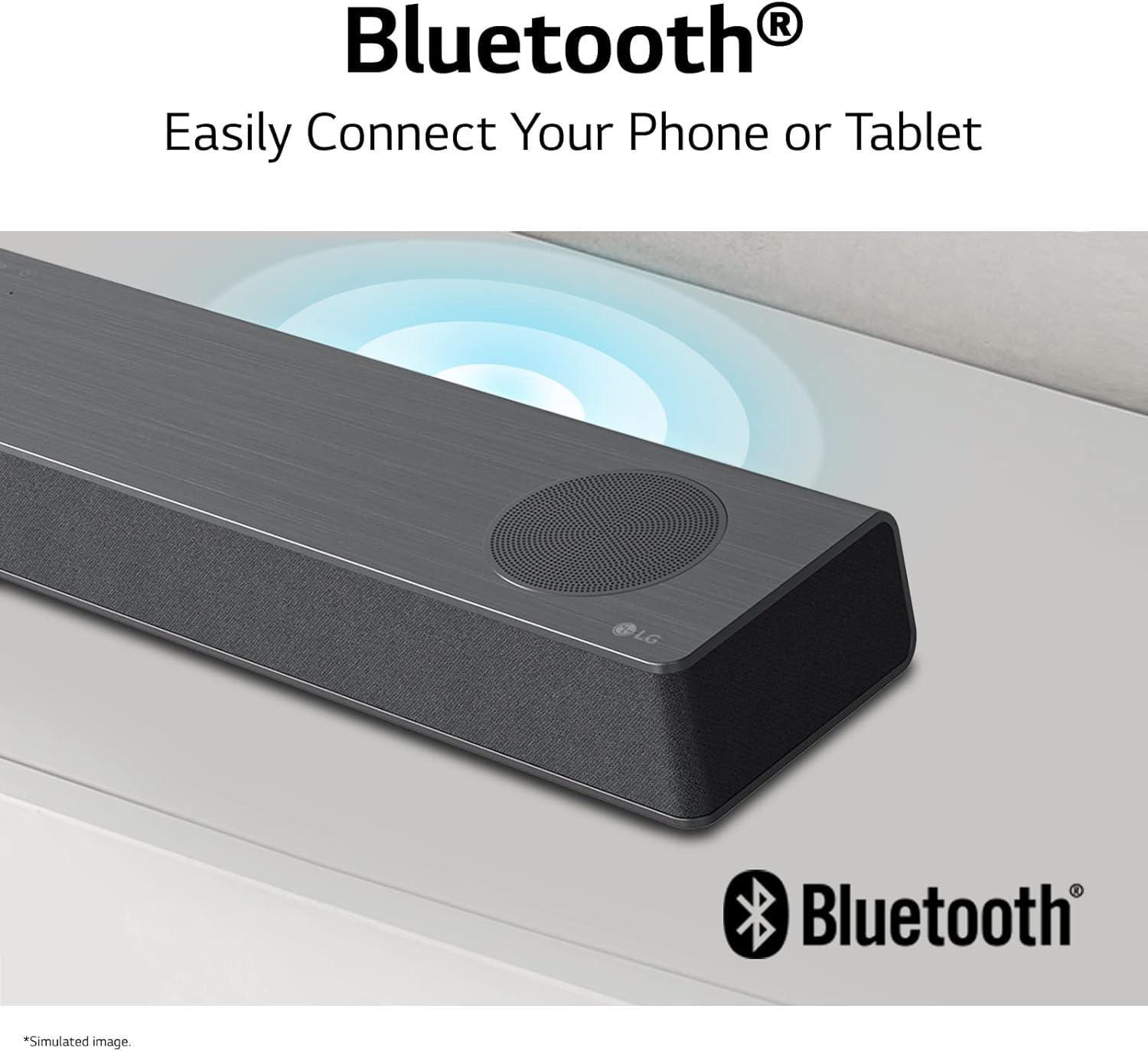
Modern soundbars aren't just about sound quality anymore – they're increasingly expected to integrate seamlessly with your smart home ecosystem. The Klipsch keeps things relatively simple with HDMI eARC connectivity, Bluetooth, and a USB-C input for direct music playback. It's functional without being overwhelming, which some people prefer.
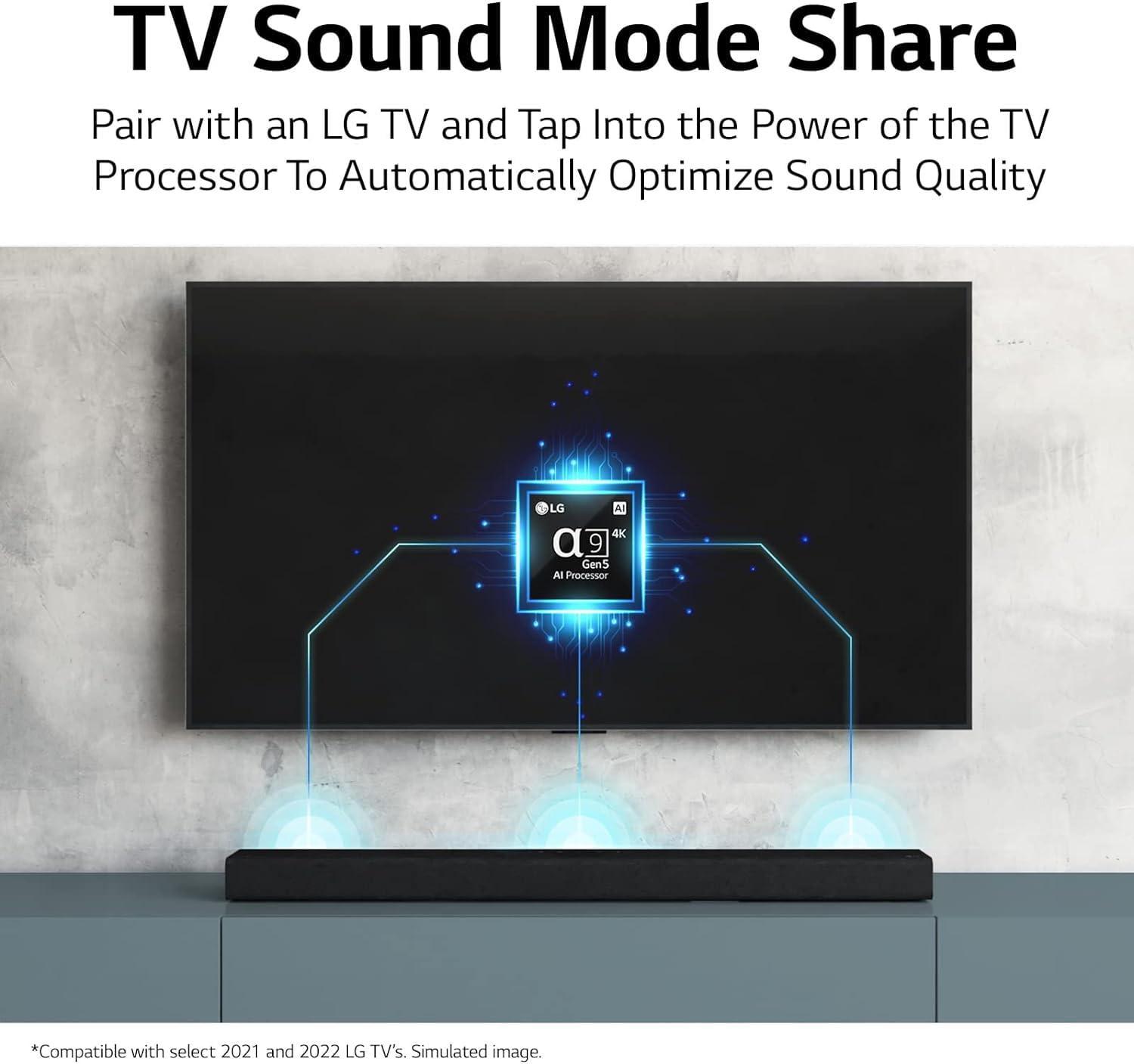
The LG goes all-in on smart features. It includes Wi-Fi connectivity, support for multiple voice assistants (Google Assistant and Alexa), Chromecast built-in, AirPlay 2, and Spotify Connect. If you own an LG TV, you'll also benefit from WOW Orchestra, which synchronizes the TV's built-in speakers with the soundbar for an even fuller sound experience.
There's also WOWCAST, LG's system for transmitting lossless wireless audio – essentially, it ensures that the wireless connection between components doesn't compromise audio quality. These features make the LG feel more like a complete smart audio ecosystem rather than just a soundbar.
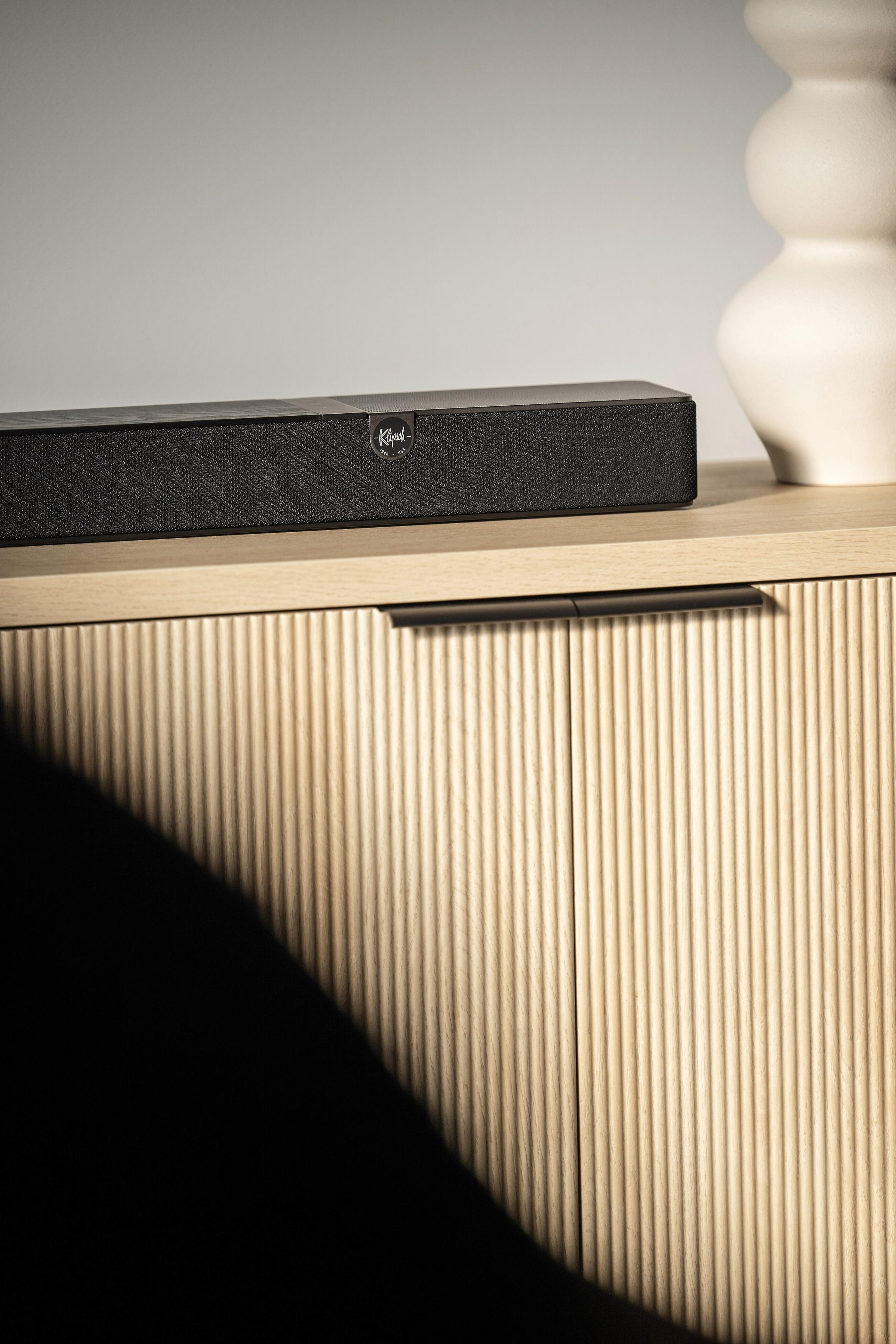
Let's talk about the practical stuff that marketing materials often gloss over. The Klipsch Flexus Core 200 measures 44 inches wide, which fits perfectly under most TVs without looking oversized. Setup is genuinely plug-and-play: connect one HDMI cable to your TV, plug it in, and you're done. The whole system weighs just under 10 pounds, making wall mounting straightforward if you prefer that approach.
The LG system requires significantly more planning. Beyond the 39.3-inch soundbar itself, you need to position a 22-pound subwoofer somewhere on the floor and figure out optimal placement for the rear speakers. While everything connects wirelessly, you still need power outlets for each component. The total system weighs over 50 pounds when you include everything.
For apartment dwellers or anyone with limited space, this difference is huge. The Klipsch gives you serious audio improvement without requiring you to rearrange your room or negotiate with roommates about speaker placement. The LG delivers better performance but demands more space and planning to implement properly.
At $369, the Klipsch Flexus Core 200 represents excellent value for what it delivers. You're getting genuine Dolby Atmos effects, exceptional dialogue clarity, and surprisingly powerful bass in a package that doesn't complicate your life. The expandability is a nice bonus – you can add wireless subwoofers and rear speakers later if your needs or living situation change.
The LG S80TR costs $178 more at $547, but you're getting a complete surround sound system that would have cost significantly more just a few years ago. When you consider that you're getting a wireless subwoofer, wireless rear speakers, advanced room calibration, and comprehensive smart features, the price starts to make more sense.
The value equation really depends on your priorities. If you want the best possible sound quality and have the space for a multi-component system, the LG's extra cost is justified. If you prioritize simplicity and space efficiency while still getting excellent sound, the Klipsch offers better value.
After spending considerable time with both approaches to soundbar design, here's how I'd recommend thinking about your decision:
Choose the Klipsch Flexus Core 200 if your room is smaller than about 300 square feet, you're primarily watching dialogue-heavy content like dramas and documentaries, or you simply want great sound without the complexity of multiple components. It's also the better choice if you're renting and might need to move your setup frequently, or if you're not sure whether you want to commit to a full surround sound system right away.
Go with the LG S80TR if you have a dedicated home theater space, you're serious about movies and gaming, or you want the most immersive audio experience possible. It's also worth the extra investment if you own an LG TV and can take advantage of the ecosystem integration features, or if you know you'll be frustrated by any limitations in audio format support.
The bottom line is that both soundbars represent significant upgrades over TV speakers and even many budget soundbar options. The Klipsch excels at doing a lot with a little, while the LG gives you everything you need for a complete home theater audio experience. Your choice should ultimately come down to your space constraints, budget, and how much you value convenience versus maximum performance.
Either way, you're going to notice a dramatic improvement in your entertainment experience. The question is whether you want that improvement to come in a simple, elegant package or as part of a more comprehensive audio system that can truly transport you into your favorite movies and shows.
| Klipsch Flexus Core 200 | LG S80TR |
|---|---|
| Price - Upfront investment for premium sound | |
| $369 (excellent value for integrated system) | $547 (higher cost but includes all components) |
| Speaker Configuration - Determines surround sound capability | |
| 3.1.2 (simulated rear effects, 2 height channels) | 5.1.3 (true rear speakers, 3 height channels) |
| Subwoofer Approach - Affects bass performance and room requirements | |
| Dual 4" built-in subwoofers (no floor space needed) | Wireless 8" external subwoofer (deeper bass, requires placement) |
| Total System Power - Raw audio output capability | |
| 185W RMS (efficient for compact design) | 105W total (65W bar + 40W sub, optimized for multi-component) |
| Audio Format Support - Content compatibility | |
| Dolby Atmos only (no DTS support limits some content) | Dolby Atmos, DTS:X, DTS-HD (universal compatibility) |
| Setup Complexity - Installation and configuration requirements | |
| Single unit, plug-and-play (ideal for simple setups) | Multi-component with wireless rear speakers (requires room planning) |
| Room Calibration - Automatic sound optimization | |
| Manual adjustments only | AI Room Calibration with built-in microphone |
| Smart Features - Connectivity and integration options | |
| Basic: HDMI eARC, Bluetooth, USB-C | Advanced: Wi-Fi, voice assistants, Chromecast, AirPlay 2 |
| Expandability - Future upgrade potential | |
| Modular system (add wireless sub/surrounds later) | Complete system out of box (limited expansion options) |
| Dimensions - Space requirements and aesthetic impact | |
| 44" x 3.1" x 4.9" soundbar only | 39.3" bar + 16" subwoofer + 6.9" rear speakers |
| Best For - Ideal use cases | |
| Small-medium rooms, dialogue clarity, minimal setup | Large rooms, movie enthusiasts, true surround sound |
The Klipsch Flexus Core 200 at $369 offers excellent value for users wanting premium sound in a simple package, while the LG S80TR at $547 provides better value for those seeking a complete surround sound system with wireless subwoofer and rear speakers included.
The key difference is system configuration: the Klipsch Flexus Core 200 is a 3.1.2 all-in-one soundbar with built-in subwoofers, while the LG S80TR is a complete 5.1.3 system that includes separate wireless rear speakers and a subwoofer for true surround sound.
The Klipsch Flexus Core 200 is ideal for small spaces since it's a single 44-inch unit with no additional components to place. The LG S80TR requires space for a subwoofer and rear speakers, making it better suited for larger rooms.
Yes, both the Klipsch Flexus Core 200 and LG S80TR support Dolby Atmos for overhead sound effects. However, the LG also supports DTS:X and other audio formats, while the Klipsch is limited to Dolby formats only.
The LG S80TR delivers deeper, more powerful bass with its dedicated wireless subwoofer. The Klipsch Flexus Core 200 provides impressive bass for a built-in system but can't match the room-filling low-frequency impact of an external subwoofer.
The Klipsch Flexus Core 200 offers simple plug-and-play setup with just one HDMI connection. The LG S80TR requires more setup time to position the wireless subwoofer and rear speakers, though the wireless connections are generally reliable.
Both excel at dialogue, but through different approaches. The Klipsch Flexus Core 200 uses horn-loaded tweeter technology for exceptional vocal clarity, while the LG S80TR features AI room calibration that optimizes dialogue based on your room's acoustics.
The Klipsch Flexus Core 200 is designed as a modular system that can be expanded with additional wireless subwoofers and surround speakers. The LG S80TR comes complete with all components included and has limited expansion options.
The LG S80TR provides extensive smart features including Wi-Fi, voice assistant support, Chromecast, and AirPlay 2. The Klipsch Flexus Core 200 focuses on essential connectivity with HDMI eARC, Bluetooth, and USB-C inputs.
The LG S80TR delivers true surround sound with dedicated rear speakers and three up-firing drivers. The Klipsch Flexus Core 200 creates surround effects through processing and two up-firing drivers, which works well but can't match the immersion of actual rear speakers.
For dedicated home theater setups, the LG S80TR is superior due to its true 5.1.3 surround configuration, comprehensive audio format support, and room calibration features. The Klipsch Flexus Core 200 works well for casual movie watching but lacks the full surround immersion serious home theater enthusiasts prefer.
Both the Klipsch Flexus Core 200 and LG S80TR offer solid build quality from reputable audio manufacturers. Klipsch is known for durable speaker construction and their signature horn-loaded tweeters, while LG provides comprehensive warranty coverage and reliable wireless technology across their soundbar components.
We've done our best to create useful and informative comparisons to help you decide what product to buy. Our research uses advanced automated methods to create this comparison and perfection is not possible - please contact us for corrections or questions. These are the sites we've researched in the creation of this article: soundandvision.com - avnirvana.com - avsforum.com - cnet.com - klipsch.com - klipsch.com - youtube.com - assets.klipsch.com - klipsch.com - worldwidestereo.com - klipsch.com - crutchfield.com - digitaltrends.com - bestbuy.com - billsmith.com - brandsmartusa.com - avsforum.com - youtube.com - lg.com - buydig.com - louisdoehomecenter.com - lg.com - videoandaudiocenter.com - mynavyexchange.com - walts.com - bestbuy.com

Privacy Policy
Terms and Conditions - Affiliate Policy
Home Security
© Copyright 2008-2026.
11816 Inwood Rd #1211, Dallas, TX 75244