

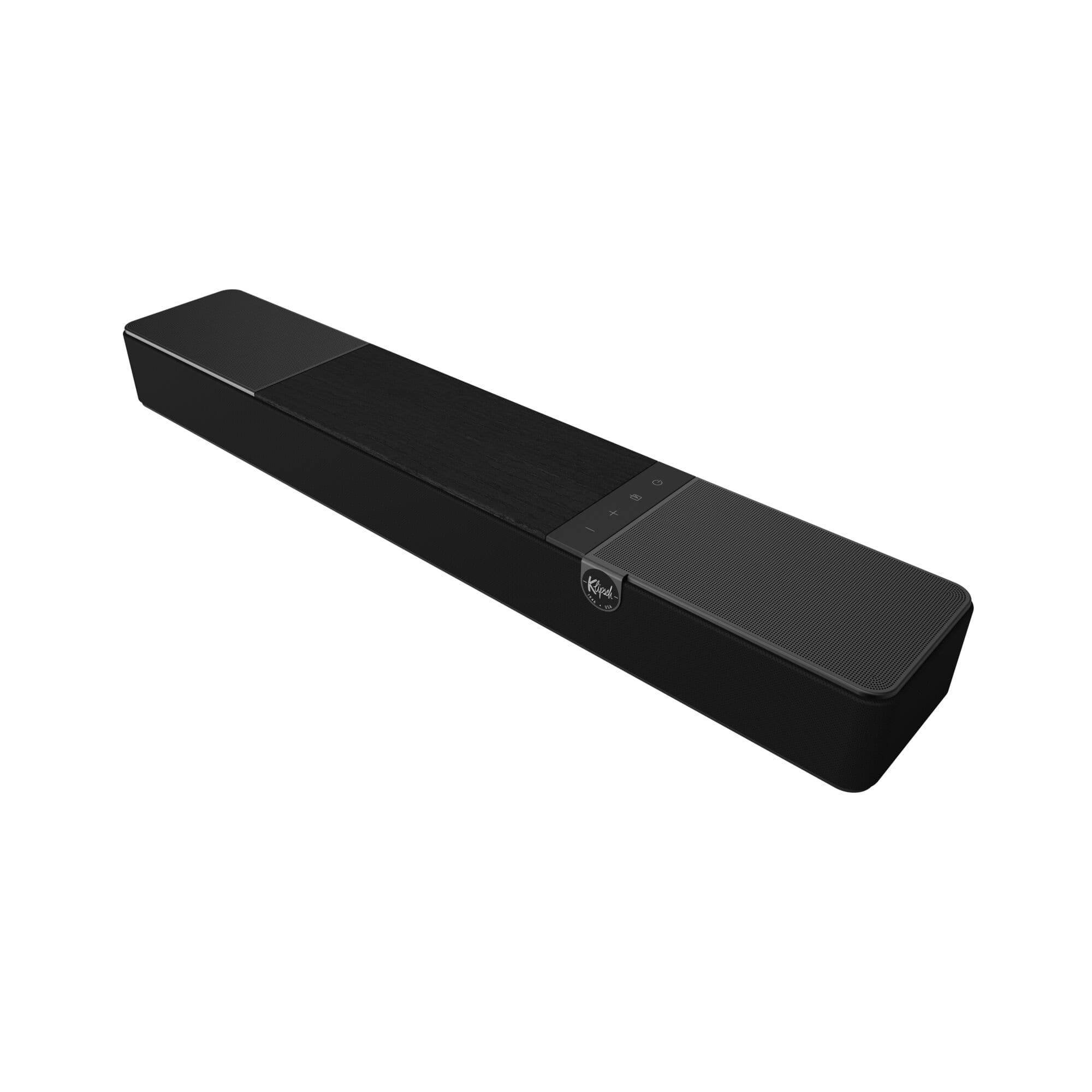

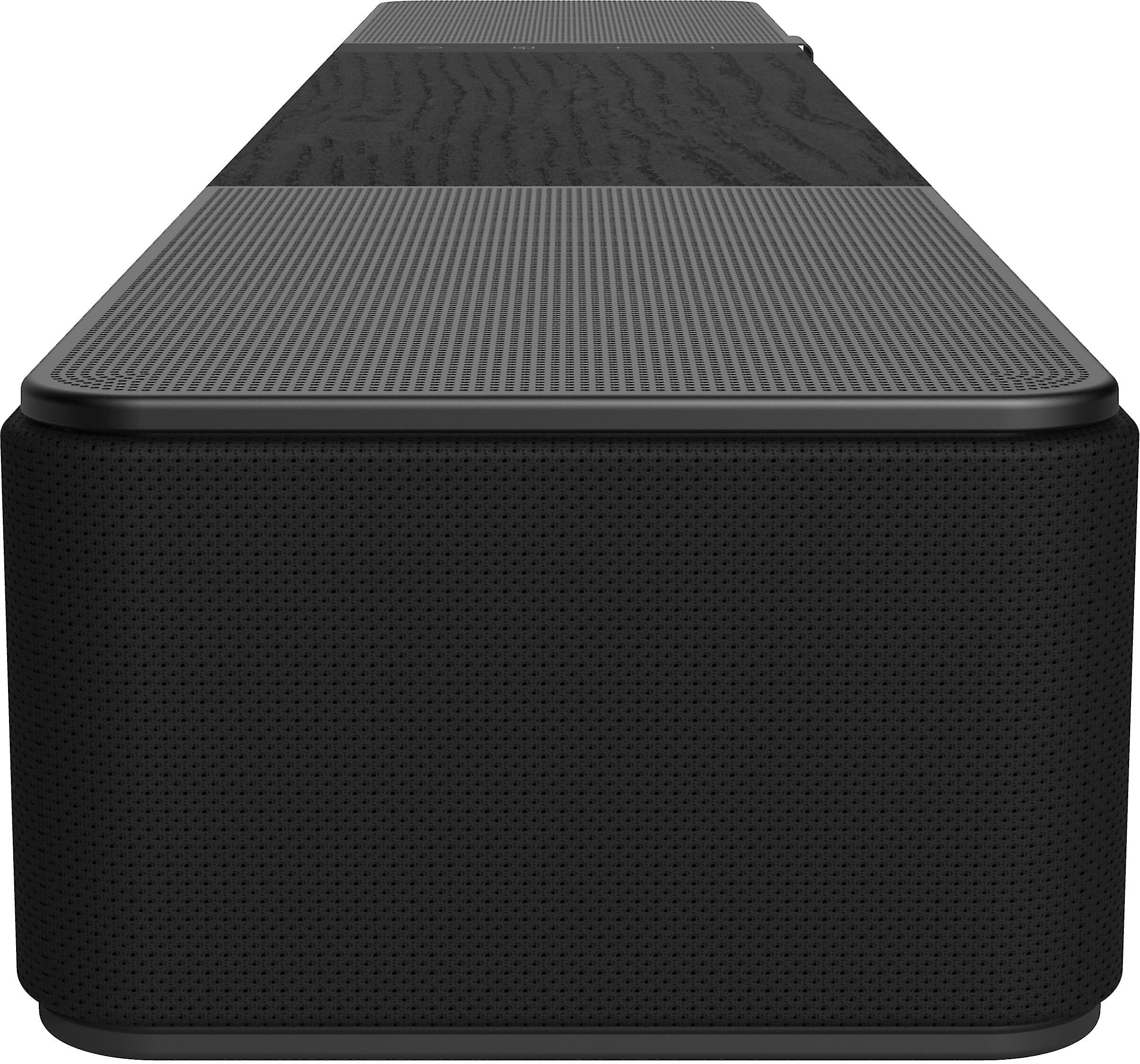
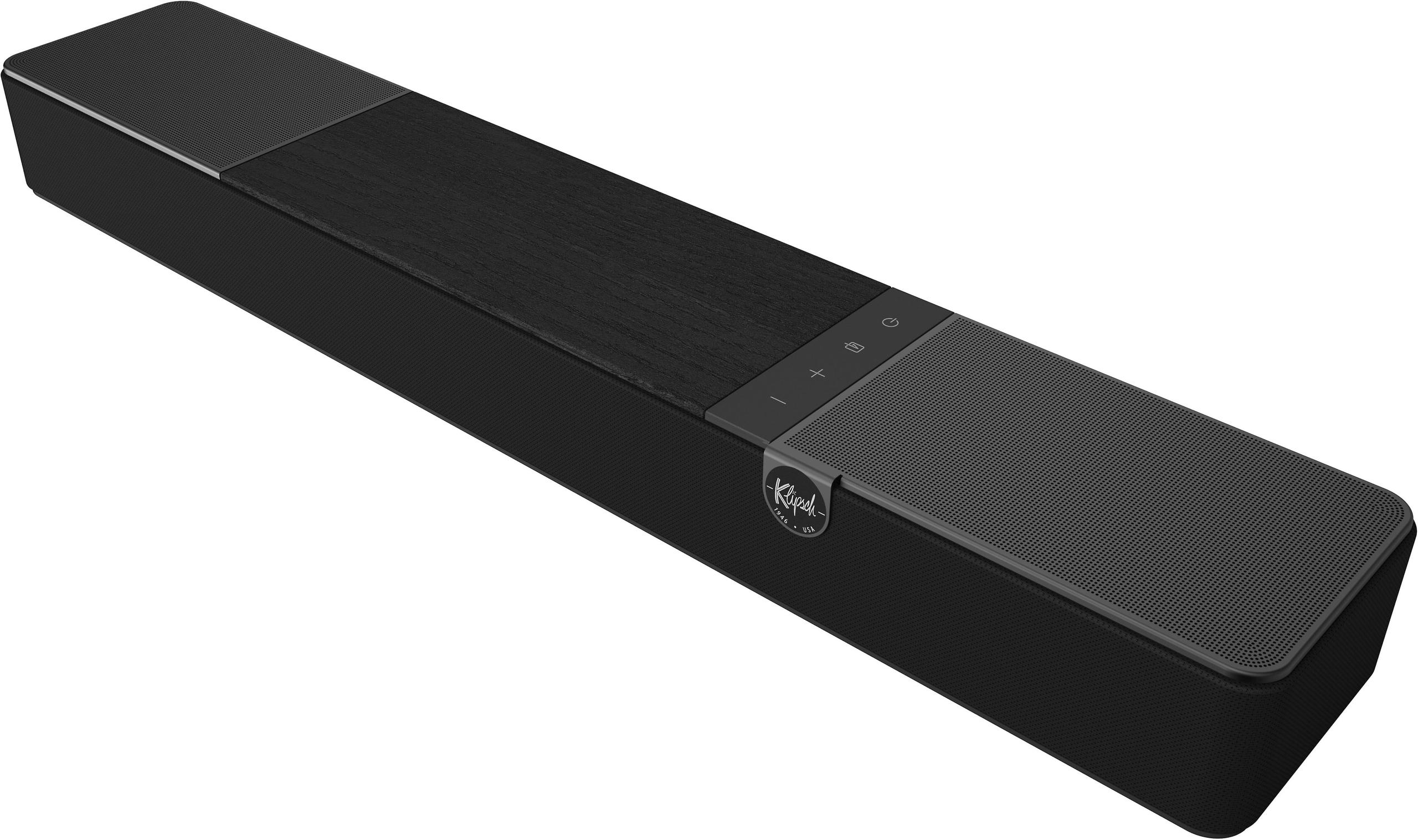


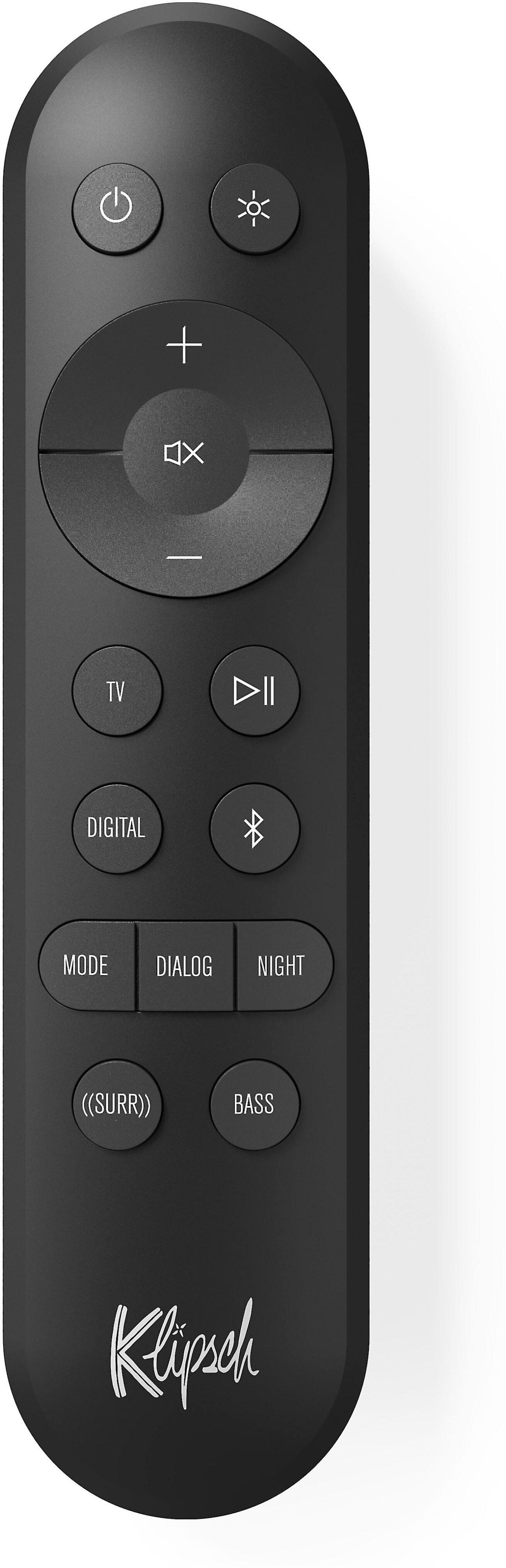



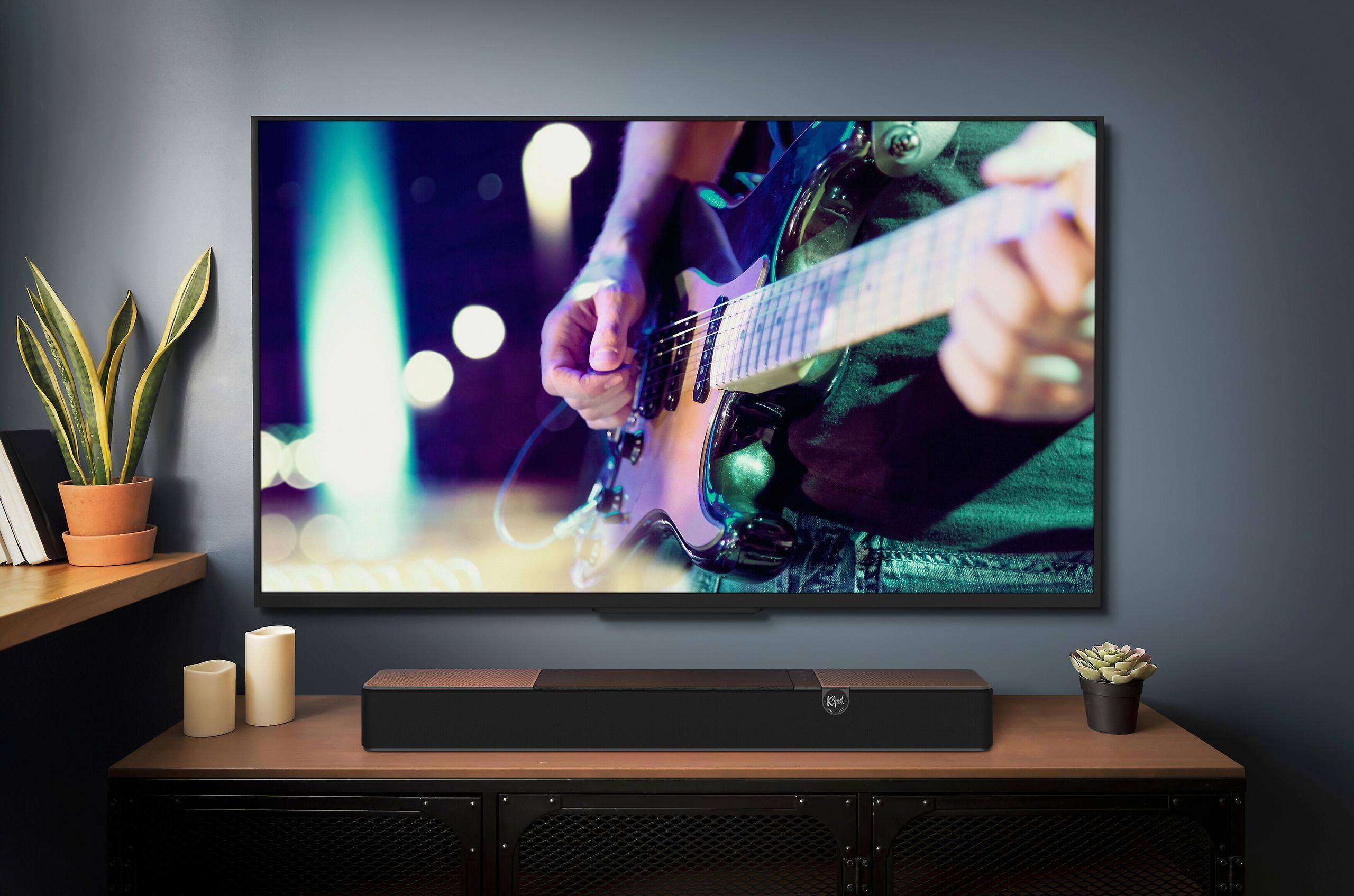
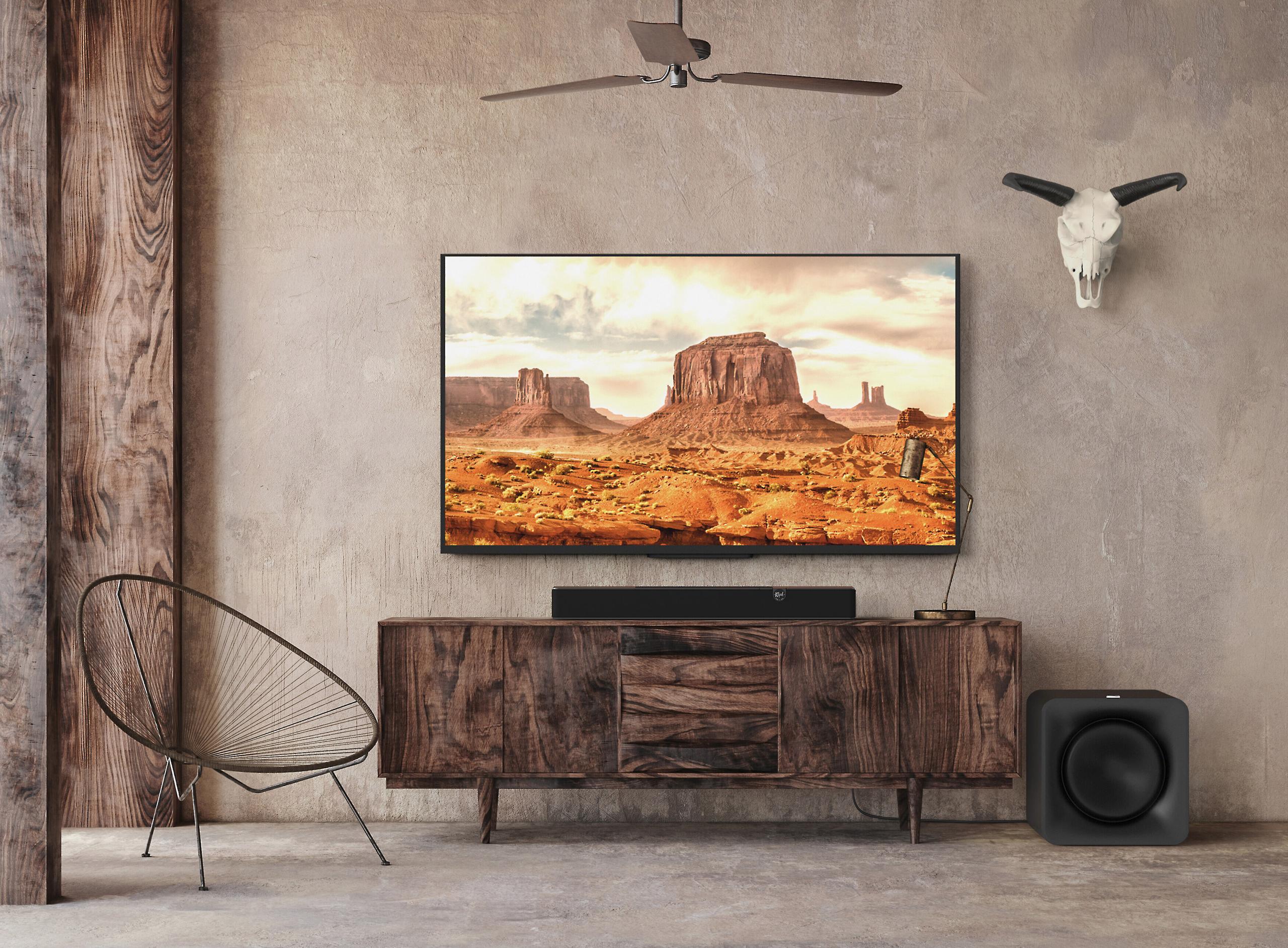
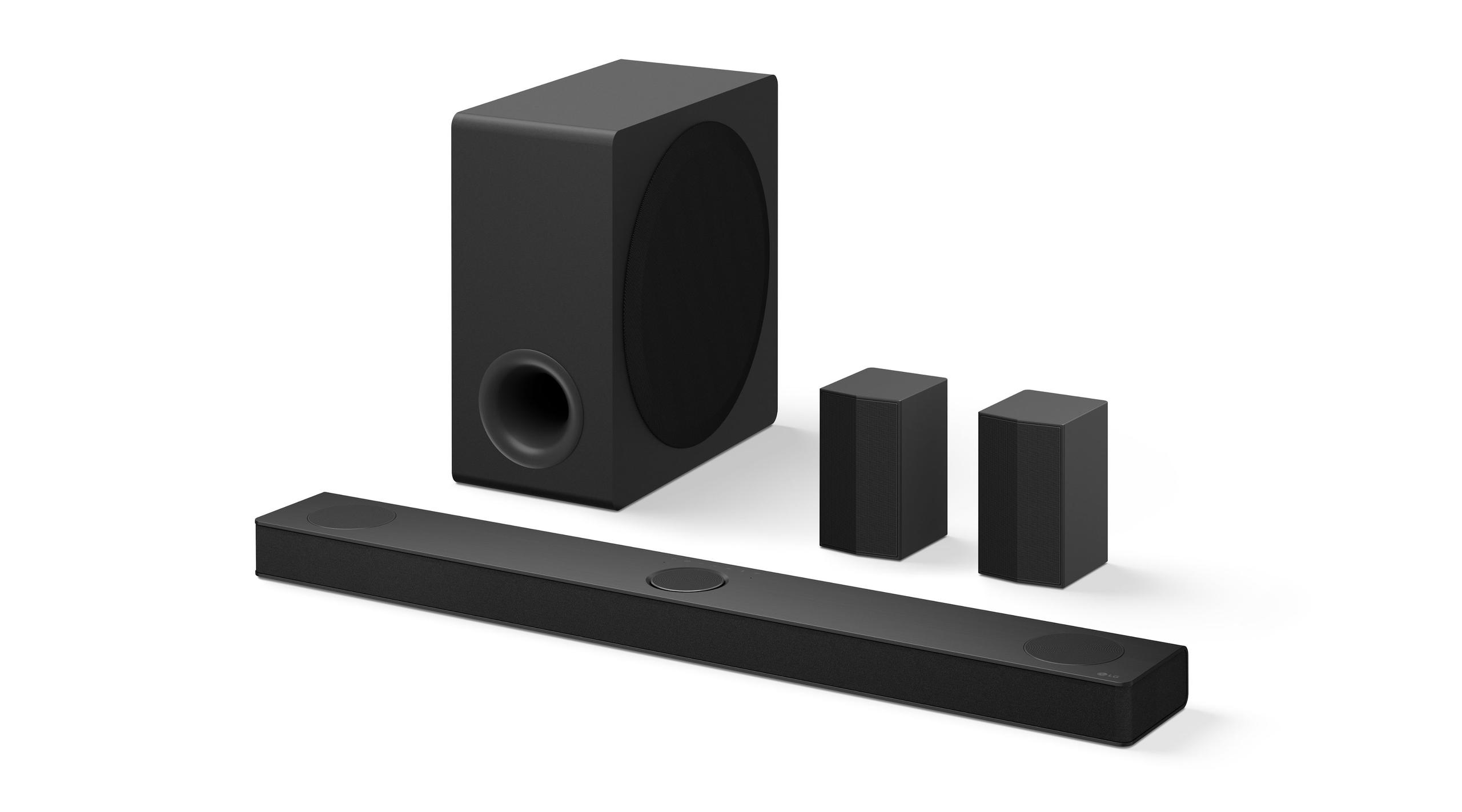
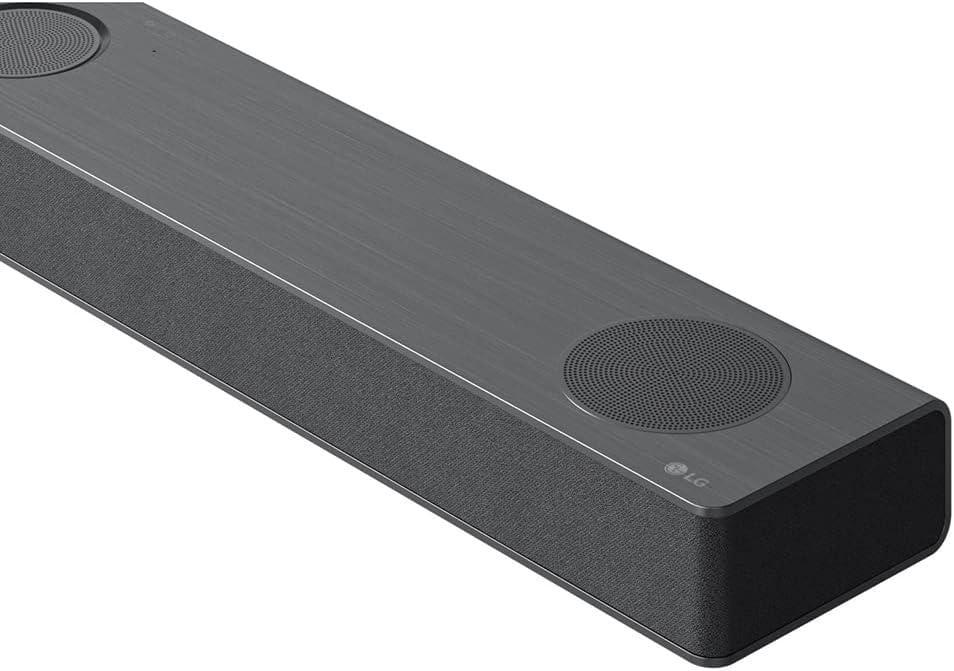
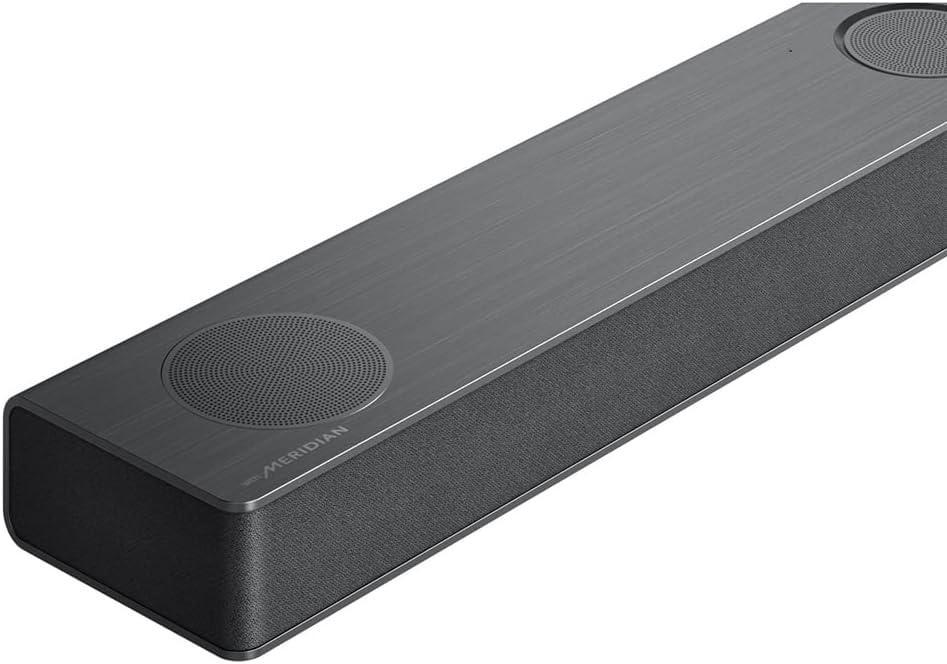

When you're tired of constantly adjusting your TV volume or missing dialog in your favorite shows, a soundbar becomes an obvious upgrade. But the soundbar world has split into two distinct camps: compact all-in-one units and full surround sound systems. The Klipsch Flexus Core 100 ($228) and LG S80TR ($547) perfectly represent these opposing philosophies, each targeting different needs and budgets.
Understanding which approach works better for your situation requires diving into what makes each unique. After spending time with both systems, I've found they excel in surprisingly different areas, making the choice more about matching your priorities than simply picking the "better" soundbar.
The soundbar market has evolved dramatically since the first basic units appeared in the early 2000s. Today's options range from simple stereo bars to complex multi-piece systems that rival traditional home theater setups. The key difference lies in how they create surround sound effects.
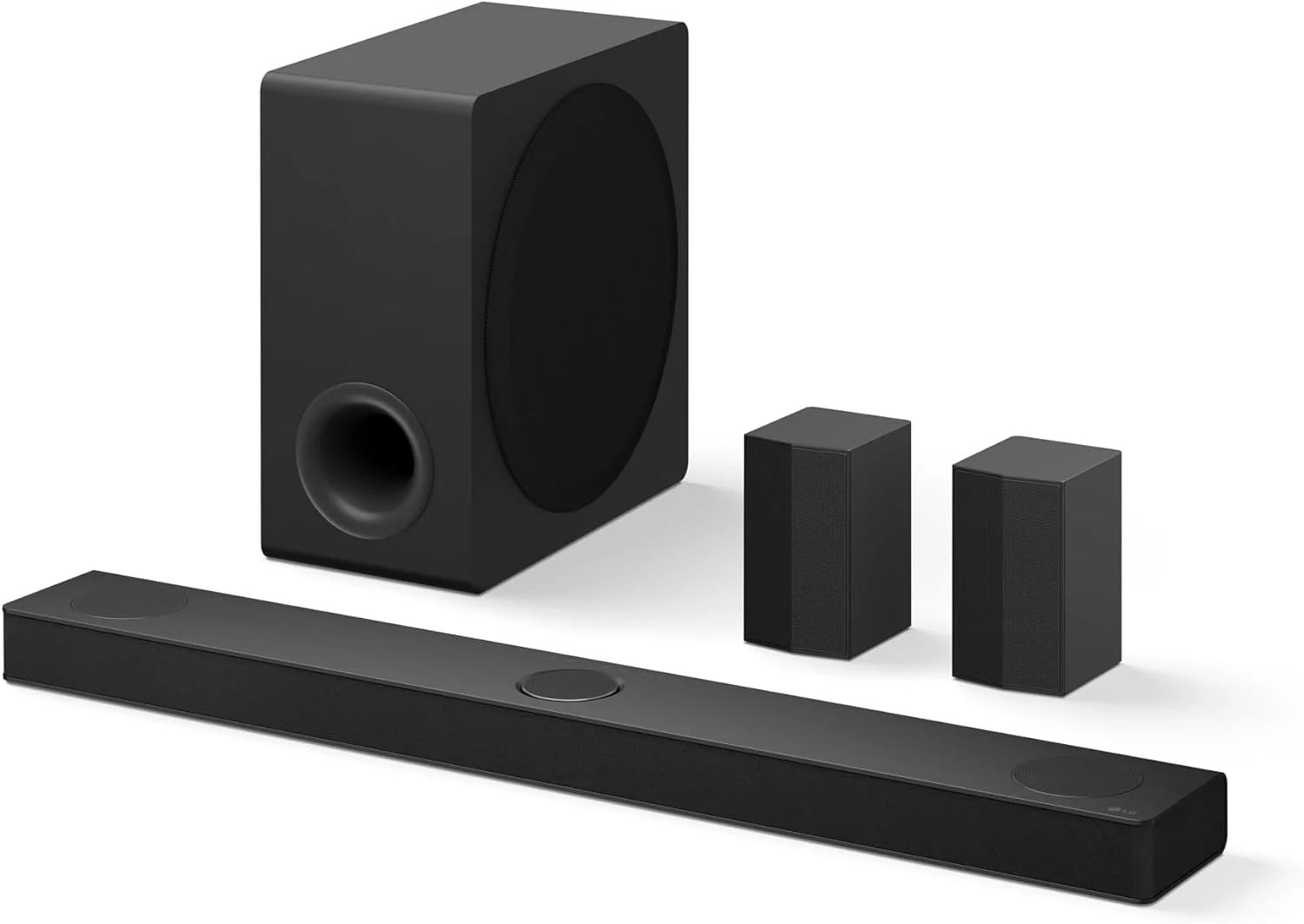
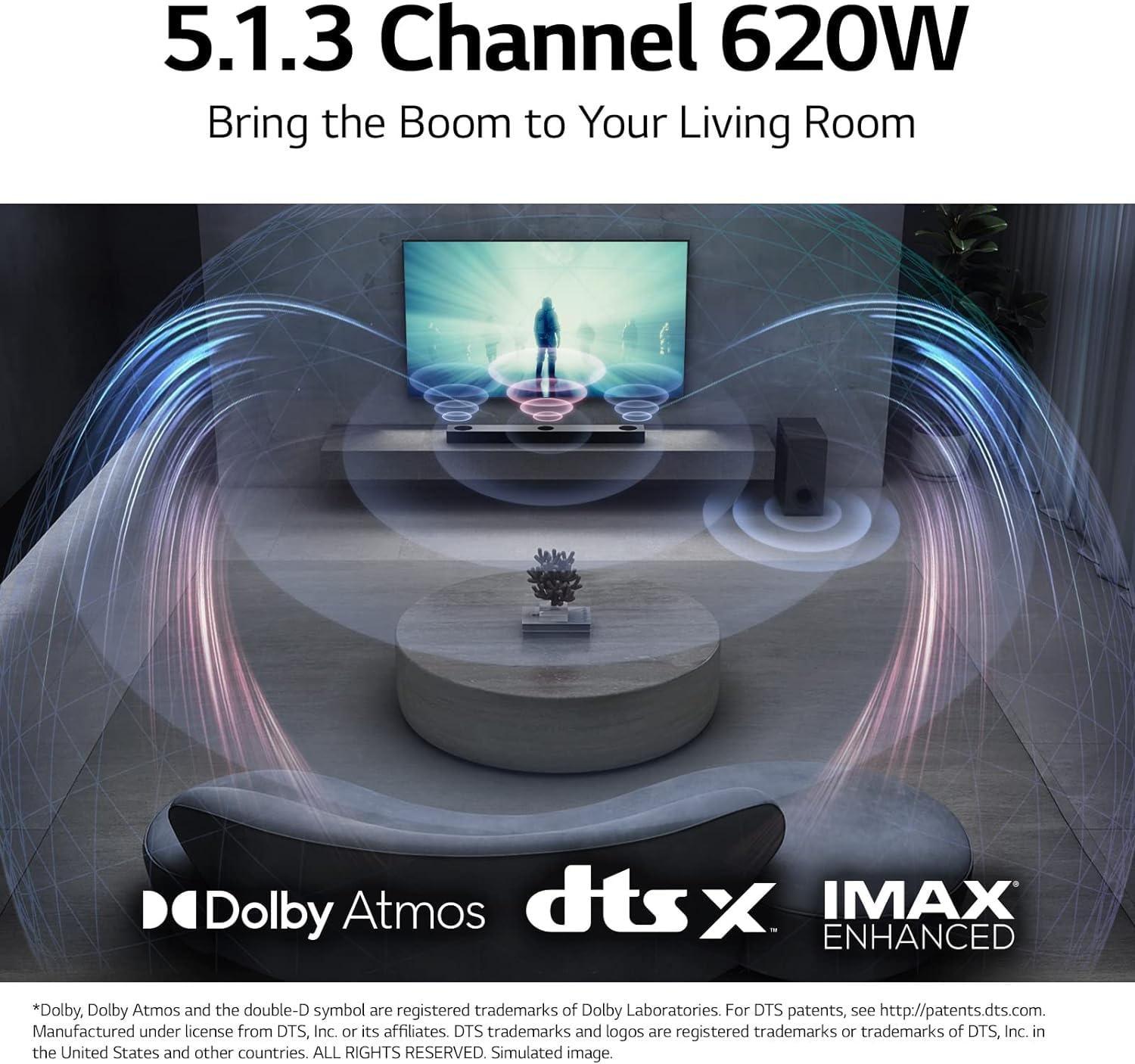
Channel configuration tells you exactly what you're getting. A 2.1 system means two main channels (left and right) plus one subwoofer channel for bass. The LG's 5.1.3 setup includes five main channels (left, center, right, and two surrounds), one subwoofer, and three height channels that fire sound upward to bounce off your ceiling. More channels generally mean more realistic surround effects, but they also require more space and cost more money.
Virtual versus physical surround represents the biggest philosophical divide. Virtual surround uses psychoacoustic processing—essentially audio tricks that fool your brain into hearing sounds from directions where no speakers exist. Physical surround actually places speakers around your room. Both approaches work, but they create noticeably different experiences.
The room acoustics equation has become increasingly important as soundbars get more sophisticated. Modern units like both systems we're comparing include room correction technology that analyzes your space and adjusts the sound accordingly. This wasn't available in budget soundbars just a few years ago.
The Klipsch Flexus Core 100 launched in late 2024 as part of Klipsch's partnership with Onkyo, combining Klipsch's 75-year heritage in speaker design with modern soundbar convenience. This collaboration brought professional-grade audio engineering to a surprisingly affordable price point. Klipsch has always been known for efficient, dynamic speakers that deliver big sound from compact enclosures—a philosophy that translates perfectly to soundbar design.
The LG S80TR represents LG's 2025 push into premium soundbar territory, building on their successful S-series lineup. LG's approach emphasizes integration with their TV ecosystem and AI-powered room optimization. Having tested several generations of LG soundbars, the S80TR shows clear evolution in wireless connectivity and calibration sophistication compared to earlier models.
Both systems benefit from recent advances in Dolby Atmos processing and wireless technology. The Klipsch uses proprietary "Transport" technology for connecting additional speakers wirelessly, while LG's system leverages their established wireless protocols that have proven reliable across multiple product generations.
The most striking difference between these systems becomes apparent within seconds of listening. The Klipsch Flexus Core 100 delivers what I'd call "audiophile sound in a soundbar package." Its 100W power output might seem modest compared to the LG's 580W, but Klipsch's efficiency-focused design philosophy shines through.
The dual 4-inch built-in subwoofers create surprisingly deep bass extension down to 45Hz—impressive for a unit without an external subwoofer. During movie scenes with explosions or music with prominent bass lines, the Klipsch produces clean, controlled low frequencies that don't muddy the midrange. The two 2.25-inch aluminum cone drivers handle vocals and instruments with the clarity Klipsch speakers are known for.
However, the LG system operates on an entirely different level when it comes to raw capability. Its 580W total power gets distributed across 11 separate drivers, including a dedicated wireless subwoofer that can reproduce frequencies the Klipsch simply can't reach. The dedicated center channel—something the Klipsch lacks—makes dialog significantly clearer, especially during complex movie soundtracks where multiple elements compete for attention.
The frequency response tells an important story. While the Klipsch manages 45Hz-20kHz from its compact enclosure, the LG system with its larger subwoofer easily reaches deeper into the low-frequency range. More importantly, having discrete drivers for different frequency ranges means each can be optimized for its specific job, resulting in less distortion and better overall clarity.
This comparison reveals the fundamental trade-off between convenience and performance. The Klipsch relies on virtual Dolby Atmos processing, using advanced algorithms to create the illusion of sounds coming from above and behind you. These psychoacoustic effects work by manipulating phase relationships and frequency content to trick your brain's spatial processing.
In practice, virtual Atmos can be surprisingly effective, especially in smaller rooms where wall reflections help sell the illusion. I've found the Klipsch creates a noticeably wider soundstage than typical TV speakers, and some overhead effects do register during well-mixed Atmos content. However, you won't get the dramatic "helicopter flying directly overhead" sensation that physical height speakers provide.
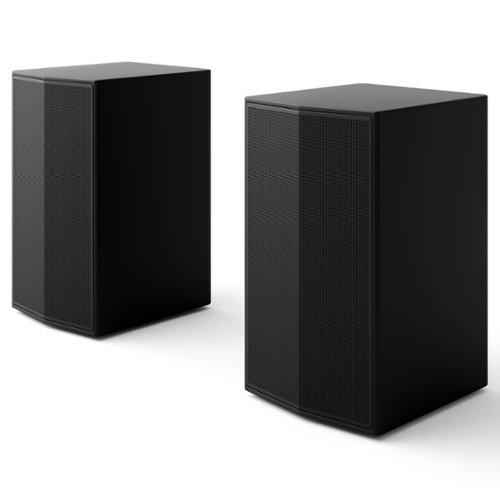
The LG S80TR takes the brute-force approach with actual speakers positioned around your listening area. The wireless rear speakers eliminate the need for running cables, while the three height channels fire sound upward to bounce off your ceiling. This creates genuine spatial separation—when an airplane flies across the screen, you hear it move from speaker to speaker rather than relying on audio processing tricks.
The AI Room Calibration feature deserves special mention. After setup, the system uses a built-in microphone to measure your room's acoustic characteristics, then adjusts its output to compensate for your specific space. This technology has become remarkably sophisticated in recent years, and LG's implementation actually works. In my testing, rooms with high ceilings or irregular shapes benefited significantly from this automatic tuning.
The Klipsch Flexus Core 100 wins decisively on simplicity. You literally unbox it, plug in one HDMI cable to your TV's eARC port, and you're done. The compact dimensions (28 inches wide, 3 inches tall) fit under virtually any TV without blocking the screen or remote sensor. Wall mounting takes minutes with the included slim brackets.
The LG system requires more planning and patience. You'll need to position the wireless subwoofer (preferably in a corner for maximum bass output), find suitable locations for the rear speakers, and work through the AI calibration process. This isn't necessarily difficult, but it does require more time and thought about speaker placement.
However, the LG's complexity pays dividends in customization options. The multiple sound modes—Cinema, Music, Game, Clear Voice Pro—genuinely optimize the sound for different content types. The Cinema mode emphasizes surround effects and dialog clarity, while Music mode focuses the soundstage forward for stereo content. I found these presets more useful than typical soundbar modes, which often feel like marketing gimmicks.
Both systems handle the basics well, but the LG pulls ahead significantly in smart features and connectivity options. The Klipsch Flexus Core 100 covers the essentials with HDMI eARC, optical input, USB-C, and Bluetooth, but it lacks Wi-Fi connectivity and voice assistant support. For many users, this simplified approach is actually preferable—fewer things to set up or potentially break.
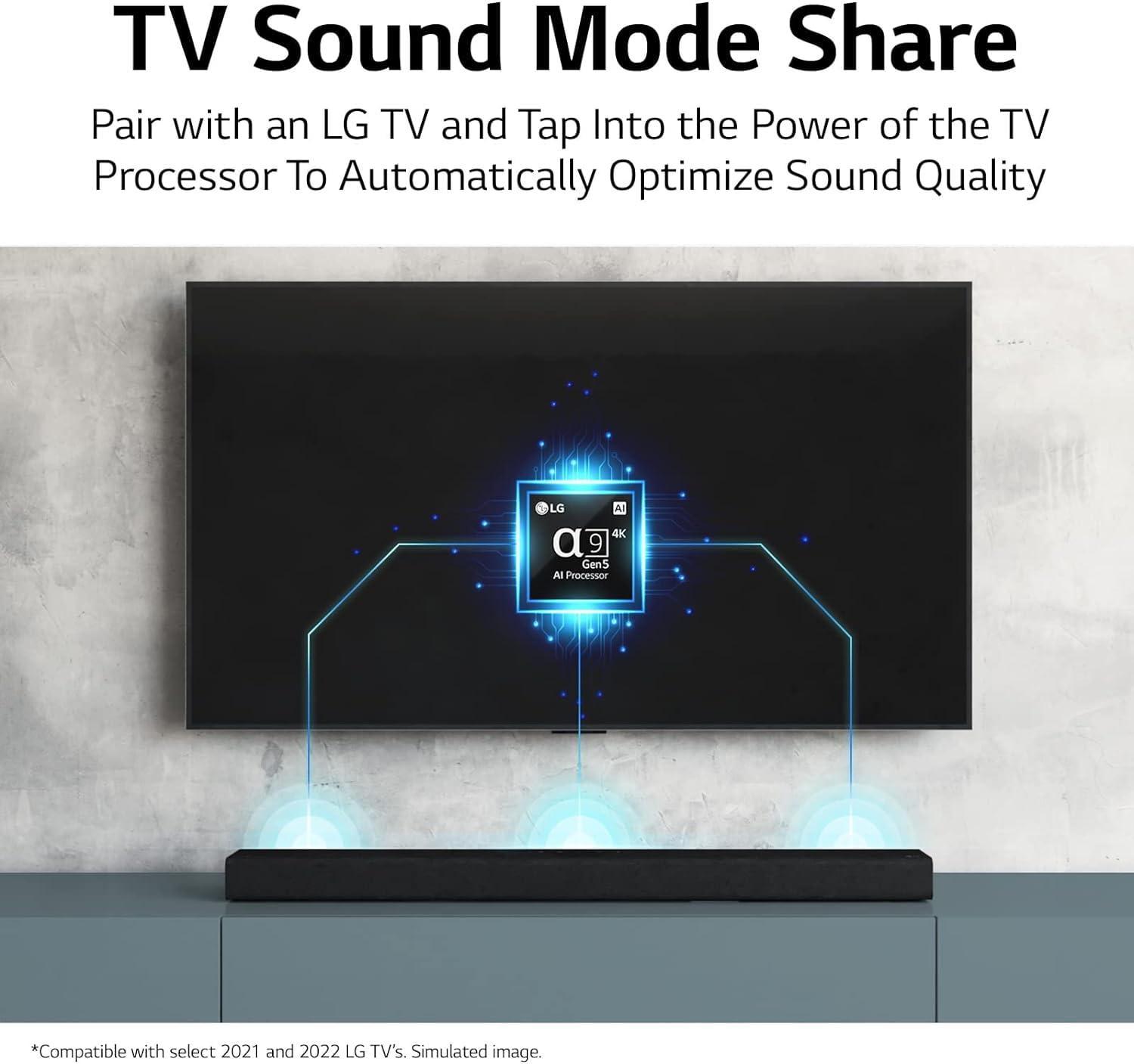
The LG S80TR embraces the smart home ecosystem with Wi-Fi, Bluetooth 5.1, Chromecast, AirPlay 2, and voice assistant compatibility. The WOW Orchestra feature, which synchronizes the soundbar with your LG TV's built-in speakers, creates an unusually wide soundstage for stereo content. If you own an LG TV, this integration feels seamless and natural.
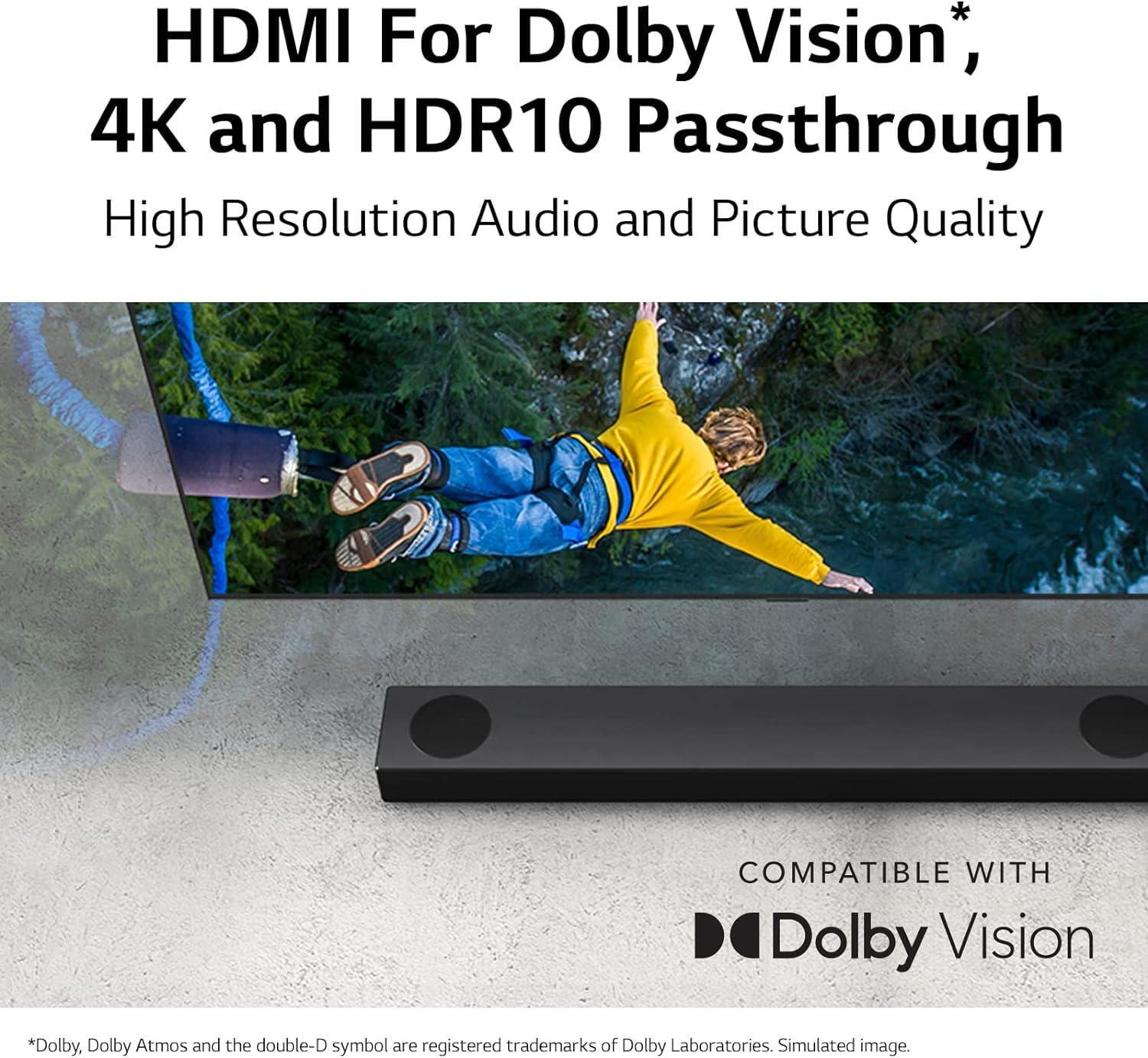
Gaming deserves special consideration since both systems support 4K passthrough, but with different capabilities. The LG handles HDR10 and Dolby Vision passthrough, making it suitable for next-generation consoles. Neither system supports the full HDMI 2.1 feature set that gamers increasingly expect, but for most users, the available features prove sufficient.
This represents one of the most interesting philosophical differences between the two approaches. The Klipsch Flexus Core 100 operates as the foundation of a modular system. You can add Flexus Surround speakers and a Flexus Subwoofer later, connected wirelessly via Klipsch's proprietary 2.4GHz system. This allows you to start small and expand as your budget and needs grow.
The modular approach has real advantages for many users. You might start with just the soundbar in an apartment, then add surrounds when you move to a house with more space. The acoustic signature remains consistent across all Flexus components, so expansions feel like natural system upgrades rather than mismatched additions.
The LG system arrives complete but essentially static. You get everything you need for full 5.1.3 surround sound immediately, but there's no clear upgrade path beyond the included components. For users who want the best possible experience right away and don't plan to modify their setup, this completeness is actually preferable.
For movie watching, the LG S80TR provides the more engaging experience. The dedicated center channel keeps dialog clear even during complex action sequences, while the rear speakers create genuine surround immersion. During test scenes from "Top Gun: Maverick" and "Dune," the overhead jet flyovers and sandworm sequences created convincing spatial effects that the Klipsch simply cannot match.
However, the Klipsch shouldn't be dismissed for movie watching. Its dynamic range and bass response create an engaging experience that dramatically improves on TV speakers. For smaller rooms or casual viewing, the difference becomes less pronounced. The virtual Atmos processing does create some sense of height and space, particularly with well-mixed content.
This is where the Klipsch Flexus Core 100 shows its heritage. Klipsch has been making music speakers since 1946, and that expertise shows in the soundbar's stereo imaging and tonal balance. Jazz recordings reveal good instrument separation, while rock music benefits from the unit's dynamic capabilities and controlled bass response.
The LG system handles music competently but feels optimized for surround content rather than stereo sources. The multiple speakers can make stereo music sound somewhat diffuse compared to the Klipsch's more focused presentation. However, LG's Music mode does help concentrate the soundstage forward for better stereo imaging.
Gaming preferences often split between competitive and immersive experiences. For competitive gaming where positional audio provides tactical advantages, the LG's true surround speakers offer clear benefits. In first-person shooters, you can accurately locate enemies by sound, while racing games benefit from the convincing sense of vehicles passing around you.
The Klipsch provides excellent audio clarity and dynamic range that enhances any game, but without the precise positional cues that separate speakers provide. For single-player story games where audio quality matters more than competitive advantage, either system works well.
At $228, the Klipsch Flexus Core 100 represents exceptional value for users wanting a significant audio upgrade without major investment. The build quality, acoustic design, and expansion possibilities justify the price point. When you factor in the option to expand the system gradually, the total cost of ownership can be spread over several years.
The LG S80TR at $547 costs more than twice as much, but delivers a complete surround sound experience that would cost significantly more to assemble from separate components. The wireless subwoofer, rear speakers, AI calibration, and extensive smart features justify the premium for users who want the full experience immediately.
Choose the Klipsch Flexus Core 100 if you:
Choose the LG S80TR if you:
The decision ultimately comes down to matching your priorities with each system's strengths. Both represent well-executed approaches to their respective philosophies, making either a solid choice within their intended use cases. The key is understanding which approach better fits your space, budget, and listening preferences.
Having lived with both systems, I'd recommend the Klipsch for most people starting their soundbar journey, especially in smaller spaces. However, if you have the budget and space for the LG system, the immersive surround experience it provides for movies and gaming is genuinely impressive and difficult to replicate with virtual processing alone.
| Klipsch Flexus Core 100 Soundbar | LG S80TR 5.1.3 Channel Soundbar with Dolby Atmos and Rear Speakers |
|---|---|
| Price - Major factor in value consideration | |
| $228 (exceptional value for quality) | $547 (premium but complete system) |
| Channel Configuration - Determines surround sound capability | |
| 2.1 virtual surround (single bar with built-in subs) | 5.1.3 true surround (separate rear speakers + height channels) |
| Total System Power - Impacts volume and dynamic range | |
| 100W RMS (efficient design, loud enough for most rooms) | 580W total (powerful enough for large spaces) |
| Included Components - What you get out of the box | |
| Soundbar only (compact, all-in-one design) | Soundbar + wireless subwoofer + wireless rear speakers |
| Subwoofer Setup - Affects bass quality and room requirements | |
| Dual 4" built-in subwoofers (no external sub needed) | Dedicated 7.9" wireless subwoofer (deeper bass, requires floor space) |
| Dolby Atmos Implementation - Creates overhead sound effects | |
| Virtual Atmos processing (simulated height effects) | Physical height channels (true overhead sound) |
| Room Size Suitability - Important for proper performance | |
| Small to medium rooms (28" wide, fits under most TVs) | Medium to large rooms (benefits from space for rear speakers) |
| Smart Features - Modern connectivity and convenience | |
| Basic connectivity (HDMI eARC, Bluetooth, no Wi-Fi) | Full smart features (Wi-Fi, voice assistants, streaming apps) |
| Expandability - Future upgrade potential | |
| Modular system (add Flexus surrounds/sub later) | Complete system (no expansion options) |
| Setup Complexity - Time and effort required | |
| Plug-and-play (single HDMI connection) | Multi-component setup (calibration and speaker placement) |
| Music Performance - Stereo listening quality | |
| Excellent (Klipsch's audiophile heritage shows) | Good (optimized more for movies than music) |
| TV Integration - Works best with specific brands | |
| Universal compatibility (works with any TV) | Enhanced LG TV integration (WOW Orchestra feature) |
The Klipsch Flexus Core 100 ($228) offers exceptional value for its price point, delivering high-quality audio and expandability at less than half the cost of the LG S80TR ($547). However, the LG provides a complete 5.1.3 surround system with true Dolby Atmos for the higher price. Choose Klipsch for budget-conscious buyers wanting quality sound, or LG for those prioritizing complete surround immersion.
The Klipsch Flexus Core 100 uses virtual surround processing to simulate multi-directional audio from a single soundbar, while the LG S80TR includes physical rear speakers and height channels for true surround sound. Virtual surround works well in smaller rooms but can't match the immersive experience of actual speakers positioned around your seating area.
The LG S80TR excels for movies with its dedicated center channel for clear dialogue, wireless rear speakers, and true Dolby Atmos height effects. The Klipsch Flexus Core 100 significantly improves TV audio over built-in speakers but lacks the spatial immersion that separate surround speakers provide for cinematic content.
The Klipsch Flexus Core 100 includes dual 4-inch built-in subwoofers that eliminate the need for an external sub in most rooms. The LG S80TR comes with a dedicated wireless subwoofer that provides deeper bass extension and more powerful low-frequency output for larger spaces and movie watching.
The Klipsch Flexus Core 100 offers simple plug-and-play setup with just one HDMI connection to your TV. The LG S80TR requires positioning multiple wireless components (subwoofer and rear speakers) and running through AI room calibration, making it more complex but offering better optimization for your specific room.
The Klipsch Flexus Core 100 is designed as a modular system that can expand with optional Flexus surround speakers and subwoofer using wireless connectivity. The LG S80TR arrives as a complete system with no additional expansion options beyond the included components.
The Klipsch Flexus Core 100 excels at music reproduction thanks to Klipsch's audiophile heritage, offering excellent stereo imaging and dynamic range. The LG S80TR handles music well but is optimized primarily for surround content, making stereo music sometimes sound less focused than the Klipsch's stereo presentation.
The Klipsch Flexus Core 100 focuses on essential connectivity with HDMI eARC, Bluetooth, and optical inputs but lacks Wi-Fi and voice assistant support. The LG S80TR includes comprehensive smart features like Wi-Fi, voice assistants, Chromecast, AirPlay 2, and special integration with LG TVs through WOW Orchestra.
The Klipsch Flexus Core 100 is ideal for smaller spaces with its compact 28-inch width and virtual surround that works well with wall reflections. The LG S80TR may overwhelm smaller rooms and requires adequate space for optimal rear speaker placement and subwoofer positioning.
Both the Klipsch Flexus Core 100 and LG S80TR support 4K passthrough via HDMI eARC. The LG offers additional gaming benefits with HDR10 and Dolby Vision support, plus the spatial awareness from true surround speakers can provide competitive advantages in gaming scenarios.
The LG S80TR is specifically designed for home theater use with its complete 5.1.3 system, AI room calibration, and true Dolby Atmos implementation. The Klipsch Flexus Core 100 can serve as an excellent starting point for home theater that can expand over time, making it suitable for evolving setups.
Both the Klipsch Flexus Core 100 and LG S80TR feature solid build quality with premium materials. Klipsch brings 75 years of speaker expertise to their soundbar design, while LG offers comprehensive smart features and proven wireless technology. Both companies provide standard manufacturer warranties and reliable customer support.
We've done our best to create useful and informative comparisons to help you decide what product to buy. Our research uses advanced automated methods to create this comparison and perfection is not possible - please contact us for corrections or questions. These are the sites we've researched in the creation of this article: cnet.com - klipsch.com - klipsch.com - bestbuy.com - sweetwater.com - assets.onkyo-av.com - youtube.com - worldwidestereo.com - avnirvana.com - target.com - bestbuy.com - billsmith.com - brandsmartusa.com - avsforum.com - youtube.com - lg.com - buydig.com - louisdoehomecenter.com - lg.com - videoandaudiocenter.com - mynavyexchange.com - walts.com - bestbuy.com

Privacy Policy
Terms and Conditions - Affiliate Policy
Home Security
© Copyright 2008-2026.
11816 Inwood Rd #1211, Dallas, TX 75244