

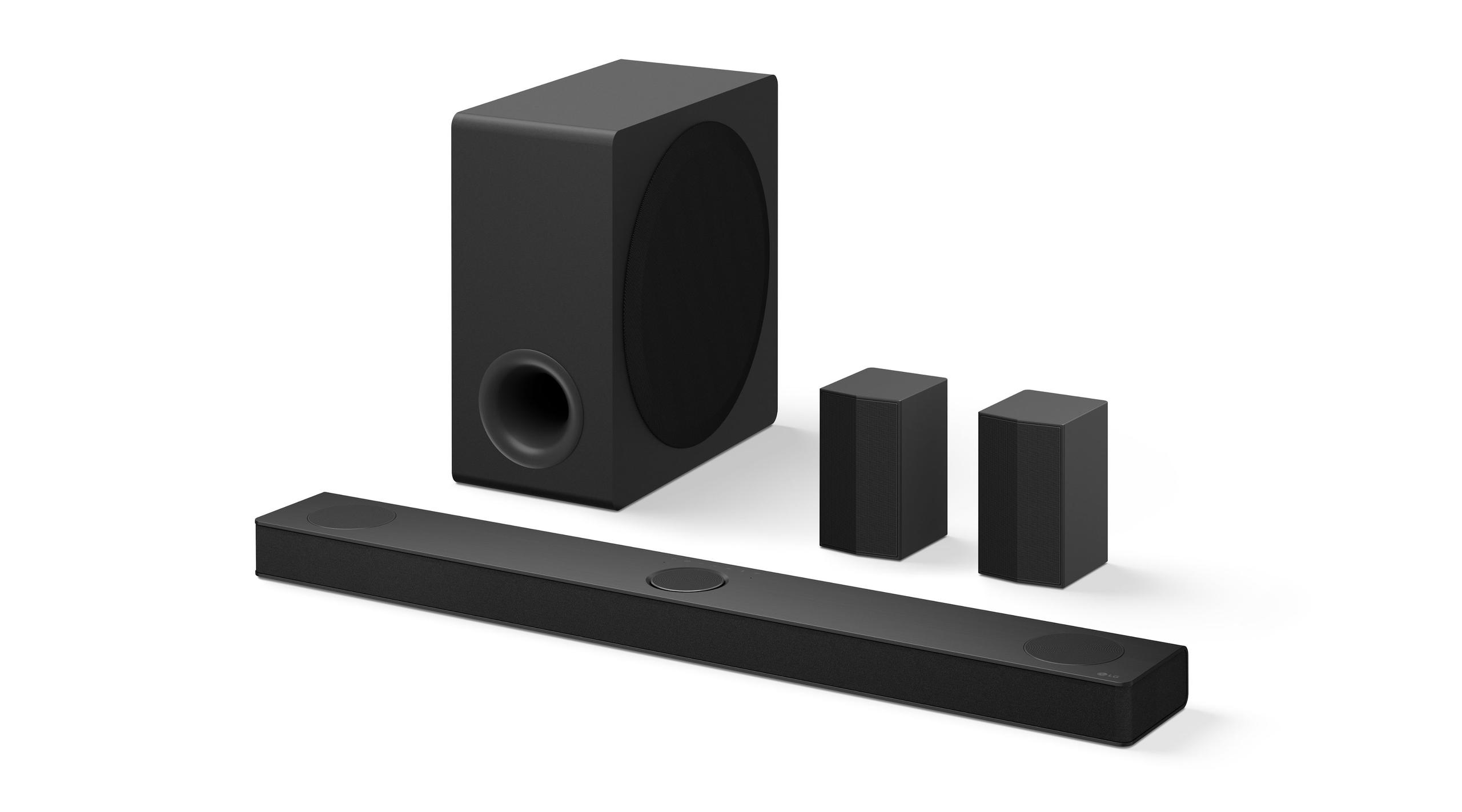
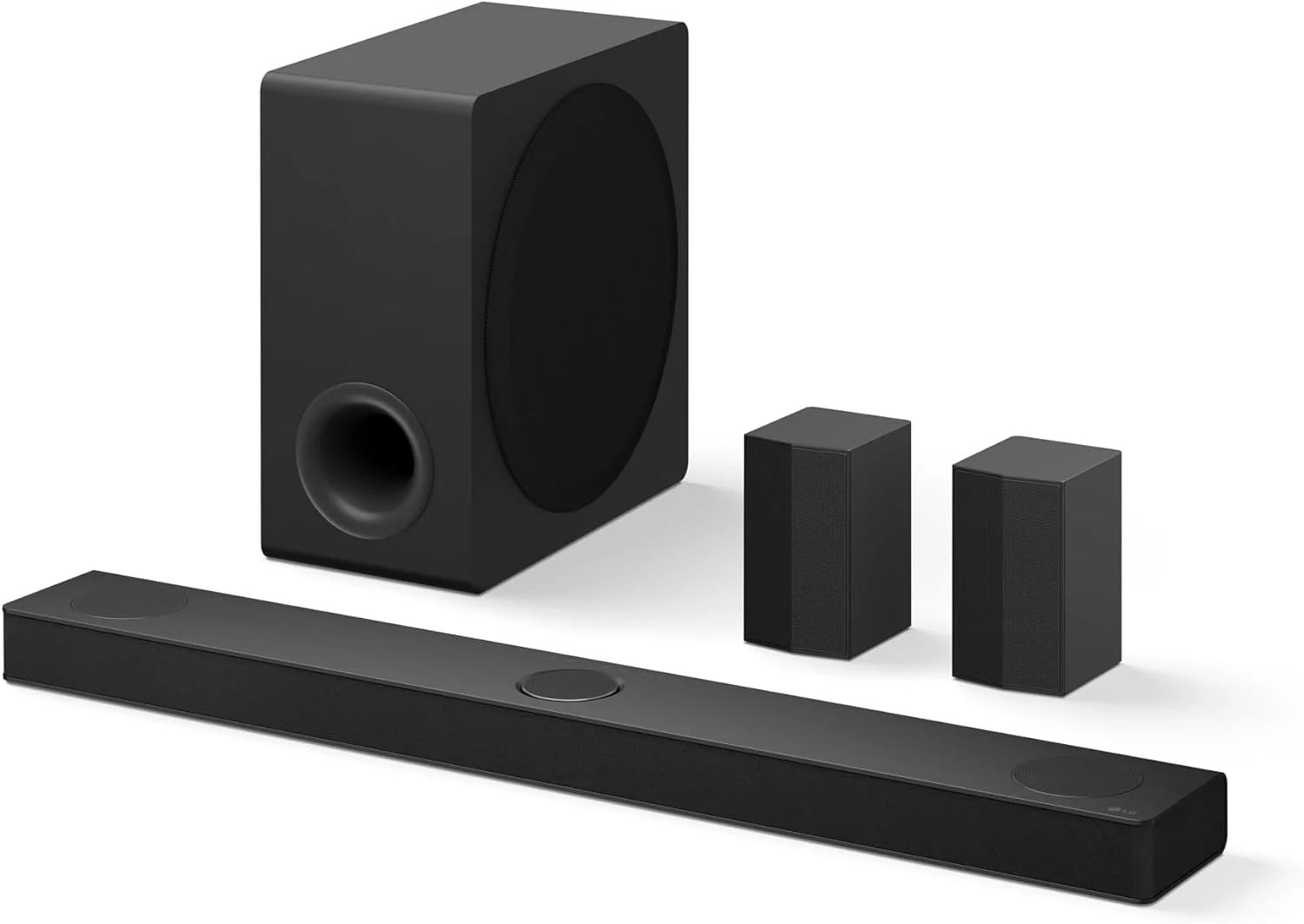
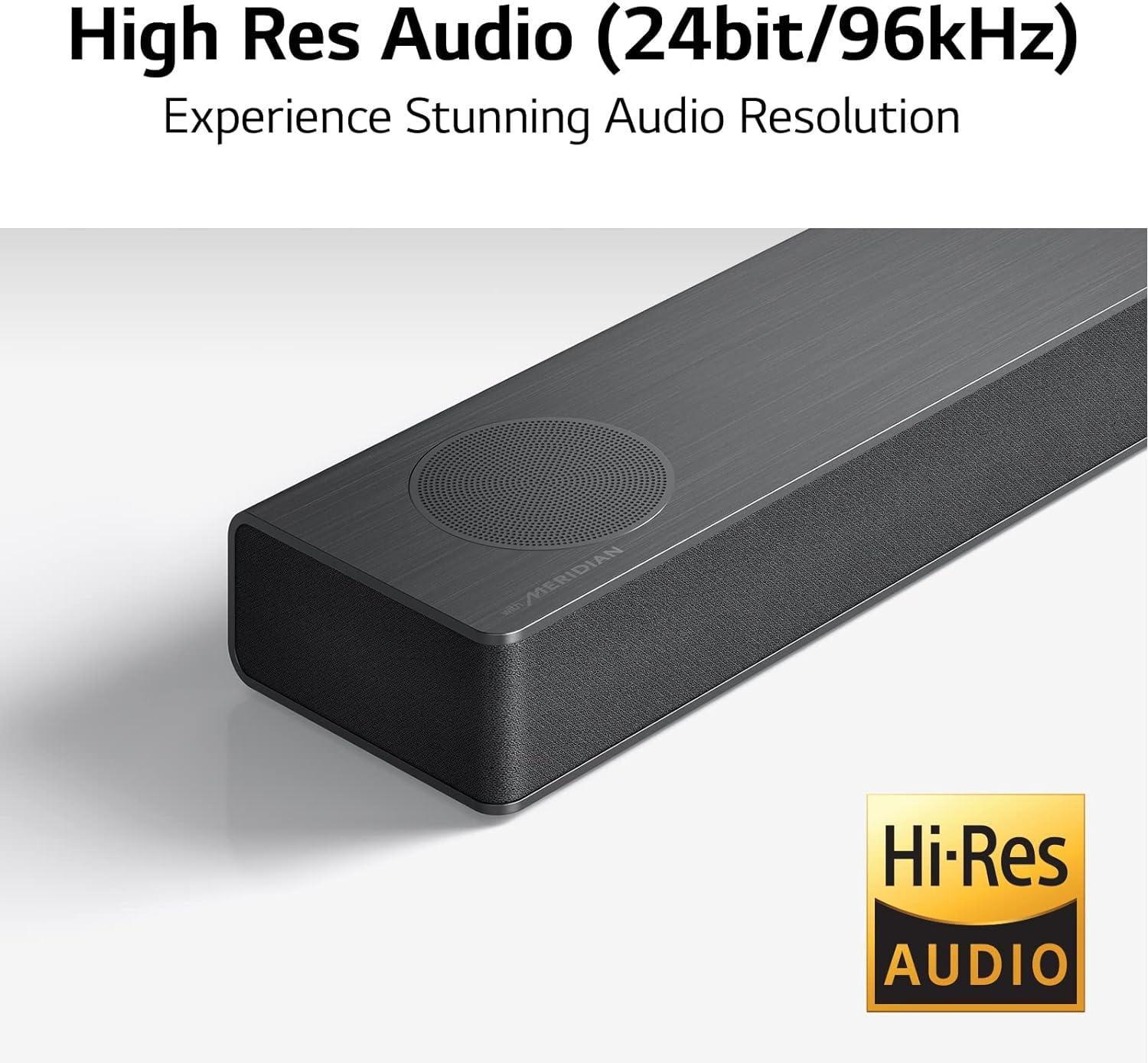


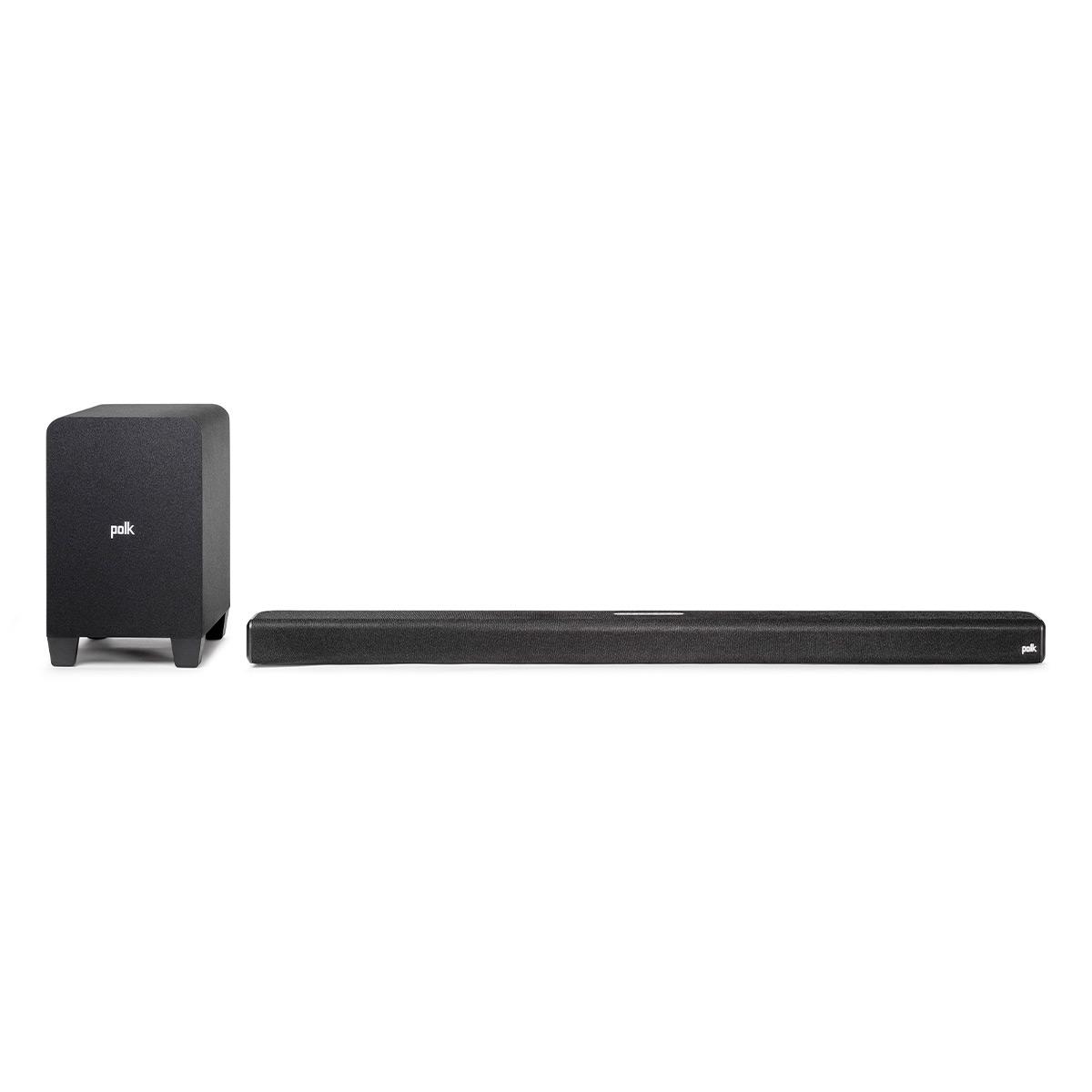
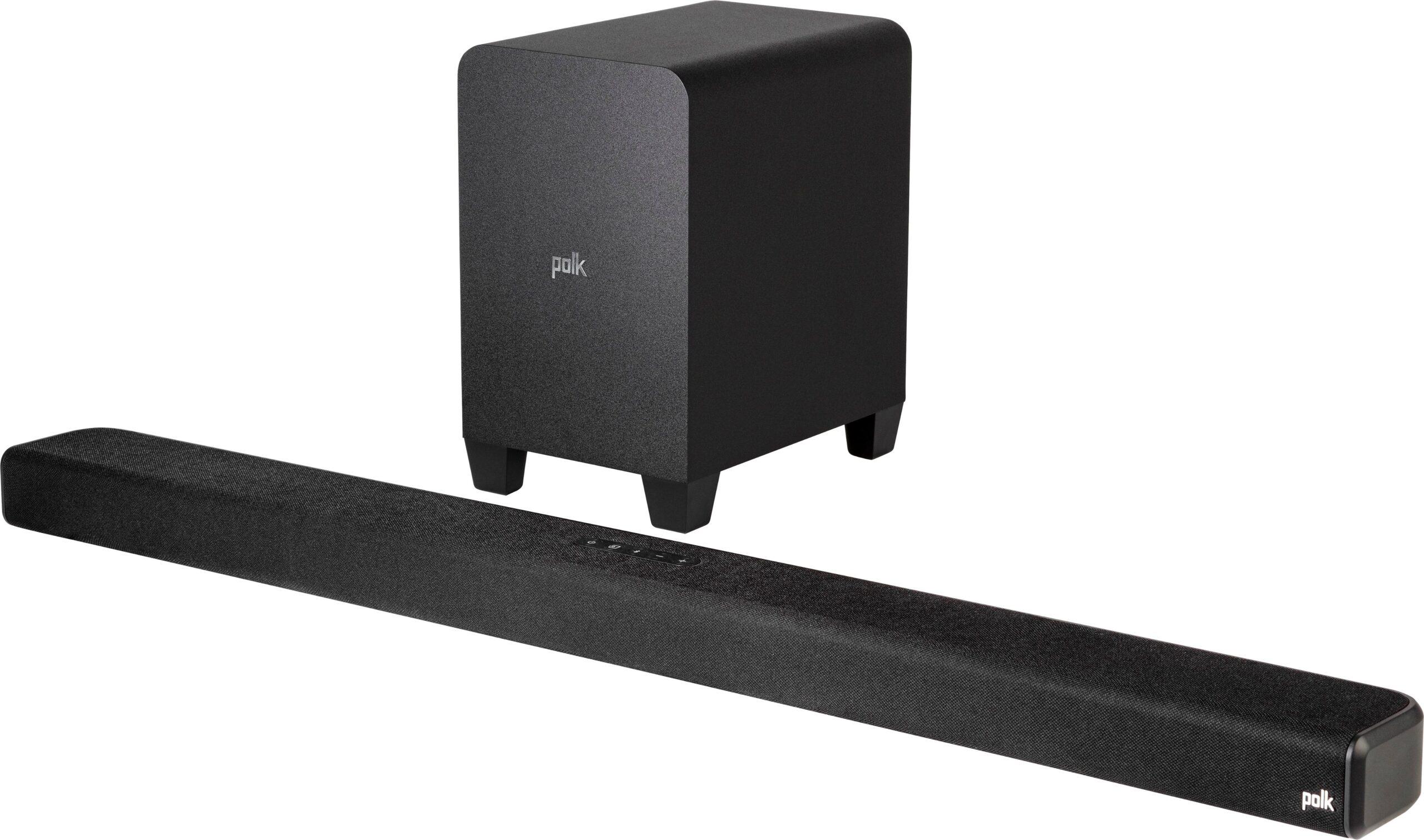
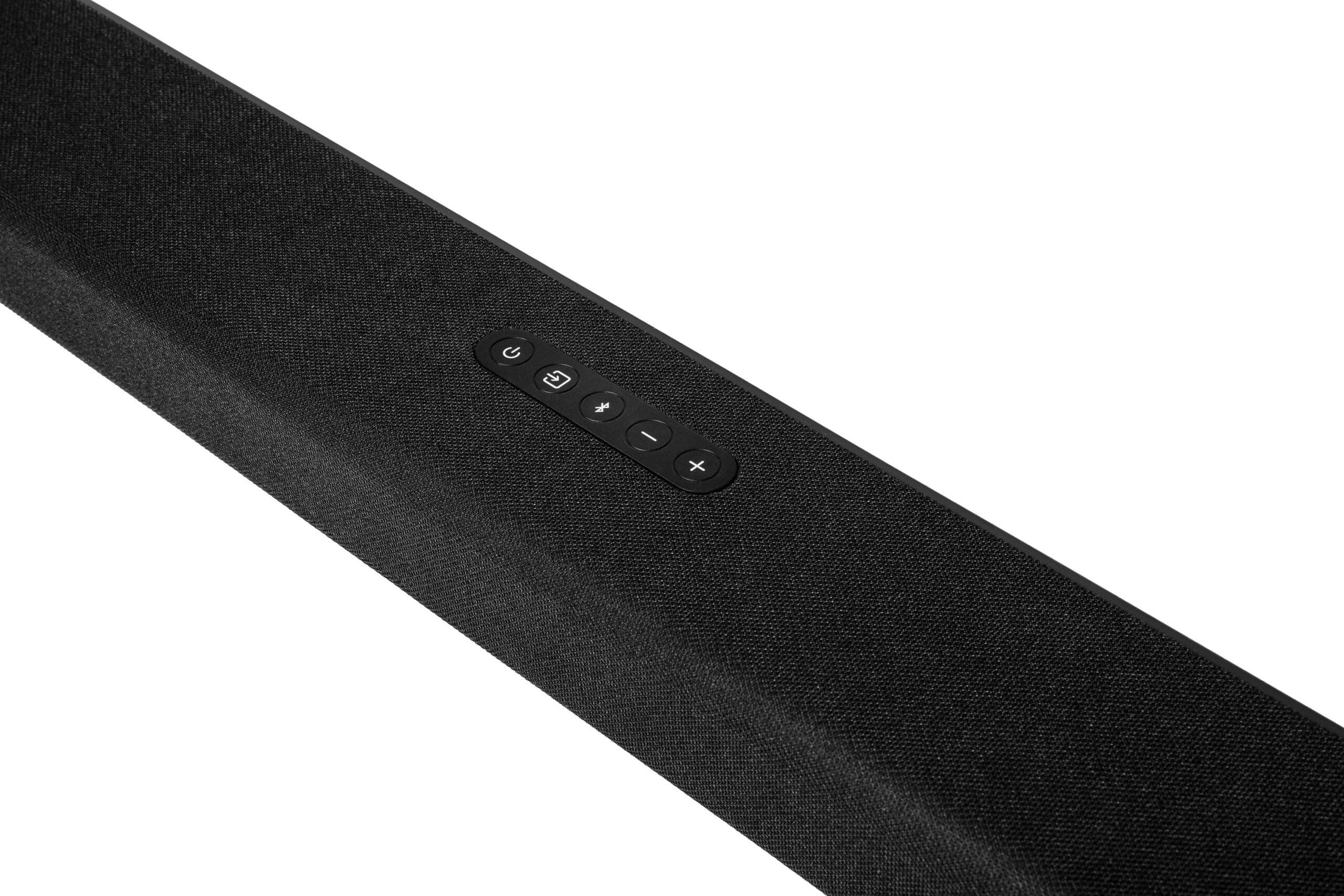
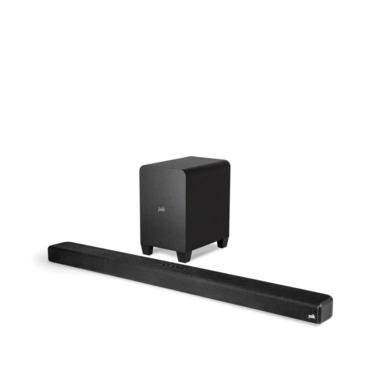
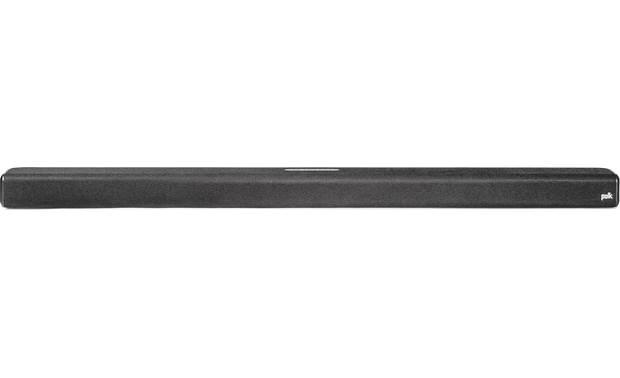
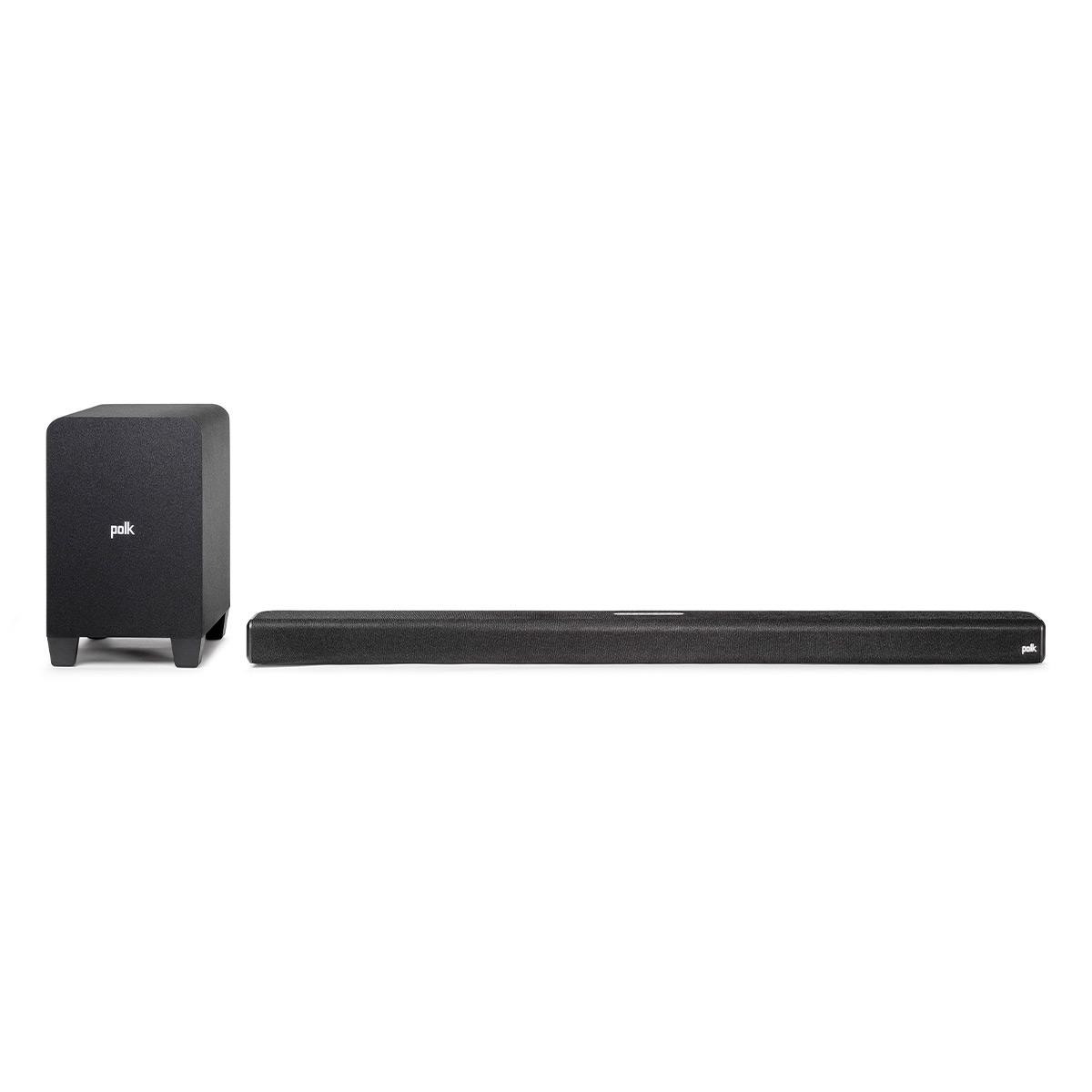
If you've been using your TV's built-in speakers, you're missing out on a huge chunk of what modern movies and shows have to offer. The jump from those thin, tinny speakers to even a basic soundbar is dramatic – but choosing between a premium system like the LG S80TR ($547) and a budget option like the Polk Audio Signa S4 ($299) can feel overwhelming.
I've spent considerable time with both systems, and while they both deliver Dolby Atmos (that's the technology that makes sound appear to come from above and around you), they take completely different approaches to getting there. Let me break down what makes each one tick and help you figure out which fits your setup and budget.
Before diving into these specific models, it's worth understanding what we're really talking about when we discuss modern soundbars. These aren't just wider speakers that sit under your TV – they're sophisticated audio systems designed to create the illusion of surround sound without filling your room with speakers.
The magic happens through a combination of multiple drivers (individual speakers), digital signal processing (computer algorithms that manipulate sound), and in the case of Dolby Atmos, psychoacoustic tricks that convince your brain that sound is coming from places where there aren't actually speakers.
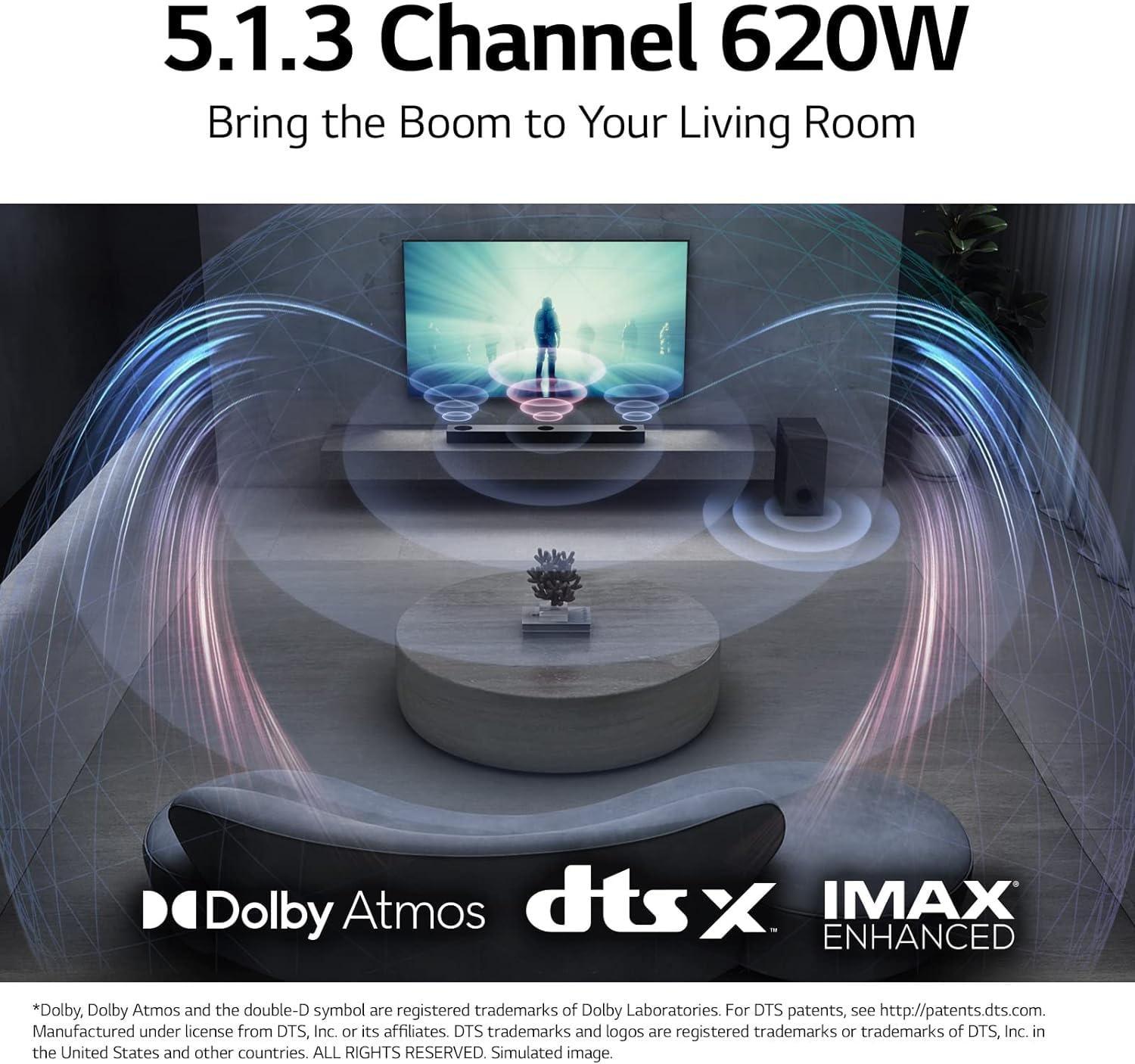
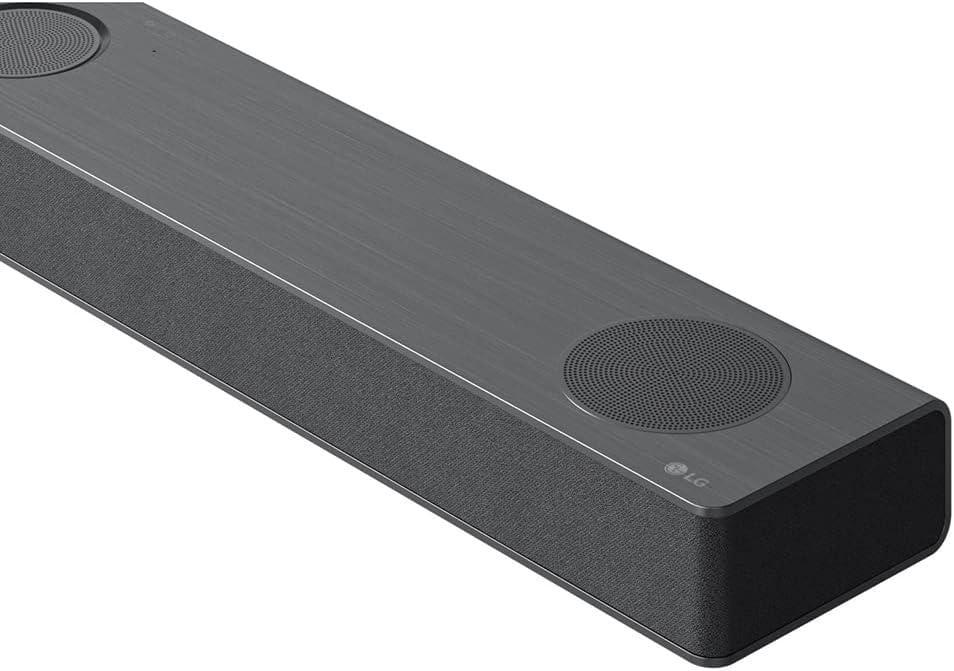
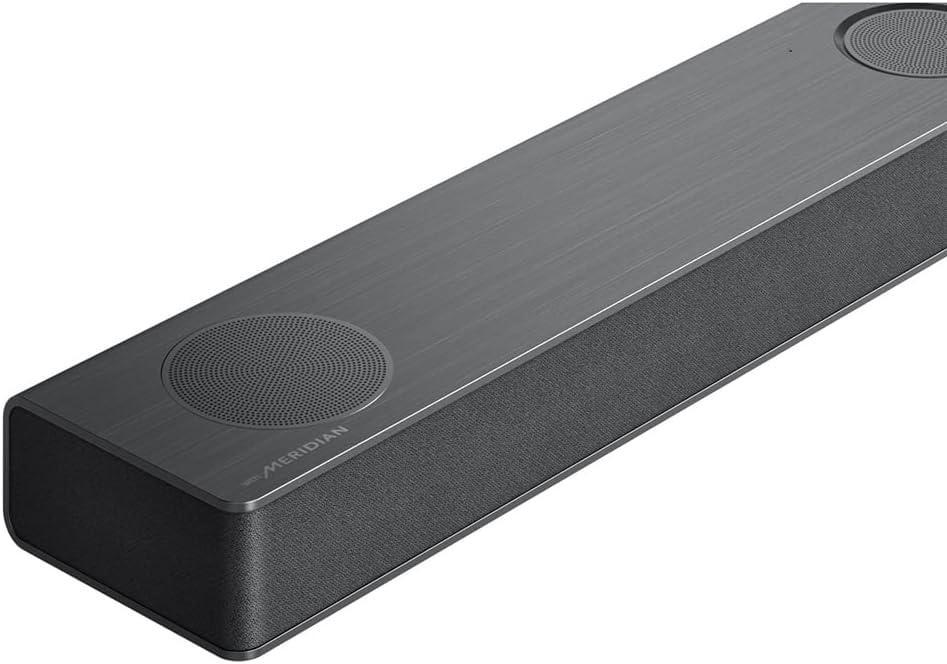
Both the LG S80TR and Polk Signa S4 support Dolby Atmos, but they implement it differently. The LG uses what's called a 5.1.3 configuration – that means five main channels (front left, center, front right, and two surround channels), one subwoofer channel for bass, and three height channels for overhead effects. The Polk uses a 3.1.2 setup – three main channels, one subwoofer, and two height channels.
The Polk Audio Signa S4 hit the market in early 2023, positioning itself as an affordable entry point into Dolby Atmos territory. Polk designed it during a time when the company was focused on democratizing premium audio features – bringing technologies that were previously reserved for expensive systems down to more accessible price points.
The LG S80TR launched later in 2023 as part of LG's push to create more complete home theater ecosystems. LG had been watching competitors struggle with the complexity of multi-speaker setups and decided to focus heavily on automation and smart features to solve setup headaches.
Since their releases, both have received firmware updates that improved performance. The LG system benefited particularly from AI calibration refinements that better adapt to different room layouts, while the Polk received updates that enhanced its virtual surround processing algorithms.
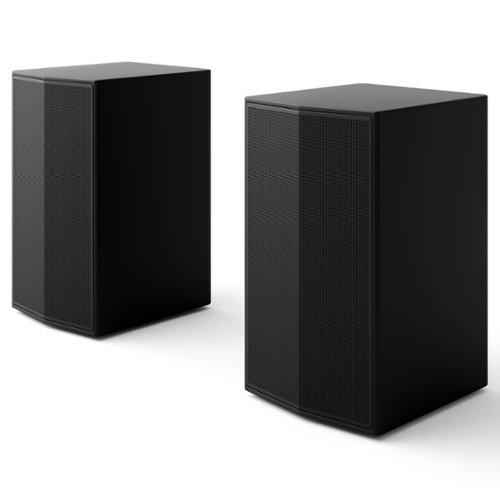
Here's where the biggest difference lies: the LG S80TR includes actual wireless rear speakers, while the Polk relies entirely on virtual surround processing. Having used both extensively, I can tell you this difference is immediately apparent.
With the LG system, when a helicopter flies overhead in a movie, you hear it travel from the front soundbar, pass over your head through the up-firing drivers, and then clearly move behind you through the rear speakers. It's convincing in a way that makes you forget you're listening to a soundbar system rather than a full 7.1 surround setup.
The rear speakers connect wirelessly to the main unit, which is convenient, but they still need to be plugged into power outlets. This means you need available outlets within about six feet of where you want to place them. In my testing room, I positioned them about three feet behind and slightly to the sides of my main seating position, and the effect was genuinely immersive.
The Polk takes a different approach entirely. Without physical rear speakers, it relies on advanced digital processing to create the illusion of surround sound. The soundbar uses precise timing delays and frequency adjustments to bounce sound off your walls in ways that trick your brain into perceiving directional audio. It's impressive technology, and for a $299 system, it works better than you might expect.
However, the virtual approach has limitations. Room acoustics play a huge role in how well it works. In rooms with lots of soft furnishings, irregular shapes, or open floor plans, the wall reflections that create the surround effect can get muddled. I found the Polk worked best in rectangular rooms with moderate reflection – too live and the effect becomes chaotic, too dead and it disappears entirely.
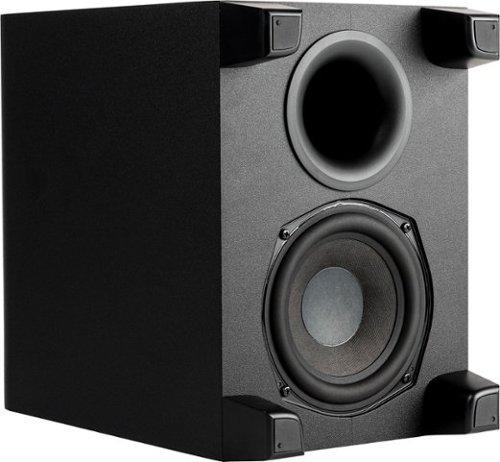
Both systems include wireless subwoofers, but they approach bass reproduction differently. The LG's subwoofer is larger and more powerful, with dedicated Bass Blast and Bass Blast+ modes that let you customize how much low-end emphasis you want.
During my testing with action movies like "Top Gun: Maverick," the LG's subwoofer provided that chest-thumping impact during the jet scenes without overwhelming dialogue. The AI calibration system continuously adjusts bass levels based on content – it automatically reduces bass during quiet dialogue scenes and ramps it up during action sequences.
The Polk's 5.9-inch subwoofer is smaller but still effective for its price range. It provides solid impact for explosions and music, though it doesn't dig as deep into the lowest frequencies as the LG. For most TV content and casual music listening, it's perfectly adequate. However, if you're planning to use your soundbar as your primary music system or you love bass-heavy action movies, the difference becomes more noticeable.
This is where the LG really shines with its AI Room Calibration feature. Built-in microphones analyze your room's acoustics by playing test tones and measuring how they bounce around the space. The system then automatically adjusts its output to compensate for your room's unique characteristics.
I tested this feature in three different rooms – a large open living room, a medium-sized family room, and a smaller bedroom setup. In each case, the calibration process took about two minutes, and the improvements were immediately obvious. The system seemed to "understand" each room's acoustics and adjusted accordingly.
The Polk takes a more traditional approach with manual sound modes. You choose between Movie, Music, and Night modes, then fine-tune using the VoiceAdjust and BassAdjust controls. It requires more user involvement but gives you direct control over the sound signature.
For users who enjoy tweaking audio settings, the manual approach can be satisfying. But if you want something that just works out of the box, the LG's automated system is hard to beat.
Poor dialogue clarity is one of the biggest complaints about modern TV and movie audio, and both soundbars address this issue head-on, just in different ways.
The LG uses an up-firing center channel combined with Clear Voice Pro processing. The up-firing design means dialogue doesn't get lost when you're sitting off to the side, and the processing algorithms specifically enhance the frequency ranges where human speech lives. During my testing with dialogue-heavy shows like "The Crown," voices remained clear and natural even during complex orchestral scores.
The Polk's VoiceAdjust technology takes a more surgical approach. It identifies dialogue frequencies and raises their volume while leaving the rest of the soundtrack untouched. This works particularly well with the Night mode, which compresses the dynamic range (the difference between the quietest and loudest sounds) so you can hear whispered dialogue without having explosion scenes wake the neighbors.
Both approaches work well, but I found the LG's method felt more natural – dialogue enhancement that doesn't sound processed or artificial.
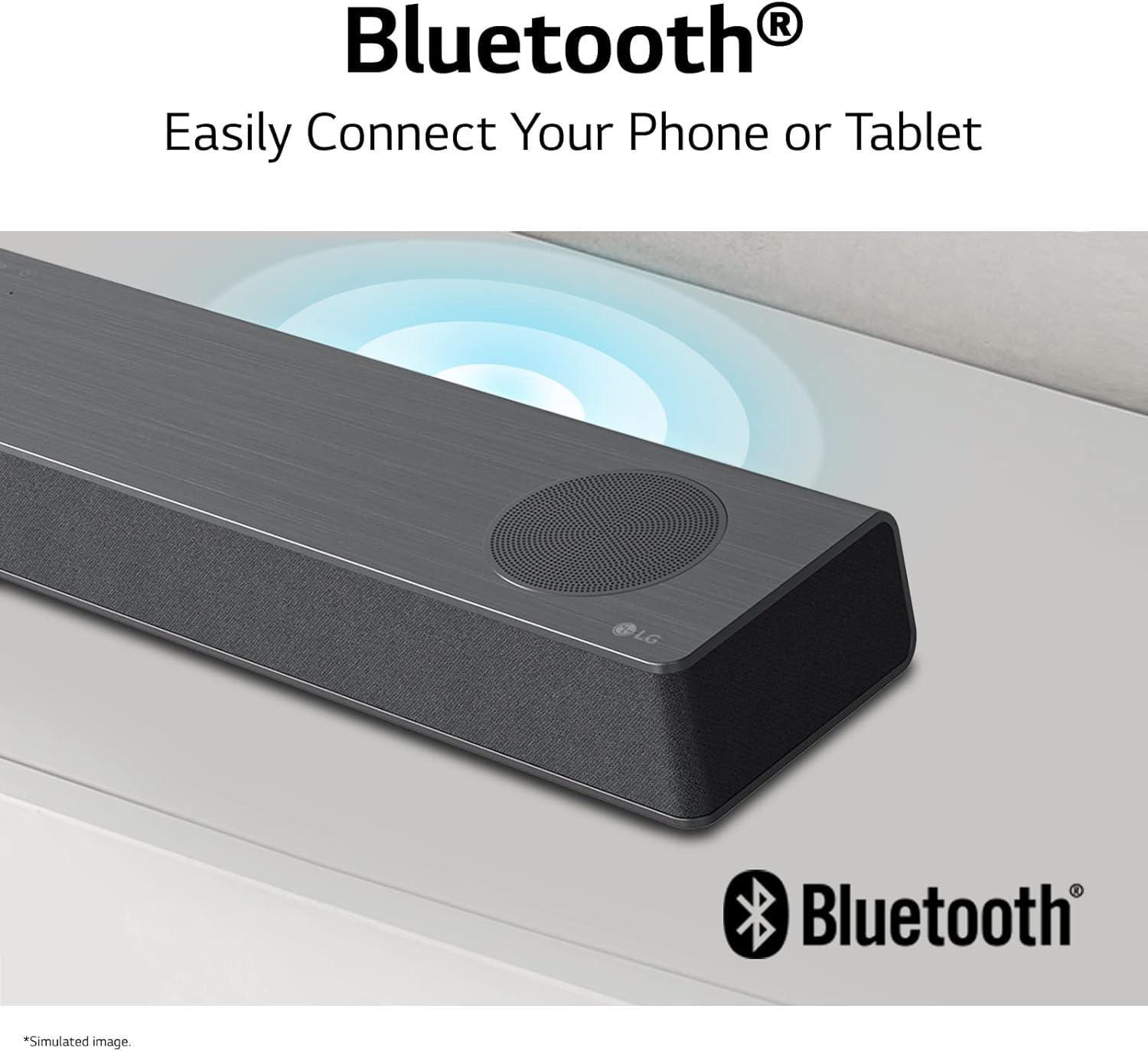
Here's where the price difference really shows. The LG S80TR is essentially a smart audio device that happens to be a soundbar. It supports Wi-Fi connectivity, which opens up features like AirPlay 2, Chromecast, and direct streaming from services like Spotify Connect.
The voice assistant integration genuinely works well – I could ask Google Assistant to play specific playlists or adjust volume without reaching for a remote. The LG ThinQ integration means the soundbar communicates with other LG smart home devices, creating a more unified ecosystem.
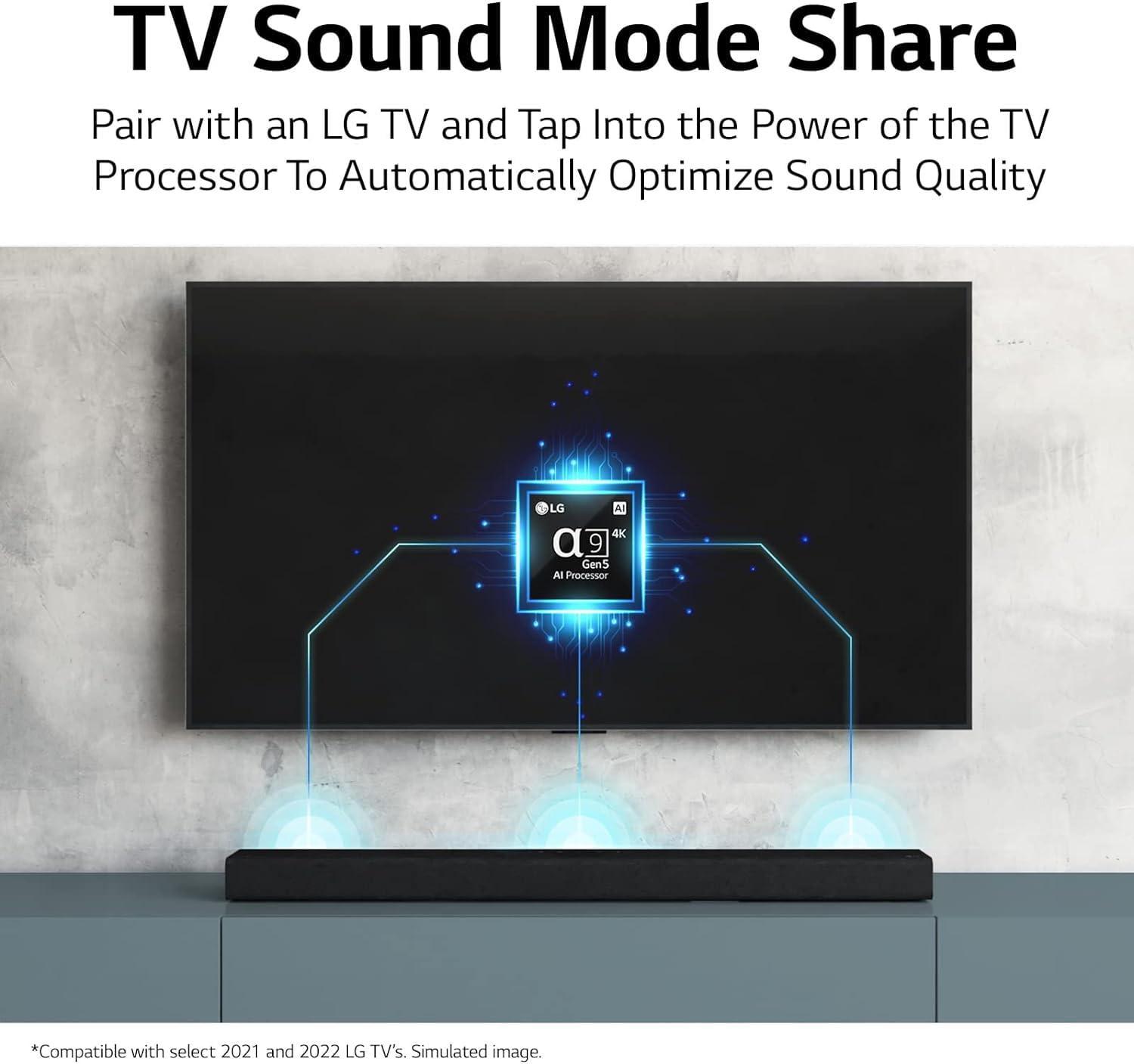
For LG TV owners, there's an additional benefit called WOW Orchestra. This feature uses both your TV's speakers and the soundbar simultaneously, with the TV handling some dialogue duties while the soundbar focuses on effects and music. It sounds gimmicky, but in practice, it creates a wider, more enveloping soundstage.
The Polk Signa S4 keeps things simpler with Bluetooth 4.2 connectivity and basic HDMI eARC support. You can stream music from your phone, and it'll handle all the audio formats your TV can send it, but that's about it. For users who just want better TV sound without smart features complexity, this simplicity is actually an advantage.
Both soundbars support HDMI eARC, which is crucial for gaming since it allows uncompressed audio transmission from your TV to the soundbar. However, the LG goes further with support for Variable Refresh Rate (VRR) and Auto Low Latency Mode (ALLM) passthrough.
During gaming sessions with my PlayStation 5, the LG system's Game mode provided noticeable improvements in directional audio cues. In competitive shooters, being able to accurately pinpoint enemy footsteps behind and above you can be a real advantage. The rear speakers excel here – when an opponent throws a grenade behind you in "Call of Duty," you hear it land exactly where it should be spatially.
The Polk's gaming performance is solid but less sophisticated. Game mode optimizes the soundbar for low-latency gaming audio, and the Dolby Atmos processing does provide some directional information. However, without physical rear speakers, the spatial accuracy isn't quite as precise.
If you're setting up a dedicated home theater room, the LG S80TR is clearly the better choice, assuming your budget allows for it. The combination of rear speakers, AI calibration, and advanced connectivity options creates an experience that approaches dedicated surround sound systems.
The key is having the right room for it. You need space for rear speaker placement – ideally 2-3 feet behind your seating position and slightly elevated. The speakers need power outlets nearby, and the room should be large enough that the surround effect doesn't become overwhelming.
I spent several weeks using the LG system as my primary home theater audio, and it genuinely changed how I experienced movies. The seamless integration with my LG OLED TV, combined with the immersive surround sound, created viewing experiences that felt genuinely cinematic.
The Polk works well in home theater applications too, but it's better suited for smaller, more casual setups. It excels in bedrooms, apartments, or living rooms where space constraints make rear speakers impractical.
While both soundbars are designed primarily for TV and movie audio, they also serve as music systems. The LG's wider driver array and more sophisticated processing make it the better choice for serious music listening.
The AI Sound Pro mode adapts to different music genres, providing appropriate emphasis for everything from classical to hip-hop. The wireless connectivity options mean you can easily stream high-quality audio from various sources without relying on compressed Bluetooth transmission.
The Polk's Music mode provides good stereo imaging and decent frequency response for its price point. It's perfectly adequate for background music or casual listening, but it doesn't have the dynamic range or soundstage width for critical music appreciation.
At nearly double the price, the LG S80TR needs to justify its premium, and in most ways, it does. You're paying for physical rear speakers, AI calibration, comprehensive smart features, and more sophisticated audio processing. If your room can accommodate the full system and you value the enhanced immersion, the price difference makes sense.
The Polk Signa S4 represents exceptional value in the budget Dolby Atmos category. At $299, you're getting genuine height channel processing, solid build quality, and significant improvement over TV speakers. It's hard to find comparable Atmos performance at this price point.
After extensive testing with both systems, here's how I'd approach the decision:
Choose the LG S80TR if you have a room larger than 15 feet wide, available power outlets for rear speakers, and a budget that can handle the premium. It's ideal for dedicated home theater setups, LG TV owners, and anyone who prioritizes maximum immersion over simplicity.
Choose the Polk Signa S4 if you want the biggest possible upgrade from TV speakers within a strict budget, have space constraints that make rear speakers impractical, or prefer straightforward operation without smart features complexity.
Both soundbars deliver on their promises, but they're designed for different users and use cases. The LG creates a more complete surround sound experience at the cost of complexity and price. The Polk maximizes improvement per dollar while keeping things simple and accessible.
Your room size, budget, and complexity tolerance will ultimately determine which approach works better for your situation. Either way, you'll be getting dramatically better audio than what your TV can provide on its own.
| LG S80TR 5.1.3 Channel Soundbar ($547) | Polk Audio Signa S4 Dolby Atmos Soundbar ($299) |
|---|---|
| Channel Configuration - Determines surround sound authenticity and immersion quality | |
| 5.1.3 channels with physical rear speakers (11 total drivers) | 3.1.2 channels with virtual surround processing (7 total drivers) |
| Room Calibration - Critical for optimal sound without manual tweaking | |
| AI Room Calibration with built-in microphones automatically adjusts to room acoustics | Manual adjustment only through basic sound modes (Movie, Music, Night) |
| Rear Speaker Setup - Makes or breaks true surround sound experience | |
| Wireless rear speakers included (require power outlets within 6 feet of placement) | No rear speakers - relies on virtual surround processing and wall reflections |
| Smart Features - Future-proofing and convenience factor | |
| Wi-Fi, AirPlay 2, Chromecast, Google Assistant, Alexa, LG ThinQ integration | Bluetooth 4.2 only - no Wi-Fi or voice assistant support |
| HDMI Support - Essential for gaming and 4K content | |
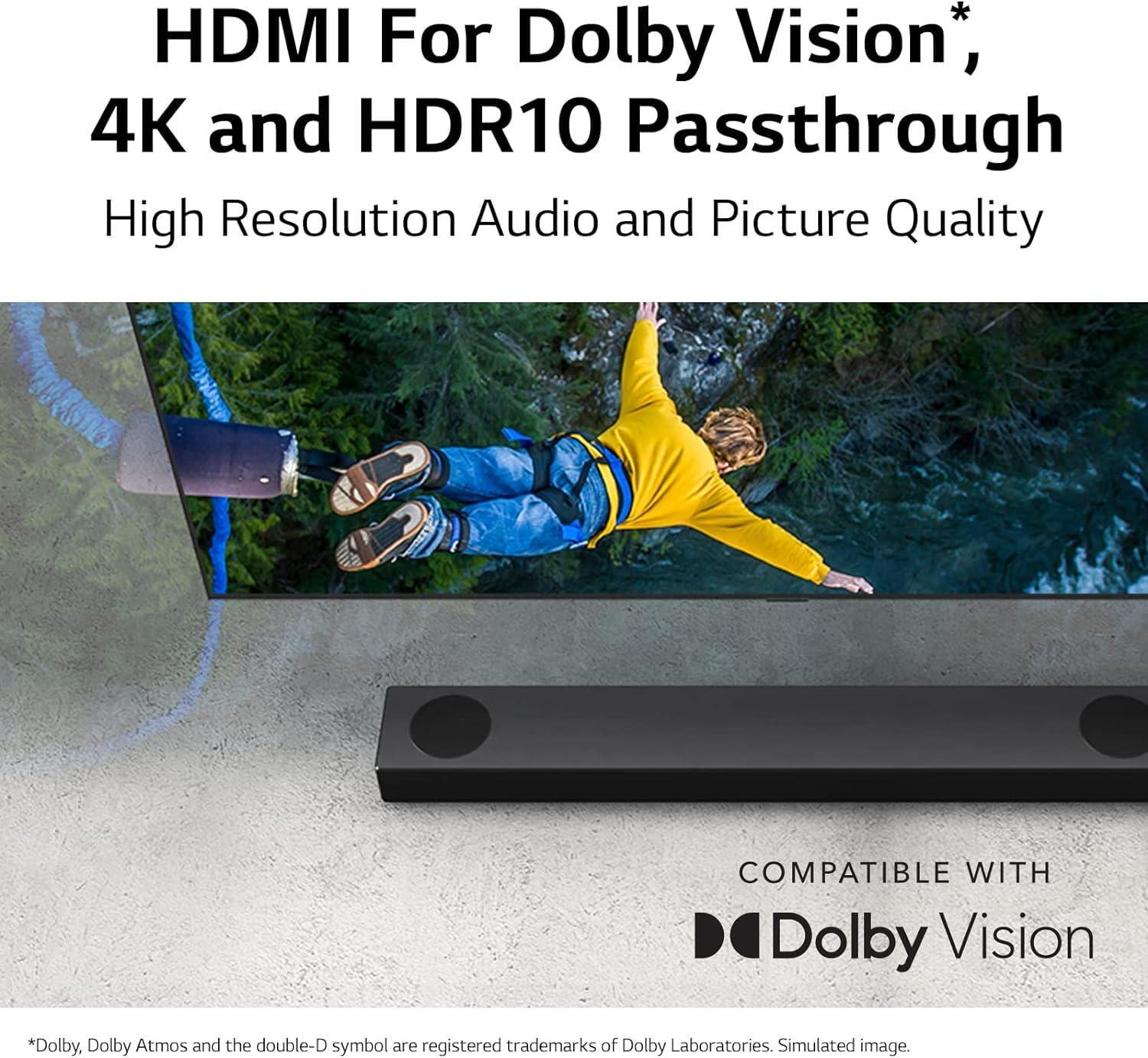
| HDMI eARC with 4K/120Hz, VRR, ALLM, HDR10, Dolby Vision passthrough | HDMI eARC with basic 4K passthrough - no advanced gaming features |
| Subwoofer Power - Impacts bass depth and movie experience | |
| Larger wireless subwoofer with Bass Blast/Bass Blast+ modes | 5.9" wireless subwoofer with basic bass adjustment |
| Dialogue Enhancement - Critical for understanding speech in movies | |
| Up-firing center channel with Clear Voice Pro and AI Sound Pro adaptation | VoiceAdjust technology with dedicated center channel and Night mode |
| Room Size Compatibility - Determines if the system fits your space | |
| Best for rooms 15+ feet wide with rear speaker placement flexibility | Ideal for small to medium rooms where rear speakers aren't practical |
| Setup Complexity - Time and effort required for optimal performance | |
| More complex initial setup but superior long-term convenience with AI optimization | Plug-and-play simplicity with immediate usability |
| Music Performance - Important if soundbar doubles as music system | |
| Advanced driver array with AI Sound Pro mode adapting to music genres | Basic Music mode with decent stereo imaging for casual listening |
The Polk Audio Signa S4 ($299) offers better value for budget-conscious buyers, delivering genuine Dolby Atmos at an exceptional price point. The LG S80TR ($547) provides better overall performance with physical rear speakers and AI calibration, justifying its premium for users who want maximum immersion and have the budget flexibility.
Physical rear speakers like those included with the LG S80TR create more authentic surround sound by actually placing audio behind you. The Polk Signa S4 uses virtual processing to simulate rear effects, which works well in smaller rooms but can't match the spatial accuracy of real rear speakers for truly immersive experiences.
The Polk Audio Signa S4 wins for simplicity with plug-and-play operation and no complex calibration needed. The LG S80TR requires more initial setup due to rear speaker placement and power requirements, but its AI calibration ultimately makes it easier to optimize for your specific room.
Room size is crucial. The LG S80TR works best in rooms 15+ feet wide where rear speakers can be properly positioned 2-3 feet behind seating. The Polk Signa S4 is ideal for small to medium rooms, apartments, or spaces where rear speaker placement isn't practical.
The LG S80TR delivers superior bass with its larger wireless subwoofer and dedicated Bass Blast modes that can be customized for different content types. The Polk Signa S4's 5.9-inch subwoofer provides adequate bass for its price range but doesn't match the depth and impact of the LG system.
The LG S80TR offers comprehensive smart home integration with Google Assistant, Alexa, LG ThinQ, and Wi-Fi connectivity for streaming services. The Polk Audio Signa S4 only provides basic Bluetooth connectivity without smart home integration or voice control features.
The LG S80TR excels for gaming with HDMI eARC supporting 4K/120Hz, VRR, ALLM, and a dedicated Game mode. The physical rear speakers provide superior directional audio cues for competitive gaming. The Polk Signa S4 offers basic gaming support but lacks advanced features and precise spatial audio.
Both excel at dialogue clarity but use different approaches. The LG S80TR uses an up-firing center channel with Clear Voice Pro and AI adaptation for natural-sounding speech enhancement. The Polk Signa S4 employs VoiceAdjust technology that specifically boosts dialogue frequencies while preserving the rest of the soundtrack.
The LG S80TR provides superior music performance with its wider driver array, AI Sound Pro mode that adapts to different genres, and high-quality wireless streaming options. The Polk Audio Signa S4 offers decent music playback for casual listening but lacks the dynamic range and soundstage width for serious music appreciation.
Both soundbars work with any TV that has HDMI ARC or optical output. However, the LG S80TR offers additional benefits with LG TVs through WOW Orchestra technology that synchronizes TV and soundbar speakers. The Polk Signa S4 provides universal compatibility without brand-specific enhancements.
The LG S80TR is clearly superior for dedicated home theater setups, offering physical rear speakers, AI room calibration, and advanced connectivity that creates a cinema-like experience. The Polk Audio Signa S4 works well for casual home theater use but is better suited for living rooms or bedrooms rather than dedicated theater spaces.
The most immediate difference is surround sound authenticity. The LG S80TR's physical rear speakers create genuine 360-degree audio where sounds actually come from behind you, while the Polk Signa S4's virtual processing creates the illusion of surround sound through clever audio tricks that work well but can't match the spatial accuracy of real rear channels.
We've done our best to create useful and informative comparisons to help you decide what product to buy. Our research uses advanced automated methods to create this comparison and perfection is not possible - please contact us for corrections or questions. These are the sites we've researched in the creation of this article: bestbuy.com - billsmith.com - brandsmartusa.com - avsforum.com - youtube.com - lg.com - buydig.com - louisdoehomecenter.com - lg.com - videoandaudiocenter.com - mynavyexchange.com - walts.com - bestbuy.com - soundandvision.com - audioholics.com - crutchfield.com - cnet.com - richersounds.com - crutchfield.com - rtings.com - polkaudio.com - walmart.com - polkaudio.com - crutchfield.com - youtube.com - profx.com

Privacy Policy
Terms and Conditions - Affiliate Policy
Home Security
© Copyright 2008-2026.
11816 Inwood Rd #1211, Dallas, TX 75244