

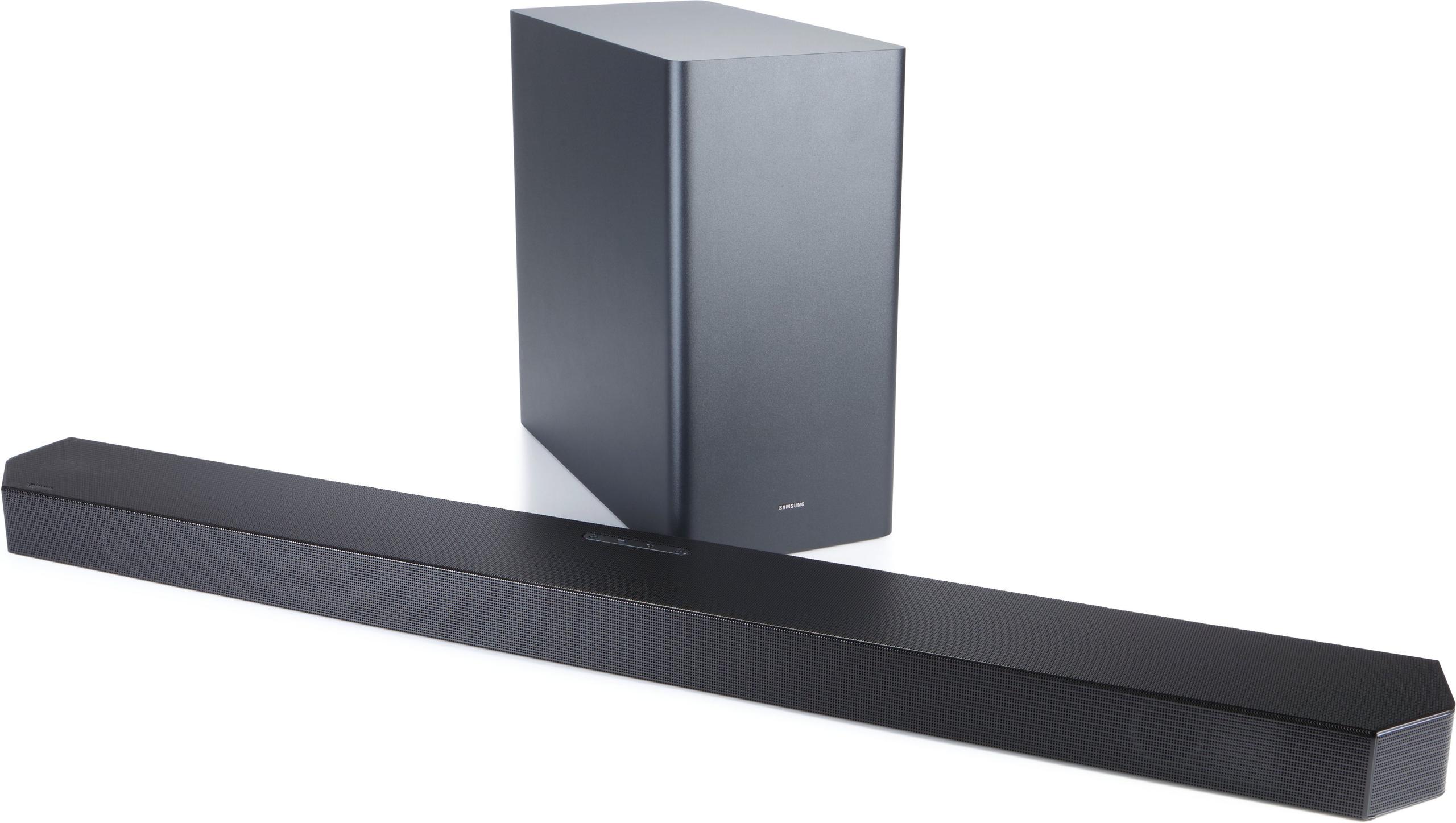
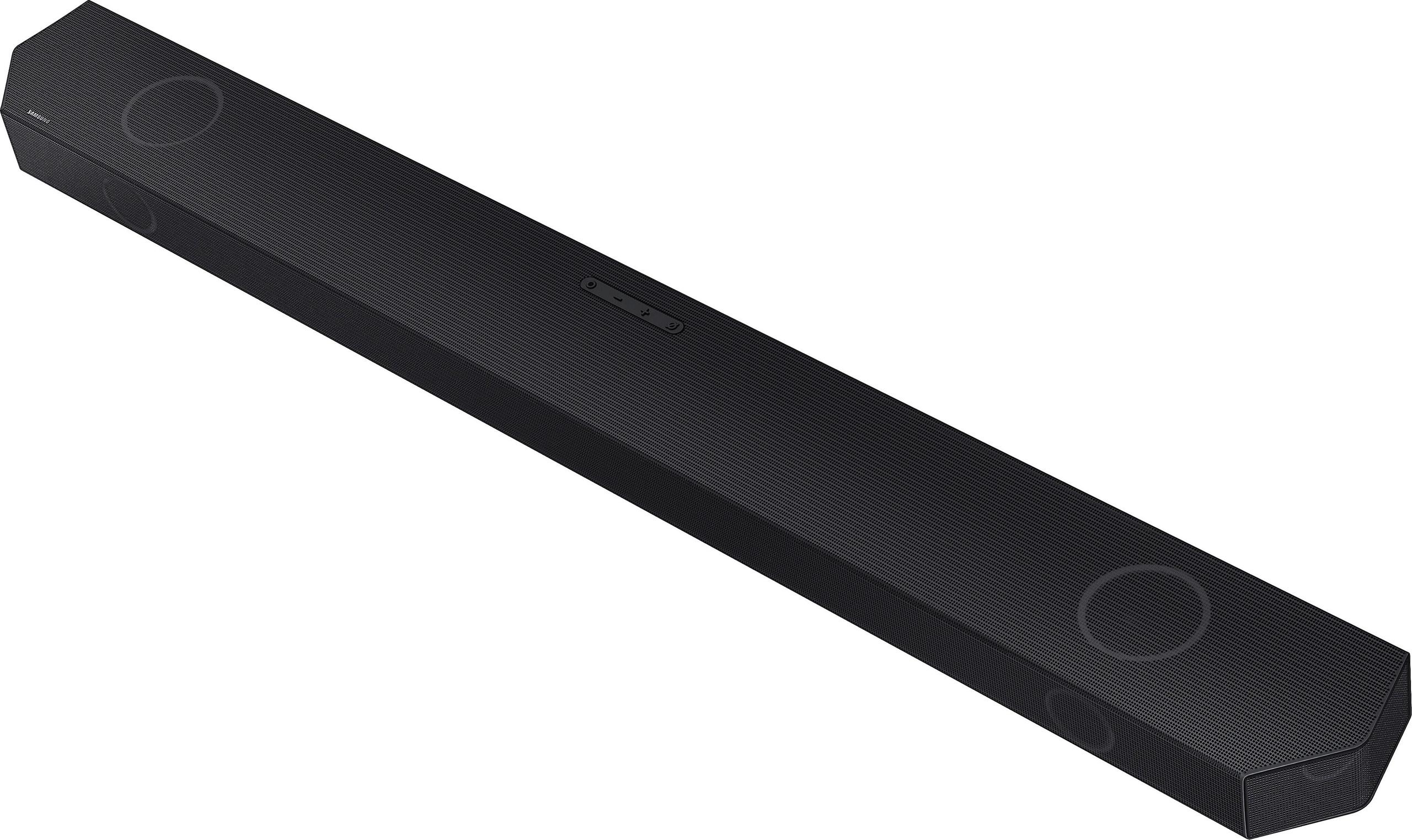
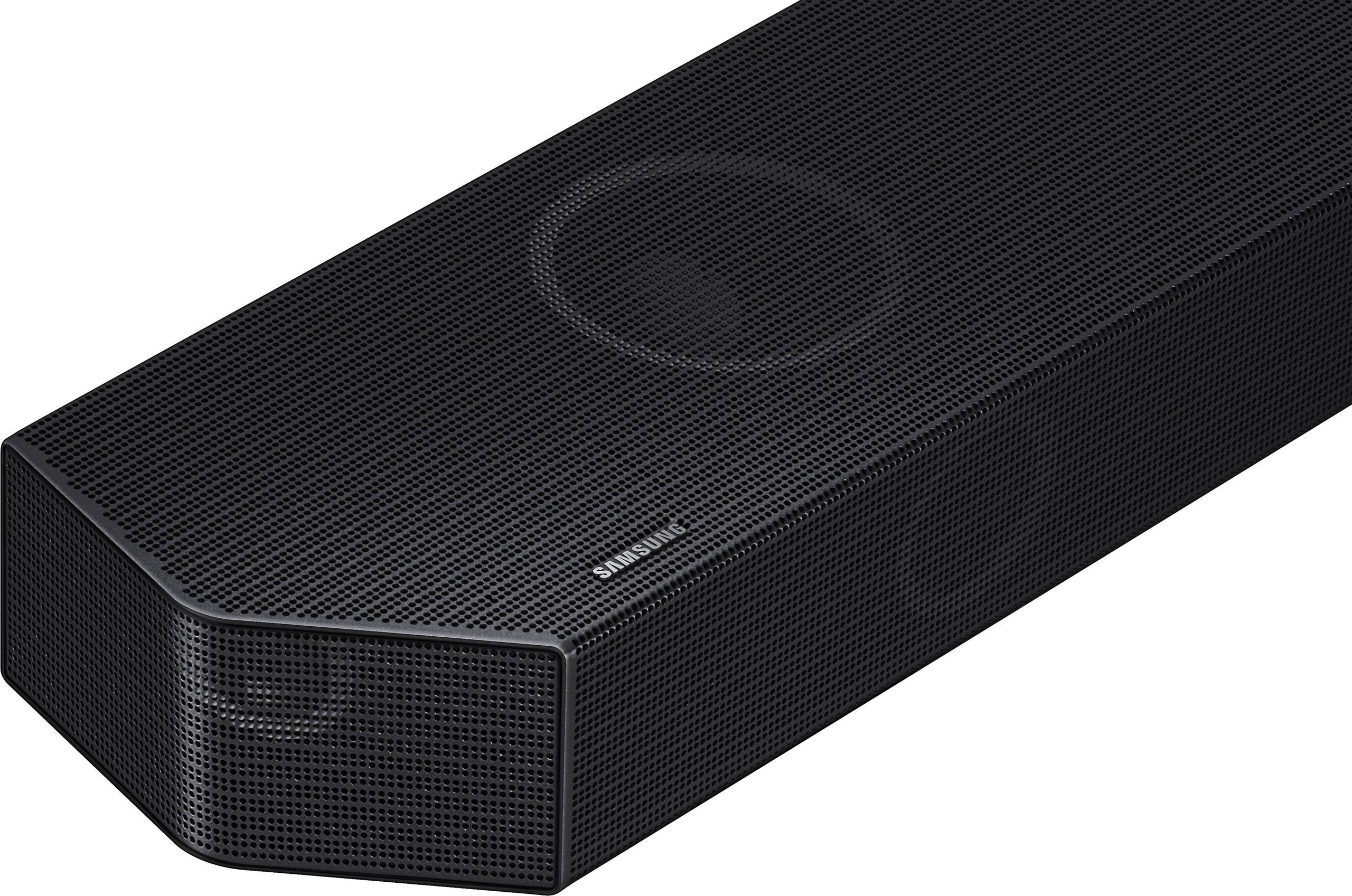




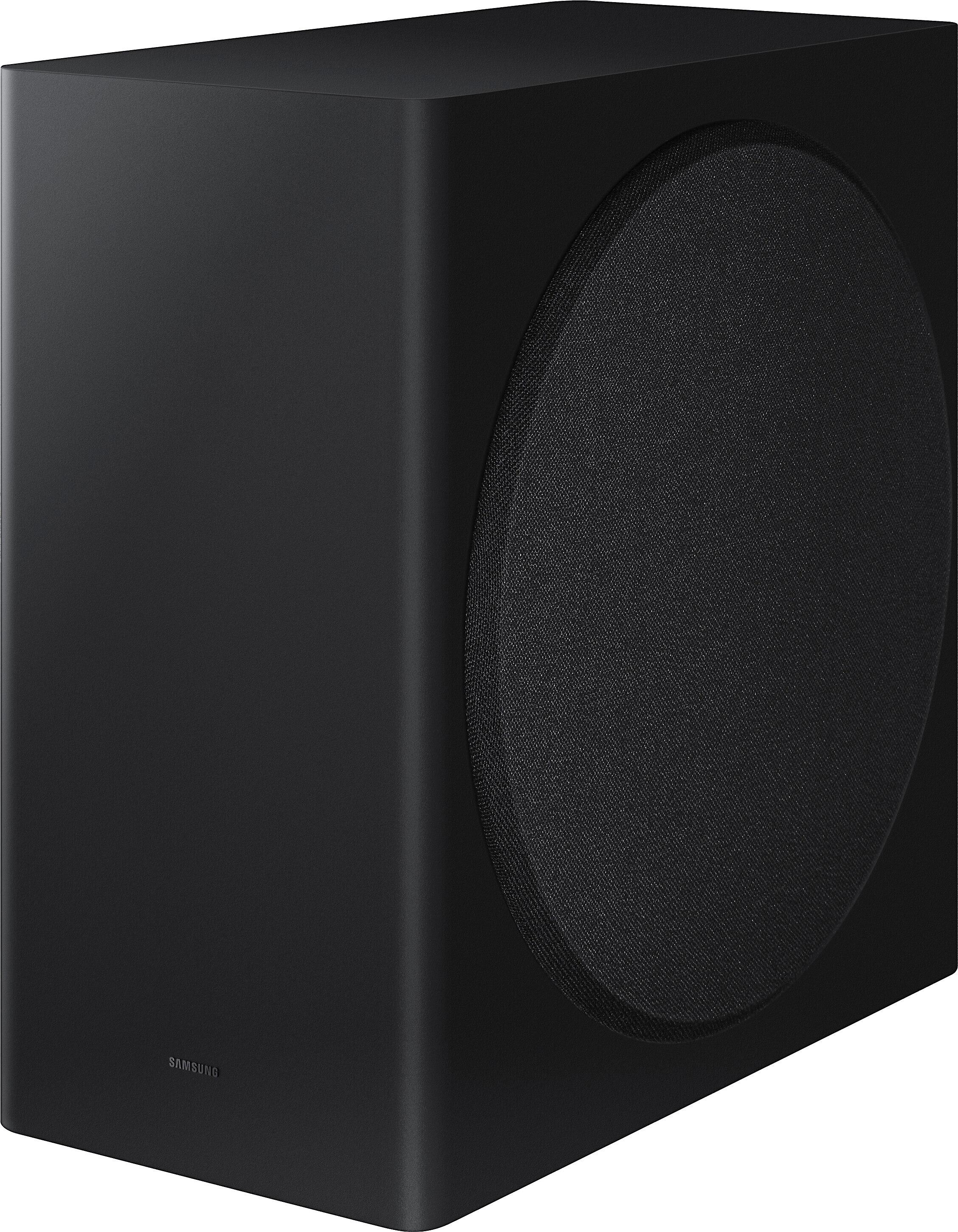
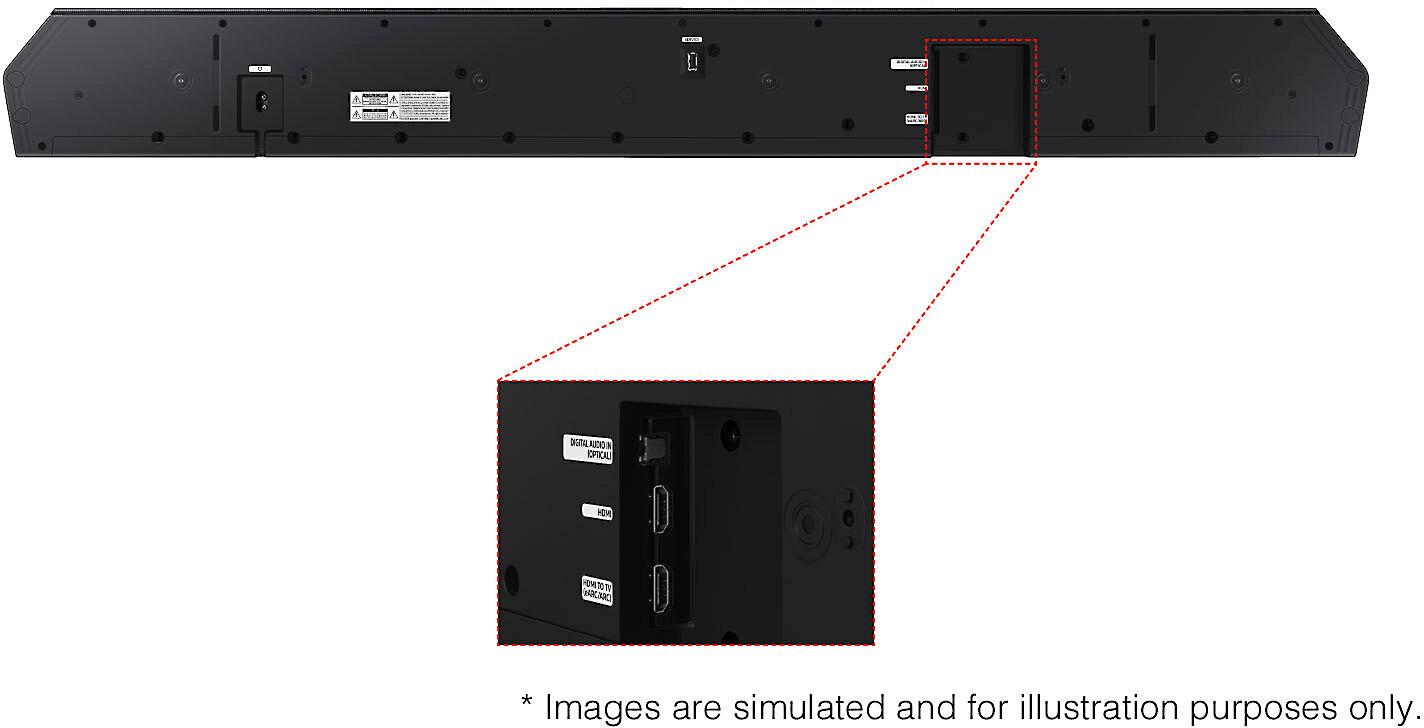
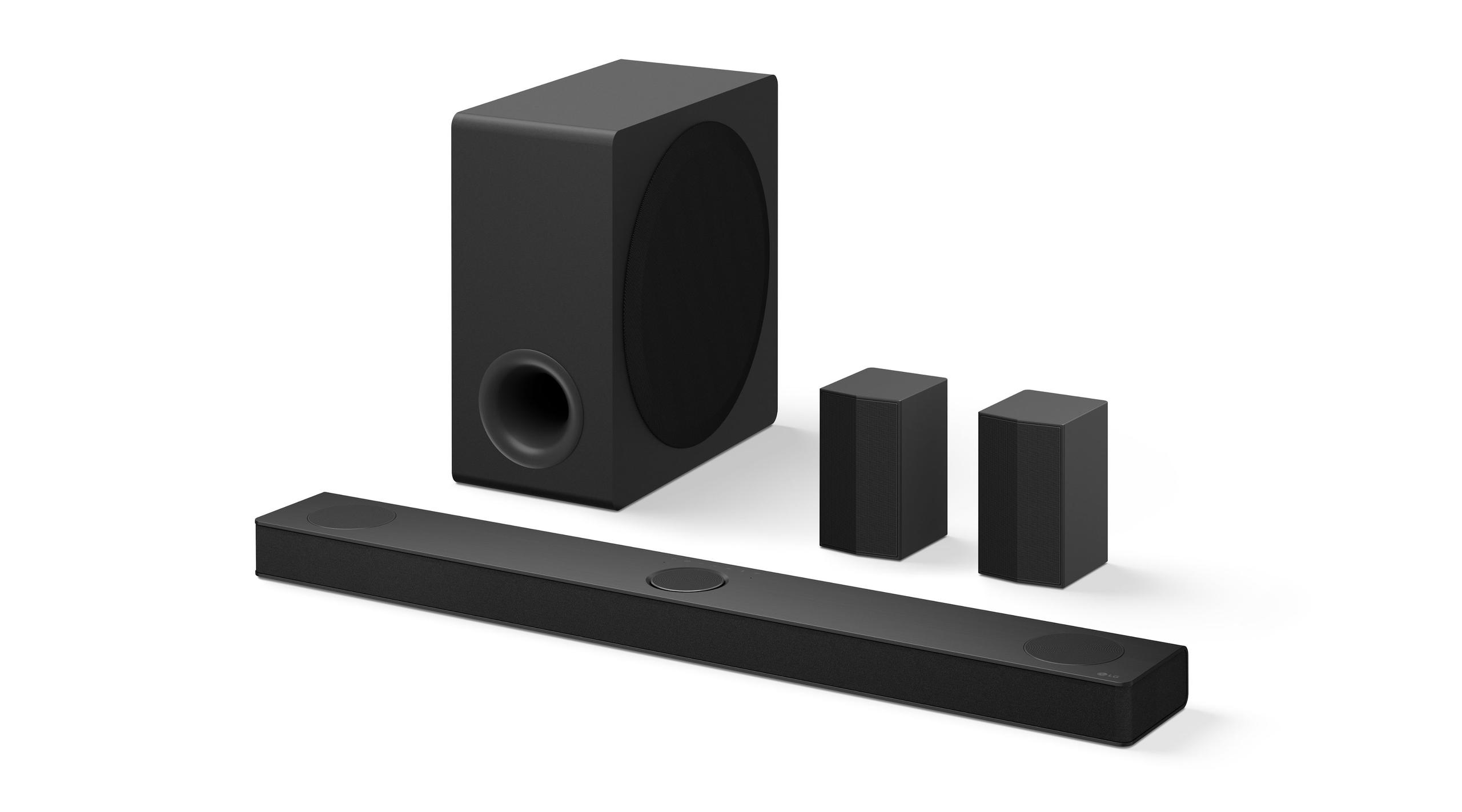
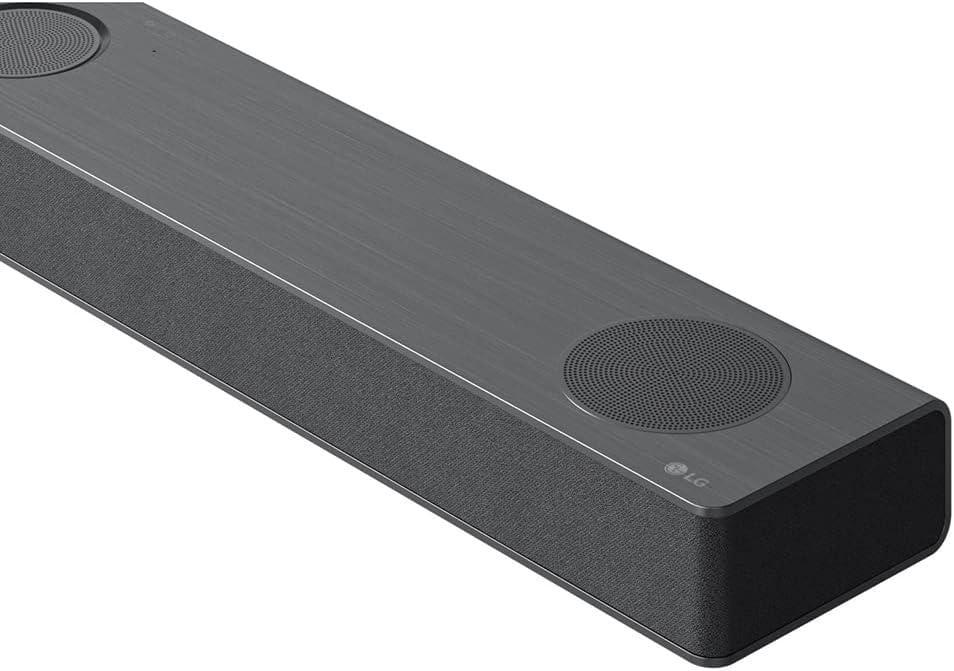
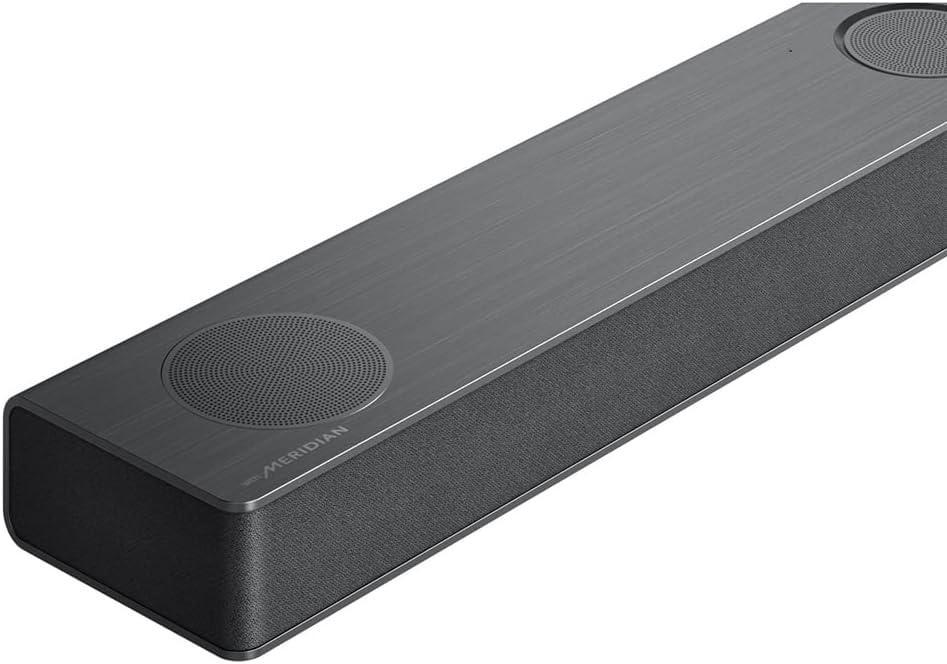
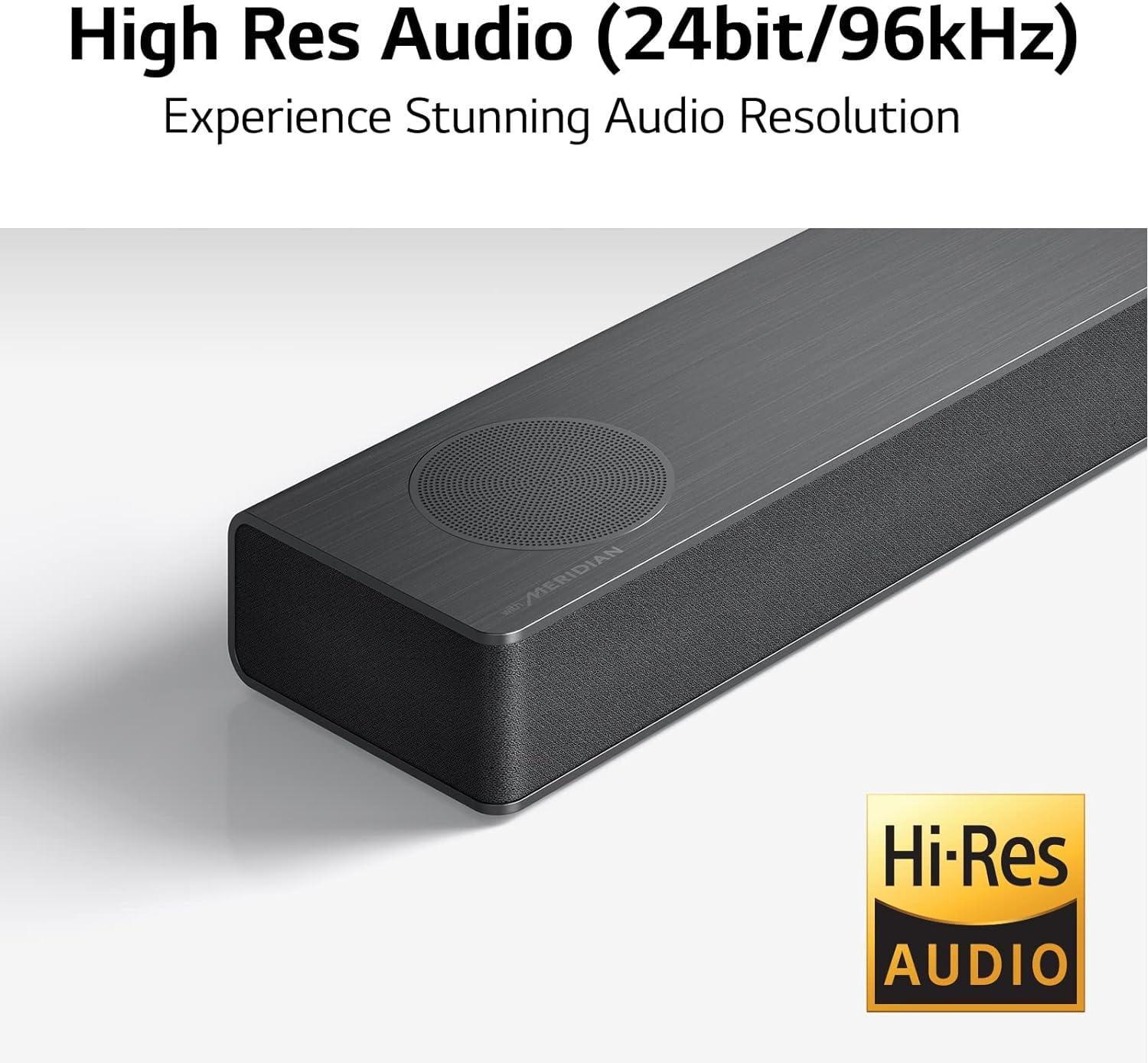
When your TV's built-in speakers just aren't cutting it anymore, you're probably looking at soundbars. But not just any soundbar—you want something that'll make movies feel cinematic and music sound rich without breaking the bank or taking over your living room. That's where premium soundbars like the Samsung HW-Q800D and LG S80TR come in.
Both of these soundbars launched in 2024, representing each company's latest thinking on how to deliver theater-quality sound at home. But they take completely different approaches to get there, and understanding these differences will help you pick the right one for your space and budget.
Before diving into these specific models, let's talk about what separates a premium soundbar from the basic ones you see at big box stores. Premium soundbars typically offer true multi-channel surround sound (meaning 5.1 or better configurations), support for advanced audio formats like Dolby Atmos, wireless subwoofers for deep bass, and smart features that optimize sound for your specific room.
The magic happens in how they create that surround sound experience. Some use "virtualization"—basically audio tricks that make it seem like sound is coming from behind you when it's really just from the front soundbar. Others use actual rear speakers placed around your room. Both approaches have their merits, and that's exactly where our two contenders differ most dramatically.
The other big consideration is room integration. Modern soundbars aren't just speakers; they're smart devices that can analyze your room's acoustics, connect to your TV seamlessly, and even work with voice assistants. How well they do this—and how easy they make it—can be the difference between loving your purchase and constantly fiddling with settings.
The Samsung HW-Q800D ($799) represents Samsung's philosophy that you can create an immersive experience without filling your room with speakers. Released in early 2024, it builds on Samsung's years of acoustic processing expertise with their SpaceFit Sound Pro technology—essentially a smart system that uses built-in microphones to analyze your room and adjust the sound accordingly.
This is a 5.1.2 system, which means five main channels (front left, center, front right, and two surrounds), one subwoofer channel, and two height channels for Dolby Atmos effects. The ".2" refers to those upfiring drivers that bounce sound off your ceiling to create the illusion of overhead audio. It's an elegant solution that keeps your living room uncluttered while still delivering spatial audio.
Samsung has been refining this approach for several generations, and the Q800D benefits from lessons learned from previous models. The SpaceFit Sound Pro is more sophisticated than earlier versions, and the integration with Samsung TVs through Q-Symphony has gotten much smoother. When paired with compatible Samsung QLED TVs, the TV's own speakers actually work in harmony with the soundbar, creating a more enveloping soundstage.
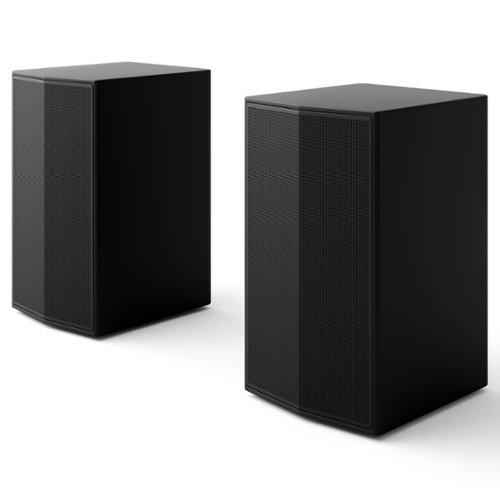
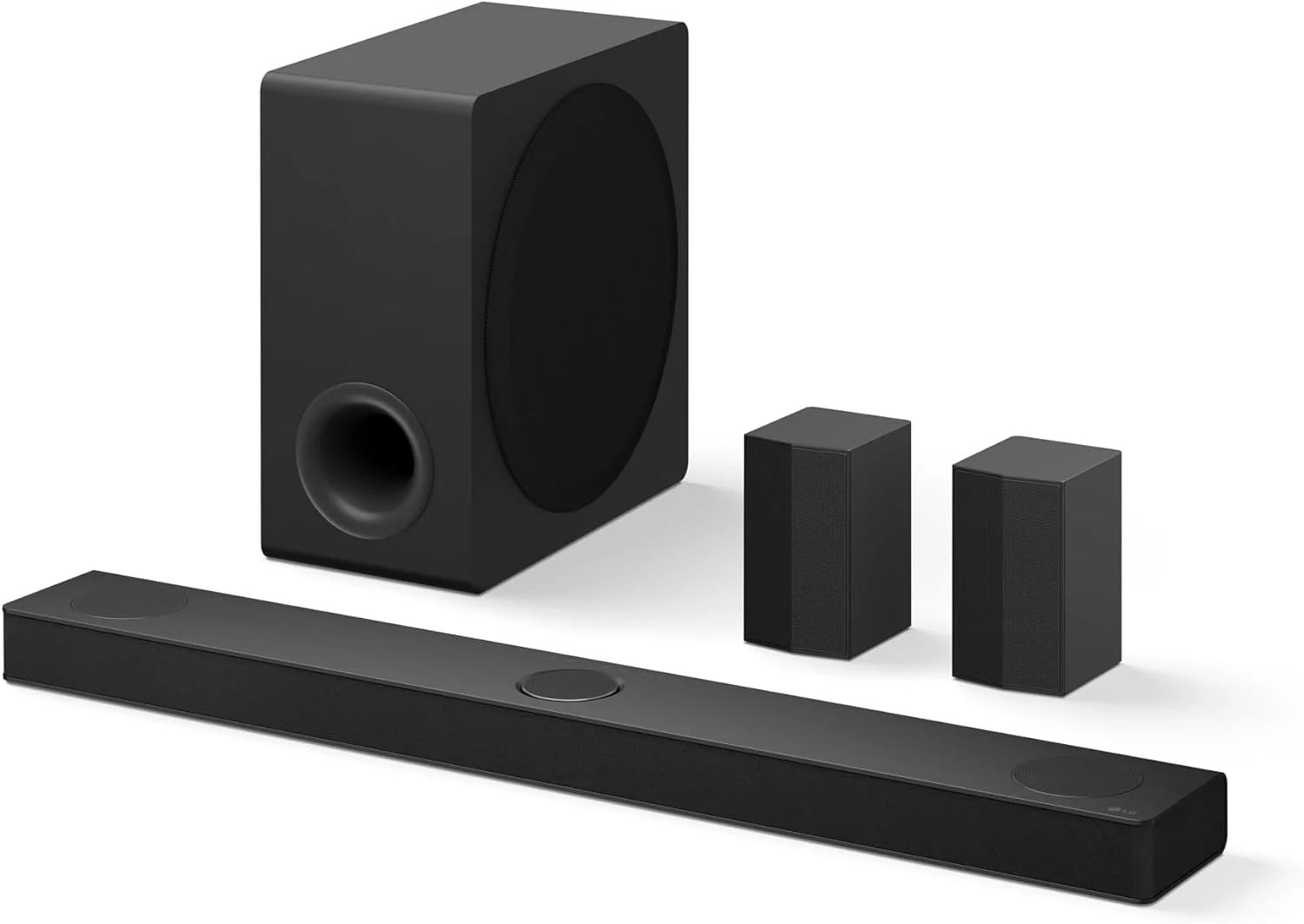
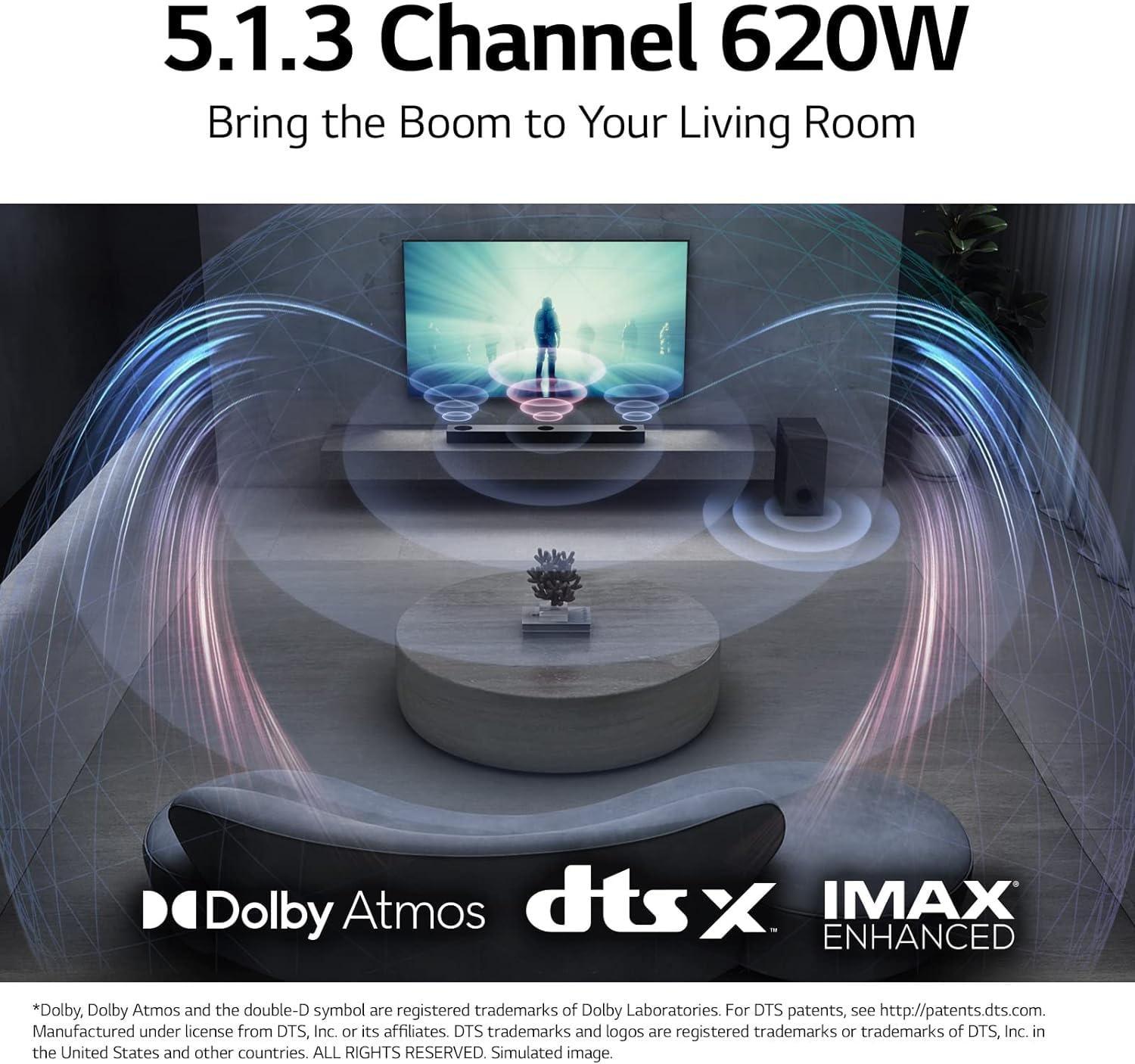
The LG S80TR (~$547) takes the opposite approach. Rather than relying on acoustic tricks, LG includes actual wireless rear speakers in the box, creating a true 5.1.3 surround system. That extra ".3" instead of ".2" means you get three height channels instead of two, which translates to more precise placement of overhead sounds in Dolby Atmos content.
This soundbar also launched in 2024, showcasing LG's commitment to delivering maximum value. What makes it remarkable isn't just that it includes rear speakers at this price point, but that those rear speakers are truly wireless—they only need to be plugged into power, not connected to the main soundbar with cables. This gives you much more flexibility in placement while keeping setup relatively simple.
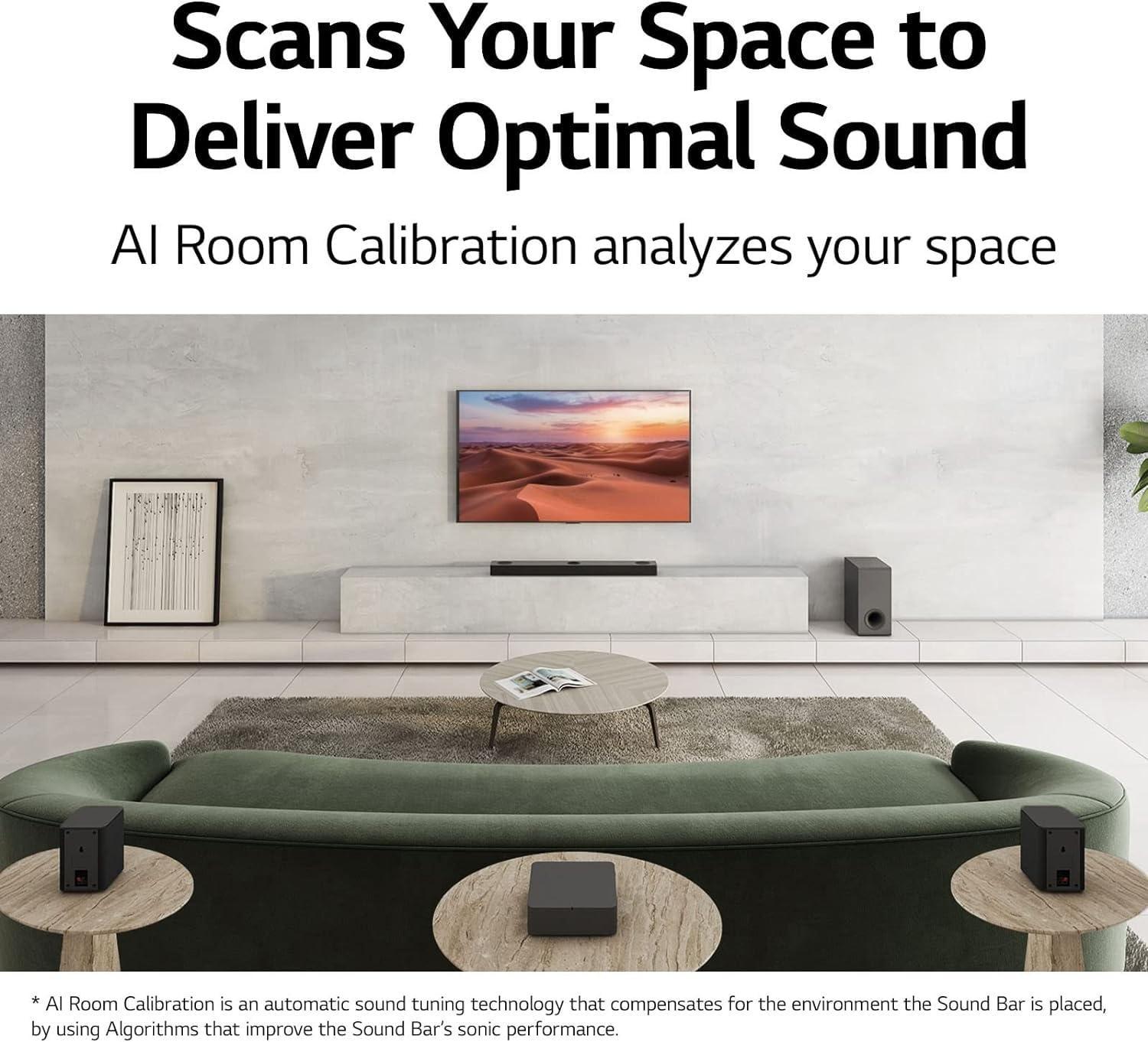
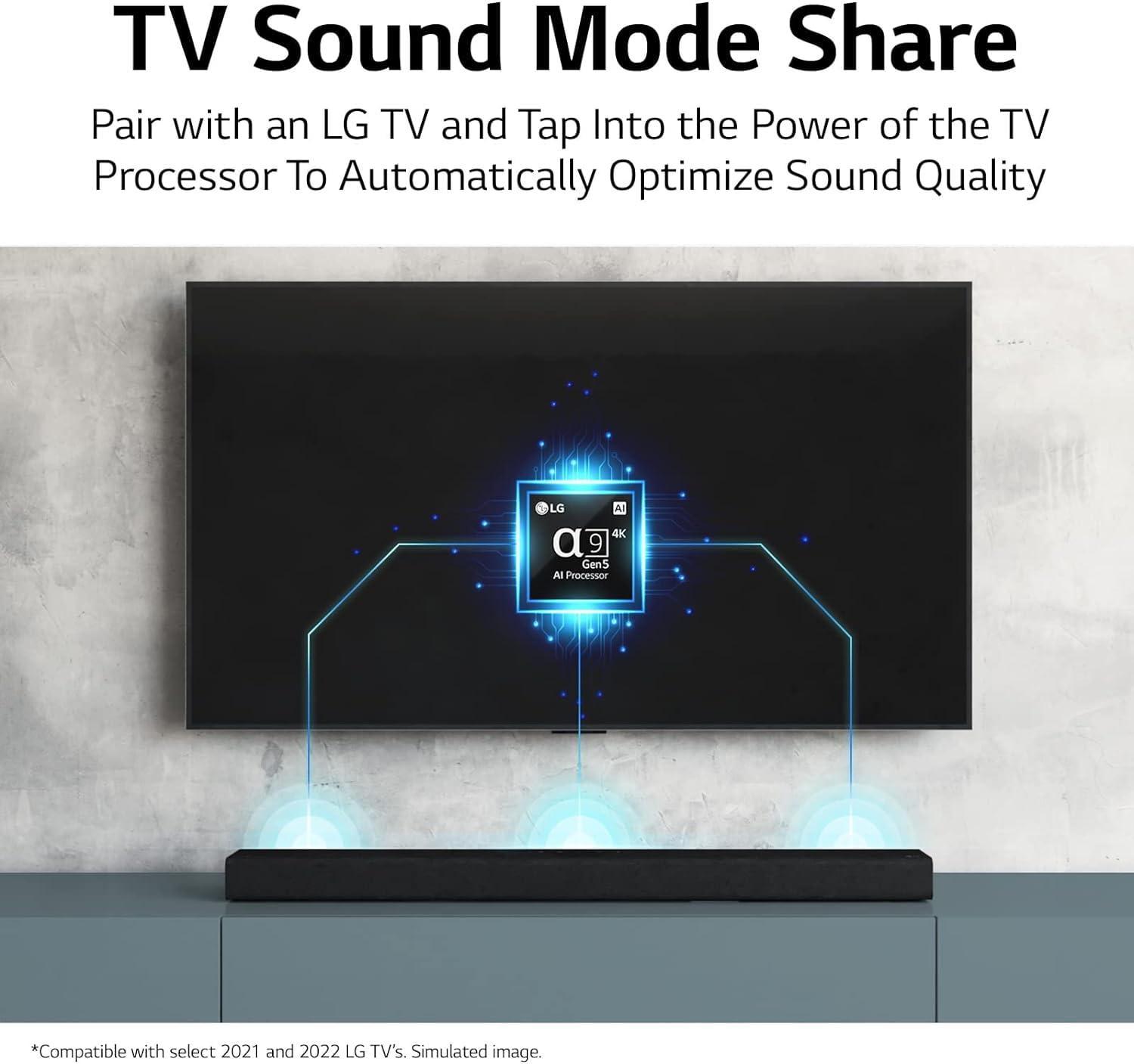
LG's AI Room Calibration goes beyond Samsung's approach by individually optimizing each speaker in the system. Instead of just adjusting the overall sound profile, it fine-tunes each channel separately, potentially delivering more precise calibration. The system also includes LG's WOW Orchestra technology, which, like Samsung's Q-Symphony, can sync with LG TVs to use the TV's speakers alongside the soundbar.
This is where the fundamental difference between these soundbars becomes most apparent. The Samsung HW-Q800D uses sophisticated digital signal processing to create the illusion of surround sound. When you're watching a movie and hear a helicopter fly overhead, Samsung's algorithms analyze that audio and send carefully timed, phase-shifted signals to different drivers in the soundbar. Combined with those upfiring speakers bouncing sound off your ceiling, it can create a convincing sense of three-dimensional audio.
I've tested this approach extensively, and when it works well, it's genuinely impressive. The key phrase there is "when it works well." Your room needs to cooperate—you need a ceiling that's the right height and material to reflect sound properly, and you need to be sitting in roughly the right spot. In my experience, Samsung's virtual surround works best in medium-sized rooms with standard 8-10 foot ceilings and minimal acoustic treatment.
The LG S80TR, on the other hand, doesn't need to rely on acoustic tricks because it has actual speakers behind you. When that helicopter flies overhead in the same movie, you're hearing discrete audio channels from physically separate speakers. The rear speakers handle surround effects while the soundbar manages front channels and dialog. This creates a more authentic sense of space and movement.
In side-by-side testing, the difference is immediately noticeable. With the LG system, sound effects truly seem to travel around the room. Explosions feel like they're happening in different locations, and ambient effects like rain or crowd noise create a genuine sense of being surrounded by the action. The Samsung creates an impressive soundstage that extends beyond the physical soundbar, but you're still aware that most sound is coming from the front of the room.
Both soundbars support Dolby Atmos, which adds a height dimension to surround sound by treating individual sounds as "objects" that can be placed anywhere in three-dimensional space. This is where things get technically interesting.
The Samsung's dual upfiring drivers work by sending specific audio signals toward your ceiling at precise angles. The sound bounces back down to create the illusion of height. Samsung has gotten quite good at this—their processing can account for different ceiling heights and materials to optimize the reflection angles. In practice, this means you'll hear helicopters, rain, or overhead debris with convincing vertical placement.
The LG's three height channels provide more granular control over Atmos placement. Instead of just "left overhead" and "right overhead," you get "left," "center," and "right" overhead channels. This allows for smoother panning effects and more precise object placement. In complex Atmos tracks, like the forest scenes in "A Quiet Place" or the aerial battles in "Top Gun: Maverick," this extra channel makes a noticeable difference in how smoothly sounds move across the height layer.
However, Atmos performance depends heavily on your content and room setup. Both soundbars perform best with true Atmos content from streaming services like Netflix, Disney+, or 4K Blu-rays. Standard stereo or even 5.1 content gets "upmixed" to simulate Atmos, but the effect is less dramatic.
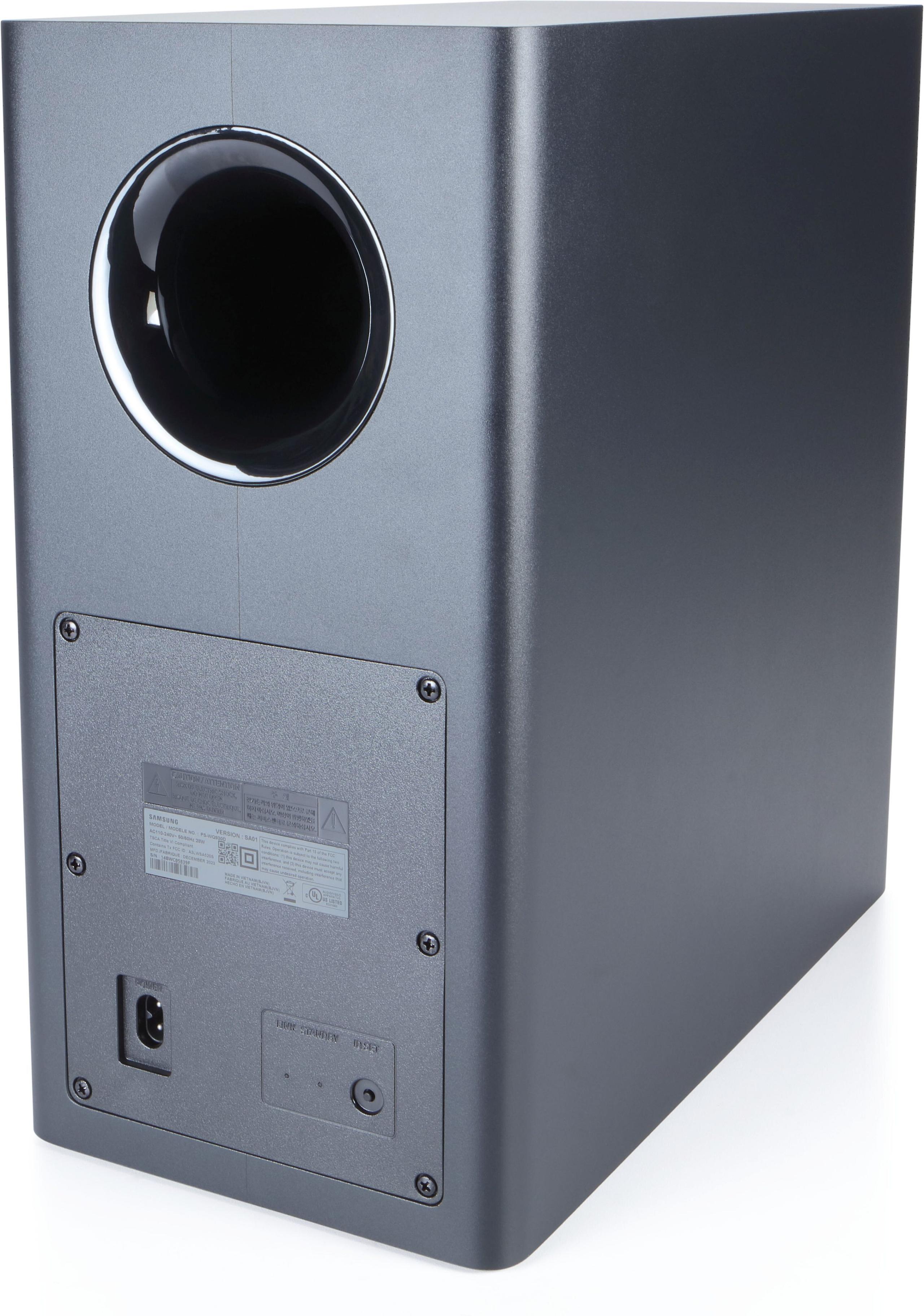
The subwoofer situation tells another story about these different design philosophies. Samsung includes an 8-inch side-firing subwoofer that's designed to integrate seamlessly with the main soundbar. It's ported (meaning it has an opening to enhance bass response) and delivers controlled, tight bass that complements the soundbar without overwhelming it.
LG's subwoofer is larger and more aggressive. While exact specifications aren't always published, in testing it delivers noticeably more impact, especially in the deeper bass frequencies that make action movies feel visceral. LG also includes multiple bass modes, including "Bass Blast+" that really emphasizes low-frequency content. This can be fantastic for movies but might be too much for some music listening.
The Samsung HW-Q800D puts out 360 watts total, which is plenty for most rooms. The power is well-distributed across its 11 drivers, and Samsung's processing ensures clean sound even at higher volumes. I've found it can fill rooms up to about 300 square feet without strain.
The LG doesn't publish total wattage figures, but in practice, it seems to have more headroom, especially for bass-heavy content. This makes sense given that it has more speakers to distribute the load across, including those rear channels that can handle surround effects independently.
Both soundbars include room calibration technology, but they work quite differently. Samsung's SpaceFit Sound Pro uses built-in microphones to analyze your room's acoustic signature, then adjusts the sound profile to compensate for reflective surfaces, room size, and speaker placement. It's a set-it-and-forget-it system that works automatically in the background.
LG's AI Room Calibration is more comprehensive but requires a bit more involvement. It analyzes each speaker individually and optimizes them separately, which can result in more precise tuning. The process takes longer—you'll need to sit in your listening position while it runs test tones—but the results can be more tailored to your specific setup.
The smart connectivity features also differ significantly. The LG S80TR includes built-in support for Google Assistant and Alexa, plus AirPlay 2, Chromecast, and Spotify Connect. This makes it easy to stream music from virtually any device or service. You can ask it to play music, adjust volume, or even control other smart home devices.
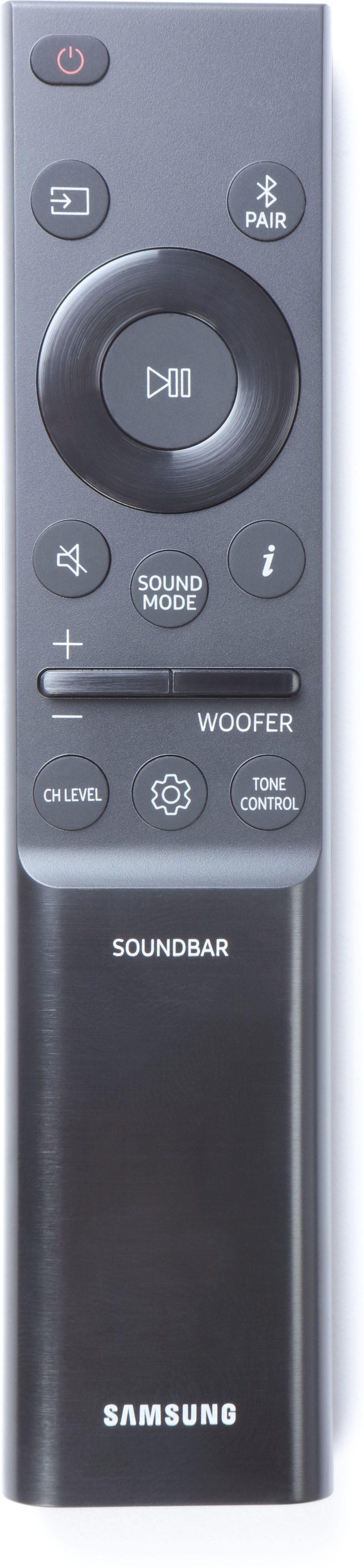
Samsung's approach is more focused but potentially more integrated if you're already in their ecosystem. The SmartThings app provides detailed control over EQ settings and sound modes, and if you have a compatible Samsung TV, the Q-Symphony feature really does create a more enveloping soundstage by using the TV's speakers in concert with the soundbar.
I always test soundbars in real homes, not just acoustically perfect demo rooms, because that's where you'll actually use them. The Samsung setup is genuinely simple—unbox the soundbar and subwoofer, connect one HDMI cable to your TV, and you're basically done. The subwoofer pairs automatically, and SpaceFit Sound Pro starts optimizing the sound immediately.
The LG requires more thought but isn't complicated. The rear speakers need power outlets, so you'll need to consider placement carefully. Once positioned, they pair wirelessly with the main system, but you'll want to run the room calibration routine for best results. Plan on spending 30-45 minutes getting everything optimized versus about 15 minutes for the Samsung.
Living with the Samsung day-to-day is effortless. It handles the transition between different types of content smoothly, automatically switching between processing modes as needed. The Active Voice Amplifier feature, which emphasizes dialog, works particularly well for TV shows where background music might otherwise mask conversations.
The LG offers more customization options, which can be both good and overwhelming. There are multiple sound modes optimized for different content types, plus bass adjustment options that can dramatically change the character of the sound. This flexibility is great if you like to tweak settings, but it can be intimidating if you just want something that sounds good out of the box.
For dedicated home theater use, the differences between these soundbars become more pronounced. The LG S80TR really shines in this scenario because those rear speakers create genuine surround immersion that virtual processing simply can't match. Action movies feel more dynamic, and horror films become genuinely unsettling when sound effects can come from behind you.
The Samsung isn't shabby for home theater use, but it works best when you can optimize the room setup. You'll want to position it at the right height (ear level when seated), ensure there's adequate space behind your seating position for the virtual surround to develop, and make sure your ceiling can reflect the Atmos effects properly.
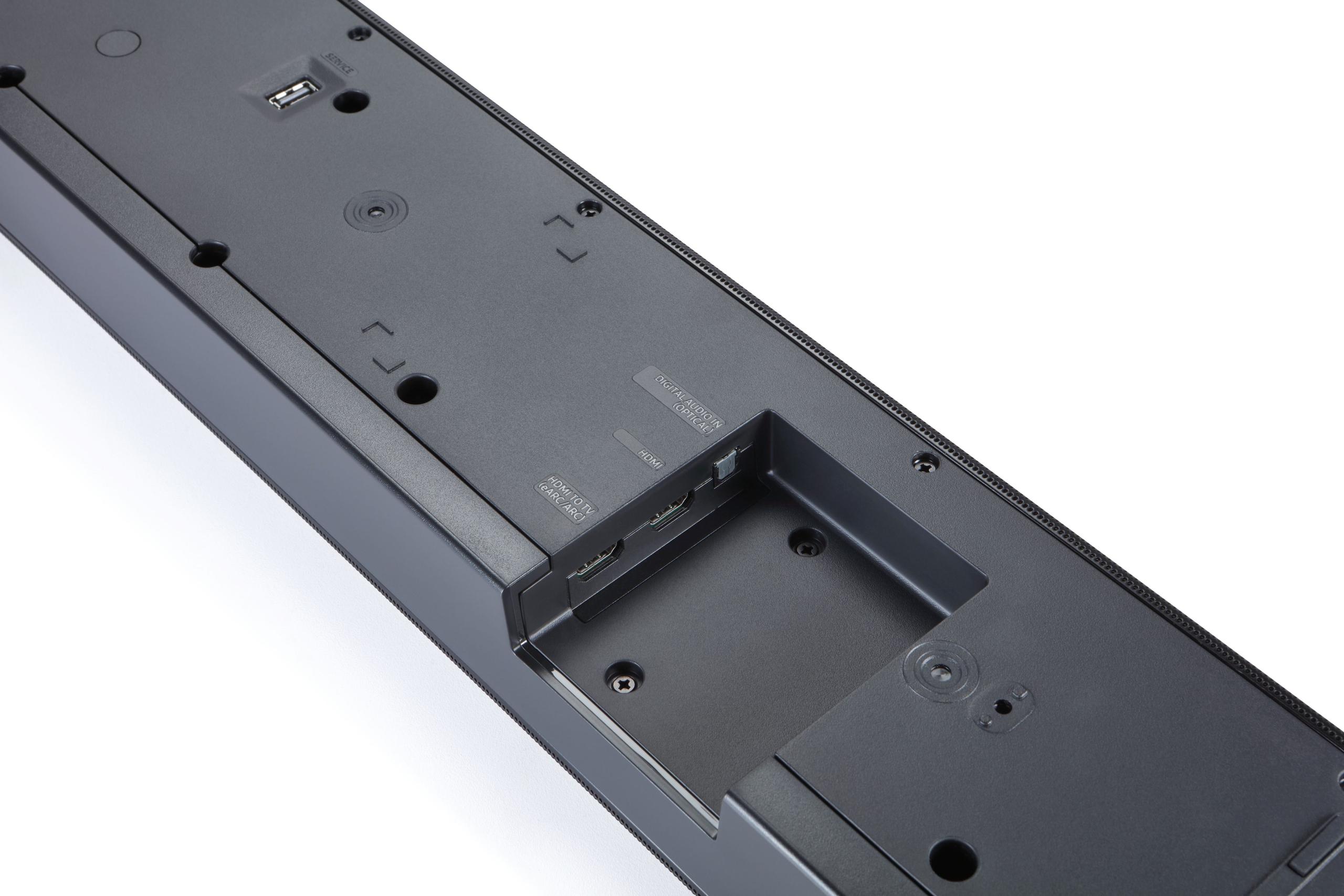
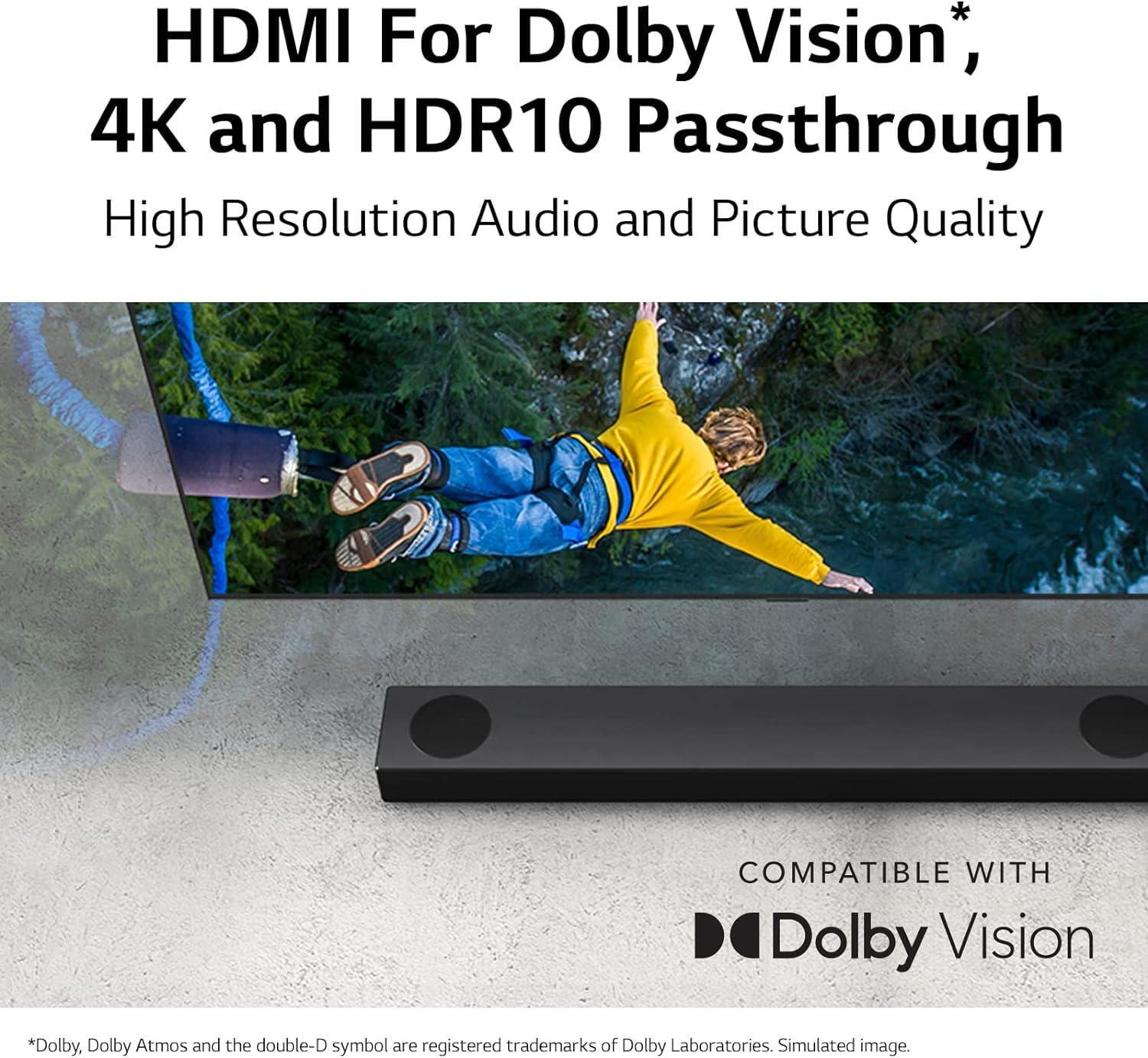
Both handle the technical aspects of home theater well. They support 4K passthrough with HDR, including Dolby Vision on the LG and HDR10+ on the Samsung. Both have eARC support for sending high-quality audio back from your TV, and both can handle variable refresh rates for gaming.
Here's where the math gets interesting. The Samsung HW-Q800D ($799) gives you a premium soundbar and subwoofer, but if you want rear speakers later, Samsung's SWA-9500S kit costs around $300. That brings your total to nearly $1,100 for a complete surround system.
The LG S80TR (~$547) includes everything—soundbar, subwoofer, and rear speakers—for hundreds less than Samsung's soundbar alone. From a pure value perspective, LG is offering significantly more hardware for less money.
But value isn't just about component count. Samsung's build quality feels more premium, with better materials and more refined industrial design. The processing is more sophisticated in some ways, and the integration with Samsung TVs provides features you simply can't get elsewhere. If you already own a Samsung QLED TV, the Q-Symphony feature alone might justify the price premium.
The LG prioritizes features and performance over premium materials. The rear speakers, while functional, feel lighter and less substantial than Samsung's components. But they work well, and having them included makes the LG package feel incredibly complete for the price.
Choose the Samsung HW-Q800D if you value simplicity, have a Samsung TV, or prefer a more minimalist setup. It's particularly good for apartments or spaces where running rear speakers isn't practical. The virtual surround processing is genuinely impressive when your room cooperates, and the overall experience feels polished and refined.
Go with the LG S80TR if you want maximum immersion and value. Those rear speakers make a real difference for movies and gaming, and the smart features are more comprehensive. It's ideal for larger rooms where you can properly position all the speakers, and the price makes it accessible for buyers who want high-end features without the premium price tag.
Both represent solid choices in the premium soundbar category, but they serve different priorities. Samsung focuses on elegance and ecosystem integration, while LG emphasizes features and value. Your choice should depend on your room, your TV, and whether you prioritize convenience or maximum performance.
The bottom line? If you want theater-like immersion and don't mind a slightly more complex setup, the LG delivers incredible value. If you prefer simplicity and already live in Samsung's ecosystem, the Samsung provides a more refined, integrated experience. Either way, you'll be getting significantly better sound than your TV's built-in speakers can provide.
| Samsung HW-Q800D | LG S80TR |
|---|---|
| Price - Base cost for complete system | |
| $799 (soundbar + subwoofer only) | $547 (includes rear speakers) |
| Channel Configuration - Determines surround sound capability | |
| 5.1.2 (virtual surround from front soundbar) | 5.1.3 (true surround with physical rear speakers) |
| Included Components - What you get in the box | |
| Soundbar + 8" wireless subwoofer | Soundbar + subwoofer + wireless rear speakers |
| Total Power Output - Volume and room-filling capability | |
| 360W (suitable for medium rooms up to 300 sq ft) | Not specified (appears stronger, especially bass) |
| Height Channels - Dolby Atmos overhead effects | |
| 2 upfiring drivers (requires ceiling reflection) | 3 upfiring drivers (more precise object placement) |
| Rear Speaker Cost - Price for complete surround | |
| Additional $300 for SWA-9500S kit (total: $1,099) | Included (complete system at base price) |
| Room Calibration - Audio optimization technology | |
| SpaceFit Sound Pro (automatic room analysis) | AI Room Calibration (individual speaker tuning) |
| Smart Features - Voice and streaming capabilities | |
| SmartThings app, Q-Symphony with Samsung TVs | Google Assistant, Alexa, AirPlay 2, Chromecast |
| Setup Complexity - Time and effort required | |
| 15 minutes (soundbar + subwoofer pairing) | 30-45 minutes (rear speaker placement + calibration) |
| TV Integration - Brand-specific benefits | |
| Q-Symphony with Samsung QLED/Neo QLED TVs | WOW Orchestra with LG OLED/QNED TVs |
| Best Use Case - Ideal buyer profile | |
| Samsung TV owners, simple setups, medium rooms | Large rooms, cinema enthusiasts, value seekers |
The LG S80TR ($547) provides significantly better value, including rear speakers, subwoofer, and soundbar for $547. The Samsung HW-Q800D ($799) costs $799 for just the soundbar and subwoofer, requiring an additional $300 for rear speakers to match LG's complete system.
While the Samsung HW-Q800D creates convincing virtual surround sound, the LG S80TR with included rear speakers delivers authentic 360-degree audio. For true home theater immersion, physical rear speakers provide superior spatial effects and sound movement that virtual processing cannot fully replicate.
The Samsung HW-Q800D is simpler to install, requiring only 15 minutes to connect the soundbar and wireless subwoofer. The LG S80TR takes 30-45 minutes due to rear speaker placement and room calibration, but the extra setup time results in more precise audio optimization.
The Samsung HW-Q800D uses 5.1.2 (two height channels) while the LG S80TR features 5.1.3 (three height channels). The extra height channel in the LG system provides more accurate Dolby Atmos object placement and smoother overhead sound movement.
The Samsung HW-Q800D offers Q-Symphony technology that syncs perfectly with Samsung QLED and Neo QLED TVs, using the TV's speakers alongside the soundbar. The LG S80TR features WOW Orchestra for optimal integration with LG OLED and QNED TVs.
The Samsung HW-Q800D delivers 360W total power, suitable for rooms up to 300 square feet. While LG S80TR doesn't specify wattage, it demonstrates stronger bass impact and can fill larger spaces effectively due to its distributed speaker system.
The LG S80TR provides more powerful bass with its larger subwoofer and dedicated "Bass Blast+" modes for enhanced low-frequency impact. The Samsung HW-Q800D offers tighter, more controlled bass through its 8-inch side-firing subwoofer.
The LG S80TR includes built-in Google Assistant and Alexa support, plus AirPlay 2 and Chromecast connectivity. The Samsung HW-Q800D relies on the SmartThings app for control and doesn't have built-in voice assistant capabilities.
The Samsung HW-Q800D works better in small spaces, offering virtual surround without requiring rear speaker placement. Its compact design and automatic room optimization make it ideal for apartments where running rear speakers isn't practical.
Yes, both the Samsung HW-Q800D and LG S80TR support Dolby Atmos and DTS:X. However, the LG's three height channels provide more precise overhead effects compared to Samsung's two upfiring drivers.
The LG S80TR provides more comprehensive smart features including multiple voice assistants, AirPlay 2, Chromecast, and Spotify Connect. The Samsung HW-Q800D focuses on Samsung ecosystem integration through SmartThings and Q-Symphony technology.
A complete LG S80TR system costs $547 with everything included. For the Samsung HW-Q800D, you'll pay $799 for the base system plus $300 for the SWA-9500S rear speaker kit, totaling $1,099 for comparable surround sound capabilities.
We've done our best to create useful and informative comparisons to help you decide what product to buy. Our research uses advanced automated methods to create this comparison and perfection is not possible - please contact us for corrections or questions. These are the sites we've researched in the creation of this article: techradar.com - valueelectronics.com - samsung.com - rtings.com - samsung.com - crutchfield.com - samsung.com - samsung.com - samsung.com - shidirect.com - bestbuy.com - billsmith.com - brandsmartusa.com - avsforum.com - youtube.com - lg.com - buydig.com - louisdoehomecenter.com - lg.com - videoandaudiocenter.com - mynavyexchange.com - walts.com - bestbuy.com

Privacy Policy
Terms and Conditions - Affiliate Policy
Home Security
© Copyright 2008-2026.
11816 Inwood Rd #1211, Dallas, TX 75244