

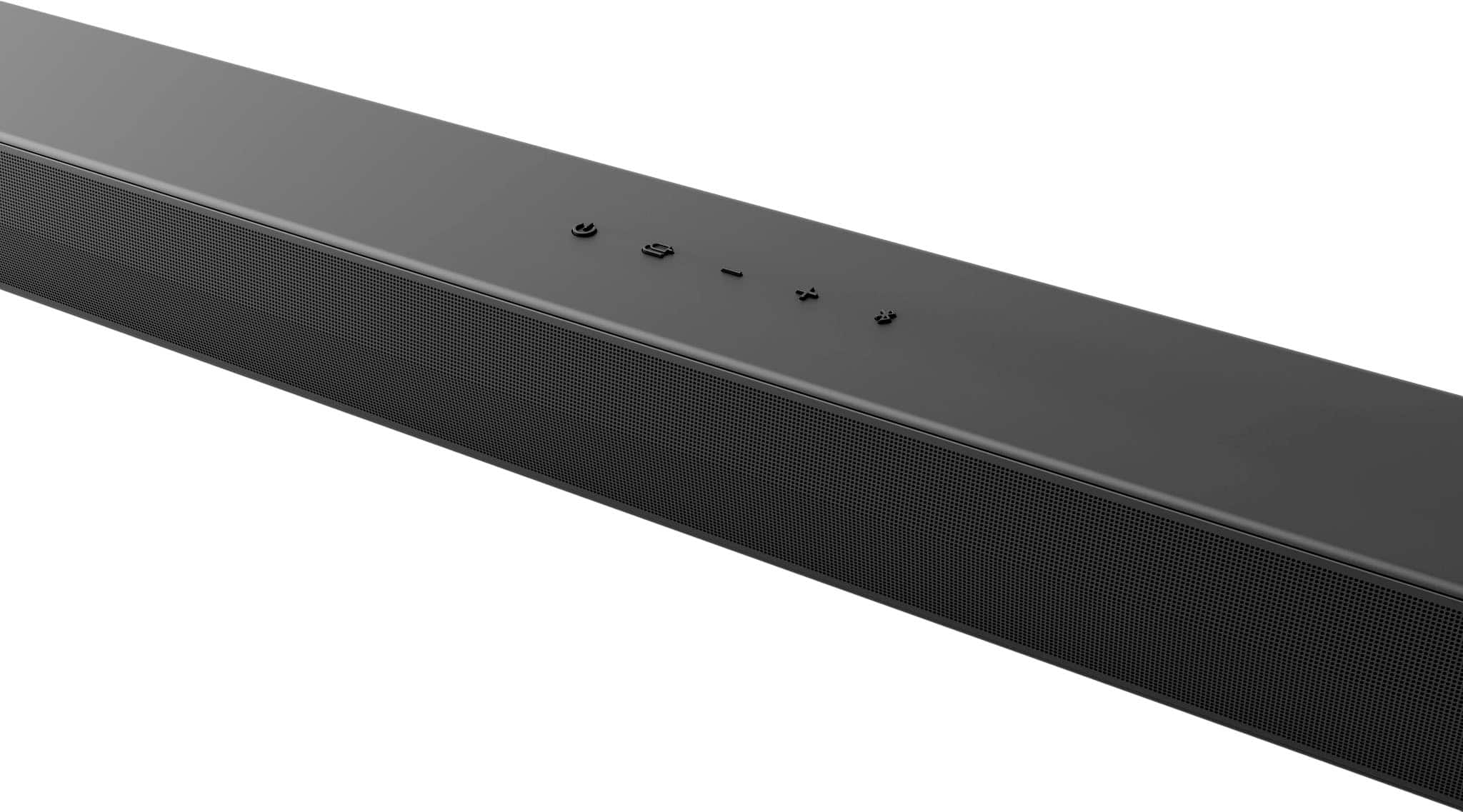


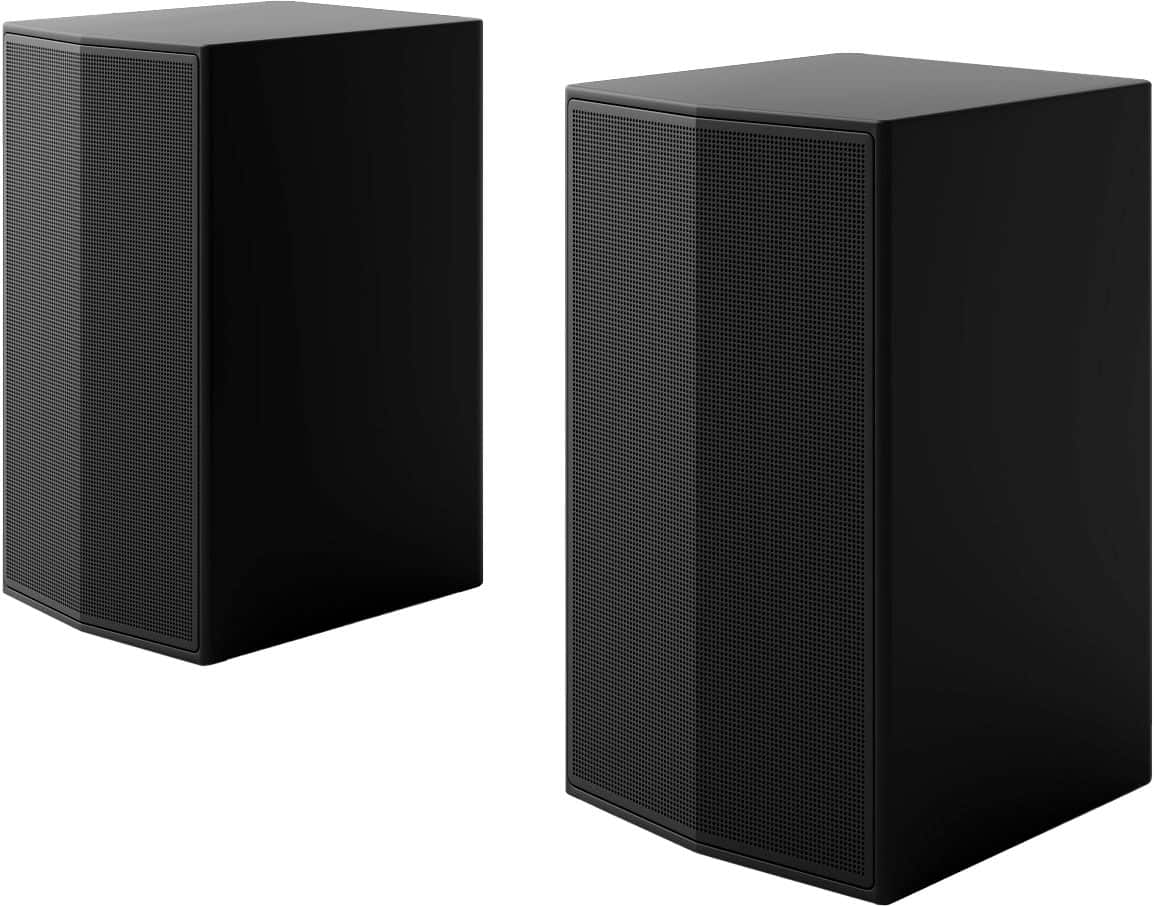




When I first started getting serious about home theater audio a few years back, I thought all soundbars were basically the same—just fancier TV speakers in a longer box. Boy, was I wrong. The difference between a basic soundbar and a proper surround system is night and day, and nowhere is this more apparent than when comparing LG's S60TR ($299.99) and S80TR ($546.99).
These two soundbars represent different philosophies in home audio: traditional surround sound versus the newer three-dimensional approach. Understanding which one fits your needs—and your budget—requires diving into what makes each system tick.
Before we jump into the comparison, let's talk about what these numbers actually mean. When you see "5.1," that's describing the channel configuration: five main speakers (front left, center, front right, rear left, rear right) plus one subwoofer (the ".1" part that handles deep bass). This setup has been the gold standard for home theater since the 1990s.
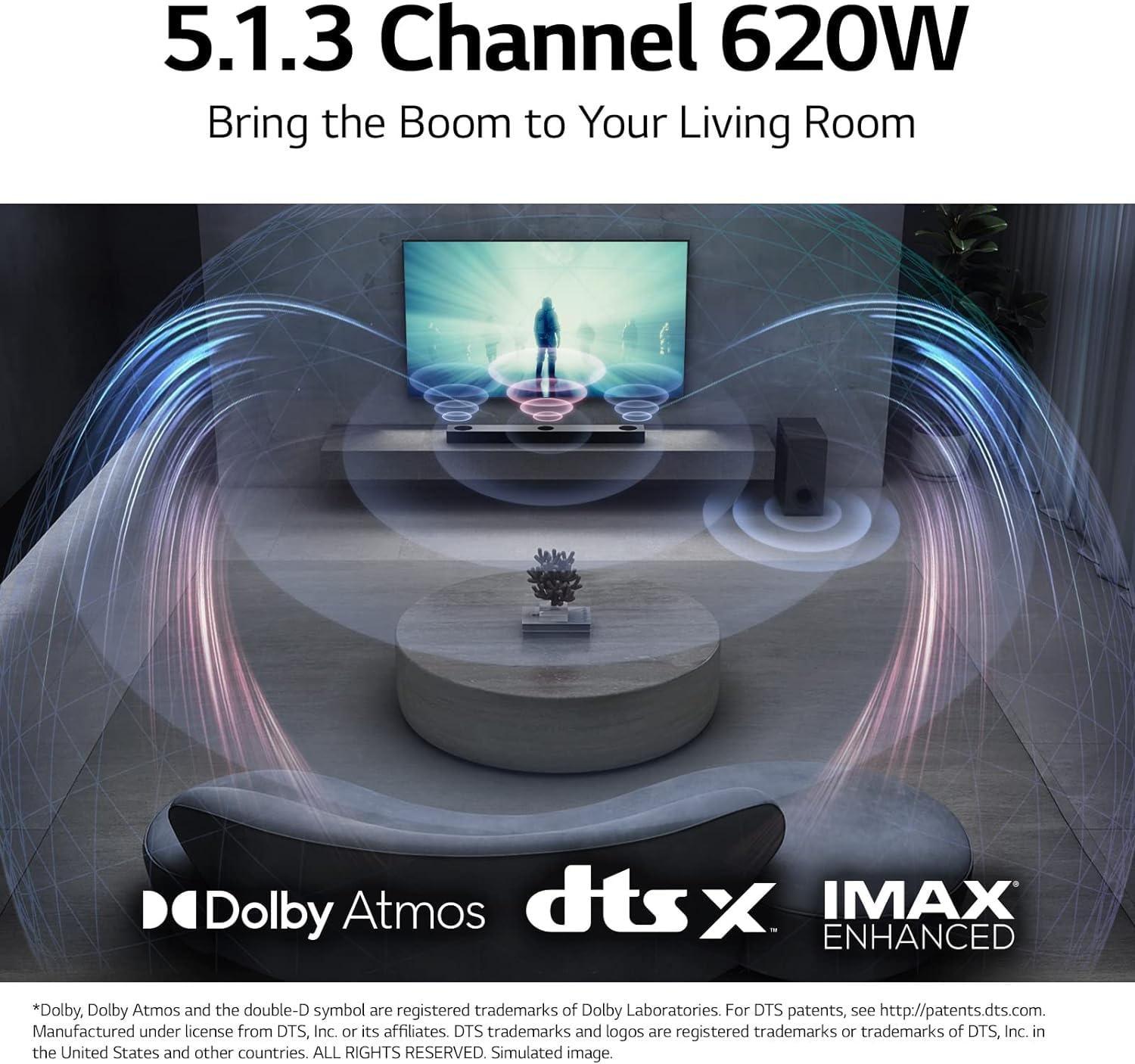
The "5.1.3" configuration takes this further by adding three height channels—speakers that fire upward to bounce sound off your ceiling, creating the illusion that audio is coming from above. This technology, primarily used for Dolby Atmos content, attempts to wrap you in a complete "bubble" of sound rather than just surrounding you horizontally.
The key considerations when choosing between these approaches include how much vertical space your room has (Atmos needs decent ceiling height to work properly), what kind of content you watch (newer streaming shows often include Atmos tracks), and whether the extra immersion justifies the higher cost.
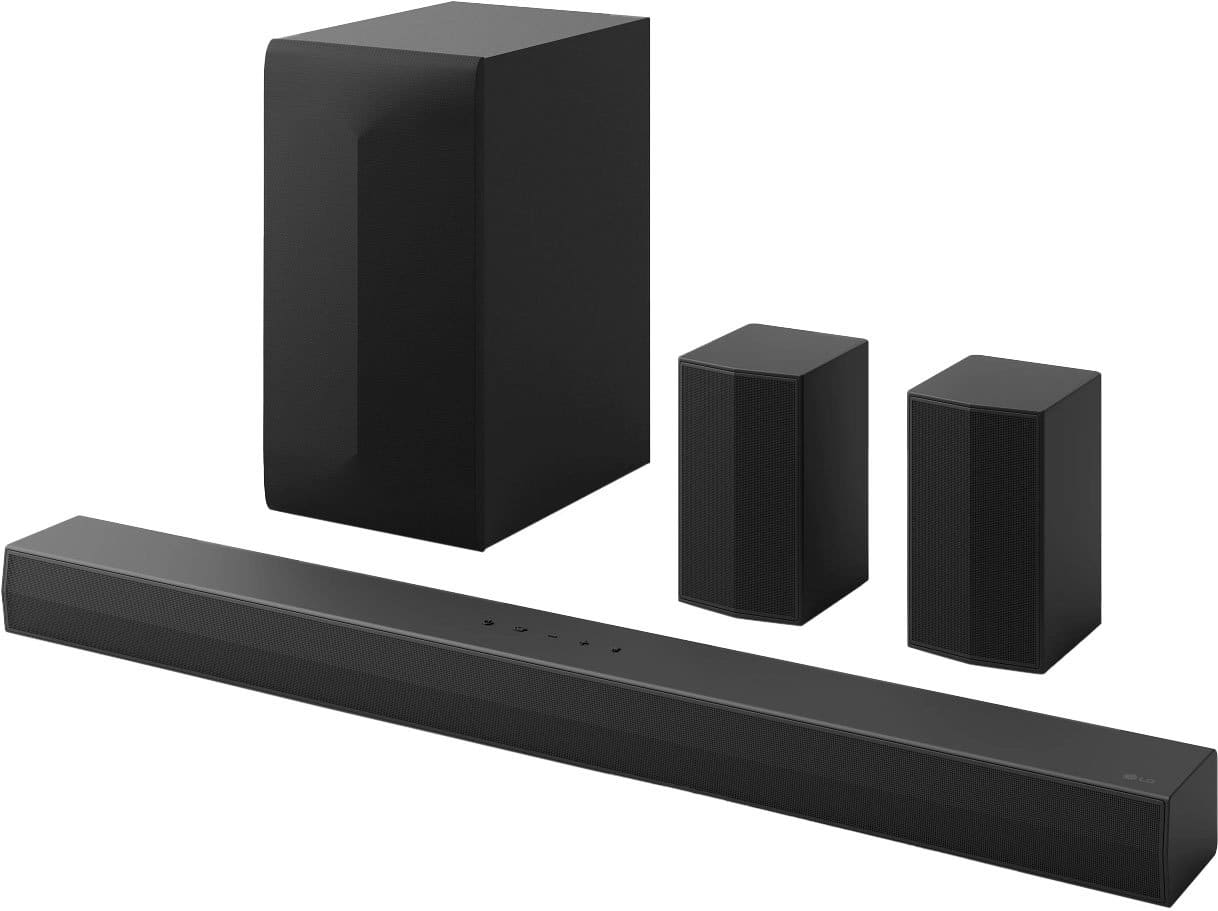
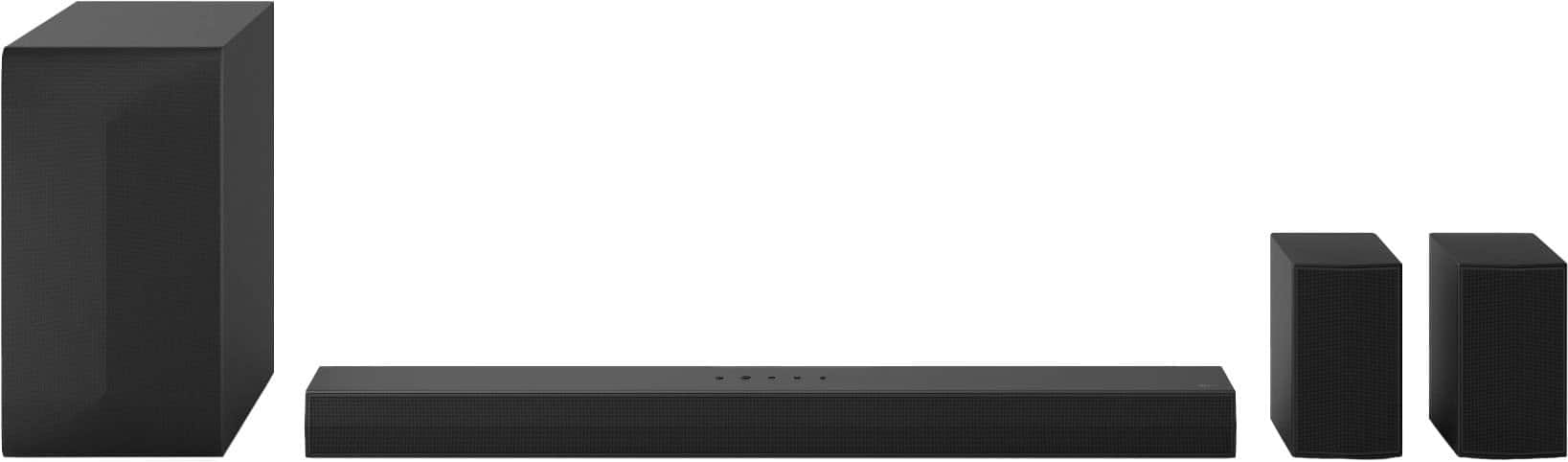
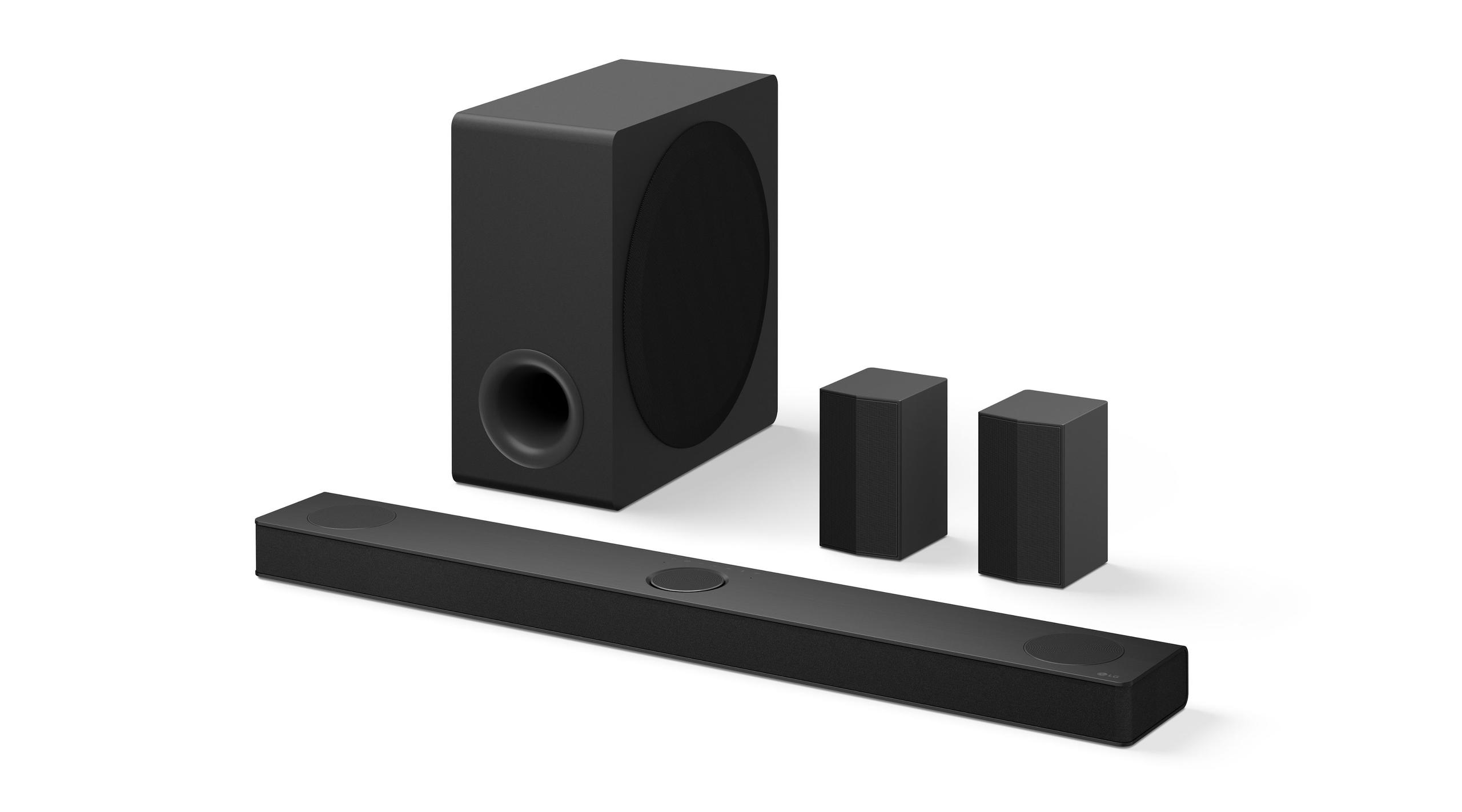
The LG S60TR hit the market in 2023 as part of LG's push to deliver true 5.1 surround sound at a more accessible price point. What made this interesting was the timing—by 2023, most manufacturers were already heavily promoting Atmos-enabled soundbars, making the S60TR's traditional approach somewhat contrarian.
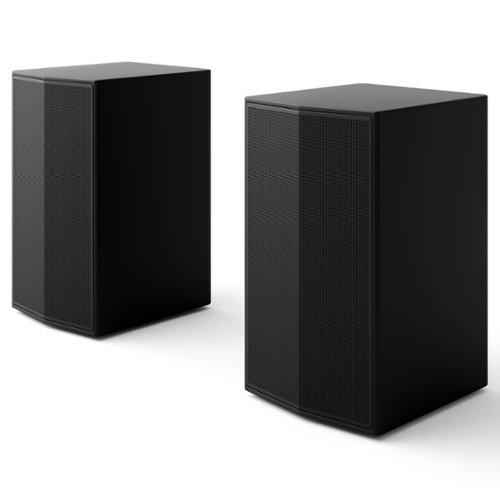
LG's decision proved smart for several reasons. Many consumers were getting frustrated with so-called "virtual" surround systems that used digital processing to fake directional audio. The S60TR delivered something increasingly rare: actual physical rear speakers that create genuine behind-you sound effects. No DSP trickery, no hoping your room acoustics cooperate—just real speakers placed where surround sound is supposed to come from.
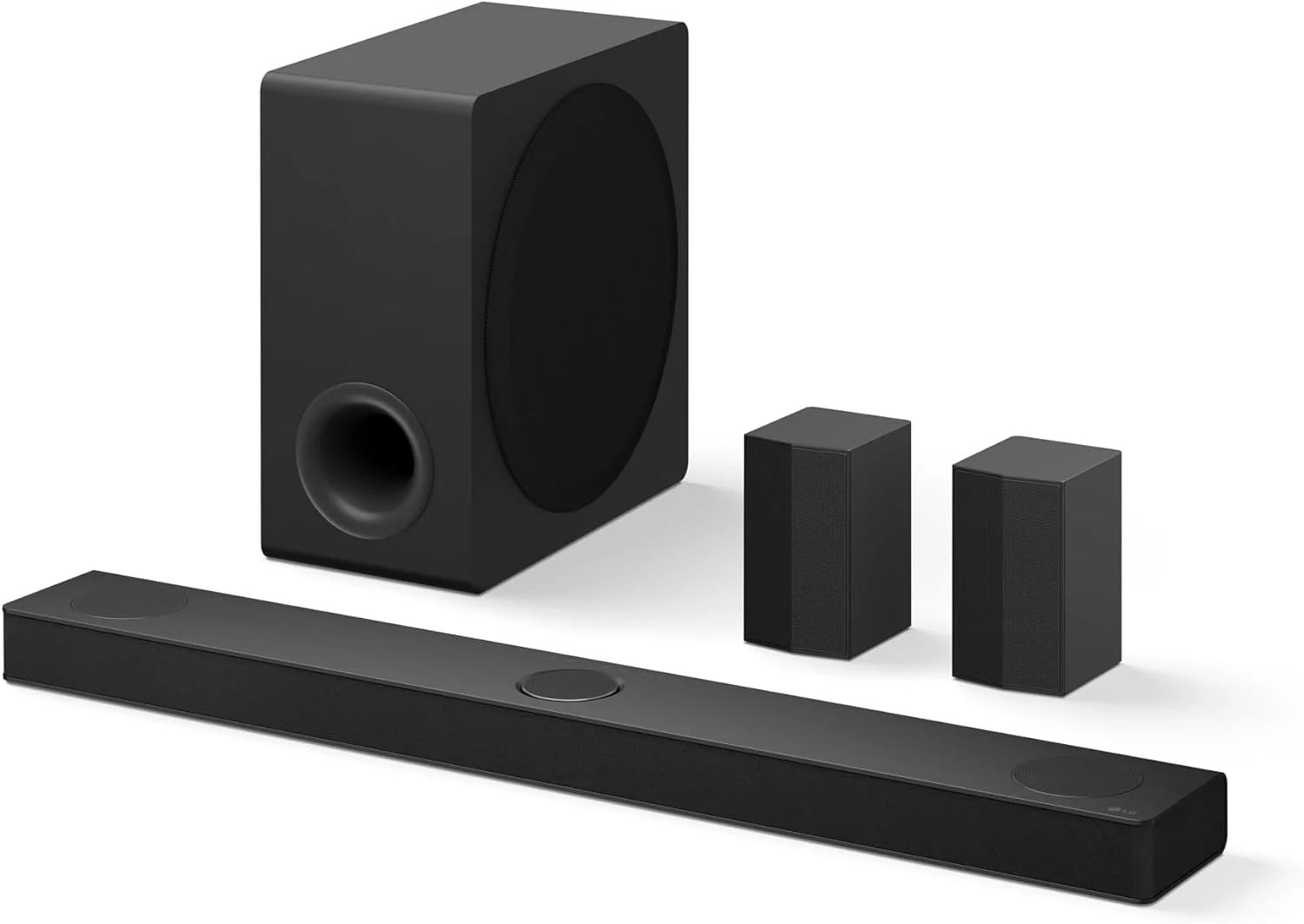
The LG S80TR arrived in 2025 as an evolution of LG's previous S80QR model, incorporating lessons learned from that earlier system. The biggest improvement was simplifying the wireless connectivity—the older model required a separate transmitter box, while the S80TR handles everything directly through the main soundbar. This might seem like a minor change, but anyone who's dealt with multiple wireless boxes cluttering their entertainment center knows how valuable this simplification is.
Since 2023, streaming services have doubled down on Atmos content. Netflix, Disney+, Apple TV+, and Amazon Prime now regularly include height-enabled audio tracks for their premium shows and movies. This shift makes the timing of both soundbars quite strategic—the S60TR captures users who want traditional surround done right, while the S80TR addresses the growing demand for modern spatial audio.
Here's where things get really interesting, and where my personal experience with both systems becomes relevant. The S60TR creates what I'd call "honest" surround sound. When you're watching a movie and hear footsteps behind you, they're actually coming from behind you—not from front speakers using psychoacoustic tricks to fool your brain.
This matters more than you might think. I've tested plenty of soundbars that claim to create surround effects using just front-firing drivers, and while some do a decent job, there's always that moment when the illusion breaks. Maybe someone walks through the sweet spot, or you turn your head slightly, and suddenly the "surround" effect collapses back into obvious front-firing audio.
The S60TR's physical rear speakers eliminate this problem entirely. The soundstage remains stable regardless of where you sit or how you move. For a family watching together, this consistency is invaluable—everyone gets the same immersive experience, not just the person sitting dead center.
The S80TR, meanwhile, operates in three dimensions. Those up-firing drivers create what Dolby calls an "audio dome"—imagine sound not just surrounding you horizontally, but also flowing overhead. When it works well, the effect is genuinely impressive. Helicopters don't just fly left to right; they pass overhead with convincing altitude. Rain doesn't just patter around you; it falls from above with realistic spatial positioning.
But here's the catch: height effects are highly dependent on room acoustics. You need a ceiling that's not too high (sound gets lost) or too low (reflections arrive too quickly). The surface should be relatively flat and reflective enough to bounce sound effectively. In my testing, rooms with vaulted or heavily textured ceilings showed minimal height effects, while standard 9-foot flat ceilings delivered the full Atmos experience.
The power specifications tell an interesting story about each system's priorities. The S60TR splits its 440 watts between a 220-watt subwoofer and 220 watts across the remaining speakers (40W for each front speaker, 40W for the center, and 50W for each rear). This distribution emphasizes balanced sound across all channels.
In practice, this means dialogue stays clear and well-positioned in the center channel, while effects have enough rear-channel power to create convincing directional audio. The 220-watt subwoofer provides solid bass impact for movies, though some users find it lacks the deep rumble for intense action sequences. I've found it perfectly adequate for most content, but bass-heavy music or explosive movie soundtracks might leave you wanting more.
The S80TR bumps total power to 580 watts with a more robust subwoofer configuration. The additional power becomes apparent in larger rooms, where the extra headroom prevents distortion during loud passages. More importantly, the enhanced bass response adds weight to those overhead effects—when something crashes down from above in an Atmos mix, you feel it as much as hear it.
For gaming, these systems take notably different approaches. The S60TR excels at providing clear directional audio cues essential for competitive gaming. In first-person shooters, footsteps and gunfire have precise positioning thanks to those physical rear speakers. The center channel keeps dialogue and important audio prompts clear and intelligible.
The S80TR adds modern gaming features that matter for next-generation consoles. Variable Refresh Rate (VRR) and Auto Low Latency Mode (ALLM) support ensures minimal input lag when gaming at high frame rates. The 120Hz passthrough capability means you can enjoy high-refresh gaming without audio delays.
Height channels also enhance gaming immersion in supported titles. Games like Call of Duty and Battlefield use Atmos to create realistic battlefield environments where aircraft pass overhead and explosions have vertical dimensionality. However, this only matters if your games actually support Atmos audio—many titles still only provide traditional surround sound.
The $247 price gap between these models deserves careful consideration. At $299.99, the S60TR delivers genuine 5.1 surround sound at a price point where most competitors offer only simulated surround effects. You're getting real rear speakers, wireless connectivity, and LG's AI sound processing—features typically found in much more expensive systems.
The $546.99 S80TR asks for an 83% premium over the S60TR. What justifies this increase? Primarily, you're paying for Dolby Atmos capability, enhanced power output, AI room calibration, and comprehensive streaming integration. Whether these features provide $247 worth of additional value depends heavily on your specific situation.
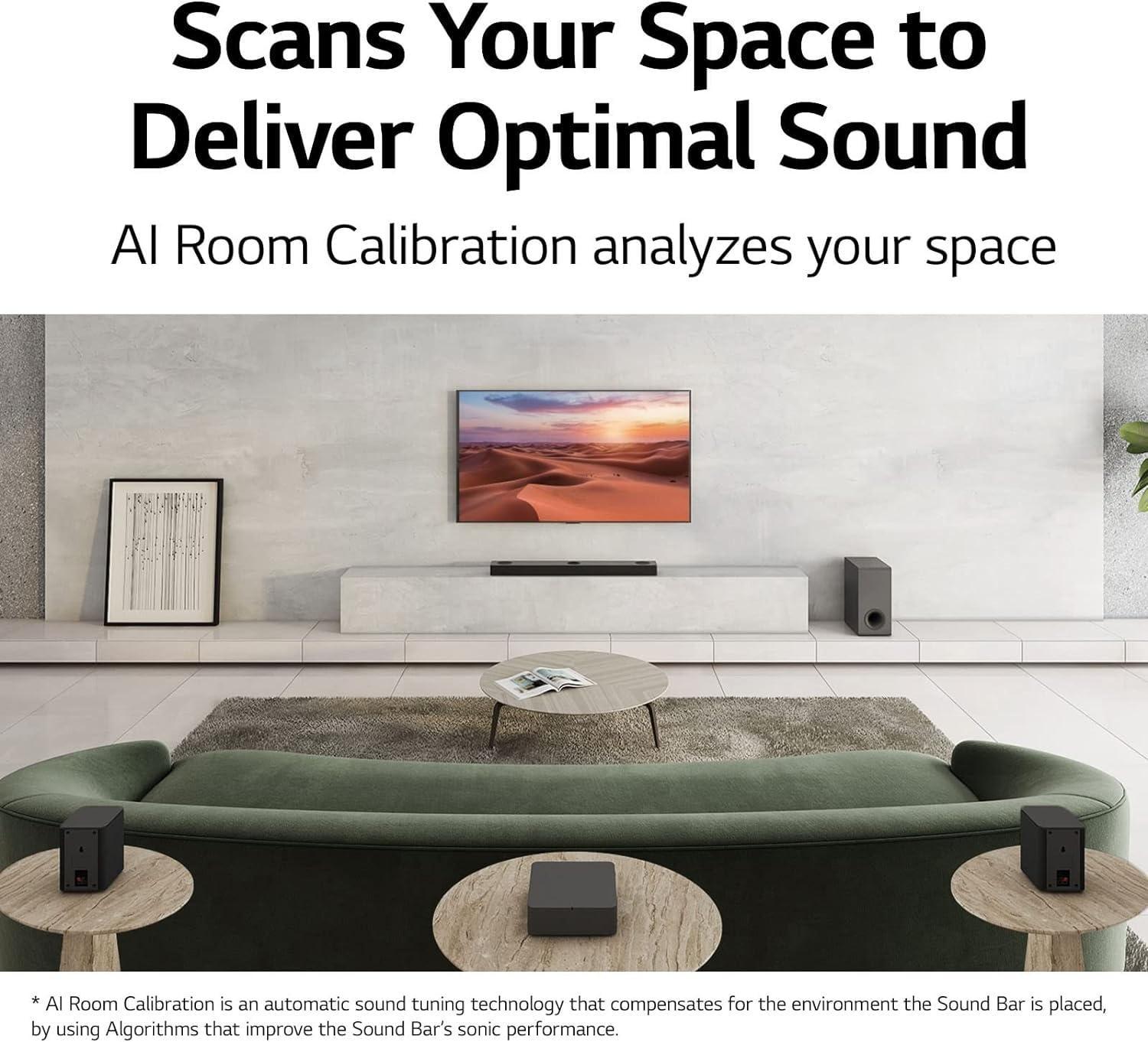
In my experience, the S80TR's room calibration feature alone can be worth the price difference in challenging acoustic environments. The system uses built-in microphones to analyze your room's dimensions and characteristics, then automatically adjusts EQ and timing to optimize performance. This process, which takes about five minutes, can dramatically improve audio quality in rooms with difficult acoustics.
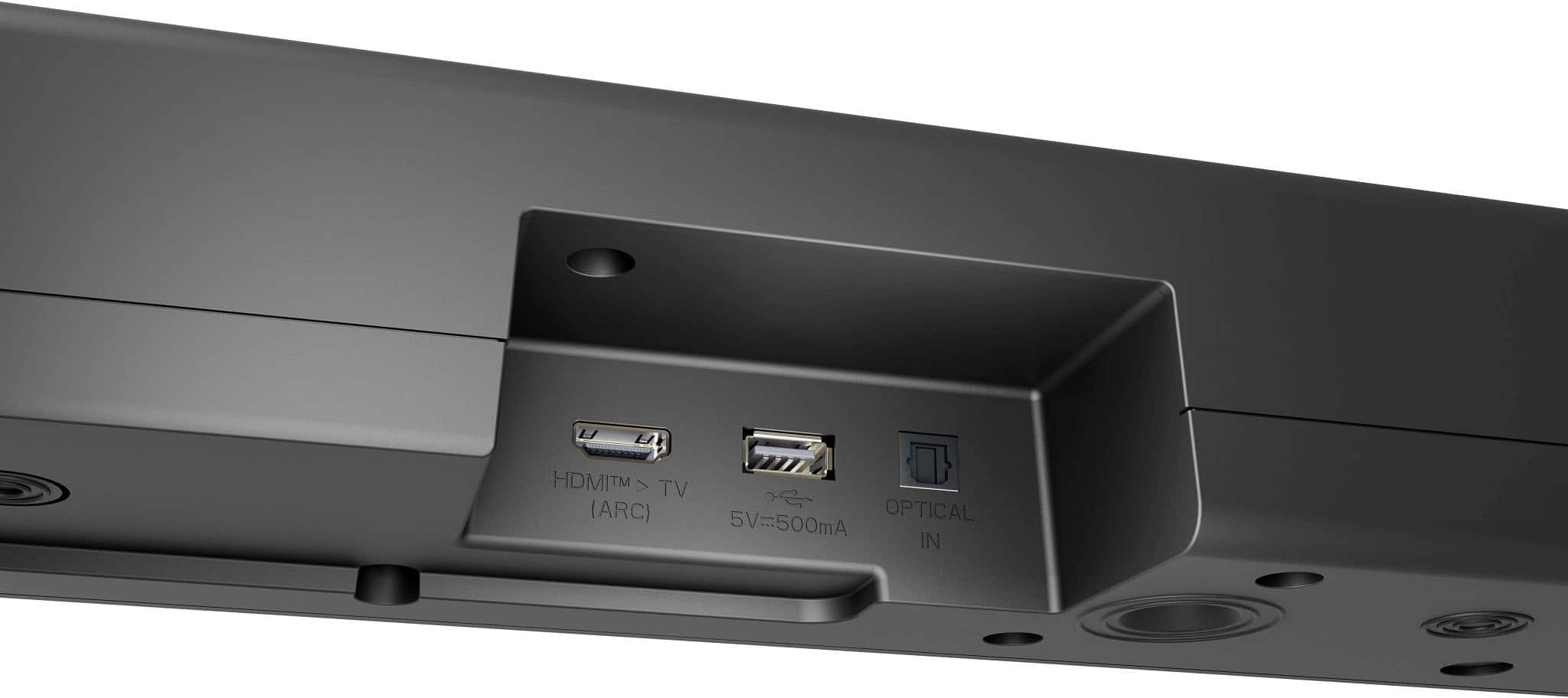
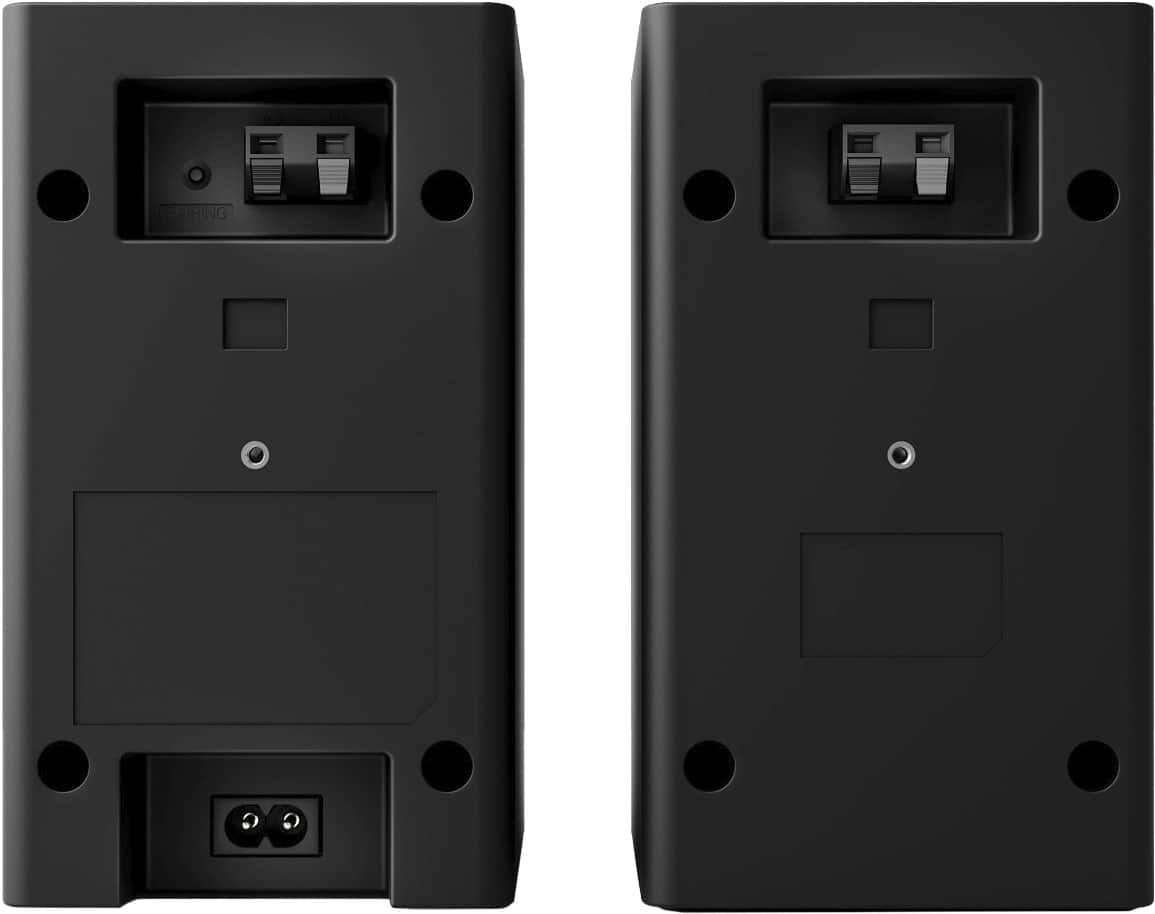
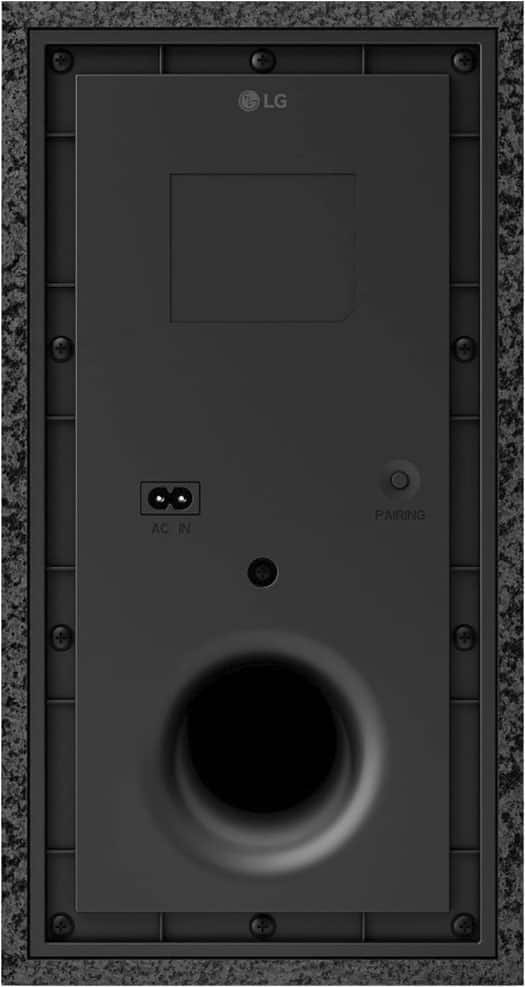
Both systems prioritize ease of installation, but they approach it differently. The S60TR focuses on straightforward wireless connectivity—the rear speakers pair automatically with the main soundbar, and the subwoofer connects without additional configuration. The system includes clear mounting hardware and cables for those who prefer wired connections.
However, optimizing the S60TR requires some manual adjustment. Different content types benefit from different sound modes (Cinema for movies, Clear Voice Pro for dialogue-heavy content, Music for audio streaming), and you'll need to experiment to find your preferences. This isn't necessarily a drawback—many enthusiasts prefer having direct control over their audio settings.
The S80TR takes a more automated approach. The AI room calibration handles most optimization automatically, while the expanded connectivity options (Wi-Fi, Chromecast, AirPlay 2) integrate seamlessly with modern streaming workflows. You can start playing music from your phone or casting audio from streaming apps without fumbling with Bluetooth pairing.
This convenience comes with some complexity trade-offs. The S80TR offers more customization options through LG's mobile app, but the interface can feel overwhelming initially. Professional reviewers have noted that achieving optimal treble response often requires manual EQ adjustments, somewhat undermining the "automatic" setup promise.
Here's where the technology differences become most apparent in daily use. The S60TR handles traditional surround content beautifully but completely lacks Dolby Atmos support. In 2025, this feels like a significant omission as more streaming content includes height-enabled audio tracks.
Netflix now includes Atmos audio for most of their premium original series. Disney+ provides Atmos for Marvel movies and Star Wars content. Apple TV+ has embraced spatial audio across their catalog. If you're subscribing to these services and watching their flagship content, you're missing a significant portion of the intended audio experience with the S60TR.
That said, the vast majority of content—cable television, older movies, most YouTube videos—remains in traditional stereo or 5.1 formats. The S60TR actually handles this content exceptionally well because it's optimized for these established formats rather than trying to upmix everything for height channels.
The S80TR supports both worlds effectively. Atmos content gets the full three-dimensional treatment, while traditional content benefits from the enhanced power and room calibration. The system's AI processing can even create convincing height effects from non-Atmos content, though purists might prefer to disable this feature.
From a future-proofing perspective, the trends clearly favor height-enabled audio. Major streaming services, gaming platforms, and content creators are increasingly adopting Atmos as their standard for premium content. The S80TR positions you to take advantage of this evolution, while the S60TR represents excellent current performance with limited upgrade path.
However, this assumes your room can actually benefit from height effects. If you're in an apartment with low ceilings, a room with challenging acoustics, or a space where you primarily watch traditional content, the future-proofing argument loses much of its weight.
For typical living rooms and bedrooms, the S60TR often provides superior value. The 440-watt power output fills these spaces effectively, while the physical rear speakers create convincing surround effects without overwhelming the room. The lower price point also makes more sense when you don't need the extra power and features of the larger system.
Small rooms often struggle with Atmos effects due to ceiling proximity and limited reflection space. I've tested the S80TR in several compact rooms and found the height channels less convincing than in larger spaces. The traditional surround approach of the S60TR actually works better in these constrained environments.
Larger spaces reveal the S80TR's advantages most clearly. The additional power output prevents strain during loud passages, while the height channels have adequate space to create convincing overhead effects. The AI room calibration becomes particularly valuable in these environments, where manual optimization would be challenging.
Open-concept layouts, where the listening area flows into kitchen or dining spaces, benefit from the S80TR's enhanced power and room-filling capability. The traditional approach of the S60TR can struggle to maintain immersion across these larger, acoustically complex spaces.
You want proven surround sound performance at an excellent price point. The $299.99 system delivers authentic 5.1 audio that outperforms most competitors in this price range. It's ideal for viewers who primarily watch traditional content, have moderate-sized rooms, or simply want great surround sound without paying for features they won't use.
The S60TR also makes sense if you prefer manual control over automatic optimization. The straightforward sound modes and direct adjustments appeal to users who like understanding and controlling their audio settings rather than relying on AI processing.
You want to experience modern spatial audio and have the room characteristics to support it. The $546.99 system justifies its premium through Dolby Atmos capability, enhanced power output, and comprehensive smart features. It's the better choice for larger rooms, newer content consumption patterns, and users who value convenience features.
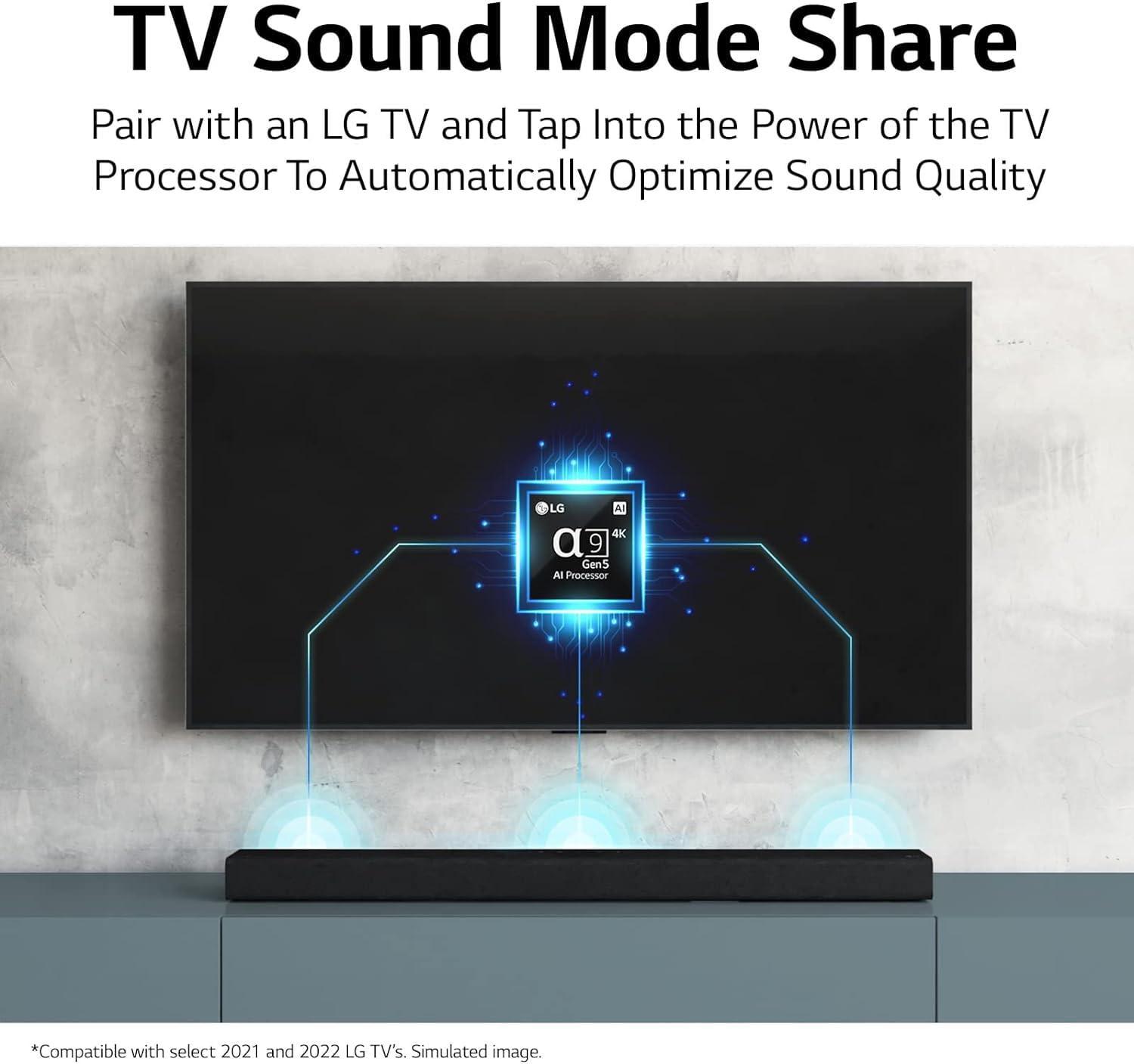
The S80TR particularly appeals to LG TV owners who can leverage the WOW Orchestra integration, gaming enthusiasts with next-generation consoles, and anyone who prioritizes future-proofing their audio investment.
Both soundbars represent excellent execution of their respective approaches. The S60TR proves that traditional surround sound, done properly, remains highly effective and accessible. The S80TR demonstrates how modern spatial audio can enhance the home theater experience when properly implemented.
Your choice ultimately depends on matching the technology to your specific situation—room size, content preferences, budget constraints, and long-term plans all factor into the decision. Either way, you're getting a significant upgrade over television speakers and a solid foundation for home theater enjoyment.
| LG S60TR 5.1 Channel Soundbar | LG S80TR 5.1.3 Channel Soundbar |
|---|---|
| Price - Major factor in value proposition | |
| $299.99 | $546.99 |
| Channel Configuration - Determines surround sound capability | |
| 5.1 (traditional horizontal surround) | 5.1.3 (adds three height channels for Dolby Atmos) |
| Total Power Output - Affects volume and bass impact | |
| 440W (sufficient for medium rooms) | 580W (better for larger spaces) |
| Dolby Atmos Support - Essential for modern streaming content | |
| ❌ No (limited to traditional surround formats) | ✅ Yes (full 3D spatial audio with overhead effects) |
| Subwoofer Power - Determines bass depth and impact | |
| 220W wireless subwoofer | Enhanced subwoofer with deeper extension |
| Room Calibration - Automatically optimizes sound for your space | |
| Manual sound mode adjustments required | AI room calibration with built-in microphones |
| Gaming Features - Important for console users | |
| Standard HDMI ARC, good directional audio | HDMI eARC, VRR/ALLM support, 120Hz passthrough |
| Streaming Integration - Affects ease of music playback | |
| Bluetooth and optical input | Wi-Fi, Chromecast, AirPlay 2, Spotify Connect |
| Physical Rear Speakers - Creates authentic surround sound | |
| ✅ Yes (true behind-you audio positioning) | ✅ Yes (wireless rear speakers included) |
| Best Room Size - Where each system performs optimally | |
| Small to medium rooms (under 200 sq ft) | Medium to large rooms (200+ sq ft with 9+ ft ceilings) |
| Content Compatibility - What audio formats work best | |
| Excellent for traditional TV, movies, older content | Optimized for modern streaming with Atmos tracks |
| Setup Complexity - Time and effort required | |
| Straightforward wireless pairing, manual optimization | Automated calibration but more initial configuration options |
The key difference is that the LG S60TR is a traditional 5.1 channel system for $299.99, while the LG S80TR is a 5.1.3 channel system with Dolby Atmos support for $546.99. The S80TR adds three height channels that create overhead sound effects by bouncing audio off your ceiling, providing a more immersive three-dimensional audio experience.
The LG S60TR ($299.99) offers exceptional value for traditional surround sound, delivering authentic 5.1 audio with physical rear speakers at a budget-friendly price. The LG S80TR ($546.99) provides better value if you want Dolby Atmos, enhanced power output, and modern streaming features, but costs 83% more than the S60TR.
The LG S60TR typically performs better in small rooms under 200 square feet. Its 440W power output is sufficient for smaller spaces, and the traditional 5.1 setup works well when ceiling height is limited. The height effects of the LG S80TR often struggle in compact rooms due to inadequate ceiling reflection space.
The $247 price difference is justified if you regularly watch Dolby Atmos content from Netflix, Disney+, or Apple TV+, have a larger room that can benefit from the extra power, or want features like AI room calibration and comprehensive streaming integration. If you primarily watch traditional TV content in a medium-sized room, the LG S60TR provides excellent performance at the lower price.
Only the LG S80TR supports Dolby Atmos and DTS:X spatial audio formats. The LG S60TR lacks Dolby Atmos support entirely, which means you'll miss the overhead audio effects in modern streaming content. This is a significant consideration as more services adopt Atmos for their premium shows and movies.
The LG S80TR offers superior gaming features including HDMI eARC, VRR/ALLM support, and 120Hz passthrough for next-generation consoles. However, the LG S60TR still provides excellent gaming audio with clear directional cues from its physical rear speakers, making it suitable for most gaming needs at a lower price.
Both soundbars excel in home theater applications. The LG S60TR delivers authentic 5.1 surround sound perfect for movie nights, while the LG S80TR provides the full cinematic experience with Dolby Atmos height effects. The S80TR's AI room calibration is particularly valuable in dedicated home theater rooms with challenging acoustics.
The LG S60TR offers simpler setup with straightforward wireless pairing, though you'll need to manually adjust sound modes for different content. The LG S80TR features automated AI room calibration that optimizes settings automatically, but the initial configuration offers more options that can feel overwhelming to some users.
Choose the LG S60TR ($299.99) if you want excellent traditional surround sound at a great price, have a smaller room, or primarily watch conventional TV content. Choose the LG S80TR ($546.99) if you want Dolby Atmos effects, have a larger room with adequate ceiling height, regularly stream modern content, or want advanced features like AI calibration and comprehensive wireless connectivity.
We've done our best to create useful and informative comparisons to help you decide what product to buy. Our research uses advanced automated methods to create this comparison and perfection is not possible - please contact us for corrections or questions. These are the sites we've researched in the creation of this article: bestbuy.com - mynavyexchange.com - youtube.com - consumerreports.org - avsforum.com - rentacenter.com - bestbuy.com - homechoicestores.com - oconsommateur.com - lg.com - bestbuy.com - samsung.com - bestbuy.com - billsmith.com - brandsmartusa.com - avsforum.com - youtube.com - lg.com - buydig.com - louisdoehomecenter.com - lg.com - videoandaudiocenter.com - mynavyexchange.com - walts.com - bestbuy.com

Privacy Policy
Terms and Conditions - Affiliate Policy
Home Security
© Copyright 2008-2026.
11816 Inwood Rd #1211, Dallas, TX 75244