






When your TV's built-in speakers just aren't cutting it anymore, you're probably looking at soundbars to transform your living room into something that sounds more like a movie theater. But here's the thing about shopping in the premium soundbar space – you've got two completely different philosophies fighting for your attention and wallet.
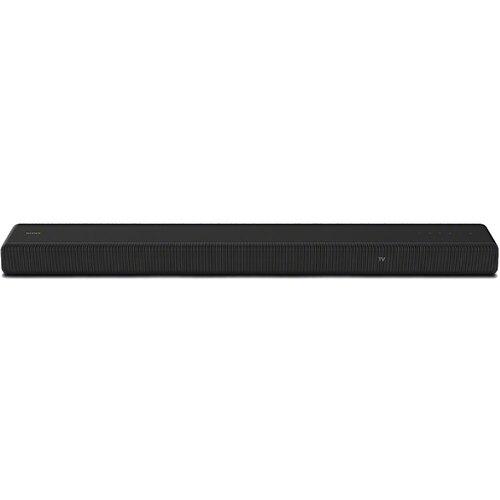
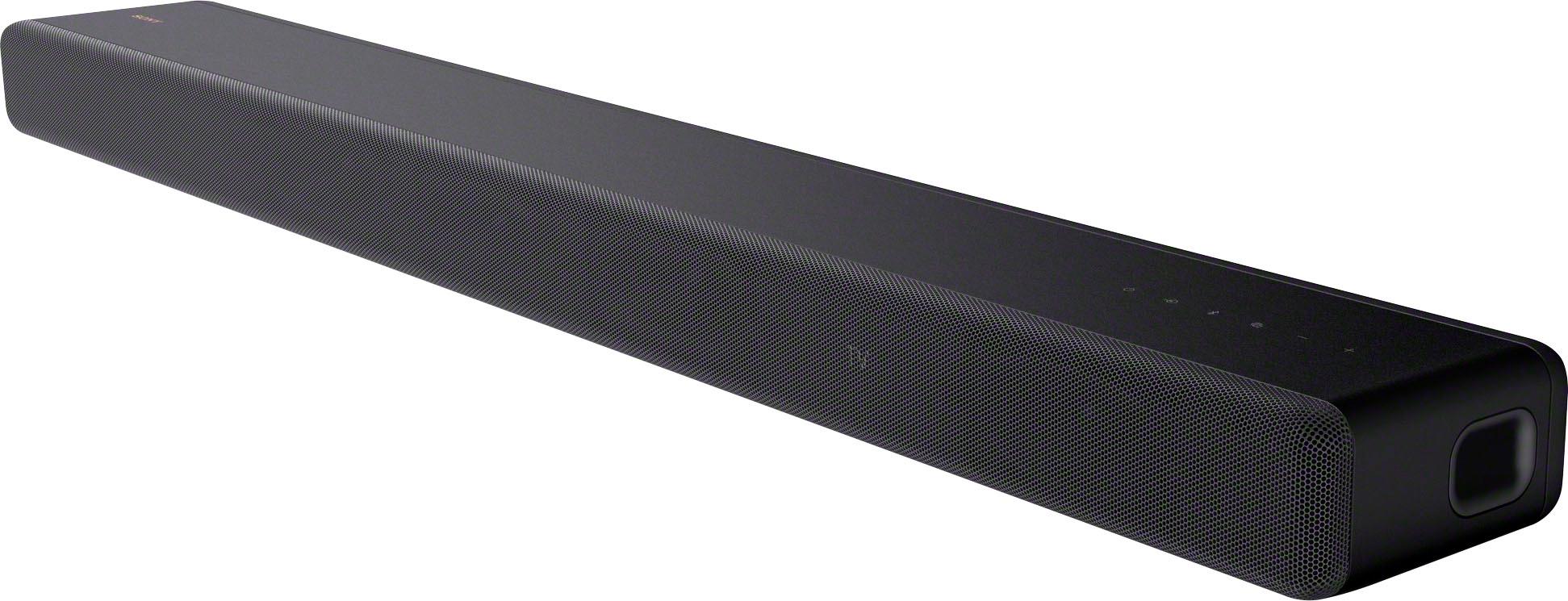
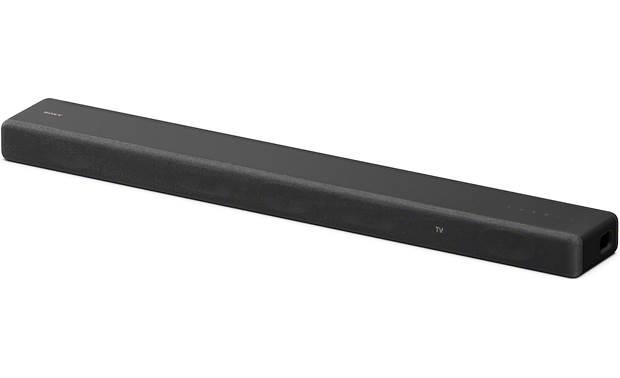
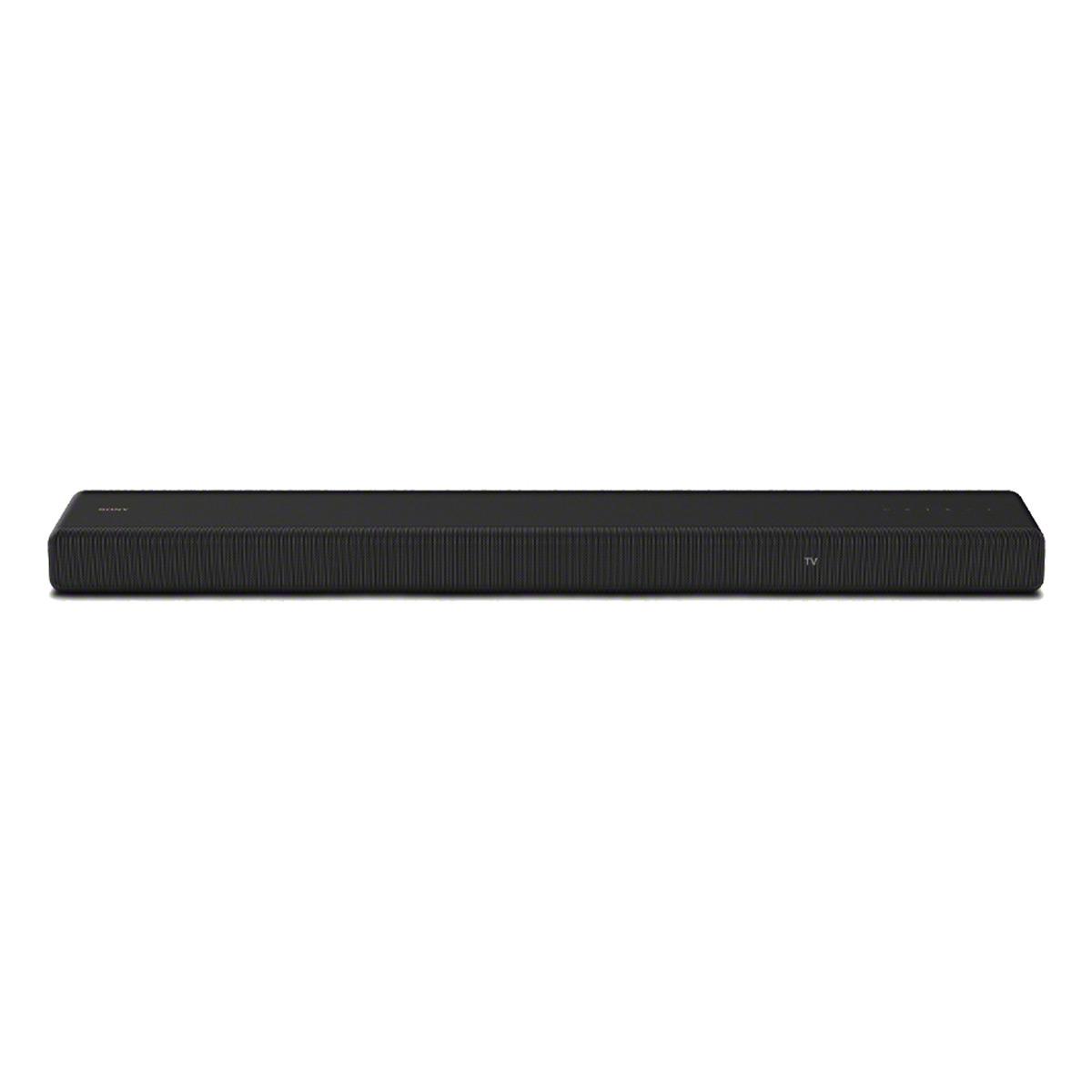
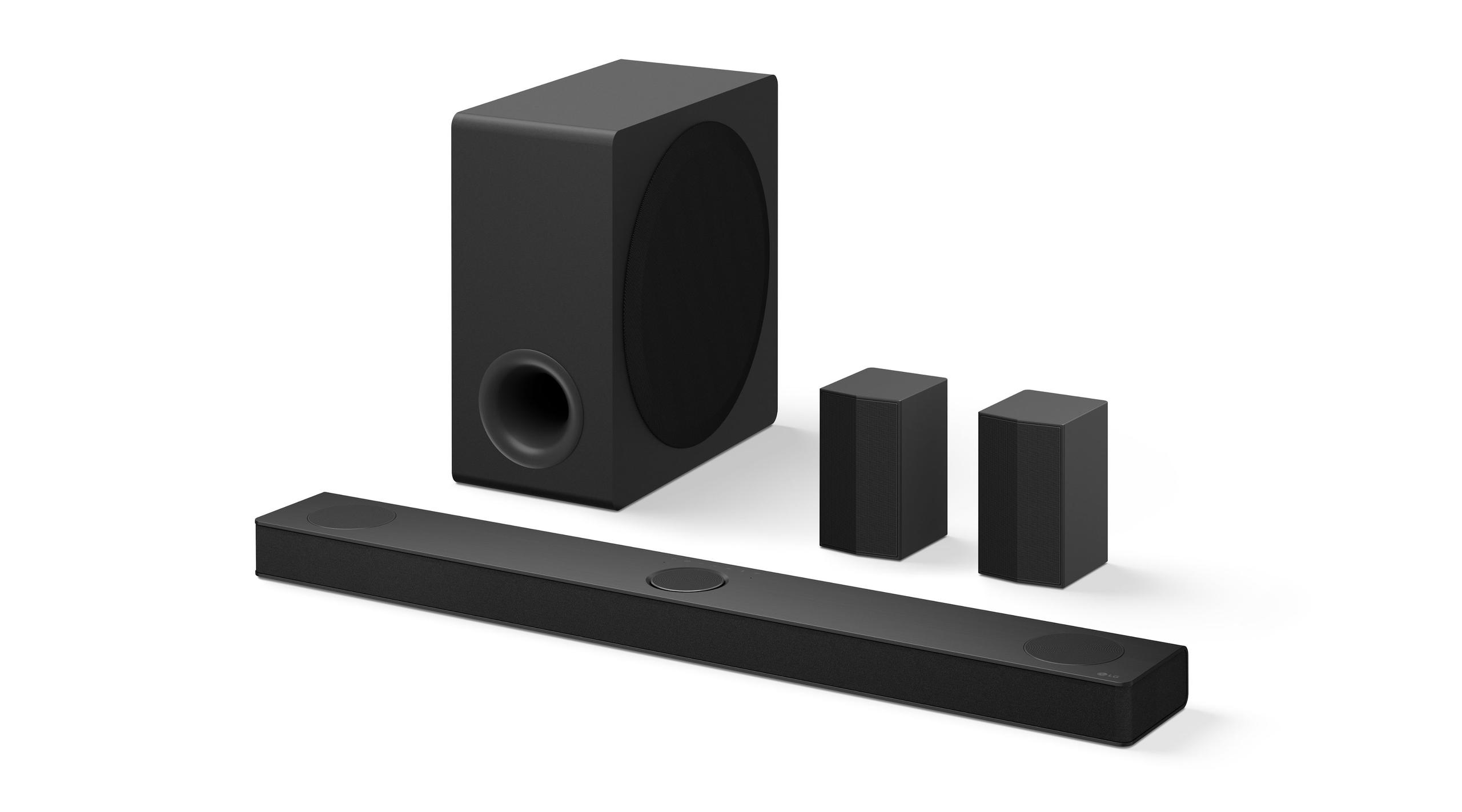
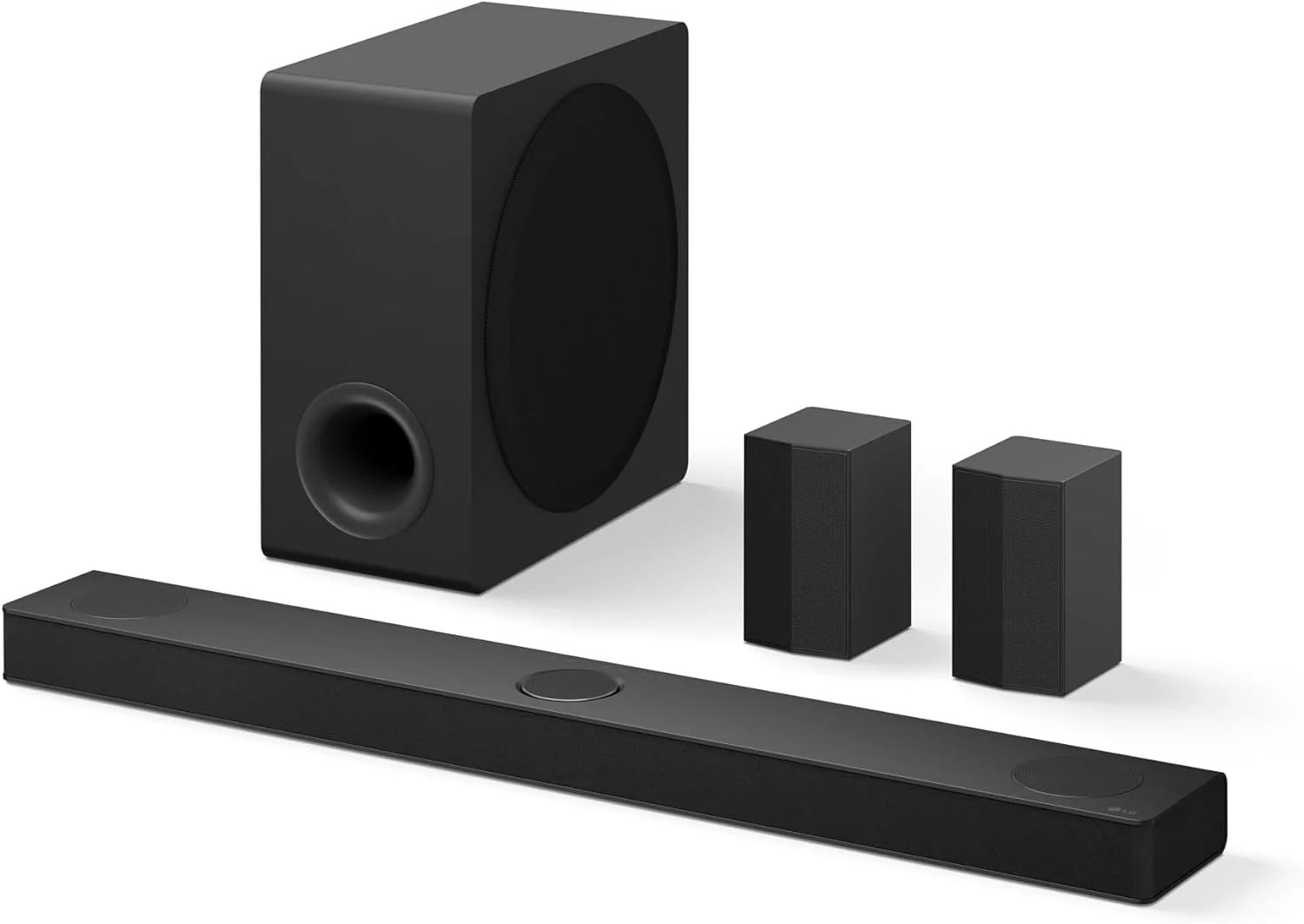
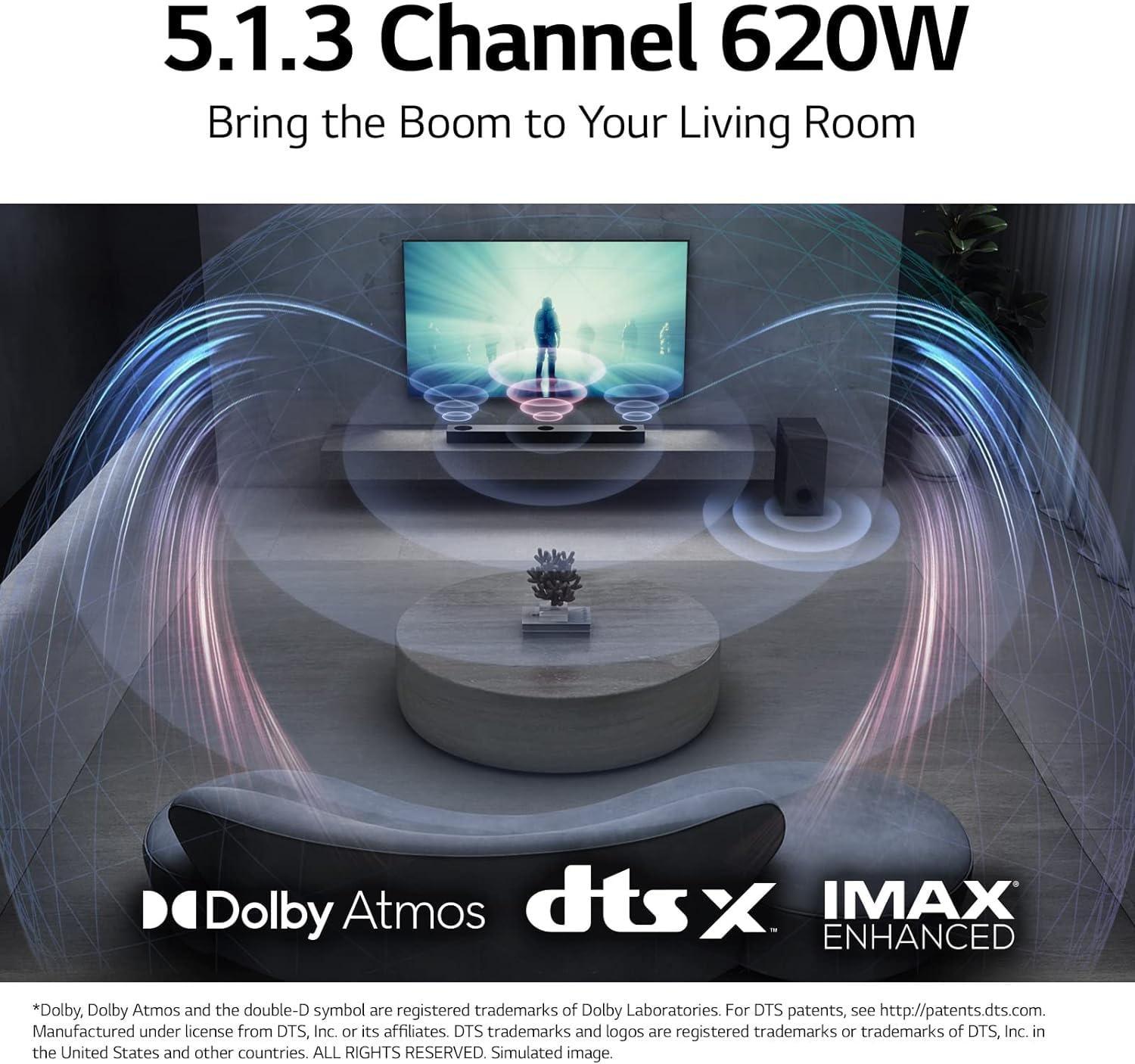
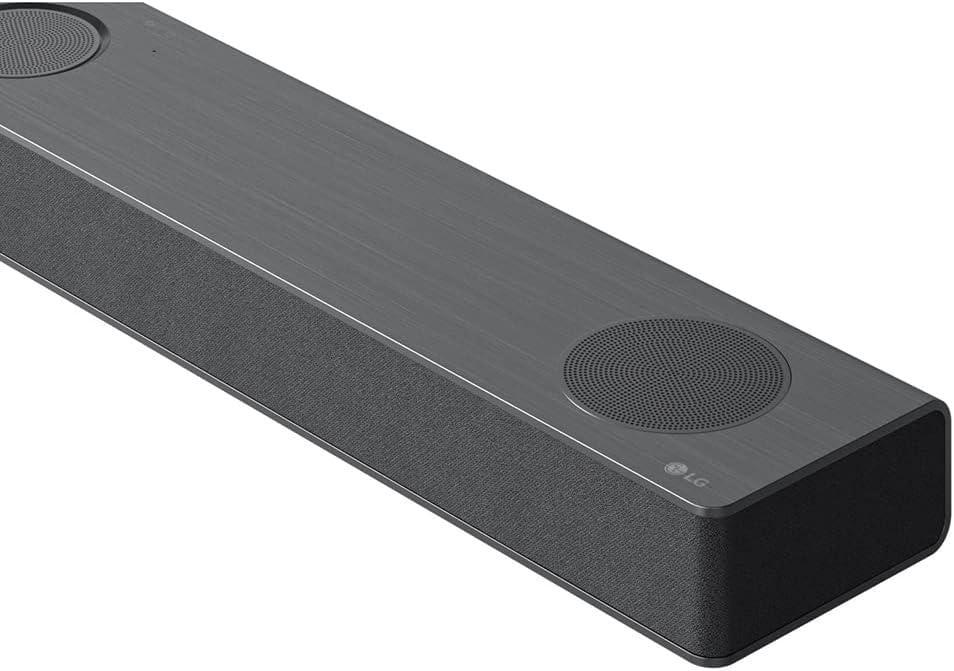
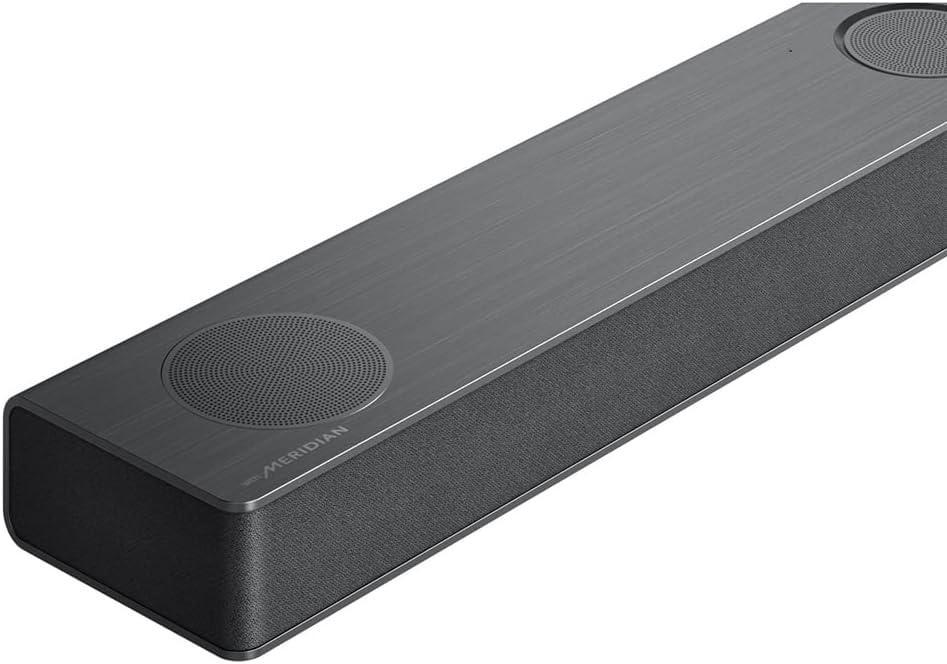
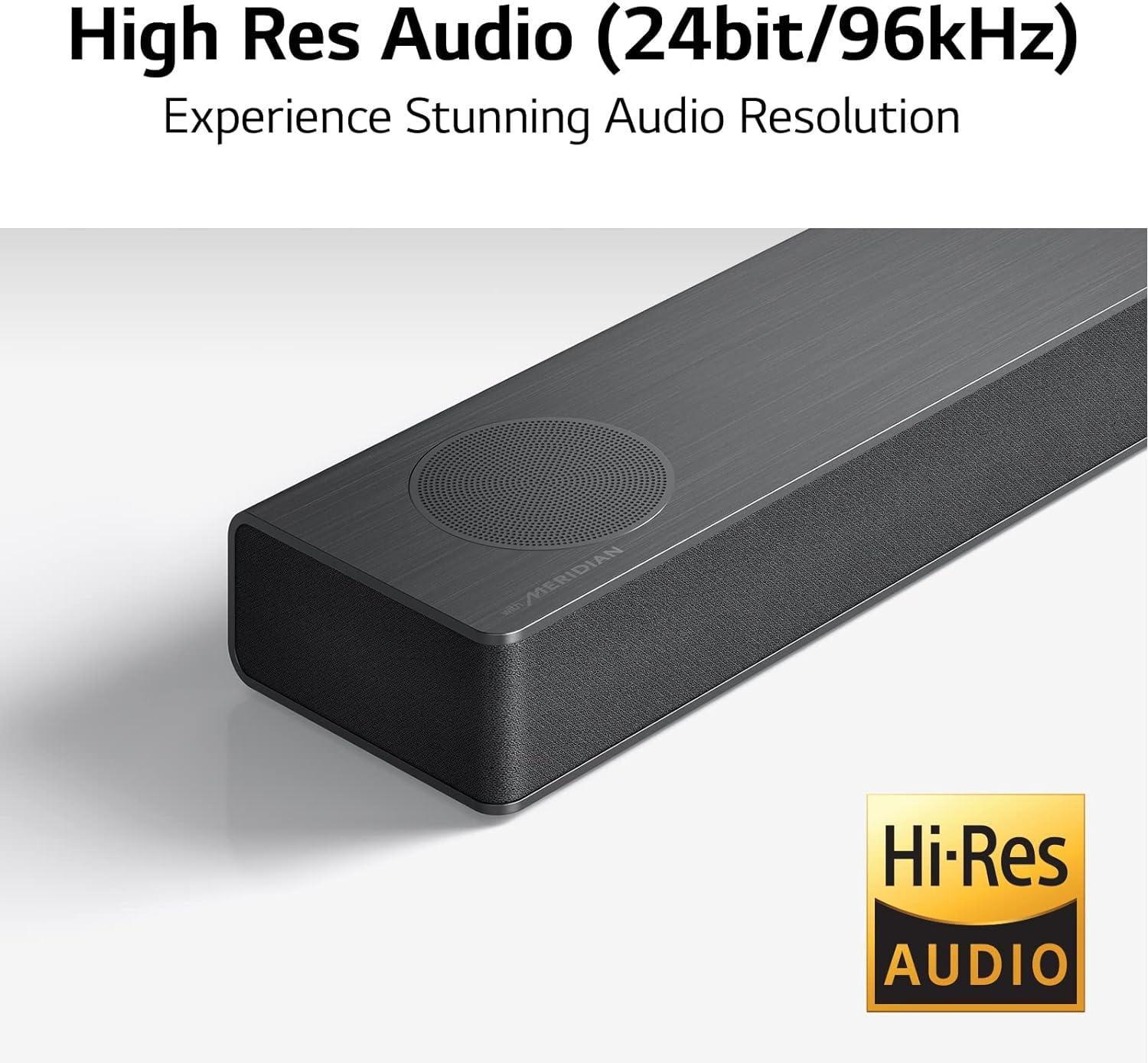
The Sony HT-A3000 ($429) represents the "less is more" approach, using clever virtual processing to create surround sound from a single sleek bar. Meanwhile, the LG S80TR ($547) goes all-in with physical components – a main soundbar, wireless subwoofer, and actual rear speakers that you place behind your couch. Both promise that coveted Dolby Atmos experience, but they get there in very different ways.
Before we dive into the nitty-gritty comparison, let's talk about what separates a premium soundbar from the basic models you'll find at big box stores. We're looking at products in the $400-600 range here, which means they need to deliver on several key promises.
First up is channel configuration – this refers to how many discrete audio channels the soundbar can handle. You'll see numbers like 3.1 or 5.1.3, where the first digit represents front/side speakers, the second is subwoofers, and the third (when present) indicates height channels for that overhead Dolby Atmos effect. More channels generally mean better sound separation and more convincing surround effects.
Then there's the whole virtual versus physical debate. Virtual surround uses digital signal processing (fancy math, basically) to trick your ears into hearing sounds from directions where there aren't actually speakers. Physical surround places real speakers around your room. Both approaches have merit, but they create very different experiences.
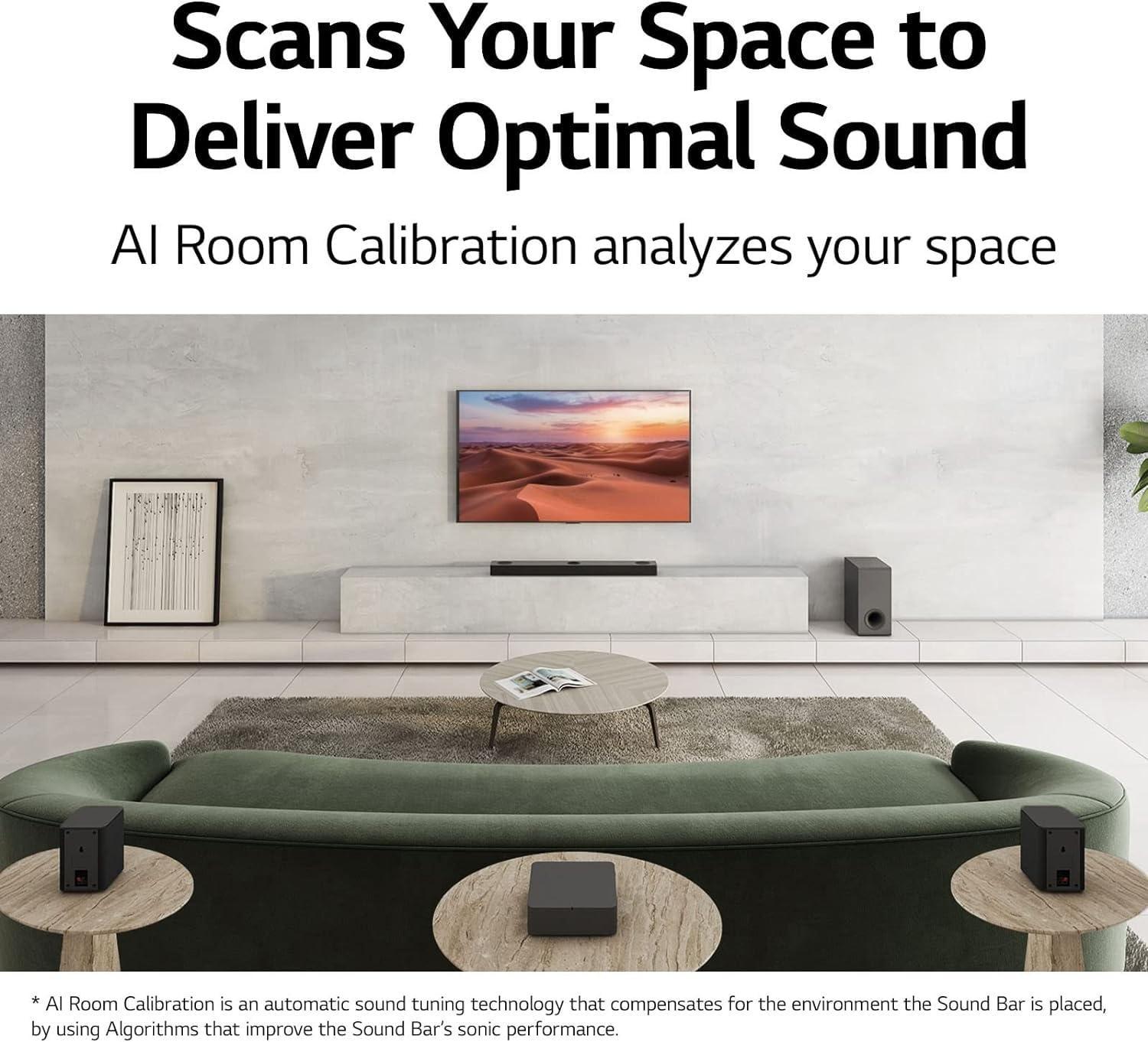
Room calibration has become huge in recent years too. These systems use built-in microphones to measure your room's acoustics and automatically adjust the sound accordingly. It's like having an audio engineer tune your system, except it happens automatically.
The Sony HT-A3000 launched in 2022 as Sony's answer to the "soundbar that does everything" question. It came at a time when virtual surround processing was really hitting its stride, with companies figuring out how to create convincing 3D audio effects without cluttering your living room with speakers.
Sony's approach has always been about refinement and ecosystem integration. If you've got a Sony TV and maybe a PlayStation 5, the HT-A3000 was designed to play nice with everything in your setup. The timing was smart – it hit the market just as people were upgrading their home entertainment setups during the pandemic boom.
The LG S80TR, on the other hand, is much newer to the scene, arriving in 2024. LG looked at the soundbar market and essentially said, "What if we just gave people the complete surround sound experience right out of the box?" It's part of LG's recent push to offer more value-packed systems that don't require you to piece together components over time.
What's interesting about the timing is how these represent different phases in soundbar evolution. The Sony came from the era of "let's see how good we can make virtual surround," while the LG arrives in the "okay, let's just give them real surround speakers" phase.
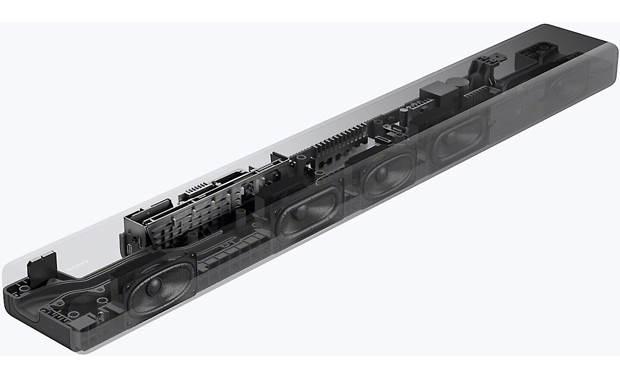
Here's where these two systems show their true colors. The Sony HT-A3000 tries to handle bass with built-in drivers – essentially small subwoofers integrated into the main soundbar. Sony calls these "X-Balanced Speaker Units," which is marketing speak for drivers designed to move more air in a compact space.
In practice, though, most users find the bass lacking for anything beyond casual TV watching. The built-in subs just can't move enough air to give you that chest-thumping impact you get in movie theaters. Sony knows this, which is why they sell optional subwoofers like the SA-SW3 for $200 or the SA-SW5 for $300. Suddenly, your $429 soundbar becomes a $629-729 investment.
The LG S80TR takes a completely different approach. That wireless 8-inch subwoofer isn't just an accessory – it's a core component that ships in the box. When I say "wireless," I mean it connects to the main soundbar without running audio cables, though it still needs to plug into the wall for power. This sub can dig deep enough to rattle your windows during action scenes, and users consistently report that room-shaking bass experience right out of the gate.
The surround sound implementation is where these systems really diverge. Sony's Vertical Surround Engine is genuinely impressive technology – it uses psychoacoustic principles (how your brain interprets sound) to create the illusion of height and surround effects from front-firing speakers. The S-Force PRO Front Surround works similarly for side-to-side effects.
This virtual processing works best in smaller, more controlled acoustic environments. Sit in the sweet spot on your couch, and the Sony can create a surprisingly convincing bubble of 3D sound around you. The dialogue clarity is excellent too, thanks to that dedicated center channel that keeps voices anchored to the screen.
But here's the reality check – virtual surround has limits. In larger rooms or with multiple listeners, the illusion breaks down. Sound effects that should pan smoothly around the room instead feel more like they're being processed and manipulated.
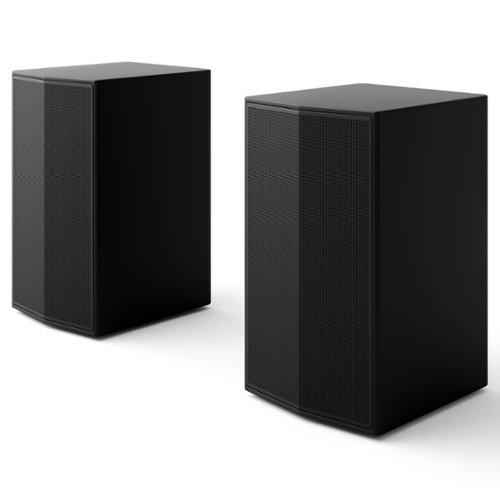
The LG S80TR sidesteps these limitations entirely by giving you actual rear speakers. These wireless units position behind your seating area, creating genuine 360-degree surround sound. When a helicopter flies overhead in a movie, you hear it travel from the front soundbar, over your head via the height channels, and finally behind you through the rear speakers. It's the difference between a magic trick and the real thing.
Both systems support Dolby Atmos, but they handle those crucial height effects very differently. Dolby Atmos adds a vertical dimension to surround sound, placing audio objects not just around you but above you too.
The Sony achieves this through up-firing drivers that bounce sound off your ceiling. It works, but your ceiling height, material, and shape all affect how convincing the effect is. Low ceilings help, textured or angled ceilings hurt the illusion.
The LG's approach is more straightforward – it has dedicated up-firing drivers in both the main soundbar and rear speakers, creating multiple points for height effects. The result is more consistent overhead sound that doesn't rely as heavily on your room's specific acoustic properties.
Getting the Sony HT-A3000 running is refreshingly simple. One HDMI cable to your TV, plug in the power, and you're basically done. The Sound Field Optimization kicks in automatically, using built-in microphones to measure your room and adjust accordingly. For apartment dwellers or anyone who values clean aesthetics, this simplicity is genuinely appealing.
The trade-off comes later when you realize you need that additional subwoofer. Now you're figuring out subwoofer placement, running another power cable, and fine-tuning the integration between the bar and sub.
The LG S80TR's setup is more involved upfront but potentially less complicated long-term. You're positioning three separate components – the main bar, subwoofer, and rear speakers. Each needs power, and the rears need to be positioned properly behind your seating. The AI Room Calibration process takes several minutes, playing test tones and measuring responses.
Here's what's interesting though – once that initial setup is complete, you're done. No future component purchases needed, no additional calibration required. Everything works together as a cohesive system from day one.
If you're serious about creating a home theater experience, the differences between these systems become even more pronounced. The LG S80TR feels like it was designed specifically for movie nights. That 5.1.3 configuration handles everything from subtle ambient effects to explosive action sequences with equal competence.
The rear speakers make a huge difference for movies with active sound design. Horror films that rely on subtle audio cues behind you, action movies with bullets whizzing past, even nature documentaries with birds calling from different directions – all of these benefit enormously from physical rear speakers.
The Sony system can certainly handle movie soundtracks, and the virtual processing is sophisticated enough to create an engaging experience. But it's more of a very good TV audio upgrade than a true home theater replacement. The sweet spot for movie watching is narrower, and you lose some of that enveloping quality that makes movies feel truly cinematic.
For gaming, both systems offer advantages. The Sony's lower latency and PlayStation integration make it excellent for console gaming. The LG's positional accuracy gives you competitive advantages in games where sound cues matter – you'll hear exactly where those footsteps are coming from in first-person shooters.
This is where things get interesting from a pure dollars-and-sense perspective. The Sony HT-A3000 ($429) looks like the budget-friendly option until you factor in that almost-mandatory subwoofer upgrade. Suddenly you're looking at $629-729 for a complete system.
The LG S80TR ($547) costs more upfront but includes everything you need for optimal performance. No hidden costs, no future upgrade pressure. From a total cost of ownership perspective, the LG actually represents better value for most users.
But value isn't just about money – it's about what matters to you. If clean aesthetics and minimal footprint are priorities, the Sony's extra cost might be worth it. If you're optimizing purely for audio performance and don't mind the additional components, the LG delivers more sound for your dollar.
The Sony's secret sauce lies in its digital signal processing. The Vertical Surround Engine doesn't just bounce sound off ceilings – it analyzes the audio content and creates phantom sound sources that your brain interprets as coming from specific directions. It's similar to how noise-canceling headphones work in reverse, using psychoacoustics to create rather than eliminate audio effects.
The HT-A3000 also supports Sony's 360 Reality Audio, which creates even more immersive effects for specially encoded music. If you're streaming from services like Amazon Music HD or Tidal, this can create an almost headphone-like intimate listening experience from speakers.
The LG's technical advantages are more straightforward but equally impressive. That AI Room Calibration doesn't just adjust volume levels – it analyzes reflection patterns, speaker distances, and room acoustics to optimize frequency response curves for each individual speaker. It's like having a professional audio calibration without the professional fees.
The LG also handles HDMI more elegantly, with both eARC and a dedicated input. This means you can connect a game console or streaming device directly to the soundbar, which then passes video to your TV. The Sony only offers eARC, so all your sources need to connect to the TV first.
After living with both systems, here's my honest take: the Sony HT-A3000 is perfect for the right person in the right situation. If you've got a smaller room, value aesthetics highly, and are already invested in Sony's ecosystem, it delivers excellent performance in a beautifully minimal package. The virtual surround is genuinely impressive when it works well.
But for most people looking to significantly upgrade their home audio experience, the LG S80TR simply delivers more of what you're probably looking for. That authentic surround sound experience, the room-filling bass, and the comprehensive feature set make it feel like a complete home theater solution rather than just a very good TV speaker replacement.
The deciding factor often comes down to your space and priorities. Can you accommodate rear speakers? Do you prioritize the cleanest possible aesthetic, or do you want the most convincing surround sound? Are you building a Sony ecosystem, or do you just want the best audio performance for your money?
Both represent excellent examples of their respective approaches to premium soundbar design. The Sony proves that virtual surround can be genuinely effective, while the LG shows that sometimes the traditional approach of using actual speakers in multiple locations simply works better. Your choice depends on which philosophy aligns better with your specific needs and constraints.
| Sony HT-A3000 3.1ch Dolby Atmos Soundbar ($429) | LG S80TR 5.1.3 Channel Soundbar ($547) |
|---|---|
| Price - Total cost to get optimal performance | |
| $429 base + $200-300 subwoofer = $629-729 total | $547 complete system (no additional purchases needed) |
| Channel Configuration - How many discrete audio channels you actually get | |
| 3.1 channels (virtual 5.1.2 processing) | True 5.1.3 channels with physical rear speakers |
| What's Included - Components you get out of the box | |
| Soundbar only (42" wide) | Soundbar + 8" wireless subwoofer + 2 rear speakers |
| Bass Performance - Low-end impact for movies and music | |
| Built-in drivers only (requires separate subwoofer for deep bass) | 8" wireless subwoofer included (room-shaking bass immediately) |
| Surround Sound Method - How immersive audio is created | |
| Virtual processing (Vertical Surround Engine) | Physical rear speakers positioned behind seating |
| Setup Complexity - Time and effort to get running | |
| Plug-and-play (5 minutes) | Multi-component setup (30-45 minutes) |
| Room Calibration - How the system optimizes for your space | |
| Sound Field Optimization (basic virtual adjustment) | AI Room Calibration (advanced microphone-based tuning) |
| HDMI Connectivity - Flexibility for connecting devices | |
| 1x eARC/ARC output only | 1x eARC + 1x dedicated input (more flexible) |
| Best Room Size - Where each system performs optimally | |
| Small to medium rooms (under 300 sq ft) | Medium to large rooms (300+ sq ft) |
| Dolby Atmos Implementation - How overhead effects are created | |
| Up-firing drivers + ceiling reflection | Up-firing drivers in soundbar + rear speakers |
| Gaming Features - Advantages for console/PC gaming | |
| Low latency, PlayStation integration | Precise positional audio, 4K/120Hz passthrough |
| Streaming Audio Support - High-quality wireless music options | |
| Bluetooth LDAC, 360 Reality Audio, Chromecast | Wi-Fi streaming, Bluetooth 5.1, multiple codec support |
| Expandability - Future upgrade options | |
| Compatible with Sony wireless speakers/subs | Complete system (no expansion needed or available) |
| Aesthetic Impact - Visual footprint in your room | |
| Single sleek bar (minimal visual impact) | Multiple components requiring strategic placement |
| Total Power Output - Overall amplification strength | |
| 250W (adequate for small-medium rooms) | Higher total output (ideal for larger spaces) |
The LG S80TR ($547) provides better overall value because it includes everything needed for complete surround sound - a main soundbar, wireless subwoofer, and rear speakers. The Sony HT-A3000 ($429) appears cheaper initially, but you'll likely need to add a $200-300 subwoofer, bringing the total cost to $629-729 for optimal performance.
While the Sony HT-A3000 uses impressive virtual processing to simulate surround effects, physical rear speakers like those included with the LG S80TR create more authentic and convincing surround sound. Virtual surround works well in smaller rooms with optimal seating positions, but physical speakers provide consistent surround effects regardless of room size or seating arrangement.
The Sony HT-A3000 is ideal for small apartments due to its single-unit design that doesn't require additional speakers or subwoofer placement. The LG S80TR requires space for rear speakers and a subwoofer, making it better suited for larger living spaces where you can properly position all components.
The LG S80TR excels for movies with its true 5.1.3 surround sound, dedicated subwoofer for impactful bass, and authentic positional audio from rear speakers. The Sony HT-A3000 delivers excellent dialogue clarity and decent virtual surround for casual movie watching, but lacks the room-filling bass and immersive effects that make movies truly cinematic.
The Sony HT-A3000 wins for simplicity - just connect one HDMI cable and you're ready to go in about 5 minutes. The LG S80TR requires positioning the main bar, subwoofer, and rear speakers, plus running the AI calibration process, taking 30-45 minutes for complete setup.
Both support Dolby Atmos, but the LG S80TR delivers superior height effects through dedicated up-firing drivers in both the main soundbar and rear speakers. The Sony HT-A3000 relies on ceiling reflection for Atmos effects, which works well but depends heavily on your room's ceiling height and material.
The LG S80TR includes an 8-inch wireless subwoofer that delivers deep, room-shaking bass immediately. The Sony HT-A3000 relies on built-in drivers that provide adequate bass for TV shows but lack the impact needed for movies and music without adding an optional subwoofer.
Both excel for gaming but in different ways. The Sony HT-A3000 offers excellent PlayStation integration and low latency for responsive gaming. The LG S80TR provides precise positional audio that gives competitive advantages in games where sound cues matter, plus 4K/120Hz passthrough for next-gen consoles.
The LG S80TR performs significantly better in large rooms thanks to its physical rear speakers and more powerful subwoofer that can fill bigger spaces. The Sony HT-A3000 works best in small to medium rooms where its virtual surround processing remains effective within the optimal listening area.
The Sony HT-A3000 is designed for expansion within Sony's ecosystem - you can add wireless subwoofers and rear speakers over time. The LG S80TR arrives as a complete system with no expansion options needed or available, which is actually an advantage since everything is already included.
The LG S80TR offers more flexible connectivity with both eARC and a dedicated HDMI input, allowing you to connect devices directly to the soundbar. The Sony HT-A3000 only provides eARC, requiring all sources to connect through your TV first. Both support wireless streaming via Bluetooth and Wi-Fi.
The fundamental choice is between simplicity and performance. Choose the Sony HT-A3000 if you prioritize clean aesthetics, easy setup, and have a smaller room. Choose the LG S80TR if you want authentic surround sound, powerful bass, and the most immersive home theater experience possible within this price range.
We've done our best to create useful and informative comparisons to help you decide what product to buy. Our research uses advanced automated methods to create this comparison and perfection is not possible - please contact us for corrections or questions. These are the sites we've researched in the creation of this article: rtings.com - electronics.sony.com - crutchfield.com - store.sony.com.au - digitaltrends.com - videoandaudiocenter.com - abt.com - sony.com - merlinstv.com - crutchfield.com - youtube.com - bestbuy.com - billsmith.com - brandsmartusa.com - avsforum.com - youtube.com - lg.com - buydig.com - louisdoehomecenter.com - lg.com - videoandaudiocenter.com - mynavyexchange.com - walts.com - bestbuy.com

Privacy Policy
Terms and Conditions - Affiliate Policy
Home Security
© Copyright 2008-2026.
11816 Inwood Rd #1211, Dallas, TX 75244