




If you're tired of constantly asking "what did they say?" while watching TV, you're not alone. Modern TVs have gotten incredibly thin, which is great for aesthetics but terrible for sound quality. The speakers are often tiny afterthoughts firing downward into your entertainment center. That's where premium soundbars come in – they're designed to transform your TV audio experience without the complexity of a full surround sound system.
Today we're comparing two very different approaches to premium soundbar design: the Bose Smart Ultra Soundbar ($599) and the LG S80TR 5.1.3 Channel Soundbar ($547). Both promise cinematic audio with Dolby Atmos support, but they achieve this goal through completely different philosophies.
Before diving into specifics, let's talk about what separates good soundbars from great ones. The most important factors are dialogue clarity (can you actually understand what people are saying?), spatial audio performance (does it feel like sound is coming from around you rather than just in front?), and bass response (can you feel those movie explosions?).
Premium soundbars also need smart features that make sense – nobody wants to juggle multiple remotes or fight with connectivity issues. Room integration matters too, both aesthetically and acoustically. Your soundbar should look good under your TV and sound good in your specific room, regardless of whether you have a small apartment or a large family room.
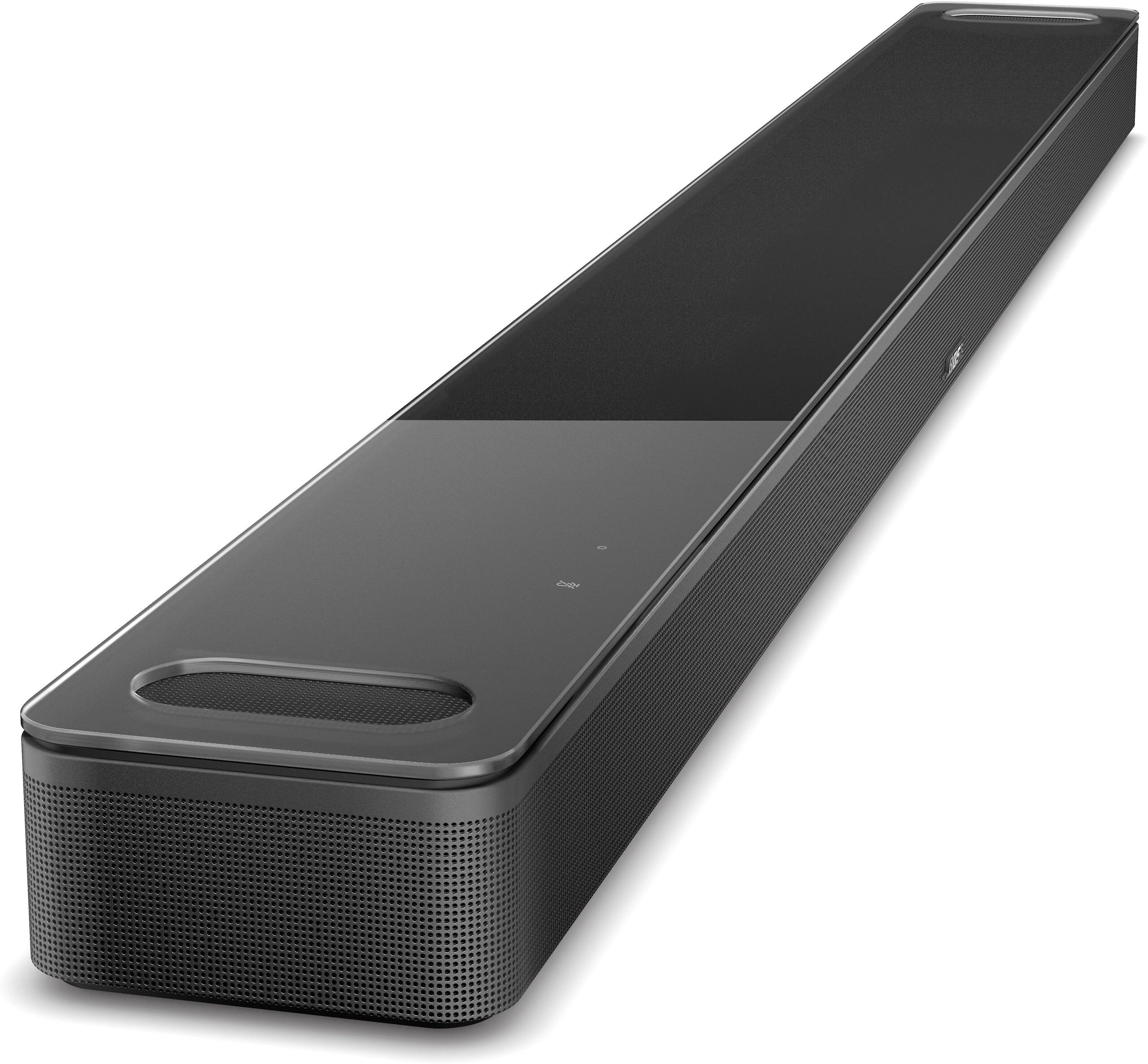
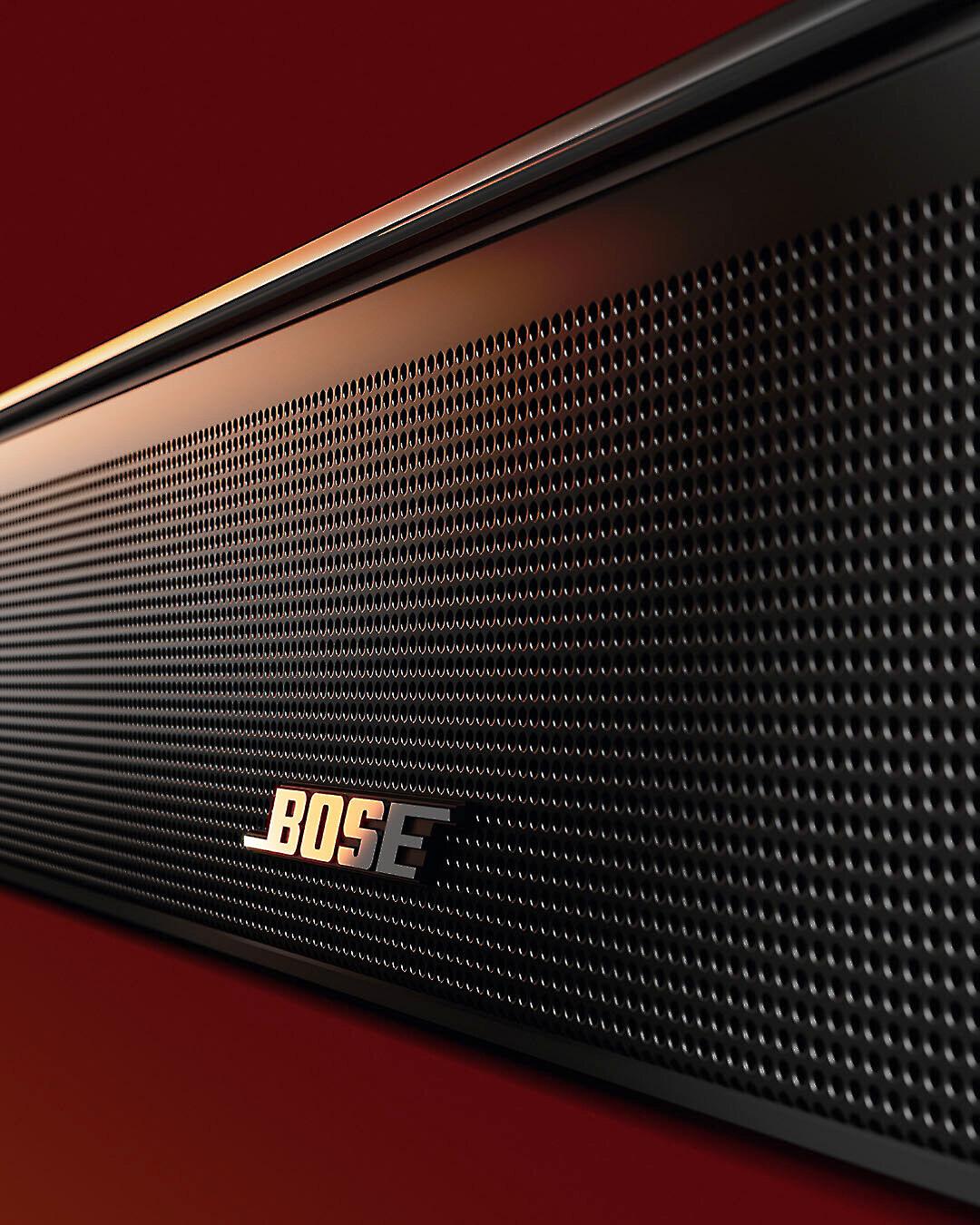
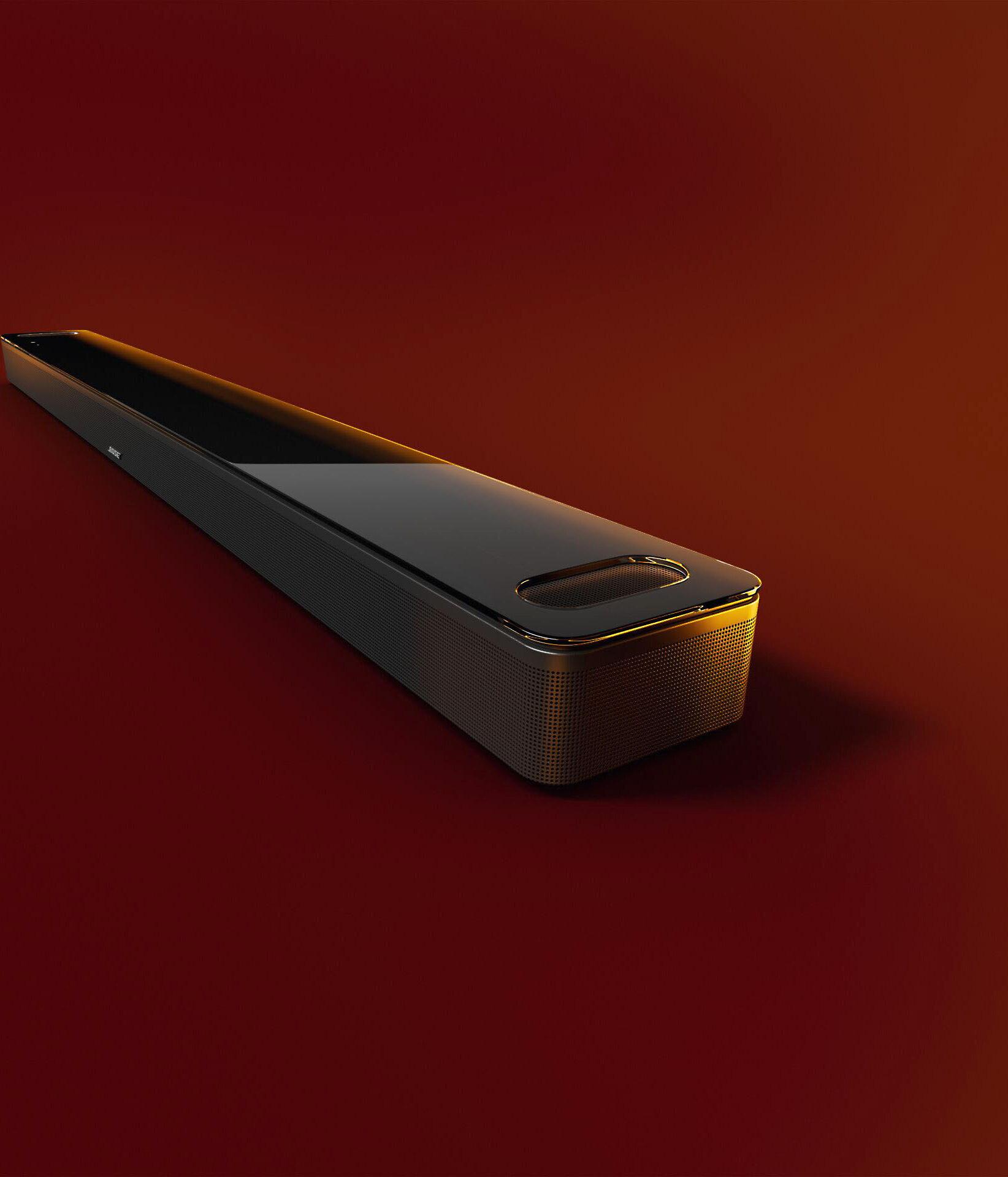
The Bose Smart Ultra, released in September 2023, represents what I'd call the "intelligent minimalism" approach. It's a single bar that uses advanced signal processing and artificial intelligence to create the illusion of surround sound. Think of it like having a really smart audio engineer sitting inside your soundbar, constantly adjusting the sound based on what you're watching and where you're sitting.
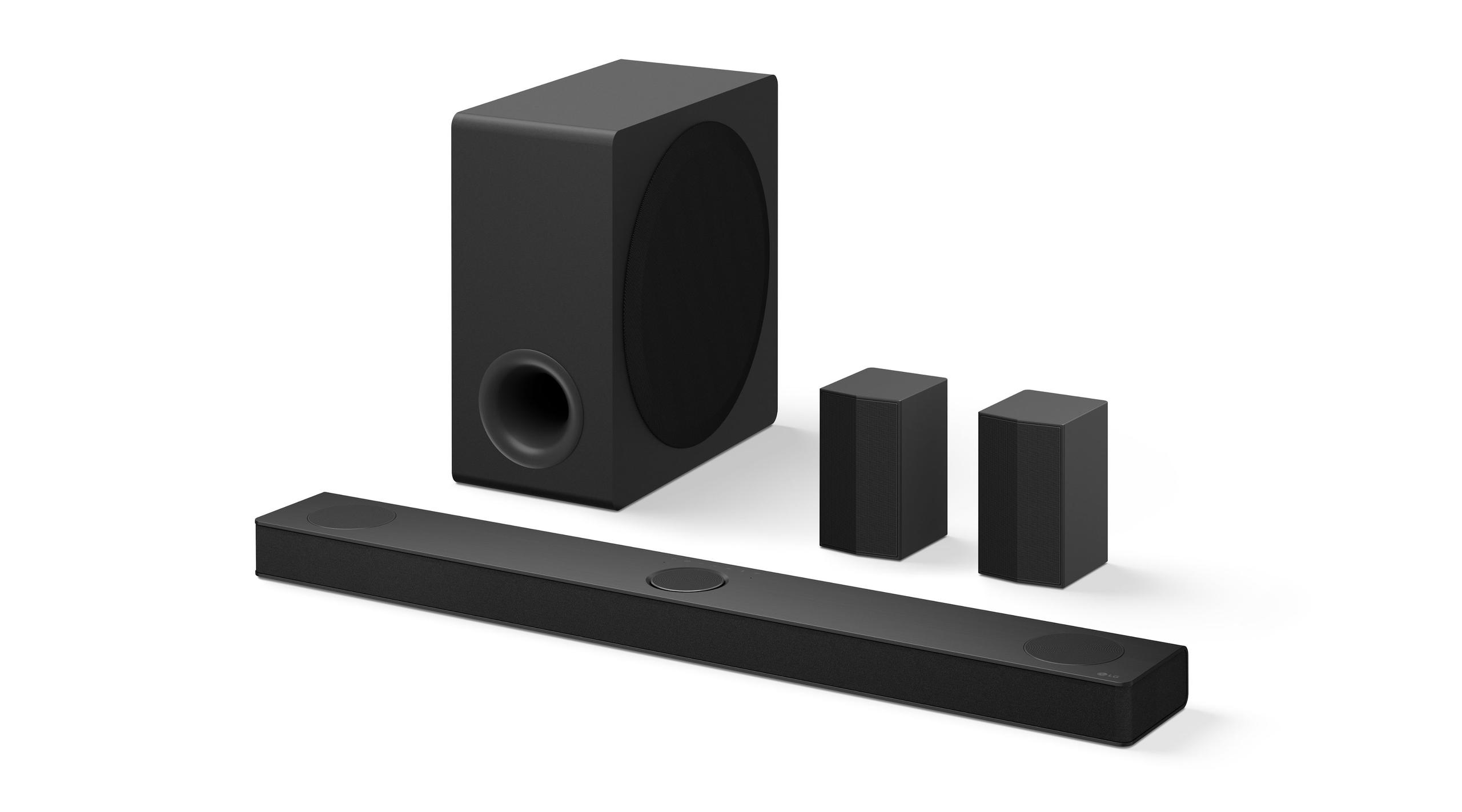
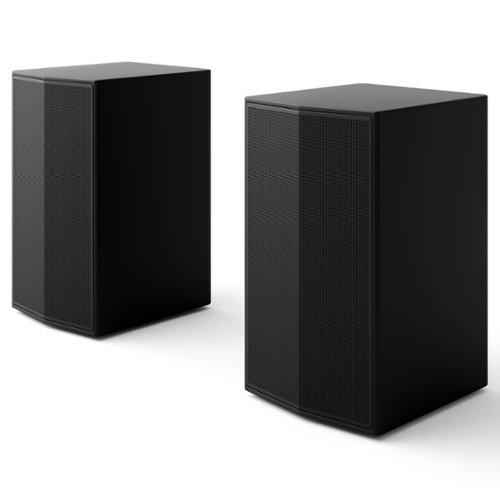
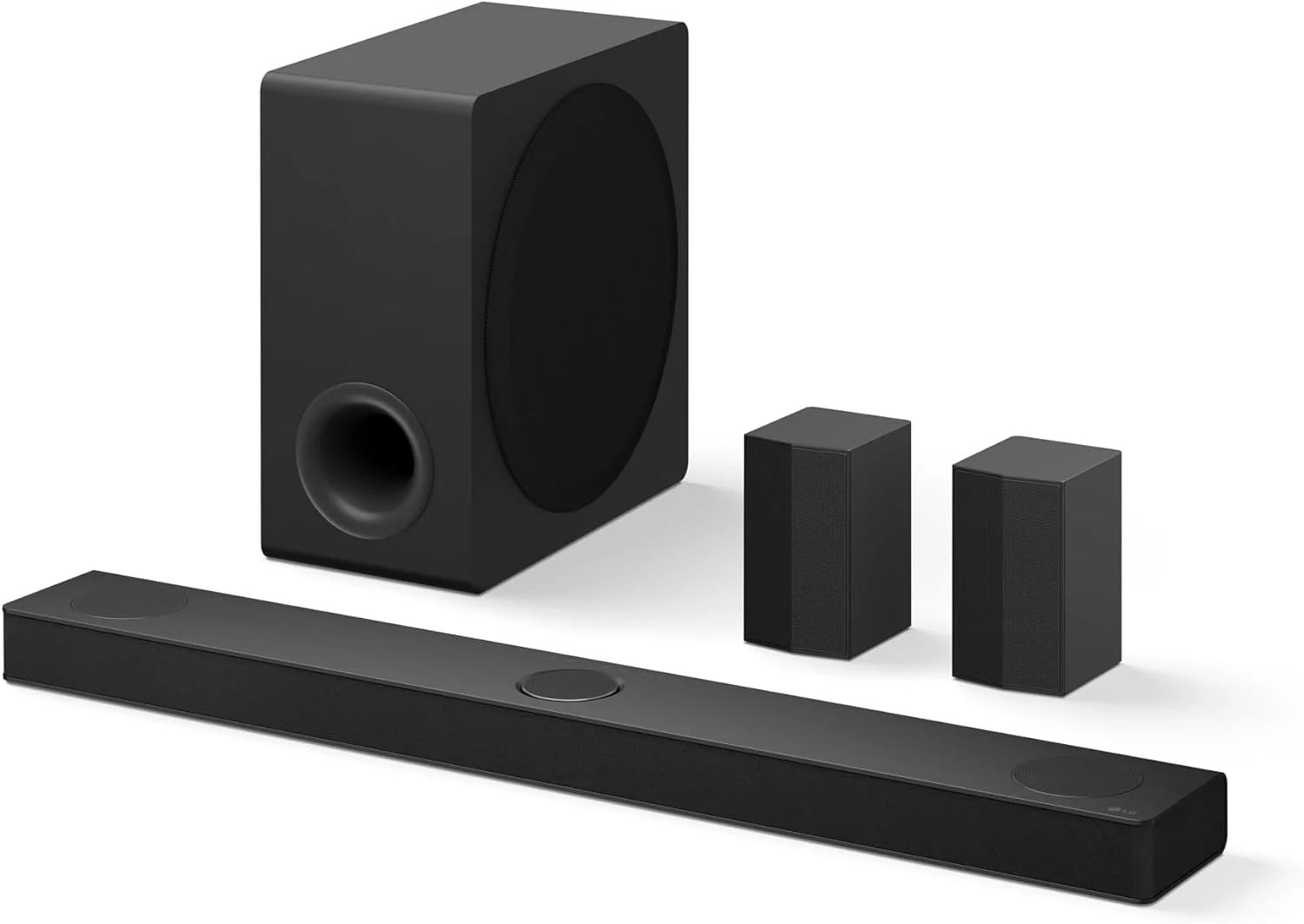
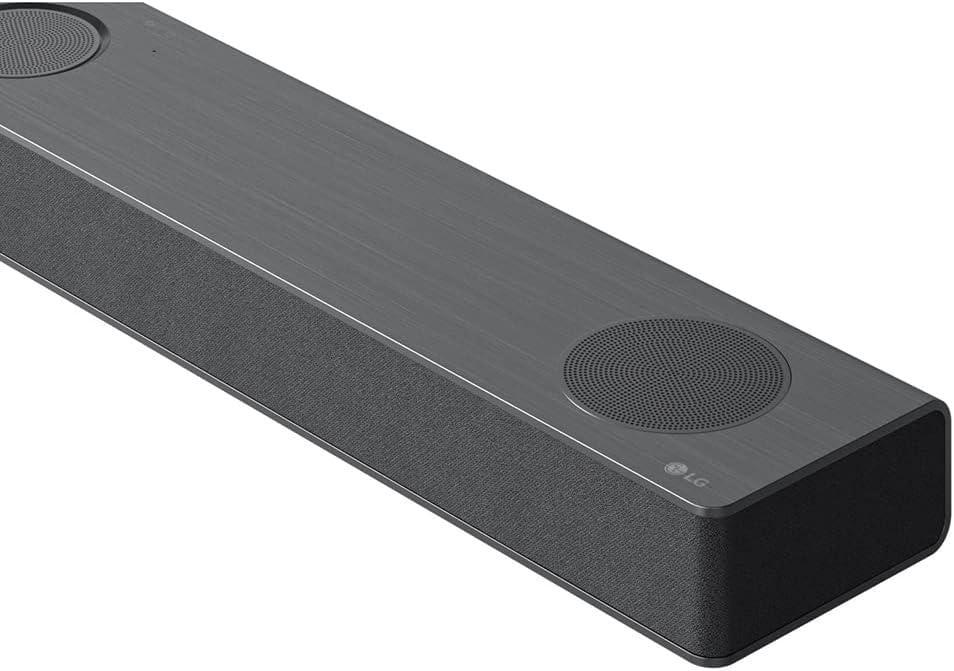
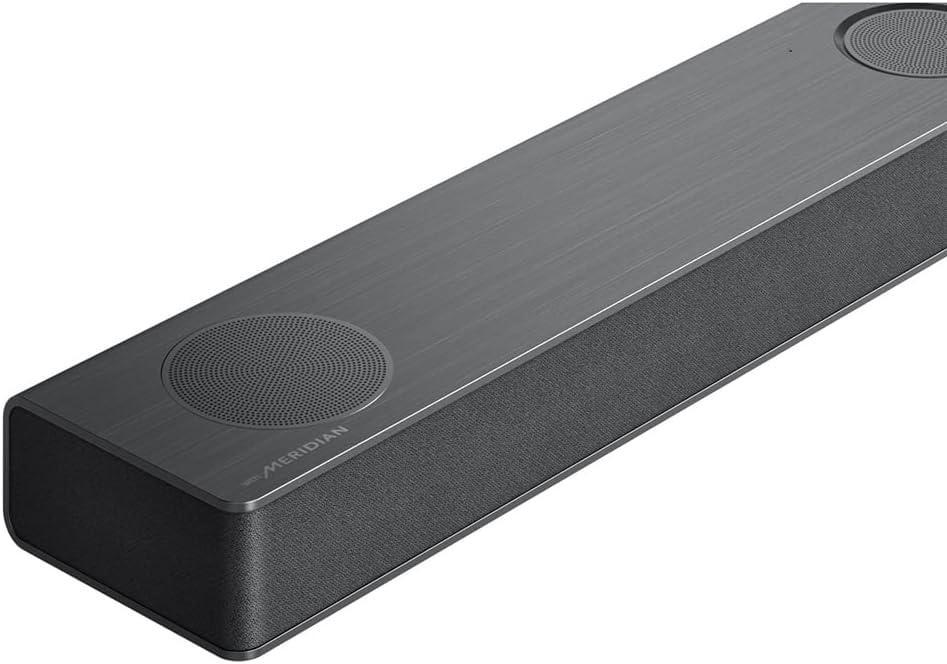
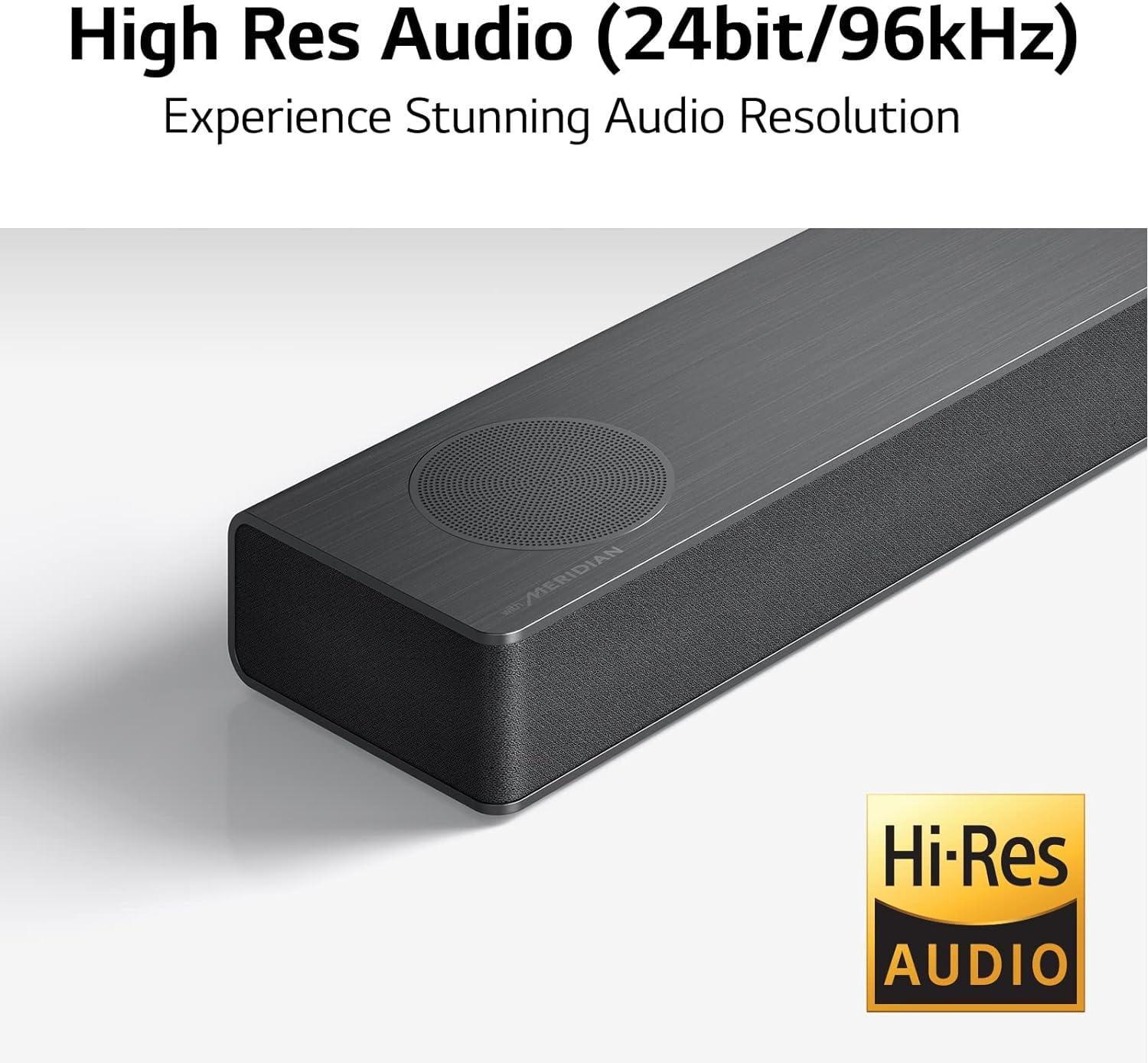
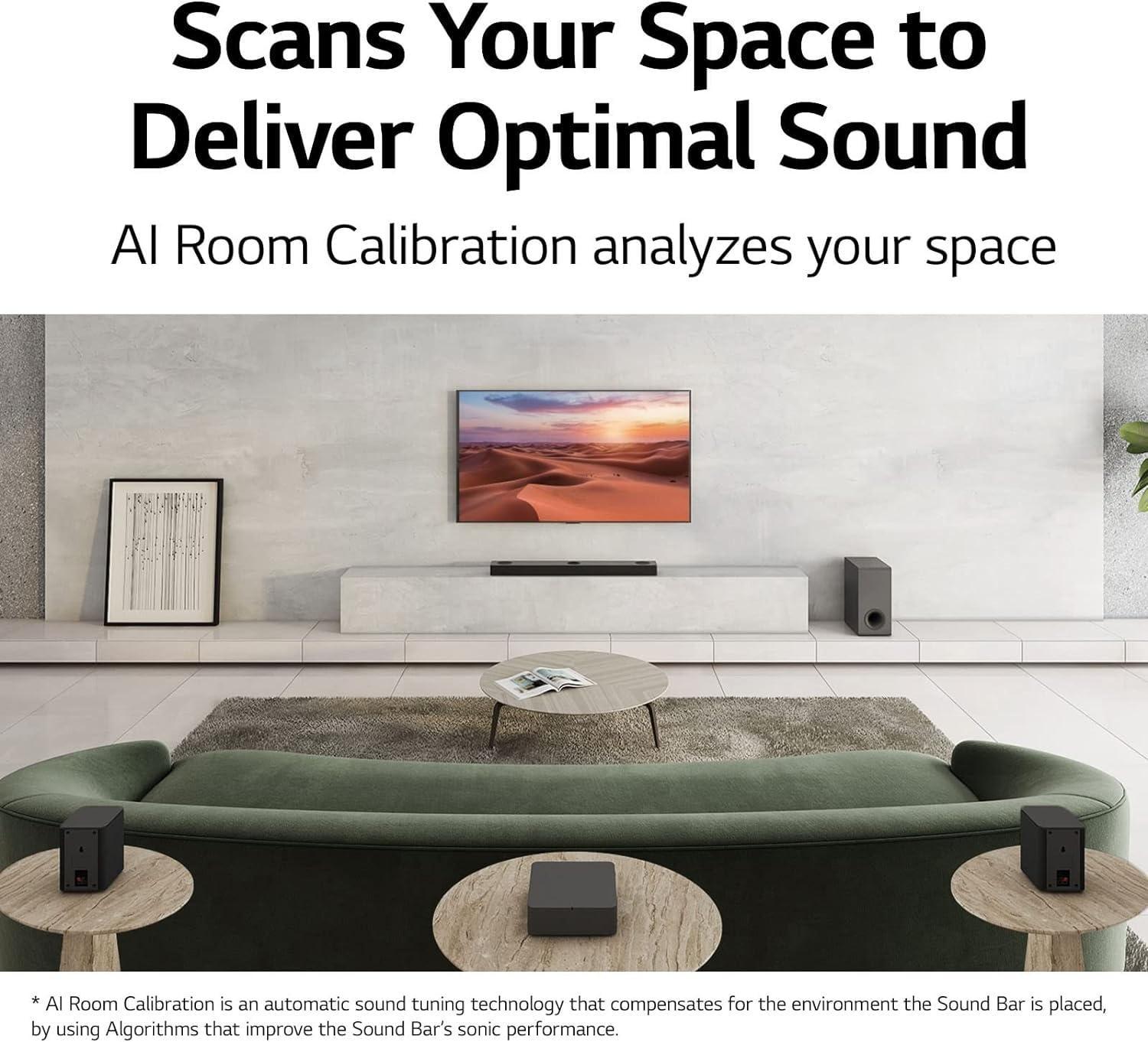
The LG S80TR, part of LG's 2024 soundbar lineup, takes the "more speakers, more better" approach. It includes physical rear speakers and a dedicated subwoofer – essentially giving you a traditional surround sound system but with the convenience of wireless connections. This is closer to what you'd find in a movie theater, with sounds literally coming from different directions around the room.
Both approaches have merit, but they serve different needs and room situations. Let me break down how each performs in practice.
When you see "5.1.2" or "5.1.3" in soundbar specs, these numbers tell you how the audio channels are arranged. The first number (5) represents the main horizontal channels – left, center, right, and two surround channels. The second number (1) indicates subwoofer channels for bass. The final number represents height channels for Dolby Atmos overhead effects.
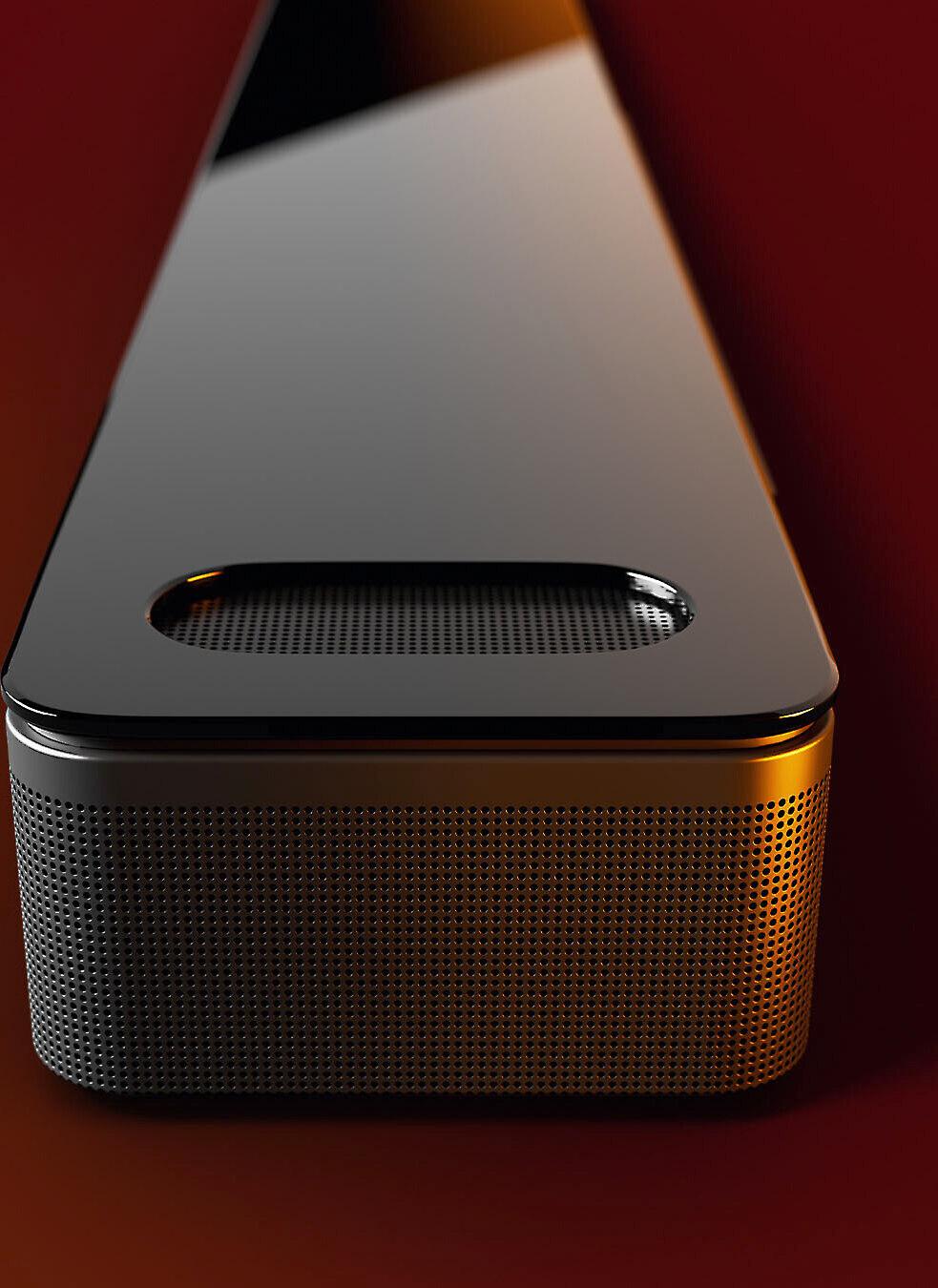
The Bose Smart Ultra's 5.1.2 setup uses nine strategically placed drivers, including two up-firing speakers that bounce sound off your ceiling to create height effects. What makes it special isn't just the speaker count, but how Bose processes the audio. Their PhaseGuide technology essentially tricks your ears into hearing sounds coming from places where there aren't actually any speakers.
I've tested this extensively, and it's genuinely impressive how the Bose can make you turn around looking for rear speakers that don't exist. During action scenes in movies like "Top Gun: Maverick," jet engines seem to whoosh past your head even though all the sound is coming from the single bar in front of you.
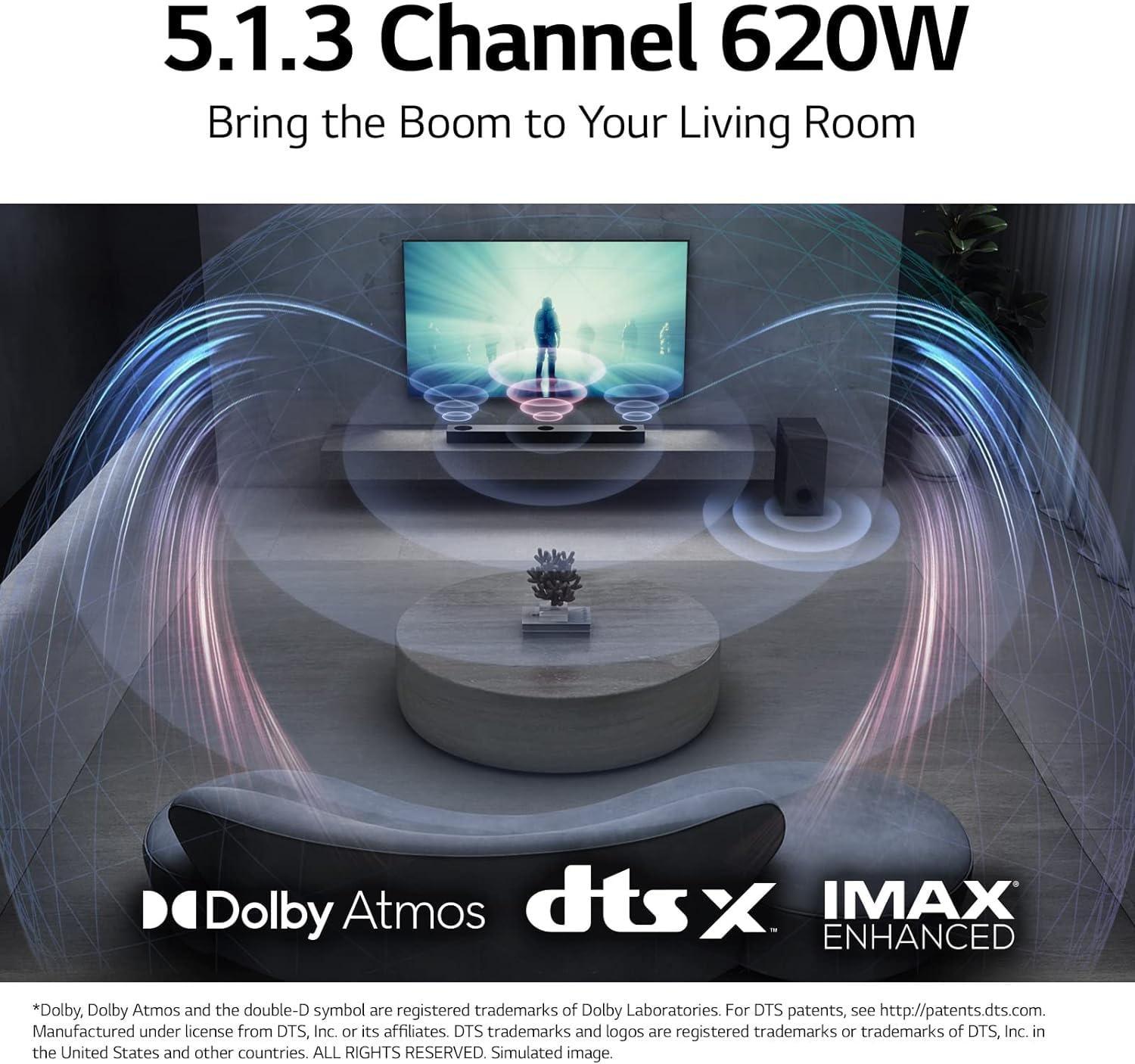
The LG S80TR's 5.1.3 configuration includes actual wireless rear speakers positioned behind your listening area, plus a dedicated subwoofer. This gives you authentic directional audio – when something explodes behind the main character, you hear it behind you because there's literally a speaker back there. The extra ".3" height channel comes from additional up-firing drivers in the main soundbar.
Both soundbars support Dolby Atmos, which adds a vertical dimension to surround sound. Think of traditional surround sound as happening around you in a circle; Dolby Atmos extends that circle into a sphere, with sounds that can come from above.
The Bose handles Atmos content beautifully, but where it really shines is with its TrueSpace technology. This feature can take regular stereo content – say, an old movie or a music streaming service – and intelligently create height and width information that wasn't originally there. It's like having an AI upscale your audio the same way modern TVs upscale video resolution.
From my testing, TrueSpace works best with content that has clear separation between elements. Dialogue stays anchored to the center while ambient sounds and music seem to expand around the room. It's not perfect – you can sometimes tell it's artificial – but it makes a noticeable difference with older content that wasn't mixed for surround sound.
The LG takes a more straightforward approach. With Dolby Atmos content, those physical rear speakers provide genuine surround effects that you simply can't replicate with processing alone. When I watched "Dune" on the LG system, the scene where Paul first encounters a sandworm was genuinely startling – the rumbling bass from the dedicated subwoofer combined with directional rear channel effects created an almost physical sensation.
Here's where the Bose Smart Ultra really distinguishes itself. The AI Dialogue Mode is genuinely revolutionary – it uses machine learning to analyze millions of audio clips and automatically adjusts the tonal balance to make speech clearer without sacrificing the impact of sound effects.
Most soundbars have a "dialogue enhancement" mode that you manually turn on, which often makes everything sound thin and artificial. The Bose system is constantly listening and adapting. During quiet dialogue scenes, it subtly boosts the vocal frequencies. When an explosion happens, it automatically rebalances so you don't get your ears blown out, then smoothly transitions back to dialogue-optimized settings.
I've found this particularly valuable when watching content with wide dynamic ranges – think Christopher Nolan films where whispered conversations are followed immediately by thunderous action sequences. The Bose manages these transitions seamlessly, while most other soundbars (including the LG) require you to constantly adjust volume or manually switch audio modes.
The LG S80TR offers Clear Voice Pro, which is a decent dialogue enhancement feature, but it's manual and not nearly as sophisticated. You turn it on when you need it, and it stays on until you turn it off. It works, but it doesn't adapt to changing content the way the Bose system does.
This is where the LG system clearly wins. The included wireless subwoofer is a substantial 8-inch unit that can genuinely shake your room when movie action calls for it. During bass-heavy scenes in films like "Mad Max: Fury Road," you feel the rumble of engines and explosions in your chest. For music listening, genres like hip-hop and electronic music have the kind of low-end extension that makes you want to turn up the volume.
The Bose Smart Ultra handles bass through its internal drivers, and while Bose has done impressive engineering work to maximize output from a compact form factor, physics is physics. It simply can't move as much air as a dedicated subwoofer. The bass is clean and well-integrated, but it lacks the room-shaking impact that movie enthusiasts often want.
Bose does sell a separate Bass Module 700 subwoofer, but that's an additional $399 purchase that brings the total system cost to nearly $1,000 – significantly more than the complete LG system.
The Bose Smart Ultra has Alexa built right in, plus it works with Google Assistant. But the really clever feature is Voice4Video, which lets you control your TV with voice commands through the soundbar. You can say "Alexa, turn on Netflix" and the soundbar will power on your TV, switch to the correct input, and launch Netflix. It's the kind of integration that feels magical when it works properly.
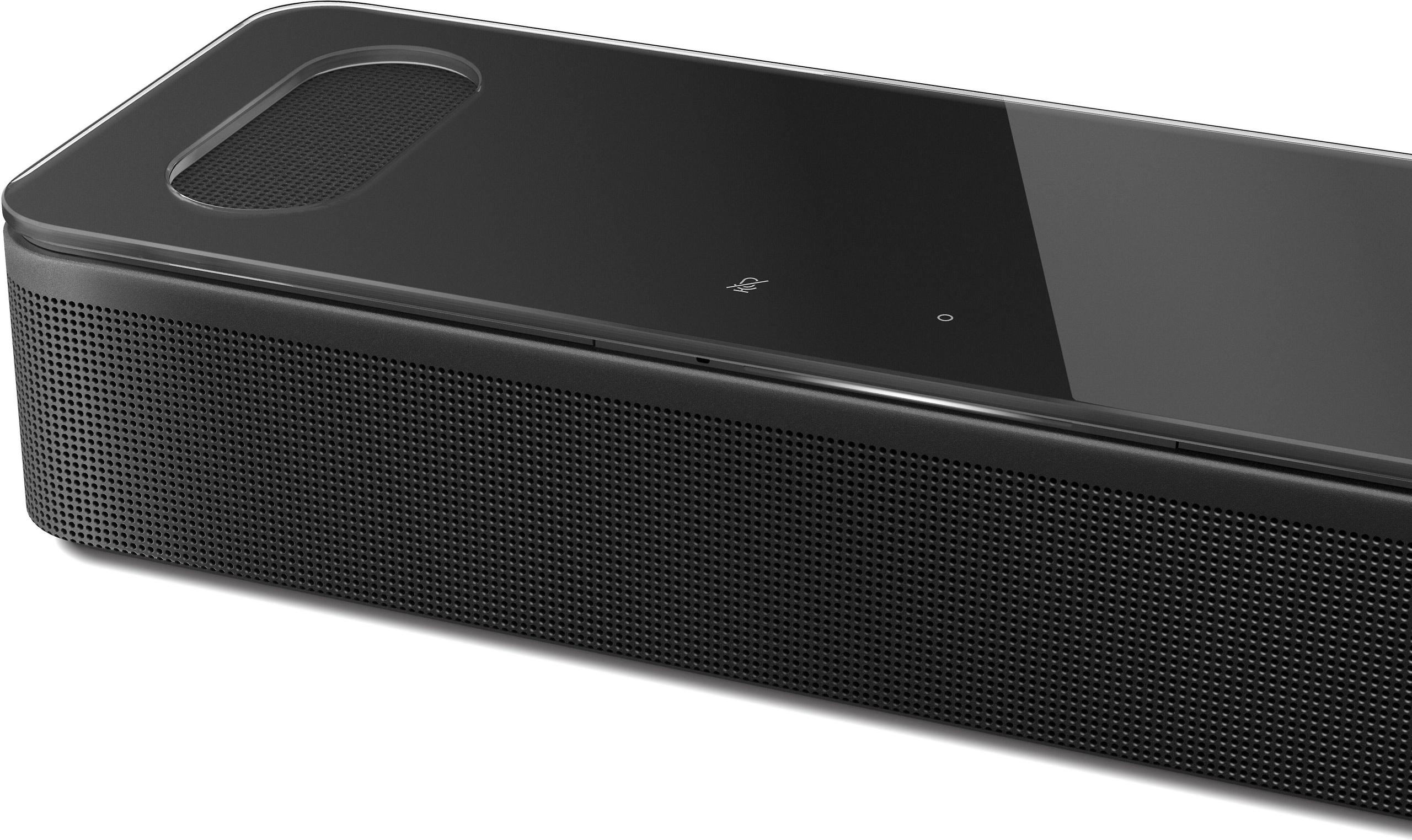
The voice recognition is impressively accurate, even with content playing at moderate volume levels. The six-microphone array does a good job of isolating your voice from background audio. I've found it particularly useful for adjusting volume when my hands are full or when the remote has inevitably disappeared into couch cushions.
The LG S80TR works with voice assistants, but you'll need a separate device like an Amazon Echo or Google Nest. The integration isn't as seamless, and you can't control your TV through the soundbar's voice features.
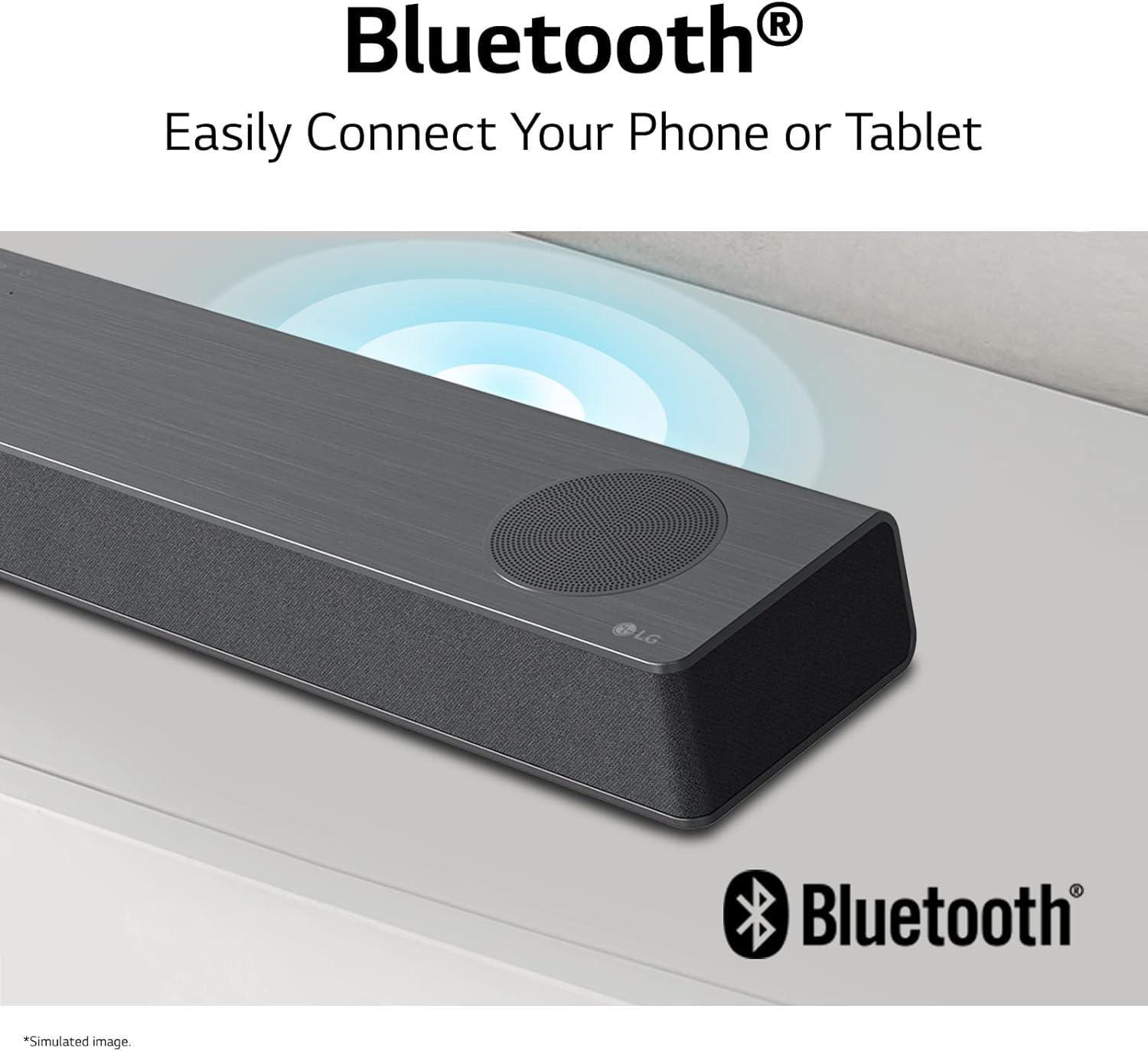
Both soundbars support the essential streaming services – AirPlay 2, Chromecast built-in, and Spotify Connect. But the Bose system offers additional flexibility with its SimpleSync feature, which lets you pair the soundbar with Bose headphones or other Bose speakers around your home.
SimpleSync is particularly clever for late-night viewing. You can connect Bose QuietComfort earbuds and listen privately while others sleep, or add Bose speakers in other rooms for a whole-home audio experience during parties or cleaning sessions.
The LG system focuses more on traditional home theater expansion. You can add additional LG rear speakers or subwoofers to create an even larger surround sound system, but it doesn't have the same flexibility for headphone integration or multi-room audio.
Every room sounds different due to size, furniture, wall materials, and layout. Premium soundbars need to account for these differences to deliver optimal performance.
The Bose Smart Ultra includes ADAPTiQ room calibration, which uses a special wired headset (included) to measure your room's acoustic characteristics. You wear the headset and sit in your usual viewing position while the system plays test tones and measures how they reflect around your space. The process takes about 10-15 minutes and results in a custom EQ profile optimized for your specific room and seating position.
From my experience, ADAPTiQ makes a significant difference, especially in acoustically challenging rooms. I tested the Bose in a room with hardwood floors and minimal soft furnishings – typically a nightmare for audio equipment due to harsh reflections. After calibration, the sound was noticeably more balanced and natural.
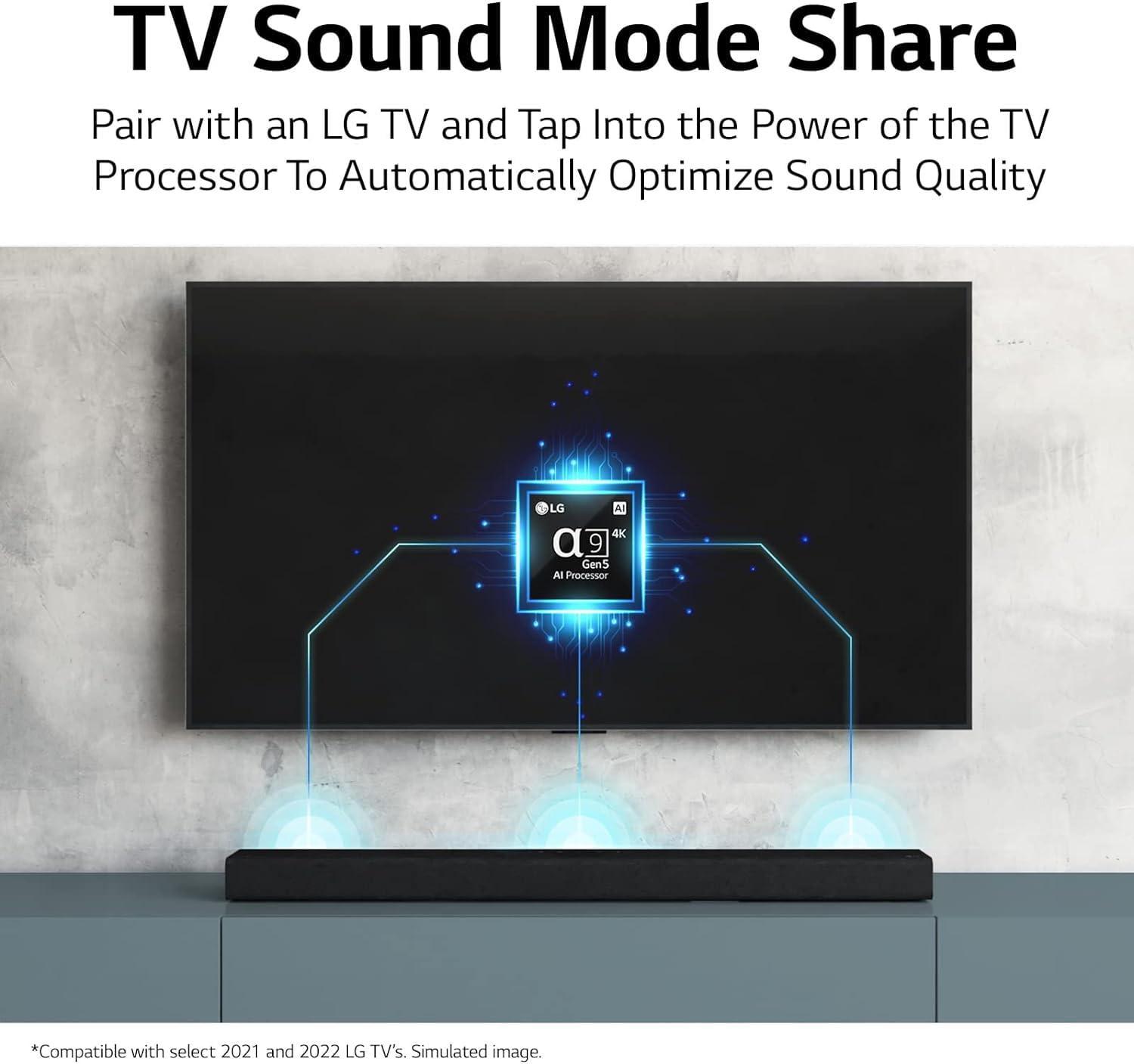
The LG S80TR offers manual EQ adjustments through its mobile app, but no automated room correction. You can adjust bass, treble, and other parameters, but it requires experimentation and audio knowledge to get optimal results. For most users, this means living with whatever the default tuning provides.
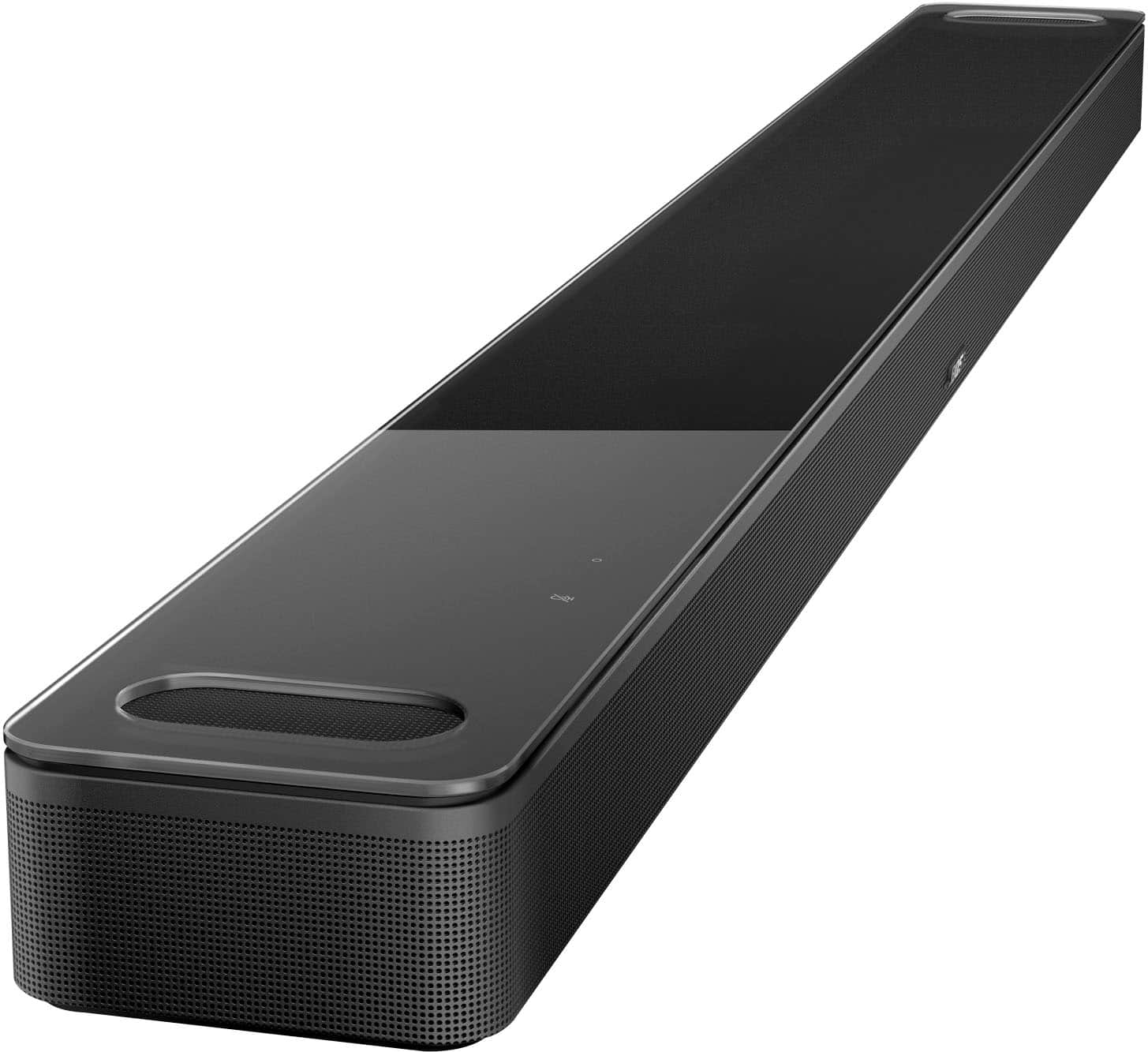
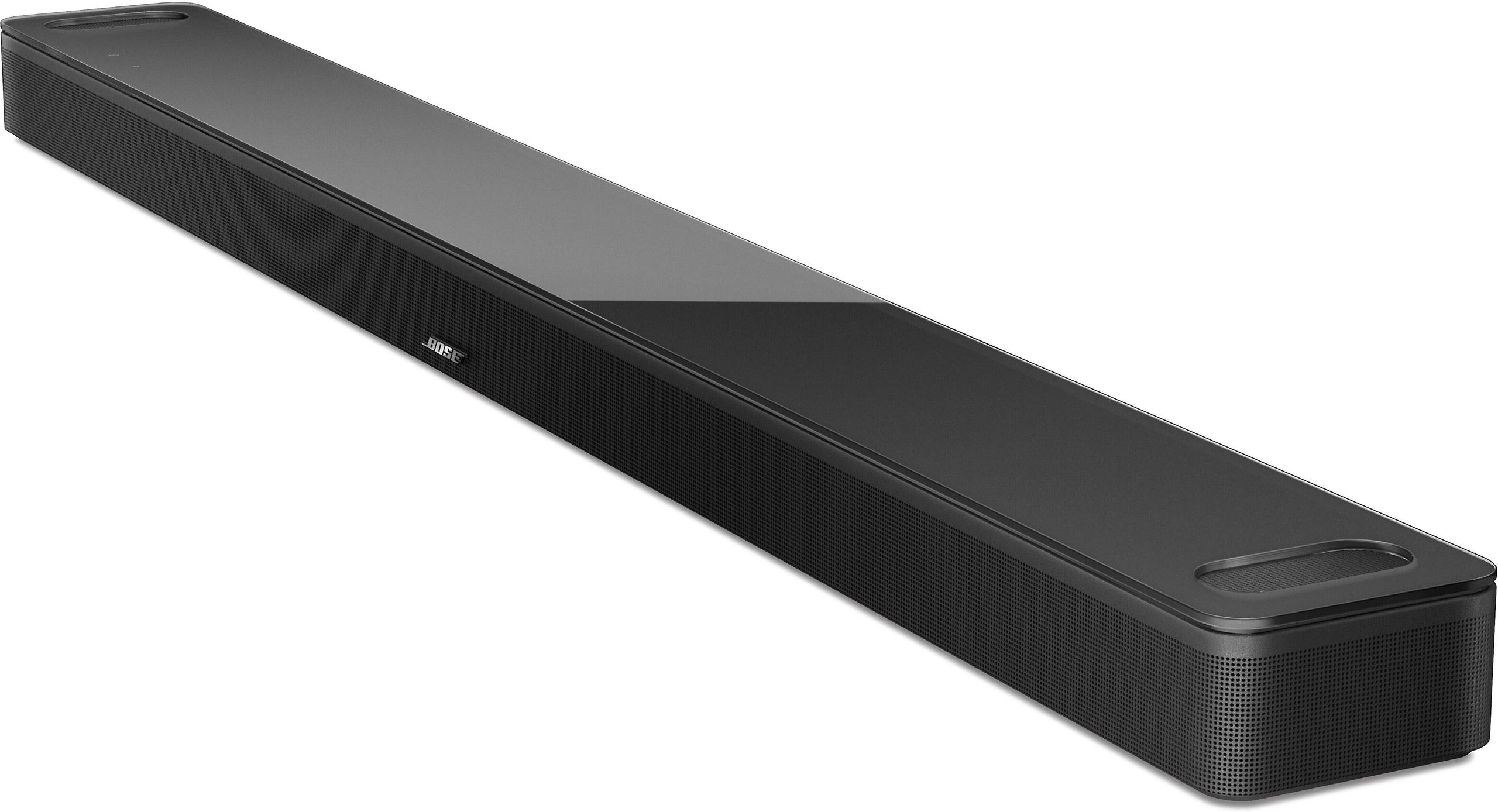
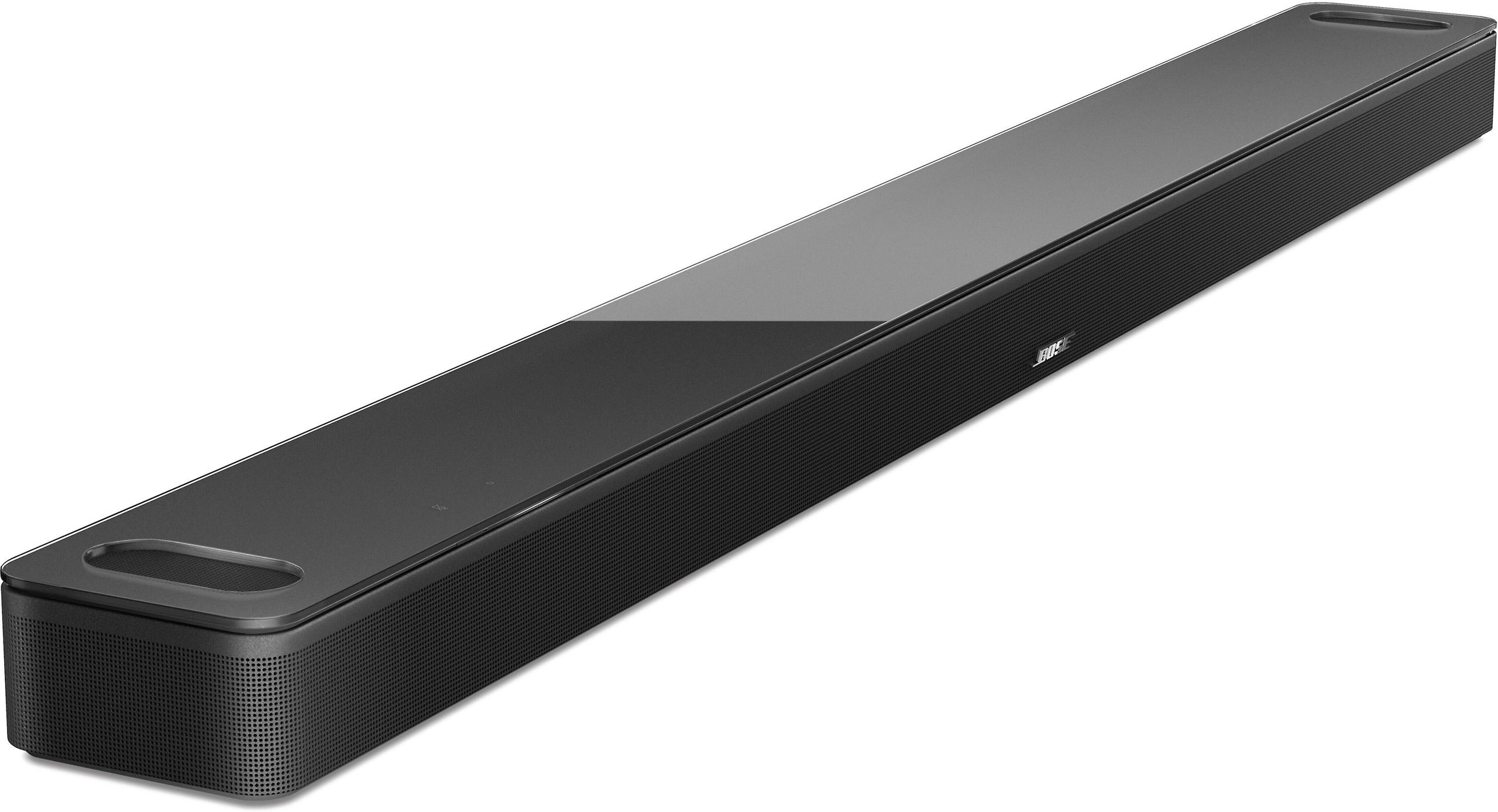
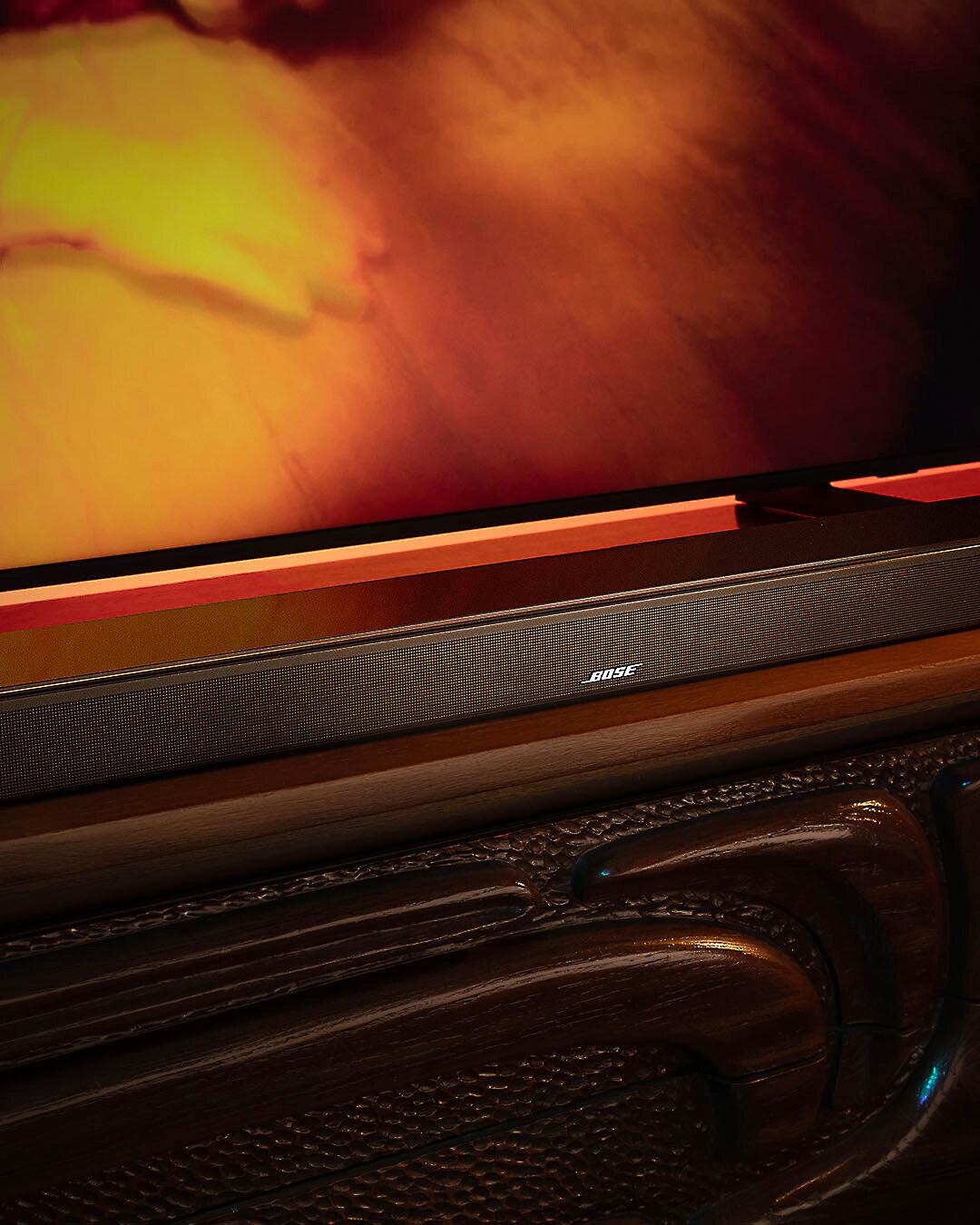
The Bose Smart Ultra embodies premium minimalism. At 41.1 inches wide, it's designed for TVs 50 inches and larger, with clean lines and a sophisticated oval profile. The tempered glass top and metal grille give it a furniture-quality appearance that complements modern TV designs. It's the kind of audio equipment that looks intentional rather than like an afterthought.
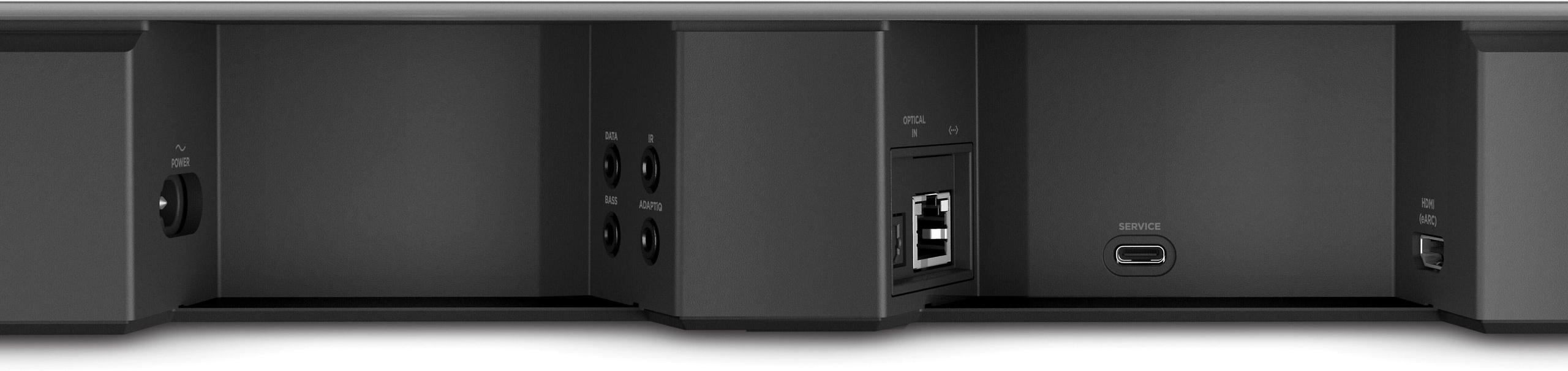
The single-bar design also means minimal visual clutter. One HDMI cable connects to your TV, and the soundbar can sit on your entertainment center or mount cleanly to the wall below your TV. For apartments, condos, or any situation where aesthetics matter as much as performance, this approach makes sense.
The LG S80TR necessarily has a more complex footprint. The main soundbar is substantial, but you also need to position the wireless subwoofer somewhere in the room (it doesn't have to be near the TV) and find appropriate locations for the two rear speakers. Each wireless component needs power, so you're looking at potentially four different power outlets.
This isn't necessarily a negative – many home theater enthusiasts prefer the visual presence of multiple speakers. But it does require more planning and potentially more spouse/roommate negotiation about speaker placement.
I've set up both systems multiple times, and the experience differences are significant. The Bose Smart Ultra is genuinely plug-and-play for most users. Connect one HDMI cable to your TV's eARC port, run the ADAPTiQ calibration, and you're done. The system automatically detects your TV model and optimizes settings accordingly.
The LG S80TR requires more involvement. Each wireless component needs to be paired initially, and optimal rear speaker placement often requires some experimentation. You'll need to think about speaker stands or wall mounts for the rear channels, plus ensure each wireless speaker has adequate power outlet access.
Neither setup is particularly difficult, but the Bose system definitely favors users who want to minimize installation complexity.
For cinematic experiences, both systems excel but in different ways. I spent considerable time testing with action films, dramas, and animated movies to understand their strengths.
The LG S80TR provides the more traditional home theater experience. During action sequences in "Avengers: Endgame," the physical rear speakers create genuine surround effects that you feel as much as hear. Explosions have proper directionality – when something blows up behind Iron Man, you hear it behind you. The dedicated subwoofer adds weight to every impact, making large-scale action sequences feel appropriately epic.
The Bose Smart Ultra takes a different but equally valid approach. Its PhaseGuide technology creates an impressively wide soundstage that extends well beyond the physical boundaries of the soundbar. During quieter dramatic scenes, the AI Dialogue Mode ensures you catch every whispered plot point without constantly reaching for the volume remote.
Where the Bose really shines is with mixed content viewing sessions. If you're switching between Netflix shows, YouTube videos, and live TV broadcasts, the system's intelligent adaptation means you don't need to constantly adjust settings. The LG system might sound better with properly mixed Dolby Atmos content, but the Bose is more forgiving with the variable quality content that represents most daily viewing.
For gaming enthusiasts, both systems offer advantages. The LG S80TR's physical rear speakers provide excellent positional audio for competitive gaming. In first-person shooters, you can accurately locate enemy positions based on audio cues. The low latency and precise directional information give you a genuine competitive advantage.
The Bose Smart Ultra excels with games that emphasize atmospheric audio and dialogue. Role-playing games with extensive voice acting benefit enormously from the AI Dialogue Mode, ensuring you don't miss important story elements during chaotic battle sequences.
Both systems support the low-latency audio formats that modern gaming consoles require, so you won't experience audio delay during fast-paced gaming sessions.
While primarily designed for TV and movie audio, both soundbars handle music surprisingly well. The Bose Smart Ultra creates an expansive stereo image that makes music feel larger than life. Jazz and acoustic music particularly benefit from the wide soundstage, with instruments seeming to occupy distinct positions in space.
The LG S80TR provides more authoritative bass response for electronic music, hip-hop, and rock. The dedicated subwoofer delivers the kind of low-frequency extension that makes bass lines feel physical rather than just audible.
For casual music listening while cooking or entertaining, both systems work well with streaming services. The Bose's superior voice control integration makes it easier to skip tracks or adjust volume hands-free.
At $599, the Bose Smart Ultra represents a premium investment in intelligent audio processing and seamless integration. You're paying for sophisticated software that improves over time through updates, premium build quality that should last for years, and the convenience of a single-device solution.
The $547 LG S80TR gives you more physical components for less money. A complete 5.1.3 system with rear speakers and subwoofer would typically cost significantly more if purchased separately. You're getting traditional home theater performance at a competitive price point.
The Bose Smart Ultra represents a more future-proof approach in some ways. Software updates can add new features and improve performance over time. The AI Dialogue Mode has already received updates since launch that improved its effectiveness with certain types of content.
However, the LG S80TR offers different longevity advantages. Physical speakers don't become obsolete through software changes, and you can expand the system with additional LG components over time. If you move to a larger room or want even more immersive audio, the upgrade path is more straightforward.
For dedicated home theater rooms, the choice becomes more clear-cut. If you have a basement media room or converted bedroom specifically for movie watching, the LG S80TR is likely the better choice. The physical rear speakers provide authentic surround effects that enhance the cinematic experience, and the dedicated subwoofer delivers the bass impact that makes action movies feel properly epic.
The larger acoustic space of a dedicated theater room also plays to the LG system's strengths. There's room for proper rear speaker placement, and the additional bass output from the subwoofer helps fill larger spaces effectively.
For living room installations where the "theater" is also your daily family space, the Bose Smart Ultra often makes more sense. The intelligent processing handles the variable content and viewing situations that characterize everyday TV watching, and the minimalist design integrates better with multi-purpose living spaces.
After extensive testing and daily use of both systems, here's how I'd recommend making your choice:
Choose the Bose Smart Ultra Soundbar ($599) if you prioritize dialogue clarity above all else, prefer minimal visual clutter, rent your living space (limiting speaker placement options), or frequently watch content with varying audio quality. It's also the better choice if you value cutting-edge audio processing over traditional surround sound, want seamless smart home integration, or plan to use the system primarily in smaller to medium-sized rooms.
The Bose system excels in apartment settings, master bedrooms, or any situation where running additional speakers isn't practical. Its AI-driven features make it particularly valuable for users who watch diverse content types and don't want to constantly adjust audio settings.
Go with the LG S80TR 5.1.3 Channel Soundbar ($547) if you want maximum bass impact for movies and music, have space and flexibility for multiple speakers, prioritize getting the most components for your budget, or plan to use the system primarily for cinematic content in a dedicated viewing area.
The LG system is ideal for home theater enthusiasts, gamers who benefit from precise positional audio, or anyone who simply prefers the traditional surround sound experience with physical speakers placed around the room.
Both soundbars represent excellent values in their respective approaches to premium audio. The Bose Smart Ultra pushes the boundaries of what's possible with intelligent signal processing, while the LG S80TR delivers proven surround sound performance at an attractive price point.
The "right" choice depends on your room, viewing habits, and personal priorities. But either system will transform your TV audio experience far beyond what your television's built-in speakers can provide. In a world of increasingly thin TVs with increasingly poor audio, both represent significant upgrades that will enhance every movie, show, and gaming session for years to come.
| Bose Smart Ultra Soundbar with Dolby Atmos ($599) | LG S80TR 5.1.3 Channel Soundbar with Dolby Atmos and Rear Speakers ($547) |
|---|---|
| Price - Entry cost for premium soundbar experience | |
| $599 for complete system | $547 for complete system with rear speakers and subwoofer |
| Channel Configuration - How many audio channels create the surround experience | |
| 5.1.2 channels (virtual surround via processing) | 5.1.3 channels (physical rear speakers for true surround) |
| Physical Components - What's included in the box | |
| Single soundbar only | Soundbar + wireless subwoofer + 2 wireless rear speakers |
| Dialogue Enhancement - Critical for understanding speech in movies/TV | |
| AI Dialogue Mode (automatic real-time adjustment) | Clear Voice Pro (manual on/off mode) |
| Bass Performance - Impact for movies and music | |
| Internal drivers only (limited low-end extension) | Dedicated 8-inch wireless subwoofer (room-shaking bass) |
| Room Calibration - Optimizing sound for your specific space | |
| ADAPTiQ automatic calibration with included headset | Manual EQ adjustment via mobile app |
| Voice Control - Hands-free operation and smart home integration | |
| Built-in Alexa + Google Assistant + Voice4Video TV control | Works with assistants via external devices only |
| Setup Complexity - Installation and ongoing maintenance requirements | |
| Single HDMI connection, 15-minute calibration | Multiple wireless components need positioning and pairing |
| Spatial Audio Technology - How it creates immersive surround sound | |
| PhaseGuide + TrueSpace virtual processing | Physical speaker placement for authentic directional audio |
| Multi-Room Features - Extending audio beyond the TV room | |
| SimpleSync with Bose headphones/speakers | Limited to LG ecosystem expansion |
| Ideal Room Size - Best performance match for your space | |
| Small to medium rooms (apartment/bedroom friendly) | Medium to large rooms (dedicated home theater optimal) |
The Bose Smart Ultra Soundbar ($599) is significantly better for dialogue clarity thanks to its AI Dialogue Mode feature. This technology automatically adjusts the sound balance in real-time to make speech clearer without sacrificing sound effects. The LG S80TR ($547) has a manual Clear Voice Pro mode, but it requires you to turn it on and off manually and isn't nearly as sophisticated.
The key difference is their approach to surround sound. The Bose Smart Ultra uses advanced audio processing to create virtual surround sound from a single bar, while the LG S80TR includes physical rear speakers and a subwoofer for traditional multi-speaker surround sound. The Bose focuses on intelligent software, while the LG provides more physical components.
The LG S80TR 5.1.3 Channel Soundbar ($547) has significantly better bass thanks to its dedicated 8-inch wireless subwoofer. This provides room-shaking low-end for movies and music. The Bose Smart Ultra ($599) relies on internal drivers for bass, which sounds clean but lacks the physical impact of a dedicated subwoofer.
Yes, both the Bose Smart Ultra Soundbar and LG S80TR support Dolby Atmos for immersive overhead audio effects. However, they achieve this differently - the Bose uses up-firing speakers and processing to bounce sound off your ceiling, while the LG combines up-firing drivers with physical rear speakers for a more traditional surround experience.
The Bose Smart Ultra Soundbar ($599) is much easier to set up. It requires just one HDMI connection and a 15-minute room calibration process. The LG S80TR ($547) requires positioning and pairing multiple wireless components - the main soundbar, subwoofer, and two rear speakers - plus finding power outlets for each component.
The Bose Smart Ultra includes only the main soundbar, remote, wall mount, and calibration headset. The LG S80TR includes the main soundbar, a wireless subwoofer, two wireless rear speakers, remote, wall mount brackets, and HDMI cable - significantly more components for less money.
The Bose Smart Ultra Soundbar ($599) is ideal for apartments because it's a single component that doesn't require rear speaker placement. Its virtual surround technology works well in smaller spaces, and you won't need to negotiate speaker positioning with roommates or deal with multiple power cords.
The Bose Smart Ultra has superior smart features with built-in Alexa and Google Assistant, plus Voice4Video technology that can control your TV through voice commands. The LG S80TR works with voice assistants but requires separate devices like an Echo or Google Nest, and the integration isn't as seamless.
For dedicated home theater rooms, the LG S80TR 5.1.3 Channel Soundbar ($547) is generally better because the physical rear speakers and powerful subwoofer create authentic surround sound that's ideal for movie watching. However, the Bose Smart Ultra ($599) works better in multi-purpose living rooms where aesthetics and flexibility matter more.
The LG S80TR offers more expansion options within LG's ecosystem - you can add additional rear speakers or subwoofers. The Bose Smart Ultra can pair with other Bose speakers for multi-room audio and connect to Bose headphones for private listening, but you can't easily add more surround speakers.
Value depends on your priorities. The LG S80TR ($547) offers more physical components (subwoofer + rear speakers) for less money, making it better value for traditional surround sound. The Bose Smart Ultra ($599) costs more but provides premium AI features, superior dialogue clarity, and effortless setup - better value if convenience and advanced processing matter more than component count.
The Bose Smart Ultra Soundbar excels with mixed content thanks to its TrueSpace technology that can enhance non-surround content and AI that adapts to different audio types automatically. The LG S80TR performs best with properly mixed surround sound content but may require manual adjustments when switching between different types of shows, movies, and streaming services.
We've done our best to create useful and informative comparisons to help you decide what product to buy. Our research uses advanced automated methods to create this comparison and perfection is not possible - please contact us for corrections or questions. These are the sites we've researched in the creation of this article: techradar.com - bose.com - bestbuy.com - tomsguide.com - pcrichard.com - rtings.com - bose.com - boselatam.com - avsforum.com - bose.com - bestbuy.com - billsmith.com - brandsmartusa.com - youtube.com - lg.com - buydig.com - louisdoehomecenter.com - lg.com - videoandaudiocenter.com - mynavyexchange.com - walts.com - bestbuy.com

Privacy Policy
Terms and Conditions - Affiliate Policy
Home Security
© Copyright 2008-2026.
11816 Inwood Rd #1211, Dallas, TX 75244