



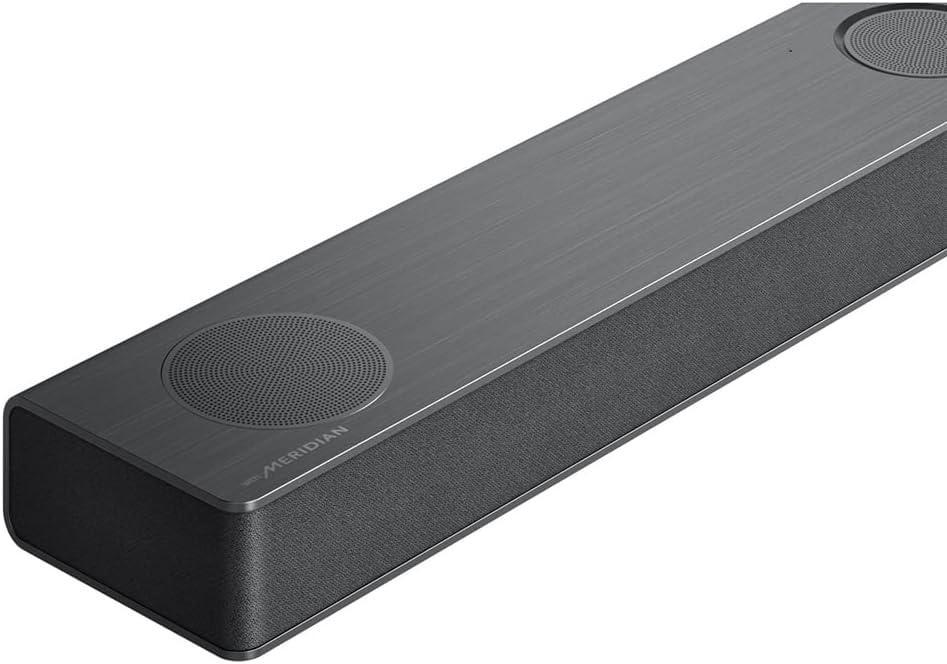

If you've ever found yourself cranking up the TV volume just to understand what the actors are saying, or felt like explosions in movies sound more like gentle pops, you're not alone. TV speakers have gotten thinner along with the TVs themselves, and the result is audio that's often muddy, quiet, and frankly disappointing. That's where soundbars come in – they're the easiest way to dramatically improve your TV's audio without turning your living room into a maze of wires and speakers.
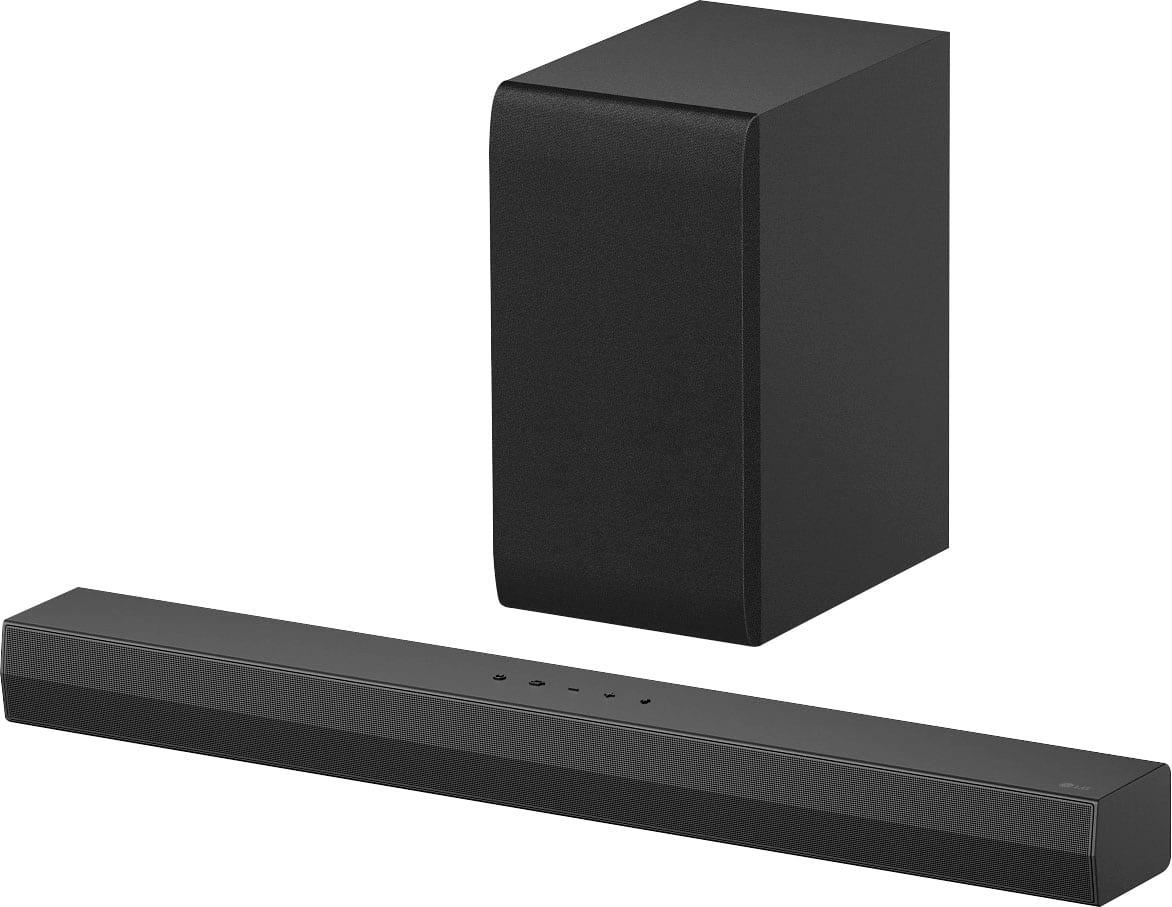
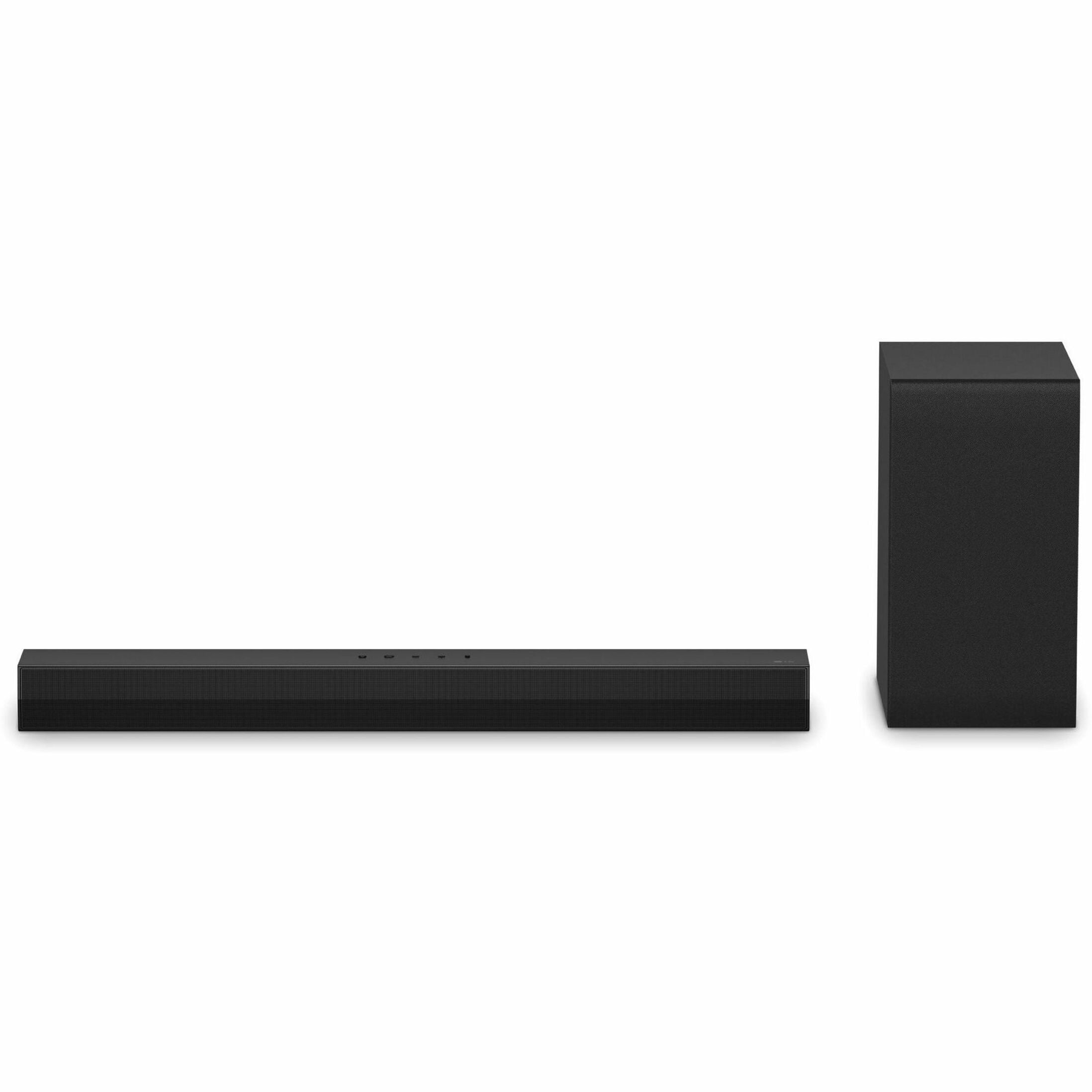
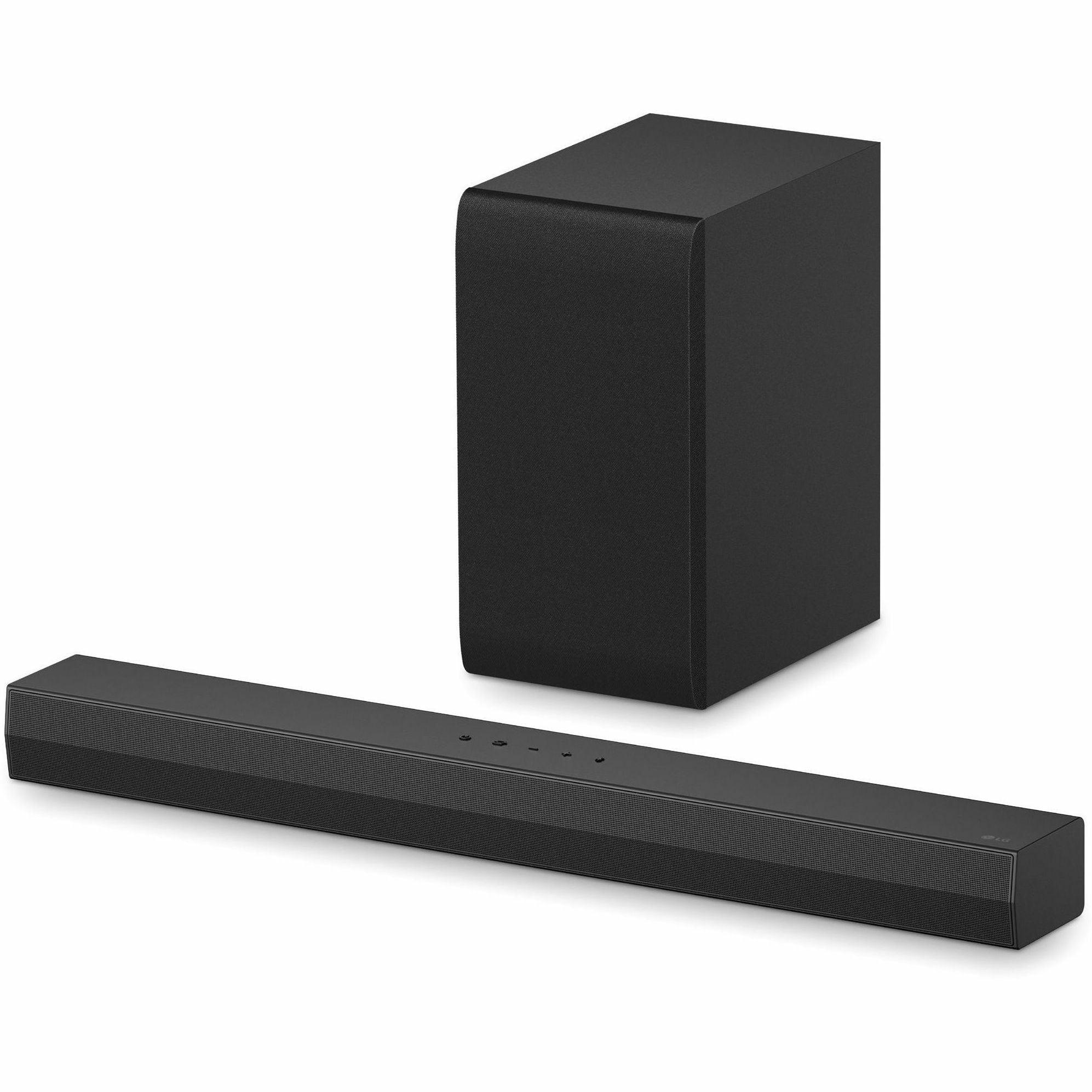
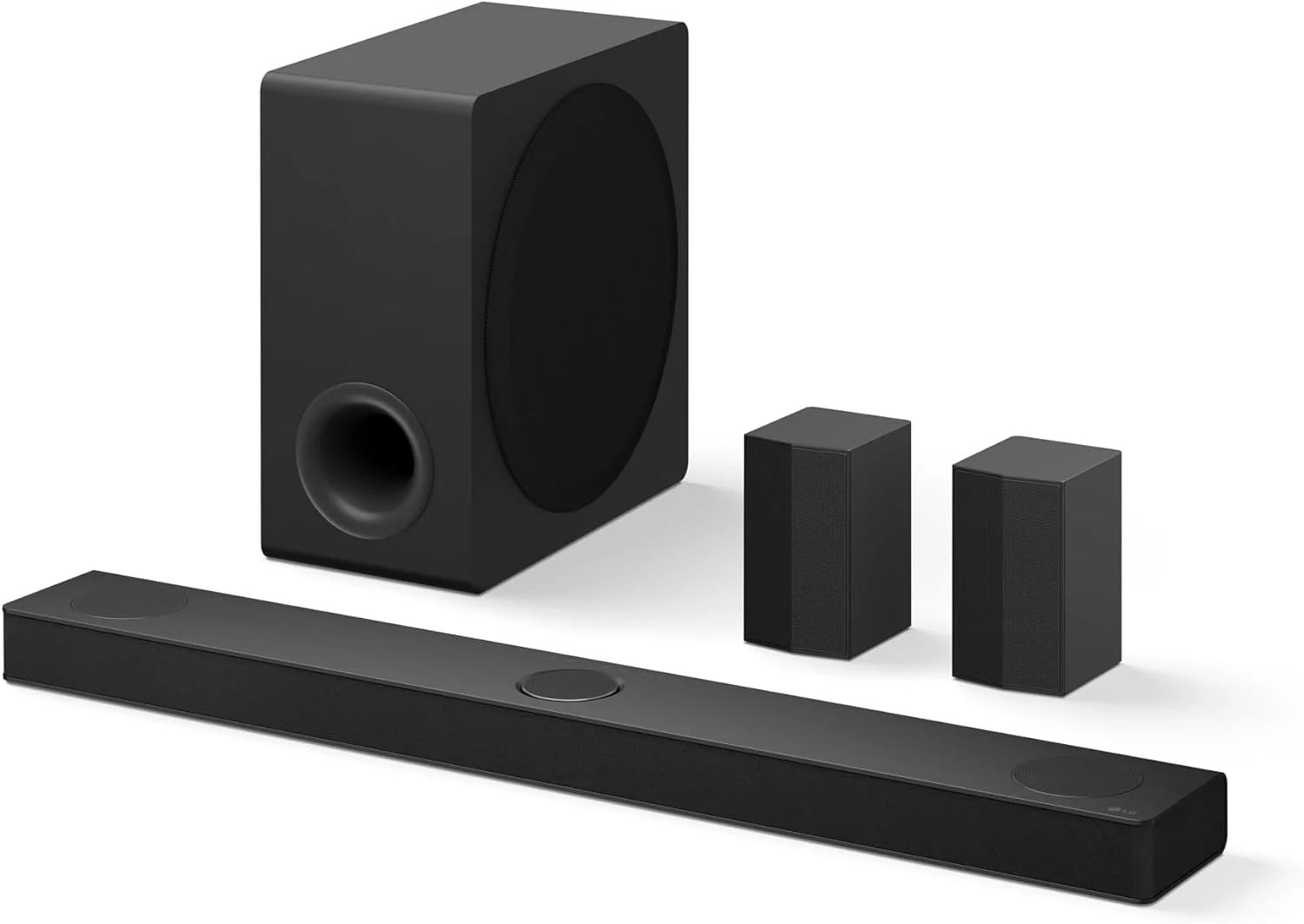
Today, we're diving deep into two popular options from LG: the budget-friendly LG S40T 2.1 Channel Soundbar at $156 and the premium LG S80TR 5.1.3 Channel Soundbar at $547. These represent two very different approaches to solving the same problem, and understanding their differences will help you make the right choice for your space and budget.
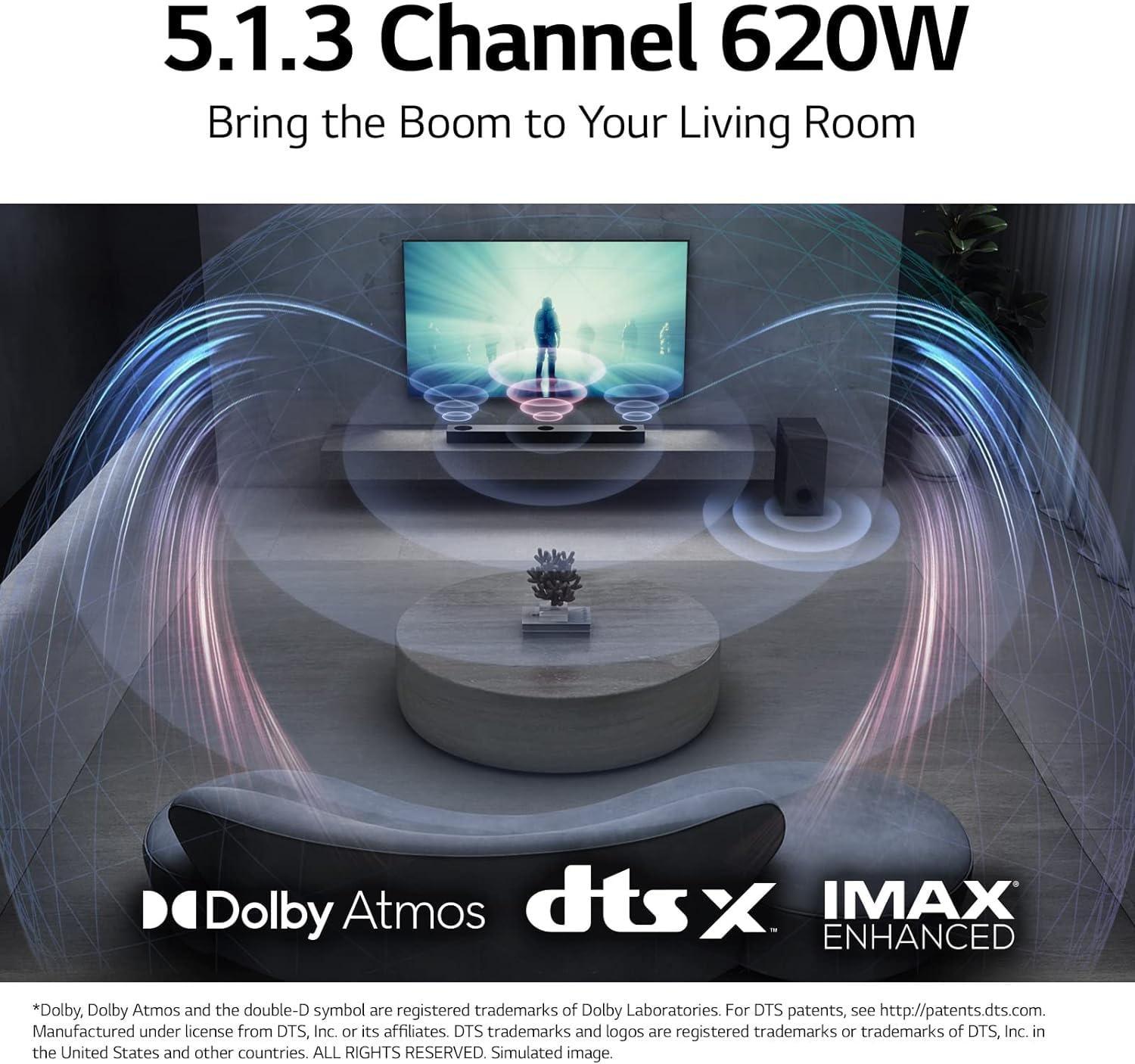
Before we jump into the specifics, let's talk about what those channel numbers actually mean. When you see "2.1," that breaks down to two main speakers (left and right) plus one subwoofer (the ".1" part) for bass. The S40T follows this simple formula. The S80TR's "5.1.3" configuration is more complex: five main speakers (front left, center, front right, rear left, rear right), one subwoofer, and three height channels that fire sound upward to bounce off your ceiling for that overhead Dolby Atmos effect.
Think of it like the difference between stereo headphones and being surrounded by a live orchestra. Both will play music, but the experience is completely different.
The LG S40T launched in 2024 as part of LG's effort to offer a solid entry-level option without breaking the bank. It represents the refined basics – everything you need for better TV audio without unnecessary complexity. The LG S80TR, released in early 2025, showcases where soundbar technology is heading with features like AI room calibration and wireless rear speakers that don't need a separate receiver.
What's particularly interesting is how quickly this technology has evolved. Just a few years ago, getting true Dolby Atmos required a complex receiver setup and ceiling-mounted speakers. Now, the S80TR delivers that experience through clever up-firing drivers and signal processing that would have required professional installation not long ago.
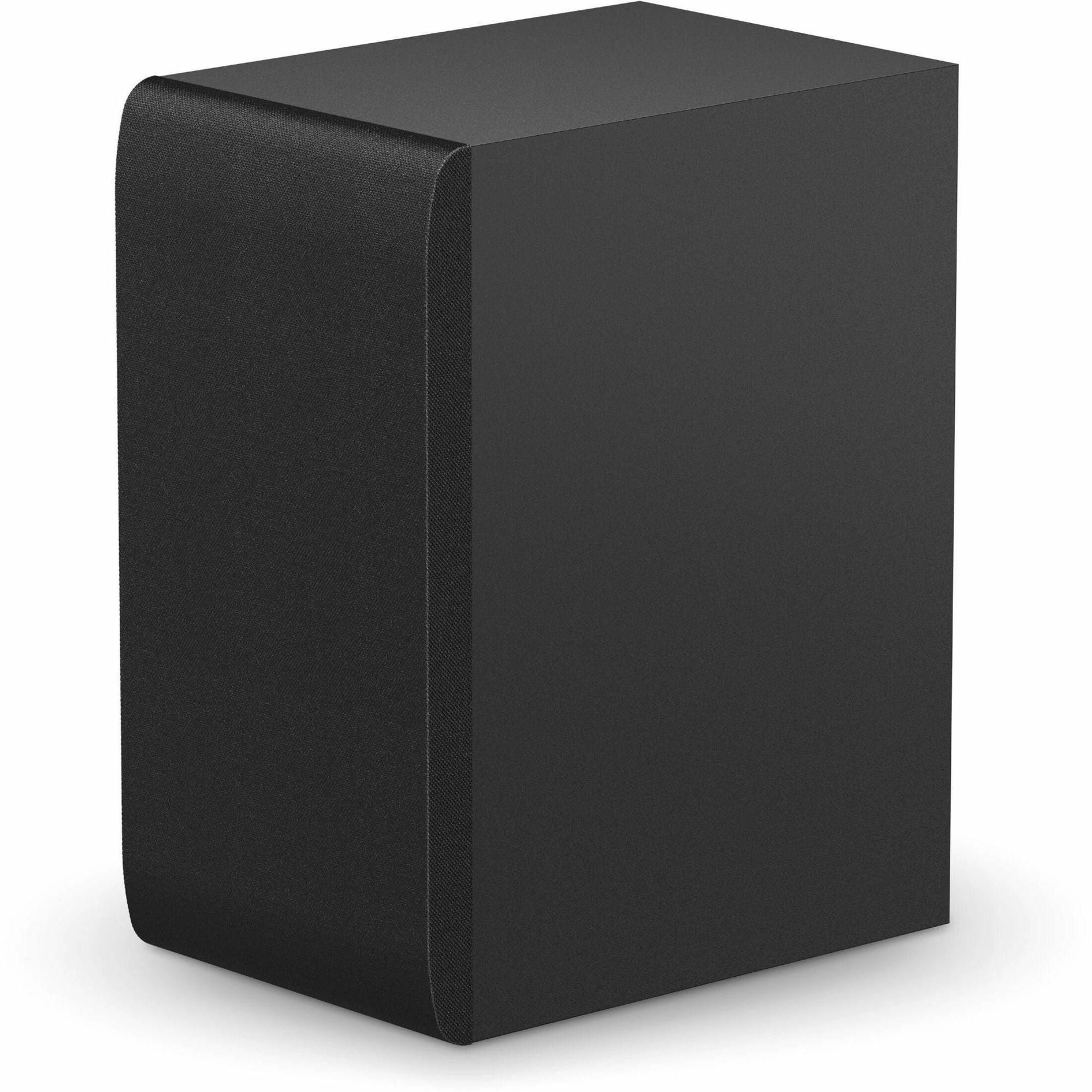
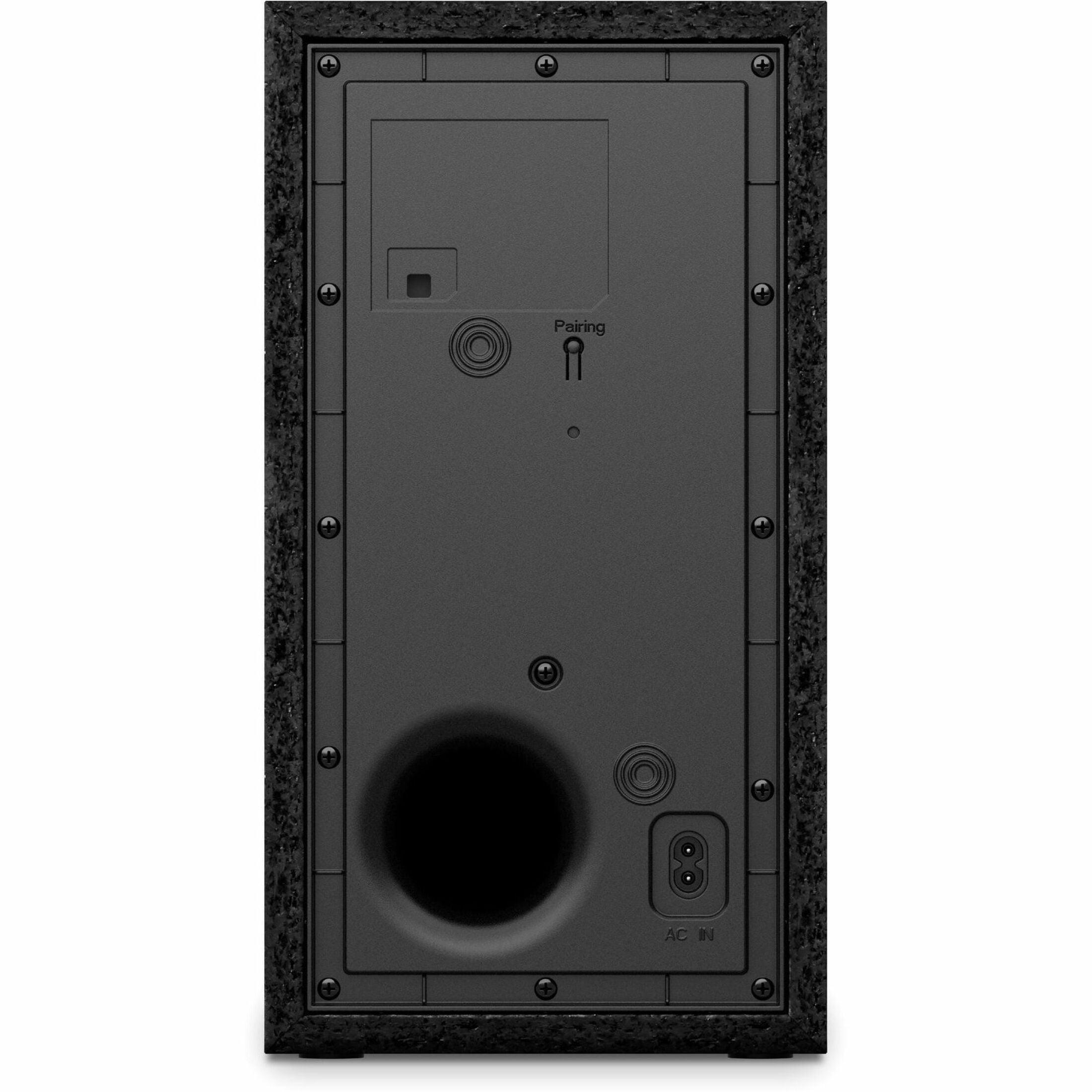
Setting up the LG S40T is refreshingly straightforward. You've got the main soundbar that sits in front of your TV and a wireless subwoofer that you can tuck almost anywhere in the room – behind the couch, in a corner, even in another room if your space is tight. The wireless connection means you're not running cables across your floor, which keeps things clean and simple.
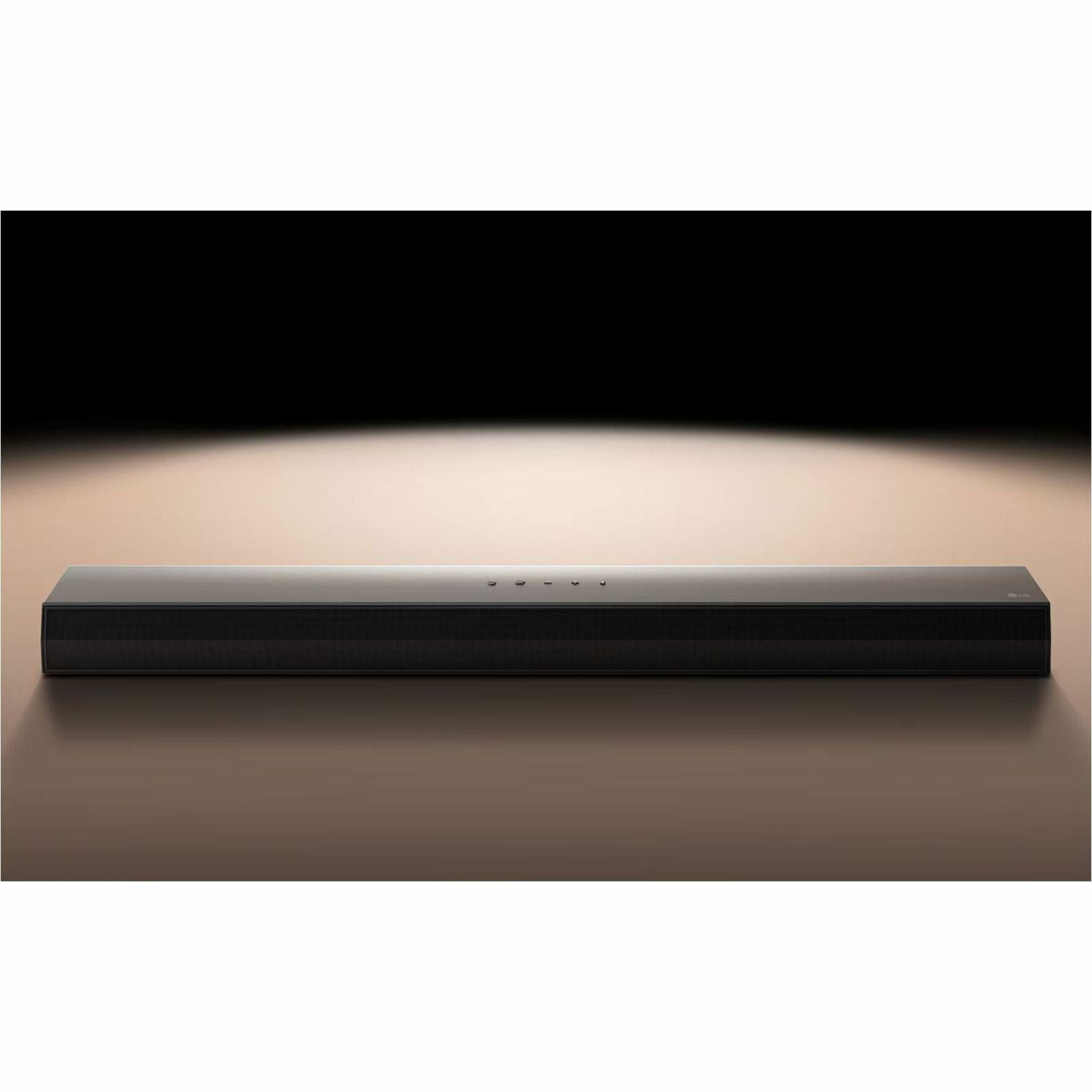
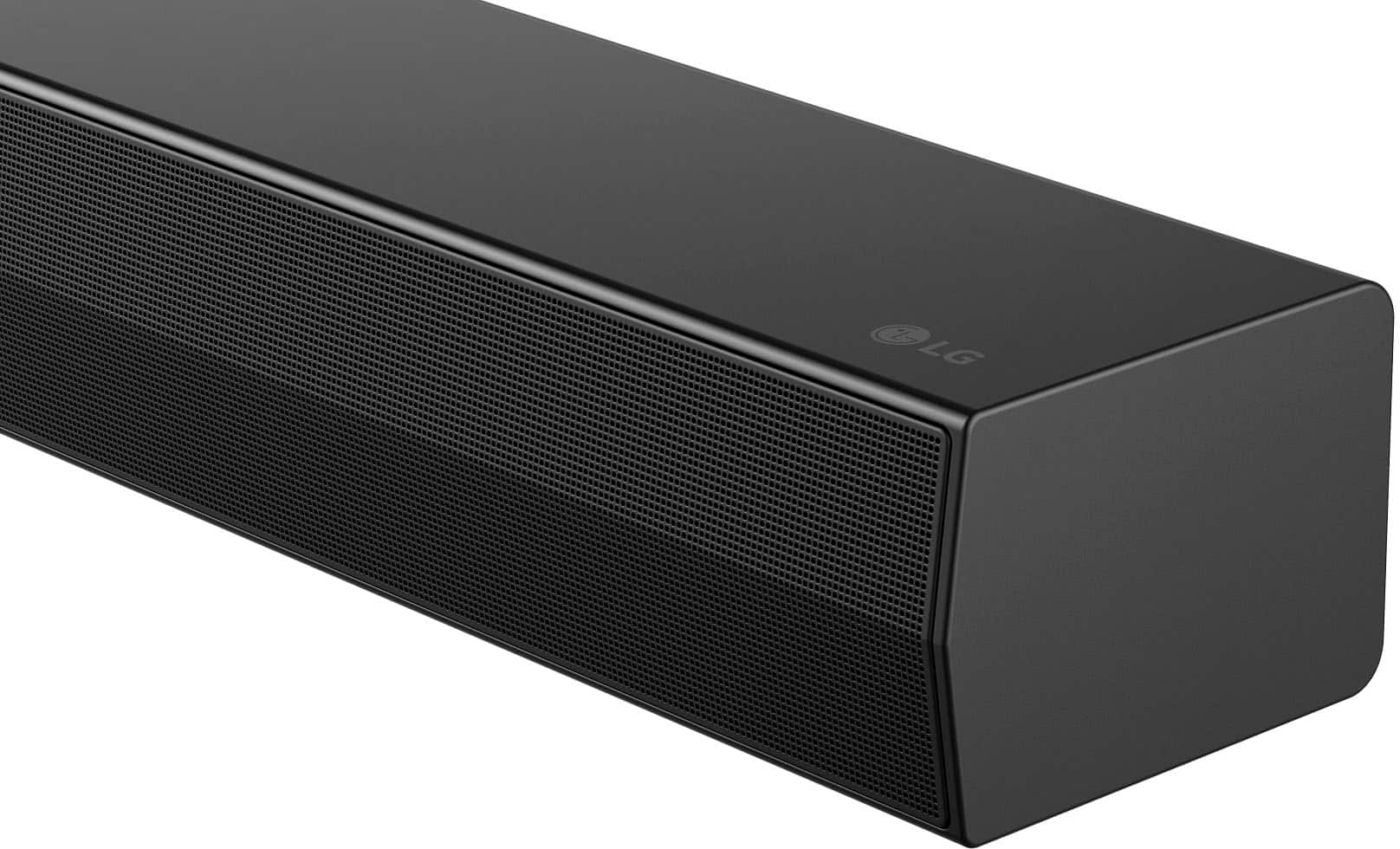
The S40T measures 28.4 inches wide, making it perfect for TVs between 43-55 inches. I've found that soundbars work best when they're roughly the same width as your TV, and LG got the proportions right here. The subwoofer is compact enough to hide but substantial enough to actually produce bass you can feel.
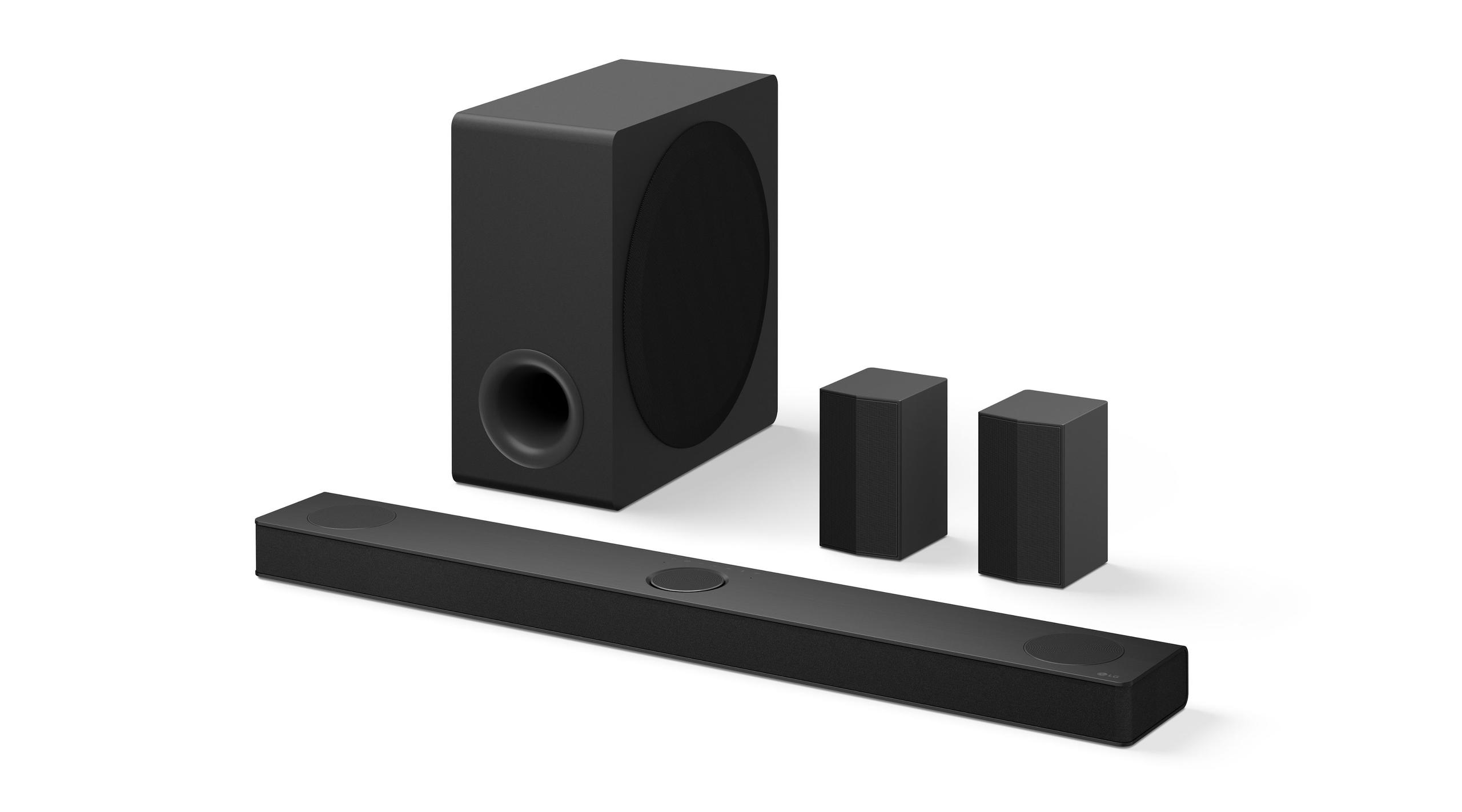
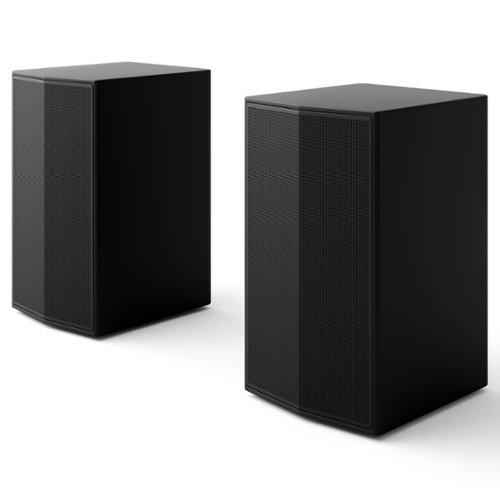
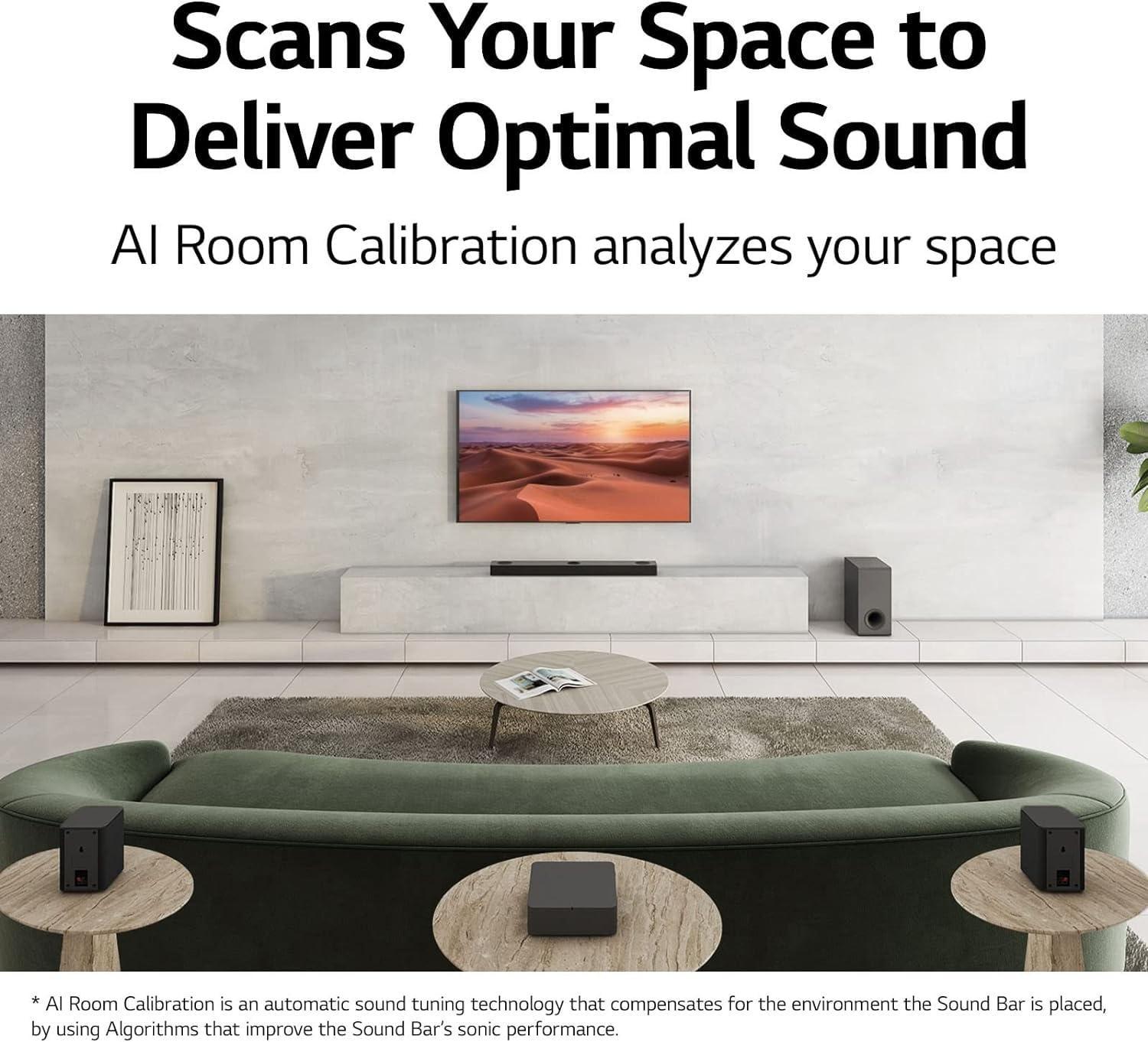
The LG S80TR is a different beast entirely. At 39.3 inches wide, it's designed for larger TVs (55 inches and up), and the setup process is more involved. Beyond the main soundbar and wireless subwoofer, you get two rear speakers that need to be positioned behind your seating area. These rear speakers need power outlets, so you'll need to plan your room layout accordingly.
Here's where the S80TR gets clever: those rear speakers don't need to connect to a separate receiver like traditional surround systems. They communicate wirelessly with the main soundbar, which simplifies installation considerably. However, you still need to position them properly – ideally 2-3 feet behind your main seating position and slightly elevated.
The most dramatic difference between these soundbars becomes apparent the moment you fire up a movie. The LG S40T creates a noticeably wider soundstage than your TV speakers, with the wireless subwoofer adding the low-end punch that makes explosions feel more impactful and music more full-bodied. For casual TV watching and streaming, it's a solid upgrade that makes dialogue clearer and adds some excitement to action scenes.
However, the S40T's surround effects are achieved through digital signal processing (DSP) – essentially, the soundbar uses clever algorithms to delay and modify the audio to trick your brain into thinking sound is coming from different directions. This virtual surround can be convincing with the right content, but it has limitations. You won't get that immersive feeling of sounds moving around and behind you.
The LG S80TR takes a completely different approach with physical speakers positioned around your room. When a helicopter flies overhead in a movie, you actually hear it move from the front speakers, up through the height channels, and behind you through the rear speakers. It's the difference between a magic trick and the real thing.
I've spent considerable time with both systems, and the S80TR's ability to create a convincing surround bubble is remarkable. During action sequences, you feel like you're in the middle of the scene rather than watching it. Even subtle effects – like rain falling or ambient crowd noise – gain a three-dimensional quality that draws you deeper into the content.
Both soundbars include wireless subwoofers, but they handle bass very differently. The S40T's subwoofer is designed to be simple and effective. It delivers solid punch for movie explosions and adds warmth to music, though it can occasionally overwhelm dialogue if placed too close to walls or corners.
The S80TR's subwoofer is more sophisticated, with AI room calibration that analyzes your space and adjusts the bass response accordingly. This means it can deliver deeper, more controlled bass that integrates better with the main speakers. The difference is particularly noticeable with music – the S80TR maintains clarity in the midrange while delivering impactful low-end.
This is where the technology gap becomes most apparent. The LG S40T doesn't support true Dolby Atmos – instead, it uses virtual processing to simulate height effects. While this can make movies sound more spacious, it's not the same as genuine overhead audio placement.
The LG S80TR features three up-firing drivers that bounce sound off your ceiling to create authentic overhead effects. When configured properly, you can distinctly hear helicopters, rain, or debris falling from above. It's worth noting that ceiling height and material affect this – higher ceilings or textured surfaces can diminish the effect, but in most standard rooms, it works impressively well.
For content mixed in Dolby Atmos (which includes most modern movies, many Netflix shows, and even some music), the difference is substantial. The S80TR presents the audio as the creators intended, while the S40T does its best to approximate the experience.
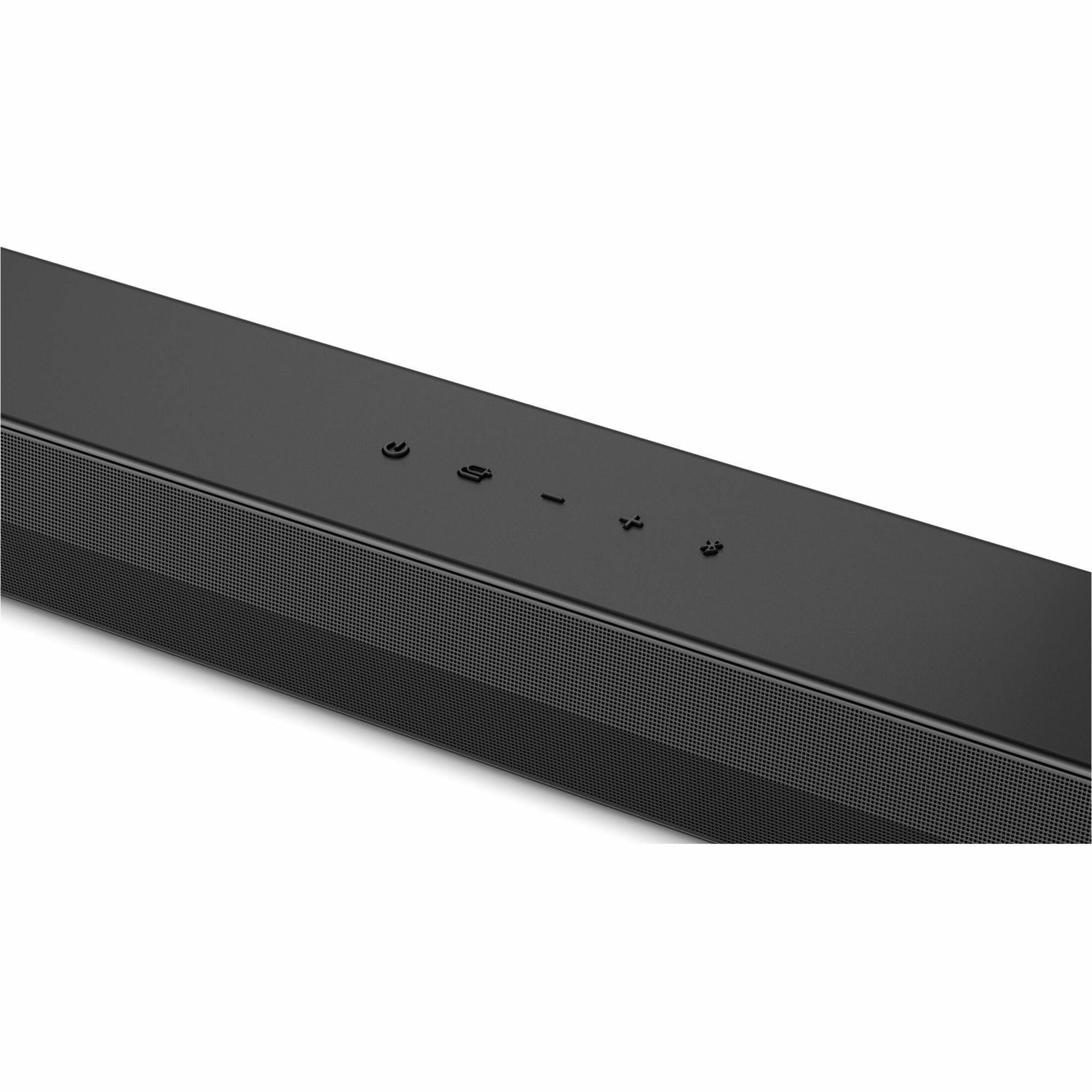
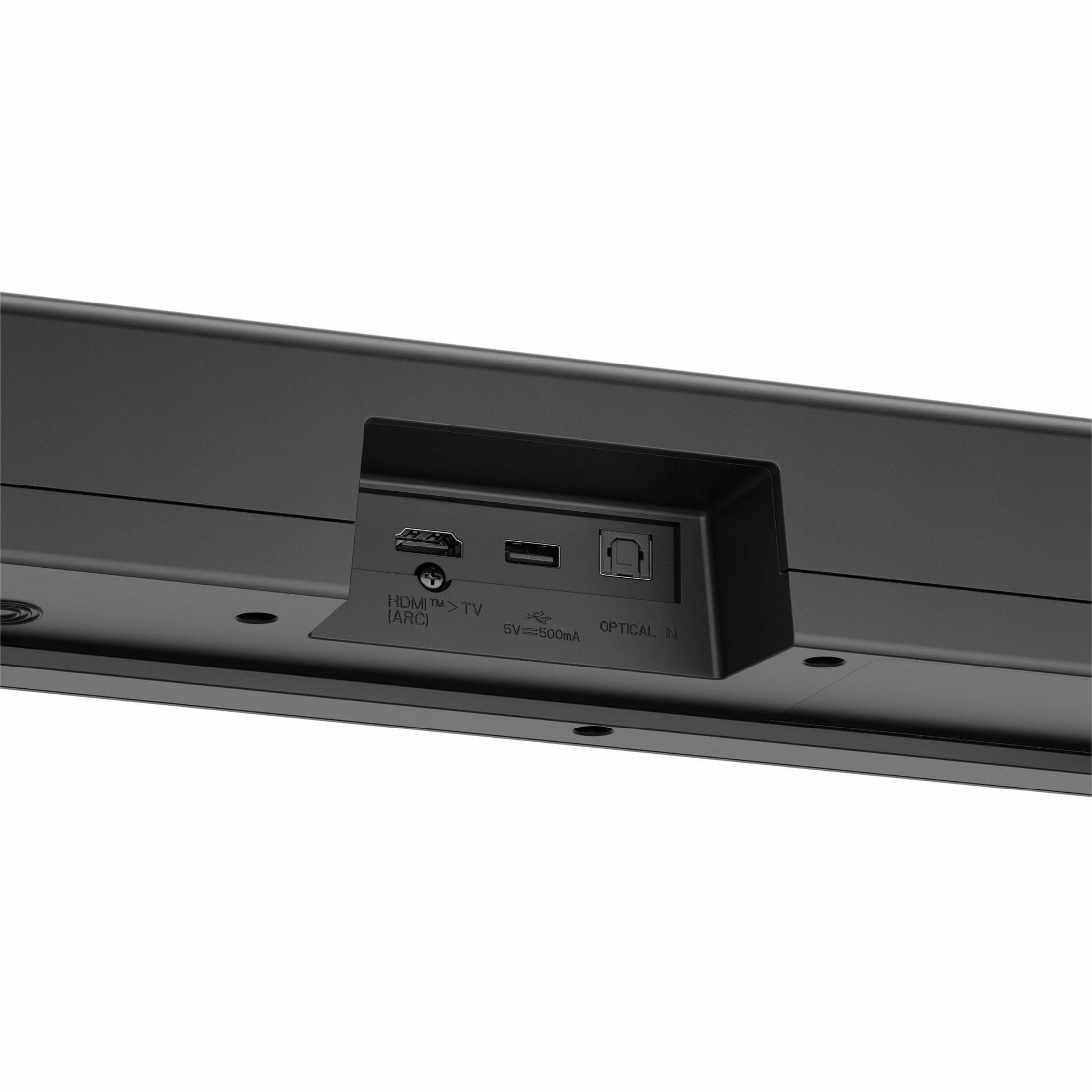
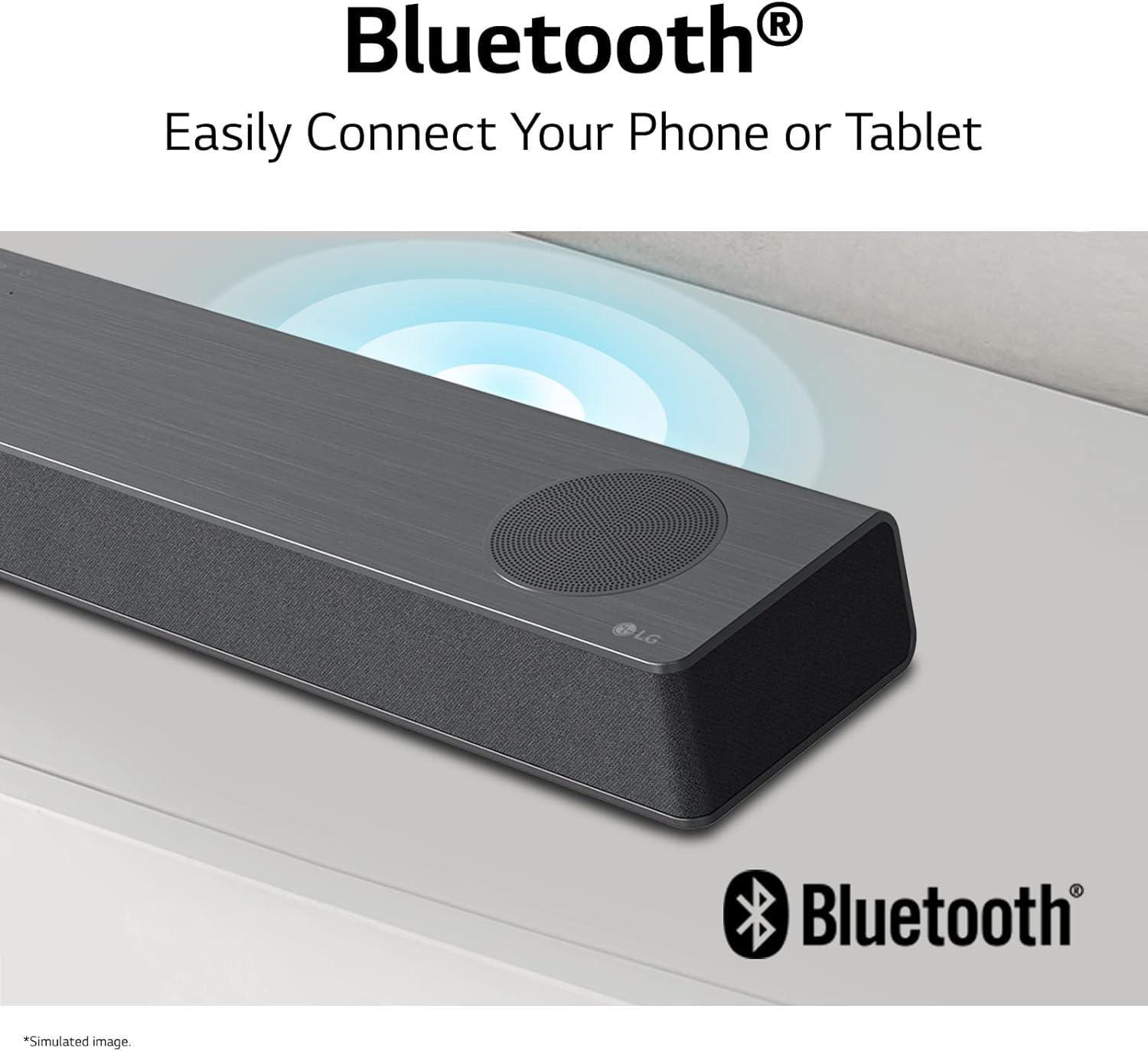
The LG S40T keeps things simple with HDMI ARC connectivity (which allows your TV remote to control volume) and Bluetooth for music streaming from your phone. It's plug-and-play functionality that works with virtually any TV.
The LG S80TR is essentially a smart audio hub. Beyond HDMI eARC (the enhanced version that supports full-bandwidth audio), it includes Wi-Fi connectivity, AirPlay 2, Chromecast built-in, and Spotify Connect. You can stream music directly to the soundbar without turning on your TV, and it supports voice commands through Google Assistant or Alexa.
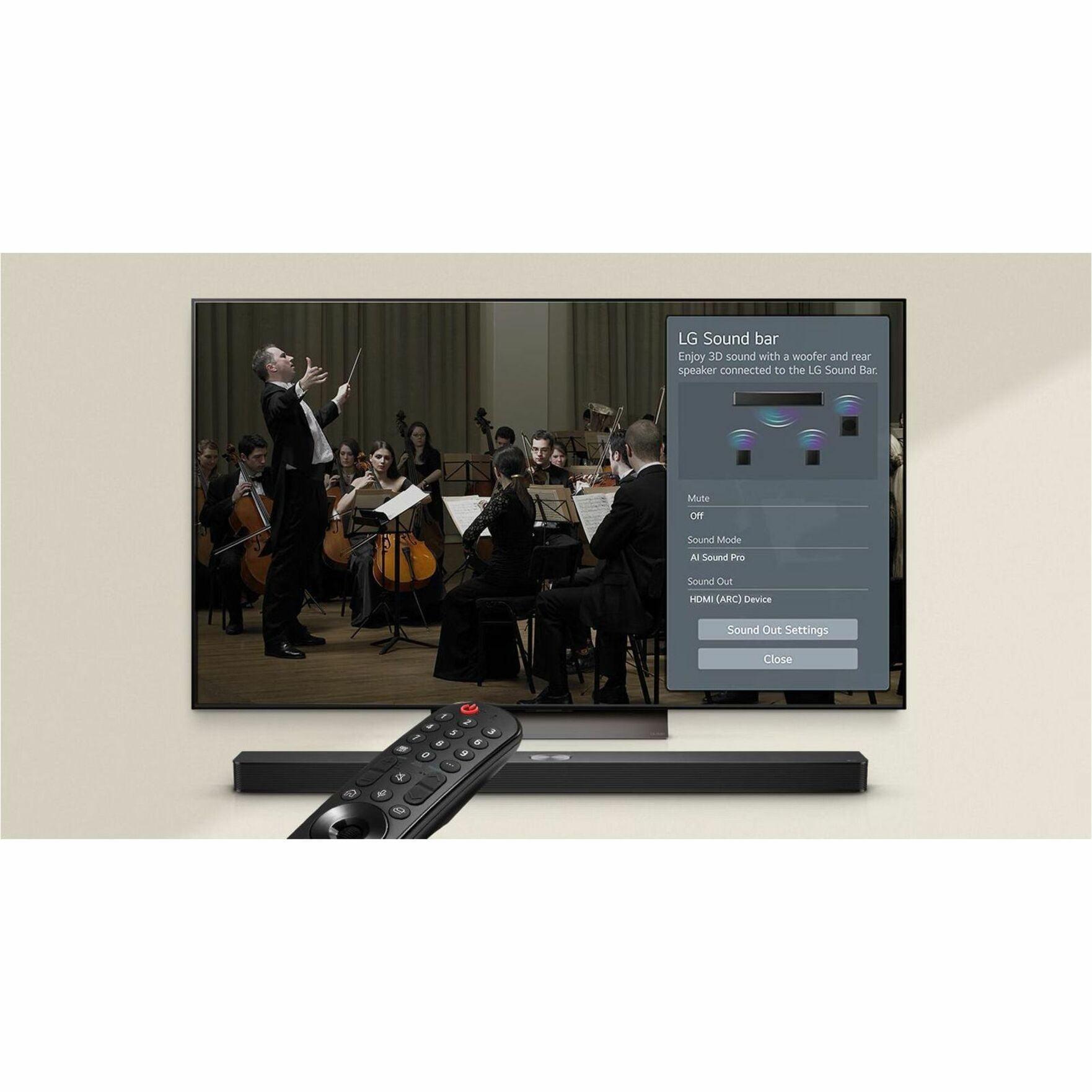
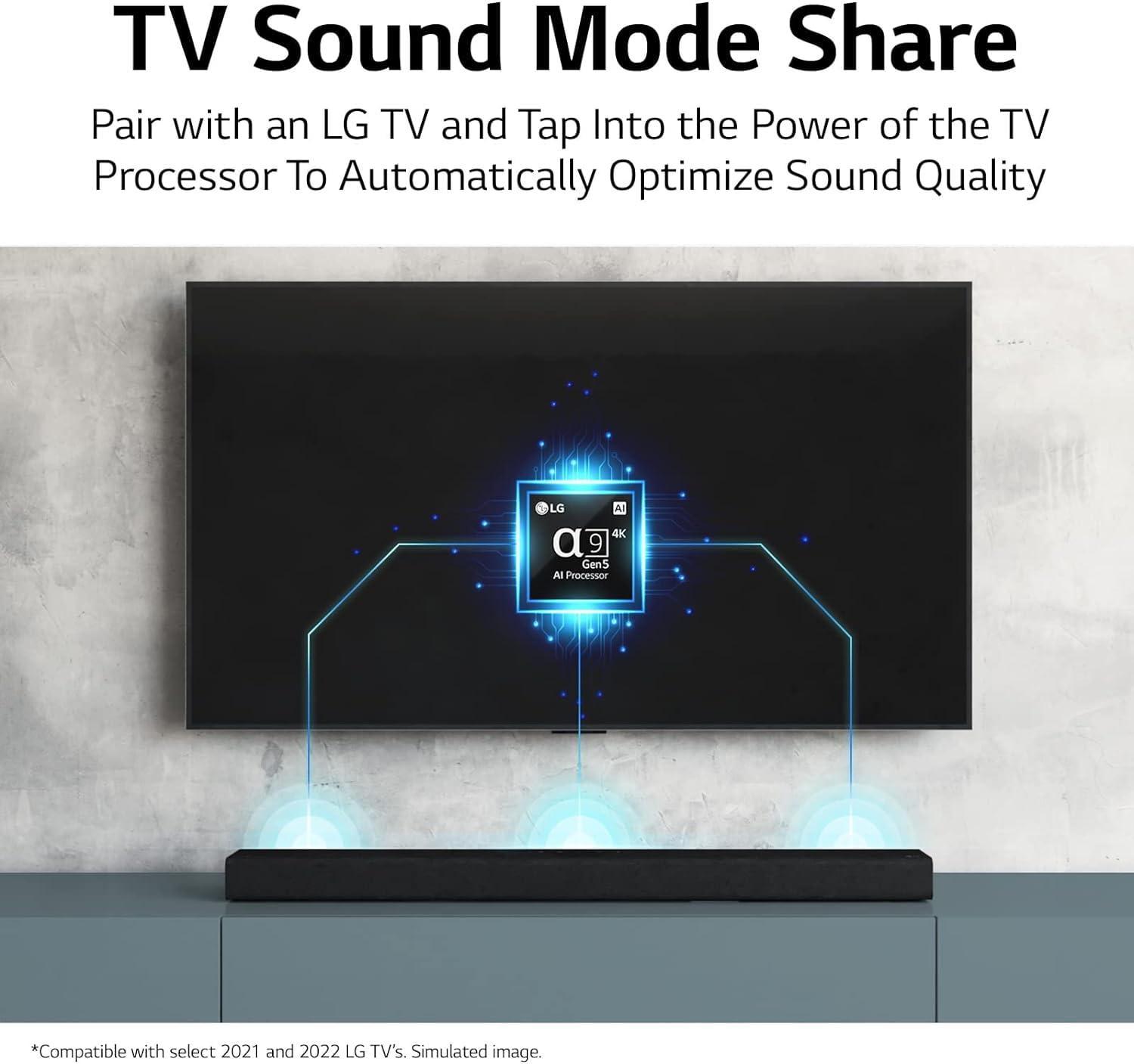
For LG TV owners, the S80TR offers exclusive features like WOW Orchestra, which synchronizes the soundbar with your TV's built-in speakers for even fuller sound. The WOW Interface simplifies control by integrating soundbar settings into your TV's menu system.
Your room plays a crucial role in determining which soundbar will work better. The LG S40T is ideal for smaller spaces – apartments, bedrooms, or cozy living rooms where you're sitting relatively close to the TV. Its compact footprint and simple two-piece setup make it perfect for spaces where you can't or don't want to deal with rear speakers.
The LG S80TR really shines in larger rooms where you have space to properly position the rear speakers. If your seating is more than 8 feet from your TV, or if you have a dedicated home theater setup, the S80TR's more complex speaker arrangement will deliver significantly better results.
I've tested both in various room sizes, and there's definitely a sweet spot for each. In my 12x15 living room, the S80TR creates an immersive experience that makes movie nights feel special. In a smaller bedroom setup, the S40T provides all the improvement you need without overwhelming the space.
At $156, the LG S40T delivers remarkable value for anyone looking to upgrade from TV speakers. It provides clear dialogue, solid bass, and a wider soundstage – essentially everything most people need for better TV audio. The wireless subwoofer and simple setup mean you get professional-quality sound without professional installation costs.
The LG S80TR at $547 represents a different value proposition entirely. You're paying for a complete home theater audio experience that rivals systems costing significantly more. The AI room calibration, true Dolby Atmos support, and wireless rear speakers create an immersive experience that transforms how you consume entertainment.
The $391 price difference might seem substantial, but consider what you're getting: physical rear speakers (which typically cost $200+ separately), Dolby Atmos height channels, AI calibration, and comprehensive smart features. When compared to building a similar system from individual components, the S80TR is actually quite competitive.
Both soundbars handle gaming well, but with different strengths. The LG S40T provides clear audio cues and improved dialogue for story-driven games, while its low latency ensures audio stays synchronized with fast-paced action.
The LG S80TR elevates gaming to another level with its surround capabilities. In competitive games, you can accurately locate enemies by sound, while single-player adventures benefit from the immersive audio design. The system's Game mode optimizes settings for reduced latency and enhanced directional audio.
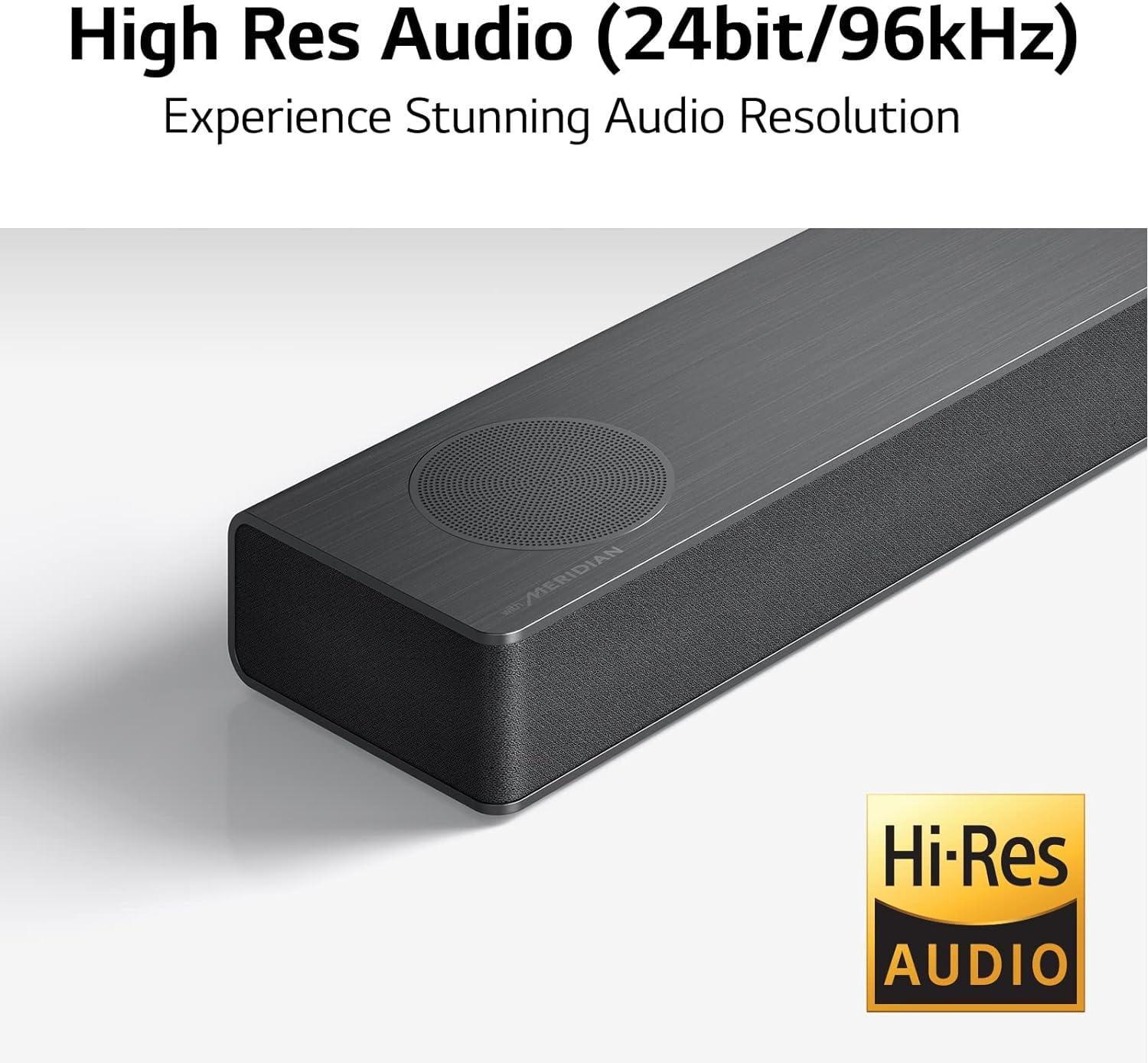
For music listening, the S80TR's more sophisticated driver arrangement and room calibration provide better stereo imaging and frequency balance. The S40T handles music adequately but doesn't have the refinement for critical listening.
Choose the LG S40T if you're working with a tight budget, have a smaller room, or primarily watch standard TV content. It's perfect for apartments, bedrooms, or any situation where you want better audio without complexity. The wireless subwoofer and simple setup make it ideal for renters or anyone who doesn't want to deal with multiple speakers.
Opt for the LG S80TR if you have a larger room, regularly watch movies or play games, and want a truly immersive audio experience. It's particularly compelling if you own an LG TV and can take advantage of the integration features. The ability to properly position rear speakers is crucial – if your room layout doesn't allow for this, you won't get the full benefit.
The decision often comes down to how you use your entertainment system. If TV is background noise while you do other things, the S40T provides all the improvement you need. If movie nights are events you look forward to, the S80TR's immersive capabilities justify the higher investment.
Both soundbars represent significant upgrades over TV speakers, but they serve different needs and expectations. The LG S40T excels at making TV audio clear and impactful without complications, while the LG S80TR creates a genuine home theater experience that transforms how you enjoy entertainment. Understanding your space, usage patterns, and audio priorities will guide you to the right choice.
| LG S40T 2.1 Channel Soundbar | LG S80TR 5.1.3 Channel Soundbar |
|---|---|
| Price - Major factor in deciding between basic vs premium audio | |
| $156 (excellent entry-level value) | $547 (mid-range for comprehensive features) |
| Channel Configuration - Determines surround sound capability | |
| 2.1 channels (stereo + subwoofer) | 5.1.3 channels (full surround + height) |
| Total Power Output - Affects volume and bass impact | |
| 400W (adequate for small-medium rooms) | 580W (powerful enough for large spaces) |
| Dolby Atmos Support - Critical for immersive movie experience | |
| Virtual processing only (simulated overhead effects) | True Dolby Atmos with 3 up-firing drivers |
| Physical Speakers Included - Real vs virtual surround sound | |
| Soundbar + wireless subwoofer | Soundbar + wireless sub + 2 rear speakers |
| Room Size Compatibility - Determines effectiveness in your space | |
| Best for small-medium rooms (up to 200 sq ft) | Optimized for medium-large rooms (200-400+ sq ft) |
| Setup Complexity - Time and effort required for installation | |
| Simple 2-piece setup, no rear speaker placement | Complex setup requiring rear speaker positioning |
| HDMI Connectivity - Affects audio quality and TV integration | |
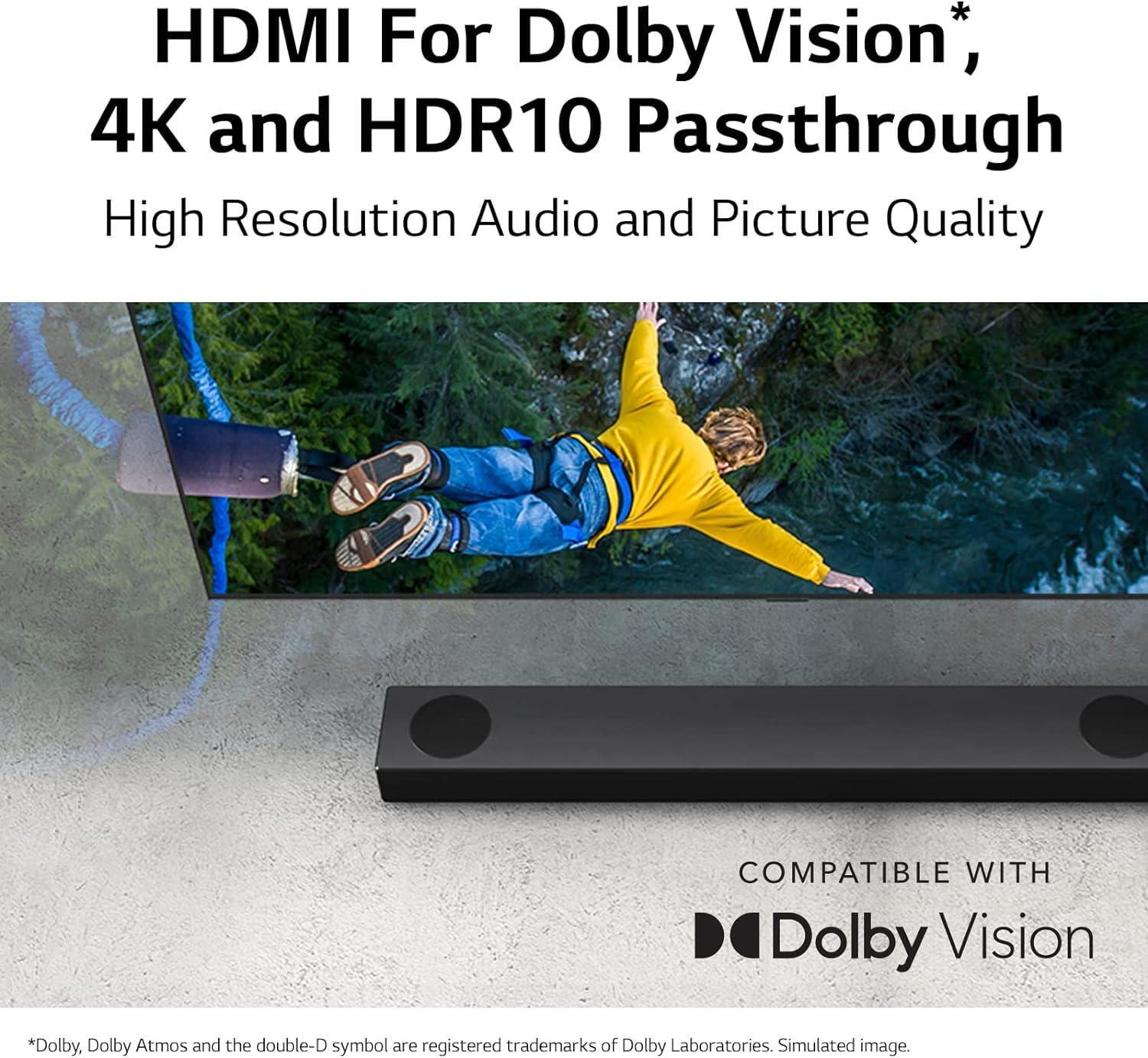
| HDMI ARC (standard audio return) | HDMI eARC (full bandwidth, better for gaming) |
| Smart Features - Streaming and voice control capabilities | |
| Basic Bluetooth connectivity | Wi-Fi, AirPlay 2, Chromecast, voice assistant support |
| LG TV Integration - Exclusive features for LG TV owners | |
| Standard compatibility only | WOW Orchestra and WOW Interface exclusive features |
| AI Room Calibration - Automatic audio optimization | |
| Manual adjustment only | AI analyzes room and optimizes sound automatically |
| Dimensions (Soundbar) - Physical fit considerations | |
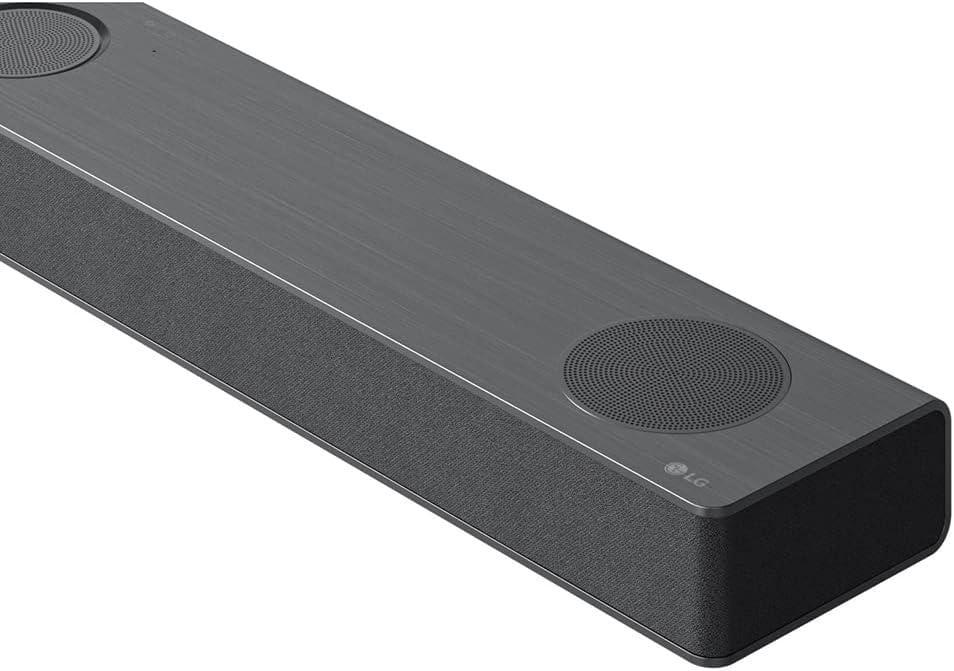
| 28.4" x 2.5" x 3.4" (ideal for 43-55" TVs) | 39.3" x 2.5" x 5.3" (designed for 55"+ TVs) |
| Ideal User - Best fit based on needs and usage | |
| Budget-conscious, small spaces, casual viewing | Home theater enthusiasts, larger rooms, movie lovers |
The LG S80TR is significantly better for home theater applications. It delivers authentic surround sound with physical rear speakers, true Dolby Atmos overhead effects, and AI room calibration that optimizes audio for your specific space. The LG S40T works for casual viewing but can't match the cinematic experience.
No special wiring is needed for the LG S80TR rear speakers - they connect wirelessly to the main soundbar. However, each rear speaker does need to be plugged into a standard power outlet, so you'll need accessible outlets behind your seating area.
We've done our best to create useful and informative comparisons to help you decide what product to buy. Our research uses advanced automated methods to create this comparison and perfection is not possible - please contact us for corrections or questions. These are the sites we've researched in the creation of this article: bestbuy.com - bestbuy.com - rtings.com - pcrichard.com - lg.com - lg.com - lg.com - lg.com - microcenter.com - flanners.com - bestbuy.com - microcenter.com - bestbuy.com - billsmith.com - brandsmartusa.com - avsforum.com - youtube.com - lg.com - buydig.com - louisdoehomecenter.com - lg.com - videoandaudiocenter.com - mynavyexchange.com - walts.com - bestbuy.com

Privacy Policy
Terms and Conditions - Affiliate Policy
Home Security
© Copyright 2008-2026.
11816 Inwood Rd #1211, Dallas, TX 75244