




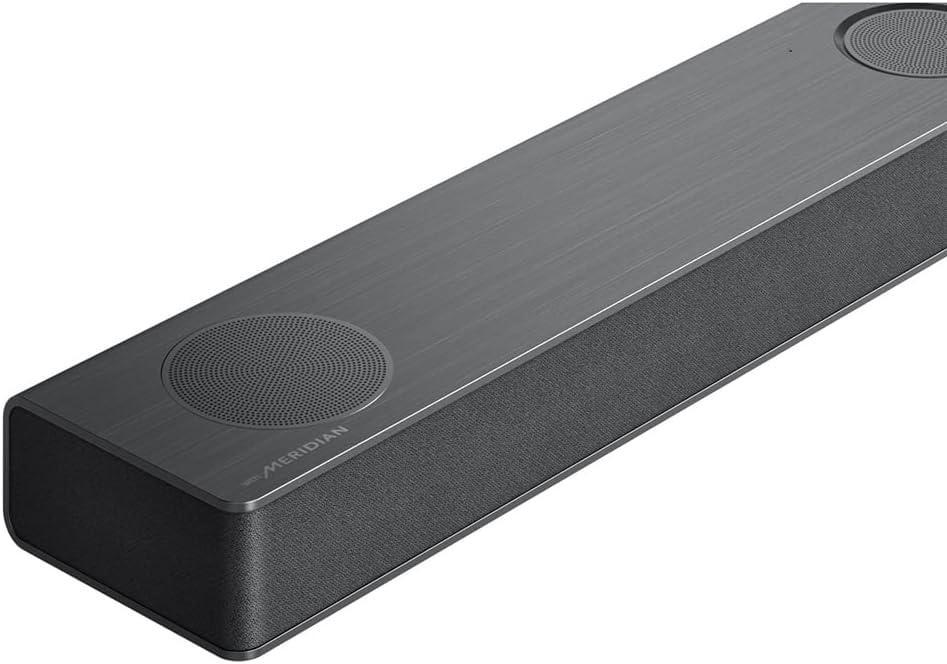

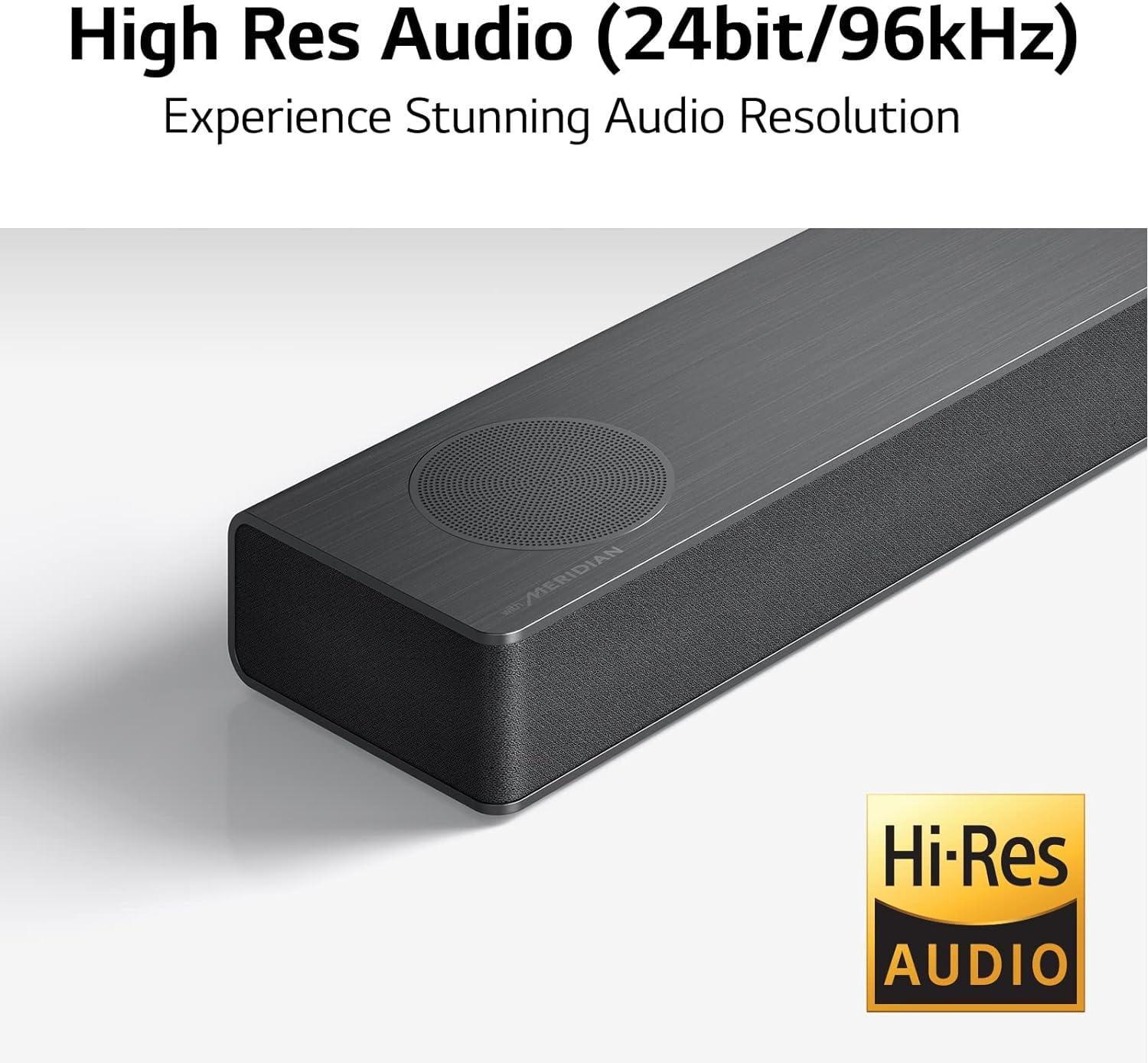



Choosing the right soundbar can transform your living room from a basic TV-watching space into a genuine home theater experience. But with so many options available, especially in the premium Dolby Atmos category, it's easy to get overwhelmed by technical specifications and marketing claims. Today, we're diving deep into two very different approaches to premium surround sound: the Sonos Arc Ultra ($929) and the LG S80TR ($547).
These soundbars represent fundamentally different philosophies in home audio design. One takes the "everything in one sleek package" approach, while the other gives you a complete surround system with separate components. Understanding these differences—and how they'll actually sound in your living room—is crucial to making the right choice for your space and budget.
Before we compare these specific models, let's talk about what makes a soundbar "premium" and why Dolby Atmos matters so much. Traditional surround sound systems require multiple speakers placed around your room, which most people find impractical. Premium soundbars attempt to recreate that immersive experience using clever engineering and acoustic tricks.
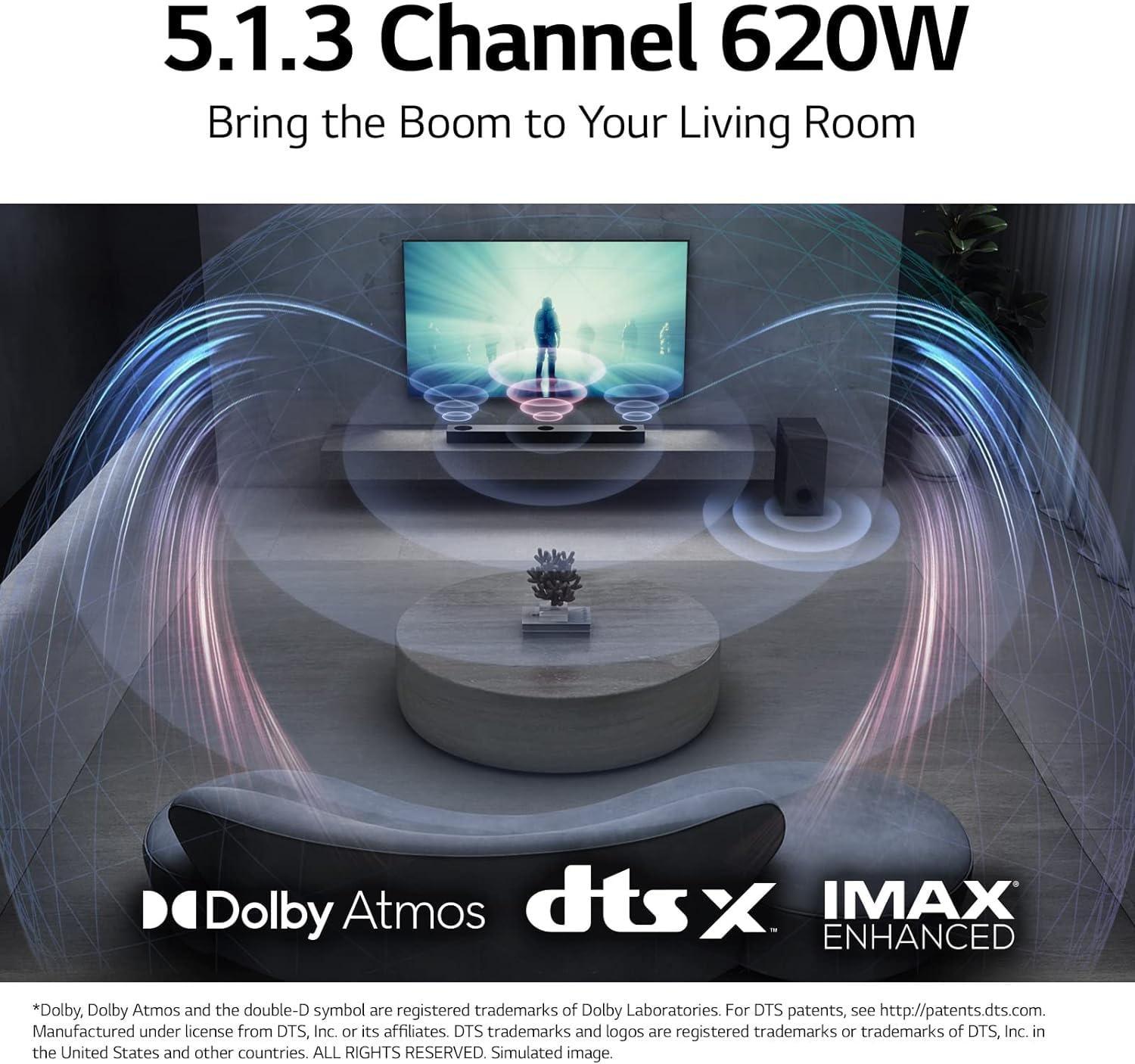
Dolby Atmos is the game-changer here. Unlike older surround formats that just move sounds left and right around you, Atmos adds a height dimension. It can place sounds above your head—think of a helicopter flying overhead or rain falling from the sky. This creates what audio engineers call a "3D soundfield," where sounds seem to come from specific locations in three-dimensional space around you.
The numbers you see (like 5.1.3 or 9.1.4) tell you how many audio channels the system handles. The first number represents ear-level surround channels, the second is for subwoofers (bass), and the third indicates height channels for those overhead effects. More channels generally mean more precise sound placement, but the implementation matters more than the raw numbers.
The Sonos Arc Ultra and LG S80TR take completely opposite approaches to creating surround sound, and this difference affects everything from setup to performance.
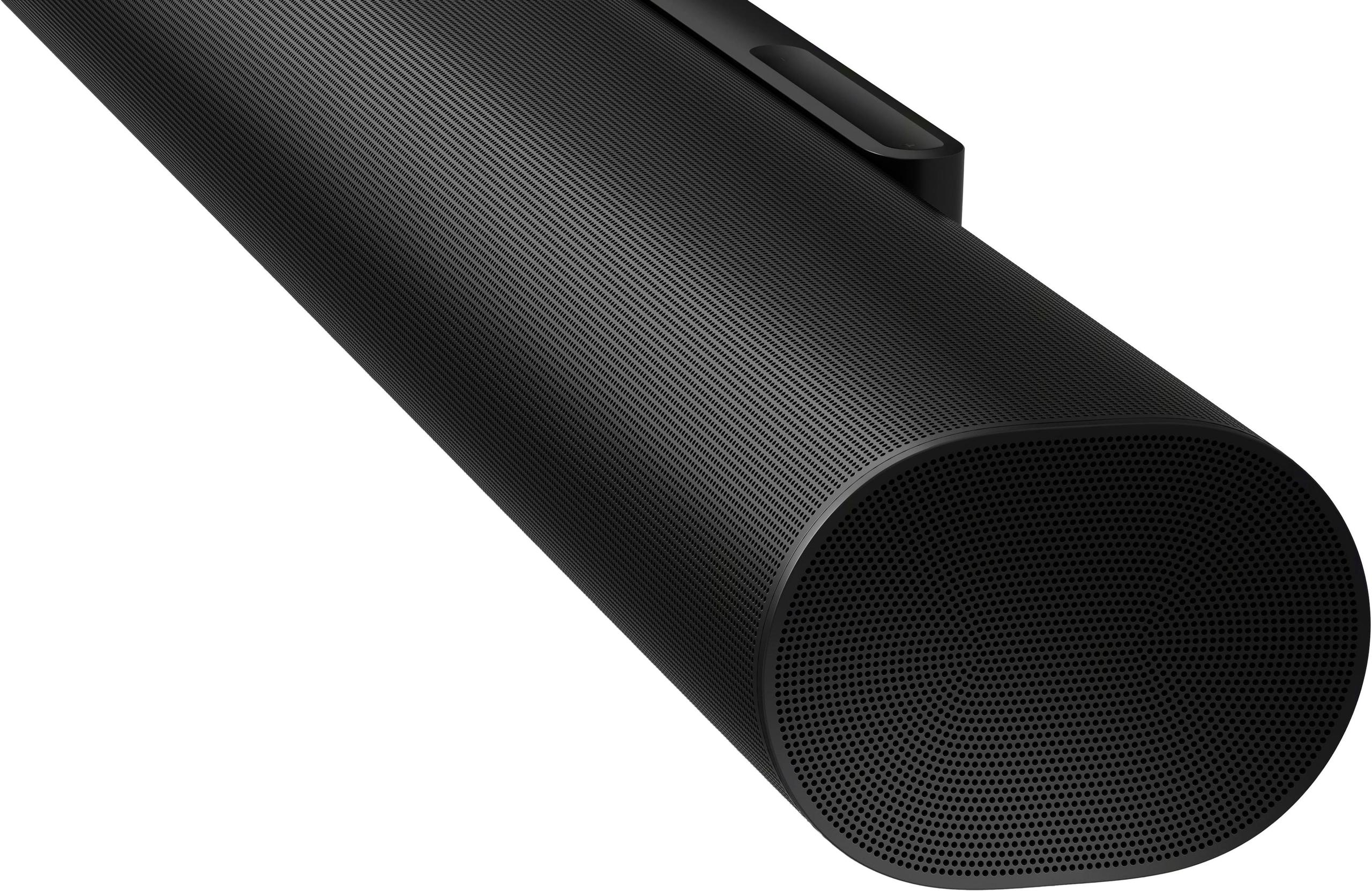
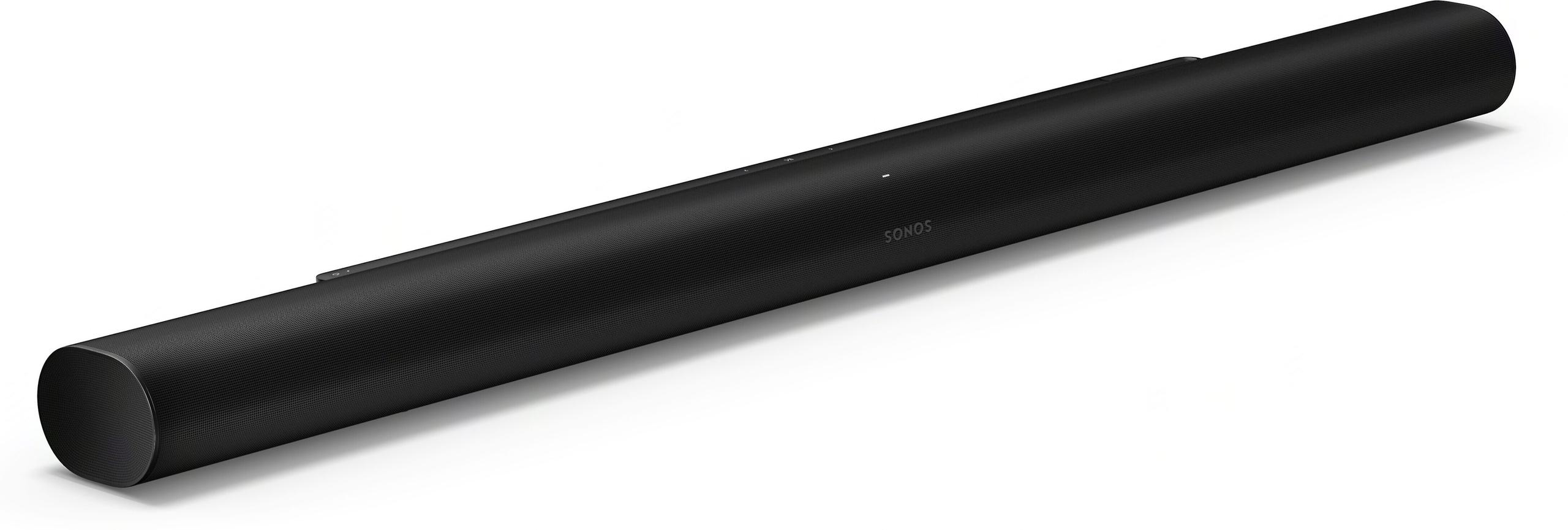
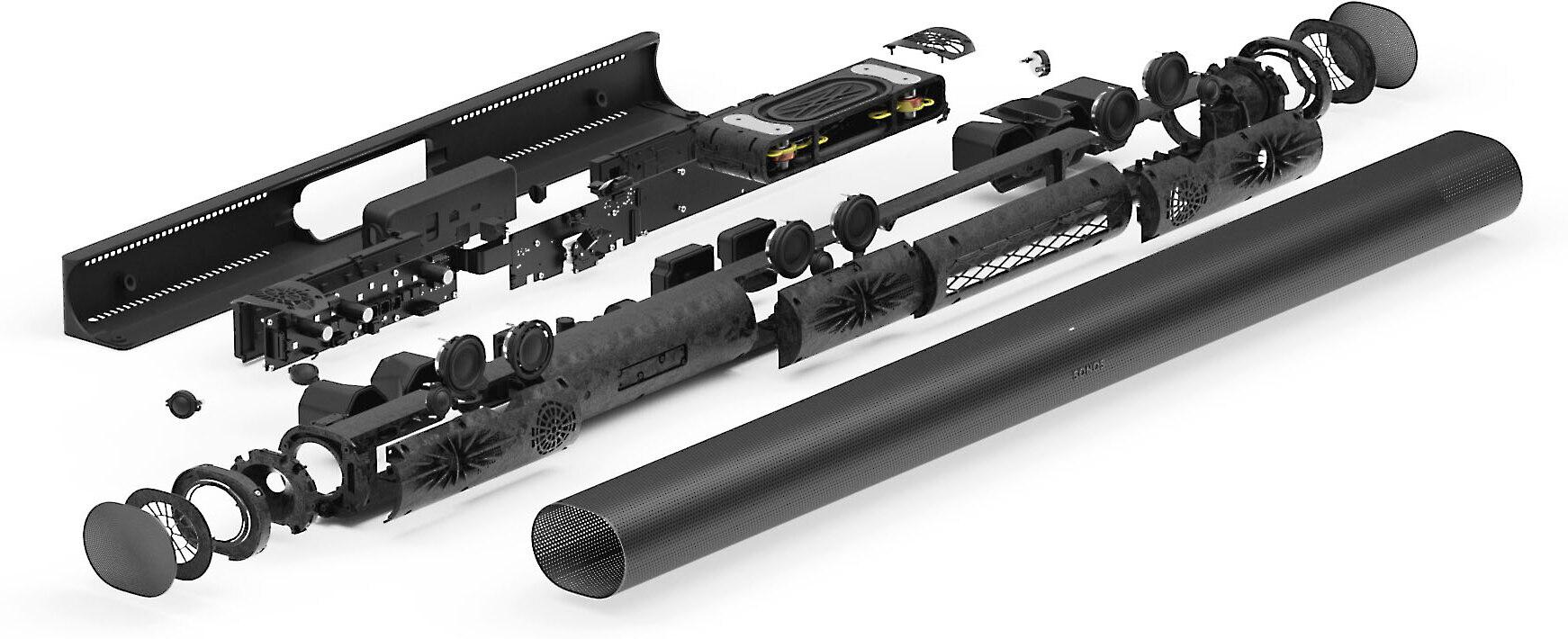
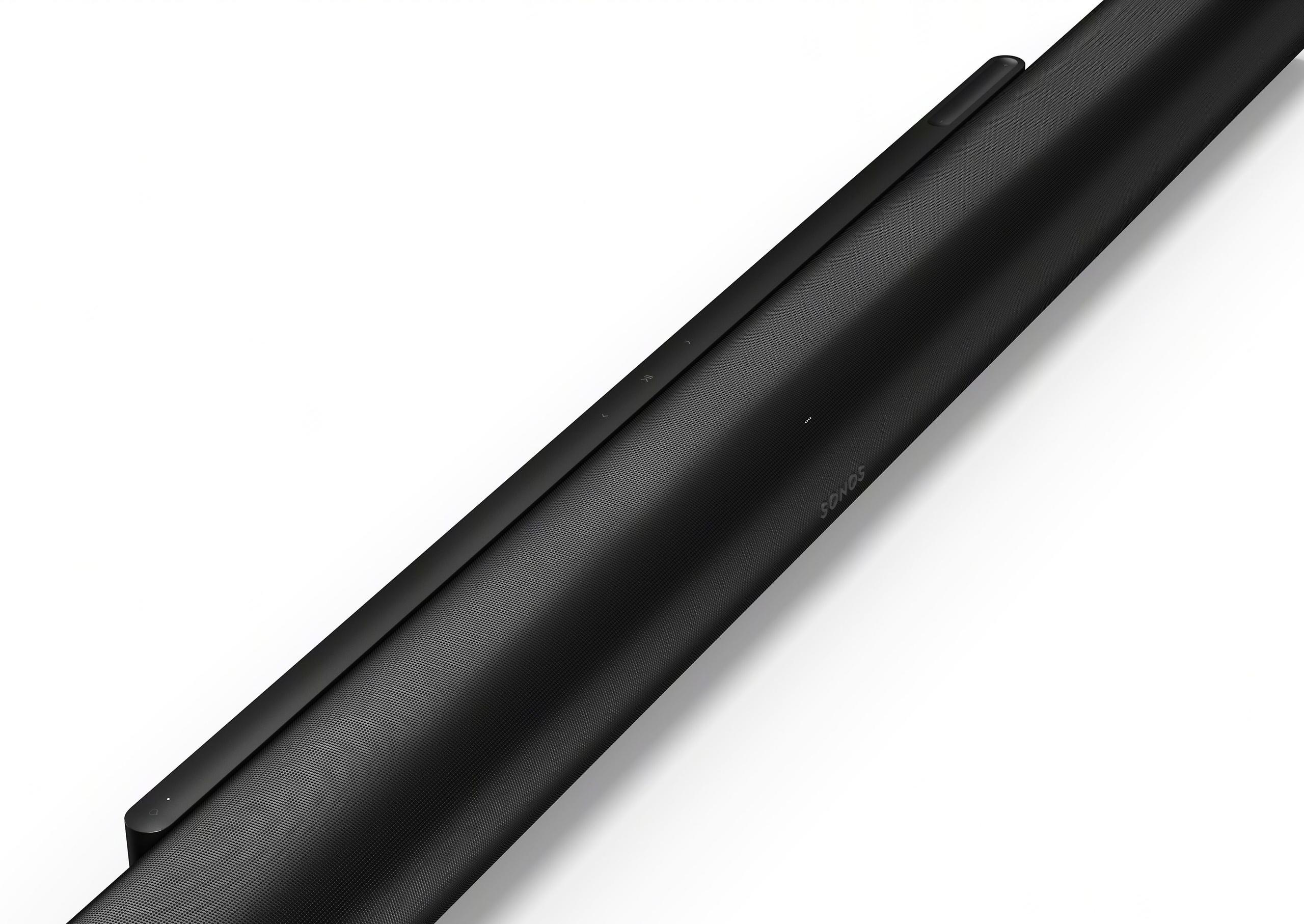
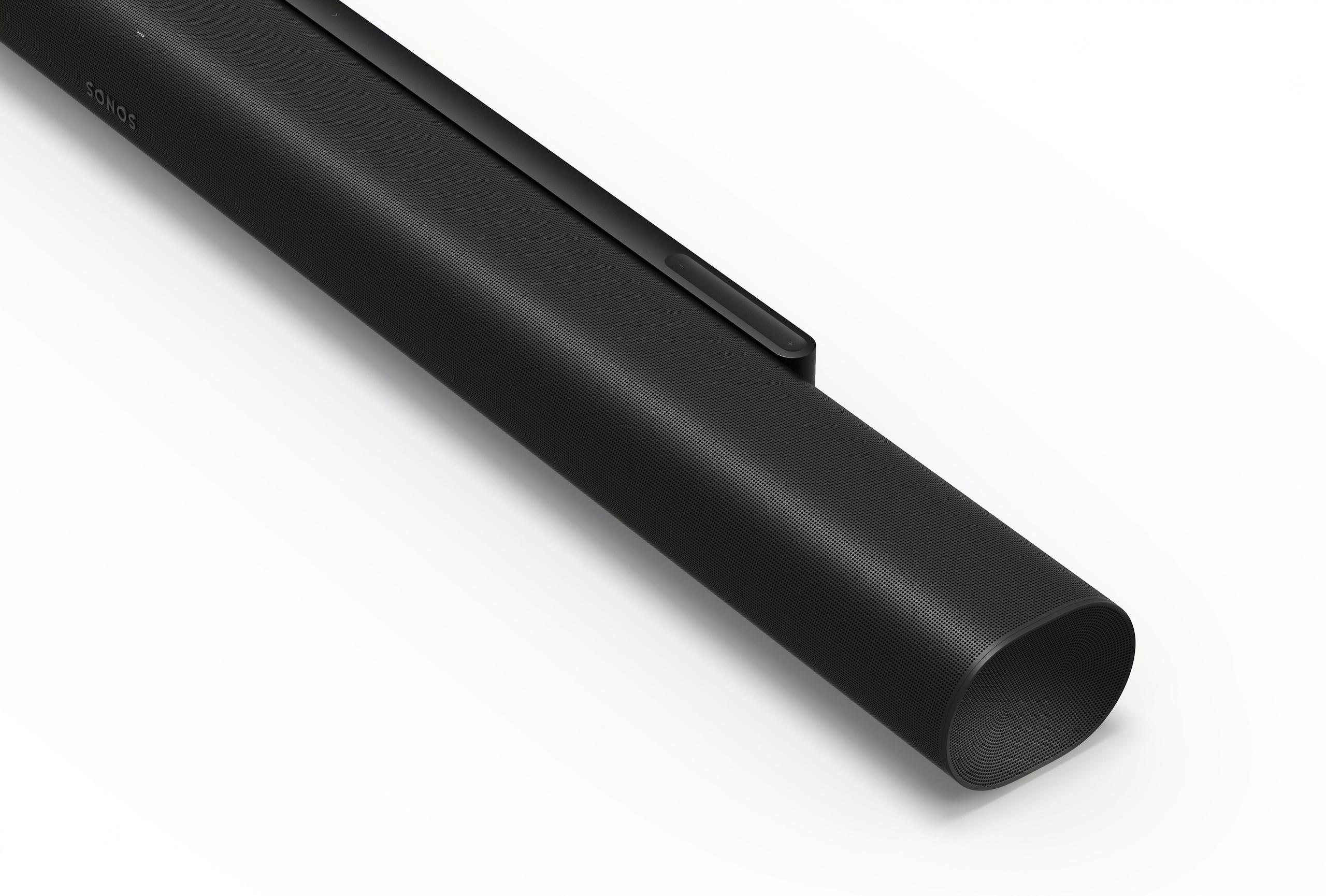
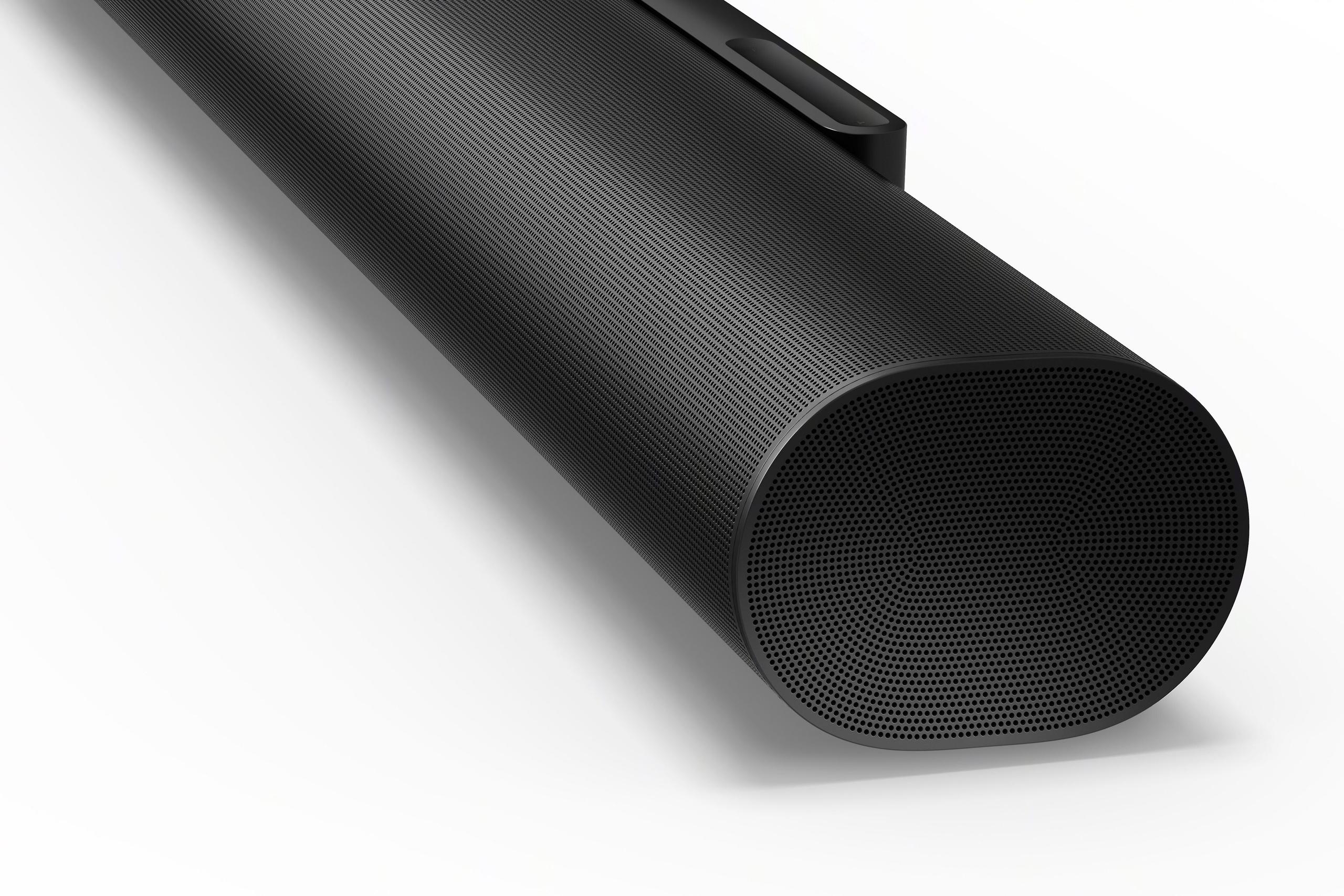
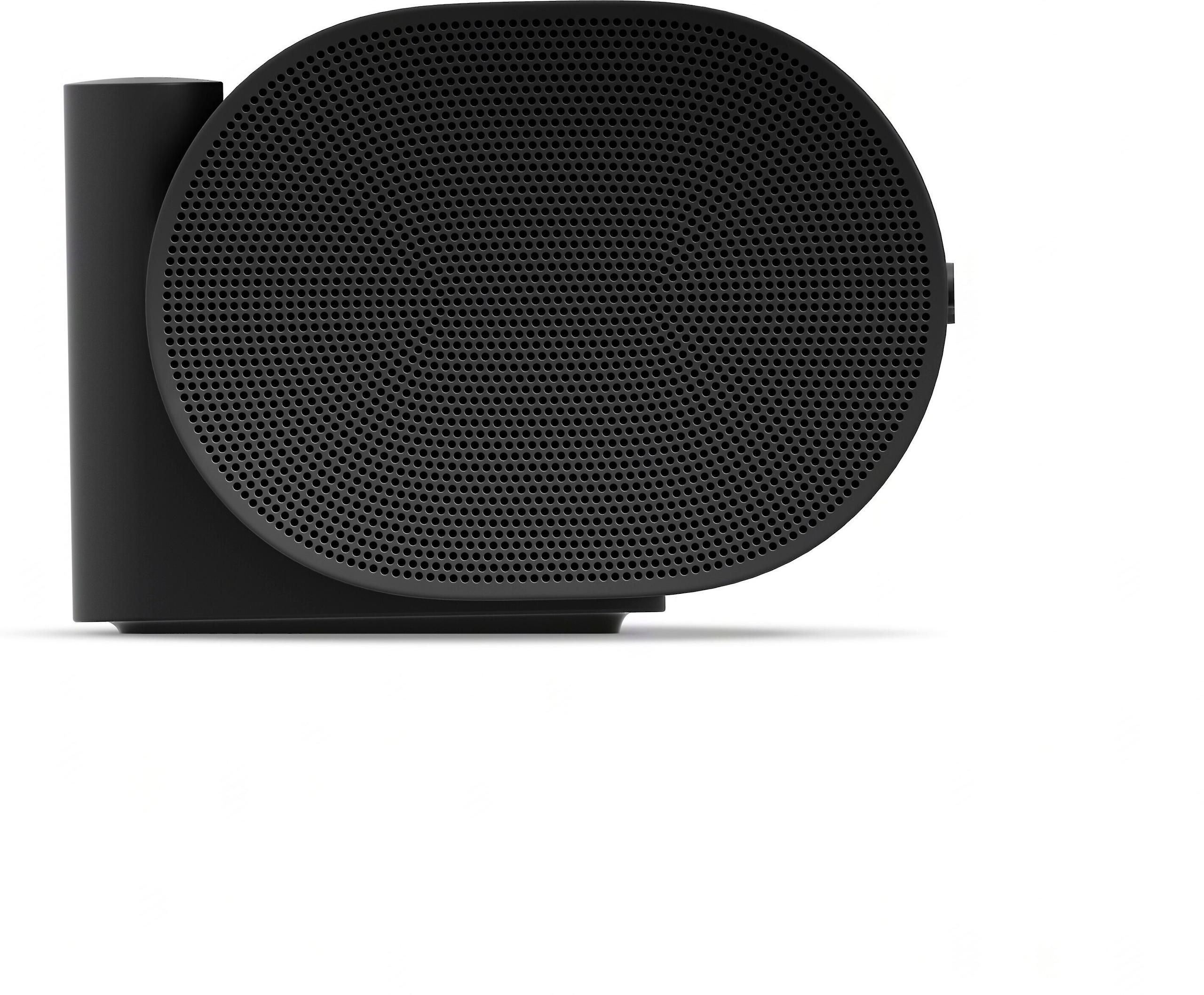
Sonos went all-in on their single-bar design. Inside that sleek 46-inch soundbar, they've packed 14 individual speakers: seven tweeters (for high-pitched sounds like dialogue and music details), six midwoofers (for vocals and mid-range sounds), and their revolutionary Sound Motion woofer for bass. The idea is that through careful engineering and acoustic wizardry, this one bar can bounce sounds off your walls and ceiling to create the illusion of speakers all around you.
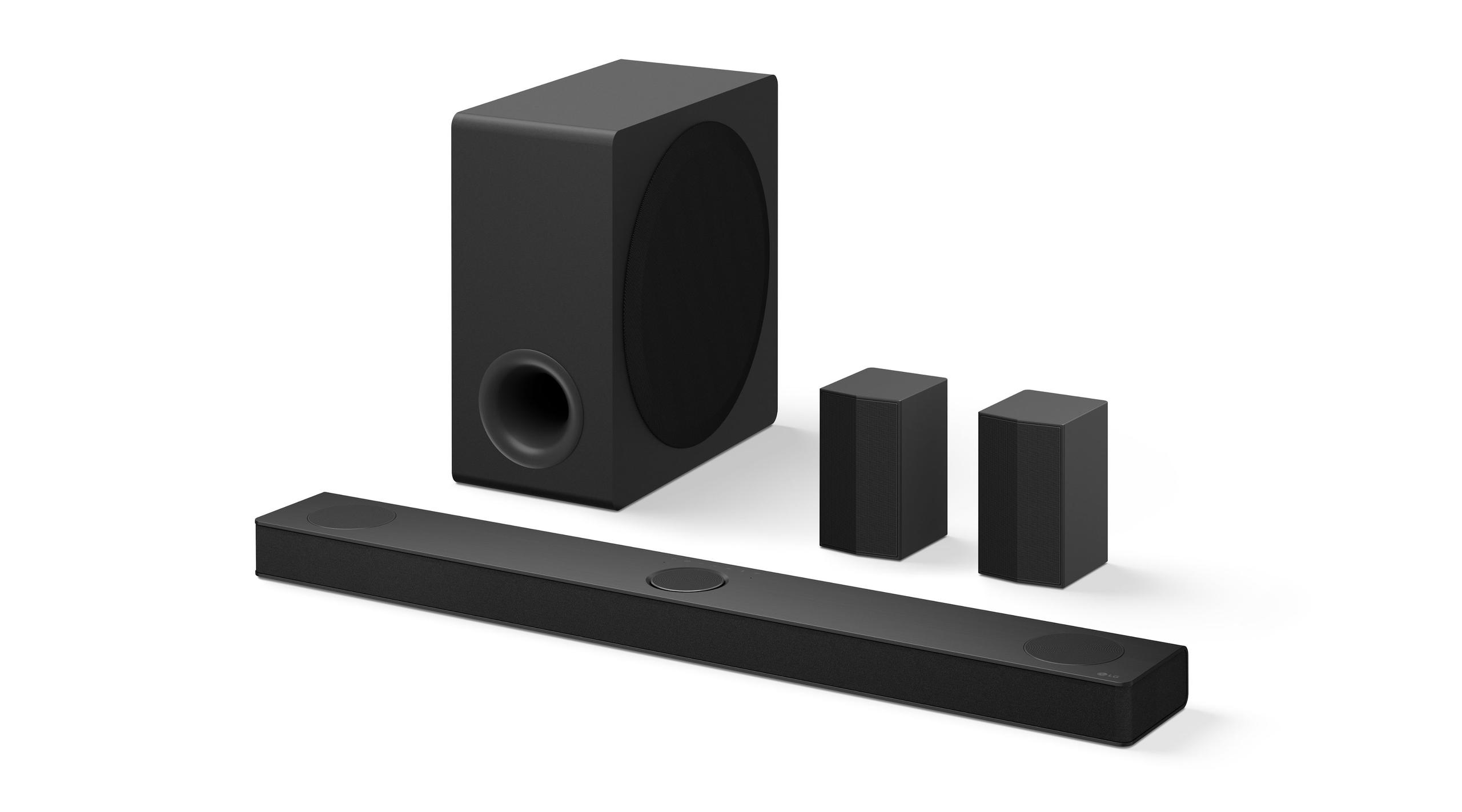
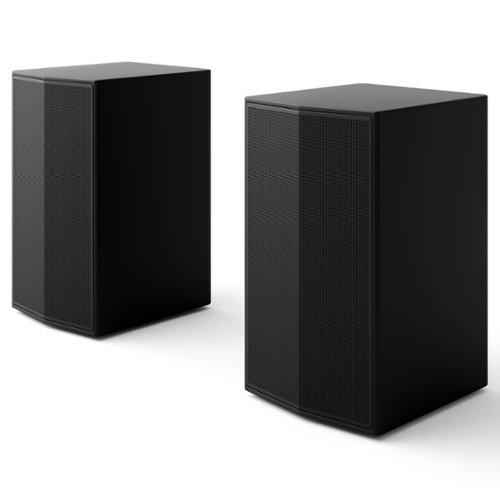
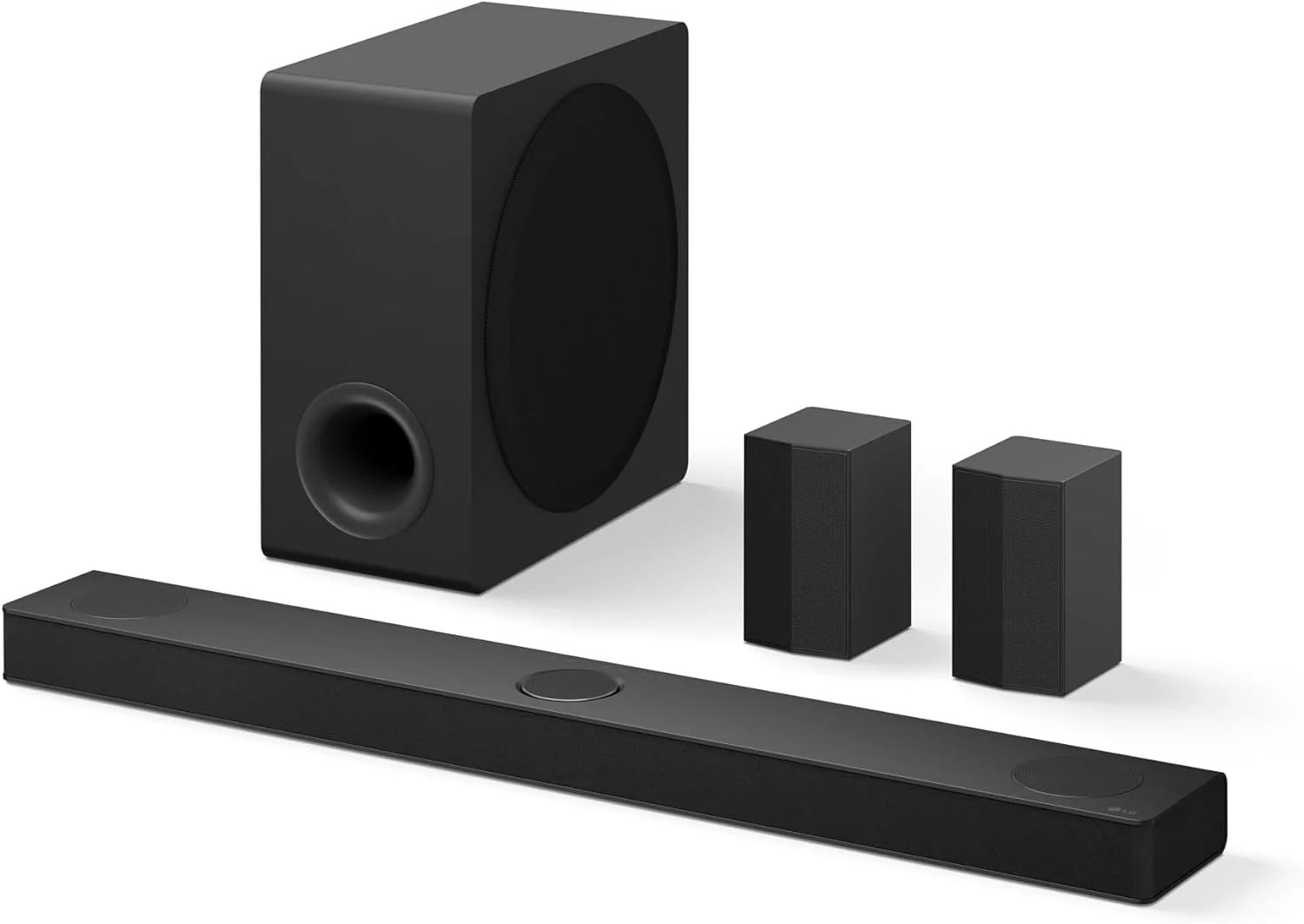
LG took the traditional route with their S80TR, giving you a complete 5.1.3 system right in the box. You get the main soundbar, a wireless subwoofer (a separate box dedicated entirely to bass), and two wireless rear speakers that physically sit behind your listening position. This means when a sound is supposed to come from behind you, it actually does—no acoustic tricks required.
One of the most noticeable differences between these systems is how they handle bass—those deep, rumbling frequencies that make explosions feel visceral and music sound full and rich.
The LG S80TR's approach is straightforward and effective. That separate wireless subwoofer houses an 8-inch driver that can dig down to 40Hz, which covers most of the deep bass you'll hear in movies and music. More importantly, because it's a separate unit, you can place it wherever it sounds best in your room. Bass frequencies are non-directional, meaning you can't tell exactly where they're coming from, so having the flexibility to position the subwoofer for optimal performance is huge.
LG also includes multiple bass enhancement modes. "Bass Blast" and "Bass Blast+" use digital signal processing (essentially computer algorithms) to emphasize low frequencies for more impact during action scenes. While purists might prefer unprocessed sound, these modes can make a real difference when you're watching the latest Marvel movie and want to feel those superhero landings.
The Sonos Arc Ultra takes a more sophisticated but potentially limiting approach. Their Sound Motion woofer represents genuine innovation—it's designed to produce more bass from a smaller enclosure than traditional woofers. This allows Sonos to build meaningful bass response into a soundbar that needs to fit under your TV without blocking your view.
However, physics still applies. No matter how clever the engineering, a soundbar-mounted woofer simply cannot move as much air as a dedicated 8-inch subwoofer. In my experience testing both systems, the Arc Ultra's bass is cleaner and more integrated with the midrange, but it lacks the physical impact that makes explosions truly satisfying. If you're someone who enjoys feeling the bass as much as hearing it, you'll likely want to add Sonos's separate subwoofer, which brings the total cost to over $1,300.
This is where the fundamental design differences between these systems become most apparent, and it's arguably the most important consideration for movie watching.
The LG S80TR's physical rear speakers create what I consider true surround sound. When a sound effect is meant to come from behind you, it literally does. There's no processing trickery or dependence on room acoustics—the rear speakers produce those sounds directly. This is especially noticeable during action sequences where debris flies past you or in horror movies where creepy sounds need to feel like they're right behind your couch.
The wireless design means you don't need to run cables to these rear speakers, though they do need to be plugged into power outlets. In most living rooms, this works out fine, but it's worth considering your furniture arrangement and available outlets when planning your setup.
Sonos's approach with the Arc Ultra is more elegant in some ways but more dependent on your room in others. The soundbar uses precisely angled speakers and advanced digital processing to bounce sounds off your ceiling and walls, creating the illusion that sounds are coming from all around you. When this works well—and it often does—it's genuinely impressive. The Arc Ultra can create convincing overhead effects and a surprisingly wide soundstage that extends well beyond the physical boundaries of the soundbar itself.
However, this virtual surround approach has limitations. Rooms with high ceilings, soft furnishings that absorb sound, or unconventional layouts may not provide the reflective surfaces needed for optimal performance. I've found that the Arc Ultra works best in medium-sized rooms with fairly standard proportions and some hard surfaces for sound reflection.
Clear dialogue reproduction might not sound exciting, but it's absolutely critical for enjoying movies and TV shows. There's nothing more frustrating than constantly adjusting the volume because you can't understand what characters are saying.
The Sonos Arc Ultra excels here, and it's largely due to their dedicated center channel design. In traditional surround sound systems, dialogue typically comes from a center speaker positioned directly below or above your TV. The Arc Ultra dedicates specific drivers to this center channel and uses sophisticated digital processing to ensure voices cut through even the most complex soundtracks.
Sonos's Speech Enhancement feature offers three levels of dialogue boost, using AI algorithms to identify and amplify vocal frequencies while keeping music and sound effects at appropriate levels. This is particularly valuable if you or family members have any hearing difficulties, or if you prefer to keep overall volume levels reasonable during evening viewing.
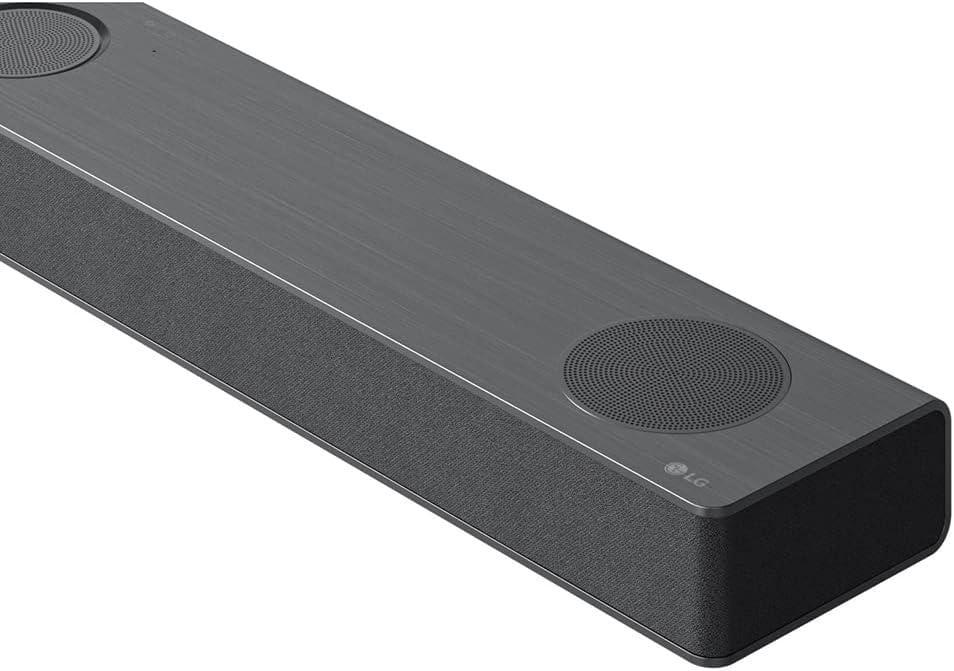
The LG S80TR also includes dialogue enhancement through its "Clear Voice Pro" mode, and the up-firing center channel design can be quite effective. However, in my testing, it doesn't match the precision and clarity of Sonos's dedicated center array. The LG system sometimes makes dialogue sound slightly artificial when enhancement modes are active, whereas Sonos's processing tends to be more transparent.
While both systems handle movie soundtracks well, their music performance reveals their different design priorities.
The Arc Ultra was clearly designed with music listening in mind. Sonos built their reputation on multi-room music systems, and that expertise shows. The frequency response is more balanced and neutral, making it excellent for streaming music when you're not watching TV. The integration between the various drivers is seamless, creating a cohesive sound that works well across different musical genres.
The LG S80TR, despite supporting various music streaming services, is clearly optimized for movie content. The system's various AI-enhanced sound modes can over-emphasize certain frequencies when playing music, leading to an exaggerated or unnatural sound signature. The "AI Sound Pro" mode, while effective for dialogue in movies, can make vocals in music sound overly processed and separated from the instrumental accompaniment.
If you plan to use your soundbar for music listening as much as movie watching, this difference becomes significant. The Sonos system provides a more satisfying musical experience, while the LG system excels when explosions are flying and dialogue needs to cut through complex action sequences.
Both systems include room calibration technology, but they work differently and have different requirements.
LG's AI Room Calibration is more universally accessible. The system uses built-in microphones to measure your room's acoustic properties and automatically adjusts its sound output accordingly. This works regardless of what TV you have or what phone you own, and it can adapt continuously as your room setup changes.
Sonos's Trueplay tuning is more sophisticated but more limited. It requires an iOS device (iPhone or iPad) to work, which immediately excludes Android users from accessing this feature. However, when it works, Trueplay is impressively precise, using your device's microphone to map your room's acoustics in detail and optimizing the soundbar's output accordingly.
The smart home integration story also differs significantly. The LG S80TR offers comprehensive voice control through both Alexa and Google Assistant, allowing you to control not just the soundbar but your entire smart home setup. It also supports multiple streaming protocols including AirPlay 2, Chromecast, and Spotify Connect, making it compatible with virtually any device you might want to stream from.
Sonos takes a more curated approach. Voice control is limited to music playback commands, and the system lacks Bluetooth connectivity entirely. However, if you're building a Sonos ecosystem throughout your home, the multi-room audio capabilities are genuinely excellent, allowing seamless music streaming between rooms.
For gamers, the differences between these systems extend beyond just sound quality. The LG S80TR includes a dedicated gaming mode that reduces audio latency (the delay between when something happens on screen and when you hear it) and supports advanced gaming features like Variable Refresh Rate (VRR) and Auto Low Latency Mode (ALLM). It also handles 4K signals at 120Hz, which is important for next-generation gaming consoles.
The Arc Ultra handles gaming adequately but doesn't include specialized gaming optimizations. For casual gaming, this isn't a problem, but competitive gamers who need precise audio timing might prefer the LG system's dedicated gaming features.
When the LG S80TR launched in early 2024, it represented exceptional value in the premium soundbar category. At $547, you get a complete 5.1.3 system that would have cost significantly more just a few years ago. The inclusion of wireless rear speakers and a substantial subwoofer at this price point is genuinely impressive.
The Sonos Arc Ultra, released in late 2024, costs $929 for just the soundbar. To achieve bass performance comparable to the LG system, you'd need to add Sonos's Sub Mini for another $439, bringing the total to over $1,300. If you want physical rear speakers for true surround sound, adding a pair of Era 300 speakers pushes the total investment beyond $2,000.
However, the Sonos system offers refinements that some users will find worth the premium. The build quality is exceptional, with premium materials and precise manufacturing that you can see and feel. The sound processing is more sophisticated, and the integration with Sonos's broader ecosystem provides capabilities that the LG system simply cannot match.
Both companies have made significant advances in their soundbar technology recently. Sonos's Sound Motion woofer technology in the Arc Ultra represents a genuine breakthrough in compact bass reproduction. This technology allows them to produce more bass from a smaller enclosure than was previously possible, addressing one of the main limitations of all-in-one soundbar designs.
LG has focused on improving their AI processing and room adaptation capabilities. Their newer systems can analyze room acoustics in real-time and adjust not just overall EQ but also the timing and phase relationships between different speakers to optimize the listening experience for your specific space.
The trend in both companies' recent releases has been toward more intelligent, adaptive systems that can optimize themselves for different content types and listening environments. This reduces the need for manual tweaking and makes high-quality sound more accessible to users who don't want to become audio engineers.
Choosing between these systems ultimately comes down to your priorities, room setup, and long-term plans.
Choose the LG S80TR if you want maximum bang for your buck and prioritize the movie-watching experience. The complete system with physical rear speakers and dedicated subwoofer provides genuine surround sound that works in any room layout. The comprehensive smart features and gaming optimizations make it an excellent all-around choice for most households. At $547, it delivers performance that would have been unthinkable at this price point just a few years ago.
The Sonos Arc Ultra is the better choice if you value premium build quality, sophisticated processing, and plan to build a multi-room audio system over time. The music performance is superior, and the single-bar design offers unmatched elegance and simplicity. However, be prepared to invest significantly more to achieve the full surround sound experience that the LG system provides out of the box.
For most people, especially those new to premium soundbars, the LG S80TR offers the best balance of performance, features, and value. It provides about 80% of the premium soundbar experience at 60% of the cost, making high-quality Dolby Atmos accessible without requiring a major financial commitment.
However, if you're already invested in the Sonos ecosystem or prioritize music listening equally with movie watching, the Arc Ultra's refinements and integration capabilities may justify the higher cost. The decision ultimately depends on whether you value the complete experience at a great price or the refined experience at a premium price.
Both systems represent excellent examples of how soundbar technology has evolved, offering capabilities that required expensive, complex installations just a decade ago. Either choice will dramatically improve your TV's audio and provide years of enhanced entertainment enjoyment.
| Sonos Arc Ultra Dolby Atmos Soundbar ($929) | LG S80TR 5.1.3 Channel Soundbar with Dolby Atmos and Rear Speakers ($547) |
|---|---|
| System Configuration - Determines surround sound authenticity and setup complexity | |
| Single soundbar with 14 drivers (9.1.4 virtual channels) | Complete 5.1.3 system with soundbar, wireless subwoofer, and rear speakers |
| Bass Performance - Critical for movie impact and music fullness | |
| Built-in Sound Motion woofer (requires $439 Sub Mini for deep bass) | Dedicated 8-inch wireless subwoofer with Bass Blast modes included |
| Surround Sound Approach - Affects immersion quality and room dependency | |
| Virtual surround using wall/ceiling reflections (room-dependent) | Physical rear speakers for authentic behind-you effects |
| Dialogue Clarity - Essential for understanding speech in movies | |
| Dedicated center channel with 3-level AI Speech Enhancement | Up-firing center with Clear Voice Pro mode |
| Smart Features - Impacts daily usability and device compatibility | |
| Limited voice control, no Bluetooth, iOS-only room calibration | Full Alexa/Google Assistant, Bluetooth 5.1, universal room calibration |
| Music Performance - Important if you stream music regularly | |
| Excellent balanced sound optimized for music listening | Movie-focused tuning that can over-process music content |
| Gaming Support - Matters for console users | |
| Basic gaming support with HDMI eARC | Dedicated gaming mode with 4K/120Hz, VRR, and ALLM support |
| TV Integration - Enhances overall audio experience | |
| Standard HDMI eARC connection only | WOW Orchestra syncs with LG TVs to combine TV and soundbar speakers |
| Installation Requirements - Affects setup difficulty and room flexibility | |
| Single power cable, wall-mountable, no rear speaker placement needed | Requires power for rear speakers and subwoofer positioning |
| Expandability - Future upgrade potential and total system cost | |
| Modular Sonos ecosystem (full setup costs $2,000+) | Complete system included, limited expansion options |
| Build Quality - Reflects long-term durability and premium feel | |
| Premium materials and precision manufacturing | Solid construction focused on value rather than luxury |
| Room Compatibility - How well it works in different spaces | |
| Best in medium rooms with reflective surfaces | Works well in any room size due to physical speaker placement |
The LG S80TR ($547) provides exceptional value by including a complete 5.1.3 system with wireless subwoofer and rear speakers at nearly half the price of the Sonos Arc Ultra ($929). You get authentic surround sound with physical rear speakers and deep bass right out of the box, while the Sonos requires additional purchases to match this performance level.
The LG S80TR comes complete with everything you need - soundbar, wireless subwoofer, and rear speakers included. The Sonos Arc Ultra is just the main soundbar, so you'll likely want to add the Sub Mini ($439) for comparable bass and Era 300 speakers ($449 each) for true rear surround, potentially tripling your total investment.
For home theater use, the LG S80TR excels with its physical rear speakers that create authentic behind-you effects and a dedicated subwoofer for impactful bass during action scenes. The system also includes gaming modes and support for 4K/120Hz signals, making it ideal for movie nights and console gaming.
The LG S80TR includes a dedicated 8-inch wireless subwoofer that delivers room-shaking bass down to 40Hz with multiple enhancement modes. The Sonos Arc Ultra has innovative built-in bass technology, but it cannot match the physical impact of a separate subwoofer without purchasing additional components.
Both systems offer dialogue enhancement, but the Sonos Arc Ultra has a slight edge with its dedicated center channel drivers and three-level AI Speech Enhancement that makes voices exceptionally clear. The LG S80TR includes Clear Voice Pro mode that's effective but not quite as refined as Sonos's processing.
The Sonos Arc Ultra is superior for music listening, offering balanced sound quality and seamless integration with streaming services. The LG S80TR is optimized primarily for movie content, and its AI sound modes can make music sound over-processed or unnatural compared to Sonos's more neutral tuning.
The LG S80TR offers comprehensive voice control with both Alexa and Google Assistant for controlling your entire smart home. The Sonos Arc Ultra has more limited voice functionality, focusing mainly on music playback commands rather than full smart home integration.
The Sonos Arc Ultra wins for simplicity with just one unit to connect and no rear speakers to position. However, the LG S80TR isn't much more complex since all components connect wirelessly - you just need power outlets for the subwoofer and rear speakers.
The LG S80TR uses AI Room Calibration that works with any smartphone and continuously adapts to your space. The Sonos Arc Ultra offers more precise Trueplay tuning, but it only works with iOS devices, excluding Android users from this important optimization feature.
The LG S80TR has a significant advantage if you own an LG TV, thanks to WOW Orchestra technology that synchronizes your TV speakers with the soundbar for enhanced front-stage audio. The Sonos Arc Ultra works with any TV brand but doesn't offer this type of integrated experience.
The LG S80TR is clearly better for gaming, featuring dedicated gaming modes, support for 4K/120Hz signals, Variable Refresh Rate (VRR), and Auto Low Latency Mode (ALLM) - all important for next-gen console gaming. The Sonos Arc Ultra handles gaming adequately but lacks these specialized gaming optimizations.
For most first-time buyers, the LG S80TR is the smarter choice. You get a complete surround sound system with impressive performance at an accessible price point. The Sonos Arc Ultra is better suited for those who prioritize premium build quality, plan to expand into a multi-room system, or already own other Sonos products.
We've done our best to create useful and informative comparisons to help you decide what product to buy. Our research uses advanced automated methods to create this comparison and perfection is not possible - please contact us for corrections or questions. These are the sites we've researched in the creation of this article: bestbuy.com - shopjetson.com - youtube.com - ign.com - crutchfield.com - dowtechnologies.com - sonos.com - appleinsider.com - pcrichard.com - clefdesol.com - sonos.com - businessinsider.com - audioadvice.com - en.community.sonos.com - bestbuy.com - billsmith.com - brandsmartusa.com - avsforum.com - youtube.com - lg.com - buydig.com - louisdoehomecenter.com - lg.com - videoandaudiocenter.com - mynavyexchange.com - walts.com - bestbuy.com

Privacy Policy
Terms and Conditions - Affiliate Policy
Home Security
© Copyright 2008-2026.
11816 Inwood Rd #1211, Dallas, TX 75244