







If you've ever found yourself leaning forward during a movie to catch what the characters are saying, or felt like your TV's audio lacks the punch of a real theater experience, you're not alone. The tiny speakers crammed into today's ultra-thin TVs simply can't deliver the rich, immersive sound that makes movies, games, and music truly engaging. That's where soundbars come in – and choosing between the Yamaha SR-B30A at $280 and the LG S80TR at $547 represents two fundamentally different approaches to solving your audio problems.
Before diving into these specific models, it's worth understanding what soundbars are trying to accomplish. Think of them as the middle ground between your TV's weak built-in speakers and a full surround sound system with speakers scattered around your room. The basic idea is simple: pack multiple speakers into a single bar-shaped enclosure that sits below or above your TV, creating a wider, more detailed soundstage than what your TV can manage alone.
But here's where it gets interesting – not all soundbars take the same approach. Some, like the Yamaha, try to do everything in one compact package. Others, like the LG, spread the work across multiple components to create a more authentic surround sound experience. The key considerations when choosing between these approaches include your room size, how much setup complexity you're willing to tolerate, whether you prioritize simplicity or maximum performance, and of course, your budget.
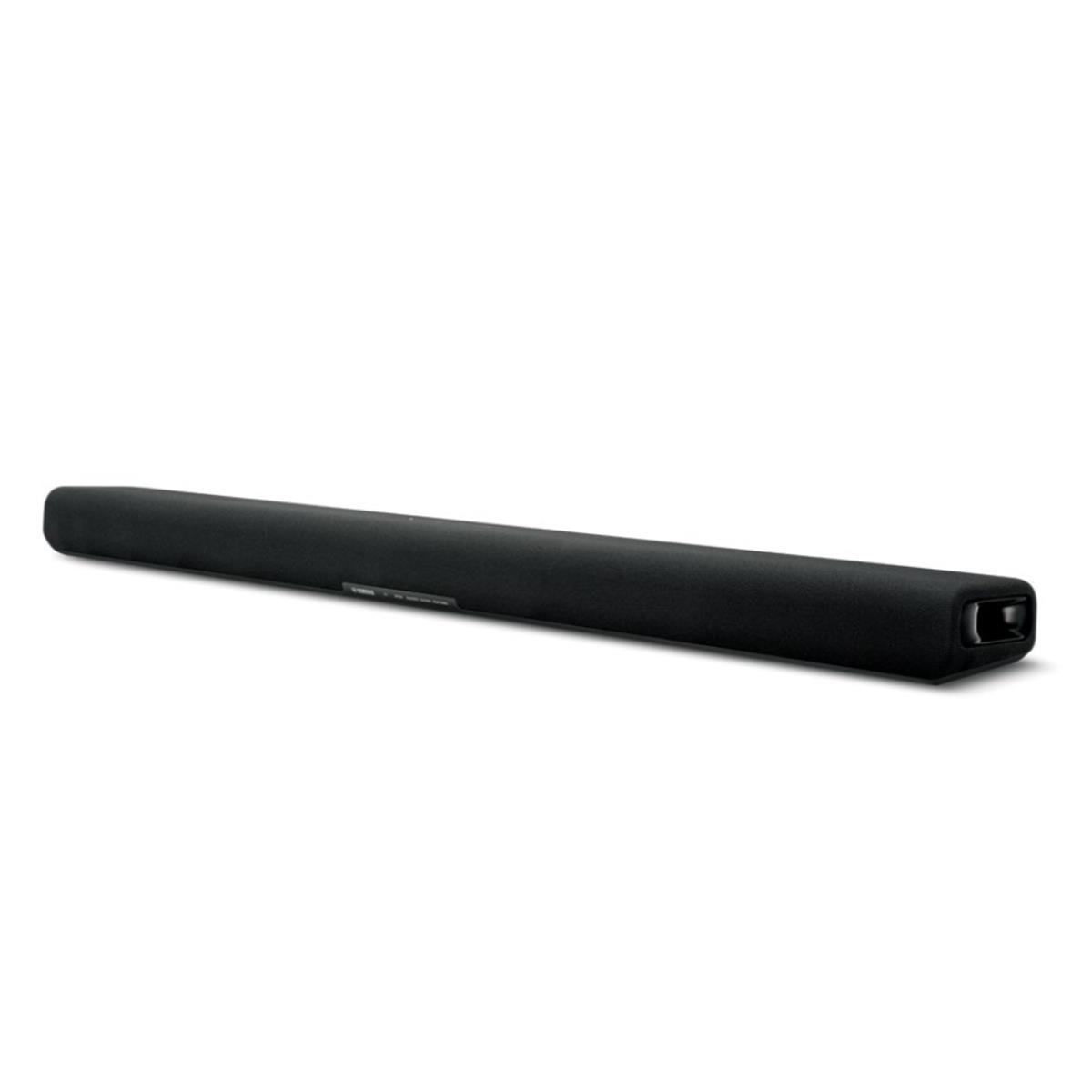
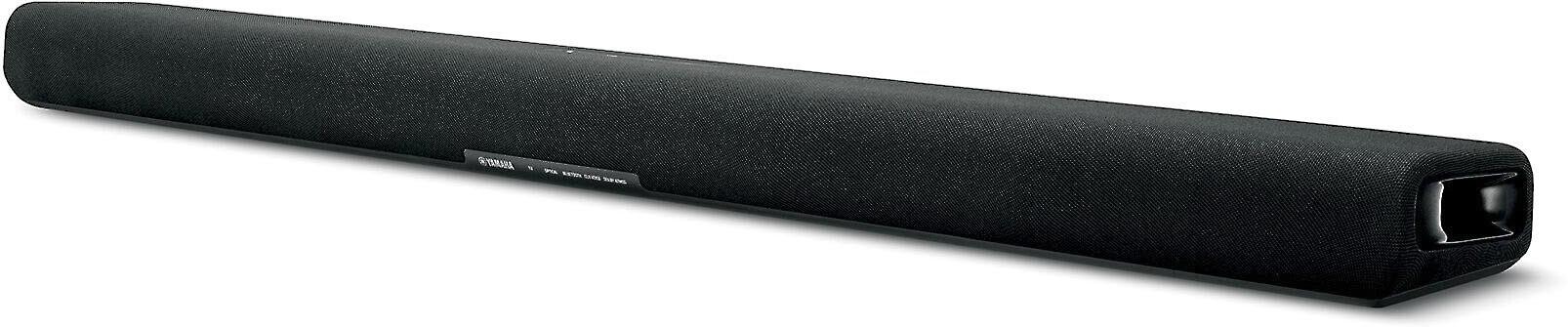
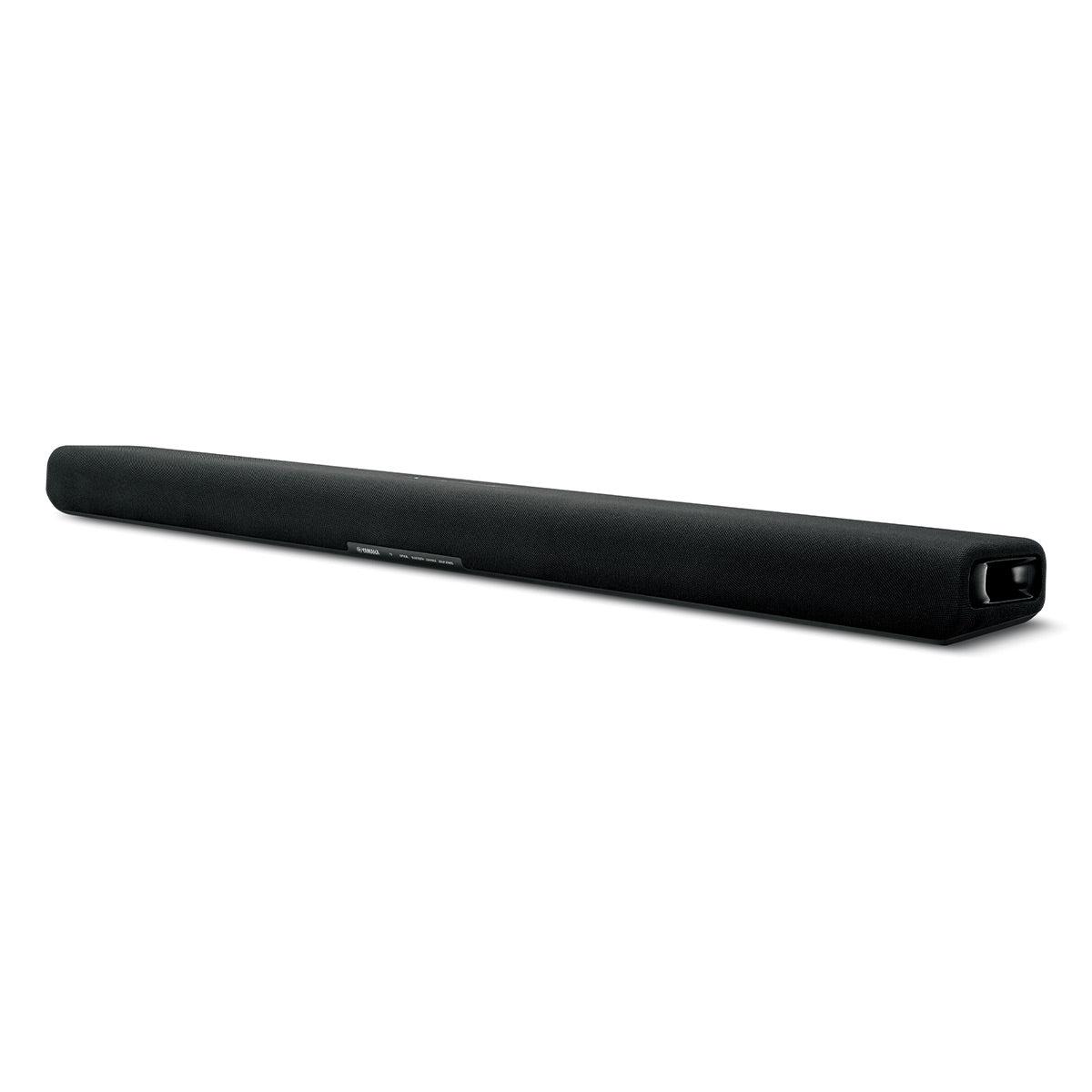
The Yamaha SR-B30A represents what I call the "keep it simple" philosophy. Released in 2024 as part of Yamaha's refreshed entry-level lineup, it's a single 35.9-inch soundbar that packs dual built-in subwoofers right into the main unit. At $280, it's targeting people who want better TV audio without the hassle of multiple components or complex setup procedures.
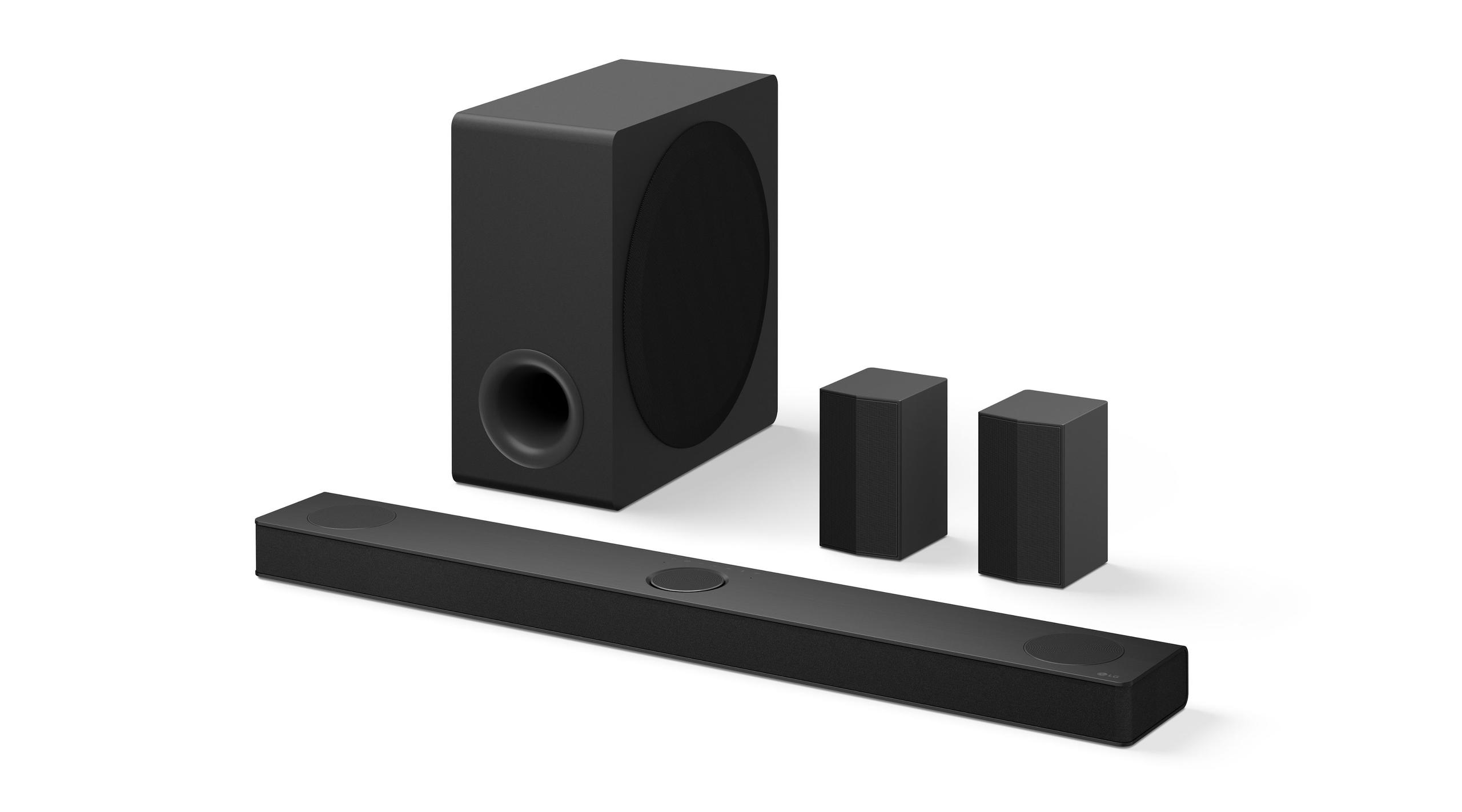
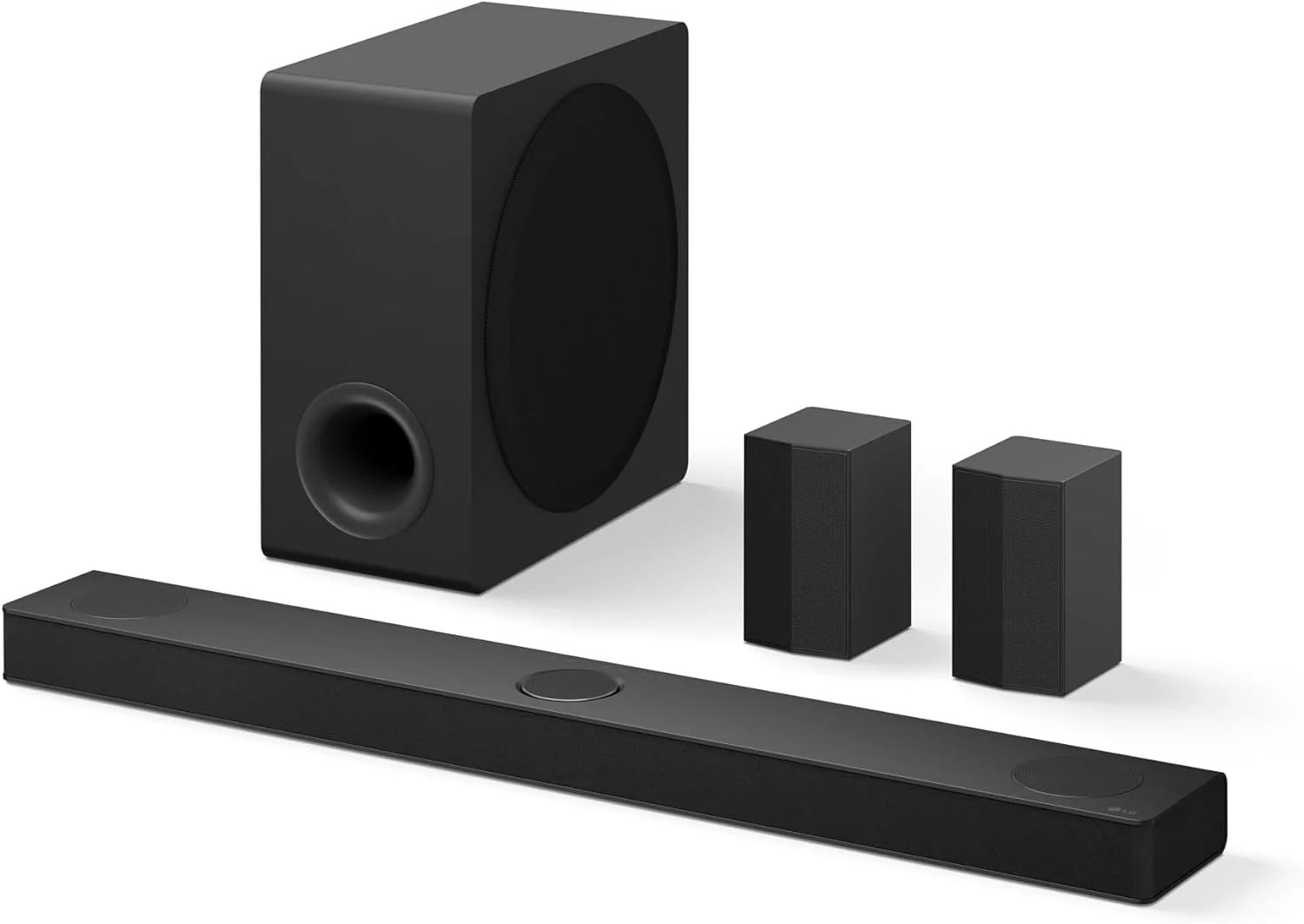
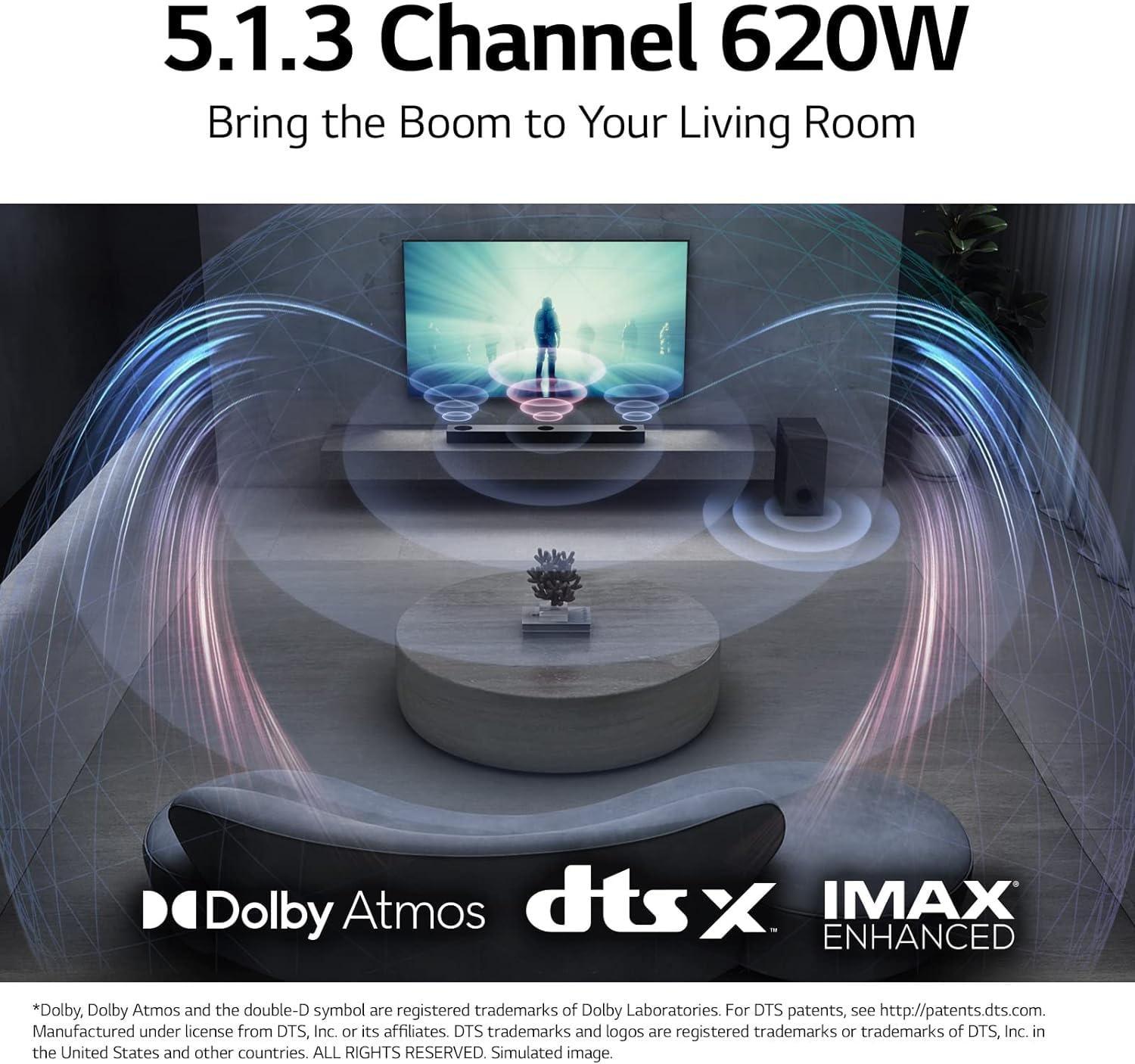
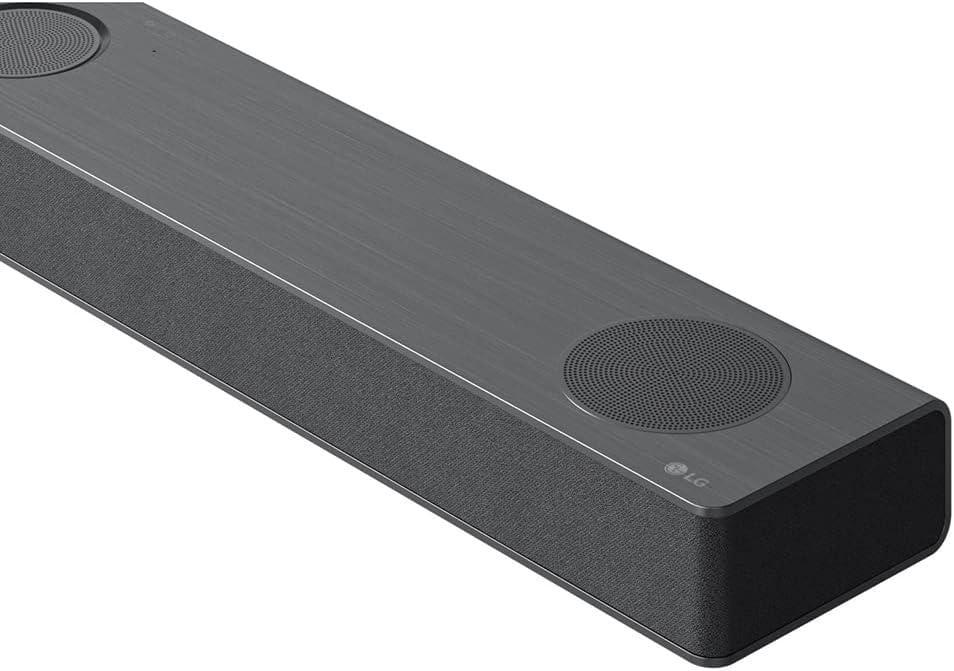
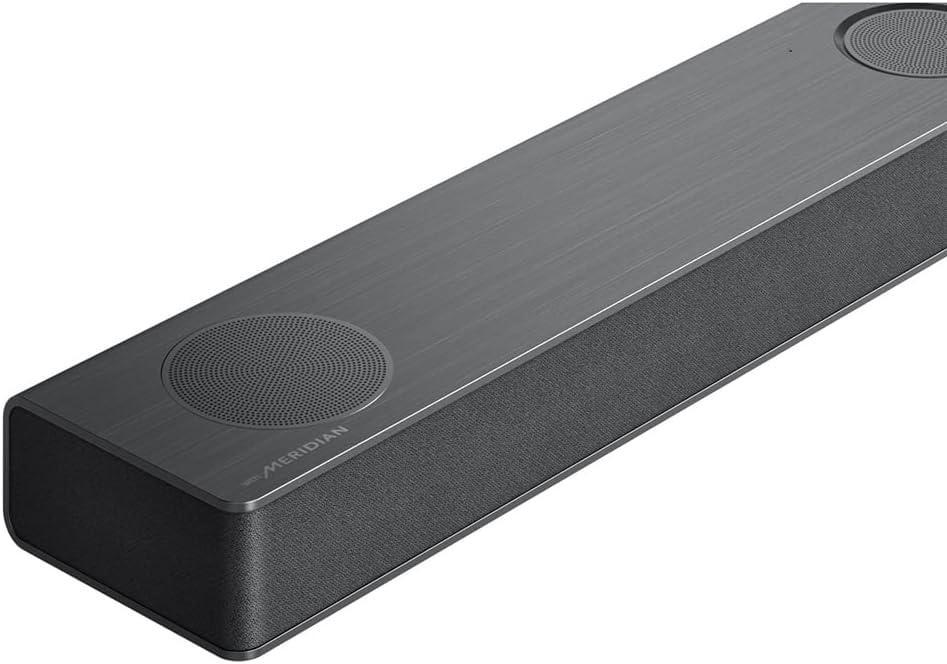
The LG S80TR, launched in 2025 as an updated version of the popular S80QR, takes the "go big or go home" approach. For $547, you get a complete 5.1.3 channel system – that's five main speakers, one subwoofer, and three height channels for overhead effects. LG simplified the wireless connectivity compared to its predecessor (no more separate wireless transmitter box), but this is still a multi-component system designed for people who want genuine surround sound immersion.
The timing of these releases tells an interesting story about where the soundbar market is heading. Yamaha's focus on built-in subwoofers reflects the growing demand for space-saving solutions in smaller homes and apartments. Meanwhile, LG's refinement of their wireless rear speaker technology shows that manufacturers are making it easier to get true surround sound without running cables all over your room.
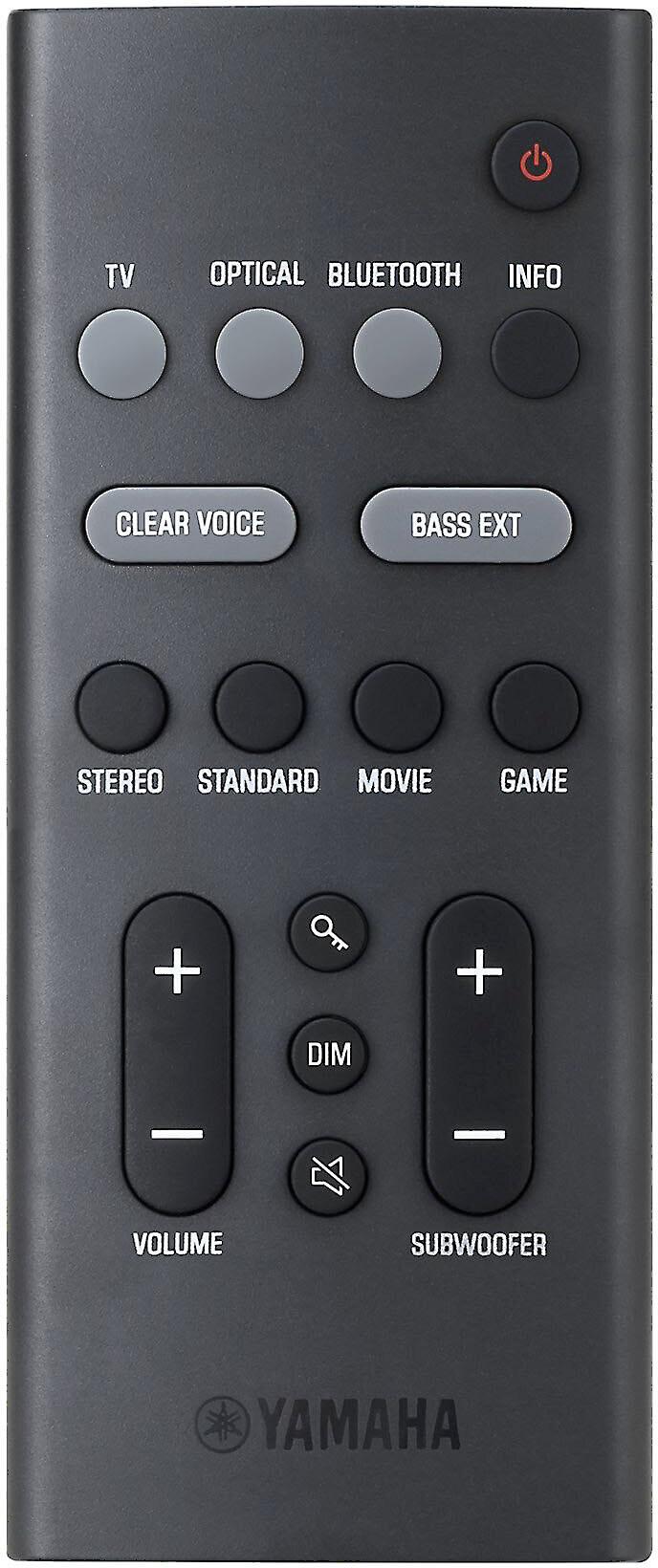
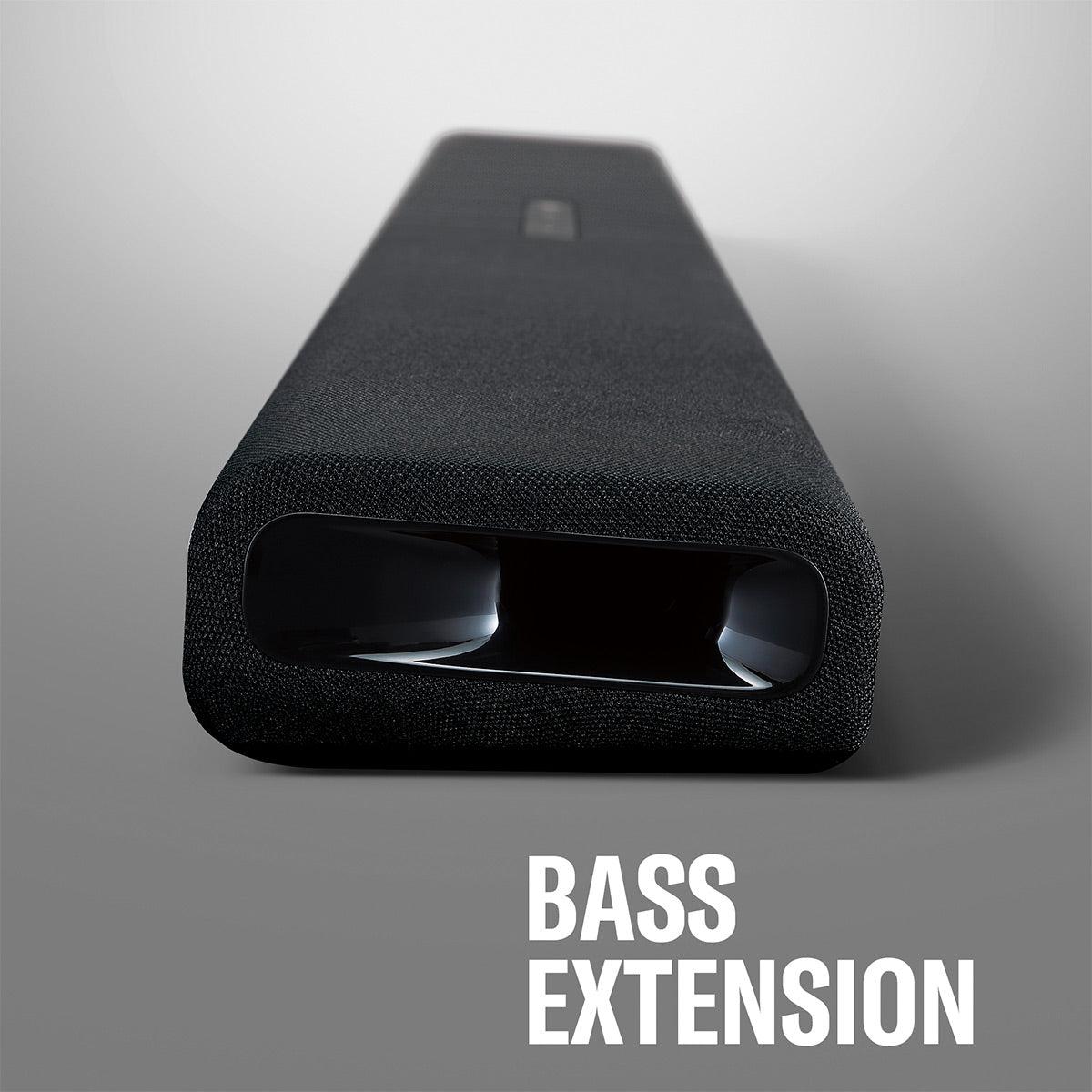
Let's start with bass, because it's often the most noticeable difference when upgrading from TV speakers. The Yamaha's approach is clever – instead of requiring a separate subwoofer box, it builds two 3-inch subwoofer drivers right into the soundbar. These handle frequencies down to about 55Hz, which covers most movie dialogue and music adequately. There's even a "Bass Extension" mode that pushes the drivers harder to squeeze out more low-end impact.
In practice, this works well for everyday viewing. When I tested the Yamaha with various content, dialogue felt fuller and more natural, and music had a satisfying weight that TV speakers simply can't match. However, when an action movie calls for that room-shaking explosion or a music track has deep electronic bass, you'll notice the limitations. Those built-in 3-inch drivers, despite being well-tuned, just can't move the amount of air that a larger, dedicated subwoofer can.
The LG takes a completely different approach with its separate 8-inch wireless subwoofer. This dedicated unit can reach down to around 40Hz – that's where you feel bass in your chest rather than just hearing it. During testing, the difference was immediately apparent in movie scenes with helicopters, explosions, or deep musical content. The LG's subwoofer also gives you placement flexibility – you can position it where it sounds best in your room, while the Yamaha's bass is locked to wherever you put the soundbar.
What's particularly impressive about the LG's subwoofer is how it integrates wirelessly. There's no audio delay or sync issues, and the connection has been rock-solid in my experience. This wireless approach eliminates one of the traditional headaches of surround sound systems – running a cable to your subwoofer.
Here's where these two soundbars reveal their fundamental differences. The Yamaha relies on psychoacoustic processing – essentially audio tricks that fool your brain into perceiving sounds coming from locations where there aren't actually speakers. It's impressive technology, and when it works well, you'll notice dialogue seeming to come directly from your TV screen and some sounds appearing to extend beyond the physical width of the soundbar.
But there's only so much that audio processing can accomplish. When a helicopter flies from the front of the screen to behind your head in a movie, the Yamaha can create some sense of movement, but it's still fundamentally coming from speakers in front of you. Your brain knows this, even if it's playing along with the illusion.
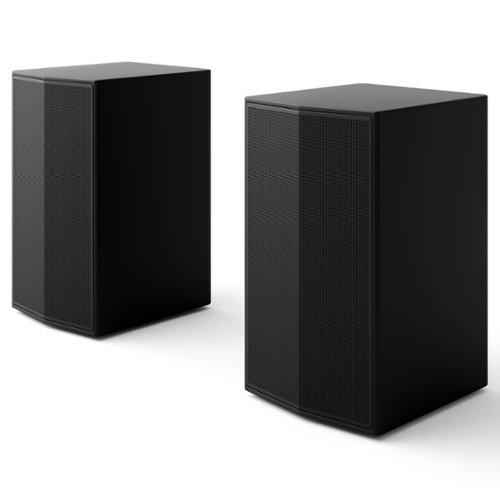
The LG's approach is more straightforward but ultimately more convincing: it puts actual speakers behind you. The wireless rear speakers eliminate the need to run cables, but they still need to be positioned properly and plugged into power outlets. When set up correctly, the difference is dramatic. Sounds genuinely appear to come from behind and around you, creating that enveloping experience that makes movies and games so much more engaging.
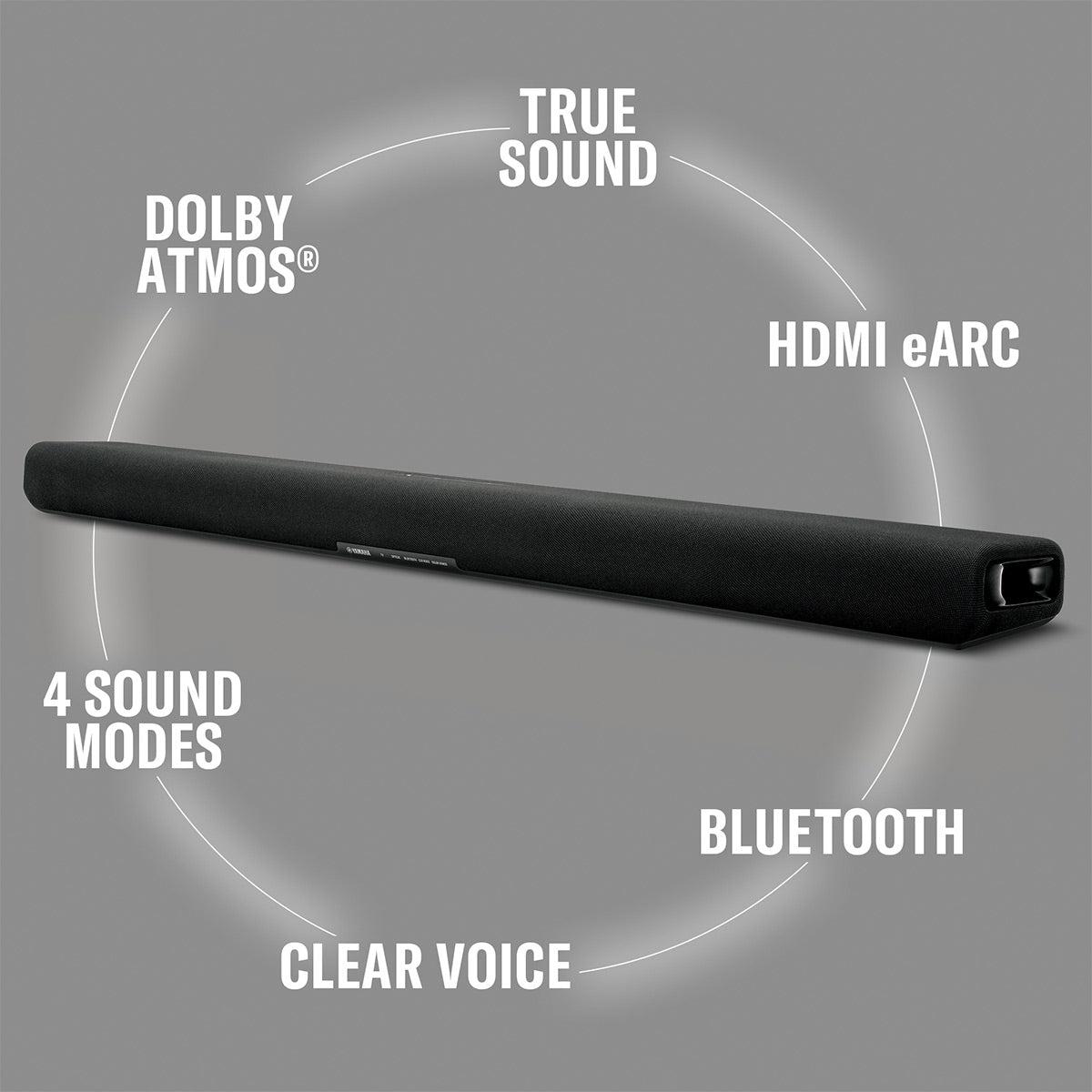
The LG also includes height channels – speakers that fire sound upward to bounce off your ceiling, creating the impression of overhead effects. This is crucial for Dolby Atmos content, where helicopters, rain, or explosions are meant to come from above. The Yamaha can process Dolby Atmos signals, but without dedicated height speakers, it's doing its best to create these effects through the front-facing drivers.
Both soundbars recognize that clear dialogue is often the most important upgrade people want from their TV speakers. The Yamaha's "Clear Voice" technology specifically boosts the frequency range where human speech lives, making conversations more intelligible even when there's background music or sound effects competing for attention.
The LG takes this a step further with a dedicated center channel speaker. In traditional surround sound systems, the center channel is specifically responsible for dialogue, and having a physical speaker dedicated to this job makes a noticeable difference. Voices appear to come directly from the screen with better clarity and separation from other sounds.
In side-by-side testing, both systems improved dialogue significantly over TV speakers, but the LG's dedicated center channel provided better separation and clarity, especially in complex scenes with multiple people talking or lots of background noise.
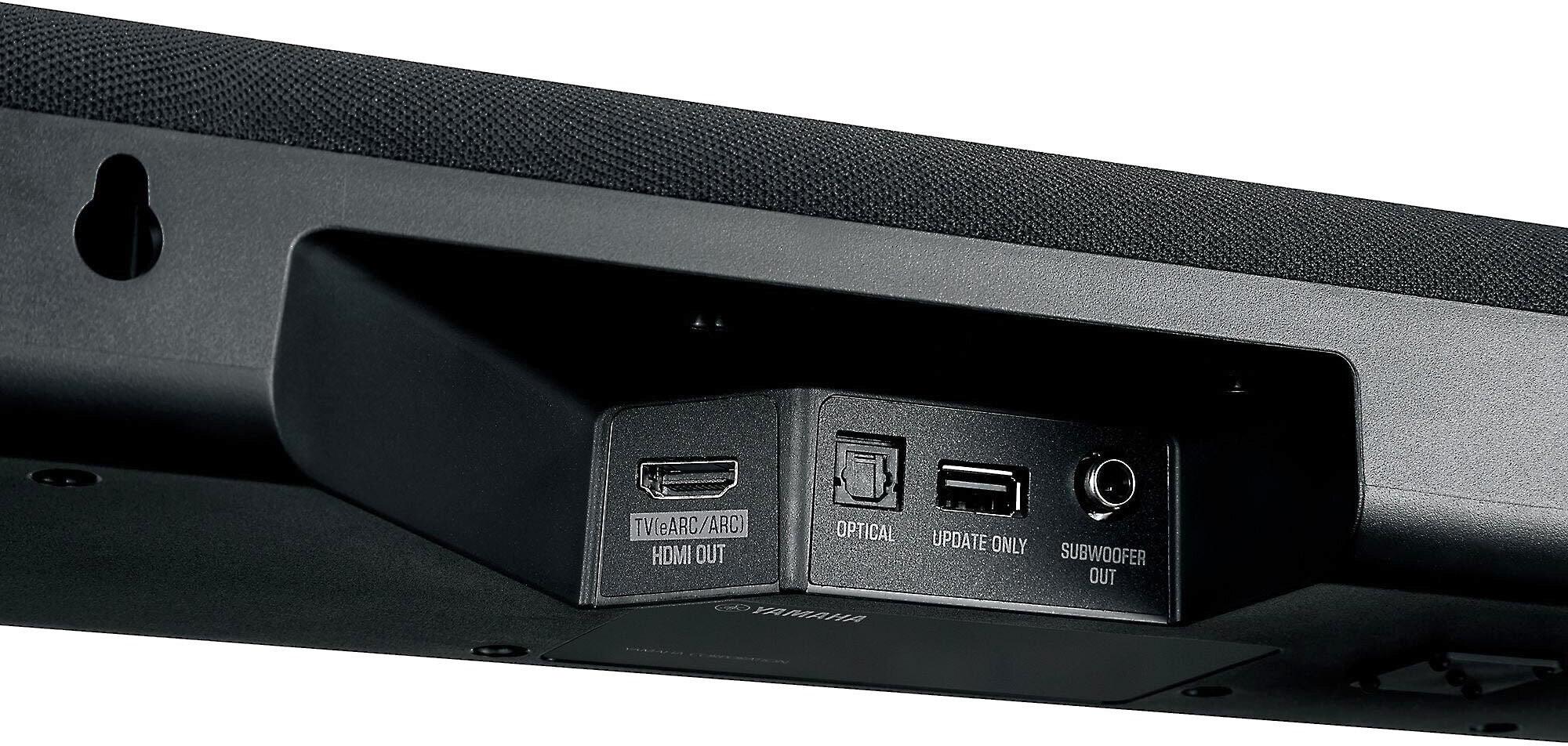
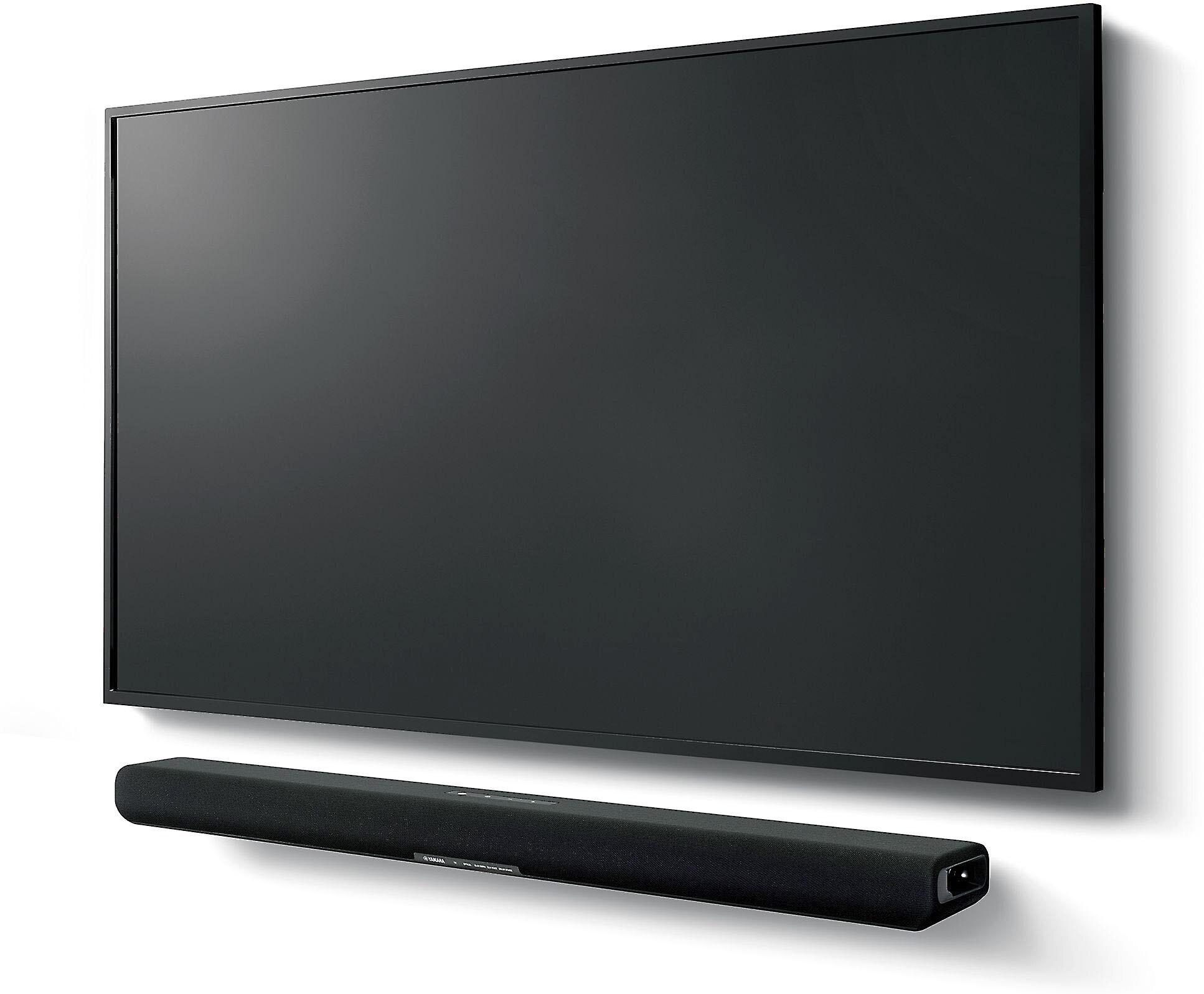
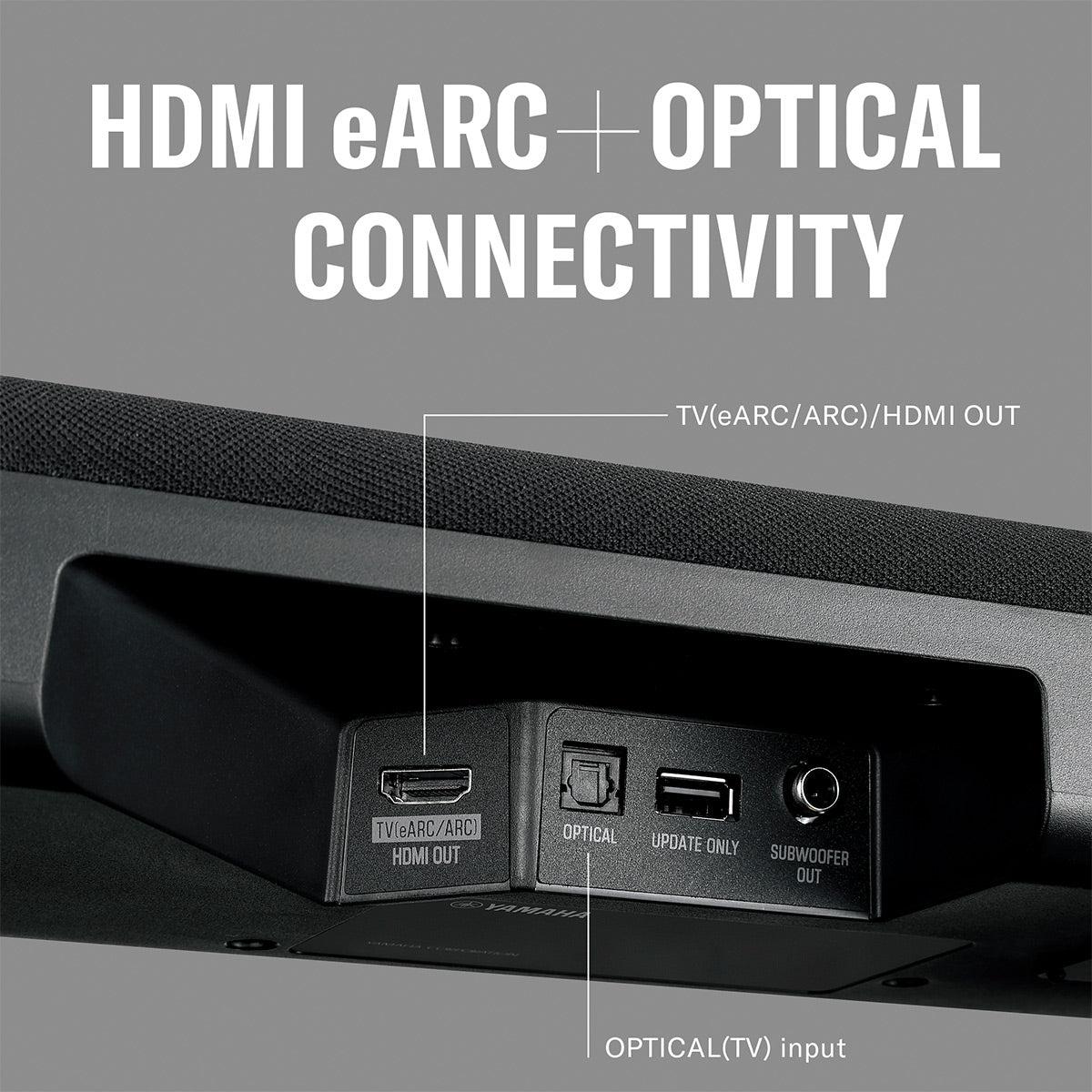
The Yamaha's setup process is beautifully simple. Connect one HDMI cable (or optical if your TV doesn't support HDMI ARC), plug in the power cord, and you're essentially done. The soundbar includes wall-mounting hardware with built-in keyholes, so mounting is straightforward if you prefer that approach. Total setup time is typically under 10 minutes, and that includes reading the manual.
The LG S80TR is more involved, though LG has made significant improvements over previous generations. You'll need to position the main soundbar, find a good location for the subwoofer (usually a corner or along a wall), and place the rear speakers somewhere behind your seating area. Each component needs power, so you're looking for four available outlets total.
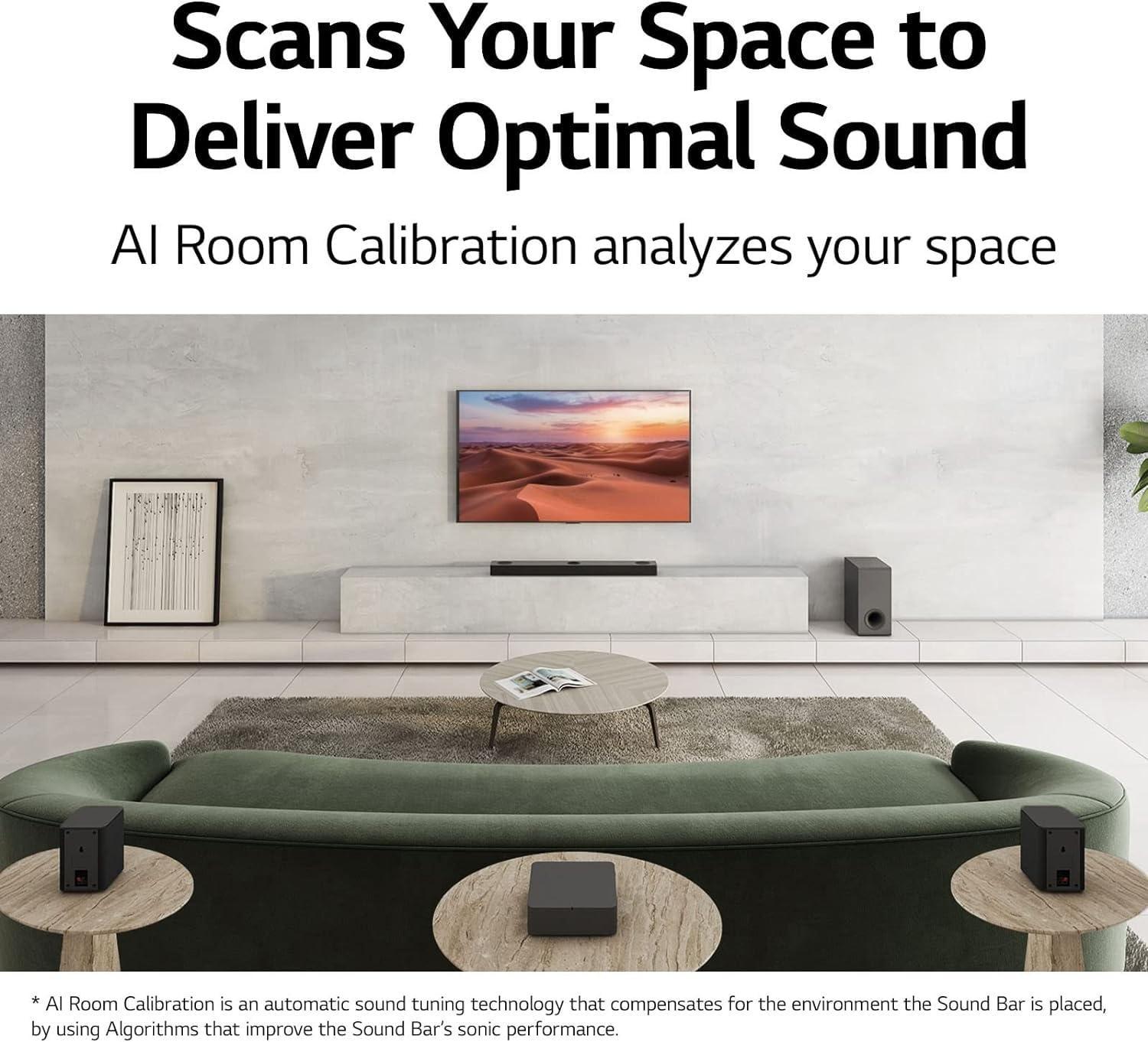
The good news is that LG's wireless technology has become much more reliable. The rear speakers connect automatically, and I haven't experienced any dropouts or sync issues during extended testing. The AI Room Calibration feature uses built-in microphones to analyze your room's acoustics and automatically adjust the sound accordingly – this process takes about 5 minutes but makes a meaningful difference in the final sound quality.
This is where the price difference between these soundbars becomes more apparent. The Yamaha includes Bluetooth for music streaming and basic app control for EQ adjustments, but it's relatively simple in terms of smart features. There's HDMI-CEC support, which lets you control basic functions with your TV remote, and that covers most people's daily needs.
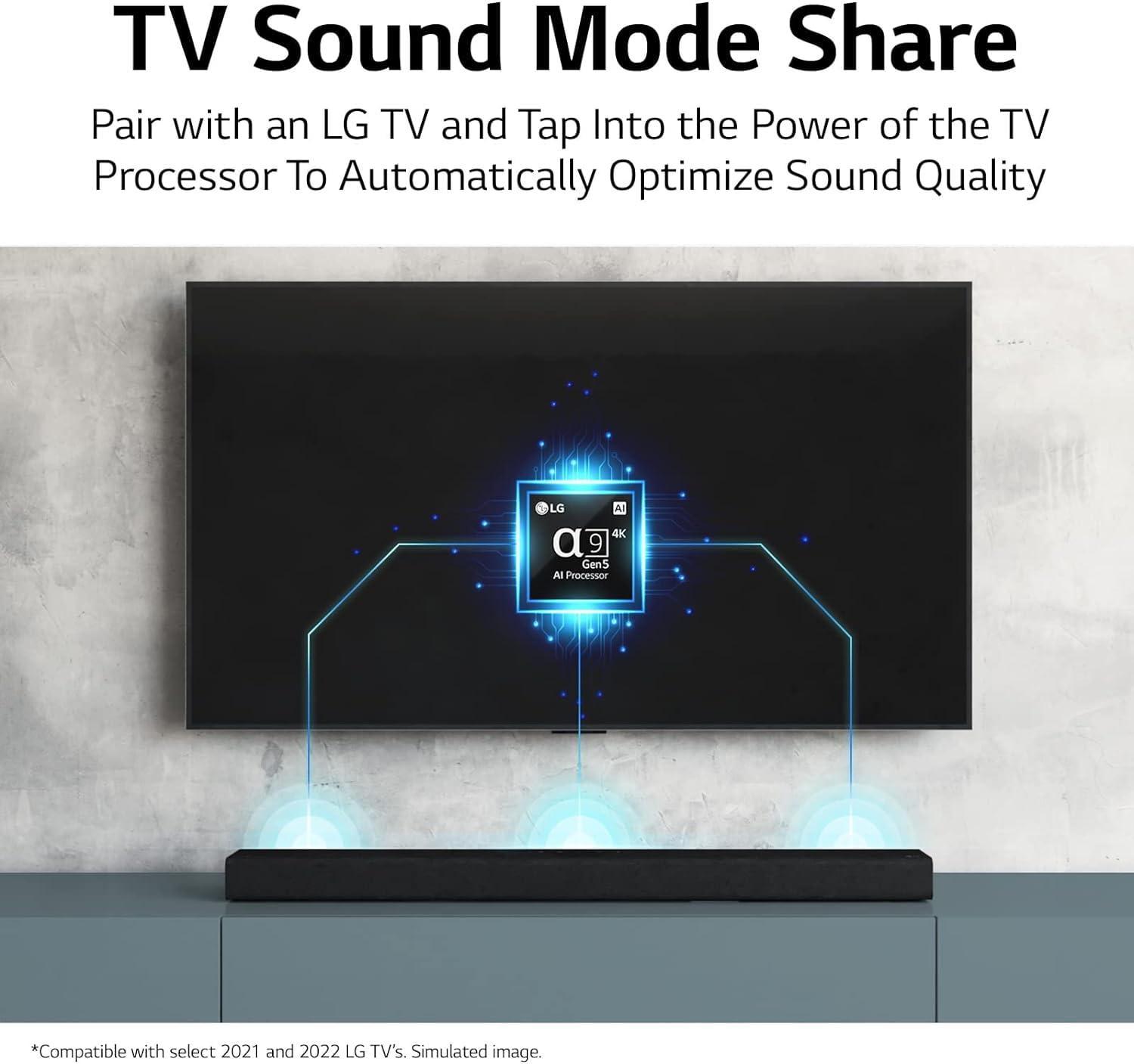
The LG is essentially a smart speaker system that happens to excel at TV audio. It includes Wi-Fi connectivity, support for Google Assistant and Alexa, AirPlay 2, Chromecast built-in, and direct integration with streaming services like Spotify. If you own an LG TV, the "WOW Orchestra" feature lets both your TV speakers and the soundbar work together for an even fuller sound.
From a practical standpoint, these smart features make the LG more versatile for music listening and smart home integration, but they also add complexity that some users don't want or need.
In rooms under 200 square feet – think apartments, bedrooms, or cozy living rooms – the Yamaha SR-B30A often makes more sense. The built-in subwoofers provide adequate bass for the space, and there's no need to find room for rear speakers or a separate subwoofer. The sound improvement over TV speakers is immediate and satisfying.
I've used the Yamaha in a 150-square-foot bedroom setup, and it transformed the TV watching experience without overwhelming the space or requiring complex positioning. The Clear Voice feature was particularly helpful for late-night viewing when you want dialogue to be clear without cranking up the overall volume.
Move into rooms of 200+ square feet, and the LG's advantages become much more apparent. The separate subwoofer can properly pressurize a larger space, and the rear speakers create genuine immersion that virtual processing simply can't match. The AI Room Calibration becomes especially valuable in larger rooms where acoustic reflections and room modes can significantly affect sound quality.
In my main living room setup (roughly 300 square feet with vaulted ceilings), the difference between these systems is dramatic. The Yamaha sounds good but feels somewhat lost in the larger space, while the LG fills the room convincingly and creates that enveloping surround experience that makes movies genuinely exciting.
For gaming, both soundbars support the latest HDMI features including 4K passthrough and variable refresh rate (VRR) support for smooth gaming. However, the LG's true surround sound capabilities make a significant difference in games where positional audio matters – first-person shooters, racing games, and immersive RPGs all benefit from being able to accurately locate sounds in three-dimensional space.
The LG also excels for home theater setups where movie watching is a primary use case. The combination of genuine surround sound, overhead effects for Dolby Atmos content, and substantial bass response creates an experience that's genuinely cinematic. The Yamaha provides a solid upgrade for casual movie watching, but it can't compete with the LG's immersive capabilities for serious home theater use.
At $280, the Yamaha represents excellent value for its intended use case. You're getting meaningful audio improvement with minimal complexity, backed by Yamaha's reputation for build quality and reliability. However, it's important to understand that this is essentially a fixed system – there's no expansion path or ability to upgrade components later.
The LG S80TR at $547 costs nearly twice as much, but you're getting a complete surround sound system that would cost significantly more if purchased as separate components. The wireless connectivity, smart features, and room calibration technology represent current state-of-the-art capabilities that should remain relevant for years to come.
From a long-term perspective, the LG offers more room to grow with your needs. If you move to a larger space or decide you want even more bass, you can reposition components for optimal performance. The Yamaha, while excellent at what it does, offers no such flexibility.
Choose the Yamaha if you value simplicity above all else, have a smaller room, or primarily watch dialogue-heavy content like news and TV shows. It's also the clear choice if you're on a tight budget but still want a meaningful upgrade from TV speakers.
The LG makes sense if you have space for multiple components, regularly watch movies or play games, want authentic surround sound, or value smart features and streaming integration. It's also worth considering if you have an LG TV or plan to purchase one, as the integration features add real value.
Ultimately, both soundbars succeed at their intended purposes. The Yamaha delivers on its promise of simple, effective audio improvement, while the LG provides genuine home theater immersion. Your room, content preferences, and tolerance for setup complexity should guide your choice more than price alone. Either way, you'll be getting dramatically better audio than what your TV can provide on its own.
| Yamaha SR-B30A Sound Bar with Built-In Subwoofers | LG S80TR 5.1.3 Channel Soundbar with Dolby Atmos and Rear Speakers |
|---|---|
| Price - Budget difference determines feature expectations | |
| $280 (excellent value for simplicity) | $547 (premium pricing for full surround system) |
| Channel Configuration - Determines surround sound authenticity | |
| 2.1 channels (stereo + built-in subs) | 5.1.3 channels (true surround + height) |
| Components - Affects setup complexity and performance | |
| Single soundbar unit only | Soundbar + wireless subwoofer + 2 rear speakers |
| Subwoofer Setup - Critical for bass quality and room flexibility | |
| Dual 3" drivers built into soundbar | Separate 8" wireless subwoofer with room placement flexibility |
| Surround Sound Method - Virtual vs physical rear speakers | |
| Virtualized surround through front drivers | Physical rear speakers for genuine surround positioning |
| Room Size Suitability - Determines which performs better in your space | |
| Small to medium rooms (under 200 sq ft) | Medium to large rooms (200+ sq ft) |
| Setup Time - How long until you're watching with better sound | |
| Under 10 minutes (single HDMI connection) | 30-45 minutes (4 components + AI calibration) |
| Dolby Atmos Support - Overhead effects for immersive movies | |
| Virtual Atmos processing through front speakers | True Atmos with dedicated height channels |
| Smart Features - Streaming and voice control capabilities | |
| Basic: Bluetooth, app EQ control | Advanced: Wi-Fi, voice assistants, AirPlay 2, Chromecast |
| Connectivity Options - How many ways to connect devices | |
| HDMI eARC, optical, Bluetooth | HDMI eARC, optical, Wi-Fi, Bluetooth 5.1, USB |
| Bass Extension - Low-frequency impact for movies and music | |
| Adequate for dialogue and light music | Room-shaking bass suitable for action movies |
| Future Expandability - Ability to upgrade or modify system | |
| Fixed system with no expansion options | Component flexibility allows repositioning and optimization |
The Yamaha SR-B30A at $280 is specifically designed for small rooms under 200 square feet. Its compact single-unit design with built-in subwoofers provides adequate bass without overwhelming smaller spaces. The LG S80TR at $547 requires more room for its separate subwoofer and rear speakers, making it less practical for apartments or bedrooms.
While the Yamaha SR-B30A creates virtual surround effects through audio processing, the LG S80TR includes physical wireless rear speakers that deliver authentic surround sound positioning. If you want genuine immersion where sounds actually come from behind you, real rear speakers make a significant difference over virtual processing.
The LG S80TR has substantially better bass with its dedicated 8-inch wireless subwoofer that reaches down to 40Hz. The Yamaha SR-B30A uses dual 3-inch built-in subwoofers that provide decent bass for dialogue and music but can't match the deep, room-filling impact of a separate subwoofer.
The Yamaha SR-B30A offers incredibly simple setup - just connect one HDMI cable and plug in power, taking under 10 minutes total. The LG S80TR requires positioning four separate components (soundbar, subwoofer, and two rear speakers) plus AI room calibration, typically taking 30-45 minutes but delivering much better performance.
The LG S80TR is significantly better for home theater use, offering true 5.1.3 surround sound with physical rear speakers, dedicated height channels for Dolby Atmos overhead effects, and powerful bass for action scenes. The Yamaha SR-B30A provides a solid upgrade for casual viewing but can't compete with the LG's cinematic immersion.
The Yamaha SR-B30A costs $280 while the LG S80TR costs $547 - nearly double the price. The LG justifies its higher cost with genuine surround sound components, advanced smart features, and superior performance in larger rooms. The Yamaha offers excellent value for simple audio improvement in smaller spaces.
The LG S80TR provides better music performance with superior stereo separation, deeper bass response, and dedicated music modes. Its wider soundbar design and separate subwoofer create better instrumental separation and dynamic range. The Yamaha SR-B30A handles music adequately but is more focused on dialogue enhancement.
Yes, both support Dolby Atmos, but differently. The Yamaha SR-B30A processes Atmos through virtual effects using its front-facing speakers. The LG S80TR includes dedicated height channels that fire sound upward to create genuine overhead effects, providing a more authentic Atmos experience.
The LG S80TR offers extensive smart features including Wi-Fi connectivity, Google Assistant, Alexa support, AirPlay 2, and Chromecast built-in. The Yamaha SR-B30A provides basic connectivity with Bluetooth streaming and app-based EQ control, focusing on simplicity over advanced features.
Both excel at dialogue clarity but use different approaches. The Yamaha SR-B30A features Clear Voice technology that specifically enhances speech frequencies. The LG S80TR uses a dedicated center channel speaker for dialogue separation plus Clear Voice Pro processing, generally providing superior vocal clarity in complex scenes.
The LG S80TR is designed for larger rooms with its separate components and AI room calibration that optimizes sound for your specific space. The Yamaha SR-B30A works well in rooms under 200 square feet but may sound underwhelming in larger spaces where its built-in subwoofers can't adequately fill the room.
The Yamaha SR-B30A is a fixed system with no expansion options - what you buy is what you get. The LG S80TR offers more flexibility since you can reposition its wireless components for optimal performance if you move or rearrange your room, though you cannot add additional speakers to either system.
We've done our best to create useful and informative comparisons to help you decide what product to buy. Our research uses advanced automated methods to create this comparison and perfection is not possible - please contact us for corrections or questions. These are the sites we've researched in the creation of this article: usa.yamaha.com - worldwidestereo.com - audiolab.com - shop.sg.yamaha.com - consumerreports.org - usa.yamaha.com - vinylsound.ca - bestbuy.com - modernappliancewoodward.com - bluestardist.com - target.com - my.yamaha.com - bestbuy.com - billsmith.com - brandsmartusa.com - avsforum.com - youtube.com - lg.com - buydig.com - louisdoehomecenter.com - lg.com - videoandaudiocenter.com - mynavyexchange.com - walts.com - bestbuy.com

Privacy Policy
Terms and Conditions - Affiliate Policy
Home Security
© Copyright 2008-2026.
11816 Inwood Rd #1211, Dallas, TX 75244