

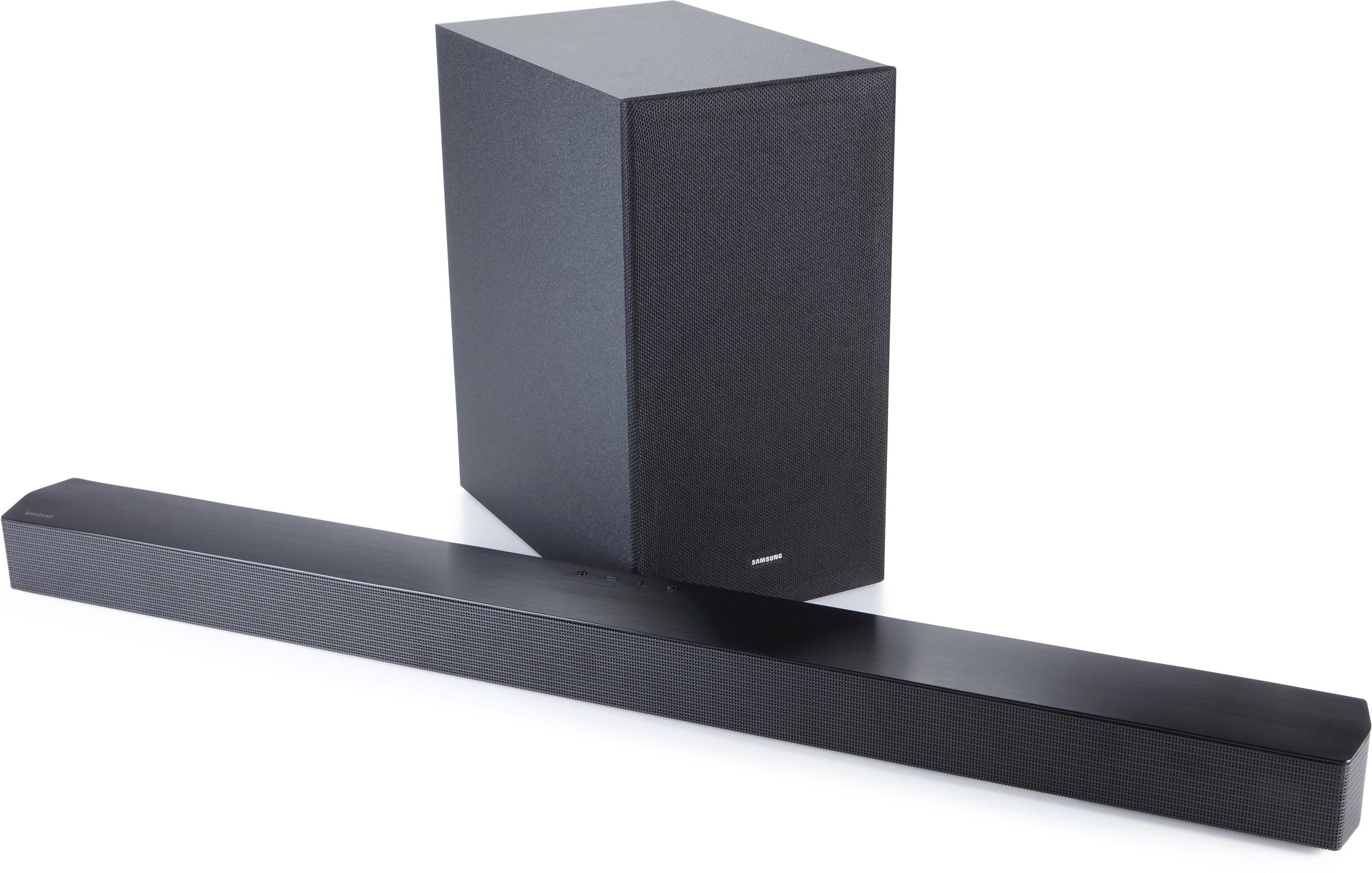
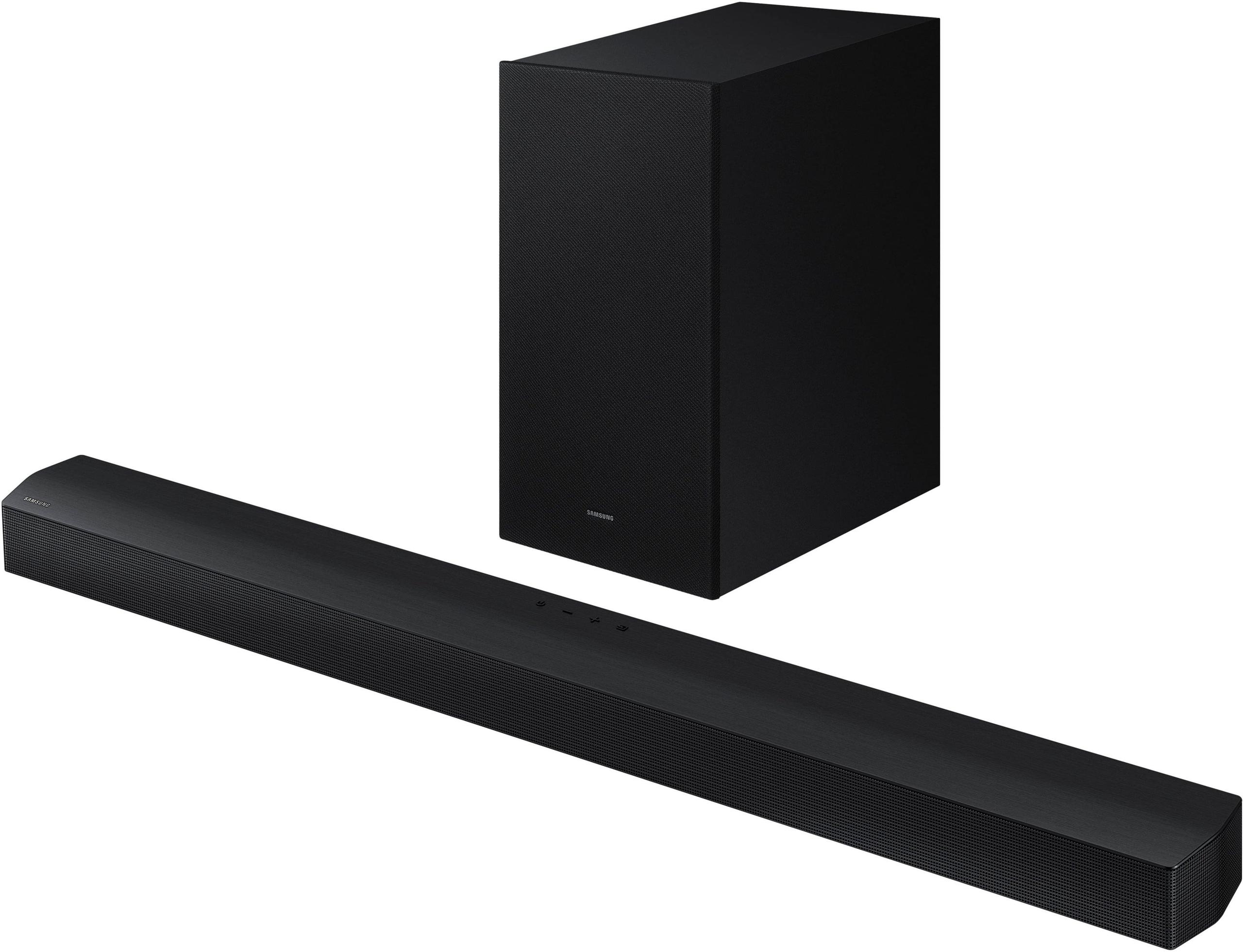
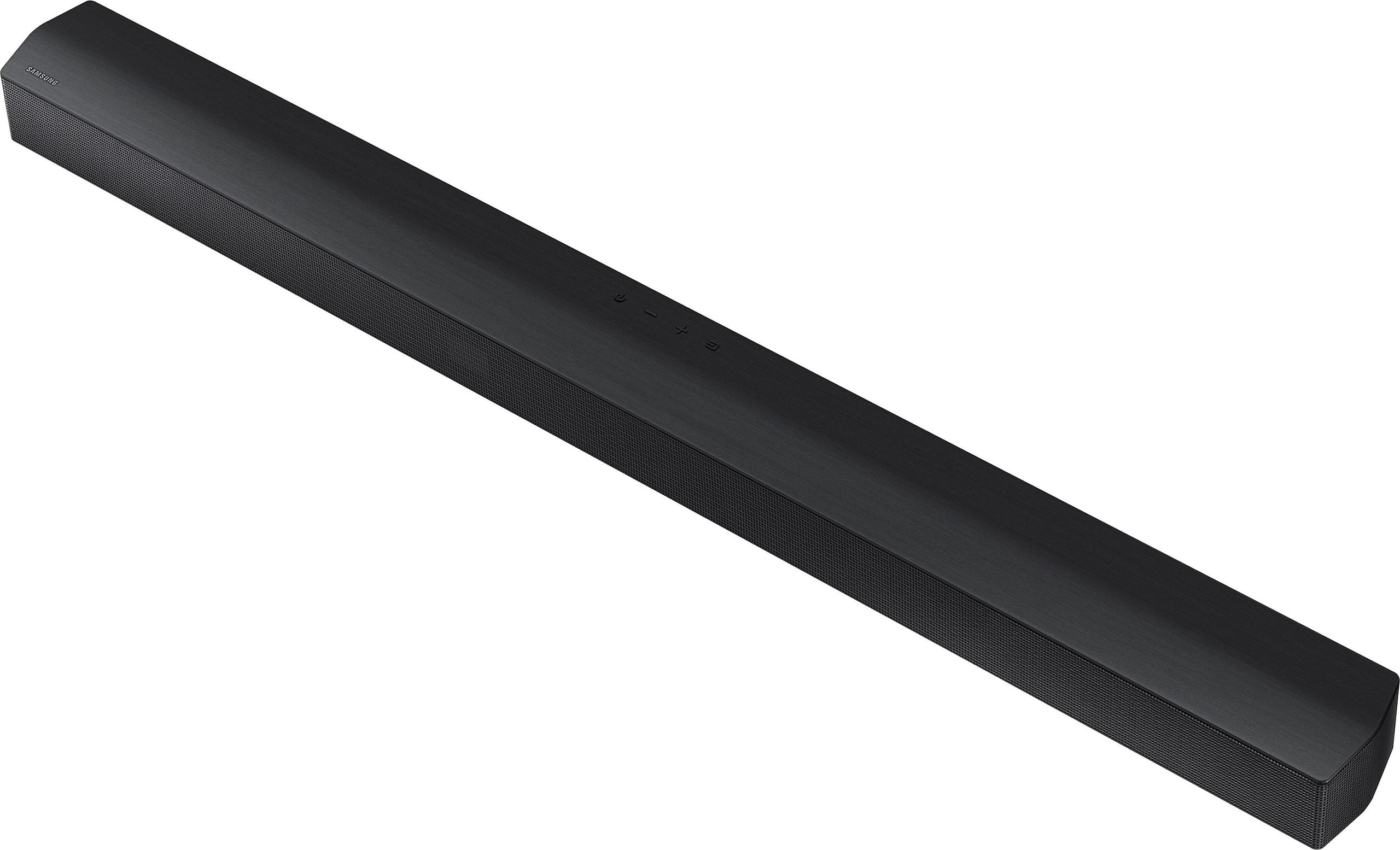

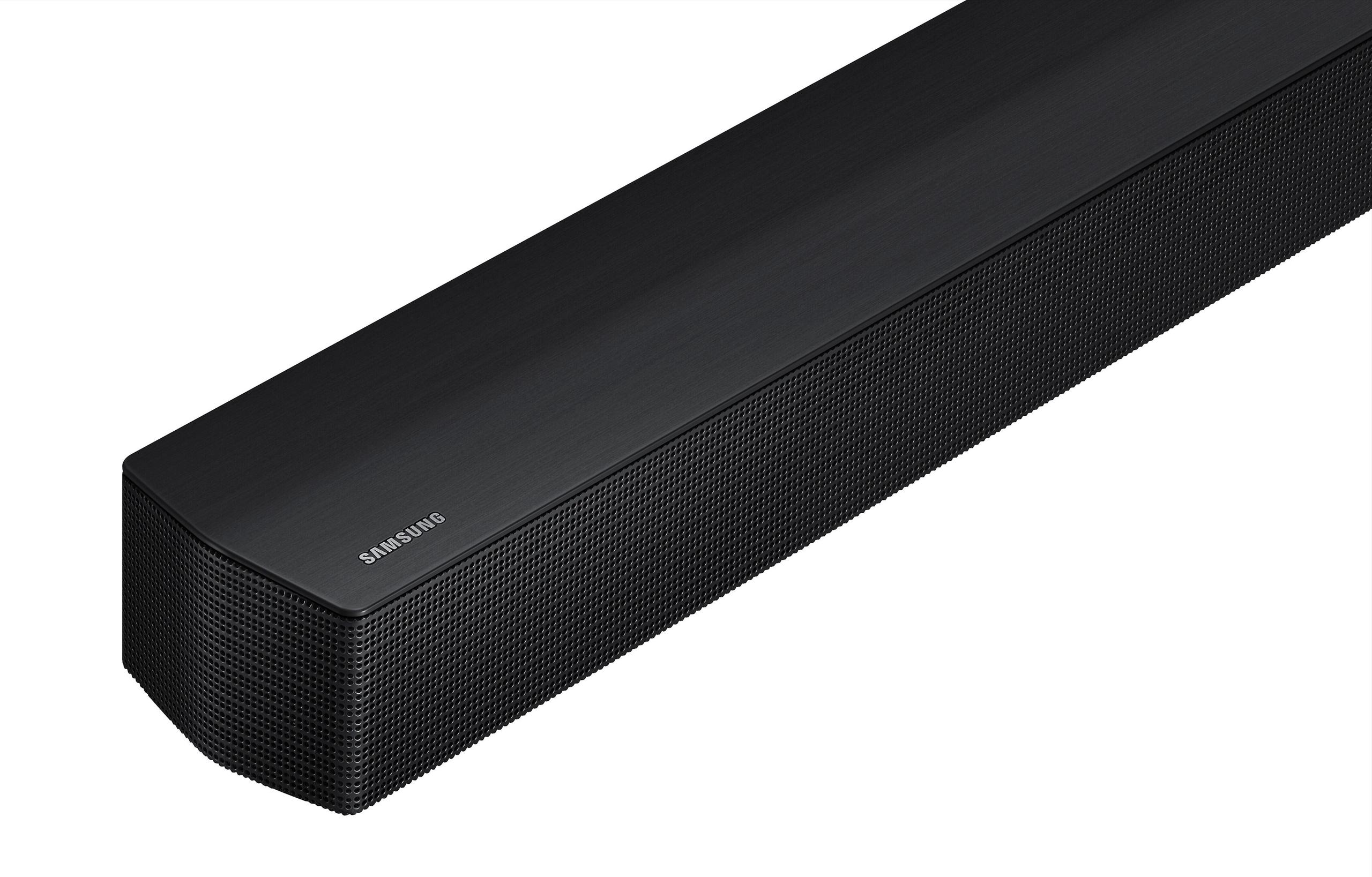


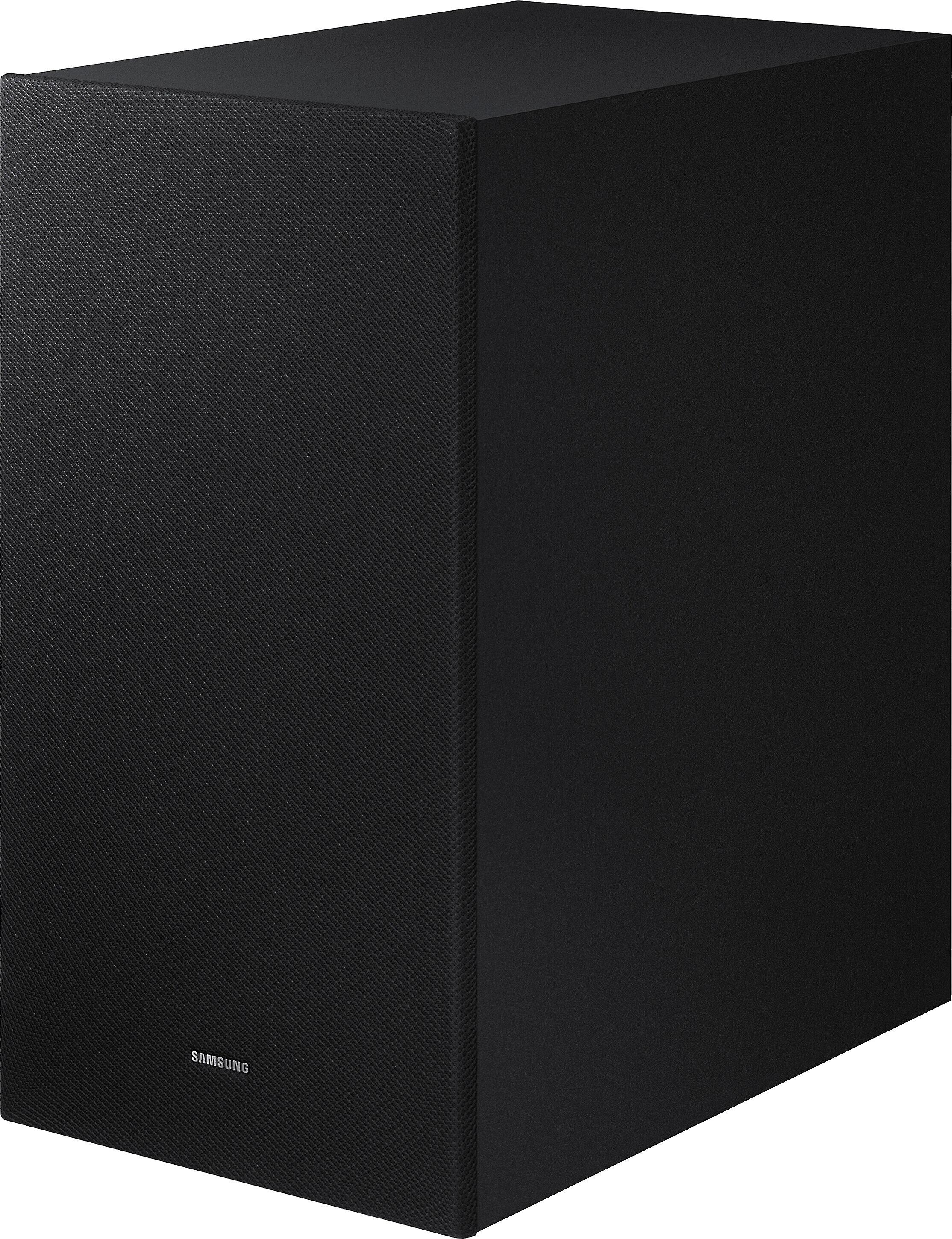
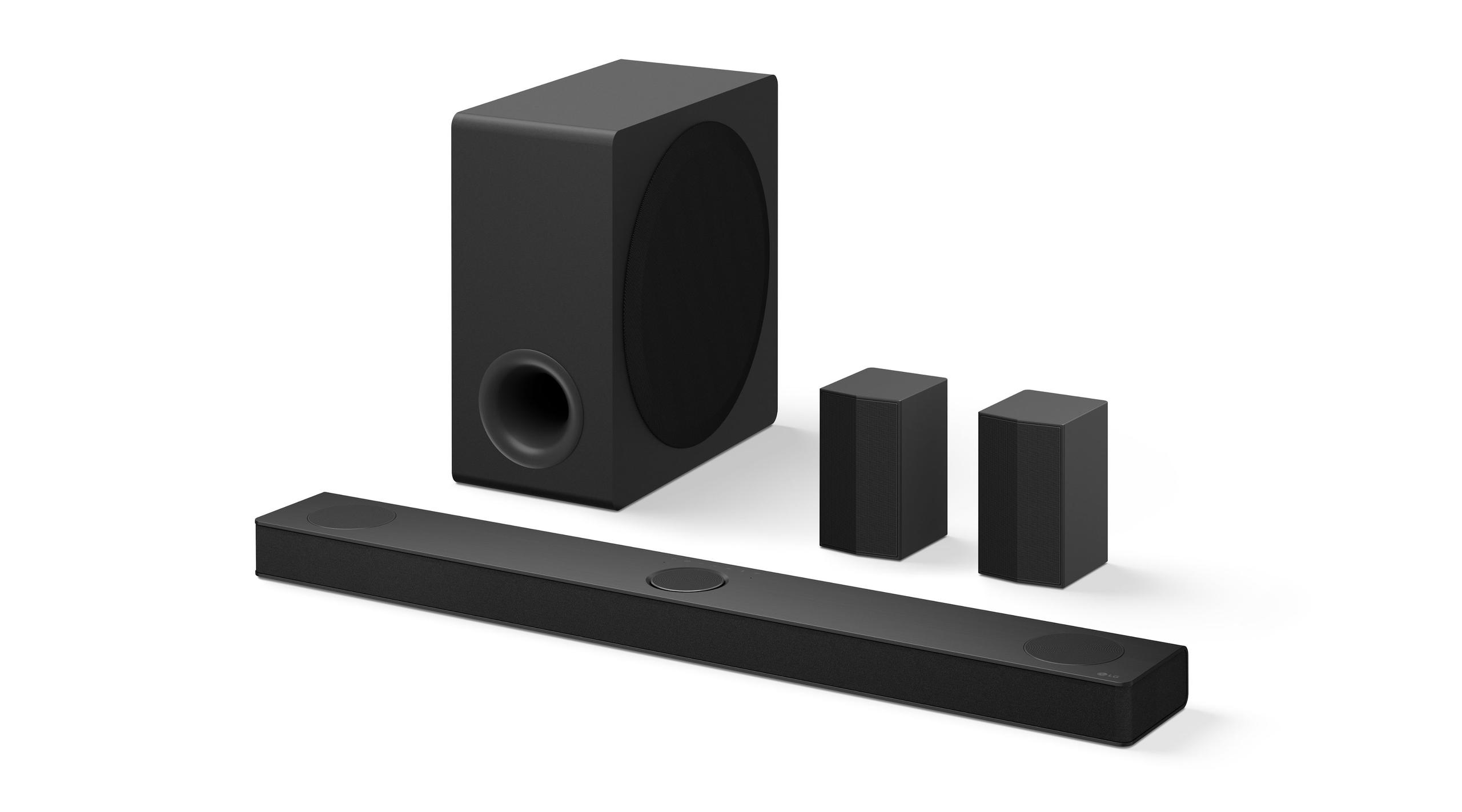
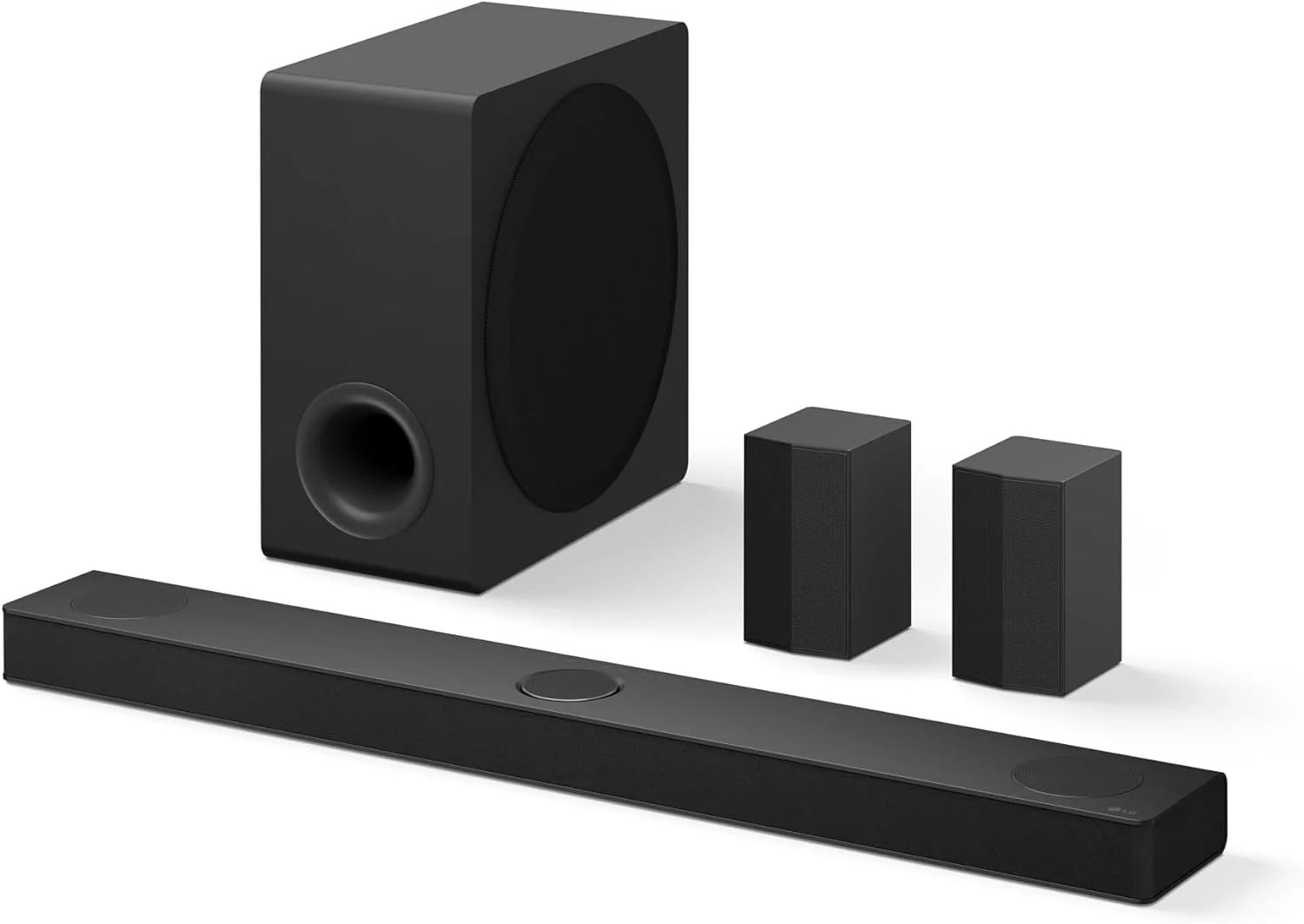

When your TV's built-in speakers just aren't cutting it anymore, you're faced with a big decision: go with an affordable upgrade that covers the basics, or invest in a premium system that delivers true home theater sound. The Samsung HW-B550D ($178) and LG S80TR ($547) represent these two very different approaches to better TV audio.
Having tested countless soundbars over the years, I can tell you that the gap between budget and premium options has never been more significant. But here's the thing – sometimes that budget option is exactly what you need. Let's dive deep into what makes these two soundbars tick and help you figure out which one deserves a spot under your TV.
Before we get into the nitty-gritty, let's talk about what soundbars actually do. Think of your TV's speakers as a smartphone camera from 2010 – technically functional, but you know there's so much better out there. Soundbars are designed to solve the fundamental problems of TV audio: muddy dialogue, weak bass, and that flat, lifeless sound that makes action movies feel like documentaries.
The key considerations boil down to a few critical factors. Channel configuration tells you how many discrete audio streams the soundbar can handle – more channels generally mean better spatial positioning of sounds. Audio processing determines whether you're getting genuine surround sound from multiple speakers or clever digital trickery that simulates it. Room compatibility matters because a soundbar that's perfect for a cozy bedroom might get lost in a large living room. Then there's content optimization – how well the system handles everything from whispered dialogue to explosive action sequences.
The Samsung HW-B550D, released in 2024, represents Samsung's refined approach to entry-level audio. It's part of their B-series lineup, which focuses on delivering essential soundbar features without premium pricing. The LG S80TR, launching in 2025, sits in LG's premium tier and showcases their latest advances in spatial audio and AI-driven room optimization.
Here's where things get interesting. The Samsung uses a 3.1 channel configuration, which means it has three main speakers (left, center, right) plus a subwoofer (that's the ".1"). The center channel is crucial – it's dedicated entirely to dialogue, which is why the Samsung does such a good job making conversations crystal clear. I've found that even older movies with mixed audio tracks become much more watchable when you have a dedicated center speaker handling the voices.
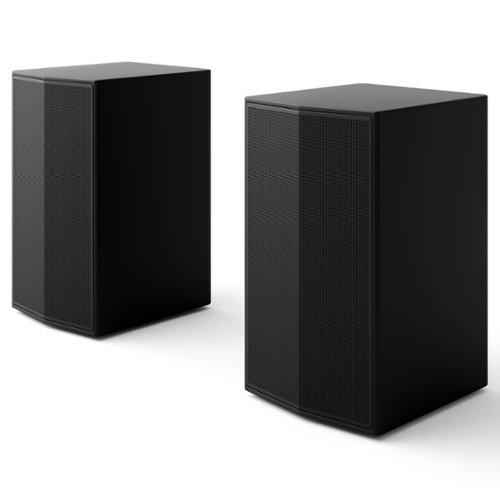
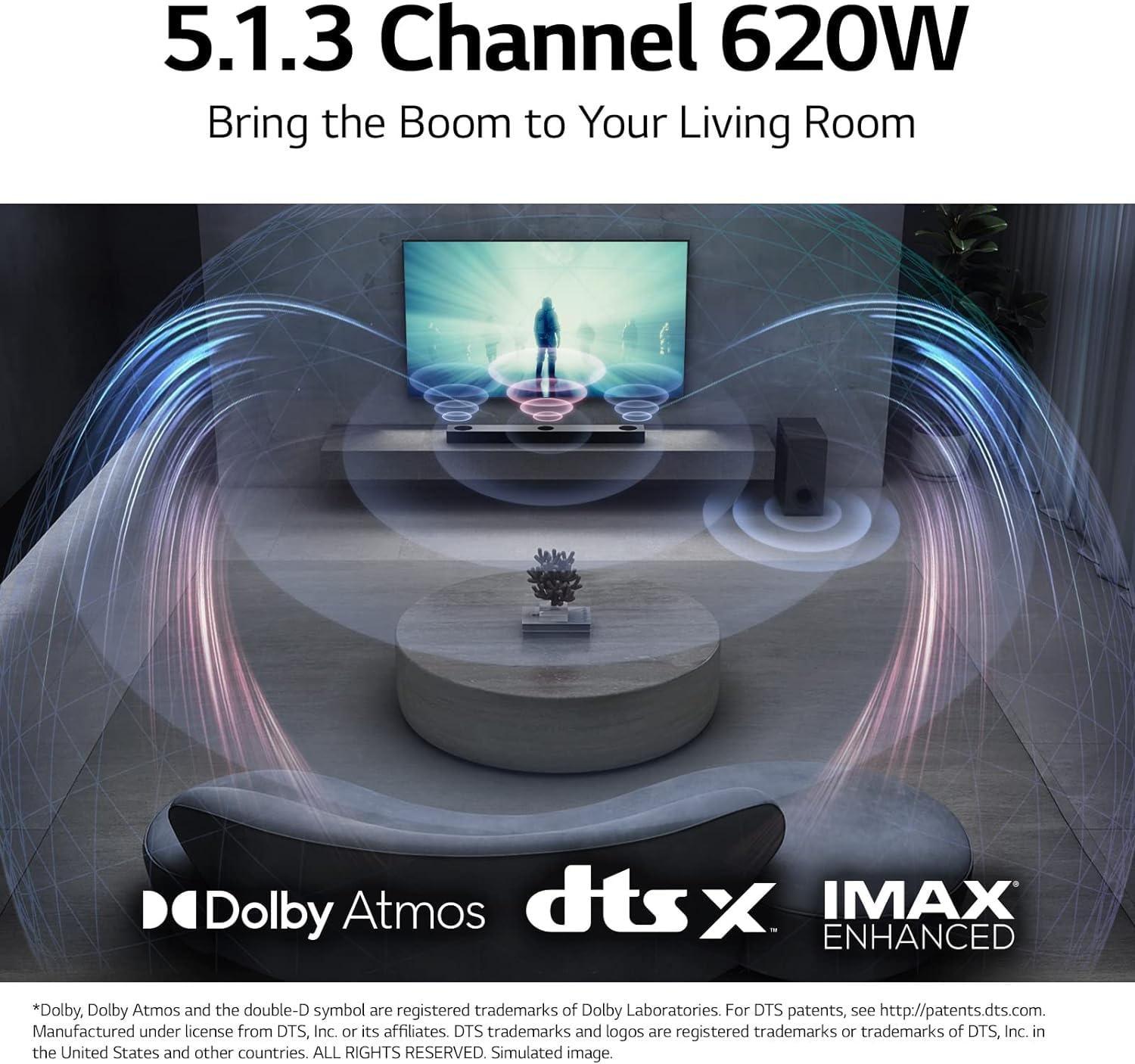
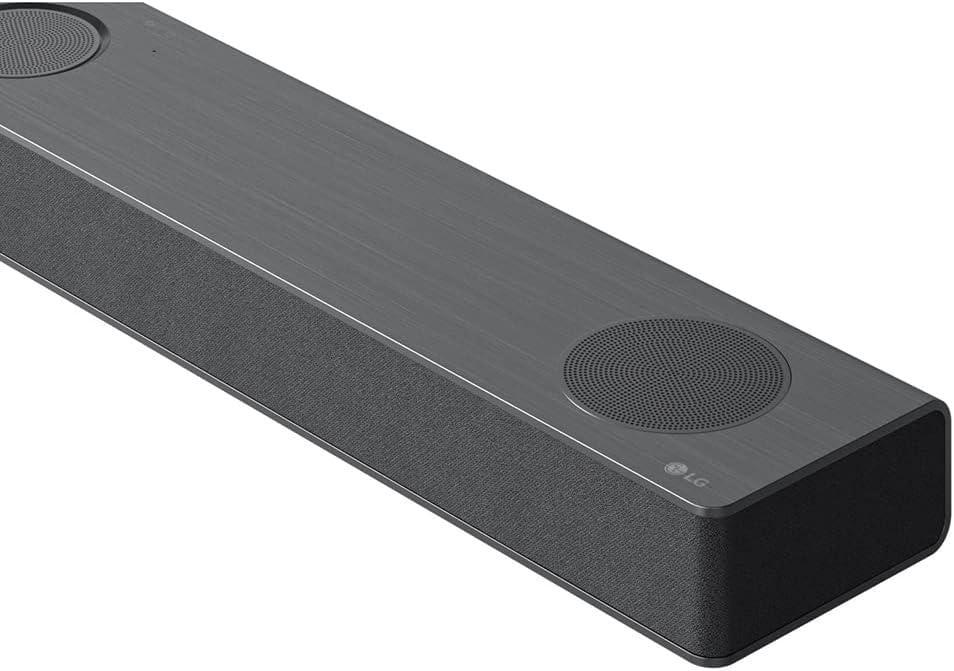
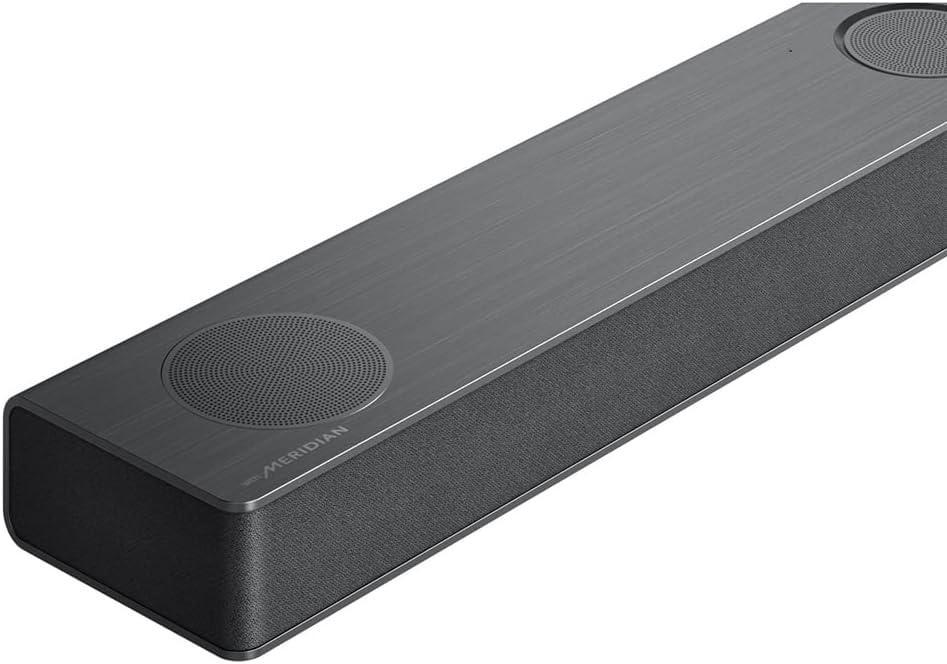
The LG takes this concept and runs a marathon with it. Its 5.1.3 setup includes those same front speakers and subwoofer, but adds dedicated left and right surround speakers plus three height channels. Those height channels use up-firing drivers – speakers that bounce sound off your ceiling to create the illusion that audio is coming from above. When done right, this creates that "dome of sound" effect that makes you feel like you're inside the movie.
The difference in practice? With the Samsung, you'll get noticeably better audio than your TV with solid dialogue clarity and punchy bass. It's like upgrading from earbuds to decent headphones. The LG, meanwhile, creates genuine spatial audio where helicopters fly overhead and rain sounds like it's falling all around you. It's more like upgrading from earbuds to a professional studio setup.
Let's be honest – most of us buy soundbars because we're tired of constantly adjusting the volume to hear what people are saying. Both systems tackle this problem, but with different levels of sophistication.
The Samsung HW-B550D uses Adaptive Sound Lite, which automatically analyzes whatever you're watching and boosts dialogue when needed. It's surprisingly effective – I've noticed it kicks in during action scenes to keep voices audible over explosions, then backs off during quiet dialogue scenes to maintain natural sound. The Voice Enhancement mode takes this further, essentially creating an EQ preset that prioritizes the frequency range where human speech lives.
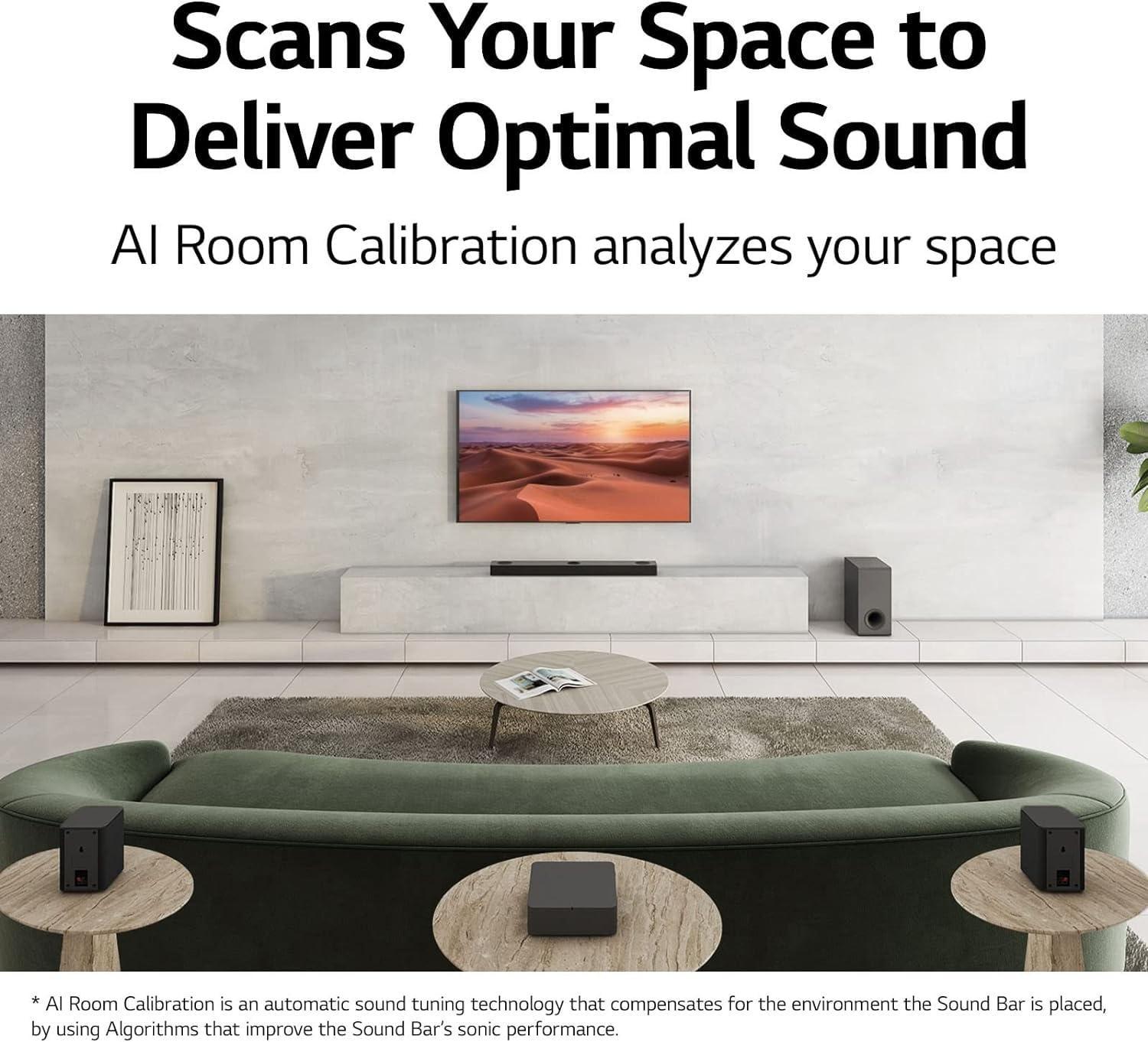
The LG's approach is more advanced. Its Clear Voice Pro feature uses AI to actually isolate dialogue from background sounds and music, rather than just boosting certain frequencies. This means you get clearer speech without everything else becoming overly bright or harsh. The AI Room Calibration system uses built-in microphones to measure your room's acoustics and optimize dialogue intelligibility based on your specific space. In my testing, this makes a noticeable difference in rooms with hard surfaces that create echo or absorption issues.
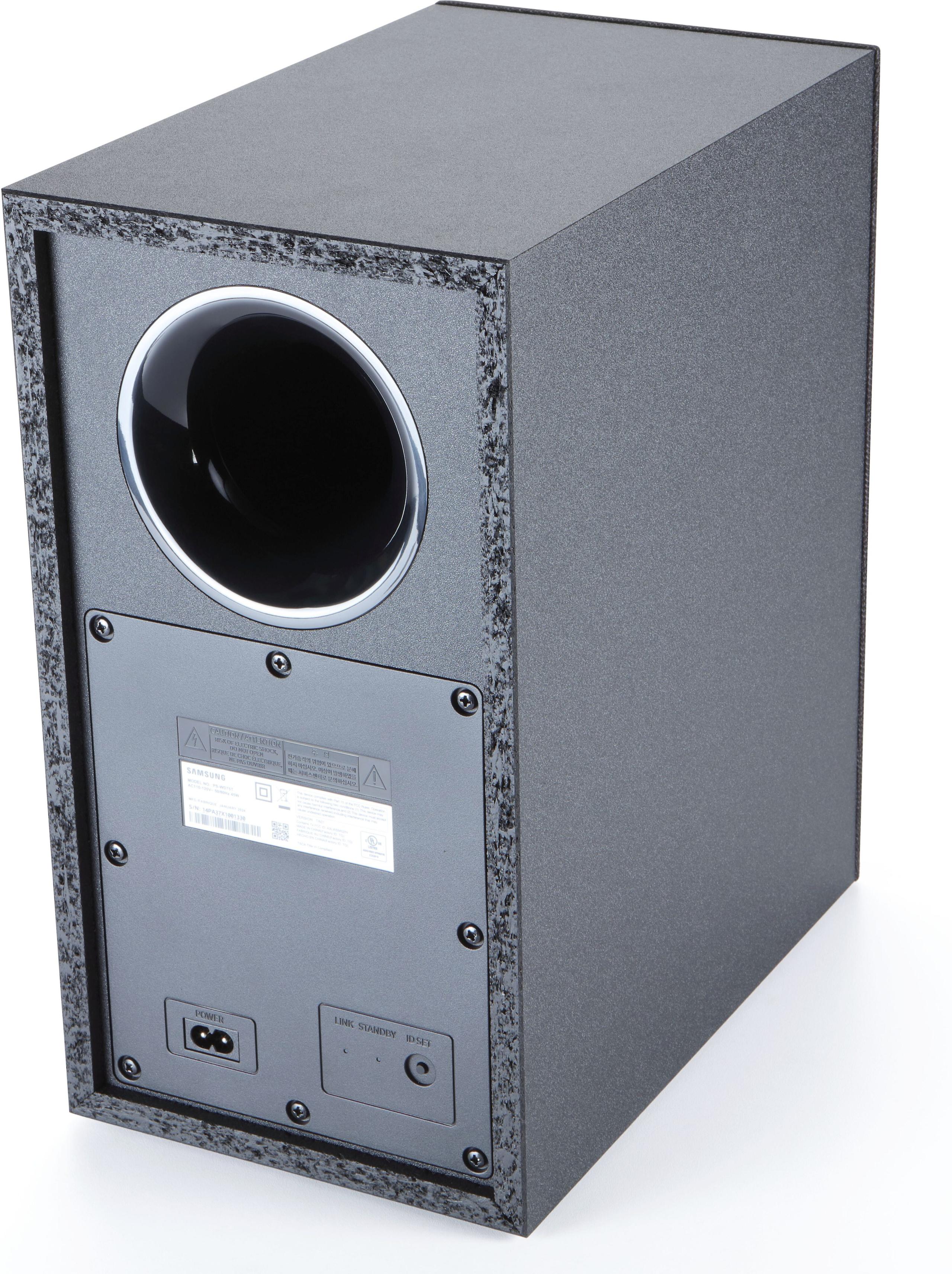
Both soundbars include wireless subwoofers, but they approach bass reproduction differently. The Samsung's 5-inch ported subwoofer focuses on impact and presence. The Bass Boost mode can actually be too much for smaller rooms – I've had to dial it back in apartments where it overwhelms the main speakers. But for movie nights, it delivers that chest-thumping effect that makes action sequences feel visceral.
The LG's subwoofer is larger and more sophisticated, with room calibration that prevents it from overpowering dialogue or creating muddy low-end. The Bass Blast and Bass Blast+ modes provide different levels of enhancement, but the AI calibration keeps everything balanced. This matters more than you might think – poorly integrated bass doesn't just sound bad, it actually makes dialogue harder to understand by masking important frequencies.
This is where the price difference really shows up in performance. The Samsung relies on DTS Virtual:X, which uses psychoacoustic processing to trick your brain into perceiving surround and height effects from just the main bar and subwoofer. It's impressive technology – Virtual:X analyzes the audio signal and creates phase differences and timing delays that make sounds seem to come from locations where there are no speakers.
The limitation is physics. Virtual surround works best when you're sitting in the sweet spot directly in front of the soundbar. Move to the sides or have multiple people watching, and the effect becomes less convincing. It's also content-dependent – some movies and shows work better with virtual processing than others.
The LG S80TR, with its physical rear speakers and height channels, doesn't rely on tricks. When a sound is supposed to come from behind you, it actually does. The Dolby Atmos implementation uses object-based audio, where individual sounds are positioned in 3D space rather than just assigned to specific channels. This means the helicopter in a war movie doesn't just pan from left to right – it can move in a complete arc over your head.
Modern gaming audio has become incredibly sophisticated, and both soundbars recognize this with dedicated game modes. The Samsung's Game Mode reduces audio processing to minimize latency – the delay between when something happens on screen and when you hear it. For competitive gaming, this can be the difference between hearing an enemy's footsteps in time to react or not.
The LG goes further with support for Variable Refresh Rate (VRR) and Auto Low Latency Mode (ALLM) through its HDMI connections. These features, borrowed from high-end gaming monitors, ensure the lowest possible delay between your controller input and what you see and hear. The spatial audio also provides better positional awareness in games where sound direction matters.
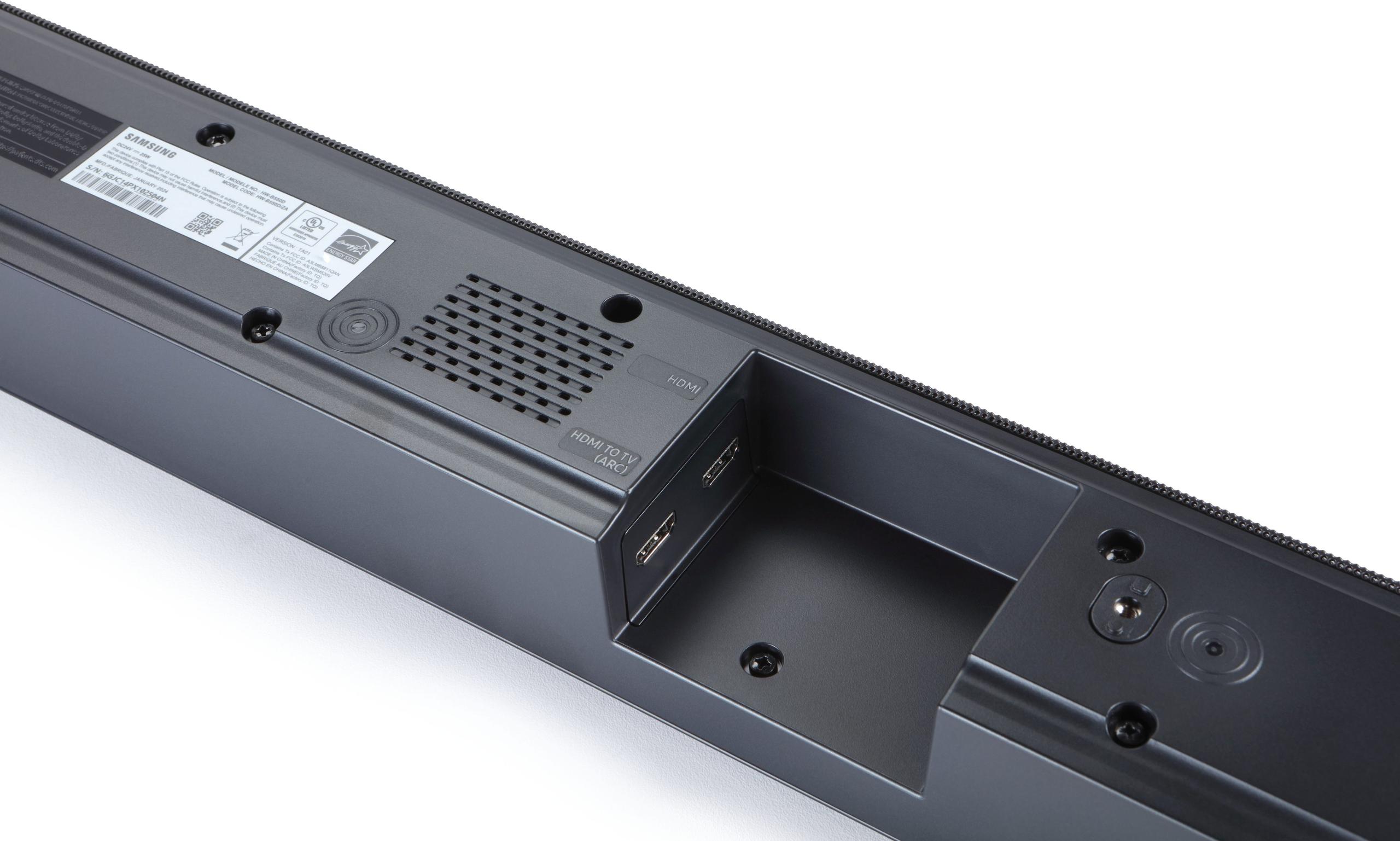
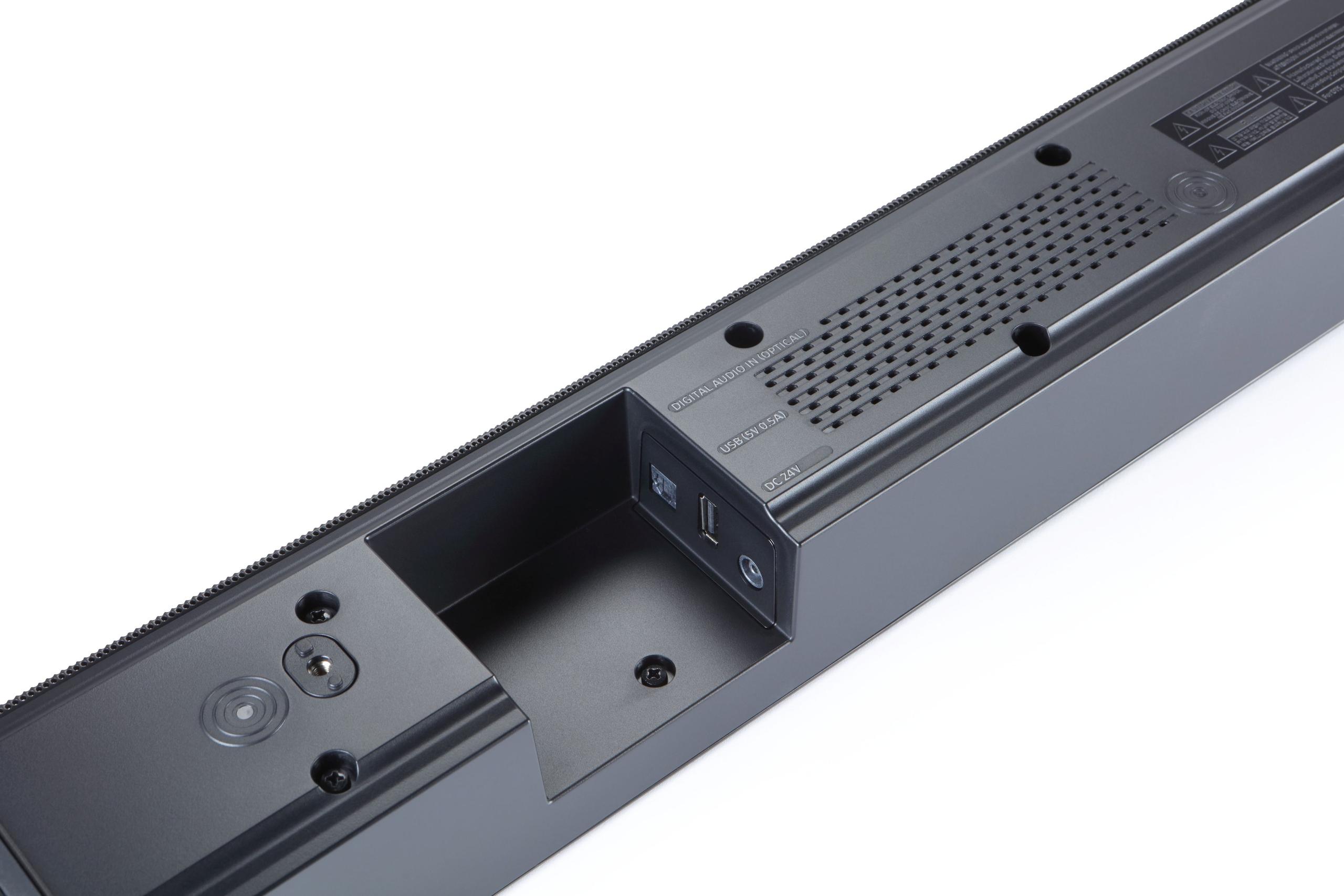
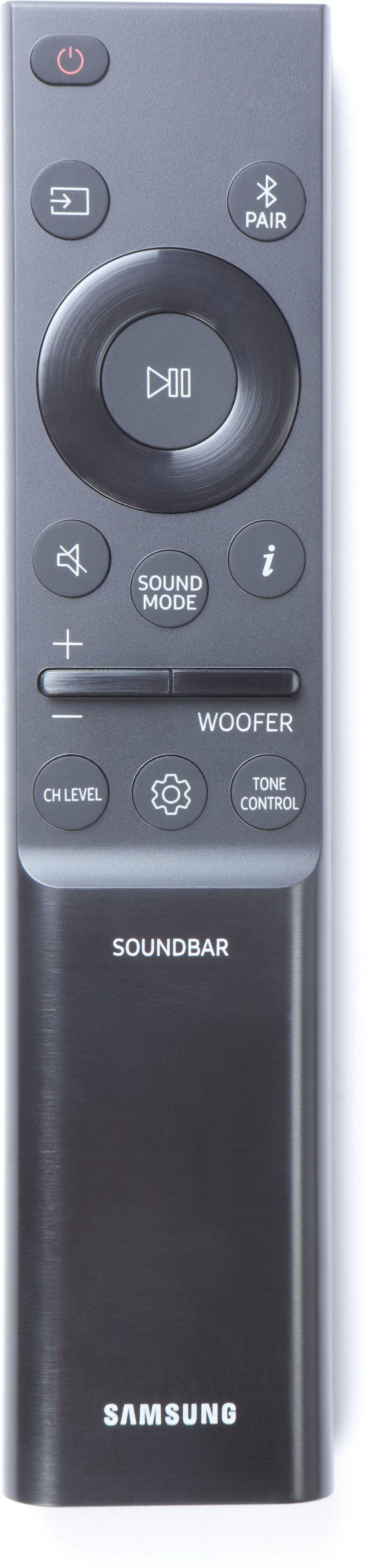
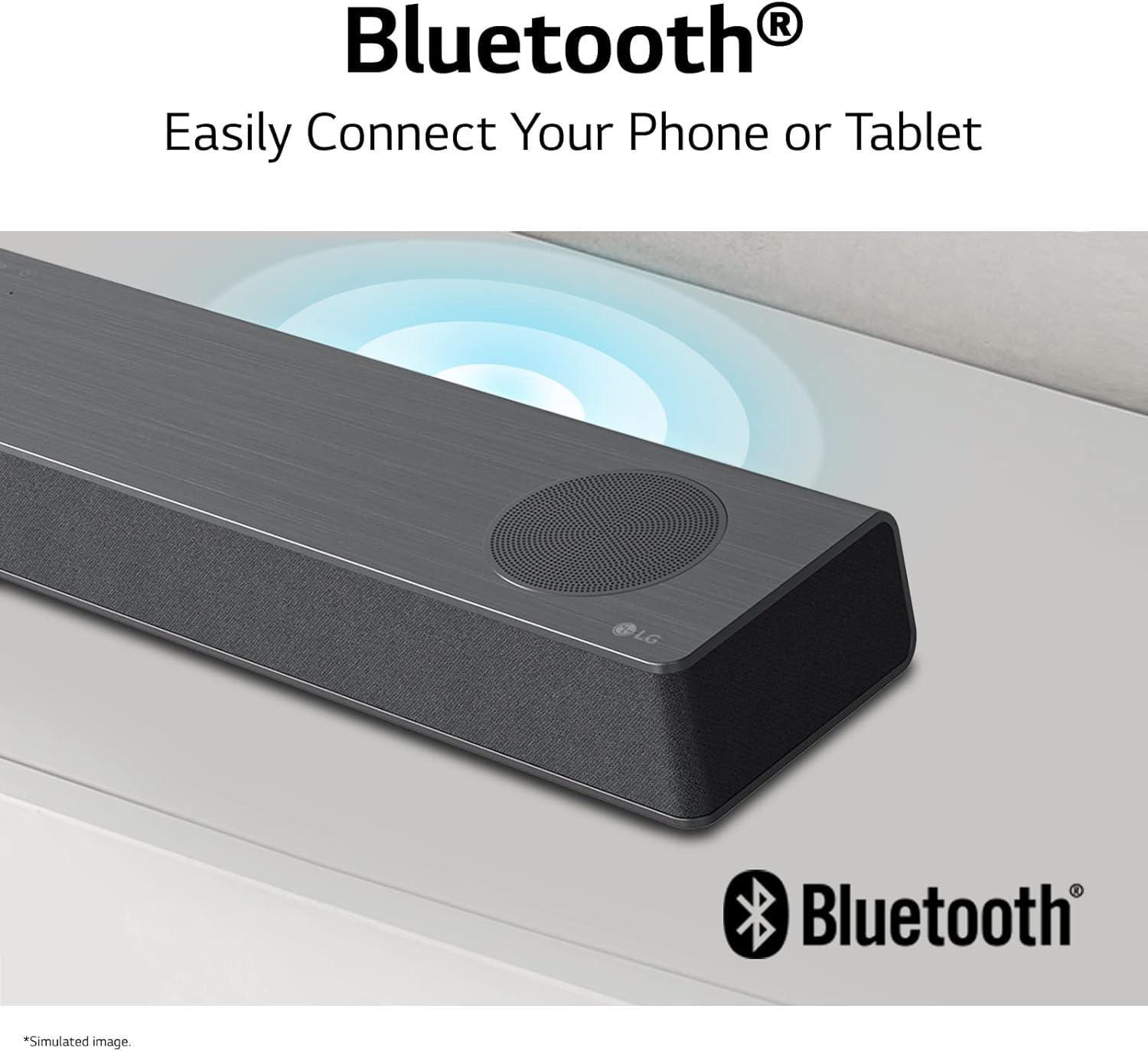
The connectivity story reveals each product's intended audience. The Samsung keeps things simple with Bluetooth 5.1, HDMI ARC (Audio Return Channel, which lets you control the soundbar with your TV remote), and an optical input. It's designed to work with your TV and maybe stream music from your phone – nothing fancy, but it covers the essentials.
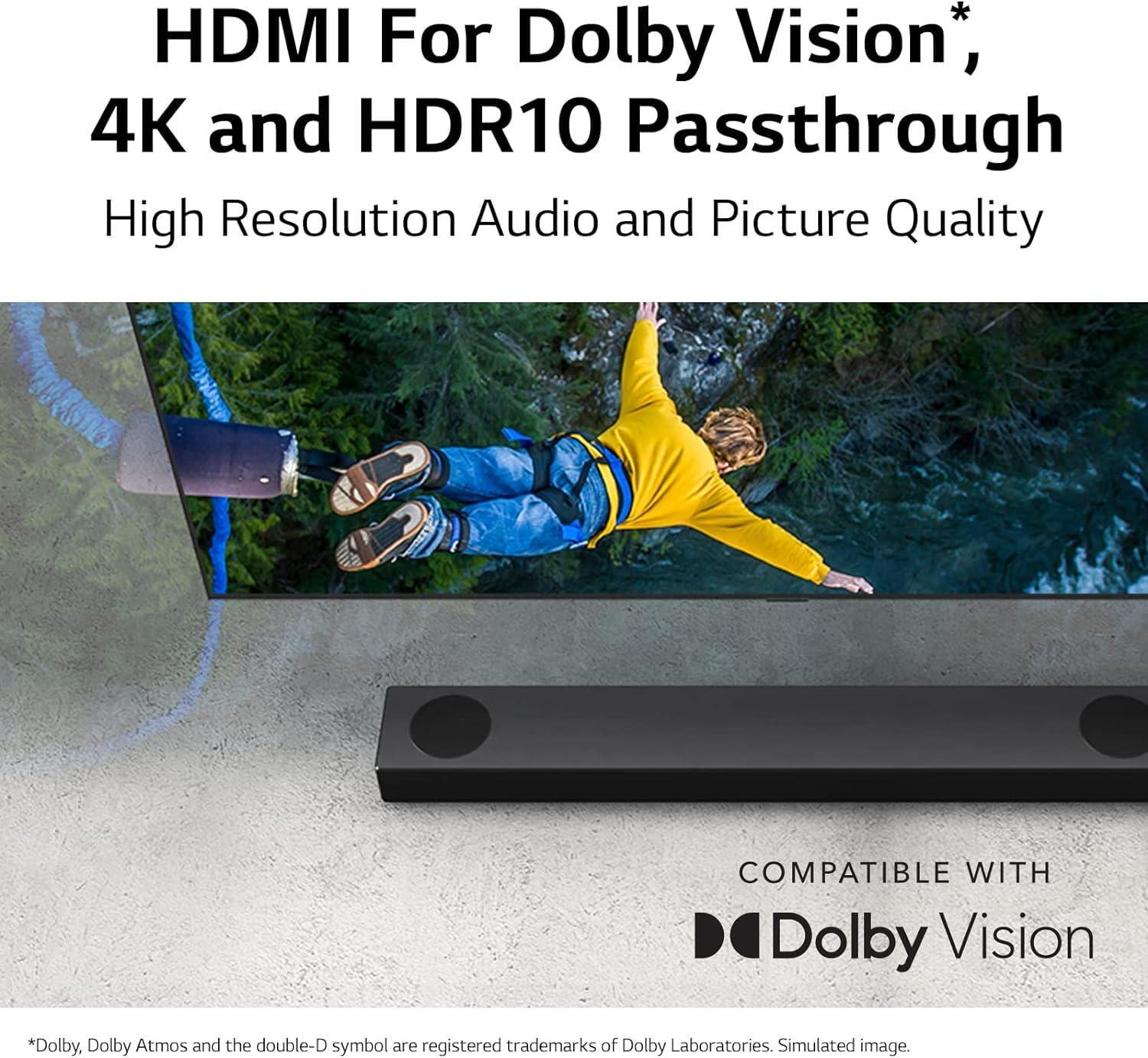
The LG treats connectivity as a premium feature. Wi-Fi enables streaming services like Spotify Connect and Apple AirPlay 2 without needing your phone connected. Google Assistant and Alexa support mean voice control for volume, inputs, and smart home integration. Multiple HDMI inputs with 4K passthrough let you connect game consoles and streaming devices directly to the soundbar, which then passes video to your TV while processing the audio.
I've set up both systems multiple times, and the experience couldn't be more different. The Samsung HW-B550D is genuinely plug-and-play. Connect the HDMI cable, plug in the subwoofer, and you're done. The subwoofer pairs wirelessly automatically, and most Samsung TVs recognize the soundbar immediately.
The LG requires more planning. You need to position the rear speakers, which means running power cables (they're wireless for audio but still need electricity). The initial setup involves the AI calibration process where the system plays test tones and listens to how they sound in your room. This takes about 10 minutes but results in noticeably better performance. The trade-off is complexity – you'll spend more time setting it up, but you'll get better results.
For dedicated home theater use, the differences become even more pronounced. The Samsung works well in smaller rooms where you're primarily focused on TV and casual movie watching. Its virtual surround processing is most effective in intimate settings where everyone sits relatively close to the centerline.
The LG shines in larger rooms designed around entertainment. The physical rear speakers maintain their effectiveness regardless of seating position, and the room calibration adapts to different acoustics. If you've invested in a large TV and want audio that matches that experience, the LG's true Dolby Atmos capability creates the kind of immersive soundfield that makes movies feel cinematic rather than just louder.
The height channels deserve special mention for home theater use. When watching films mixed for Dolby Atmos, you'll hear sounds that simply don't exist in traditional surround mixes – rain falling from above, aircraft passing overhead, ambient effects that fill the entire room. It's not just about volume or clarity; it's about creating a convincing sense of space.
Value means different things at different price points. The Samsung HW-B550D at $178 represents exceptional value if you're comparing it to other budget soundbars or your TV's built-in speakers. You get wireless subwoofer, decent virtual surround, and solid dialogue enhancement for less than many people spend on a night out.
The LG S80TR at $547 competes in a different value equation. You're paying premium pricing for premium features – true Dolby Atmos, physical surround speakers, AI room calibration, and comprehensive connectivity. The question becomes whether those features matter enough to justify the 3x price difference.
From my experience testing audio equipment, the law of diminishing returns definitely applies here. The Samsung gets you 80% of the way to great TV audio for a third of the price. The LG delivers that final 20% of performance, but at a significant cost premium.
Both products represent current thinking in their respective price segments. The Samsung's 2024 release incorporates Samsung's latest virtual surround algorithms, which have improved significantly over earlier generations. The processing is more refined, with fewer artifacts and better integration between the main bar and subwoofer.
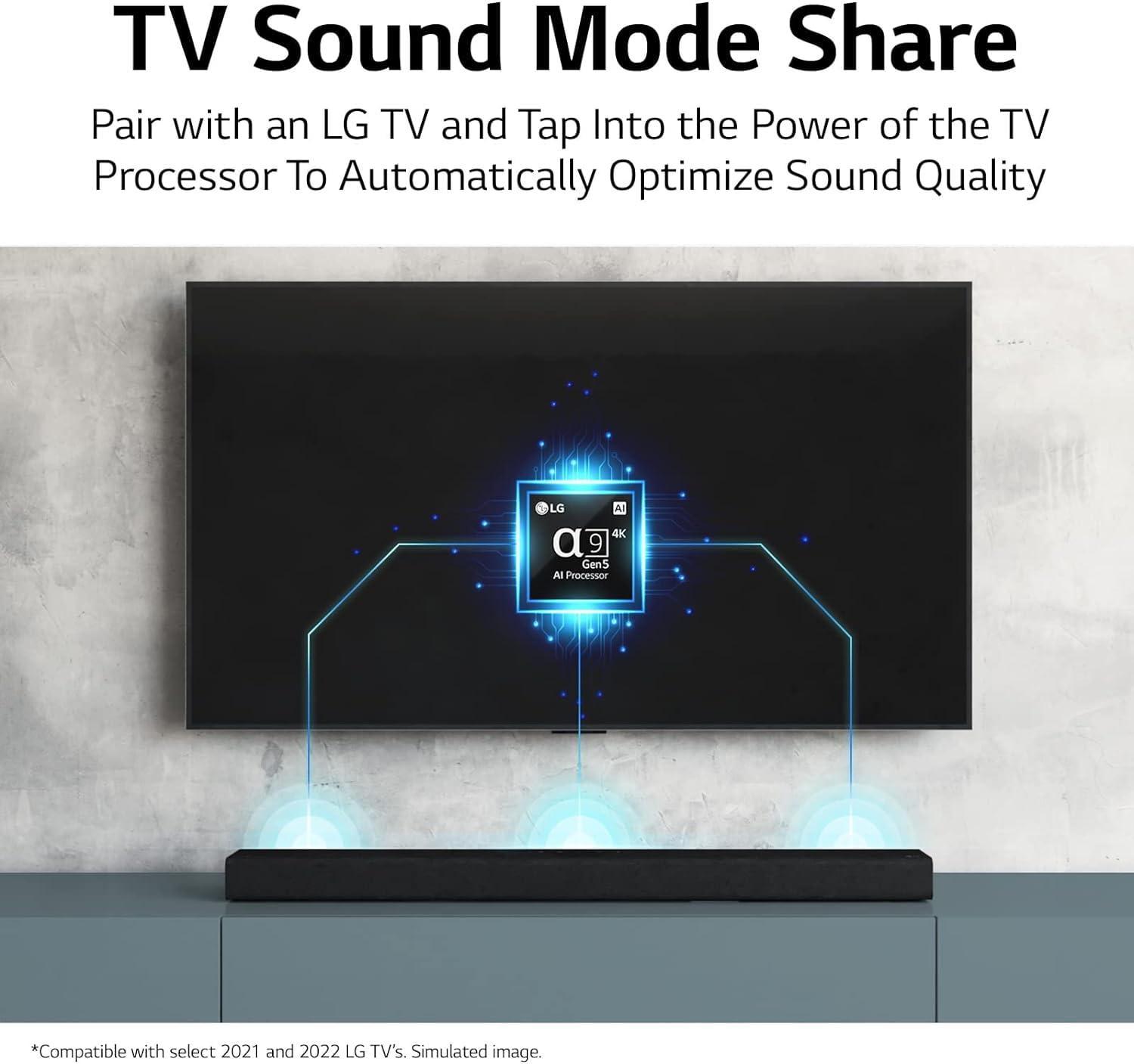
The LG's 2025 launch timing suggests it includes the latest advances in AI-driven audio processing and room correction. The WOW Orchestra feature, which synchronizes the soundbar with compatible LG TVs for enhanced dialogue, represents the kind of ecosystem integration that's becoming more important as manufacturers focus on comprehensive home entertainment solutions.
Looking forward, the LG's premium positioning means it's more likely to receive firmware updates that add new features or improve existing ones. Budget soundbars like the Samsung typically get basic updates but aren't the focus of ongoing development.
So how do you choose? Start with your space and usage patterns. If you live in an apartment or smaller home where a wireless subwoofer might be too much bass for your neighbors, or if you primarily watch TV shows and occasional movies, the Samsung HW-B550D delivers tremendous value. Its dialogue enhancement alone makes it worthwhile, and the virtual surround processing works well in intimate settings.
Choose the LG S80TR if you have the space for rear speakers and the budget for premium features. If you're building a dedicated entertainment space, if you're serious about movies and gaming, or if you want the latest in audio technology, the LG justifies its higher price through superior performance and flexibility.
The bottom line? Both soundbars succeed at their intended goals. The Samsung democratizes better TV audio, making significant improvements accessible at a reasonable price. The LG pushes the boundaries of what's possible in home audio, delivering an experience that rivals dedicated home theater systems. Your choice depends on your priorities, space, and budget – but either way, you'll be hearing your favorite content in a whole new way.
| Samsung HW-B550D 3.1 Channel Sound Bar | LG S80TR 5.1.3 Channel Soundbar with Dolby Atmos and Rear Speakers |
|---|---|
| Price - Major factor in determining overall value | |
| $178 (exceptional budget option) | $547 (premium investment) |
| Channel Configuration - Determines surround sound capabilities | |
| 3.1 channels (left, center, right + subwoofer) | 5.1.3 channels (11 total speakers including rear and height) |
| Surround Sound Technology - Virtual processing vs physical speakers | |
| DTS Virtual:X (simulated surround from main bar) | Physical rear speakers + Dolby Atmos height channels |
| Subwoofer - Critical for bass impact and movie immersion | |
| 5" wireless ported subwoofer with Bass Boost | Larger wireless subwoofer with AI room calibration |
| Dialogue Enhancement - Essential for clear speech | |
| Adaptive Sound Lite + Voice Enhancement mode | Clear Voice Pro with AI dialogue isolation |
| Room Optimization - Ensures best sound for your space | |
| Manual sound modes only | AI Room Calibration with built-in microphones |
| Connectivity Options - Affects device compatibility and future-proofing | |
| HDMI ARC, Optical, Bluetooth 5.1 | Wi-Fi, HDMI eARC, multiple inputs, voice assistants |
| Gaming Features - Important for console users | |
| Basic Game Mode with low latency | Advanced Game Mode with VRR/ALLM support |
| Setup Complexity - Time and effort required | |
| Plug-and-play simplicity | Multi-component setup with calibration process |
| Smart Features - Streaming and voice control capabilities | |
| Basic Bluetooth streaming only | AirPlay 2, Chromecast, Google Assistant, Alexa |
| Physical Footprint - Space requirements in your room | |
| Single soundbar + wireless subwoofer | Soundbar + subwoofer + 2 rear speakers (requires placement) |
| Best For - Target user and use cases | |
| Budget-conscious buyers, small rooms, TV dialogue improvement | Home theater enthusiasts, large rooms, premium audio experience |
The Samsung HW-B550D ($178) is a 3.1 channel budget soundbar that uses virtual surround sound processing, while the LG S80TR ($547) is a premium 5.1.3 system with physical rear speakers and Dolby Atmos height channels. The Samsung focuses on improving TV dialogue and bass, while the LG creates true immersive surround sound.
The Samsung HW-B550D offers exceptional value at $178 for buyers wanting significant audio improvement over TV speakers. The LG S80TR at $547 provides premium value for those who want true home theater sound with physical surround speakers and advanced features. Your budget and audio priorities determine which represents better value.
Not necessarily. The Samsung HW-B550D uses DTS Virtual:X to simulate surround effects from just the main bar, which works well for most TV watching. However, the LG S80TR's physical rear speakers provide authentic directional audio that virtual processing cannot match, especially for movies and gaming.
Both excel at dialogue, but differently. The Samsung HW-B550D uses Adaptive Sound Lite and Voice Enhancement to boost speech clarity automatically. The LG S80TR offers Clear Voice Pro with AI dialogue isolation and room calibration for superior speech intelligibility, making it better for challenging content or acoustically difficult rooms.
The Samsung HW-B550D only needs space for the main soundbar and subwoofer placement anywhere in the room. The LG S80TR requires additional space for two rear speakers that need power outlets and strategic positioning for optimal surround sound, making it better suited for dedicated home theater rooms.
The Samsung HW-B550D offers plug-and-play simplicity with automatic wireless subwoofer pairing and immediate compatibility with most TVs. The LG S80TR requires more complex setup including rear speaker placement, power connections, and a 10-minute AI room calibration process, though this results in optimized performance.
The Samsung HW-B550D only supports Bluetooth streaming from your phone or tablet. The LG S80TR offers comprehensive streaming with built-in Wi-Fi, AirPlay 2, Chromecast, and Spotify Connect, allowing direct connection to streaming services without needing your phone.
Both offer gaming modes, but the LG S80TR is superior for serious gamers with VRR and ALLM support, advanced spatial audio for positional awareness, and multiple HDMI inputs. The Samsung HW-B550D provides basic low-latency gaming mode that works well for casual gaming.
The Samsung HW-B550D has limited smart features and basic voice assistant compatibility. The LG S80TR offers full integration with Google Assistant and Alexa, plus voice control for volume, inputs, and smart home functions.
The Samsung HW-B550D is ideal for apartments due to its compact design, adjustable bass levels, and night mode that prevents disturbing neighbors. The LG S80TR may be overkill for small spaces and requires room for rear speakers, though its room calibration can optimize performance for any space.
The Samsung HW-B550D offers sound modes for movies, music, and dialogue with automatic content optimization. The LG S80TR provides more sophisticated processing with AI Sound Pro, multiple specialized modes (Cinema, Sports, Game), and native support for premium audio formats like Dolby Atmos and DTS:X.
For dedicated home theater use, the LG S80TR is the clear winner with true Dolby Atmos, physical surround speakers, and room calibration that creates cinematic audio experiences. The Samsung HW-B550D works well for casual movie watching in smaller rooms but cannot match the immersive experience of a full surround system.
We've done our best to create useful and informative comparisons to help you decide what product to buy. Our research uses advanced automated methods to create this comparison and perfection is not possible - please contact us for corrections or questions. These are the sites we've researched in the creation of this article: bestbuy.com - crutchfield.com - avsforum.com - consumerreports.org - abt.com - pcrichard.com - samsung.com - samsung.com - rtings.com - samsung.com - jeffsappliance.com - bestbuy.com - billsmith.com - brandsmartusa.com - youtube.com - lg.com - buydig.com - louisdoehomecenter.com - lg.com - videoandaudiocenter.com - mynavyexchange.com - walts.com - bestbuy.com

Privacy Policy
Terms and Conditions - Affiliate Policy
Home Security
© Copyright 2008-2026.
11816 Inwood Rd #1211, Dallas, TX 75244