





When your TV's built-in speakers make action scenes sound like they're happening inside a cardboard box, it's time to consider a soundbar upgrade. But choosing between different approaches to surround sound can feel overwhelming. Today we're comparing two fundamentally different philosophies: the Ultimea Aura A40's physical speaker approach versus the Samsung HW-Q800D's premium processing strategy.
Before diving into specifics, let's establish what separates good soundbars from great ones. The most critical factor is channel configuration – essentially how many separate audio streams the system can handle independently. Think of each channel as a dedicated audio highway: more highways mean better traffic flow and more precise sound placement.
Audio format support determines whether your soundbar can decode modern surround sound standards like Dolby Atmos. This object-based audio technology (released in 2012 for cinemas, 2014 for home use) treats sounds as individual objects that can move freely through three-dimensional space, rather than being locked to specific speaker channels.
Connectivity options affect which audio formats you can actually receive. HDMI eARC (enhanced Audio Return Channel) carries uncompressed audio, while optical connections compress everything down to basic surround formats. It's like comparing a multi-lane highway to a single-lane country road.
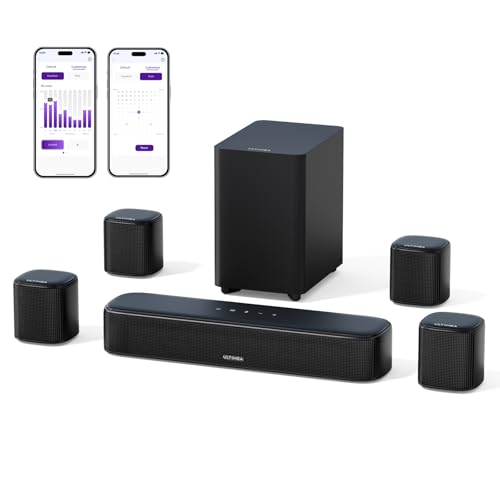
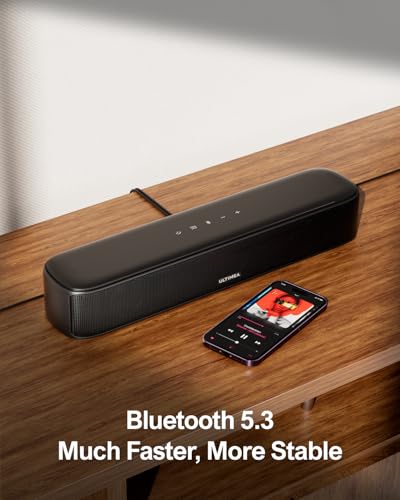
The Ultimea Aura A40, released in 2024, represents the "more speakers, better sound" philosophy. At the time of writing, it sits in the budget-friendly category while delivering something typically found in much pricier systems: four physical surround speakers that you actually place around your room.
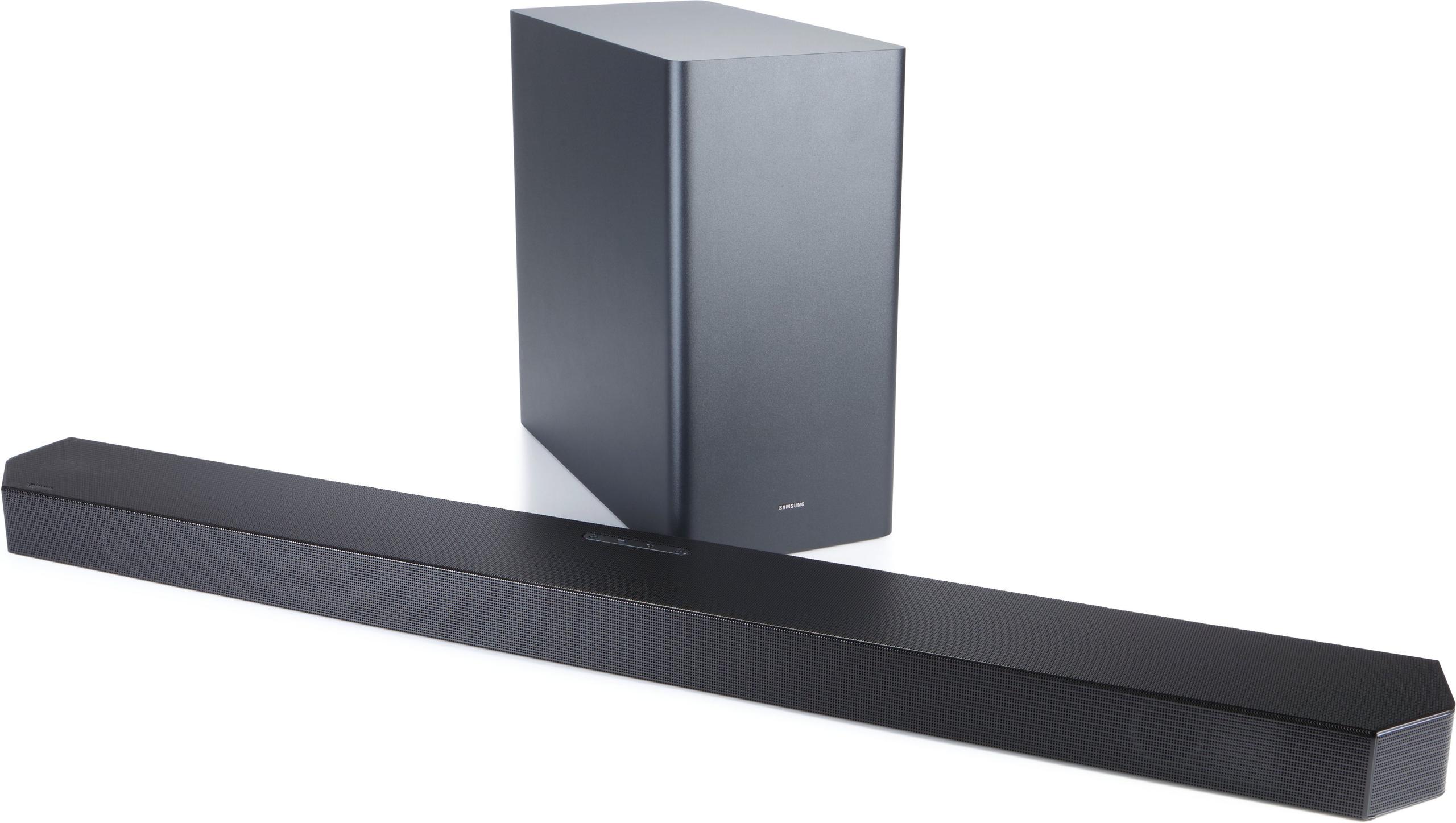
The Samsung HW-Q800D, also from 2024, embodies the premium processing approach. Samsung has been refining their soundbar technology since entering the market seriously around 2019, and this model showcases their latest advances in automatic room calibration and object-based audio processing.
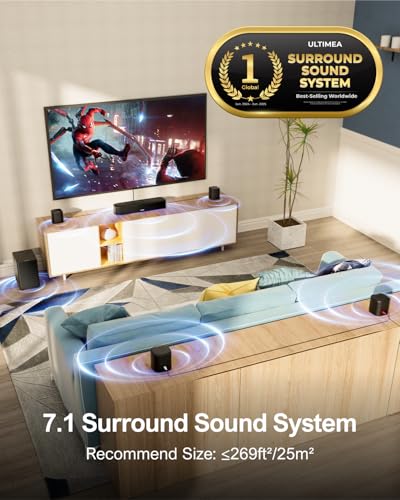
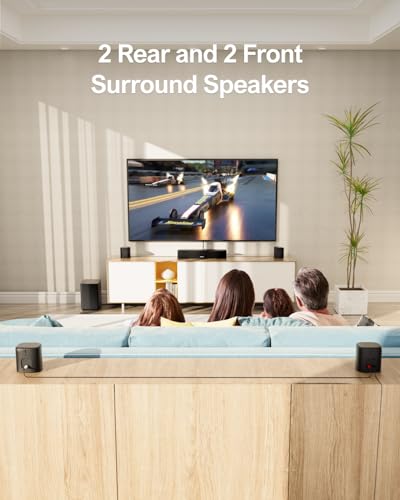
Here's where these systems fundamentally differ. The Ultimea Aura A40 gives you four actual surround speakers – two front and two rear – plus a central soundbar and subwoofer. When a helicopter flies overhead in a movie, you hear it moving through actual speakers positioned around your room. This creates what audio engineers call "discrete localization" – your brain can pinpoint exactly where sounds originate.
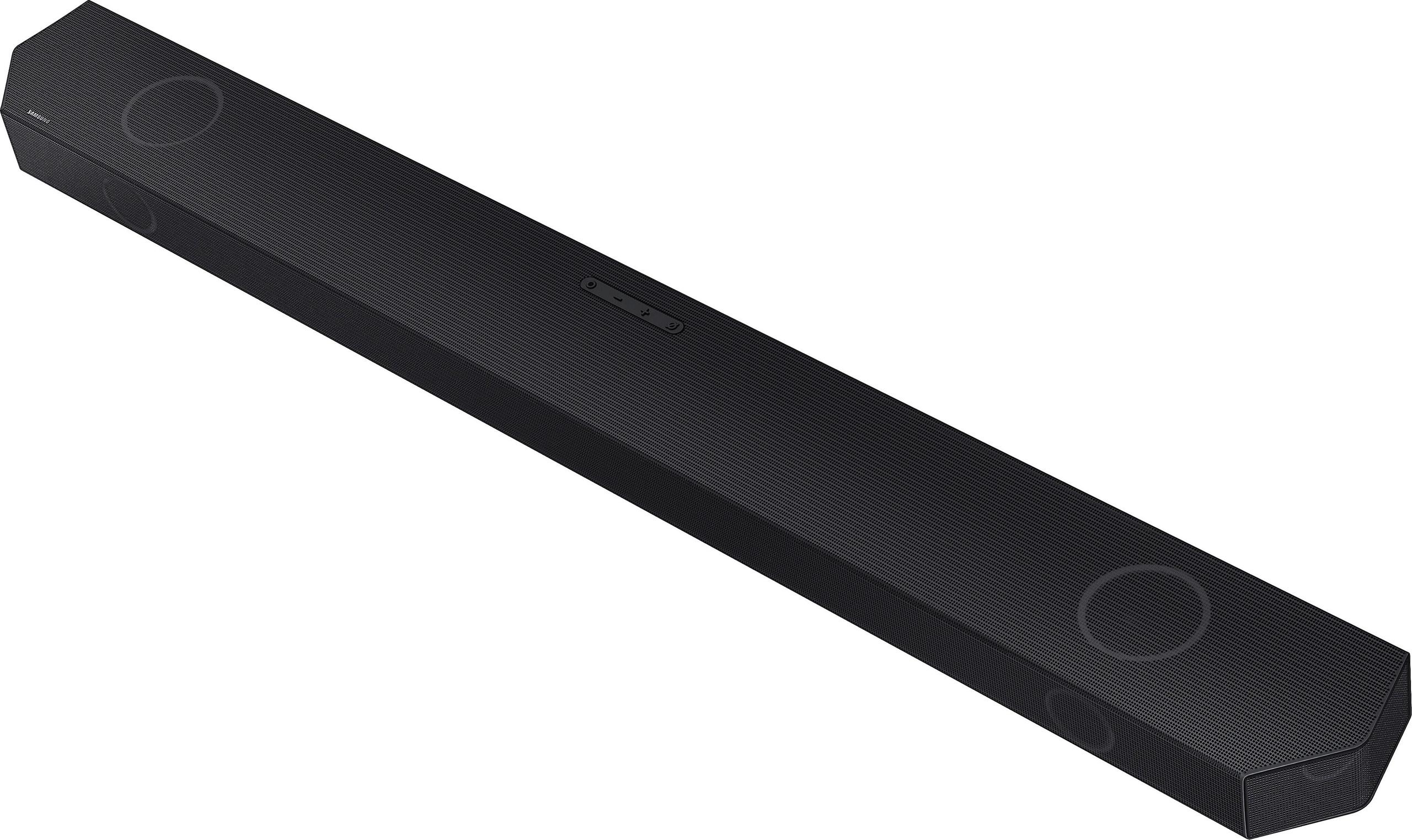
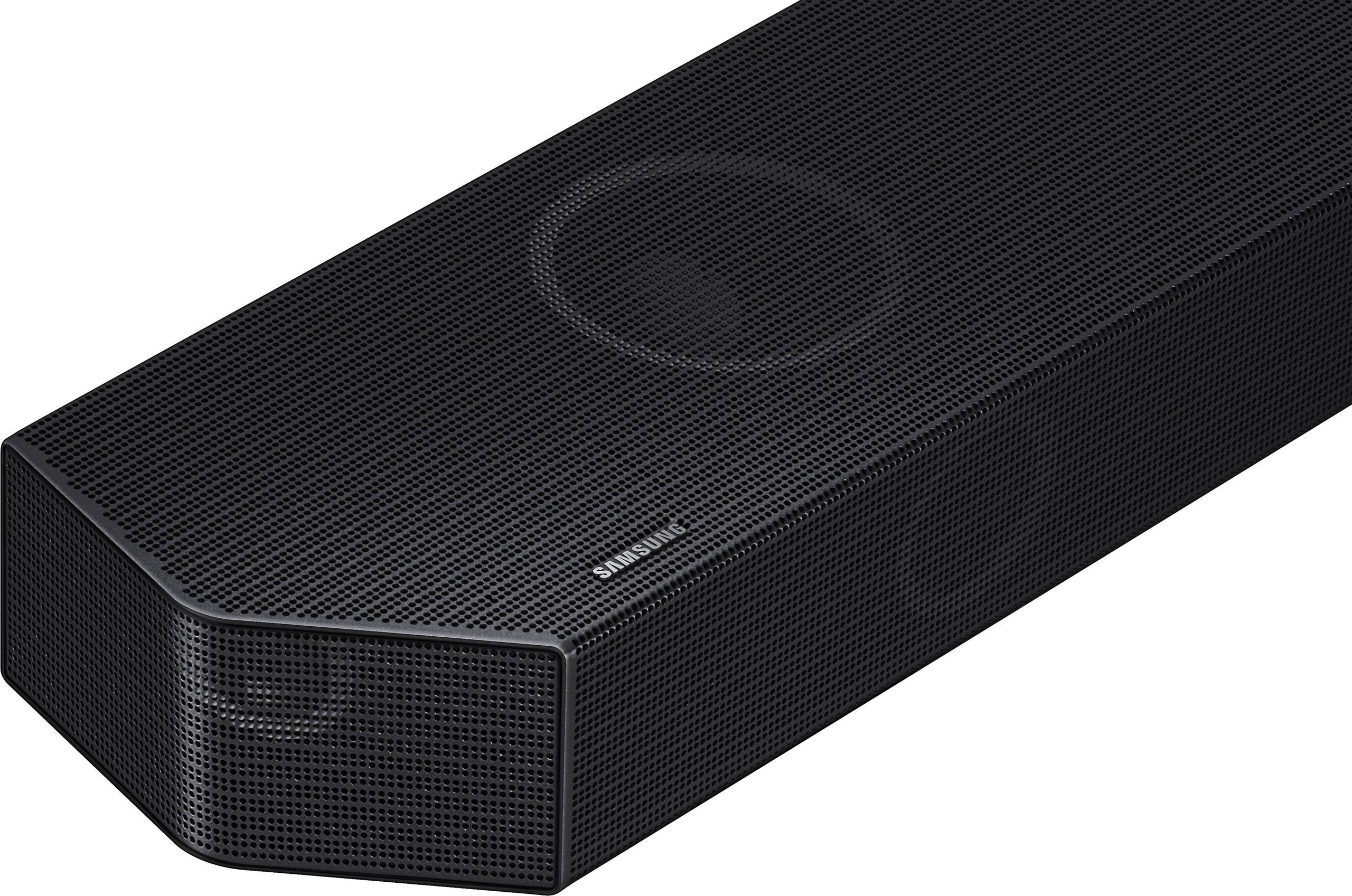
The Samsung HW-Q800D uses a single soundbar with strategically angled drivers and sophisticated digital processing to create virtual surround effects. Its upfiring speakers bounce sound off your ceiling to simulate height effects, while side-firing drivers create the illusion of surround speakers. Samsung's SpaceFit Sound Pro technology uses built-in microphones to analyze your room's acoustics, then automatically adjusts the sound signature for optimal performance.
Based on our research into user experiences and expert evaluations, both approaches work – but they excel in different scenarios. Physical speakers provide more convincing surround effects for people sitting in the optimal listening position, while virtual processing often works better for multiple listeners scattered around a room.
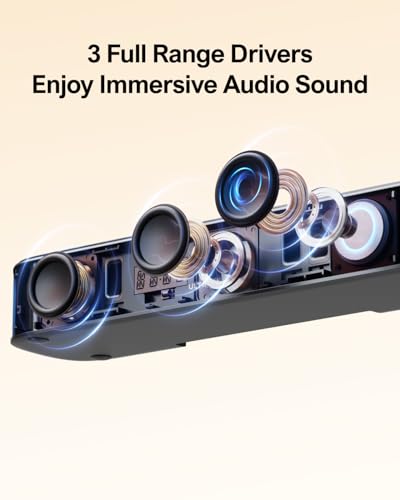
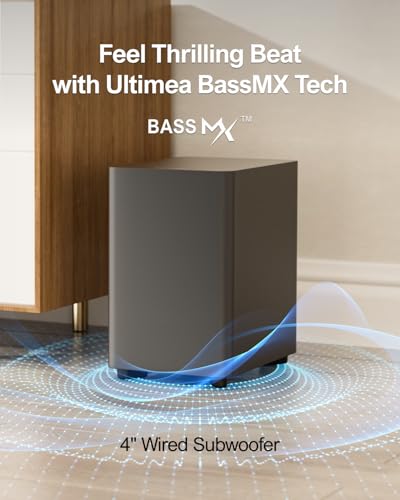
The Ultimea Aura A40 distributes 330 watts of peak power across eight speakers plus its 4-inch subwoofer. This system uses what Ultimea calls SurroundX technology, which coordinates all speakers to create accurate sound movement. The company claims 99.99% detail accuracy, though this marketing figure should be taken with appropriate skepticism. What matters more is the system's frequency response of 65Hz to 18kHz – adequate for most content, though the bass doesn't extend as deep as larger subwoofers.
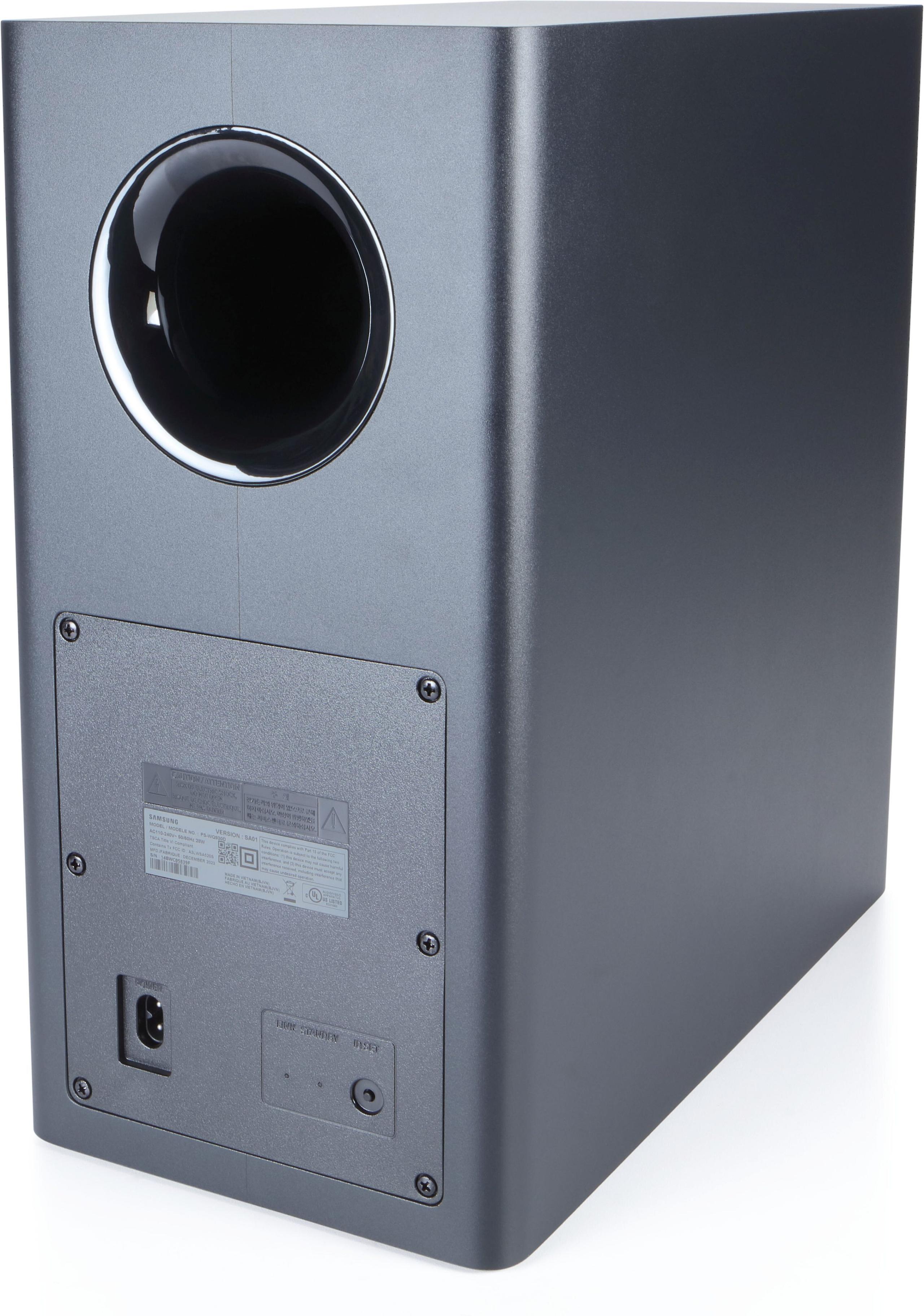
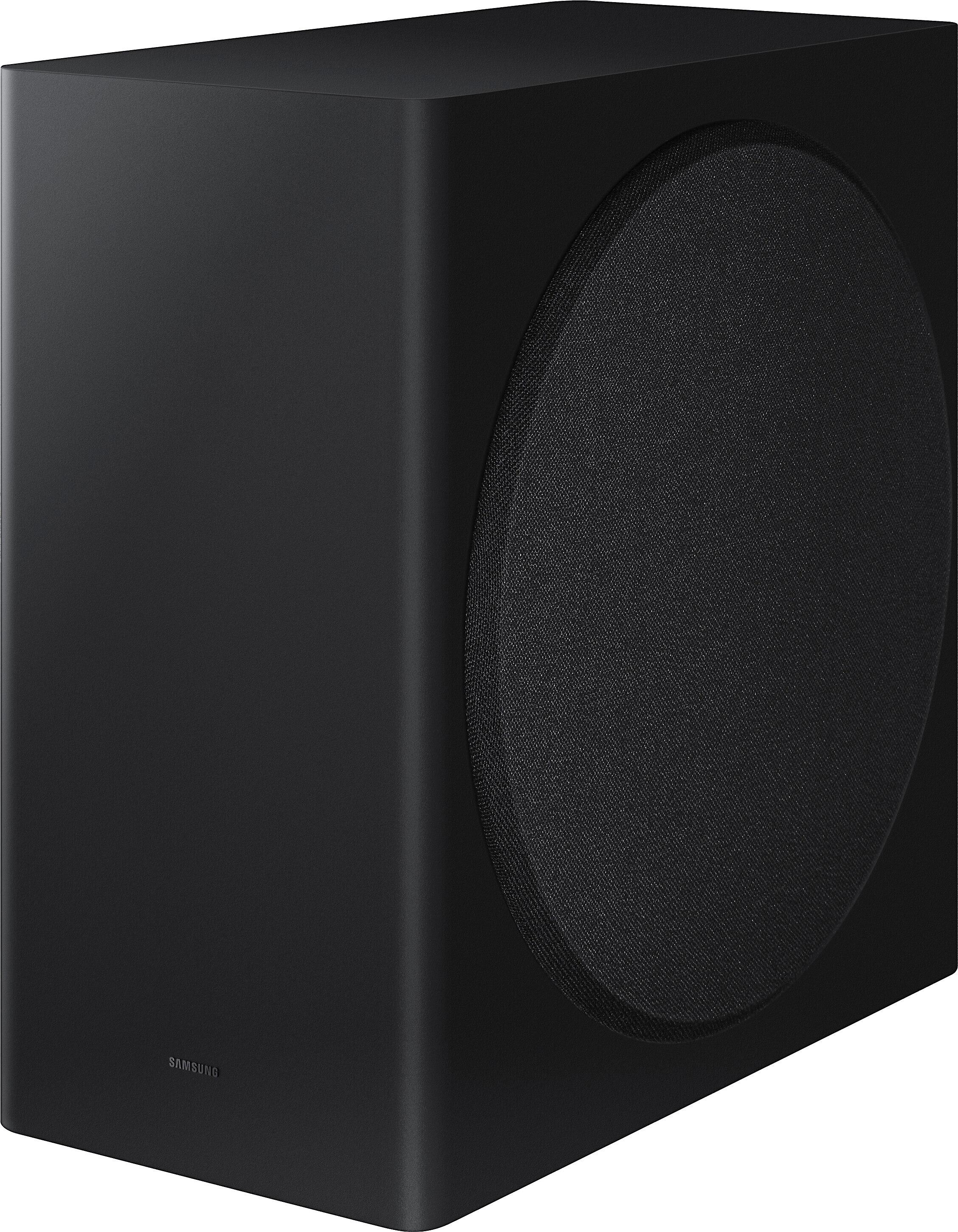
The Samsung HW-Q800D pumps out 360 watts through ten drivers in the main soundbar plus an 8-inch wireless subwoofer. This power advantage becomes apparent in larger rooms, where the Samsung can maintain clarity at higher volumes without compression. The larger subwoofer also delivers deeper bass extension, making explosion scenes more physically impactful.
Samsung's driver configuration deserves special attention. The soundbar contains three dome tweeters for crisp high frequencies and seven cone woofers for mid-range and upper bass. Two of these woofers fire upward for height effects, while two fire sideways for surround simulation. This specialized driver arrangement, combined with Dolby Atmos processing, creates genuinely three-dimensional audio when fed compatible content.
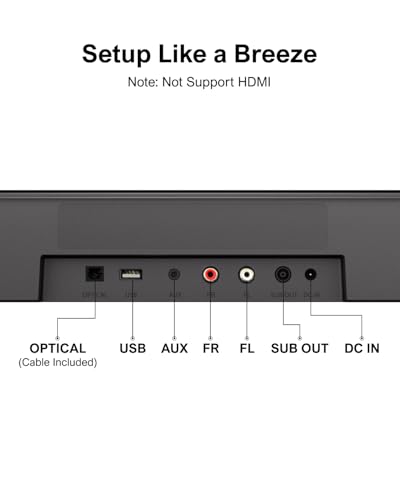
This comparison reveals a critical limitation that significantly impacts real-world performance. The Ultimea Aura A40 lacks HDMI connectivity entirely, relying on optical digital, auxiliary, USB, and Bluetooth 5.3 connections. While this keeps costs down, it creates a significant bottleneck for audio quality.
Here's why this matters: modern streaming services like Netflix, Disney+, and Apple TV+ deliver Dolby Atmos content, but only through HDMI connections. Optical cables compress this advanced audio into basic 5.1 surround sound, stripping away the height information and object-based positioning that makes modern soundtracks so immersive. Gaming consoles also send their best audio through HDMI – using optical means missing out on the spatial audio that helps you locate enemies in competitive games.
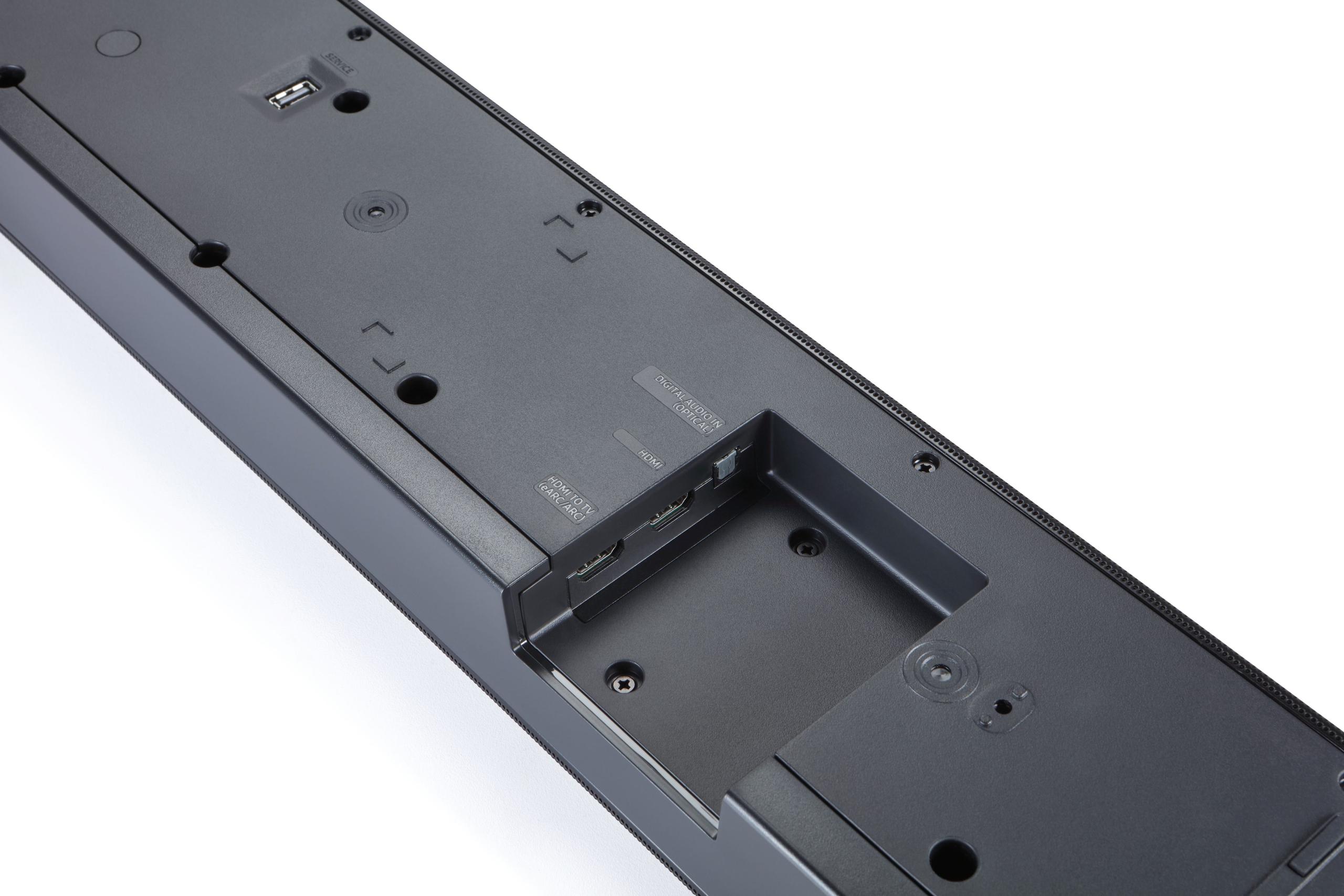
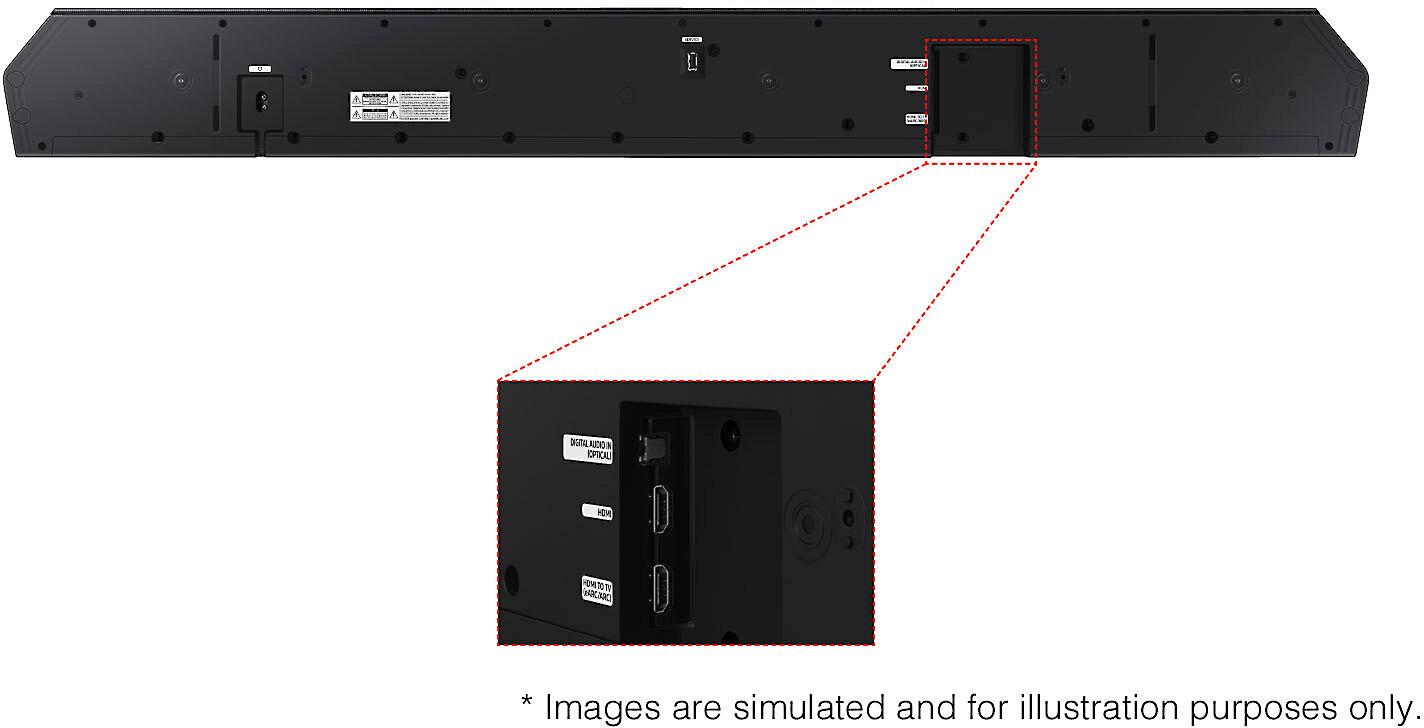
The Samsung HW-Q800D features HDMI 2.1 with eARC support, allowing it to receive uncompressed audio from your TV or devices. It also supports 4K video passthrough at 60Hz with HDR10 and HDR10+ compatibility, meaning you can route your sources through the soundbar without degrading picture quality. The inclusion of Wi-Fi connectivity enables direct streaming from services like Spotify and Amazon Music without needing your phone or TV as an intermediary.
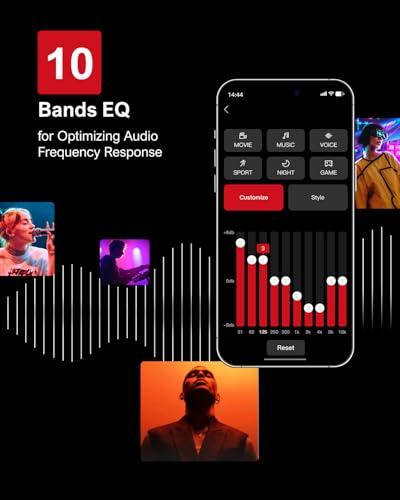
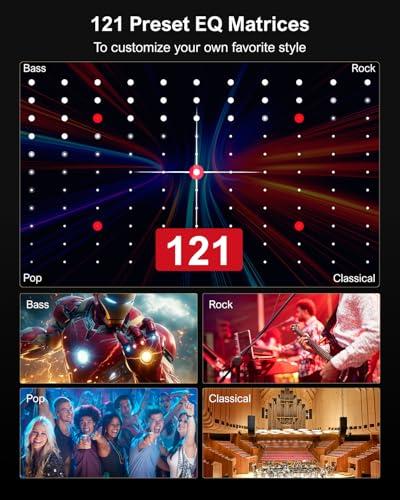
The Ultimea Aura A40 shines in user customization options. Its smartphone app provides access to 121 preset equalizer matrices across different genres (Bass, Pop, Classical, Rock), six dedicated EQ modes (Movie, Music, Voice, Sport, Game, Night), and a full 10-band equalizer for granular frequency adjustment. You can also adjust surround levels independently, fine-tuning the spatial balance to match your room layout and preferences.
This level of control appeals to audio enthusiasts who enjoy tweaking settings, but it requires time investment. Finding the optimal settings for your room and content preferences involves considerable experimentation. The system remembers your adjustments, but switching between different content types might require manual EQ changes for best results.
The Samsung HW-Q800D takes the opposite approach with intelligent automation. SpaceFit Sound Pro analyzes your room using the soundbar's microphone, measuring how sound reflects off walls, furniture, and other surfaces. It then automatically adjusts frequency response, timing, and levels to optimize performance for your specific environment. This process takes about 30 seconds and runs automatically when you first set up the system.
Active Voice Amplifier represents another intelligent feature – it analyzes incoming audio in real-time, identifying dialogue frequencies and boosting them when background music or effects threaten to overwhelm speech. This proves particularly valuable for older movies or poorly mixed content where dialogue sits too low in the mix.
Gaming audio has evolved dramatically since 2020, with titles like Call of Duty and Valorant incorporating sophisticated spatial audio engines. The Ultimea Aura A40 provides excellent directional audio through its physical surround speakers, helping you locate footsteps and gunfire with precision. However, its lack of HDMI connectivity means missing out on gaming consoles' advanced audio processing features.
The Samsung HW-Q800D includes Game Mode Pro, which reduces audio latency while enhancing spatial cues for competitive gaming. The HDMI 2.1 connection supports variable refresh rates and auto low latency mode, though it's limited to 4K at 60Hz rather than the 120Hz that current-generation consoles can output. For most gamers, this limitation won't matter since few games actually run at 4K/120Hz consistently.
For dedicated home theater setups, connectivity becomes crucial. The Ultimea Aura A40 works well for simple configurations where your TV handles all source switching, but it can't integrate with AV receivers or multi-room audio systems. The optical connection limits you to compressed audio, meaning you're not getting the full benefit of modern movie soundtracks.
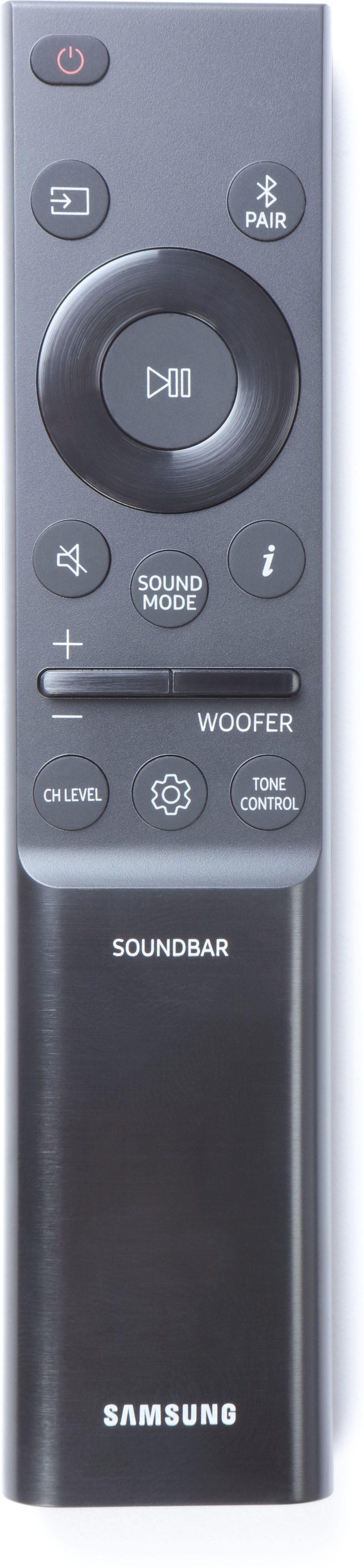
The Samsung HW-Q800D offers significantly better integration options. HDMI eARC allows seamless control through your TV's remote, while CEC (Consumer Electronics Control) enables power and volume synchronization across devices. If you own a Samsung TV, Q-Symphony technology synchronizes the soundbar with your TV's speakers, effectively creating additional channels for a fuller soundstage.
Samsung has also committed to regular firmware updates, with the 2024 models receiving several enhancements since launch. These updates have improved Dolby Atmos processing and added new streaming service support, demonstrating the company's investment in long-term product support.
Room acoustics play a massive role in soundbar performance. The Ultimea Aura A40 works best in small to medium rooms (roughly 100-250 square feet) where you can properly position all four surround speakers. In larger spaces, the 330-watt power output struggles to fill the room adequately, and the 4-inch subwoofer can't generate enough bass impact for truly immersive experiences.
The Samsung HW-Q800D handles larger rooms more effectively thanks to its higher power output and more sophisticated processing. The 8-inch subwoofer delivers deeper bass extension, while the automatic room calibration adjusts for larger spaces. However, in very large rooms, you might want to consider Samsung's optional SWA-9500S rear speakers for complete surround coverage.
While both systems target home theater use, music performance reveals interesting differences. The Ultimea Aura A40 provides good stereo imaging when using its front speakers, but the overall sound signature leans toward the bright side, which can make poorly recorded music sound harsh. The extensive EQ options help compensate, allowing you to dial in warmer, more musical tuning for different genres.
The Samsung HW-Q800D delivers more balanced music reproduction out of the box, with better tonal accuracy across the frequency spectrum. Its Adaptive Sound feature analyzes music content and adjusts processing accordingly, though purists might prefer the direct, unprocessed sound available in Standard mode.
At the time of writing, the Ultimea Aura A40 represents exceptional value in the budget soundbar category. You're getting four physical surround speakers – something that typically costs significantly more from established brands. The extensive customization options and solid build quality make it particularly appealing for users who want to maximize their audio investment without breaking the bank.
The Samsung HW-Q800D commands a premium price but justifies it through superior connectivity, processing power, and future-proofing. You're paying for HDMI 2.1, true Dolby Atmos support, automatic room calibration, and Samsung's ecosystem integration. The build quality and driver configuration also represent a step up in terms of pure audio engineering.
Choose the Ultimea Aura A40 if you want immediate surround sound gratification at a budget-friendly price point. It's perfect for users with smaller rooms, primarily optical or Bluetooth source connections, and those who enjoy tweaking audio settings. The physical surround speakers create convincing effects for movies and gaming, making it an excellent choice for users prioritizing spatial audio over format compatibility.
The Samsung HW-Q800D makes sense for users building a modern home theater system around current and future technologies. If you stream Dolby Atmos content, game on current consoles, or want hassle-free setup with professional-grade processing, the Samsung justifies its higher cost. It's particularly appealing for Samsung TV owners and anyone planning to expand their system over time.
Both soundbars deliver significant improvements over TV speakers, but they target different priorities. The Ultimea maximizes physical speaker coverage at a budget price, while the Samsung invests in processing power and connectivity for a premium experience. Your choice ultimately depends on whether you value immediate surround impact or long-term format compatibility – both are valid approaches to achieving better home audio.
| Ultimea Aura A40 | Samsung HW-Q800D |
|---|---|
| Channel Configuration - Determines surround sound accuracy and immersion | |
| 7.1 Virtual with 4 physical surround speakers | 5.1.2 True channels with upfiring Atmos speakers |
| Total Power Output - Affects volume and dynamics in larger rooms | |
| 330W peak power across all speakers | 360W total with superior amplifier design |
| Subwoofer Size - Impacts bass depth and room-filling low frequencies | |
| 4-inch wired subwoofer with BassMX technology | 8-inch wireless subwoofer with bass-reflex design |
| HDMI Connectivity - Essential for modern audio formats and gaming | |
| None (optical, AUX, USB, Bluetooth only) | HDMI 2.1 with eARC and 4K passthrough |
| Dolby Atmos Support - Enables object-based 3D audio from streaming services | |
| Not supported (virtual surround only) | Full Dolby Atmos and DTS:X with dedicated height channels |
| Physical Surround Speakers - Creates genuine 360° sound placement | |
| 4 wired speakers included (2 front, 2 rear) | None included (optional SWA-9500S available separately) |
| Room Calibration - Optimizes sound for your specific space | |
| Manual via extensive app-based EQ controls | Automatic SpaceFit Sound Pro with microphone analysis |
| Customization Options - Allows fine-tuning for different content and preferences | |
| 121 preset EQ matrices + 10-band equalizer + 6 modes | Adaptive modes with intelligent processing and voice enhancement |
| Smart Features - Modern conveniences and ecosystem integration | |
| Basic app control and OTA updates | Built-in Alexa, Wi-Fi streaming, Q-Symphony with Samsung TVs |
| Setup Complexity - Time and effort required for optimal performance | |
| Requires positioning 4 speakers around room with cables | Simple soundbar + wireless subwoofer placement |
| Recommended Room Size - Space where each system performs optimally | |
| Small to medium rooms (108-270 sq ft) | Medium to large rooms with flexible placement |
| Future-Proofing - Compatibility with evolving audio standards | |
| Limited by optical-only connections | HDMI 2.1 supports current and future formats |
The Ultimea Aura A40 provides exceptional value by including four physical surround speakers at a budget-friendly price point, giving you genuine 360-degree sound coverage that typically costs much more. The Samsung HW-Q800D offers premium value through superior connectivity, true Dolby Atmos support, and automatic room calibration, justifying its higher cost with professional-grade features and future-proofing.
The biggest difference is their approach to surround sound. The Ultimea Aura A40 includes four actual surround speakers you place around your room for physical sound positioning, while the Samsung HW-Q800D uses advanced digital processing and upfiring speakers to create virtual surround effects from a single soundbar unit plus subwoofer.
The Ultimea Aura A40 works best in small to medium rooms (100-250 square feet) where you can properly position all four surround speakers. The Samsung HW-Q800D handles larger rooms more effectively with its 360W power output, 8-inch subwoofer, and automatic room calibration that adjusts for different space sizes.
No, only the Samsung HW-Q800D supports true Dolby Atmos and DTS:X with dedicated upfiring speakers for height effects. The Ultimea Aura A40 lacks HDMI connectivity and cannot receive these modern audio formats, limiting it to virtual surround processing through optical or Bluetooth connections.
The Samsung HW-Q800D is much simpler to set up with just a soundbar and wireless subwoofer, plus automatic room calibration. The Ultimea Aura A40 requires positioning and wiring four surround speakers around your room, making setup more complex but offering extensive manual customization through its smartphone app.
Both work for gaming, but differently. The Ultimea Aura A40 provides excellent directional audio through physical surround speakers but lacks HDMI for modern console features. The Samsung HW-Q800D includes Game Mode Pro with reduced latency and supports HDMI 2.1 connectivity for advanced gaming audio processing.
The Samsung HW-Q800D delivers superior bass with its larger 8-inch wireless subwoofer that extends deeper and hits harder than the Ultimea Aura A40's 4-inch wired subwoofer. For action movies and music with strong low-end content, the Samsung provides more impactful bass response.
The Ultimea Aura A40 offers optical, AUX, USB, and Bluetooth 5.3 connections but no HDMI input. The Samsung HW-Q800D includes HDMI 2.1 with eARC, optical input, Bluetooth 5.2, and Wi-Fi connectivity for direct music streaming, providing much more flexibility for modern devices.
For movies, the Samsung HW-Q800D excels with true Dolby Atmos support, Active Voice Amplifier for clear dialogue, and superior bass impact. The Ultimea Aura A40 creates convincing surround effects through physical speaker placement but cannot access the advanced audio formats that make modern movie soundtracks truly immersive.
The Ultimea Aura A40 provides 330W peak power distributed across eight speakers plus subwoofer, while the Samsung HW-Q800D delivers 360W total power through ten drivers in the soundbar plus an 8-inch subwoofer. The Samsung's higher power output and better amplifier design provide cleaner sound at higher volumes.
The Ultimea Aura A40 comes complete with all four surround speakers included and doesn't support additional expansion. The Samsung HW-Q800D can be expanded with Samsung's optional SWA-9500S rear speakers for a complete 5.1.2 system, offering more flexibility for future upgrades.
The Samsung HW-Q800D provides better long-term value with HDMI 2.1 connectivity ensuring compatibility with future audio formats, regular firmware updates, and the ability to expand with rear speakers. The Ultimea Aura A40 offers immediate satisfaction with physical surround speakers but may become limited as streaming services adopt more advanced audio formats requiring HDMI connections.
We've done our best to create useful and informative comparisons to help you decide what product to buy. Our research uses advanced automated methods to create this comparison and perfection is not possible - please contact us for corrections or questions. These are the sites we've researched in the creation of this article: youtube.com - walmart.com - youtube.com - ultimea.com - homestudiobasics.com - ultimea.co - youtube.com - eu.ultimea.com - walmart.com - device.report - bestbuy.com - manuals.plus - community.ultimea.com - judge.me - support.ultimea.com - geekmaxi.com - provantage.com - bestbuy.com - youtube.com - uk.whatgeek.com - techradar.com - valueelectronics.com - samsung.com - rtings.com - samsung.com - crutchfield.com - samsung.com - samsung.com - samsung.com - shidirect.com

Privacy Policy
Terms and Conditions - Affiliate Policy
Home Security
© Copyright 2008-2026.
11816 Inwood Rd #1211, Dallas, TX 75244