





When you first experience a good soundbar, the difference is striking. Those muddy TV speakers suddenly become crisp, detailed audio that makes dialogue clear and explosions feel impactful. But choosing the right soundbar means understanding a fundamental split in how these systems create immersive audio—and that's exactly where the Ultimea Aura A40 and Samsung HW-B550D showcase two completely different philosophies.
The soundbar market has evolved rapidly since streaming became dominant around 2020. Early systems focused mainly on making dialogue clearer than built-in TV speakers. Today's soundbars tackle the complex challenge of creating cinema-like surround sound in your living room, but they approach this goal through two distinct methods that define the entire category.
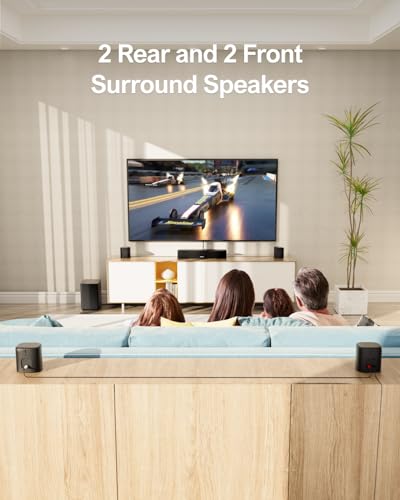
Physical surround systems like the Ultimea Aura A40 place actual speakers around your room. When a helicopter flies overhead in a movie, dedicated rear speakers positioned behind your couch create that sound, making your brain genuinely perceive the aircraft above and behind you. This approach requires multiple speakers, more cables, and strategic placement—but the spatial accuracy is unmatched.
Virtual surround systems like the Samsung HW-B550D use sophisticated audio processing to trick your ears into hearing surround effects from speakers positioned only in front of you. Digital Signal Processing (DSP)—essentially a computer chip that manipulates audio signals—analyzes the soundtrack and bounces certain frequencies off your walls while adjusting timing and phase to create the illusion of surround sound.
The key considerations when choosing between these approaches involve your room layout, technical comfort level, and how much you prioritize audio immersion versus setup simplicity. Let's examine how these two systems execute their different strategies.
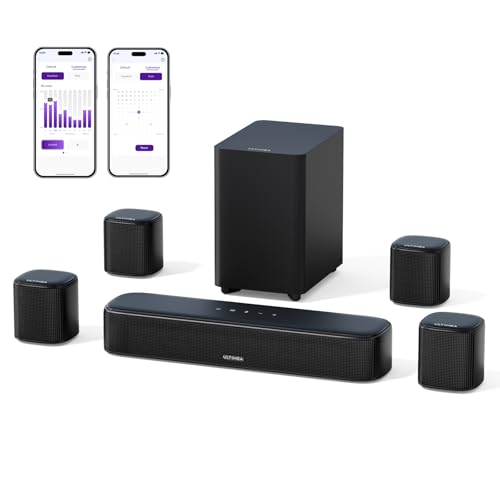
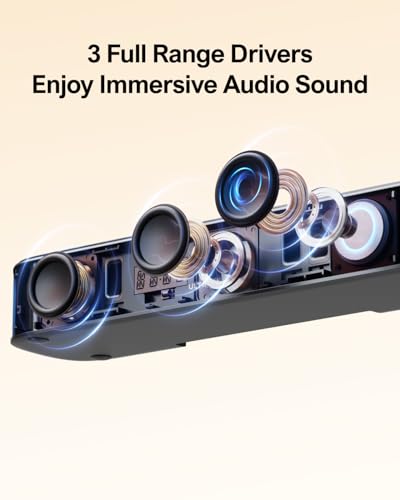
Released in 2023, the Ultimea Aura A40 represents the "more speakers equals better surround" philosophy. This system includes eight physical drivers: three in the main soundbar (including a dedicated center channel for dialogue), four separate satellite speakers that you position around your room, and a wired subwoofer for bass.
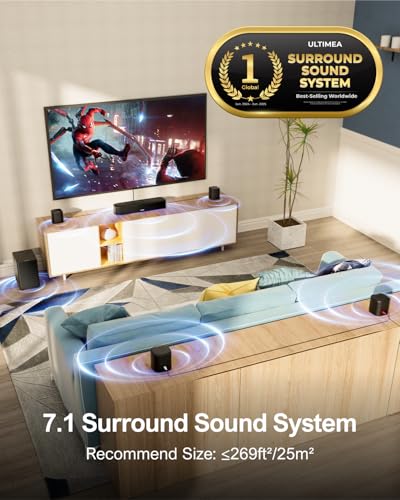
The satellite speaker arrangement creates what's called a "7.1 channel configuration"—seven main channels plus one subwoofer. The front left and right satellites connect via 2-meter cables, while the rear speakers use a longer 6-meter cable with an interesting hybrid design: the rear right speaker pairs wirelessly to the soundbar after receiving power through the cable system. This reduces some cable clutter while maintaining the precise timing that wired connections provide.
What makes this system particularly intriguing is Ultimea's SurroundX technology, which claims 99.99% accuracy in audio positioning. While marketing numbers should always be viewed skeptically, user reviews consistently mention the spatial precision—bullets whizzing past your ear, footsteps moving realistically through scenes, and environmental effects that genuinely feel three-dimensional.
The A40 produces 330 watts of peak power across all eight speakers, with a frequency response of 65Hz to 18kHz. That 65Hz lower limit means you'll feel punchy bass from explosions and music, though not the deepest rumbles that larger subwoofers can produce.
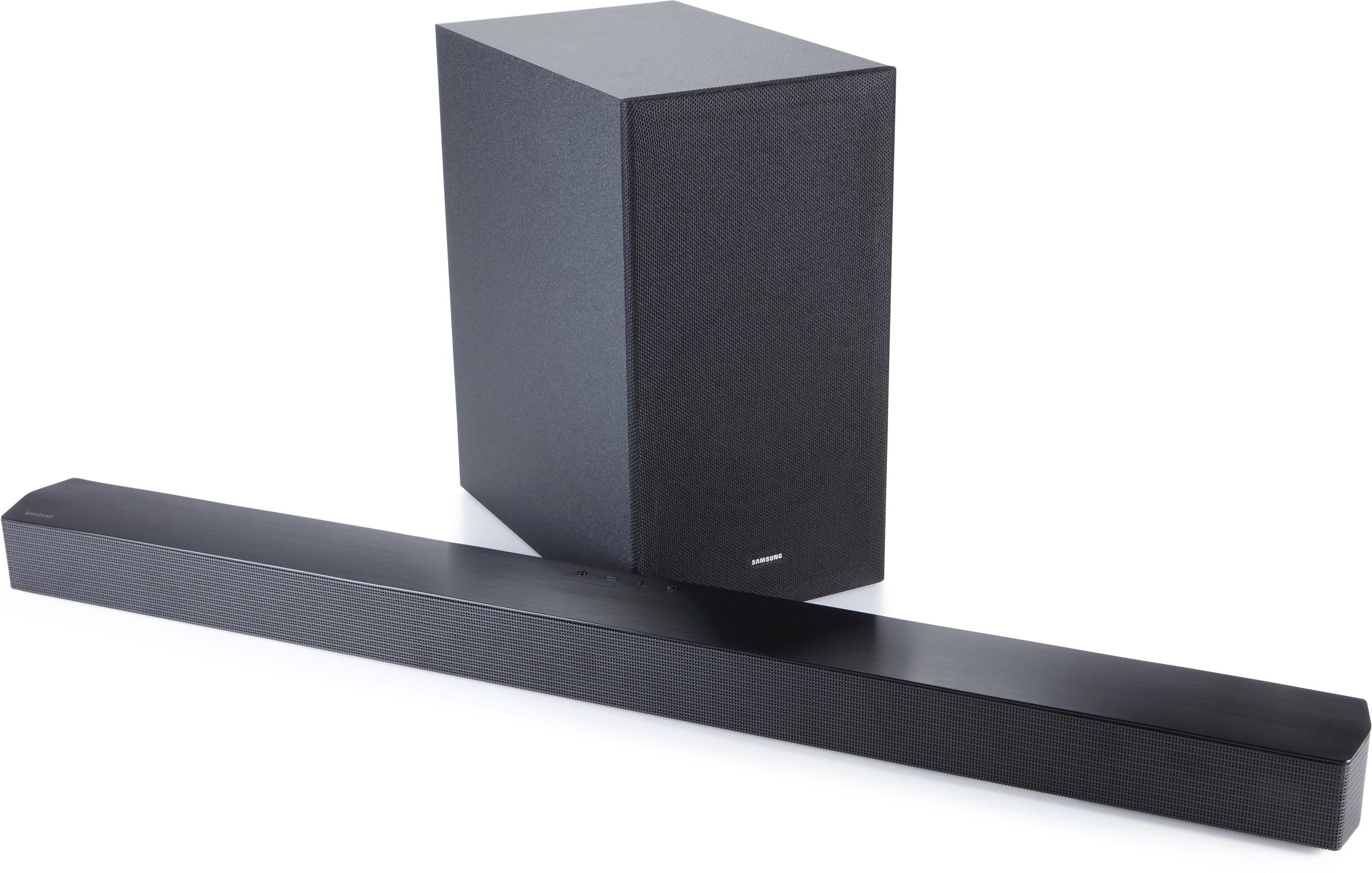
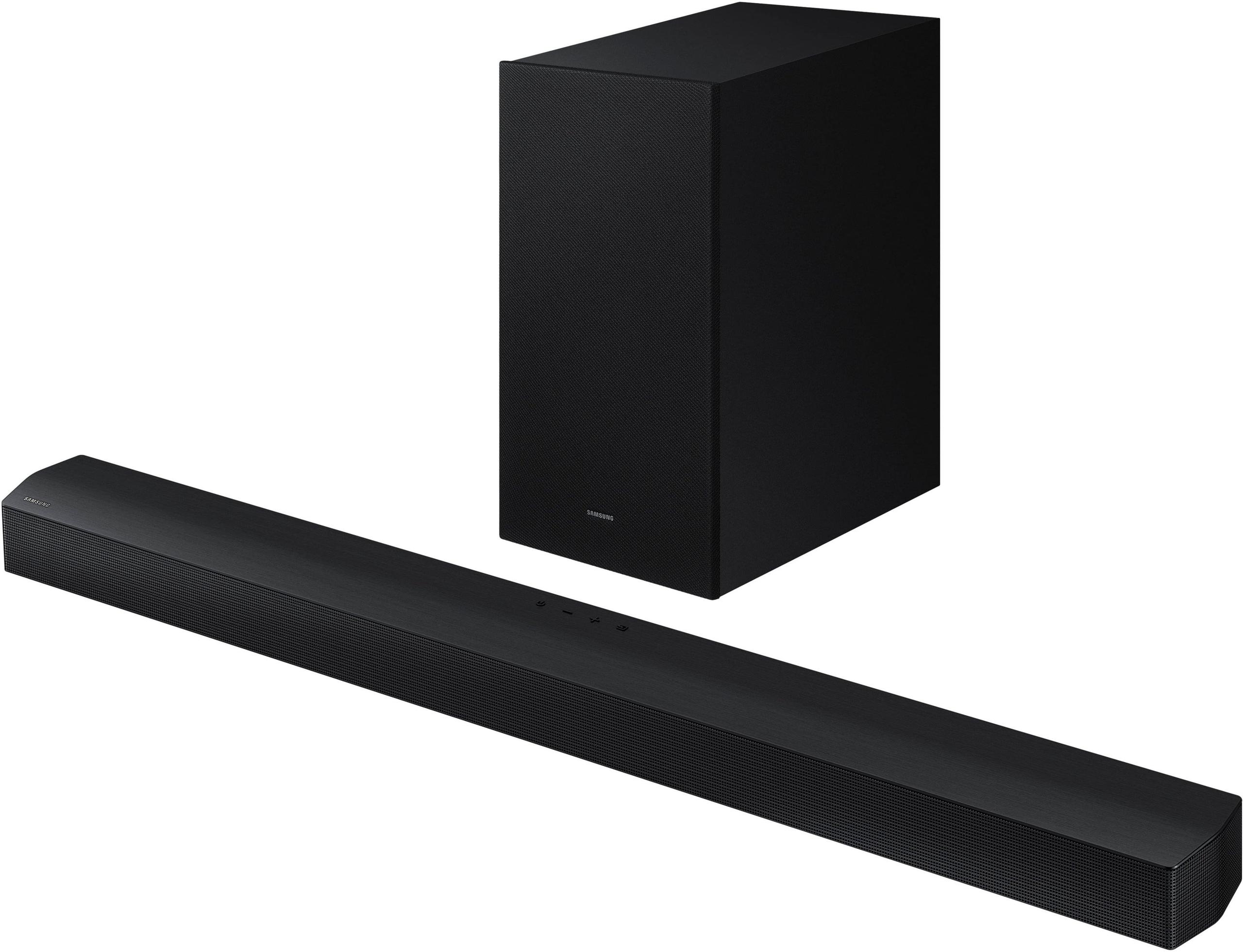
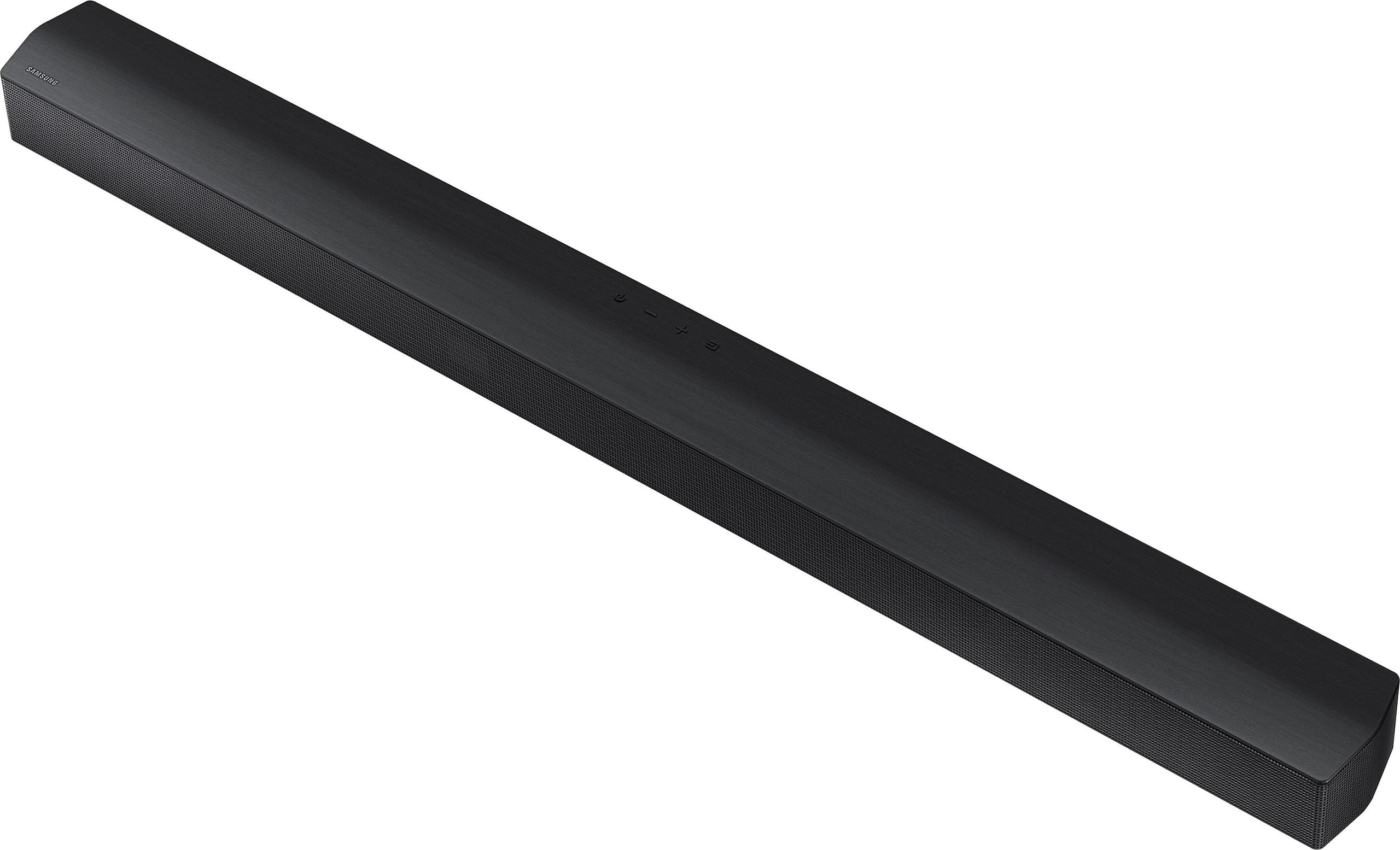
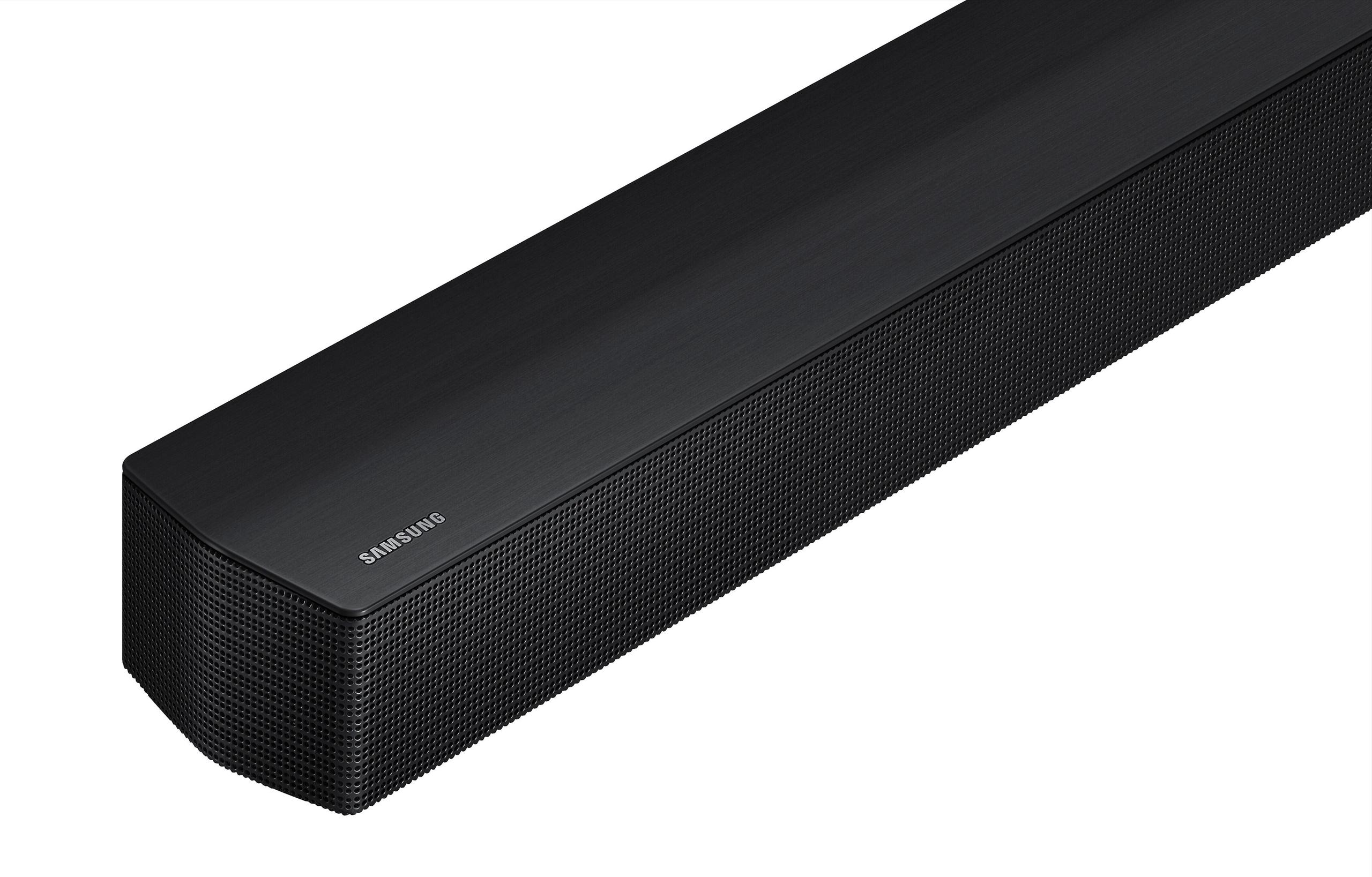
Samsung's HW-B550D, released in 2022, takes the opposite approach with just four total speakers arranged in a 3.1 configuration. Three channels means left, center, and right audio channels, while the ".1" represents the separate subwoofer. Inside the main soundbar, six individual drivers work together to create the left, center, and right channels, with the center channel specifically optimized for dialogue clarity.
The magic happens through DTS Virtual:X technology. DTS (Digital Theater Systems) developed algorithms that analyze surround sound tracks and redistribute the audio across the soundbar's speakers. By carefully controlling timing, volume levels, and frequency filtering, the system bounces sound off your room's walls and ceiling to simulate the effect of speakers placed around you.
Samsung pairs this with their Adaptive Sound Lite feature, which automatically analyzes what you're watching. During a quiet dialogue scene, it emphasizes vocal frequencies and reduces background noise. During action sequences, it opens up the dynamic range to let explosions feel impactful while keeping voices intelligible.
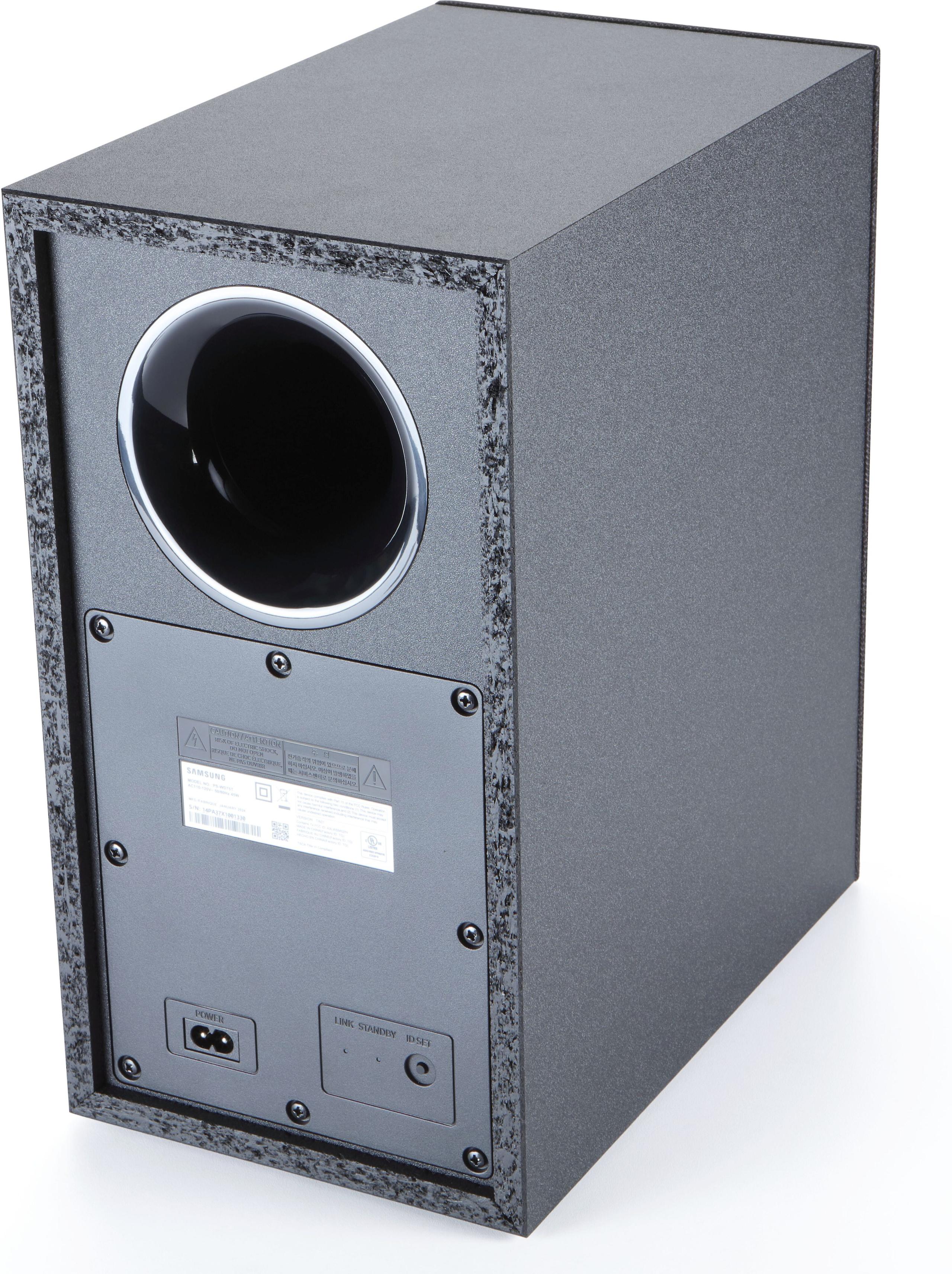
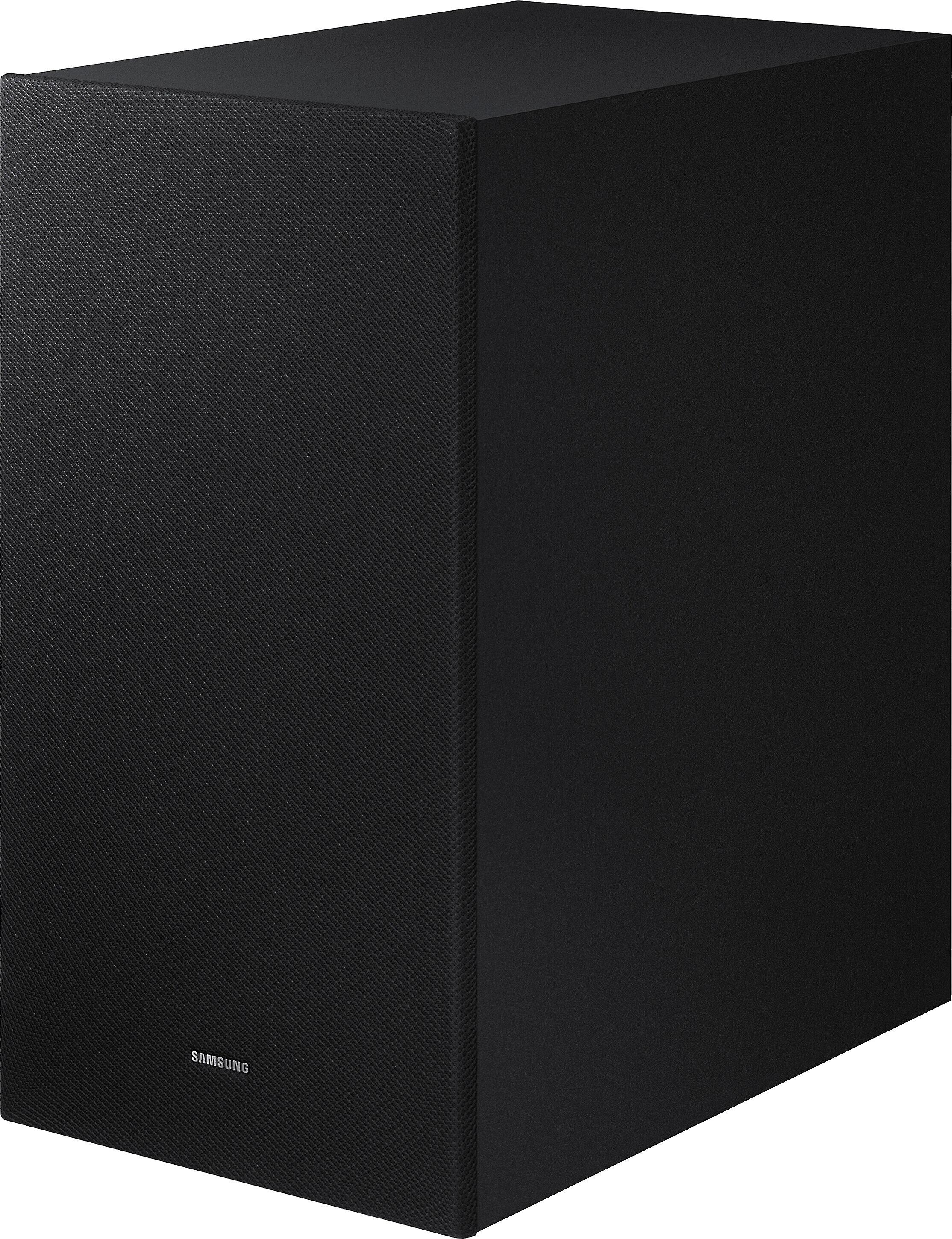
The HW-B550D includes a 5-inch wireless subwoofer that can be placed up to 32.8 feet from the main bar. Wireless subwoofers offer significant placement flexibility—you can tuck it beside a couch, behind a plant, or wherever it sounds best in your room without running cables.
This is where the fundamental difference becomes most apparent. The Ultimea Aura A40 creates what audiophiles call a "true surround soundstage" because audio actually originates from multiple locations around your listening area. When a car chase scene has vehicles moving from front to back, you hear them transition between the front satellites to the rear satellites in a convincing arc.
Based on extensive user feedback analysis, the A40's surround effect works well even when you're not sitting in the perfect "sweet spot." Multiple family members can experience convincing surround sound because the physical speakers create audio zones throughout the room.
The Samsung HW-B550D produces what's technically called a "virtual soundstage." The DTS Virtual:X processing creates a noticeably wider and more spacious sound compared to basic stereo, and Samsung's implementation is quite good at this price point. However, the surround effect depends heavily on your seating position relative to the soundbar and your room's acoustics. Highly reflective rooms with hard walls enhance the virtual surround effect, while carpeted rooms with soft furniture can diminish it.
The difference becomes most obvious during complex action scenes. With the A40, explosions behind you genuinely feel like they're behind you because rear speakers create those sounds. The HW-B550D can make explosions feel wider and more enveloping than basic stereo, but they still obviously originate from the front of the room.
Both systems prioritize dialogue clarity, but they handle it differently. The Ultimea A40 uses one of its three main bar drivers as a dedicated center channel, with digital processing to enhance vocal frequencies. User reviews consistently praise dialogue clarity, noting that even during loud action scenes, conversations remain intelligible without needing to adjust volume constantly.
The Samsung HW-B550D takes dialogue seriously with its 3.1 configuration specifically designed around center channel performance. The middle section of the soundbar houses multiple drivers that work together exclusively on vocal content. Samsung's Voice Enhance mode further amplifies dialogue relative to background sounds, which proves particularly helpful for older movies or shows with muddy audio mixing.
From a technical standpoint, both approaches work well, but the Samsung has a slight edge in pure dialogue clarity due to its center-channel-focused design. However, the A40 provides clearer dialogue within a more immersive overall soundscape.
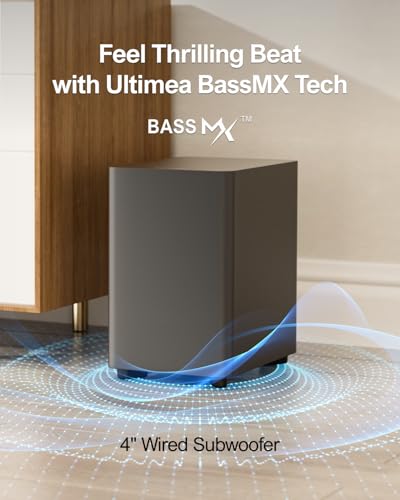
The subwoofer comparison reveals interesting trade-offs. The Ultimea A40 uses a 4-inch wired subwoofer with their proprietary BassMX technology. While smaller than Samsung's driver, user feedback suggests it produces tight, punchy bass without the "boomy" character that sometimes plagues larger subwoofers. The wired connection ensures perfect synchronization with the main speakers, eliminating the slight delays that can occur with wireless subwoofers.
The Samsung HW-B550D's 5-inch wireless subwoofer provides deeper bass extension and more physical impact, particularly noticeable during movie sound effects and music with strong low-end content. The Bass Boost mode adds even more low-frequency emphasis when you want maximum impact. However, some users report occasional synchronization hiccups with the wireless connection, particularly in environments with significant WiFi interference.
For music listening, the Samsung's larger subwoofer handles genres like hip-hop and electronic music more convincingly. For movies and gaming, both subwoofers provide adequate impact, though the Samsung delivers more chest-thumping effects during action scenes.
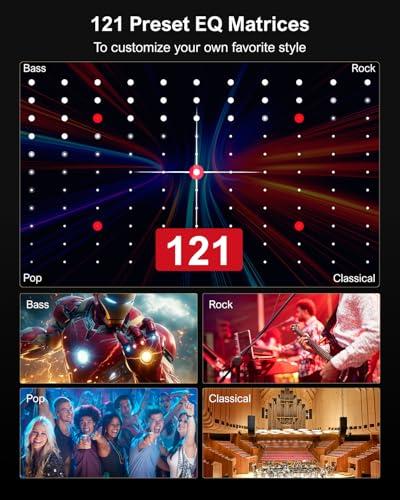
Here's where the Ultimea Aura A40 significantly outclasses the Samsung. The Ultimea Home app provides exceptional control over your audio experience with 121 preset equalizer matrices organized into four main categories: Bass, Pop, Classical, and Rock. These aren't just simple presets—they're carefully tuned sound profiles that optimize frequency response for different content types.
Beyond presets, the A40 includes a 10-band equalizer that lets you manually adjust specific frequency ranges. You can boost vocal clarity, enhance bass impact, or fine-tune treble brightness with precision. The app also provides 13 adjustable surround levels, letting you dial in exactly how prominent you want the rear speakers relative to the front soundstage.
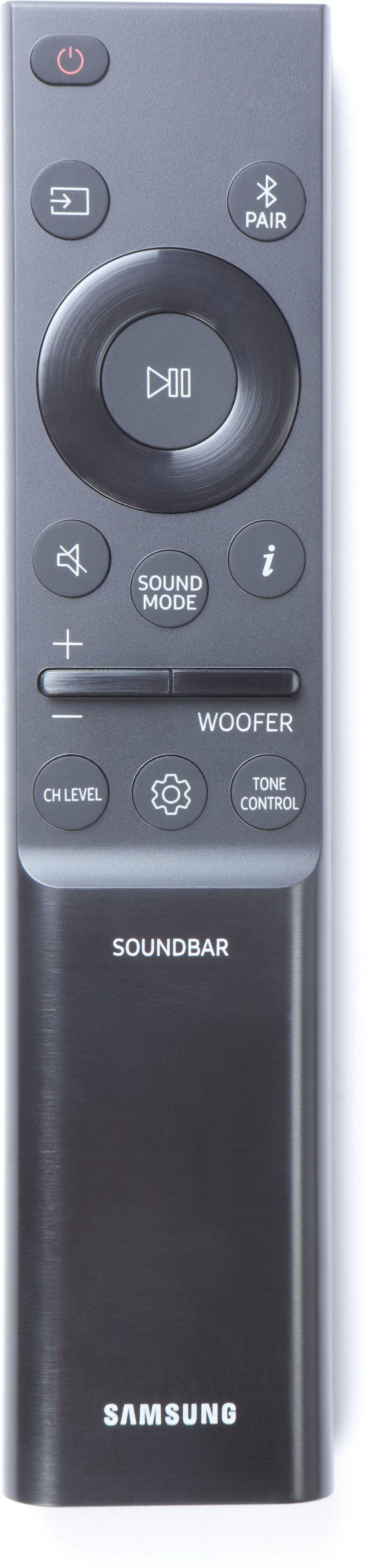
The Samsung HW-B550D takes a much simpler approach with preset sound modes controlled via remote: Standard, Surround Sound Expansion, Bass Boost, Game mode, and Adaptive Sound. While these modes are well-implemented and automatically optimize for different content, you can't manually adjust frequency response or customize the surround balance.
Samsung's Adaptive Sound Lite deserves mention as a genuinely useful feature. It automatically analyzes your content and adjusts settings in real-time. During quiet dialogue scenes in dramas, it emphasizes vocal frequencies and compresses dynamic range slightly so you can hear conversations clearly at low volumes. During action movies, it opens up the full dynamic range to let sound effects have maximum impact.
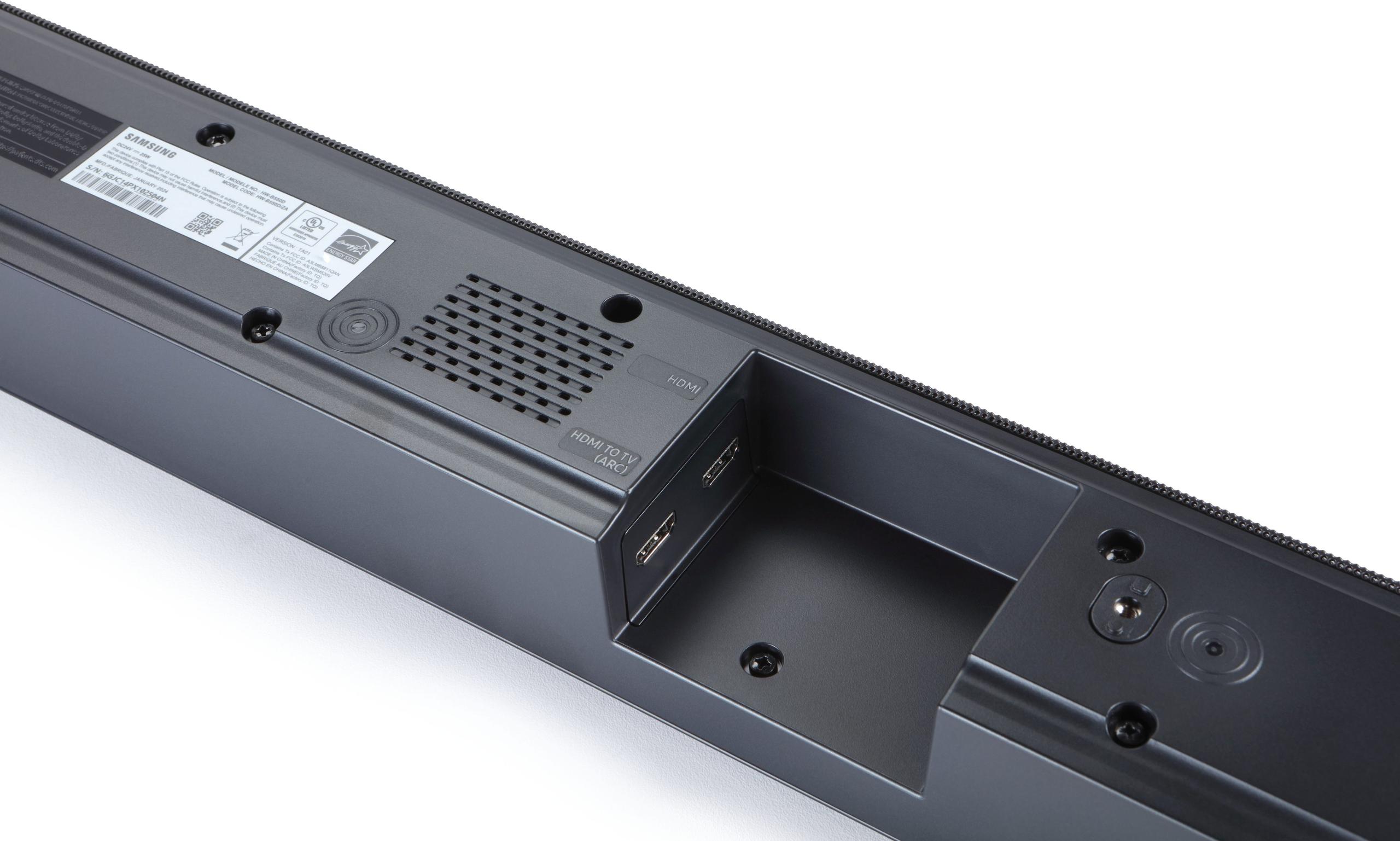
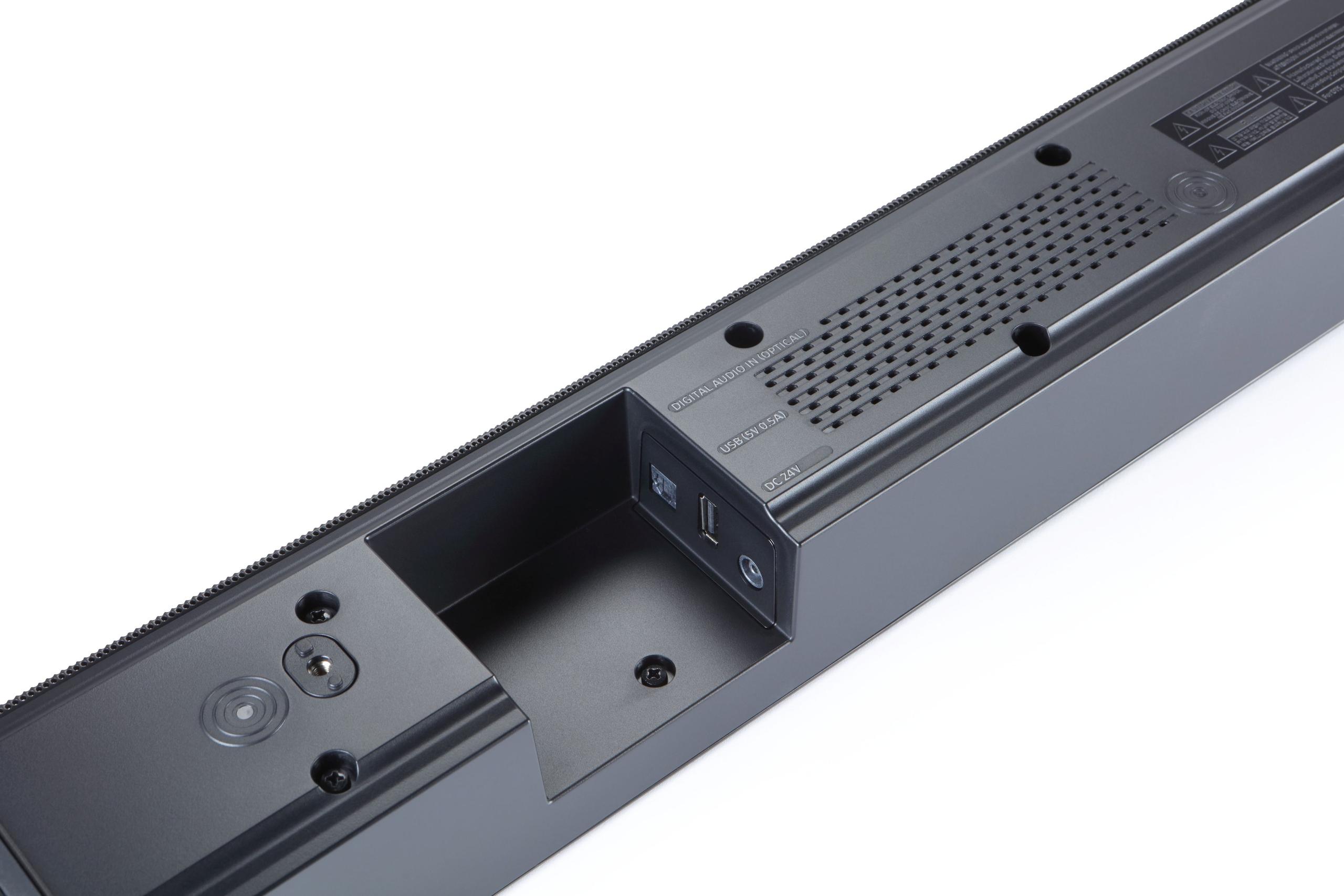
This represents perhaps the most crucial practical difference between these systems. The Samsung HW-B550D includes HDMI ARC (Audio Return Channel) connectivity, which allows single-cable connection to your TV with full remote control integration. HDMI ARC means your TV remote can control soundbar volume, and the TV automatically switches to the soundbar when you turn it on.
However, the Samsung uses HDMI 1.4, which limits video passthrough to 1080p resolution. In 2024, this feels dated since most content streams in 4K. Still, HDMI ARC provides the simplest possible setup experience—one cable between TV and soundbar handles everything.
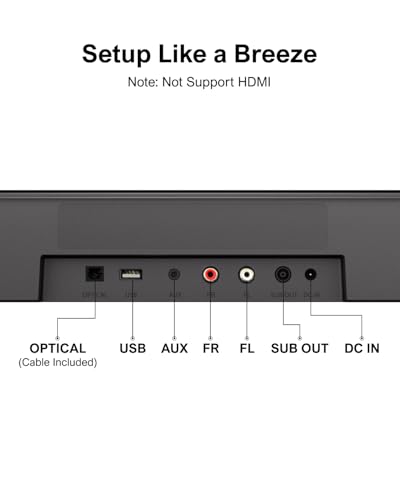
The Ultimea Aura A40 completely lacks HDMI connectivity, relying instead on optical digital audio, 3.5mm analog, and Bluetooth 5.3 connections. This limitation means you must use your TV's optical output or Bluetooth, potentially introducing audio delays (called "lip-sync issues") where dialogue doesn't perfectly match mouth movements on screen.
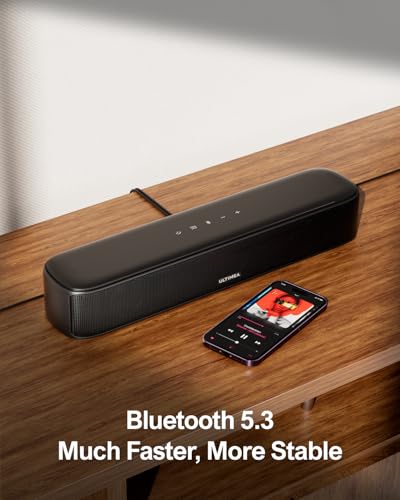
Bluetooth 5.3 on the A40 versus Bluetooth 4.2 on the Samsung represents a meaningful difference. Newer Bluetooth versions provide better range, more stable connections, and improved audio quality. If you frequently stream music from phones or tablets, the A40's Bluetooth implementation will likely provide a superior experience.
The Samsung HW-B550D wins decisively on simplicity. You place the main soundbar below or above your TV, position the wireless subwoofer anywhere within range, and connect a single HDMI cable. The entire setup typically takes 15-20 minutes, including the subwoofer's automatic wireless pairing process.
The Ultimea Aura A40 requires significantly more planning and effort. You'll need to position four satellite speakers strategically around your seating area, run cables to each location, and find appropriate mounting or placement solutions. The front satellites need positioning beside or slightly behind your TV, while the rear satellites work best behind your primary seating position.
Cable management becomes a real consideration with the A40. The 6-meter rear speaker cable is long enough for most rooms, but you'll need to route it along baseboards or under rugs to avoid tripping hazards. The hybrid wired-wireless design helps somewhat—power travels through cables while audio signals from the rear-right speaker transmit wirelessly—but you're still dealing with multiple cables and connection points.
However, this complexity pays off in performance flexibility. The A40 includes 13 adjustable surround levels, allowing you to compensate for different room sizes, furniture arrangements, and personal preferences. Large, open rooms might need higher surround levels to maintain balance, while smaller spaces might require reduced rear speaker output to prevent overwhelming the soundstage.
For gaming, the Ultimea Aura A40 provides a significant advantage through its physical surround speakers. Competitive gaming relies heavily on positional audio—hearing enemy footsteps approach from behind, gunfire locations, or environmental cues that provide tactical advantages. Physical speakers positioned around your gaming chair create accurate directional audio that virtual processing simply cannot match.
The A40's Game mode optimizes frequency response for gaming audio, emphasizing the midrange frequencies where most game effects occur while maintaining clear communication audio for online multiplayer. The 13 adjustable surround levels let you fine-tune the balance between immersive environmental audio and clear directional cues.
The Samsung HW-B550D includes its own Game mode that reduces audio latency and enhances directional cues through virtual processing. While not as spatially accurate as physical surround speakers, it still provides a meaningful improvement over TV speakers for gaming. Samsung's implementation works particularly well for single-player story games where environmental immersion matters more than precise competitive positioning.
For movie and TV watching, both systems excel, but in different ways. The A40 creates a more convincing home theater experience, especially for action movies and shows with complex sound design. The Samsung provides excellent dialogue clarity and convenient operation, making it ideal for daily TV viewing where you want great sound without thinking about it.
At the time of writing, both systems occupy similar price ranges in the $250-350 category, though promotional pricing can vary significantly. The Ultimea Aura A40 provides exceptional value if you consider the component count—eight speakers plus comprehensive app control at this price point is genuinely impressive.
The Samsung HW-B550D offers different value through brand reliability, modern connectivity, and future expandability. Samsung's optional SWA-9200S wireless rear speaker kit (sold separately) can transform the HW-B550D into a true 5.1 surround system, providing an upgrade path that the A40 cannot match.
Long-term software support differs meaningfully between these brands. The Ultimea A40 receives over-the-air firmware updates through the app, potentially adding features and improving performance over time. Samsung typically provides firmware updates for their soundbars, but the HW-B550D lacks app connectivity, limiting update possibilities.
Choose the Ultimea Aura A40 if immersive surround sound takes priority over setup convenience. This system works best for dedicated home theater setups where you can properly position all speakers and don't mind the complex installation. Gaming enthusiasts will particularly appreciate the spatial accuracy that physical surround speakers provide.
The A40 also suits audio enthusiasts who enjoy customizing their sound. The extensive app control, multiple EQ options, and adjustable surround levels provide flexibility that most soundbars in this price range cannot match.
Choose the Samsung HW-B550D if you want excellent audio improvement over TV speakers without the complexity of multiple speaker placement. This system excels for daily TV viewing where convenience matters as much as sound quality. The HDMI ARC connectivity and Samsung TV integration make it particularly attractive if you own Samsung displays.
The Samsung also makes sense if your room layout makes surround speaker placement impractical, or if you might want to expand to true surround sound later through Samsung's optional rear speaker kit.
Both systems deliver meaningful audio improvements over built-in TV speakers, but they achieve this through fundamentally different approaches. The Ultimea A40 prioritizes maximum surround immersion through physical speaker placement, while the Samsung HW-B550D emphasizes integration convenience and expandability through virtual processing and modern connectivity.
Your choice ultimately depends on whether you value the most immersive possible audio experience or the most convenient and expandable solution for your specific room and usage requirements. Both approaches have merit—the question is which philosophy better matches your priorities and living situation.
| Ultimea Aura A40 7.1 Channel Soundbar System | Samsung HW-B550D 3.1 Channel Sound Bar |
|---|---|
| Channel Configuration - Determines surround sound capability and immersion level | |
| 7.1 channels with 8 physical speakers (true surround) | 3.1 channels with 4 speakers (virtual surround) |
| Surround Sound Technology - How the system creates spatial audio effects | |
| Physical speakers + SurroundX processing (genuine 360° audio) | DTS Virtual:X processing (simulated surround from front speakers) |
| Speaker Components - Total number of drivers and their arrangement | |
| 8 speakers: 3 in soundbar + 4 satellites + 1 subwoofer | 4 speakers: 6 drivers in soundbar + 1 wireless subwoofer |
| Subwoofer Design - Affects bass impact and placement flexibility | |
| 4-inch wired subwoofer with BassMX technology | 5-inch wireless subwoofer with Bass Boost mode |
| Power Output - Determines maximum volume and dynamic range | |
| 330W peak power across all speakers | Power rating not specified by manufacturer |
| HDMI Connectivity - Critical for modern TV integration and 4K passthrough | |
| No HDMI inputs (optical, AUX, USB, Bluetooth only) | HDMI ARC input/output with CEC control (HDMI 1.4, 1080p max) |
| Audio Customization - Level of sound personalization available | |
| Comprehensive app control: 121 EQ presets, 10-band equalizer, 13 surround levels | Basic remote presets: 6 sound modes, no manual EQ or app control |
| Setup Complexity - Installation time and cable management requirements | |
| Complex: 4 satellite speakers require strategic placement and cable runs | Simple: soundbar + wireless subwoofer, minimal cable management |
| Bluetooth Version - Affects wireless audio quality and connection stability | |
| Bluetooth 5.3 (latest standard, better range and quality) | Bluetooth 4.2 (older standard, adequate performance) |
| Expandability - Future upgrade options available | |
| Complete system, no expansion options | Optional wireless rear speaker kit available (SWA-9200S) |
| Frequency Response - Range of audio frequencies the system can reproduce | |
| 65Hz - 18kHz (specified range with detailed specs) | Not specified by manufacturer |
| Best Use Cases - Ideal scenarios for each system | |
| Home theater setups, gaming, rooms allowing speaker placement | Daily TV viewing, Samsung TV integration, simple installations |
The Ultimea Aura A40 provides superior surround sound through its 7.1 channel system with four physical satellite speakers positioned around your room. This creates genuine 360-degree audio where sounds actually come from behind and beside you. The Samsung HW-B550D uses virtual surround processing through DTS Virtual:X, which simulates surround effects but cannot match the spatial accuracy of physical speakers placed around your listening area.
The Ultimea Aura A40 is a 7.1 system with seven main audio channels plus a subwoofer, using eight total speakers including four satellites. The Samsung HW-B550D is a 3.1 system with left, center, and right channels plus a subwoofer, using four total speakers. More channels generally mean better audio separation and more immersive surround sound, but require more complex setup.
The Samsung HW-B550D is significantly easier to install, requiring only placement of the main soundbar and wireless subwoofer with a single HDMI connection to your TV. The Ultimea Aura A40 requires positioning four satellite speakers around your room with cable management for multiple connections, making setup more time-consuming but ultimately more rewarding for audio quality.
Both soundbars work with any TV brand, but the Samsung HW-B550D offers special integration features with Samsung TVs including One Remote Control compatibility. The Ultimea Aura A40 lacks HDMI connectivity and relies on optical digital or Bluetooth connections, which work with all TVs but may require separate remote control for the soundbar.
The Ultimea Aura A40 excels for gaming due to its physical surround speakers that provide accurate directional audio for competitive advantages. You can precisely locate enemy positions and environmental sounds. The Samsung HW-B550D includes a Game mode that reduces latency and enhances virtual surround effects, making it good for gaming but not as spatially accurate as physical speakers.
The Ultimea Aura A40 offers extensive customization through its smartphone app with 121 EQ presets, a 10-band equalizer, and 13 adjustable surround levels. The Samsung HW-B550D provides basic preset sound modes (Movie, Music, Game, etc.) controlled by remote, but lacks detailed manual EQ adjustment or app control for fine-tuning.
The Samsung HW-B550D features a larger 5-inch wireless subwoofer that produces deeper bass and more physical impact, especially for movies and music. The Ultimea Aura A40 uses a smaller 4-inch wired subwoofer but delivers tight, precise bass without the occasional synchronization issues that can affect wireless subwoofers.
The Samsung HW-B550D includes HDMI ARC for single-cable TV connection plus optical, USB, and Bluetooth 4.2. The Ultimea Aura A40 lacks HDMI entirely but offers optical digital, AUX, USB, and newer Bluetooth 5.3 for better wireless audio quality and connection stability.
Both work well in small rooms, but the Samsung HW-B550D may be more practical since it doesn't require space for satellite speaker placement. The Ultimea Aura A40 can work in small rooms but you'll need to position four additional speakers, which might overwhelm compact spaces or create cable management challenges.
Neither soundbar supports Dolby Atmos. The Samsung HW-B550D supports Dolby Digital and DTS formats with Virtual:X processing for height effects. The Ultimea Aura A40 focuses on its SurroundX technology and physical speaker placement rather than advanced codec support, but creates more convincing surround effects through hardware positioning.
The Ultimea Aura A40 provides exceptional value with eight physical speakers and comprehensive app control at its price point. The Samsung HW-B550D offers different value through brand reliability, modern HDMI connectivity, and optional expansion with wireless rear speakers. Your choice depends on whether you prioritize maximum surround immersion or setup convenience.
The Samsung HW-B550D can be expanded with Samsung's optional wireless rear speaker kit to create a true 5.1 system. The Ultimea Aura A40 arrives as a complete 7.1 system with no additional expansion options available. If you want to start simple and upgrade later, the Samsung provides that flexibility while the Ultimea gives you everything upfront.
We've done our best to create useful and informative comparisons to help you decide what product to buy. Our research uses advanced automated methods to create this comparison and perfection is not possible - please contact us for corrections or questions. These are the sites we've researched in the creation of this article: youtube.com - walmart.com - youtube.com - ultimea.com - homestudiobasics.com - ultimea.co - youtube.com - eu.ultimea.com - walmart.com - device.report - bestbuy.com - manuals.plus - community.ultimea.com - judge.me - support.ultimea.com - geekmaxi.com - provantage.com - bestbuy.com - youtube.com - uk.whatgeek.com - bestbuy.com - crutchfield.com - avsforum.com - consumerreports.org - abt.com - pcrichard.com - samsung.com - samsung.com - rtings.com - samsung.com - jeffsappliance.com

Privacy Policy
Terms and Conditions - Affiliate Policy
Home Security
© Copyright 2008-2026.
11816 Inwood Rd #1211, Dallas, TX 75244