









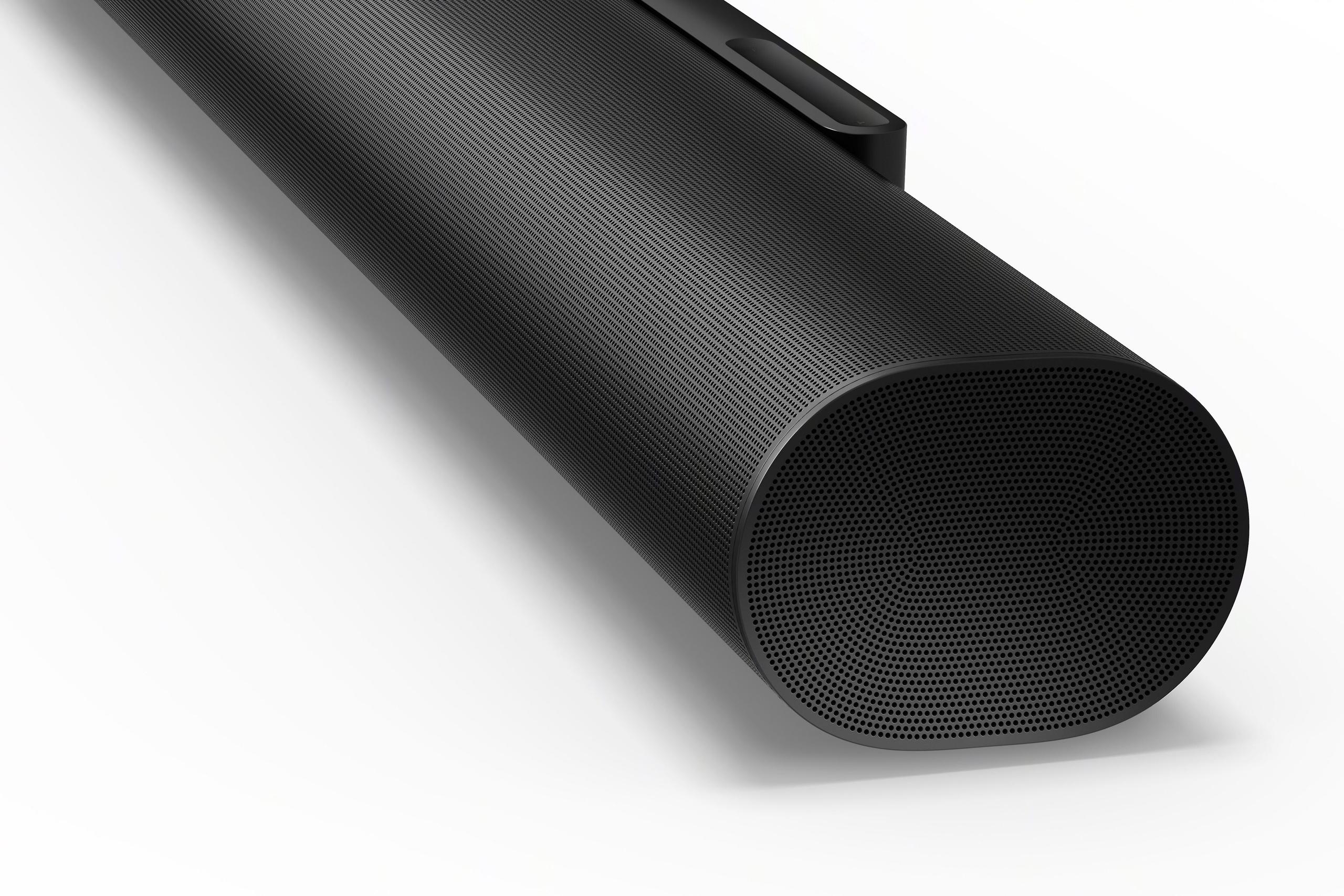
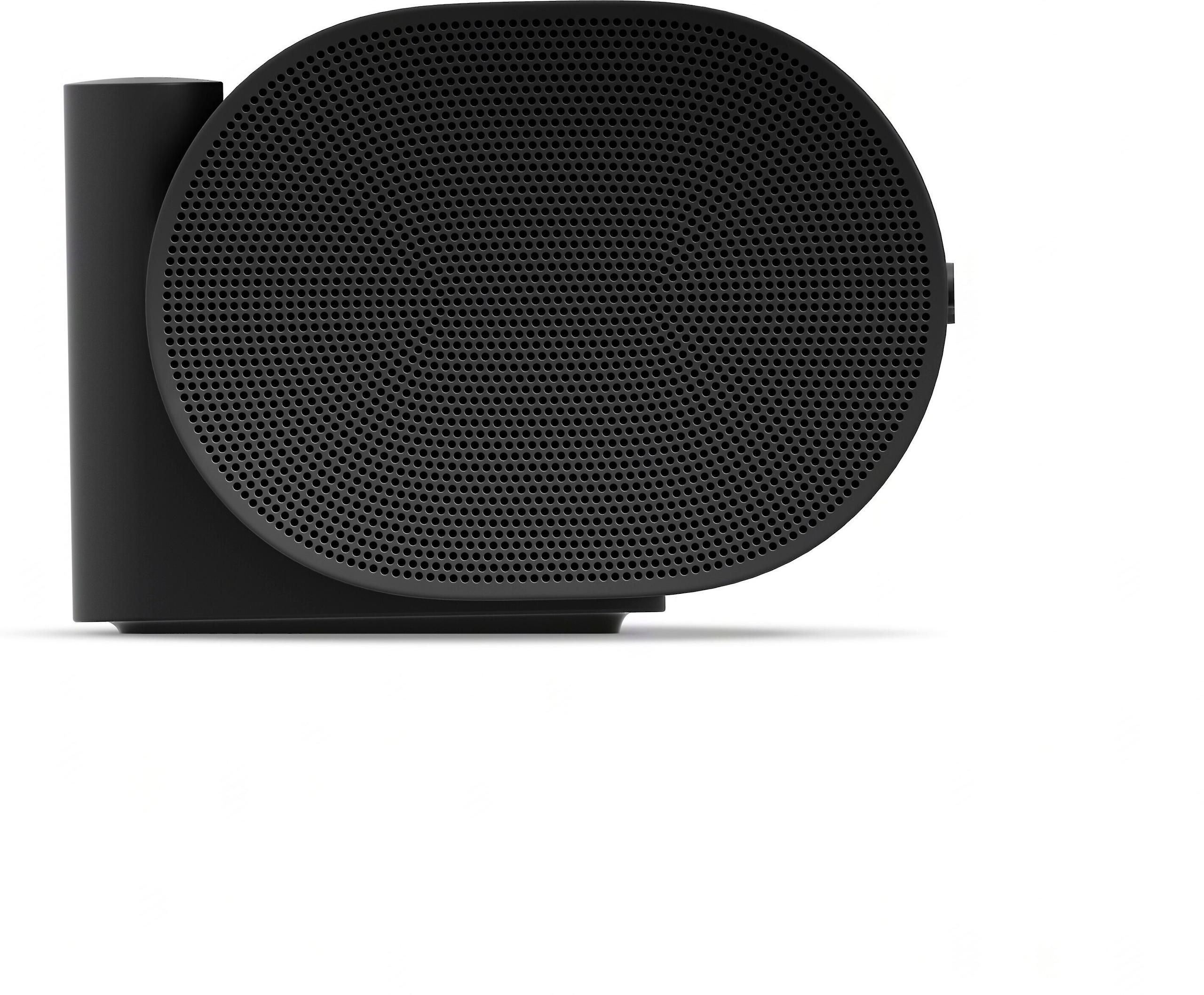
The soundbar market has exploded over the past decade as people seek better TV audio without the complexity of traditional home theater systems. But not all soundbars are created equal—some take radically different approaches to creating that cinematic experience we all crave. Today we're comparing two systems that represent opposite ends of the philosophy spectrum: the Ultimea Aura A40, which uses actual physical speakers placed around your room, and the Sonos Arc Ultra, which relies on cutting-edge virtual audio technology packed into a single sleek unit.
Understanding these different approaches is crucial because they fundamentally change how you'll experience movies, music, and games in your living room. The choice between them often comes down to your priorities: maximum value with authentic surround placement, or premium technology that simplifies your setup while delivering sophisticated audio processing.
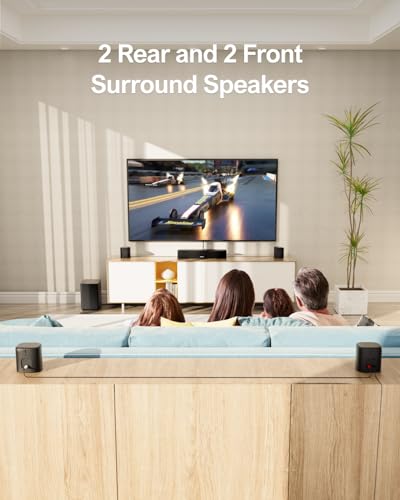
When the Ultimea Aura A40 arrived on the scene, it brought something increasingly rare in today's soundbar market: actual surround speakers that you place around your room. This system includes a main soundbar, four separate satellite speakers (two for the front left and right, two for the rear), and a dedicated subwoofer. When a helicopter flies across the screen, the sound literally moves from speaker to speaker around your room—there's no audio trickery involved.
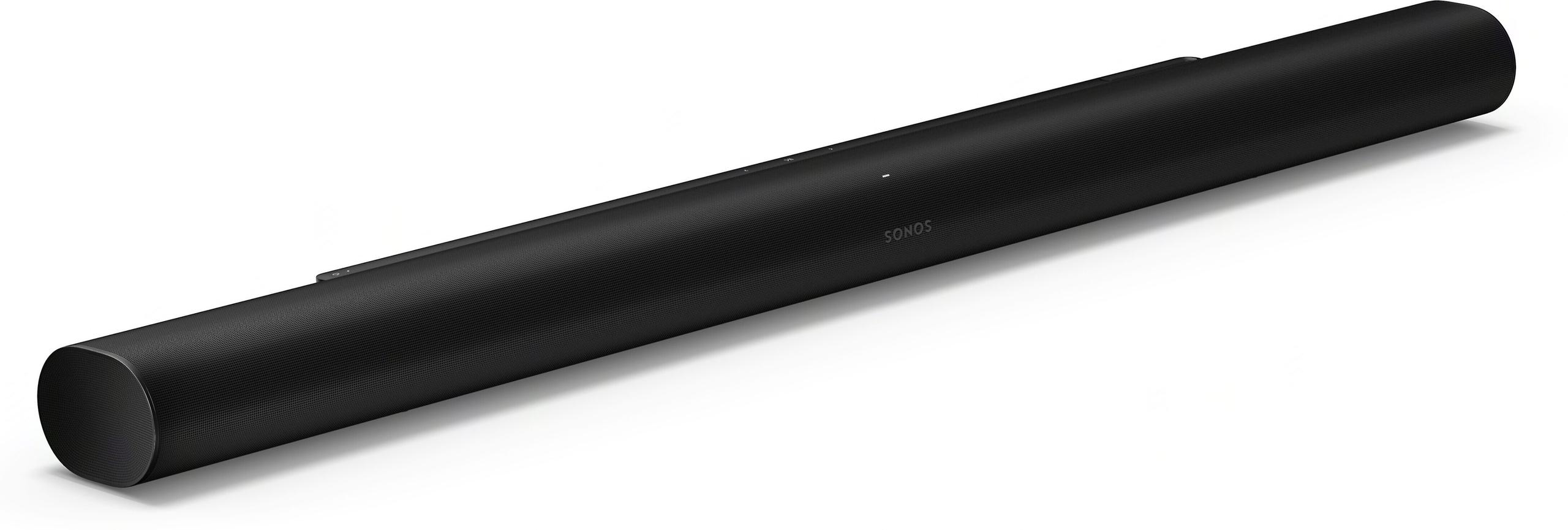
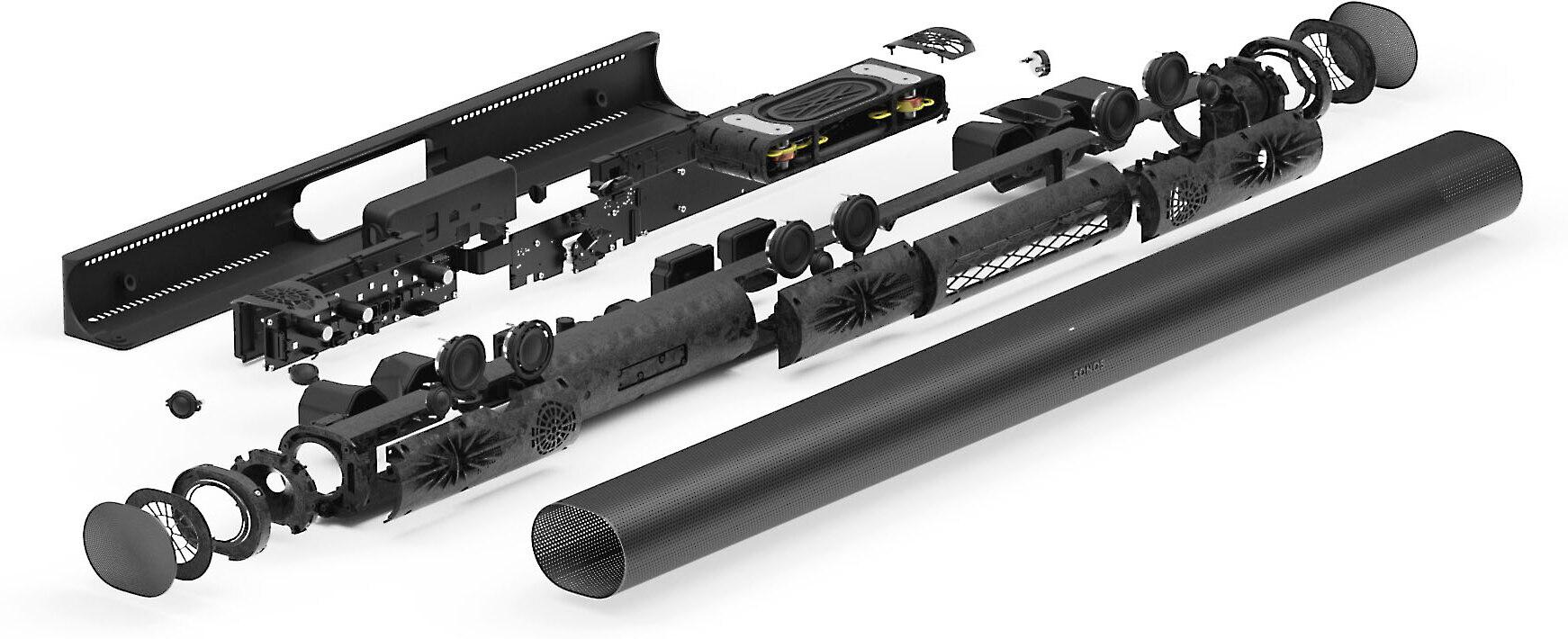
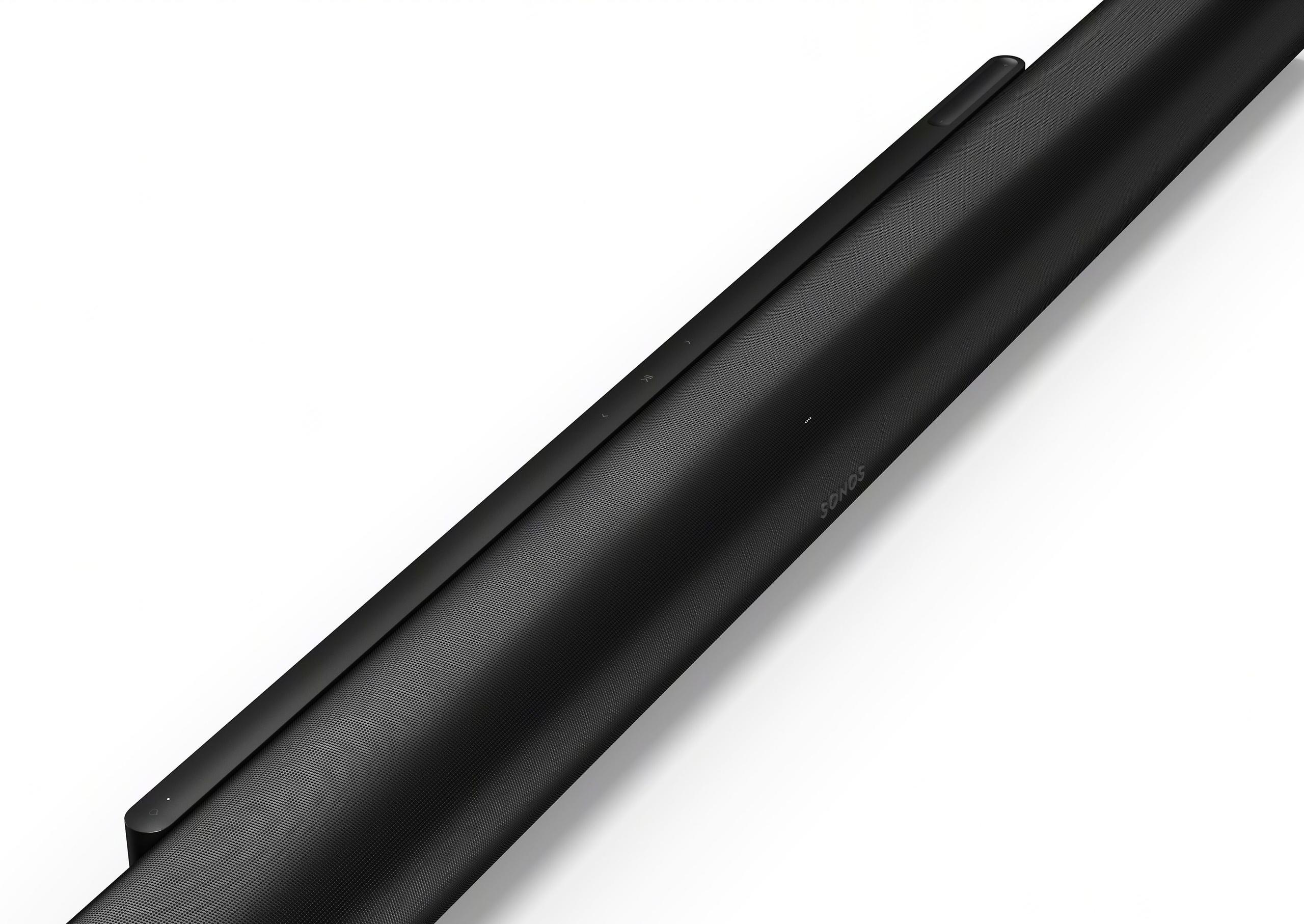
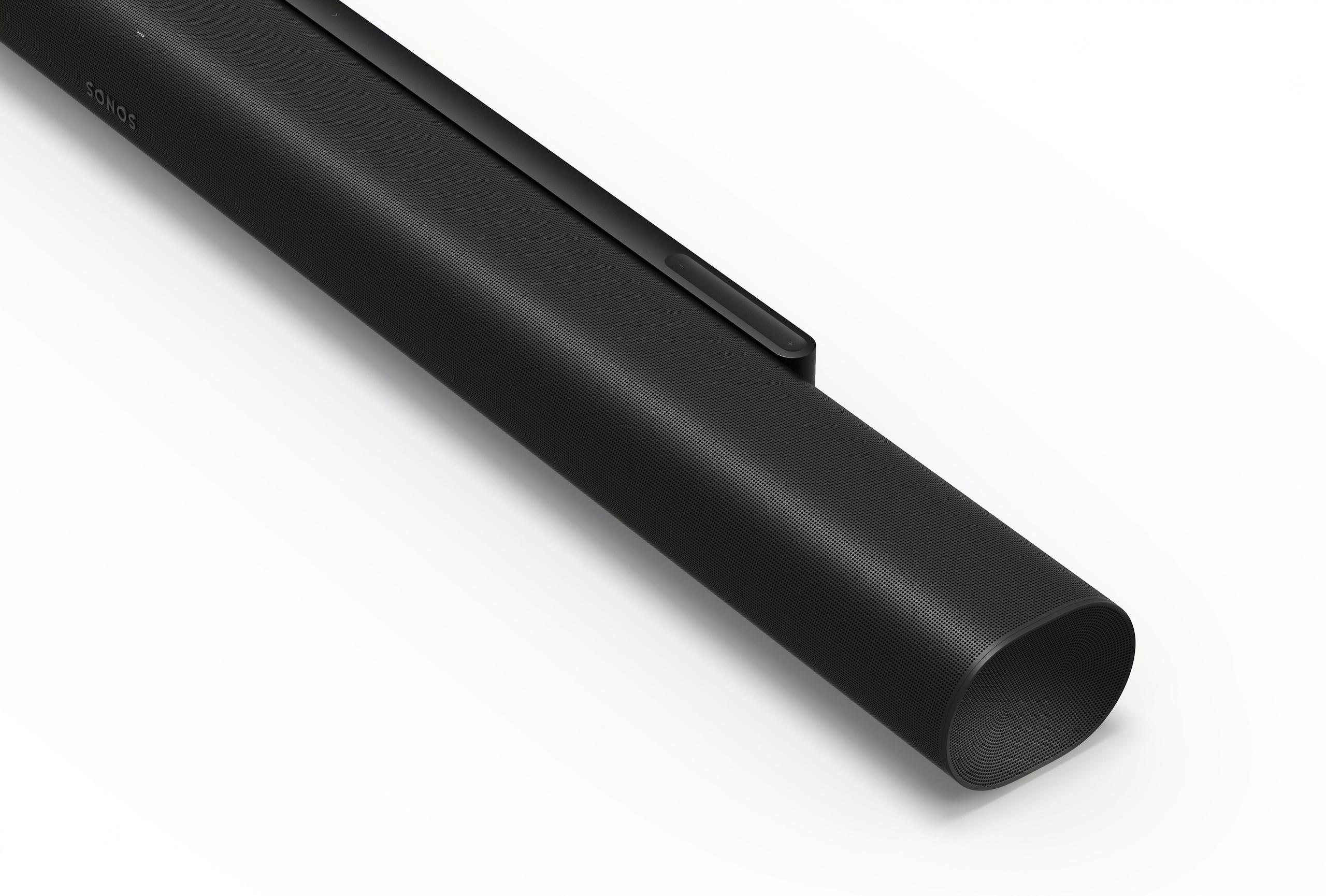
The Sonos Arc Ultra, released in 2024 as an evolution of the original Arc from 2020, takes the opposite approach. This single soundbar unit uses 14 precisely-engineered drivers to bounce sound off your walls and ceiling, creating the illusion of surround speakers through psychoacoustics—the science of how our brains interpret sound. It's like having a master magician create an elaborate illusion that feels completely real.
Both approaches have merit, but they excel in different situations. Physical surround speakers provide what audio engineers call "true localization"—sound sources are exactly where they seem to be because speakers are actually positioned there. Virtual surround relies on your room's acoustics and your brain's processing to create spatial effects, which can be incredibly convincing in the right environment but may fall short in acoustically challenging rooms.
The technical differences between these systems reveal why they sound so different. The Ultimea Aura A40 spreads its 330 watts of peak power across eight total speakers: three drivers in the main soundbar for center channel dialogue, four satellite speakers for surround effects, and one 4-inch subwoofer dedicated to bass frequencies. This distribution means each speaker can focus on its specific job—the satellites handle directional effects while the subwoofer manages the low-end rumble that makes explosions feel physical.
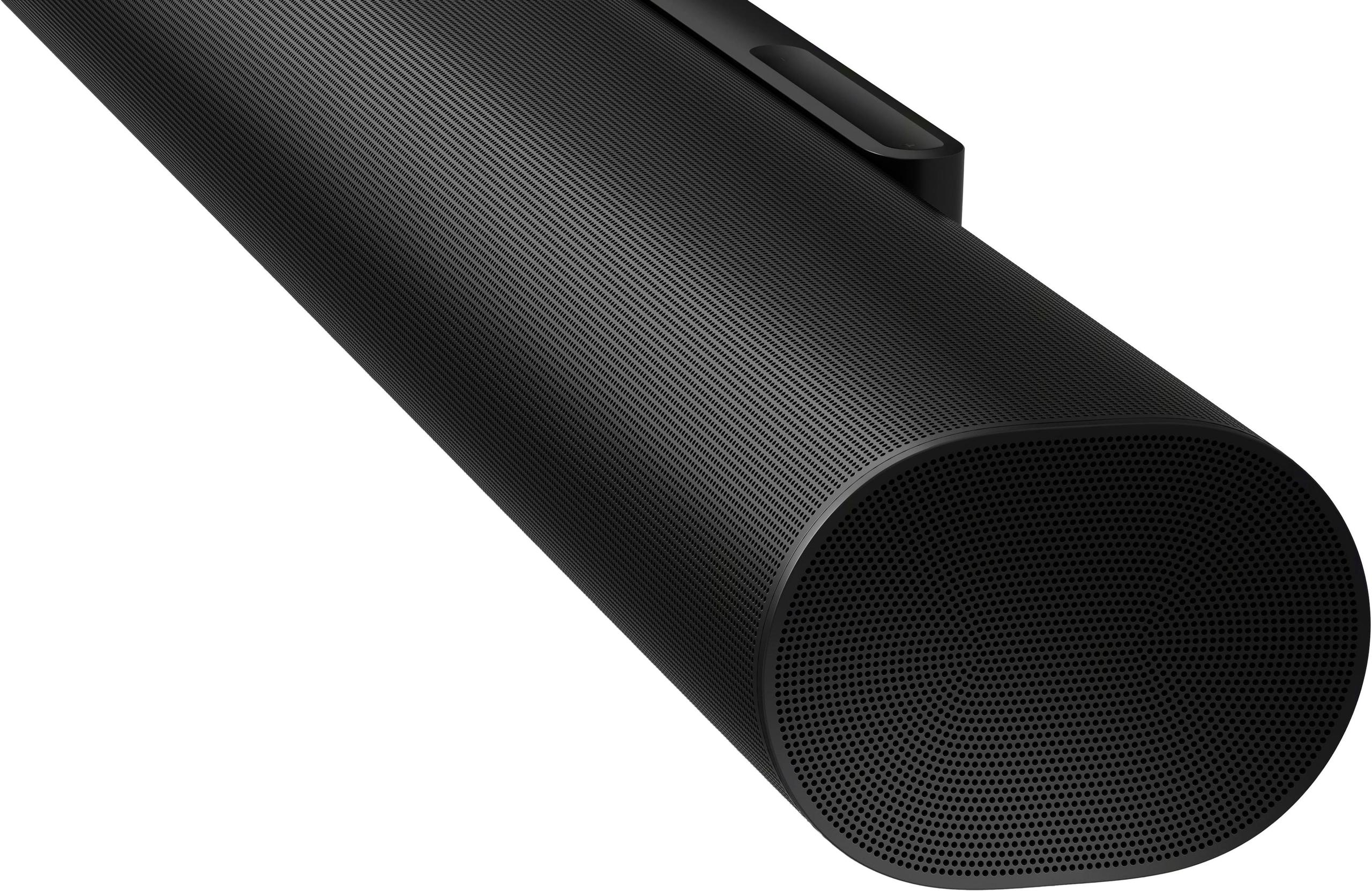
Meanwhile, the Sonos Arc Ultra packs all its firepower into a single 46-inch soundbar housing 14 drivers. This includes seven silk-dome tweeters for crisp high frequencies, six woofers handling midrange and vocal frequencies, and one revolutionary "Sound Motion" woofer that represents what Sonos calls one of the biggest breakthroughs in audio technology in decades. This Sound Motion technology allows the Arc Ultra to produce surprisingly deep bass from a much smaller driver than traditional designs would require.
The frequency response tells part of the story: the Ultimea covers 65Hz to 18kHz, which is respectable for most content, while the Sonos doesn't publish specific numbers but reviews suggest it reaches deeper into the bass range thanks to that Sound Motion woofer technology.
What's particularly interesting is how these systems handle what's called "dynamic range"—the difference between the quietest and loudest sounds. The Ultimea can reach over 98dB of maximum sound pressure level (think of this as how loud it can get before distortion), while maintaining less than 1% distortion during normal playback. The Sonos doesn't publish these specifications, but user reports suggest it maintains clarity even at high volumes while providing more nuanced quiet passages.
Here's where the philosophical differences become most apparent. Dolby Atmos is an audio format that adds height channels to traditional surround sound, creating a three-dimensional soundscape where effects can move above, below, and around you. Think of rain falling from overhead or a spaceship passing through your living room from front to back and top to bottom.
The Sonos Arc Ultra delivers true Dolby Atmos through its HDMI eARC connection, which can carry lossless audio signals directly from your TV or streaming device. Its upward-firing drivers bounce sound off your ceiling to create convincing overhead effects, while side-firing drivers expand the soundstage beyond the physical width of the soundbar. Professional reviewers consistently praise its Atmos performance, with many noting it "beats all competition for Dolby Atmos sound effects when it comes to soundbars with no extra rear speakers."
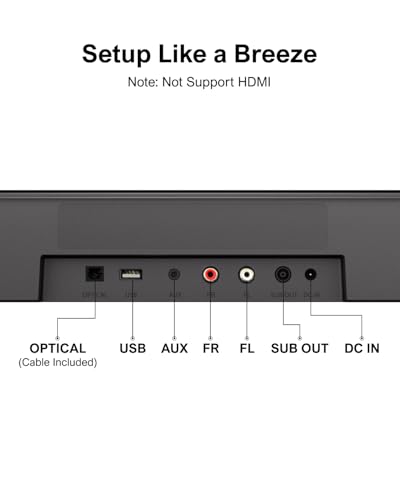
The Ultimea Aura A40, however, faces a significant limitation: it lacks HDMI input entirely, relying instead on optical, auxiliary, and Bluetooth connections. This means it can't receive true Dolby Atmos signals—instead, it processes traditional 5.1 or 7.1 surround sound and uses virtual processing to simulate height effects. While its physical surround speakers provide authentic directional movement on the horizontal plane, it cannot create genuine overhead effects.
This connectivity difference has real-world implications. Modern streaming services like Netflix, Disney+, and Apple TV+ increasingly offer Dolby Atmos soundtracks that showcase the format's three-dimensional capabilities. Without HDMI input, the Ultimea can't access these enhanced audio tracks in their full glory.
Poor dialogue clarity ruins more movie nights than any other audio issue. Both systems address this crucial need, but through different methods that reveal their design philosophies.
The Sonos Arc Ultra employs AI-powered Speech Enhancement with four selectable levels of intensity. This technology analyzes audio in real-time, identifying human speech frequencies and boosting them while maintaining natural sound balance. Professional reviewers place its vocal clarity "in the top 3" among all soundbars, competing with systems costing twice as much. The AI processing ensures dialogue cuts through even during explosive action sequences or dense musical passages.
The Ultimea Aura A40 takes a more traditional approach, using its center channel speakers in the main soundbar to anchor dialogue while the surround speakers handle ambient effects and music. While this provides clear vocal reproduction, it lacks the sophisticated AI processing that can adapt to different content types and room conditions. User reviews suggest dialogue clarity is good but not exceptional, particularly when compared to premium alternatives.
For anyone who regularly uses subtitles or struggles to understand dialogue in movies and TV shows, this difference could be decisive. The Sonos system's advanced processing provides a more consistently intelligible experience across different types of content and viewing environments.
Bass response reveals another fundamental difference in approach. The Ultimea Aura A40 includes a dedicated 4-inch subwoofer that handles frequencies from about 65Hz downward. This separate unit can be positioned optimally in your room to minimize standing waves (areas where bass frequencies cancel out or amplify unnaturally) and provide consistent low-frequency response throughout your seating area.
The Sonos Arc Ultra's Sound Motion woofer represents a technological leap forward. Traditional subwoofers move large amounts of air using big drivers and substantial internal volume, but Sound Motion achieves similar results through advanced materials and acoustic engineering in a much smaller package. This allows Sonos to integrate meaningful bass response directly into the soundbar without requiring a separate subwoofer for many users.
However, physics still matters. Reviews suggest that while the Arc Ultra's integrated bass is impressive for a soundbar, it can't match the deep sub-bass extension and room-filling impact of a dedicated subwoofer, particularly in larger rooms or for content with substantial low-frequency content like action movies or electronic music. Sonos addresses this by offering their separate Sub (available in standard and mini versions), but this represents additional investment beyond the soundbar's already premium price point.
The Ultimea system's included subwoofer provides that physical chest-thumping sensation during action sequences right out of the box, though its 65Hz low-frequency extension means it won't reach the deepest sub-bass frequencies that larger, more expensive subwoofers can achieve.
Modern soundbars aren't just audio devices—they're smart home components that integrate with your entire entertainment ecosystem. The differences here highlight how product philosophy extends beyond pure audio performance.
The Ultimea Aura A40 offers extensive manual control through its companion app, featuring 121 preset equalizer matrices across different musical genres (Bass, Pop, Classical, Rock), plus a 10-band manual equalizer and 13 adjustable surround levels. This level of customization appeals to audio enthusiasts who want to fine-tune their system's sound signature. The system also supports over-the-air firmware updates, ensuring ongoing improvements and bug fixes.
The Sonos Arc Ultra takes a more automated approach with features like TruePlay room tuning, which uses your smartphone's microphone to analyze your room's acoustics and automatically optimize the soundbar's output. This eliminates guesswork for users who want great sound without manual tweaking. The Sonos ecosystem integration enables multi-room audio, voice control through built-in assistants, and seamless streaming from dozens of music services.
One particularly innovative feature is TV Audio Swap, which allows you to instantly transfer your TV's audio to compatible Sonos headphones with dynamic head tracking. This means you can watch movies with full surround sound through headphones without disturbing others—particularly valuable for late-night viewing or in shared living situations.
The long-term software support story differs significantly. Sonos has a track record of providing major feature updates and improvements to their products for years after purchase. The original Arc from 2020 has received multiple significant updates that enhanced its performance and added new capabilities. This ongoing development represents additional value that extends well beyond the initial purchase.
The day-to-day reality of owning these systems differs dramatically. The Ultimea Aura A40 requires running cables to four satellite speakers positioned around your room. While the rear speakers can connect wirelessly to reduce cable clutter, you'll still need to find appropriate placement for four additional units beyond the main soundbar and subwoofer. This works well in dedicated home theater spaces or rooms where you can permanently position speakers, but it may be challenging in multi-purpose living areas or rental situations.
The Sonos Arc Ultra connects with a single HDMI cable to your TV, making installation remarkably simple. Its sleek design integrates naturally with modern flat-screen TVs, and at just over 12 pounds, it won't stress most TV stands or wall mounts. This simplicity extends to operation—once connected, it automatically switches inputs, adjusts volume through your TV remote, and handles audio processing transparently.
However, the Sonos approach has its own considerations. Optimal performance depends on favorable room acoustics for its virtual surround processing. Rooms with lots of soft furnishings, irregular shapes, or unconventional layouts may not provide the reflective surfaces needed for convincing surround effects. The Ultimea's physical speakers work regardless of room acoustics, though they obviously require appropriate placement space.
At the time of writing, these systems occupy vastly different price points, with the Ultimea positioned as a budget-friendly complete solution while the Sonos commands premium pricing for its advanced technology and ecosystem integration.
The Ultimea Aura A40 represents exceptional value for buyers seeking authentic surround sound on a budget. Everything needed for a complete 7.1 system comes in the box: soundbar, subwoofer, four surround speakers, all necessary cables, and mounting hardware. This comprehensive package eliminates the sticker shock of building a surround system piece by piece.
The Sonos Arc Ultra justifies its premium pricing through technological sophistication, build quality, and ecosystem integration that rivals systems costing significantly more. However, achieving comparable surround sound immersion may require additional Sonos components (Sub and rear speakers), which can multiply the total system cost substantially.
This price difference shapes the target audience for each system. The Ultimea appeals to budget-conscious buyers who want maximum surround sound impact per dollar and don't mind the complexity of multiple speakers. The Sonos targets users who prioritize cutting-edge technology, seamless integration, and ongoing feature development, and are willing to invest accordingly.
The Ultimea Aura A40 makes sense for several specific scenarios. If you're furnishing a dedicated home theater space where you can position speakers appropriately, its authentic surround sound placement provides convincing directional effects that virtual processing can't match. Budget-conscious buyers get remarkable value—a complete surround system for less than the cost of many single soundbars. The extensive EQ customization appeals to audio enthusiasts who enjoy fine-tuning their sound signature.
This system also suits users who primarily consume traditional surround sound content rather than modern Dolby Atmos material. While streaming services increasingly offer Atmos soundtracks, vast libraries of movies, TV shows, and games still use conventional 5.1 or 7.1 surround encoding that the Ultimea handles effectively.
The Sonos Arc Ultra excels in different situations. Its sophisticated single-unit design suits modern living spaces where multiple speakers aren't practical or desired. The HDMI eARC connection and Dolby Atmos support make it ideal for users who want access to the latest audio formats from streaming services and Ultra HD Blu-rays.
This system particularly benefits users invested in or interested in smart home ecosystems. The multi-room audio capabilities, voice control integration, and ongoing software updates provide value that extends well beyond basic TV audio enhancement. For users who prioritize dialogue clarity—particularly important for those with hearing difficulties—the AI-powered Speech Enhancement feature provides tangible benefits.
The Arc Ultra also suits users who may expand their system over time. While expensive, adding a Sonos Sub or rear speakers integrates seamlessly and provides incremental improvements without requiring complete system replacement.
Both systems excel within their intended markets, but they serve fundamentally different needs and philosophies. The Ultimea Aura A40 delivers authentic surround sound at an exceptional value point, making high-quality home theater accessible to budget-conscious buyers. Its physical speaker placement provides convincing directional effects that work regardless of room acoustics, though the lack of HDMI connectivity limits access to modern audio formats.
The Sonos Arc Ultra represents the pinnacle of single-unit soundbar technology, using breakthrough Sound Motion engineering and sophisticated audio processing to deliver premium performance from an elegant, simple package. Its integration with modern streaming ecosystems and ongoing software development provide long-term value that justifies the premium investment for users who prioritize cutting-edge technology.
Choose the Ultimea if you want maximum surround sound value, can accommodate multiple speakers in your space, and primarily consume traditional surround sound content. Choose the Sonos if you prioritize technological sophistication, want access to the latest audio formats like Dolby Atmos, value ecosystem integration, and prefer simple installation in a premium package.
Neither choice is wrong—they simply reflect different priorities in the eternal balance between performance, convenience, and value that defines modern consumer electronics.
| Ultimea Aura A40 7.1 Channel Soundbar System | Sonos Arc Ultra Dolby Atmos Soundbar |
|---|---|
| Audio Configuration - Determines surround sound approach and immersion quality | |
| True 7.1 with physical speakers (8 total: soundbar + 4 satellites + subwoofer) | Virtual 9.1.4 Dolby Atmos (14 drivers in single soundbar unit) |
| Dolby Atmos Support - Essential for modern streaming content with overhead effects | |
| No (virtual 7.1 surround only, no HDMI input) | Yes (full lossless Dolby Atmos via HDMI eARC) |
| Setup Complexity - Impacts installation time and room requirements | |
| Complex (requires positioning 4 surround speakers + subwoofer around room) | Simple (single soundbar with one HDMI cable connection) |
| Peak Power Output - Affects maximum volume and dynamic range | |
| 330W across 8 speakers with >98dB max SPL | Undisclosed but comparable performance per reviews |
| Bass Solution - Critical for action movies and full-range music | |
| Dedicated 4" wired subwoofer (65Hz extension) | Integrated Sound Motion woofer (optional separate Sub available) |
| Connectivity Options - Determines compatibility with modern TVs and devices | |
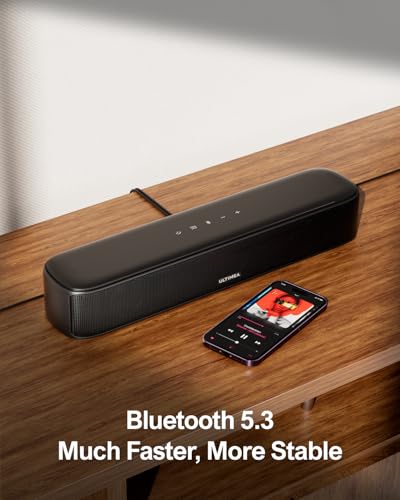
| Optical, AUX, USB, Bluetooth 5.3 (no HDMI) | HDMI eARC primary, AirPlay 2, Bluetooth, built-in streaming |
| Dialogue Enhancement - Crucial for speech clarity in movies and TV | |
| Standard center channel processing | AI-powered Speech Enhancement with 4 selectable levels |
| EQ Customization - Allows fine-tuning sound to personal preferences | |
| Extensive: 121 presets + 10-band manual EQ + 13 surround levels | TruePlay auto-tuning + basic treble/bass adjustment via app |
| Smart Home Integration - Adds convenience and multi-room capabilities | |
| Basic app control with OTA updates | Full Sonos ecosystem, voice control, multi-room audio, TV Audio Swap |
| Complete System Value - What's included vs. additional purchases needed | |
| Everything included: soundbar, subwoofer, 4 speakers, cables, mounting kit | Soundbar only (separate Sub and rear speakers sold separately) |
| Room Size Suitability - Optimal performance based on space constraints | |
| 108-270 sq ft with space for speaker placement | Flexible sizing, single unit works in small to large rooms |
| Long-term Software Support - Ongoing feature updates and improvements | |
| Limited track record, basic OTA updates | Extensive history of major feature updates for years after purchase |
The Ultimea Aura A40 uses physical surround speakers placed around your room to create authentic 7.1 surround sound, while the Sonos Arc Ultra uses advanced virtual audio technology with 14 drivers in a single soundbar to simulate 9.1.4 Dolby Atmos. The Ultimea provides genuine directional audio through actual speaker placement, whereas the Sonos creates surround effects by bouncing sound off walls and ceilings.
For dedicated home theater rooms, the Ultimea Aura A40 excels with its physical surround speaker placement that works regardless of room acoustics. However, the Sonos Arc Ultra offers superior performance for modern home theaters due to its full Dolby Atmos support and HDMI eARC connectivity, which provides access to lossless audio from streaming services and 4K Blu-rays.
The Ultimea Aura A40 is a complete system including the soundbar, subwoofer, and four surround speakers. The Sonos Arc Ultra works as a standalone unit but may benefit from adding a separate Sonos Sub for deeper bass and rear speakers for enhanced surround effects, though these are sold separately.
The Sonos Arc Ultra is significantly easier to install, requiring only a single HDMI cable connection to your TV. The Ultimea Aura A40 requires positioning four surround speakers around your room and running cables, making it more complex but providing authentic surround sound placement.
Only the Sonos Arc Ultra supports true Dolby Atmos with its HDMI eARC connection, delivering overhead audio effects for modern streaming content. The Ultimea Aura A40 lacks HDMI input and cannot process Dolby Atmos signals, instead providing virtual 7.1 surround sound from traditional audio formats.
The Sonos Arc Ultra provides superior dialogue clarity with its AI-powered Speech Enhancement feature that has four adjustable levels and automatically optimizes voice frequencies. The Ultimea Aura A40 offers decent dialogue through its center channel speakers but lacks advanced speech processing technology.
The Ultimea Aura A40 includes a dedicated 4-inch subwoofer that provides immediate bass impact with 65Hz extension. The Sonos Arc Ultra uses innovative Sound Motion woofer technology integrated into the soundbar, delivering impressive bass for a single unit, though adding a separate Sonos Sub provides deeper low-frequency response.
The Sonos Arc Ultra is ideal for small apartments and rentals due to its single-unit design and simple setup that doesn't require permanent speaker placement. The Ultimea Aura A40 needs space for four additional speakers around the room, making it less suitable for temporary living situations or space-constrained environments.
The Ultimea Aura A40 offers extensive customization with 121 preset equalizer settings, 10-band manual EQ, and 13 adjustable surround levels. The Sonos Arc Ultra provides automatic TruePlay room tuning and basic treble/bass adjustments, focusing more on intelligent optimization than manual control.
The Sonos Arc Ultra excels in smart home integration with built-in voice assistants, multi-room audio capabilities, and seamless streaming service integration. The Ultimea Aura A40 offers basic app control and firmware updates but lacks the extensive ecosystem features of the Sonos platform.
The Ultimea Aura A40 works best in medium rooms (108-270 sq ft) where surround speakers can be properly positioned. The Sonos Arc Ultra adapts to various room sizes through its acoustic processing, working effectively in both small and large spaces, though performance depends on favorable wall and ceiling surfaces for sound reflection.
The Ultimea Aura A40 provides excellent immediate value as a complete surround system with everything included. The Sonos Arc Ultra offers long-term value through regular software updates, ongoing feature additions, and ecosystem expandability, though the initial investment is significantly higher than the Ultimea system.
We've done our best to create useful and informative comparisons to help you decide what product to buy. Our research uses advanced automated methods to create this comparison and perfection is not possible - please contact us for corrections or questions. These are the sites we've researched in the creation of this article: youtube.com - walmart.com - youtube.com - ultimea.com - homestudiobasics.com - ultimea.co - youtube.com - eu.ultimea.com - walmart.com - device.report - bestbuy.com - manuals.plus - community.ultimea.com - judge.me - support.ultimea.com - geekmaxi.com - provantage.com - bestbuy.com - youtube.com - uk.whatgeek.com - bestbuy.com - shopjetson.com - youtube.com - ign.com - crutchfield.com - dowtechnologies.com - sonos.com - appleinsider.com - pcrichard.com - clefdesol.com - sonos.com - businessinsider.com - audioadvice.com - en.community.sonos.com

Privacy Policy
Terms and Conditions - Affiliate Policy
Home Security
© Copyright 2008-2026.
11816 Inwood Rd #1211, Dallas, TX 75244