

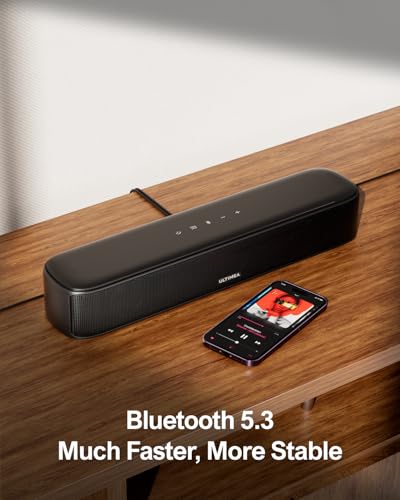
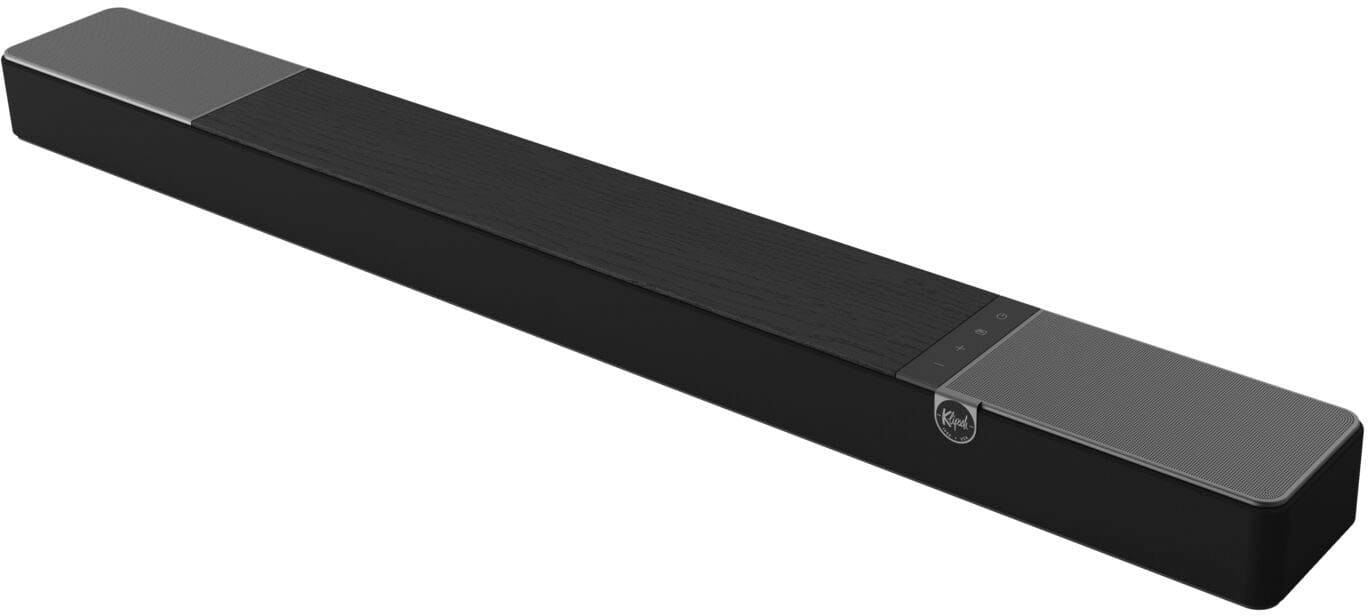
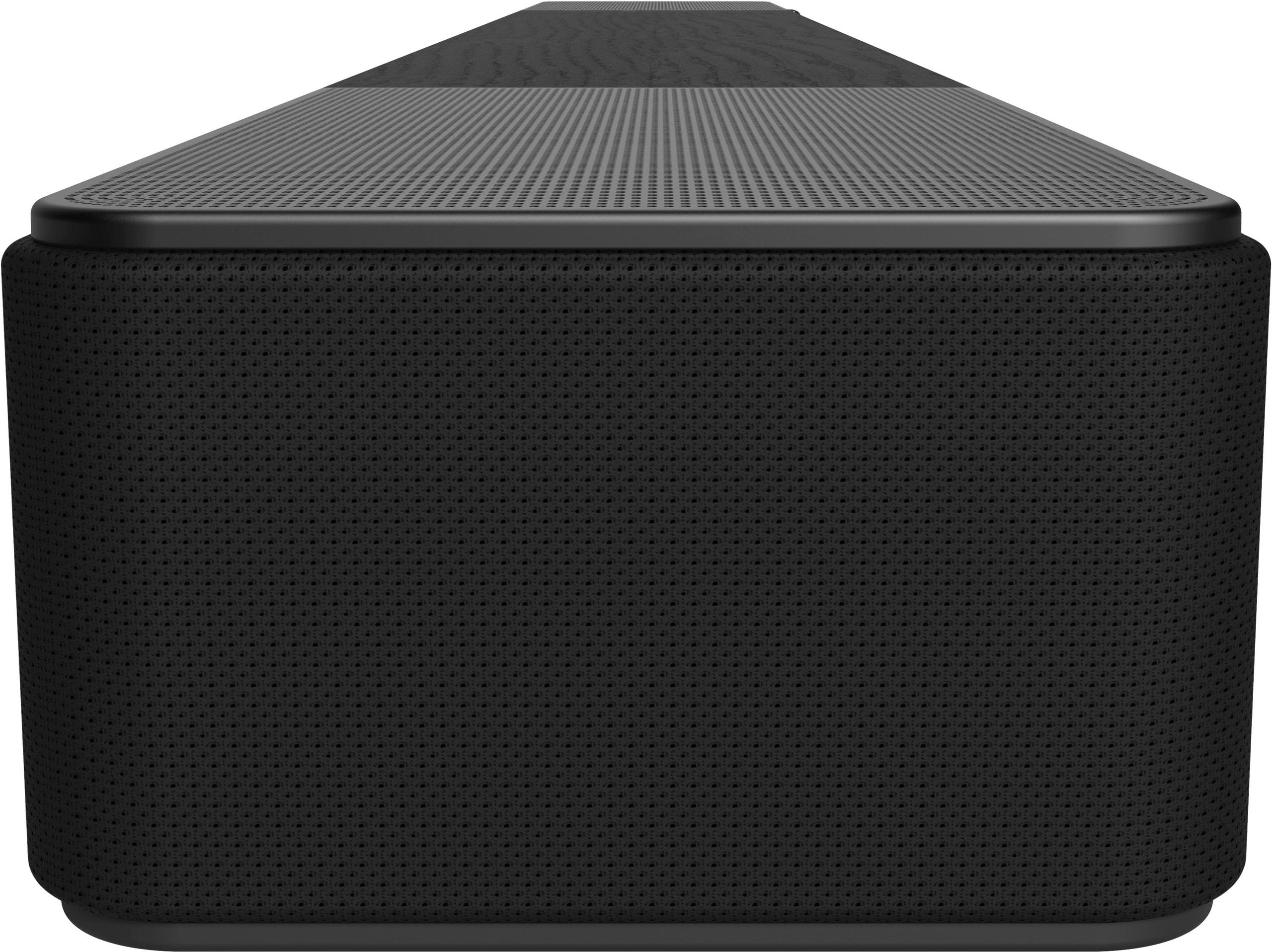
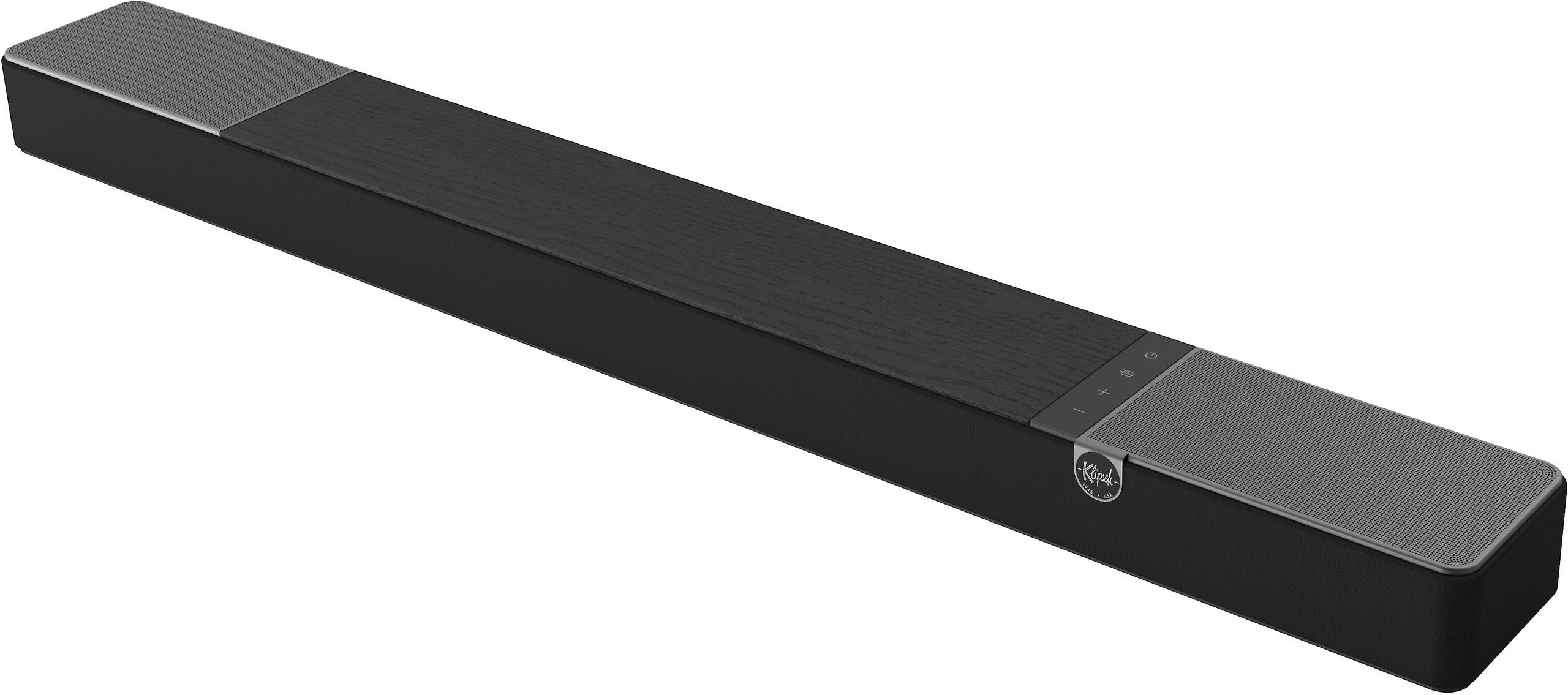

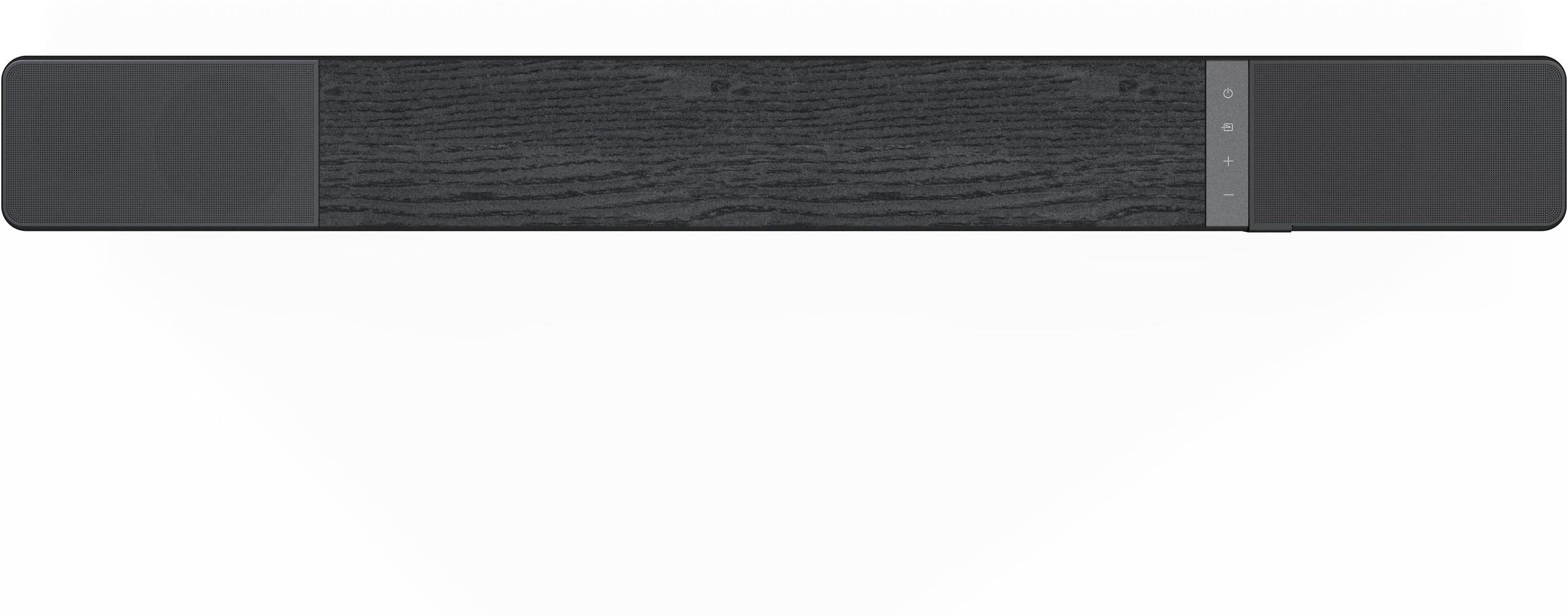
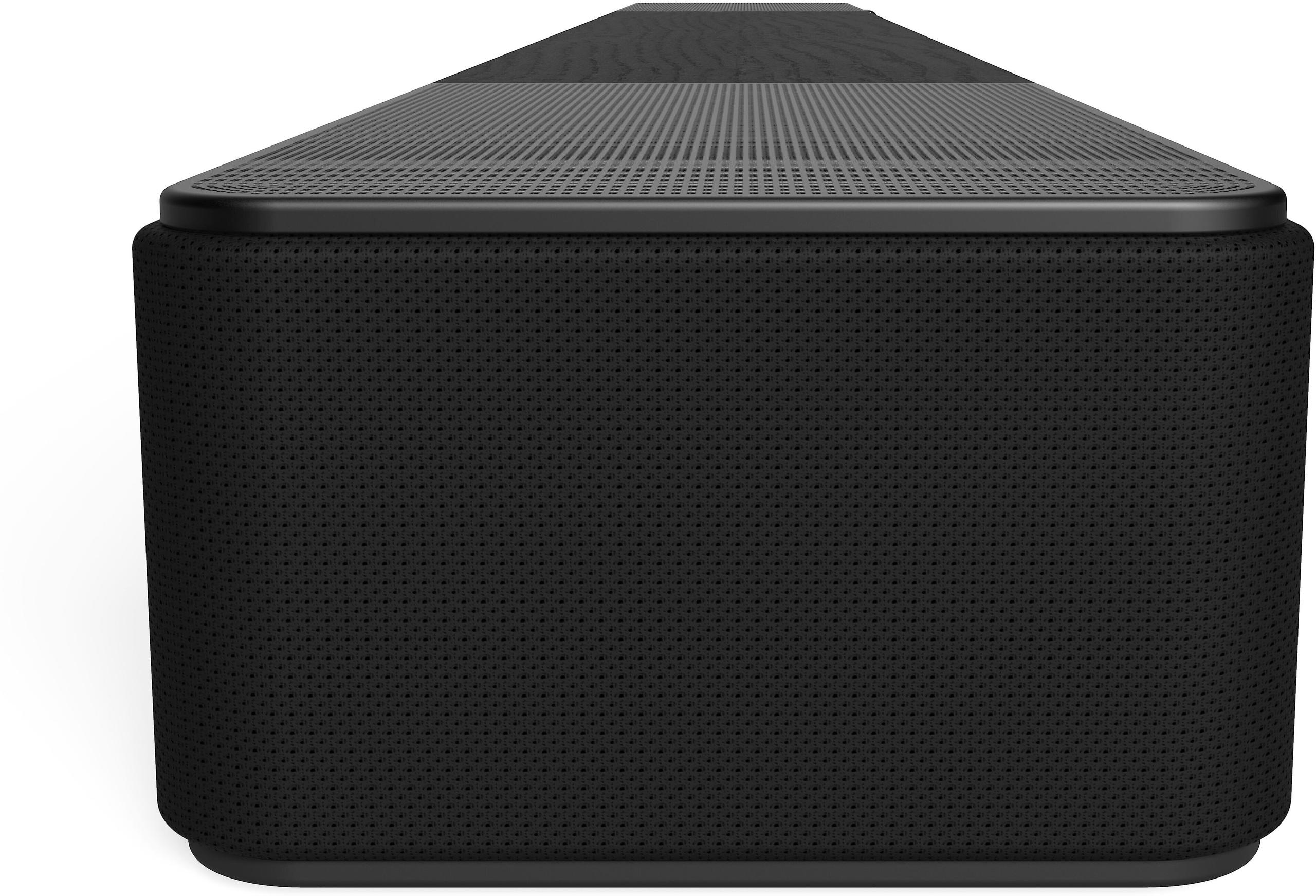

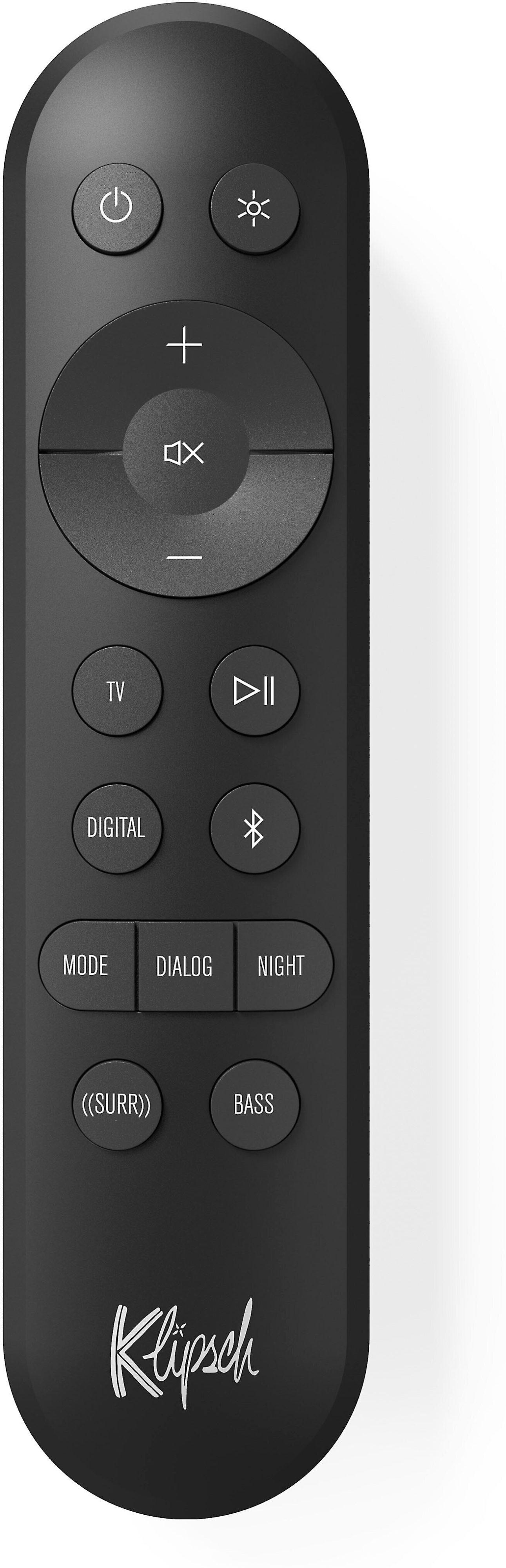
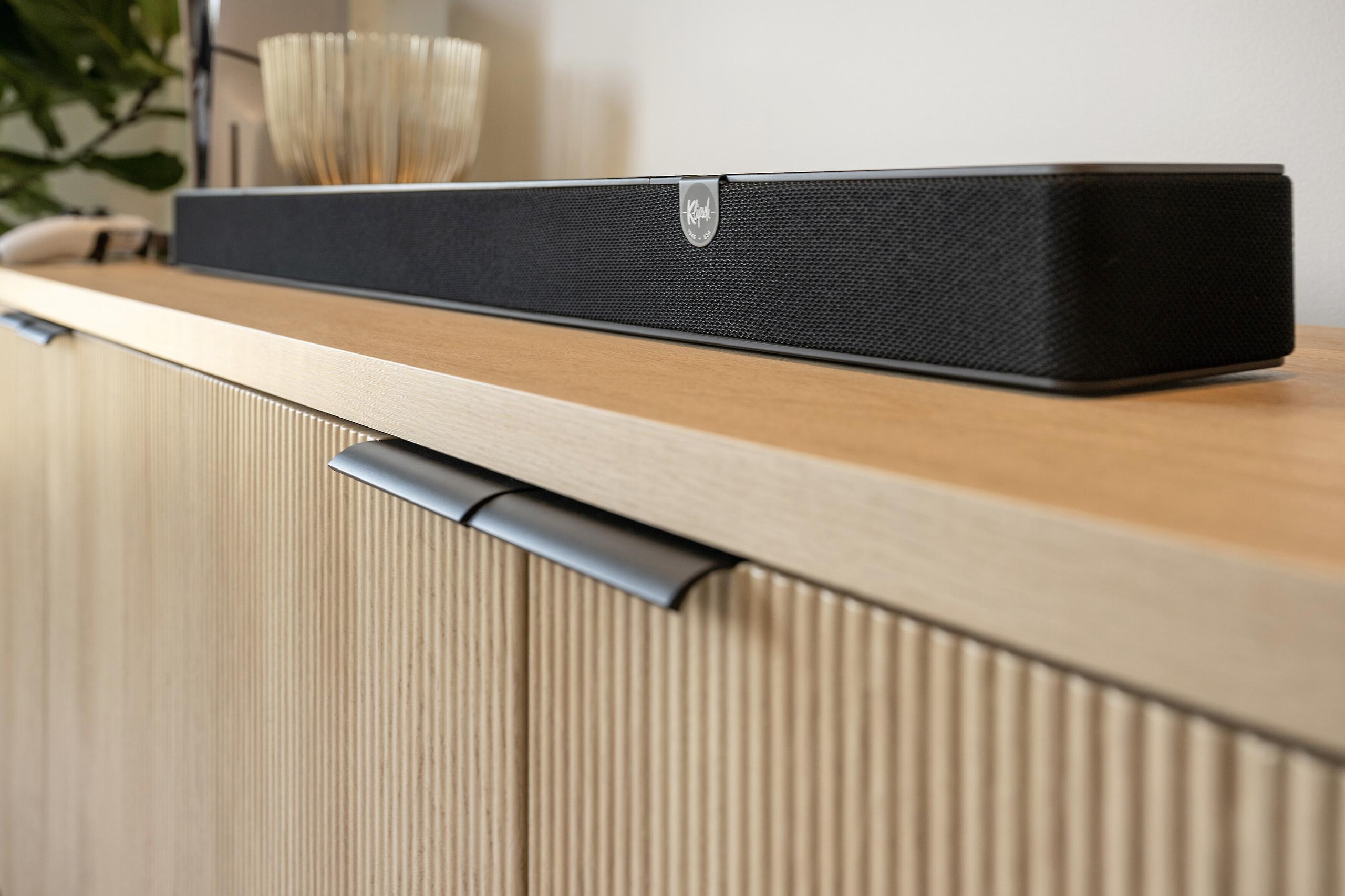
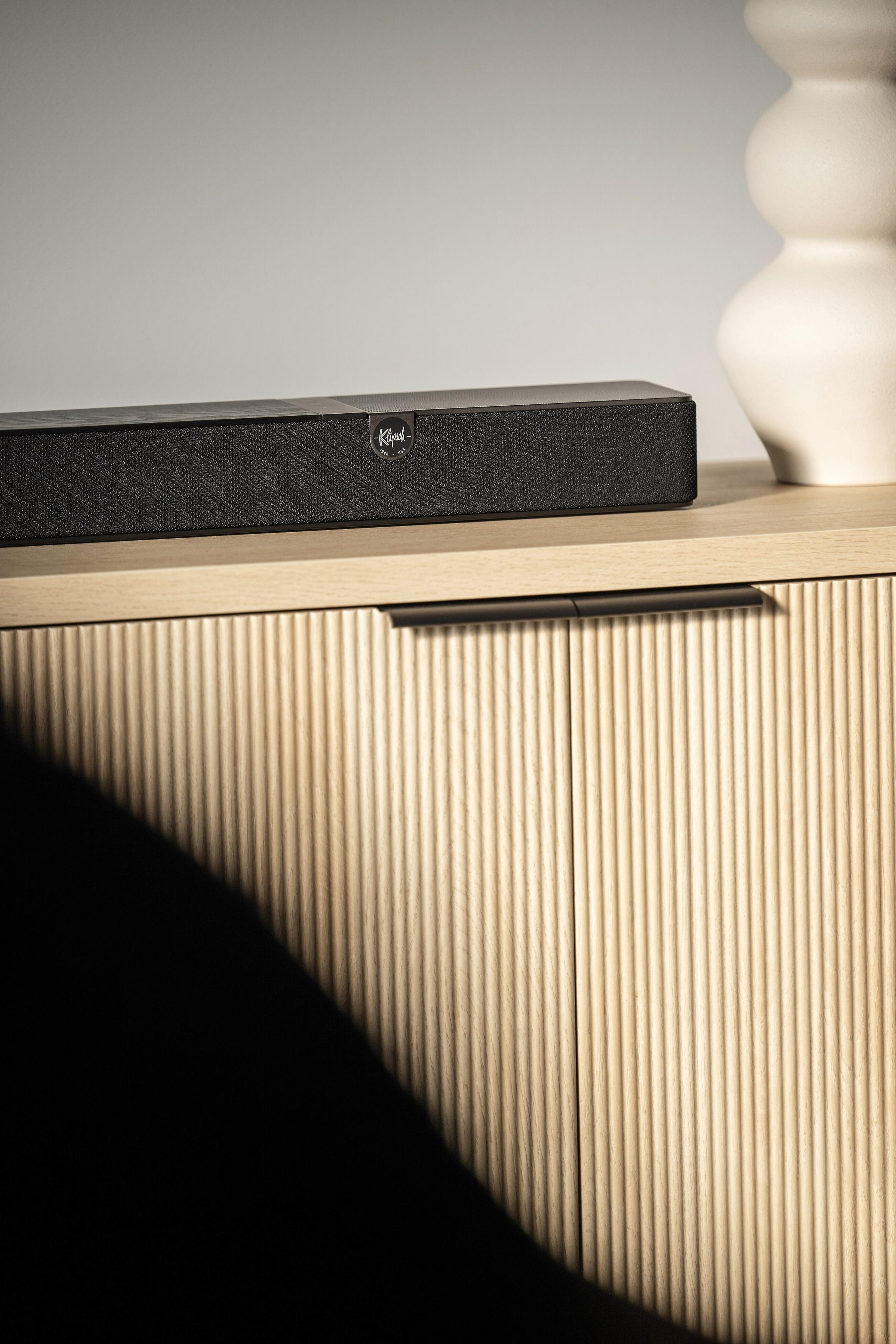

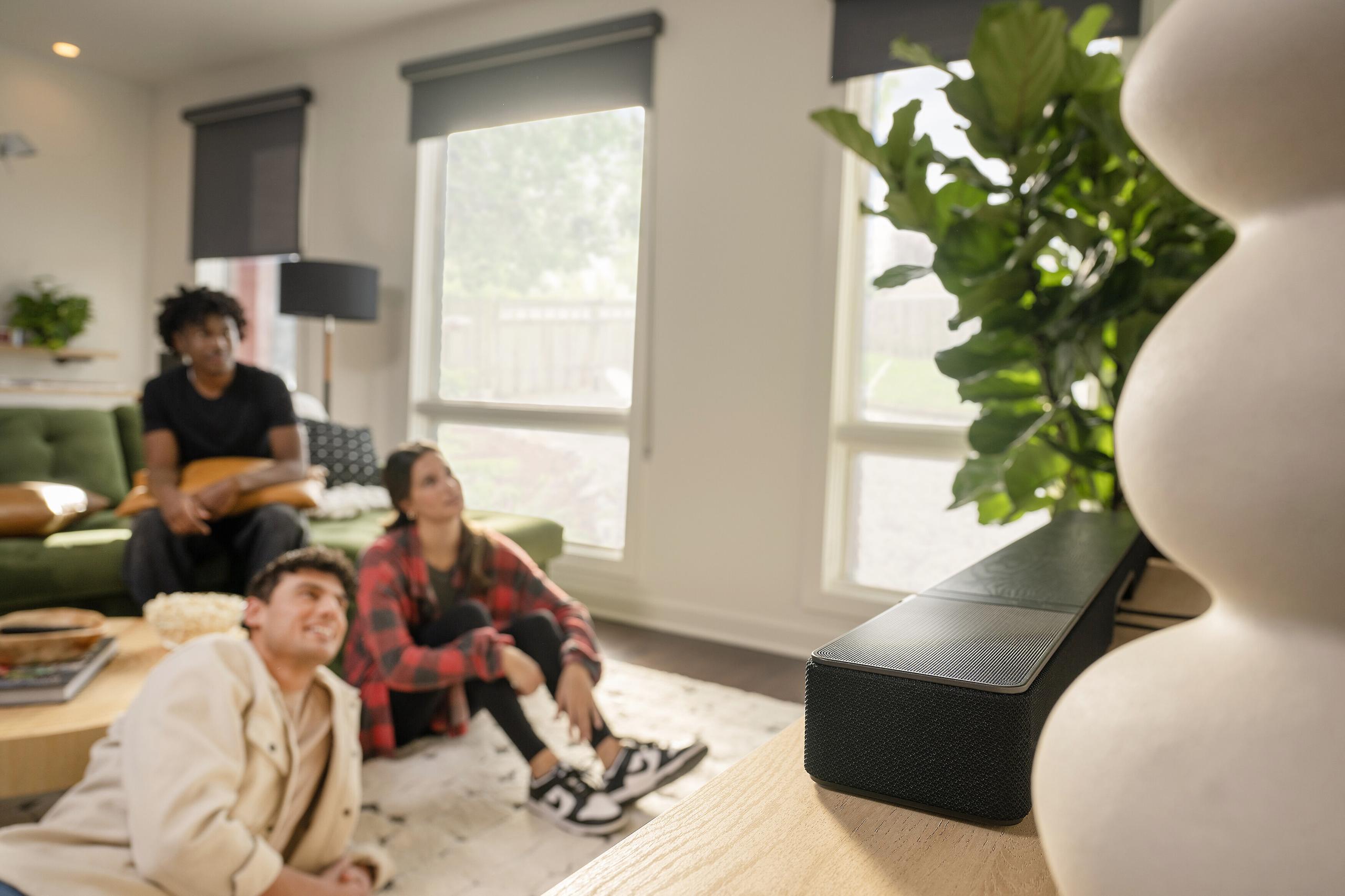

When your TV's built-in speakers just aren't cutting it anymore, you'll find yourself diving into the world of soundbars – and it can be overwhelming. The market has exploded with options ranging from simple stereo upgrades to complex multi-speaker systems that rival traditional home theater setups. Today, we're comparing two very different approaches to better TV audio: the Ultimea Aura A40, which gives you a complete 7.1 surround sound system, and the Klipsch Flexus Core 200, a premium Dolby Atmos soundbar that focuses on quality over quantity.
These products represent fundamentally different philosophies in home audio, and understanding their approaches will help you make the right choice for your specific situation and preferences.
Before diving into our comparison, it's worth understanding what we mean by different channel configurations. When you see numbers like "7.1" or "3.1.2," they're describing how many speakers and what types are included. The first number represents main speakers (left, center, right, and surrounds), the second number indicates subwoofers (the ".1"), and a third number refers to height channels for overhead effects (like ".2" in Dolby Atmos systems).
Virtual surround sound uses digital processing to simulate the effect of multiple speakers from fewer actual drivers, while true surround sound uses physically separate speakers placed around your room. Dolby Atmos, meanwhile, is an object-based audio format that treats sounds as individual objects in 3D space rather than just assigning them to specific channels – it's particularly effective at creating overhead effects like helicopters or rain.
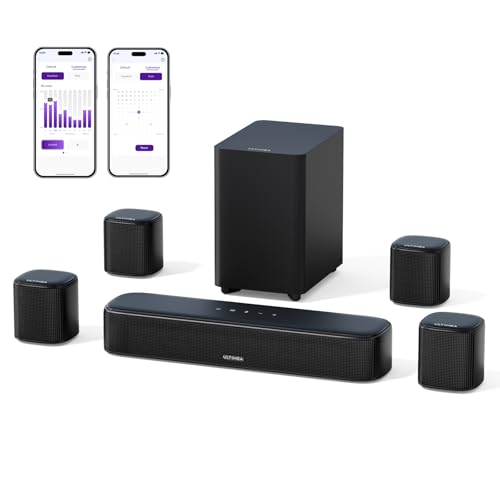
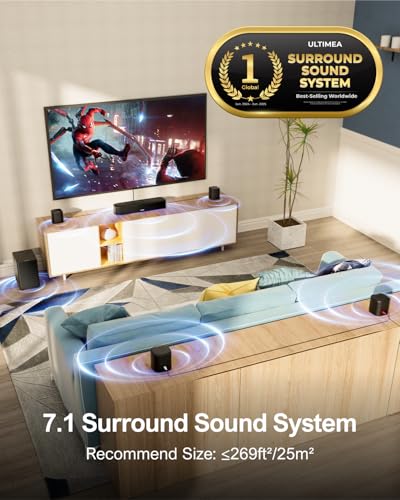
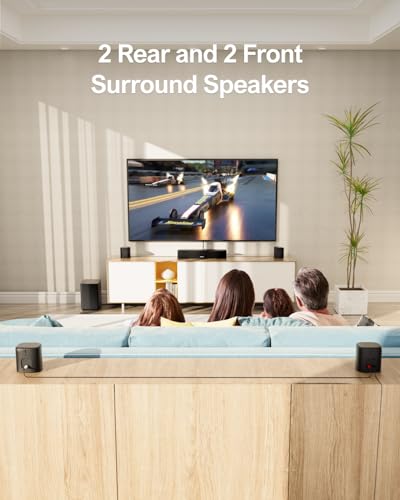
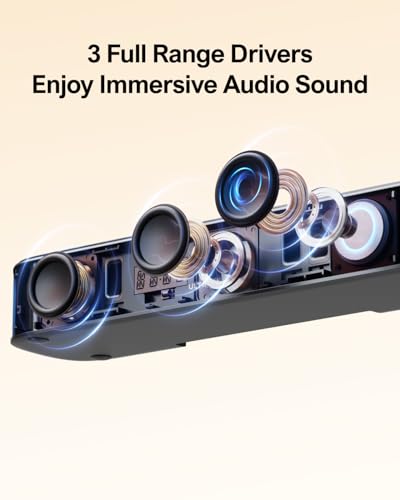
The Ultimea Aura A40 represents a fascinating approach to affordable home theater audio. Rather than being a traditional soundbar, it's essentially a complete 7.1 home theater system packaged and priced like a soundbar. You get a main soundbar unit, four separate surround speakers (two for the front, two for the rear), and a dedicated subwoofer – all for significantly less than what most premium single soundbars cost at the time of writing.
The Klipsch Flexus Core 200, released in 2024, takes the opposite approach. It's a collaboration between Klipsch and Onkyo that packs sophisticated Dolby Atmos processing and premium acoustic components into a single, sleek unit. Klipsch has been a respected name in audio for decades, particularly known for their horn-loaded tweeters that deliver exceptional vocal clarity – a technology that traces back to their professional cinema speakers from the 1940s.
The timing of these releases is important. The audio market has shifted significantly toward Dolby Atmos content in recent years, with streaming services like Netflix and Disney+ offering extensive Atmos catalogs. Gaming consoles now support spatial audio formats, and even music streaming is embracing immersive audio. This context makes the Klipsch Flexus Core 200's Atmos capabilities particularly relevant for future-proofing your setup.
Here's where these systems diverge most dramatically. The Ultimea Aura A40 gives you six separate components to set up around your room. The main soundbar handles the front left, center, and right channels, while four additional speakers create genuine surround effects by physically placing sound sources to your sides and behind you. The included subwoofer handles bass frequencies below what the smaller speakers can reproduce effectively.
This approach has obvious advantages for creating convincing spatial audio. When a character walks from screen left to screen right, the sound literally moves between different physical speakers. When an explosion happens behind the main character, you hear it from speakers actually positioned behind your seating area. It's the same principle that high-end home theater systems have used for decades.
The Klipsch Flexus Core 200, meanwhile, accomplishes surround effects through a combination of strategic driver placement and advanced digital processing. Its 3.1.2 configuration means three main channels (left, center, right), one subwoofer channel (handled by dual built-in 4-inch drivers), and two height channels created by upward-firing speakers that bounce sound off your ceiling to create overhead effects.
What makes this approach sophisticated is how it handles different types of content. With Dolby Atmos movies and shows, the soundbar receives metadata about where sounds should appear in 3D space and uses its array of nine total drivers to create the illusion of sounds coming from specific locations, including above your head.
Based on our research into user experiences and expert reviews, the Ultimea Aura A40 delivers superior traditional surround sound effects when properly set up. The physical separation between speakers creates genuine directional audio that's particularly effective for gaming and action movies. Users consistently report being able to pinpoint footsteps, vehicle movements, and ambient effects with impressive accuracy.
The system's SurroundX technology processes audio to coordinate all eight speakers, creating what Ultimea claims is 99.99% detail accuracy in sound placement. While that specific number is marketing speak, the practical result is that the system excels at creating the "helicopter flying overhead" or "car racing past" effects that make action scenes more engaging.
The Klipsch Flexus Core 200 takes a different approach that's arguably more sophisticated for certain types of content. Its Dolby Atmos processing creates overhead soundstage effects that the Ultimea simply can't match. When watching Atmos-encoded content, sounds can appear to come from above and move through three-dimensional space in ways that traditional surround sound can't replicate.
However, for non-Atmos content (which is still the majority of what most people watch), the Klipsch relies on virtualization – essentially tricking your brain into perceiving surround effects from a soundbar positioned in front of you. This works reasonably well but can't match the convincing directional accuracy of physical speakers placed around the room.
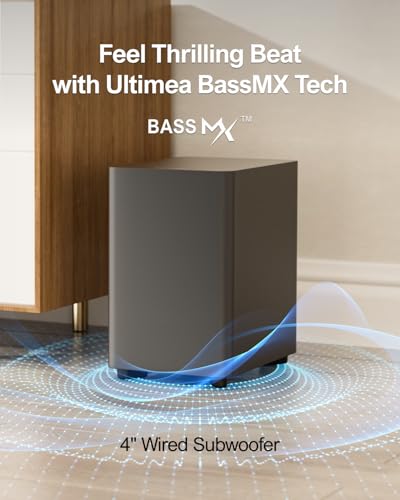
This is where the specifications tell an interesting story. The Ultimea Aura A40 includes a dedicated 4-inch subwoofer using their BassMX technology, but it only reaches down to 65Hz in frequency response. In practical terms, this means it handles most movie sound effects and music bass well, but might miss the very deepest rumbles in action movies or the lowest notes in bass-heavy music.
The Klipsch Flexus Core 200 achieves something impressive for a soundbar: its dual built-in 4-inch subwoofers reach down to 43Hz, significantly deeper than the Ultimea. This extended bass response creates more physical impact during explosive scenes and provides fuller reproduction of music with deep bass content. The trade-off is that these drivers must fit within the soundbar's form factor, which limits their ultimate output capability compared to a dedicated subwoofer.
Expert reviews consistently praise the Klipsch for its bass integration and control. The dual subwoofers are tuned to work seamlessly with the other drivers, avoiding the "boomy" or disconnected bass that some soundbar-subwoofer combinations exhibit.
Here, the Klipsch Flexus Core 200 demonstrates why premium audio engineering matters. Its dedicated 0.75-inch horn-loaded tweeter is specifically designed for vocal reproduction, and it shows. Professional reviews consistently highlight the system's exceptional dialogue clarity, even during complex action sequences with heavy background music and effects.
Horn-loaded tweeters are a Klipsch signature technology that uses a horn-shaped acoustic lens to focus and amplify high frequencies. This design provides several advantages: it increases efficiency (requiring less power for the same output), reduces distortion, and creates more controlled directivity – meaning the sweet spot for clear dialogue is larger and more forgiving of seating position.
The Ultimea Aura A40 handles dialogue adequately, but our research suggests it doesn't match the Klipsch's vocal clarity. This makes sense given the price difference and design priorities – the Ultimea focuses on surround immersion rather than optimizing any single performance characteristic.
For music listening, these systems reveal their different design philosophies clearly. The Klipsch Flexus Core 200 performs like a high-quality bookshelf speaker system, with balanced tonal reproduction and the refinement you'd expect from a premium audio brand. Its wider frequency response (43Hz-20kHz versus the Ultimea's 65Hz-18kHz) provides better extension at both ends of the spectrum.
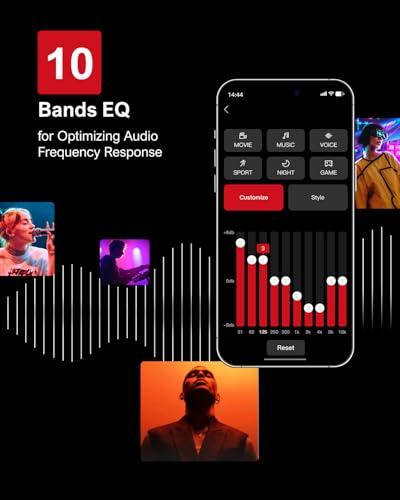
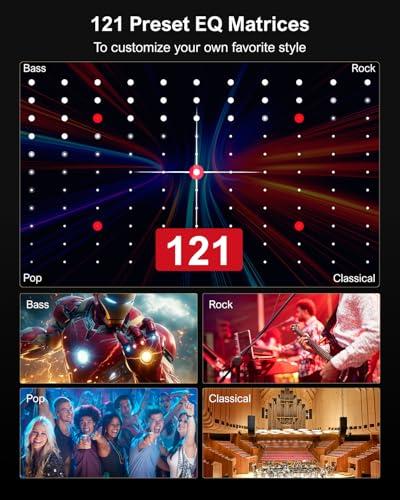
The Ultimea Aura A40 faces criticism for music reproduction, with some users describing the sound as "tinny" or "metallic." However, it offers something the Klipsch doesn't: extensive customization options. The system includes 121 preset equalizer matrices across different genres (Bass, Pop, Classical, Rock) and a 10-band equalizer for manual tuning. For users willing to spend time optimizing settings, this can significantly improve music performance.
The power specifications reveal another interesting contrast. The Ultimea Aura A40 claims 330W peak power across its eight speakers, while the Klipsch Flexus Core 200 provides 185W RMS. These numbers aren't directly comparable – peak power ratings are often inflated marketing figures, while RMS represents continuous power handling.
More importantly, the Klipsch's 185W RMS is distributed across precisely tuned drivers in an acoustically optimized enclosure. The result is often more impactful and controlled sound despite lower paper specifications.
Connectivity represents a crucial difference that affects daily usability. The Klipsch Flexus Core 200 includes HDMI eARC connectivity, which is increasingly important for modern setups. This connection allows the soundbar to receive high-quality audio directly from your TV, including lossless Dolby Atmos signals from streaming apps or gaming consoles. It also enables convenient volume control through your TV remote via HDMI-CEC (Consumer Electronics Control).
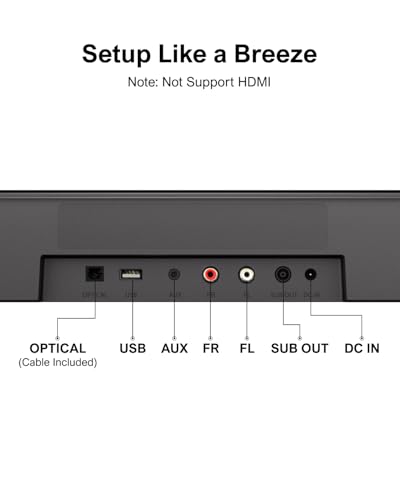
The Ultimea Aura A40 notably lacks HDMI connectivity entirely, relying on optical, AUX, USB, and Bluetooth connections. This is a significant limitation for users with modern gaming consoles or those wanting the highest quality audio formats. Optical connections are limited to compressed audio formats and can't carry the full Dolby Atmos experience that many streaming services now offer.
Both systems offer smartphone app control, but with different focuses. The Ultimea Home app provides extensive tweaking capabilities that appeal to audio enthusiasts. Beyond the mentioned EQ options, it offers adjustable surround levels (up to 13 settings) and supports over-the-air firmware updates for ongoing improvements.
The Klipsch Connect Plus app takes a more streamlined approach, focusing on essential controls like EQ presets, Night Mode (which reduces dynamic range for late-night viewing), and Dialogue Boost. It's less comprehensive than the Ultimea app but covers what most users actually need without overwhelming them with options.
Installing the Ultimea Aura A40 is inherently more complex due to its six-component design. You need to position the main soundbar, place four surround speakers around your room, connect cables, and find appropriate locations for all components. The rear speakers require AC power, and while they connect wirelessly to the main unit, the initial pairing process adds another step to setup.
This complexity pays dividends if you have the right space and commitment. Users who take time to properly position all speakers report excellent results, particularly for gaming where directional audio provides competitive advantages in shooters or immersive experiences in RPGs.
The Klipsch Flexus Core 200 offers the opposite experience – simple placement under your TV, a single power connection, and one cable to your TV for audio. The trade-off is less flexibility in optimizing the system for your specific room acoustics.
The Klipsch Flexus Core 200 was designed as part of an expandable ecosystem. Using Klipsch's proprietary Transport wireless technology, you can add Flexus Surround 100 speakers for rear channels and a Flexus Sub 100 subwoofer for deeper bass. This modular approach allows you to start with the core soundbar and expand based on your budget and needs over time.
At the time of writing, building a complete Klipsch Flexus system costs significantly more than the Ultimea Aura A40, but you're paying for premium components and the flexibility to upgrade incrementally. The Ultimea system, conversely, gives you everything immediately but offers no expansion path – when you outgrow it, you'll need to replace the entire system.
The Ultimea Aura A40 is optimized for rooms between 108-270 square feet, which covers most typical living rooms and dedicated media spaces. However, it requires appropriate placement opportunities for all six components. If you're in an apartment with limited space or a room where running speaker cables isn't practical, the system becomes significantly less appealing.
The Klipsch Flexus Core 200 works well in smaller spaces where multiple speakers aren't feasible, but its Dolby Atmos height effects require a reasonable ceiling height and relatively reflective ceiling surface to bounce sound effectively. Very high ceilings or acoustic tiles can limit the overhead effects that make Atmos compelling.
At the time of writing, the Ultimea Aura A40 represents exceptional value for users who want maximum surround sound immersion at a budget-friendly price point. You get a complete 7.1 system with physical speakers and subwoofer for less than many single soundbars cost. It's particularly compelling for gaming enthusiasts and action movie fans who prioritize directional effects over audio refinement.
The Klipsch Flexus Core 200 costs significantly more but delivers premium build quality, sophisticated Dolby Atmos processing, and the acoustic expertise of a respected audio brand. It's better suited for users who value overall audio quality, dialogue clarity, and modern connectivity over maximum surround impact.
Choose the Ultimea Aura A40 if you have a dedicated media room where you can properly place multiple speakers, prioritize gaming and action movie experiences, enjoy tweaking audio settings, and want maximum surround sound impact without spending premium prices. It's ideal for enthusiasts who don't mind setup complexity in exchange for genuine spatial audio.
Choose the Klipsch Flexus Core 200 if you live in a smaller space, value premium audio engineering and build quality, want Dolby Atmos capabilities for modern content, prefer simple installation, plan to expand your system gradually, or need HDMI eARC connectivity for modern devices. It's the better choice for users who prioritize overall audio quality and convenience over maximum surround immersion.
Both systems serve their intended audiences well, but they're targeting fundamentally different needs and preferences. The Ultimea Aura A40 maximizes surround sound impact per dollar, while the Klipsch Flexus Core 200 provides premium audio engineering in a space-efficient, expandable package. Your choice should depend on your room constraints, budget approach, and what aspects of audio performance matter most to your viewing and listening habits.
| Ultimea Aura A40 7.1 Channel Soundbar System | Klipsch Flexus Core 200 3.1.2 Soundbar |
|---|---|
| Channel Configuration - Determines surround sound approach and immersion level | |
| 7.1 virtual surround with 4 physical surround speakers + subwoofer | 3.1.2 Dolby Atmos with built-in height channels |
| Total Components - Affects setup complexity and room requirements | |
| 6 separate units (soundbar + 4 surrounds + subwoofer) | Single soundbar unit with all drivers integrated |
| Power Output - Influences maximum volume and dynamic range | |
| 330W peak power across all speakers | 185W RMS (more accurate continuous power rating) |
| Frequency Response - Shows bass extension and treble reach | |
| 65Hz-18kHz (good but limited deep bass) | 43Hz-20kHz (superior bass extension and treble) |
| Dolby Atmos Support - Critical for modern streaming content and gaming | |
| No Atmos support, uses virtual surround processing | Full Dolby Atmos with dedicated height drivers |
| HDMI Connectivity - Essential for high-quality gaming and streaming | |
| No HDMI (major limitation for modern devices) | HDMI eARC for lossless audio and TV integration |
| Physical Surround Speakers - Determines surround sound authenticity | |
| 4 physical speakers included for true directional audio | Optional wireless surrounds available separately |
| Bass Solution - Affects low-end impact and room integration | |
| Dedicated 4" wired subwoofer with BassMX technology | Dual 4" built-in subwoofers (cleaner setup, deeper response) |
| App Customization - Shows audio tuning flexibility | |
| Extensive: 121 EQ presets, 10-band EQ, 13 surround levels | Basic: EQ presets, Night Mode, Dialogue Boost |
| Expandability - Future upgrade potential | |
| Complete system, no expansion options | Modular system: add wireless surrounds and subwoofer |
| Setup Complexity - Time and effort required for installation | |
| Complex: 6 components, cable management, speaker positioning | Simple: single unit placement, one connection to TV |
| Best Room Size - Optimal performance environment | |
| Medium rooms (108-270 sq ft) with surround speaker placement | Flexible sizing, works well in smaller spaces |
| Primary Strength - What each system does exceptionally well | |
| Maximum surround immersion with physical speakers | Premium audio quality with Dolby Atmos effects |
For dedicated home theater rooms, the Ultimea Aura A40 provides superior surround sound immersion with its four physical surround speakers that create genuine directional audio. However, the Klipsch Flexus Core 200 offers better overall audio quality and Dolby Atmos height effects for modern streaming content. Choose the Ultimea Aura A40 for maximum surround impact, or the Klipsch Flexus Core 200 for premium audio engineering.
The Ultimea Aura A40's 7.1 configuration includes seven main speakers plus a subwoofer, with four physical surround speakers placed around your room. The Klipsch Flexus Core 200's 3.1.2 setup has three main channels, one subwoofer channel, and two height channels for Dolby Atmos overhead effects, all built into a single soundbar unit.
The Klipsch Flexus Core 200 delivers deeper bass with its dual 4-inch built-in subwoofers reaching down to 43Hz, compared to the Ultimea Aura A40's single 4-inch subwoofer that extends to 65Hz. The Klipsch provides more controlled, integrated bass despite being contained within the soundbar form factor.
Yes, HDMI eARC is increasingly important for modern setups. The Klipsch Flexus Core 200 includes HDMI eARC for high-quality audio from gaming consoles and streaming devices, while the Ultimea Aura A40 lacks HDMI entirely, limiting it to optical, AUX, and Bluetooth connections.
The Klipsch Flexus Core 200 is much simpler to install with just one unit to place and connect to your TV. The Ultimea Aura A40 requires positioning six separate components around your room, running cables, and configuring wireless connections for the surround speakers.
Only the Klipsch Flexus Core 200 supports true Dolby Atmos with dedicated upward-firing drivers for overhead sound effects. The Ultimea Aura A40 does not support Dolby Atmos and relies on virtual surround processing instead.
The Klipsch Flexus Core 200 excels in dialogue clarity thanks to its dedicated horn-loaded tweeter specifically designed for vocal reproduction. The Ultimea Aura A40 provides adequate dialogue performance but doesn't match the Klipsch's vocal clarity and precision.
The Klipsch Flexus Core 200 is part of a modular system that can be expanded with wireless surround speakers and an additional subwoofer. The Ultimea Aura A40 comes complete with all components included and offers no expansion options.
For gaming, the Ultimea Aura A40 provides superior directional audio with its physical surround speakers, helping you pinpoint enemy locations and environmental sounds. However, the Klipsch Flexus Core 200 offers better connectivity for modern consoles through HDMI eARC and supports spatial audio formats.
The Ultimea Aura A40 is optimized for medium-sized rooms (108-270 square feet) where you can properly position all surround speakers. The Klipsch Flexus Core 200 works well in smaller spaces and apartments where multiple speakers aren't practical.
The Ultimea Aura A40 provides extensive customization with 121 EQ presets, 10-band manual equalizer, and adjustable surround levels. The Klipsch Flexus Core 200 offers more basic app controls focused on essential features like EQ presets and Night Mode.
The Ultimea Aura A40 offers exceptional value as a complete 7.1 surround system with all speakers included at a budget-friendly price. The Klipsch Flexus Core 200 costs more but provides premium build quality, sophisticated Dolby Atmos processing, and modern connectivity features that justify the higher investment.
We've done our best to create useful and informative comparisons to help you decide what product to buy. Our research uses advanced automated methods to create this comparison and perfection is not possible - please contact us for corrections or questions. These are the sites we've researched in the creation of this article: youtube.com - walmart.com - youtube.com - ultimea.com - homestudiobasics.com - ultimea.co - youtube.com - eu.ultimea.com - walmart.com - device.report - bestbuy.com - manuals.plus - community.ultimea.com - judge.me - support.ultimea.com - geekmaxi.com - provantage.com - bestbuy.com - youtube.com - uk.whatgeek.com - soundandvision.com - avnirvana.com - avsforum.com - cnet.com - klipsch.com - klipsch.com - youtube.com - assets.klipsch.com - klipsch.com - worldwidestereo.com - klipsch.com - crutchfield.com - digitaltrends.com

Privacy Policy
Terms and Conditions - Affiliate Policy
Home Security
© Copyright 2008-2026.
11816 Inwood Rd #1211, Dallas, TX 75244