


Choosing the right soundbar can transform your living room from "decent TV sound" to "holy cow, did that helicopter just fly through my room?" But with so many options flooding the market, picking between systems that seem similar on paper—yet work completely differently—can feel overwhelming.
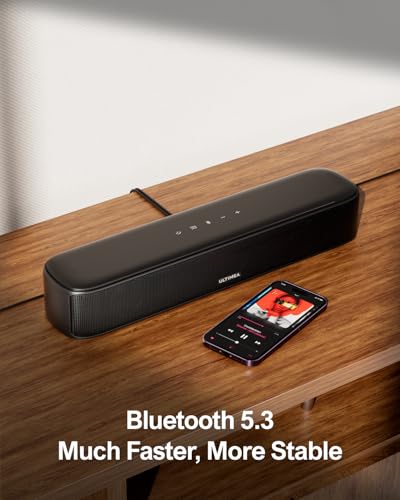
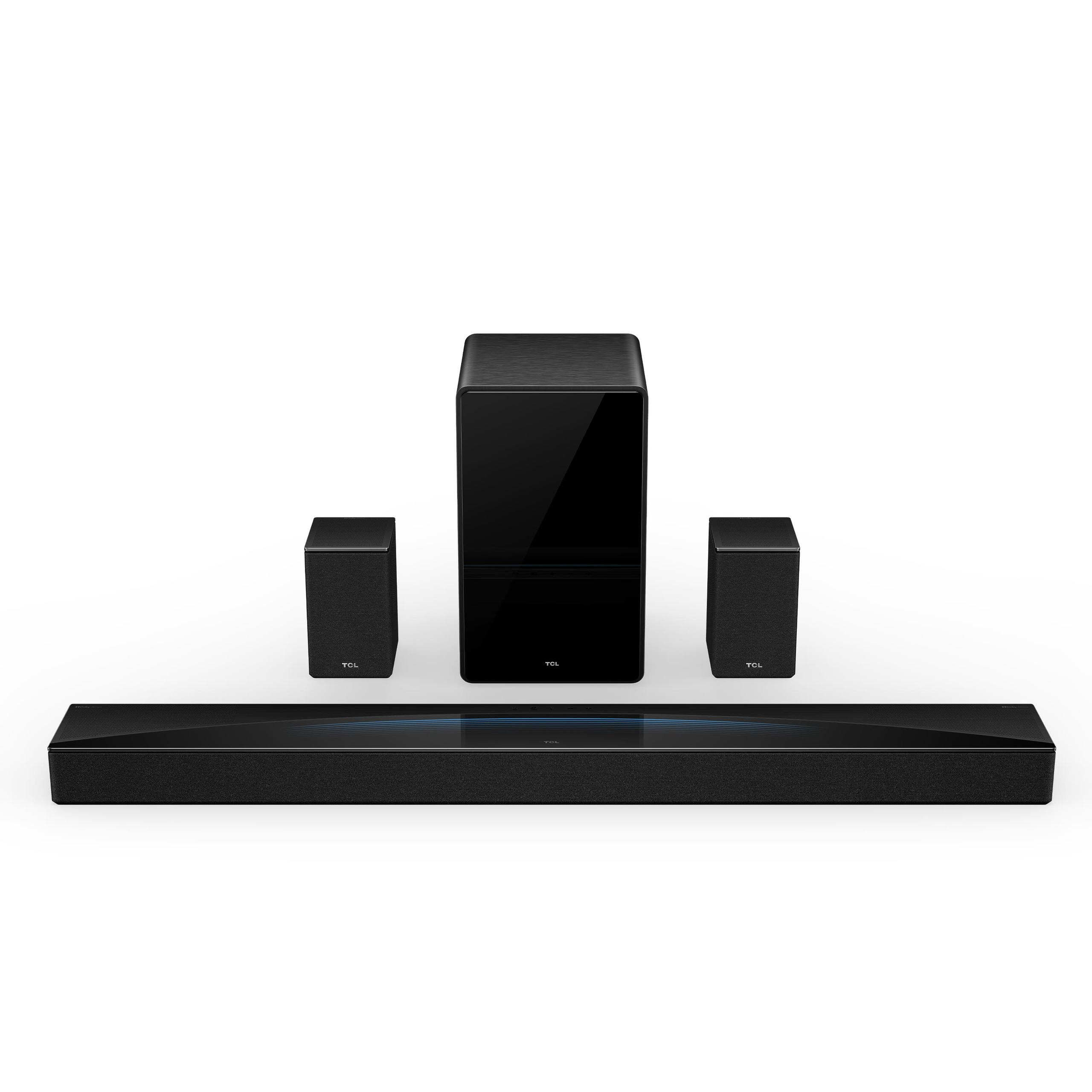
Today we're diving deep into two fascinating approaches to home theater audio: the Ultimea Aura A40, which takes the traditional route with actual surround speakers scattered around your room, and the TCL Q85H Q Class, which embraces the newer world of overhead sound effects and ceiling reflections. Both launched in 2024, representing the current state of soundbar technology, but they couldn't be more different in how they create that immersive experience we're all chasing.
Before we jump into the specifics, let's talk about what we mean when we say "premium soundbar system." We're not talking about those basic $100 units that sit under your TV and sound marginally better than built-in speakers. These are full-blown surround sound systems that aim to replace traditional home theater setups with receivers, multiple speakers, and yards of speaker wire.
The key metrics that separate good from great in this category include channel configuration (how many discrete audio streams the system can handle), connectivity options (especially HDMI support for modern devices), physical setup requirements, audio processing capabilities, and how well they adapt to different rooms. At the time of writing, you're looking at investing significantly more in either system compared to basic soundbars, but the performance jump is substantial.
What's particularly interesting about 2024's soundbar landscape is how manufacturers are splitting into two camps: those doubling down on physical speaker placement for authentic surround sound, and those pushing virtual audio processing with height channels for Dolby Atmos (a technology that places sounds in three-dimensional space around and above you, rather than just left and right).
Here's where things get technical, but stick with me—understanding channel configuration is crucial to making the right choice.
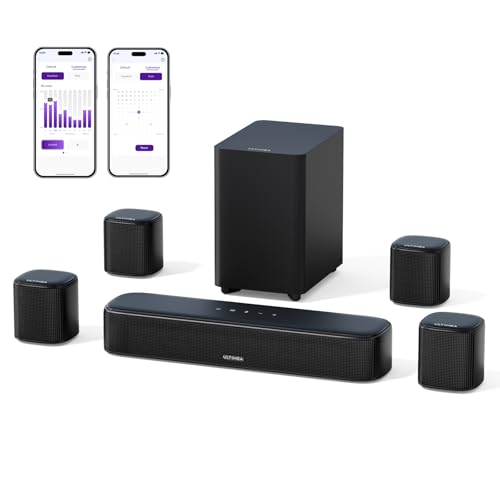
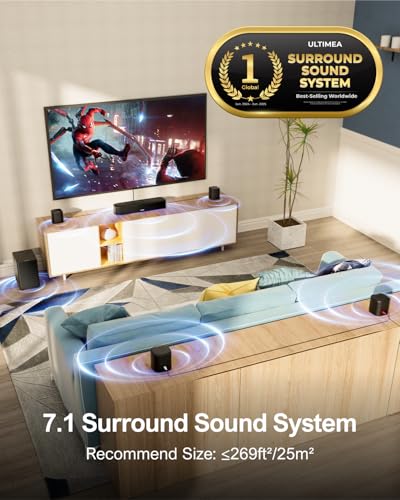
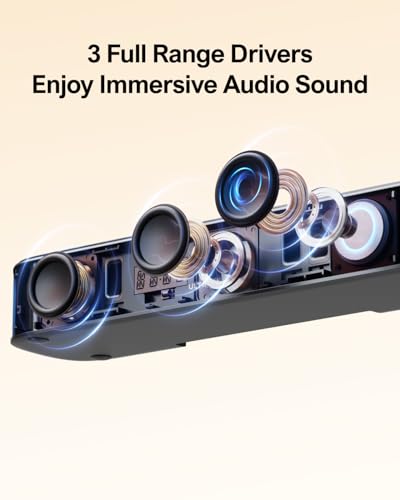
The Ultimea Aura A40 uses what's called a 7.1 channel system. That "7" represents seven discrete audio channels: front left, front center, front right, side left, side right, rear left, and rear right. The ".1" is your subwoofer handling low-frequency effects (LFE)—basically, explosions and rumbling bass. This system achieves its surround sound through eight physical speakers: three in the main soundbar, four separate surround speakers you place around your room, and one subwoofer.
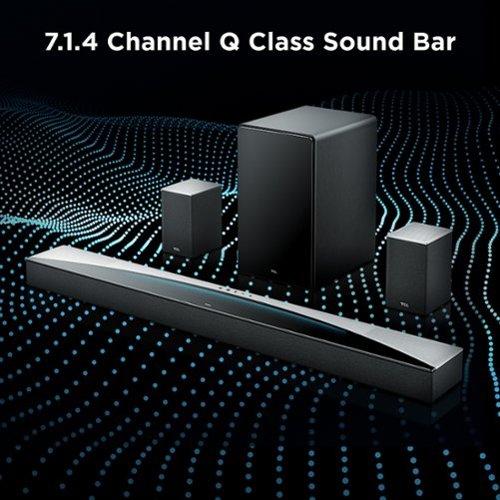
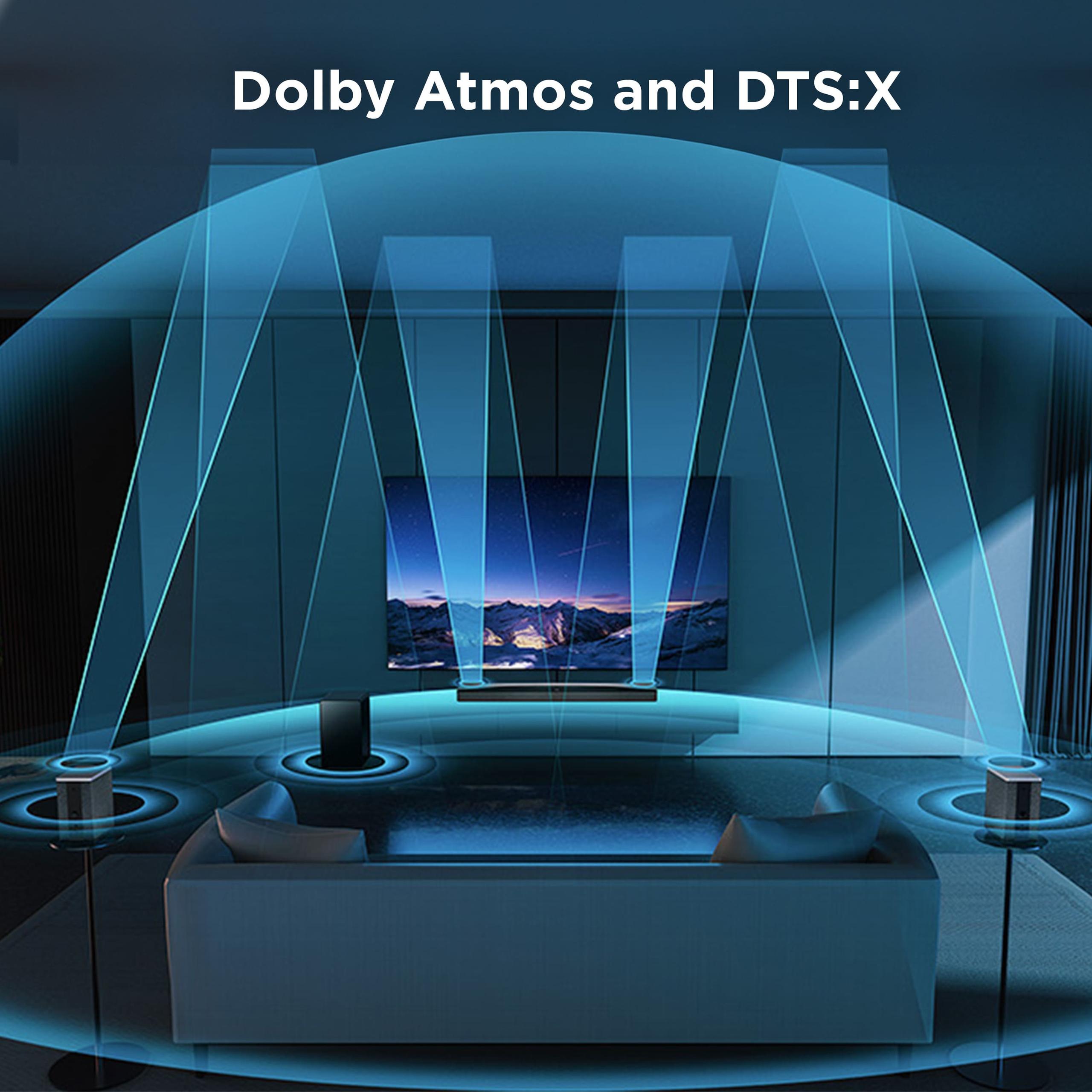
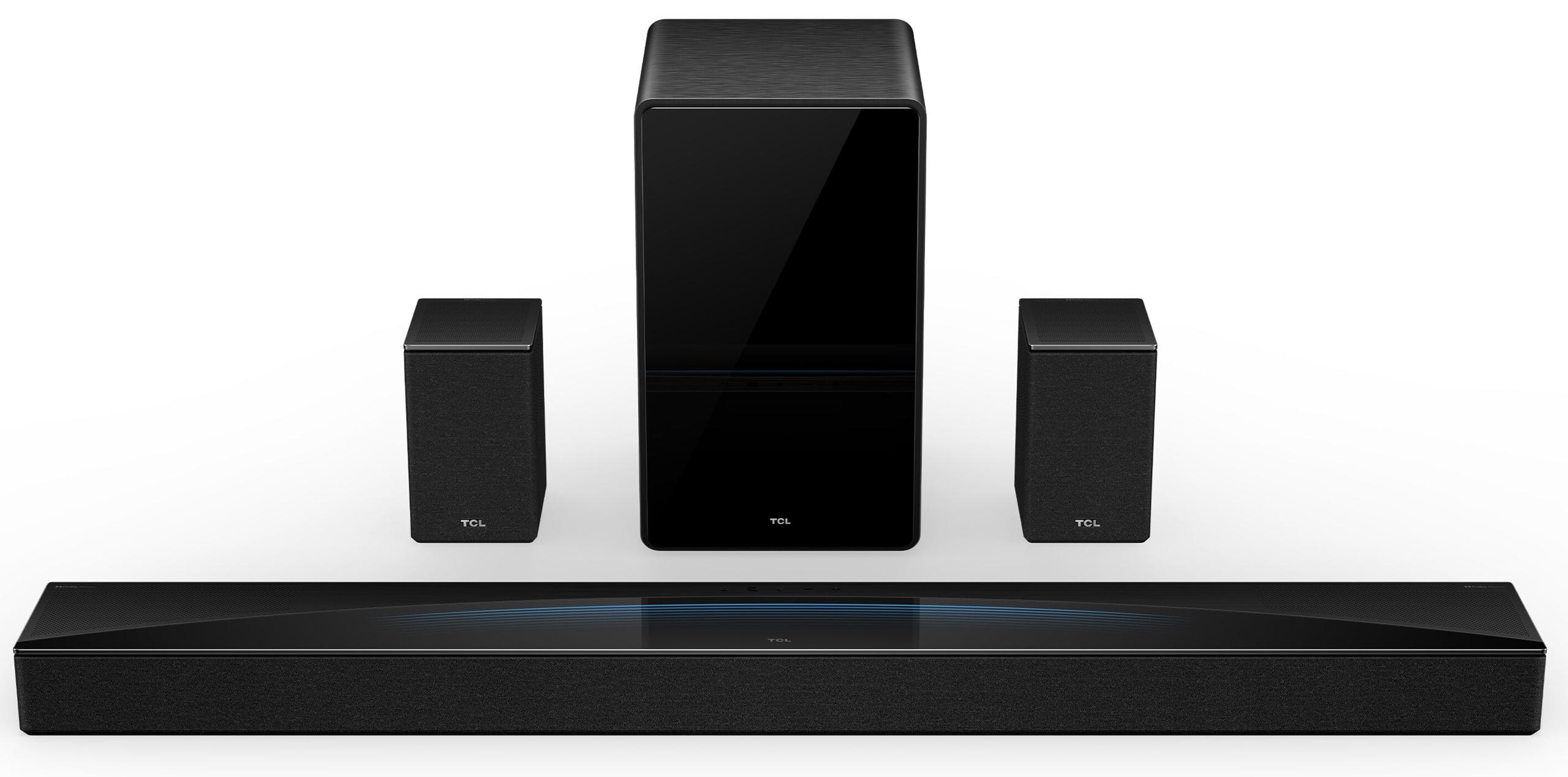
The TCL Q85H takes a different approach with 7.1.4 channels. Those same seven base channels are there, but the additional ".4" represents four height channels designed specifically for Dolby Atmos content. Instead of just having sound come from around you horizontally, you get audio objects that can move overhead—think raindrops, aircraft flyovers, or debris falling from above in action movies.
Here's the critical difference: the Aura A40 gives you genuine discrete surround sound with speakers physically positioned where the audio should come from. When a car drives from front to back in a movie, you hear it move through actual speakers placed front to back. The Q85H creates its surround effect primarily through audio processing and reflection, bouncing sound off your ceiling and walls to simulate three-dimensional audio.
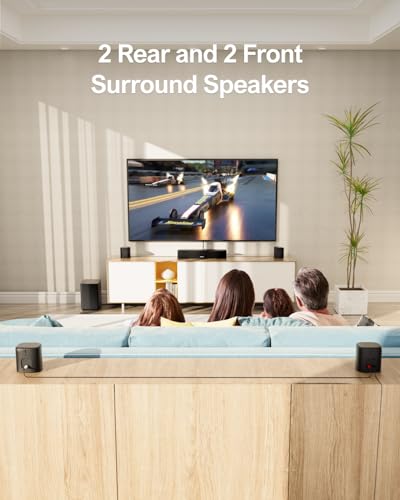
Setting up the Ultimea Aura A40 is like organizing a small orchestra in your living room. You get four surround speakers that need strategic placement: two front surrounds connect via 2-meter cables, while two rear speakers use a longer 6-meter cable. Cleverly, the rear right speaker can pair wirelessly to reduce cable clutter, but you're still looking at running several cables around your room.
This physical approach has genuine advantages. When positioned correctly—ideally in a triangle configuration with the front speakers angled properly—you get authentic surround sound that doesn't rely on room acoustics or audio trickery. The downside? Your room needs to accommodate four extra speakers, and cable management becomes a real consideration.
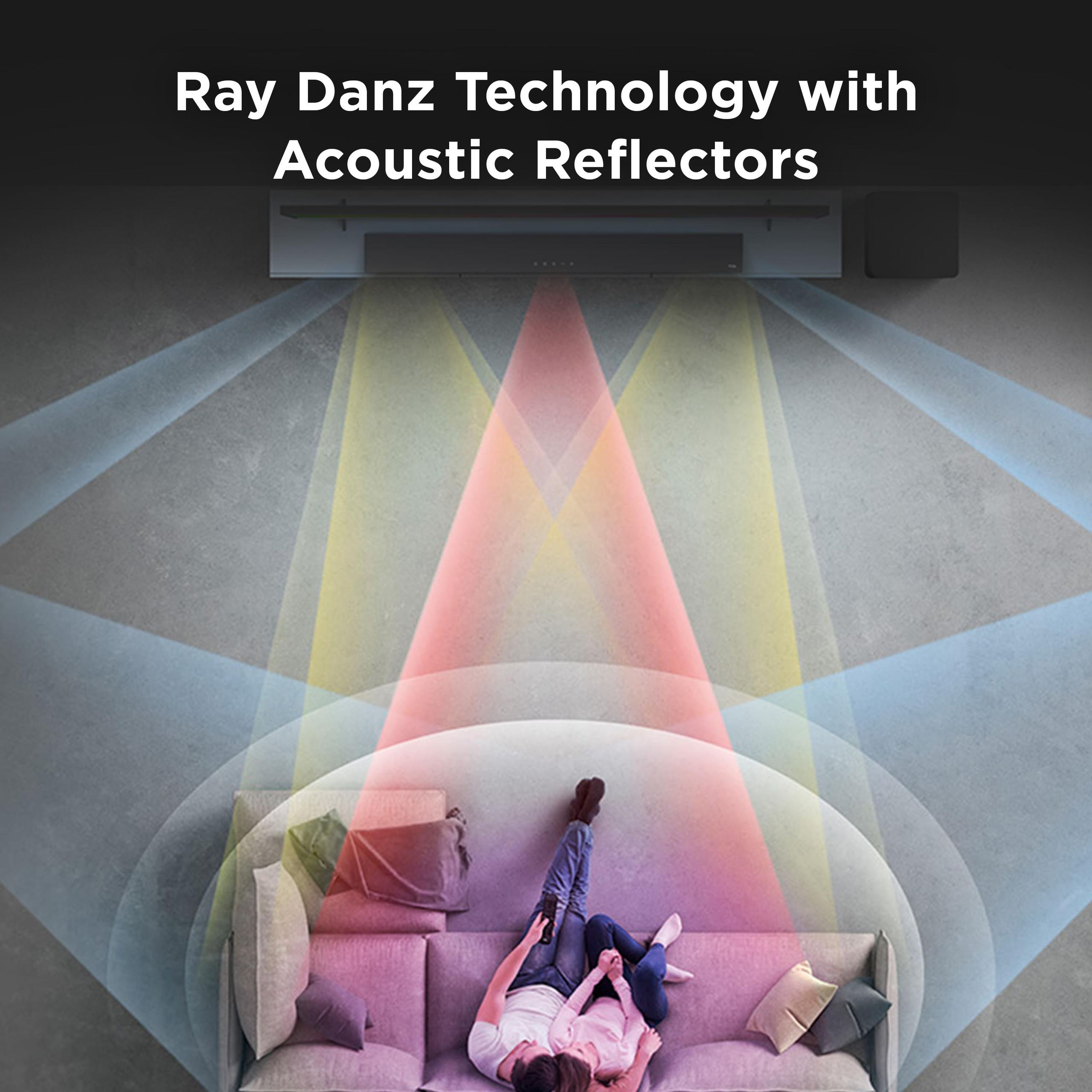
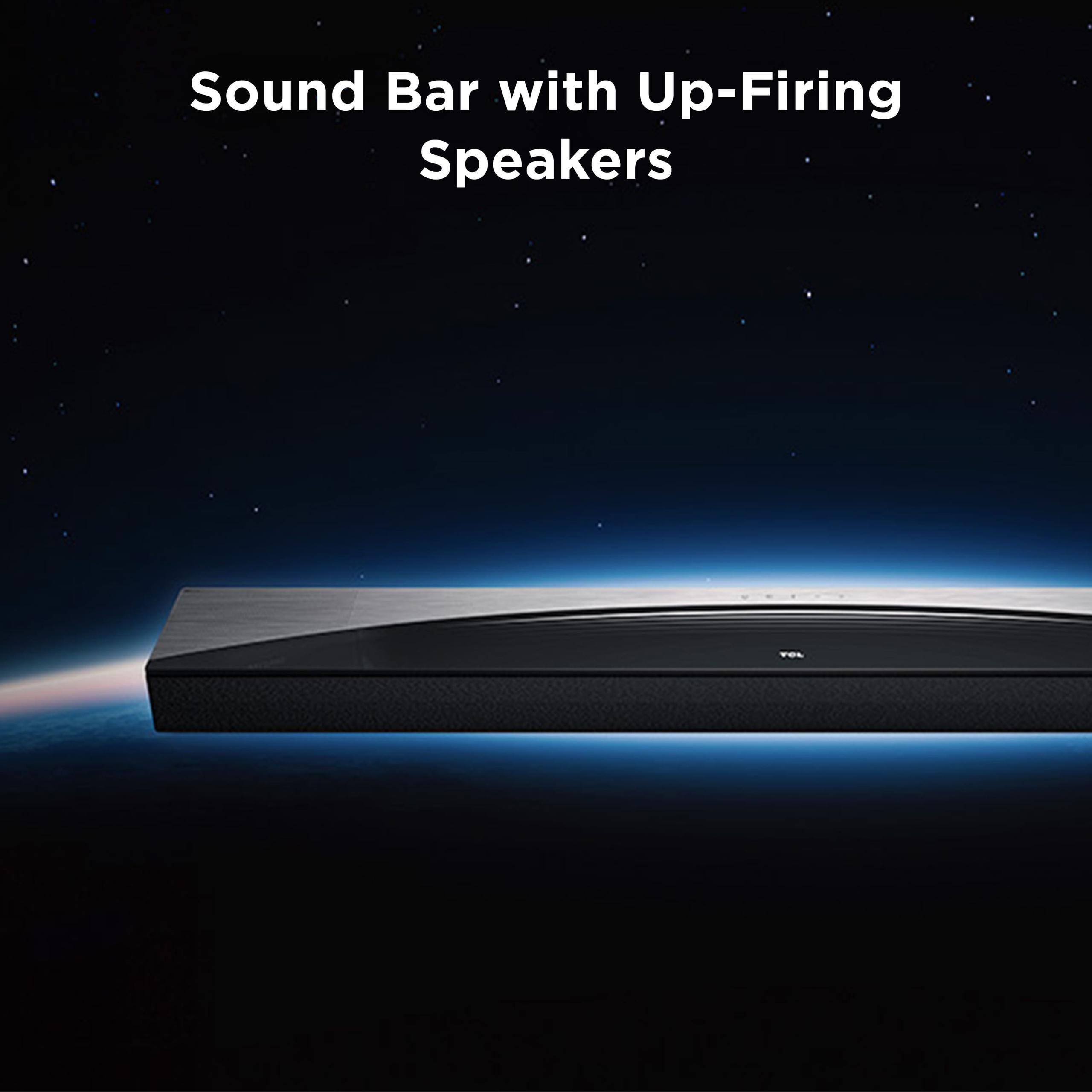
The TCL Q85H simplifies installation significantly with wireless surround speakers and a wireless subwoofer. The system uses what TCL calls "RayDanz Technology with Acoustic Reflectors"—essentially, specially designed speakers that fire sound upward and forward, bouncing audio off your ceiling to create the illusion of overhead effects. It's elegant and less intrusive, but success depends heavily on your room's acoustics.
Room shape, ceiling height, and even furniture placement affect how well these reflected sounds work. High ceilings, irregular shapes, or heavy acoustic dampening (think lots of carpet and furniture) can diminish the effect. The Aura A40 cares less about your room's acoustic properties since it's placing actual speakers where sound should originate.
Let's talk about what really matters: how these systems sound in practice.
The Ultimea Aura A40 delivers 330W of peak power across its eight speakers, with a frequency response spanning 65Hz to 18kHz. That 65Hz low-end means it relies heavily on its 4-inch subwoofer for bass—anything below that frequency range starts dropping off. Our research into user and expert consensus reveals some important character traits: dialogue clarity is solid, surround effects are convincing when speakers are positioned well, but music reproduction can sound somewhat "tinny, boxy, and metallic" compared to higher-end audio equipment.
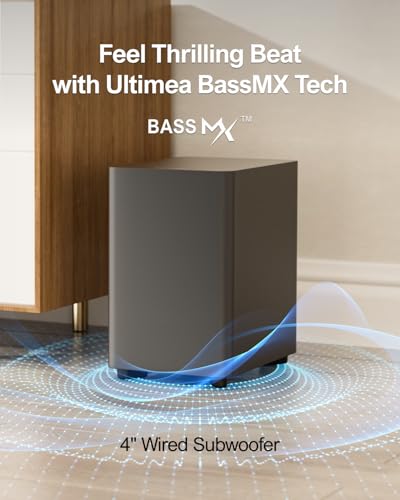
The bass, while present and powered by what Ultimea calls "BassMX technology," tends toward the loose and flabby side rather than tight and punchy. Users report needing to maximize subwoofer levels and boost surround settings to achieve satisfactory performance. However, there's plenty of headroom for loud volumes without distortion, and the surround effect is genuinely immersive when everything is set up correctly.
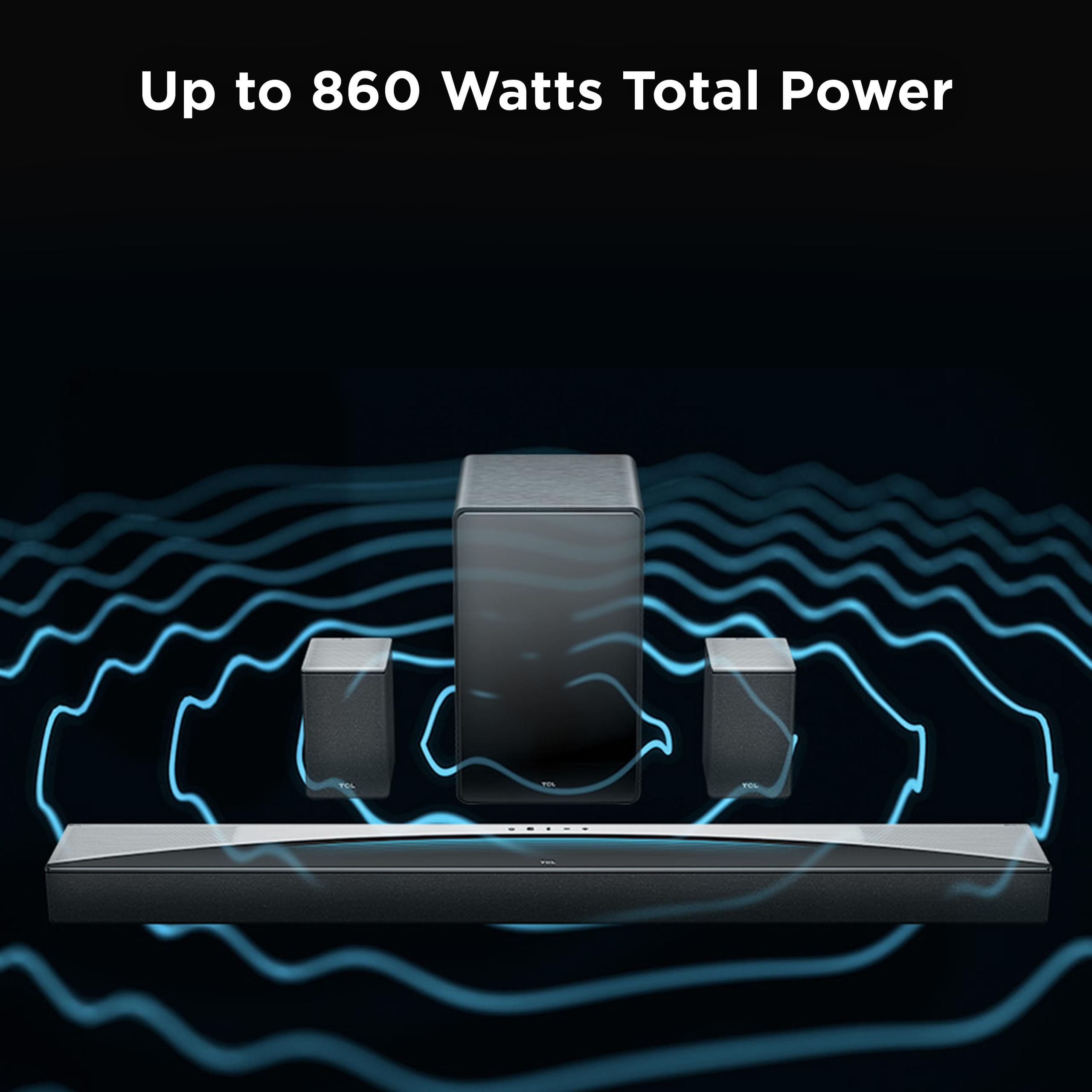
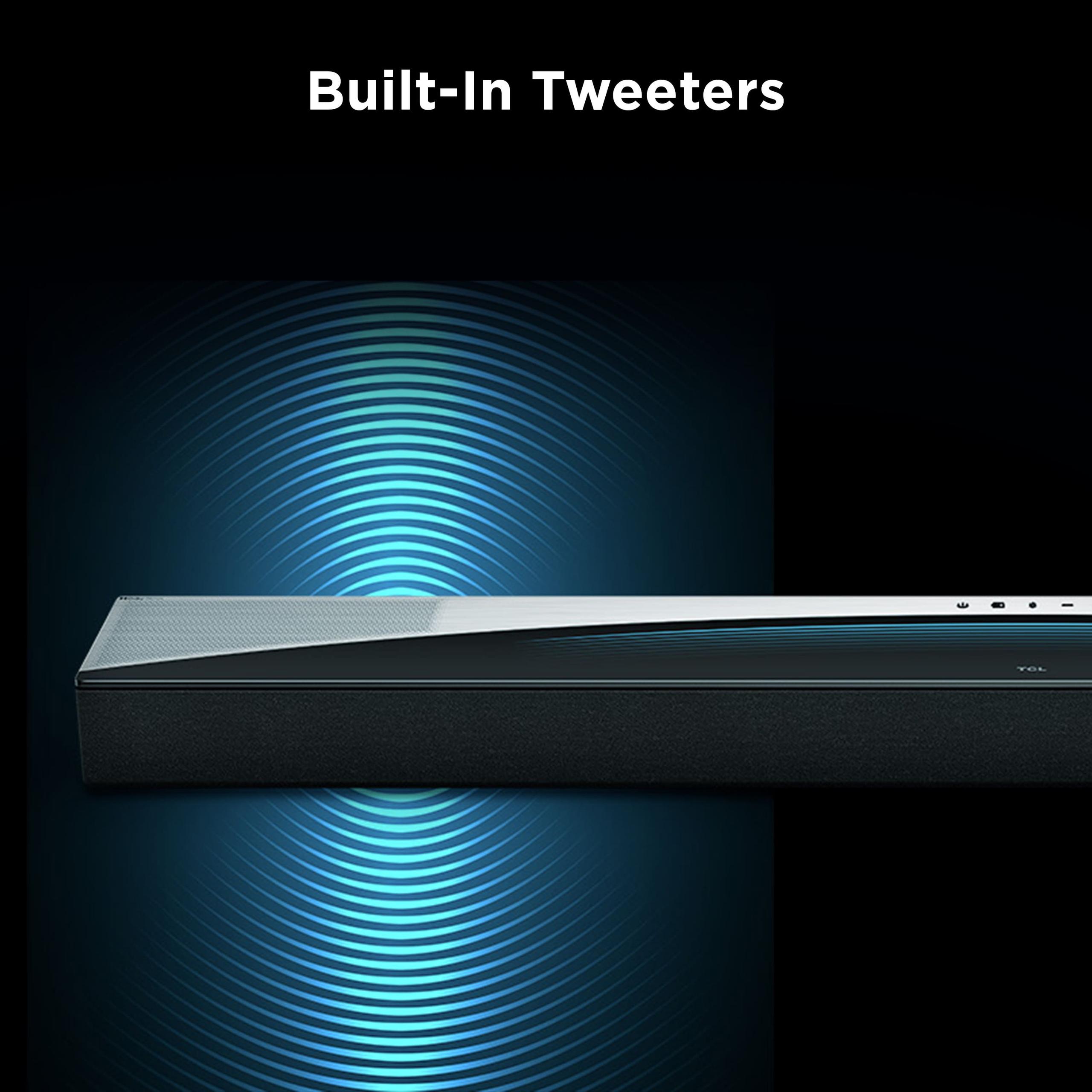
The TCL Q85H brings significantly more firepower with 860W spread across 15 total speakers, including dedicated tweeters for high-frequency detail. The 6.5-inch wireless subwoofer should theoretically provide deeper, more controlled bass than the Aura A40's smaller driver. Customer feedback consistently highlights "crystal-clear audio," "amazing sound," and particularly impressive bass response.
More importantly, the Q85H's built-in tweeters and higher power rating suggest better dynamic range—the difference between quiet dialogue and explosive action sequences. This matters enormously for movies where you want to hear whispered conversations without the explosions blowing out your eardrums.
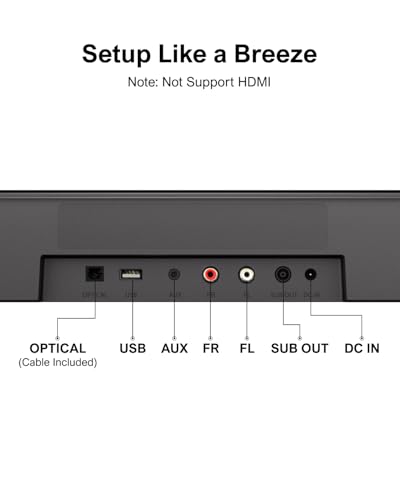
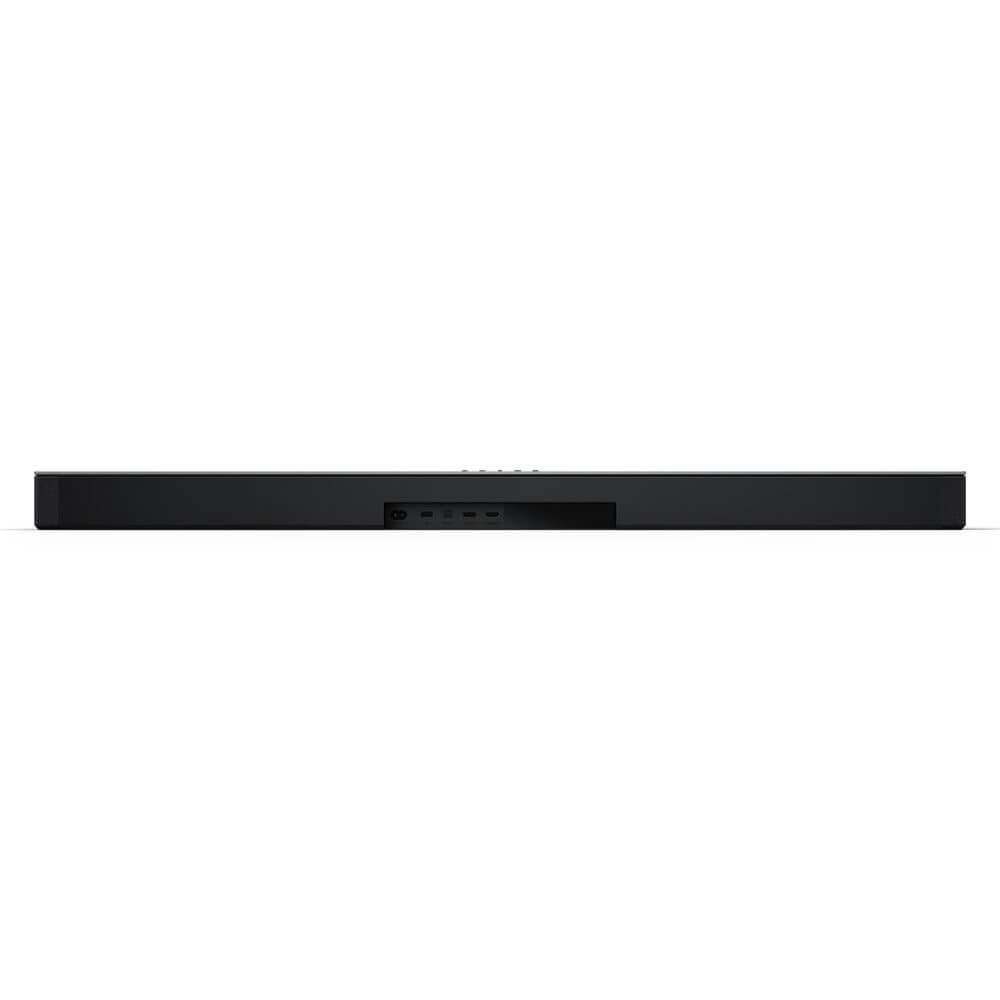
Here's where we encounter the Aura A40's biggest limitation: no HDMI connectivity whatsoever. In 2024, this is like buying a smartphone without internet access. The system relies on optical digital audio, AUX input, USB, and Bluetooth 5.3 connections. While these work, they severely limit compatibility with modern devices and prevent access to advanced audio formats.
No HDMI means no Dolby Atmos, no DTS:X, and no high-resolution audio passthrough from streaming devices, game consoles, or 4K Blu-ray players. You're stuck with compressed audio formats and missing out on the spatial audio experiences that modern content provides. For gaming, this is particularly limiting since current-generation consoles output their best audio through HDMI.
The TCL Q85H embraces modern connectivity with HDMI eARC (Enhanced Audio Return Channel) and HDMI 2.1 support. This enables full Dolby Atmos and DTS:X processing, Variable Refresh Rate (VRR) for gaming, and Automatic Low Latency Mode (ALLM) to reduce input lag. It's also "TCL TV Ready" and "Roku TV Ready," meaning seamless integration with these platforms for simplified control.
Beyond HDMI, the Q85H includes Bluetooth 5.1, optical, analog, and USB inputs. This comprehensive connectivity makes it compatible with virtually any source device while supporting the latest audio technologies.
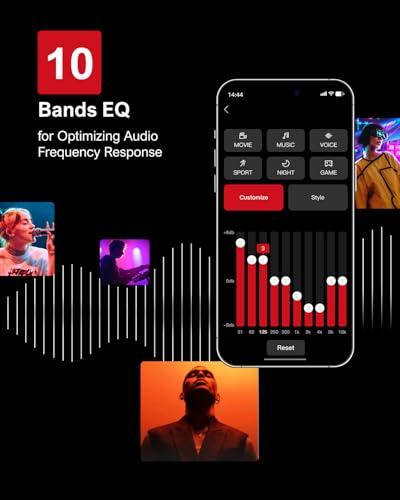
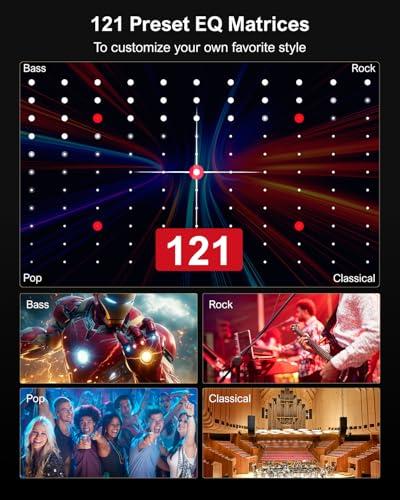
The Ultimea Aura A40 compensates for its connectivity limitations with impressive customization through the Ultimea Smart App. We're talking about 121 preset EQ matrices covering different sonic preferences (Bass, Pop, Classical, Rock), plus six standard EQ modes (Movie, Music, Voice, Sport, Game, Night), and a full 10-band equalizer for manual tuning.
This level of control is genuinely useful. Users can adjust surround levels independently for front and rear speakers (up to 13 different levels), fine-tuning the system for their specific room and preferences. The app also provides over-the-air firmware updates, ensuring the system stays current with improvements and bug fixes.
The TCL Q85H takes a more automated approach with AI Sonic Auto Room Calibration. This technology analyzes your room's acoustics and adjusts the sound accordingly—think of it as the system listening to itself and making corrections for optimal performance regardless of where you're sitting. While it doesn't offer the granular manual control of the Aura A40, this approach works better for users who want great sound without becoming audio engineers.
For gaming, the TCL Q85H has a clear advantage thanks to HDMI 2.1 support. Modern consoles like PlayStation 5 and Xbox Series X output advanced audio formats and benefit from VRR and ALLM features for smoother gameplay. Dolby Atmos in games creates genuinely helpful directional audio—hearing footsteps above you in a multi-level shooter or environmental audio that helps with spatial awareness.
The Ultimea Aura A40 can still provide good gaming audio through optical connection, and its physical surround speakers do create convincing directional effects. However, you're limited to older audio formats and missing the low-latency features that enhance competitive gaming.
For movies and TV, both systems excel at different things. The Q85H shines with modern content that includes Dolby Atmos soundtracks—think Marvel movies, nature documentaries, or anything produced recently for streaming services. The overhead effects and AI room calibration create an impressive "you're in the middle of the action" experience.
The Aura A40 performs best with traditional 5.1 or 7.1 content, where its physical speakers can properly reproduce the original sound design. It's particularly effective for dialogue-heavy content, though the extensive EQ options let you tune it for different genres.
Room size and layout significantly impact both systems, but in different ways. The Ultimea Aura A40 works best in spaces between 108-270 square feet where you can properly position four surround speakers. Smaller rooms might feel cramped with additional speakers, while larger rooms might expose the system's power limitations.
The TCL Q85H adapts more flexibly to various room sizes thanks to wireless speakers and ceiling reflection technology. However, rooms with very high ceilings, unusual shapes, or heavy acoustic dampening can diminish the Atmos effect. Standard 8-10 foot ceilings with relatively parallel walls work best for the reflected sound approach.
In my experience with similar systems, room acoustics matter more than you might expect. Hard surfaces like hardwood floors and bare walls enhance reflections for Atmos systems, while carpet and fabric furniture absorb sound energy. The Aura A40's physical speakers are less affected by these variables since they're creating direct sound paths.
At the time of writing, you're looking at a significant price difference between these systems, with the TCL Q85H commanding a substantial premium over the Ultimea Aura A40. This price gap reflects not just features, but fundamental approaches to audio reproduction.
The Aura A40 represents excellent value for users who want genuine surround sound without premium pricing, don't need modern connectivity, and enjoy tweaking audio settings. It's particularly appealing for smaller budgets or situations where HDMI connectivity isn't crucial.
The Q85H's higher price buys you modern connectivity, advanced audio processing, superior build quality, and future-proofing for evolving media formats. Given the rapid pace of streaming technology advancement, this investment makes more sense for users planning to keep their system for several years.
Choose the Ultimea Aura A40 if you're working with a tighter budget, have a suitable room for physical speaker placement, enjoy extensive audio customization, and primarily watch older content or don't need cutting-edge audio formats. It's also ideal if you're skeptical of virtual surround technology and prefer the authenticity of discrete speakers.
The TCL Q85H makes more sense for users who want modern Dolby Atmos support, need HDMI connectivity for current devices, prefer automated setup over manual tweaking, and have challenging room layouts that make physical surround speakers impractical. It's particularly compelling for gaming enthusiasts and users who frequently watch recent movies or stream content with advanced audio tracks.
Looking at the broader picture, 2024's soundbar market shows manufacturers increasingly dividing into these two camps: authentic surround with physical speakers versus virtual processing with height channels. The Q85H represents the future direction of the industry, with better connectivity and processing power. The Aura A40 appeals to users who prioritize traditional surround sound principles and extensive customization over modern convenience features.
Both systems will dramatically improve your TV's audio, but they achieve that improvement through fundamentally different philosophies. Your choice ultimately depends on your budget, room constraints, content preferences, and whether you value authentic speaker placement or modern virtual processing more highly.
| Ultimea Aura A40 7.1 Channel Soundbar System | TCL Q85H Q Class 7.1.4 Channel Sound Bar System |
|---|---|
| Channel Configuration - Determines surround sound immersion and compatibility with modern content | |
| 7.1 channels with physical surround speakers | 7.1.4 channels with Dolby Atmos height effects |
| Total Power Output - Affects maximum volume and dynamic range | |
| 330W peak power | 860W total power |
| Speaker Count and Setup - Impacts installation complexity and sound authenticity | |
| 8 speakers total: 4 physical surround speakers + soundbar + subwoofer | 15 speakers total with wireless surround speakers and up-firing drivers |
| HDMI Connectivity - Essential for modern devices and advanced audio formats | |
| No HDMI (optical, AUX, USB, Bluetooth only) | HDMI eARC/2.1 with VRR and ALLM support |
| Dolby Atmos Support - Critical for modern movie and gaming audio | |
| Not supported (lacks HDMI connectivity) | Full Dolby Atmos and DTS:X processing |
| Subwoofer Specifications - Determines bass depth and placement flexibility | |
| 4-inch wired subwoofer, 65Hz frequency response | 6.5-inch wireless subwoofer with better placement options |
| Room Calibration - Affects ease of setup and optimal performance | |
| Manual EQ with 121 presets and 10-band adjustment | AI Sonic Auto Room Calibration for automatic optimization |
| Surround Speaker Connection - Impacts installation and cable management | |
| Mostly wired (2m front, 6m rear cables) with one wireless rear | Fully wireless surround speakers |
| Smart App Features - Determines customization depth and ongoing updates | |
| Ultimea Aura A40: Extensive manual control with OTA updates | TCL Q85H: Automated optimization with TCL integration |
| Gaming Performance - Important for console and PC gaming | |
| Limited to optical audio, no advanced gaming features | HDMI 2.1 with VRR/ALLM, optimized for current-gen consoles |
| Value Proposition - Cost vs features and future-proofing | |
| Budget-friendly authentic surround sound with extensive customization | Premium pricing for modern connectivity and automated convenience |
The TCL Q85H Q Class 7.1.4 Channel Sound Bar System is better for modern home theater setups due to its Dolby Atmos support, HDMI eARC connectivity, and 860W power output. The Ultimea Aura A40 7.1 Channel Soundbar System offers authentic surround sound with physical speakers but lacks HDMI connectivity and modern audio format support that most home theater enthusiasts need.
The Ultimea Aura A40 uses 7.1 channels for traditional horizontal surround sound with physical speakers placed around your room. The TCL Q85H features 7.1.4 channels, where the additional ".4" represents four height channels that create overhead audio effects for Dolby Atmos content, providing three-dimensional sound that moves above and around you.
No, only the TCL Q85H Q Class supports Dolby Atmos and DTS:X processing through its HDMI connectivity and height channels. The Ultimea Aura A40 cannot support Dolby Atmos because it lacks HDMI connectivity, limiting it to older audio formats through optical and Bluetooth connections.
The TCL Q85H has superior bass with its 6.5-inch wireless subwoofer compared to the Ultimea Aura A40's 4-inch wired subwoofer. The larger driver and wireless design of the Q85H provide deeper bass response and better placement flexibility for optimal room acoustics.
The TCL Q85H Q Class features fully wireless surround speakers for easy placement. The Ultimea Aura A40 uses mostly wired connections with 2-meter front cables and 6-meter rear cables, though one rear speaker can connect wirelessly to reduce cable clutter.
The TCL Q85H is easier to set up with wireless speakers, AI Sonic auto room calibration, and simple HDMI eARC connection. The Ultimea Aura A40 requires running multiple cables around your room and manual positioning of four surround speakers, though it offers more customization once installed.
The TCL Q85H Q Class 7.1.4 is ideal for gaming with HDMI 2.1 support, VRR (Variable Refresh Rate), and ALLM (Auto Low Latency Mode) for PlayStation 5 and Xbox Series X. The Ultimea Aura A40 can connect to consoles through optical audio but lacks advanced gaming features and modern audio format support.
The Ultimea Aura A40 provides extensive customization with 121 EQ presets, 10-band manual equalizer, and adjustable surround levels through the Ultimea Smart App. The TCL Q85H focuses on automated optimization with AI room calibration and standard EQ modes rather than granular manual control.
The Ultimea Aura A40 7.1 Channel includes 8 total speakers: 3 in the main bar, 4 separate surround speakers, and 1 subwoofer. The TCL Q85H Q Class features 15 speakers total across the soundbar, wireless surrounds, and subwoofer, including dedicated tweeters and up-firing drivers for height effects.
Neither system excels at music reproduction, but the TCL Q85H generally performs better due to its dedicated tweeters, higher power output, and better build quality. The Ultimea Aura A40 has been noted to sound "tinny and metallic" for music, though its extensive EQ options allow for some improvement through manual tuning.
The TCL Q85H Q Class 7.1.4 is designed for smart TV integration with TCL TV Ready and Roku TV Ready features, allowing control through your TV remote. The Ultimea Aura A40 has limited TV integration due to its lack of HDMI connectivity, requiring separate remote control and manual input switching.
The Ultimea Aura A40 offers better value for budget-conscious buyers who want authentic surround sound with physical speakers and don't need modern connectivity. The TCL Q85H Q Class provides better long-term value for users who want future-proof features, Dolby Atmos support, and seamless integration with modern devices, justifying its higher price point.
We've done our best to create useful and informative comparisons to help you decide what product to buy. Our research uses advanced automated methods to create this comparison and perfection is not possible - please contact us for corrections or questions. These are the sites we've researched in the creation of this article: youtube.com - walmart.com - youtube.com - ultimea.com - homestudiobasics.com - ultimea.co - youtube.com - eu.ultimea.com - walmart.com - device.report - bestbuy.com - manuals.plus - community.ultimea.com - judge.me - support.ultimea.com - geekmaxi.com - provantage.com - bestbuy.com - youtube.com - uk.whatgeek.com - gamerant.com - bestbuy.com - tcl.com - bestbuy.com - tcl.com - tcl.com - nfm.com - tcl.com - electronicexpress.com - tcl.com - tcl.com - digitaltrends.com

Privacy Policy
Terms and Conditions - Affiliate Policy
Home Security
© Copyright 2008-2026.
11816 Inwood Rd #1211, Dallas, TX 75244