

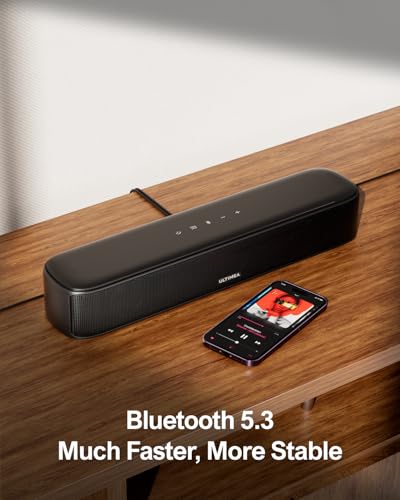
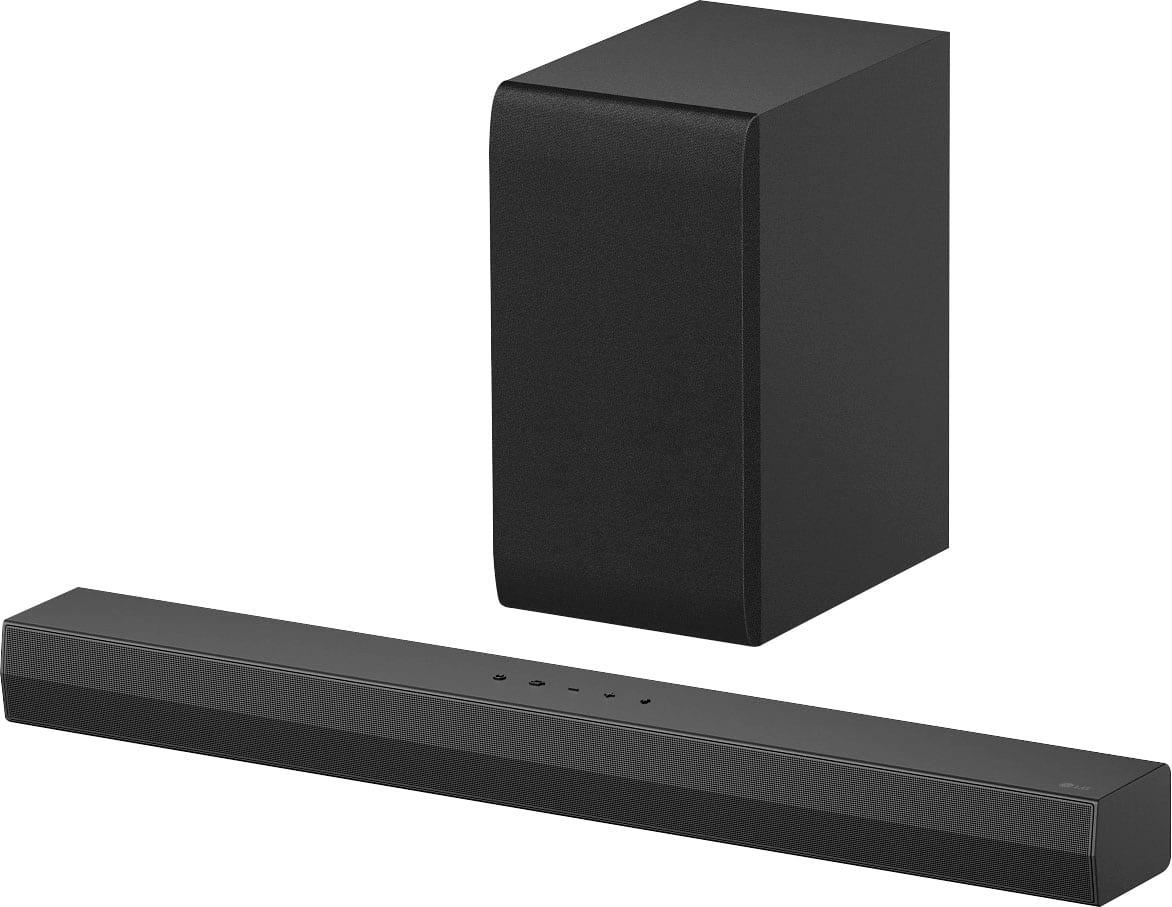
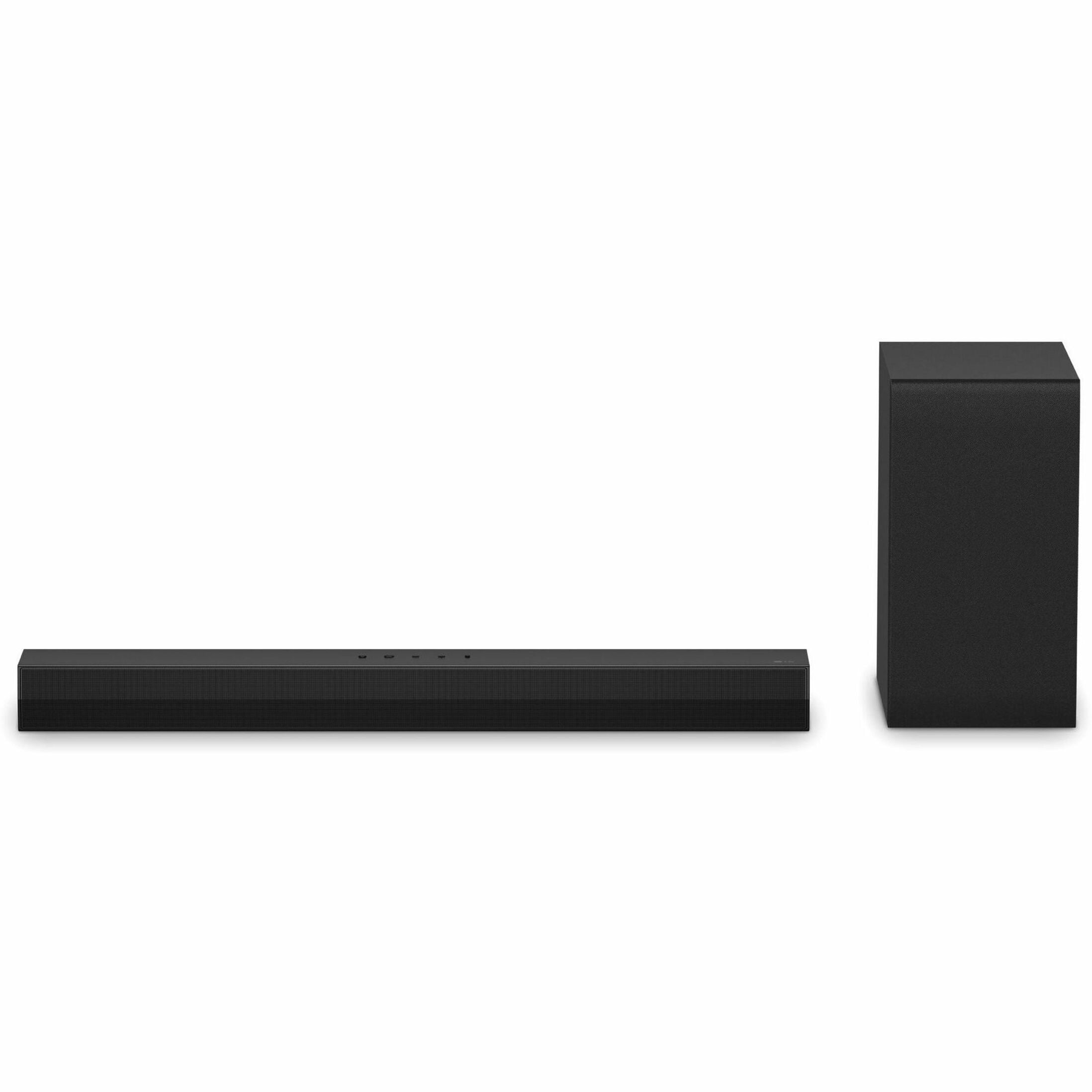
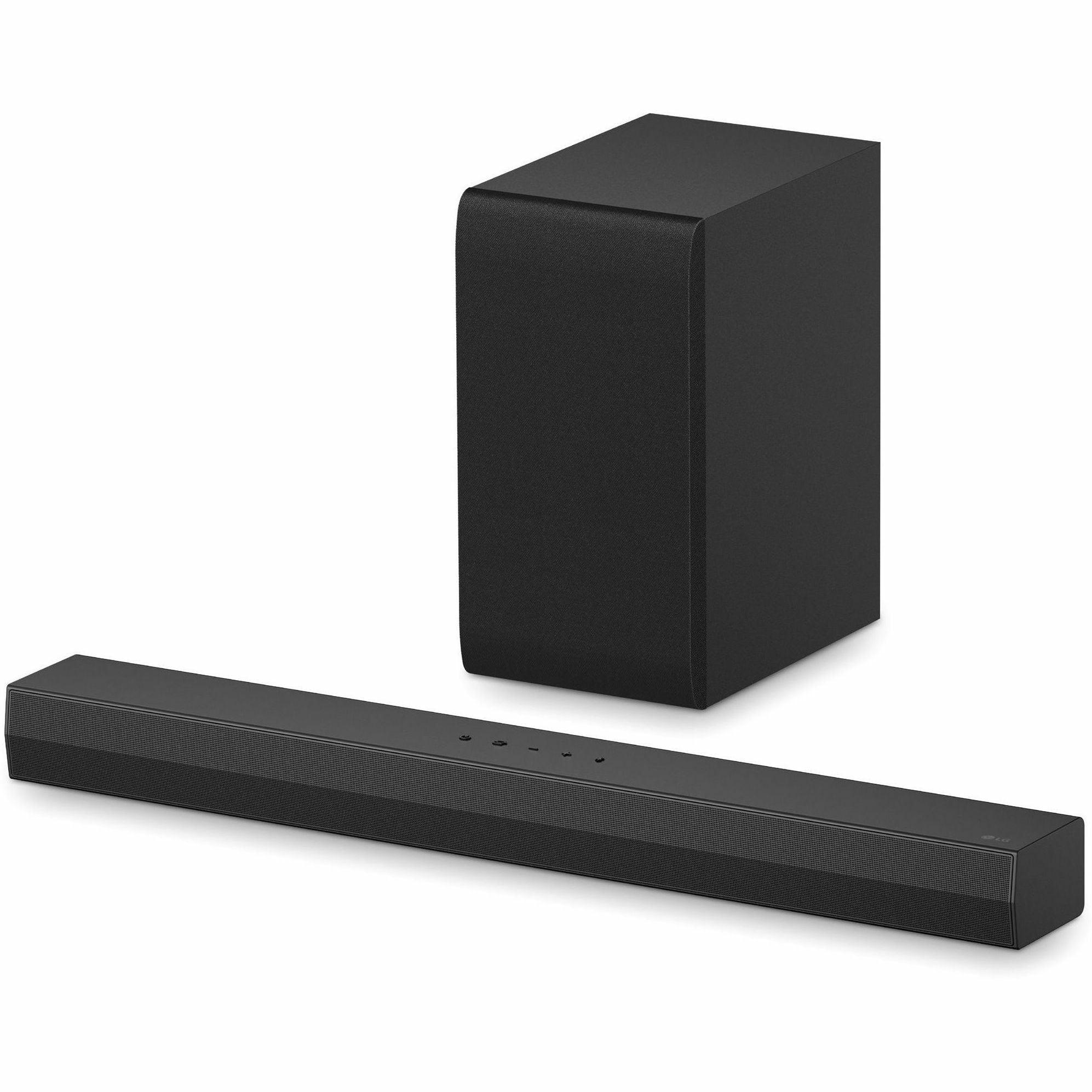
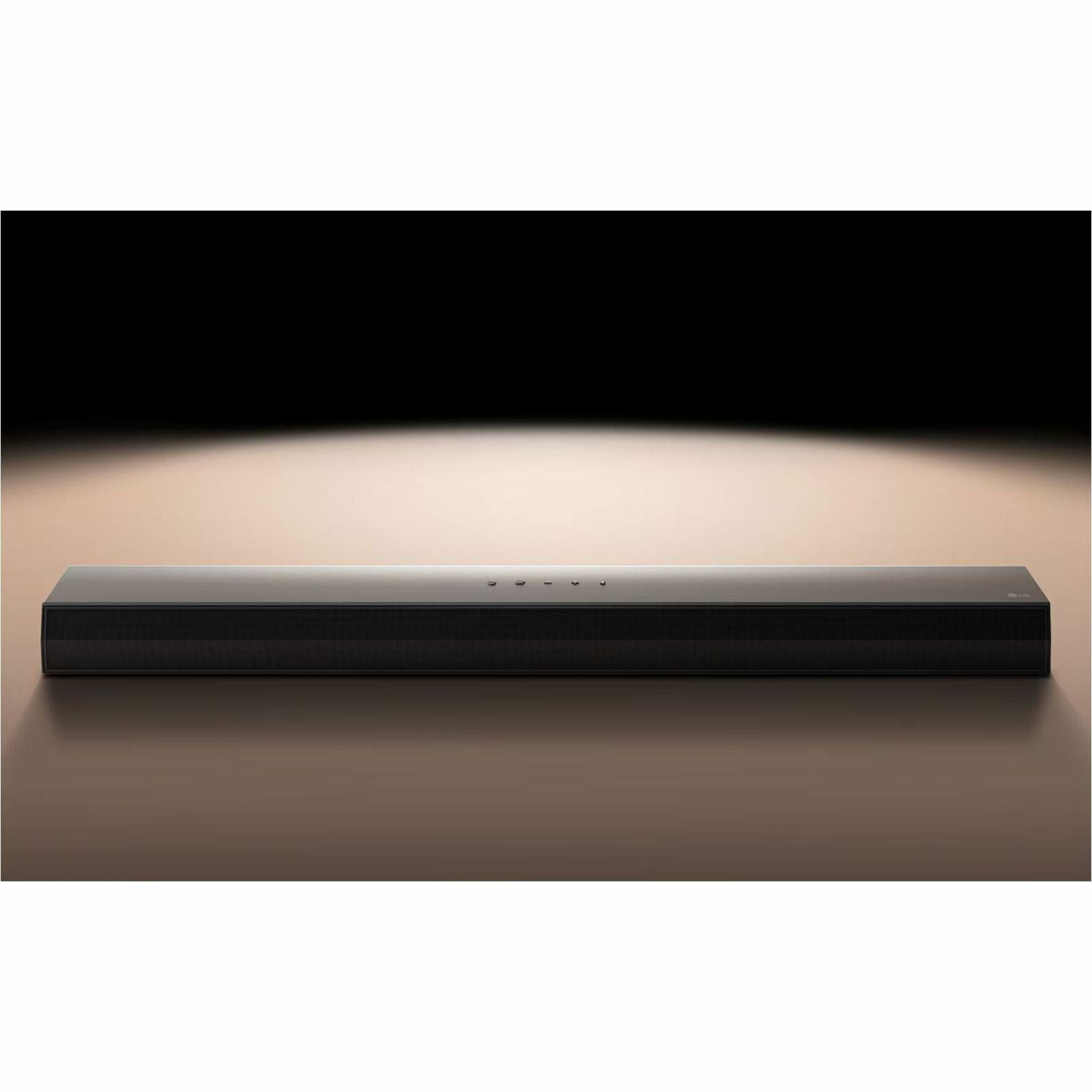

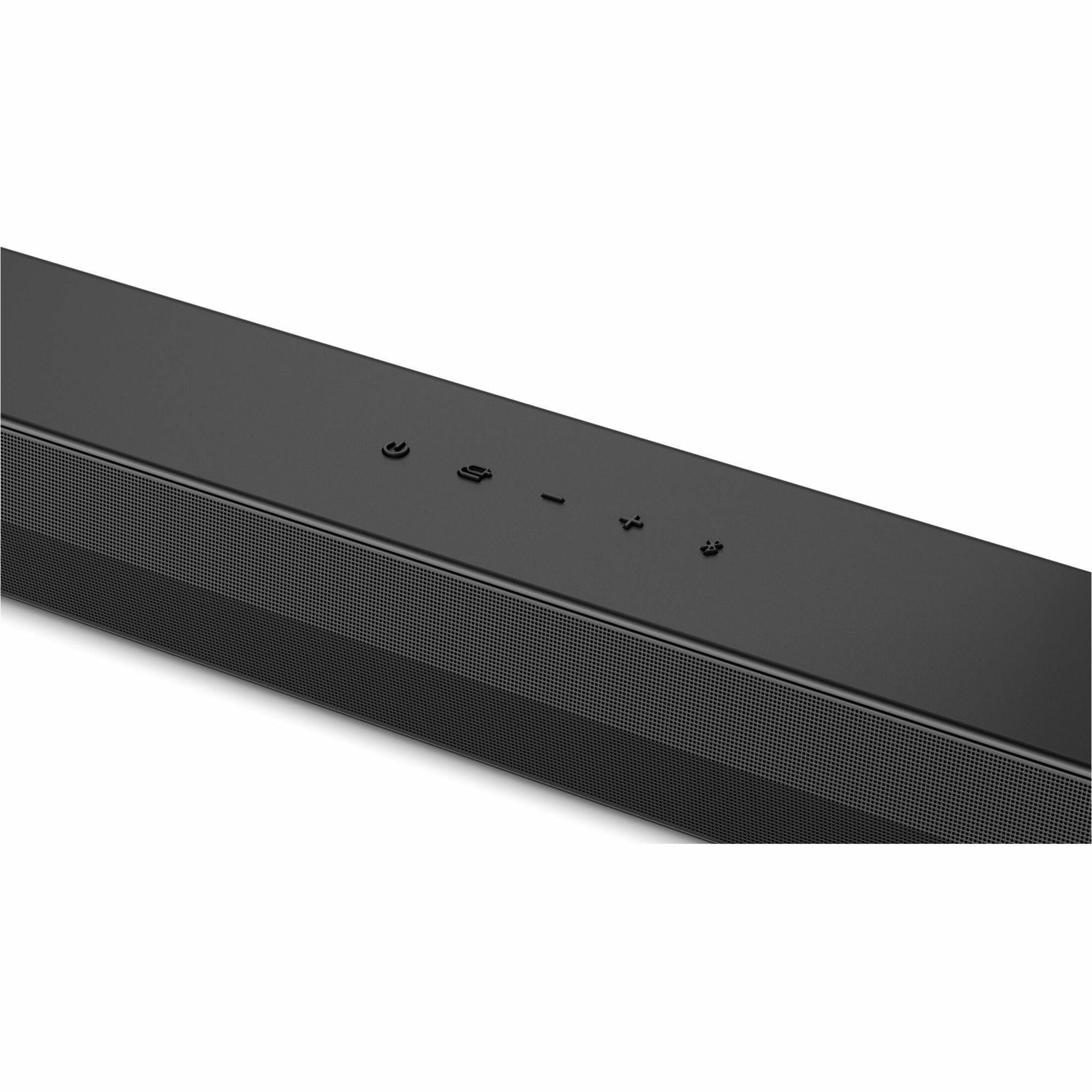

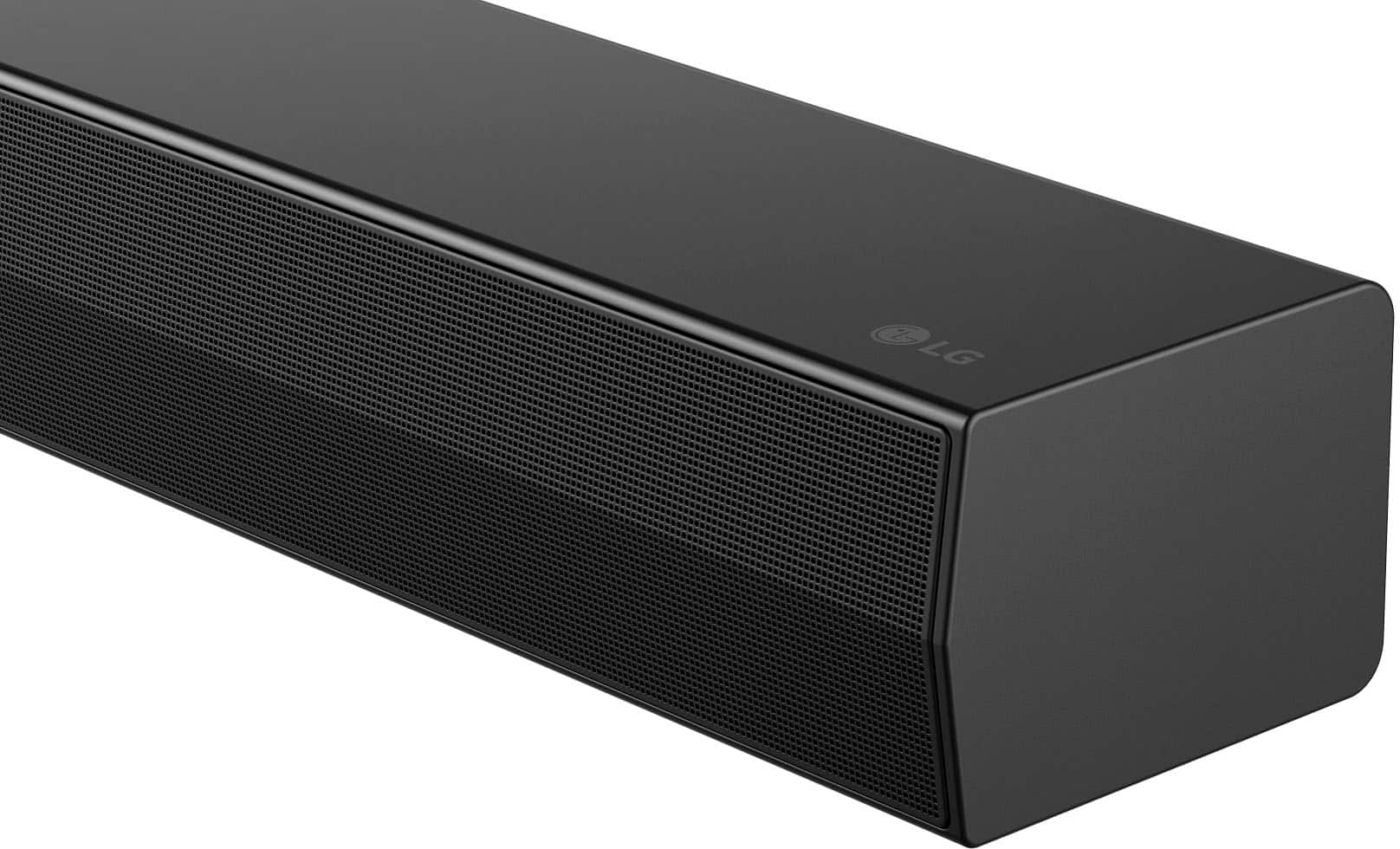
When you're trying to improve your TV's audio, you'll quickly discover that not all soundbars are created equal. Some focus on simplicity and convenience, while others prioritize creating an immersive, theater-like experience. The Ultimea Aura A40 and LG S40T represent these two fundamentally different philosophies, and understanding their approaches will help you make the right choice for your home.
Before diving into these specific models, it's crucial to understand what "2.1" and "7.1" actually mean in audio terms. The first number represents the main audio channels—these handle different frequency ranges and spatial positions. The second number refers to subwoofers, which are specialized speakers that only reproduce low-frequency sounds (bass).
A 2.1 system like the LG S40T uses two main channels (left and right stereo) plus one subwoofer. This creates enhanced stereo sound with deeper bass than your TV's built-in speakers can produce. Think of it as a significant upgrade that maintains simplicity.
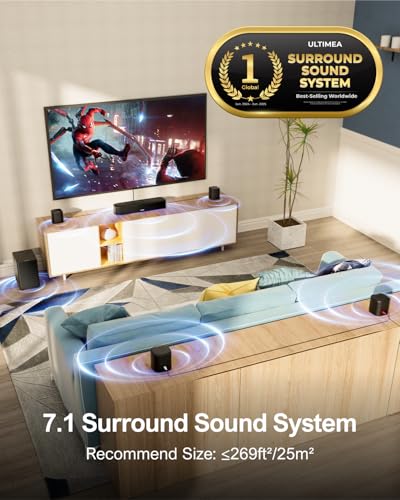
A 7.1 system like the Ultimea Aura A40 uses seven distinct channels: front left, front center, front right, side left, side right, rear left, and rear right, plus one subwoofer. This configuration can place sounds in specific locations around you, creating what audio engineers call "positional audio." When a helicopter flies overhead in a movie, you'll hear it move from front to back. When footsteps approach from behind in a video game, they'll actually sound like they're behind you.
The Ultimea Aura A40 represents something relatively new in the audio world. Released in 2024, it brings genuine multi-channel surround sound to a price point that was previously dominated by simple stereo systems. This timing is significant because it coincides with the growing popularity of large-screen TVs and sophisticated streaming content that benefits from immersive audio.
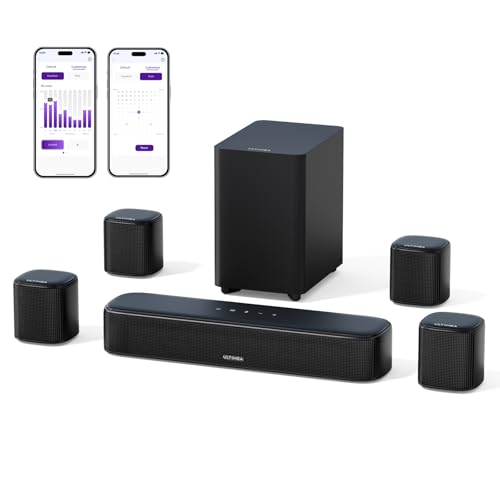
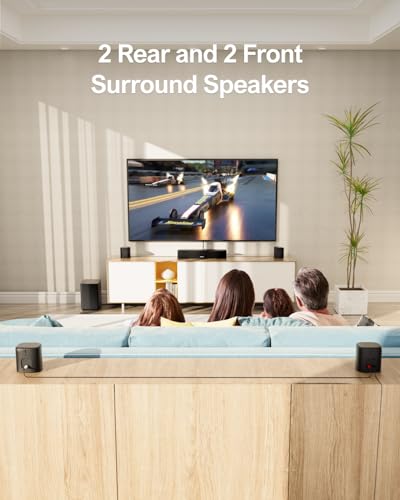
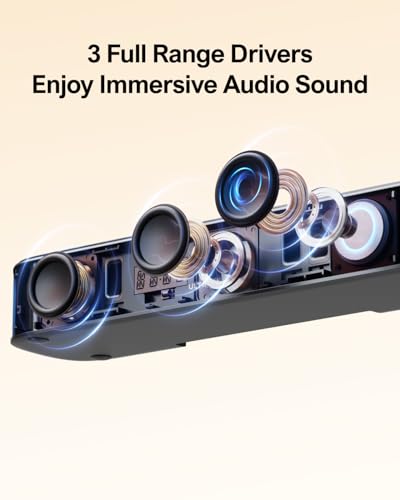
What makes the Aura A40 unique is its physical speaker configuration. Instead of trying to create surround effects through digital processing alone, it includes four separate surround speakers that you position around your room. The main soundbar houses three speakers for the front channels, while the four surround speakers handle the side and rear audio. An additional wired subwoofer manages the low-frequency effects.
This approach requires more setup effort than a simple soundbar, but the payoff is substantial. Based on our research into user reviews and professional evaluations, the spatial audio experience is remarkably convincing. Users consistently report being able to locate sounds in three-dimensional space, whether it's rain falling around them or enemies approaching from specific directions in games.
The system's SurroundX technology deserves special attention. This proprietary processing coordinates all eight speakers to create what Ultimea claims is 99.99% detail accuracy in sound placement. While that specific percentage might be marketing speak, the consensus from reviews suggests the positioning effects are notably more precise than most systems in this category.
The LG S40T, also from 2024, takes the opposite approach. Rather than overwhelming users with multiple speakers and complex setup, LG focused on perfecting a simple 2.1 configuration with smart features that make integration effortless.
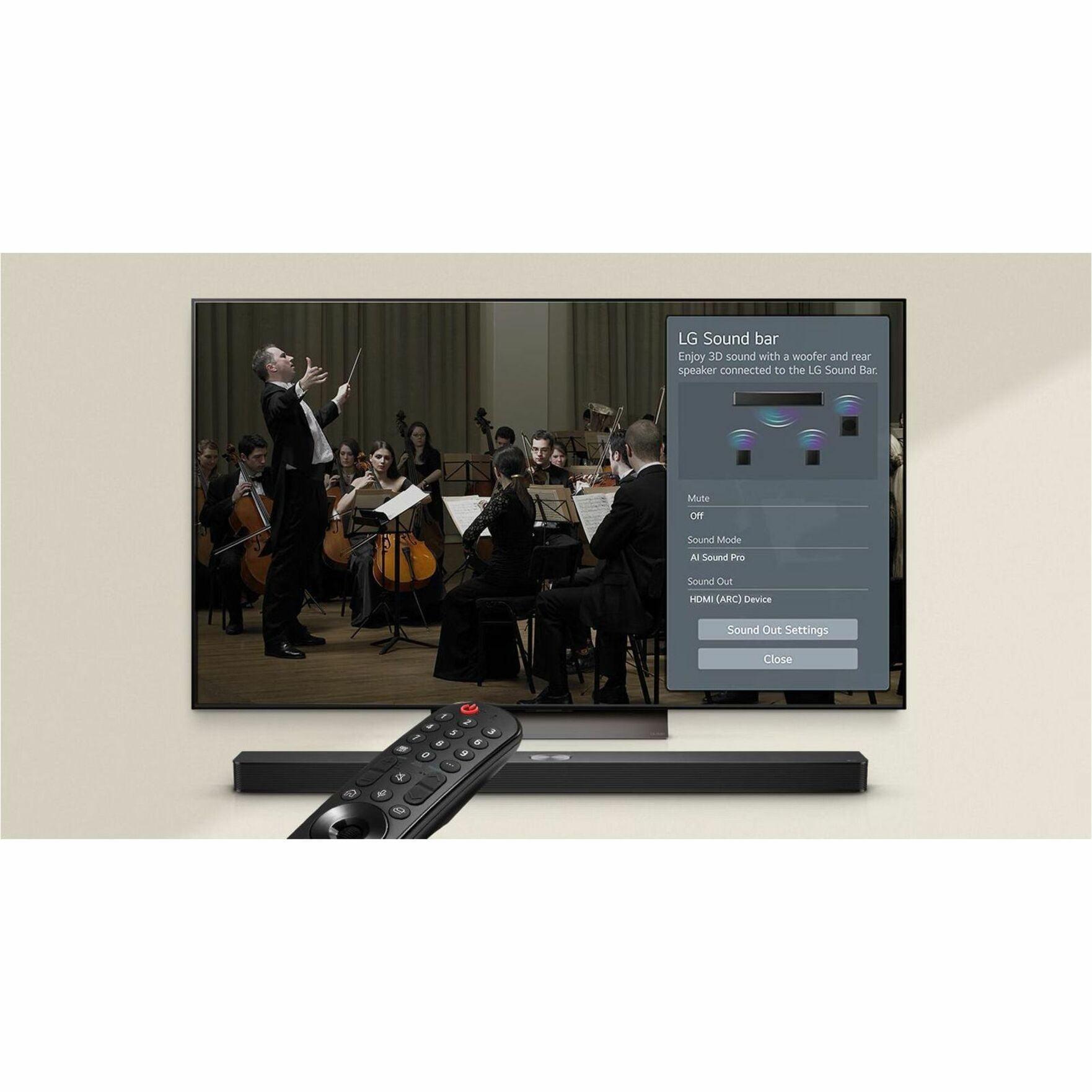
What sets the S40T apart from generic 2.1 systems is its intelligent processing. The AI Sound Pro feature analyzes whatever you're watching and automatically adjusts the audio profile. Watching the news? It emphasizes dialogue clarity. Action movie? It opens up the dynamic range for more impact. This automatic optimization removes the guesswork that can frustrate casual users.
The Clear Voice Plus technology is particularly noteworthy for anyone who struggles with dialogue clarity—a common complaint about modern TV shows and movies. This AI-powered feature isolates vocal frequencies and enhances them without making the overall sound harsh or artificial. Based on user feedback we've analyzed, this feature consistently delivers on its promise of clearer speech.
The performance difference in spatial audio between these systems is dramatic. The Aura A40 creates a genuine 360-degree sound field because it has physical speakers positioned around your listening area. This isn't just theoretical—users report hearing subtle environmental details they've never noticed before, like leaves rustling in specific locations or the spatial movement of vehicles in action scenes.
The LG S40T, despite supporting Dolby Digital and DTS processing, can only create virtual surround effects. These digital algorithms try to trick your brain into perceiving directional audio using just the front-facing speakers. While this technology has improved significantly over the years, it simply cannot match the physical reality of sounds actually coming from behind you.
However, this limitation matters more for some content than others. For most TV shows, news, and even many movies, the enhanced stereo presentation of the S40T provides a satisfying upgrade over TV speakers without the complexity of surround setup.
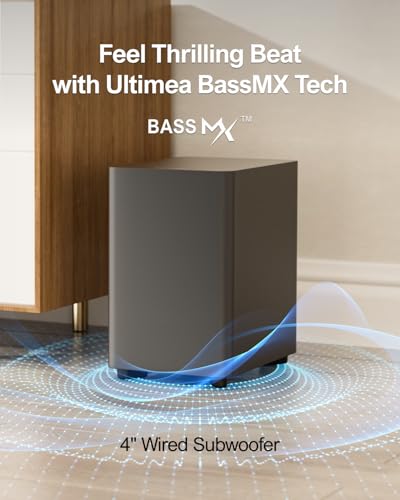
Both systems approach bass reproduction differently, and each has distinct advantages. The Aura A40 uses a wired subwoofer with BassMX technology, which processes low frequencies to maintain clarity while delivering physical impact. Users consistently describe the bass as "punchy" and "room-filling," though some note it can be slightly loose compared to higher-end dedicated subwoofers.
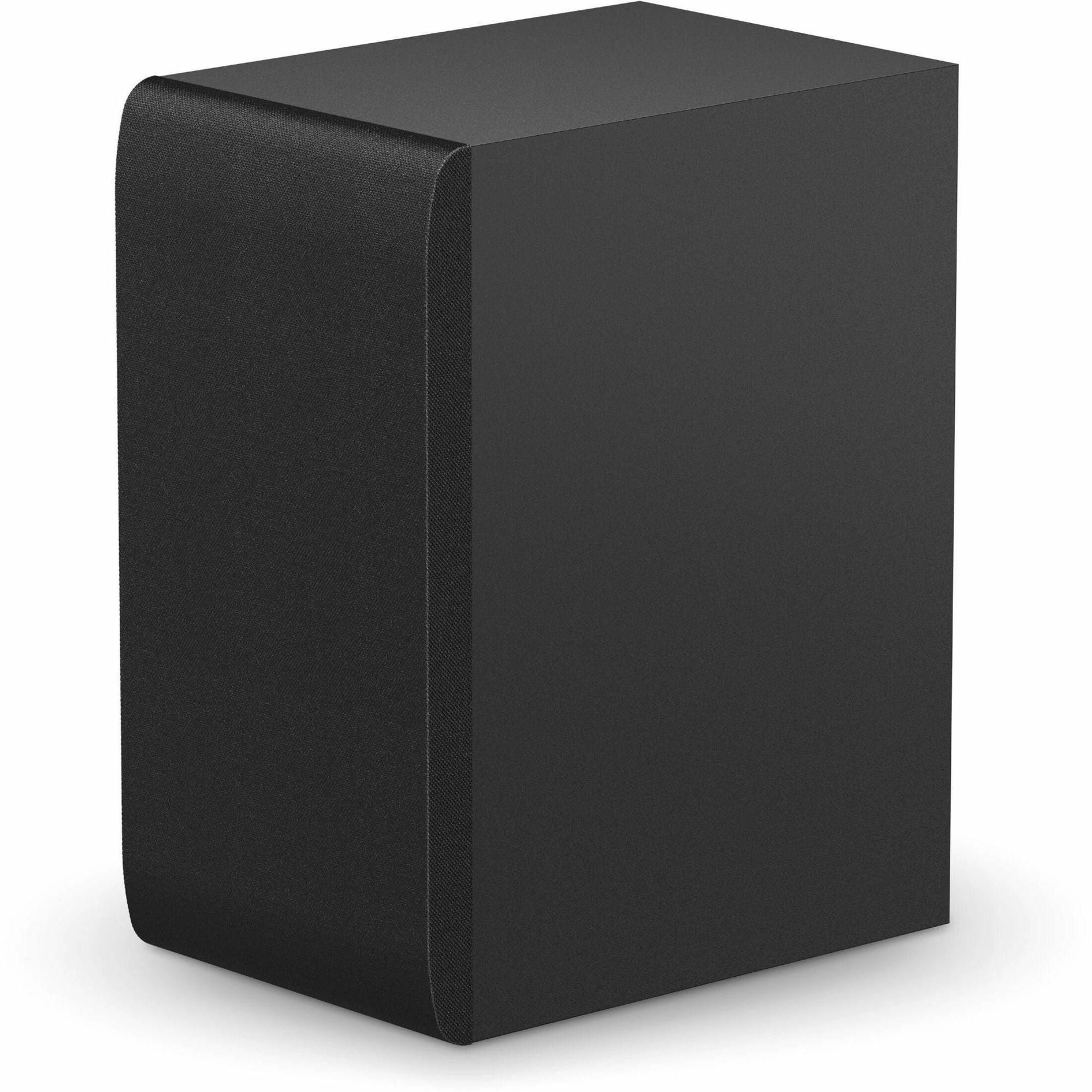
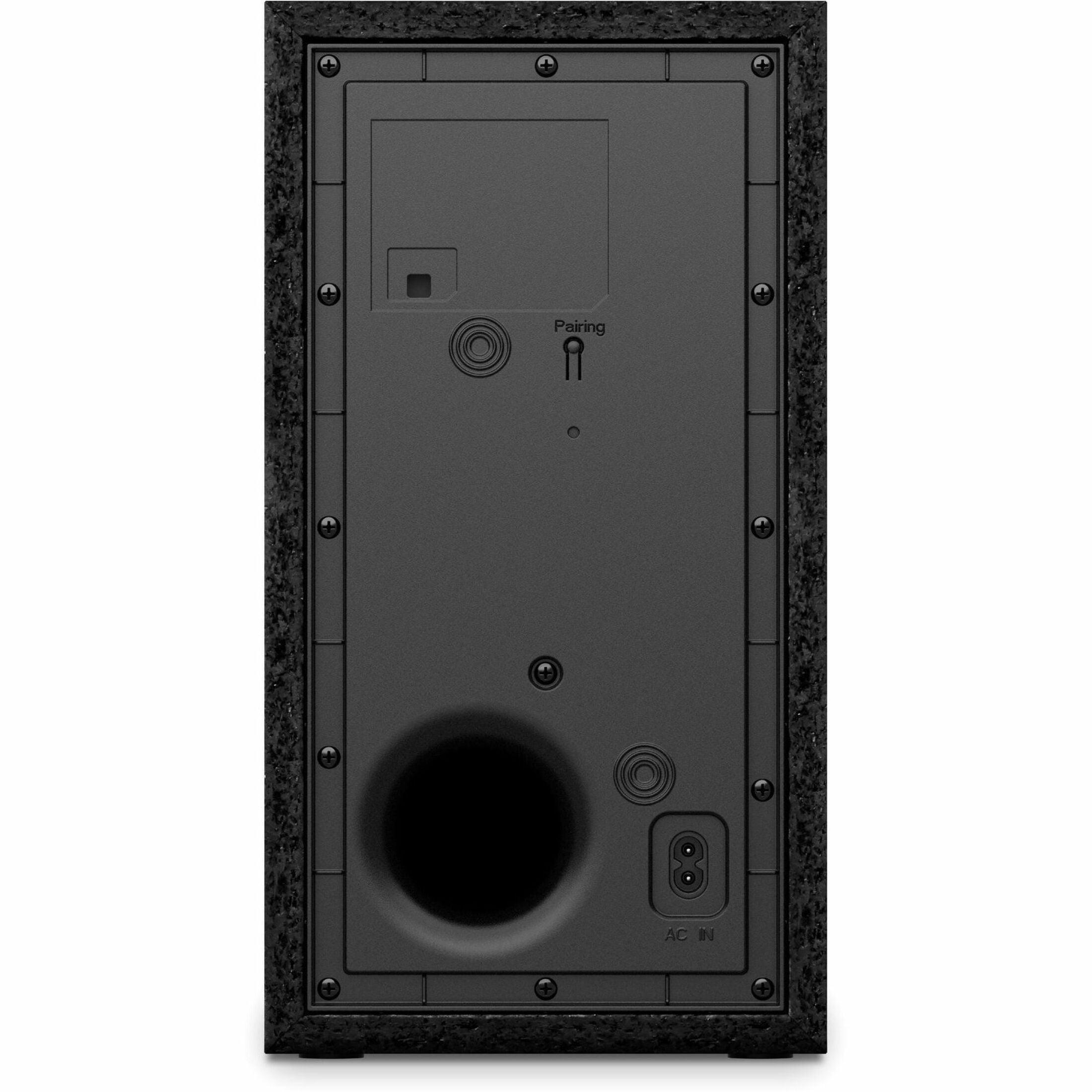
The S40T's wireless subwoofer eliminates the cable management challenge while delivering what users describe as "deep, controlled bass." The wireless connection is particularly valuable in smaller spaces where running cables across the room would be impractical or unsightly.
The frequency response specifications tell an interesting story. The Aura A40 extends down to 65Hz, which covers most movie and music content effectively. The LG S40T doesn't publish specific frequency response numbers, but user reports suggest similar low-end extension with potentially tighter control due to the dedicated bass amplification.
This is where the systems' different philosophies create distinct advantages. The Aura A40's dedicated center channel in the main soundbar provides excellent dialogue separation, with users noting that speech remains clear even during loud action sequences. The ability to adjust individual channel levels through the app means you can fine-tune dialogue prominence to your preference.
The LG S40T's AI-powered dialogue enhancement takes a different approach, automatically identifying and boosting speech frequencies in real-time. This proves particularly effective for users who don't want to manually adjust settings but still want clearer dialogue than their TV provides.
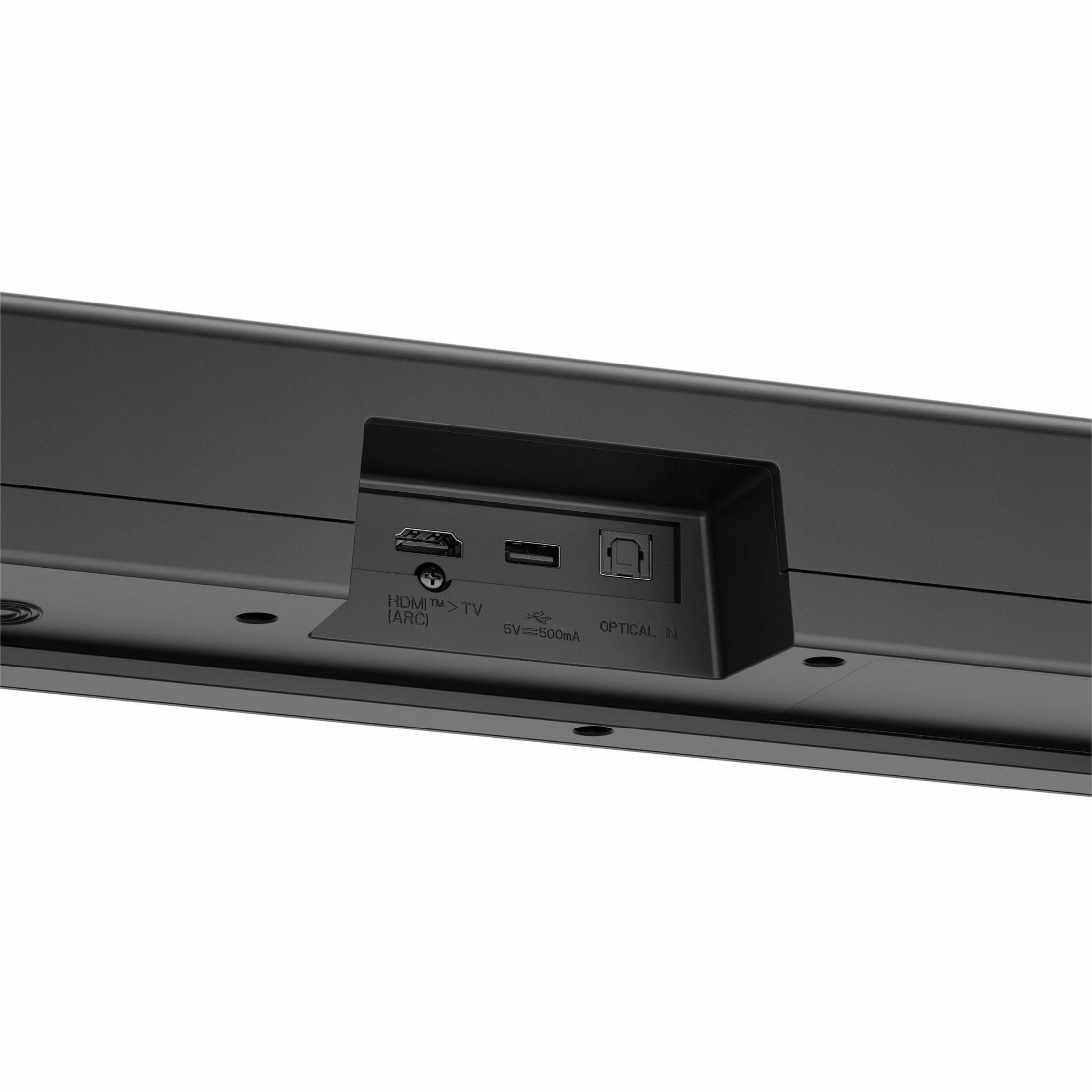
The connectivity differences between these systems reveal their target audiences clearly. The LG S40T includes HDMI ARC (Audio Return Channel), which enables single-cable connection to compatible TVs. This means you can control the soundbar volume with your TV remote and automatically switch audio sources. For LG TV owners, the WOW Orchestra feature even allows the TV's built-in speakers to work alongside the soundbar for enhanced audio coverage.
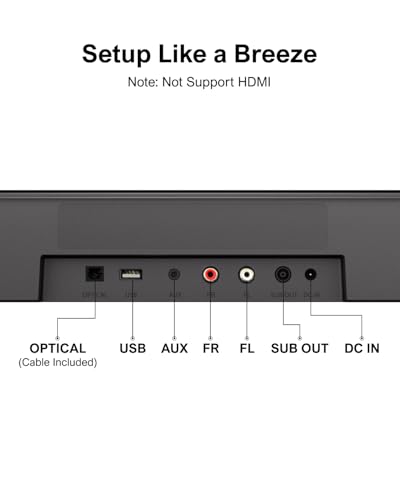
The Aura A40 notably lacks HDMI connectivity entirely, relying instead on optical, auxiliary, and Bluetooth connections. This might seem like a significant limitation, but our research suggests it's less problematic than you might expect. Most users connect via optical cable (which nearly all modern TVs include) and find the performance entirely satisfactory. However, you'll need to use the soundbar's remote rather than your TV remote for volume control.
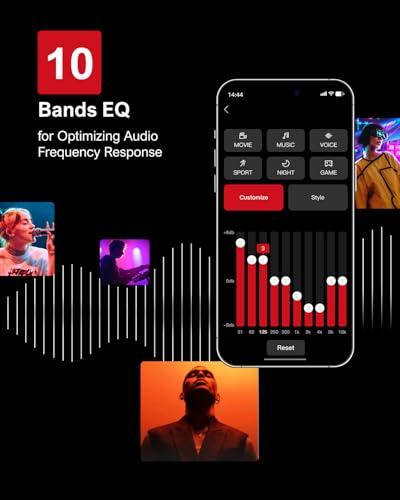
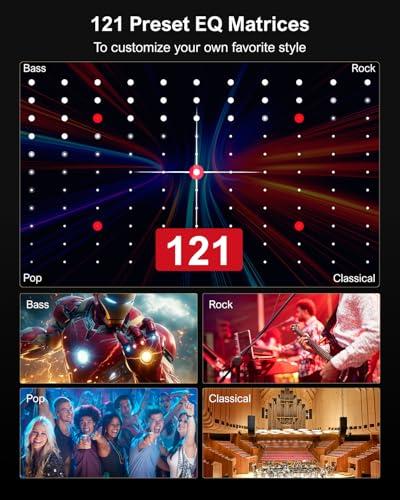
The app experiences reveal each system's philosophy perfectly. The Ultimea Home app for the Aura A40 offers extraordinary depth: 121 preset audio profiles for different music genres, a 10-band equalizer for precise frequency adjustment, and individual level controls for each of the seven audio channels. You can even receive over-the-air firmware updates that add new features over time.
This level of customization appeals to audio enthusiasts who enjoy tweaking settings to achieve their perfect sound. However, it can overwhelm users who simply want better TV audio without becoming amateur sound engineers.
The LG S40T app provides the opposite experience: essential controls presented simply. You get basic 3-band EQ adjustment and the ability to monitor the system status, but the focus remains on automatic optimization rather than manual tweaking.
Let's be honest about what setup involves for each system. The LG S40T setup is genuinely straightforward: place the soundbar, position the wireless subwoofer somewhere in the room, connect one cable to your TV, and you're done. The system handles pairing automatically, and if you have an LG TV with HDMI ARC, your existing remote controls everything.
The Aura A40 requires significantly more effort. You'll need to position four surround speakers around your room, which means running cables (though the rear speakers connect wirelessly to reduce some cable management). Finding optimal speaker placement takes experimentation, and you'll need to spend time in the app adjusting levels for your specific room acoustics.
However, user reports suggest the setup complexity is manageable for most people, and the improvement in audio immersion makes the effort worthwhile for those seeking a theater-like experience.
At the time of writing, these systems occupy different value tiers, with the Aura A40 commanding a premium over the S40T. This price difference reflects genuinely different products rather than simple feature escalation.
The Aura A40 delivers true surround sound hardware that typically costs significantly more from established audio brands. You're paying for eight physical speakers, sophisticated app control, and immersive audio positioning that transforms movie and gaming experiences. Based on our research, users consistently report that the system meets or exceeds their expectations for spatial audio at this price point.
The LG S40T represents excellent value in the enhanced stereo category. You get brand reliability, intelligent processing, modern connectivity, and effortless setup. For users whose primary goal is better-than-TV audio without complexity, the value proposition is compelling.
Your decision should align with how you actually use your entertainment system. Choose the Ultimea Aura A40 if you're primarily watching movies, playing immersive video games, or listening to music in a dedicated entertainment space. The surround sound experience genuinely enhances content that benefits from spatial audio, and the extensive customization options let you optimize performance for your specific room and preferences.
The room size consideration is important here. The Aura A40 performs best in medium to large rooms where you can position the surround speakers effectively. In very small spaces, the immersive effect may be less pronounced, and the complexity less justified.
Choose the LG S40T if your primary use is casual TV watching, news, and dialogue-heavy content. The automatic optimization and dialogue enhancement deliver consistent improvements without requiring audio expertise or complex setup. The wireless subwoofer and HDMI ARC connectivity make it ideal for users who want better sound without changing how they interact with their TV.
The S40T particularly excels in smaller spaces, apartments, or situations where running speaker cables isn't practical. Its compact footprint and wireless subwoofer provide significant audio improvement while respecting space constraints.
These systems succeed in their respective goals remarkably well. The Ultimea Aura A40 brings genuine surround sound immersion to a price point previously dominated by basic stereo systems, while the LG S40T perfects the enhanced stereo experience with intelligent processing and effortless integration.
Your choice ultimately depends on whether you prioritize maximum audio immersion or streamlined convenience. Neither approach is inherently better—they serve different needs and preferences effectively. The Aura A40 rewards users willing to invest setup time with a transformative audio experience, while the S40T delivers consistent improvement with minimal hassle.
Consider your content preferences, room constraints, and tolerance for complexity when deciding. Both systems represent solid value in their categories and will significantly improve your TV's audio performance, just through very different approaches to achieving that goal.
| Ultimea Aura A40 7.1 Channel Soundbar System | LG S40T 2.1 Channel Soundbar |
|---|---|
| Channel Configuration - Determines surround sound capability and immersion level | |
| True 7.1 surround with 8 physical speakers (4 dedicated surround speakers create genuine 360° audio) | 2.1 stereo with wireless subwoofer (enhanced stereo sound, no true surround capability) |
| Speaker Setup - Affects installation complexity and room requirements | |
| Main soundbar + 4 separate surround speakers + wired subwoofer (requires speaker placement and cable management) | Soundbar + wireless subwoofer only (minimal setup, no additional speakers to position) |
| Power Output - Impacts volume levels and dynamic range | |
| 330W peak power across 8 speakers (sufficient for medium-large rooms) | 300W RMS total (~200W subwoofer, 100W main channels) |
| Connectivity Options - Determines compatibility with modern TVs and ease of integration | |
| Optical, AUX, USB, Bluetooth 5.3 (no HDMI limits TV remote control integration) | HDMI ARC, Optical, Bluetooth 5.3 (HDMI ARC enables single-cable setup and TV remote control) |
| Audio Processing Technologies - Affects sound quality and automatic optimization | |
| SurroundX and BassMX proprietary technologies, no Dolby/DTS support | Dolby Digital, DTS Digital, AI Sound Pro, Clear Voice Plus dialogue enhancement |
| App Control and Customization - Determines how much you can personalize the sound | |
| Ultimea Home app with 121 preset matrices, 10-band EQ, individual channel controls, OTA updates | Basic LG app with 3-band EQ and simple controls (focuses on automatic optimization) |
| Room Size Compatibility - Important for optimal performance in your space | |
| Best for 108-270 sq ft rooms where surround speakers can be positioned effectively | Ideal for smaller spaces and apartments where wireless simplicity is valued |
| Primary Use Case Strengths - What each system does exceptionally well | |
| Movies, gaming, and immersive content where spatial audio enhances the experience | TV shows, dialogue-heavy content, and users prioritizing convenience over maximum immersion |
| Setup Complexity - Time and effort required for installation | |
| Moderate complexity: position 4 surround speakers, run cables, app configuration required | Simple: place soundbar and subwoofer, connect single cable, automatic pairing |
| Subwoofer Connection - Affects placement flexibility and cable management | |
| 4-inch wired subwoofer with BassMX technology (requires power outlet near placement) | Wireless subwoofer (can be positioned anywhere within range, no cables) |
The Ultimea Aura A40 is significantly better for home theater use due to its true 7.1 surround sound with four dedicated surround speakers. This creates genuine 360-degree audio where you can hear helicopters flying overhead or footsteps approaching from behind. The LG S40T only offers enhanced stereo sound, which improves dialogue and bass but cannot create the immersive spatial effects that make movies feel cinematic.
The Ultimea Aura A40's 7.1 configuration uses seven distinct audio channels plus a subwoofer, with physical speakers positioned around your room to create true surround sound. The LG S40T's 2.1 system uses only left and right stereo channels plus a subwoofer, providing enhanced stereo sound with deeper bass but no rear or side audio channels for surround effects.
The LG S40T is much easier to set up - you simply place the soundbar, position the wireless subwoofer anywhere in the room, and connect one HDMI cable to your TV. The Ultimea Aura A40 requires positioning four surround speakers around your room, running speaker cables, and spending time in the app adjusting audio levels for optimal performance.
The LG S40T includes HDMI ARC, which allows single-cable connection to your TV and lets you control volume with your TV remote. The Ultimea Aura A40 doesn't have HDMI connectivity at all - it connects via optical cable, which means you'll need to use the soundbar's remote for volume control instead of your TV remote.
The LG S40T is ideal for small spaces because it only requires placing a soundbar and wireless subwoofer with no additional speakers to position. The Ultimea Aura A40 needs room for four surround speakers and works best in medium to large rooms (108-270 square feet) where you can properly position the speakers for optimal surround effects.
Both improve dialogue, but differently. The LG S40T uses AI-powered Clear Voice Plus technology that automatically identifies and enhances speech frequencies, making it excellent for users who struggle with dialogue clarity. The Ultimea Aura A40 has a dedicated center channel for dialogue and allows manual adjustment of speech levels through its app.
Both deliver strong bass but through different approaches. The Ultimea Aura A40 uses a wired 4-inch subwoofer with BassMX technology that users describe as "punchy" and "room-filling." The LG S40T has a wireless subwoofer that provides "deep, controlled bass" without the need for cable connections, making it more convenient for most users.
The Ultimea Aura A40 offers extensive customization through its app, including 121 preset audio profiles, a 10-band equalizer, and individual controls for all seven audio channels. The LG S40T focuses on simplicity with basic 3-band EQ adjustment and automatic AI optimization rather than manual tweaking options.
The Ultimea Aura A40 excels for gaming because its true surround sound helps you locate enemies and environmental audio in 3D space, providing a competitive advantage in games. The LG S40T improves game audio over TV speakers but cannot provide the directional audio cues that enhance gaming performance and immersion.
The LG S40T works with any TV that has HDMI ARC or optical output, though it offers special integration features like WOW Orchestra when paired with LG TVs. The Ultimea Aura A40 connects to any TV with optical output and also supports Bluetooth, AUX, and USB connections for universal compatibility.
Value depends on your needs. The Ultimea Aura A40 provides exceptional value for users wanting true surround sound, as comparable systems from major brands typically cost significantly more. The LG S40T offers excellent value for users seeking simple audio improvement with brand reliability and effortless setup at a lower price point.
Neither system offers expansion options for additional speakers. The Ultimea Aura A40 already includes a complete 7.1 setup but supports firmware updates through its app. The LG S40T is a fixed 2.1 configuration with no upgrade path, but its simplicity means there's less that can go wrong over time.
We've done our best to create useful and informative comparisons to help you decide what product to buy. Our research uses advanced automated methods to create this comparison and perfection is not possible - please contact us for corrections or questions. These are the sites we've researched in the creation of this article: youtube.com - walmart.com - youtube.com - ultimea.com - homestudiobasics.com - ultimea.co - youtube.com - eu.ultimea.com - walmart.com - device.report - bestbuy.com - manuals.plus - community.ultimea.com - judge.me - support.ultimea.com - geekmaxi.com - provantage.com - bestbuy.com - youtube.com - uk.whatgeek.com - bestbuy.com - bestbuy.com - rtings.com - pcrichard.com - lg.com - lg.com - lg.com - lg.com - microcenter.com - flanners.com - bestbuy.com - microcenter.com

Privacy Policy
Terms and Conditions - Affiliate Policy
Home Security
© Copyright 2008-2026.
11816 Inwood Rd #1211, Dallas, TX 75244