


When your TV's built-in speakers make movie dialogue sound like it's coming from inside a tin can, it's time to upgrade. But the soundbar world has split into two very different camps: elaborate multi-speaker systems that promise cinema-like surround sound, and streamlined single units focused on doing the basics exceptionally well.
The Ultimea Aura A40 and Bose TV Speaker perfectly represent this divide. At the time of writing, they're separated by roughly $90, but they might as well be from different planets in terms of design philosophy. One throws everything at the wall to create an immersive audio experience, while the other laser-focuses on making your TV sound fantastic without any fuss.
The TV audio market has evolved dramatically since flat-screen TVs became mainstream. Those impossibly thin displays simply can't house decent speakers – there's no room for the driver size and enclosure volume that good audio demands. Soundbars emerged as the solution, but they've grown increasingly complex.
Today's soundbars range from simple stereo upgrades to elaborate systems with multiple wireless speakers, dedicated subwoofers, and processing that simulates concert halls or movie theaters. The key is understanding what you actually need versus what marketing materials promise.
Audio channels refer to separate audio streams – stereo has two (left and right), while 7.1 surround has eight total channels including a dedicated subwoofer channel. Virtual surround uses clever digital processing to make stereo or limited speakers sound like they're coming from multiple directions, while true surround uses physical speakers placed around your room.
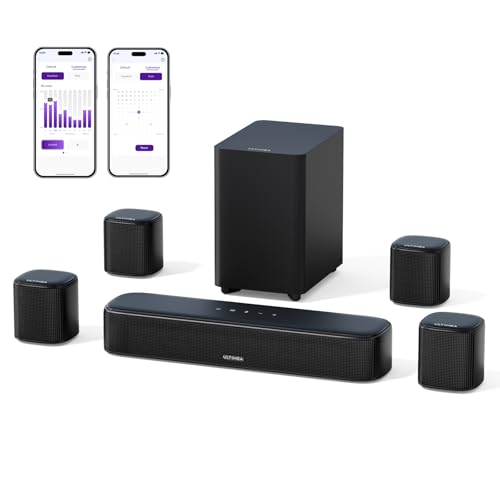
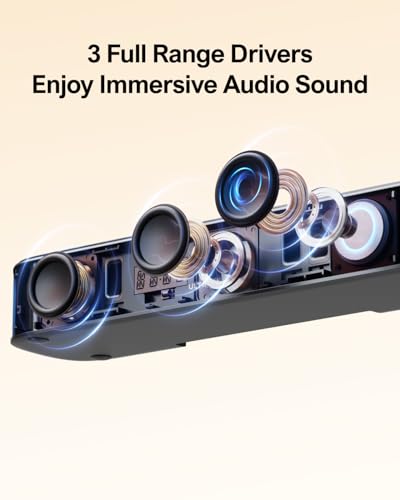
Released in 2024, the Ultimea Aura A40 represents the "everything included" approach. It's essentially a complete home theater system disguised as a soundbar package, featuring eight separate speakers spread across multiple components. The main soundbar houses three drivers, four additional surround speakers connect via cables, and a separate subwoofer handles the low-end.
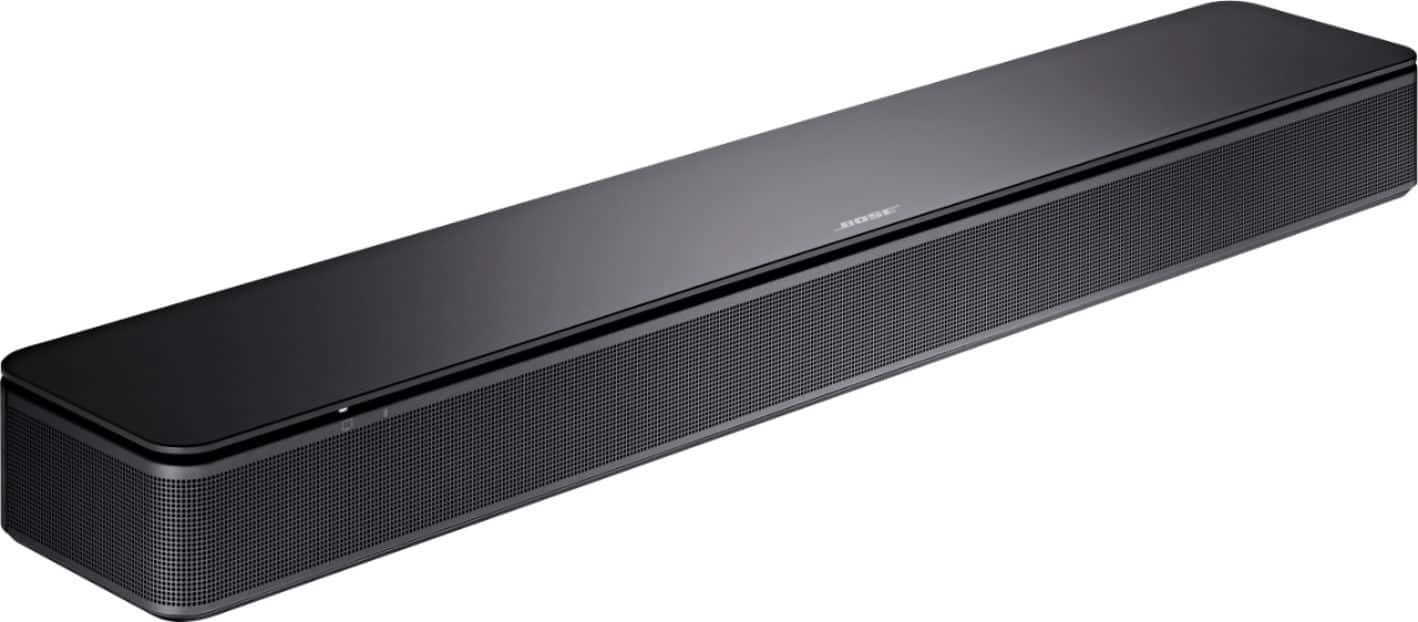
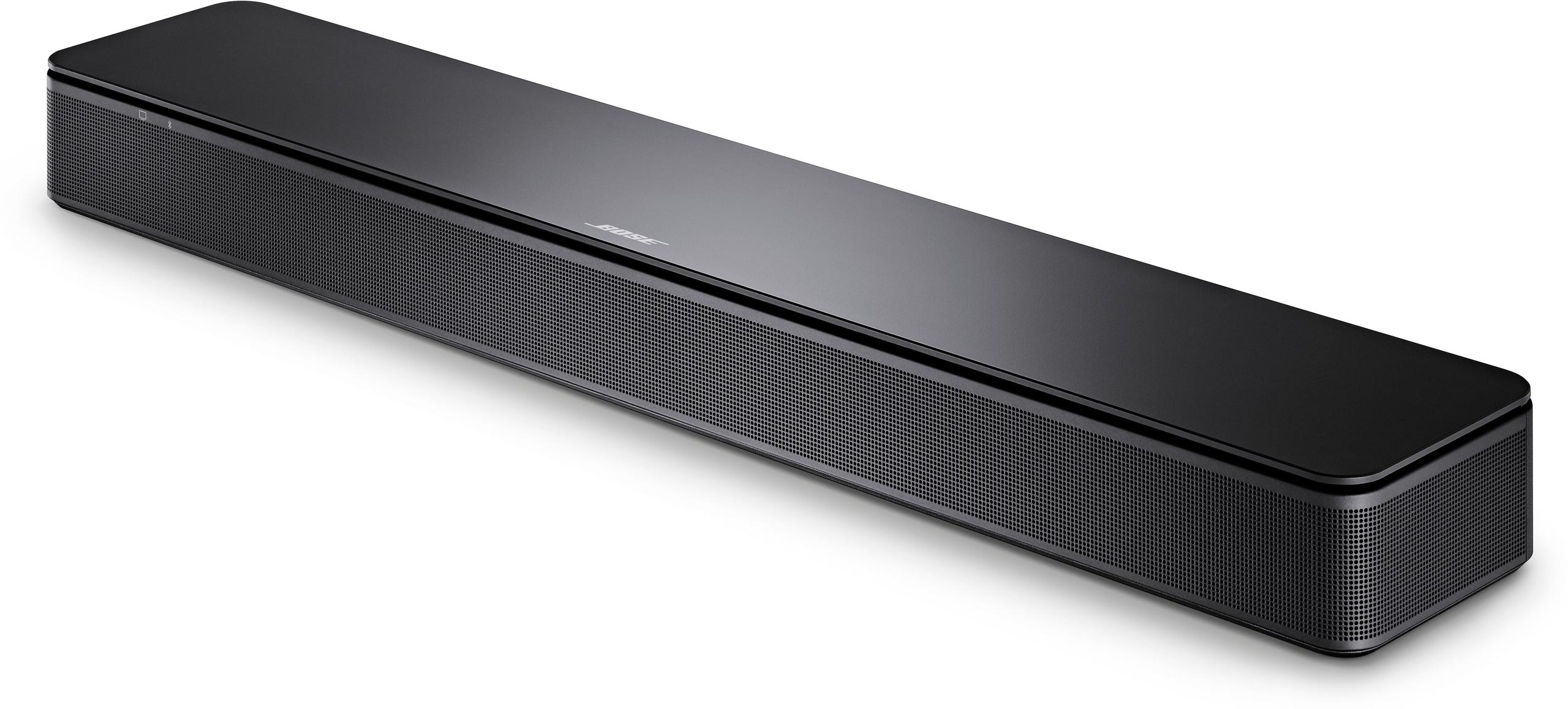
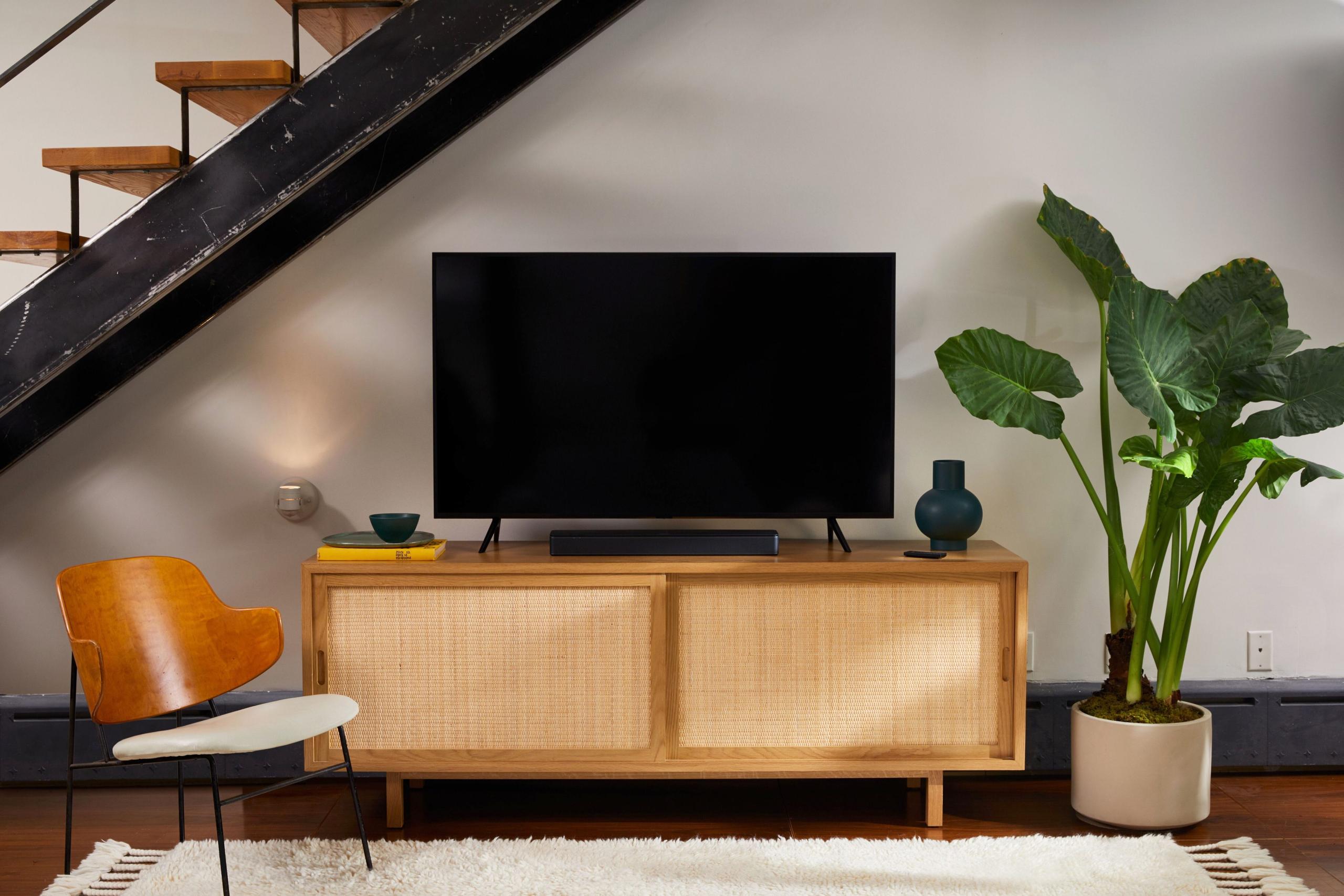
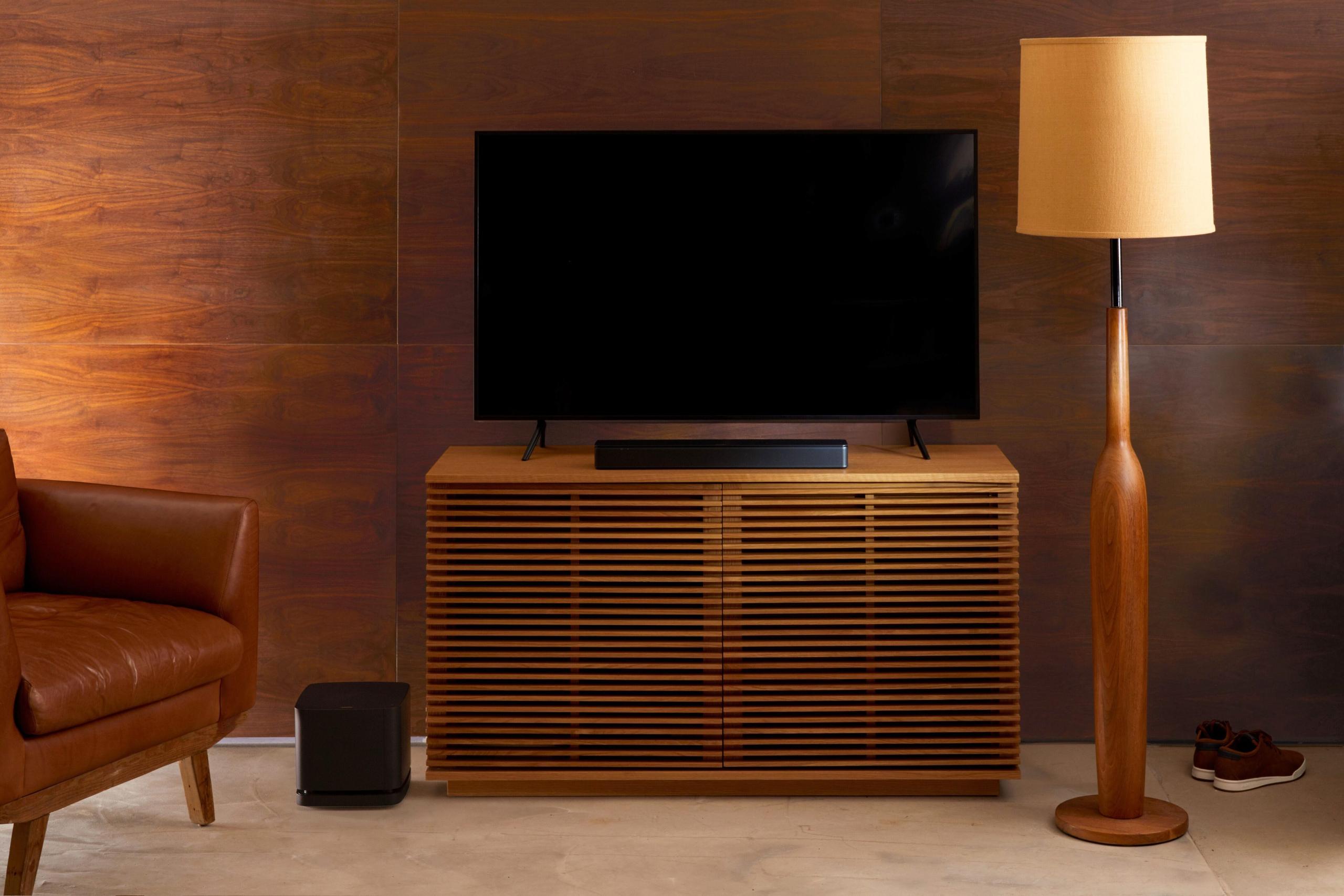
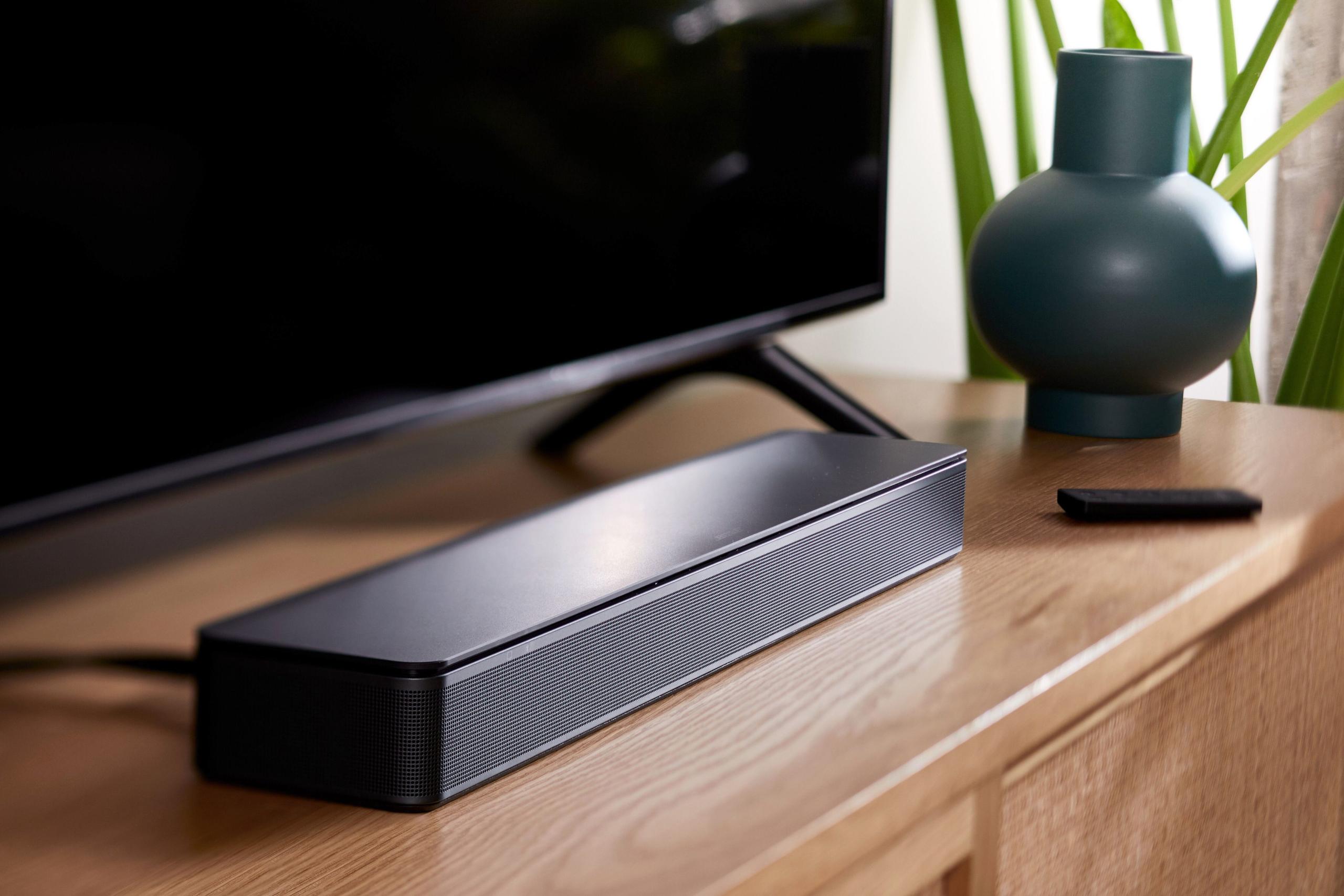
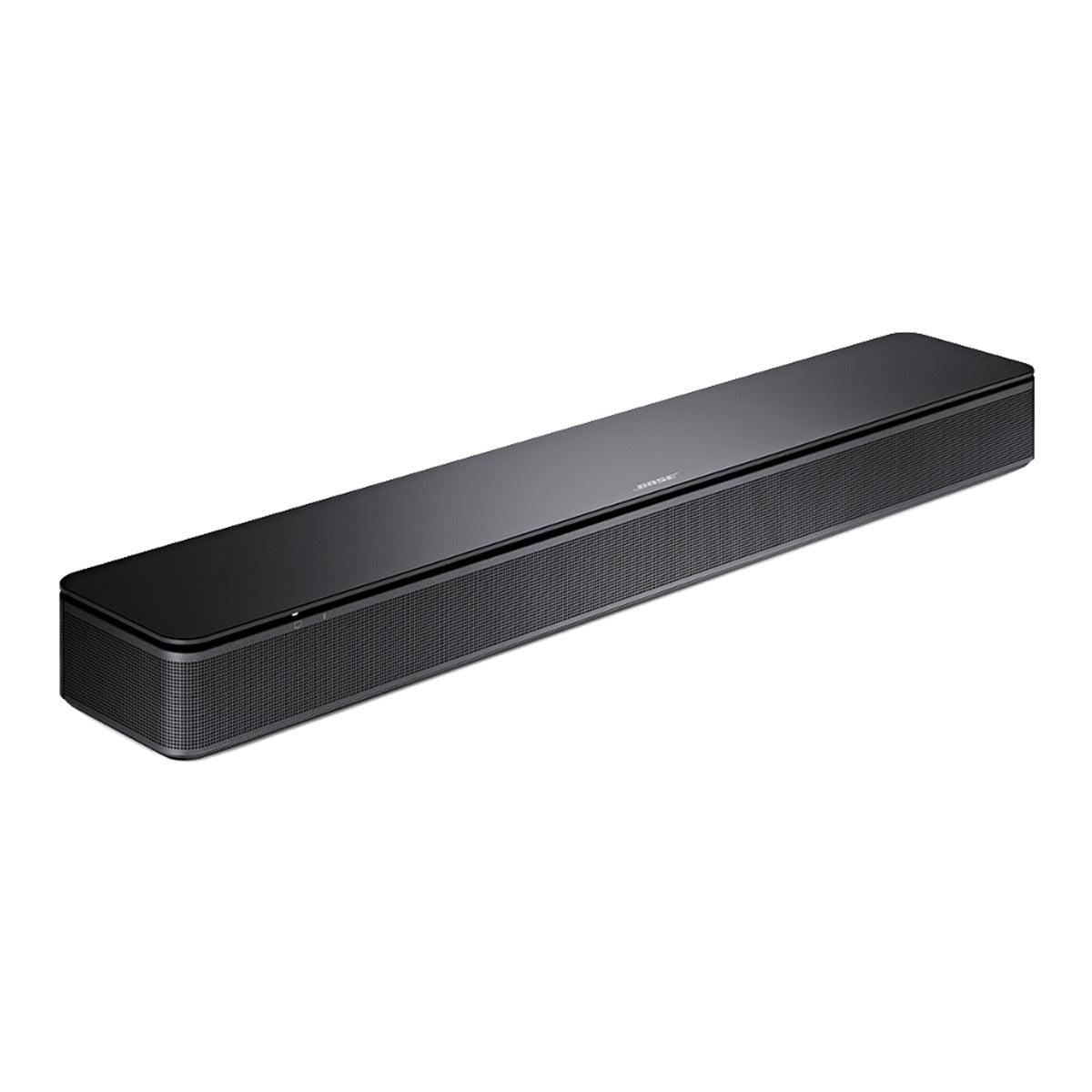
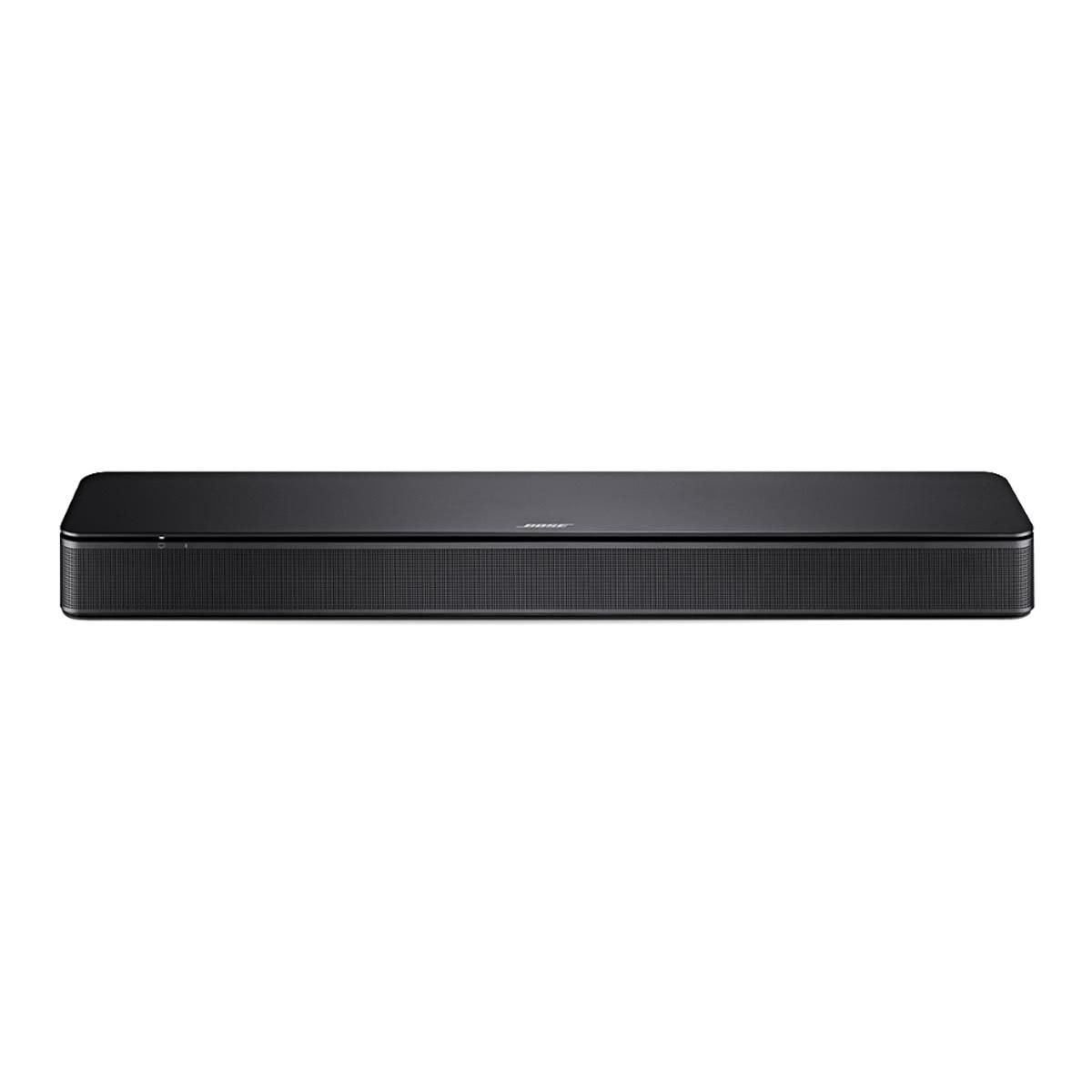
The Bose TV Speaker, launched in 2020, takes the opposite approach. It's a single compact unit designed to excel at the core job of making TV dialogue clearer and adding some much-needed bass without overwhelming your living space or setup routine.
Since the Bose's release, we've seen significant improvements in Bluetooth connectivity (the A40 uses version 5.3 versus Bose's 4.2), more sophisticated app control, and better integration of AI-driven audio processing. However, the fundamental question remains the same: do you want a complete surround system or a refined TV upgrade?
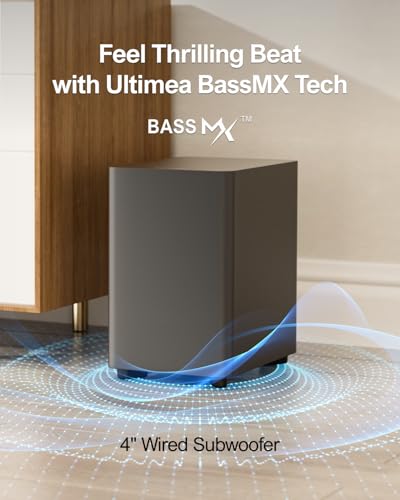
The Ultimea A40 flexes serious audio muscle with 330 watts of peak power distributed across eight speakers. That's enough to fill rooms up to 270 square feet with genuinely loud audio. The system includes a dedicated 4-inch subwoofer using what Ultimea calls "BassMX technology" – essentially optimized amplification and tuning for the small driver.
However, raw power doesn't tell the complete story. Our research into user experiences reveals that the A40's frequency response only extends down to 65Hz, which means it misses the deepest bass frequencies that create that chest-thumping impact in action movies. Users consistently report needing to max out the subwoofer settings to achieve satisfying bass levels, and even then describe the low-end as somewhat "loose" or unfocused.
The Bose TV Speaker takes a completely different approach. Rather than overwhelming you with specifications, Bose engineers focused on efficiency and refinement. The company has a long history of making small speakers produce surprisingly big sound through careful acoustic design and digital signal processing. While Bose doesn't publish power specifications, user reviews consistently praise the unit's ability to fill rooms with clear, balanced audio without strain or distortion.
The performance difference: The A40 will get louder and produce more bass quantity, but the Bose delivers more controlled, natural-sounding audio. If you want to feel explosions in your chest, the A40 wins. If you want dialogue that sounds like actors are in your room, the Bose takes it.
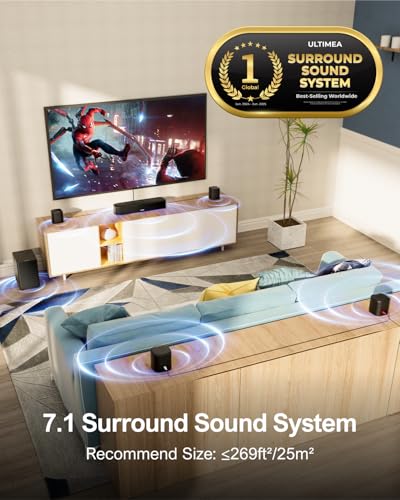
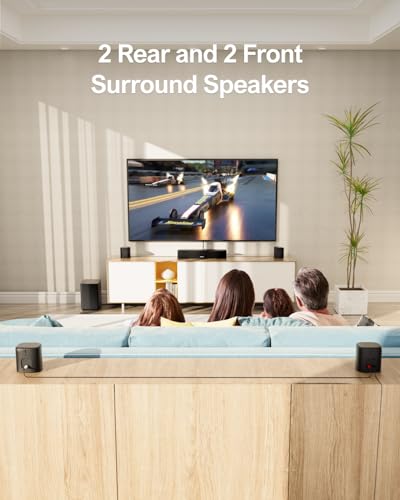
This is where the products diverge most dramatically. The Ultimea A40 creates genuine 7.1 channel surround sound using four physical speakers placed around your room – two in front, two behind your seating position. When a helicopter flies across the screen, you'll hear it travel through your actual space. The system uses "SurroundX technology" and AI processing to coordinate all eight speakers for what Ultimea claims is 99.99% accurate sound positioning.
The catch? This only works if you can properly place all four surround speakers. The rear speakers connect via a 6-meter cable, which means you need furniture or wall mounting to position them behind your seating. The front surrounds use shorter 2-meter cables. One rear speaker can pair wirelessly after being powered, reducing some cable clutter.
The Bose TV Speaker produces only stereo audio – left and right channels from a single unit. There's no surround processing, no virtual effects, just clean two-channel sound. For many TV watching scenarios, this is actually preferable. Most TV shows and news programs are mixed in stereo anyway, and forcing surround effects on stereo content often creates artificial-sounding results.
The reality check: True surround sound is amazing for movies and gaming, but only if your room allows proper speaker placement and you're watching content mixed for surround. For casual TV viewing, the Bose's focused stereo approach often sounds more natural.
Poor dialogue clarity ruins more viewing experiences than any other audio issue. When you're constantly reaching for the remote to turn up volume during quiet conversation scenes, then scrambling to turn it down during action sequences, your audio system has failed its primary job.
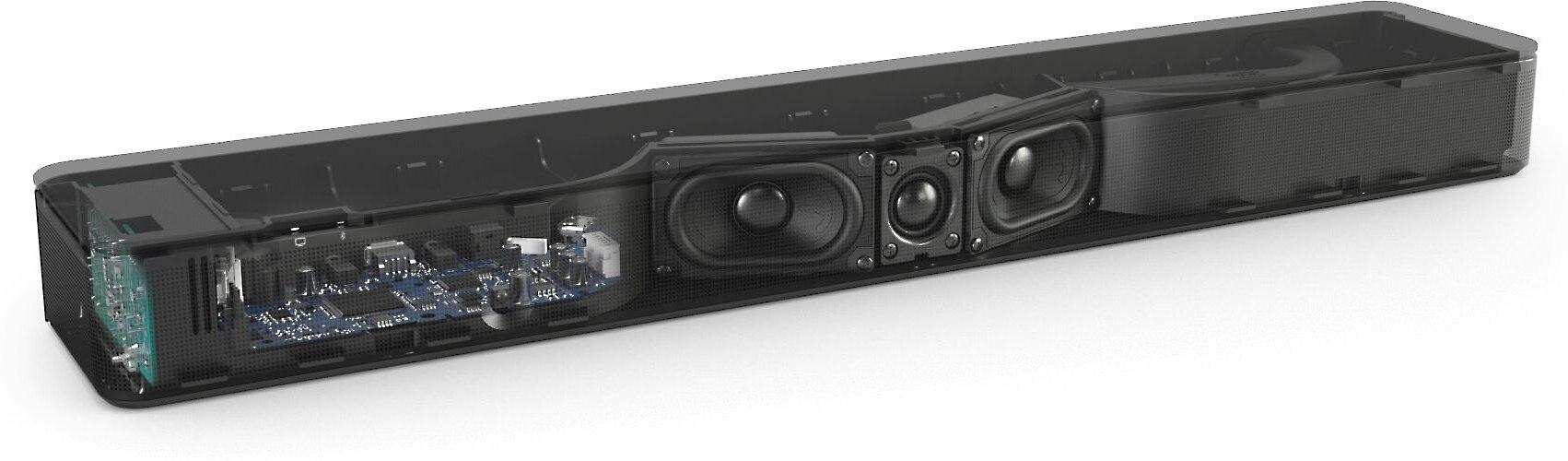
The Bose TV Speaker excels here through dedicated engineering. It features a center tweeter specifically focused on speech frequencies, plus a "Dialogue Mode" that analyzes incoming audio to boost vocal clarity. Bose's decades of acoustic research show in the natural-sounding speech reproduction that doesn't feel artificially processed or harsh.
The Ultimea A40 takes a different approach with its three-driver main soundbar providing a dedicated center channel for dialogue. However, user feedback suggests the system requires manual tuning through its extensive app to achieve optimal speech clarity. The AI processing can help, but it's not as automatic or reliable as the Bose solution.
The practical difference: The Bose delivers excellent dialogue clarity out of the box with minimal fiddling. The A40 can achieve similar results but requires more user intervention and fine-tuning.
Bass reproduction separates decent soundbars from great ones, but there are different philosophies for achieving it. The Ultimea A40 includes a separate 4-inch powered subwoofer that sits on your floor. Having a dedicated bass driver means more physical air movement and the potential for deeper, more impactful low frequencies.
Unfortunately, our research reveals the A40's bass has issues. Despite the separate subwoofer, the frequency response only reaches 65Hz – not particularly deep for home theater. Users consistently report the bass as "flabby" or "loose," lacking the tight control that makes music sound punchy or movie explosions feel realistic. Most owners end up running the subwoofer at maximum settings just to achieve acceptable bass levels.
The Bose TV Speaker has no separate subwoofer, instead relying on internal drivers and clever acoustic design. Bose uses techniques like tuned ports and digital signal processing to extend bass response from the small internal drivers. While it can't match the A40's raw bass quantity, user reviews praise the Bose's controlled, musical bass that doesn't overwhelm dialogue or other frequencies.
The bass bottom line: The A40 produces more bass but with questionable quality. The Bose produces less bass but with better integration and control. Your preference depends on whether you want to feel every explosion or just add some warmth to your TV's thin sound.
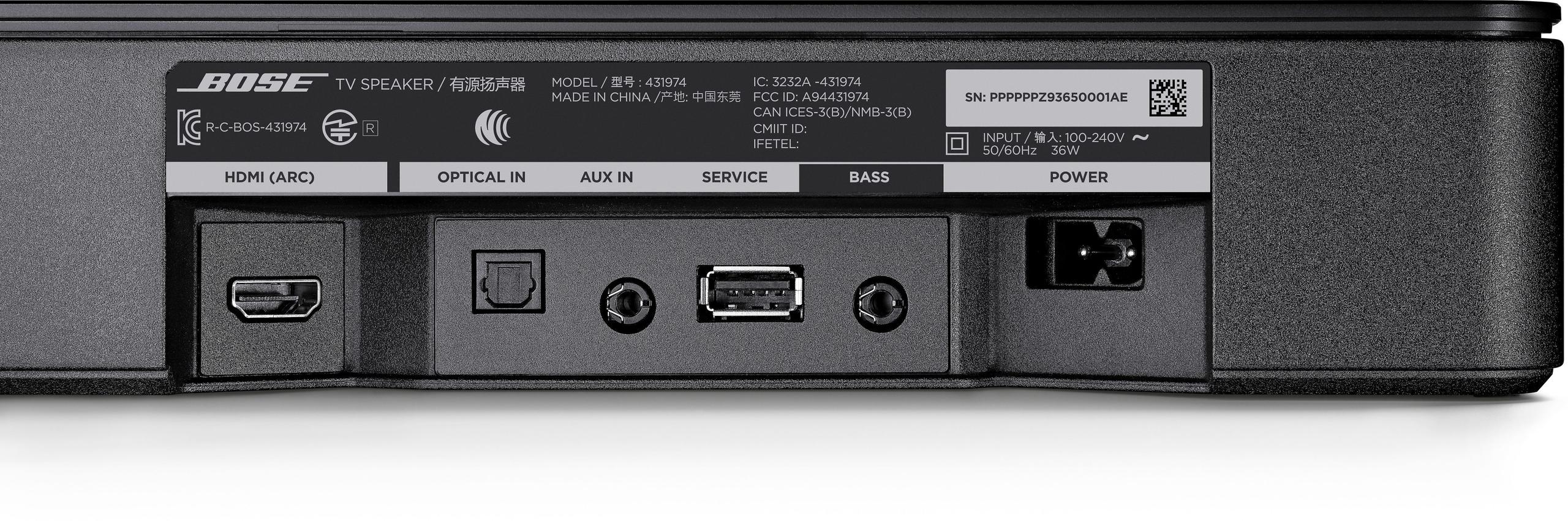
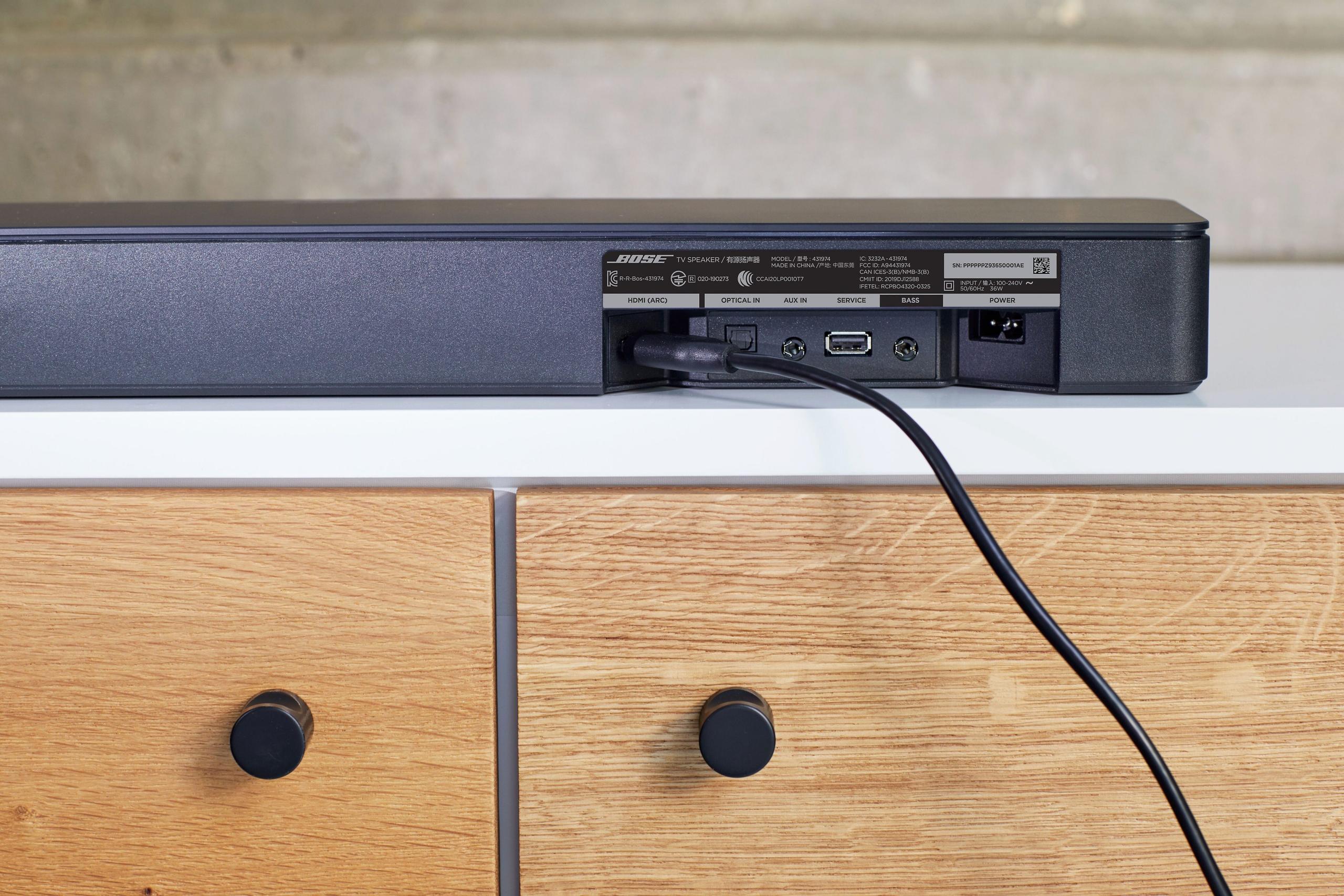
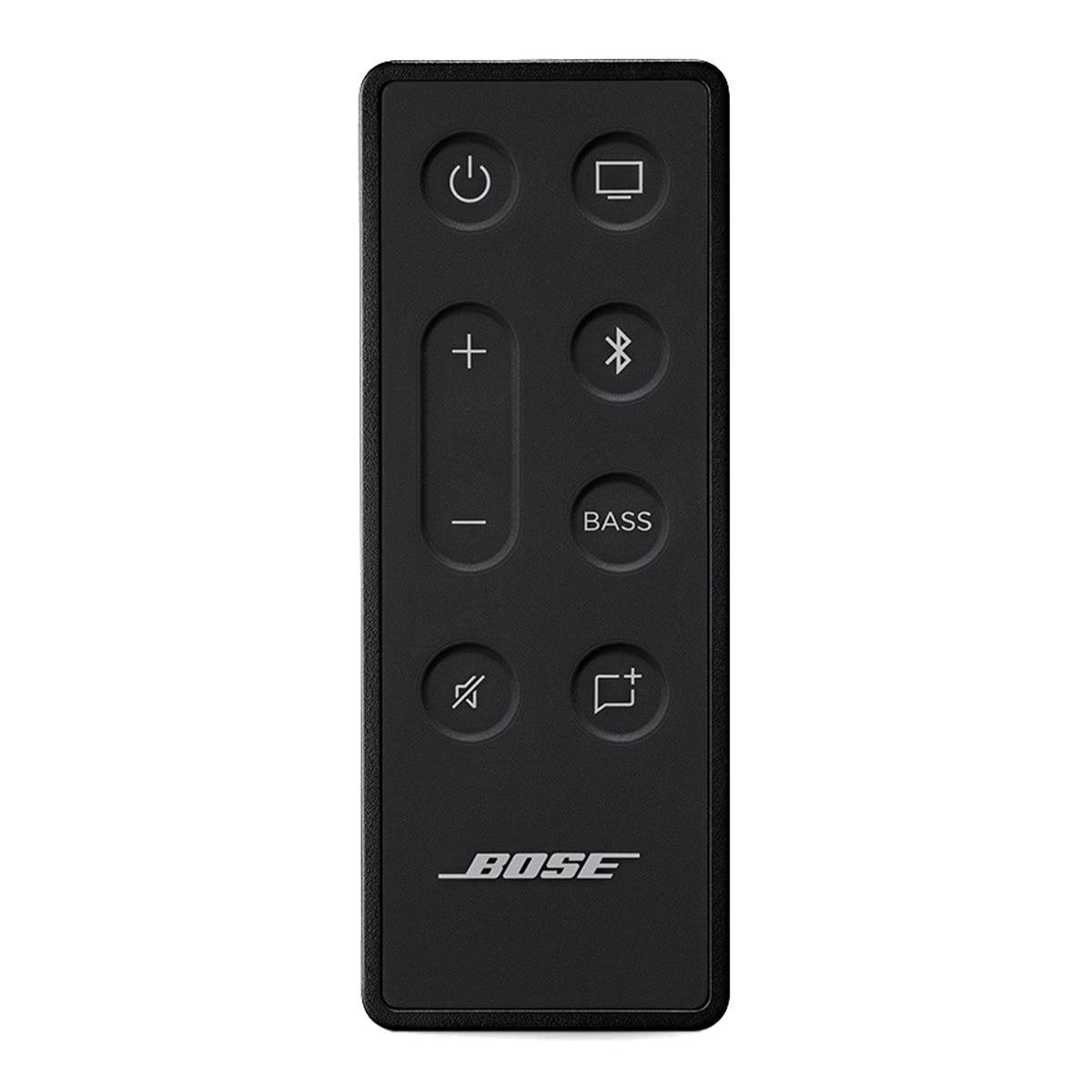
Installing the Bose TV Speaker is almost anticlimactic – connect one cable (optical or HDMI), plug in power, and you're done. The unit is compact enough to fit almost anywhere, and the setup process literally takes minutes. HDMI-CEC support means it can integrate with your TV's remote control, turning on automatically when you power up your TV.
The Ultimea A40 is a different beast entirely. You'll need to position and connect six separate components: the main soundbar, four surround speakers, and the subwoofer. The rear speakers require that 6-meter cable run, which means either running cables across your room or mounting speakers on rear walls. Even with the wireless capability of one rear speaker, you're still dealing with significant installation complexity.
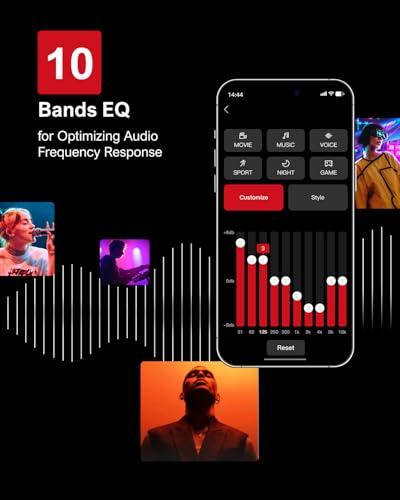
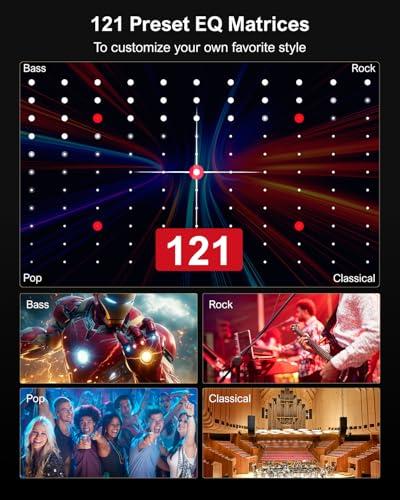
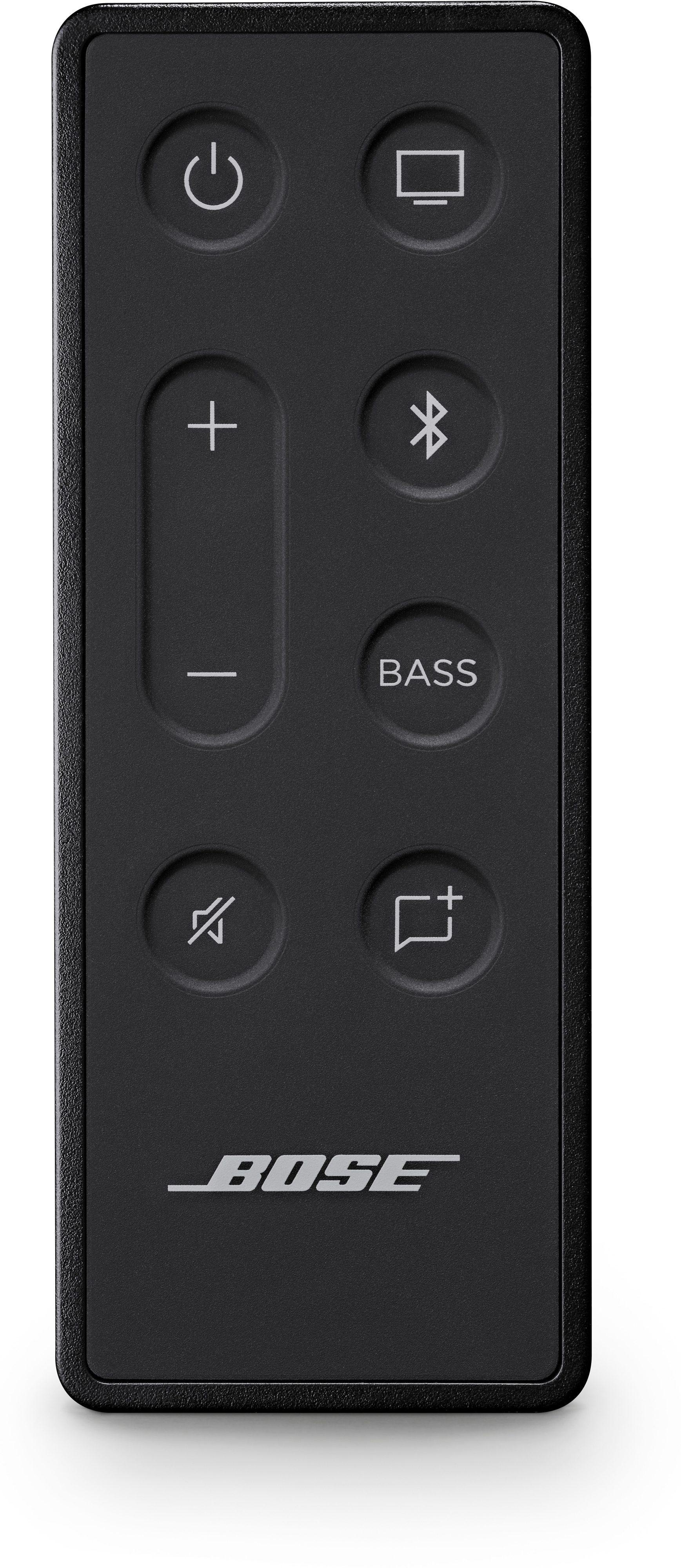
Once installed, the experiences diverge further. The Bose operates with minimal user intervention – it just works. The Ultimea A40 offers extensive customization through its smartphone app, including 121 preset equalizer settings, six different listening modes, and 13 levels of surround adjustment. This flexibility is powerful but requires time investment to optimize.
The convenience factor: The Bose wins decisively for plug-and-play simplicity. The A40 rewards users willing to invest time in optimization but punishes those who just want to improve their TV sound quickly.
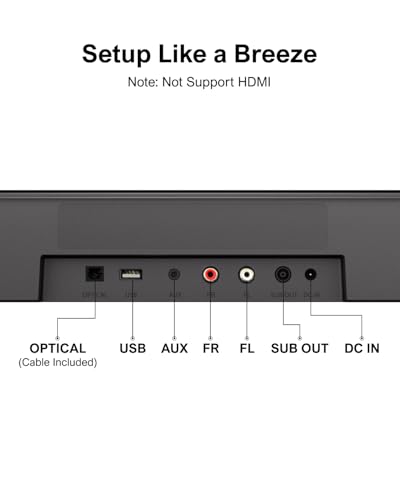
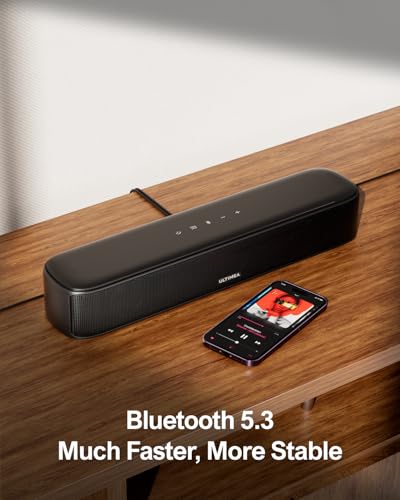
Both soundbars include Bluetooth for wireless music streaming, but the Ultimea A40 offers more comprehensive connectivity with its Bluetooth 5.3, optical, AUX, and USB inputs. The newer Bluetooth version provides better stability and range compared to the Bose TV Speaker's Bluetooth 4.2.
The A40's smartphone app deserves special mention for its depth. Beyond basic controls, it offers over-the-air firmware updates, extensive EQ customization, and the ability to fine-tune surround levels for your specific room. This level of control is unusual in this price range and adds significant value for users who enjoy tweaking their audio setup.
However, the A40 notably lacks HDMI input, limiting connection options with modern TVs and gaming consoles. The Bose TV Speaker includes HDMI ARC (Audio Return Channel), which often provides better audio quality than optical connections and simplifies setup with compatible TVs.
For dedicated home theater use, the Ultimea A40 is the clear choice despite its limitations. The physical surround speakers create genuine spatial audio that enhances movie watching and gaming experiences. Action sequences feel more immersive when sound effects actually move around your room rather than just being simulated by a single speaker.
The system works best in rooms between 108-270 square feet where you can properly position the surround speakers. Smaller rooms may feel overwhelmed by the multiple speakers, while larger spaces might expose the system's limited power per channel.
Gaming benefits significantly from the A40's directional audio capabilities. First-person shooters become more tactical when you can accurately locate enemies by sound, and racing games feel more immersive with engines and crowd noise surrounding you.
The Bose TV Speaker can't match this immersive experience, but it excels at making regular TV content more engaging. Movie dialogue becomes clearer, music sounds fuller, and even commercials benefit from the improved audio quality. For users who primarily watch TV shows, news, and occasional movies, the Bose provides all the improvement most people actually need.
At the time of writing, the price difference between these systems reflects their different approaches to solving TV audio problems. The Ultimea A40 delivers significantly more hardware – eight speakers plus amplification – for roughly $90 more than the Bose TV Speaker. From a pure components-per-dollar perspective, the A40 offers exceptional value.
However, value extends beyond hardware count. The Bose brings brand reliability, refined engineering, and simpler operation that many users prefer. Bose's customer support infrastructure and longer market presence also factor into long-term ownership satisfaction.
The A40's complexity introduces more potential failure points – multiple speakers, cables, wireless connections, and app dependencies all create opportunities for problems. The Bose's simpler design reduces these risks while delivering consistent performance over time.
The Ultimea Aura A40 succeeds brilliantly at creating an immersive surround sound experience at a price that would have been unthinkable just a few years ago. If you have the space, patience for setup, and desire for genuine home theater audio, it delivers remarkable value despite some sound quality compromises. Gamers and movie enthusiasts who can properly position the surround speakers will appreciate the spatial audio capabilities.
The Bose TV Speaker represents the opposite philosophy – do fewer things, but do them exceptionally well. It transforms TV dialogue clarity, adds controlled bass, and operates with zero fuss. For users who primarily want their TV to sound significantly better without changing their lifestyle or living room layout, the Bose approach makes more sense.
Choose the A40 if you're building a dedicated entertainment setup and want maximum immersion for movies and gaming. Choose the Bose if you want reliable, high-quality TV audio improvement with minimal complexity. Both products succeed at their intended purposes – the key is honestly assessing which approach better fits your space, technical comfort level, and audio priorities.
The soundbar market will continue evolving, but this fundamental choice between complexity with capability versus simplicity with refinement will persist. Understanding which philosophy matches your needs makes the decision much clearer.
| Ultimea Aura A40 7.1 Channel Soundbar System | Bose TV Speaker Soundbar |
|---|---|
| System Type - Determines setup complexity and audio experience | |
| Complete 7.1 surround system with 8 physical speakers across multiple components | Compact single-unit stereo soundbar with integrated drivers |
| Peak Power Output - Higher numbers mean louder maximum volume | |
| 330W across all speakers (room-filling volume for larger spaces) | Unspecified but engineered for efficiency over raw power |
| Subwoofer - Critical for bass impact in movies and music | |
| Dedicated 4-inch wired subwoofer with BassMX technology | No separate subwoofer; relies on internal bass enhancement |
| Surround Sound Capability - Makes movies and games more immersive | |
| True 7.1 channel with 4 physical surround speakers placed around room | Stereo only; no surround processing or virtual effects |
| Frequency Response - Lower numbers mean deeper bass extension | |
| 65Hz-18kHz (limited deep bass despite separate subwoofer) | Not specified (optimized for TV dialogue frequencies) |
| Setup Complexity - Affects how quickly you can start enjoying better audio | |
| Complex: 6 components, multiple cables, speaker positioning required | Simple: Single cable connection, ready in minutes |
| Connectivity Options - More options mean compatibility with more devices | |
| Bluetooth 5.3, Optical, AUX, USB (no HDMI) | Bluetooth 4.2, Optical, HDMI ARC, 3.5mm |
| App Control - Enables audio customization and updates | |
| Comprehensive Ultimea Smart App with 121 EQ presets, 10-band EQ, OTA updates | Basic remote control; no dedicated app |
| Dialogue Enhancement - Essential for clear speech in TV shows and movies | |
| AI processing with Voice mode; requires manual tuning | Dedicated center tweeter with automatic Dialogue Mode |
| Room Size Recommendation - Ensures optimal performance in your space | |
| 108-270 sq ft (needs space for proper surround speaker placement) | Flexible; works well in smaller to medium rooms |
| Physical Footprint - Important for furniture arrangement and aesthetics | |
| Large: Main bar + 4 surround speakers + subwoofer placement required | Compact: 23.4" × 4" × 2.2" single unit |
| Brand Support - Affects warranty service and long-term reliability | |
| Newer brand with app-based support and firmware updates | Established audio brand with proven customer service network |
The Ultimea Aura A40 is significantly better for home theater use. It provides true 7.1 surround sound with four physical speakers placed around your room, creating genuine spatial audio for movies and gaming. The Bose TV Speaker only offers stereo sound from a single unit, which can't match the immersive experience of the Ultimea system for dedicated home theater setups.
The extra speakers in the Ultimea Aura A40 are essential for its surround sound capability. The system includes four surround speakers (two front, two rear) plus a subwoofer that work together to create 360-degree audio. If you don't want to deal with multiple speakers and cables, the Bose TV Speaker offers excellent audio improvement with just one compact unit.
The Bose TV Speaker is much easier to set up and use. It requires just one cable connection and works immediately out of the box. The Ultimea Aura A40 involves positioning six separate components, running multiple cables, and potentially complex app-based tuning. For plug-and-play simplicity, the Bose wins decisively.
The Bose TV Speaker excels at dialogue clarity with its dedicated center tweeter and automatic Dialogue Mode that analyzes content to enhance speech. The Ultimea Aura A40 can achieve good dialogue clarity through its center channel and AI processing, but typically requires manual adjustment through the app to optimize speech reproduction.
The Ultimea Aura A40 produces more bass quantity with its dedicated 4-inch subwoofer, making it better for action movies that need physical impact. However, user reviews indicate the bass can be "loose" or unfocused. The Bose TV Speaker produces less bass overall but with better control and integration, making it more suitable for balanced music listening.
Yes, both soundbars support Bluetooth connectivity for wireless music streaming. The Ultimea Aura A40 uses newer Bluetooth 5.3 technology for better range and stability, while the Bose TV Speaker uses Bluetooth 4.2. Both will successfully stream music from your mobile devices, though the Ultimea offers slightly more reliable wireless performance.
The Bose TV Speaker is ideal for smaller spaces due to its compact single-unit design and controlled audio output that won't overwhelm small rooms. The Ultimea Aura A40 is designed for rooms between 108-270 square feet and may be overkill for typical apartment living rooms where proper surround speaker placement is challenging.
Both soundbars offer broad TV compatibility. The Bose TV Speaker connects via optical or HDMI ARC and includes HDMI-CEC for seamless integration with most modern TVs. The Ultimea Aura A40 connects via optical, AUX, or Bluetooth but notably lacks HDMI input, which may limit compatibility with some newer TV models and gaming consoles.
The Ultimea Aura A40 provides extensive customization through its smartphone app, including 121 preset EQ settings, 10-band manual equalizer, six listening modes, and adjustable surround levels. The Bose TV Speaker focuses on simplicity with basic remote controls and minimal customization options. Choose the Ultimea if you enjoy tweaking audio settings.
The Bose TV Speaker benefits from Bose's established customer service network and proven track record in audio products. The Ultimea Aura A40 is from a newer brand that relies more on app-based support and online resources. For long-term reliability and service confidence, Bose has the advantage of brand reputation and support infrastructure.
The Ultimea Aura A40 is superior for gaming due to its true surround sound capability that helps locate enemies and creates immersive gameplay experiences. The directional audio from four physical speakers enhances competitive gaming and makes single-player games more engaging. The Bose TV Speaker will improve game audio quality but can't provide the spatial awareness that the Ultimea system delivers.
Choose the Ultimea Aura A40 if you want maximum immersion for movies and gaming, have space for multiple speakers, and enjoy customizing your audio experience. Choose the Bose TV Speaker if you want reliable, high-quality TV audio improvement with minimal setup complexity and proven brand reliability. The decision comes down to whether you prioritize surround sound capability or simplicity and refinement.
We've done our best to create useful and informative comparisons to help you decide what product to buy. Our research uses advanced automated methods to create this comparison and perfection is not possible - please contact us for corrections or questions. These are the sites we've researched in the creation of this article: youtube.com - walmart.com - youtube.com - ultimea.com - homestudiobasics.com - ultimea.co - youtube.com - eu.ultimea.com - walmart.com - device.report - bestbuy.com - manuals.plus - community.ultimea.com - judge.me - support.ultimea.com - geekmaxi.com - provantage.com - bestbuy.com - youtube.com - uk.whatgeek.com - bestbuy.com - projectorscreen.com - forums.audioholics.com - digitaltrends.com - abt.com - crutchfield.com - staples.com - bestbuy.com - pcrichard.com - visions.ca - bose.com - assets.bose.com

Privacy Policy
Terms and Conditions - Affiliate Policy
Home Security
© Copyright 2008-2026.
11816 Inwood Rd #1211, Dallas, TX 75244