



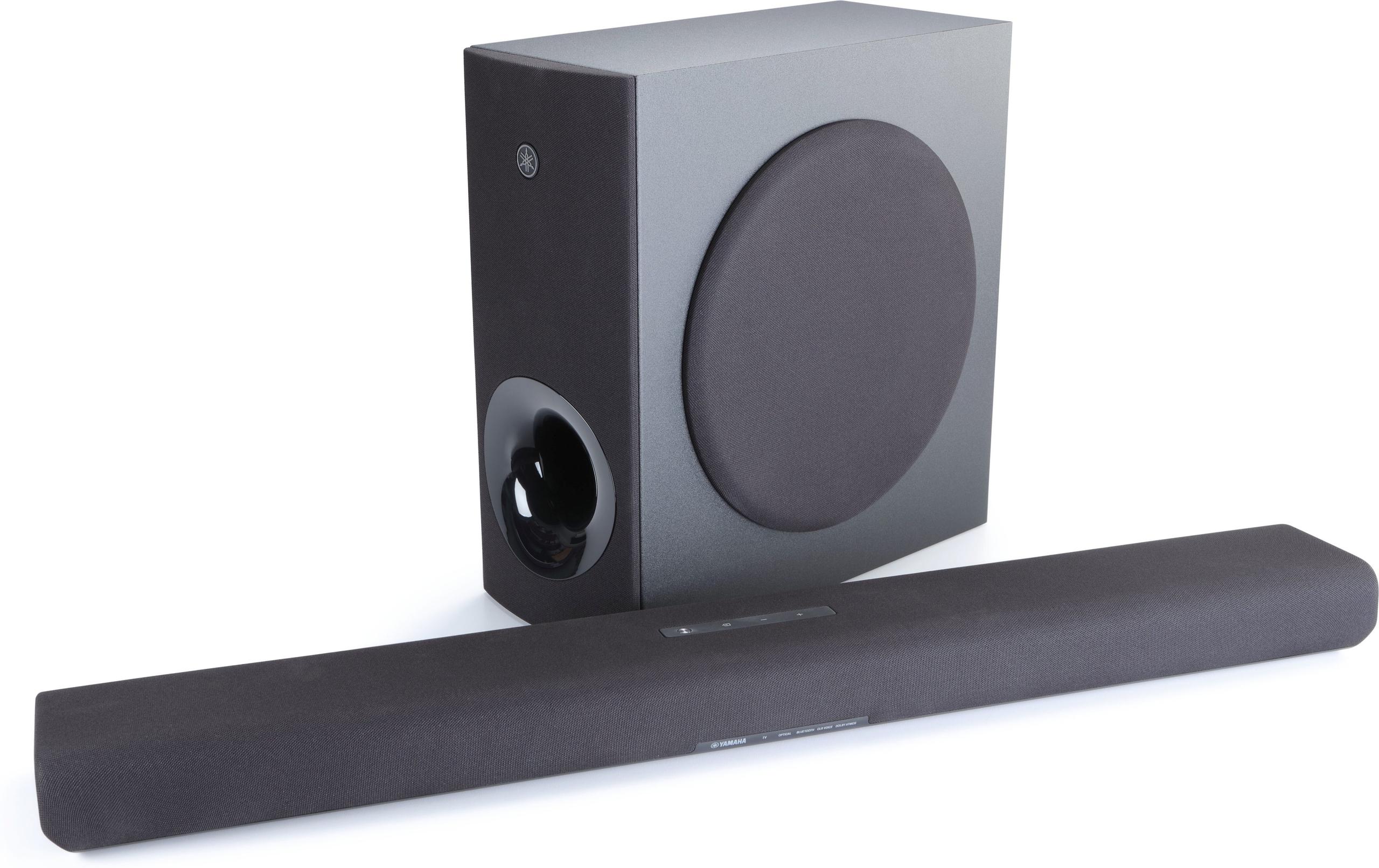
When your TV's built-in speakers leave you straining to hear dialogue and missing the rumble of explosions, it's time for a soundbar upgrade. But with hundreds of options flooding the market, choosing the right one can feel overwhelming. Today we're comparing two fundamentally different approaches to better TV audio: the Ultimea Aura A40 7.1 Channel Soundbar System and the Yamaha SR-B40A 2.1-Channel Sound Bar with Wireless Subwoofer.
These products represent opposite ends of the soundbar philosophy spectrum. The Ultimea Aura A40 throws everything at you – seven channels, four separate surround speakers, and extensive customization options – all at an aggressive price point. Meanwhile, the Yamaha SR-B40A takes the refined approach, focusing on audio quality, premium engineering, and simplicity over speaker count.
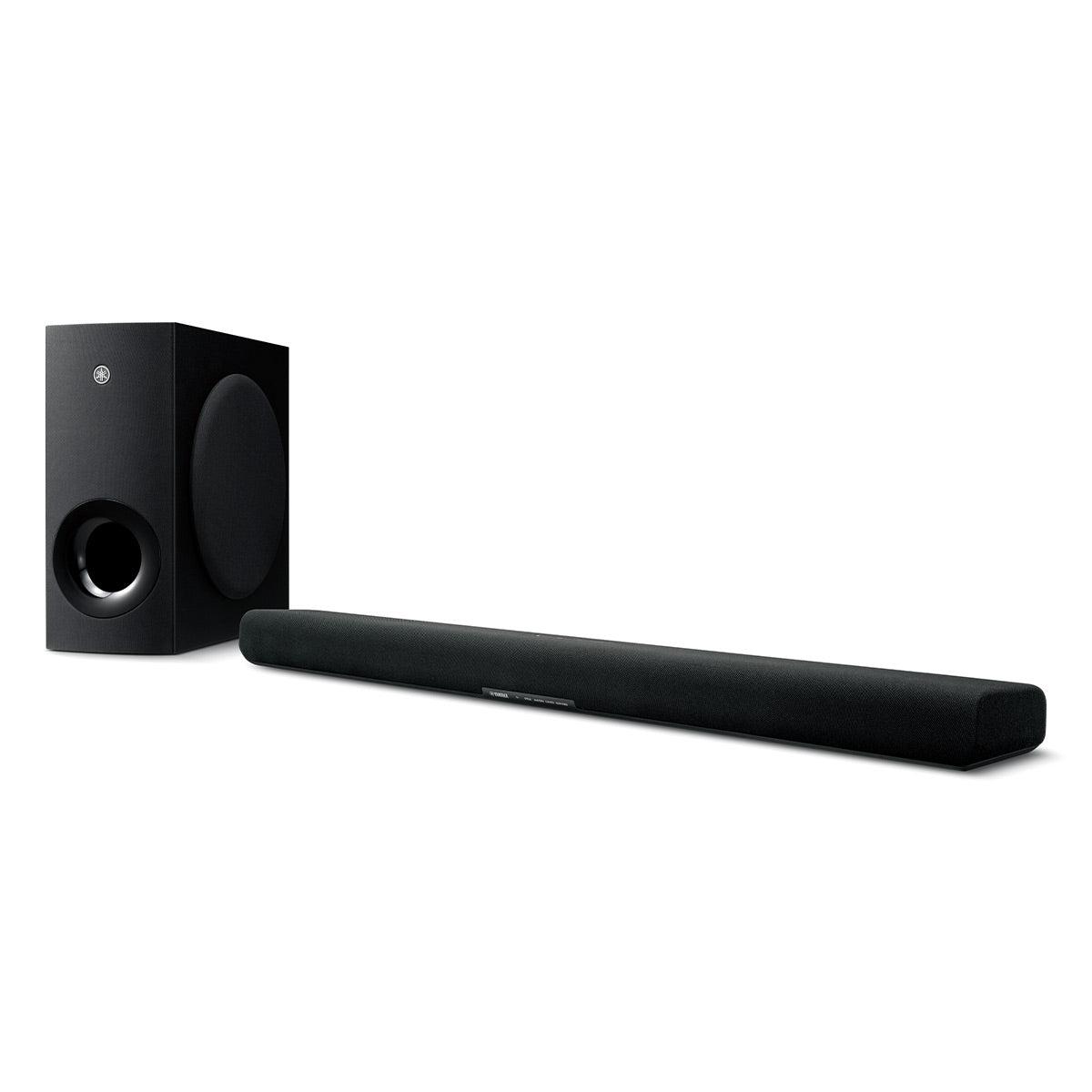
Before diving into specifics, let's clarify what these channel numbers actually mean. A 2.1 system like the Yamaha SR-B40A has two main channels (left and right) plus a subwoofer (the ".1") for bass. It's simple, clean, and relies on audio processing to create the illusion of surround sound.
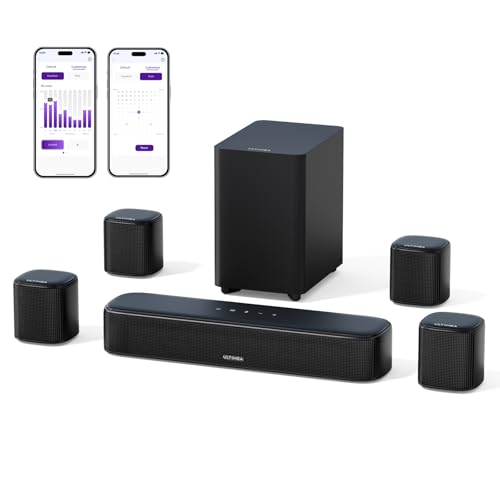
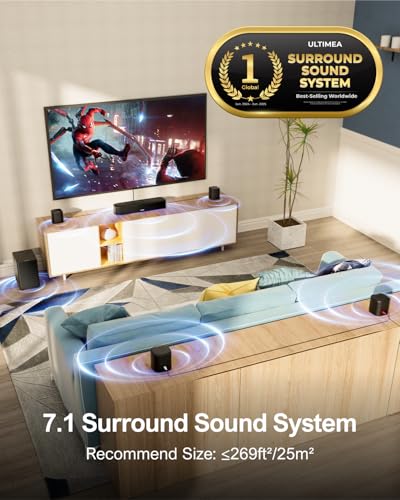
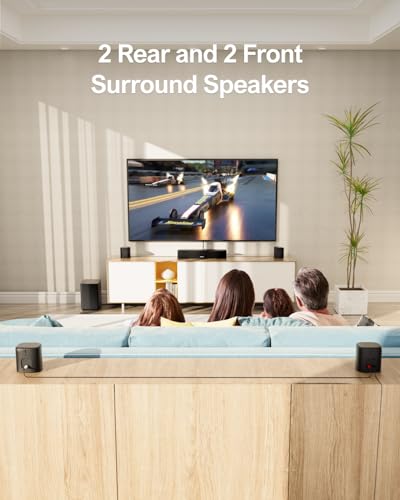
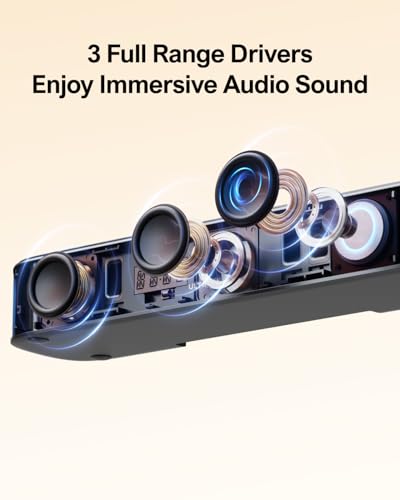
The Ultimea Aura A40 is a 7.1 system, meaning it has seven main channels plus a subwoofer. This includes front left, center, front right, plus four surround speakers that physically place sound around your room. The difference isn't just numbers – it's about whether you want actual speakers behind you or sophisticated audio tricks that simulate that effect.
Channel configuration matters more than most people realize. True surround systems like the Ultimea Aura A40 can place a helicopter's rotor wash behind your right shoulder or footsteps creeping up from your left rear. Virtual surround systems like the Yamaha SR-B40A use psychoacoustic processing – basically audio wizardry that tricks your brain into hearing sounds from directions they're not actually coming from.
Setting up the Ultimea Aura A40 is like assembling a mini home theater. You'll need to position four surround speakers around your room, run cables from the front speakers to the soundbar (2 meters each), connect the rear speakers with a 6-meter cable, and plug in the wired subwoofer. The rear right speaker does pair wirelessly to reduce some cable clutter, but you're still looking at significant wire management.
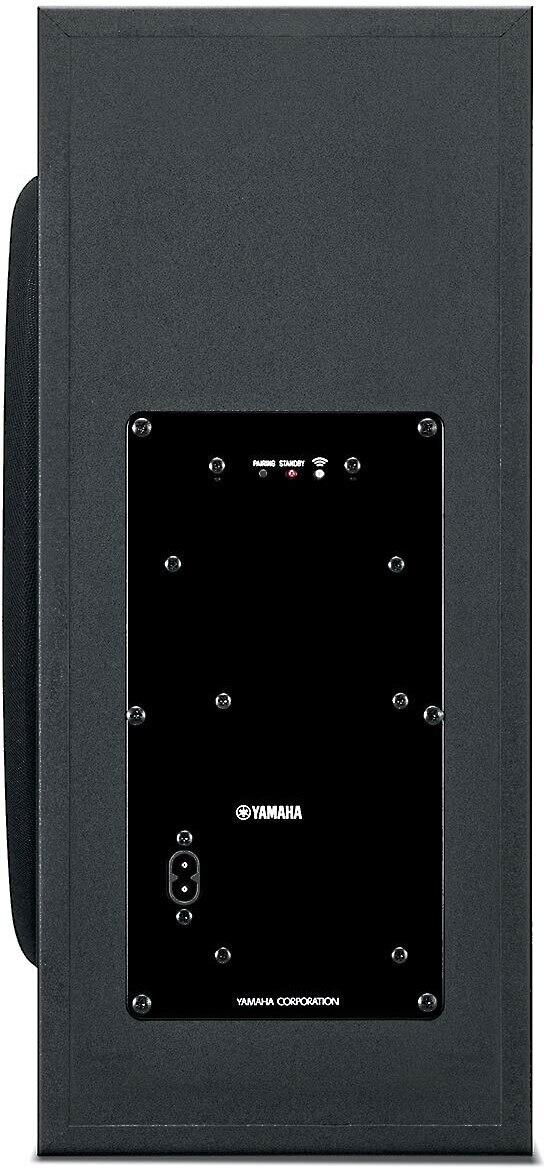
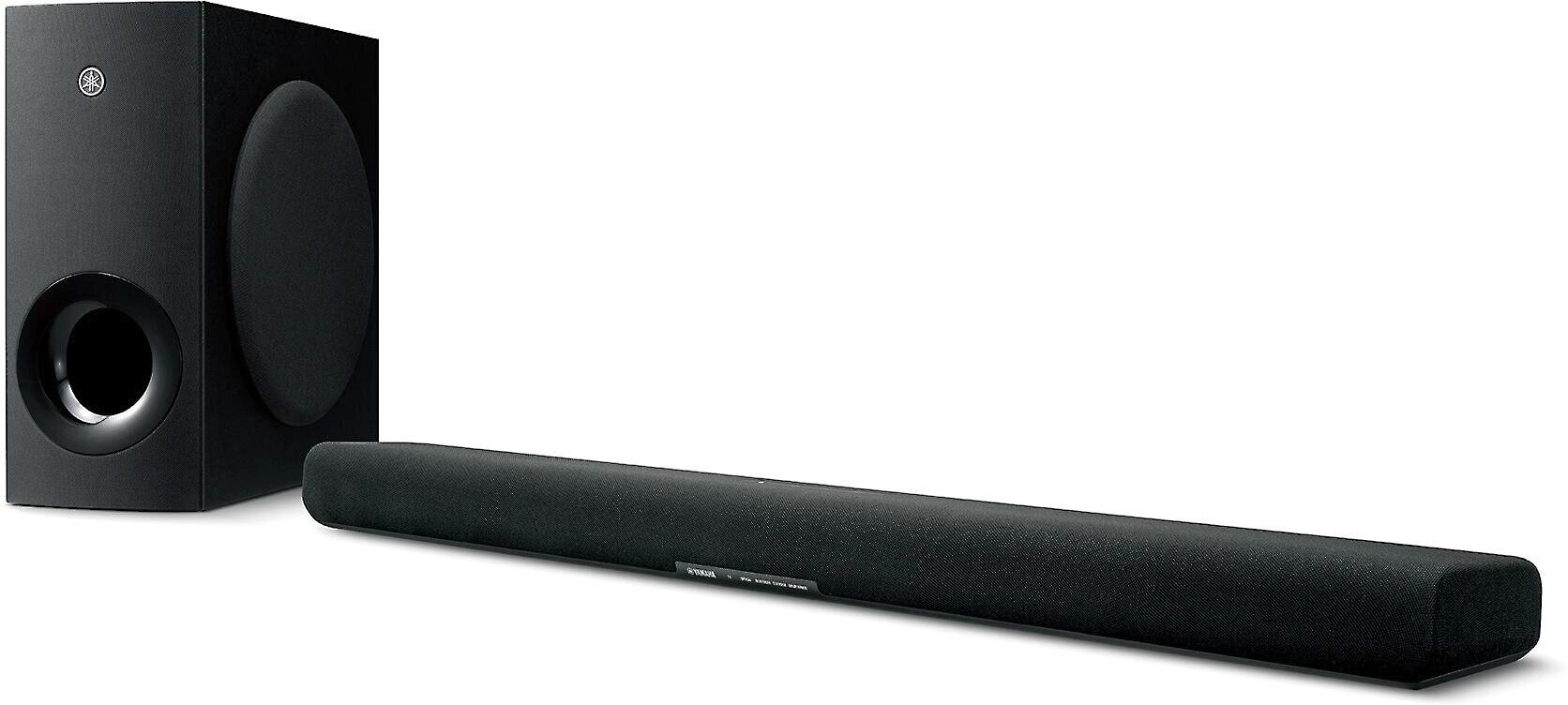
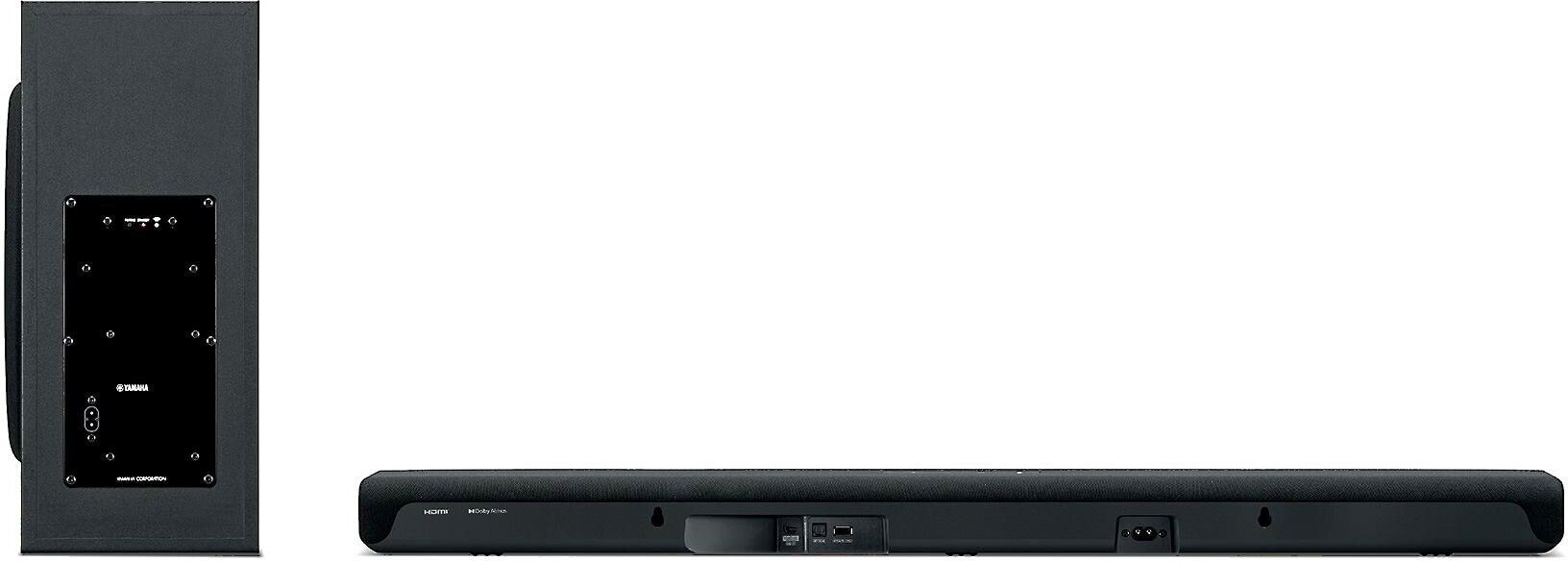
The Yamaha SR-B40A, released in 2024, takes the opposite approach. Place the main bar near your TV, position the wireless subwoofer anywhere within range, connect one cable to your TV, and you're done. The wireless subwoofer is a game-changer for placement flexibility – you can tuck it behind a couch, in a corner, or wherever it sounds best without worrying about cables.
This setup difference extends to your living space requirements. The Ultimea Aura A40 works best in rooms between 108-270 square feet where you can properly position all four surround speakers. Smaller spaces get overwhelmed, larger rooms leave the surrounds feeling weak. The Yamaha SR-B40A adapts to almost any room size since you're only placing two components.
Here's where things get interesting. The Ultimea Aura A40 delivers genuine surround sound through physical speaker placement. When a car races across the screen in Fast & Furious, you hear it travel from your front-left speaker, past the center, to the front-right, then sweep around to your rear speakers. It's convincing in a way that virtual processing simply can't match.
The system uses proprietary SurroundX technology, which Ultimea claims achieves 99.99% positional accuracy. While that specific number is marketing speak, the underlying point holds – physical speakers create real directional audio. Our research into user experiences confirms that properly positioned Aura A40 systems deliver that "wow, there's someone behind me" moment that makes movies feel immersive.
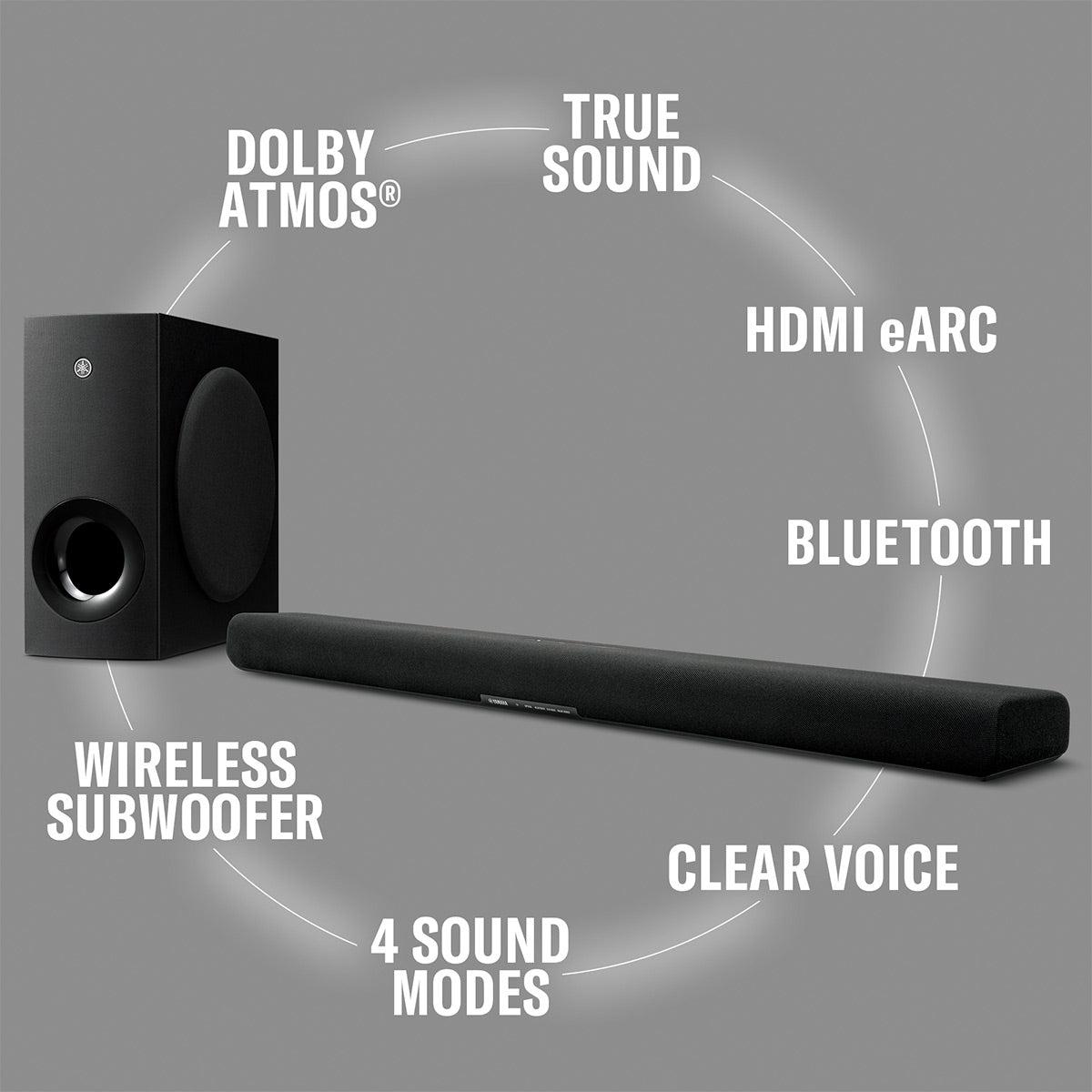
The Yamaha SR-B40A takes a different approach with Dolby Atmos processing. Dolby Atmos is an advanced audio format that treats sounds as objects moving through 3D space rather than just channels. The SR-B40A uses this, combined with Yamaha's True Sound engineering, to create the illusion of surround sound through careful manipulation of timing, phase, and frequency response.
Both approaches work, but for different reasons. The Ultimea Aura A40 gives you authentic directional audio – sounds actually come from different locations. The Yamaha SR-B40A creates a wider, more enveloping soundstage from the front, using psychoacoustic tricks that can be surprisingly effective.
This is where our research reveals a significant performance gap. Multiple user reviews describe the Ultimea Aura A40 as sounding "tinny, boxy, and metallic." This isn't surprising given the aggressive pricing – you're getting seven channels worth of drivers and amplification for less than many 2.1 systems cost.
The frequency response tells part of the story. The Aura A40 only reaches down to 65Hz, which means it's missing the deepest bass frequencies that make explosions feel visceral. Users report needing to max out both the subwoofer level and bass boost settings just to get adequate low-end response. Even then, the bass is described as "flabby and loose" rather than tight and controlled.
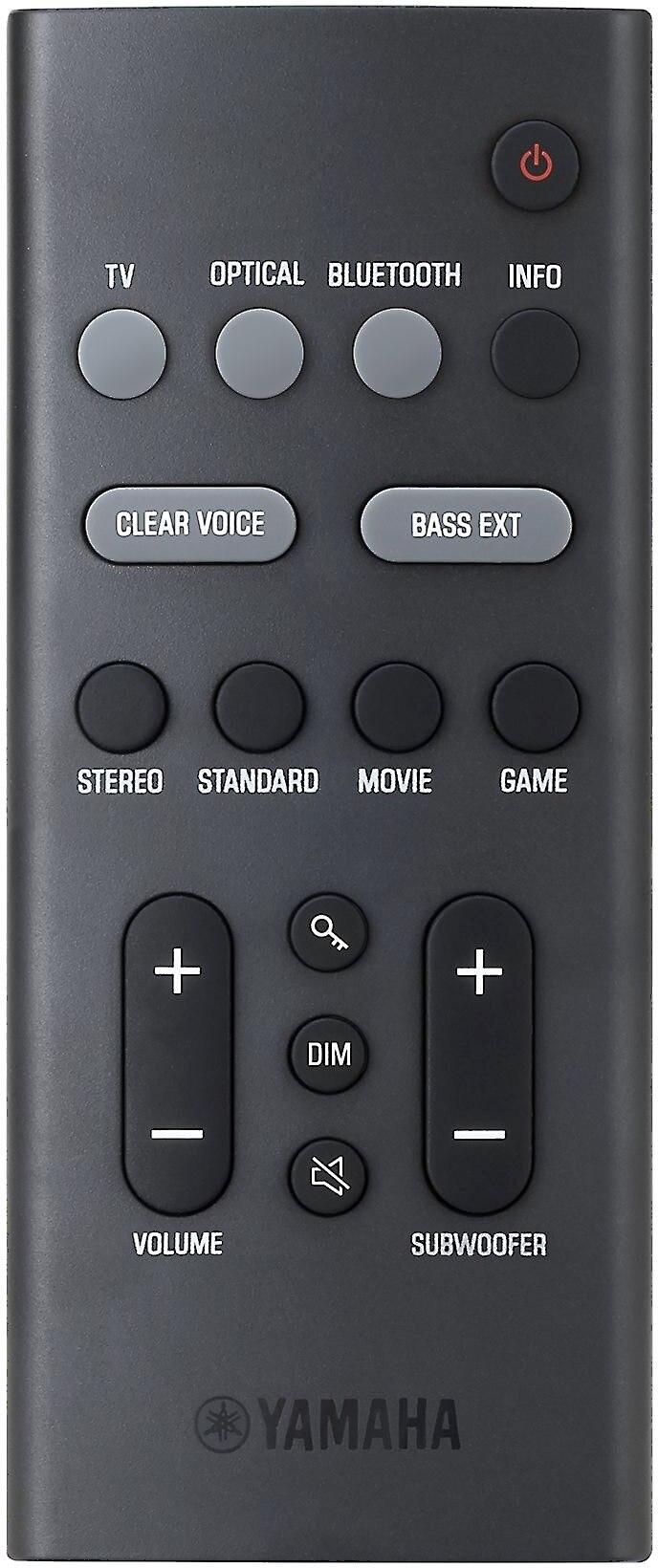
The Yamaha SR-B40A benefits from decades of audio engineering experience. Yamaha's True Sound technology combines traditional audio expertise with modern processing to maintain what they call "ideal tonal balance." Clear Voice technology specifically enhances dialogue clarity – a crucial feature when background music and effects often drown out conversations in movies.
The difference becomes most apparent with music. The Ultimea Aura A40 struggles with musical reproduction, lacking the refinement and detail that make songs engaging. The Yamaha SR-B40A excels here, delivering the kind of balanced, natural sound that makes both orchestral pieces and rock anthems sound compelling.
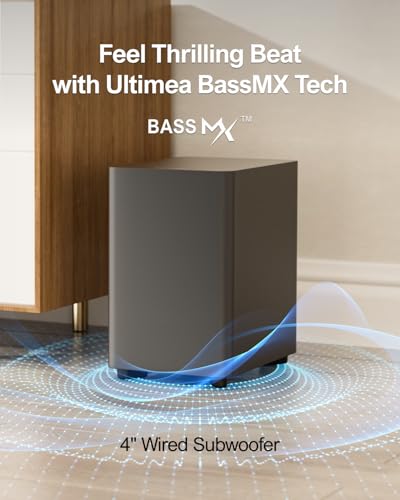
Both systems include subwoofers, but their approaches differ significantly. The Aura A40 uses a 4-inch wired subwoofer with BassMX technology – Ultimea's proprietary bass enhancement processing. However, the 65Hz frequency limitation and user reports of loose, undefined bass suggest this subwoofer prioritizes volume over quality.
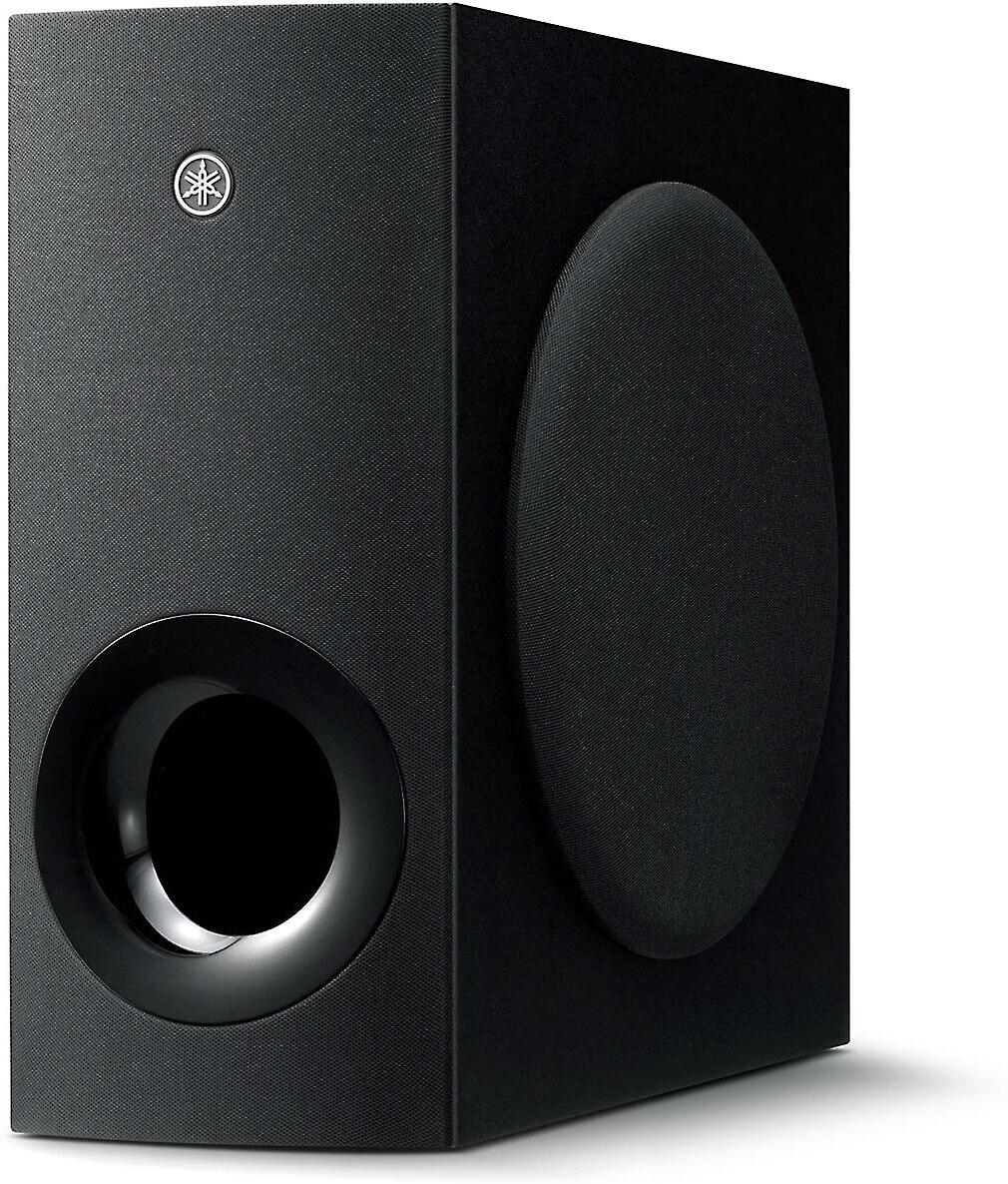
The Yamaha SR-B40A features a 6.25-inch wireless subwoofer with YST II (Yamaha Active Servo Technology II). This technology uses servo control to maintain precise driver movement, resulting in tighter, more accurate bass reproduction. The larger driver and wireless design also provide better placement flexibility, letting you position it where it sounds best rather than where cables reach.
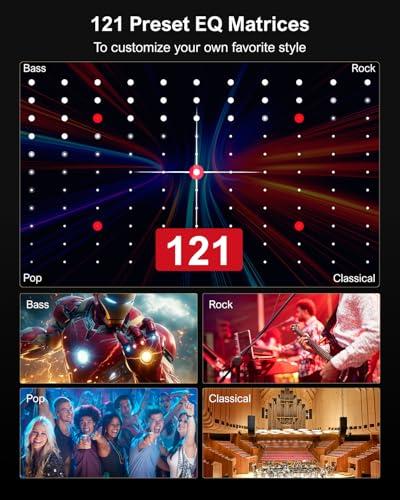
The Ultimea Aura A40 is a customization enthusiast's dream. The Ultimea Smart App provides access to 121 preset EQ matrices across four sonic preferences (Bass, Pop, Classical, Rock), plus a full 10-band parametric equalizer for precise frequency tuning. You can adjust individual surround speaker levels across 13 different settings, fine-tuning the balance for your specific room layout.
Six tailored EQ modes (Movie, Music, Voice, Sport, Game, Night) optimize the sound for different content types. The system receives regular over-the-air (OTA) firmware updates, adding new features and improvements over time. This level of customization lets you compensate for the system's inherent audio quality limitations through careful tuning.
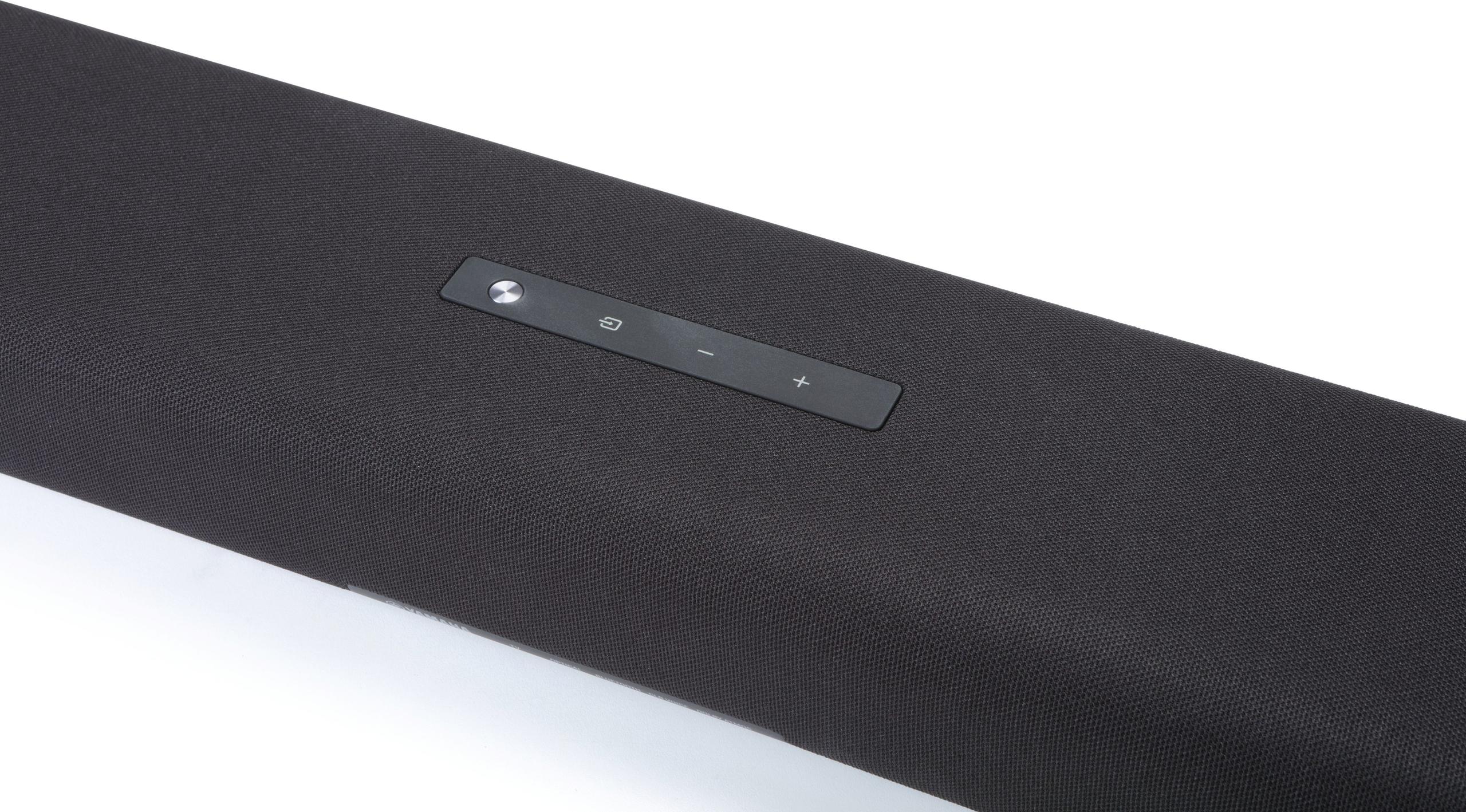
The Yamaha SR-B40A takes a more refined approach with four sound modes: Stereo, Standard, Game, and Movie. Each mode is carefully engineered rather than offering endless tweaking options. The Sound Bar Remote app provides tone controls and Bass Extension features, but the philosophy is "get it right from the start" rather than "let users fix it themselves."
This reflects different target audiences. The Aura A40 appeals to users who enjoy spending time optimizing their audio setup, while the SR-B40A targets those who want great sound without the complexity.
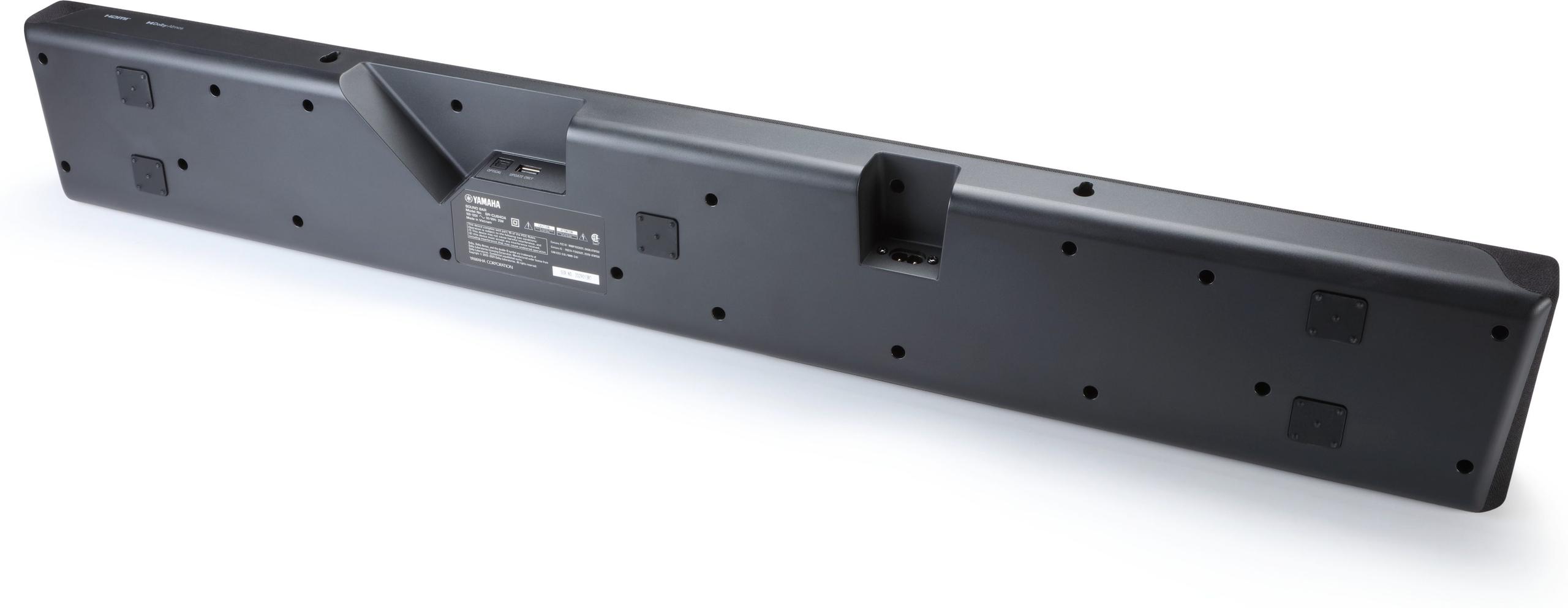
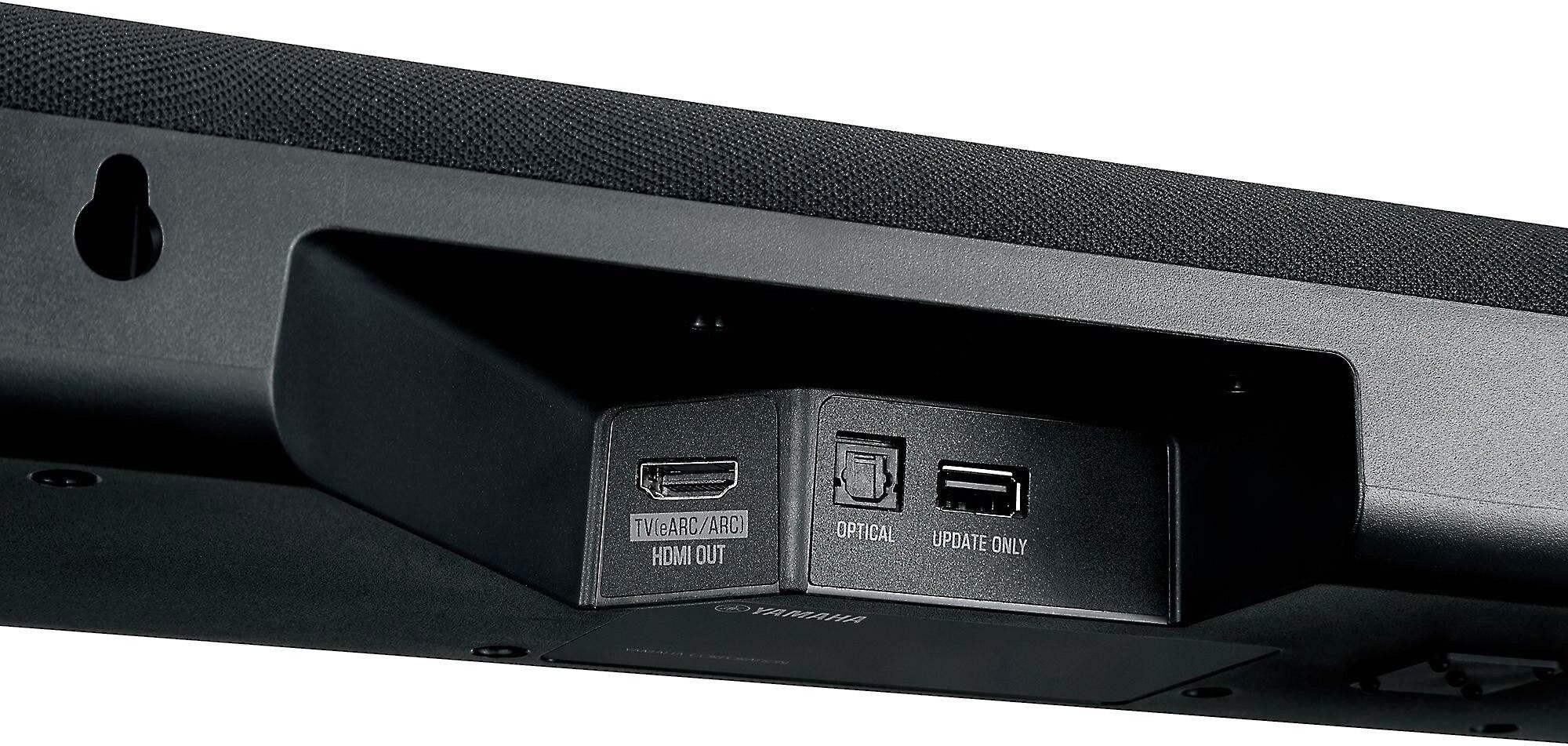
Here's where the Yamaha SR-B40A shows its 2024 design advantage. HDMI eARC (enhanced Audio Return Channel) support means it can receive high-quality audio formats directly from your TV, including Dolby Atmos, DTS-X, and uncompressed audio. This single cable connection also allows TV remote control of basic soundbar functions.
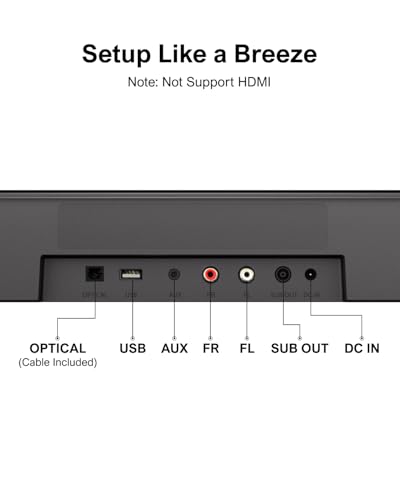
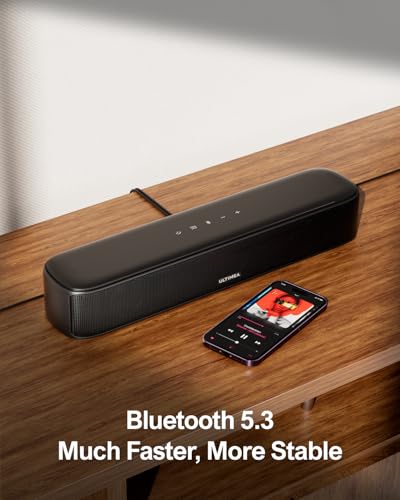
The Ultimea Aura A40, released in 2024 as well, notably lacks HDMI connectivity entirely. You're limited to optical digital, analog AUX, USB playback, and Bluetooth 5.3. While optical can handle most surround formats, it can't carry the highest-quality audio streams that modern streaming services and 4K Blu-rays offer.
Both systems support Bluetooth for wireless music streaming, though the SR-B40A includes AAC codec support for better quality with Apple devices, while the Aura A40 is limited to the basic SBC codec.
For movies, the Ultimea Aura A40 delivers genuine thrills despite its audio quality limitations. Action sequences benefit enormously from physical surround placement – bullets whizzing past your ears, explosions seeming to come from all directions, and ambient effects placing you in the scene. The extensive EQ options let you boost dialogue clarity and enhance bass impact for different movie types.
The Yamaha SR-B40A creates a more refined movie experience. Dialogue remains clear even in complex sound mixes, thanks to Clear Voice technology. Dolby Atmos processing creates convincing height effects – helicopters seem to fly overhead, rain feels like it's falling around you. The superior audio quality means subtle details in soundtracks and ambient effects come through clearly.
This is where the quality gap becomes most apparent. The Ultimea Aura A40 struggles with musical reproduction, particularly for critical listening. The tinny, metallic character that some users report becomes more noticeable with music than with movie soundtracks. However, the multiple EQ presets and customization options can help tailor the sound for different genres.
The Yamaha SR-B40A excels with music, delivering the balanced, natural sound signature Yamaha is known for. Jazz recordings reveal instrumental details, rock music maintains punch without harshness, and classical pieces preserve the soundstage depth that makes orchestral music compelling.
Both systems offer advantages for gaming, but in different ways. The Aura A40 provides tactical advantages in competitive gaming – you can pinpoint enemy footsteps, identify gunfire direction, and hear environmental cues with precise positional accuracy. The Game EQ mode enhances these directional elements.
The SR-B40A focuses on overall audio quality and impact. While you won't get the precise directional cues of physical surround speakers, the superior driver quality and processing create a more immersive, higher-fidelity gaming experience. The Game mode optimizes frequency response for typical gaming audio.
At the time of writing, both systems compete in the sub-$300 market segment, but they offer completely different value propositions. The Ultimea Aura A40 delivers genuine 7.1 surround sound at a price point where competitors typically offer 2.1 or 3.1 configurations. You're paying for quantity – seven channels, four surround speakers, extensive customization – while accepting compromises in audio quality.
The Yamaha SR-B40A represents premium engineering at mainstream pricing. You're paying for Yamaha's decades of audio expertise, superior driver quality, refined processing, and long-term reliability. The value lies in getting high-quality sound without complexity.
The decision between these systems comes down to your priorities and use case.
Choose the Ultimea Aura A40 if you're primarily focused on movie and gaming immersion, have adequate room space for proper surround speaker placement, enjoy customizing audio settings, and prioritize surround effect quantity over audio quality refinement. It's ideal for dedicated movie watchers who want that "theater at home" experience and don't mind spending time optimizing the setup.
The Yamaha SR-B40A makes more sense if you value audio quality and simplicity over surround gimmicks, listen to music frequently, prefer minimal cable management, want reliable brand engineering, or have space constraints that make multiple speakers impractical. It's the better choice for balanced media consumption and users who want great sound without complexity.
For most people, the Yamaha SR-B40A delivers better long-term satisfaction. Its superior audio quality, simpler setup, and premium engineering make it more versatile and reliable. However, if you're specifically seeking maximum movie and gaming immersion and don't mind the audio quality trade-offs, the Aura A40 offers genuine surround sound at an aggressive price point.
The fundamental question is whether you want eight speakers that sound decent or fewer speakers that sound great. Your answer determines which system will better serve your home entertainment needs.
| Ultimea Aura A40 | Yamaha SR-B40A |
|---|---|
| Channel Configuration - Determines surround sound immersion level | |
| 7.1 channels with 4 physical surround speakers | 2.1 channels with virtual surround processing |
| Total Speaker Count - More drivers can mean better sound dispersion | |
| 8 speakers (3 mainbar + 4 surround + 1 subwoofer) | 6 drivers (4 main + 2 tweeters) plus subwoofer |
| Subwoofer Setup - Affects bass quality and placement flexibility | |
| 4" wired subwoofer (BassMX technology) | 6.25" wireless subwoofer (YST II technology) |
| Frequency Response - Lower numbers mean deeper bass extension | |
| 65Hz - 18kHz (limited bass depth) | Not specified (likely extends deeper than 65Hz) |
| Peak Power Output - Higher wattage enables louder, more dynamic sound | |
| 330W total system power | 200W total system power |
| Audio Processing Technology - Advanced formats improve sound quality | |
| SurroundX virtual positioning | Dolby Atmos with True Sound engineering |
| HDMI Connectivity - Essential for modern TV integration | |
| No HDMI (Optical, AUX, USB, Bluetooth only) | HDMI eARC/ARC support |
| Customization Options - More control means better room adaptation | |
| 121 EQ presets, 10-band equalizer, 13 surround levels | 4 sound modes with app-based tone controls |
| Setup Complexity - Simpler installation saves time and reduces clutter | |
| Complex (4 surround speakers + cables + wired sub) | Simple (soundbar + wireless subwoofer) |
| Smart Features - App control and updates add convenience | |
| Ultimea Aura A40 Smart App with OTA updates | Sound Bar Remote app with basic controls |
| Build Quality Reputation - Established brands offer better reliability | |
| New brand focused on value pricing | Yamaha's decades of audio engineering expertise |
| Ideal Room Size - Optimal performance depends on space | |
| 108-270 sq ft with proper surround placement | Flexible for most room sizes |
The Ultimea Aura A40 is better for dedicated home theater use thanks to its true 7.1 surround sound with four physical surround speakers. This creates genuine directional audio where you can hear helicopters flying overhead or footsteps behind you. The Yamaha SR-B40A offers excellent movie sound quality with Dolby Atmos processing, but uses virtual surround effects rather than physical speaker placement.
The Ultimea Aura A40 has 7.1 channels meaning seven main audio channels plus a subwoofer, with four separate surround speakers that physically place sound around your room. The Yamaha SR-B40A has 2.1 channels (left, right, plus subwoofer) and creates surround effects through audio processing rather than additional speakers.
The Yamaha SR-B40A is much easier to set up with just the main soundbar and wireless subwoofer to position. The Ultimea Aura A40 requires placing four surround speakers around your room with multiple cable connections, making installation more complex but providing true surround sound placement.
The Yamaha SR-B40A delivers significantly better music quality with Yamaha's audio engineering expertise and True Sound technology. The Ultimea Aura A40 focuses on surround effects over audio refinement, with some users reporting a "tinny" sound quality that's less ideal for critical music listening.
The Yamaha SR-B40A offers better TV compatibility with HDMI eARC support for high-quality audio formats and TV remote control integration. The Ultimea Aura A40 lacks HDMI connectivity, relying on optical, AUX, and Bluetooth connections which limits access to premium audio formats.
The Ultimea Aura A40 provides extensive customization with 121 EQ presets, a 10-band equalizer, and individual surround speaker level adjustments through the Ultimea Smart App. The Yamaha SR-B40A offers simpler controls with four sound modes and basic tone adjustments, focusing on refined sound rather than extensive tweaking.
The Yamaha SR-B40A typically delivers better bass quality with its larger 6.25-inch wireless subwoofer and advanced driver technology. The Ultimea Aura A40 uses a smaller 4-inch wired subwoofer that some users find lacking in depth and tightness, requiring maximum settings to achieve adequate bass response.
For competitive gaming, the Ultimea Aura A40 provides tactical advantages with precise directional audio from physical surround speakers, helping locate enemy positions. The Yamaha SR-B40A offers superior overall audio quality for immersive single-player gaming experiences, though without the precise positional accuracy.
The Ultimea Aura A40 requires adequate room space (108-270 square feet) for proper surround speaker placement around your seating area. The Yamaha SR-B40A works well in any room size since you only need to position the main soundbar and wireless subwoofer.
The Yamaha SR-B40A benefits from Yamaha's decades of audio engineering experience and established reputation for build quality. The Ultimea Aura A40 is from a newer brand focused on value pricing, with less long-term reliability data available.
Yes, both the Ultimea Aura A40 and Yamaha SR-B40A support Bluetooth connectivity for wireless music streaming. The Yamaha SR-B40A includes AAC codec support for better quality with Apple devices, while the Ultimea Aura A40 uses standard Bluetooth codecs.
The Ultimea Aura A40 offers exceptional value if you prioritize surround sound immersion, providing true 7.1 channels at a competitive price point. The Yamaha SR-B40A provides better value for overall audio quality and simplicity, with premium engineering and superior sound refinement that justifies its positioning in the market.
We've done our best to create useful and informative comparisons to help you decide what product to buy. Our research uses advanced automated methods to create this comparison and perfection is not possible - please contact us for corrections or questions. These are the sites we've researched in the creation of this article: youtube.com - walmart.com - youtube.com - ultimea.com - homestudiobasics.com - ultimea.co - youtube.com - eu.ultimea.com - walmart.com - device.report - bestbuy.com - manuals.plus - community.ultimea.com - judge.me - support.ultimea.com - geekmaxi.com - provantage.com - bestbuy.com - youtube.com - uk.whatgeek.com - crutchfield.com - visions.ca - shop.usa.yamaha.com - bestbuy.com - bestbuy.com - usa.yamaha.com - my.yamaha.com - europe.yamaha.com - adorama.com - usa.yamaha.com - digitalhomecreations.com - europe.yamaha.com - sundownone.com

Privacy Policy
Terms and Conditions - Affiliate Policy
Home Security
© Copyright 2008-2026.
11816 Inwood Rd #1211, Dallas, TX 75244