











If you've ever found yourself turning up your TV volume just to hear what the actors are saying, only to have the action scenes blast you out of your seat, you're not alone. TV speakers are notoriously terrible, and that's where soundbars come in. But choosing between a budget system with physical surround speakers and a premium Dolby Atmos setup isn't straightforward—these represent fundamentally different approaches to solving the same problem.
The Ultimea Aura A40 launched in 2024 as a budget-conscious 7.1 channel system that includes four separate surround speakers, while the LG S95TR arrived the same year as LG's flagship 9.1.5 channel Dolby Atmos soundbar. At the time of writing, these products sit at opposite ends of the price spectrum, with the Ultimea system costing roughly one-third of what you'd pay for the LG.
Modern soundbars have evolved far beyond simple TV speaker replacements. Today's systems attempt to recreate the immersive experience of a movie theater using various approaches. The most important thing to understand is that more channels generally mean better sound separation—imagine having different musicians positioned around a concert hall rather than all clustered on stage.
Channel numbers like 7.1 or 9.1.5 tell you how the system divides audio. The first number represents horizontal channels (left, center, right, plus surround speakers), the second is dedicated subwoofers for bass, and the third (when present) indicates height channels for overhead effects. So a 9.1.5 system has nine horizontal speakers, one subwoofer, and five height channels creating sound from above.
The biggest advancement in recent years has been Dolby Atmos—a technology that treats sounds as objects moving through 3D space rather than just sending audio to specific speakers. When a helicopter flies overhead in a movie, Dolby Atmos calculates which speakers should play that sound to create the illusion it's actually above you.
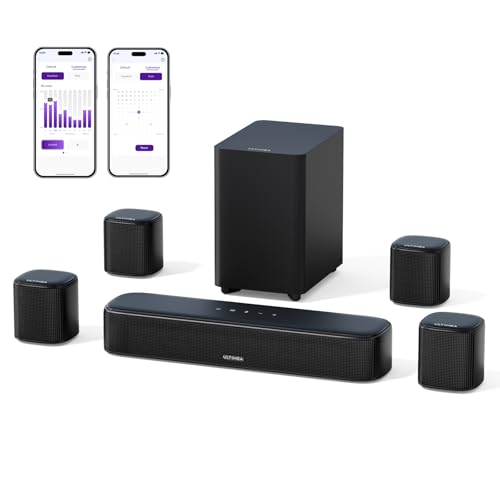
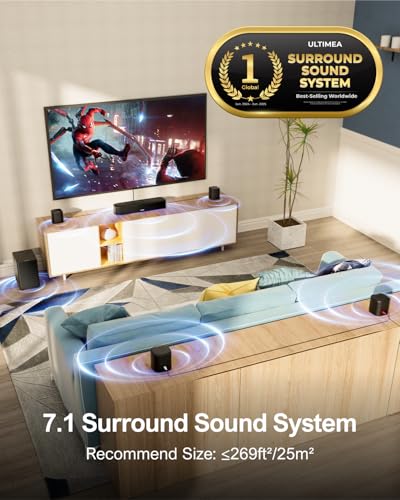
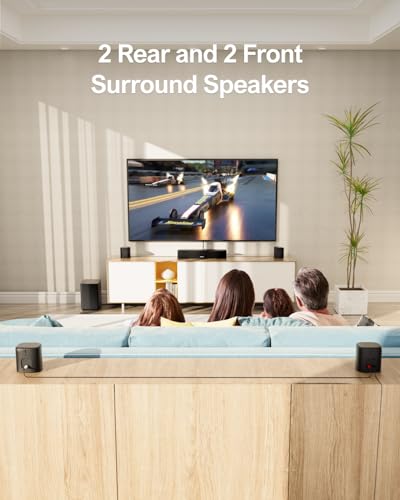
The Ultimea Aura A40 takes what I'd call the "honest surround" approach. Instead of trying to simulate surround sound through clever audio processing, it gives you four actual surround speakers that you place around your room. The system includes two front surrounds, two rear surrounds, a dedicated subwoofer, and the main soundbar with three channels for dialogue and effects.
This physical approach means when a car crashes behind you in an action movie, the sound actually comes from speakers behind you—not from clever psychoacoustic tricks trying to fool your brain. The trade-off is more cables and speakers to position, but you get authentic directional audio that virtual systems struggle to match.
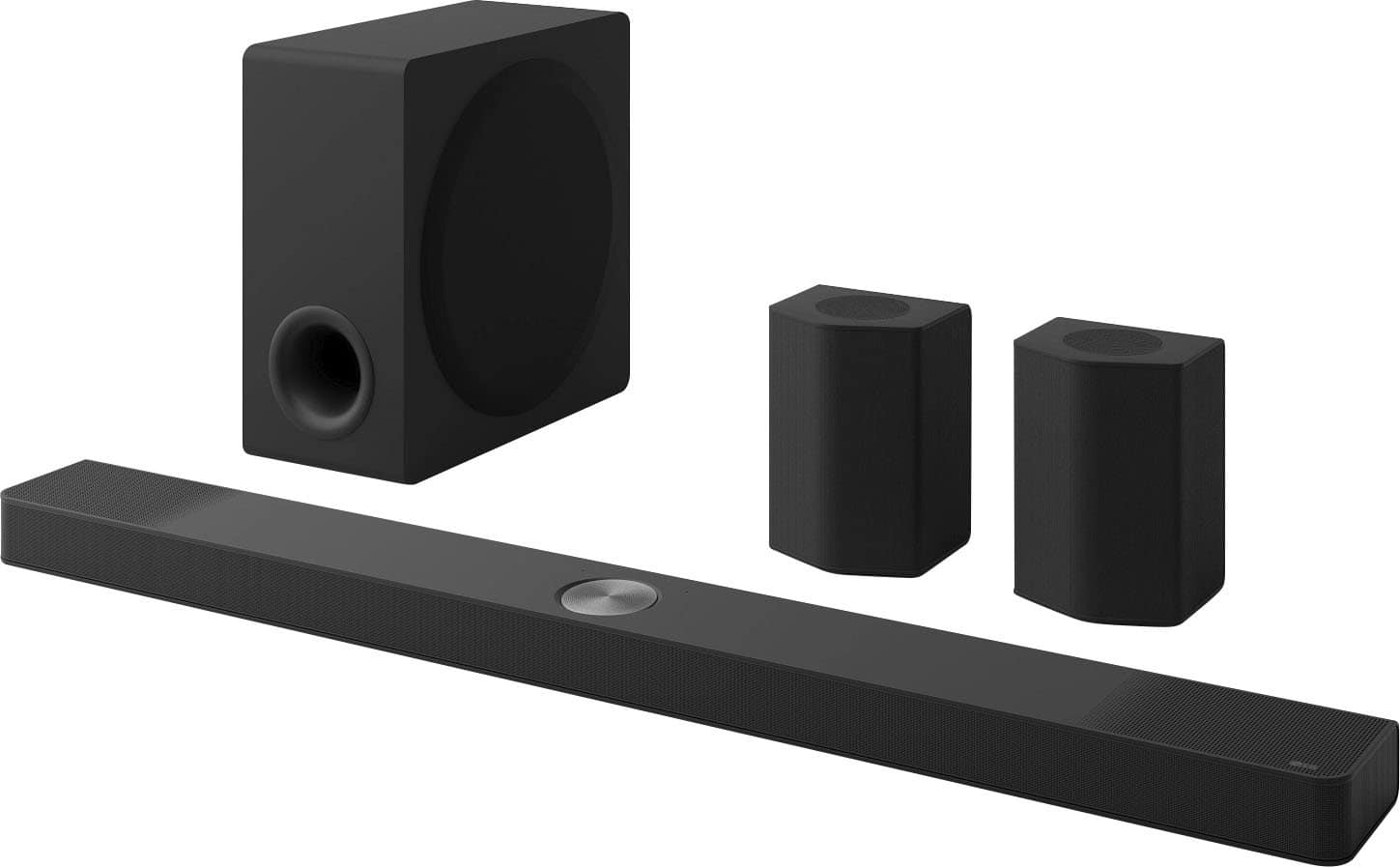
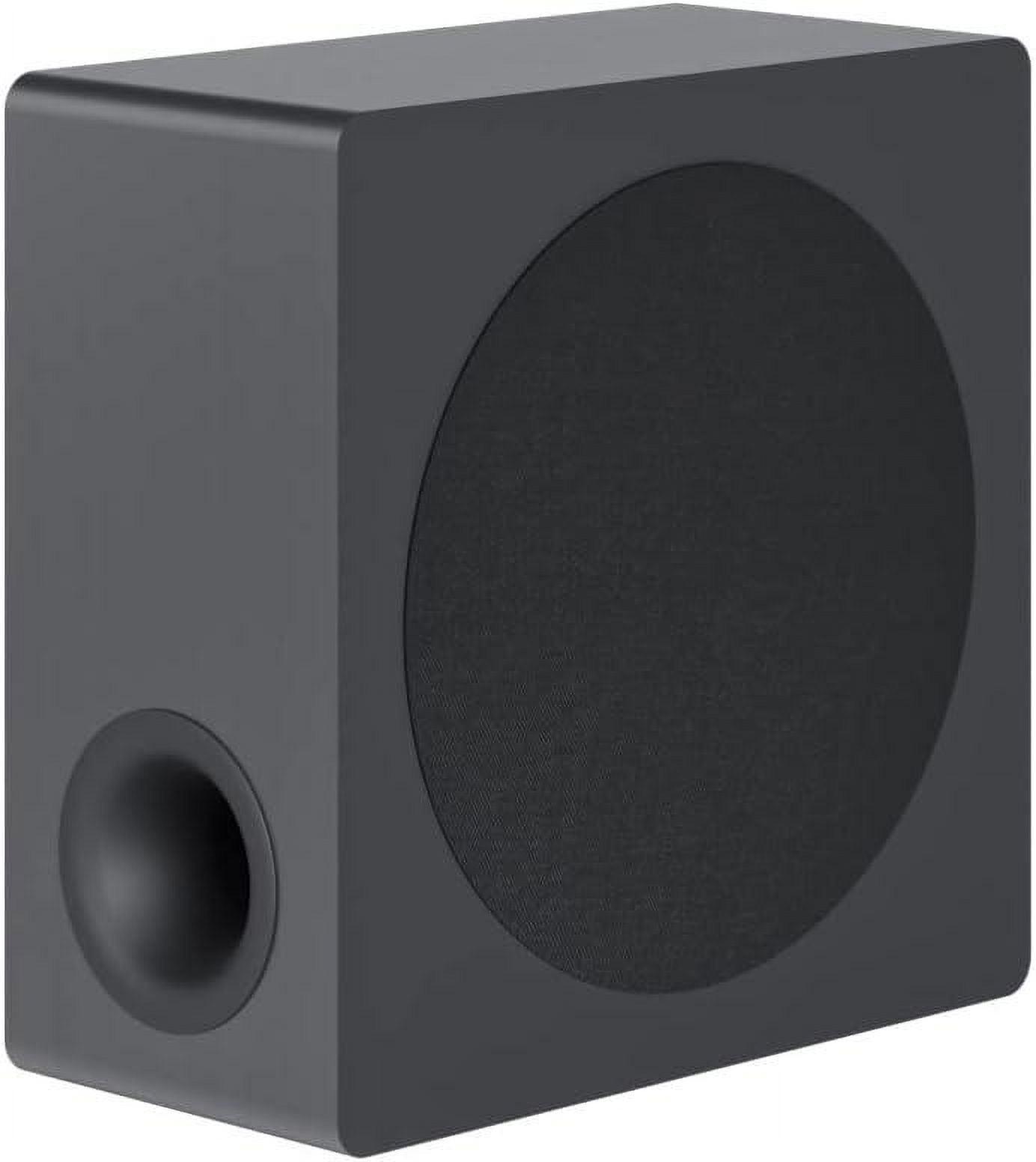
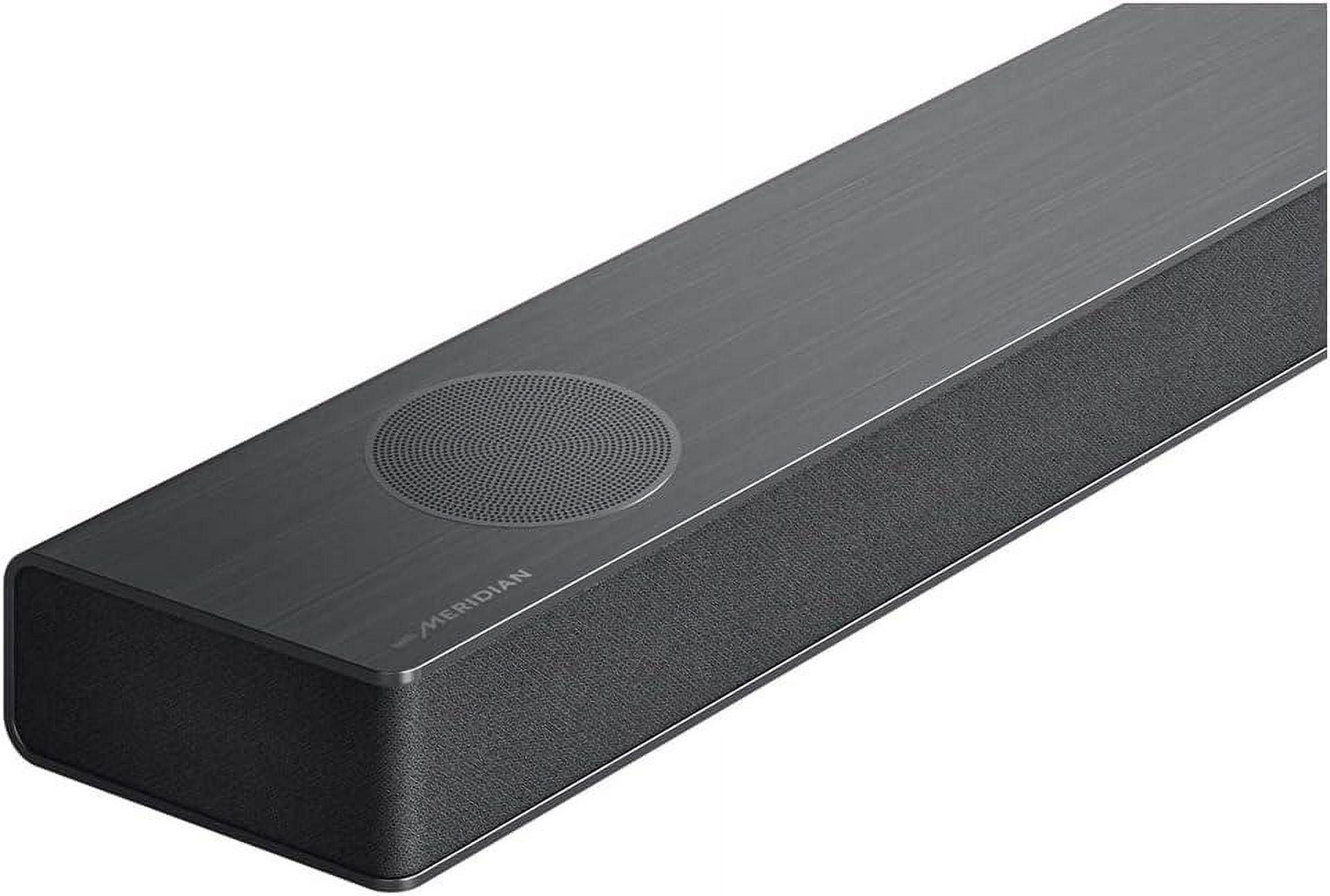
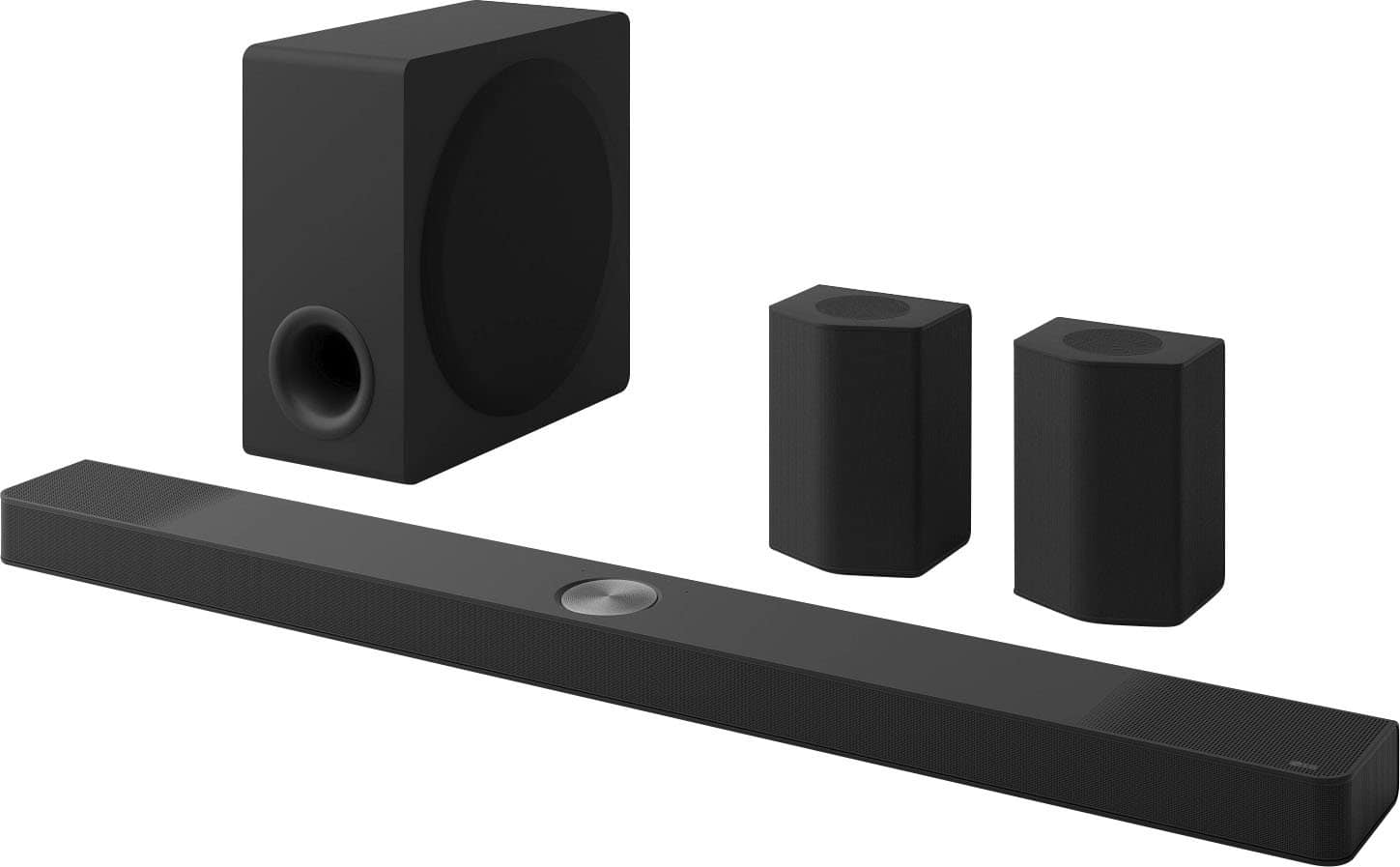
The LG S95TR, by contrast, represents the premium virtual approach enhanced with some physical elements. Its 9.1.5 configuration includes wireless satellite speakers for true surround effects, but also incorporates multiple up-firing drivers that bounce sound off your ceiling to create height effects. This system supports Dolby Atmos and DTS:X—advanced audio formats that most budget systems can't process.
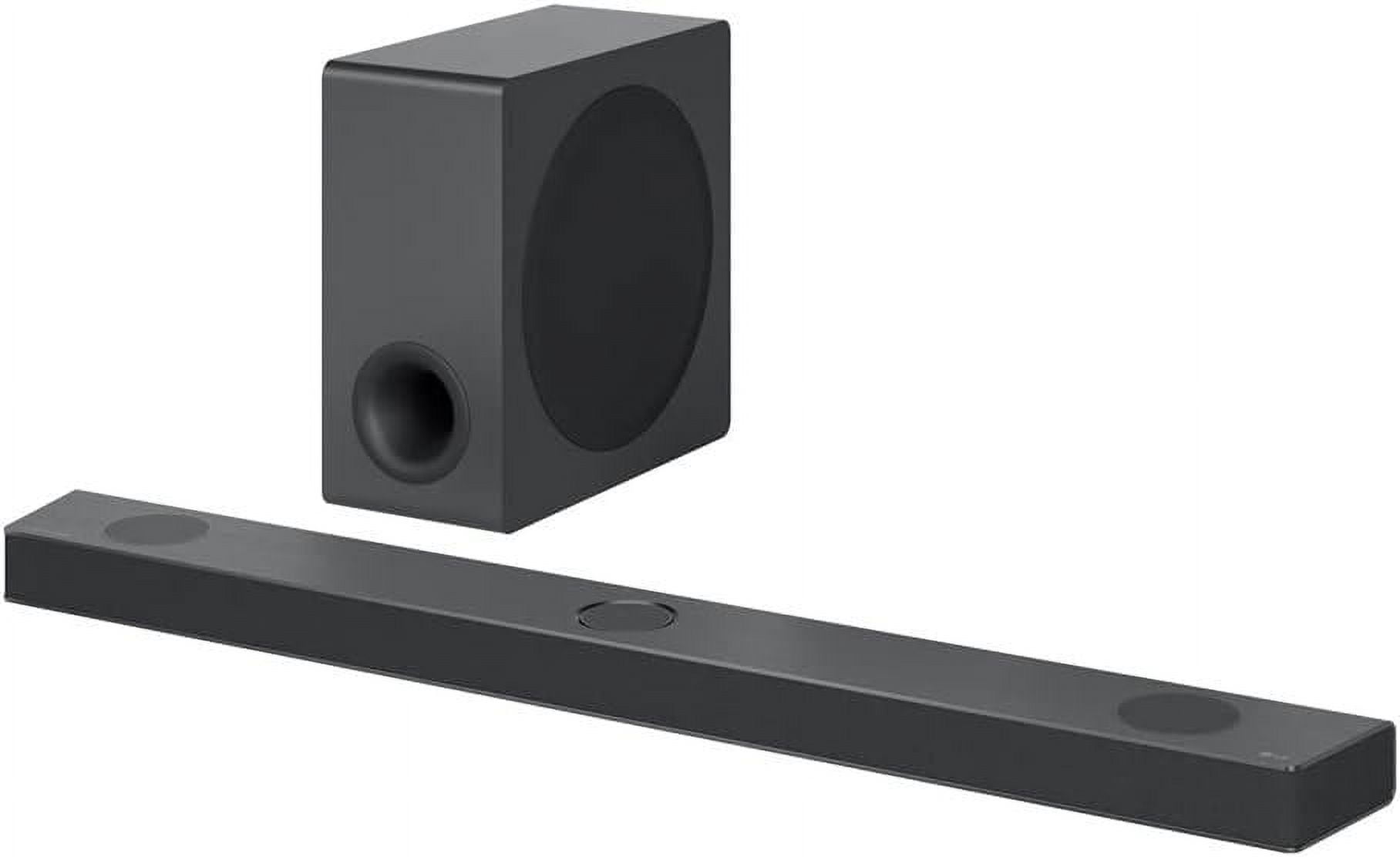
Based on our research into user and expert reviews, these systems deliver notably different sound characteristics. The LG S95TR produces what most reviewers describe as balanced, room-filling audio with strong bass extension. Its wireless subwoofer can shake your couch during action sequences, and the system achieves very loud volumes without the harsh distortion that plagues cheaper soundbars.
However, the LG's most significant weakness appears to be its height channel performance. Multiple professional reviews note that the up-firing satellite speakers—those responsible for creating overhead effects—simply don't get loud enough to match the main soundbar. Even after manual adjustment, users report that the height effects remain subtle, failing to deliver the convincing "sounds from above" experience that Dolby Atmos promises.
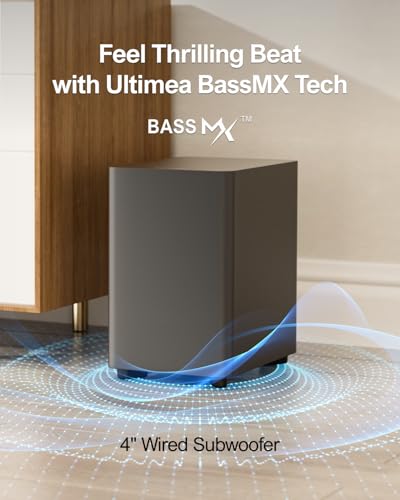
The Ultimea Aura A40 delivers adequate volume for small to medium rooms, with its 330-watt peak power handling most content well. User reviews consistently praise the clear dialogue—crucial for TV watching—and the convincing surround effects from its four physical speakers. The system's 4-inch subwoofer provides decent bass down to about 65Hz, though it won't match the deep, room-shaking impact of larger premium subwoofers.
Where the Ultimea shows its budget roots is in overall refinement. Several reviews describe the sound as somewhat "tinny" or "boxy" compared to higher-end systems, particularly when listening to music. The frequency response, while adequate for movies and TV, lacks the smooth, detailed presentation that audiophiles expect.
This is where the philosophical differences become most apparent. The LG S95TR's Dolby Atmos processing can create impressive spatial effects when everything works correctly. Modern streaming content and 4K Blu-rays encoded with object-based audio can sound genuinely three-dimensional, with sounds moving smoothly around and above you.
The system's AI room calibration automatically adjusts the sound based on your room's acoustics—a feature that works well in most cases, though some users report better results with manual tweaking. The wireless satellite speakers provide excellent placement flexibility since you're not constrained by cable lengths.
The Ultimea's approach is more straightforward but often more reliable. Its four surround speakers create authentic directional effects that don't depend on room acoustics or ceiling height to work properly. The system uses proprietary SurroundX technology to process audio, and while it can't match true Dolby Atmos for sophistication, it delivers consistent surround effects regardless of your room setup.
One clever design element is the Ultimea's hybrid wired/wireless approach. The front surround speakers connect via cables, ensuring reliable audio sync, while the rear speakers use a wireless connection to reduce cable clutter. This balances convenience with performance in a way that makes sense for the price point.
Here's where these systems diverge most dramatically. The LG S95TR includes HDMI eARC (enhanced Audio Return Channel) connectivity, which allows it to receive high-quality audio directly from your TV and pass video signals from connected devices. This means you can plug your gaming console, streaming device, or Blu-ray player directly into the soundbar, then send video to your TV through a single HDMI cable.
The LG also supports 4K video passthrough, though it's limited to 4K at 120Hz with 8-bit color depth—a limitation that affects gamers using PlayStation 5 or Xbox Series X who want the full 10-bit color experience. Still, for most users, this connectivity is convenient and future-proof.
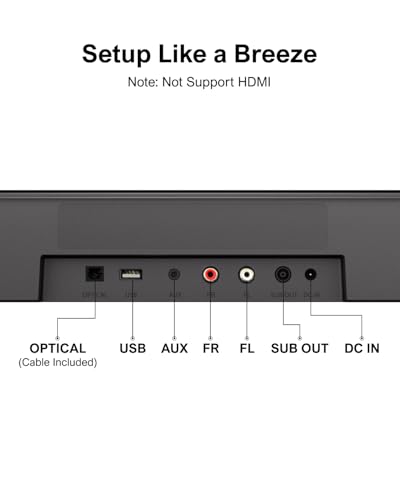
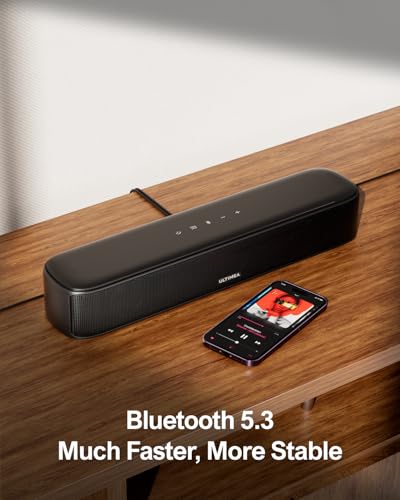
The Ultimea Aura A40 has no HDMI connectivity whatsoever. You'll connect it to your TV using an optical cable (included) or rely on Bluetooth for wireless devices. While optical cables can carry Dolby Digital surround sound, they can't transmit the advanced audio formats that streaming services and 4K movies use.
This connectivity difference matters more than you might think. Modern streaming platforms like Netflix and Disney+ increasingly use advanced audio formats that require HDMI connections. Without HDMI, the Ultimea will receive basic surround sound but miss out on the enhanced audio experiences that content creators intend.
Both systems offer smartphone app control, but with different philosophies. The Ultimea takes a "tweaker's paradise" approach with an impressive 121 preset EQ settings covering different music genres, room types, and content preferences. The 10-band manual equalizer lets you fine-tune frequency response precisely, and you can adjust the volume level of each surround speaker independently.
This level of customization is unusual at any price point and particularly impressive for a budget system. The app also provides over-the-air firmware updates, ensuring the system improves over time. Six listening modes (Movie, Music, Voice, Sport, Game, Night) optimize the sound for different content types.
The LG S95TR offers more sophisticated but less granular control. Its AI Sound Pro mode automatically adjusts audio based on what you're watching, though user reviews suggest this feature often makes dialogue muddy and treble harsh. Manual EQ options include basic bass and treble sliders plus several preset modes.
The LG also includes AV Sync adjustment—crucial for preventing the annoying lip-sync issues that plague some soundbar setups. This feature lets you manually delay audio to match video, something the Ultimea lacks.
Your room size significantly impacts which system makes more sense. The Ultimea Aura A40 is specifically designed for small to medium spaces, with recommendations for rooms between 108-270 square feet. In larger rooms, its 330-watt power output simply can't compete with the LG's ability to fill bigger spaces with sound.
The LG S95TR excels in larger living rooms and open floor plans where its higher power output and sophisticated processing can shine. However, its height effects depend heavily on ceiling height and acoustic properties—something that varies dramatically between homes.
For apartment dwellers or those with space constraints, the Ultimea's compact design might be more practical despite requiring multiple speaker placements. The wireless rear connectivity reduces cable runs, though you'll still need power outlets for each surround speaker.
Gaming represents an interesting use case for both systems. The LG S95TR's HDMI input allows direct console connection with minimal input lag, and its Dolby Atmos processing can enhance games that support spatial audio. However, the previously mentioned 4K 120Hz limitation affects next-generation gaming experiences.
The Ultimea requires connecting your gaming console directly to your TV, then sending audio to the soundbar via optical cable. This setup adds potential lag and limits audio format support, but the physical surround speakers excel at directional audio cues—crucial for competitive gaming where hearing enemy footsteps can mean victory or defeat.
For music listening, neither system truly excels, though they serve different purposes. The LG provides more refined sound quality but lacks the warmth and detail that dedicated music systems offer. The Ultimea handles music adequately but clearly prioritizes movie and TV audio over musical reproduction.
At the time of writing, the Ultimea Aura A40 represents exceptional value for buyers seeking authentic surround sound on a tight budget. Getting four physical surround speakers plus a dedicated subwoofer at this price point was nearly impossible just a few years ago. The system's extensive customization options and reliable performance make it particularly appealing for tech-savvy users who enjoy tweaking their audio setup.
The LG S95TR commands premium pricing that puts it in competition with established home theater brands. While it offers sophisticated features and generally excellent build quality, the disappointing height channel performance prevents it from fully justifying its flagship positioning. Users expecting dramatic overhead effects often find themselves underwhelmed.
Choose the Ultimea Aura A40 if you live in a smaller space, have a limited budget, and prioritize authentic surround sound over advanced features. This system makes the most sense for apartment dwellers, college students, or anyone setting up a secondary entertainment area. The lack of HDMI connectivity is manageable if you're primarily watching TV and streaming content through your television's built-in apps.
The LG S95TR is better suited for users with larger homes, higher budgets, and a desire for the latest audio technologies. If you frequently watch 4K movies, own multiple gaming consoles, or want seamless integration with LG TVs, the connectivity and format support justify the premium price. However, temper expectations about height effects—they're present but subtle.
Neither system is perfect, but both serve their intended markets well. The Ultimea Aura A40 proves that budget systems can deliver genuinely satisfying surround sound if you're willing to accept some limitations. The LG S95TR offers premium features and build quality but doesn't quite nail the immersive audio experience that its specifications suggest.
Your decision should ultimately depend on your room size, budget, and connectivity needs rather than channel count alone. Sometimes four well-positioned physical speakers outperform nine channels of clever processing—it just depends on what matters most for your specific entertainment setup.
| Ultimea Aura A40 7.1 Channel Soundbar System | LG S95TR 9.1.5 Channel Soundbar with Dolby Atmos |
|---|---|
| Channel Configuration - More channels typically mean better sound separation and immersion | |
| 7.1 virtual surround with 8 physical speakers | True 9.1.5 with discrete channels and height effects |
| Physical Speaker Setup - Determines authenticity of surround effects | |
| 4 wired surround speakers + subwoofer + 3-channel soundbar | Wireless satellite speakers + wireless subwoofer + main bar |
| Audio Format Support - Critical for modern streaming content and 4K movies | |
| No Dolby Atmos; basic surround formats only | Full Dolby Atmos and DTS:X support |
| HDMI Connectivity - Essential for modern devices and high-quality audio | |
| No HDMI (optical, AUX, USB, Bluetooth only) | HDMI eARC + HDMI input with 4K passthrough |
| Power Output - Affects maximum volume and room-filling capability | |
| 330W peak power (suitable for small-medium rooms) | Higher output for large spaces (exact specs not specified) |
| Frequency Response - Lower numbers mean deeper bass | |
| 65Hz–18kHz (limited deep bass extension) | Enhanced bass with dedicated wireless subwoofer |
| EQ Customization - Allows fine-tuning sound to your preferences | |
| 121 preset matrices + 10-band manual EQ + 6 listening modes | Basic bass/treble adjustment + AI Sound Pro modes |
| Room Size Recommendations - Matching system to space is crucial | |
| 108–270 sq ft (small to medium rooms) | Large rooms and open floor plans |
| Surround Speaker Connectivity - Affects setup complexity and placement flexibility | |
| Hybrid: front wired, rear wireless (reduces cable clutter) | Fully wireless satellites (maximum placement freedom) |
| Smart Features - Modern conveniences and ongoing improvements | |
| Ultimea app with OTA updates and extensive customization | LG app with AI calibration and AV sync adjustment |
| Height Effects - Creates overhead audio for immersive experience | |
| None (traditional horizontal surround only) | Up-firing drivers in satellites (though reviews note weak performance) |
| Setup Complexity - Time and effort required for installation | |
| Moderate (multiple speaker placement + cable management) | Easier (wireless components but requires optimal positioning) |
The Ultimea Aura A40 is specifically designed for small to medium rooms (108-270 square feet) and performs exceptionally well in compact spaces. Its four physical surround speakers create authentic directional audio without requiring the high ceilings and optimal acoustics that the LG S95TR needs for its height effects to work properly.
Yes, HDMI connectivity is crucial for modern home theater setups. The LG S95TR includes HDMI eARC and input ports that support advanced audio formats from streaming services and 4K movies. The Ultimea Aura A40 lacks HDMI entirely, limiting you to optical, AUX, and Bluetooth connections, which can't carry the latest audio formats.
Both excel in different ways. The Ultimea Aura A40 provides authentic surround sound through four physical speakers positioned around your room, creating genuine directional audio. The LG S95TR offers more sophisticated virtual processing with Dolby Atmos, but reviews indicate its height channels underperform, making the surround effects less convincing than expected.
The LG S95TR connects directly to gaming consoles via HDMI with 4K passthrough, though it's limited to 4K 120Hz 8-bit for next-gen systems. The Ultimea Aura A40 requires connecting your console to your TV first, then sending audio via optical cable, which adds potential lag and limits audio quality.
The LG S95TR delivers deeper, more powerful bass through its larger wireless subwoofer, making it better for action movies and bass-heavy music. The Ultimea Aura A40 includes a 4-inch wired subwoofer that provides decent bass down to 65Hz but won't match the room-shaking impact of premium systems.
The LG S95TR is easier to set up since its satellite speakers are fully wireless, requiring only power connections and automatic pairing. The Ultimea Aura A40 requires more planning due to speaker cable runs, though its hybrid wired/wireless design reduces complexity compared to fully wired systems.
The LG S95TR excels with streaming content because it supports Dolby Atmos and advanced audio formats that Netflix, Disney+, and other services use. The Ultimea Aura A40 will play streaming audio but can't access the enhanced surround sound formats due to its lack of HDMI connectivity.
Yes, but with different approaches. The Ultimea Aura A40 offers extensive customization with 121 preset EQ settings, a 10-band manual equalizer, and individual surround speaker level adjustment. The LG S95TR provides basic bass/treble controls and AI-powered sound modes, but less granular customization options.
The Ultimea Aura A40 represents exceptional value, offering authentic surround sound with physical speakers at a budget-friendly price point. The LG S95TR costs significantly more but provides premium features like Dolby Atmos and HDMI connectivity, though some flagship features like height effects don't fully deliver on their promise.
Neither system excels primarily at music reproduction. The LG S95TR offers more refined sound quality suitable for casual music listening, while the Ultimea Aura A40 handles music adequately but clearly prioritizes movie and TV audio over musical accuracy and detail.
The LG S95TR is designed for larger spaces with its higher power output and room-filling capabilities. The Ultimea Aura A40 works best in smaller rooms and may struggle to provide adequate volume in open floor plans or large living areas.
Yes, both systems work with any TV brand. The LG S95TR offers additional features when paired with LG TVs through WOW Orchestra integration, but functions perfectly with other brands via HDMI or optical connections. The Ultimea Aura A40 connects to any TV with optical output or Bluetooth capability.
We've done our best to create useful and informative comparisons to help you decide what product to buy. Our research uses advanced automated methods to create this comparison and perfection is not possible - please contact us for corrections or questions. These are the sites we've researched in the creation of this article: youtube.com - walmart.com - youtube.com - ultimea.com - homestudiobasics.com - ultimea.co - youtube.com - eu.ultimea.com - walmart.com - device.report - bestbuy.com - manuals.plus - community.ultimea.com - judge.me - support.ultimea.com - geekmaxi.com - provantage.com - bestbuy.com - youtube.com - uk.whatgeek.com - techradar.com - bestbuy.com - youtube.com - trustedreviews.com - zdnet.com - rtings.com - lg.com - lambcotvandappliance.com - valueelectronics.com - romomattressfurniture.com - dolby.com - youtube.com

Privacy Policy
Terms and Conditions - Affiliate Policy
Home Security
© Copyright 2008-2026.
11816 Inwood Rd #1211, Dallas, TX 75244