

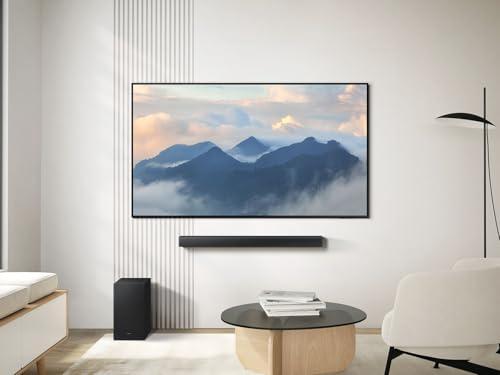
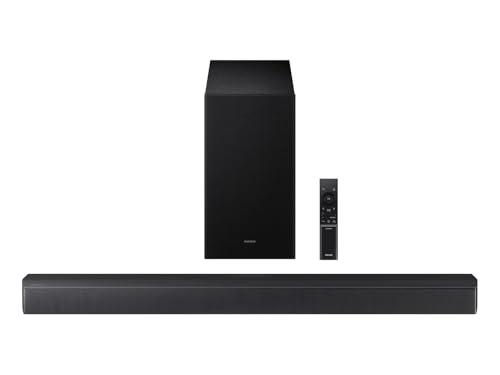
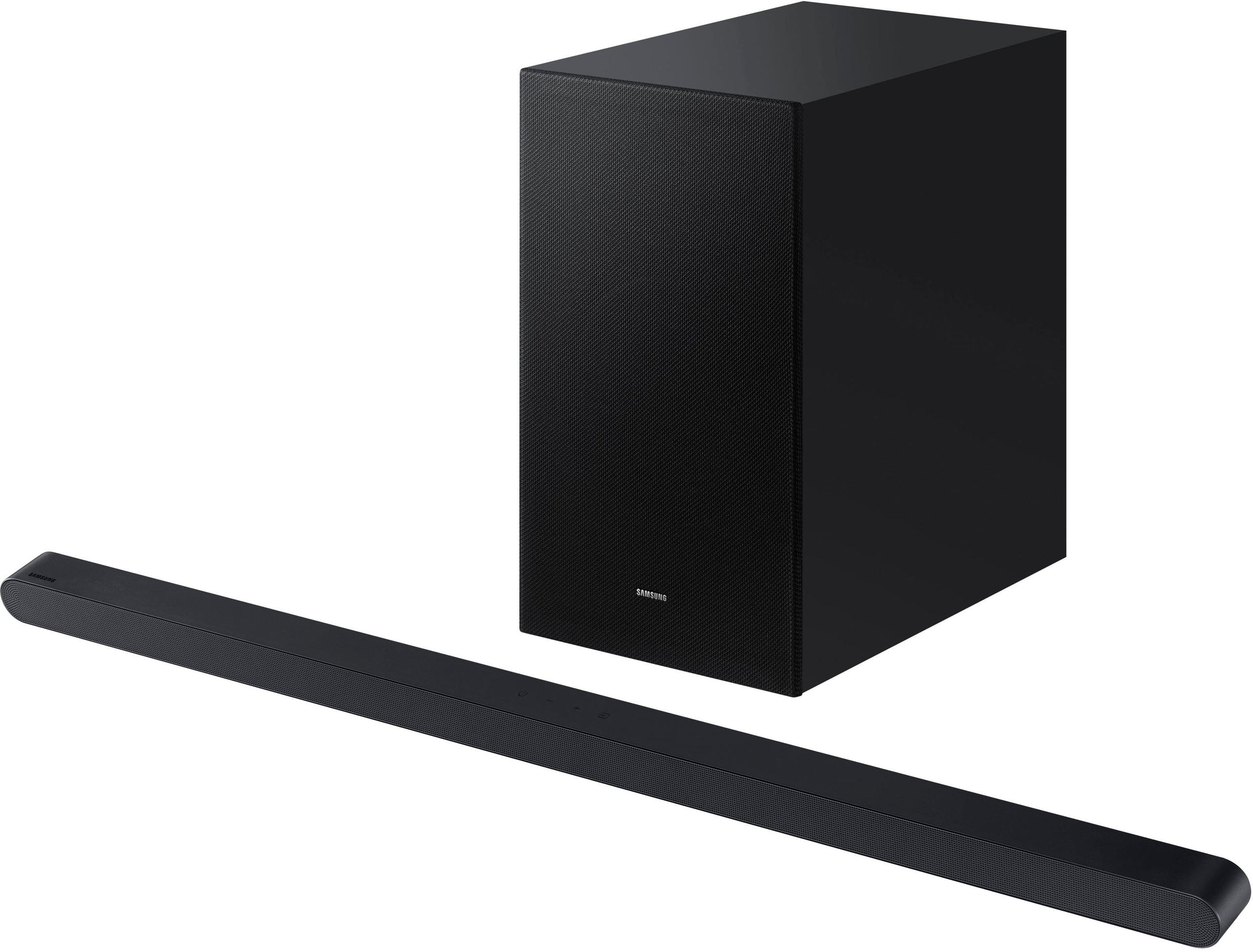


When your TV's built-in speakers sound like they're trapped in a cardboard box, upgrading to a 3.1 channel soundbar can feel like discovering sound for the first time. Both the Samsung HW-B630F and Samsung HW-S700D promise to transform your living room audio, but they take notably different approaches to getting there.
At the time of writing, these two soundbars represent different points on Samsung's lineup – the B630F positions itself as a value-focused 2025 model, while the S700D from 2024 commands a significant premium with advanced features. The price gap between them is substantial enough to make you wonder: what exactly are you getting for that extra money, and is it worth it?
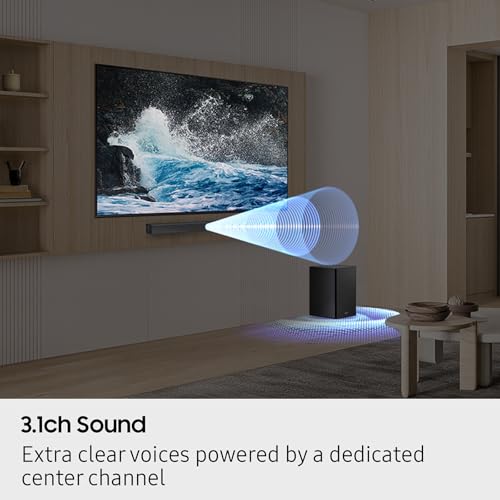
Before diving into specifics, it's worth understanding what "3.1" actually means for your listening experience. The "3" represents three front-facing speakers: left, center, and right channels that create a wide soundstage in front of you. The ".1" is a dedicated subwoofer handling low frequencies – those room-shaking explosions and deep musical bass lines.
This configuration excels at two critical tasks: dialogue clarity and spatial imaging. The center channel speaker is specifically tuned to reproduce human voices, which is why movie dialogue suddenly becomes crystal clear when you upgrade from TV speakers. Meanwhile, the left and right channels create width and separation, making sound effects seem to move across the screen rather than emanating from a single point.
Both the HW-B630F and HW-S700D use this proven 3.1 setup, but their execution reveals important differences in approach and capability.
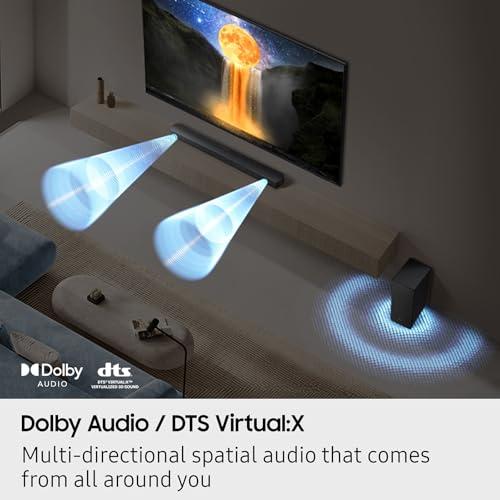
The most significant divide between these soundbars lies in their audio processing capabilities. The Samsung HW-B630F relies primarily on DTS Virtual:X technology, which uses clever audio algorithms to simulate surround sound from its three front speakers. Think of it as sophisticated audio trickery – it analyzes incoming sound and redirects certain frequencies to create the illusion that sound is coming from beside and even slightly above you.
This virtual processing works surprisingly well for most content. Action movies benefit from expanded soundstage width, making helicopters seem to fly across your living room rather than just left-to-right across the soundbar. The B630F also includes dedicated sound modes like Game Mode, which emphasizes positional audio cues crucial for competitive gaming, and Voice Enhance mode that lifts dialogue above background music and effects.
The Samsung HW-S700D, however, takes a fundamentally different approach with full Dolby Atmos support. Dolby Atmos isn't just another surround sound format – it's what audio engineers call "object-based audio." Instead of mixing sound into specific channels, Atmos treats individual sounds as objects that can be precisely placed in three-dimensional space around the listener.
When you watch an Atmos-encoded movie, helicopters don't just move left-to-right; they can genuinely appear to fly overhead. Rain sounds like it's falling from above rather than just coming from the front speakers. The S700D achieves this through more sophisticated processing and what Samsung calls "Wireless Dolby Atmos," which works particularly well when paired with compatible Samsung TVs.
This difference becomes most apparent with premium streaming content. Netflix's higher-tier plans, Disney+, and 4K Blu-rays increasingly offer Dolby Atmos tracks that the B630F simply cannot fully utilize. While both soundbars will play the audio, only the S700D can deliver the intended three-dimensional experience.
For many users, dialogue clarity represents the primary reason for upgrading from TV speakers. Modern content mixing often buries dialogue beneath dramatic music scores and explosive sound effects, leading to the universal experience of constantly adjusting volume or asking "what did they just say?"
Both soundbars address this challenge through dedicated center channel speakers, but their approaches differ in sophistication. The HW-B630F uses straightforward voice enhancement processing combined with manual EQ controls for bass and treble adjustment. Its Voice Enhance mode applies frequency shaping that emphasizes the vocal range where human speech occurs, typically between 300Hz and 3kHz.
The Samsung HW-S700D takes dialogue processing several steps further with Active Voice Amplifier (AVA) technology. This feature continuously analyzes incoming audio and automatically adjusts dialogue levels based on the complexity of each scene. During quiet conversation scenes, it maintains natural vocal levels. But when explosions or dramatic music threaten to overwhelm speech, AVA dynamically lifts dialogue frequencies to maintain intelligibility without making voices sound artificially processed.
User reviews consistently highlight this difference. B630F owners report solid dialogue improvement over TV speakers, while S700D users often express surprise at hearing dialogue details they never noticed before, even in familiar content.
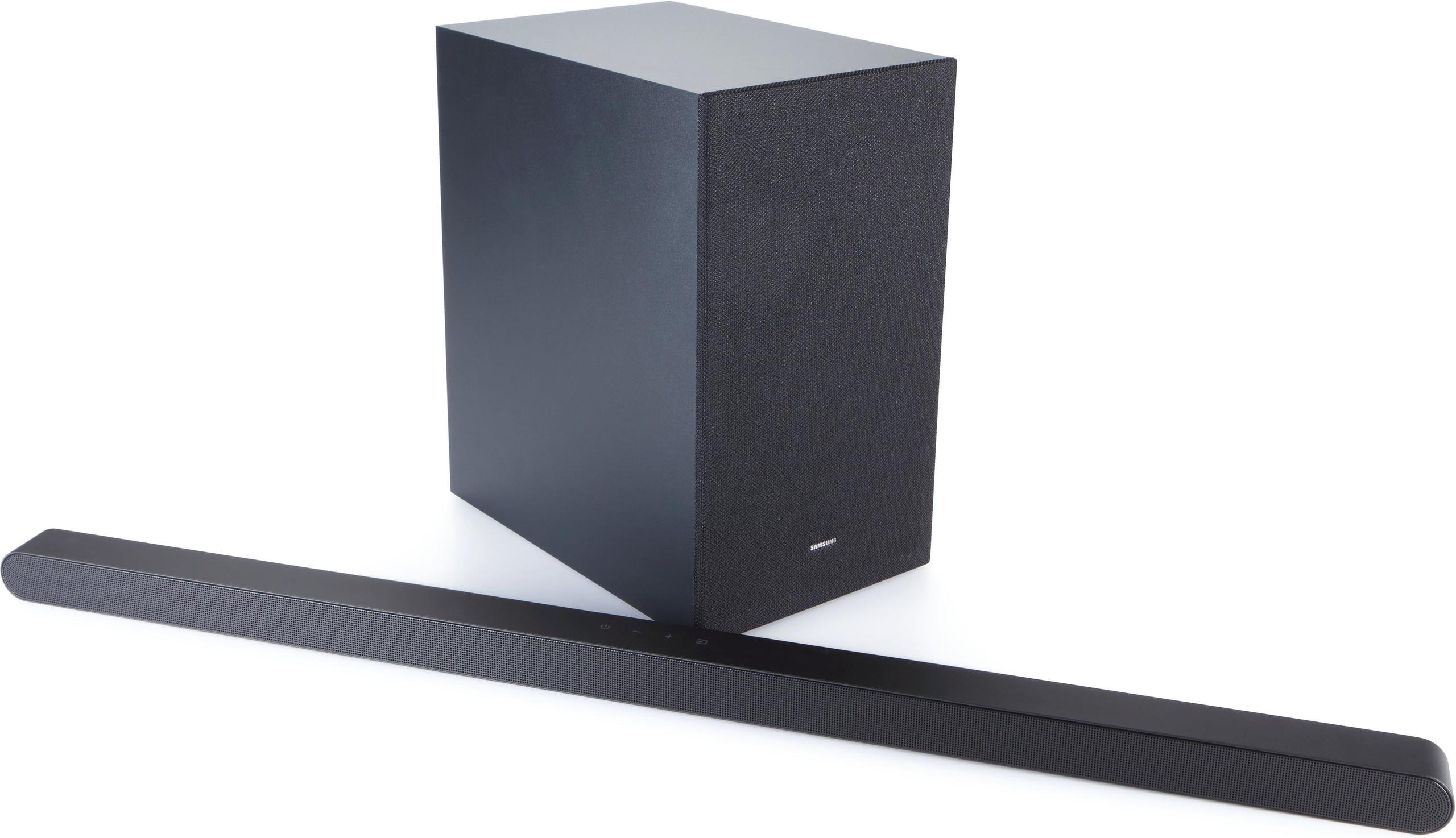
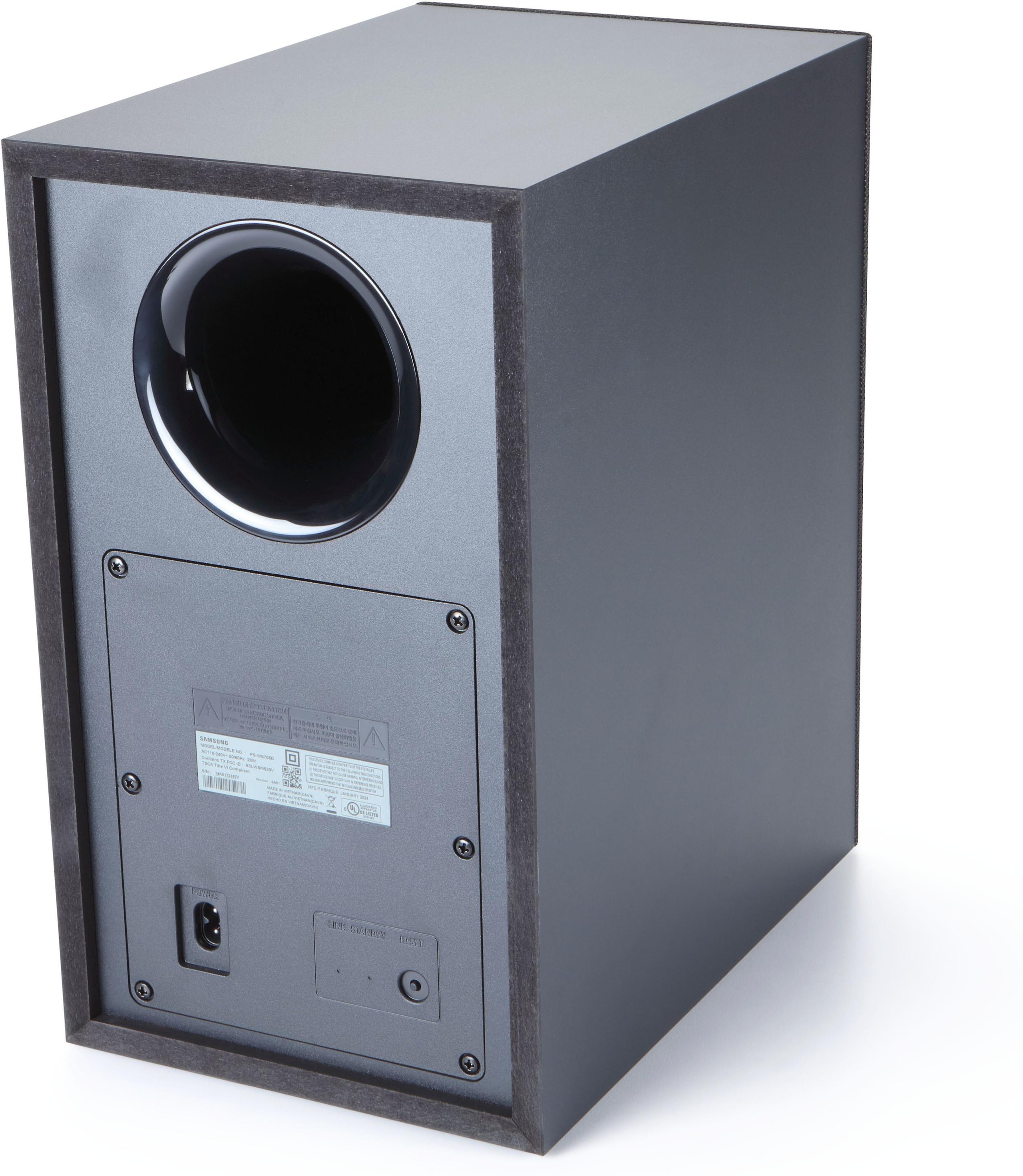
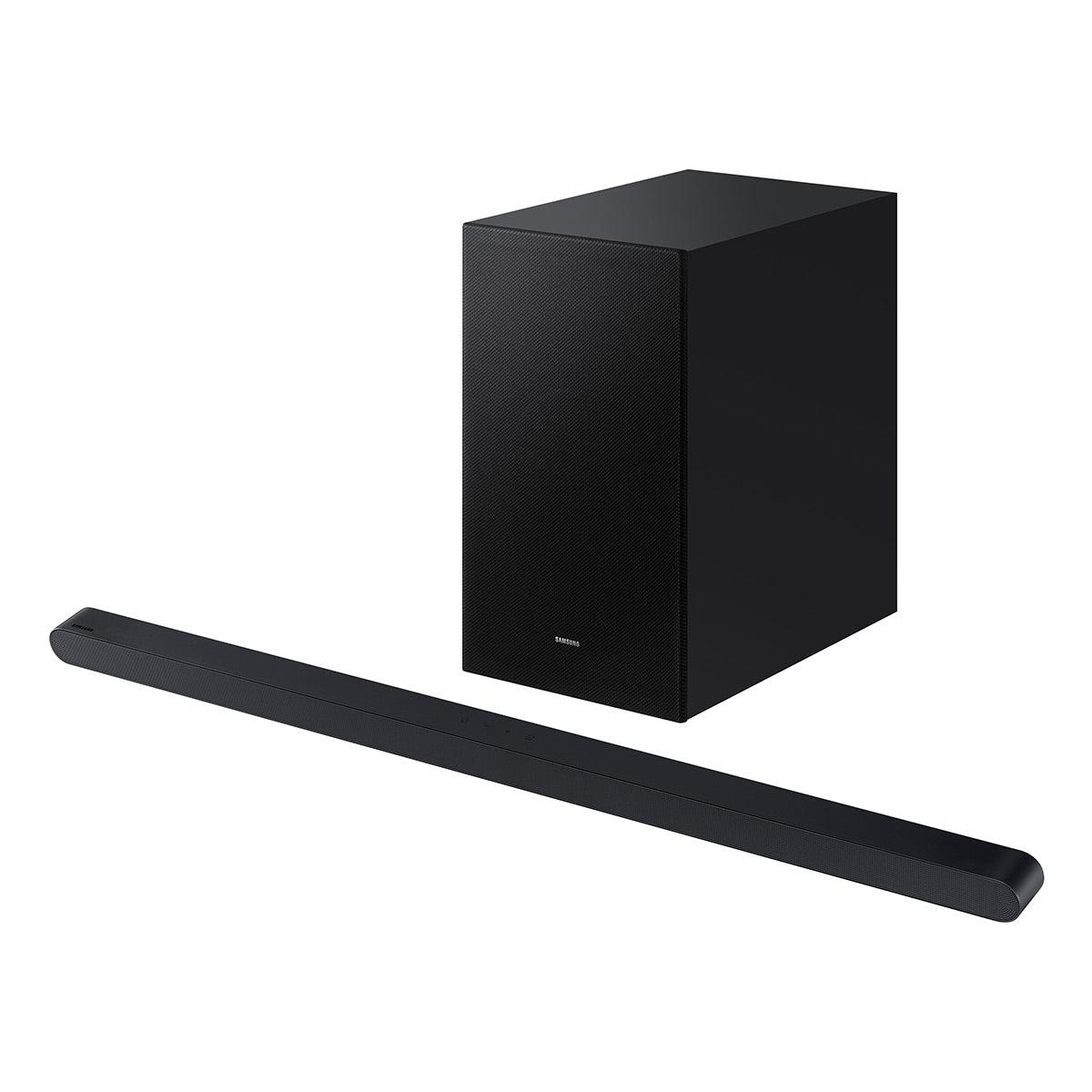
Both soundbars include 6-inch wireless subwoofers that connect automatically via 2.4GHz wireless signals. This eliminates the need for running cables across your room while providing placement flexibility – you can position the subwoofer wherever it sounds best rather than where a cable can reach.
The subwoofers themselves share similar specifications on paper, but their tuning reflects each soundbar's target audience. The HW-B630F employs more aggressive bass emphasis, particularly in its Bass Boost mode. This approach prioritizes impact and presence, making action movies and music feel more exciting even if the bass isn't perfectly balanced.
The Samsung HW-S700D takes a more sophisticated approach to bass management. Its Dolby Atmos processing includes advanced bass redirection algorithms that ensure low frequencies integrate seamlessly with the main soundbar's output. The SpaceFit Sound Pro feature uses the soundbar's built-in microphone to analyze room acoustics, then adjusts bass response to compensate for your room's specific characteristics.
This room correction capability addresses a common issue with subwoofers: placement sensitivity. Bass frequencies interact strongly with room boundaries, creating peaks and nulls that can make bass sound boomy in some listening positions and weak in others. The S700D's automatic calibration helps minimize these issues, though manual adjustment remains available through its 7-band equalizer.
One of the Samsung HW-S700D's most distinctive features is Q-Symphony technology, which represents a genuinely innovative approach to soundbar design. Rather than replacing your TV's speakers entirely, Q-Symphony allows compatible Samsung QLED and Neo QLED TVs to work in harmony with the soundbar.
This coordination creates an expanded acoustic space that's difficult to achieve with traditional soundbar setups. The TV's speakers handle certain frequency ranges and spatial information while the soundbar focuses on its strengths. The result feels less like adding a soundbar to your TV and more like upgrading to a completely integrated audio system.
However, Q-Symphony's benefits are limited to specific Samsung TV models, typically from 2020 or later. If you own a different brand or an older Samsung TV, this feature becomes irrelevant to your decision.
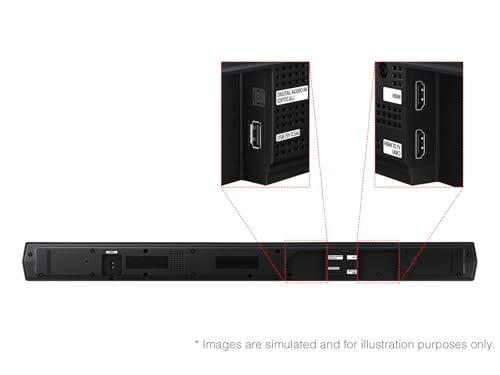
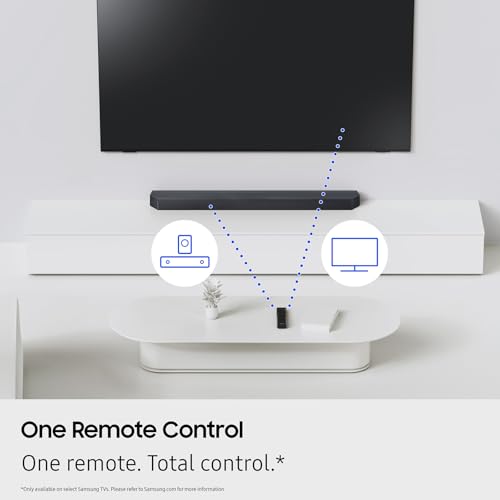
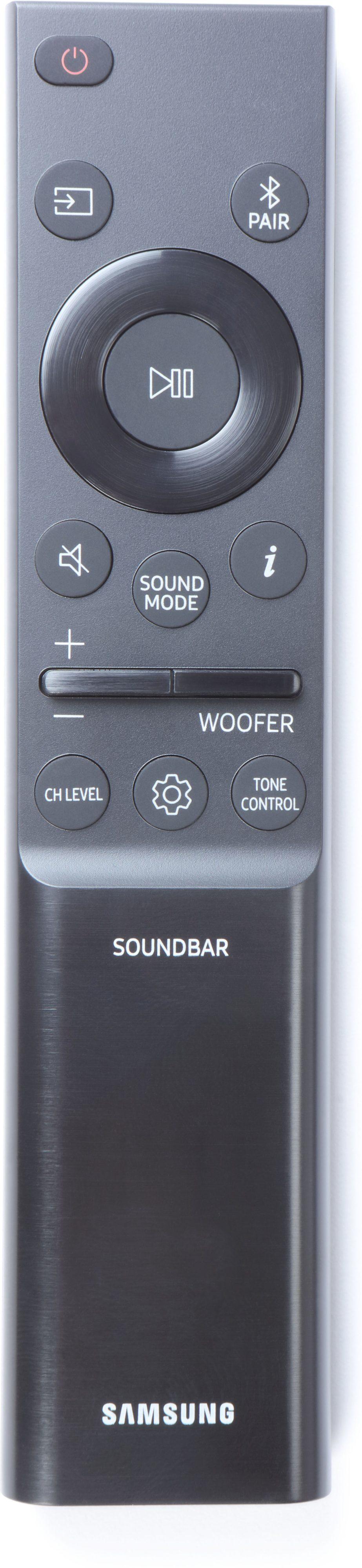
The HW-B630F offers more universal compatibility through standard HDMI ARC and optical connections. Its One Remote Control feature works with most Samsung TVs, allowing you to control volume and basic functions through your TV's remote. While less sophisticated than Q-Symphony, this approach works reliably across a broader range of TVs.
Modern soundbars increasingly function as smart devices, and this area reveals another significant divide between these models. The Samsung HW-B630F takes a deliberately simple approach with Bluetooth 4.2 connectivity and USB media playback. You can stream music wirelessly from phones or tablets, and the multi-device pairing allows two devices to stay connected simultaneously.
This simplicity has advantages: fewer potential connection issues, straightforward setup, and no dependency on Wi-Fi networks or app updates. For users who primarily want better TV audio with occasional music streaming, this streamlined approach often proves more reliable than feature-heavy alternatives.
The HW-S700D embraces smart home integration with Wi-Fi connectivity, AirPlay support, Chromecast built-in, and compatibility with Alexa and Google Assistant voice commands. The SmartThings app provides comprehensive control over EQ settings, sound modes, and multi-room audio grouping with other Samsung devices.
These smart features enable more sophisticated use cases: streaming music directly from Spotify or Apple Music without a phone intermediary, voice control for volume and source switching, and integration with broader smart home automation. However, they also introduce complexity and potential points of failure that some users prefer to avoid.
Both soundbars include gaming-specific modes, but they optimize for different aspects of the gaming experience. The HW-B630F focuses on competitive gaming advantages with its Game Mode featuring cross-talk cancellation. This processing emphasizes directional audio cues crucial for multiplayer games – the subtle sound of footsteps approaching from behind or the distinctive audio signature of different weapons.
The Samsung HW-S700D's Game Mode Pro takes a broader approach, automatically detecting when gaming consoles are active and optimizing the entire audio pipeline for reduced latency and enhanced spatial audio. For single-player narrative games or cinematic experiences, the Dolby Atmos processing can create genuinely immersive soundscapes that enhance storytelling.
The choice between these approaches often depends on your gaming preferences. Competitive multiplayer gamers may prefer the B630F's focus on audio precision and directional clarity. Players who prioritize cinematic experiences and atmospheric games will likely appreciate the S700D's more sophisticated spatial processing.
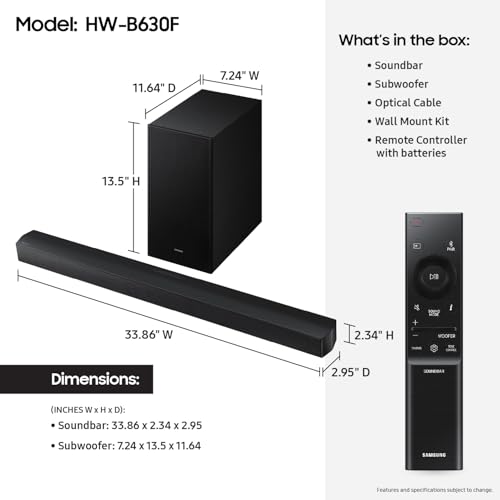
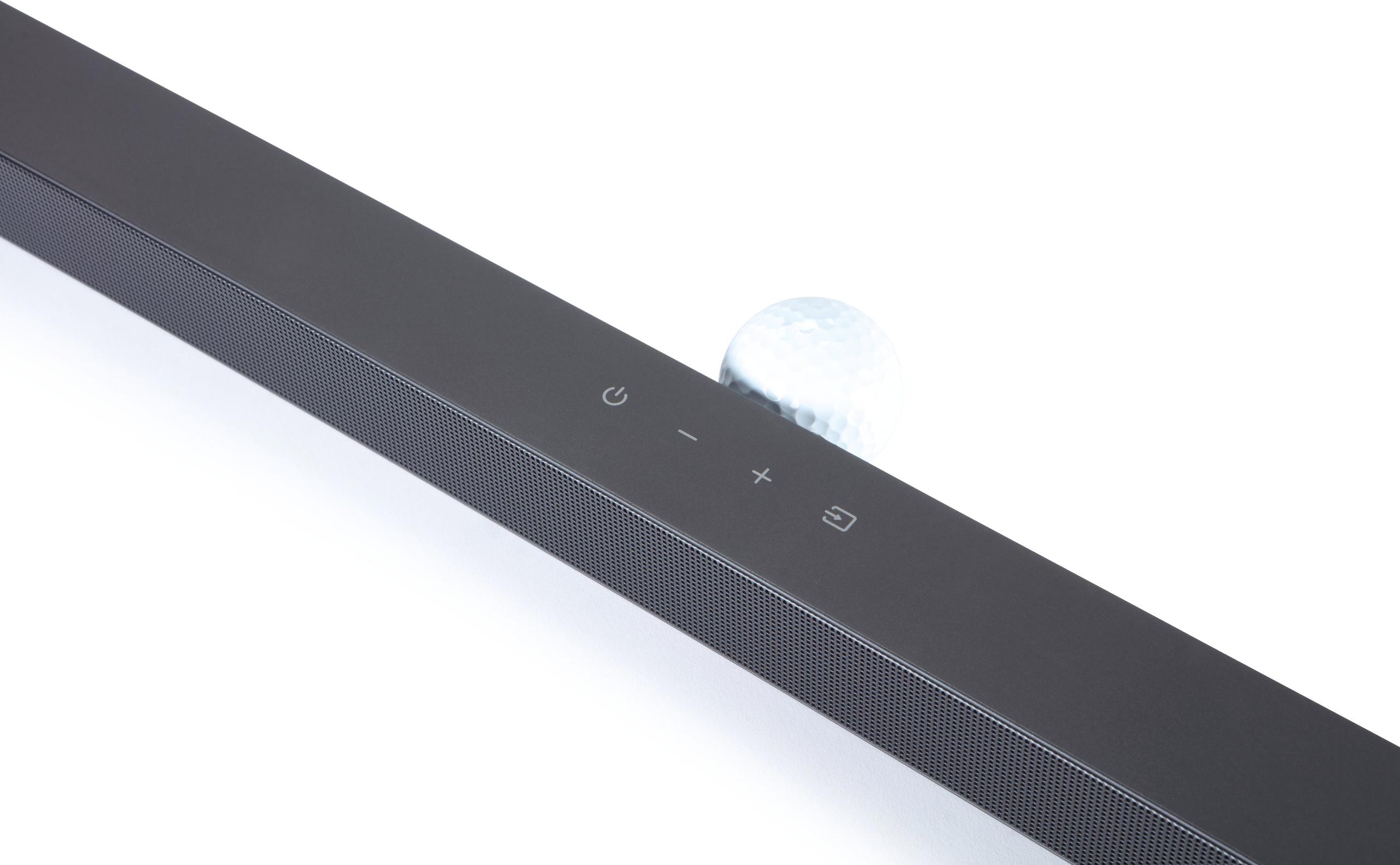
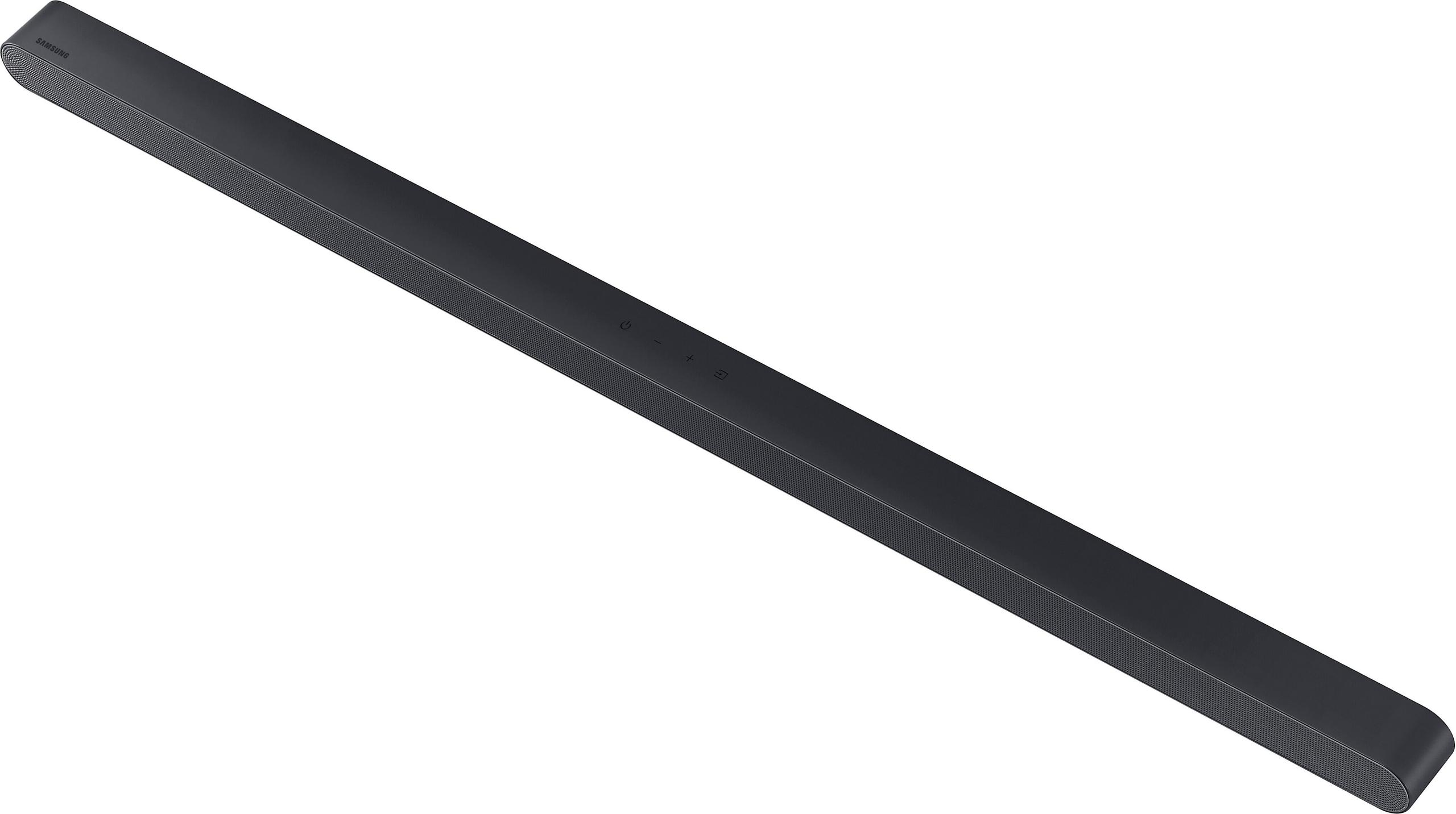
Physical design might seem secondary to audio performance, but it significantly impacts real-world satisfaction. The Samsung HW-B630F uses a traditional soundbar form factor – substantial enough to house quality drivers while fitting under most TVs without blocking screens or IR sensors.
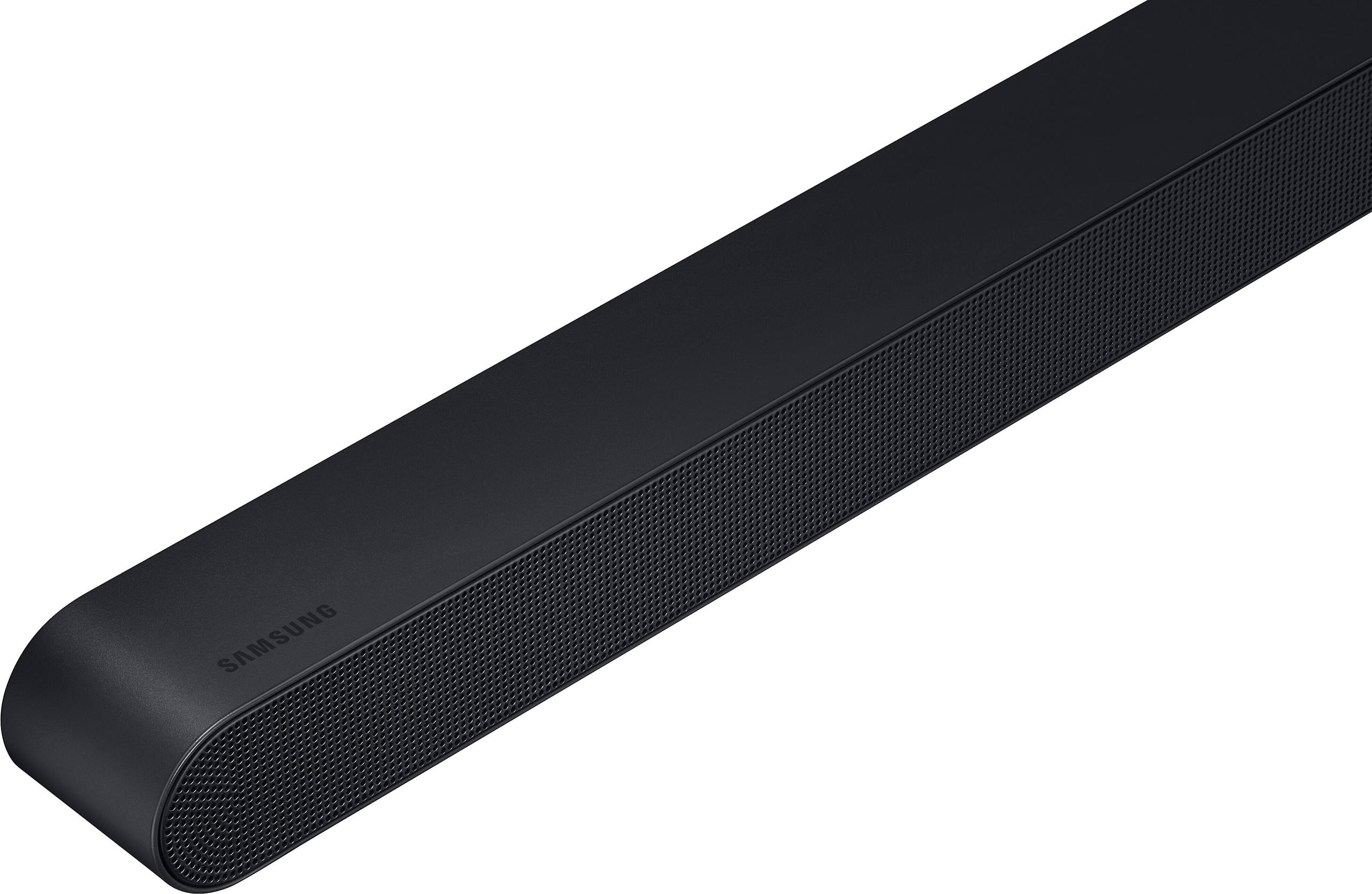
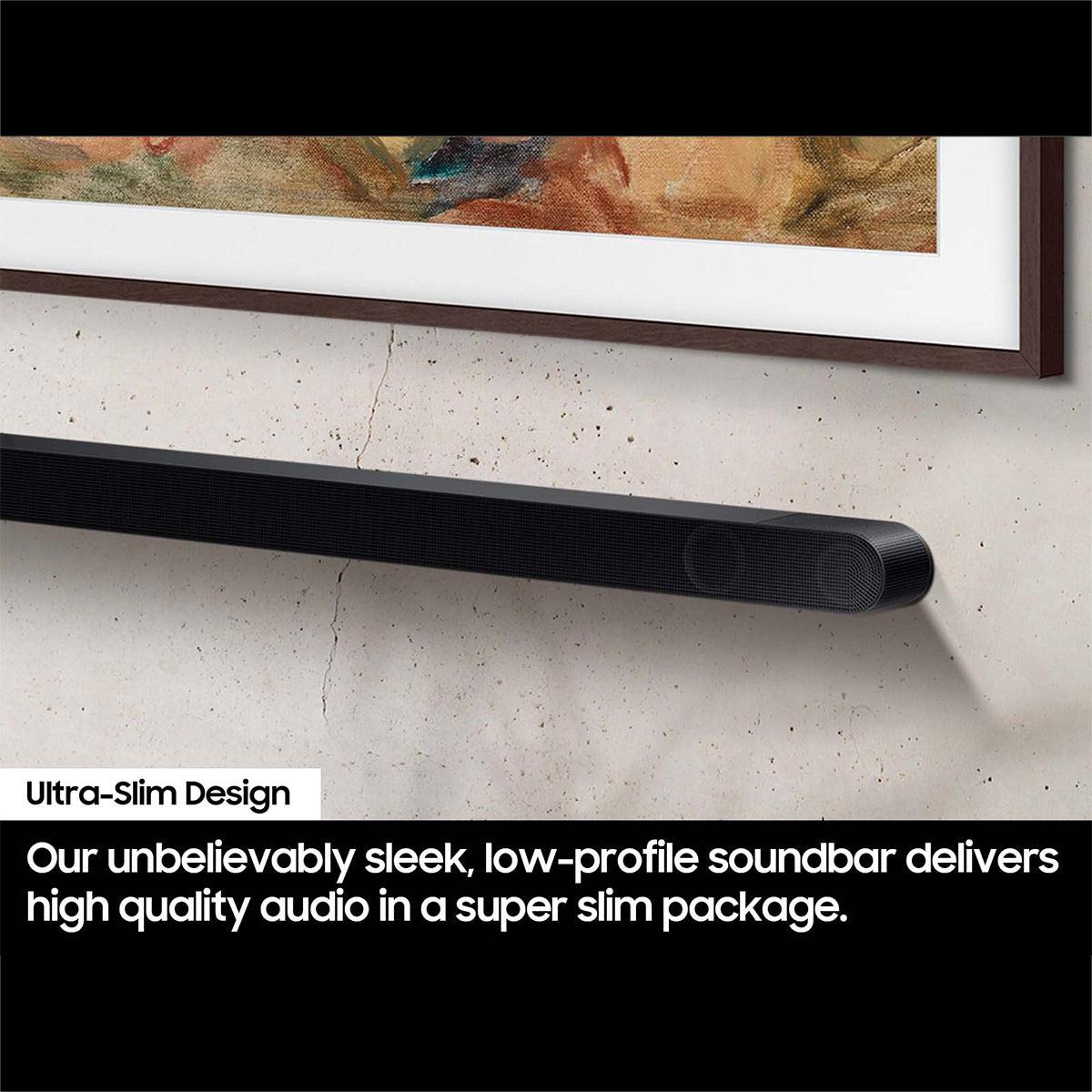
The HW-S700D earns its "Ultra Slim" designation through careful engineering that maximizes internal volume while minimizing visual impact. This design philosophy aligns with modern ultra-thin TVs that can make traditional soundbars appear chunky by comparison.
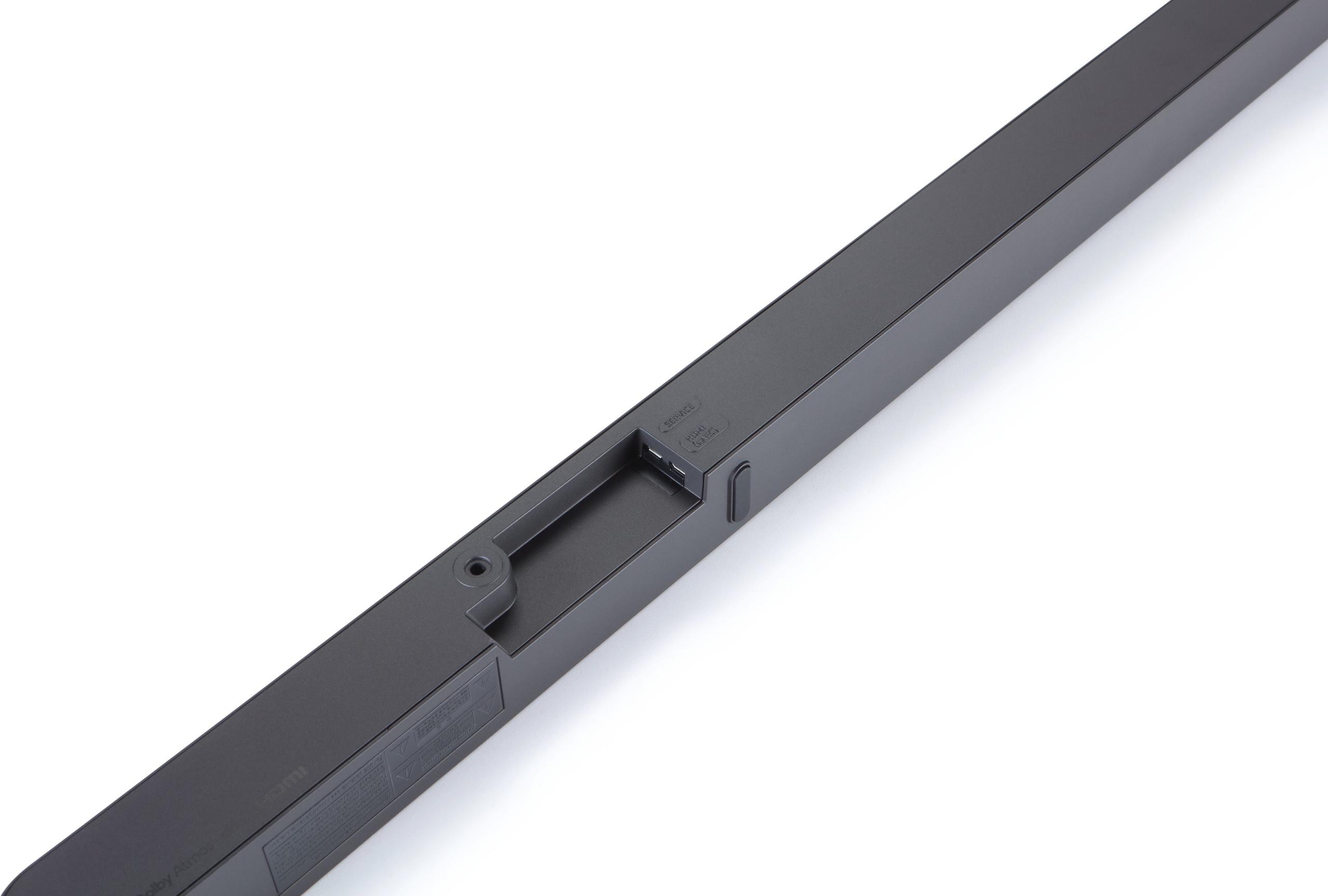
Both soundbars include wall-mounting hardware, and their wireless subwoofers provide placement flexibility. However, the S700D's room correction features make subwoofer positioning less critical, while B630F users may need more experimentation to find optimal bass response.
At the time of writing, the price difference between these soundbars is substantial – the Samsung HW-S700D commands approximately 65-70% more than the HW-B630F. This premium purchases several specific capabilities: Dolby Atmos processing, Q-Symphony TV integration, smart connectivity features, and advanced room correction.
Whether these features justify the price depends heavily on your specific situation and priorities. The Dolby Atmos capability alone represents significant value if you regularly consume compatible content from premium streaming services or 4K Blu-rays. Q-Symphony provides genuine additional value, but only for owners of compatible Samsung TVs.
The HW-B630F represents exceptional value for users seeking dramatic audio improvement over TV speakers without paying for features they won't use. Its 2025 model year ensures current connectivity standards and processing capabilities, while its gaming-focused features appeal to console users.
The choice between these soundbars ultimately depends on matching their capabilities to your specific viewing habits and setup requirements.
Choose the Samsung HW-B630F if you value straightforward functionality and excellent price-performance ratio. This soundbar excels for users who primarily watch standard TV broadcasts, cable content, or basic streaming services without Dolby Atmos tracks. Its gaming optimizations make it particularly appealing for console users, while its simple connectivity ensures reliable operation across different TV brands and ages.
The HW-B630F also makes sense if you prefer devices that "just work" without requiring app management or network connectivity. Its physical remote and straightforward controls appeal to users who appreciate direct hardware interfaces over smartphone app dependency.
The Samsung HW-S700D justifies its premium pricing for users who can fully utilize its advanced features. If you own a compatible Samsung QLED TV and regularly watch Dolby Atmos content from Netflix Premium, Disney+, or 4K discs, the audio experience improvement is substantial and immediately apparent.
Smart home enthusiasts will appreciate the S700D's comprehensive connectivity and voice assistant integration. The automatic room correction proves valuable for users who lack experience with speaker placement or live in acoustically challenging spaces.
The technology trajectory also favors the S700D for future-proofing considerations. Dolby Atmos adoption continues expanding across streaming platforms and gaming systems. The advanced processing capabilities ensure better compatibility with evolving audio standards.
However, the B630F shouldn't be dismissed as merely a budget alternative. Samsung's 2025 engineering ensures solid performance foundations, and many users will find its capabilities exceed their actual needs while providing excellent reliability and value.
Both soundbars represent significant upgrades over TV speakers, but they serve different user profiles and priorities. The key lies in honestly assessing your content consumption patterns, TV compatibility, and feature preferences rather than assuming that more expensive automatically means better for your specific situation.
| Samsung HW-B630F B-Series 3.1ch Soundbar System | Samsung HW-S700D 3.1 Channel Slim Soundbar |
|---|---|
| Audio Processing - Determines immersion and spatial audio quality | |
| DTS Virtual:X only (simulated surround sound) | Dolby Atmos True HD + DTS Virtual:X (genuine 3D audio with height effects) |
| TV Integration - Controls convenience and expanded soundstage | |
| One Remote Control + basic HDMI CEC | Q-Symphony (uses TV speakers + soundbar together) + SmartThings app |
| Smart Features - Streaming and voice control capabilities | |
| Bluetooth 4.2 only (phone/tablet streaming) | Wi-Fi, AirPlay, Chromecast, Alexa/Google Assistant compatibility |
| Room Correction - Automatically optimizes sound for your space | |
| Manual bass/treble adjustment only | SpaceFit Sound Pro (microphone analyzes room acoustics) |
| Gaming Optimization - Enhanced audio for console gaming | |
| Dedicated Game Mode with cross-talk cancellation | Game Mode Pro with automatic console detection |
| Design Profile - Visual integration with modern TVs | |
| Standard soundbar dimensions (2.3" height) | Ultra-slim profile specifically designed for thin TVs |
| HDMI Capabilities - Video passthrough and audio return | |
| HDMI 1.4 with ARC (1080p passthrough only) | Enhanced ARC (eARC) support with higher bandwidth |
| Dialogue Enhancement - Voice clarity in complex audio mixes | |
| Voice Enhance mode with manual adjustments | Active Voice Amplifier (AVA) - automatically adapts to each scene |
| Audio Customization - Fine-tuning sound to your preferences | |
| Basic bass/treble controls (-6 to +6) | 7-band equalizer + independent channel level controls |
| Subwoofer - Low frequency impact and room-filling bass | |
| 6" wireless subwoofer with aggressive bass tuning | 6" wireless subwoofer with sophisticated bass management |
| Model Year - Latest features and future compatibility | |
| 2025 model (newer with current connectivity standards) | 2024 model (established with proven smart features) |
| Value Proposition - What you get for the price difference | |
| Excellent performance-per-dollar for core 3.1 functionality | Premium features justify higher cost if you use Atmos content and Samsung TV integration |
Both the Samsung HW-B630F and Samsung HW-S700D excel at dialogue clarity with dedicated center channels, but the HW-S700D has a slight edge. It features Active Voice Amplifier (AVA) technology that automatically adjusts dialogue levels based on scene complexity, while the HW-B630F relies on manual Voice Enhance mode. For users who struggle to hear dialogue in movies and TV shows, both represent major improvements over TV speakers.
Yes, the Samsung HW-S700D supports Dolby Atmos True HD, creating genuine 3D audio with height effects. The Samsung HW-B630F does not support Dolby Atmos and instead uses DTS Virtual:X for simulated surround sound. If you watch content from Netflix Premium, Disney+, or 4K Blu-rays that offer Dolby Atmos tracks, the HW-S700D will provide a noticeably more immersive experience.
The Samsung HW-S700D offers superior integration with Samsung TVs through Q-Symphony technology, which allows the TV speakers and soundbar to work together for an expanded soundstage. It also supports SmartThings app control and enhanced connectivity. The Samsung HW-B630F provides basic integration with One Remote Control and HDMI CEC, which works well but lacks the advanced features of the HW-S700D.
The primary difference is audio processing capability. The Samsung HW-S700D supports Dolby Atmos for true 3D audio, while the Samsung HW-B630F uses DTS Virtual:X for simulated surround sound. The HW-S700D also includes smart features like Wi-Fi connectivity, voice assistant support, and automatic room correction that the HW-B630F lacks.
Both soundbars offer gaming optimization, but they target different gaming styles. The Samsung HW-B630F features a dedicated Game Mode with cross-talk cancellation, emphasizing directional audio cues important for competitive gaming. The Samsung HW-S700D includes Game Mode Pro with automatic console detection and better spatial audio for cinematic gaming experiences. Console gamers will find both models suitable depending on their gaming preferences.
Yes, both the Samsung HW-B630F and Samsung HW-S700D include 6-inch wireless subwoofers that connect automatically via 2.4GHz signals. The subwoofers provide flexible placement options without cable runs across your room. The HW-S700D offers more sophisticated bass management with room correction, while the HW-B630F uses more aggressive bass tuning for impact.
The Samsung HW-S700D offers comprehensive smart features including Wi-Fi connectivity, AirPlay, Chromecast built-in, and Alexa/Google Assistant compatibility. The Samsung HW-B630F focuses on simplicity with Bluetooth 4.2 connectivity only. If you want voice control and direct music streaming from apps, choose the HW-S700D. For basic wireless music streaming from phones, the HW-B630F is sufficient.
Yes, both the Samsung HW-B630F and Samsung HW-S700D include wall-mount hardware and are designed for wall installation. The HW-S700D features an ultra-slim profile that complements modern thin TVs better, while the HW-B630F uses a more traditional soundbar form factor. Both mount securely and provide good clearance for TV screens and IR sensors.
The Samsung HW-B630F provides exceptional value for core 3.1 channel functionality, offering dramatic improvement over TV speakers at a lower price point. The Samsung HW-S700D justifies its higher cost with Dolby Atmos support, smart features, and advanced TV integration. Choose the HW-B630F for best bang-for-buck audio upgrade, or the HW-S700D if you'll use its premium features.
The Samsung HW-S700D includes SpaceFit Sound Pro, which uses a built-in microphone to analyze room acoustics and automatically adjust audio settings. The Samsung HW-B630F requires manual adjustment of bass and treble settings. If you're inexperienced with audio setup or have a challenging room layout, the automatic room correction in the HW-S700D provides significant convenience and better sound optimization.
The Samsung HW-B630F is the newer 2025 model, ensuring current connectivity standards and processing capabilities. The Samsung HW-S700D is from 2024 but includes more advanced features like Dolby Atmos and smart connectivity. Both represent current-generation Samsung soundbar technology, with the HW-B630F focusing on refined basics and the HW-S700D emphasizing premium features.
Both the Samsung HW-B630F and Samsung HW-S700D support Samsung's optional Wireless Surround Kit to upgrade from 3.1 to 5.1 channels with dedicated rear speakers. This expansion capability provides a future upgrade path without replacing the entire system. The HW-S700D will handle the additional channels with its Dolby Atmos processing, while the HW-B630F uses its virtual surround technologies to manage the expanded setup.
We've done our best to create useful and informative comparisons to help you decide what product to buy. Our research uses advanced automated methods to create this comparison and perfection is not possible - please contact us for corrections or questions. These are the sites we've researched in the creation of this article: samsung.com - bhphotovideo.com - crutchfield.com - youtube.com - bestproducts.com - videoandaudiocenter.com - pcrichard.com - bhphotovideo.com - samsung.com - youtube.com - requiremints.com - karlsonline.com - crutchfield.com - youtube.com - donstv.com - samsung.com - bhphotovideo.com - youtube.com - youtube.com - crutchfield.com - costco.ca - rtings.com - crutchfield.com - accio.com - bhphotovideo.com - manuals.plus - samsung.com - saraappliance.com - crutchfield.com - samsung.com - bestbuy.com - avsforum.com - walts.com - samsung.com - samsung.com - videoandaudiocenter.com - samsung.com - samsung.com - samsung.com - pcrichard.com

Privacy Policy
Terms and Conditions - Affiliate Policy
Home Security
© Copyright 2008-2026.
11816 Inwood Rd #1211, Dallas, TX 75244