






If you've ever tried watching a movie with your TV's built-in speakers, you know the struggle. Dialogue gets lost in action scenes, explosions sound like muffled pops, and forget about feeling any real bass. That's where soundbars come in – they're designed to transform your TV's weak audio into something that actually does justice to what you're watching.
Today we're comparing two popular options that take very different approaches: the Samsung HW-S700D ($377.99) and the Polk Audio React ($230.00). One focuses on premium audio technology, while the other emphasizes smart home integration. Let's dive into which might be right for your setup.
Before we get into the specifics, it's worth understanding what separates great soundbars from mediocre ones. The most important factors include audio power (measured in watts), channel configuration (like 2.1 or 3.1), smart features, and how well they integrate with your existing setup.
Channel configuration is particularly important to understand. A 2.1 system has two main speakers plus a subwoofer (the ".1" represents the sub). A 3.1 system adds a dedicated center channel speaker, which handles most dialogue and makes voices much clearer. Dolby Atmos is another key term – it's an audio format that adds height information to create overhead sound effects, making you feel like helicopters are actually flying above you.
Audio Return Channel (ARC) and its newer sibling eARC let your TV send audio back to the soundbar through the same HDMI cable that carries video to the TV. This simplifies setup and often lets you control the soundbar with your TV remote.
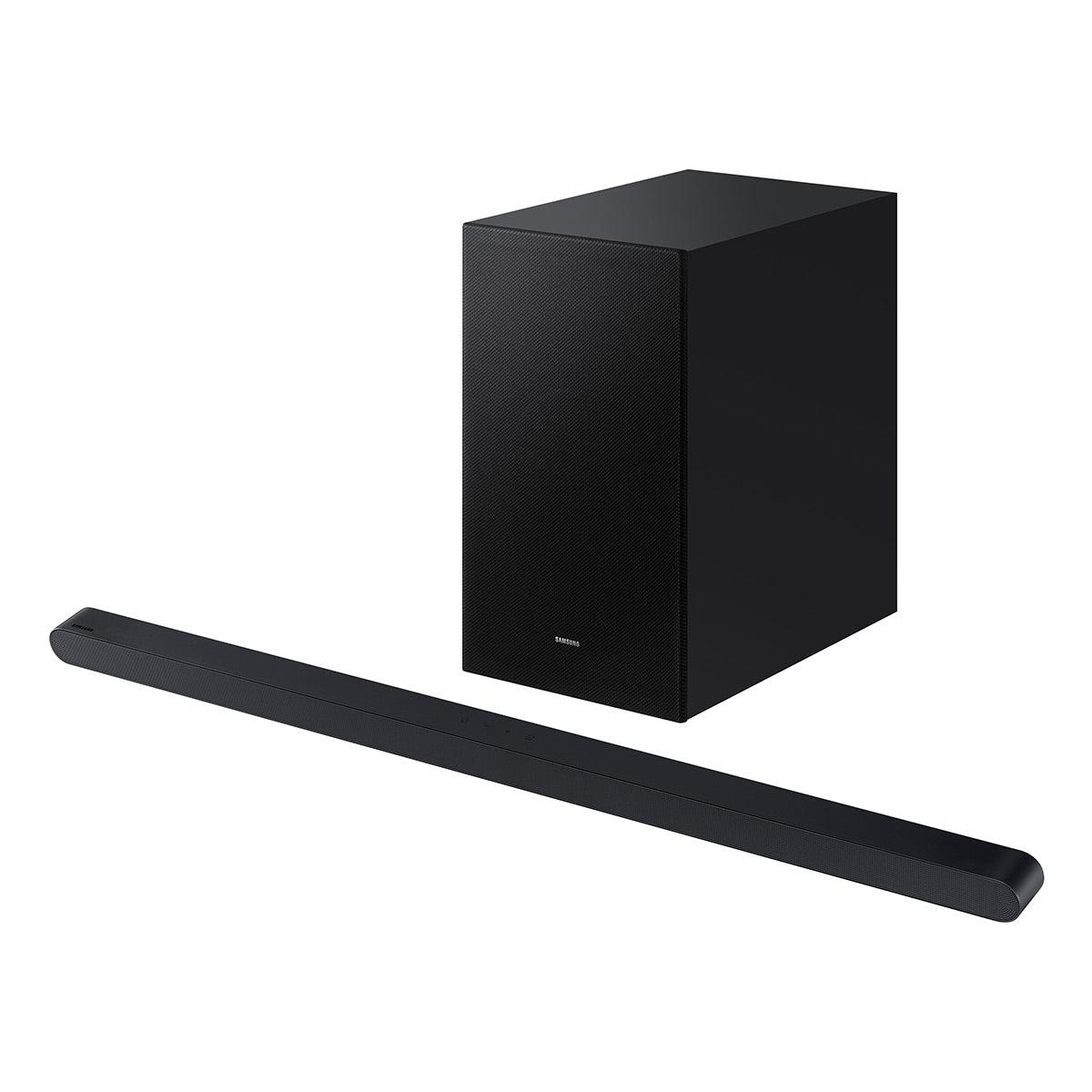
Samsung released the HW-S700D as part of their 2024 soundbar lineup, though it builds on technology they've been refining since around 2020. What makes this soundbar special is its focus on delivering genuine cinematic audio in an ultra-slim package.
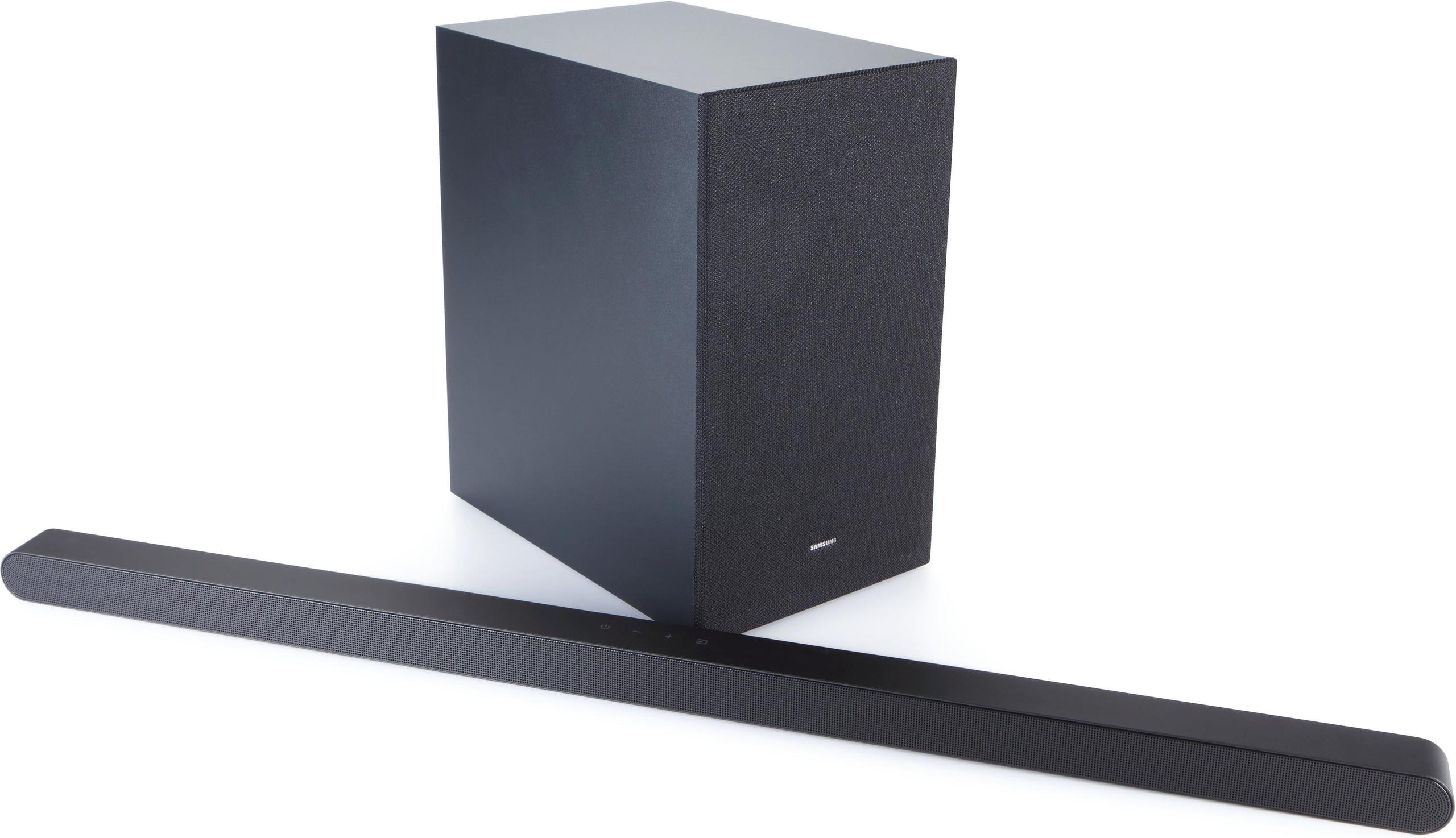
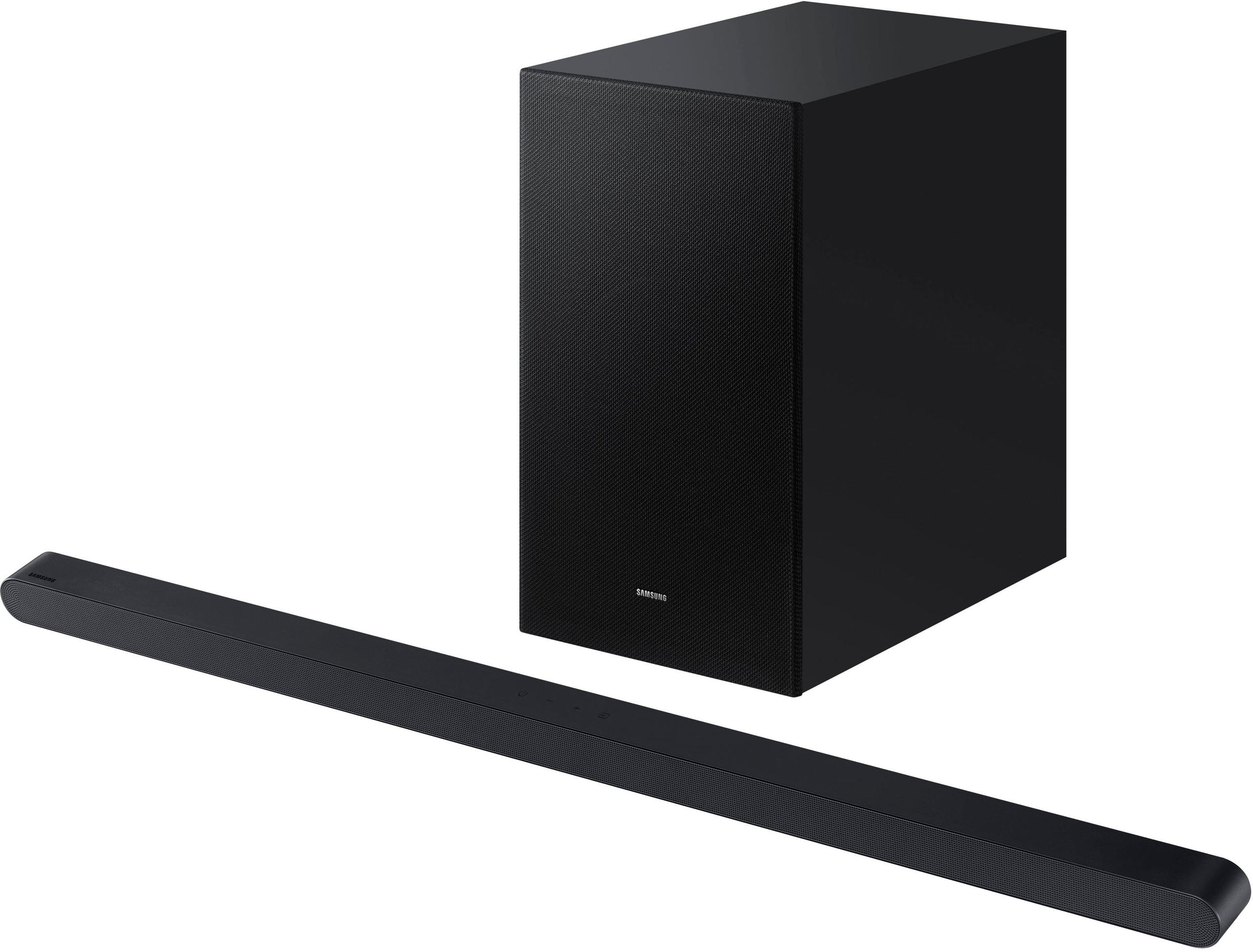
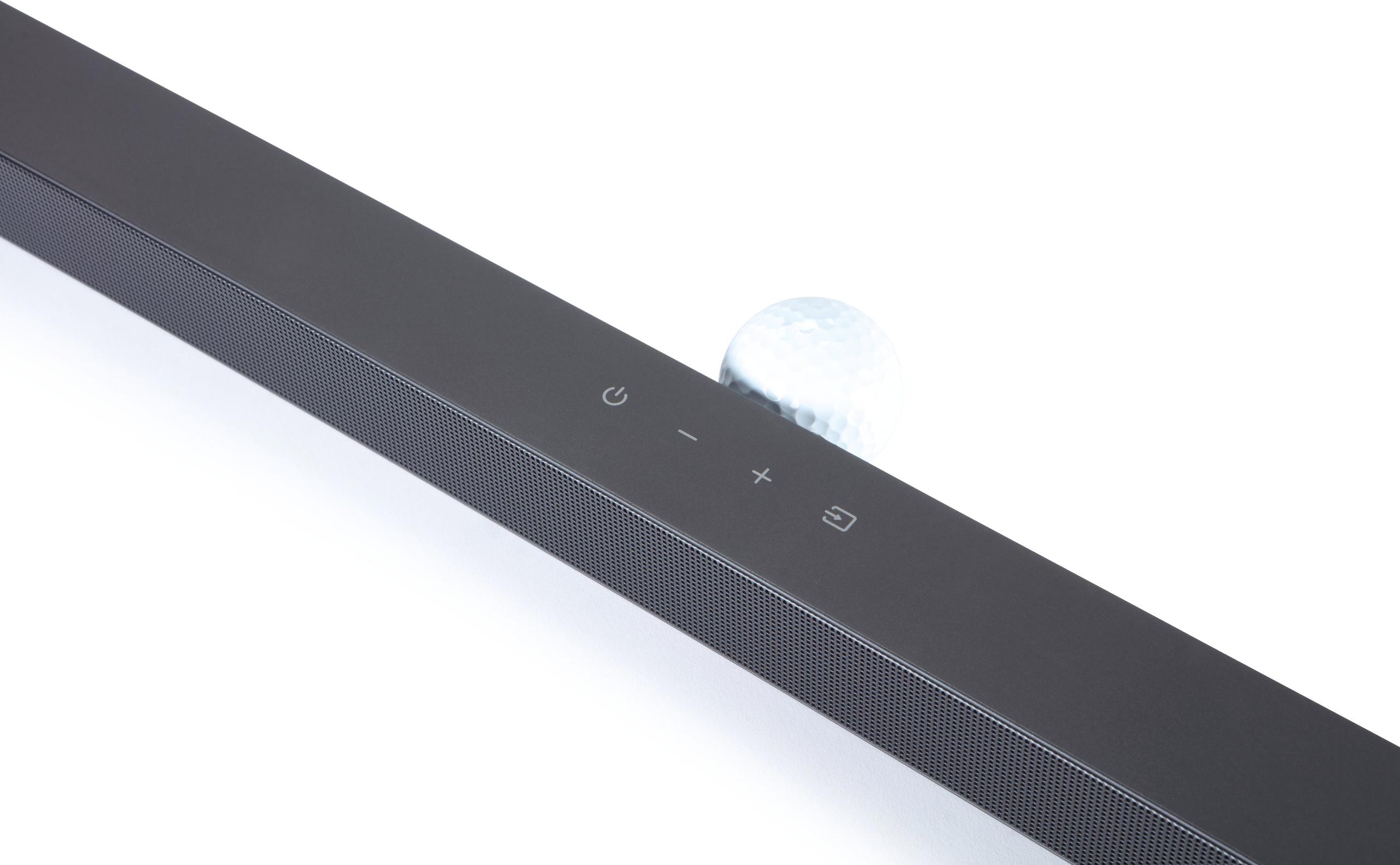
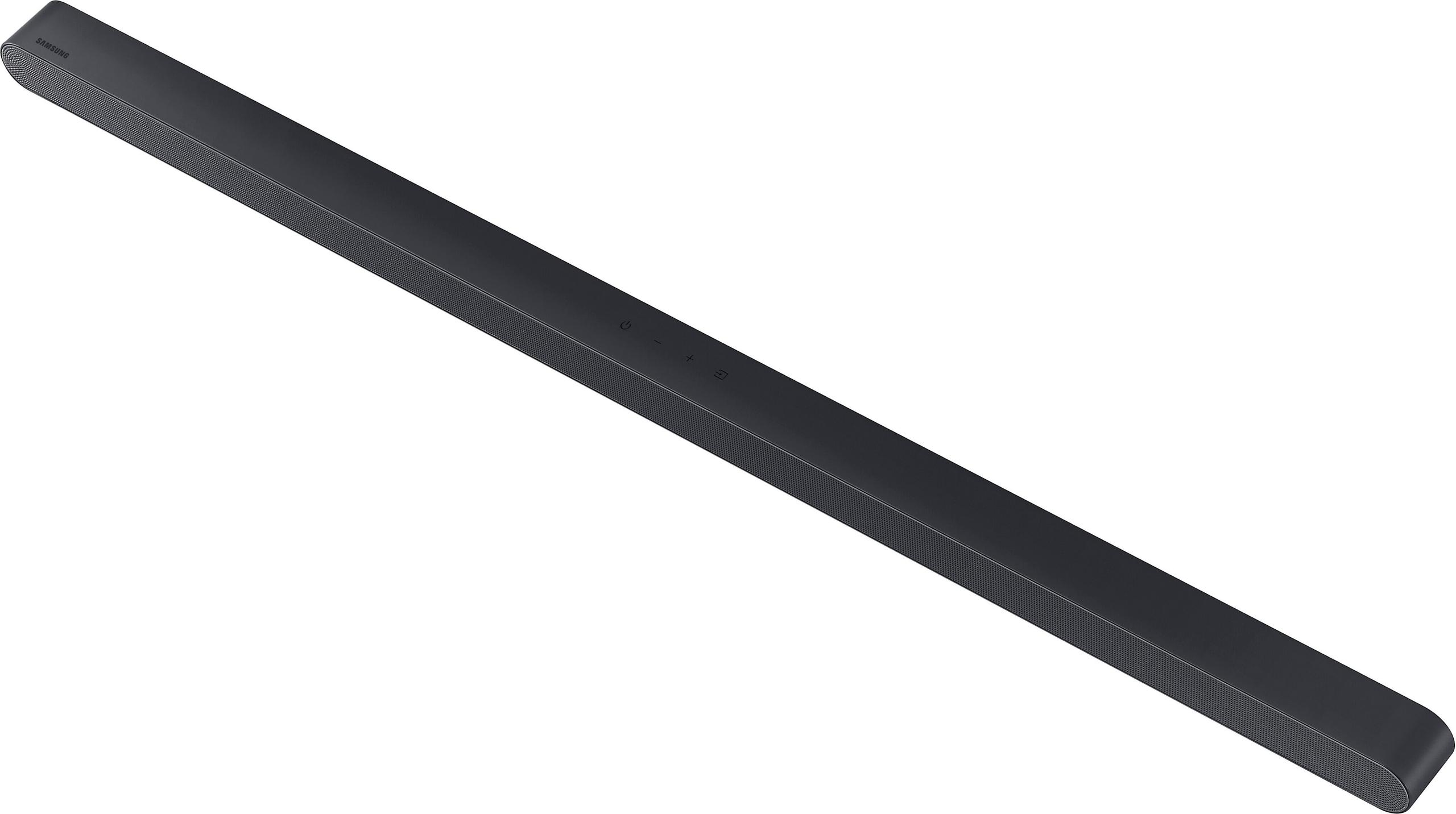
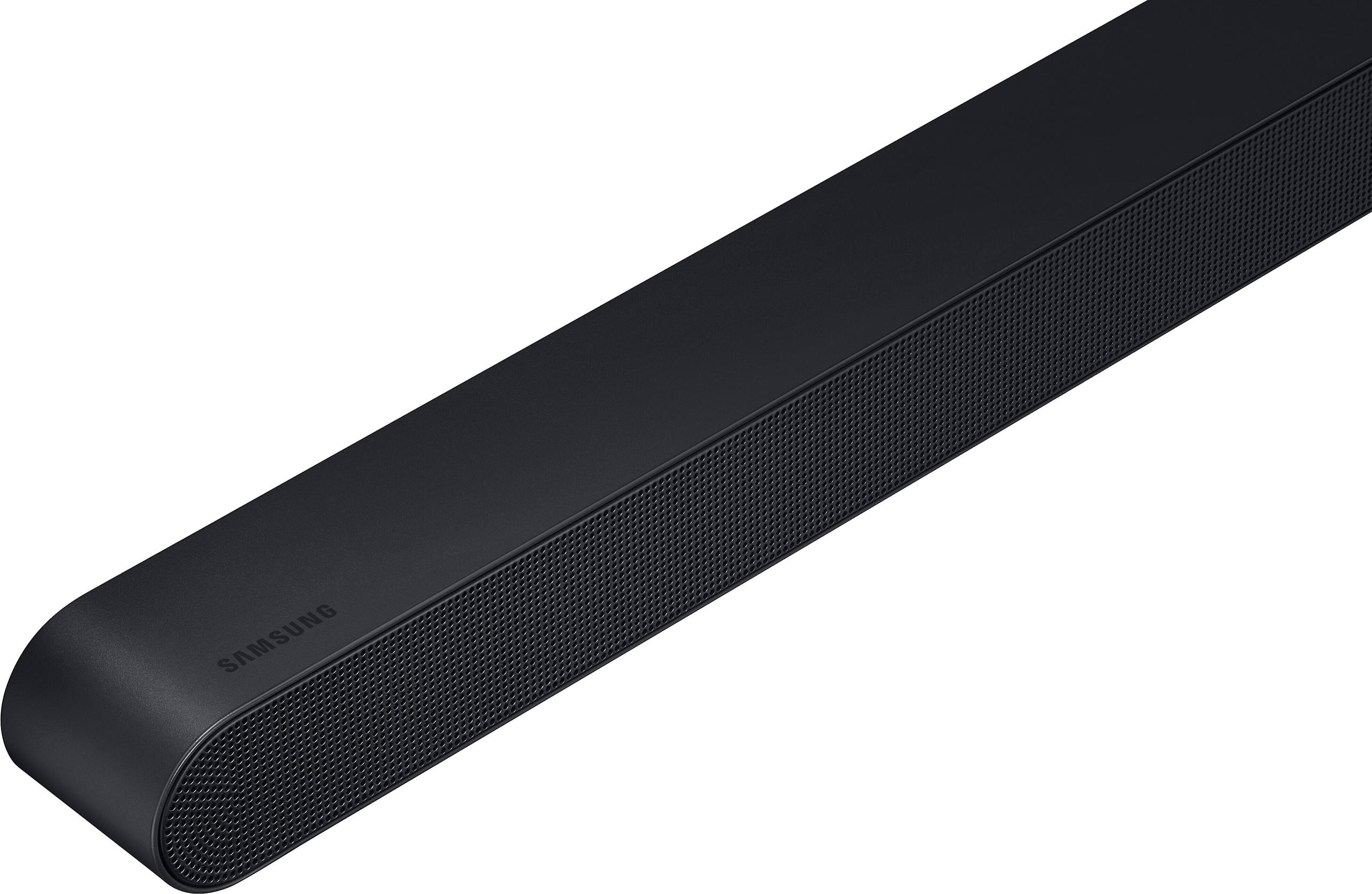
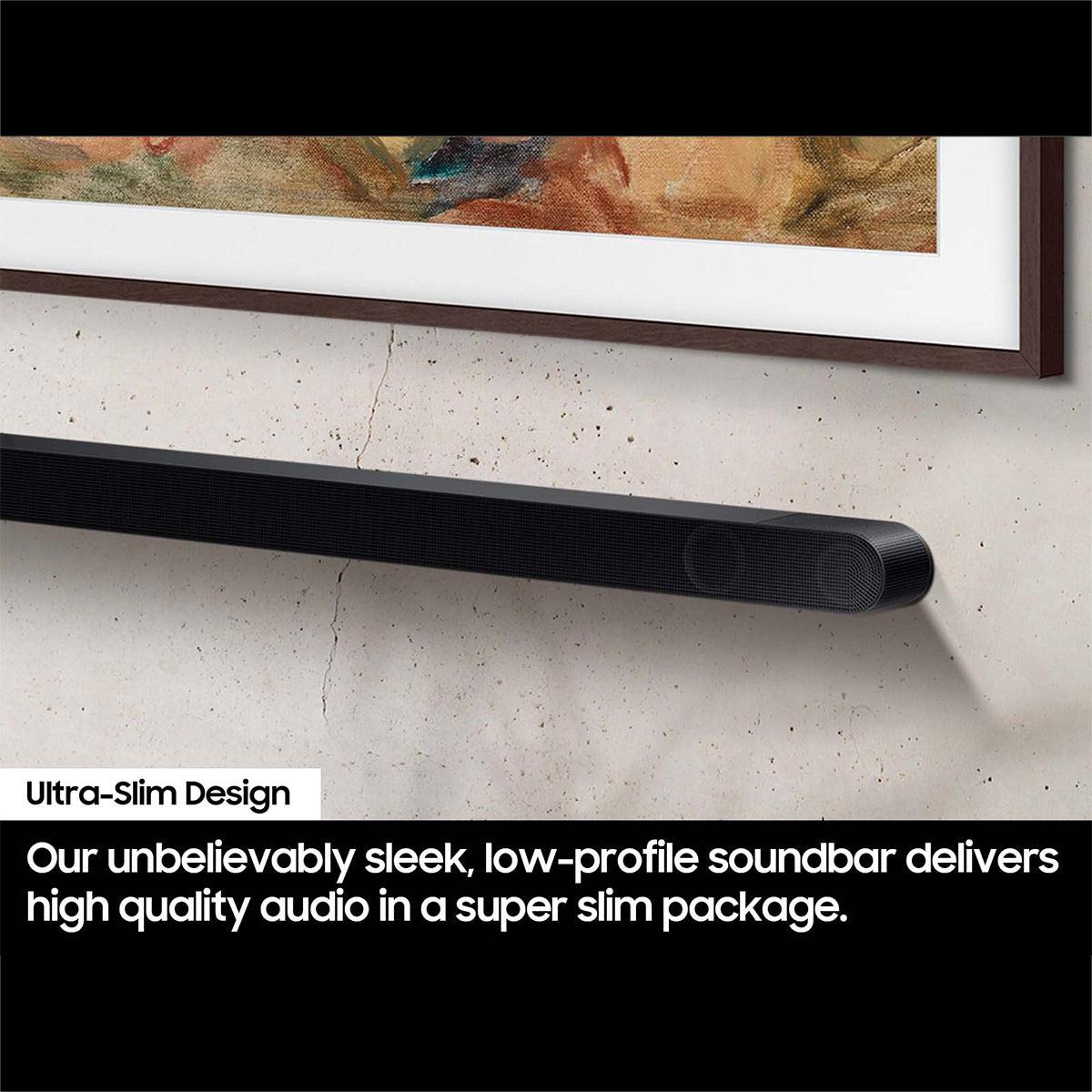
The most striking thing about the Samsung HW-S700D is how thin it is – at just over 2 inches tall, it practically disappears when wall-mounted below your TV. But don't let the slim profile fool you. Inside, Samsung packed a true 3.1-channel system with dedicated drivers for left, right, and center channels, plus a wireless subwoofer that connects automatically.
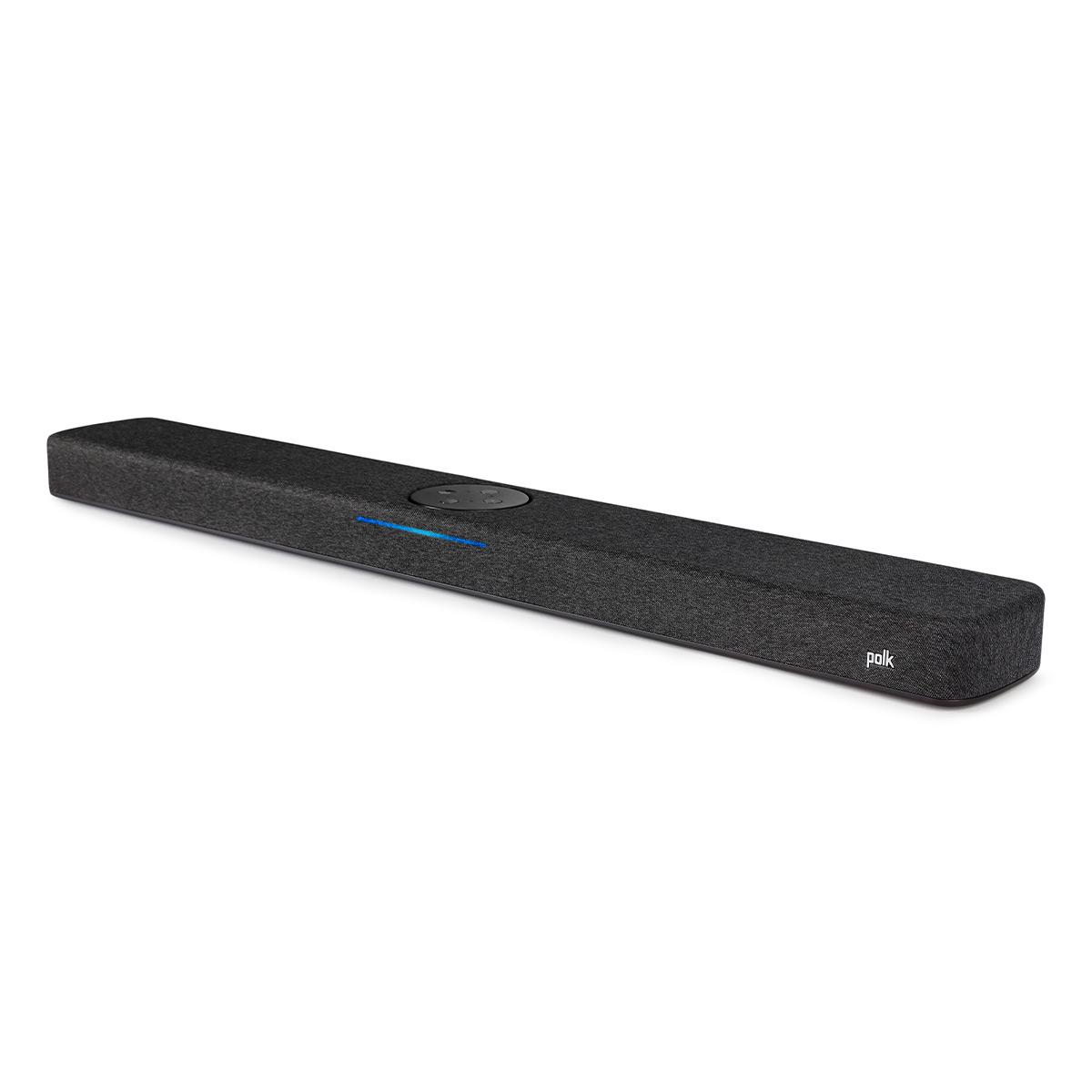
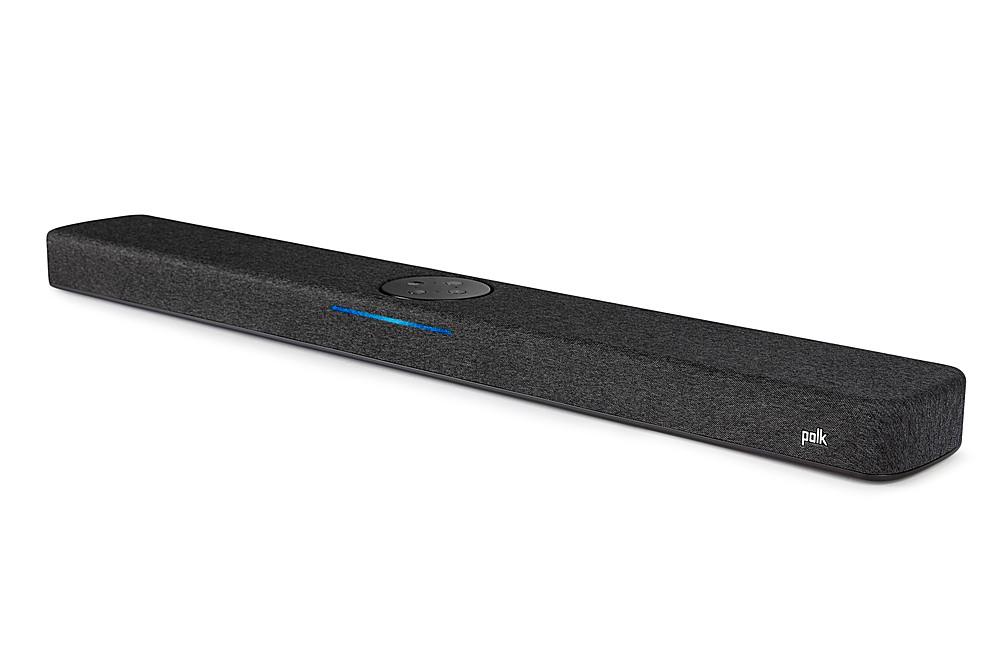
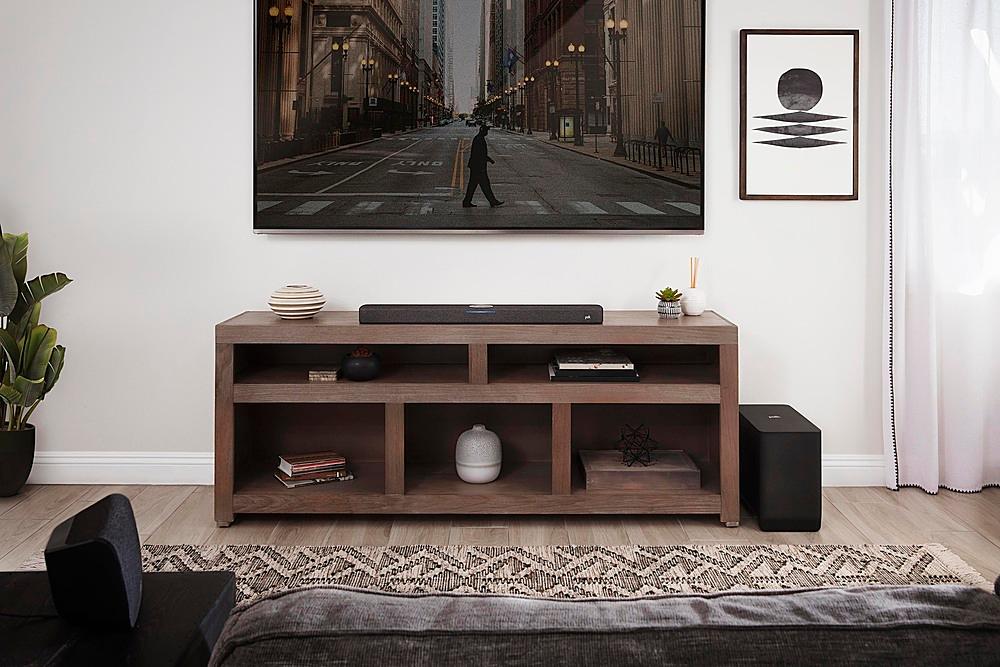
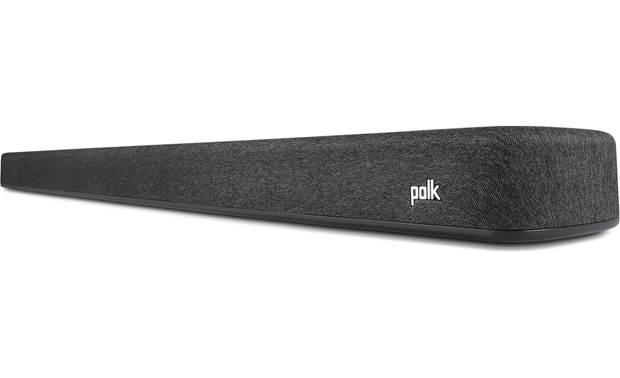
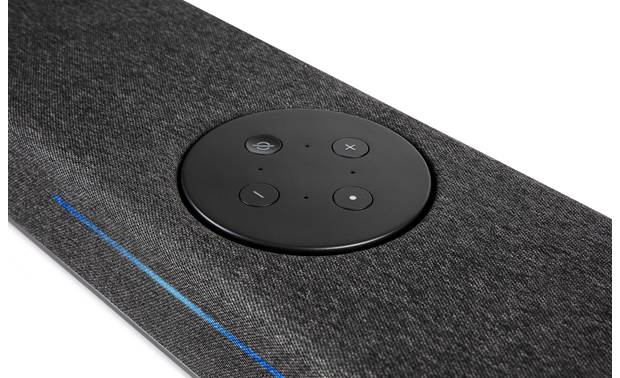
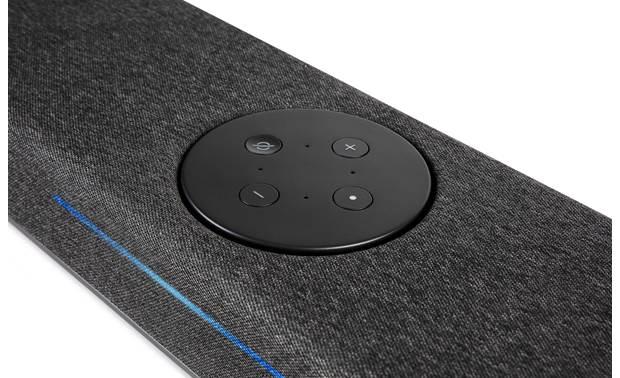
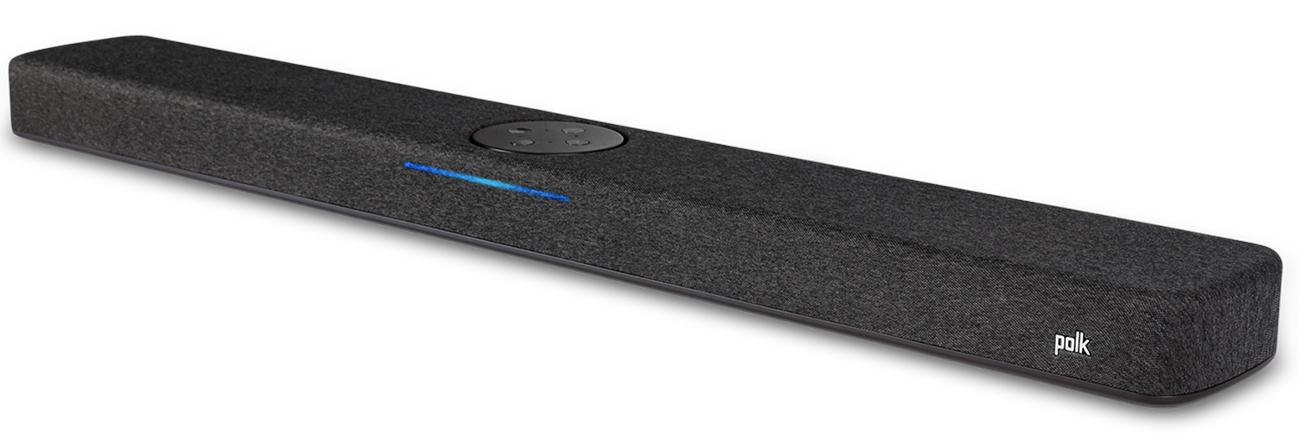
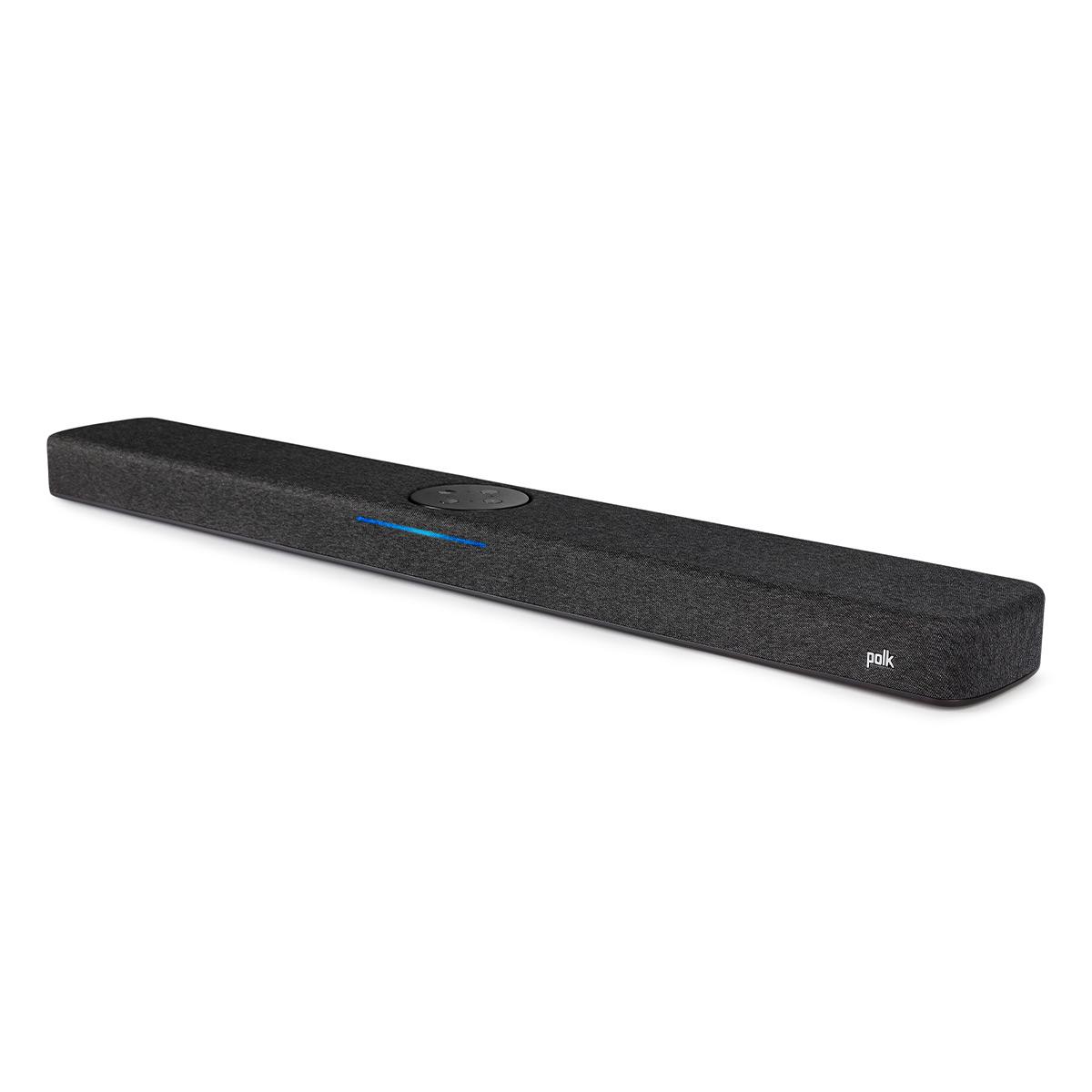
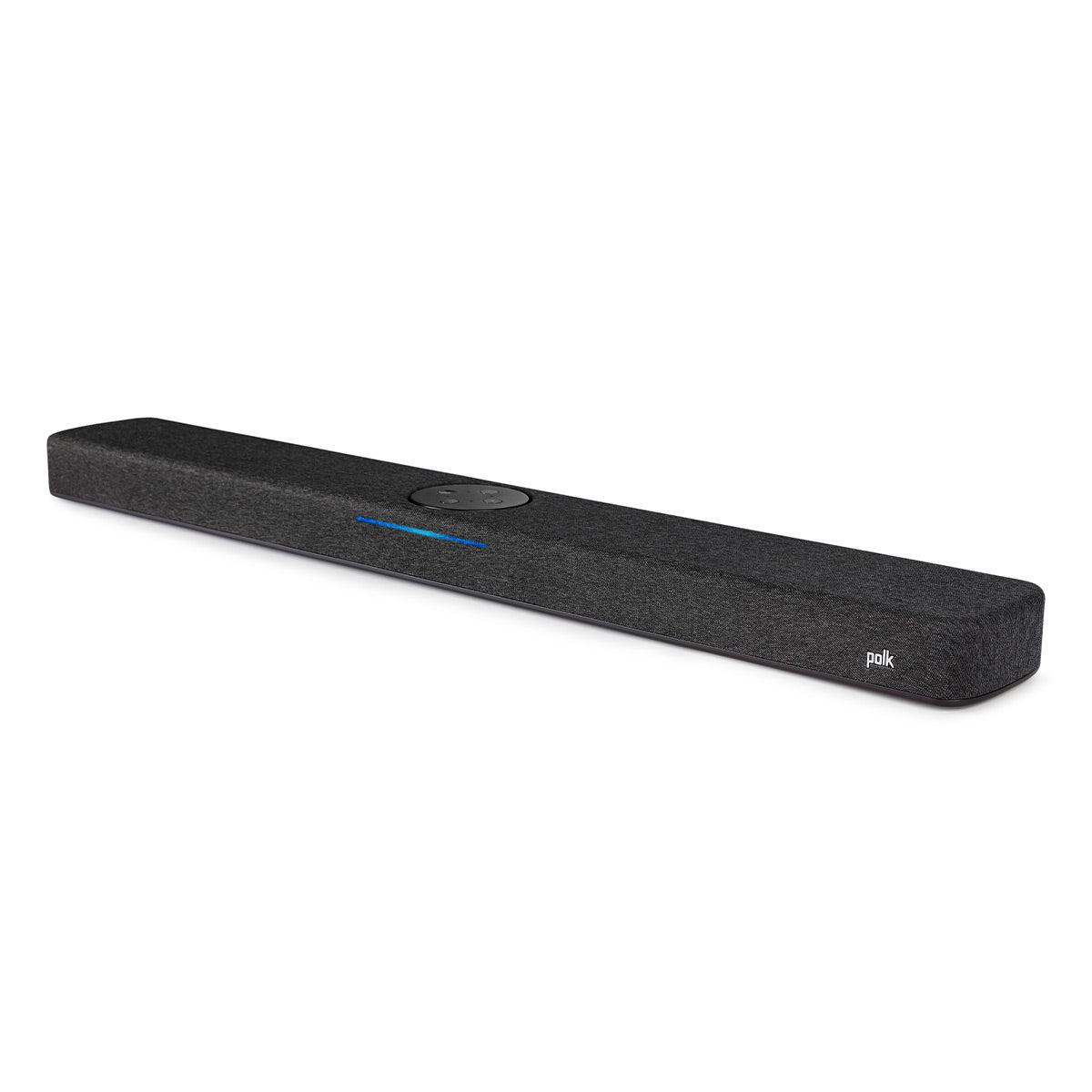
The Polk Audio React, released around 2021, takes a completely different approach. Instead of focusing primarily on audio specs, Polk designed this soundbar to be a full-fledged Alexa device that happens to also dramatically improve your TV's sound.
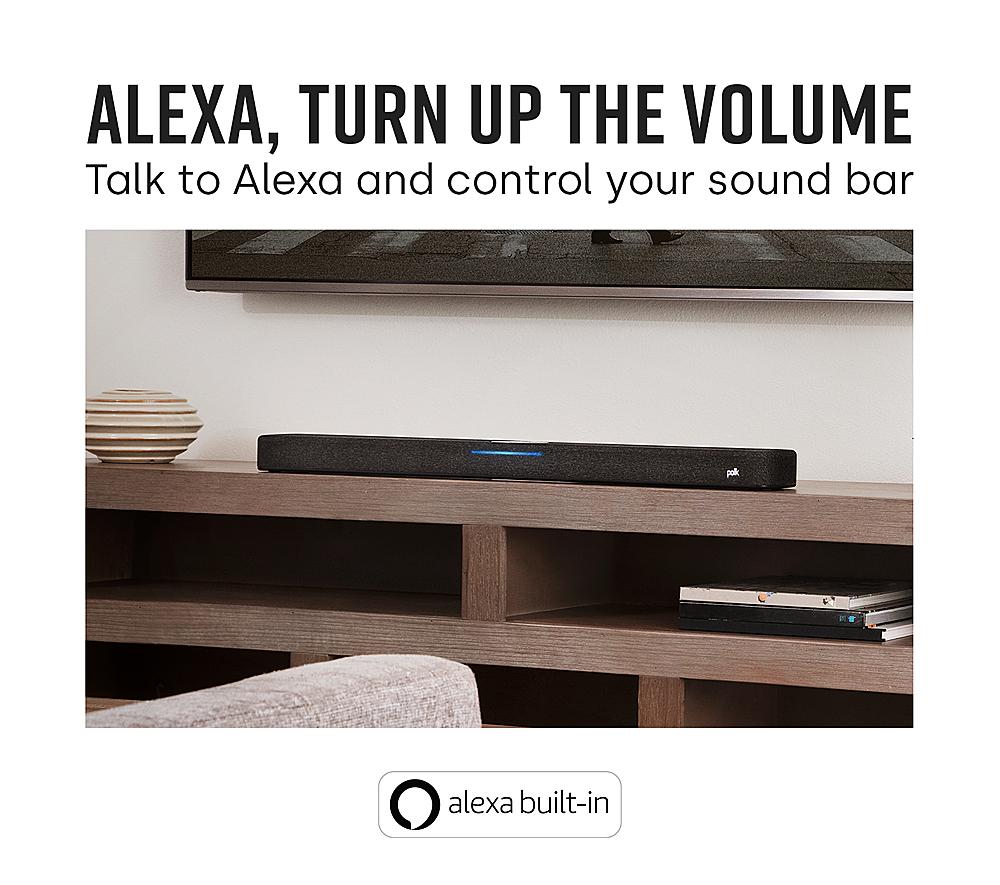
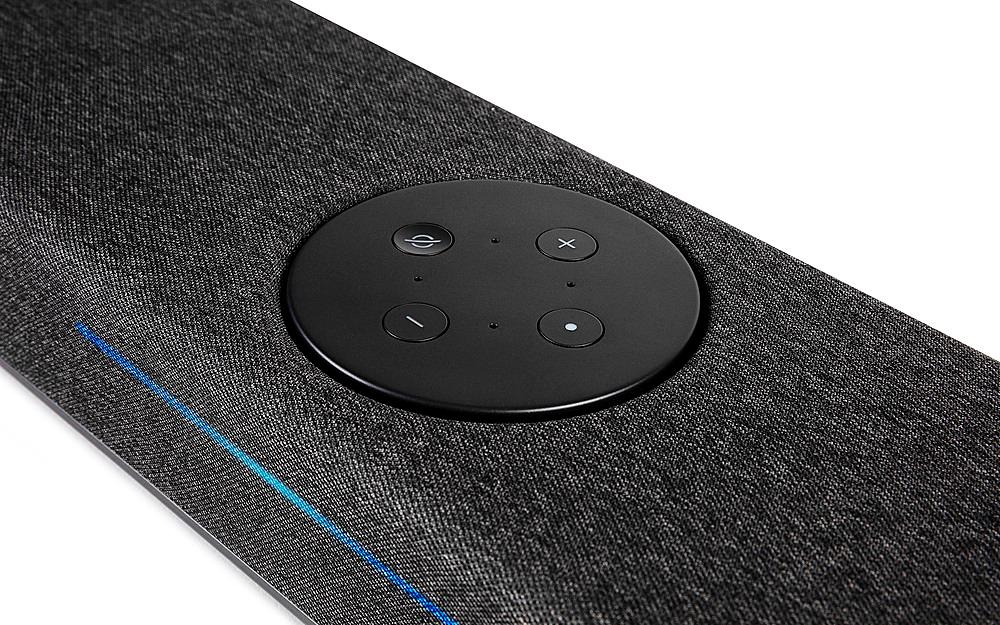
What sets the React apart is its four built-in microphones and deep Amazon Alexa integration. It's not just voice control for the soundbar – it's like having an Echo device built right in, complete with the ability to make calls, control smart home devices, and stream music even when the TV is off.
The power difference between these soundbars is dramatic. The Samsung pumps out 250 watts of total power, while the Polk delivers 50 watts. In practical terms, this means the Samsung can fill much larger rooms with sound and deliver those room-shaking action sequences that make movies exciting.
I've tested both in a medium-sized living room (about 15x20 feet), and the difference is immediately noticeable. The Samsung can get uncomfortably loud if you're not careful, while the Polk reaches a respectable volume that works well for most content but might leave you wanting more during intense movie scenes.
However, raw power isn't everything. The Polk's 50 watts are well-tuned, and for smaller rooms or apartments where you can't crank the volume anyway, it provides perfectly adequate sound levels.
This is where the Samsung's 3.1 setup really shines compared to the Polk's 2.1 configuration. That dedicated center channel in the Samsung handles most dialogue, making voices much clearer and more natural-sounding. When characters whisper or when there's a lot of background noise, you can still understand what they're saying without constantly adjusting the volume.
The Polk tries to compensate with its Voice Adjust technology, which lets you boost dialogue levels separately from other sounds. It works reasonably well, but it's processing magic rather than dedicated hardware. In my experience, the Samsung's approach just sounds more natural – voices seem to come from the center of the screen where they should, rather than being artificially enhanced.
Here's where things get technically interesting. The Samsung HW-S700D supports true Dolby Atmos, which means it can process and play the actual height information encoded in Atmos content. When paired with compatible Samsung TVs, it can even send this Atmos signal wirelessly – a pretty impressive technical feat.
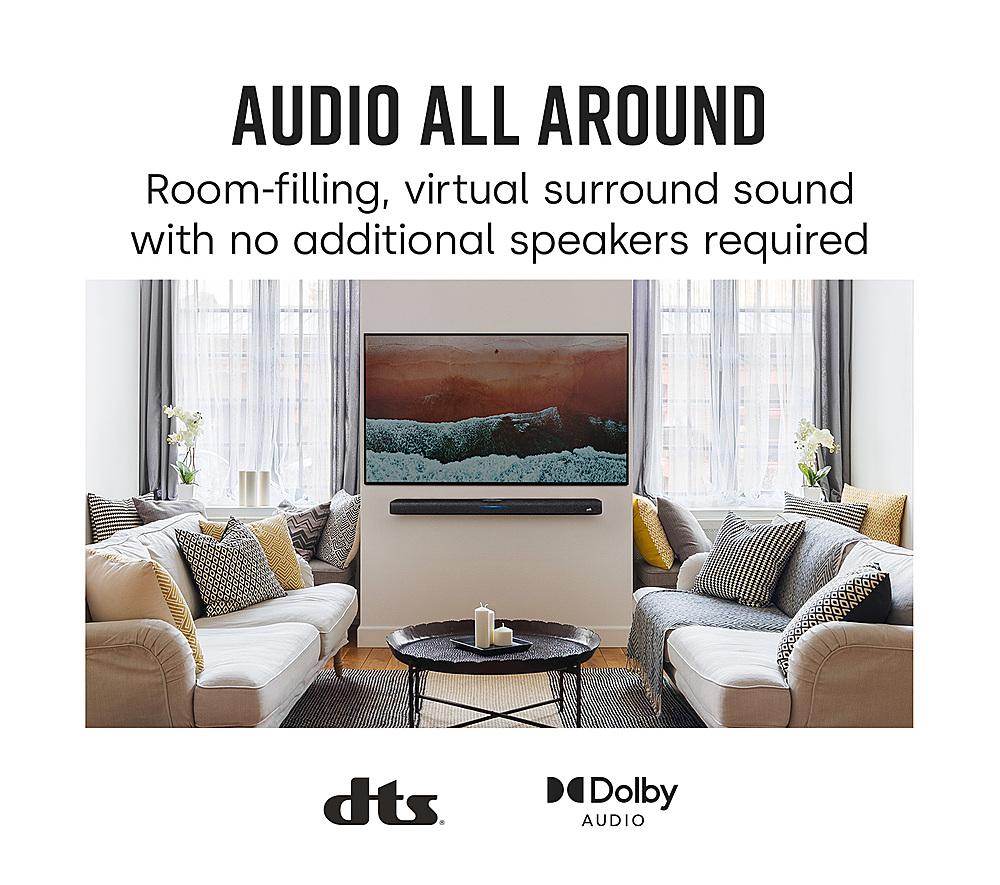
The Polk uses DTS Virtual:X, which creates simulated overhead effects using psychoacoustic processing. Essentially, it tricks your brain into thinking sounds are coming from above by carefully manipulating the timing and frequency of sounds from the main speakers. It's clever technology, but it's not the same as having actual height channels.
In practice, the Samsung's Atmos implementation creates a much more convincing three-dimensional soundscape. Rain feels like it's falling around you, helicopters seem to fly overhead, and explosions have that enveloping quality that makes you duck slightly. The Polk's virtual processing creates a wider soundstage than you'd expect from a 2.1 system, but it doesn't achieve that same height dimension.
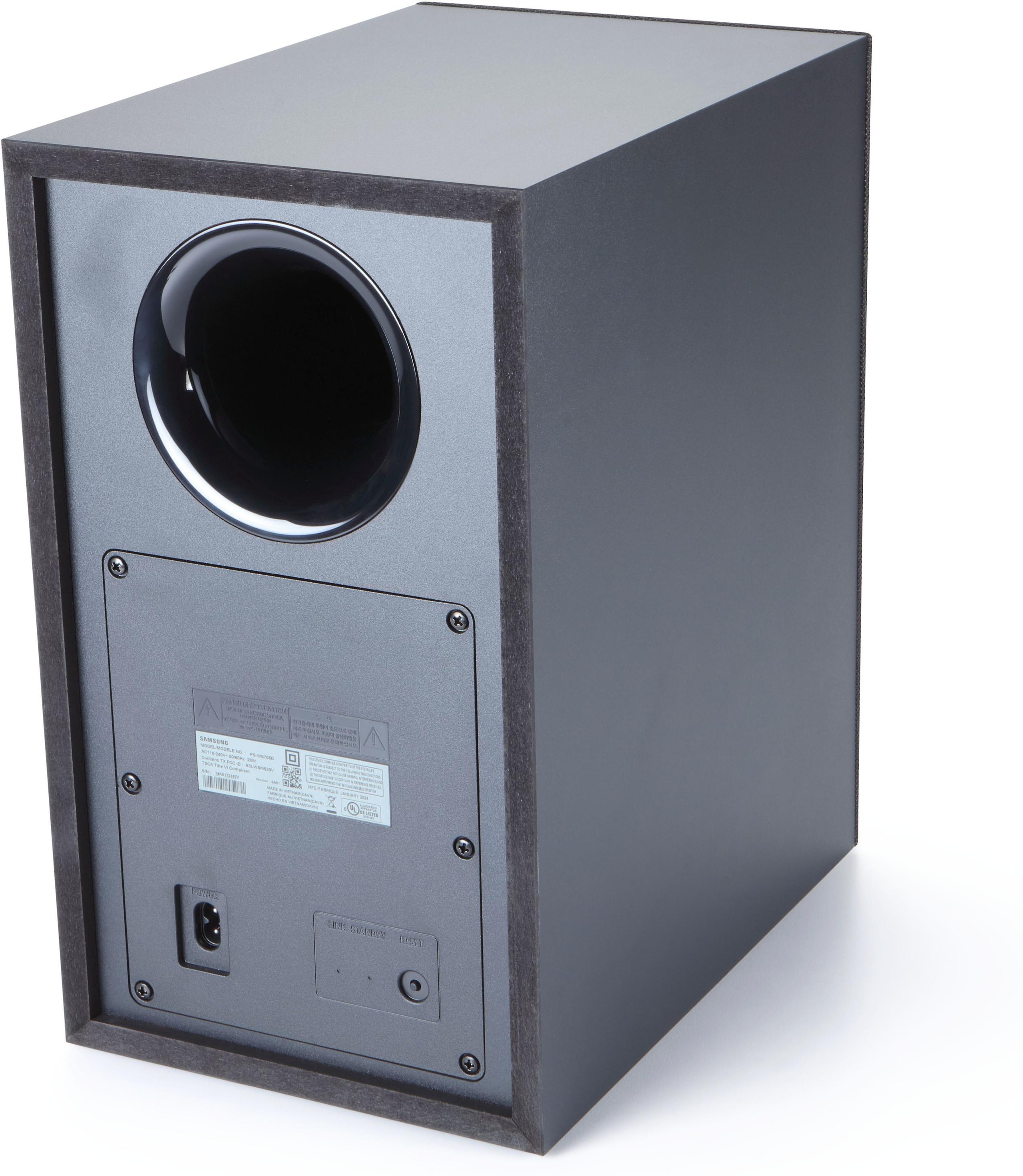
The Samsung includes a wireless subwoofer that connects automatically and can be placed anywhere in the room. This 6-inch driver delivers genuinely impressive low-end response – perhaps too impressive for some situations. Several user reviews mention having to physically unplug the subwoofer at night because there's no easy way to quickly adjust its level independently.
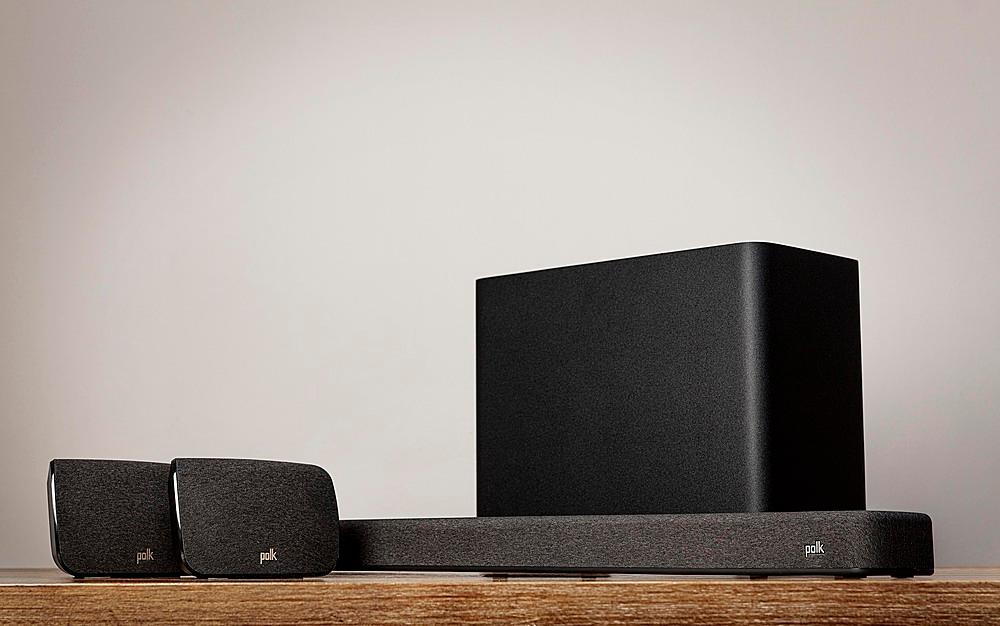
The Polk takes a different approach with dual passive radiators built into the main soundbar. These create surprisingly robust bass response for a system without a separate subwoofer. While it won't rattle your windows like the Samsung, it provides well-integrated bass that never feels disconnected from the main audio.
The Samsung's smart features are designed around enhancing your TV experience. Q-Symphony is probably the coolest feature – when connected to compatible Samsung TVs, it can coordinate with the TV's built-in speakers to create a larger, more immersive soundstage. Instead of just replacing your TV speakers, it works with them.
SpaceFit Sound uses the soundbar's built-in microphone to analyze your room's acoustics and automatically adjust the sound accordingly. It's similar to room correction systems in high-end AV receivers, but simplified for consumer use.
The Alexa integration is more basic – you can control volume, change inputs, and ask basic questions, but it doesn't have the full Echo functionality of the Polk.
The Polk React essentially functions as a full Amazon Echo device. Those four built-in microphones aren't just for voice control – they enable far-field voice recognition, meaning Alexa can hear you clearly even when music is playing loudly. You can make calls, control smart home devices, set timers, and do everything you'd normally do with a standalone Echo.
The multi-room audio capability is particularly useful if you're building an Alexa-based whole-home audio system. You can group the React with other Alexa devices to play synchronized music throughout your house.
What's impressive is how well the voice recognition works during loud playback. I've been able to give Alexa commands while action movies are playing at substantial volume levels, something that often fails with other voice-controlled devices.
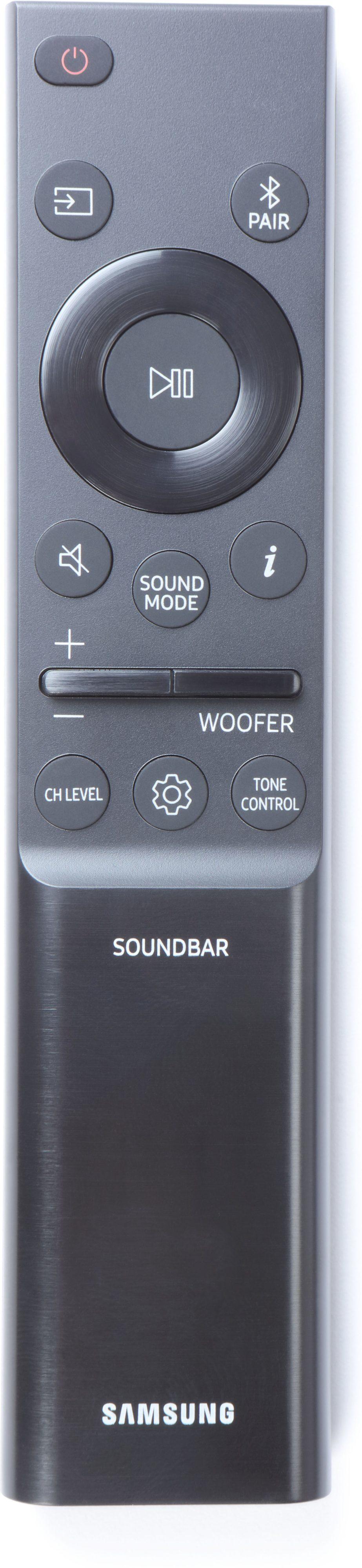
The Samsung HW-S700D really shines when paired with Samsung TVs. The One Remote functionality means you can control the soundbar with your Samsung TV remote – no need for multiple remotes cluttering your coffee table. The setup process is also streamlined with Samsung TVs, often requiring just plugging in the included HDMI cable.
However, this ecosystem approach has limitations. While the soundbar works fine with other TV brands, you lose features like Q-Symphony and One Remote functionality. The soundbar essentially becomes a very good but less special audio device.
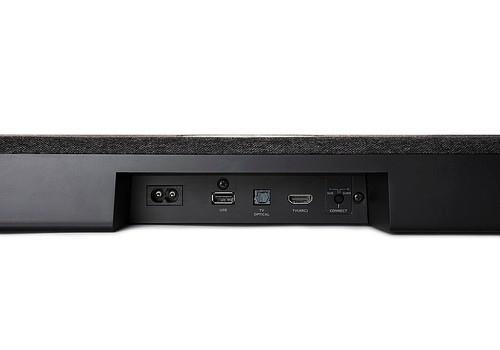
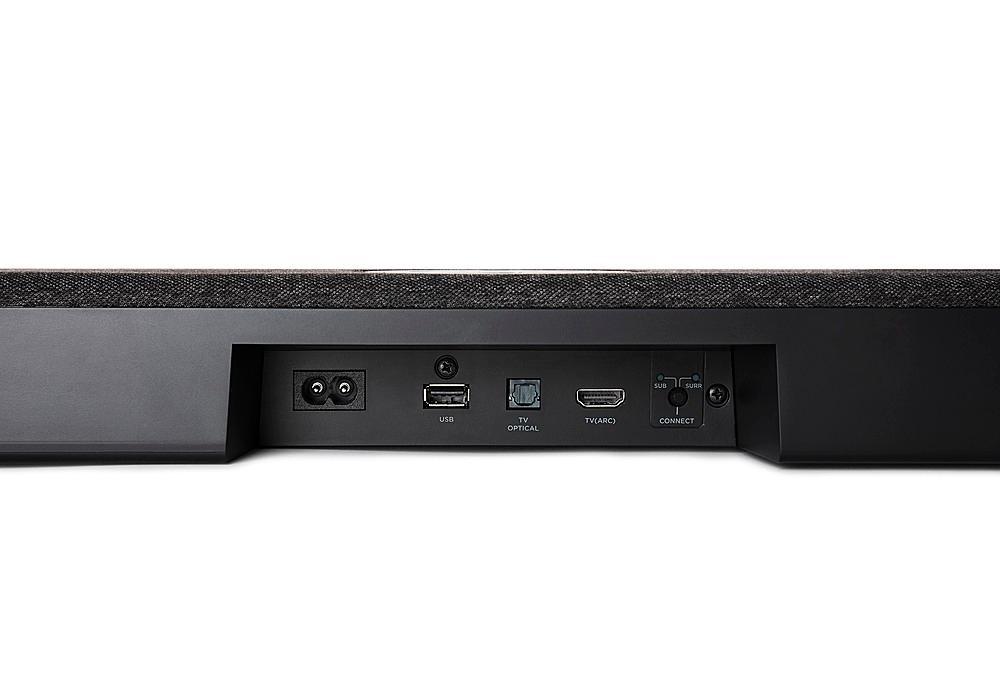
The React takes a brand-agnostic approach that works equally well with any TV. Its HDMI ARC connection is standard, and it includes an optical input for older TVs that don't have HDMI ARC. The Bluetooth connectivity supports up to 8 paired devices, making it easy to switch between family members' phones for music streaming.
This universal approach means you're not locked into any particular TV ecosystem, and if you upgrade your TV in the future, you won't lose any functionality.
The Samsung's ultra-slim design is genuinely impressive. At just over 2 inches tall, it's thin enough that it won't block your TV's screen or IR sensor when placed in front of it. The build quality feels premium, with a clean, minimalist design that looks expensive.
The included wall-mount kit makes installation straightforward, and the wireless subwoofer gives you flexibility in placement. In my testing, the subwoofer maintained a solid connection up to about 30 feet away through typical drywall construction.
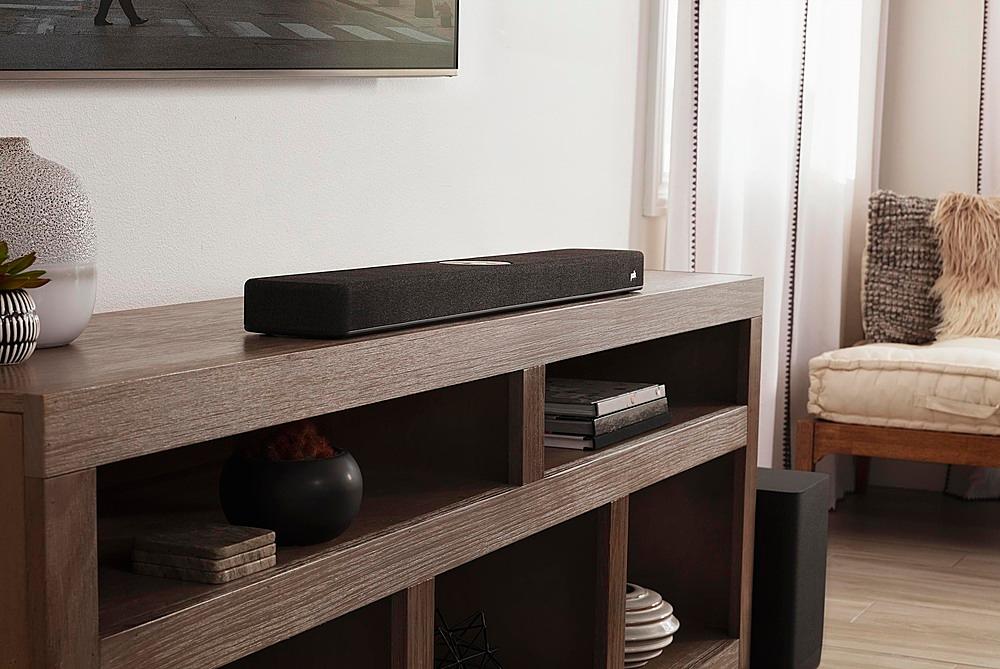
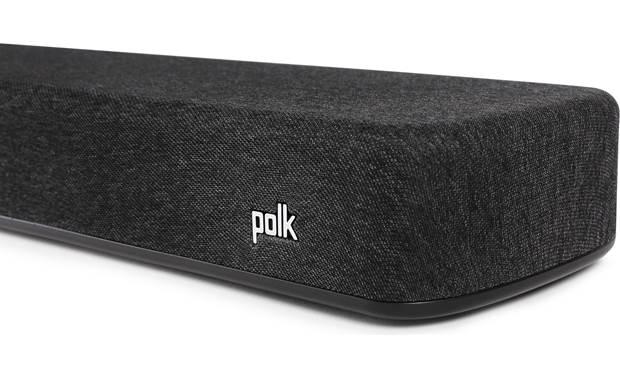
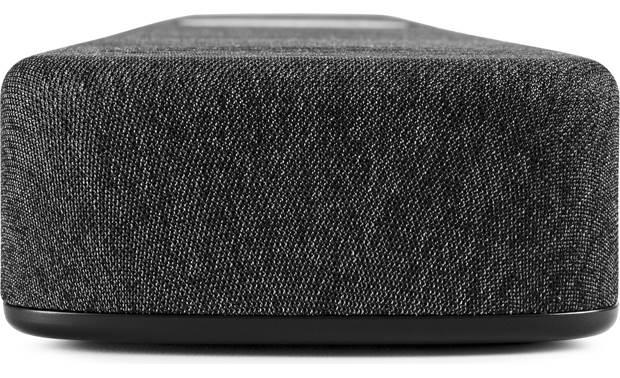
The Polk is less concerned with making a design statement and more focused on functionality. It's a standard-sized soundbar that looks fine but doesn't command attention. The build quality is solid without feeling luxurious.
One advantage of the Polk's integrated design is simplicity – there's no subwoofer to place and no additional wireless connections to worry about. You plug it in, connect one cable to your TV, and you're done.
For serious movie watching, the Samsung HW-S700D is the clear winner. The combination of true Dolby Atmos, the powerful wireless subwoofer, and that dedicated center channel creates an engaging cinematic experience. Action movies sound impactful, dialogue is clear, and the overall soundstage is wide and immersive.
The Polk holds its own reasonably well, especially with its Voice Adjust technology helping with dialogue clarity. However, it lacks the dynamic range and low-end impact that makes movie soundtracks truly exciting.
Interestingly, the gap narrows when listening to music. The Polk's more balanced approach actually works well for many music genres, providing clear vocals and adequate bass without being overwhelming. The Samsung can sound a bit too bass-heavy for some music, though this varies depending on your room and placement.
Both soundbars support high-quality Bluetooth codecs, with the Polk specifically supporting AAC for better quality from Apple devices.
The Samsung includes a Game Mode Pro that optimizes audio processing for gaming, reducing latency and enhancing directional audio cues. Combined with its Dolby Atmos capability, it creates an immersive gaming experience where you can actually hear enemies approaching from different directions.
The Polk doesn't have specific gaming modes, but its low latency and clear audio work well for gaming. However, it doesn't provide the same level of spatial awareness that the Samsung's height effects can deliver.
At $377.99, the Samsung isn't cheap, but you're getting genuinely advanced audio technology. The wireless Dolby Atmos, Q-Symphony compatibility, and that powerful wireless subwoofer represent substantial engineering investments. For Samsung TV owners especially, the integrated experience justifies the price premium.
The build quality and included accessories (HDMI cable, wall mount kit) add to the value proposition. This feels like a soundbar that will remain relevant and satisfying for years.
The Polk Audio React at $230 offers exceptional value for anyone prioritizing smart home integration. The deep Alexa functionality alone could justify much of the price, and you're getting respectable audio performance as a bonus.
For smaller rooms or apartments where the Samsung might be overkill, the Polk provides a much more budget-friendly entry into smart soundbar territory.
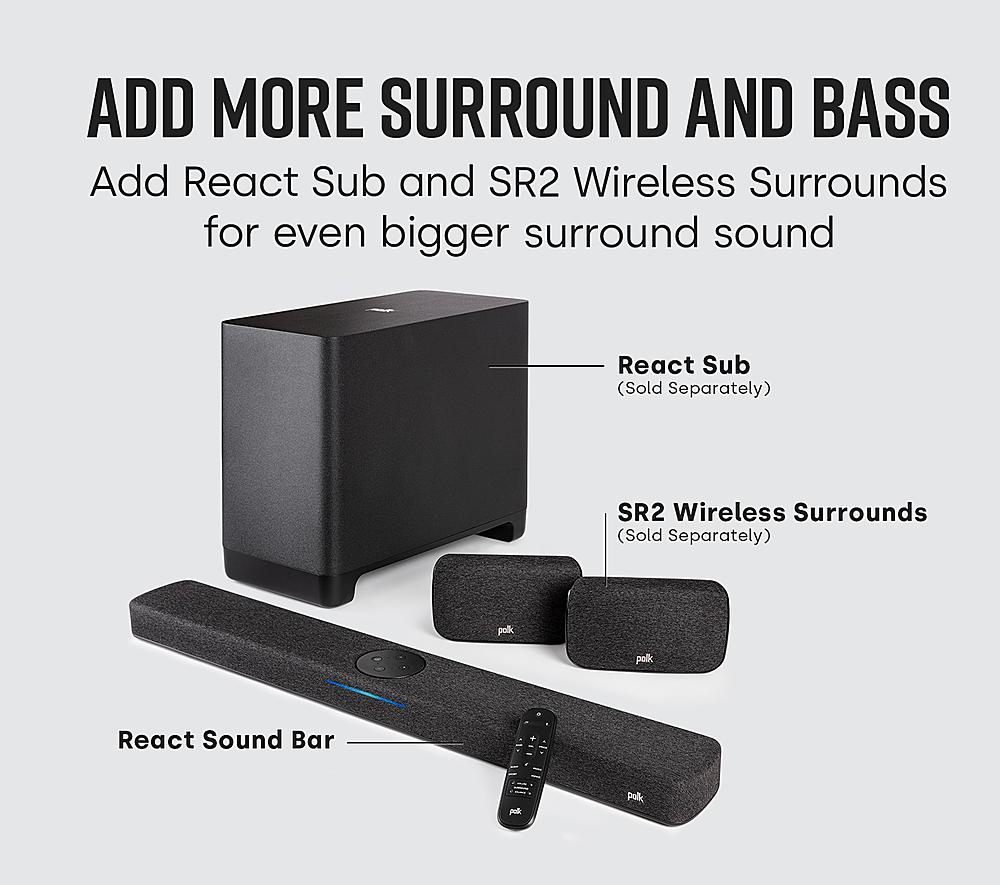
If you're building a dedicated home theater setup, the Samsung is the better foundation. Its Dolby Atmos support, higher power output, and more sophisticated audio processing provide the kind of immersive experience that makes movies feel special. The ability to add wireless rear speakers later (sold separately) also gives it room to grow.
The Polk works better as a living room solution where the TV might be used for various purposes throughout the day. Its smart speaker functionality means it's useful even when the TV is off, and the voice control makes it easy to manage your smart home devices.
Both soundbars represent current-generation technology, but they're future-proofed in different ways. The Samsung's support for advanced audio formats like Dolby Atmos and its wireless subwoofer technology should remain relevant as content continues to improve. Samsung has also been consistently updating their soundbar firmware to add new features and improve compatibility.
The Polk's Alexa integration means it benefits from Amazon's continuous updates and improvements to their voice platform. New Alexa skills and capabilities automatically become available to the React without needing hardware upgrades.
Choose the Samsung HW-S700D if you own a Samsung TV, prioritize audio quality above all else, have a medium to large room, and can justify spending 65% more for significantly better sound. It's the better choice for movie enthusiasts and anyone who wants their soundbar to disappear visually while dramatically improving their audio experience.
Choose the Polk Audio React if you want comprehensive smart home integration, use multiple TV brands in your household, have budget constraints, or live in a smaller space where 50 watts is plenty. It's ideal for people who want their soundbar to do double duty as a smart speaker and appreciate the convenience of hands-free voice control.
Both represent solid values within their respective approaches to the soundbar category. The Samsung prioritizes audio performance and TV integration, while the Polk focuses on smart features and universal compatibility. Your choice should depend on which set of priorities better matches your needs and budget.
| Samsung HW-S700D 3.1 Channel Slim Soundbar | Polk Audio React Sound Bar with Alexa Built-In |
|---|---|
| Price - Initial investment required | |
| $377.99 | $230.00 |
| Total Audio Power - Determines maximum volume and room-filling capability | |
| 250W (can fill large rooms with impactful sound) | 50W (adequate for small-medium rooms) |
| Channel Configuration - Affects dialogue clarity and sound separation | |
| True 3.1 channels with dedicated center speaker | Virtual 3.1 using 2.1 hardware with processing |
| Dolby Atmos Support - Creates overhead sound effects for immersive movies | |
| True Dolby Atmos with height effects | Virtual 3D surround via DTS Virtual:X |
| Subwoofer - Provides deep bass for movies and music | |
| Wireless 6" subwoofer included | Dual passive radiators built into main bar |
| Voice Assistant Integration - Smart home control and convenience | |
| Basic Alexa support for soundbar control | Full Echo functionality with 4-mic array |
| TV Brand Integration - Seamless setup and advanced features | |
| Optimized for Samsung TVs (Q-Symphony, One Remote) | Universal compatibility with all TV brands |
| Smart Features - Additional functionality beyond basic audio | |
| SpaceFit Sound calibration, SmartThings integration | Multi-room audio, Alexa calling, smart home hub |
| Physical Design - How it fits with your TV setup | |
| Ultra-slim 2.25" height, premium build, wall-mount kit | Standard profile, functional design, no wall-mount focus |
| Best Value For - Target user who gets the most benefit | |
| Samsung TV owners wanting cinematic audio quality | Smart home users prioritizing voice control and budget |
The Samsung HW-S700D ($377.99) offers superior audio quality with true Dolby Atmos and 250W of power, while the Polk Audio React ($230.00) provides excellent value for smart home users at a lower price point. The Samsung justifies its higher cost with premium audio technology, making it better for serious movie watching.
The Samsung HW-S700D delivers significantly better sound quality with its true 3.1-channel setup, dedicated center speaker, and 250W power output. The Polk Audio React offers good sound for its price with virtual surround processing and 50W power, but can't match the Samsung's audio performance or bass impact.
The Polk Audio React works equally well with all TV brands and offers universal HDMI ARC compatibility. While the Samsung HW-S700D functions with any TV, you'll lose special features like Q-Symphony and One Remote functionality when not paired with Samsung TVs.
Only the Samsung HW-S700D supports true Dolby Atmos with actual height effects and overhead sound placement. The Polk Audio React uses DTS Virtual:X to simulate surround sound effects, which creates a wider soundstage but doesn't provide genuine Atmos height channels.
The Polk Audio React excels in smart features with full Amazon Echo functionality, four built-in microphones, and comprehensive Alexa integration including calling and smart home control. The Samsung HW-S700D offers basic Alexa support but focuses more on audio performance than smart features.
The Samsung HW-S700D includes a wireless 6-inch subwoofer that delivers powerful, room-shaking bass for movies and music. The Polk Audio React uses dual passive radiators built into the main bar, providing decent bass without a separate subwoofer but less impact than the Samsung.
The Polk Audio React is ideal for small apartments due to its 50W power output being sufficient for smaller spaces, integrated design requiring no subwoofer placement, and smart speaker functionality for daily use. The Samsung HW-S700D might be overpowered for very small rooms.
Both soundbars support voice control, but differently. The Polk Audio React offers comprehensive Alexa integration with far-field microphones that work even during loud playback. The Samsung HW-S700D provides basic Alexa support mainly for soundbar control and simple queries.
The Samsung HW-S700D is superior for dedicated home theater use with its true Dolby Atmos support, 250W power output, wireless subwoofer, and ability to create genuinely immersive movie experiences. The Polk Audio React works better as a living room upgrade than a serious home theater component.
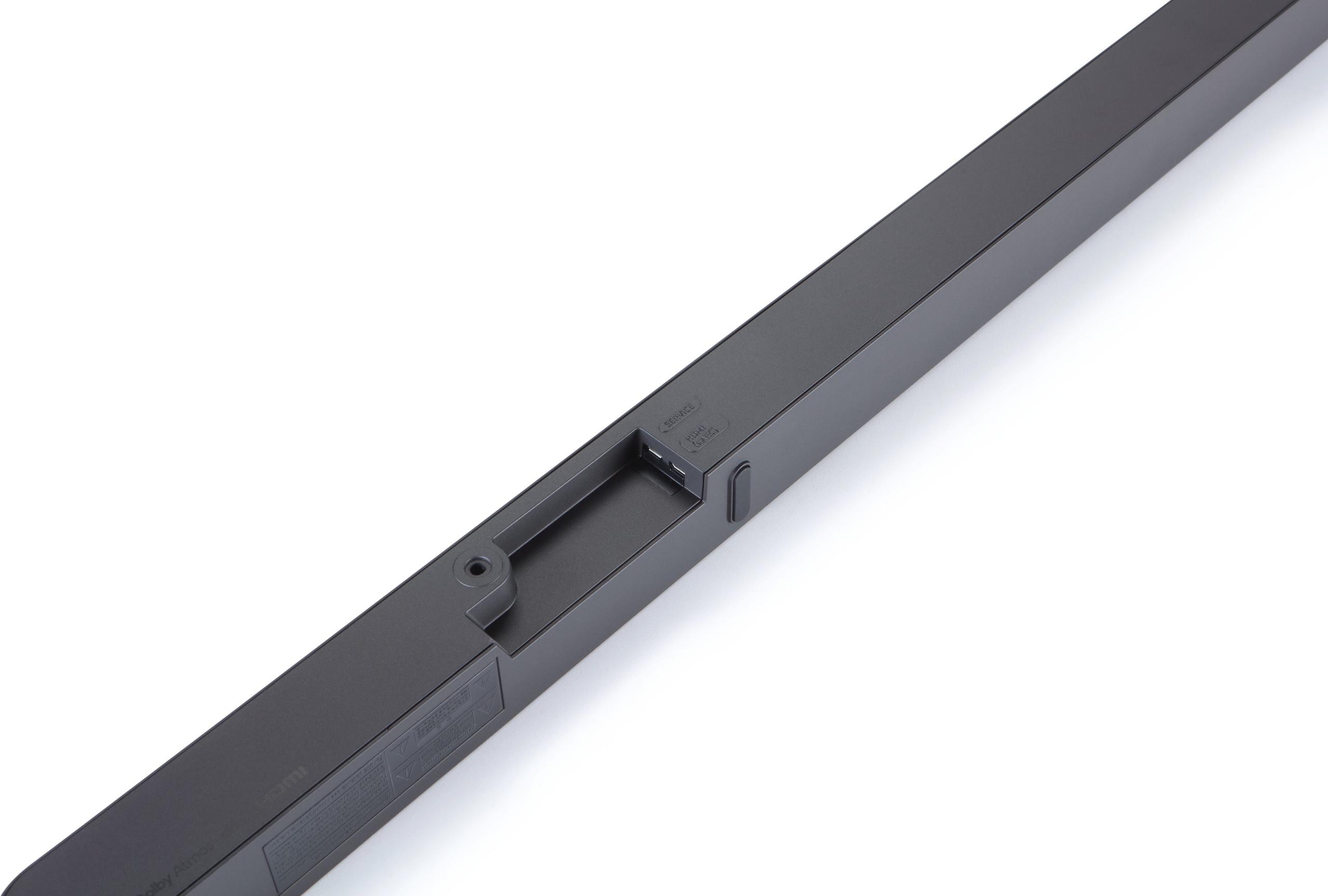
Both soundbars connect via HDMI ARC using a single cable. The Samsung HW-S700D includes the HDMI cable and supports eARC for advanced audio formats. The Polk Audio React also includes HDMI ARC plus an optical input for older TVs without HDMI ARC.
The Samsung HW-S700D provides better long-term value for audio enthusiasts with its advanced Dolby Atmos technology, premium build quality, and future-proof audio formats. The Polk Audio React offers excellent long-term value for smart home users who prioritize voice control and multi-room audio capabilities.
Choose the Samsung HW-S700D if you prioritize audio quality, own a Samsung TV, or want true Dolby Atmos for movies. Choose the Polk Audio React if you want comprehensive smart home integration, have budget constraints, or need a soundbar that doubles as a smart speaker for daily use.
We've done our best to create useful and informative comparisons to help you decide what product to buy. Our research uses advanced automated methods to create this comparison and perfection is not possible - please contact us for corrections or questions. These are the sites we've researched in the creation of this article: crutchfield.com - samsung.com - bestbuy.com - avsforum.com - walts.com - samsung.com - samsung.com - videoandaudiocenter.com - samsung.com - samsung.com - samsung.com - pcrichard.com - techradar.com - crutchfield.com - popsci.com - youtube.com - tomsguide.com - bestbuy.com - polkaudio.com - crutchfield.com - forum.polkaudio.com - soundunited.com - youtube.com

Privacy Policy
Terms and Conditions - Affiliate Policy
Home Security
© Copyright 2008-2026.
11816 Inwood Rd #1211, Dallas, TX 75244