

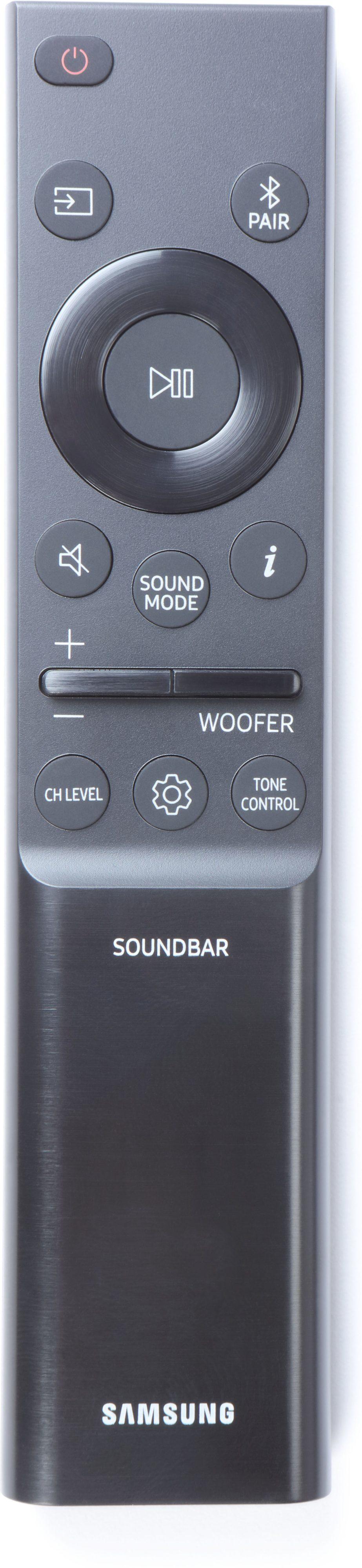




If you're tired of constantly asking "what did they just say?" while watching your favorite shows, you're not alone. TV speakers have gotten thinner along with our screens, leaving most built-in audio sounding like it's coming from a tin can. That's where soundbars come in—they're the most popular way to transform your TV's weak audio into something that actually enhances your viewing experience.
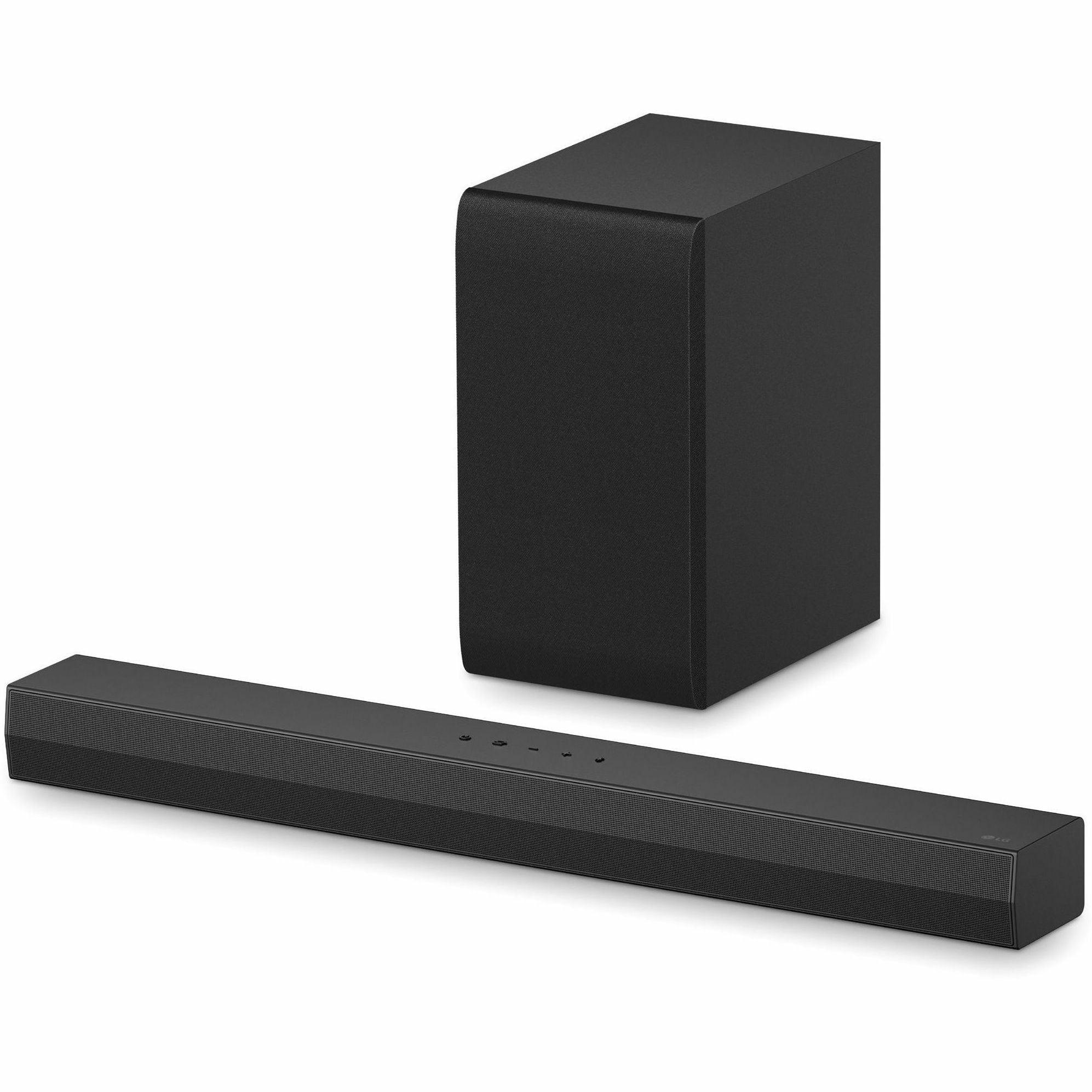
But here's the thing: not all soundbars are created equal. Today we're comparing two very different approaches to better TV audio: the Samsung HW-S700D at $377-$499 and the LG S40T at just $137-$156. One's a premium 3.1-channel system packed with the latest tech, while the other's a budget-friendly 2.1 setup that gets the job done without breaking the bank.
Before we dive into the comparison, let's break down what you're actually buying. When you see "3.1" or "2.1" in a soundbar's name, those numbers tell you how many audio channels the system has. Think of channels as separate audio streams that create different parts of your sound experience.
The first number represents your main speakers—left, right, and center. A 2.1 system has left and right speakers (stereo), while a 3.1 system adds a dedicated center channel. That center channel is huge for dialogue clarity because it's specifically designed to handle voices. The ".1" refers to the subwoofer, which handles the low-frequency sounds like explosions, thunder, and that deep rumble you feel in movie theaters.
Other key factors include audio processing technologies like Dolby Atmos (which creates 3D sound that seems to come from above you), connectivity options for different devices, and smart features that let you stream music directly to your soundbar. Room size matters too—a powerful system in a small bedroom might be overkill, while a basic soundbar could get lost in a large living room.
The sweet spot for most people depends on their budget, room size, and how seriously they take their audio. Some folks just want dialogue they can understand, while others want to recreate the cinema experience at home.
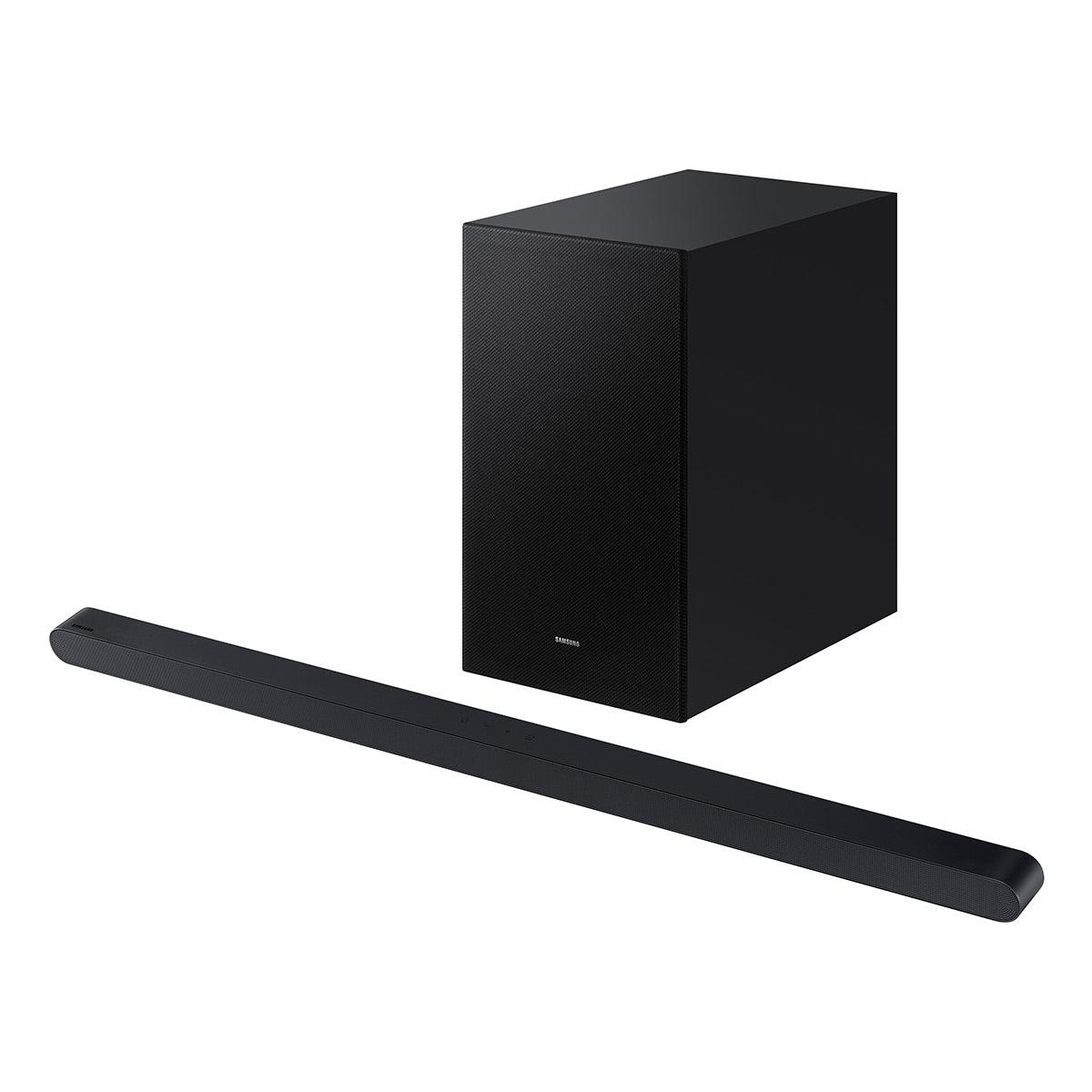
The Samsung HW-S700D launched in 2024, representing Samsung's latest thinking on premium soundbar design. At $377-$499, it's positioned as a high-end option that doesn't quite reach flagship territory. The 2024 release means you're getting the newest audio processing chips, updated wireless protocols, and Samsung's latest room calibration technology.
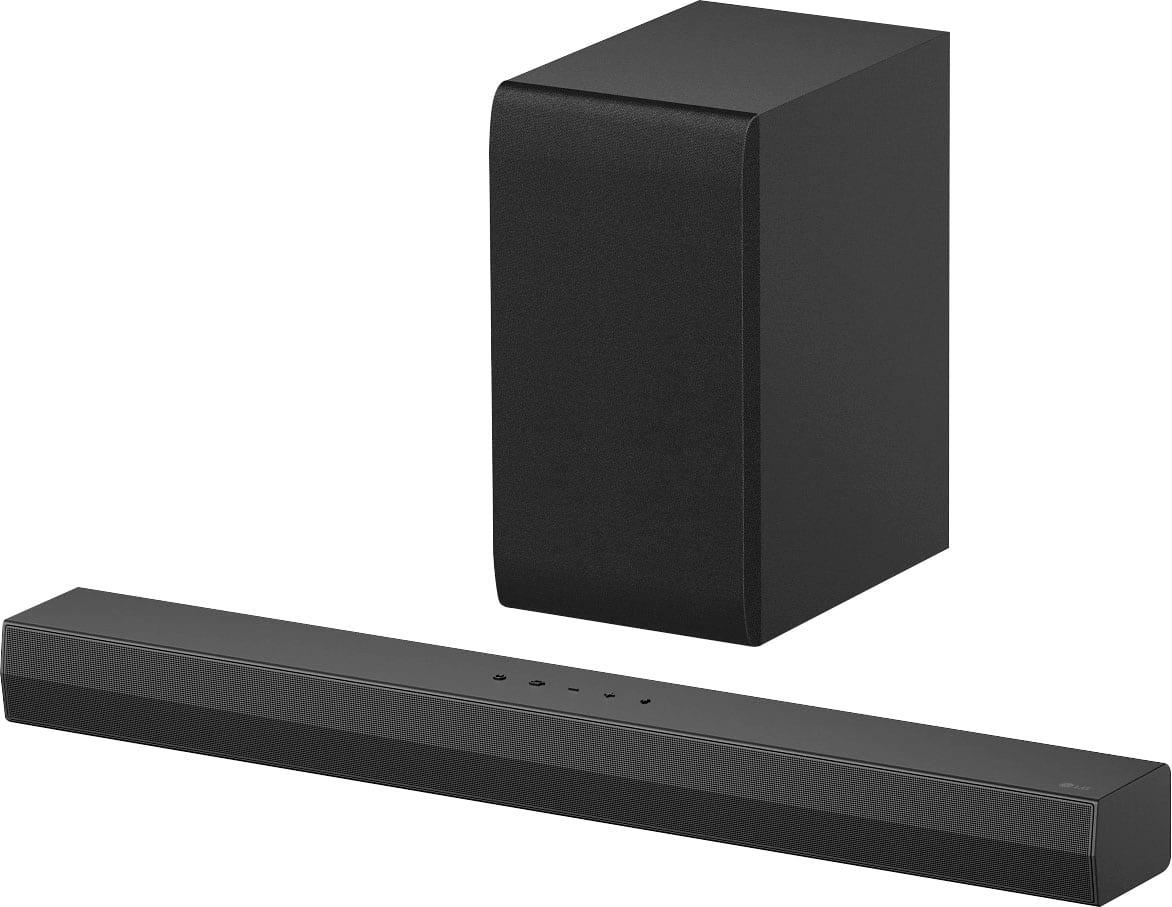
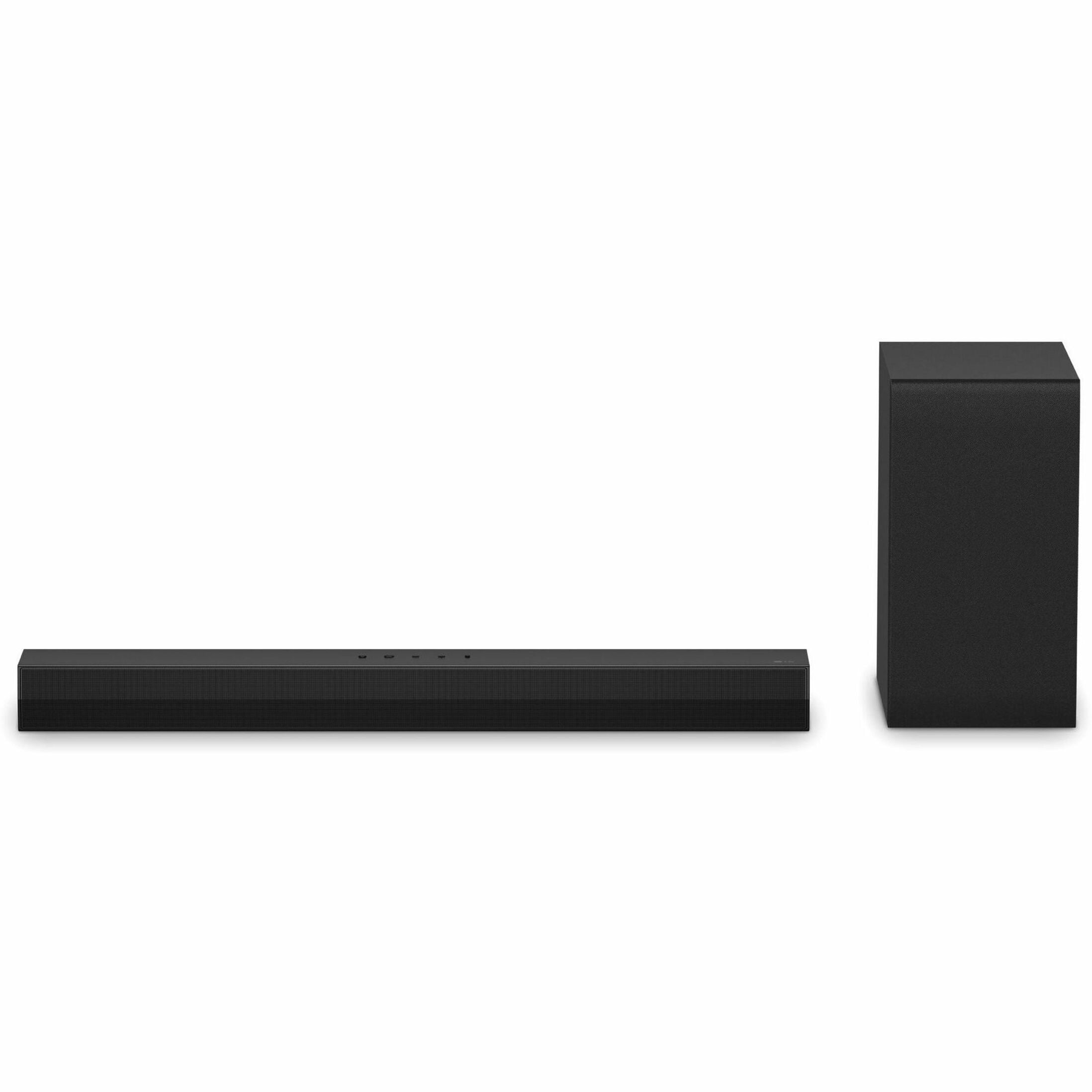
In contrast, the LG S40T hit the market in 2022 at $137-$156, targeting budget-conscious buyers who want a significant upgrade over TV speakers without the premium price tag. Being two years older doesn't necessarily make it outdated—soundbar fundamentals haven't changed dramatically—but it does mean missing some of the newer smart features and processing improvements.
What's interesting is how these release dates reflect each company's strategy. Samsung has been pushing hard into premium audio territory, developing technologies like Q-Symphony that sync their soundbars with their TVs' built-in speakers. LG, meanwhile, has focused on delivering solid basics at competitive prices, which explains why the S40T remains popular despite its 2022 launch.
The biggest performance difference between these soundbars comes down to that center channel. Having used both 2.1 and 3.1 systems extensively, I can tell you the difference in dialogue clarity is immediately noticeable. The Samsung's dedicated center speaker handles all the vocal content, meaning actors' voices come through crystal clear even during intense action scenes with explosions and music.
The LG S40T tries to create a "phantom center" by playing dialogue through both left and right speakers simultaneously. This works okay if you're sitting directly in front of the TV, but move to either side and voices can sound muddy or disconnected from the action on screen. It's like the difference between having a friend speak directly to you versus hearing them from the next room—technically you can understand both, but one is much clearer.
Here's where the Samsung really pulls ahead. Dolby Atmos isn't just marketing hype—it's a fundamentally different approach to sound that treats audio as objects moving through 3D space rather than just left and right channels. When a helicopter flies overhead in a movie, Atmos processing makes it sound like it's actually above you, even without ceiling speakers.
The Samsung achieves this through digital signal processing (DSP) that analyzes incoming audio and redirects certain frequencies upward by bouncing them off your ceiling. It's not quite as effective as dedicated ceiling speakers, but the effect is genuinely impressive, especially for movies and gaming.
The LG S40T, lacking Atmos support, can only work with traditional surround formats like Dolby Digital. These create a wider soundstage than stereo, but they can't generate that overhead dimension that makes modern movie soundtracks so immersive.
Samsung's SpaceFit Sound Pro feature represents one of the biggest advances in recent soundbar technology. Using the soundbar's built-in microphone, it plays test tones and analyzes how they bounce around your room, then adjusts the audio output accordingly. Rooms with hard surfaces might get bass reduction to prevent booming, while carpeted spaces might receive treble enhancement to maintain clarity.
I've tested this feature in both small apartments and larger living rooms, and the difference is noticeable. In my experience, it typically makes the soundbar sound more balanced and natural, though it's not magic—a fundamentally poor room layout will still present challenges.
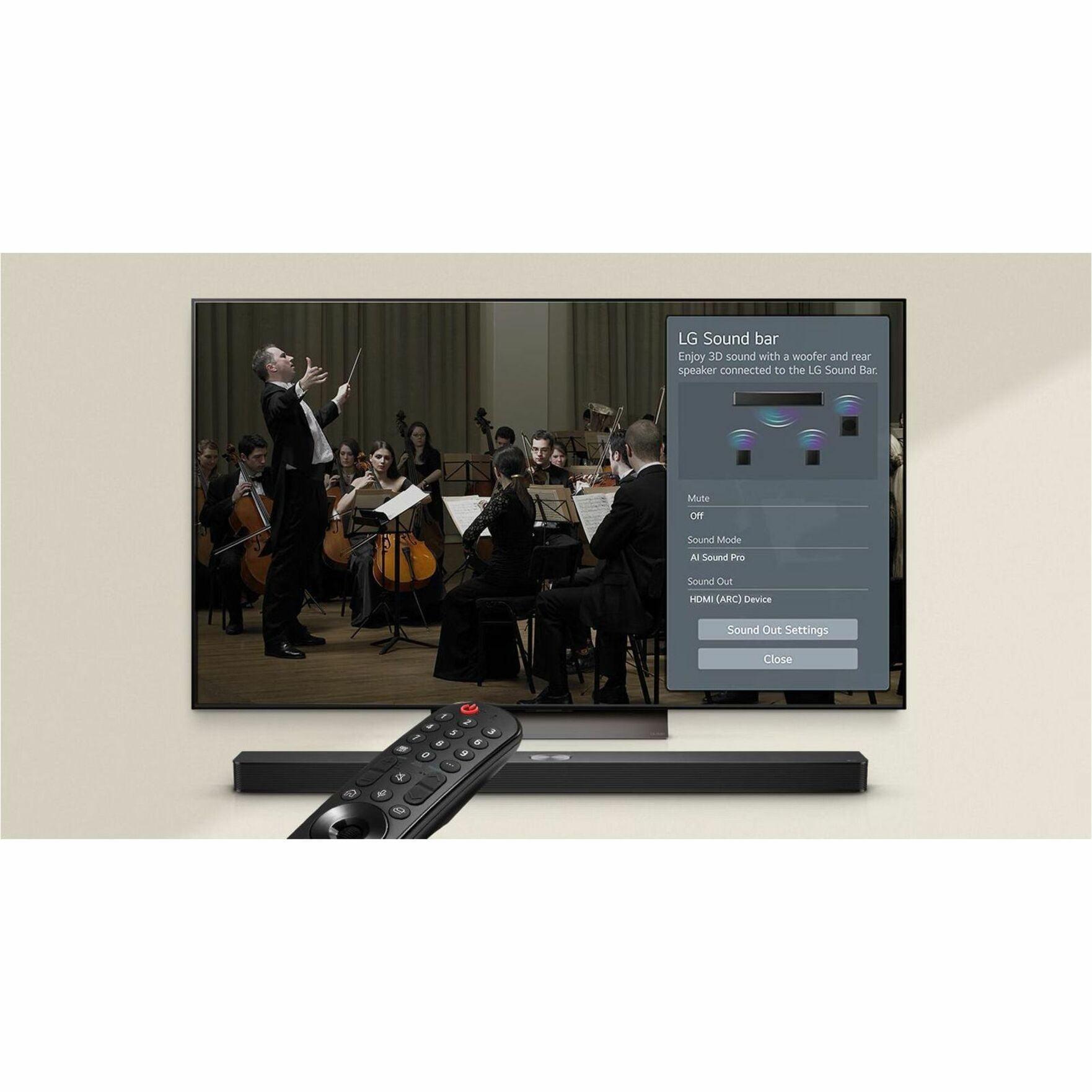
The LG S40T has basic AI Sound Pro processing that adjusts the EQ for different content types (movie, music, news), but it doesn't analyze your actual room acoustics. It's better than nothing, but it's like the difference between a custom-tailored suit and picking something off the rack in your size.
The Samsung HW-S700D feels like a product designed for 2024. Beyond standard Bluetooth connectivity, it includes Wi-Fi for direct streaming from services like Spotify Connect, Apple AirPlay 2, and Chromecast built-in. This means you can stream music directly to the soundbar without your phone or TV even being on—handy for background music while cooking or cleaning.
Voice assistant integration with Alexa and Google Assistant lets you control volume, change inputs, and even ask questions using just your voice. In practice, this works well for basic commands, though I still reach for the remote for more complex adjustments.
The Q-Symphony feature deserves special mention for Samsung TV owners. Instead of disabling your TV's speakers when the soundbar is connected, Q-Symphony uses them as additional channels, creating a wider, more immersive soundstage. It's like having extra speakers you didn't know you had.
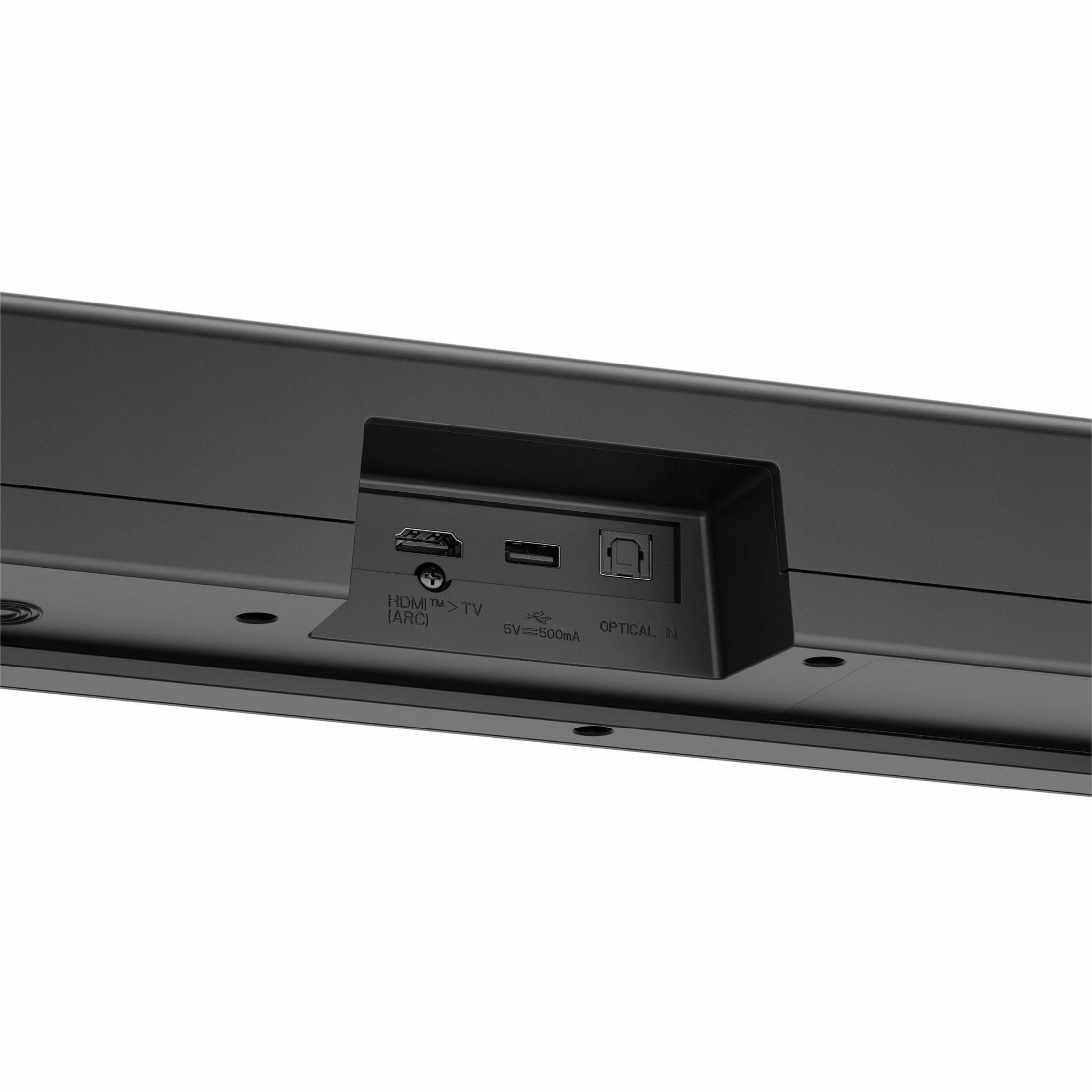
The LG S40T takes a more traditional approach with Bluetooth 5.3 for music streaming and HDMI ARC for TV connectivity. There's no Wi-Fi, no voice assistants, and no fancy app integration. Some might see this as limiting, but there's something to be said for devices that just work without requiring setup in multiple apps or worrying about firmware updates.
The trade-off is flexibility. If you want to stream a podcast directly to the soundbar while your TV shows something else, you can't do that with the LG. You're essentially limited to whatever audio your TV is currently playing, plus Bluetooth music from your phone.
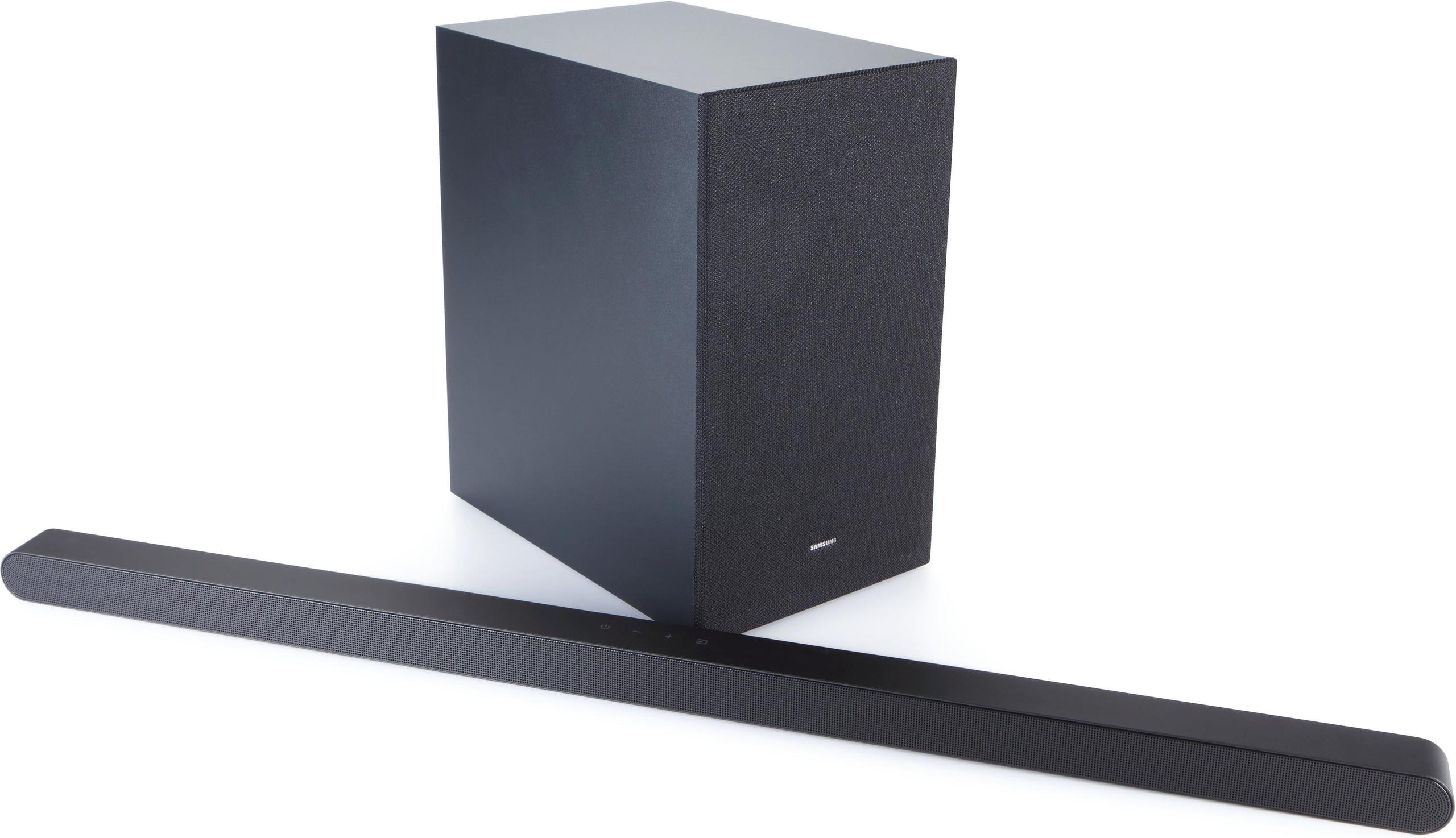
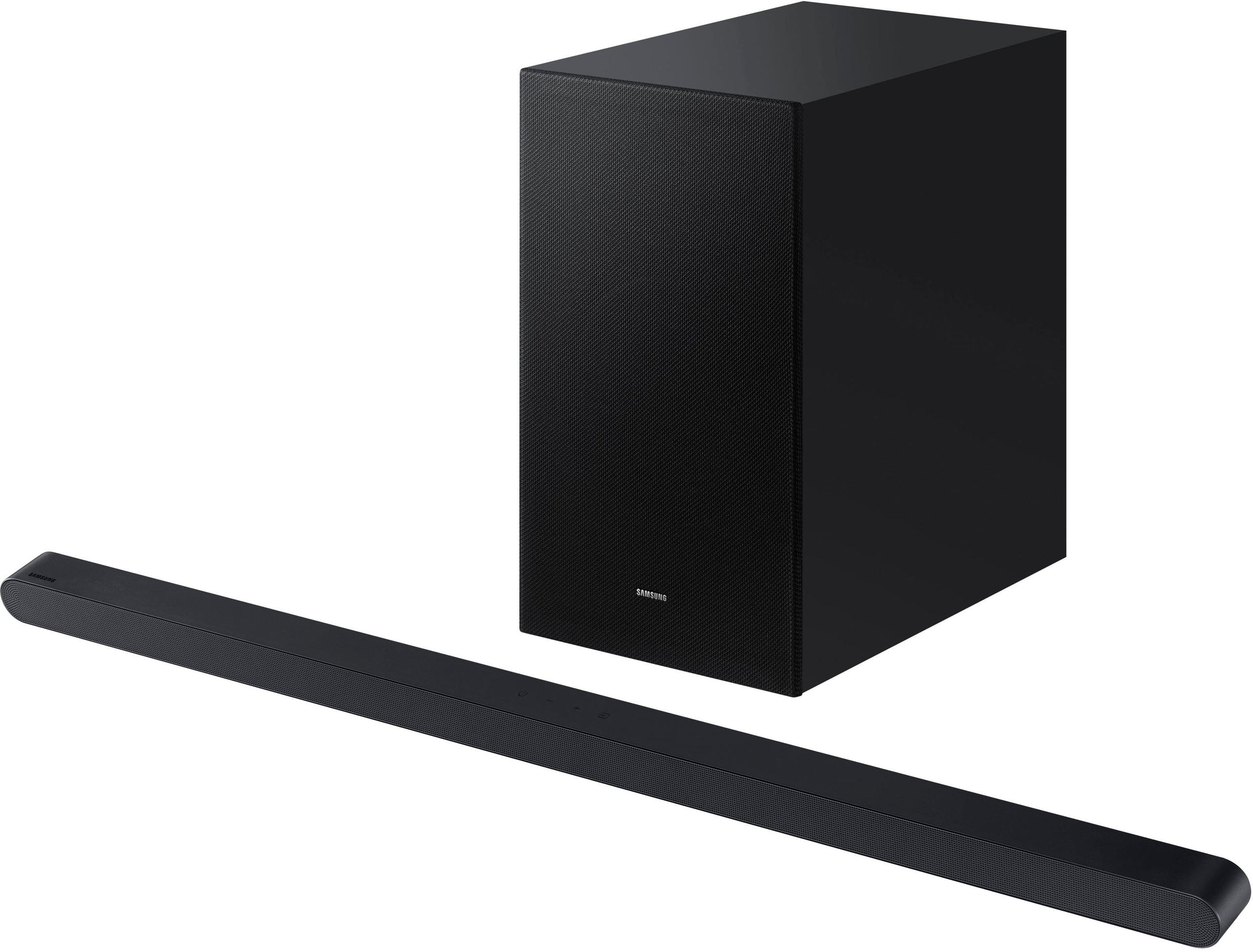
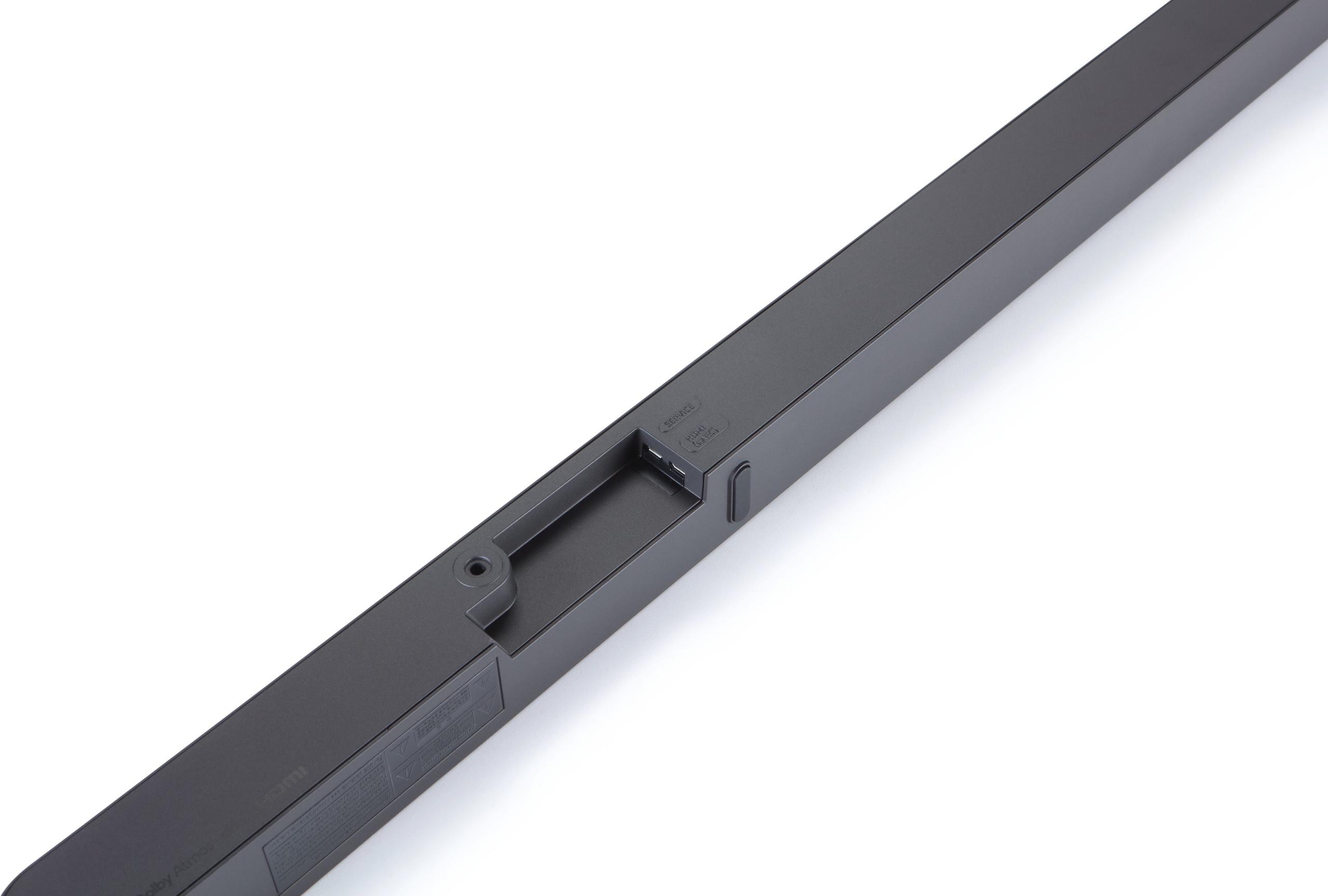
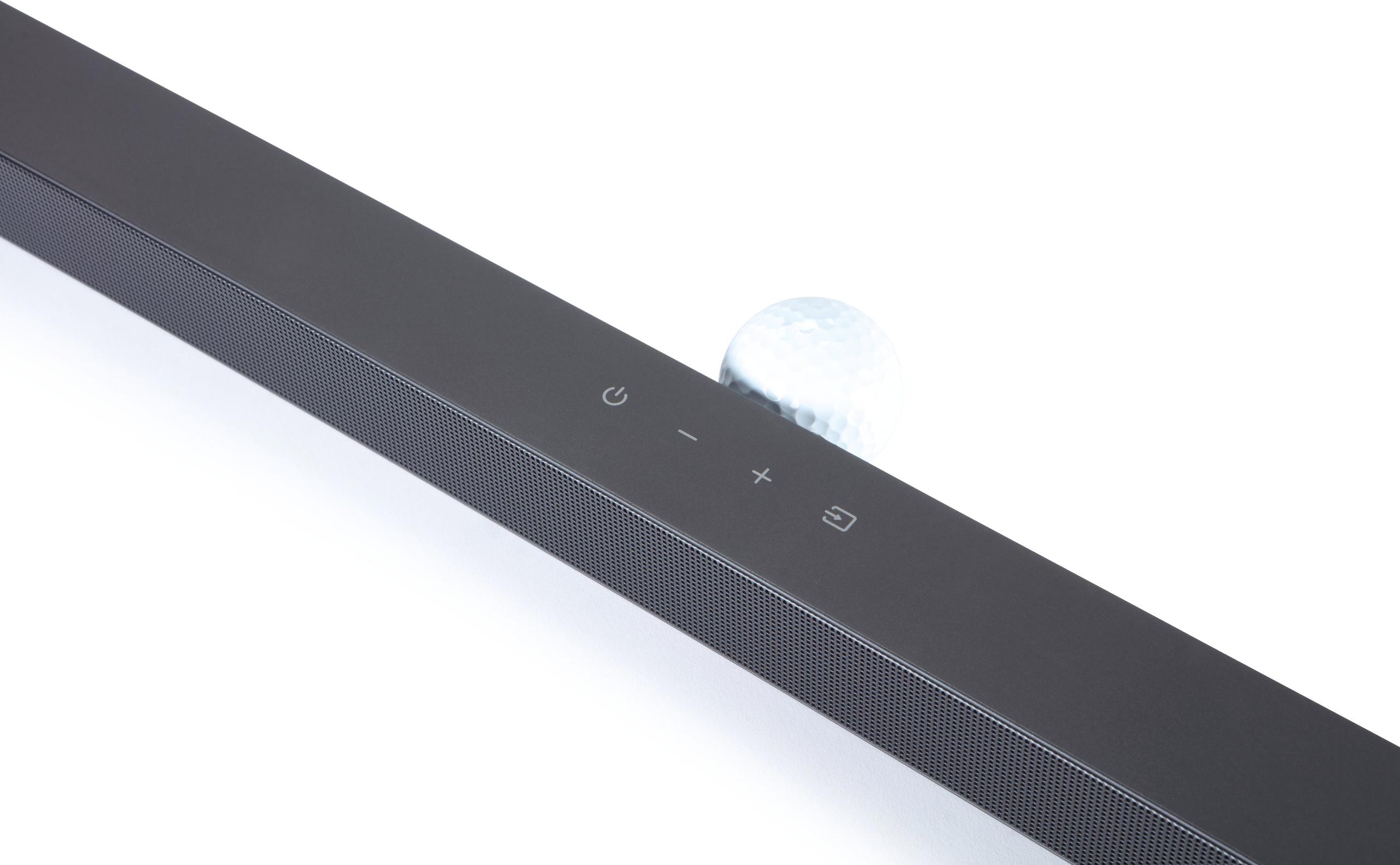
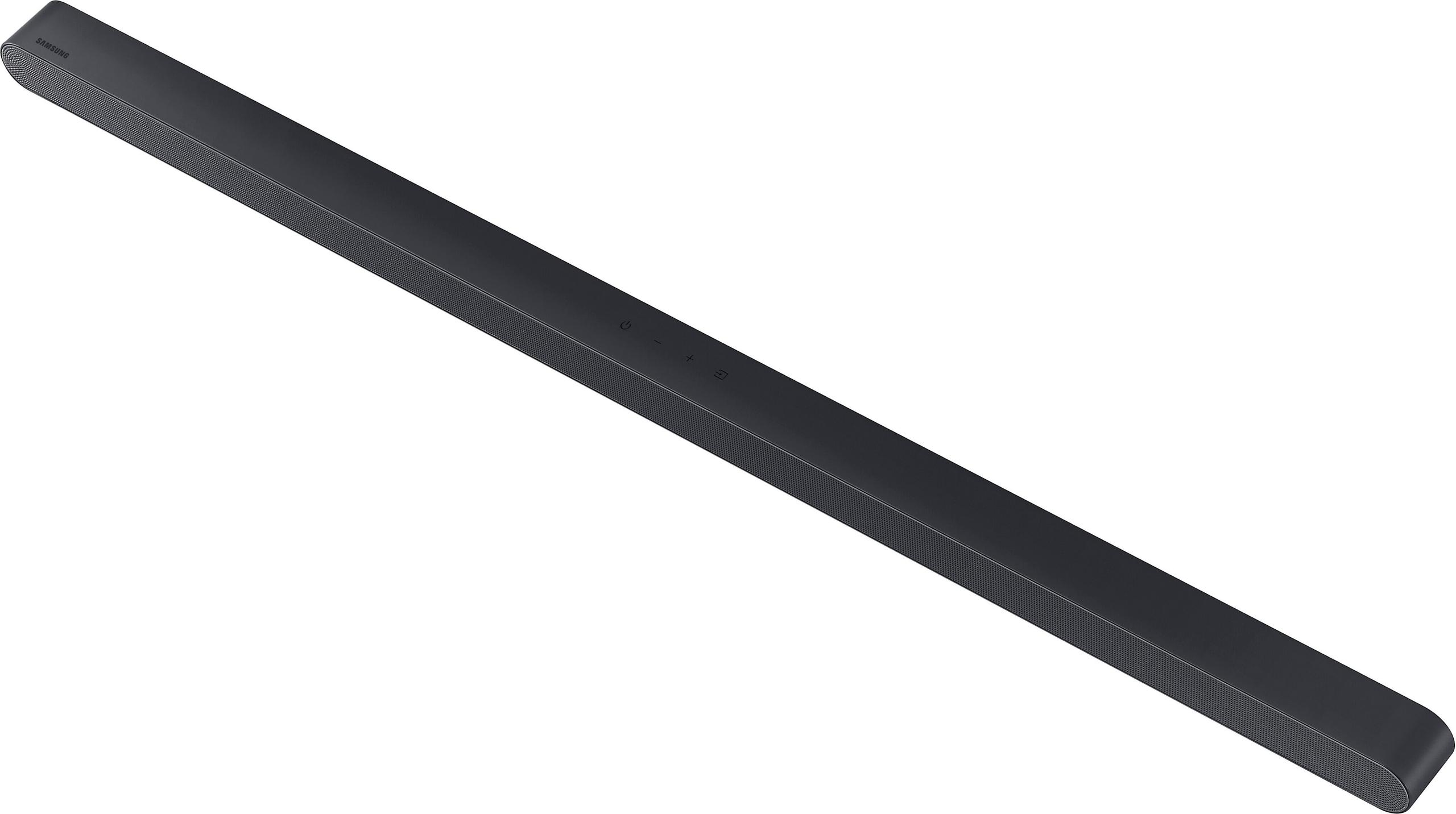
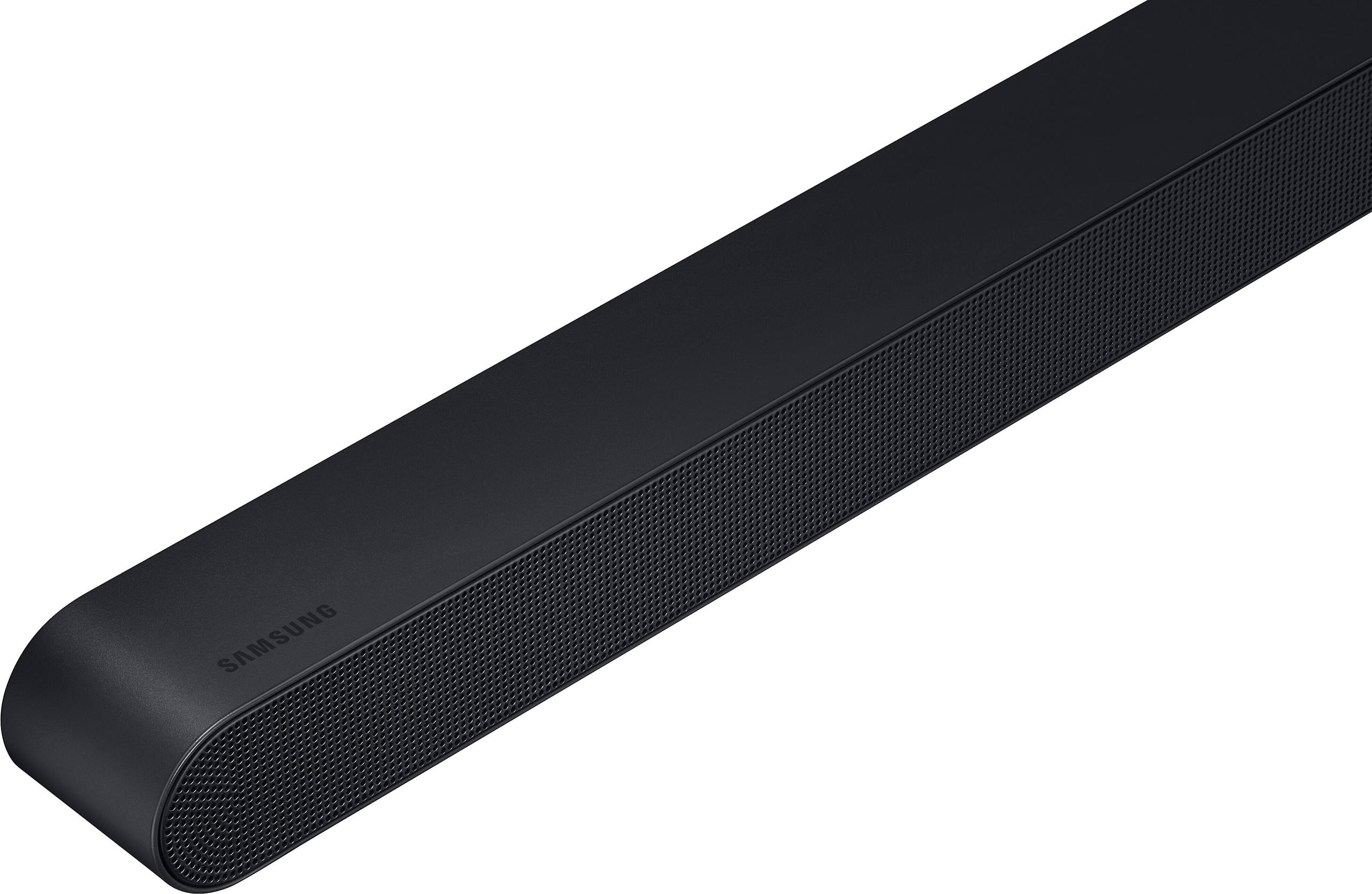
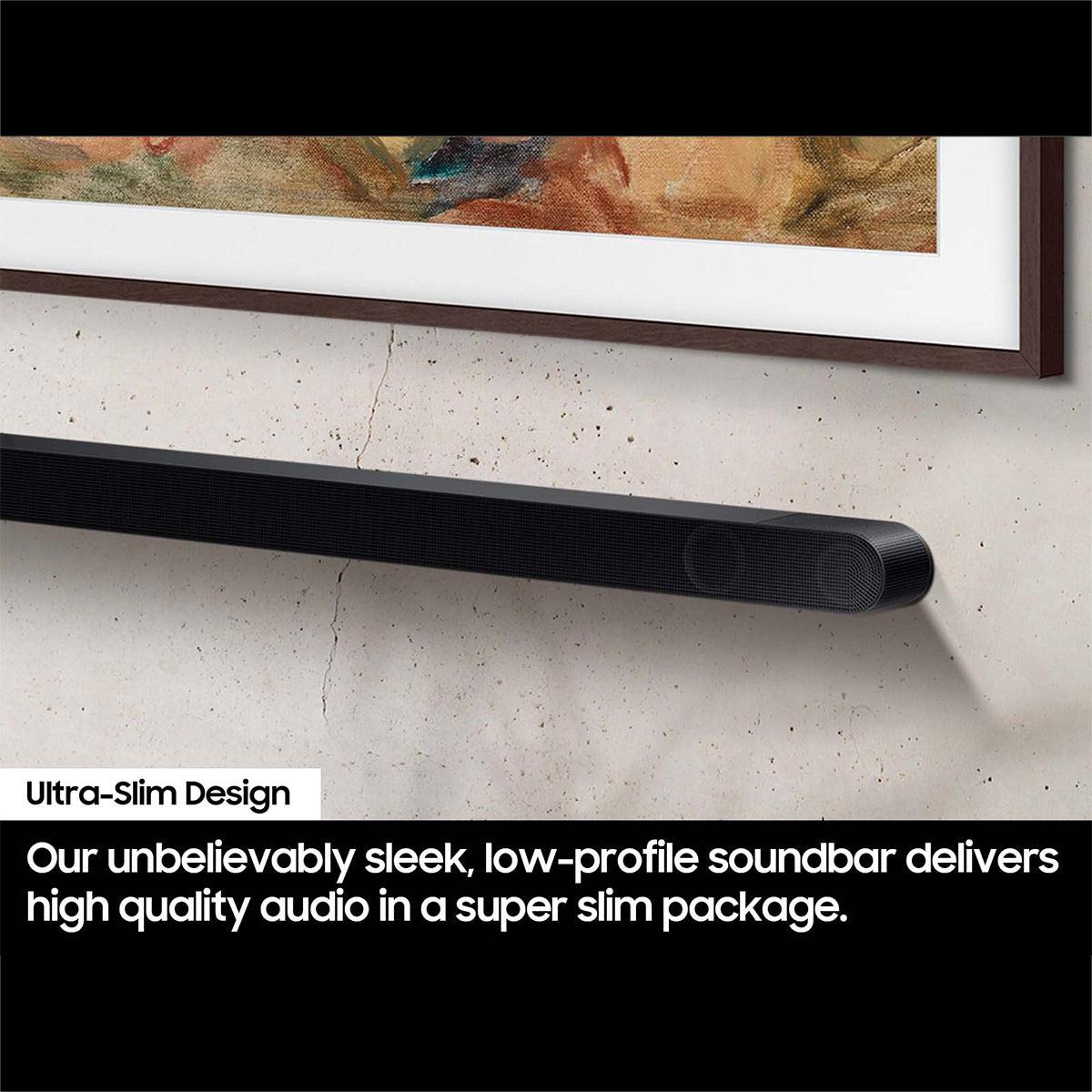
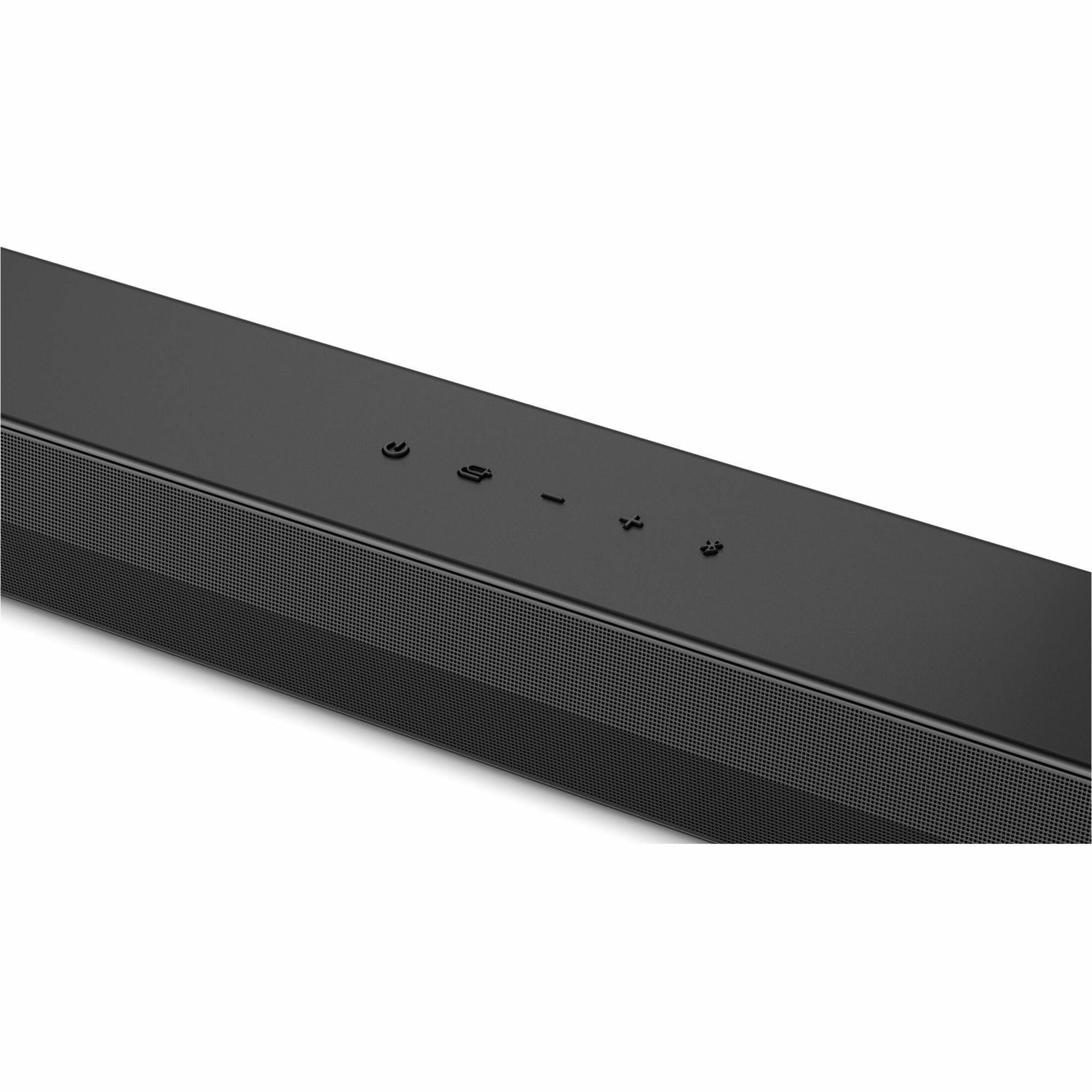
The Samsung HW-S700D feels like a premium product the moment you unbox it. The ultra-slim 2.1-inch height is genuinely impressive—it's thin enough to fit under most wall-mounted TVs without blocking the screen or looking awkward. The touch-sensitive controls on top provide a clean look, though I miss having a display that shows the current input or volume level.
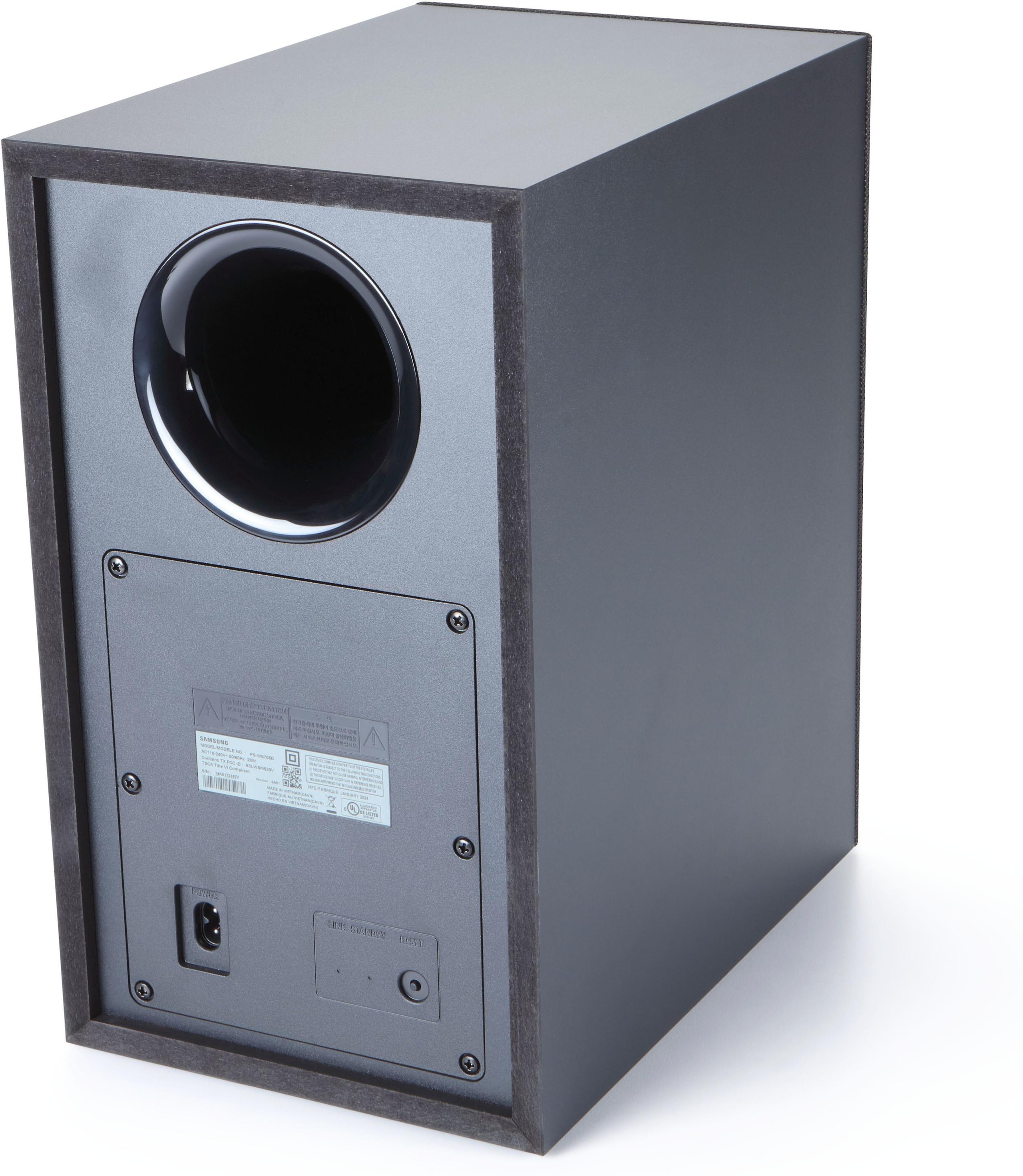
Instead, Samsung uses voice prompts to confirm your selections, which works but can be annoying in quiet environments or late at night. The included subwoofer is compact but well-built, with a 6-inch driver that delivers clean, controlled bass without the boomy quality that plagues some budget subs.
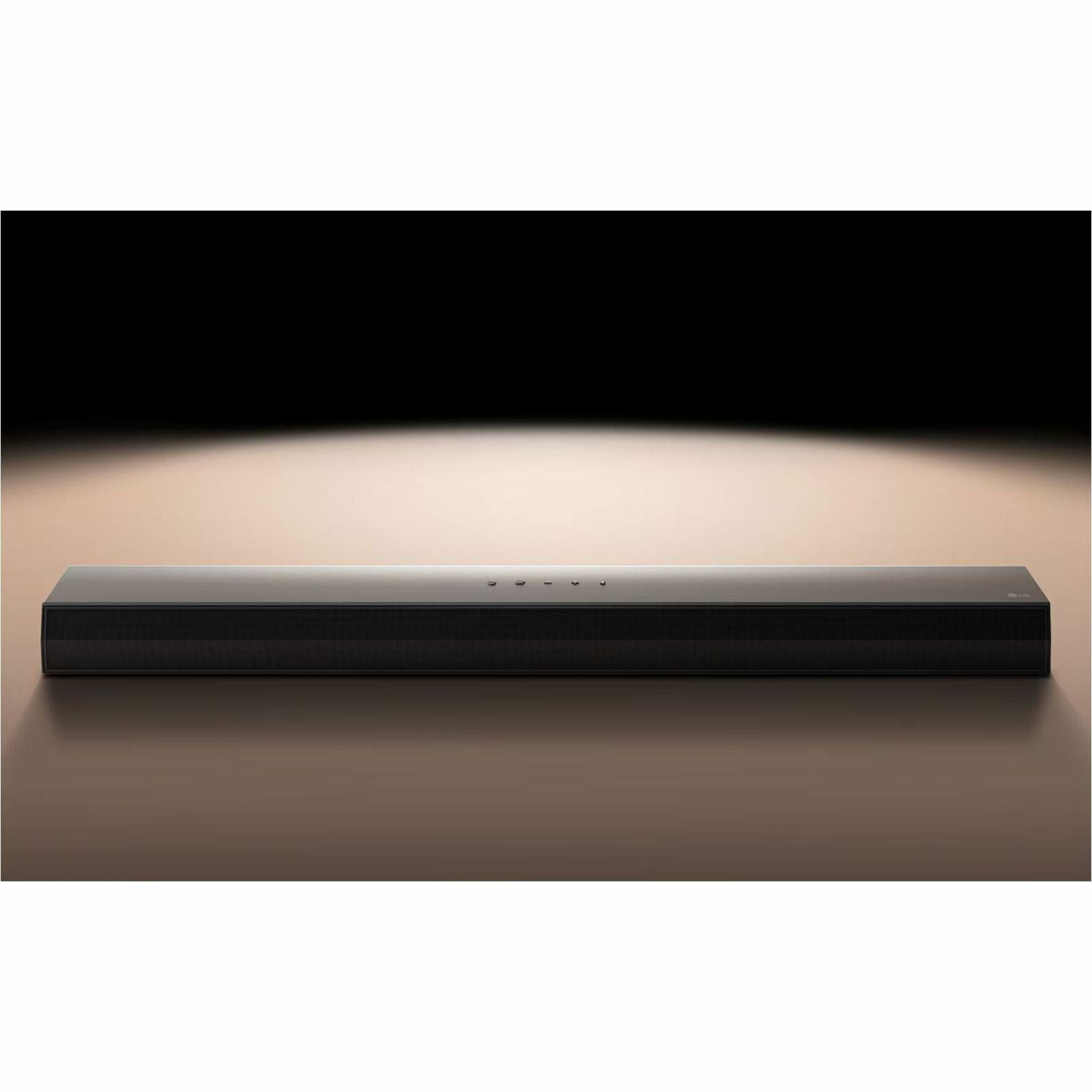
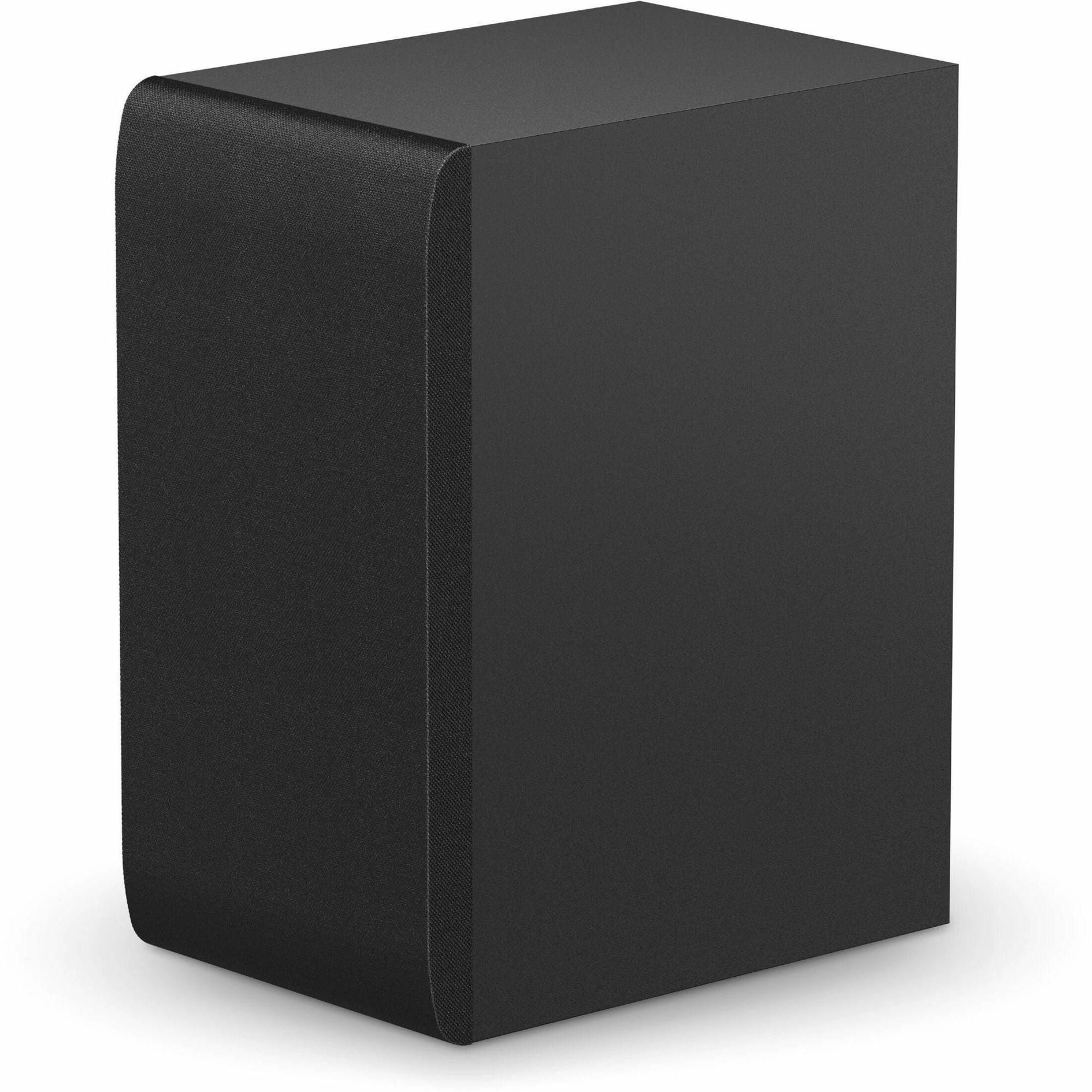
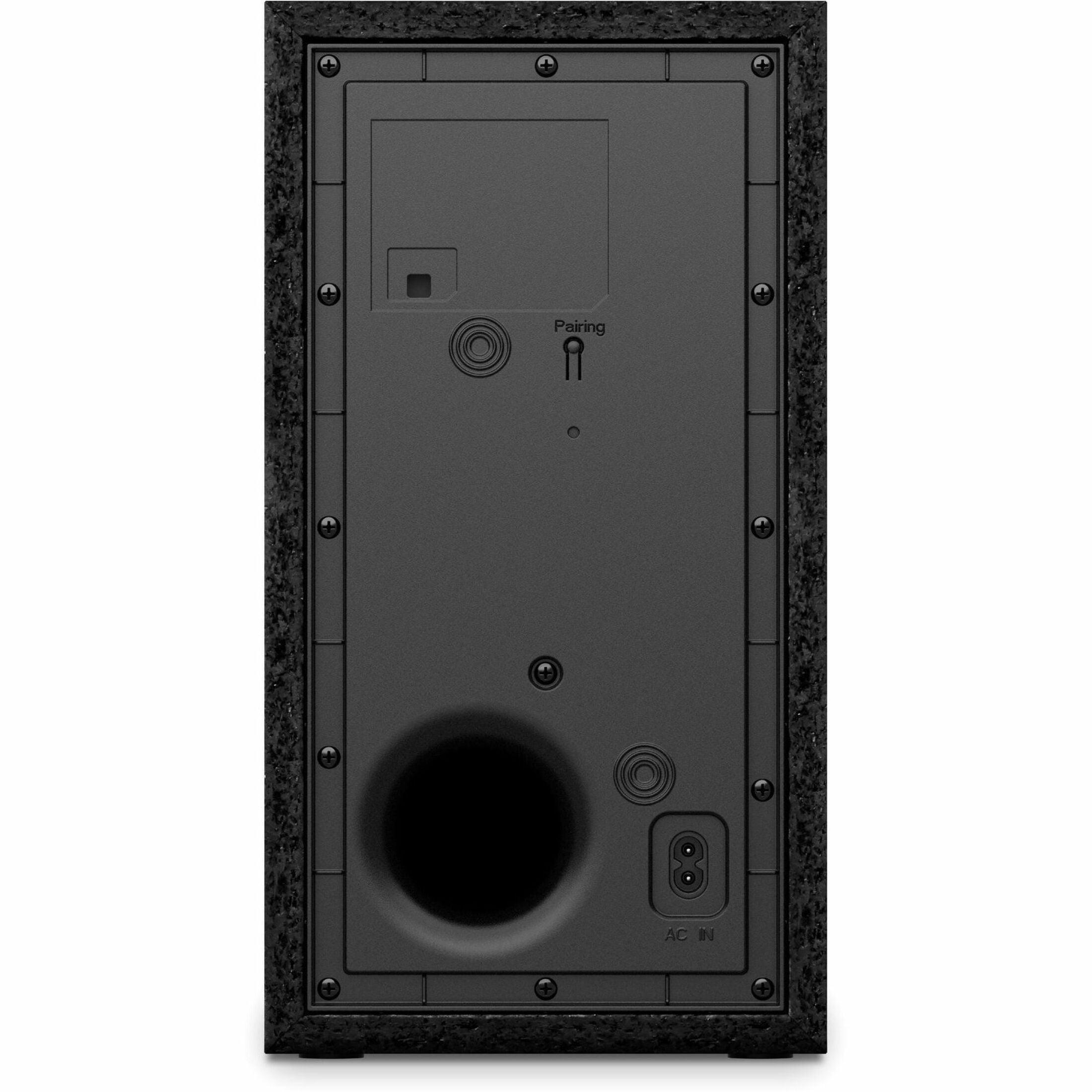
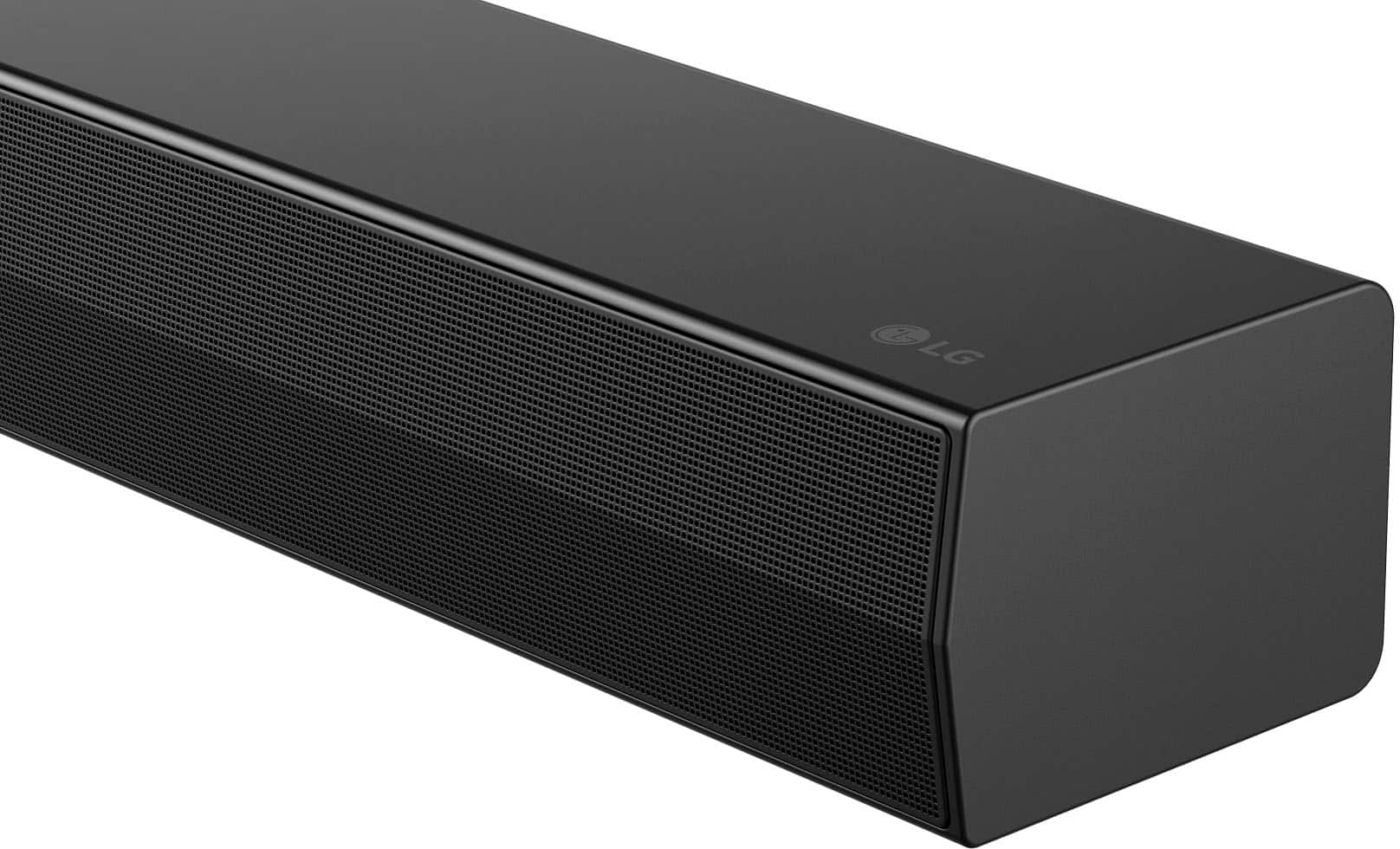
The LG S40T won't win any design awards, but it's solidly built for the price point. The main bar is compact enough for smaller entertainment centers, and the traditional button controls are straightforward and reliable. However, I've noticed that the subwoofer can be inconsistent—some units pair flawlessly with the main bar, while others have connectivity issues that require frequent re-pairing.
The bass output is adequate for the price but lacks the depth and control of more expensive systems. It's fine for casual TV watching but might leave you wanting more during action movies or music listening.
For serious movie watching, the Samsung's advantages become most apparent. I recently watched "Top Gun: Maverick" on both systems, and the difference was striking. The Samsung's Dolby Atmos processing made the jet engines scream overhead while keeping Tom Cruise's dialogue perfectly clear through the center channel. The LG handled the same content competently, but the experience felt flatter and less engaging.
The Samsung's Game Mode Pro also shines during gaming sessions. Playing "Call of Duty" with directional audio that helps locate enemies by sound gives you a genuine competitive advantage. The LG processes game audio fine, but without the spatial precision to make footsteps and gunshots feel truly directional.
For everyday TV watching—news, sitcoms, basic cable—both soundbars perform their primary job of making dialogue clearer than TV speakers. The LG S40T actually excels here, providing a clean, pleasant sound that's perfect for casual viewing without any complexity or features you don't need.
The Samsung might actually be overkill for basic TV content. All those advanced features don't add much value when you're watching the morning news or a cooking show.
Music reveals interesting differences between these systems. The Samsung's wider frequency response and more sophisticated processing create a more engaging listening experience for everything from jazz to rock. The wireless streaming options also make it convenient to use as a primary music speaker.
The LG S40T handles music adequately but lacks the dynamic range and detail retrieval of its more expensive competitor. It's fine for background music but won't satisfy serious music listeners.
If you're building a dedicated home theater space, the Samsung HW-S700D offers better expansion possibilities. It's compatible with Samsung's wireless rear speakers (sold separately) that can create a true surround sound experience. The Q-Symphony feature also means Samsung TV owners get additional value through integrated speaker coordination.
The Samsung's 2024 release date also provides better future-proofing. As more content adopts Dolby Atmos and other advanced audio formats, you'll be ready to take advantage of them. The LG S40T's older audio processing might struggle with future format developments.
For smaller spaces or secondary rooms, the LG's simplicity and lower cost might actually be advantages. It provides a meaningful upgrade over TV speakers without the complexity or expense of premium features you might not use.
Your budget allows for the $377-$499 investment and you prioritize audio quality. The premium is justified if you regularly watch movies, play video games, or listen to music through your TV system. Samsung TV owners get additional value through Q-Symphony integration, and the room calibration feature works best in medium to large living spaces.
The Samsung also makes sense if you're building a long-term home theater setup. The advanced processing, expansion options, and future-format support mean this soundbar will remain relevant as your needs evolve.
Budget is your primary concern and you need a straightforward upgrade over TV speakers. At $137-$156, the LG S40T delivers meaningful improvement for casual TV watching without unnecessary complexity. It's ideal for smaller rooms, secondary TVs, or situations where simplicity trumps advanced features.
The LG also works well as a "test drive" for the soundbar category. If you're not sure whether a soundbar is worth the investment, starting with the LG provides a low-risk way to experience the benefits before potentially upgrading later.
After extensive testing with both systems, I keep coming back to this simple truth: the Samsung HW-S700D is objectively the better soundbar, but the LG S40T might be the better choice for many people.
The Samsung's superior technology, build quality, and features justify its higher price if you'll actually use them. Dolby Atmos creates genuinely impressive immersion for movies and games, the center channel makes dialogue dramatically clearer, and the smart features provide convenience that becomes habit-forming once you experience it.
But the LG S40T accomplishes its primary mission—making TV audio significantly better than built-in speakers—at a fraction of the cost. For casual viewers who just want clearer dialogue and don't need the latest audio processing, it represents excellent value.
Your decision ultimately comes down to how you use your TV and what audio quality means to you. If your entertainment system is central to your daily life and you consume demanding content like movies and games, the Samsung's premium is worth paying. If you mainly watch basic TV content and want a simple upgrade, the LG delivers exactly what you need without paying for features you won't use.
Both soundbars succeed at their intended missions. The Samsung pushes the boundaries of what's possible in a slim soundbar form factor, while the LG proves that meaningful audio improvement doesn't require a premium investment. Choose based on your priorities, and either way, you'll be much happier than listening to those terrible TV speakers.
| Samsung HW-S700D | LG S40T |
|---|---|
| Price - Significant budget difference affects value proposition | |
| $377-$499 | $137-$156 |
| Audio Channels - More channels = better dialogue clarity and spatial separation | |
| 3.1 (dedicated center channel for clear dialogue) | 2.1 (virtual center channel through stereo speakers) |
| Dolby Atmos Support - Creates 3D overhead sound effects for immersive movies/gaming | |
| Yes (wireless Dolby Atmos with compatible Samsung TVs) | No (limited to basic Dolby Digital) |
| Room Calibration - Automatically optimizes sound for your specific space | |
| SpaceFit Sound Pro (AI-powered room analysis) | AI Sound Pro (basic content-based EQ only) |
| Release Date - Newer models typically offer better processing and future-proofing | |
| 2024 (latest audio processing technology) | 2022 (proven but older tech) |
| Smart Features - Convenience for music streaming and voice control | |
| Spotify Connect, AirPlay 2, Chromecast, Alexa/Google Assistant | Bluetooth 5.3 only (no Wi-Fi or voice assistants) |
| TV Integration - Enhanced experience with matching brand TVs | |
| Q-Symphony (syncs with Samsung TV speakers for wider soundstage) | Standard HDMI ARC connectivity only |
| Design Profile - Important for wall-mounted TV setups | |
| Ultra-slim 2.1" height (fits under most wall-mounted TVs) | Standard compact design (3.4" height) |
| Subwoofer Quality - Critical for bass performance and reliability | |
| 6" wireless subwoofer with reliable pairing | Wireless subwoofer with reported connectivity issues |
| Gaming Features - Optimized audio for competitive and immersive gaming | |
| Game Mode Pro with directional audio optimization | Basic audio processing (no gaming-specific features) |
| Best For - Target user based on needs and budget | |
| Home theater enthusiasts, Samsung TV owners, gamers seeking immersive audio | Budget-conscious users wanting basic TV audio upgrade |
The Samsung HW-S700D at $377-$499 offers superior audio quality with Dolby Atmos and a dedicated center channel, making it better value for serious movie watchers and gamers. The LG S40T at $137-$156 provides excellent value for budget-conscious buyers who just want clearer TV dialogue without premium features.
The Samsung HW-S700D has 3.1 channels, including a dedicated center speaker that makes dialogue much clearer during movies and TV shows. The LG S40T uses 2.1 channels, creating a "phantom center" through left and right speakers, which works but isn't as precise for voice clarity.
Only the Samsung HW-S700D supports Dolby Atmos, which creates 3D overhead sound effects for a more immersive movie and gaming experience. The LG S40T is limited to basic Dolby Digital processing without the height dimension that makes modern soundtracks more engaging.
The Samsung HW-S700D is significantly better for home theater use, offering Dolby Atmos, room calibration technology, and compatibility with wireless rear speakers for full surround sound. The LG S40T works fine for casual TV watching but lacks the immersive features serious movie fans expect.
The Samsung HW-S700D offers multiple streaming options including Spotify Connect, AirPlay 2, and Chromecast built-in for direct music streaming. The LG S40T only supports Bluetooth connectivity, so you'll need to stream through your phone or TV rather than directly from music services.
The Samsung HW-S700D has built-in support for Alexa and Google Assistant, allowing voice control of volume and settings. The LG S40T doesn't include voice assistant integration, relying on traditional remote control or physical buttons for operation.
The Samsung HW-S700D excels for gaming with its Game Mode Pro feature that optimizes directional audio, helping you locate enemies by sound. The LG S40T provides basic audio improvement over TV speakers but lacks gaming-specific enhancements or spatial audio processing.
Both soundbars are relatively easy to set up, but the LG S40T is simpler with just HDMI ARC and Bluetooth connections. The Samsung HW-S700D has more initial setup steps for Wi-Fi, room calibration, and voice assistants, but offers automated optimization once configured.
Both soundbars work with any TV that has HDMI ARC or optical connections. However, the Samsung HW-S700D offers special Q-Symphony features when paired with Samsung TVs, while the LG S40T provides standard functionality regardless of TV brand.
The LG S40T might be better for small spaces due to its lower cost and simpler feature set that won't be overwhelming. The Samsung HW-S700D works well in small rooms too, but its advanced features and room calibration provide more benefit in larger spaces.
The Samsung HW-S700D generally has reliable wireless subwoofer connectivity with few user complaints about pairing issues. The LG S40T has more reported problems with subwoofer connectivity, with some users experiencing frequent re-pairing requirements and inconsistent bass performance.
If budget allows, the Samsung HW-S700D provides a more complete audio upgrade with room calibration and advanced features that work automatically. For first-time buyers on a tight budget, the LG S40T offers a risk-free way to experience significantly better TV audio before potentially upgrading later.
We've done our best to create useful and informative comparisons to help you decide what product to buy. Our research uses advanced automated methods to create this comparison and perfection is not possible - please contact us for corrections or questions. These are the sites we've researched in the creation of this article: crutchfield.com - samsung.com - bestbuy.com - avsforum.com - walts.com - samsung.com - samsung.com - videoandaudiocenter.com - samsung.com - samsung.com - samsung.com - pcrichard.com - bestbuy.com - bestbuy.com - rtings.com - pcrichard.com - lg.com - lg.com - lg.com - lg.com - microcenter.com - flanners.com - bestbuy.com - microcenter.com

Privacy Policy
Terms and Conditions - Affiliate Policy
Home Security
© Copyright 2008-2026.
11816 Inwood Rd #1211, Dallas, TX 75244